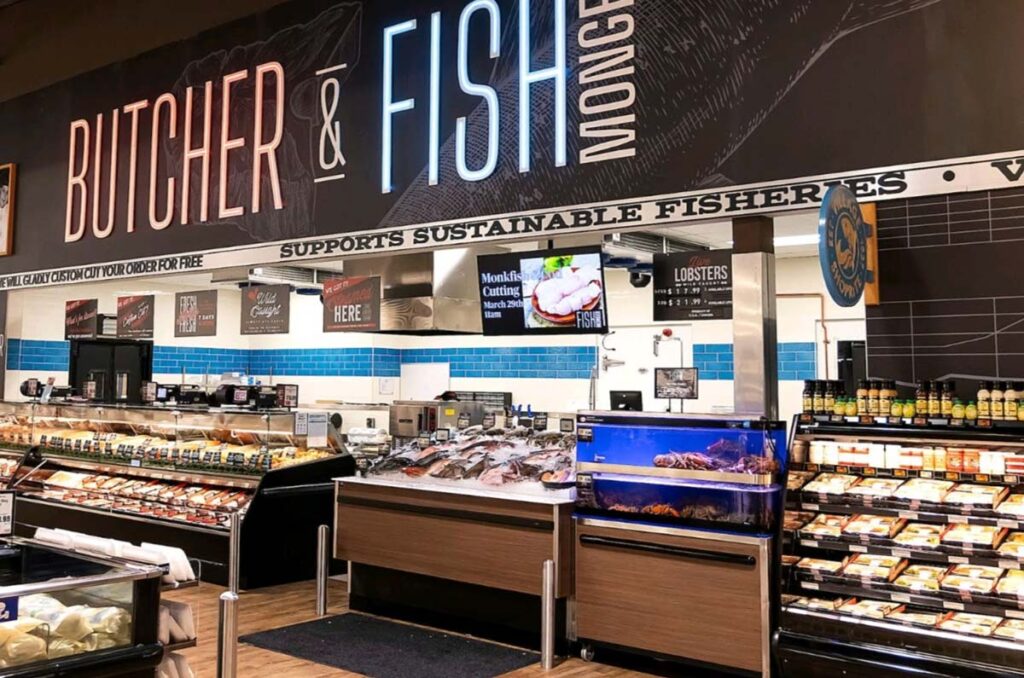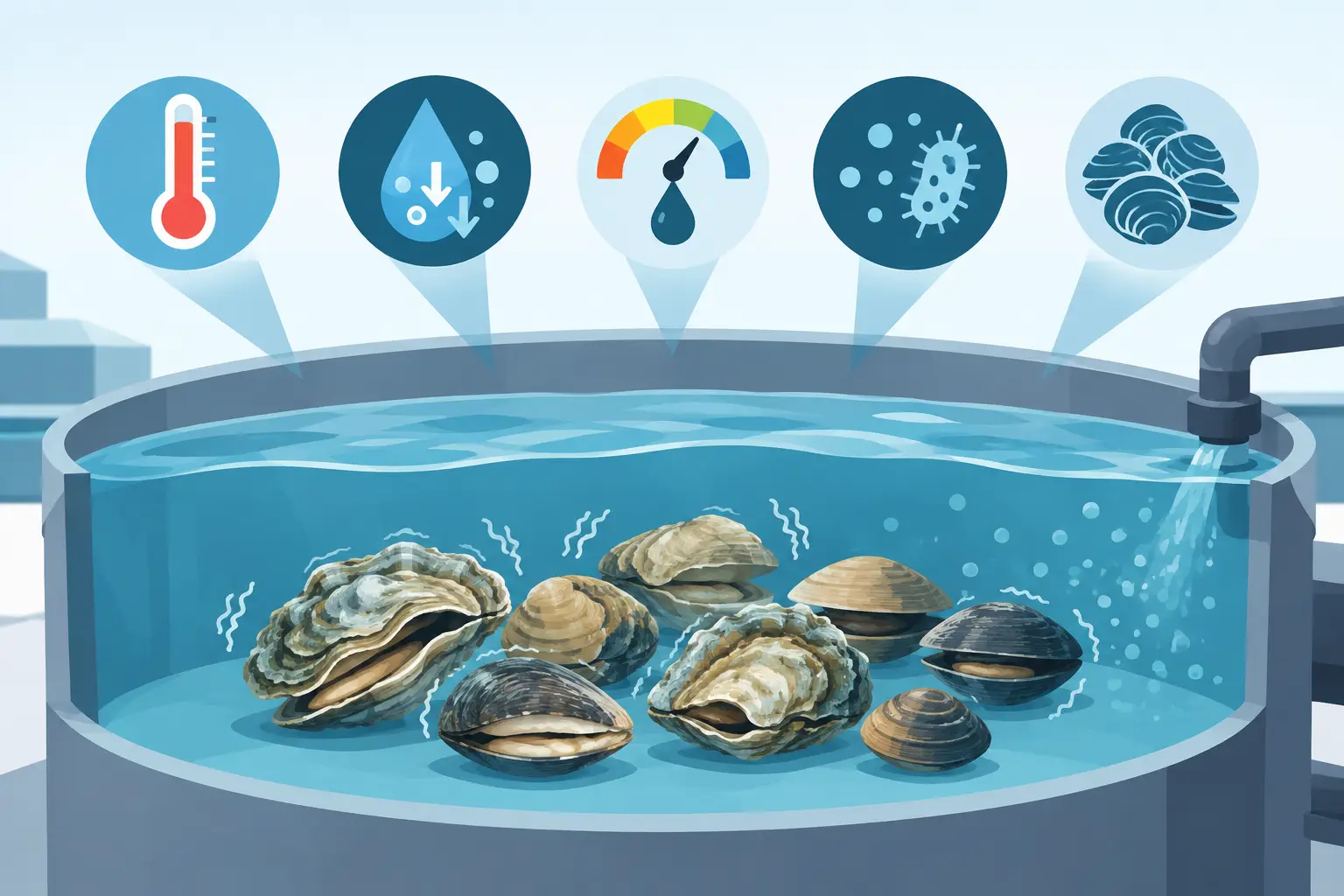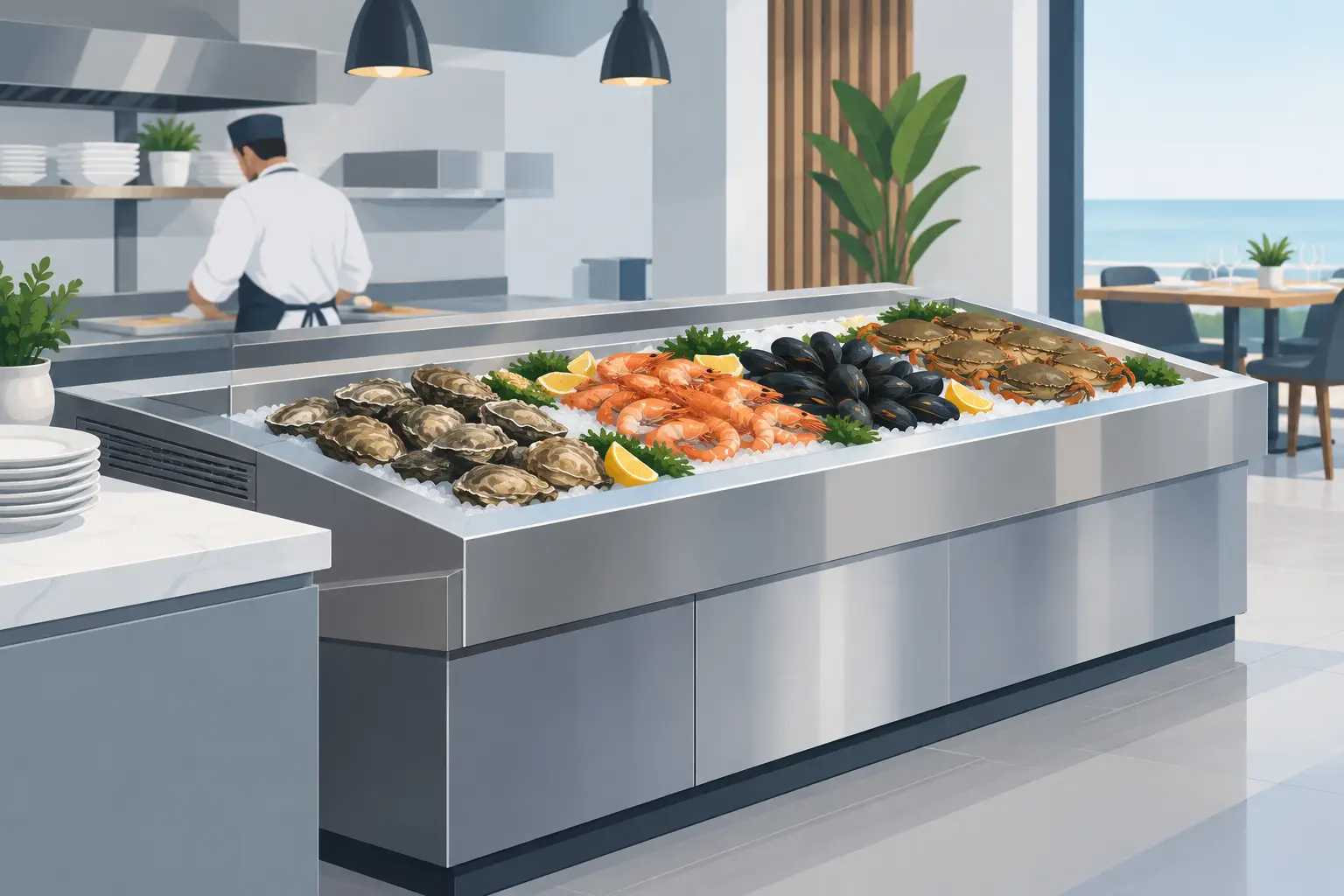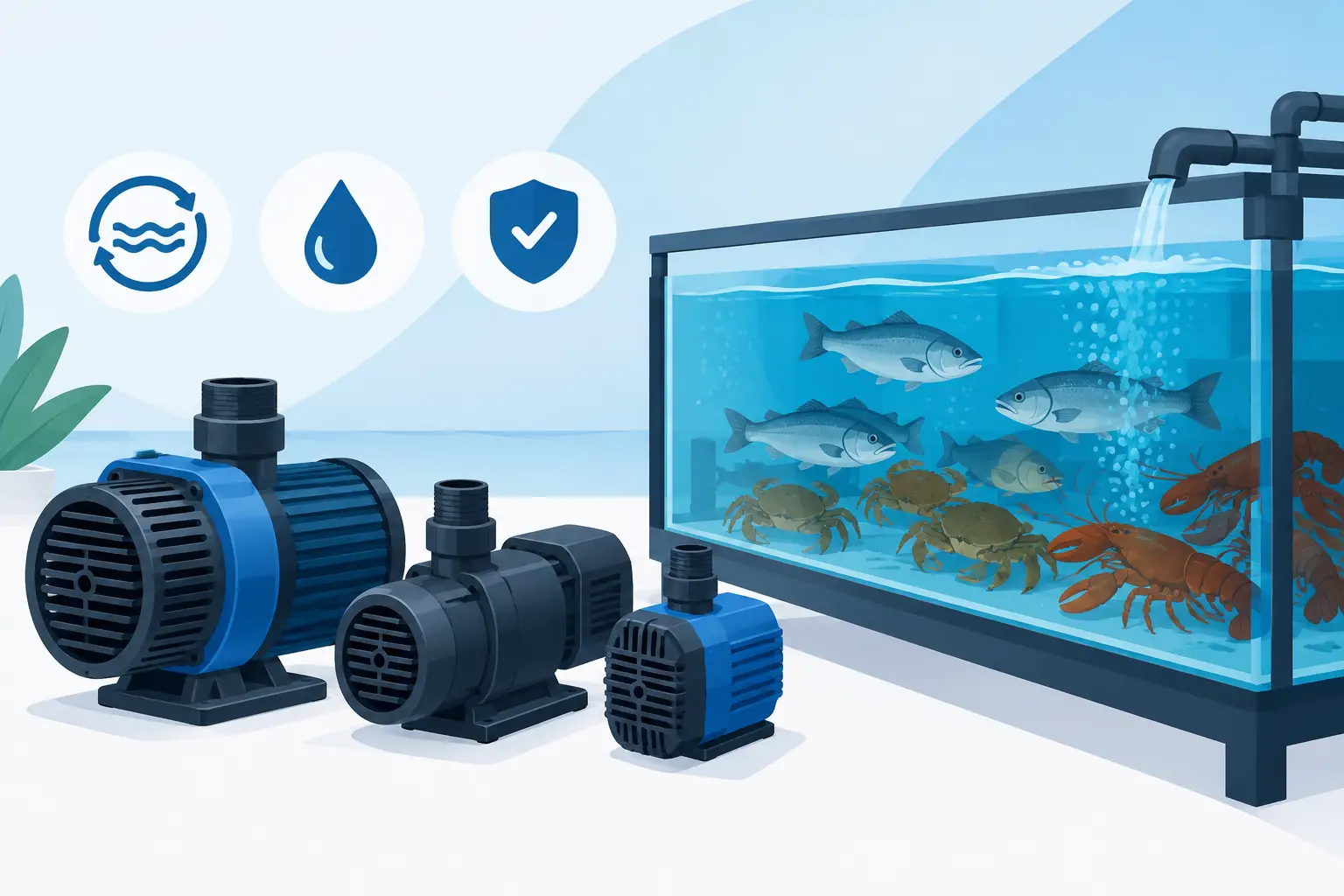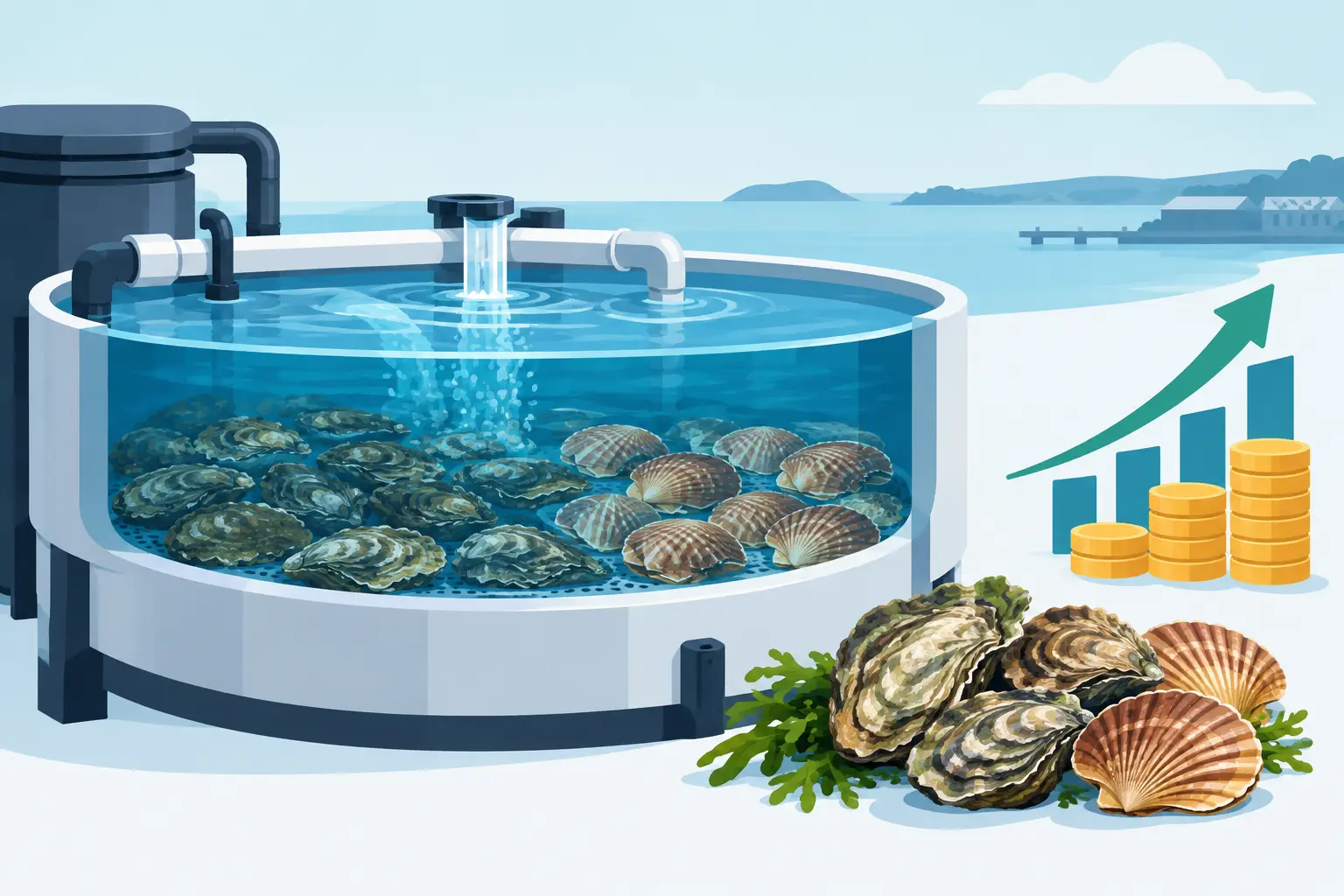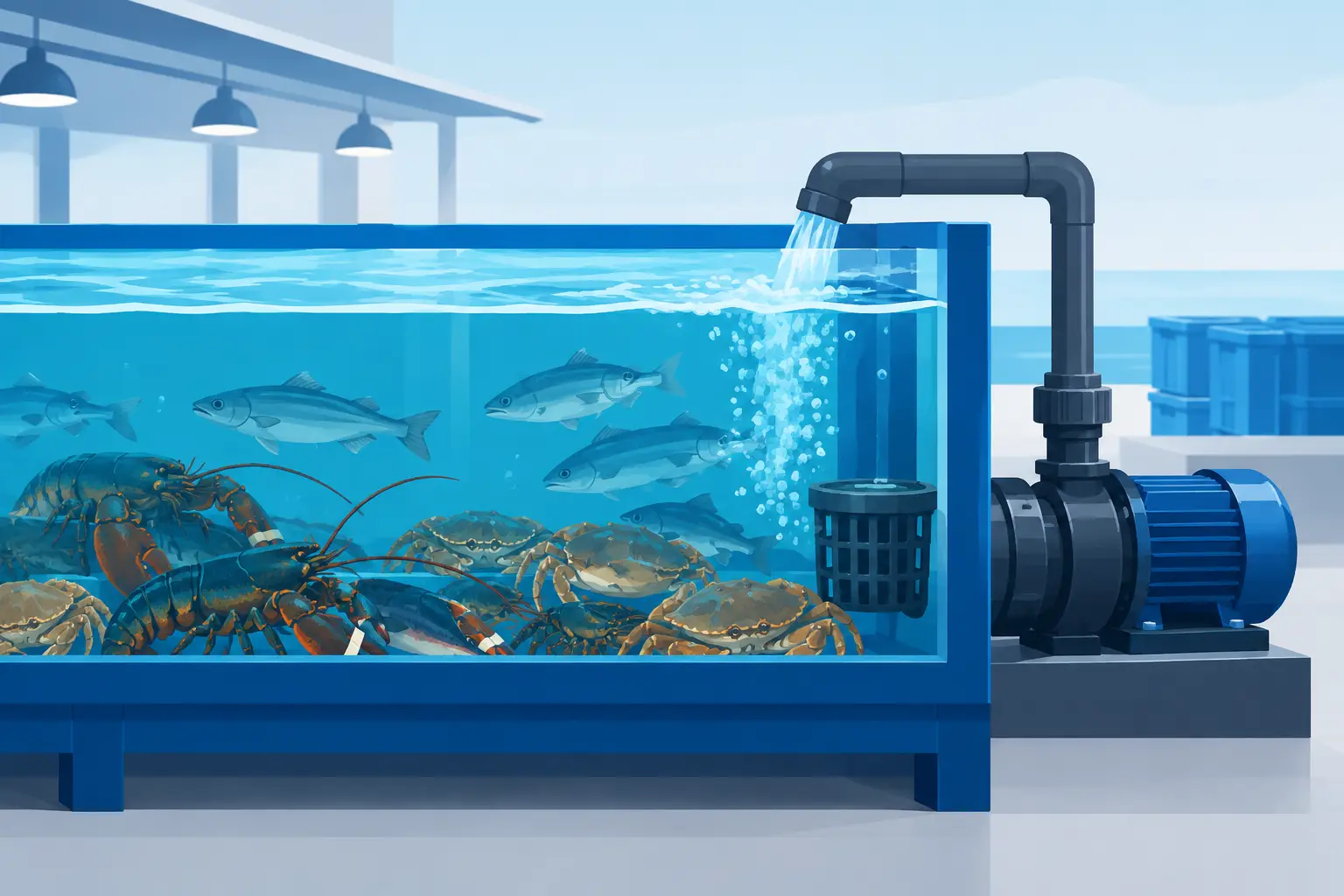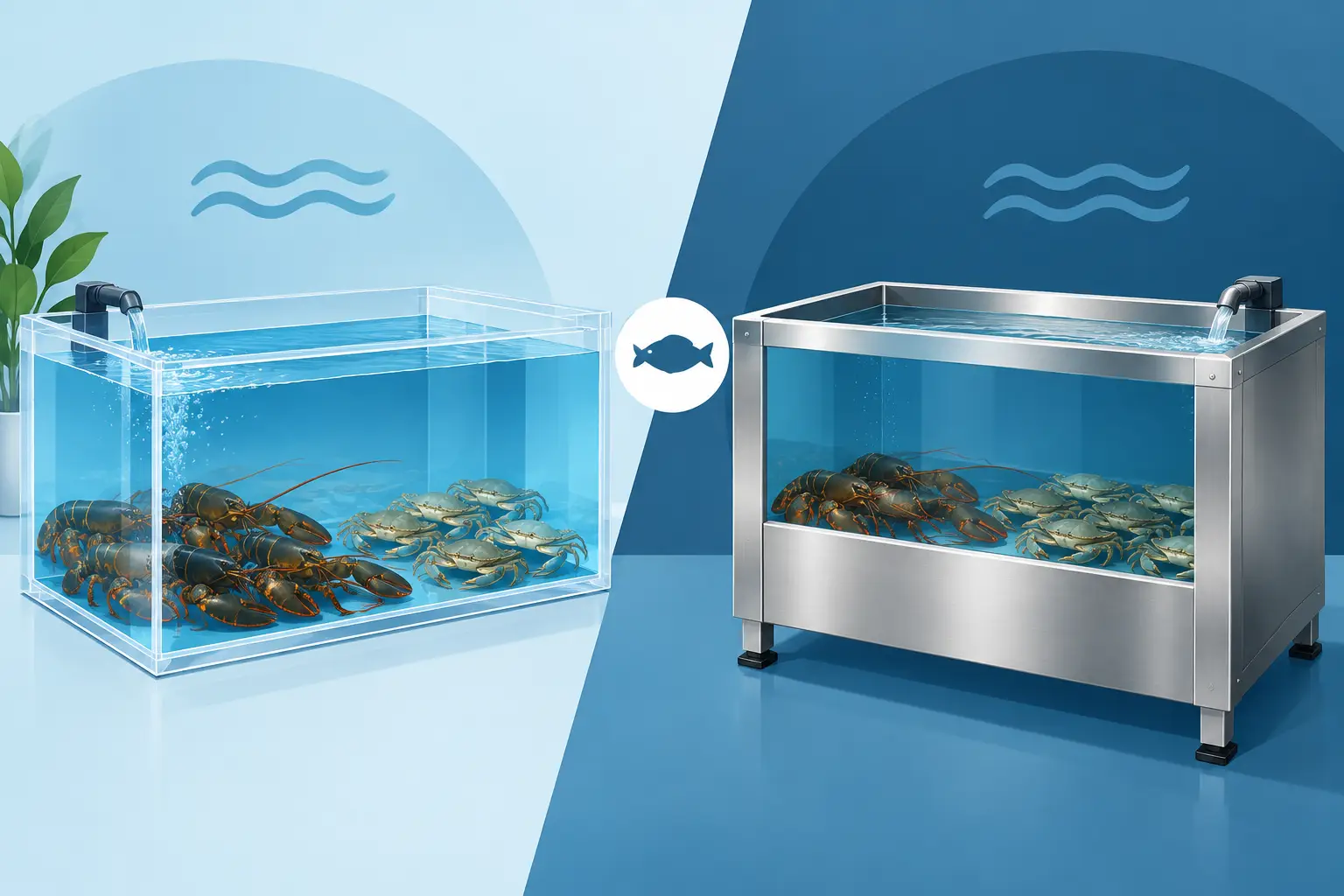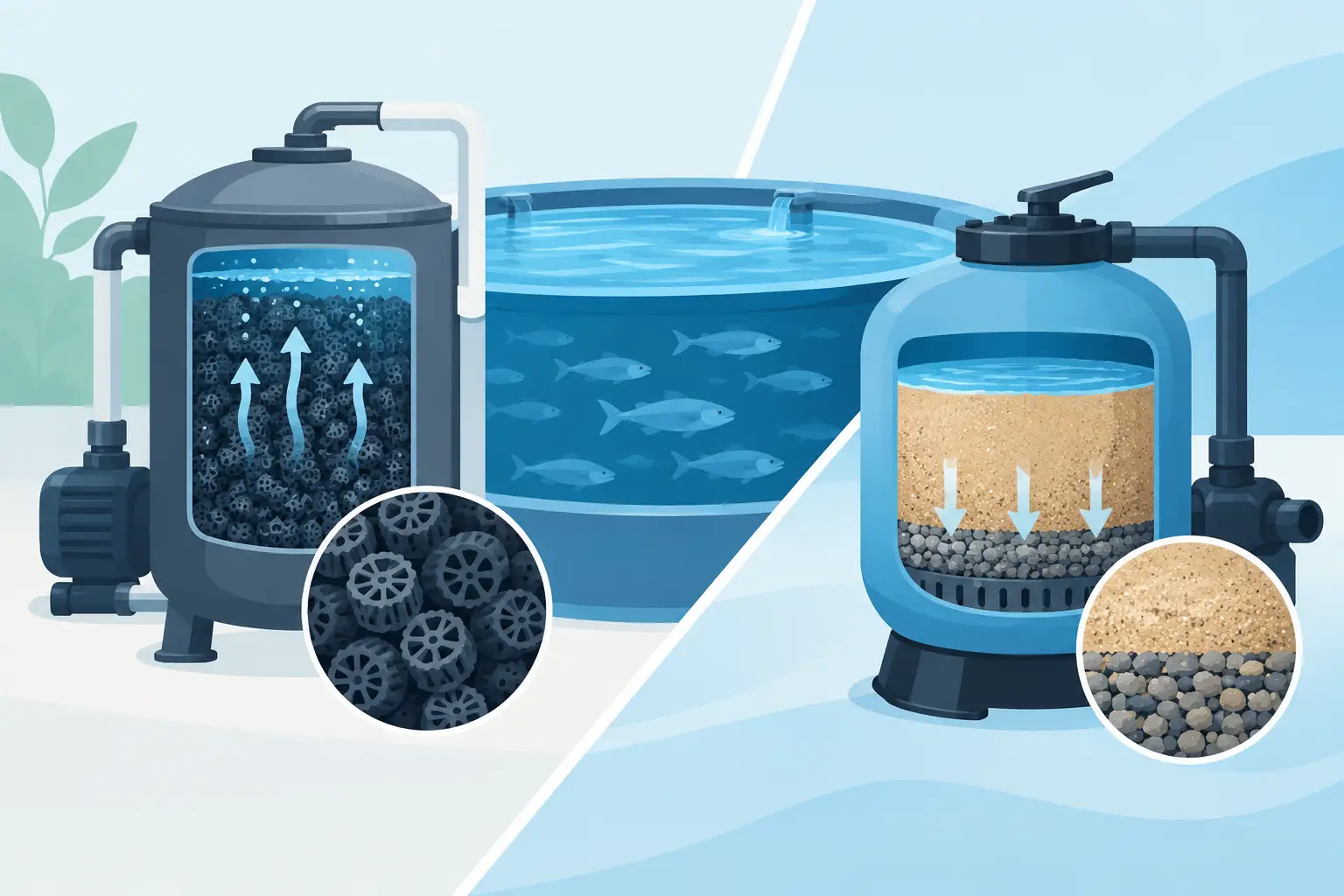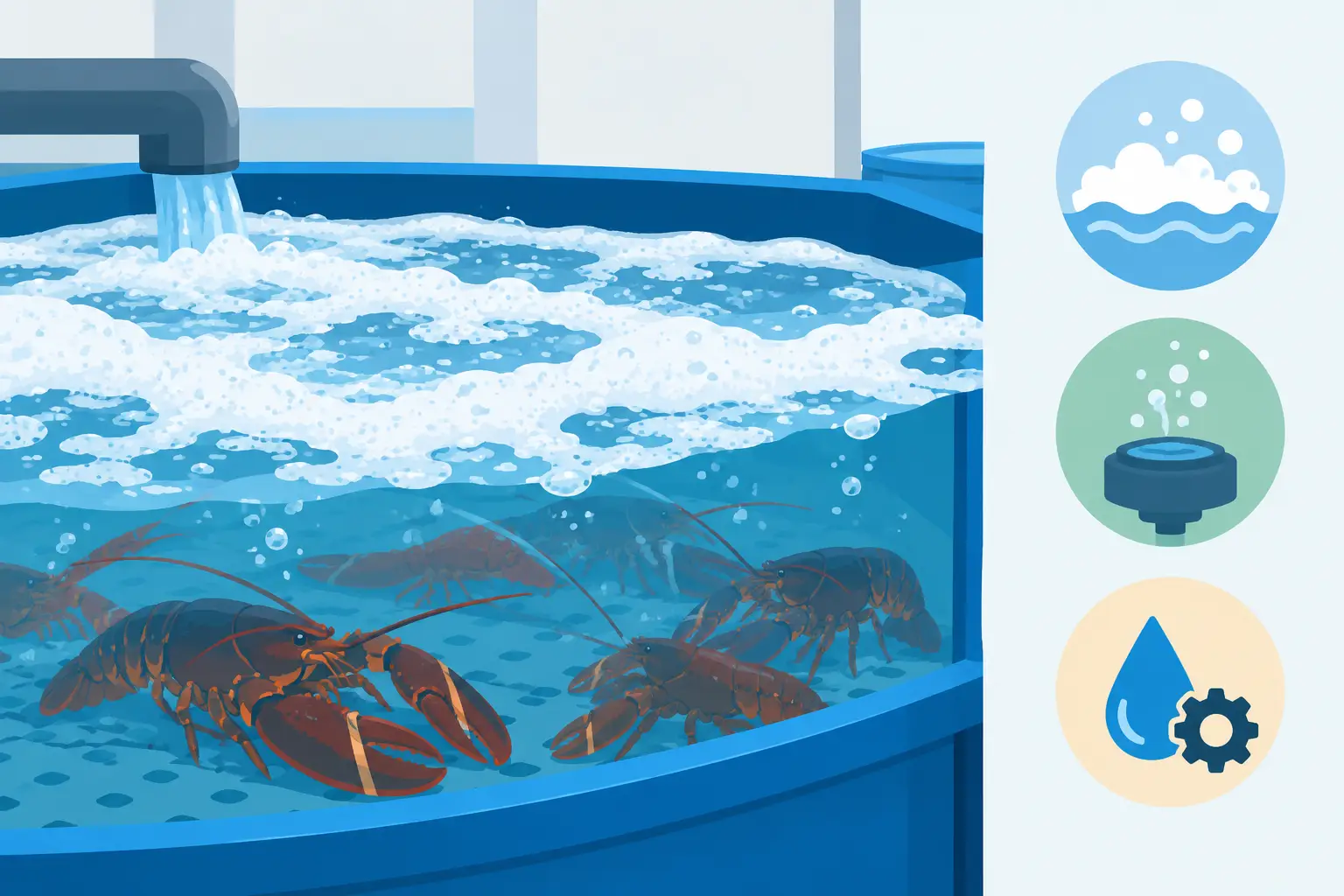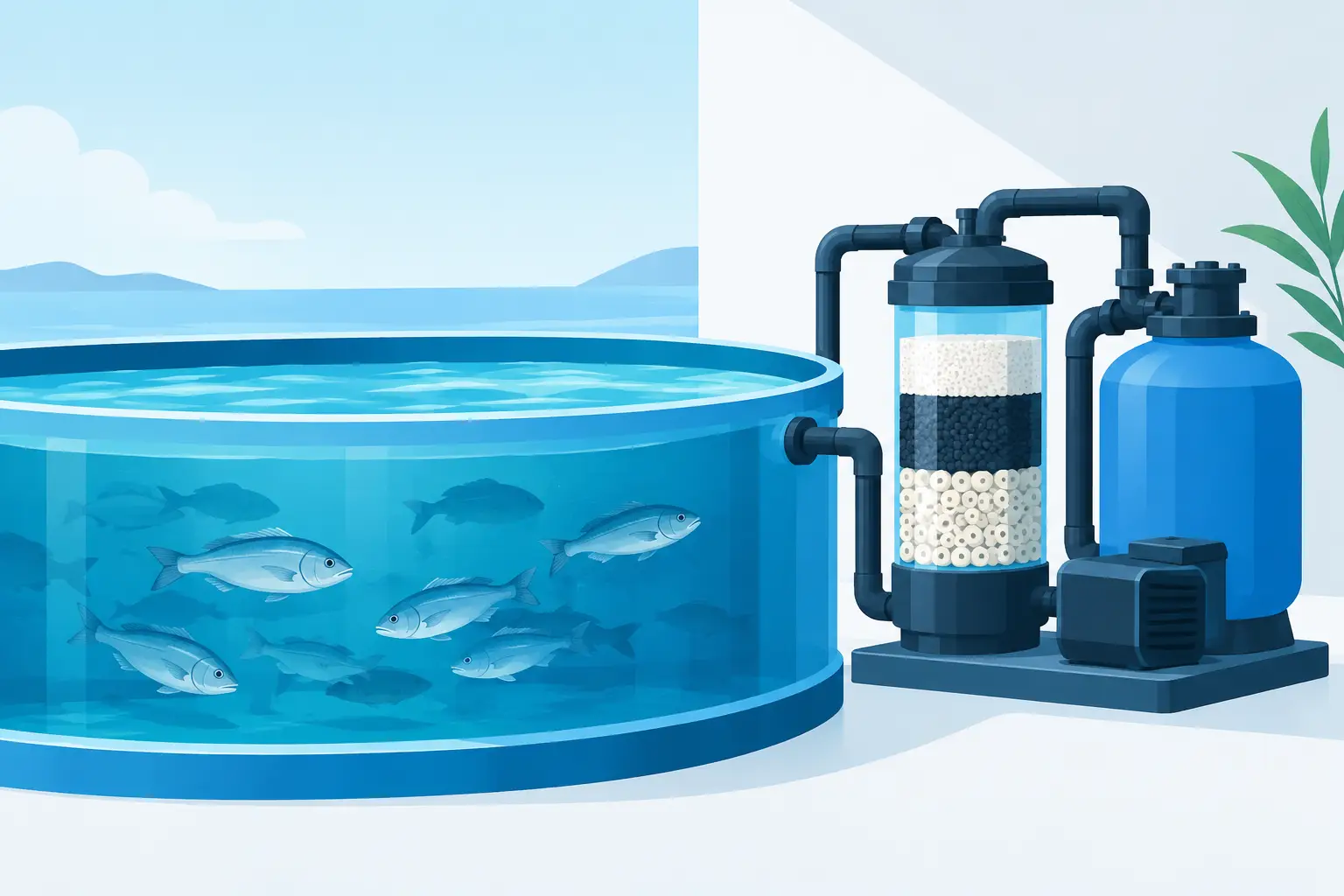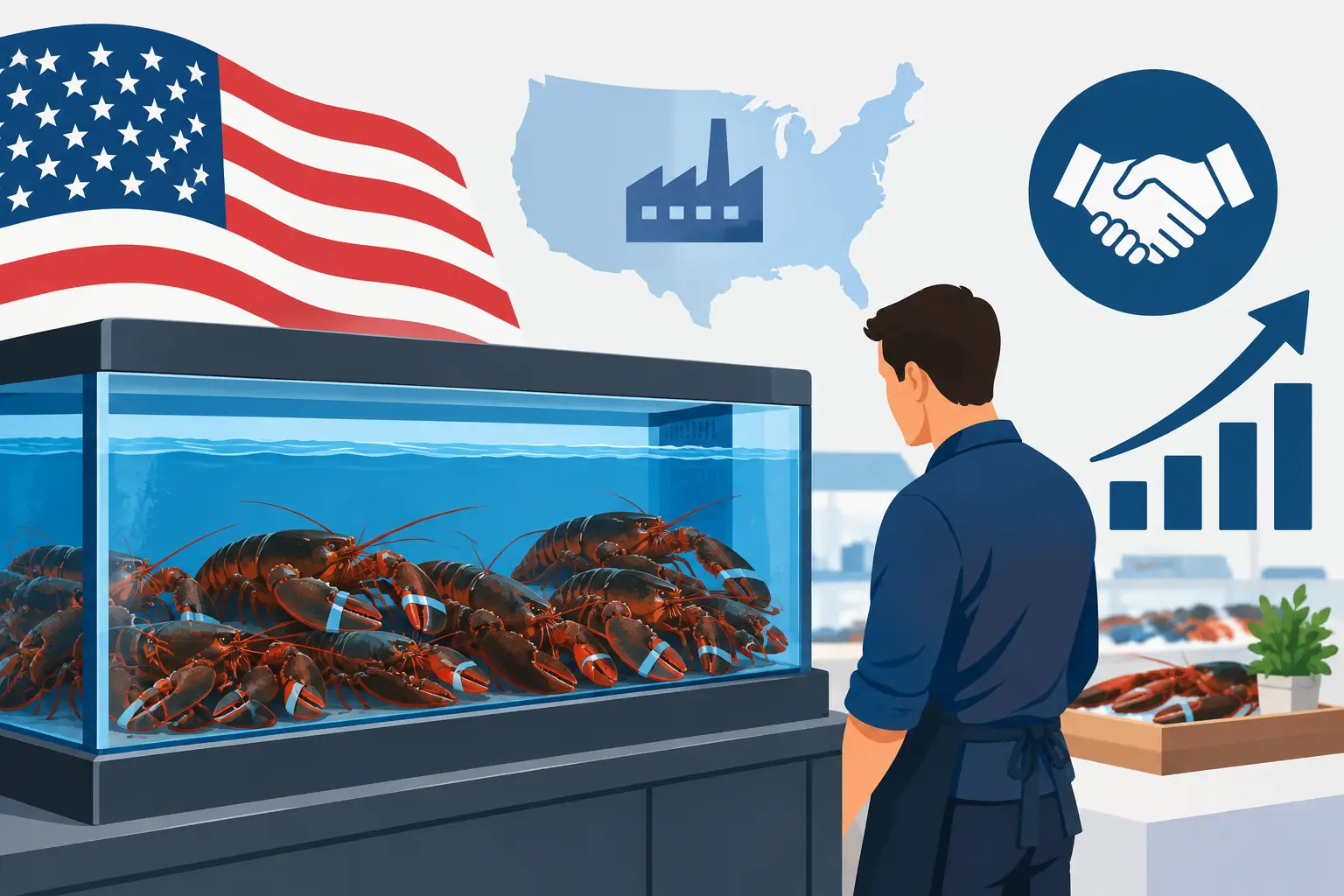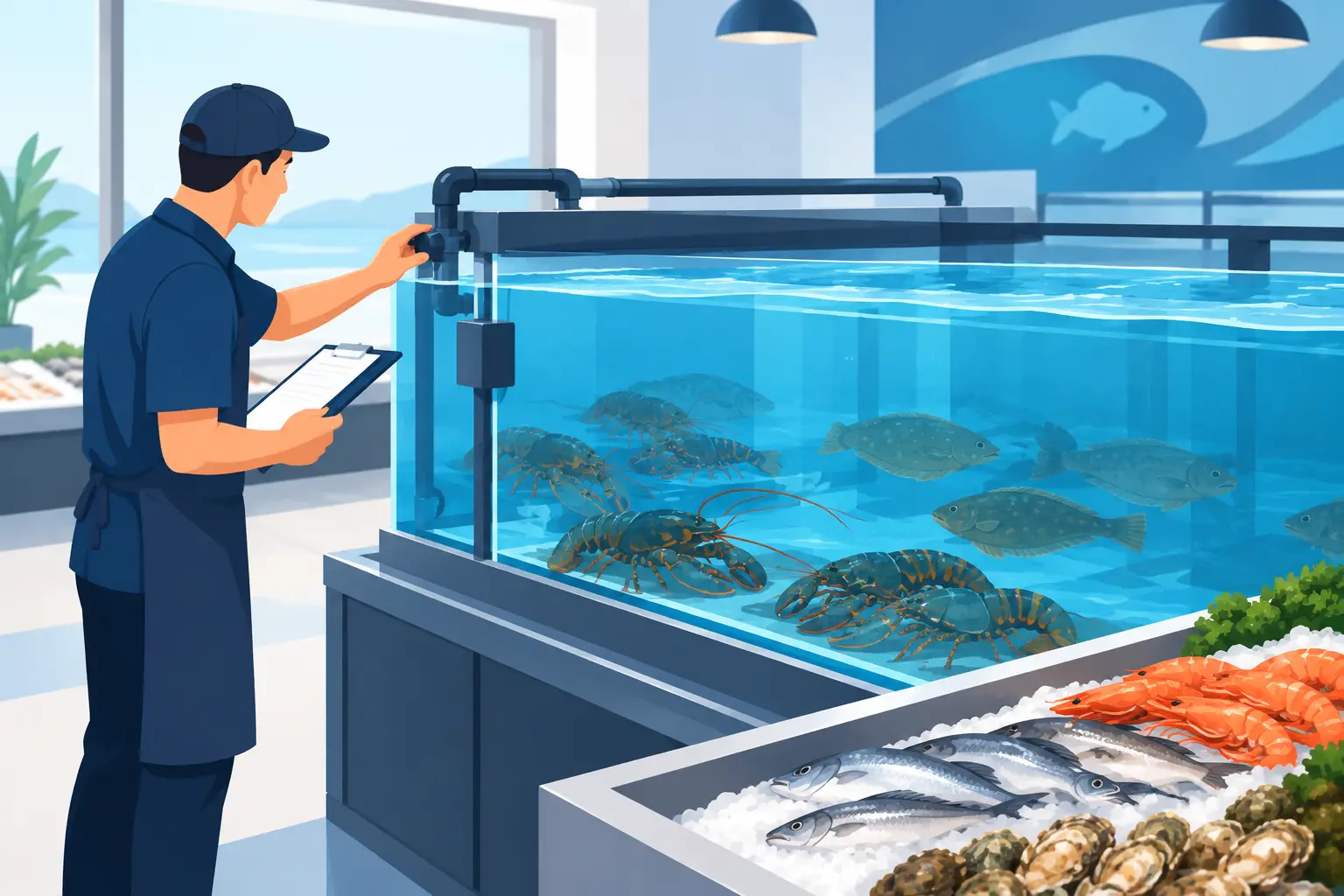
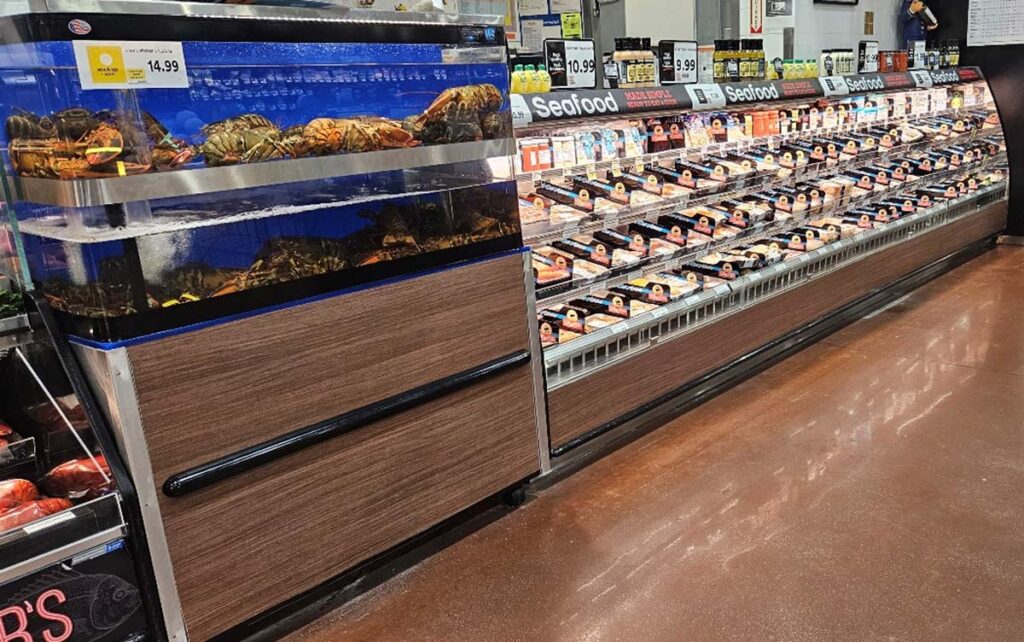
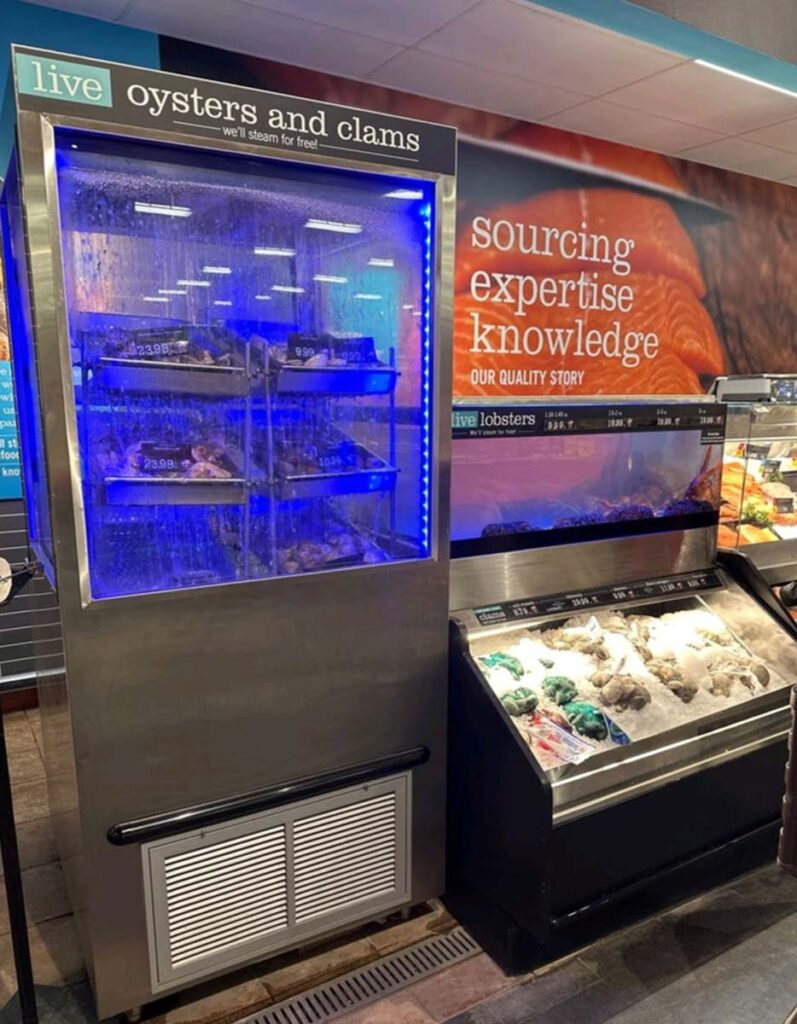
In a truly full-service seafood department, the goal is to deliver more than just product—you’re offering an experience. From cutting and steaming to seasoning and advising customers at the counter, every interaction adds value. A live lobster tank is a natural extension of that experience, completing the story of freshness, quality, and service.
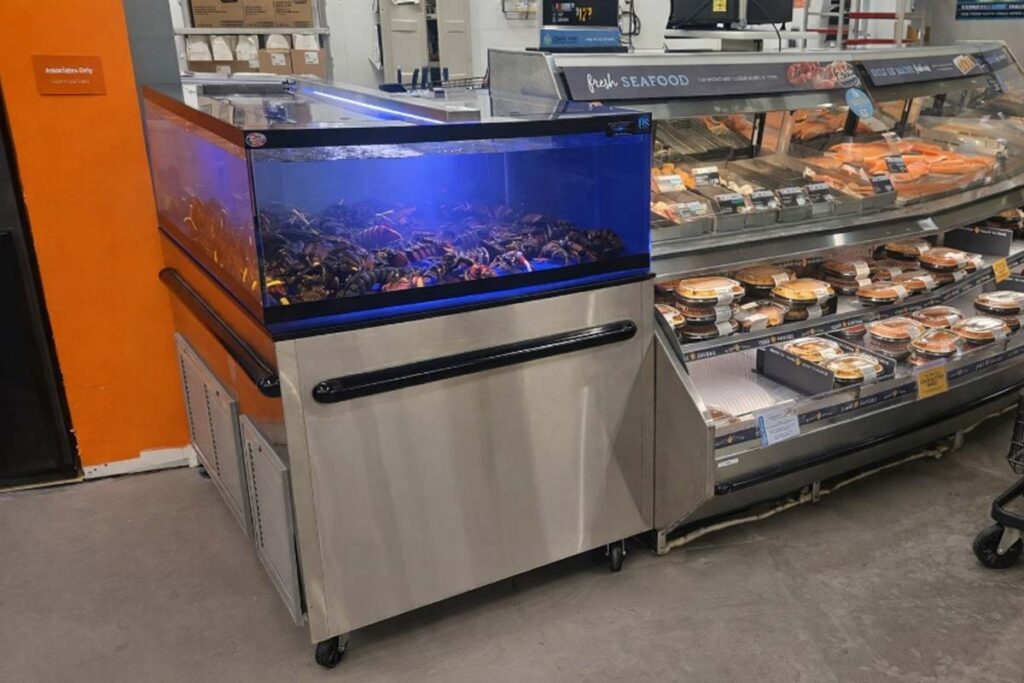
A lobster tank transforms routine shopping into something memorable. Customers can see live lobsters, select their preferred size, and often have them cooked or prepared on the spot. This level of engagement turns an everyday grocery trip into a premium, interactive experience—one customers are likely to remember and share.
Beyond the experience, a live display reinforces your commitment to quality. Healthy, active lobsters in clean, well-maintained water serve as a visible assurance that your operation prioritizes proper handling and freshness. For supermarkets, this is especially important. A lobster tank allows you to compete directly with restaurants and specialty fishmongers by offering the same “pick-your-lobster” appeal that consumers associate with high-end seafood. As demand for premium, high-protein seafood continues to grow in the U.S., this differentiation becomes even more valuable.
Driving Incremental Sales and Trade-Up
Retailers that introduce live lobster tanks often see measurable gains. For example, Jonathan McKinley, owner of McKinley IGA in South Carolina, reported a 4% increase in total seafood sales after installing a live lobster tank. Beyond that, he noted a significant—though difficult to quantify—lift in overall store sales.
As McKinley explains, customers rarely come in specifically intending to purchase live lobster, but the presence of the tank changes their behavior. “No one comes in here intending to buy live lobsters and walks out with nothing else,” he says. Being the only store in the area with a lobster tank not only differentiates his business but also drives repeat visits, with customers consistently praising quality and selection.
Industry insights support this experience. Operators who invest in live seafood holding and display systems often enhance perceived value, positioning their offerings as more premium. This, in turn, leads to higher average transaction sizes and stronger sales of high-margin seafood items.
Understanding the Profitability Equation
When viewed strictly as a standalone product, live lobsters can present profitability challenges. Margins are tight, and both wholesalers and retailers assume risks that can impact the bottom line—such as mortality, improper handling, water quality issues, and inconsistent maintenance practices.
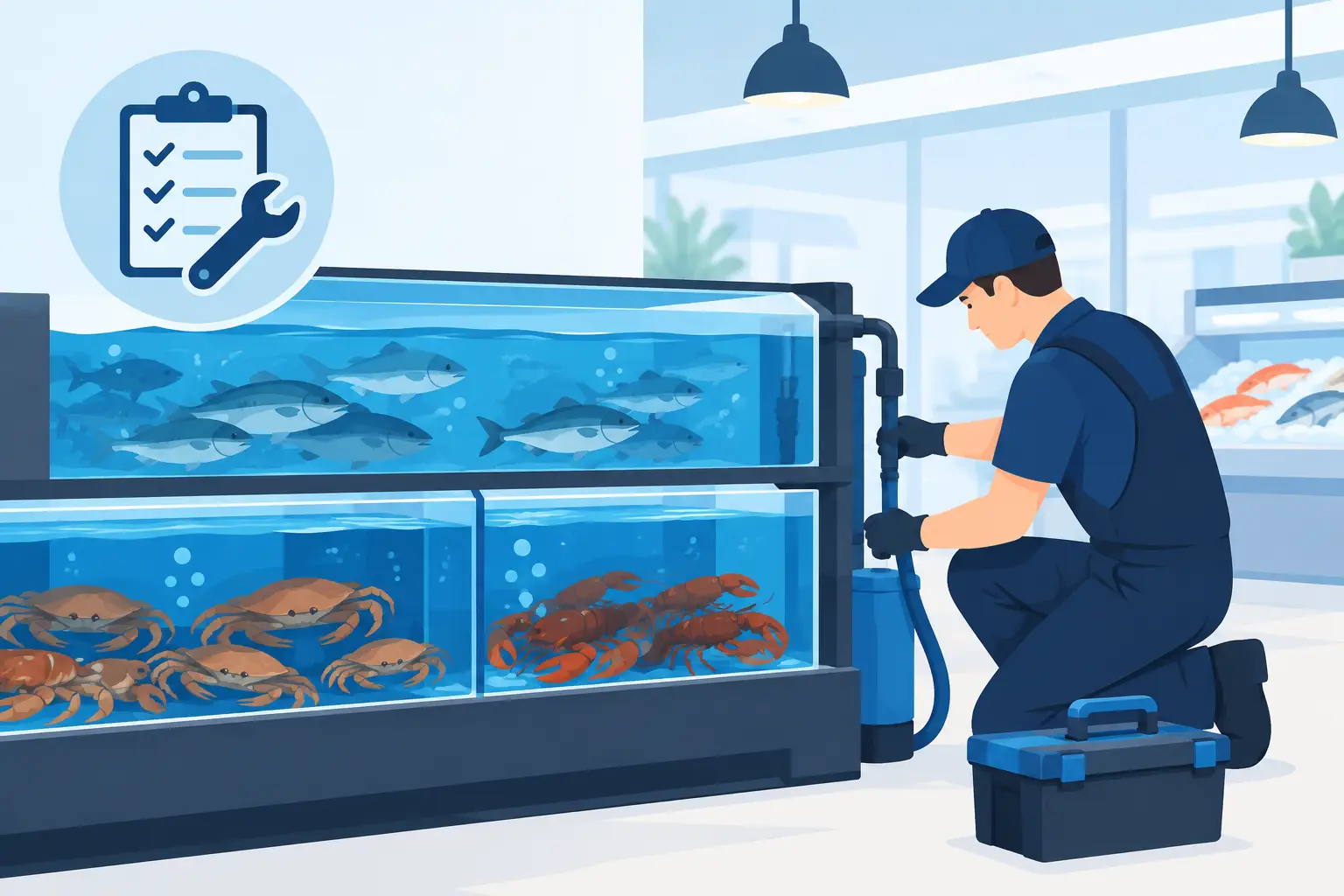
For this reason, many successful operators treat live lobsters as a strategic investment rather than a primary profit driver. Best-in-class seafood departments focus on strong operational standards, staff training, and proper system maintenance to minimize losses. Even then, live lobster programs are often budgeted as a loss leader.
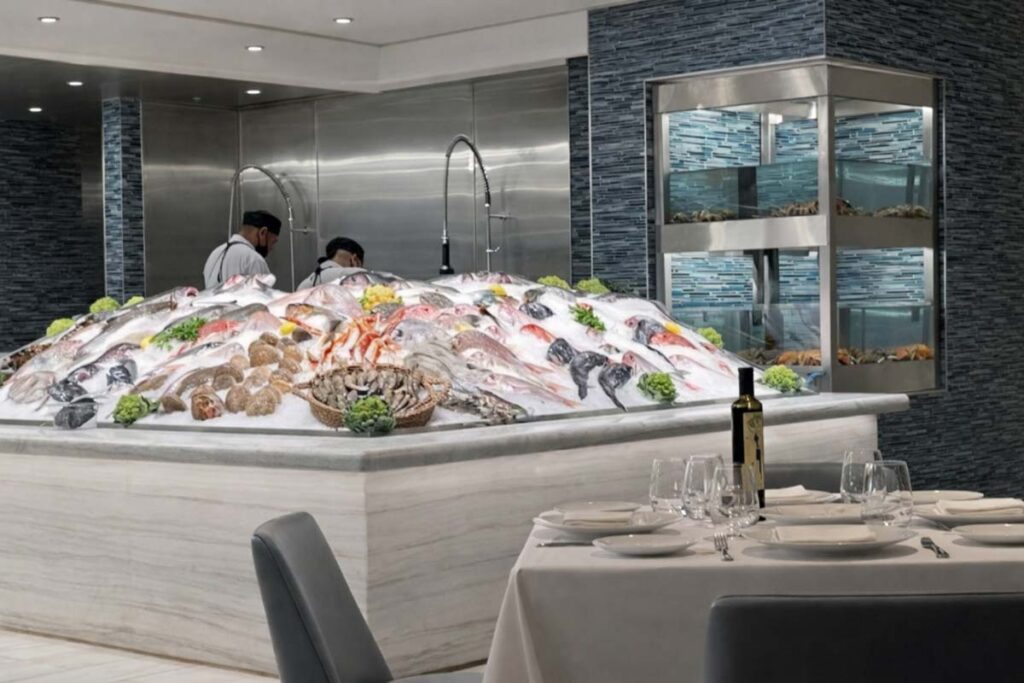
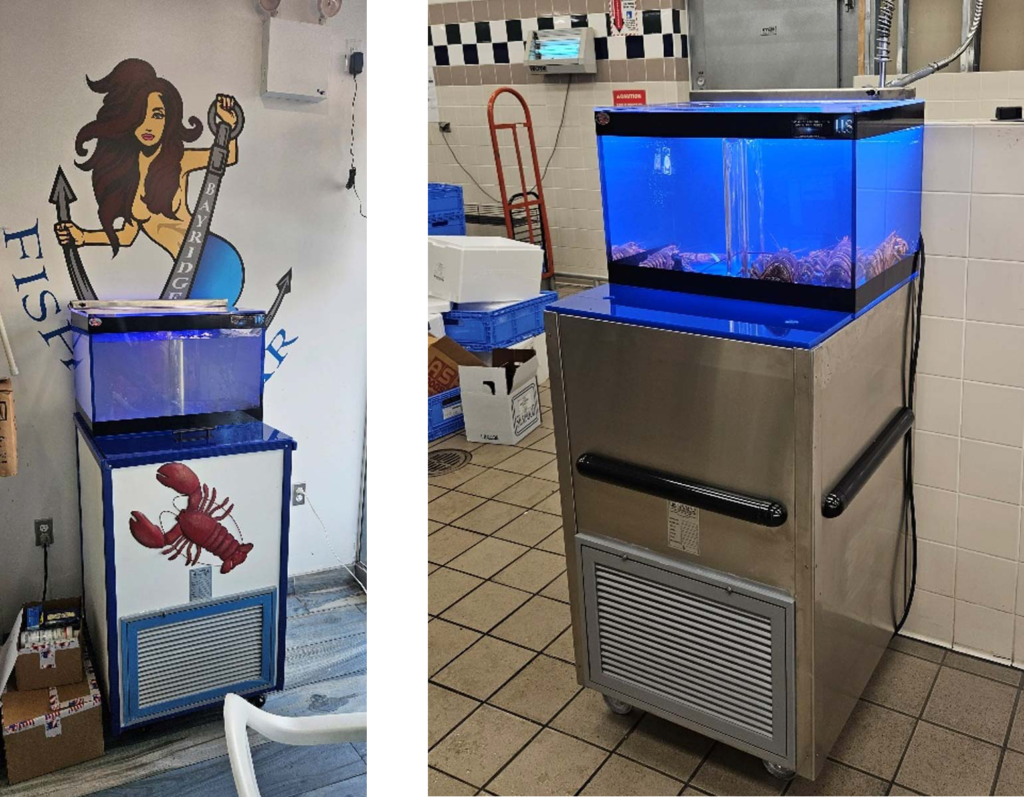
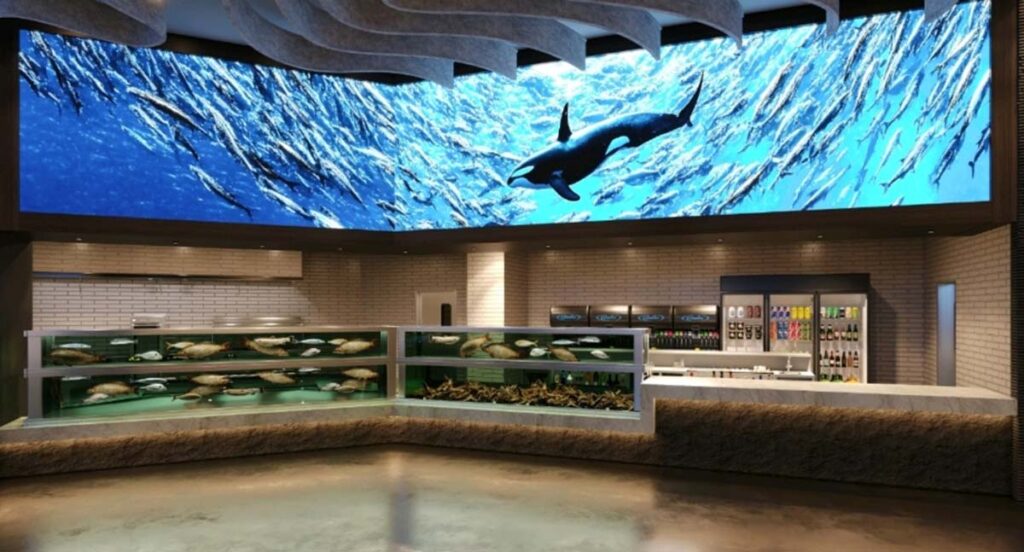
However, their true value lies in what they bring to the broader business. A lobster tank elevates the entire seafood department, enhances the perception of freshness, and attracts customers who are more likely to trade up across multiple categories. Restaurants have long understood this dynamic, using lobster tanks not only for storage but as visual centerpieces that reinforce their commitment to fresh, premium seafood.
Passion for the Category
It’s fair to ask whether my enthusiasm for lobster tanks comes with some bias. While that may be partially true, the deeper motivation is my genuine passion for the seafood industry. I truly want all seafood retailers to excel. I’m sickened by lack luster players who give the industry I love a bad reputation.
From a consumer perspective (I’m one of them too), there’s a clear desire to see more retailers succeed in delivering high-quality seafood experiences. A well-executed lobster tank program is one way to achieve that—helping operators stand out, build customer trust, and elevate their overall offering. The old adage stands true today; “if you won’t sell it to your mother, don’t sell it to anyone”!
Considering a Lobster Tank?
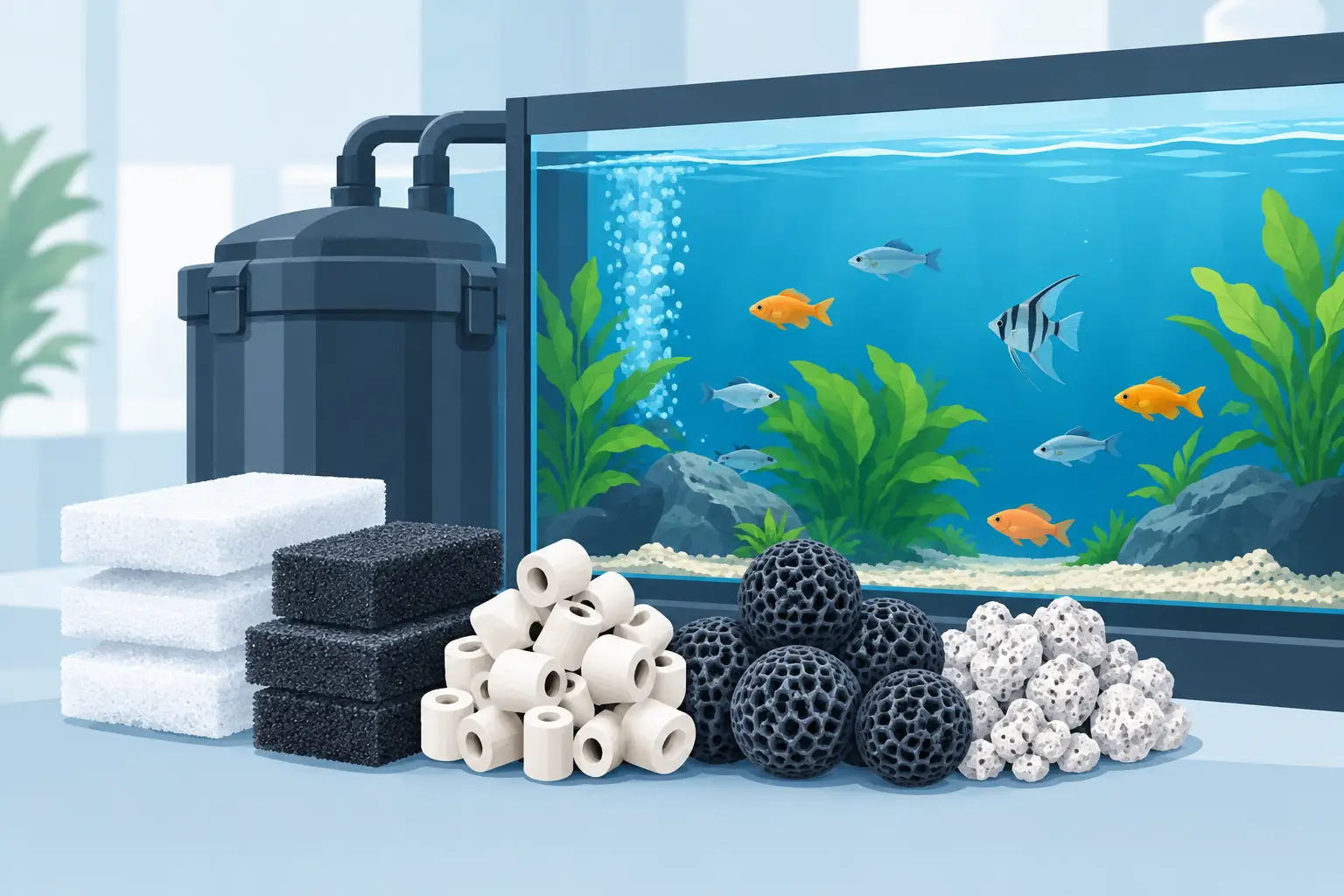
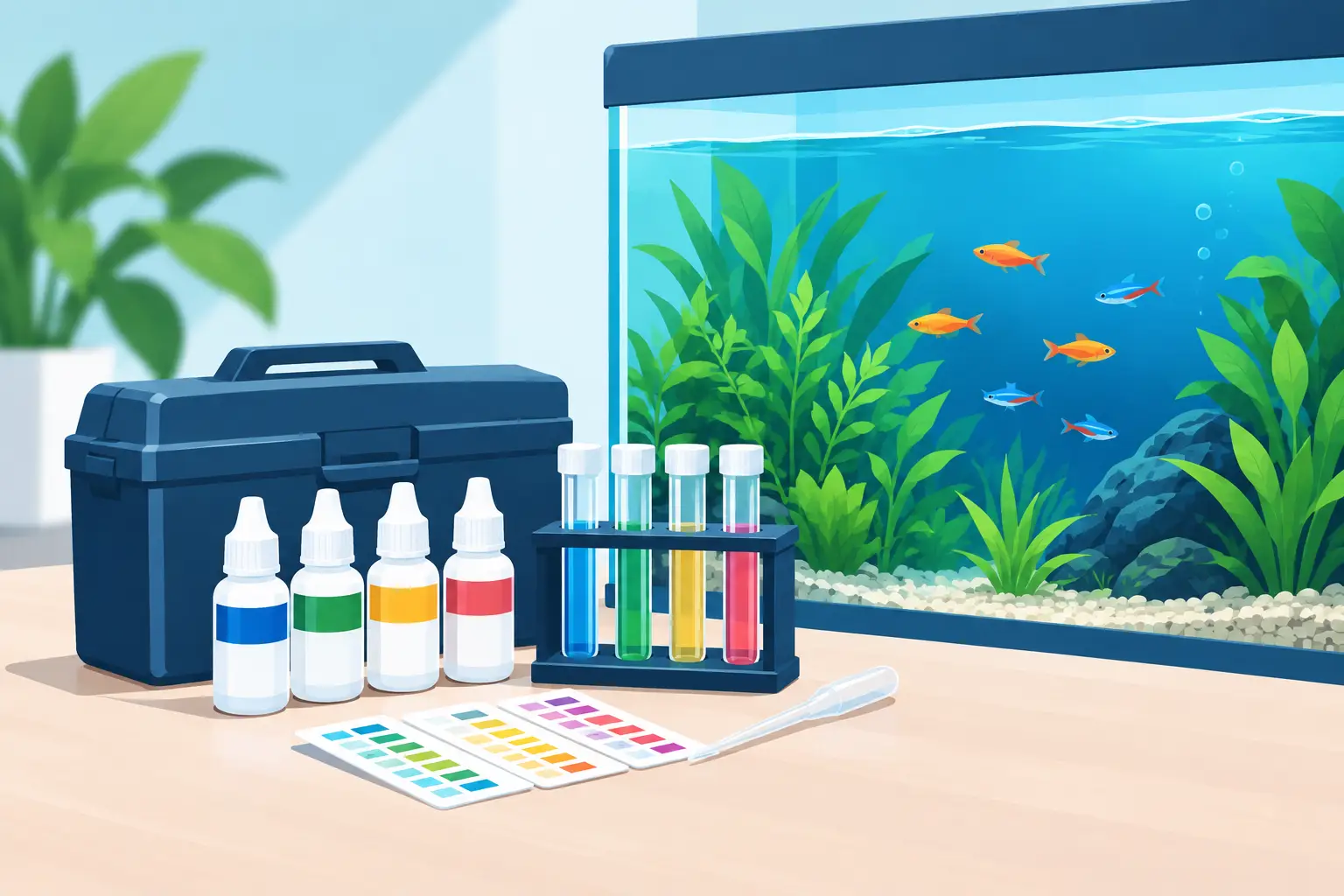
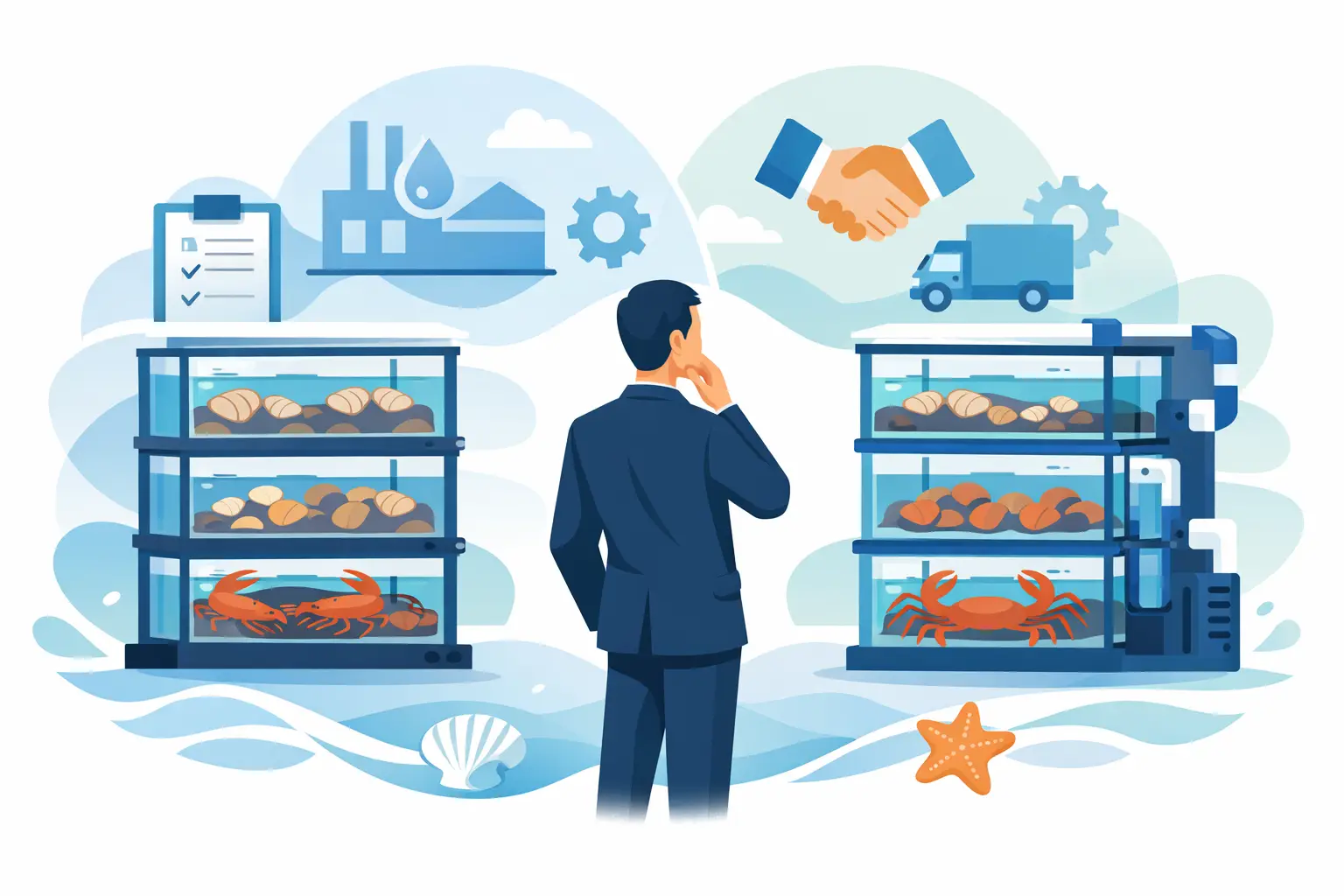
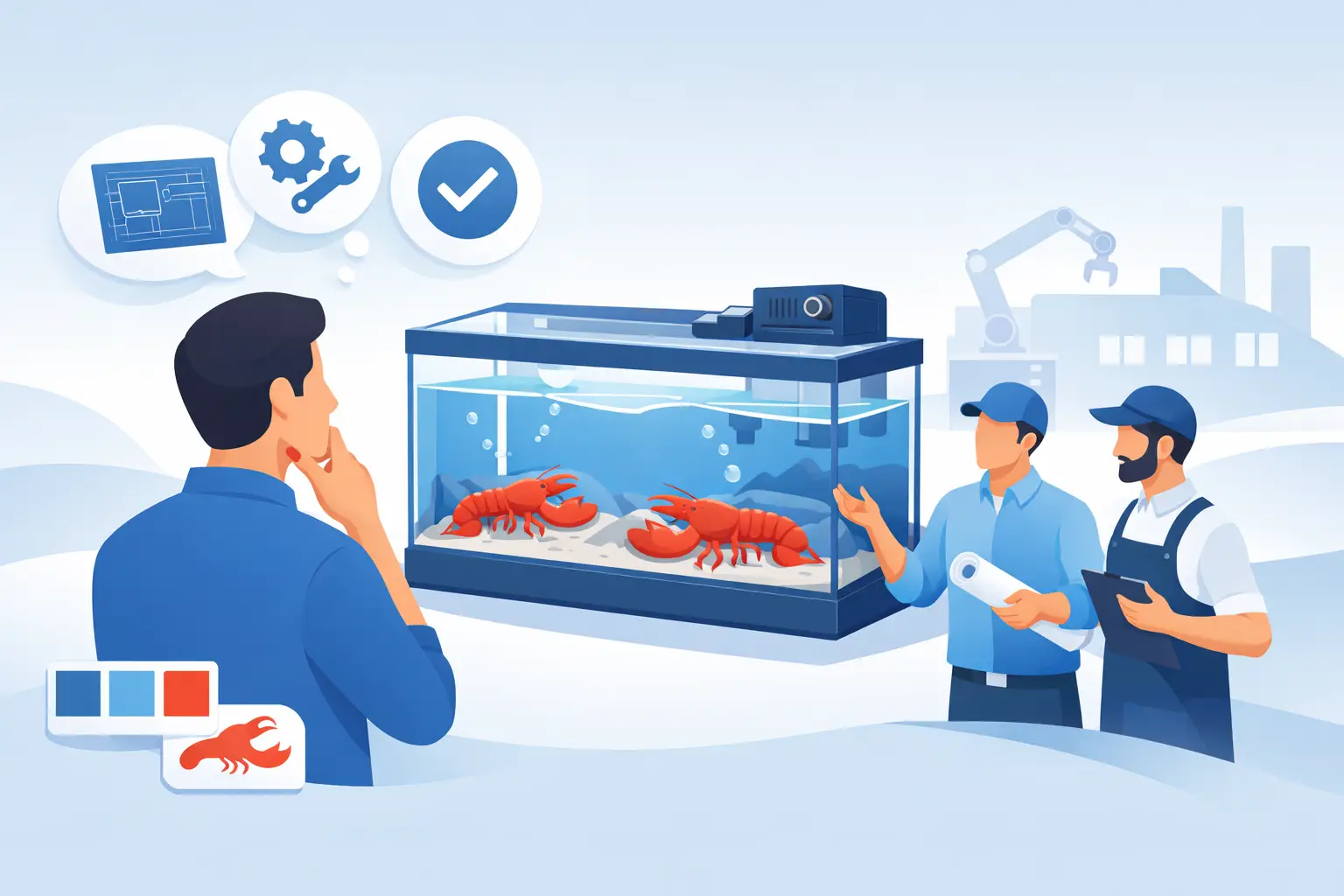
If you’re thinking about adding a lobster tank to your seafood department, the right setup and strategy make all the difference. With proper planning, training, and equipment, a lobster tank can become a powerful tool for differentiation, customer engagement, and long-term growth.
If you’d like guidance on selecting the best solution for your operation, let’s start the conversation. Contact us here.