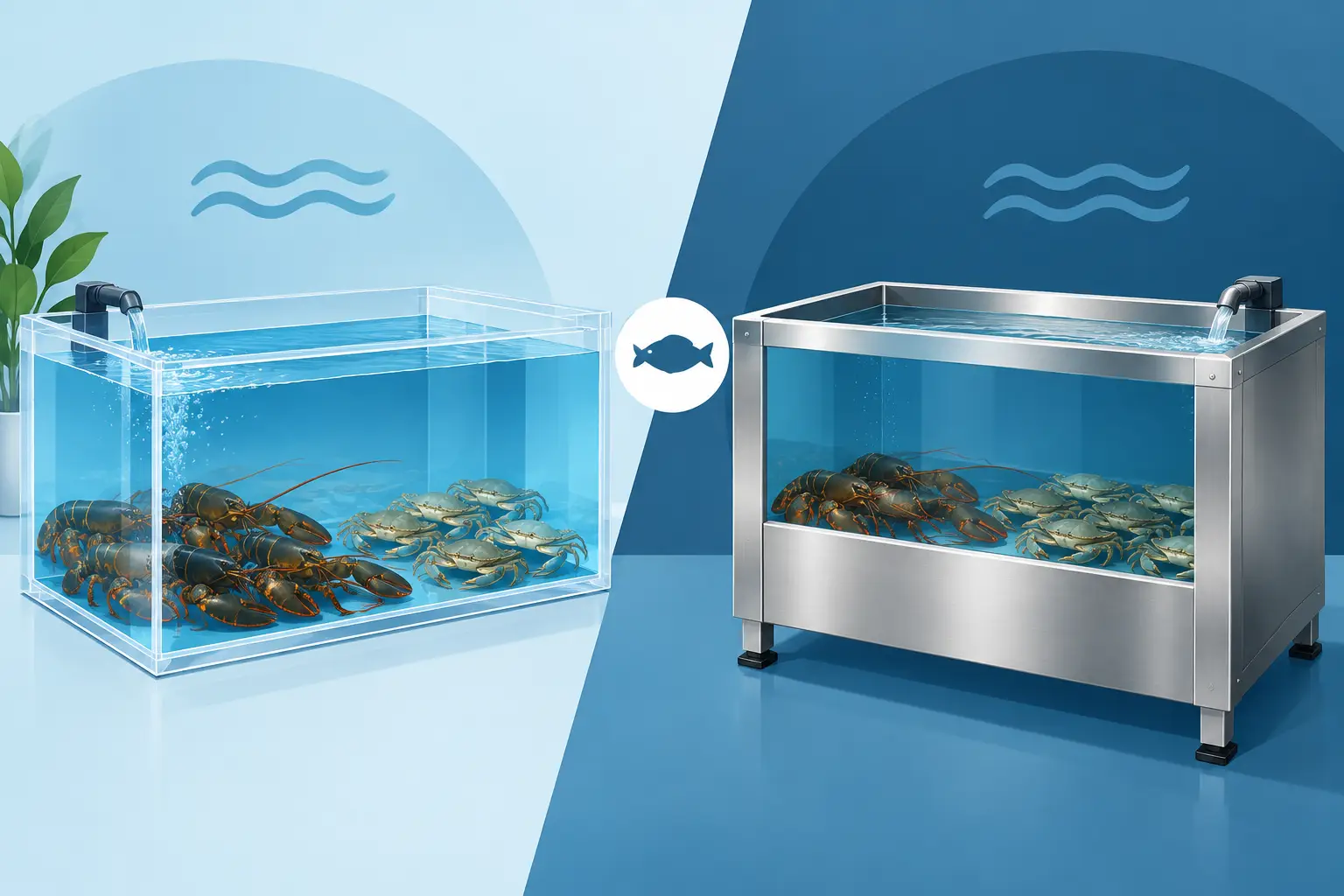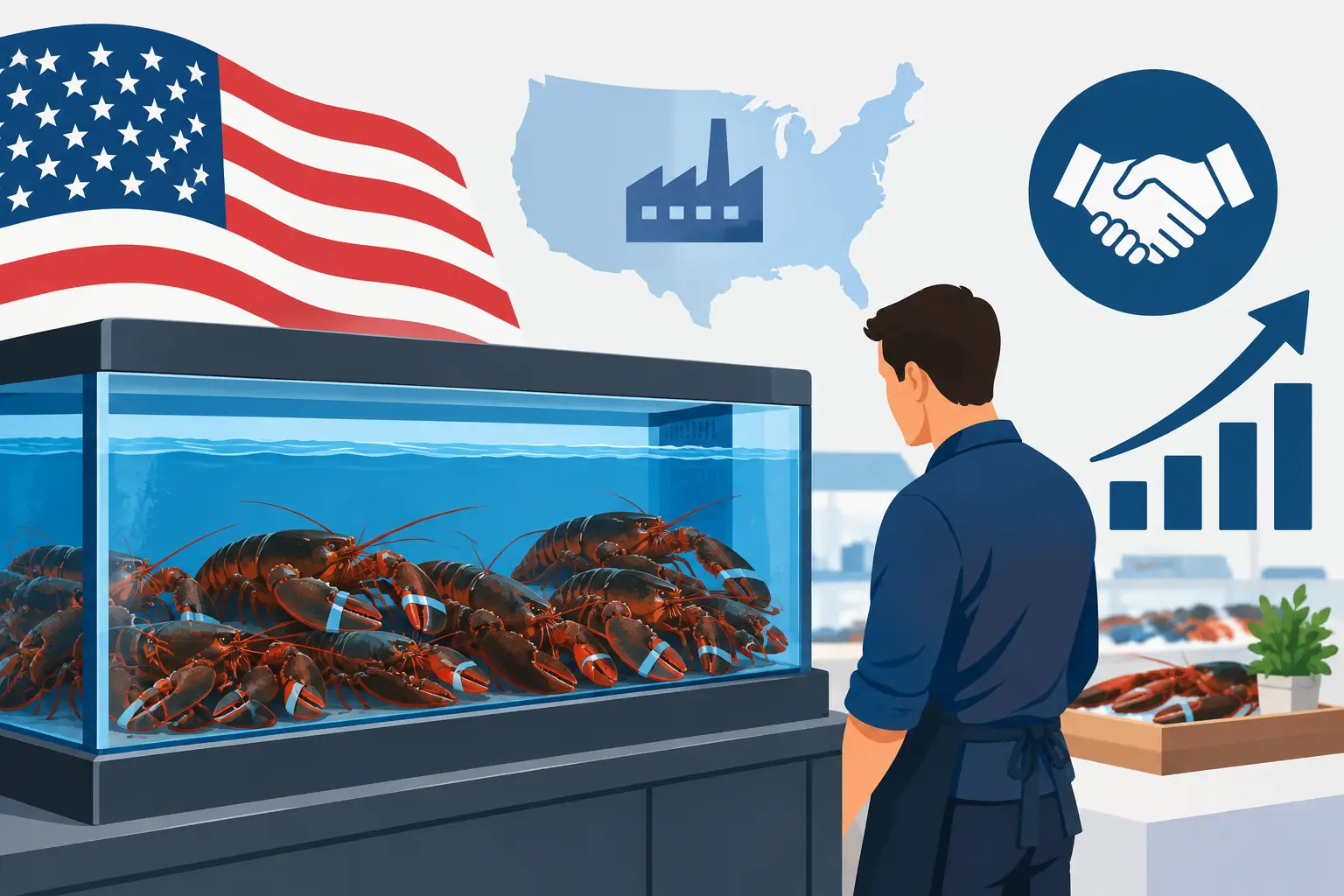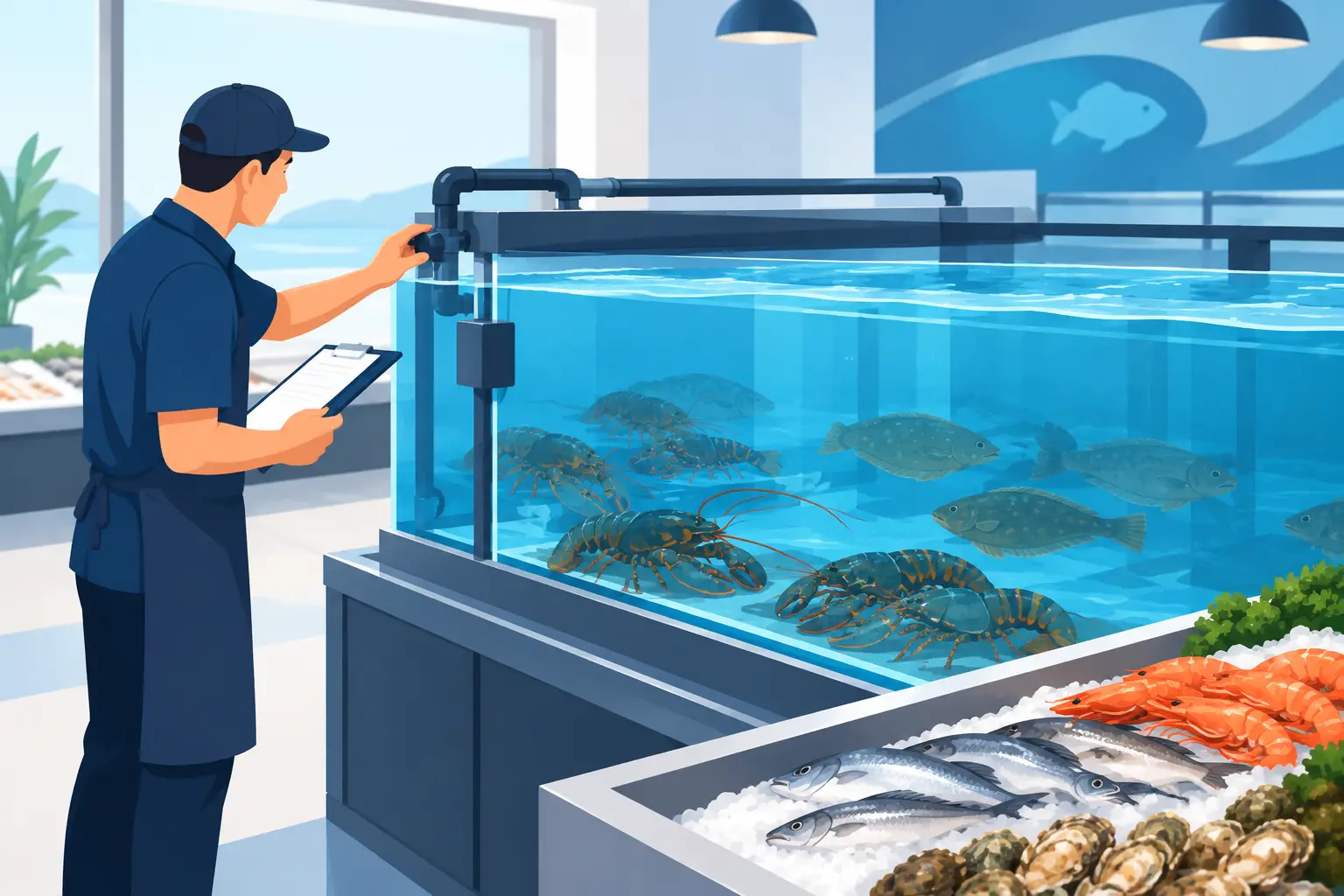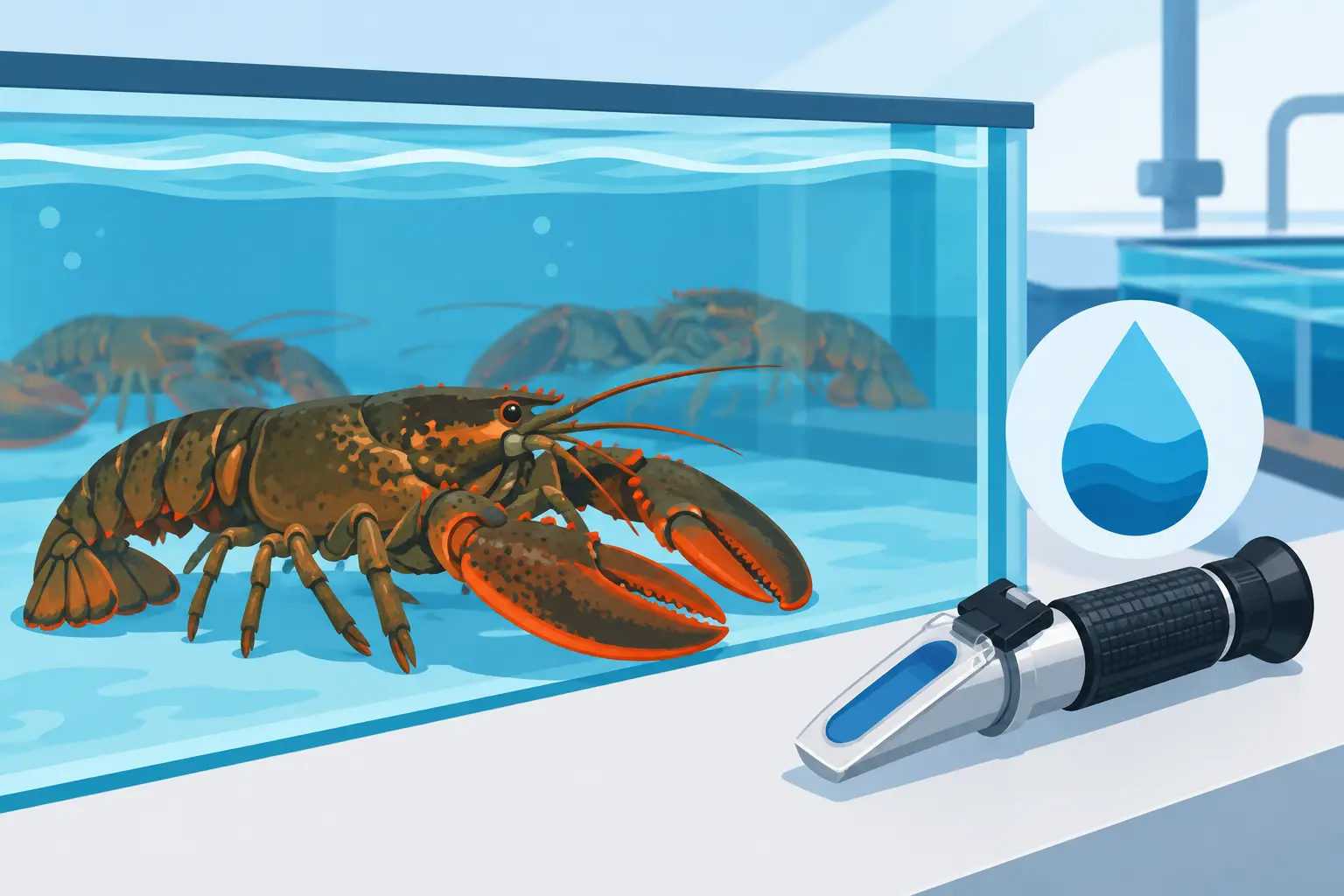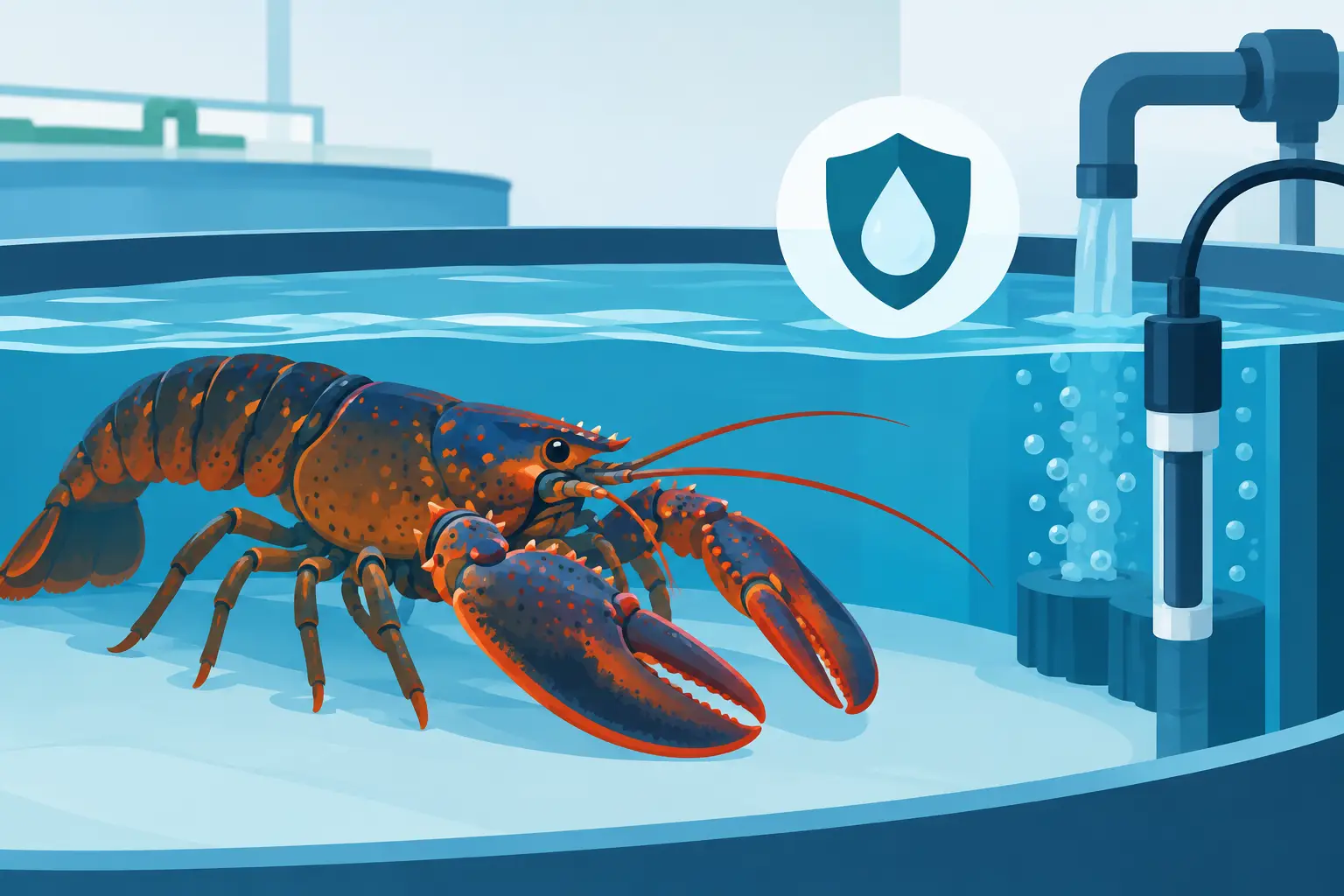

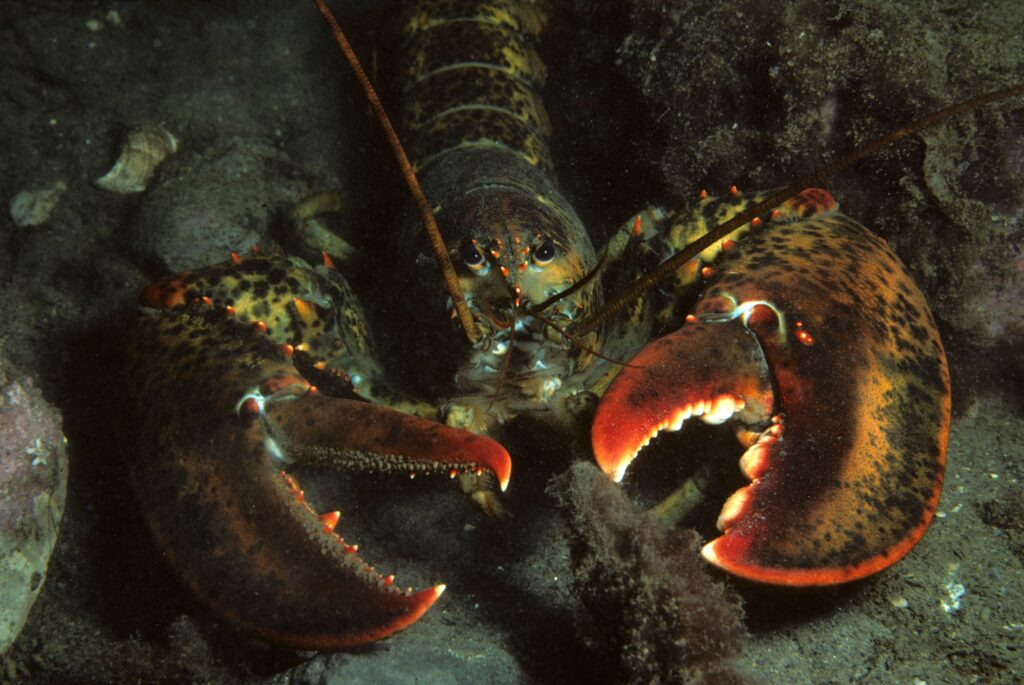
There’s a common belief in the seafood industry that lobsters should be sold out of a tank because they “weigh more” from holding extra water.
The reality?
The amount of water a lobster carries on its shell or in its gills is minimal and usually amounts to only a tiny fraction of its total weight. Any perceived gain is often outweighed by the risks that come with keeping lobsters in a heavily used retail tank.
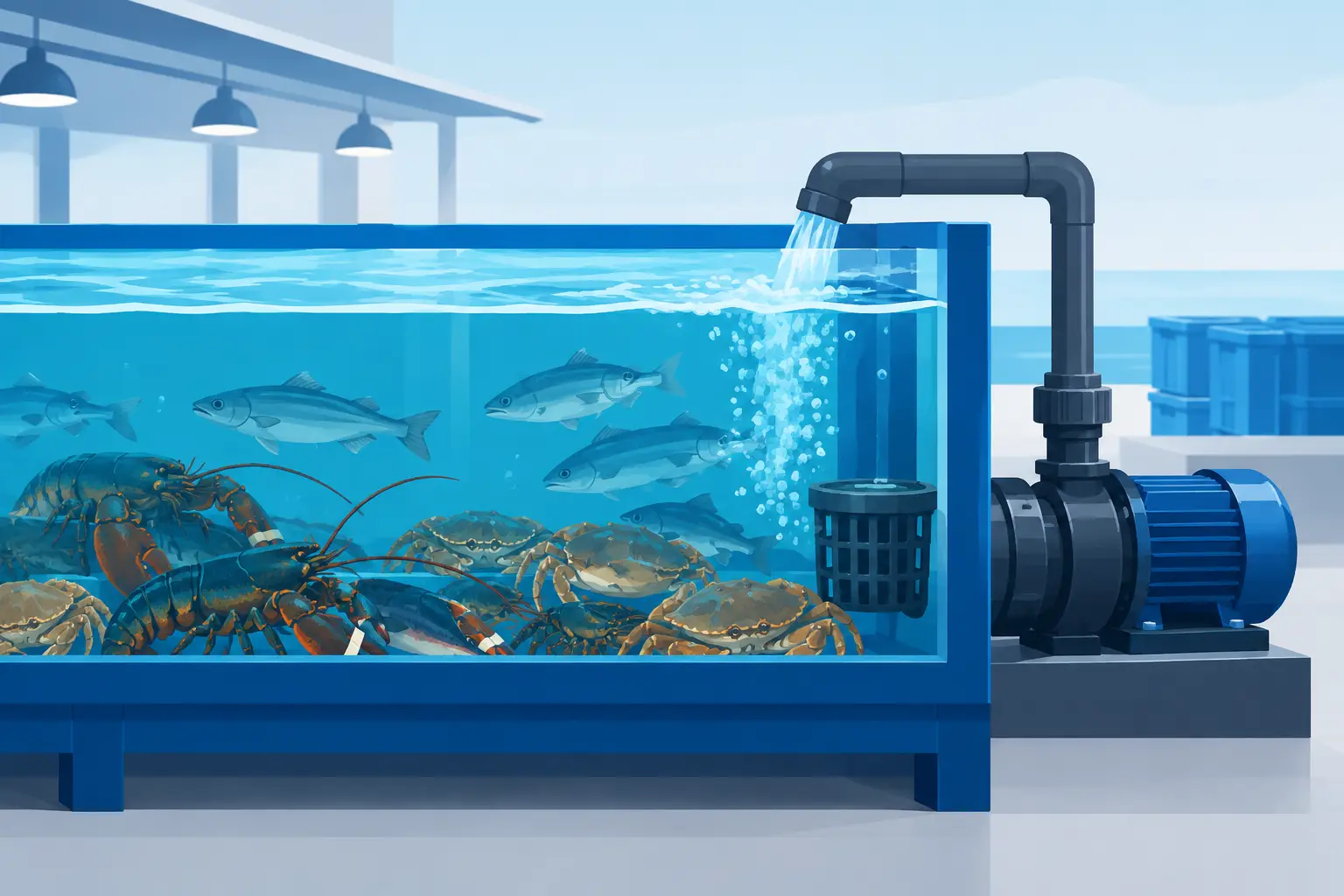
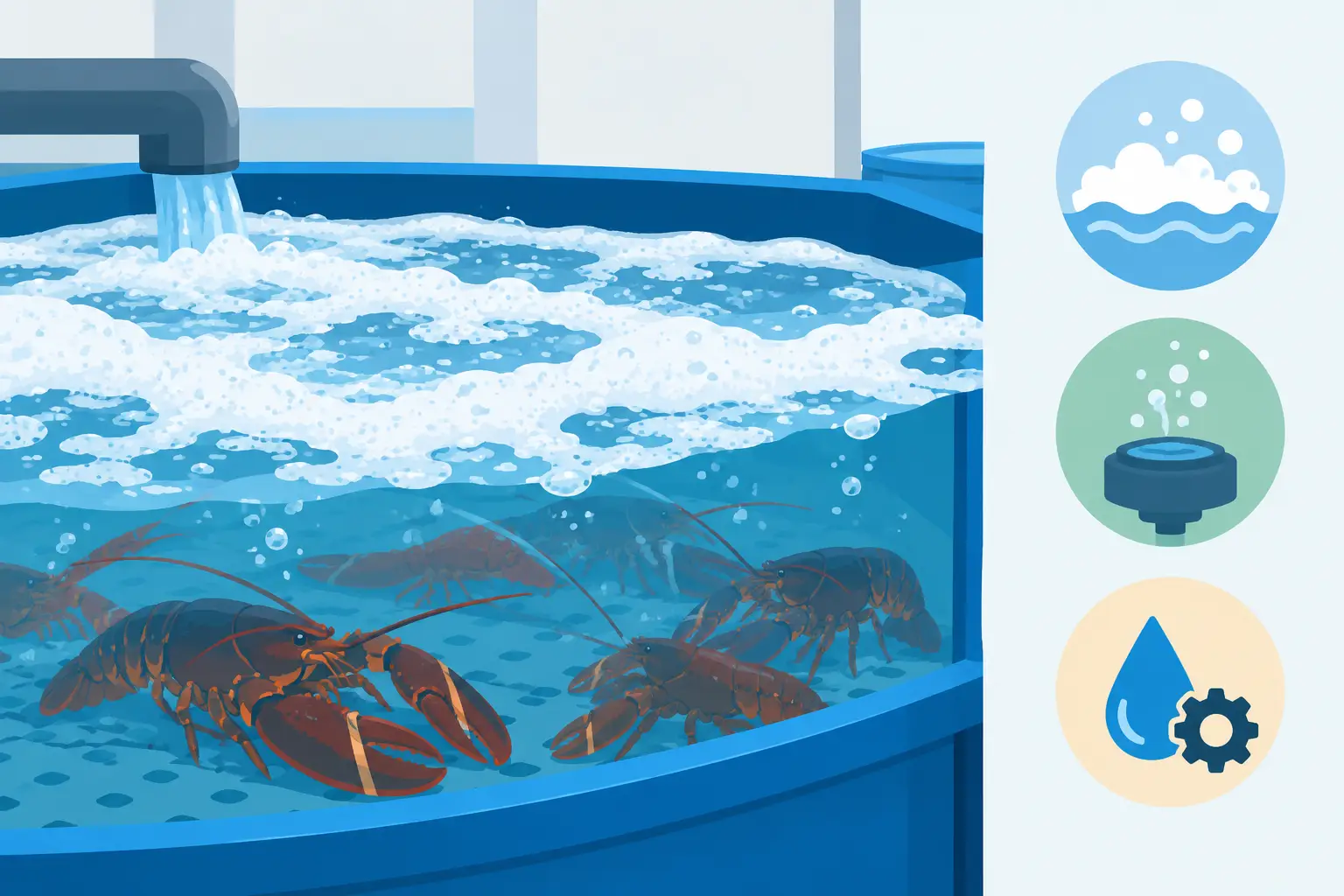
Every time a lobster is added to, removed from, or handled in a tank, it creates stress and increased biological activity. A tank that is overloaded or constantly cycled with new animals can experience an ammonia spike from waste buildup. Ammonia is toxic to lobsters and can quickly lead to stress, weakened animals, and death. A crashed tank is ugly and will destroy every past effort made to promote freshness, quality & sustainability.
Frankly, a crashed lobster tank is taking 10 steps backward and difficult to recover from.
Dead lobsters are the ultimate loss of profit. A retailer may chase a few extra ounces of perceived “water weight,” only to lose far more through mortality, reduced quality, and customer dissatisfaction.
That’s why I recommend selling lobsters directly from the shipping box or on an ice table during high volume periods and sale promotions.
Properly packed lobsters are kept cool, calm, and in a low-stress environment with minimal handling. This reduces the biological load on the tank, lowers the risk of ammonia problems, and helps maximize survival and profitability.
The best lobster business strategy isn’t chasing a myth of water weight—it’s protecting the health of the product. A live lobster that makes it to the customer is worth far more than a stressed or dead lobster in an overloaded tank. 🦞