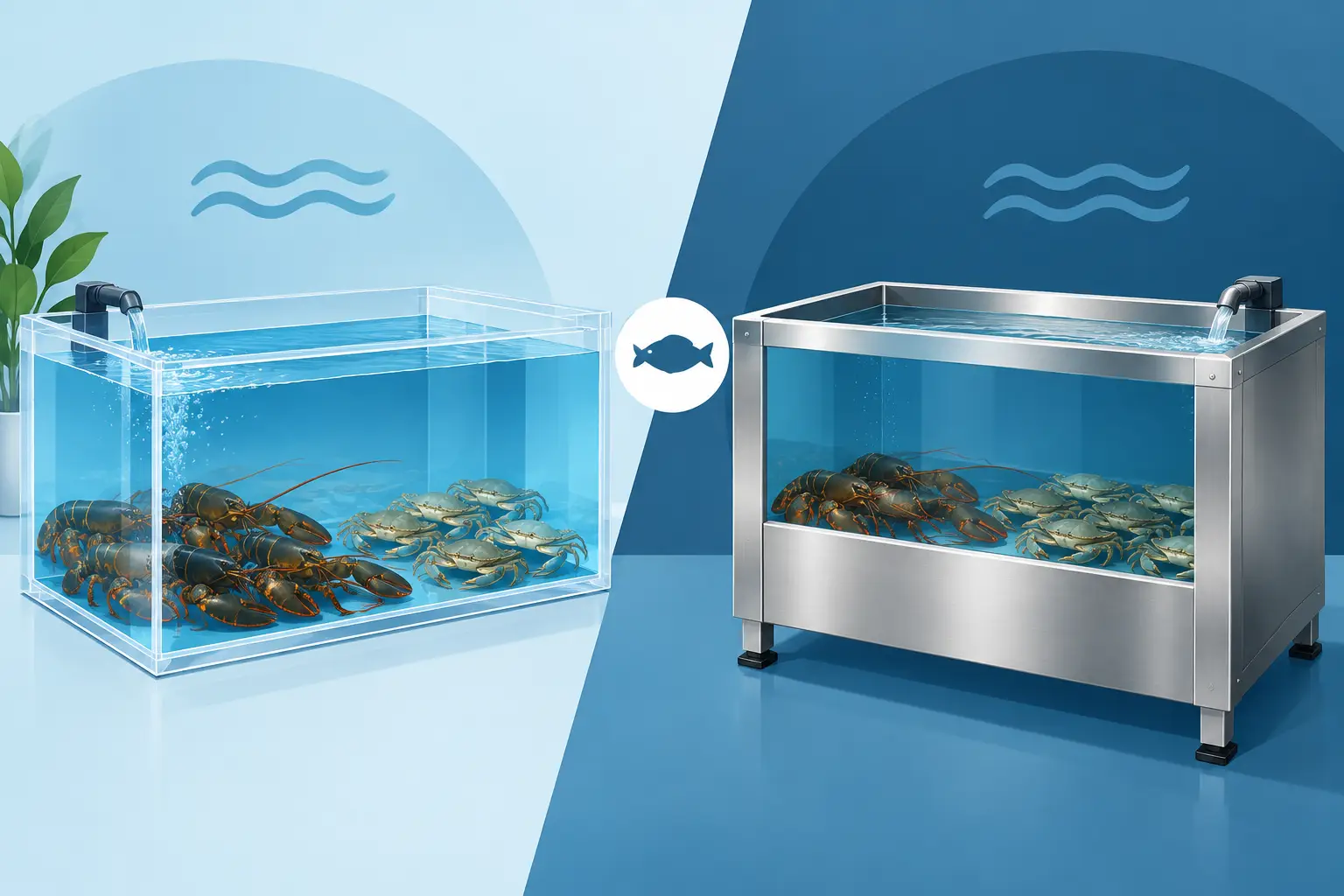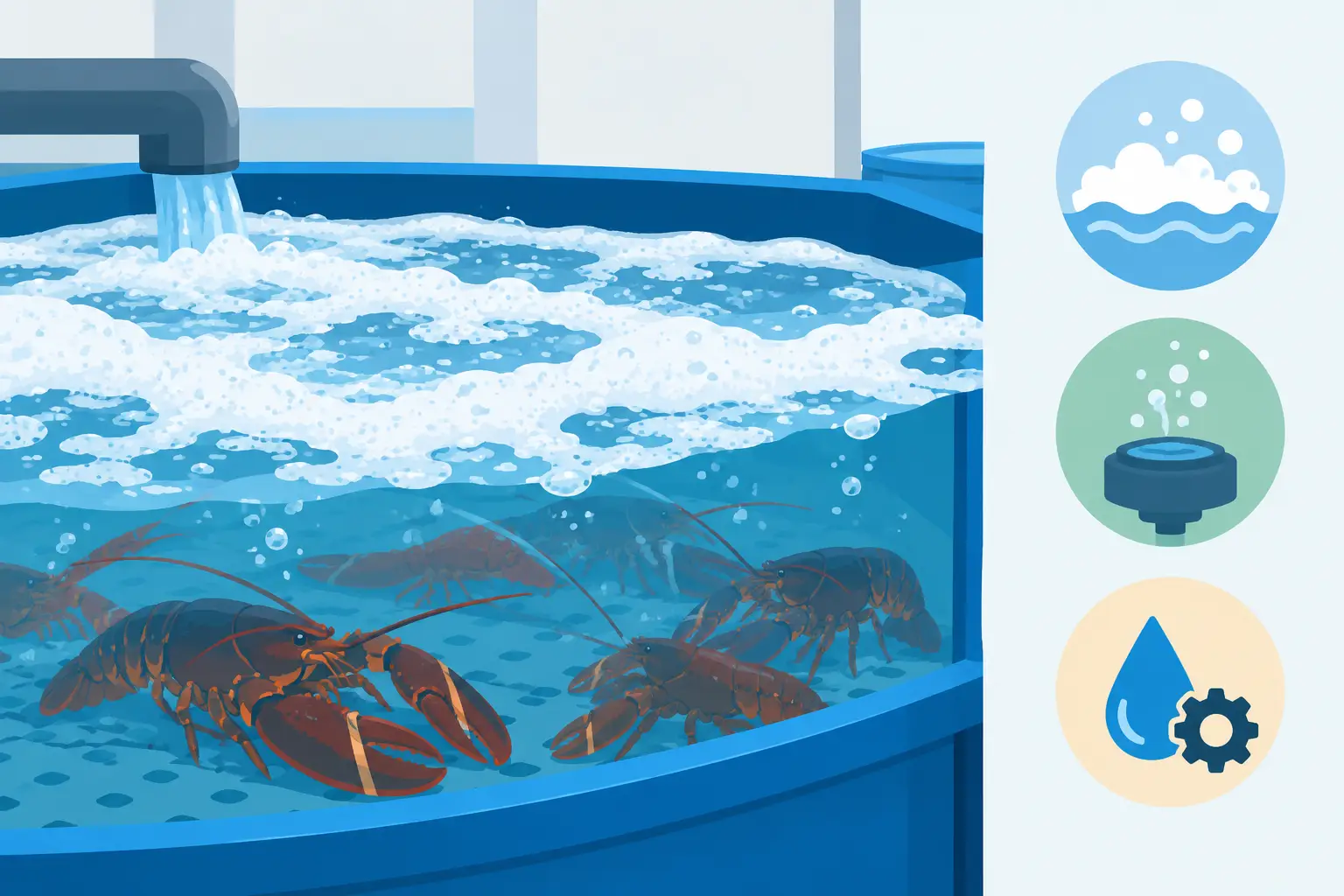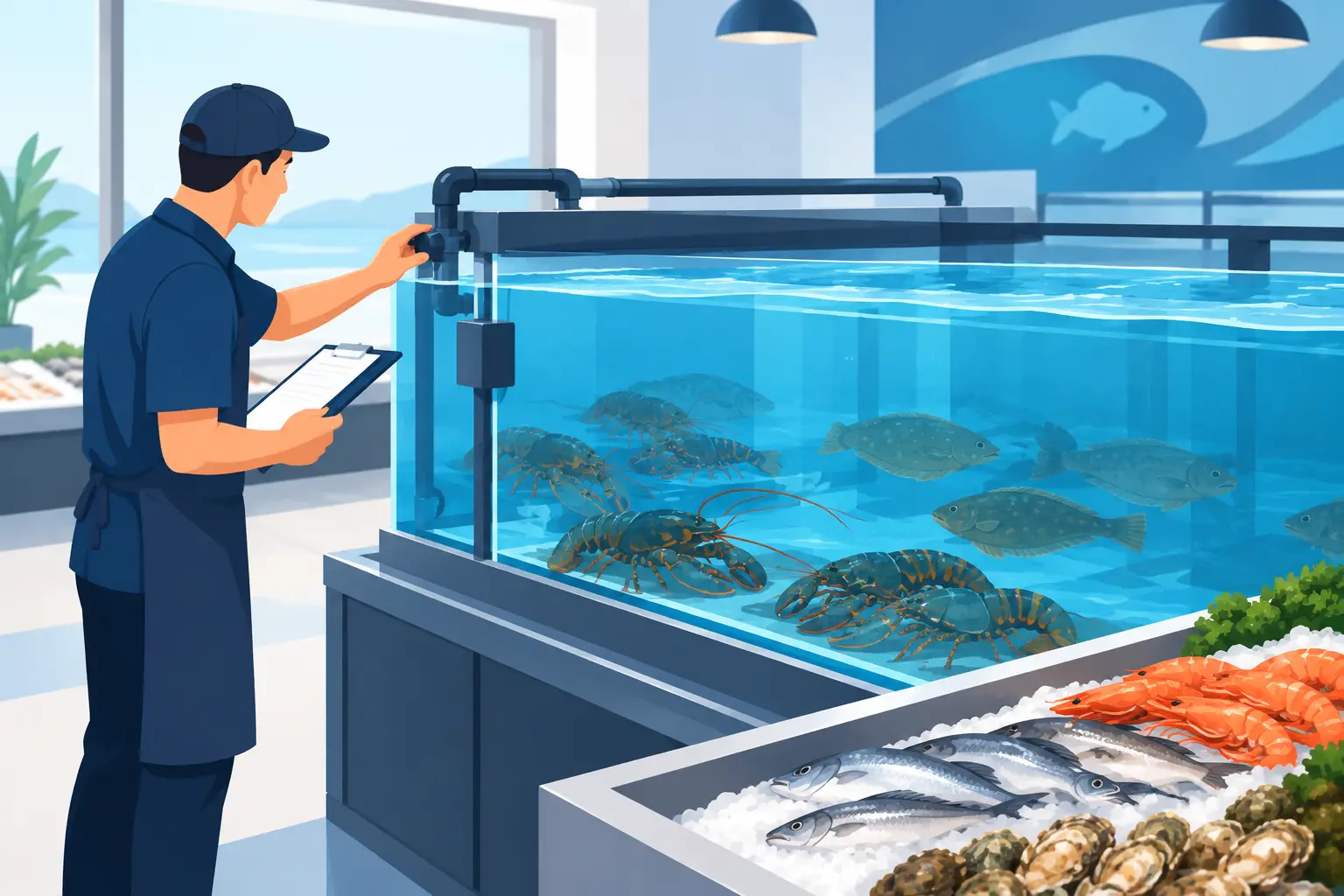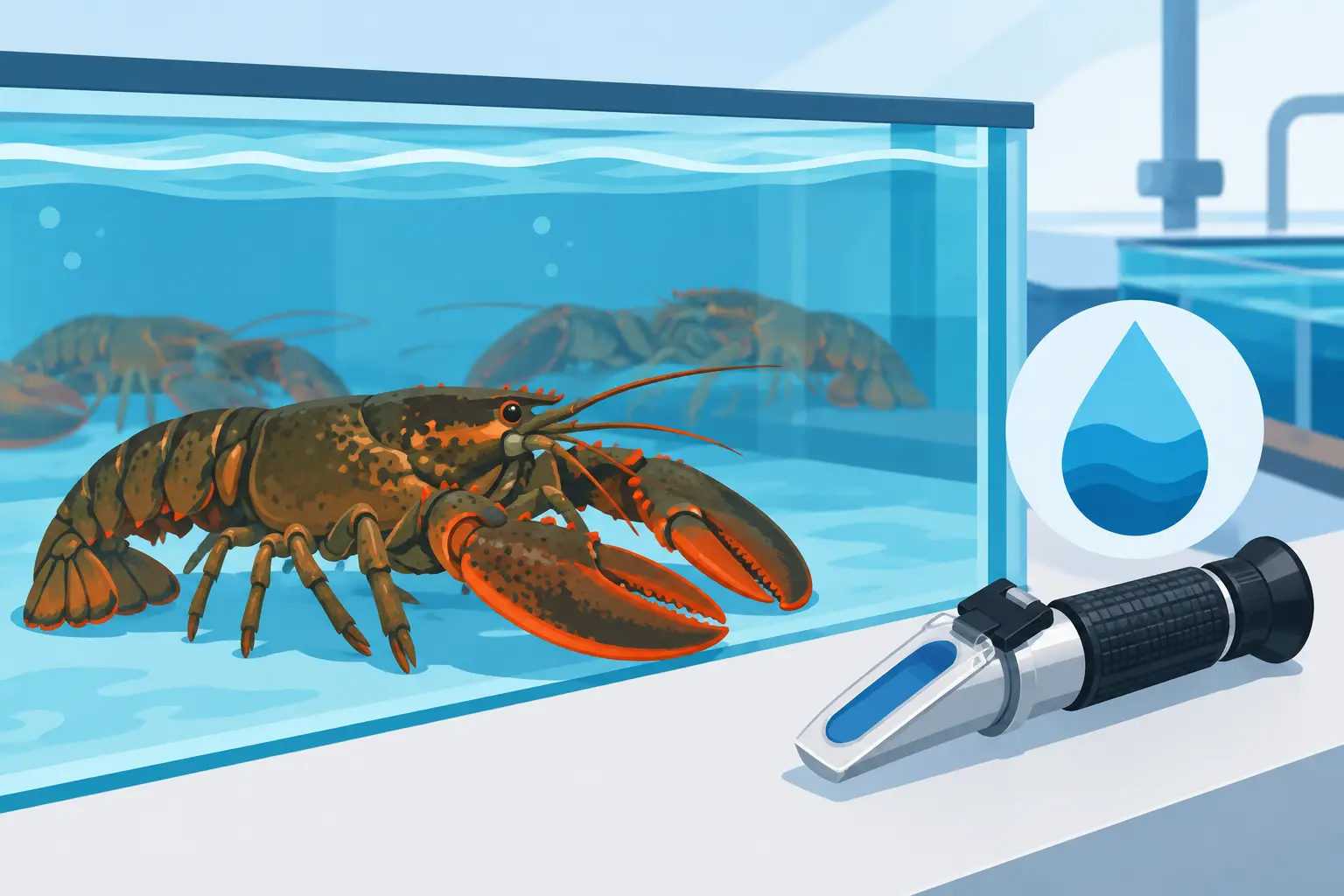
When a live lobster system starts smelling off, foaming up, or showing sluggish stock, the problem usually started long before the first visible warning sign. A lobster tank purging system is built to control that slide early by removing waste load, improving water conditions, and helping live product stay stronger in the tank and better presented for sale.
For supermarkets, seafood markets, wholesalers, and restaurants, that matters for one simple reason – every tank issue becomes an inventory issue fast. Poor water quality does not just create maintenance headaches. It can shorten holding time, hurt appearance, increase loss, and make a premium live display look like a liability instead of a sales driver.
What a lobster tank purging system actually does
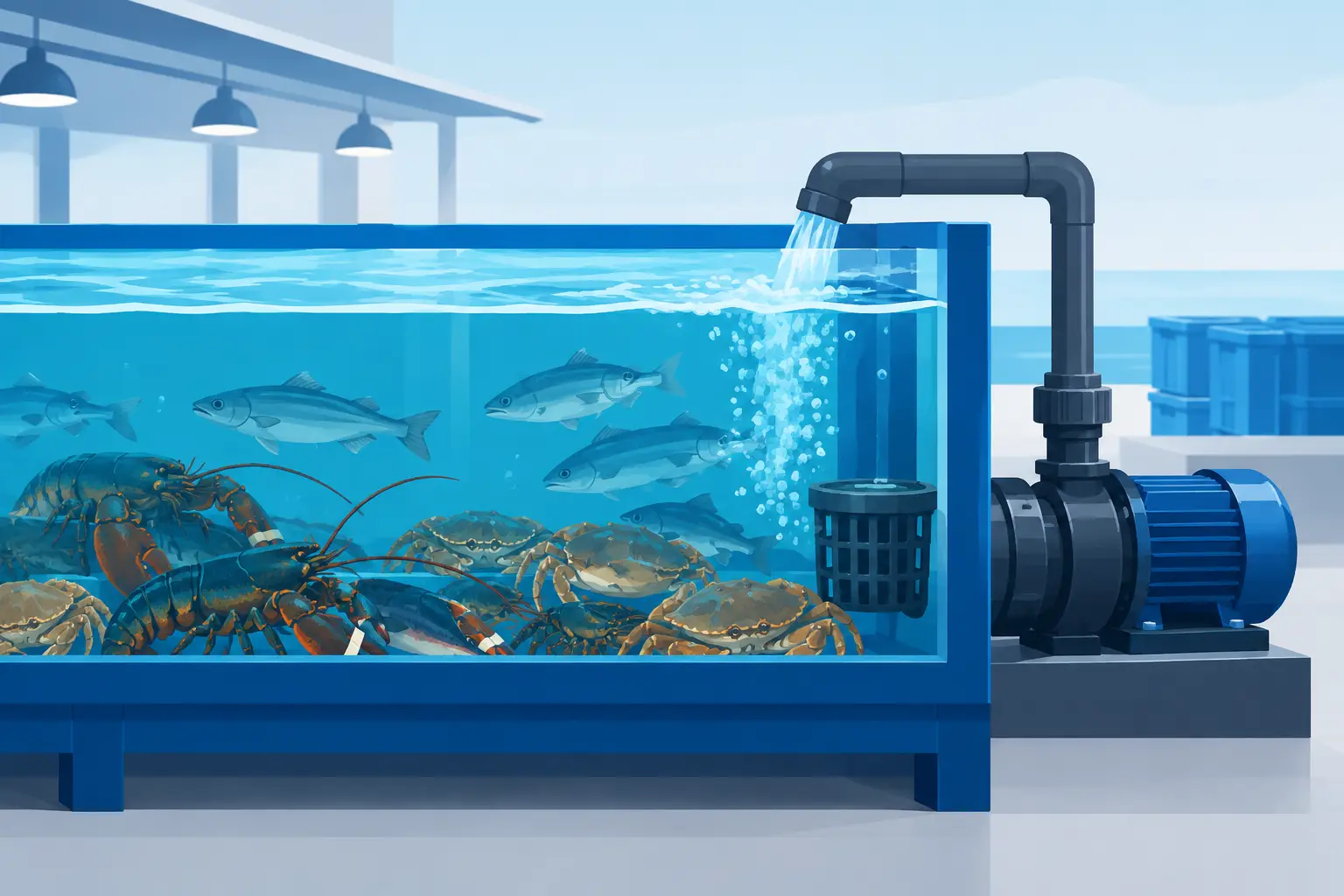
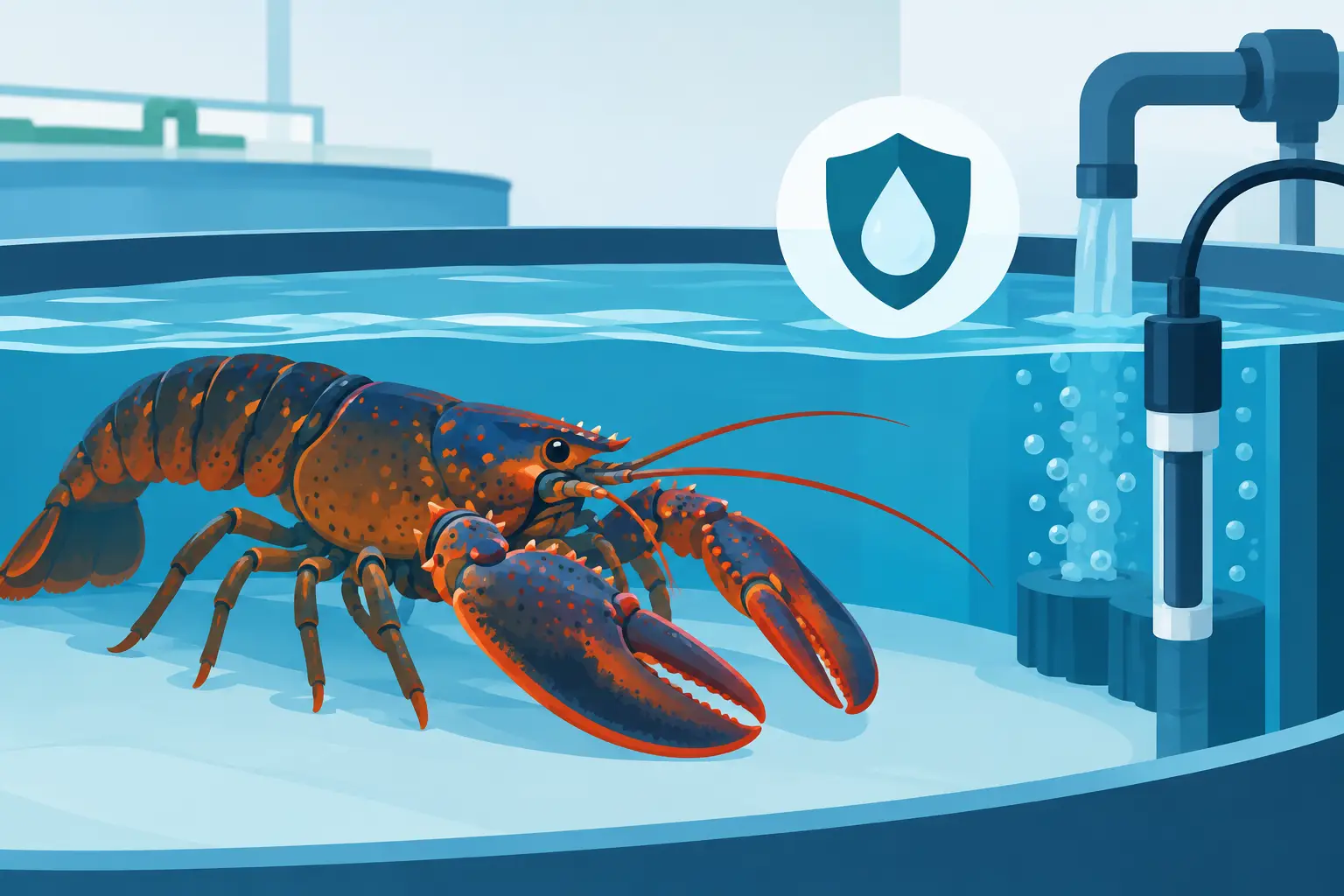
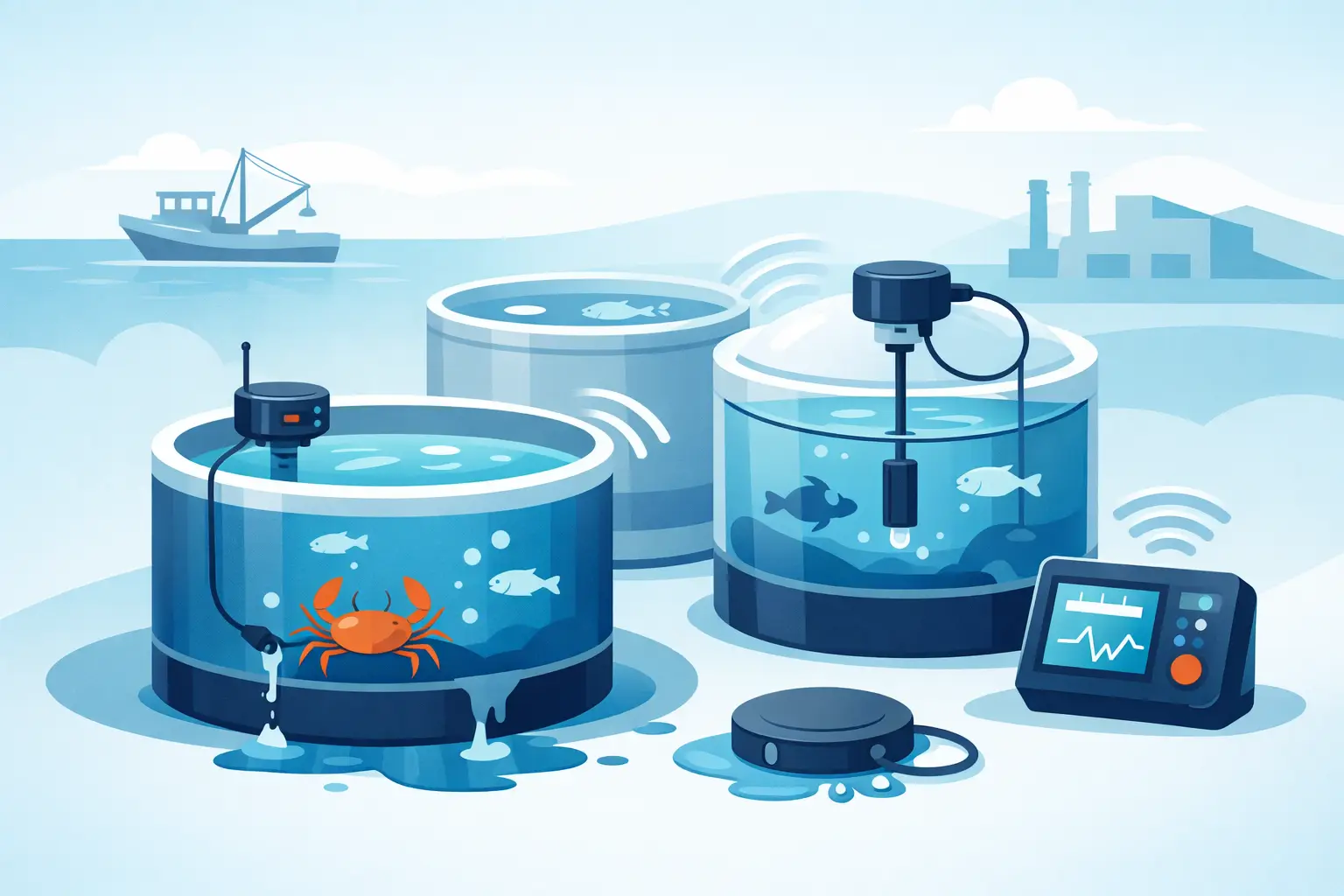
At its core, a lobster tank purging system helps clean and stabilize the water environment around live lobsters by reducing the organic and biological waste that builds up in a closed or semi-closed holding system. Lobsters arrive from harvest, transport, storage, and handling under stress. Once they enter a retail or commercial tank, they continue producing waste. If that waste is not managed properly, the water chemistry starts working against the product.
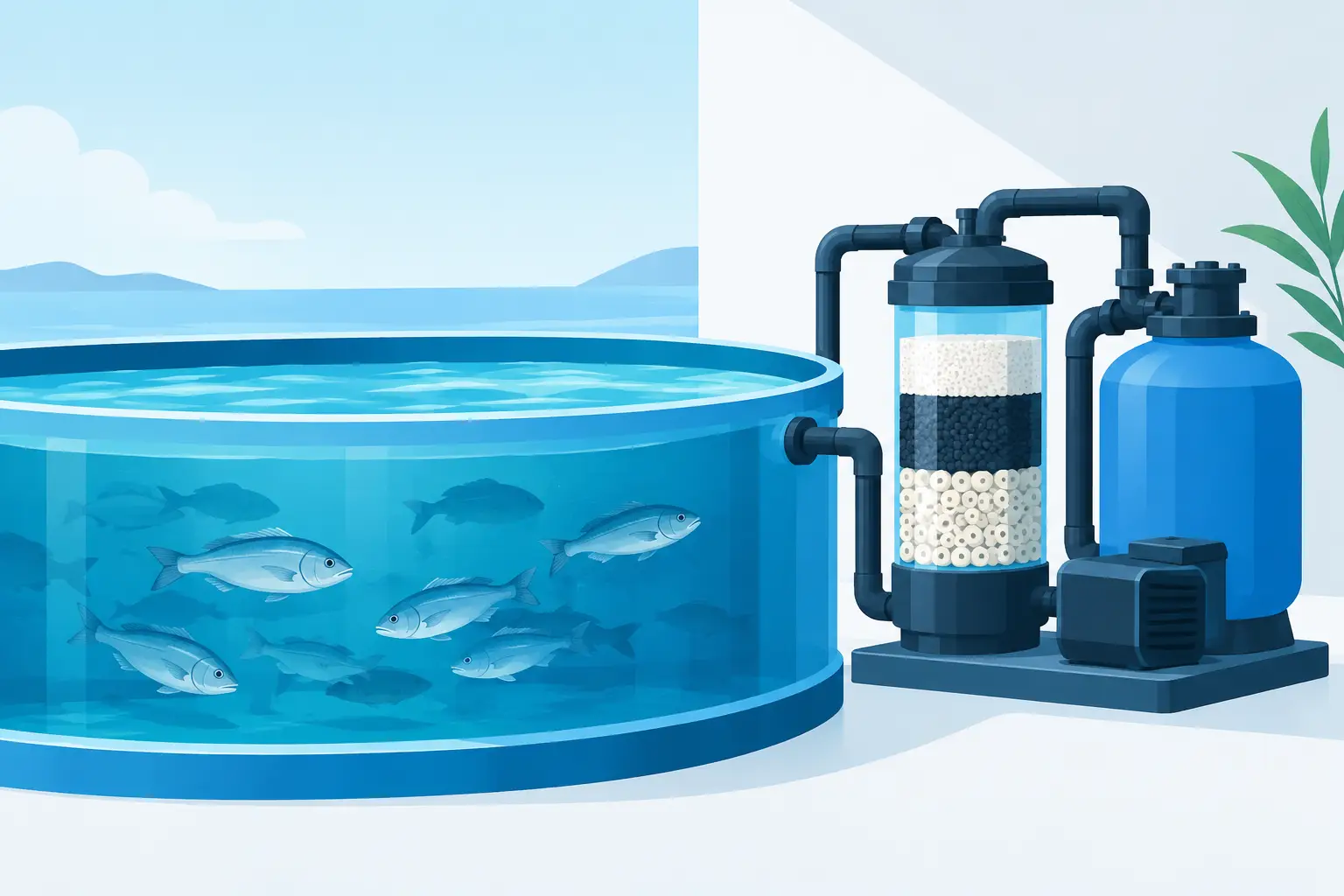
Purging is often misunderstood as a simple rinse cycle or a short-term holding step. In a commercial setting, it is much more than that. A properly engineered system supports filtration, circulation, and water conditioning in a way that helps the animals clear contaminants while keeping the tank stable enough for ongoing display and holding.
That distinction matters. A basic holding tank can keep lobsters wet and cold. A true purging setup is designed to improve the condition of the system itself, not just contain the product.
Why the lobster tank purging system matters in retail and foodservice
If you are responsible for seafood quality, department margins, or facility uptime, the value is practical. Cleaner water supports healthier live product. Healthier product is easier to sell, easier to hold, and less likely to create avoidable shrink.
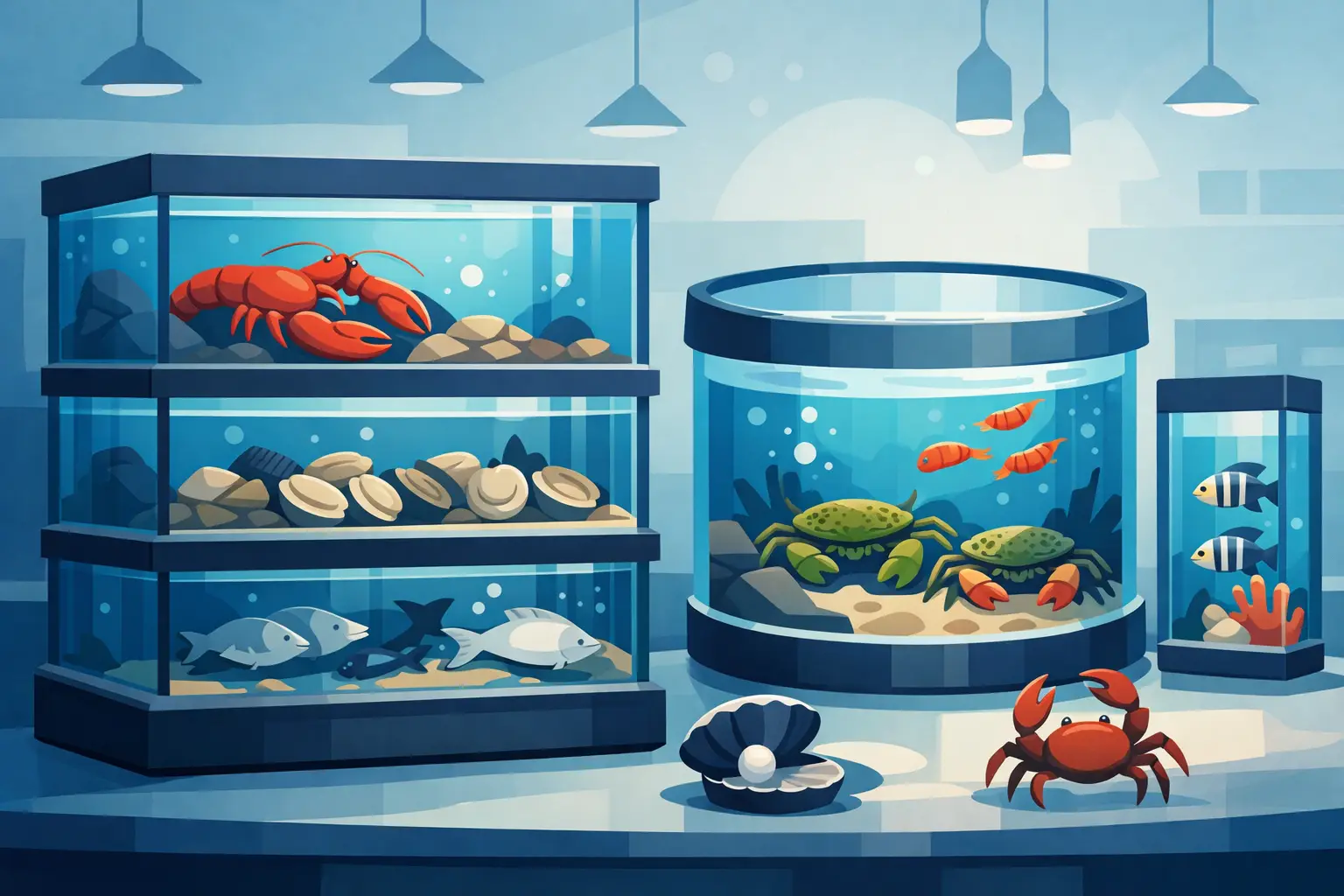
There is also a merchandising side to this. Customers notice tank clarity, lobster activity, shell condition, and the general cleanliness of the display. A tank that looks sharp supports confidence at the point of sale. A tank that looks cloudy or stressed sends the opposite message, even if the product is technically still alive.
For operators managing multiple locations, consistency is another major factor. One store may have a seafood manager with years of experience. Another may rely on broader store staff with limited live tank knowledge. A well-designed purging and filtration system helps reduce the degree to which success depends on one highly experienced person making constant adjustments.
The main components behind reliable purging
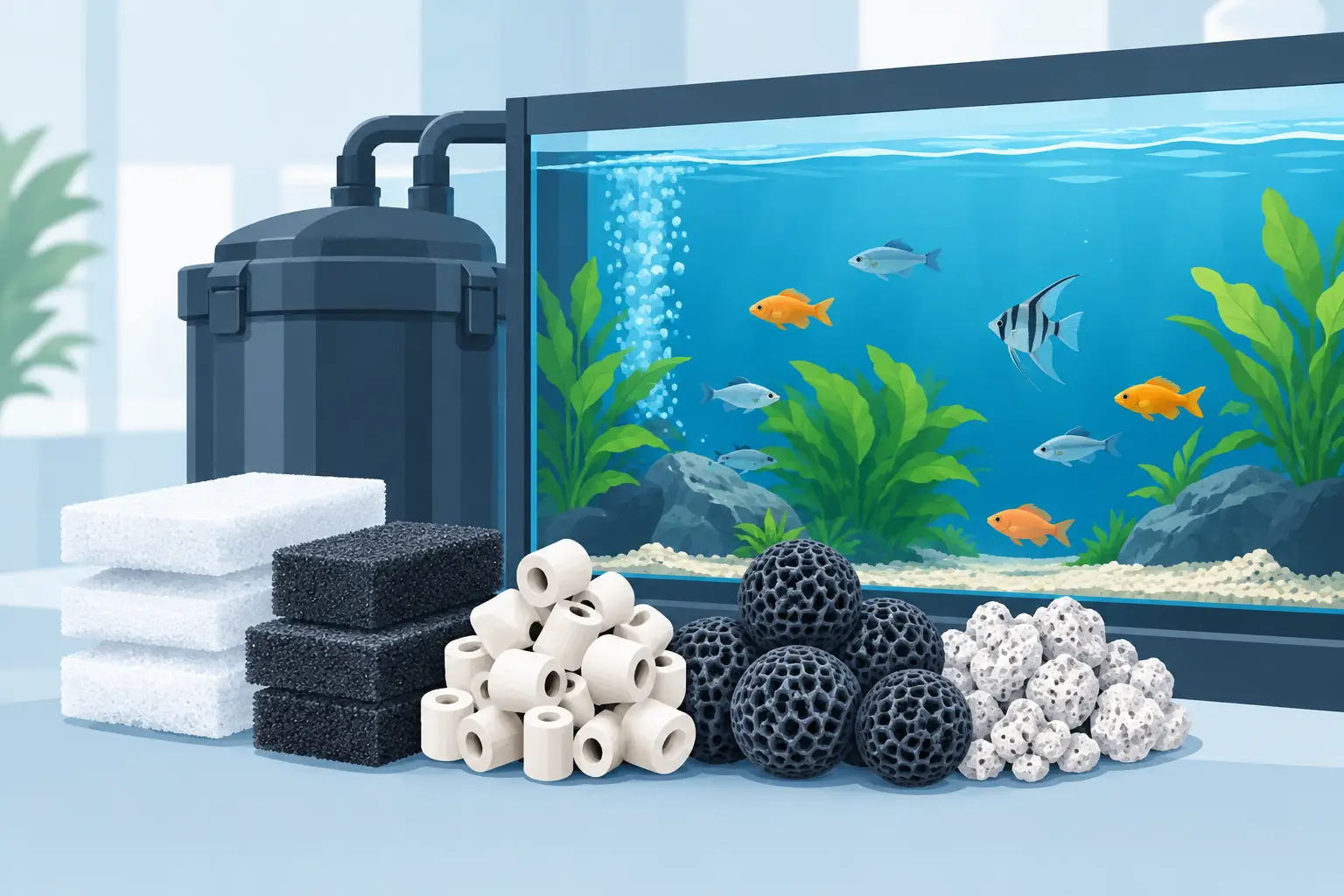
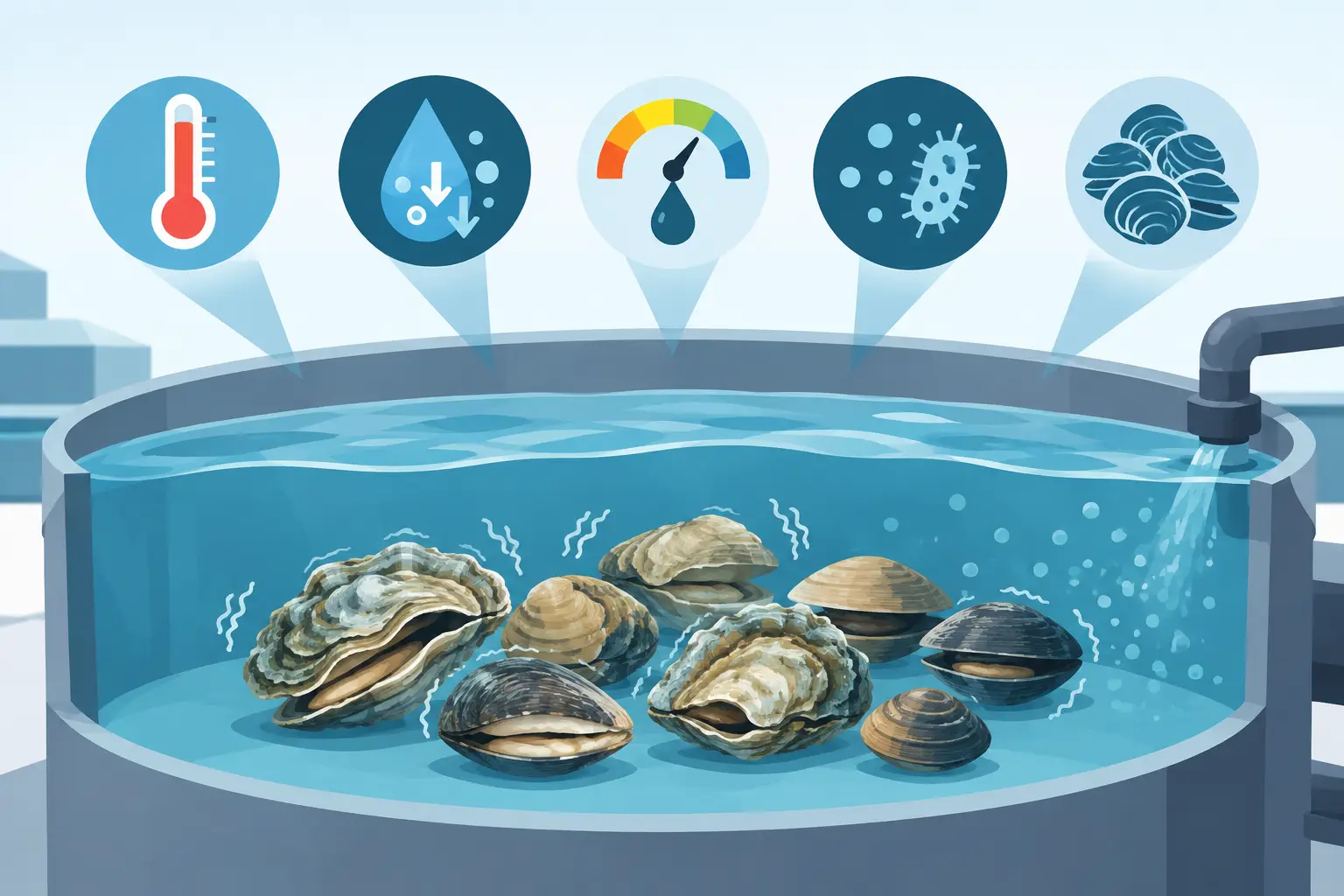
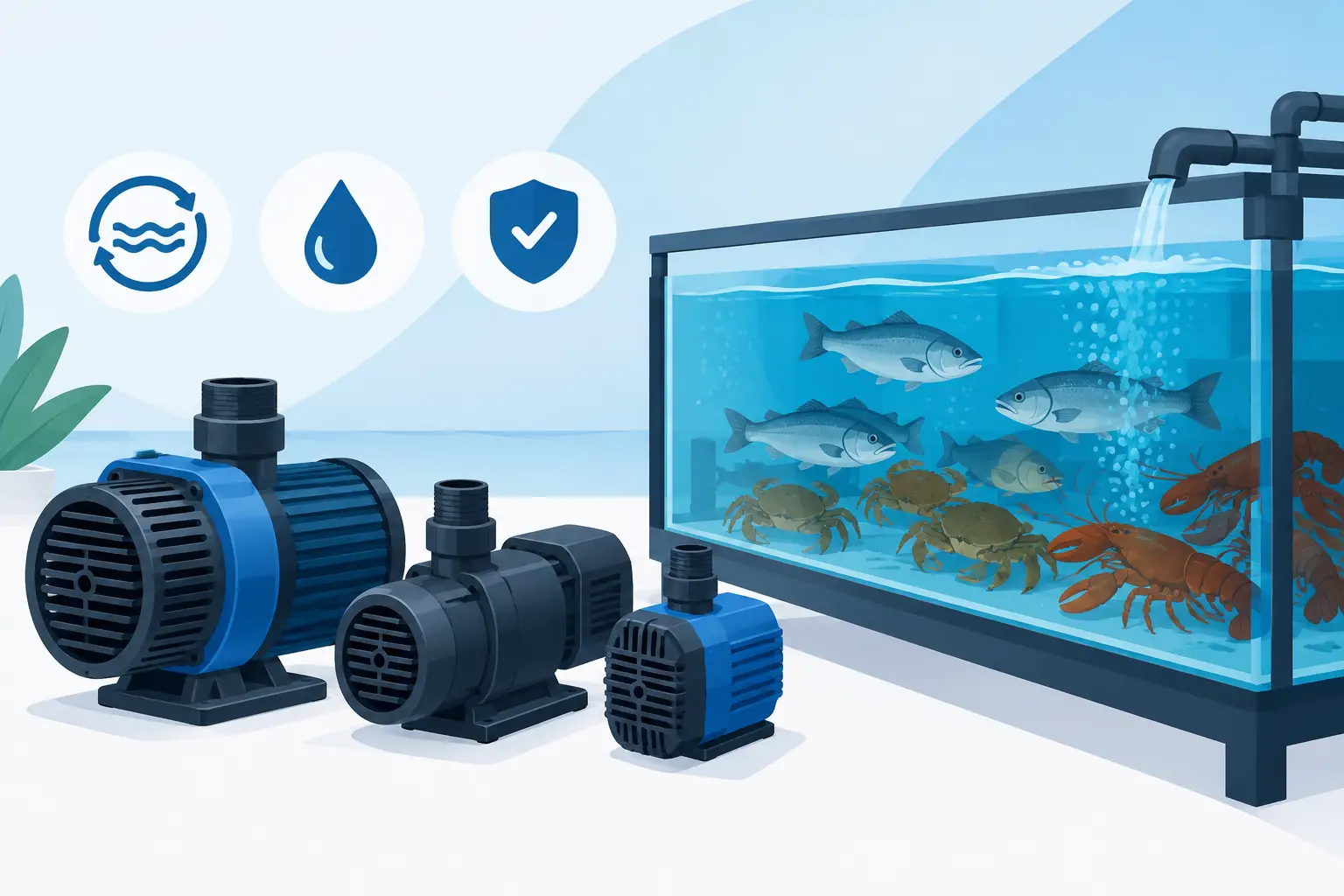
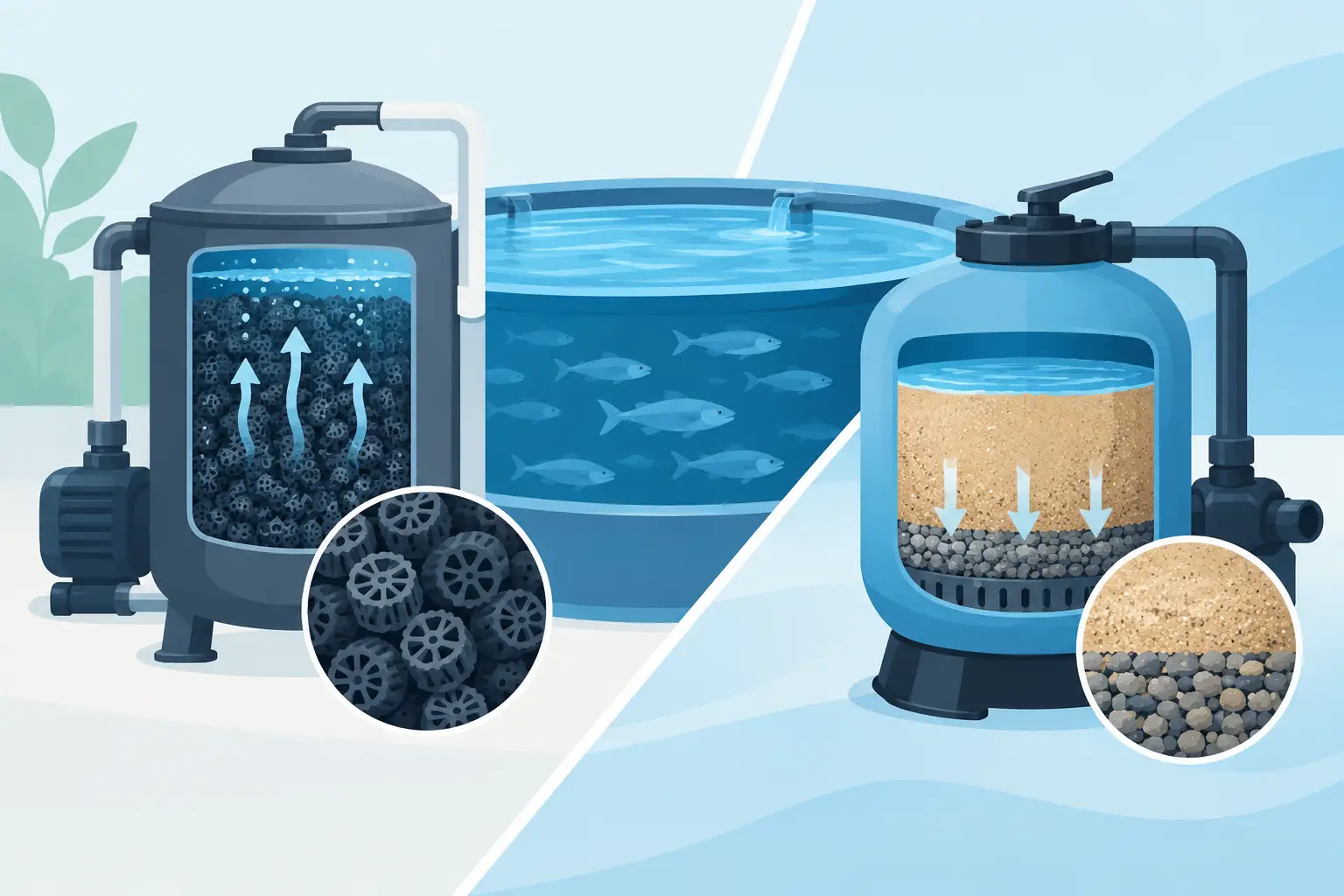
No two commercial lobster systems are identical, but dependable performance usually comes from the same set of fundamentals working together. Water movement has to be correct for the tank size and stocking level. Mechanical filtration has to remove solids before they break down further. Biological filtration has to support the conversion of harmful compounds. Chemical media may be needed to polish water and manage dissolved organics. Temperature control must stay steady, because stress rises quickly when water conditions drift.
The system design also has to account for real operating conditions, not ideal ones. That means how often the tank is opened, whether the location receives heavy weekend traffic, how frequently new lobsters are added, and how disciplined the cleaning routine is. A purging system that performs well in a lab but struggles in a busy seafood department is not the right system.
This is where many buyers run into trouble. They compare tanks by footprint or upfront price and overlook the hidden cost of underbuilt filtration and weak service support. In live seafood, the cheaper system often becomes the expensive one.
What happens when purging is not done right
Most tank failures are not dramatic at first. They show up as gradual decline. Water gets dull. Odor increases. Lobsters become less active. Mortality starts to rise in a pattern that gets blamed on shipping or seasonality, even when the tank itself is part of the problem.
There are trade-offs here. Overstocking can strain even a good system. Incoming product quality can vary by source and time of year. Staff handling plays a role too. But none of those are reasons to accept poor system performance. They are exactly why a commercial lobster operation needs equipment designed around real-world fluctuations.
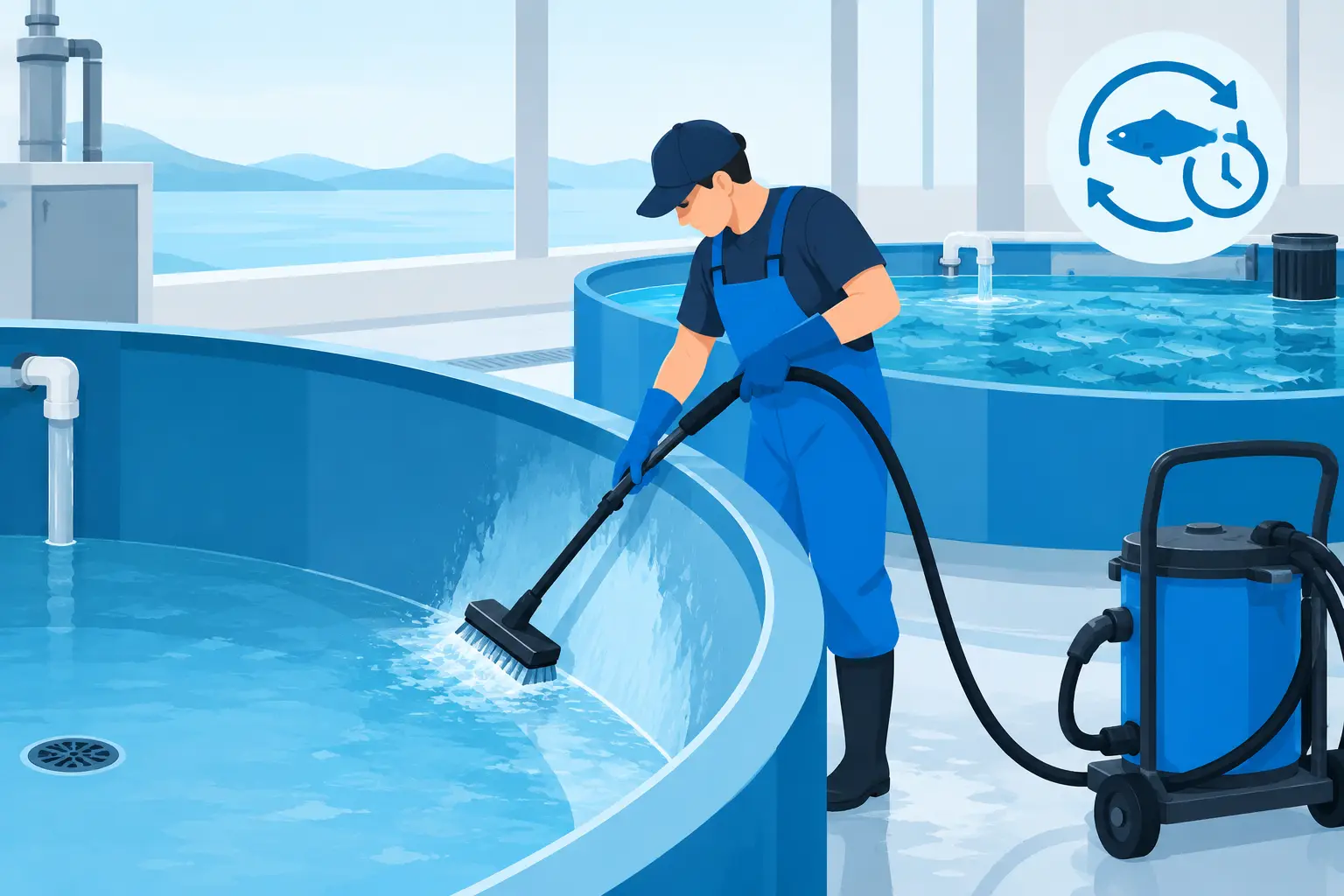
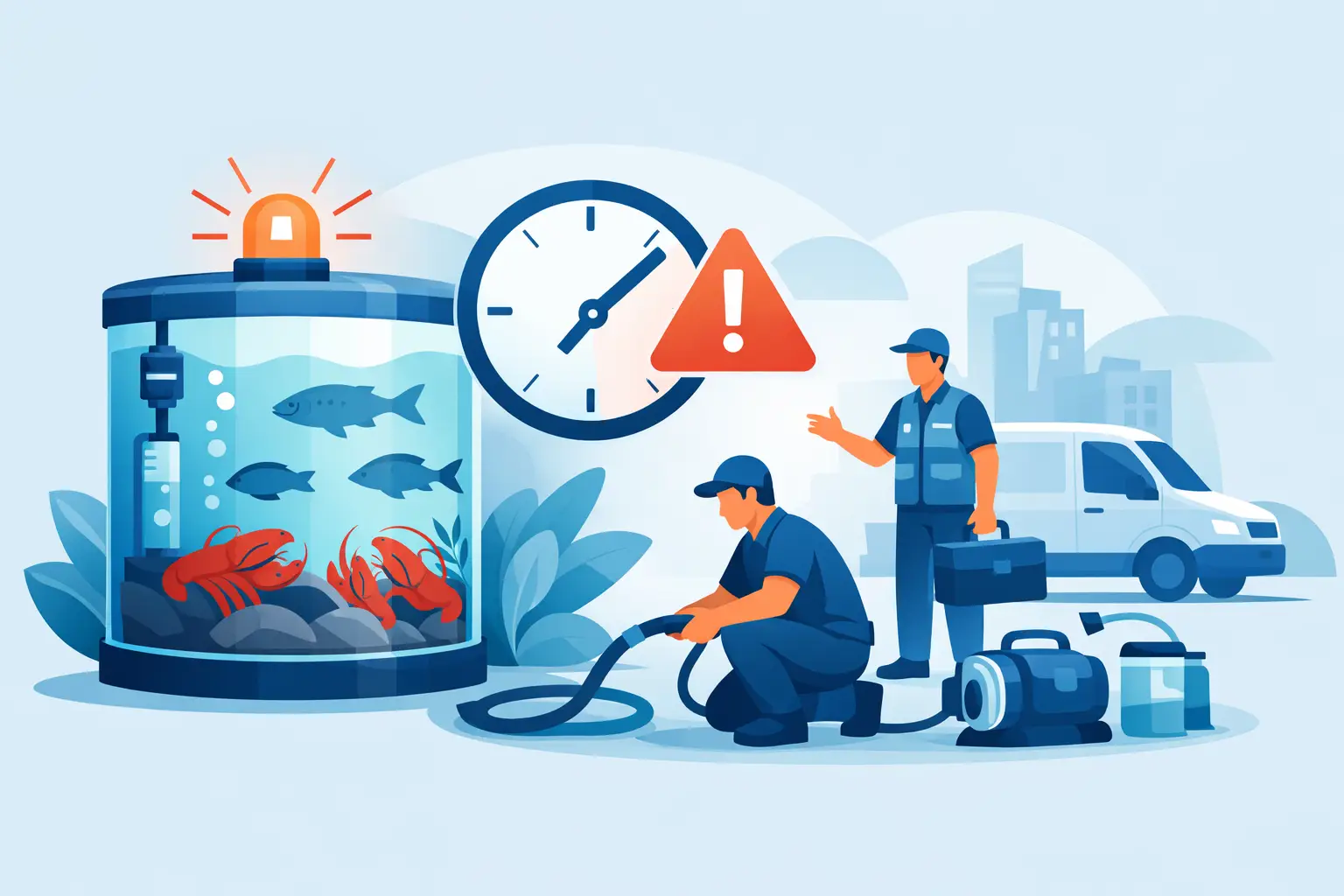
A weak purging process can also create extra labor. Staff may end up doing more emergency water changes, more frequent media replacement, and more reactive troubleshooting. That is time pulled away from selling, serving, and running the department.
Choosing a lobster tank purging system for commercial use
The right system depends on volume, turnover rate, floor plan, and how the live program fits your business model. A high-traffic supermarket with constant replenishment will have different needs than a specialty seafood shop holding lower volume with more hands-on oversight. A wholesaler handling larger live inventory has another set of demands entirely.
That said, a few questions separate a commercial-grade solution from a basic tank package. Is the system built specifically for lobster holding and purging, or is it a generalized aquatic setup adapted for shellfish? Is the filtration sized for your actual operating load, not just your best-case load? Can the supplier provide the salt, filter media, replacement parts, and technical support needed to keep the system performing over time?
Those questions matter because the tank is only one part of the investment. The long-term value comes from uptime, product quality, and access to knowledgeable support when conditions change.
Why self-contained design changes the day-to-day
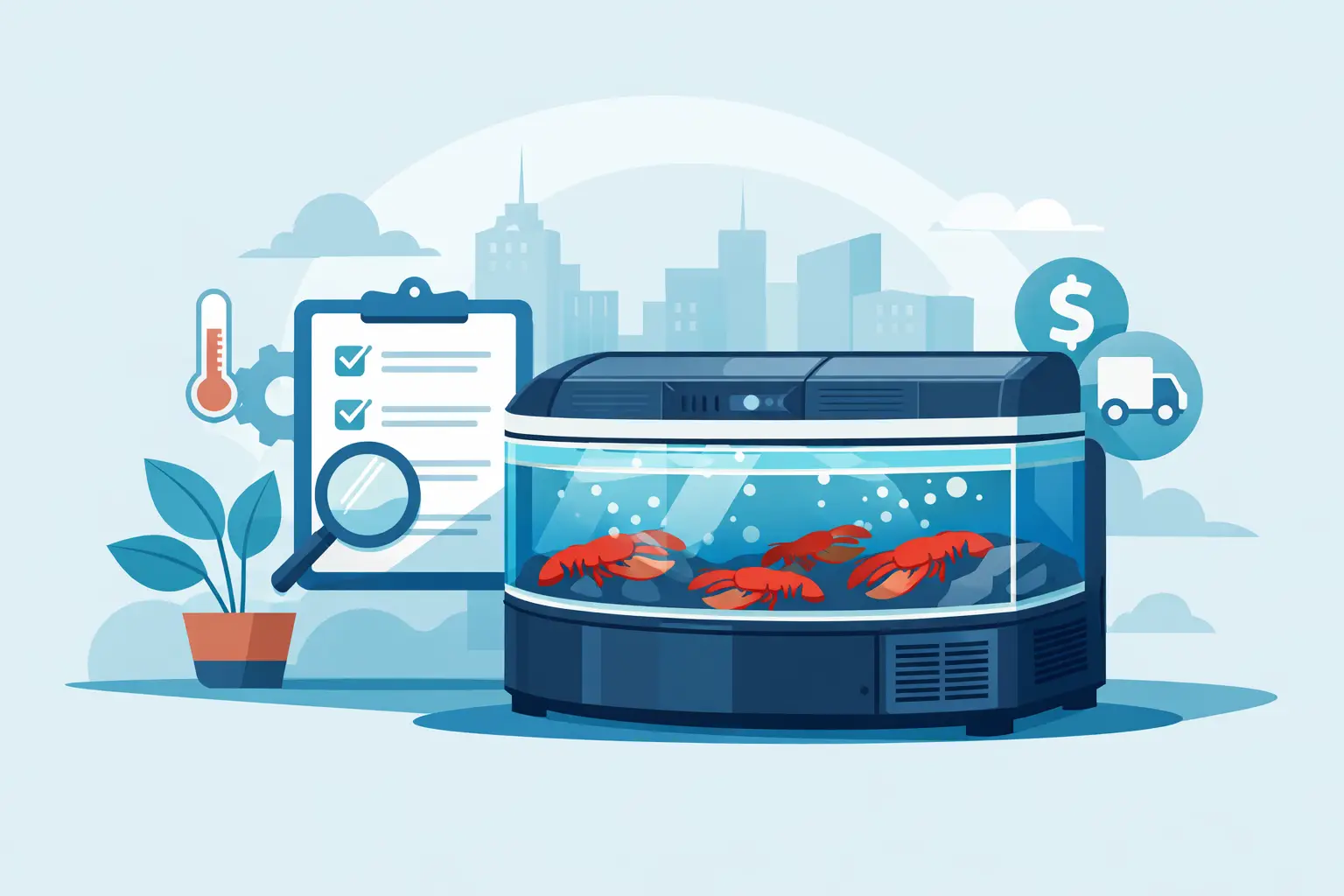
A self-contained lobster tank purging system can simplify installation and ongoing operation, especially in commercial environments where space, plumbing access, and maintenance time are limited. Instead of relying on a more complex remote setup, a self-contained design keeps key treatment functions integrated into the unit.
That can mean faster deployment, cleaner service access, and fewer points of failure if the system is engineered properly. It can also make routine care more manageable for store teams that need a dependable process, not a science project in the back room.
The trade-off is that self-contained does not mean one-size-fits-all. Capacity, filtration performance, and serviceability still need to match the application. A compact footprint is helpful, but not if it comes at the expense of holding stability during peak sales periods.
Service support is part of the system
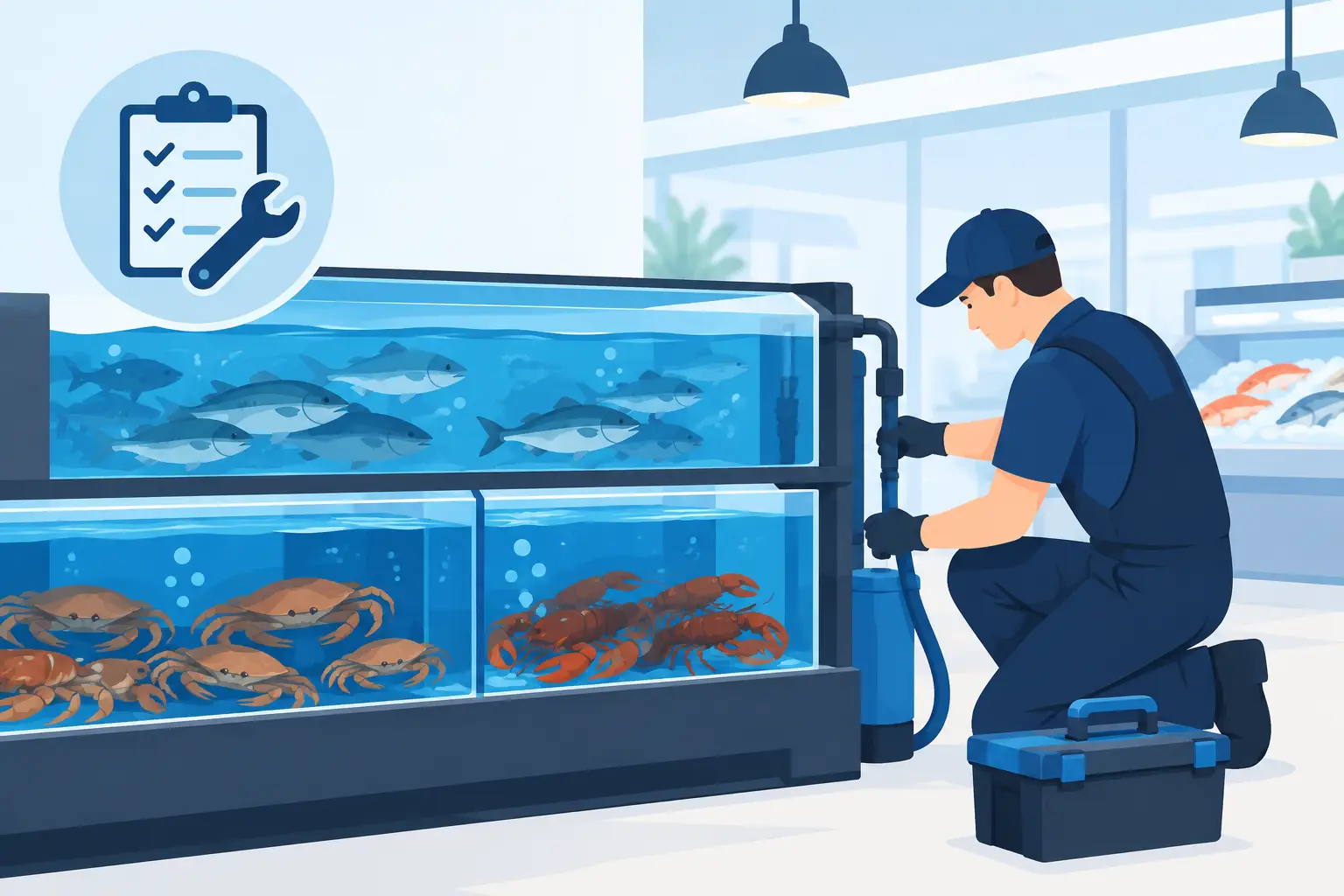
This is the part too many buyers learn the hard way. A lobster tank purging system is not just stainless, acrylic, pumps, and media. It is also the service behind it. When a circulation issue hits before a holiday weekend or water quality starts slipping across multiple locations, you need a supplier that knows live seafood systems and can respond like it matters – because it does.
That is why serious operators look for a full-service partner, not just a fabricator or reseller. Design, manufacturing, consumables, maintenance, replacement components, and technical support all affect tank performance. When those pieces come from different vendors, accountability gets blurry fast.
For commercial seafood sellers, one place for equipment, salt, filtration products, service, and support is not just convenient. It is operationally smarter.
What strong purging performance looks like
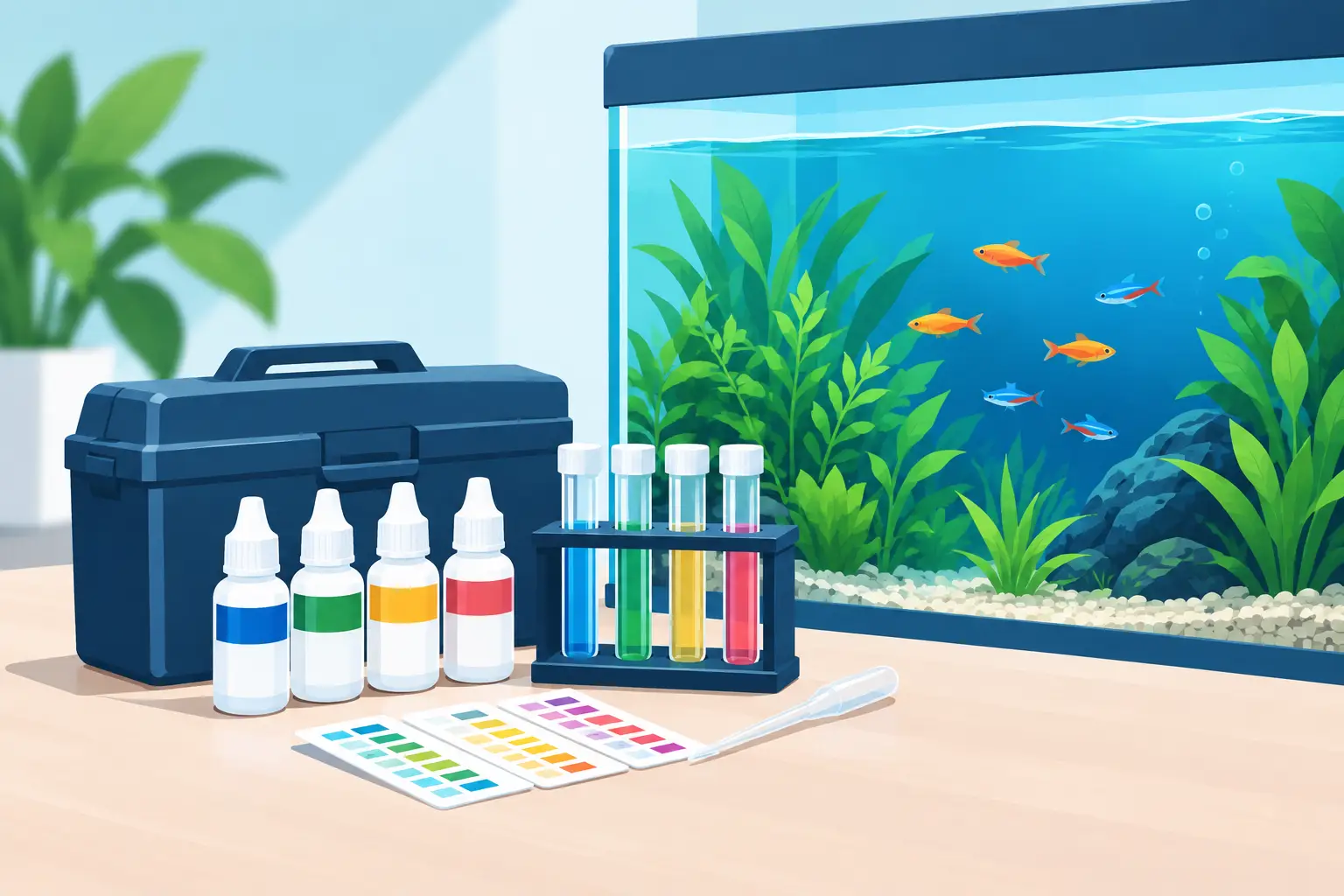
You do not judge purging success by one good day after a cleaning. You judge it by consistency. Water stays clearer. Odor stays controlled. Lobsters remain more stable in the system. Staff can follow routine maintenance without constant firefighting. The display supports the sales floor instead of creating risk behind the scenes.
That kind of performance usually reflects good engineering, correct sizing, disciplined maintenance, and a supplier that understands how live lobster systems behave in actual commercial settings. It is not about overcomplicating the equipment. It is about building the right system for the workload and backing it up properly.
Since 1989, Lobster Life Systems has built its reputation around exactly that kind of practical reliability for commercial and retail seafood operations across North America. For buyers who cannot afford guesswork in live inventory, experience shows up where it counts – in tank performance, service response, and long-term support.
If your live program is meant to drive revenue, reinforce quality, and protect valuable inventory, the right purging system is not an accessory. It is part of the operating standard your customers can see and your margins can feel.