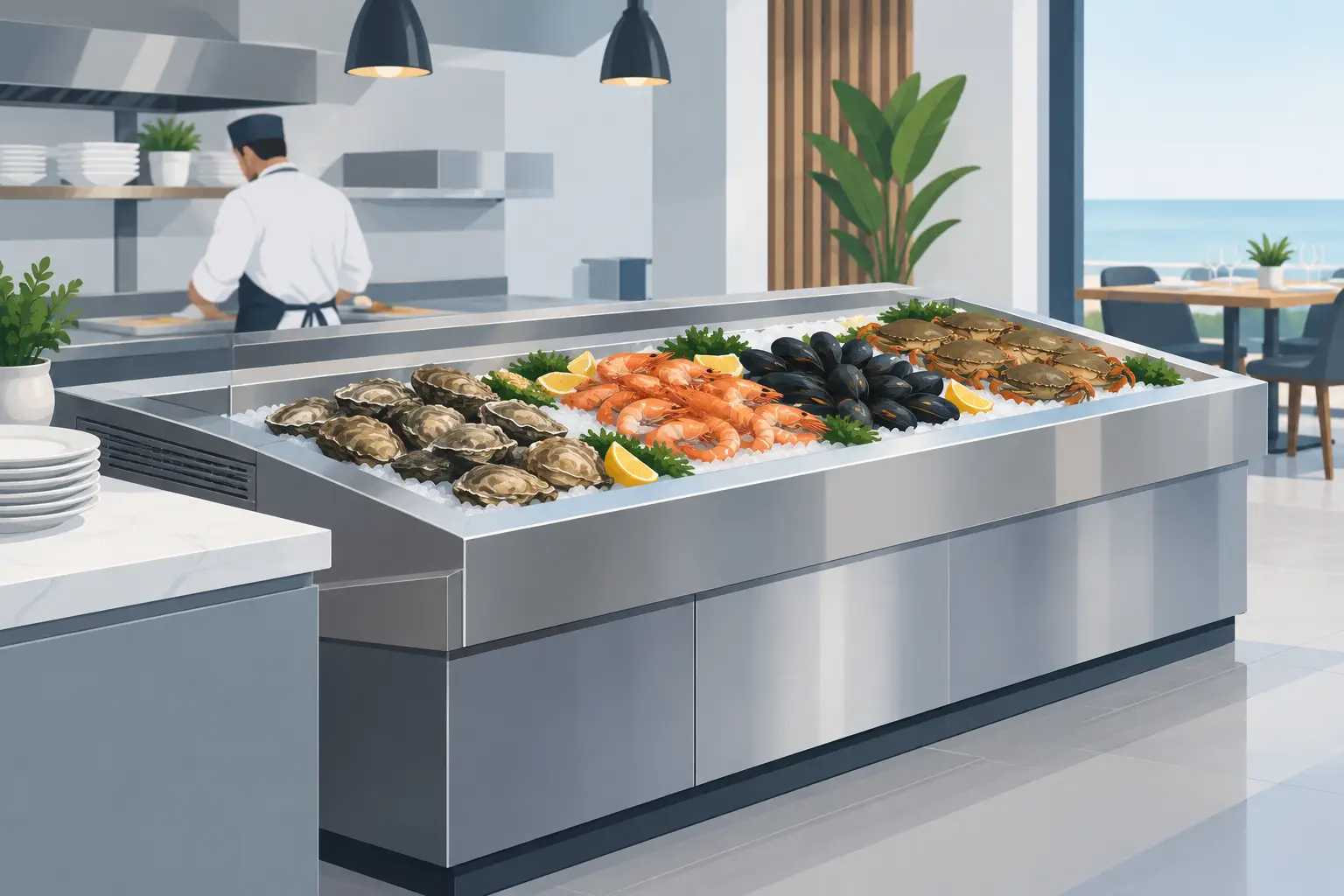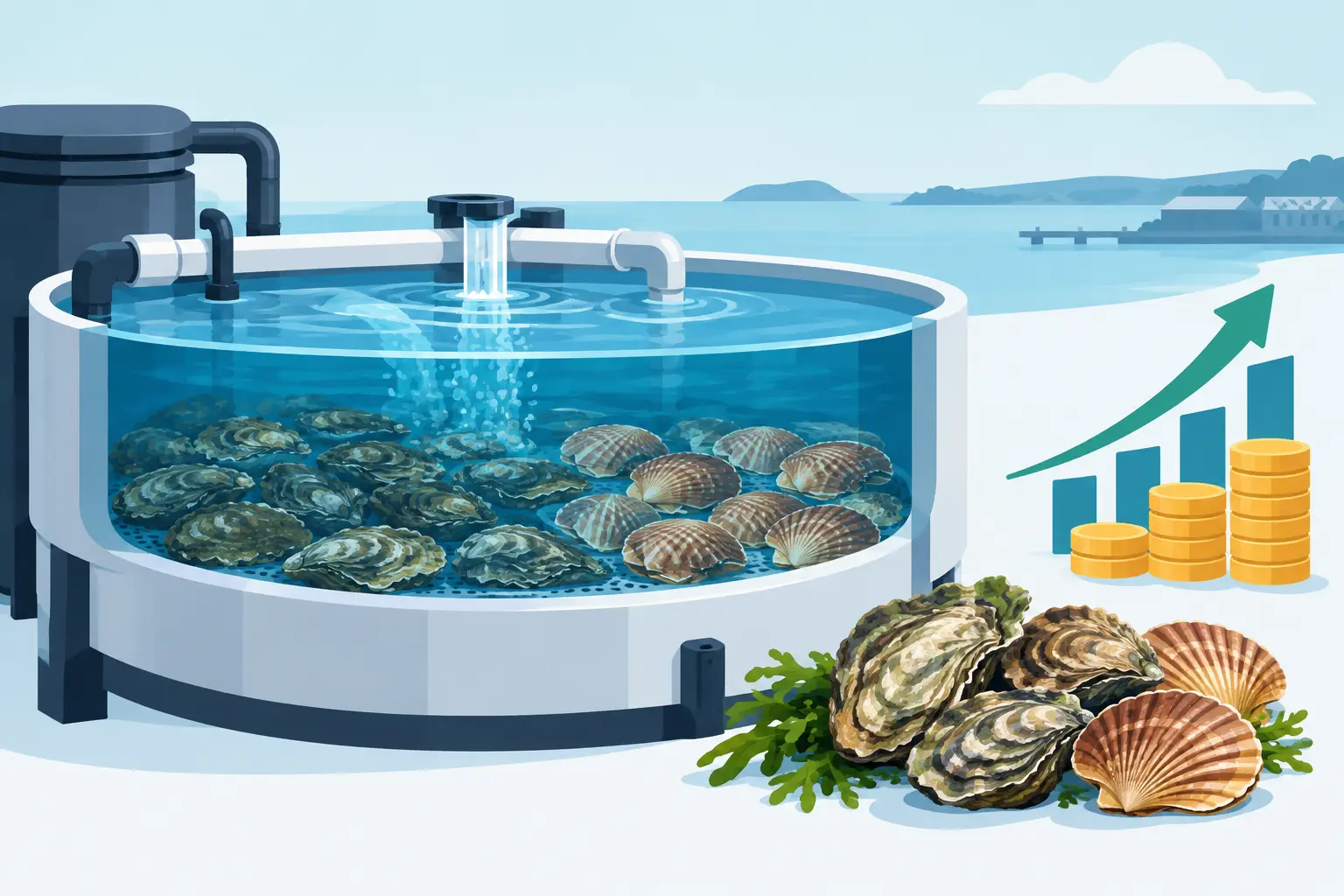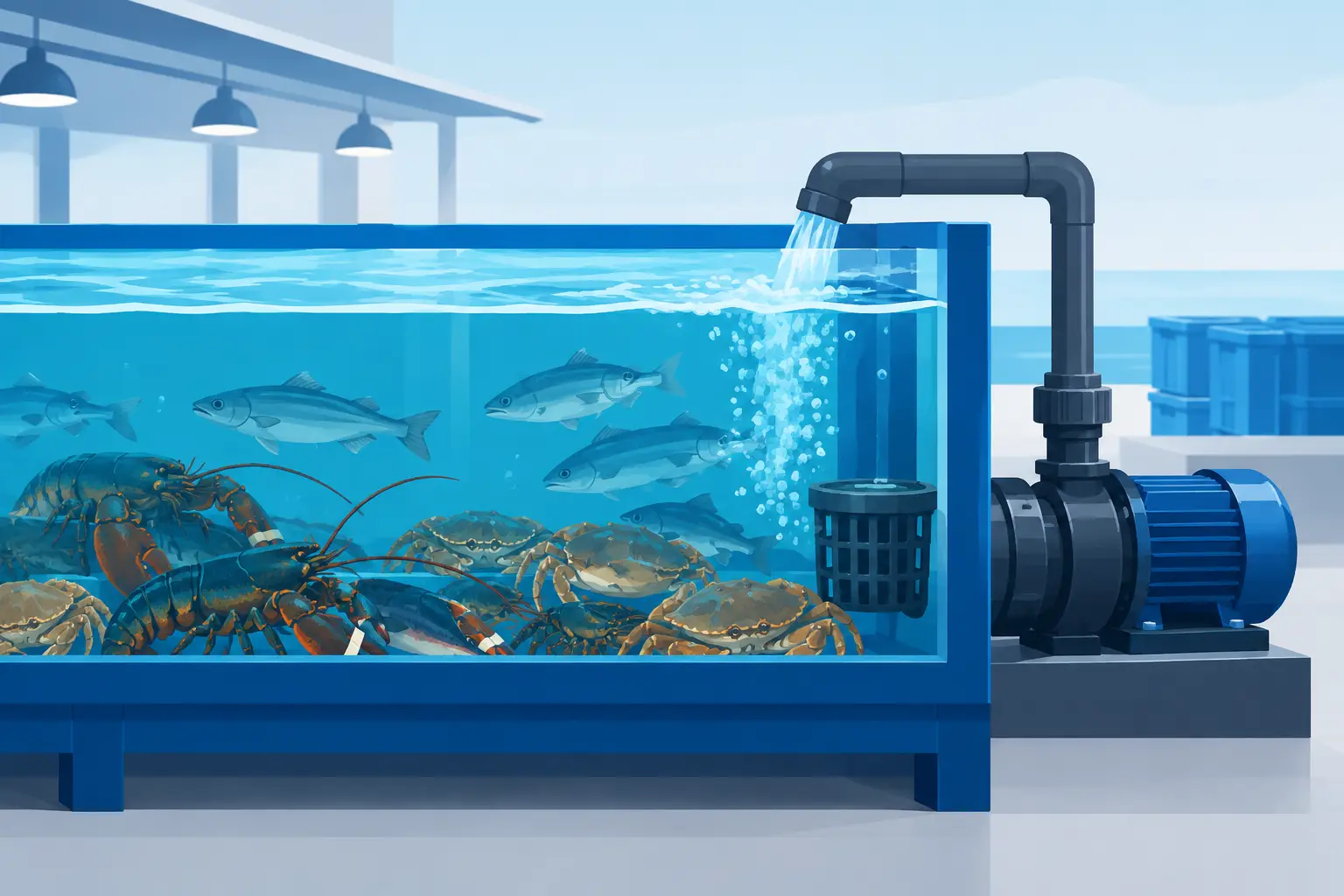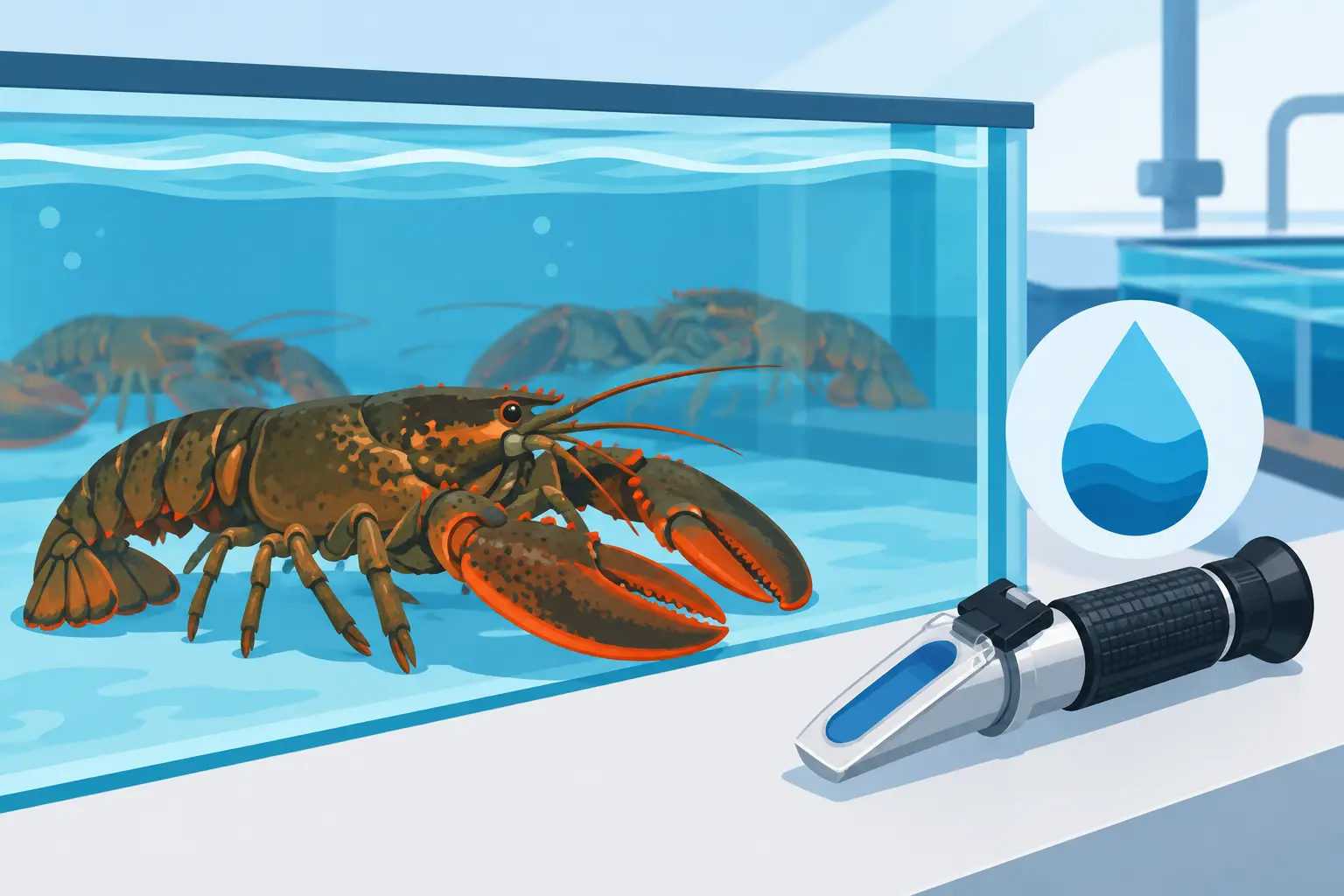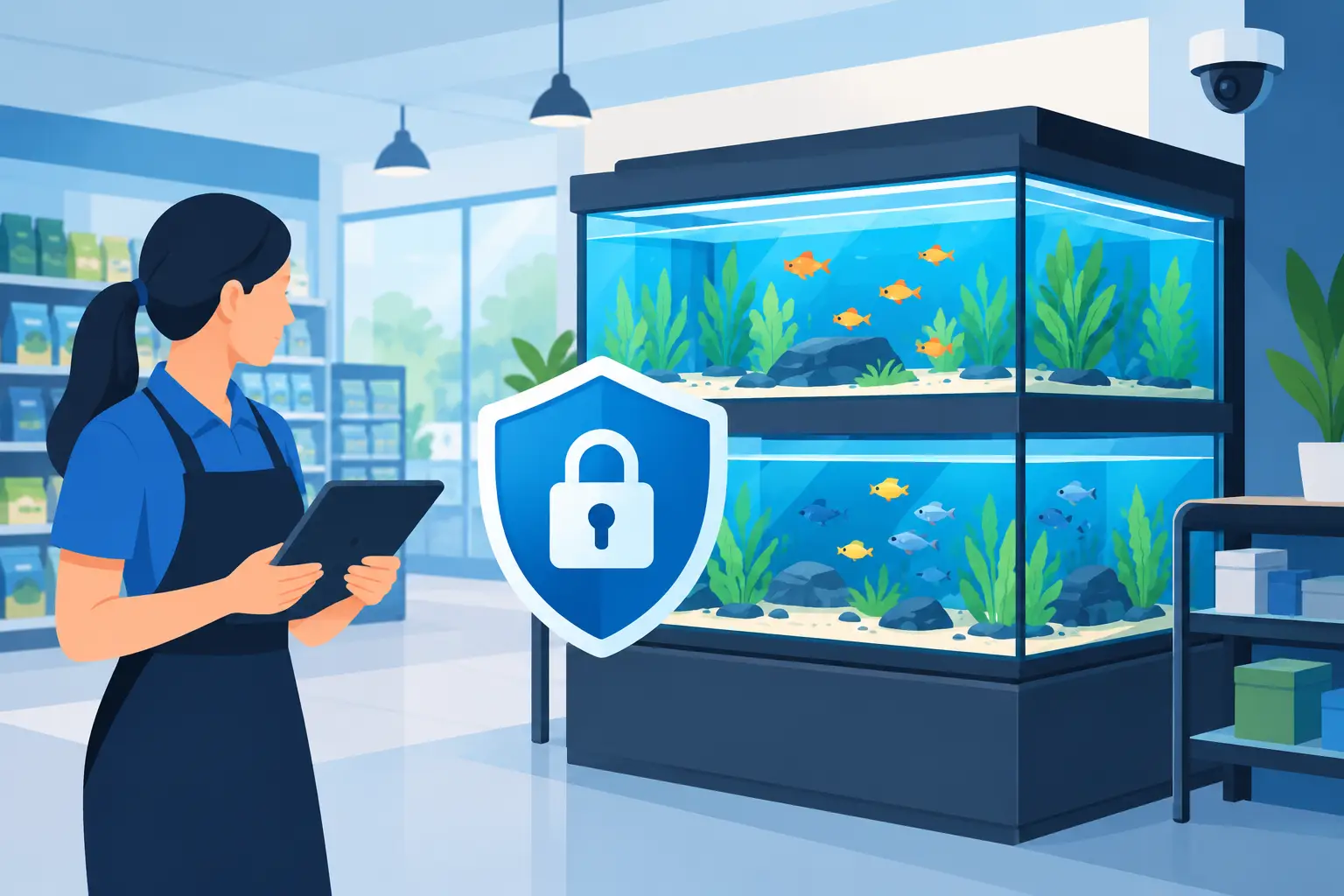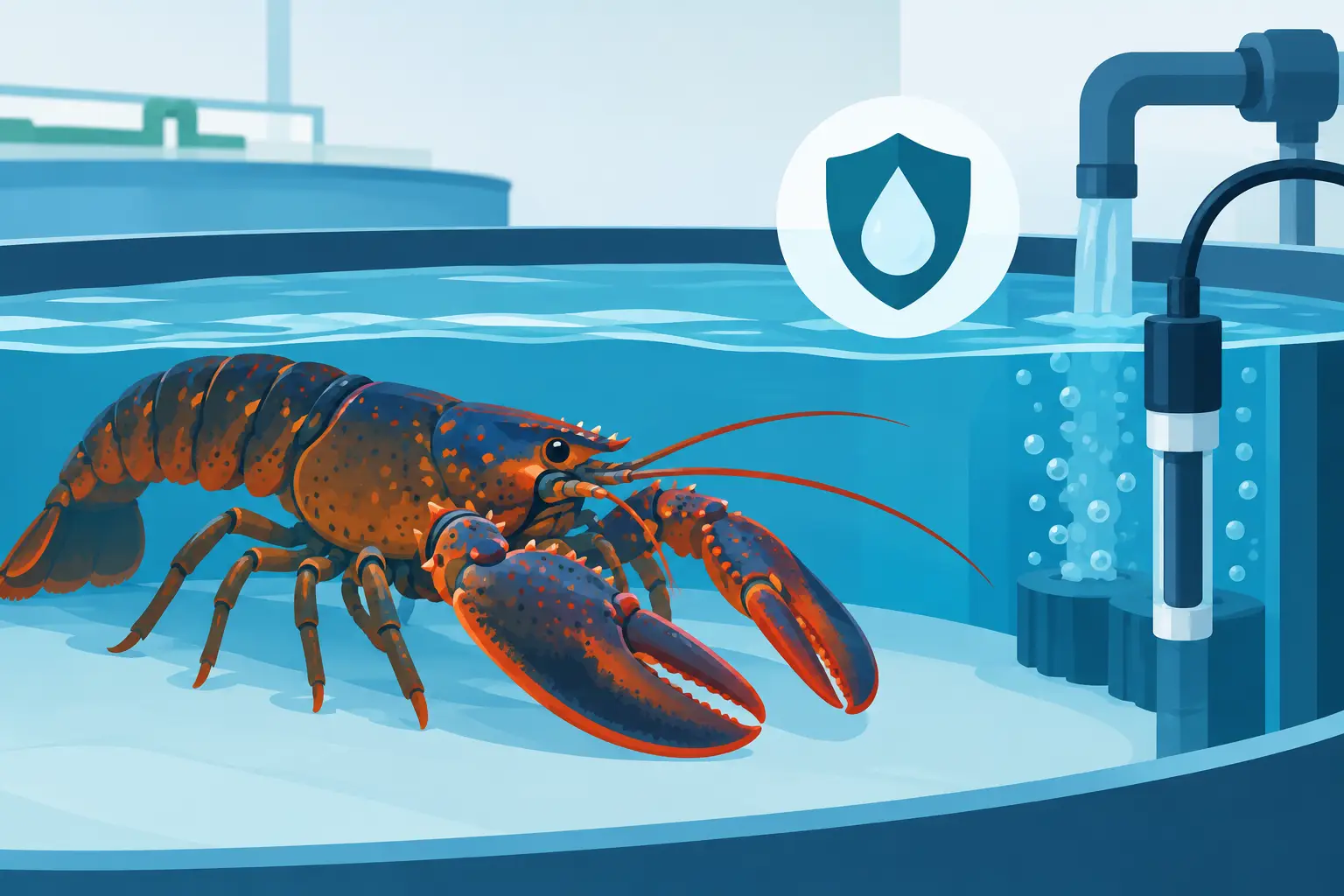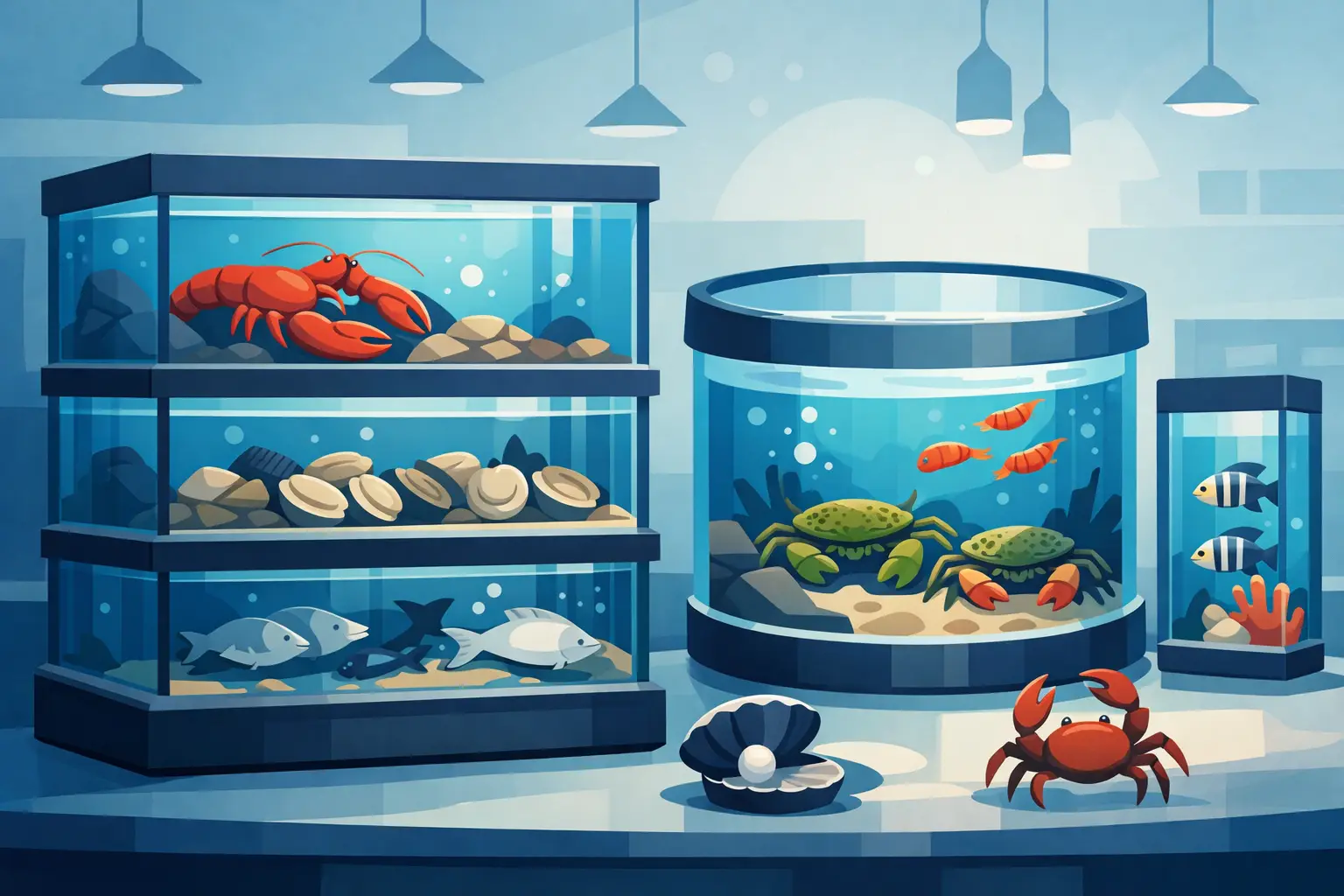
A live seafood display can sell the product before your staff says a word. It can also turn into a daily problem if the system behind the glass was built for looks instead of commercial use. That is why commercial fish tank systems have to be engineered around uptime, water quality, sanitation, and serviceability – not just footprint and finish.
For supermarkets, seafood markets, wholesalers, and restaurants, the tank is part merchandising fixture, part life-support system, and part operational asset. When it performs well, livestock looks healthy, shrink stays under control, and the department runs with fewer surprises. When it does not, every issue shows up fast – stressed product, cloudy water, emergency calls, and lost revenue.
What commercial fish tank systems are really expected to do
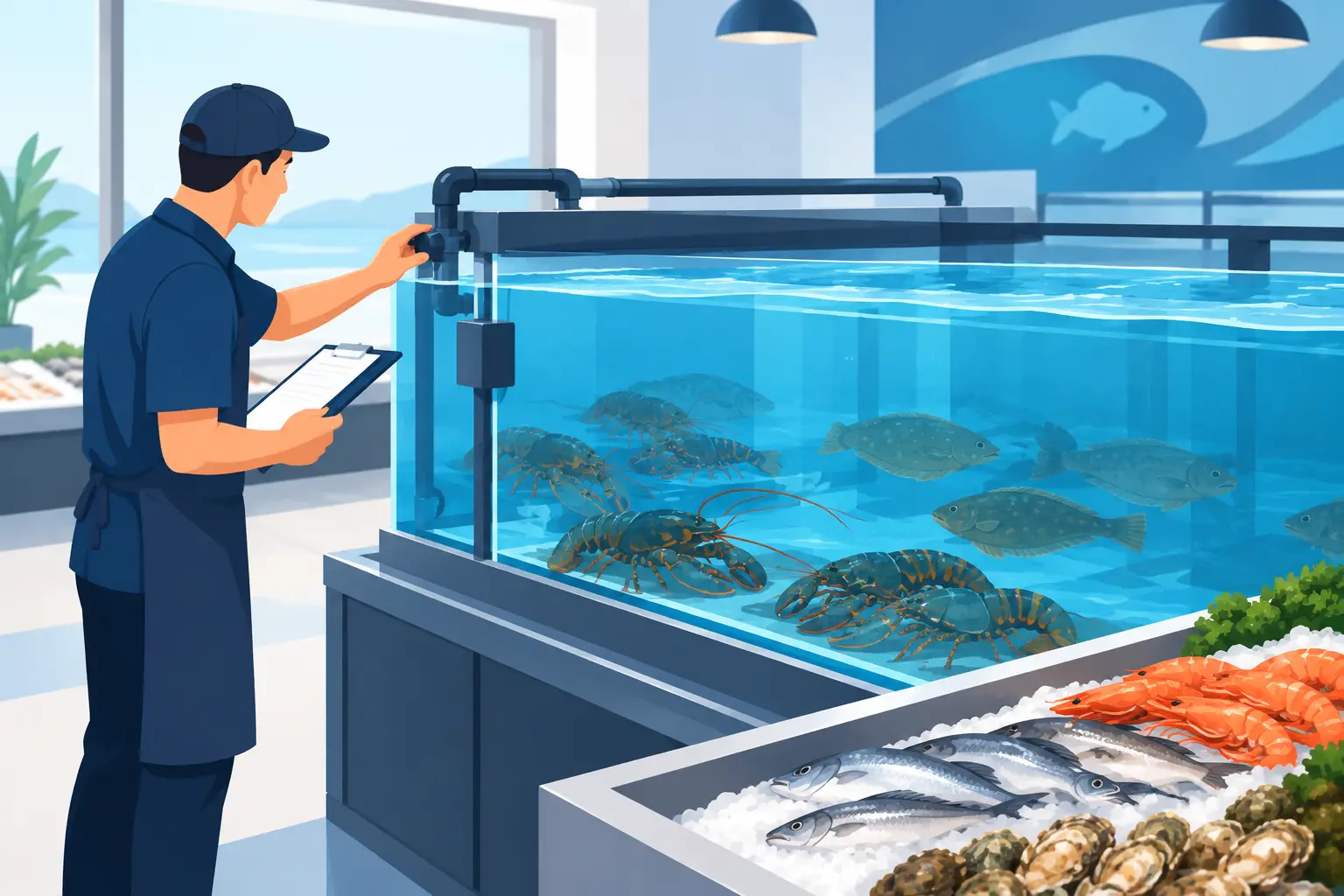
In a commercial setting, a tank system has a bigger job than holding water. It has to support live product safely, maintain stable conditions through long operating hours, and stand up to repeated cleaning, handling, and customer traffic. It also has to fit the way your team actually works.
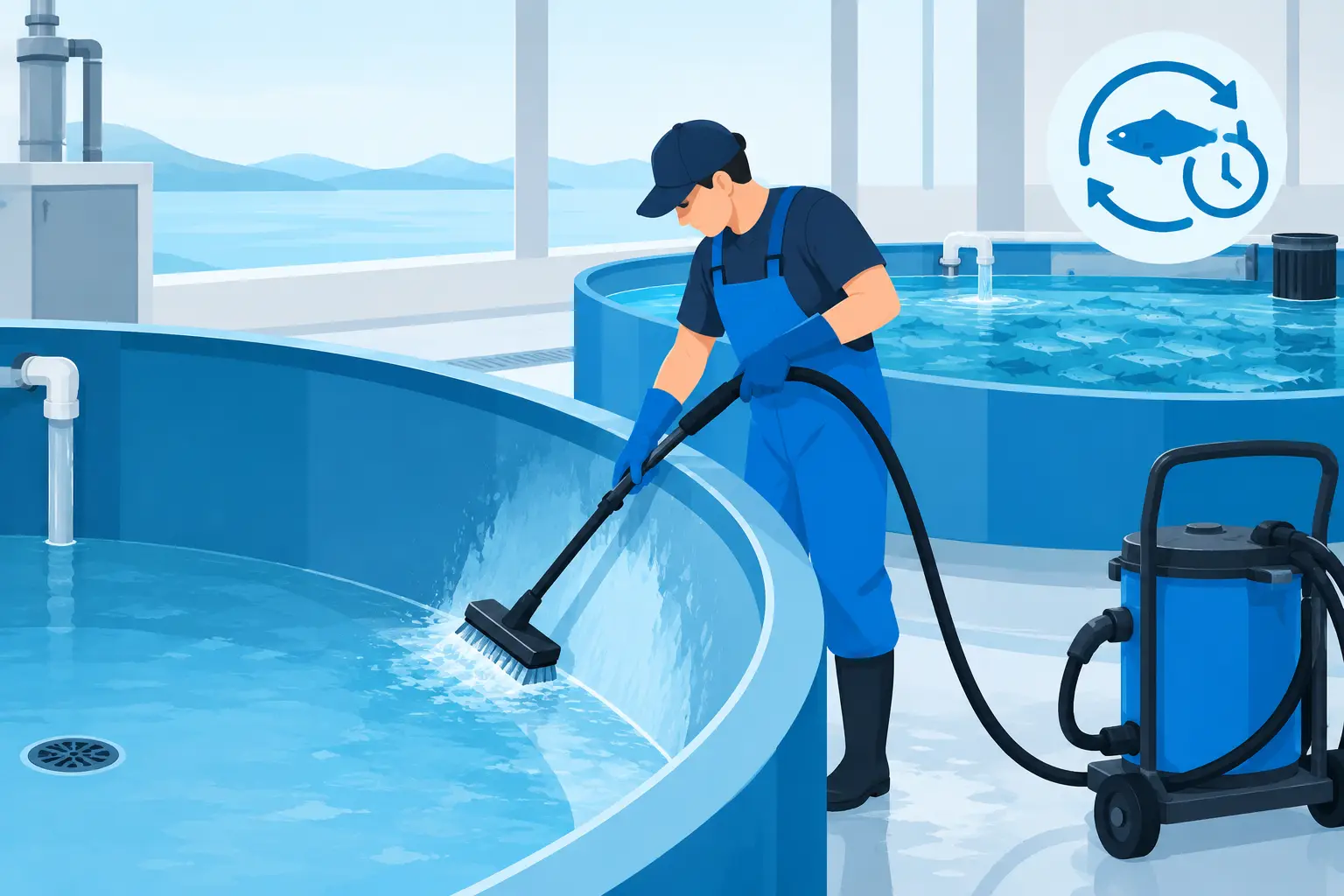
That last point matters more than many buyers expect. A beautiful system with awkward access panels, cramped filtration space, or difficult drain-down procedures becomes a labor issue almost immediately. If basic upkeep takes too long, maintenance gets delayed. If maintenance gets delayed, animal health and presentation start to suffer.
The best systems are designed with real store conditions in mind. That means dependable circulation, practical filtration access, durable materials, and controls that staff can manage without guesswork. In a live seafood environment, consistency beats gimmicks every time.
The parts of commercial fish tank systems that matter most
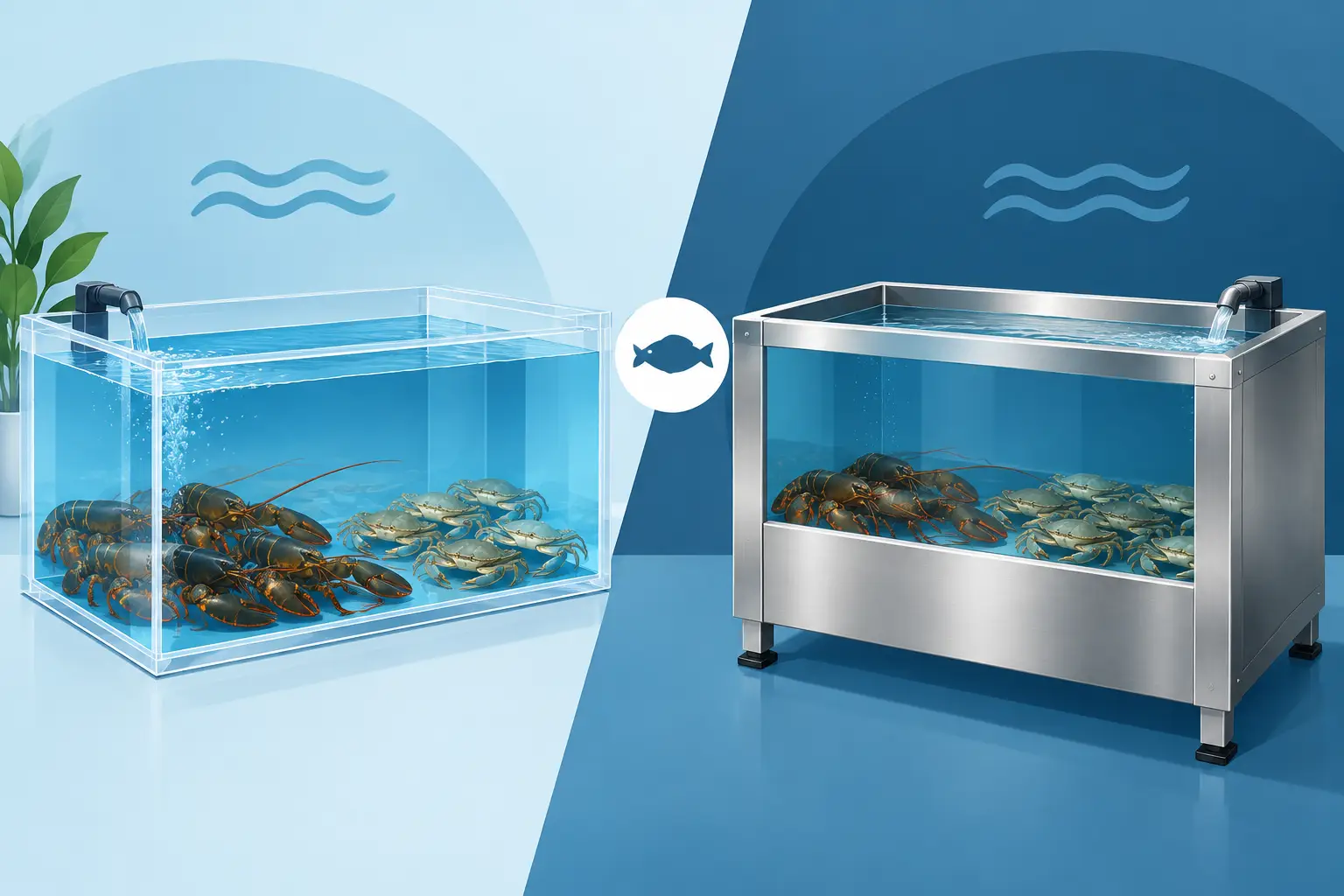
The first thing most people notice is the tank itself. The acrylic or glass, the shape, the visibility, the way the display fits the department. Those details matter because presentation drives sales. But the display portion is only one layer of the system.
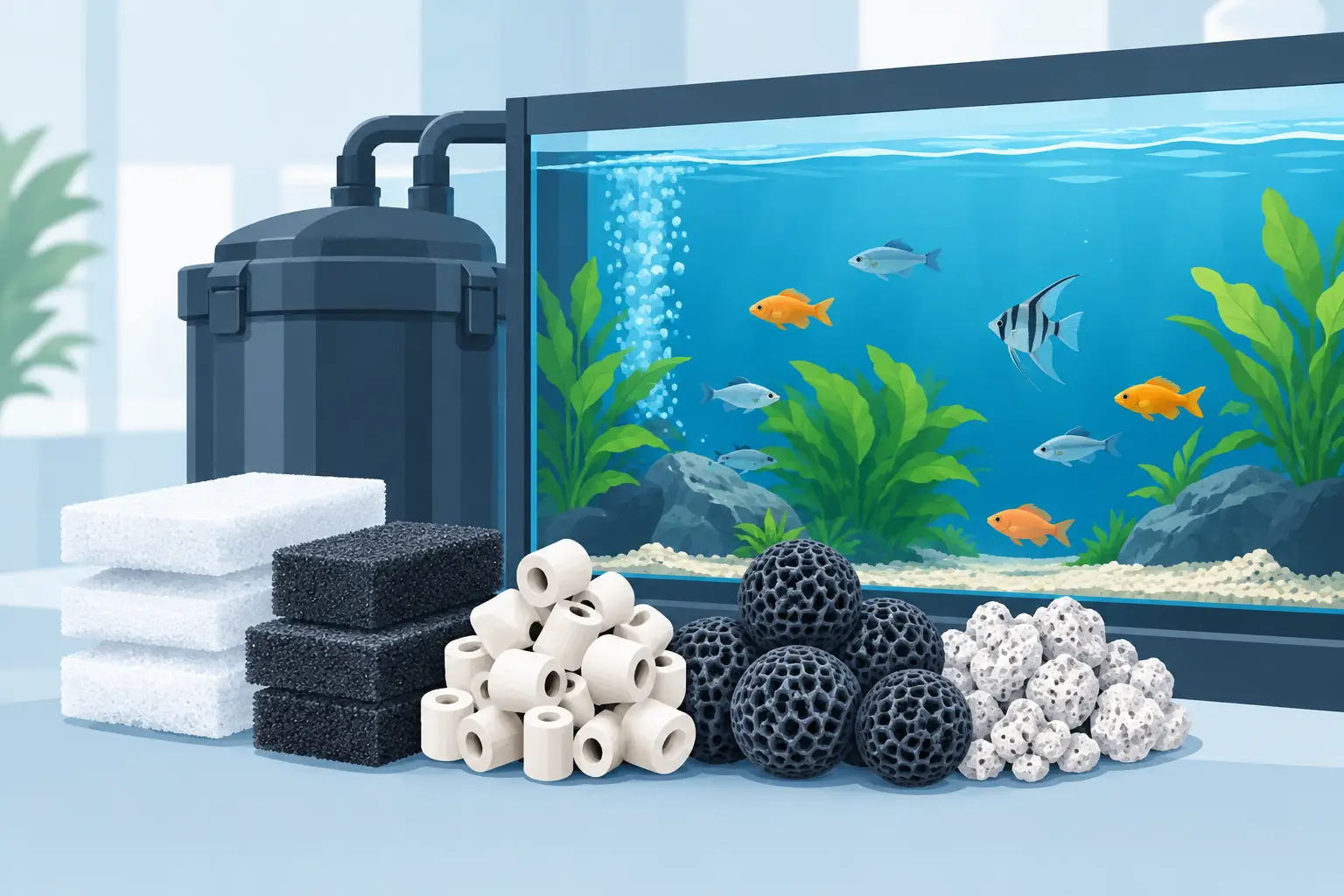
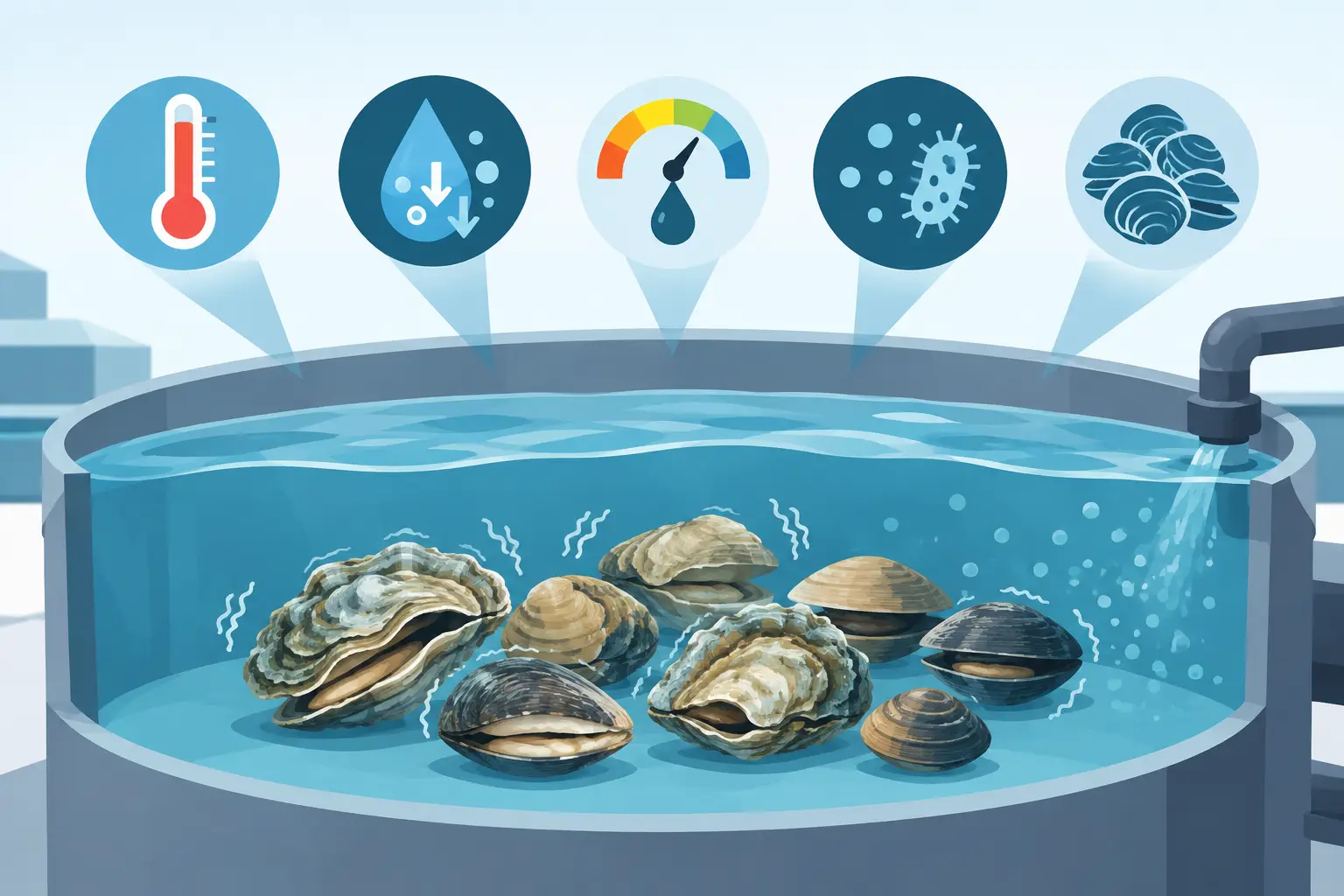
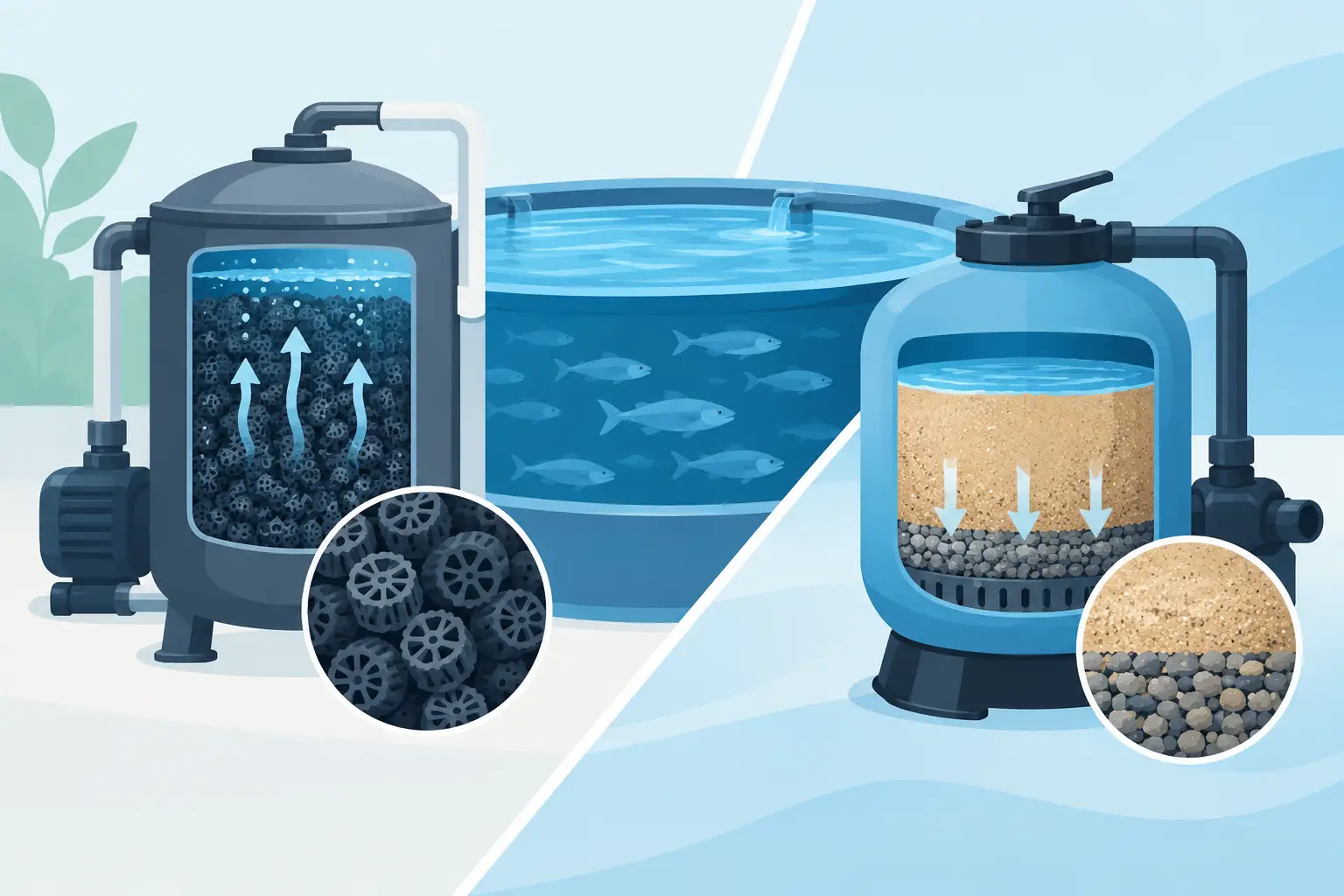
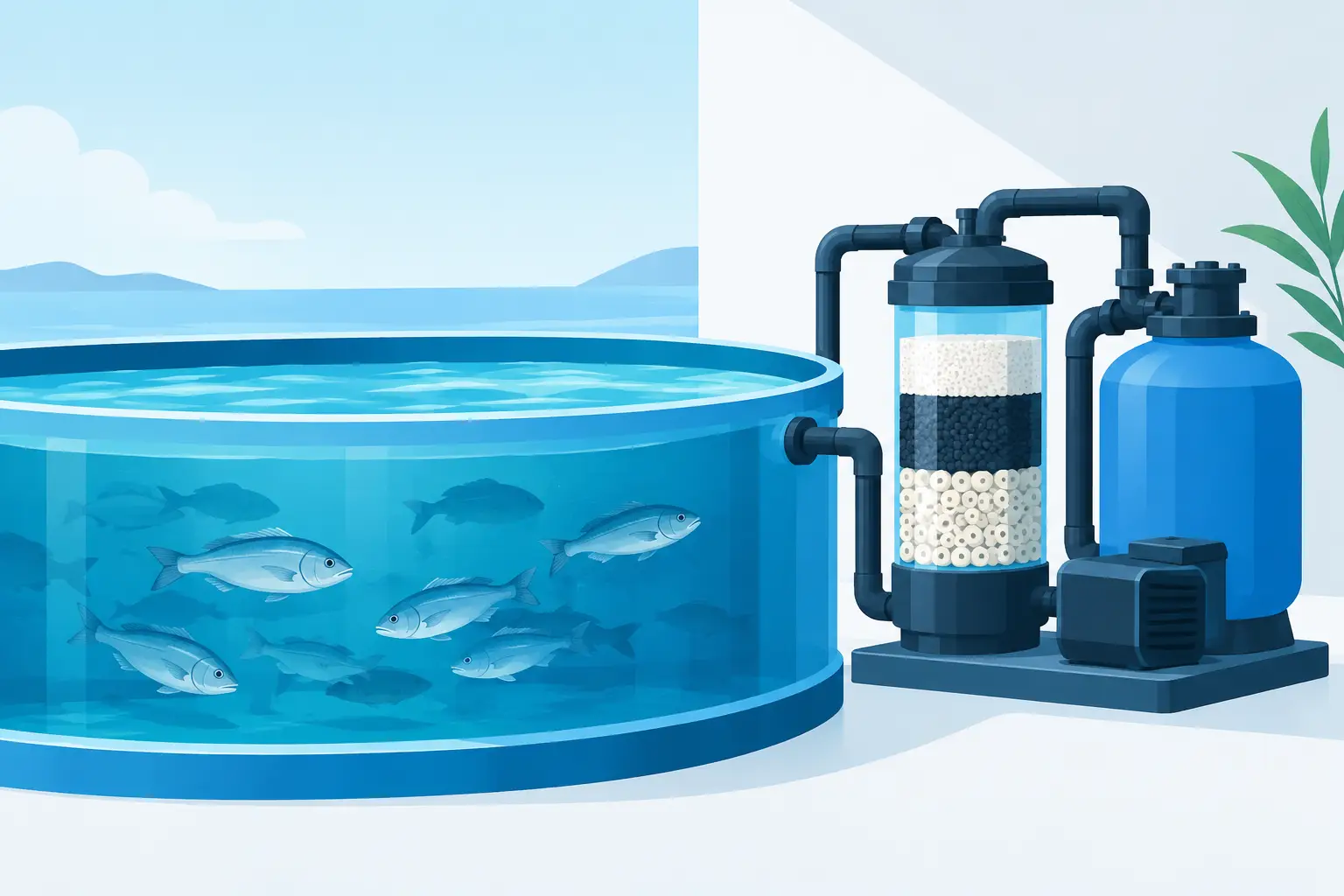
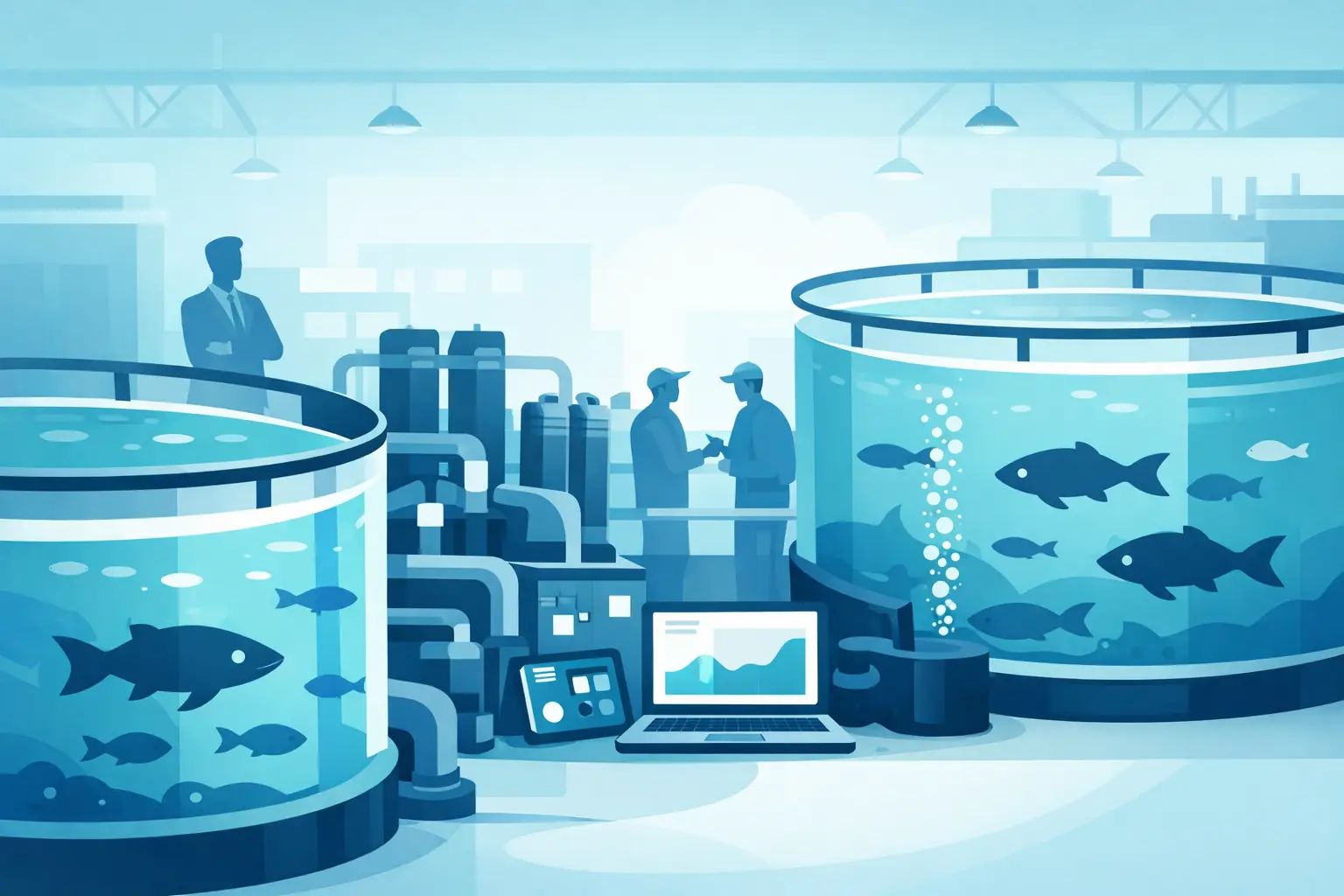
Filtration is where long-term performance is won or lost. Mechanical filtration removes suspended waste. Biological filtration supports the bacteria needed to break down harmful compounds. Chemical media can help polish water and manage odor and discoloration. If these elements are undersized, poorly arranged, or hard to replace, the system starts slipping out of spec under normal use.
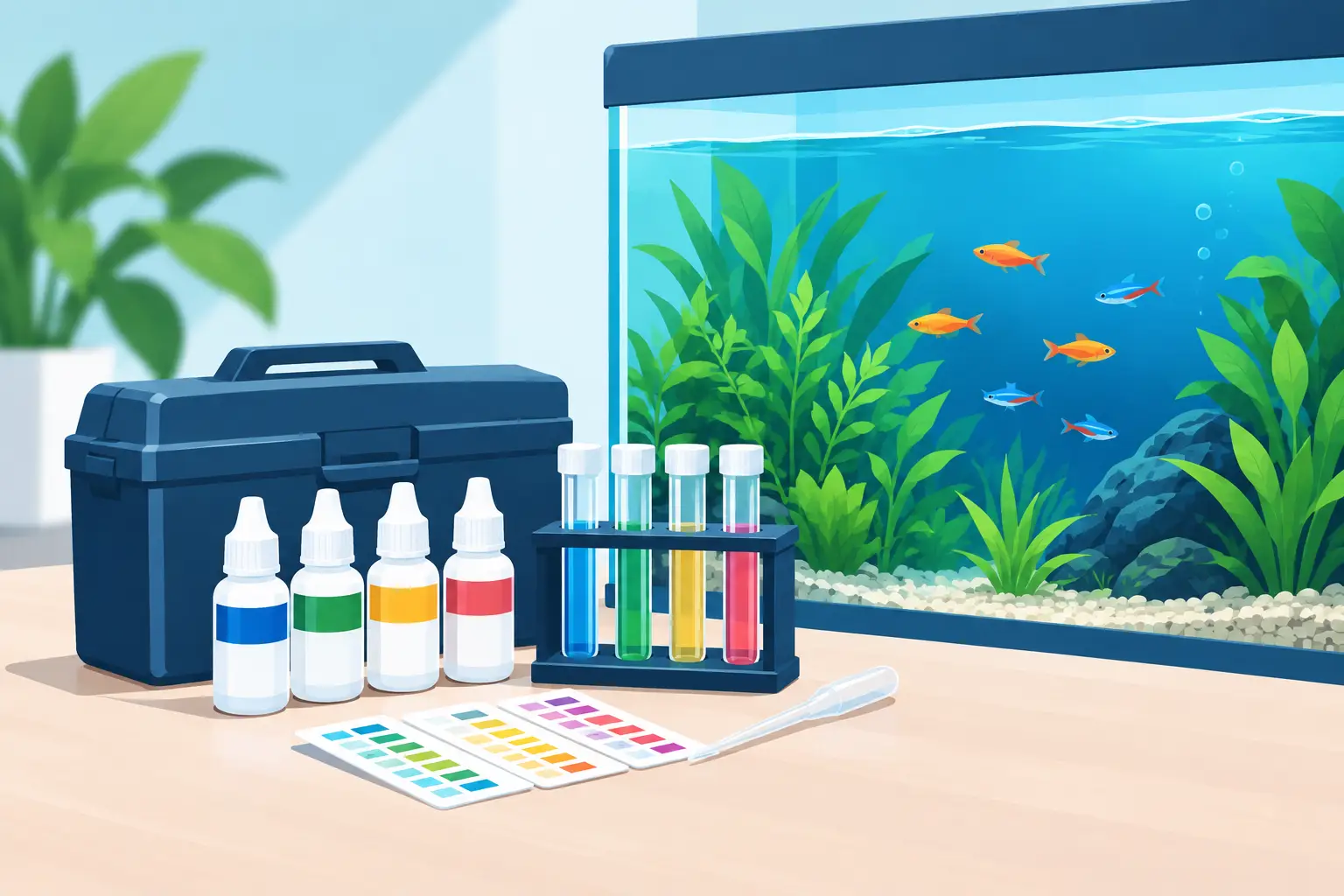
Temperature management is another major factor. Some species need tighter control than others, and store conditions are rarely steady. Lighting, foot traffic, HVAC swings, and nearby equipment all influence water temperature. A commercial system should be designed around the livestock being held and the environment where the unit will operate, not around a one-size-fits-all assumption.
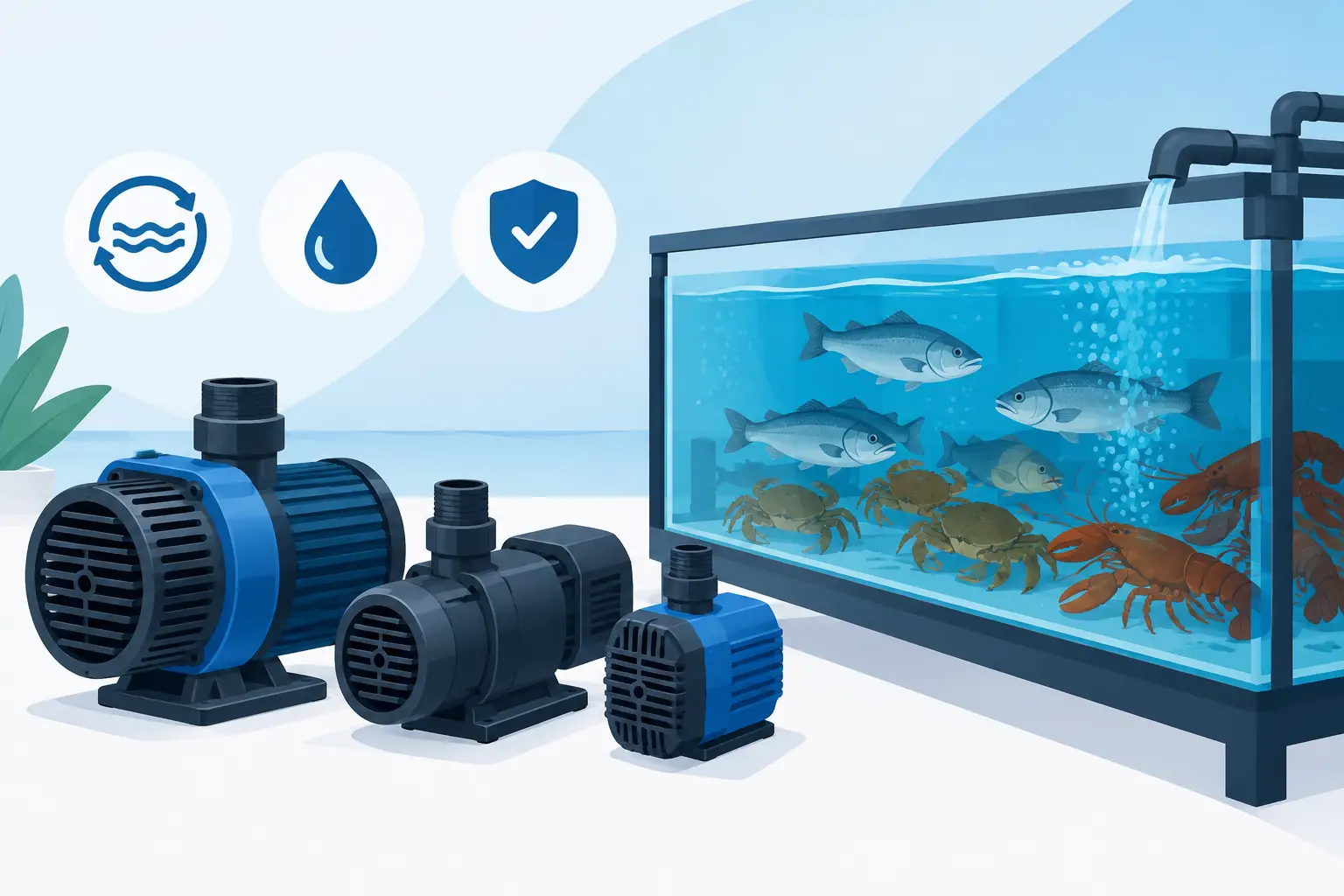
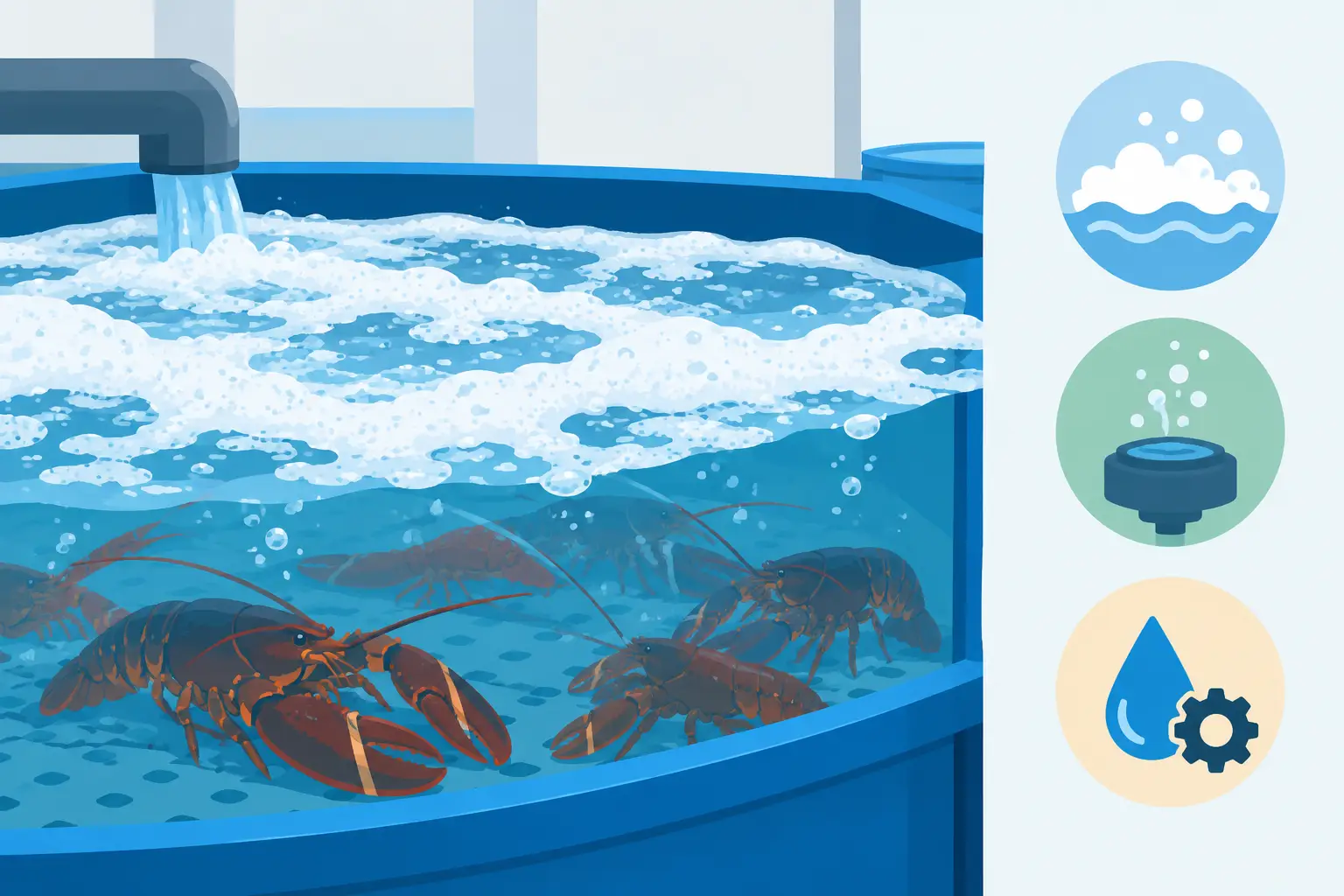
Circulation and aeration also deserve more attention than they often get. Dead spots in the tank can create uneven water quality. Excessive turbulence can stress livestock. Proper water movement has to balance oxygenation, waste removal, and species tolerance. That balance is different for finfish than it is for lobster or shellfish, which is why specialized system design matters.
Why custom design often beats off-the-shelf equipment
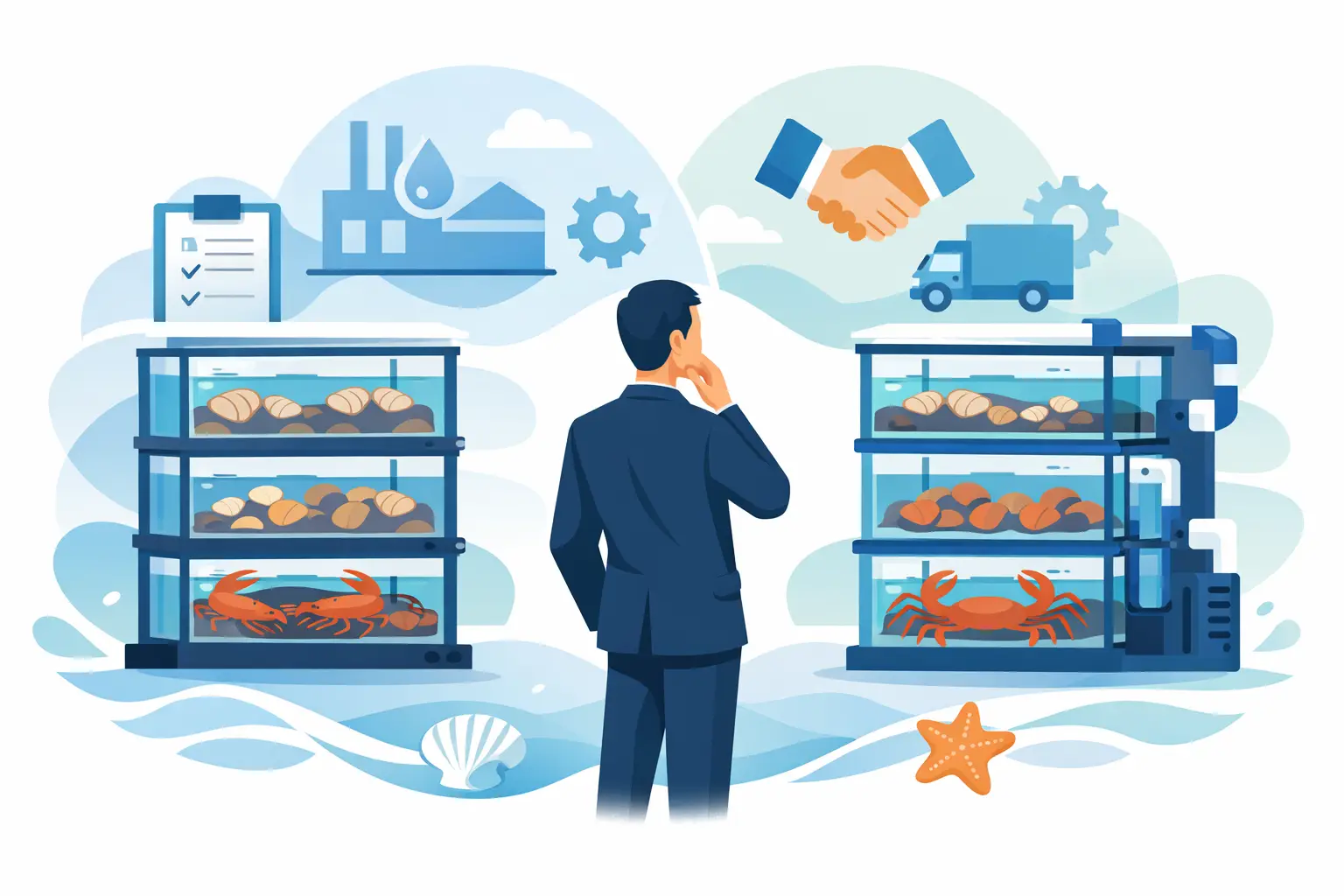
Standardized equipment can make sense in some applications, especially if the holding demand is light and the operating conditions are simple. But many commercial seafood environments are not simple. Available floor space is limited. Utility access is awkward. Throughput changes by season. Livestock mix varies. Store image matters. Service access cannot be an afterthought.
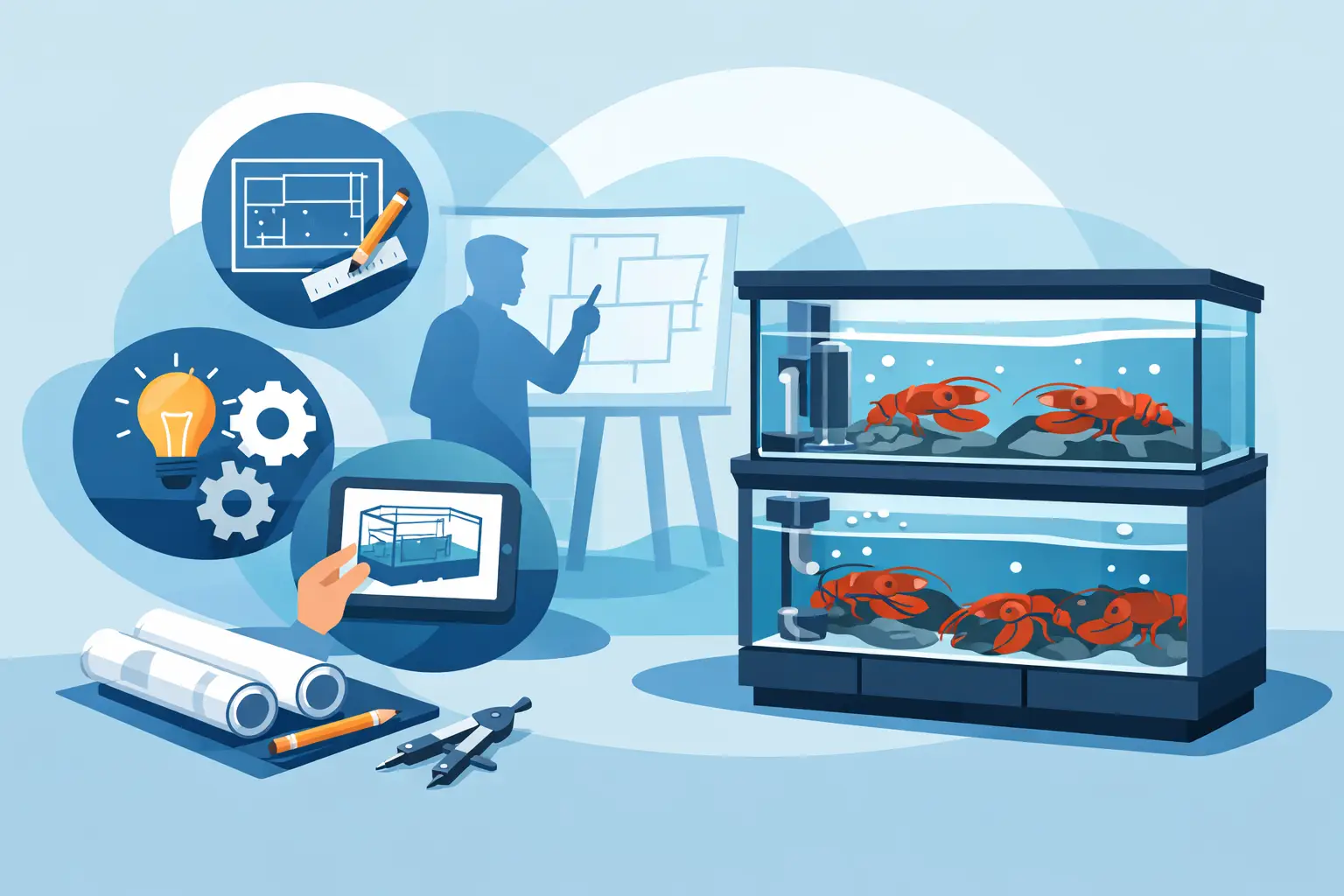
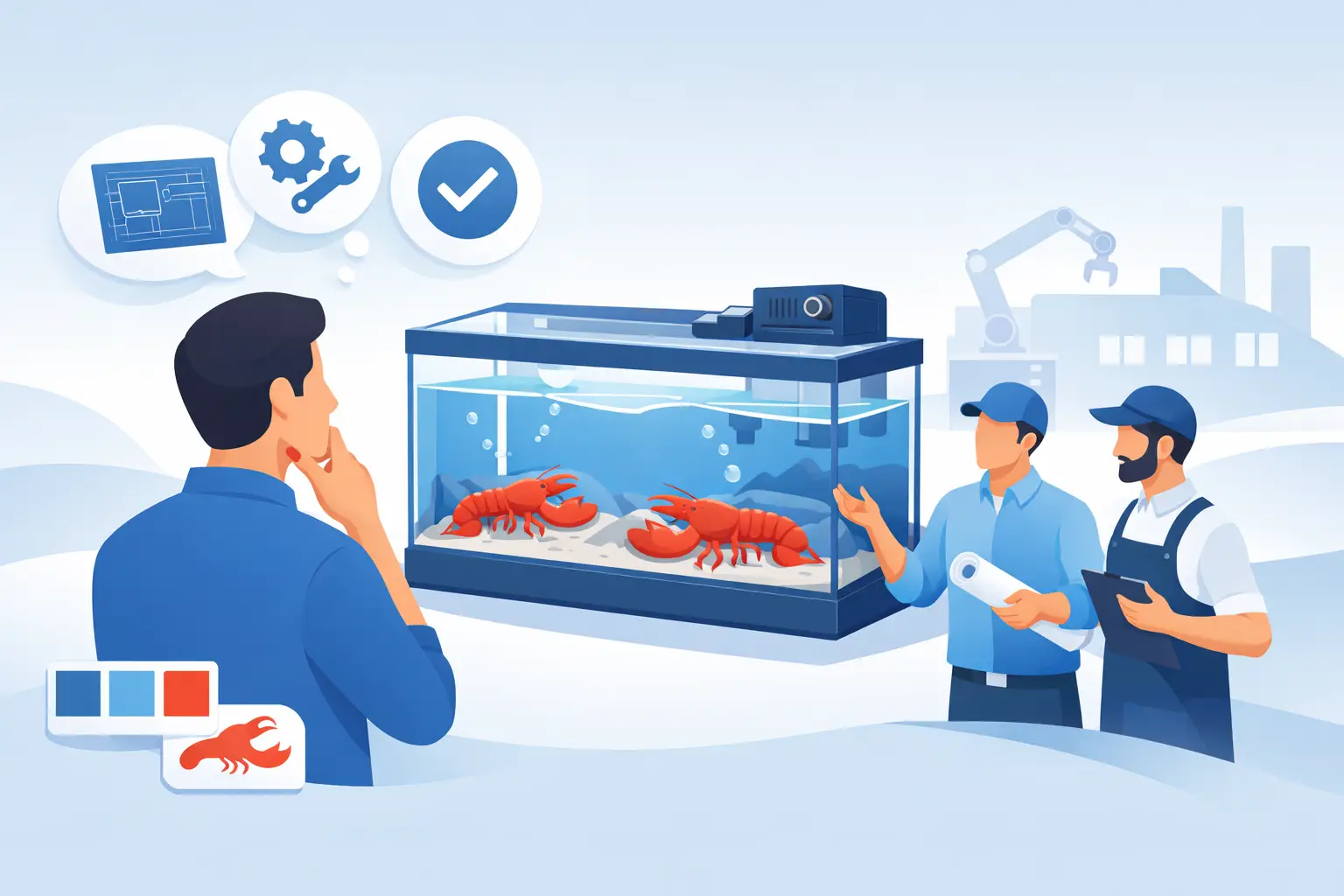
A custom-built system gives you the chance to solve those problems before installation instead of working around them after the fact. Tank dimensions can be matched to the department layout. Filtration can be sized to actual load. Access can be planned for cleaning and service. Materials can be selected for the environment and expected wear.
There is a cost difference, of course. Custom fabrication usually requires a higher upfront investment than buying a generic unit. But commercial buyers should judge that number against labor savings, reduced livestock loss, better merchandising, and fewer service headaches over the life of the system. Cheap equipment gets expensive fast when it is running in a seafood department seven days a week.
Reliability is not a feature – it is the whole job
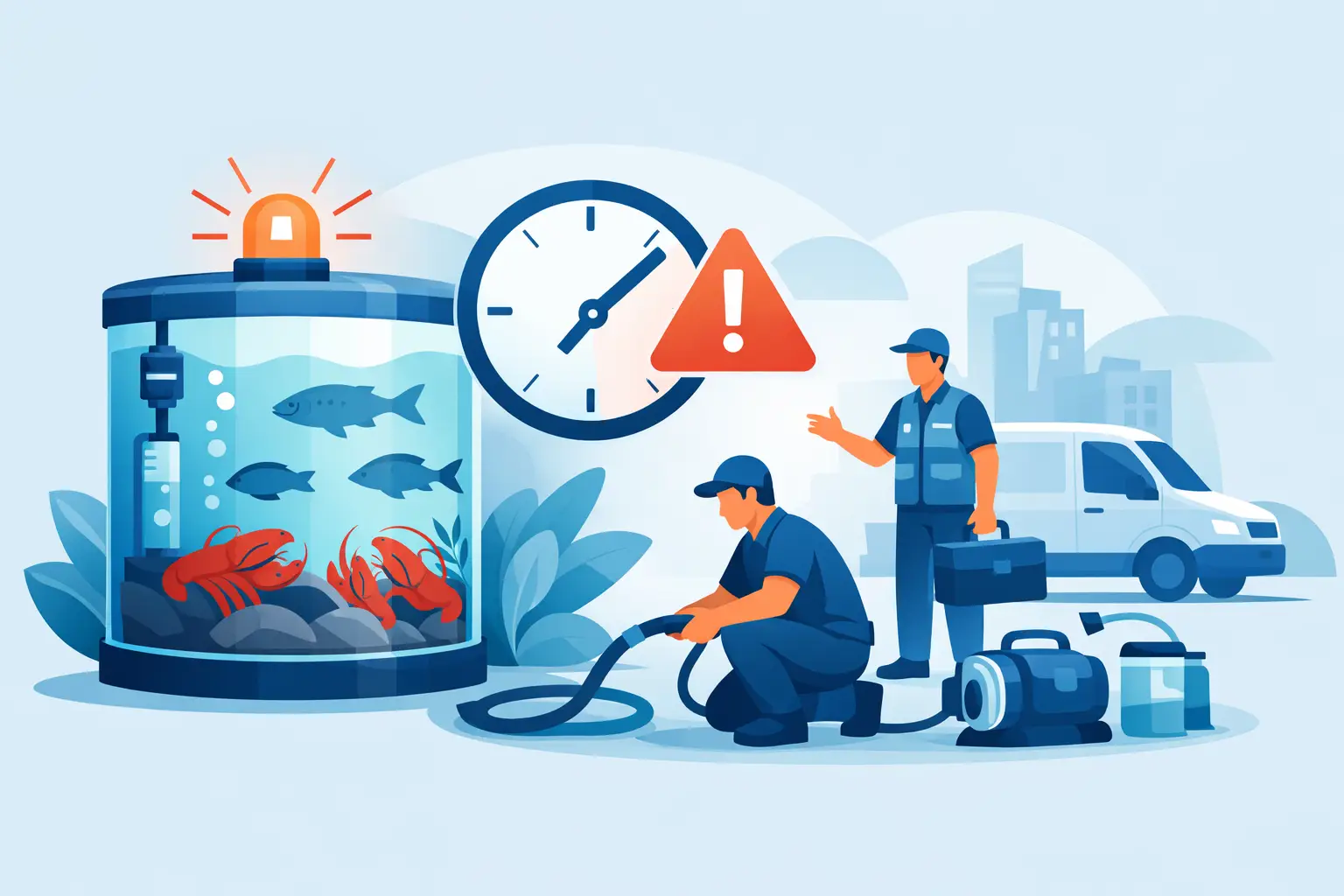
In this category, reliability is not marketing language. It is the difference between a profitable display and a preventable loss. Pumps fail. Media gets exhausted. Sensors drift. Plumbing connections loosen. None of that is unusual. What matters is whether the system was designed to reduce risk and make corrective work straightforward.
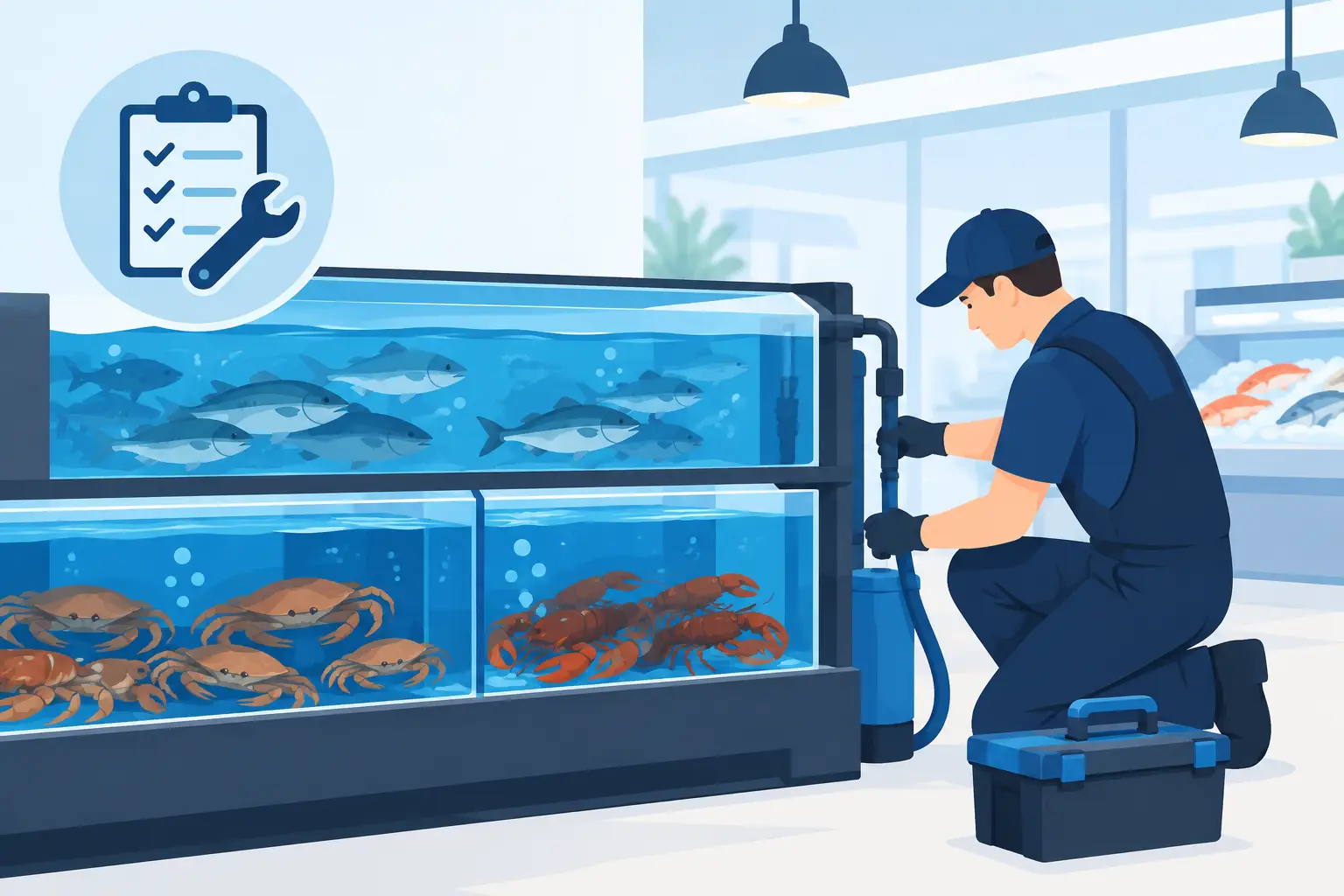
A dependable commercial fish tank system should allow routine service without tearing the whole setup apart. Components should be accessible. Replacement parts should be available. The system should be built by people who understand that downtime is not just inconvenient – it puts live inventory at risk.
This is where working with a true aquatic systems specialist changes the experience. A general fabricator may be able to build a tank. That does not mean they understand livestock load, purging needs, marine filtration chemistry, or how a seafood department actually operates on a busy weekend. Design, fabrication, supplies, and ongoing support work better when they come from one source that knows the full application.
Service and supplies are part of the system
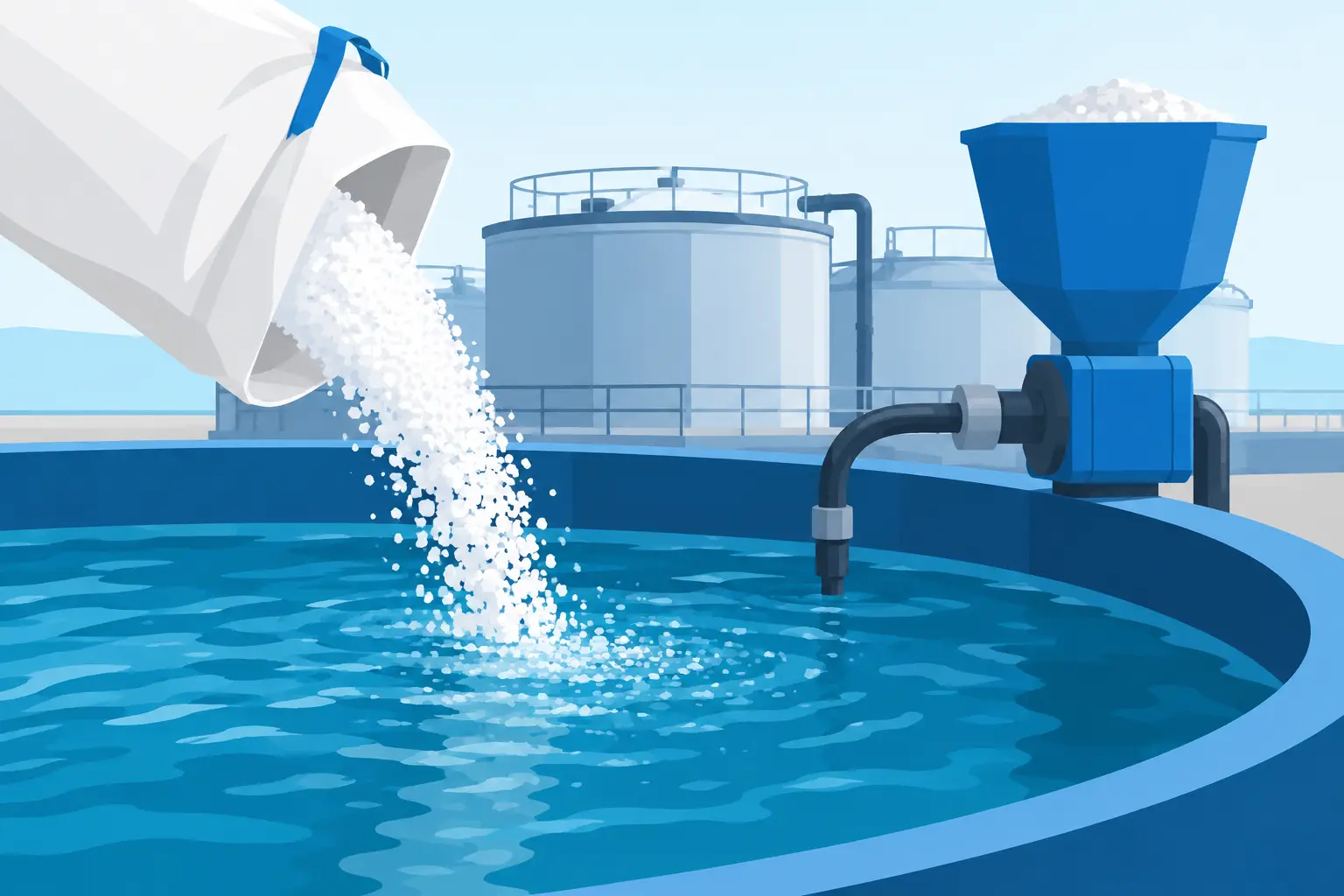
One of the biggest mistakes buyers make is treating the tank purchase as the whole project. It is not. Once the system is installed, you still need salt, filtration media, activated carbon, replacement parts, technical support, and routine maintenance. If those pieces come from different vendors, accountability gets blurry fast.
That is why commercial operators increasingly prefer a full-service partner. When one company handles system design, manufacturing, consumables, and support, it is easier to keep conditions stable and address issues quickly. It also simplifies purchasing and planning for facilities and procurement teams.
For multi-unit operators, that consistency matters even more. Standardizing service procedures, replenishment schedules, and support contacts across locations can reduce confusion and improve results. Every store is not identical, but your support structure should not be patchwork.
What buyers should ask before choosing a system
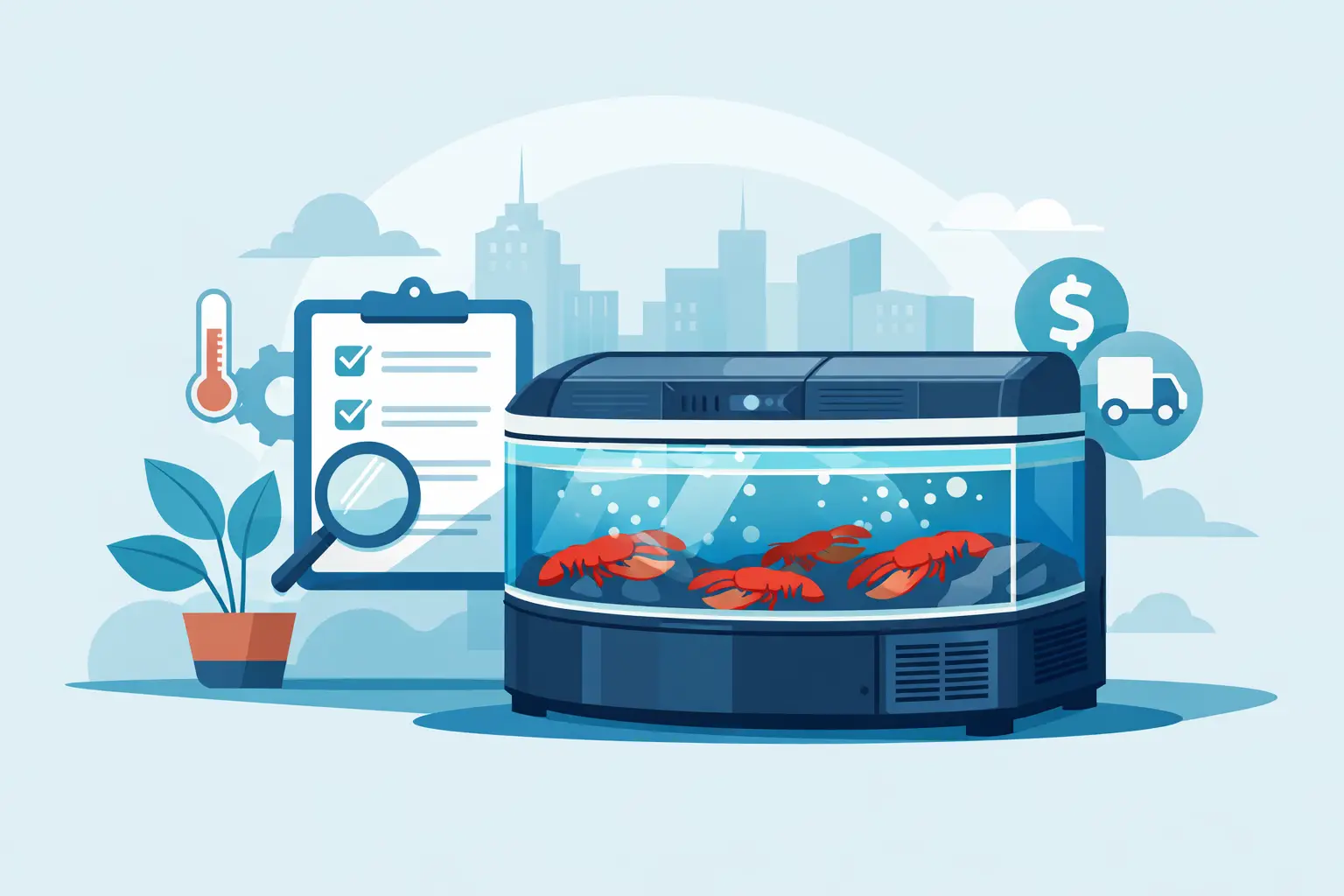
The right questions usually have less to do with appearance and more to do with what happens six months after startup. Ask how the system is sized for your livestock volume and turnover. Ask how filtration is configured and how often media changes are expected. Ask how long routine cleaning takes and what access is built in for service.
You should also ask who supports the system after installation. Is there technical help available when an issue comes up? Can you get replacement components without delay? Is maintenance available, and does the provider understand live seafood operations specifically? These are not secondary questions. They are purchasing questions.
Another smart area to press on is fit-for-use. A supermarket seafood department has different priorities than a restaurant entry display or a wholesale holding setup. Visual merchandising, customer interaction, staffing levels, and operating loads all change the design brief. If the seller is pushing the same answer for every application, that is a red flag.
Commercial fish tank systems should protect margin, not drain it
The value of a well-built tank system shows up in ways that are easy to measure and some that are not. Healthier livestock and clearer presentation support sales. Better filtration and stable conditions help reduce loss. Easier maintenance lowers labor strain. Faster service response limits disruption. Over time, those gains matter more than the initial spec sheet.
For serious seafood operators, this is not a decorative purchase. It is equipment tied directly to product quality, food safety, and customer confidence. The right system should help your team work better while showing your product at its best.
That is the standard experienced buyers should expect. A family-owned specialist like Lobster Life Systems has built its reputation on exactly that kind of long-term commercial support – designing, fabricating, supplying, and servicing systems that are built to work in the real world. When your tank is part of your business every day, the smart move is choosing a partner that treats it that way from day one.
If you are planning a new installation or replacing an underperforming unit, look past the tank alone and evaluate the whole operating picture. The system that holds up is the one that keeps your seafood looking strong, your staff out of trouble, and your department ready for business tomorrow morning.