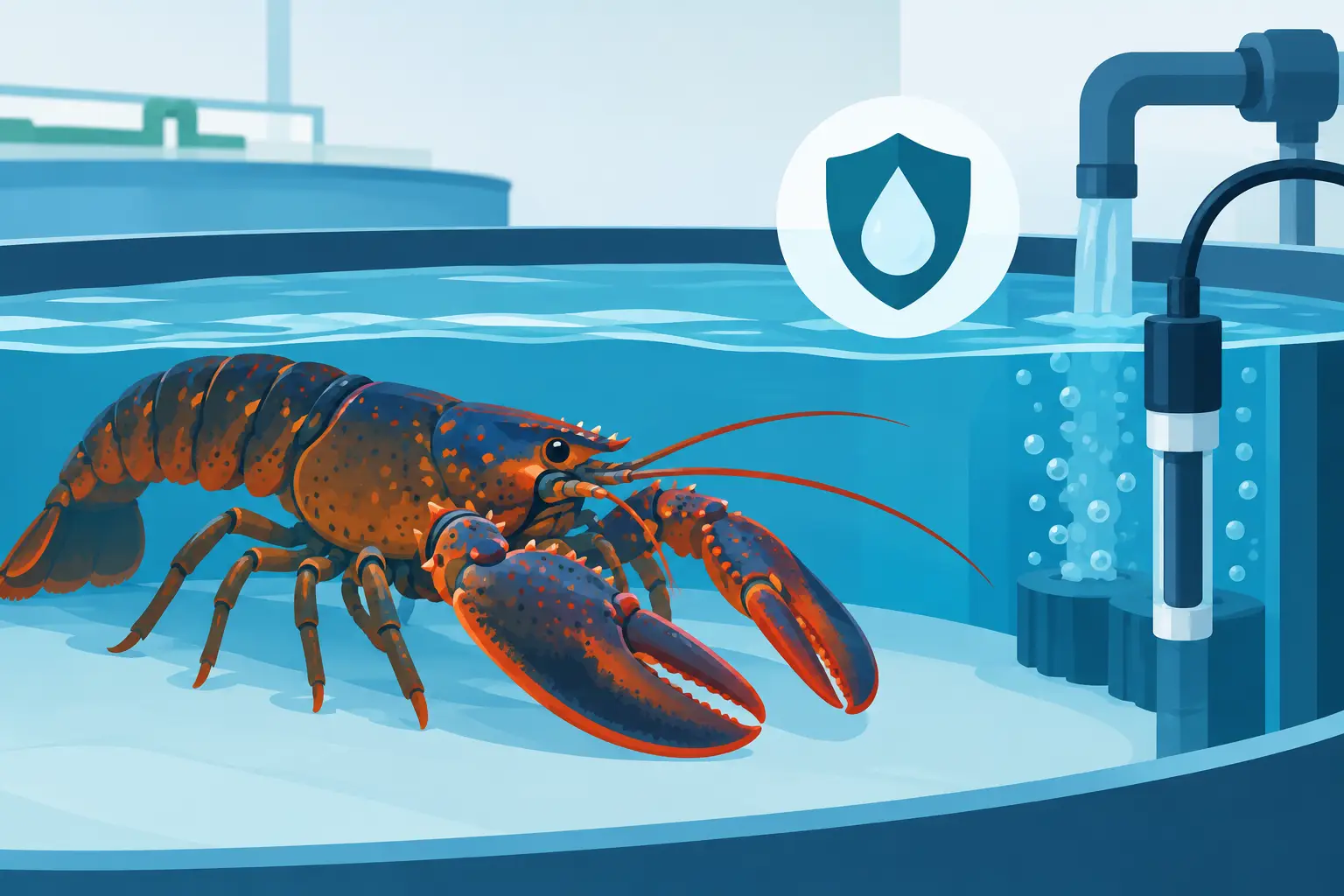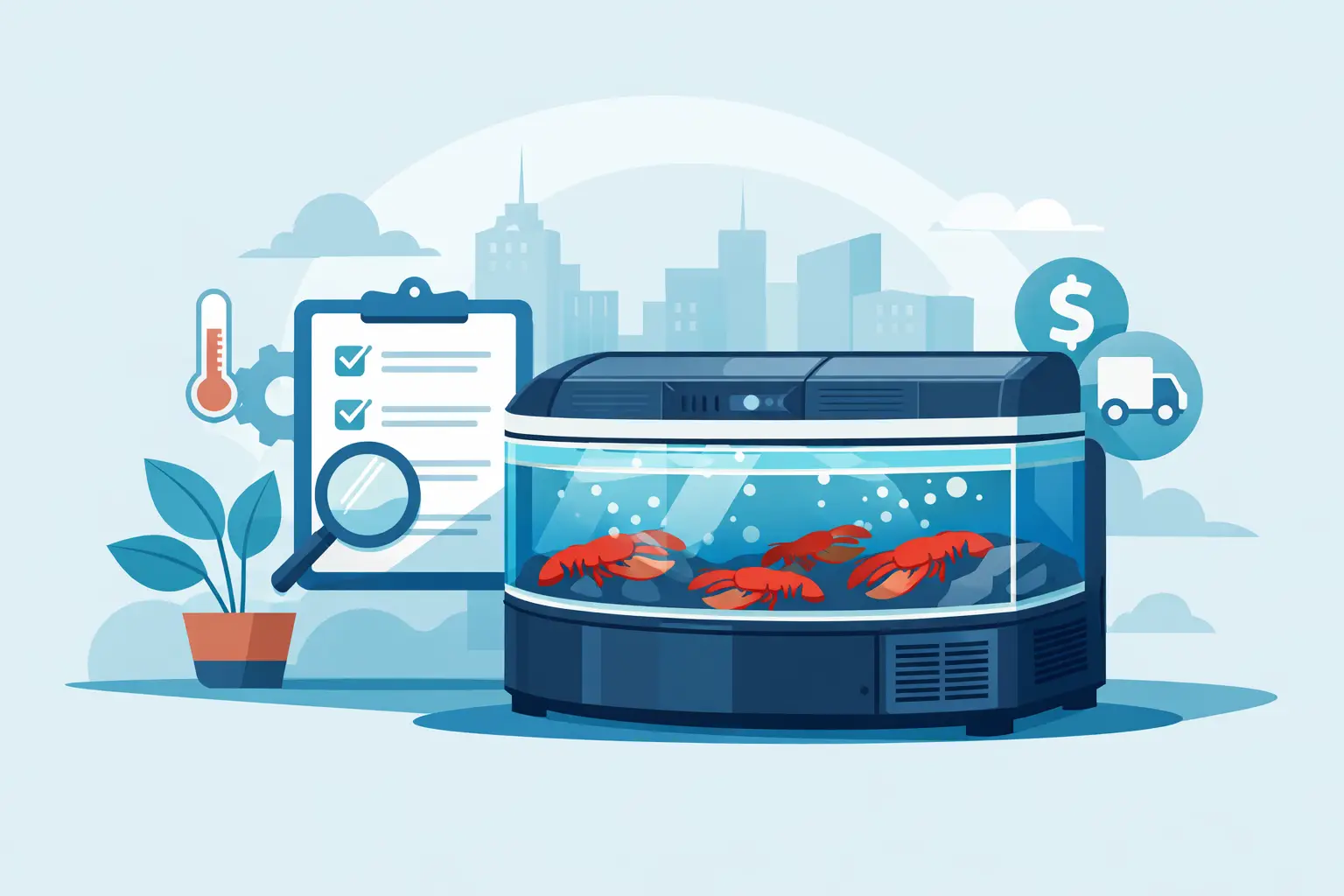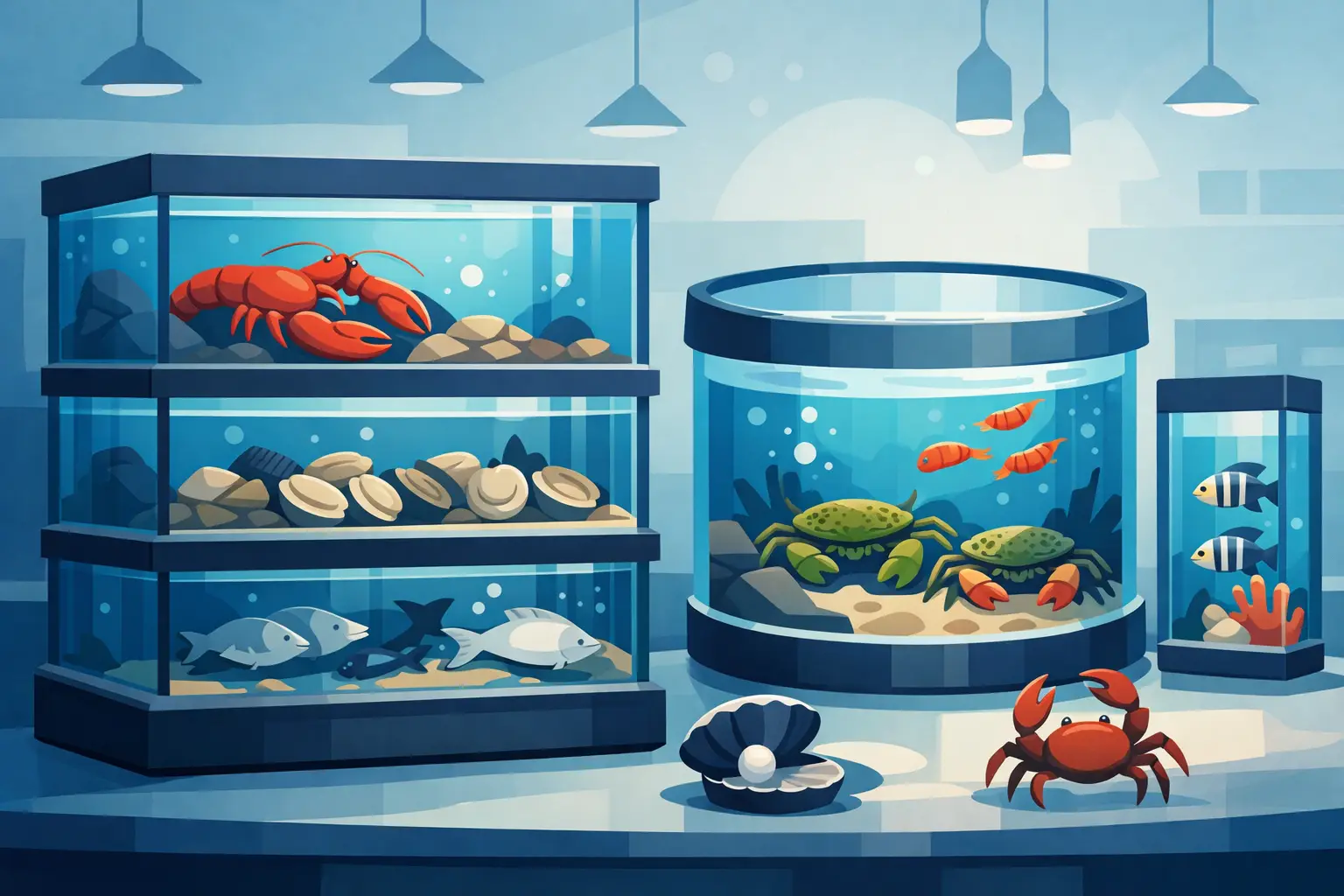
A live tank that looks sharp on opening day but struggles by week three is not a display system – it is a liability with lights on it. For supermarkets, seafood retailers, wholesalers, and restaurants, live seafood display tanks have one job beyond appearance: keep product alive, healthy, and saleable while staying manageable for staff. If the system cannot do that consistently, the losses show up fast in shrink, labor, service calls, and customer trust.
That is why serious operators do not buy a tank based on looks alone. They buy around uptime, water quality, livestock performance, and the kind of support that shows up when something goes wrong on a Saturday.
What live seafood display tanks are really expected to do
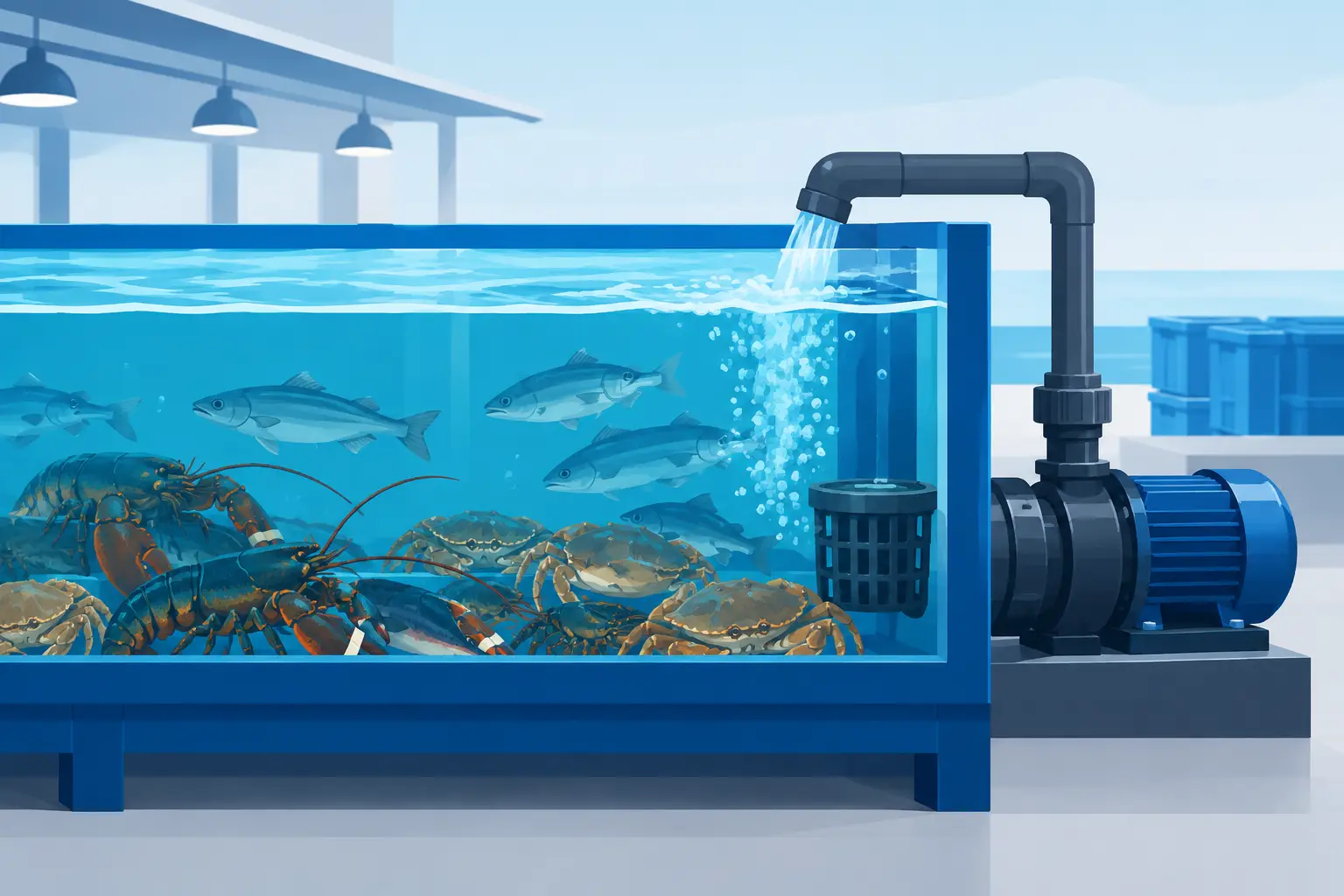
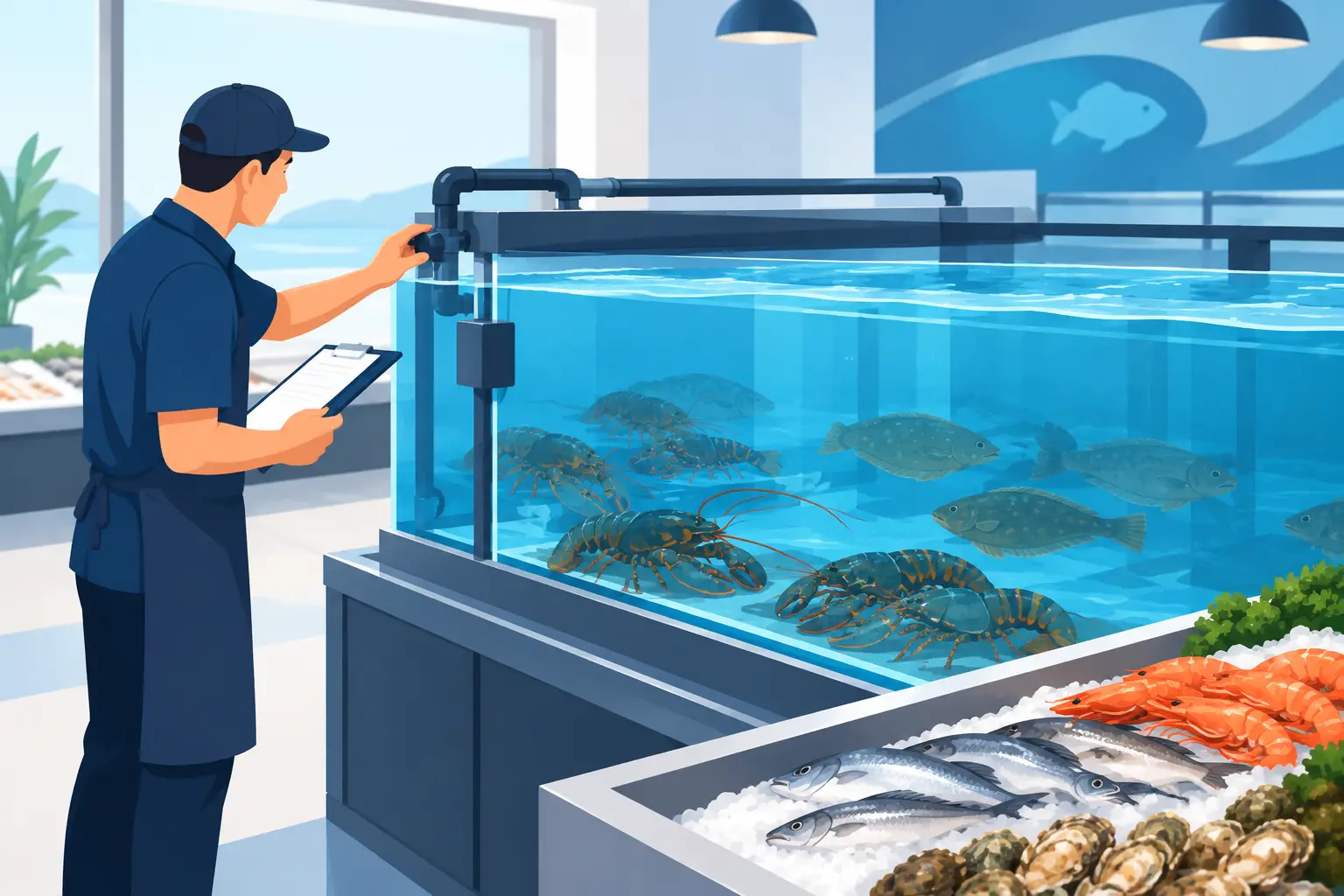
In a commercial setting, a display tank is part merchandising fixture, part life support system, and part operational equipment. It has to present live lobster, crab, shellfish, or select fish in a way that supports sales, but it also has to maintain stable conditions hour after hour under real store traffic.
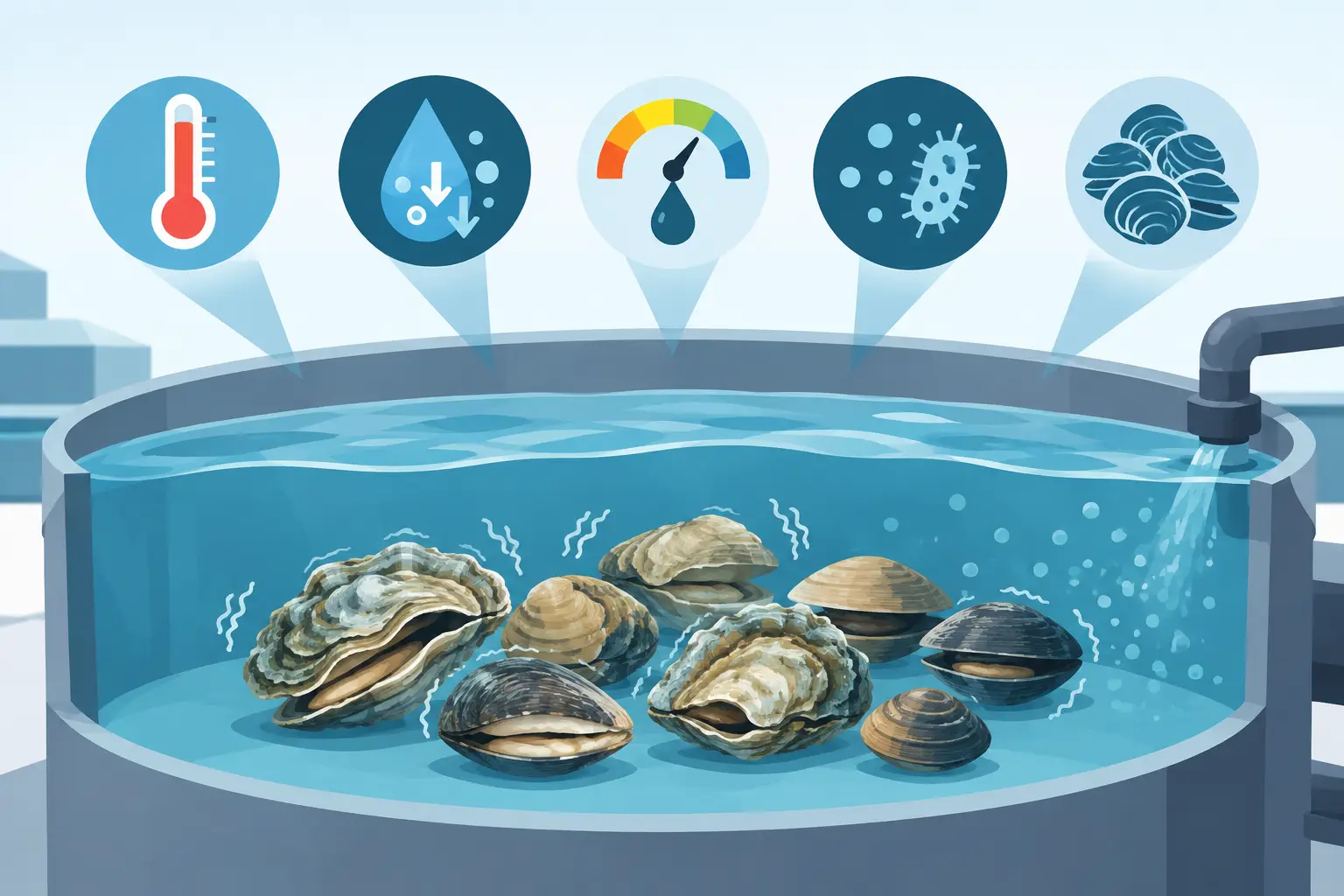
That means temperature control, circulation, filtration, aeration, salinity balance, and waste management all have to work together. It also means the tank has to fit how your team actually operates. A beautiful unit with awkward access, difficult cleaning points, or inconsistent controls can create daily friction that adds up over time.
For high-volume locations, that operational side matters as much as the appearance. A tank that is easy to stock, easy to monitor, and easy to service usually performs better over the long run than one built only to catch the eye.
The difference between a tank and a complete system
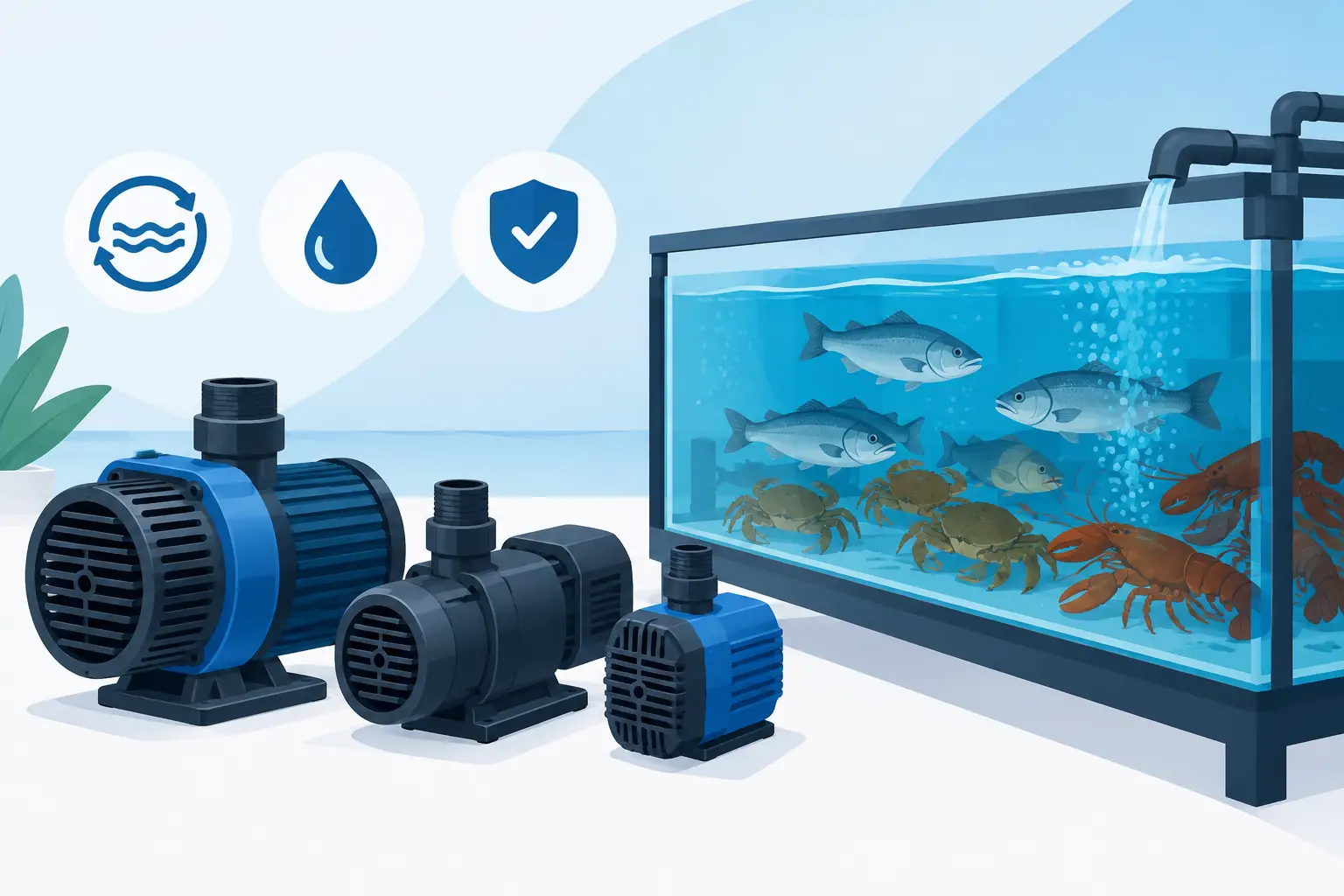
This is where buyers can get burned. Plenty of companies can sell a vessel that holds water. Fewer can deliver a complete live seafood system with the filtration components, marine salt, accessories, technical guidance, replacement parts, and service support needed to keep it running the way it should.
That distinction matters because live seafood display tanks do not fail one dramatic piece at a time. More often, they drift. Water quality declines, staff start making workarounds, maintenance gets inconsistent, livestock stress increases, and the operator ends up managing around the equipment instead of relying on it.
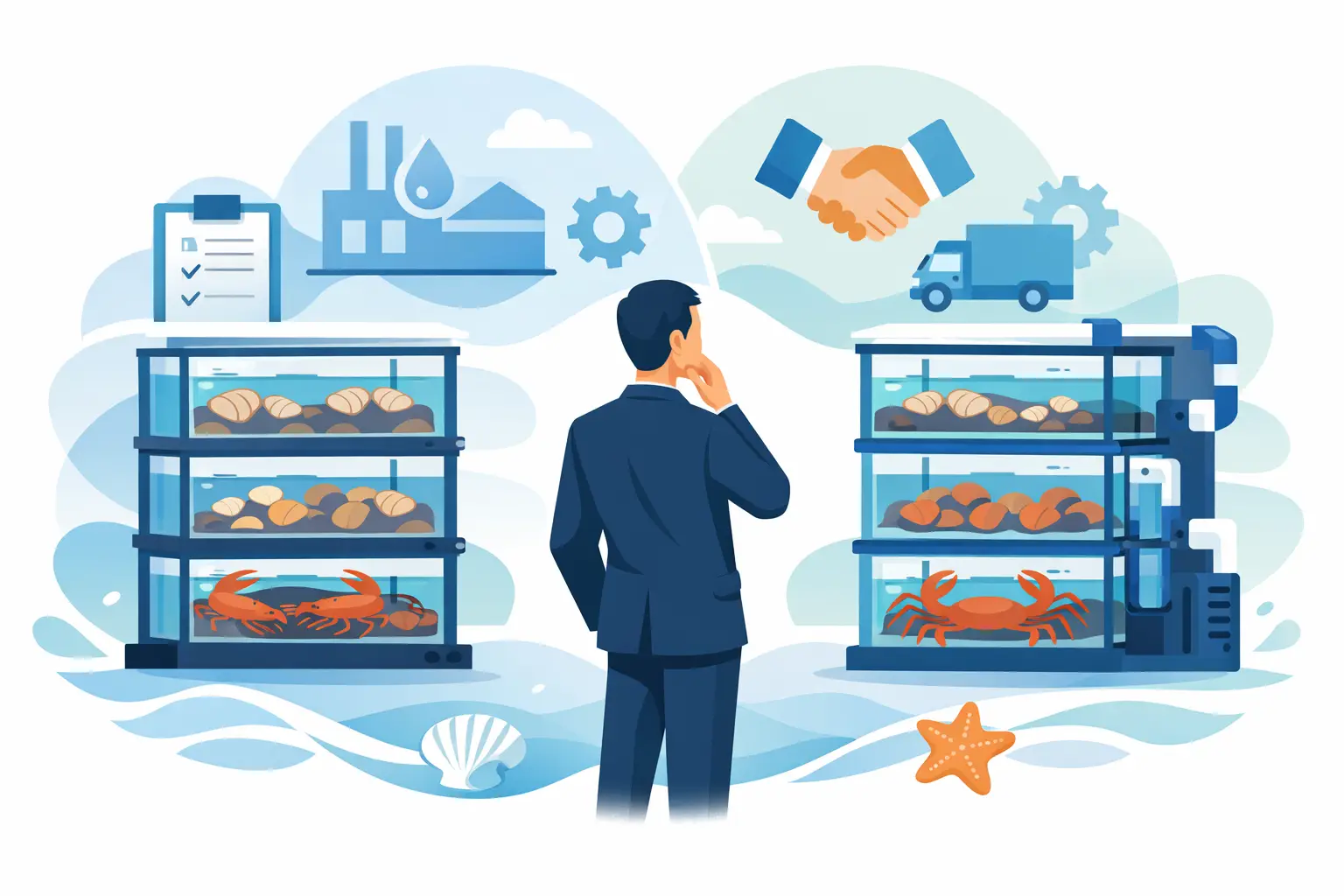
A complete system approach reduces that risk. When design, fabrication, filtration, and support come from one experienced source, there is less finger-pointing and less downtime. You are not calling one vendor for the tank, another for the filtration media, and a third for service while inventory sits in compromised water.
Design choices that affect performance
Not every operation needs the same tank. A seafood department in a busy supermarket has different demands than an upscale restaurant or a wholesaler with back-of-house holding requirements. That is why tank design should start with use case, not catalog dimensions.
Capacity and livestock mix
Volume is not just about how much product you want on display. It also affects stocking density, water stability, and recovery from normal biological load. A tank that is too small for your turnover can create stress quickly. A tank that is oversized for your movement may look impressive but cost more to operate than it needs to.
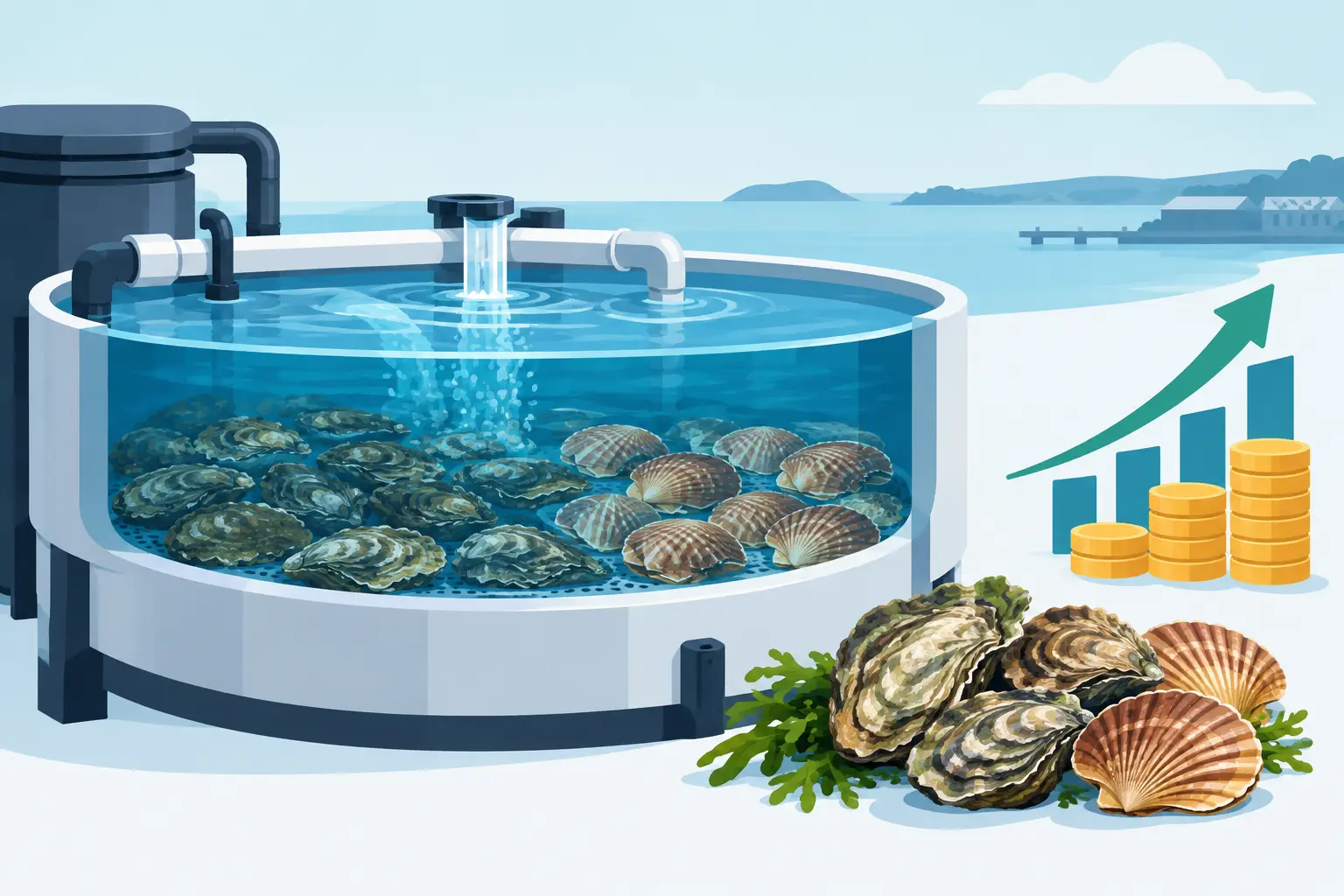
Species mix matters too. Lobsters, shellfish, and other live product categories do not all behave the same way in a recirculating system. Holding conditions, compartment design, and filtration requirements can vary. If your plan involves more than one live category, the system should be designed around that reality from the start.
Access for staff
A tank has to work for the people using it every day. Can staff retrieve product safely and efficiently? Are lids, compartments, and service points easy to reach? Can the unit be cleaned thoroughly without wasting labor?
These questions sound basic, but they have direct consequences. When access is poor, maintenance gets delayed, handling gets rougher, and the tank becomes harder to manage during busy periods.
Materials and build quality
Commercial environments are unforgiving. Constant moisture, salt exposure, frequent cleaning, and customer-facing use put stress on every component. Materials, fabrication quality, and overall construction matter because a weak point in a live system rarely stays small for long.
For operators making a long-term investment, domestic manufacturing can also make a practical difference. It often means better quality control, more flexibility for custom builds, and faster access to parts and service support when needed.
Filtration is where real performance lives
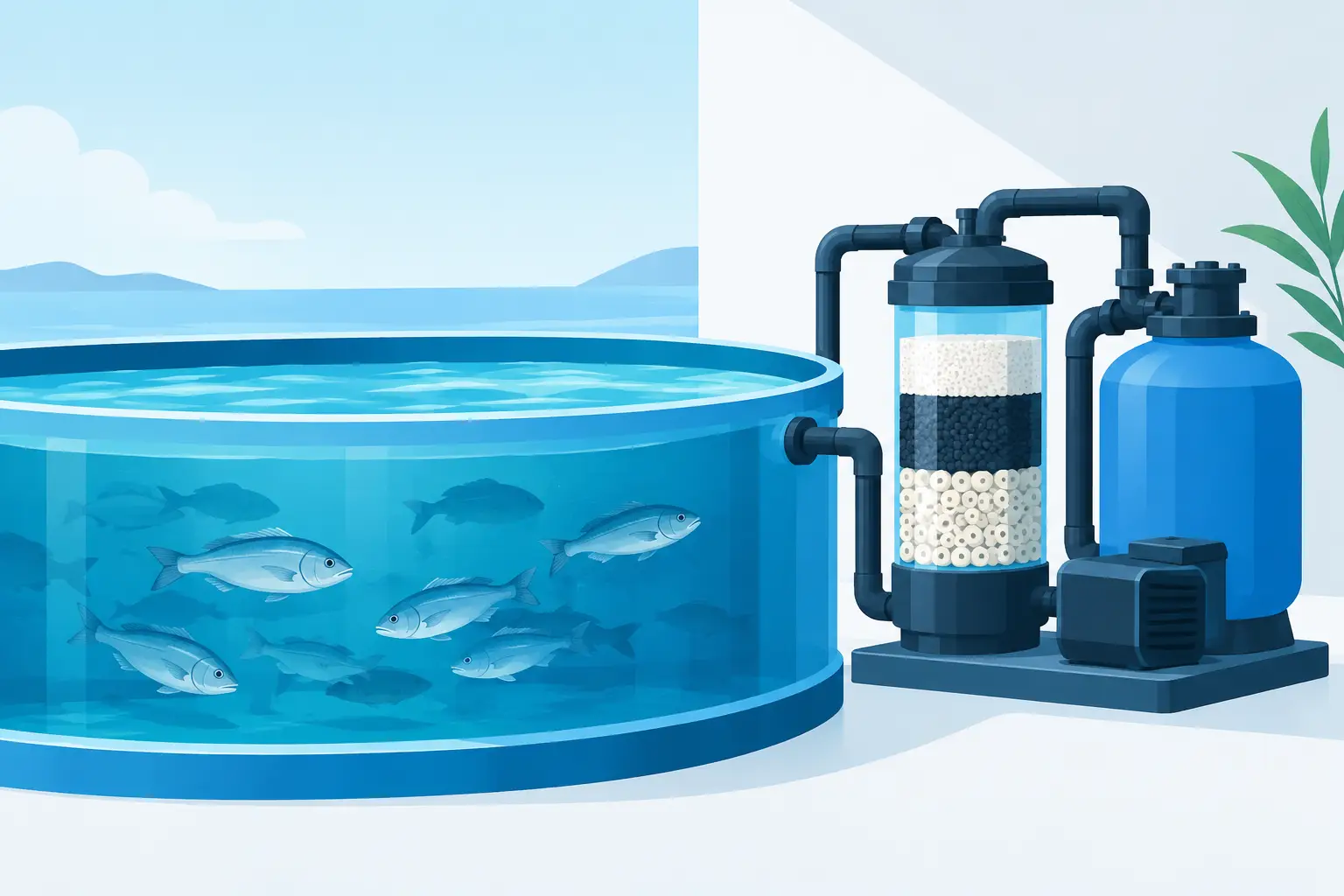
If display sells the first impression, filtration determines whether the tank performs after the novelty wears off. Live seafood systems depend on water quality stability, and stability comes from properly matched filtration working as intended.
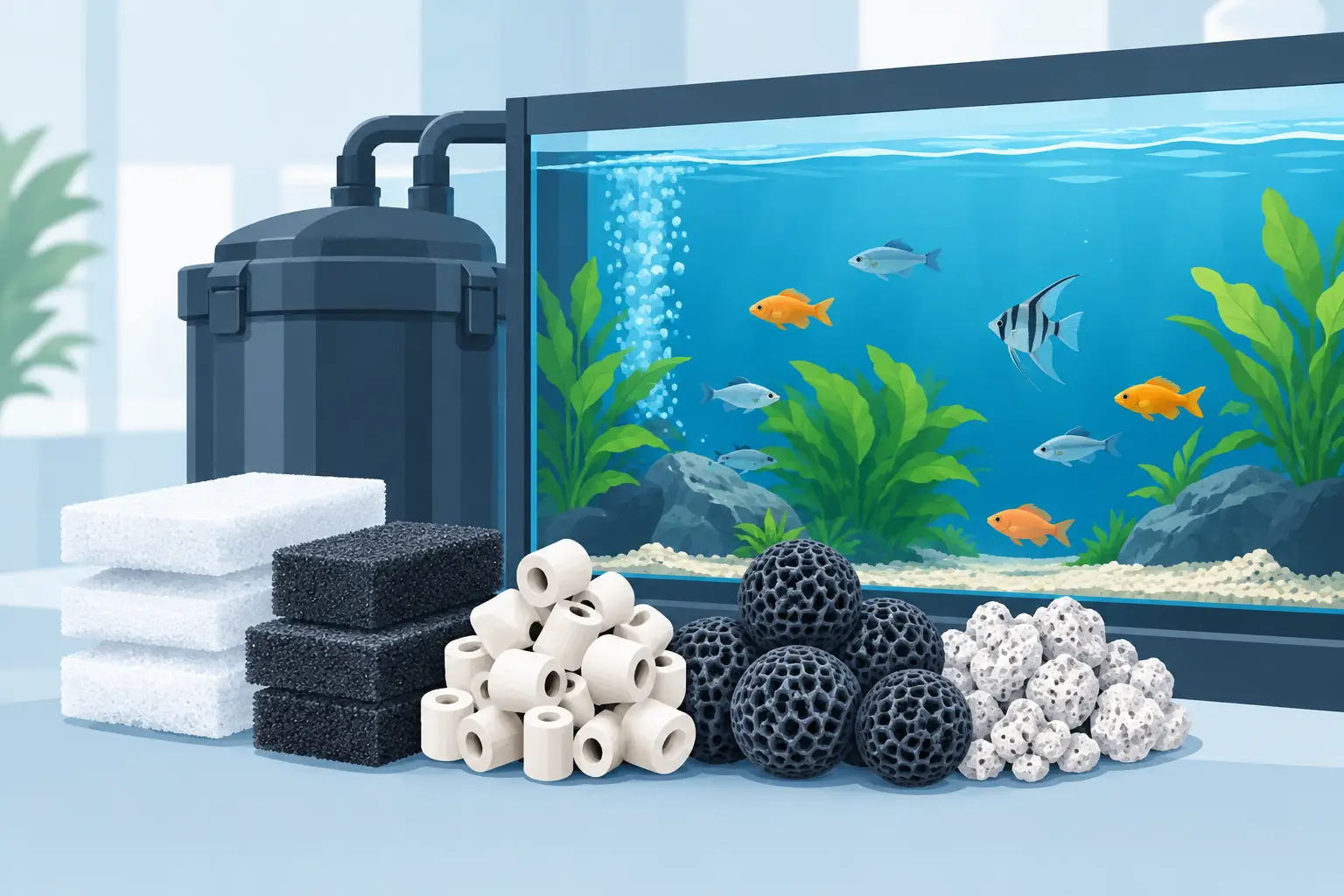
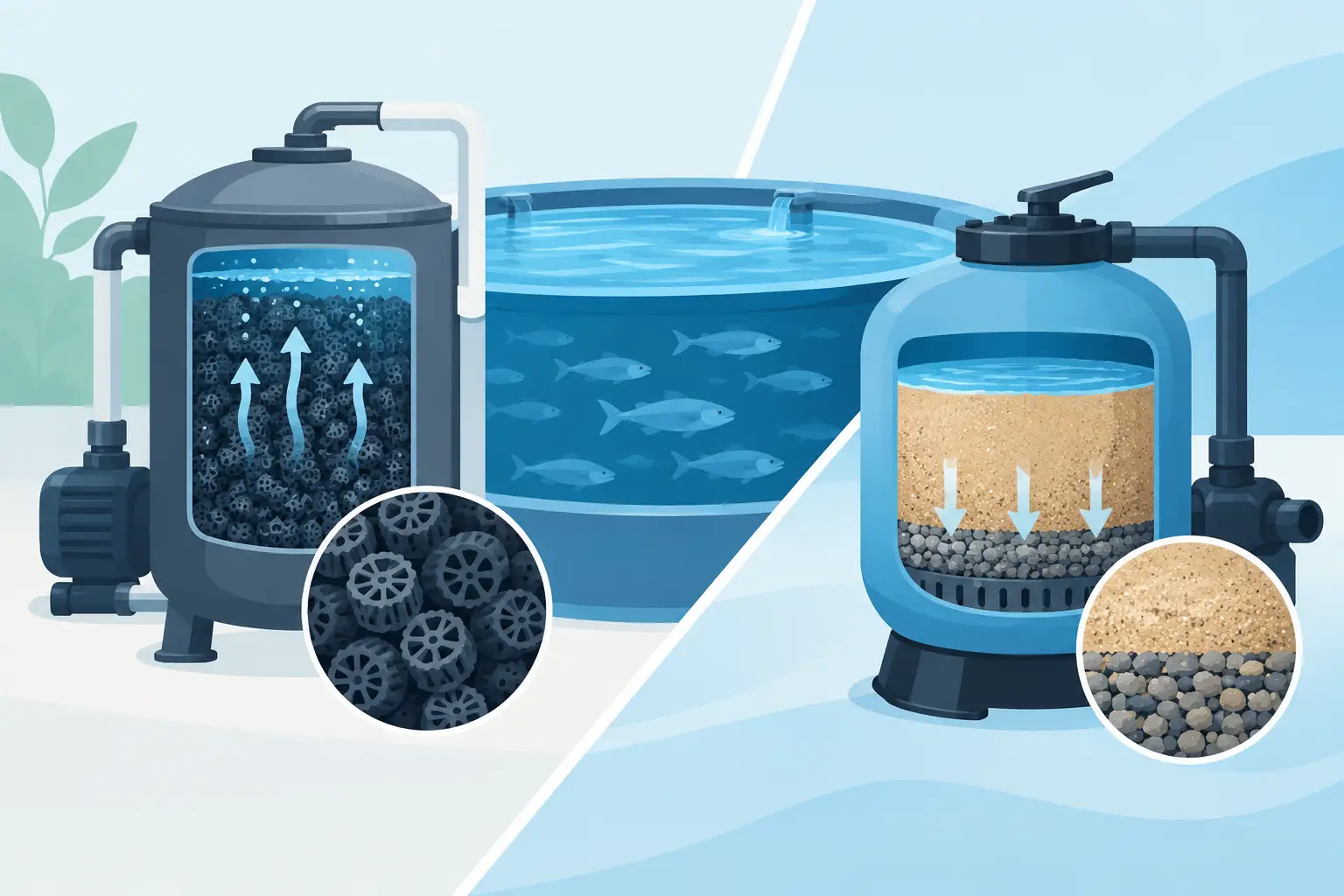
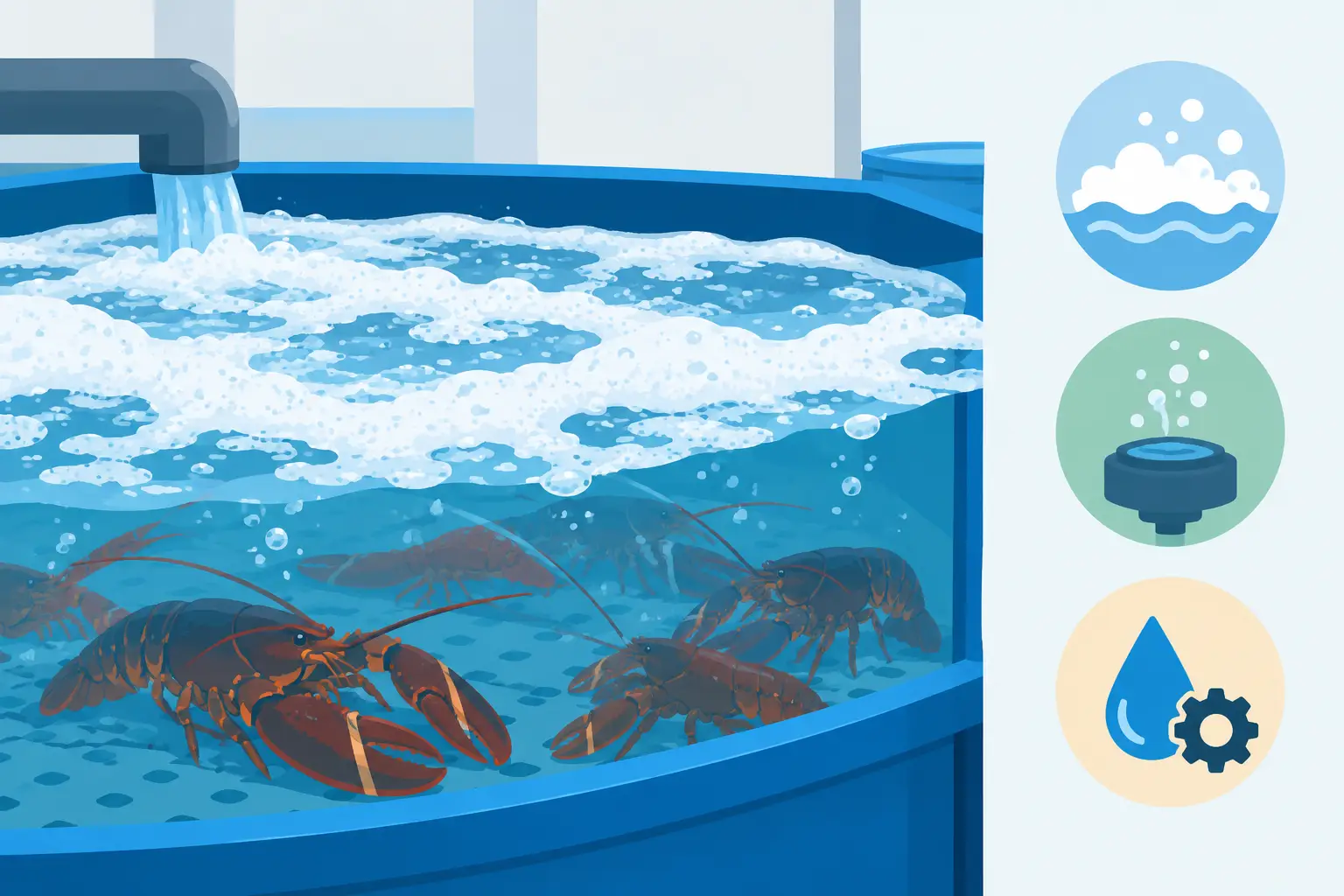
Mechanical filtration, biological filtration, circulation, temperature management, and carbon or other media all play a role. The right setup depends on species, stocking levels, turnover, and how aggressively the tank is used. There is no one-size-fits-all answer, which is exactly why specialized system design matters.
This is also where operators should be realistic. Even a well-built tank cannot overcome neglected maintenance or poorly matched filtration media. A system needs ongoing care, routine checks, and supply replenishment to stay dependable. The better the design, the easier that routine becomes, but no live system is maintenance-free.
Why service support matters more than most buyers expect
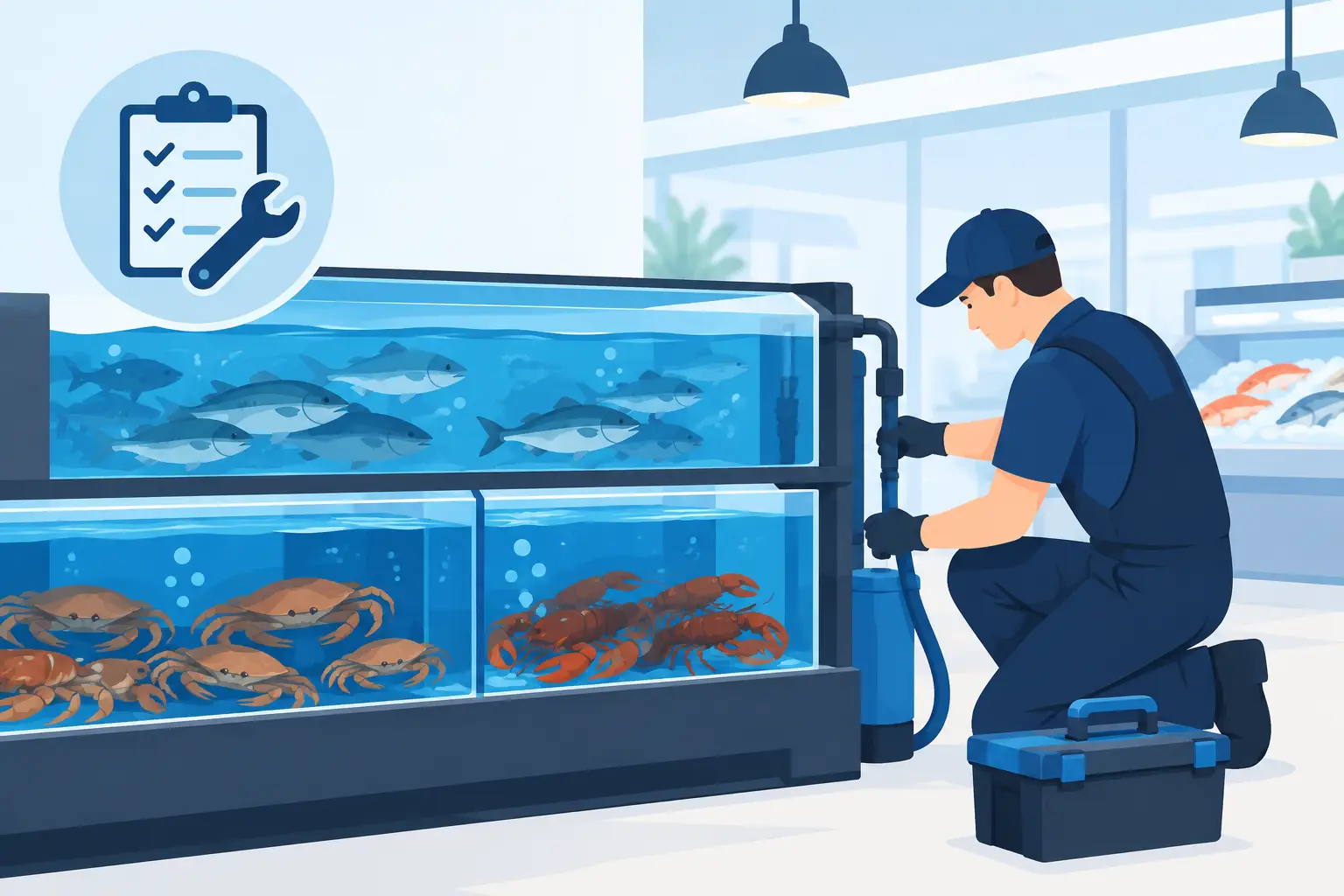
A live seafood tank is not a static fixture. It is active equipment with pumps, filters, controls, plumbing, and livestock variables. Sooner or later, every serious operator needs troubleshooting, replacement components, maintenance guidance, or field service.
That is where vendor quality shows itself. A responsive full-service partner can keep a manageable issue from becoming inventory loss. A seller that disappears after installation leaves your team to sort out specialized problems under pressure.
For multi-unit operators, this is even more important. Standardization across locations, recurring supplies, scheduled maintenance, and dependable technical support make day-to-day management easier. Procurement teams may focus on acquisition cost, but operations teams usually end up paying for weak support.
Merchandising still matters – but only when the system performs
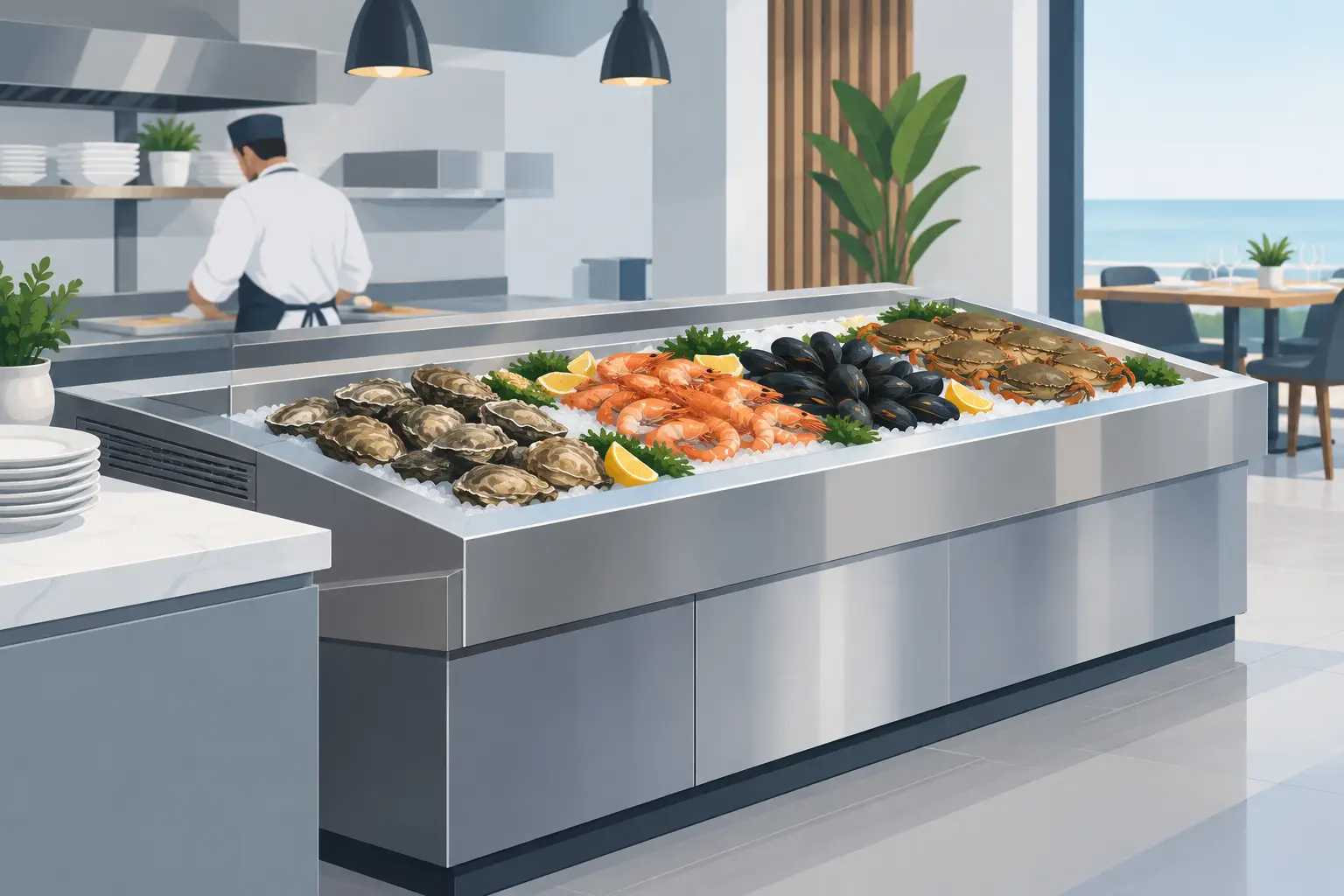
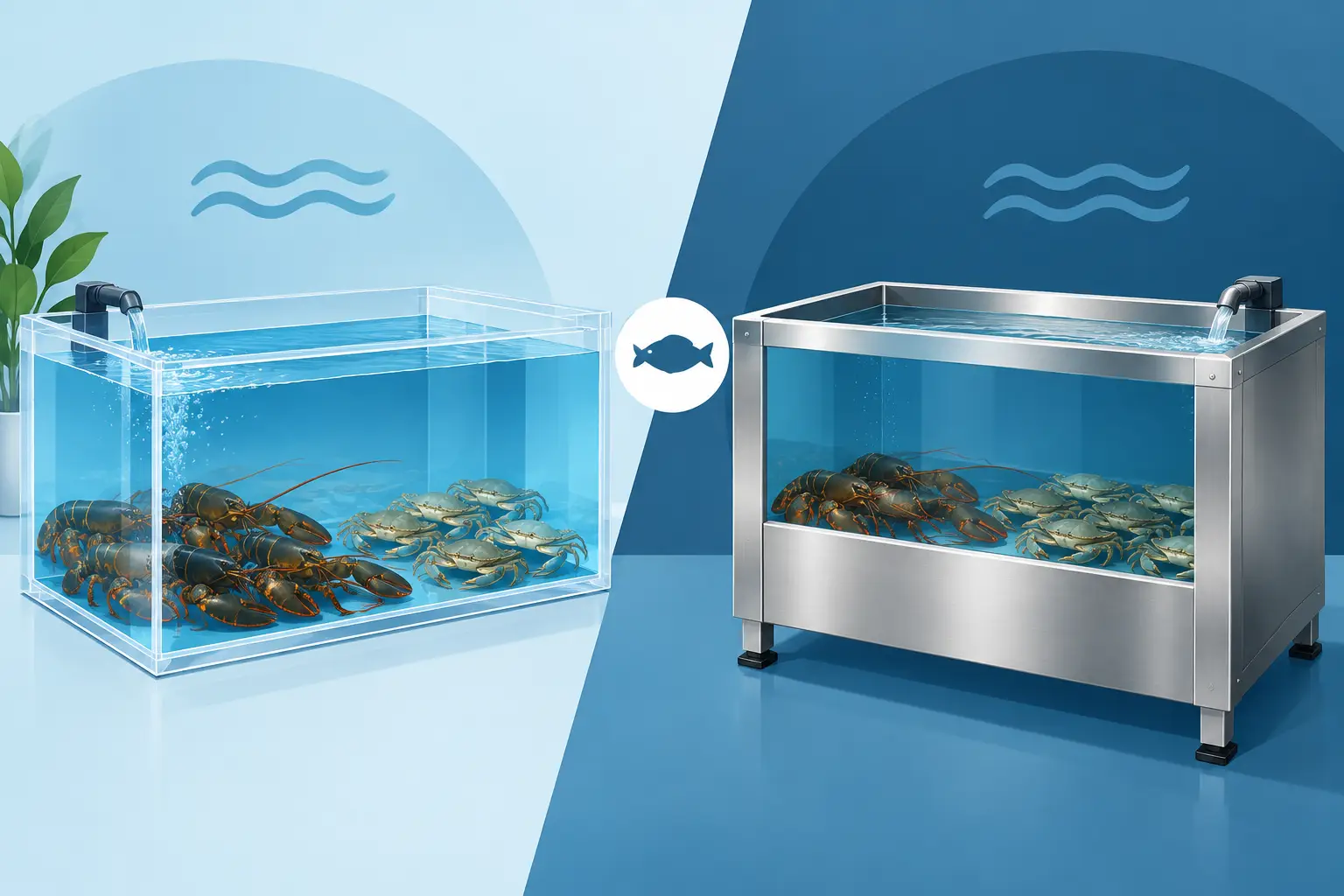
There is no question that live seafood display tanks help sell. Customers notice movement, freshness, and presentation. A clean, well-lit, professionally built tank can elevate the seafood department and reinforce confidence in product quality.
But the merchandising value depends on execution. A tank with cloudy water, stressed livestock, or visible maintenance issues does the opposite. It signals poor control. In that sense, display and operations are tied together. The best merchandising result is a tank that looks clean because it is running properly, not because staff are constantly fighting it.
That balance is especially important in supermarkets and high-traffic retail settings. Customers do not separate the visual from the functional. They see one thing: whether the live program looks credible.
Custom vs. standard live seafood display tanks
Some buyers truly can use a standard configuration. If the footprint is straightforward, the species are predictable, and the operating conditions are stable, a standard unit can make sense.
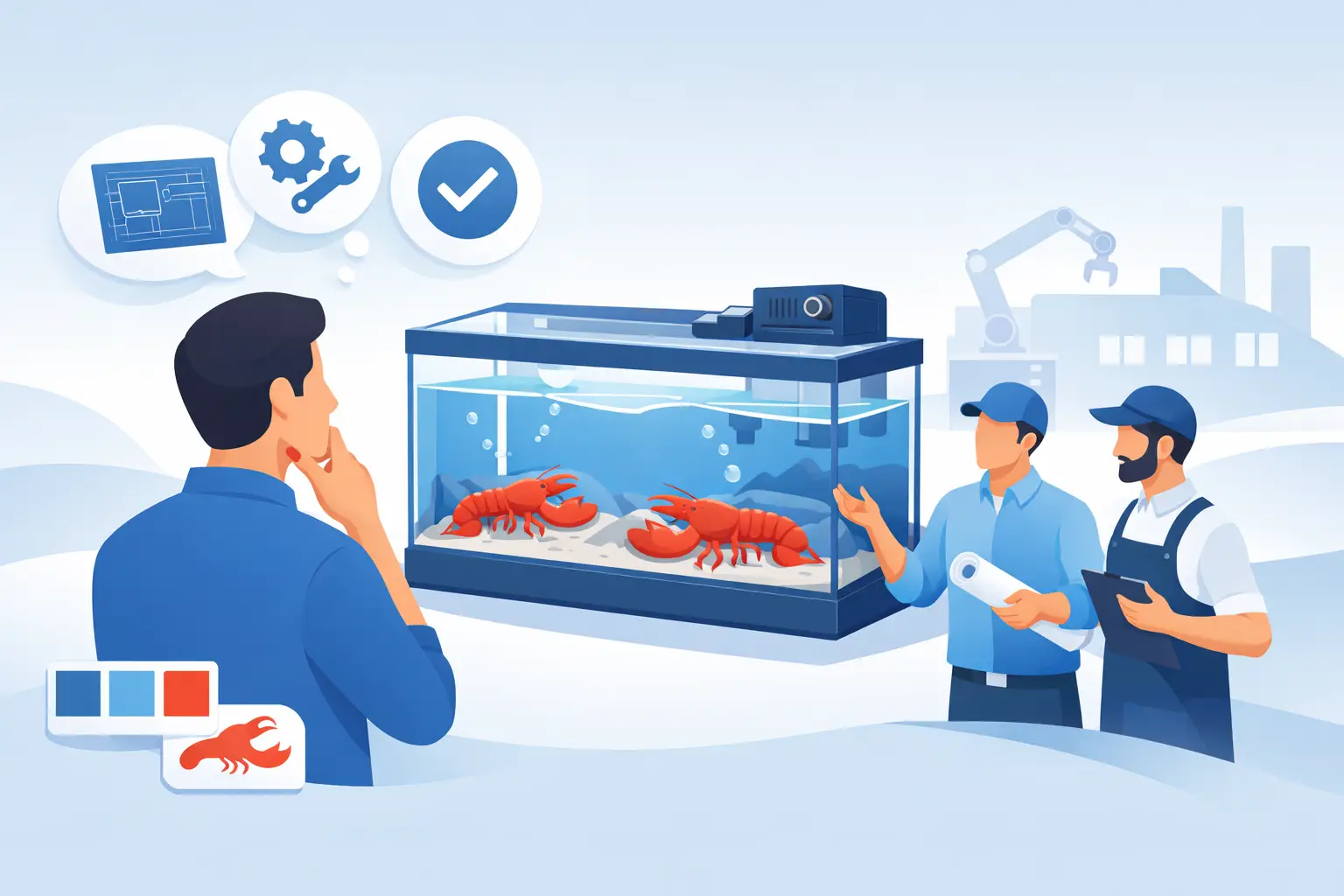
But many commercial locations benefit from custom work. Store layout, traffic flow, back-of-house access, utility locations, and merchandising goals all shape what the right system should be. A custom tank is not about adding complexity for its own sake. It is about fitting the equipment to the operation so staff can run it efficiently and the system can hold up over time.
That is especially true when the tank is part of a larger department strategy or when the operator wants a distinctive presentation that still respects serviceability. Good custom fabrication solves problems before installation instead of creating them afterward.
What experienced buyers ask before they commit
Smart operators usually move past price quickly and ask the harder questions. How is the system filtered? What routine maintenance is required? How easy is it to source replacement media and parts? Who handles service if something goes wrong? How does the tank need to be stocked and managed for the species being held?
Those are the right questions because they get to total cost and operational reality. The cheapest tank on paper can become the most expensive one on the floor if it creates excessive labor, avoidable livestock loss, or repeated service interruptions.
This is one reason specialized providers stand apart from general equipment sellers. A company that lives in this category understands what happens after install day. At Lobster Life Systems, that full-service mindset has mattered to commercial seafood operators for decades because it keeps design, fabrication, supplies, and support under one roof.
The best live seafood display tanks are not just built to impress a customer standing in front of them. They are built to make life easier for the team behind the counter, protect the product in the water, and hold up month after month under commercial use. If a system can do all three, it is not just equipment. It is a working part of your seafood business.