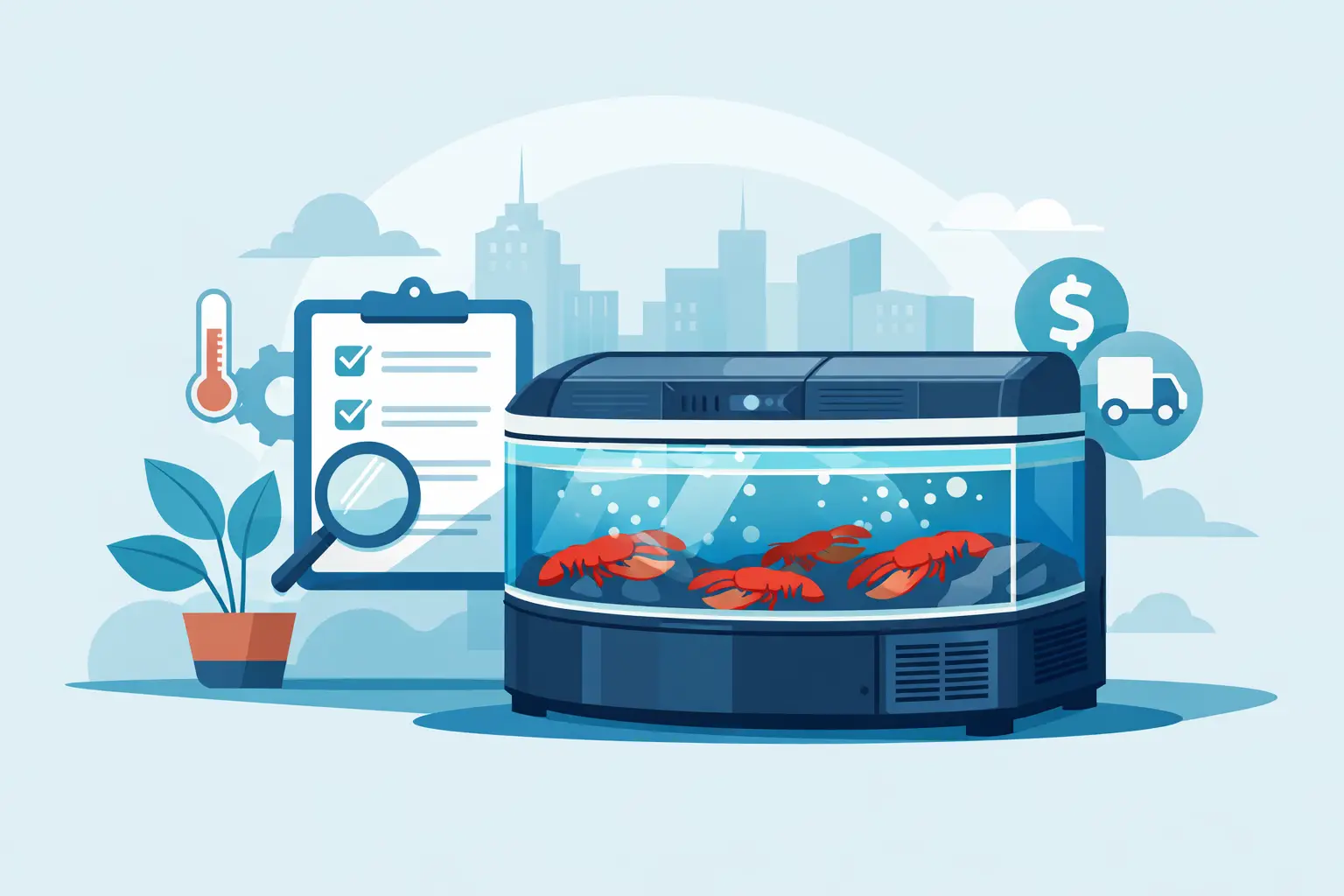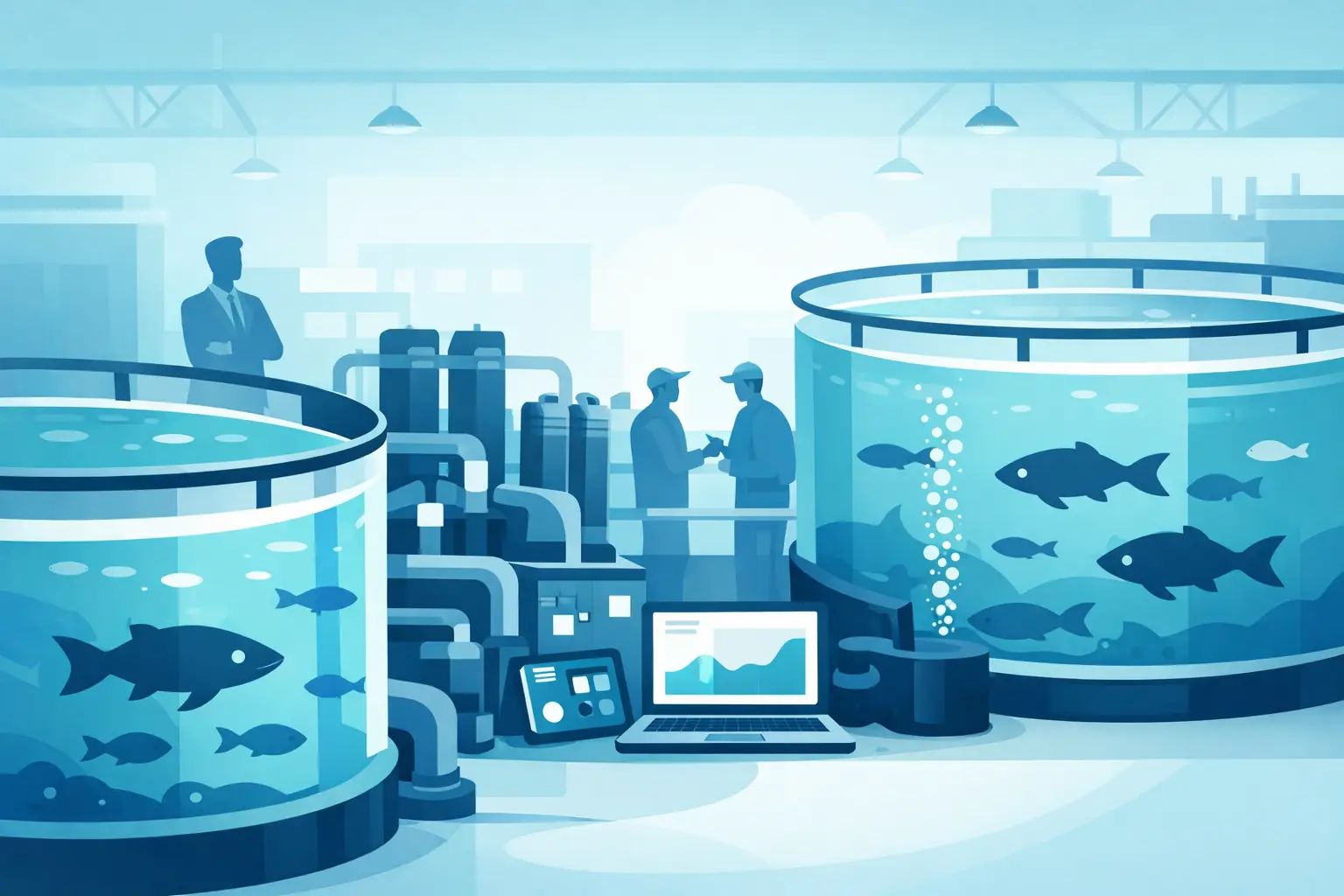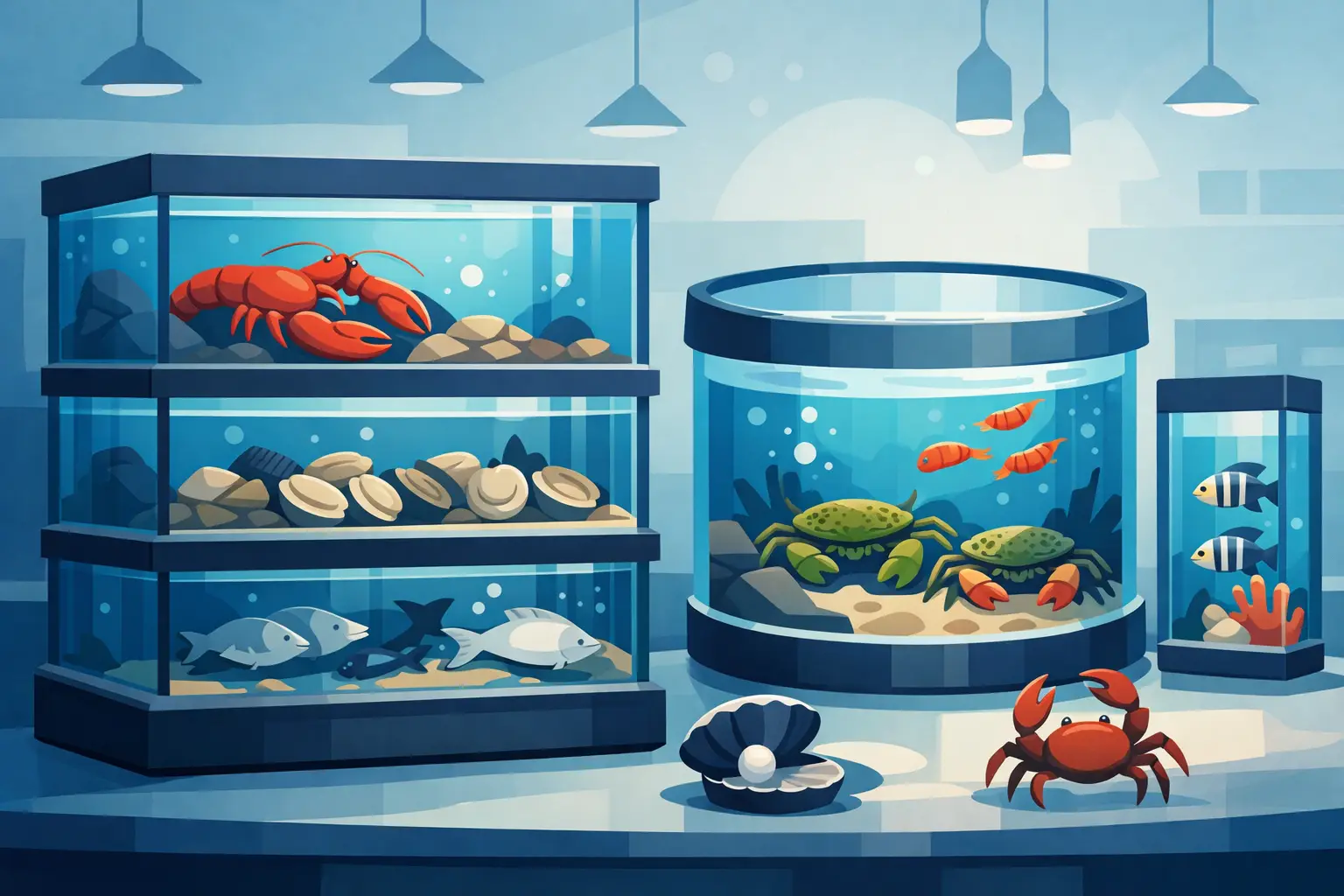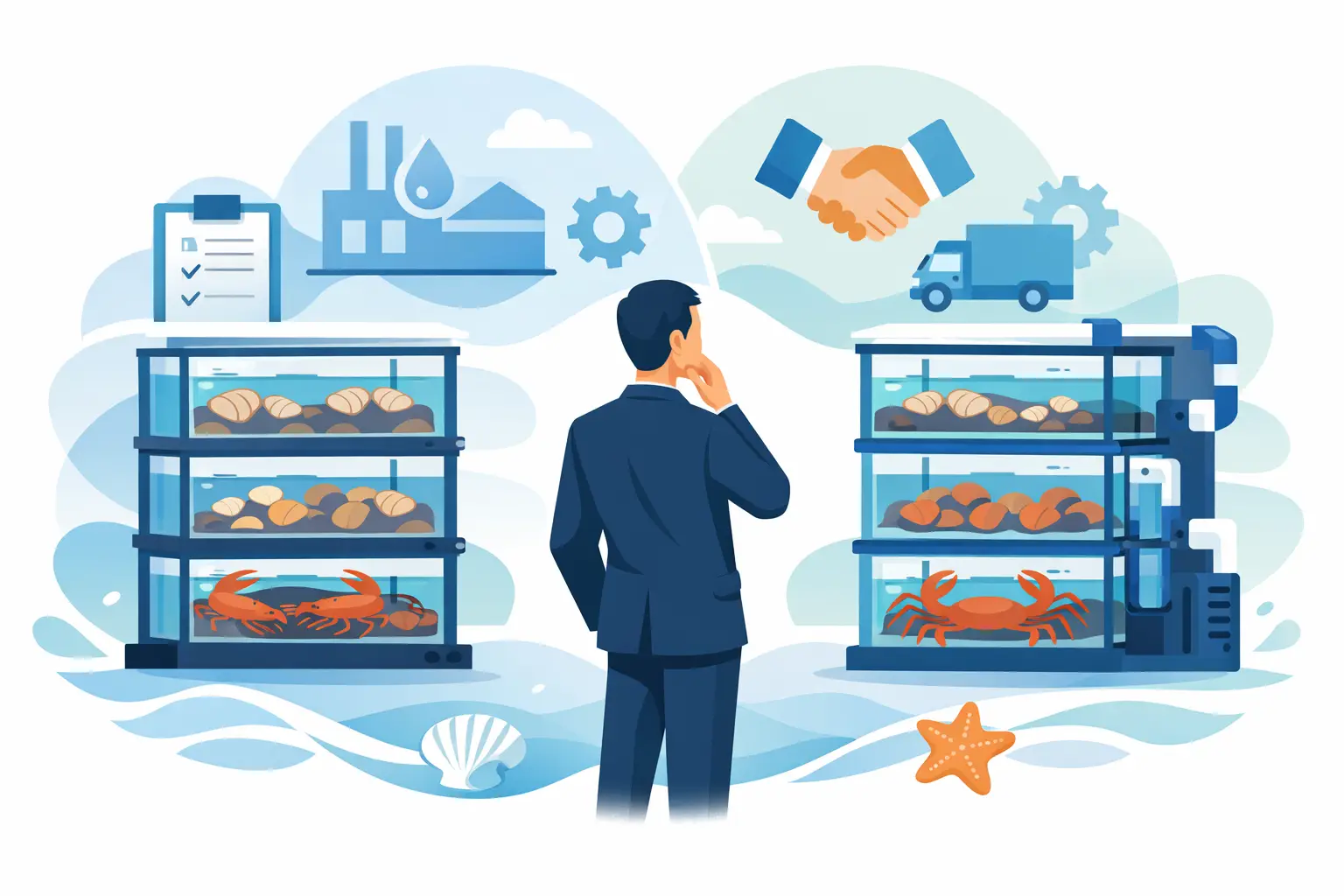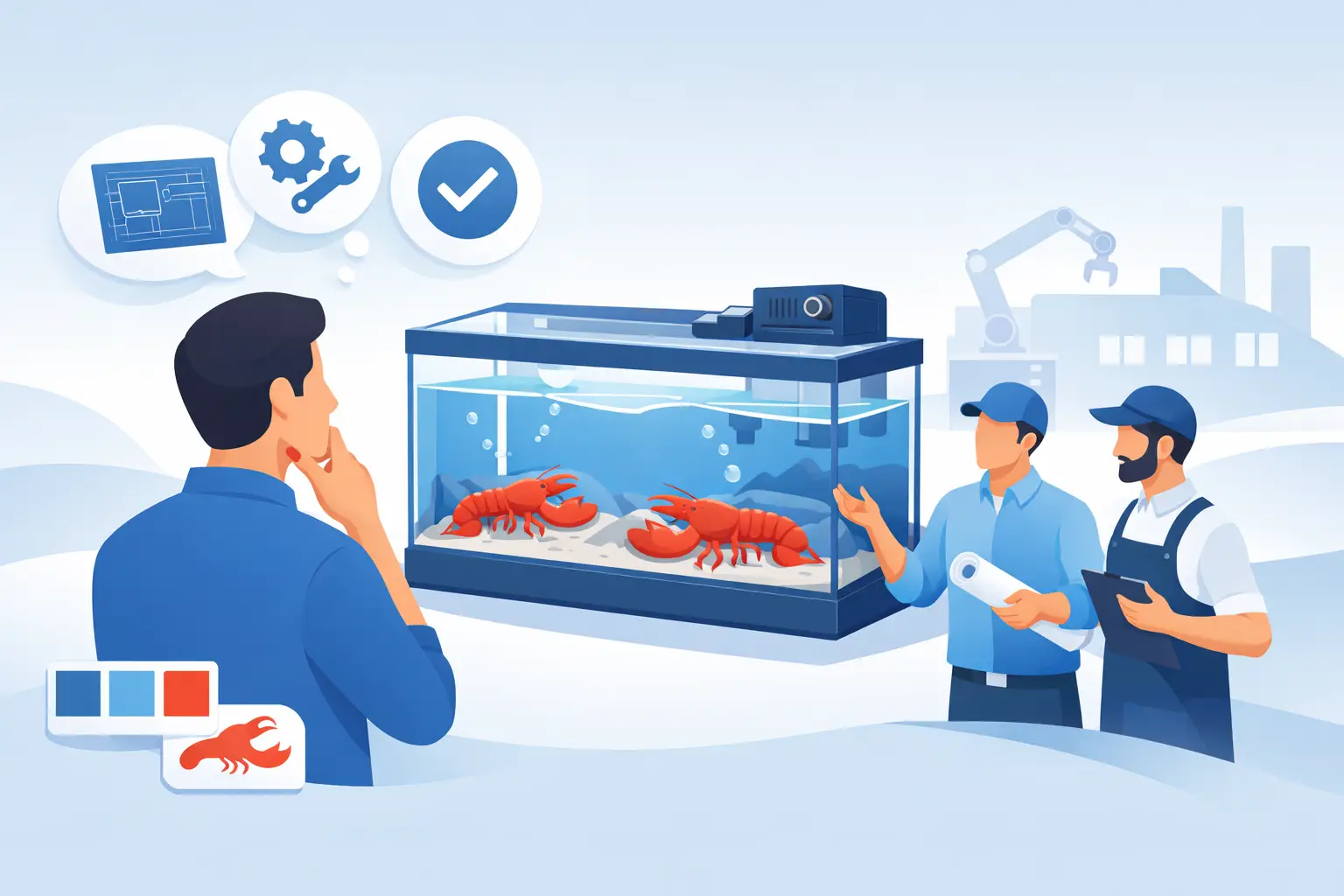
A lobster tank that looks good on delivery day but fights your staff six months later is a bad investment. The retail lobster tank design process has to do more than produce a clean showroom look. It needs to protect live inventory, support daily operations, simplify maintenance, and hold up under real store conditions where space is tight, traffic is constant, and downtime costs money.
For supermarkets, seafood markets, wholesalers, and specialty retailers, live tank design is not a decorative project. It is an operating system tied directly to shrink, labor, food safety, and customer confidence. When the design is right, the tank becomes a reliable merchandising asset. When it is wrong, every weak decision shows up fast – in stressed lobsters, inconsistent water quality, hard-to-reach plumbing, and service calls that could have been prevented.
What the retail lobster tank design process should solve
A serious design process starts with the business problem, not the tank shape. Different retailers need different outcomes. One store may need a compact front-of-house display that fits a narrow footprint and draws attention without overwhelming the department. Another may need a back-of-house holding system with higher capacity and easier stock rotation. A wholesaler may care more about durability and throughput than visual presentation.
That is why experienced tank builders begin by asking practical questions. How many lobsters need to be held at one time? How often does the stock turn? Who is cleaning the system, and how often? Where are the drains, power supply, and floor load limits? Is this a new construction project or a retrofit into an existing seafood department?
Those answers shape every part of the system. Capacity affects water volume and filtration demands. Placement affects service access and customer visibility. Labor realities affect how the tank is opened, cleaned, and restocked. In short, design is not a one-size-fits-all exercise. It is a fit-for-operation decision.
Step one in the retail lobster tank design process: assess the site
Most tank problems start before fabrication. They start when a system is forced into a location that was never properly evaluated. Site assessment matters because live seafood systems interact with the building in ways many general equipment vendors do not fully account for.
Floor strength, utility access, drainage, humidity, and service clearance all matter. So does the traffic pattern around the tank. If customers crowd one side, staff still need room to net product, lift lids, clean viewing panels, and reach filtration components safely. A tank that looks efficient on paper can become a daily headache if no one planned for actual human movement around it.
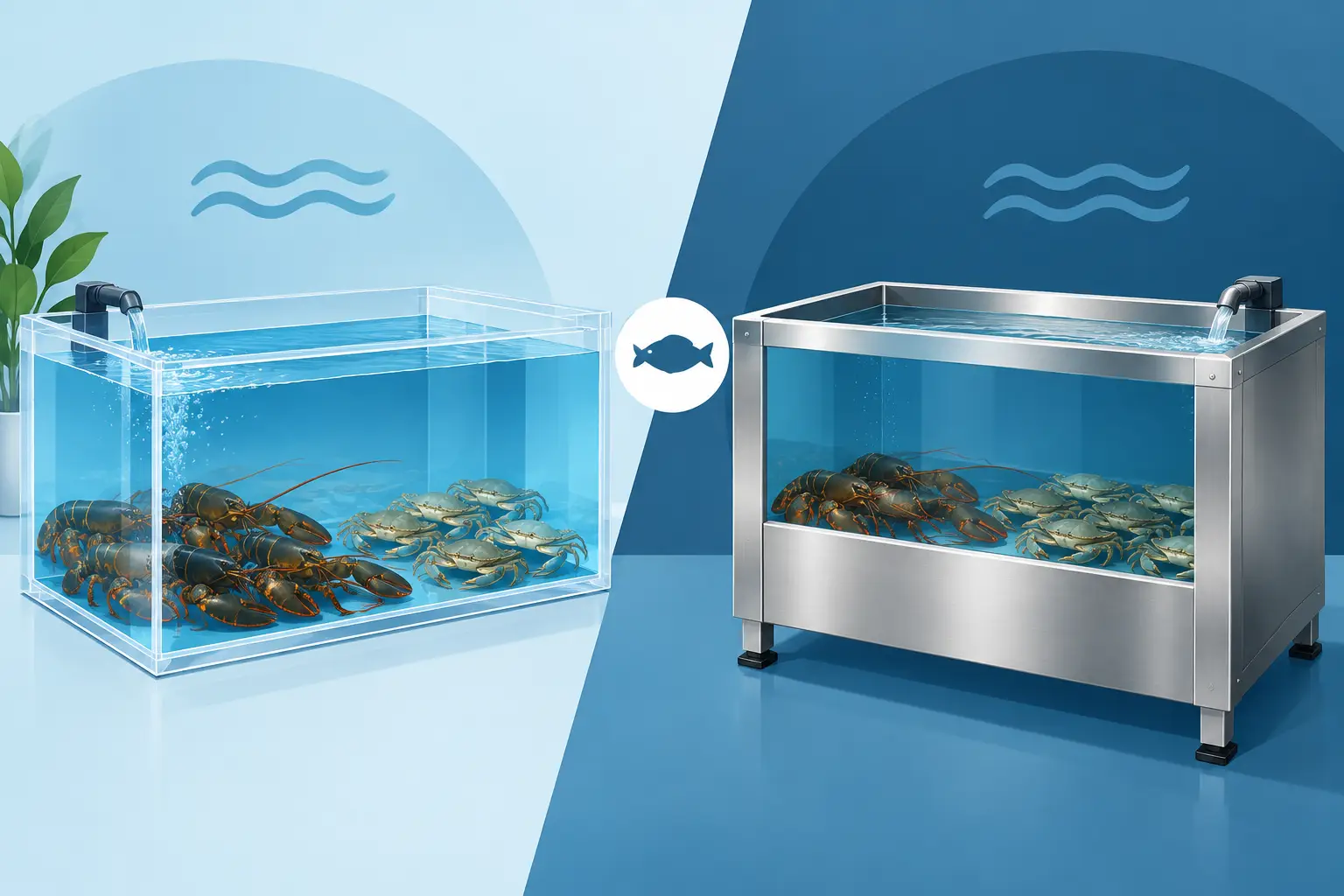
This is also where a retailer needs straight answers about whether a self-contained system or a remote setup makes more sense. A self-contained design can simplify installation and reduce dependency on building-wide infrastructure. In the right application, it can also improve serviceability. But every site is different. Noise tolerance, available ventilation, footprint, and service strategy can all shift that decision.
Capacity, merchandising, and animal health have to work together
Retailers often feel the push and pull between display impact and holding performance. Bigger glass does create visibility. A striking tank can help move live product and reinforce a premium seafood image. But visual appeal cannot come at the expense of water stability or lobster health.
Overcrowding is one of the fastest ways to turn a display into a problem. If a system is sized mainly for appearance and not for actual volume, filtration load rises, stress increases, and mortality risk follows. On the other hand, oversizing a tank without considering turnover can create inefficiencies in energy use, water management, and floor space.
Good design finds the balance. The right system gives retailers enough display presence to sell the product while maintaining the environmental control needed to hold that product in saleable condition. That means matching tank size, compartment layout, water circulation, and filtration capacity to real inventory patterns, not best-case assumptions.
Filtration is where performance is won or lost
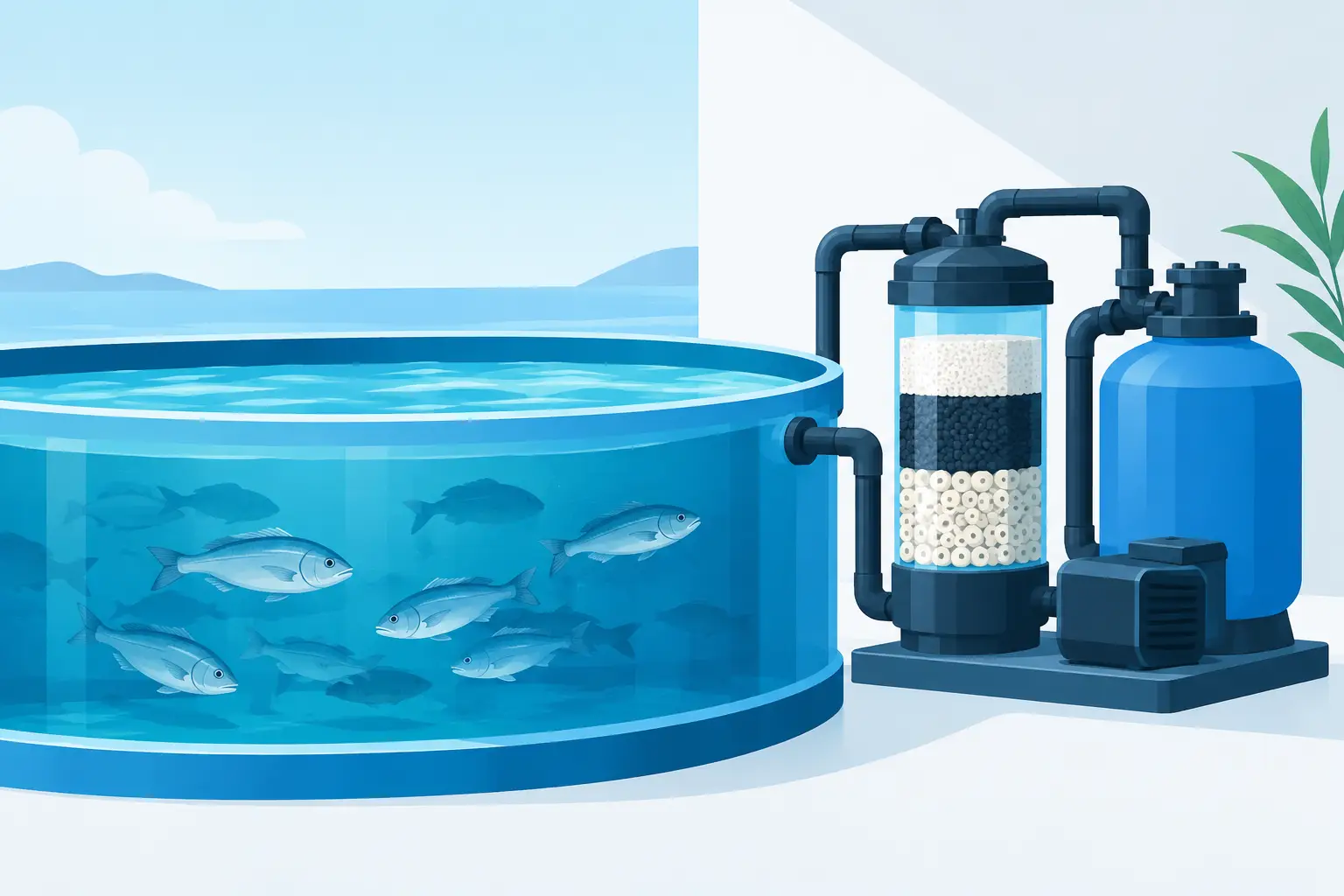
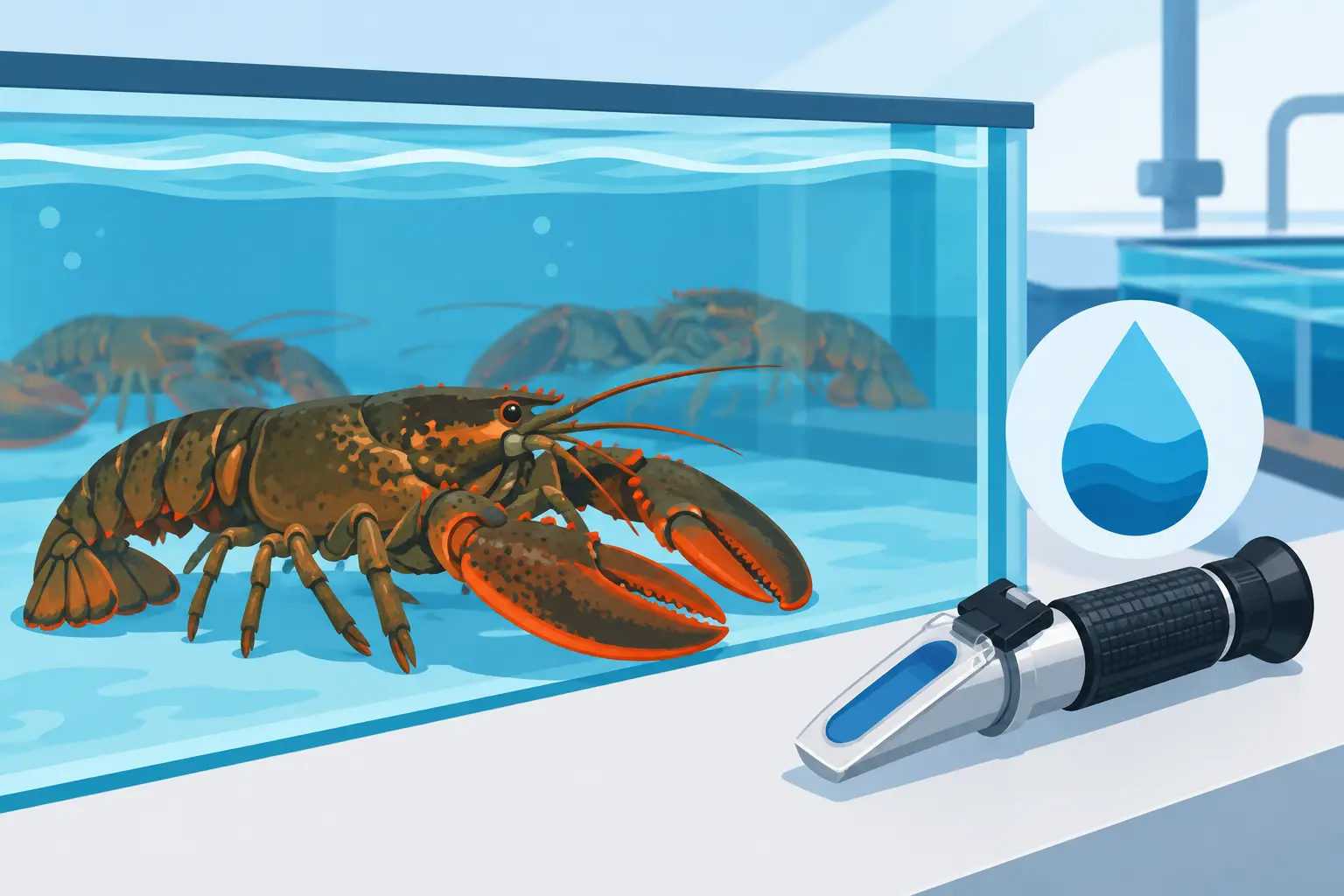
A lobster tank is only as good as the life-support system behind it. That is why filtration design deserves as much attention as the acrylic, cabinetry, or exterior finish. Water clarity matters for merchandising, but water chemistry and waste management matter even more for inventory protection.
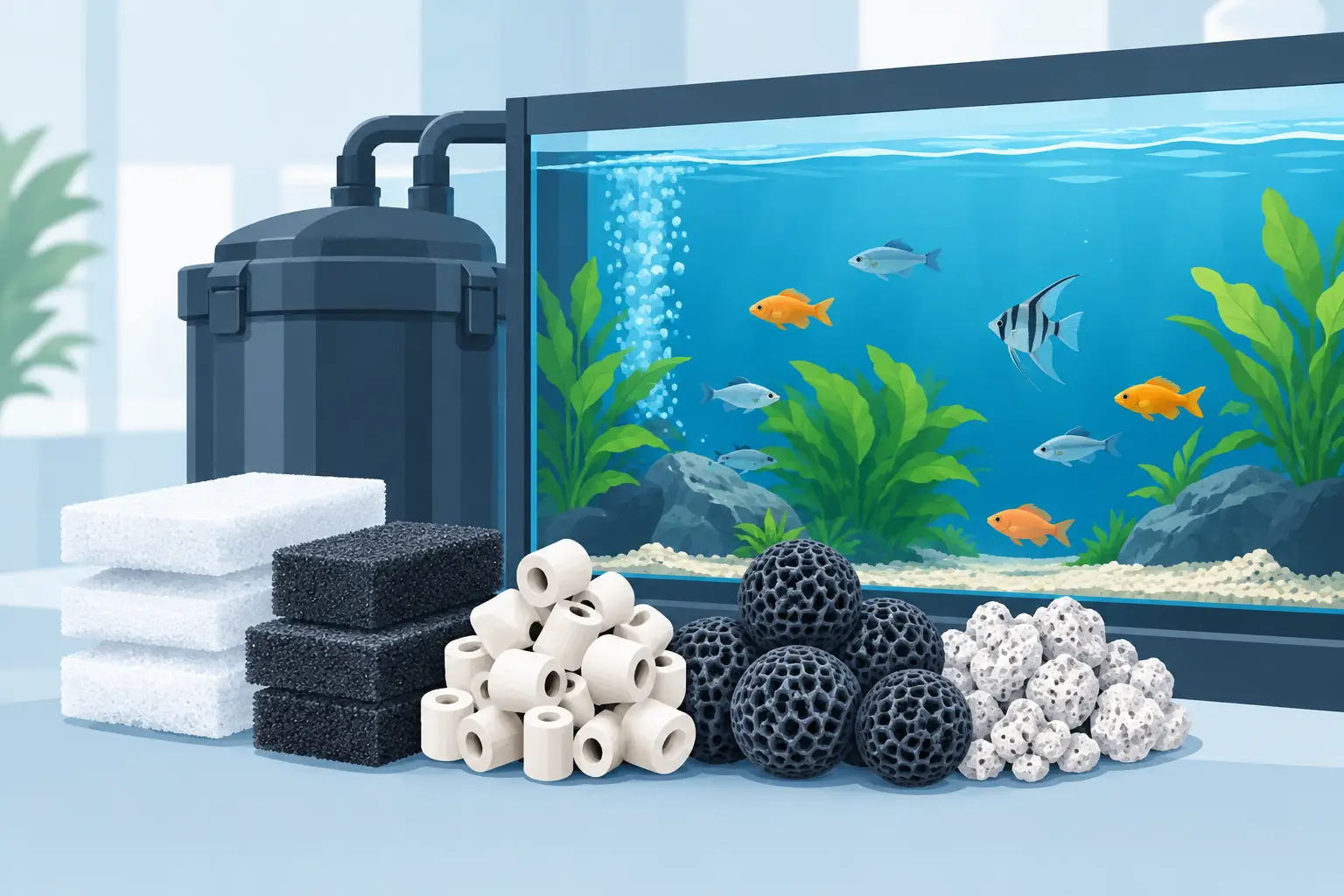
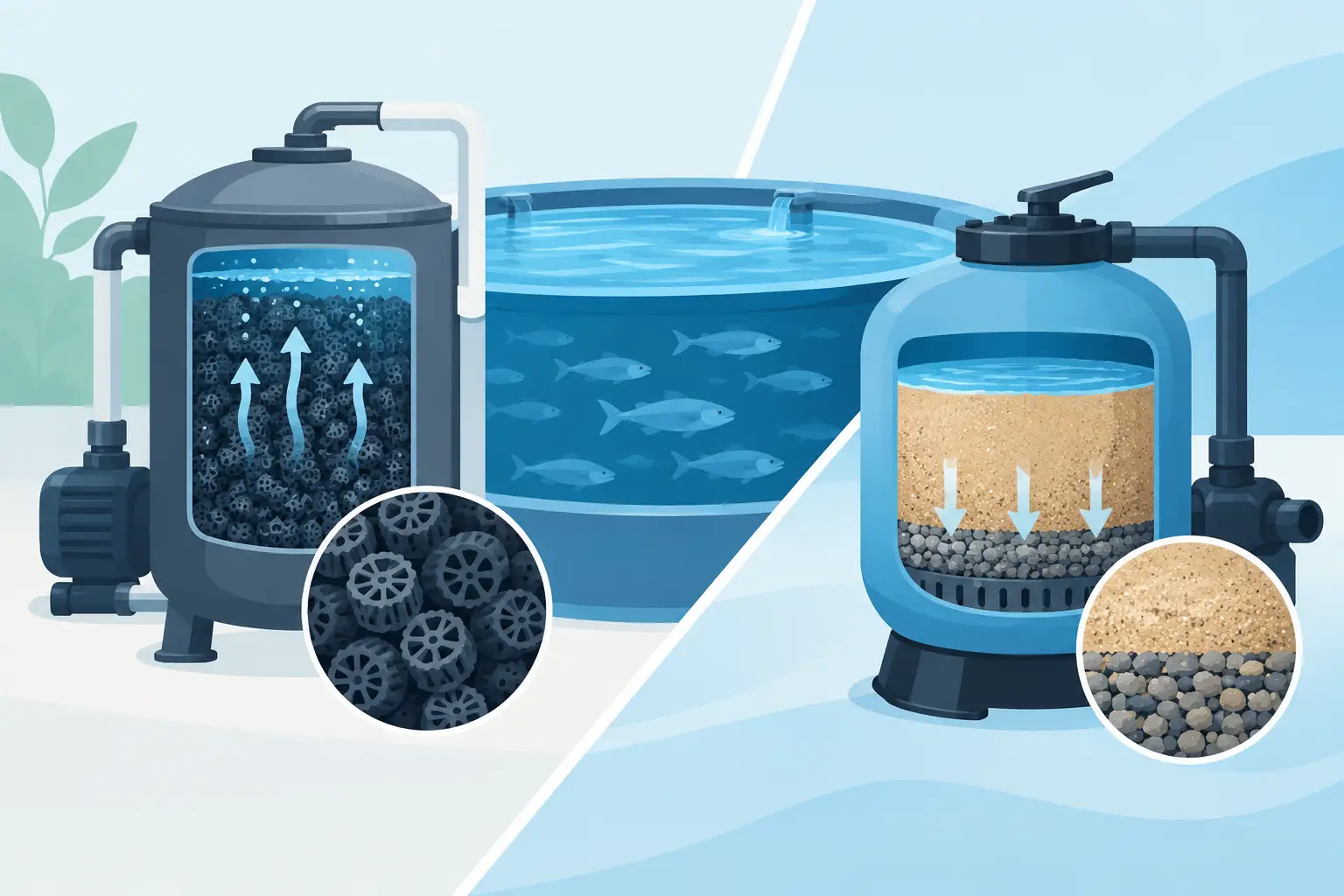
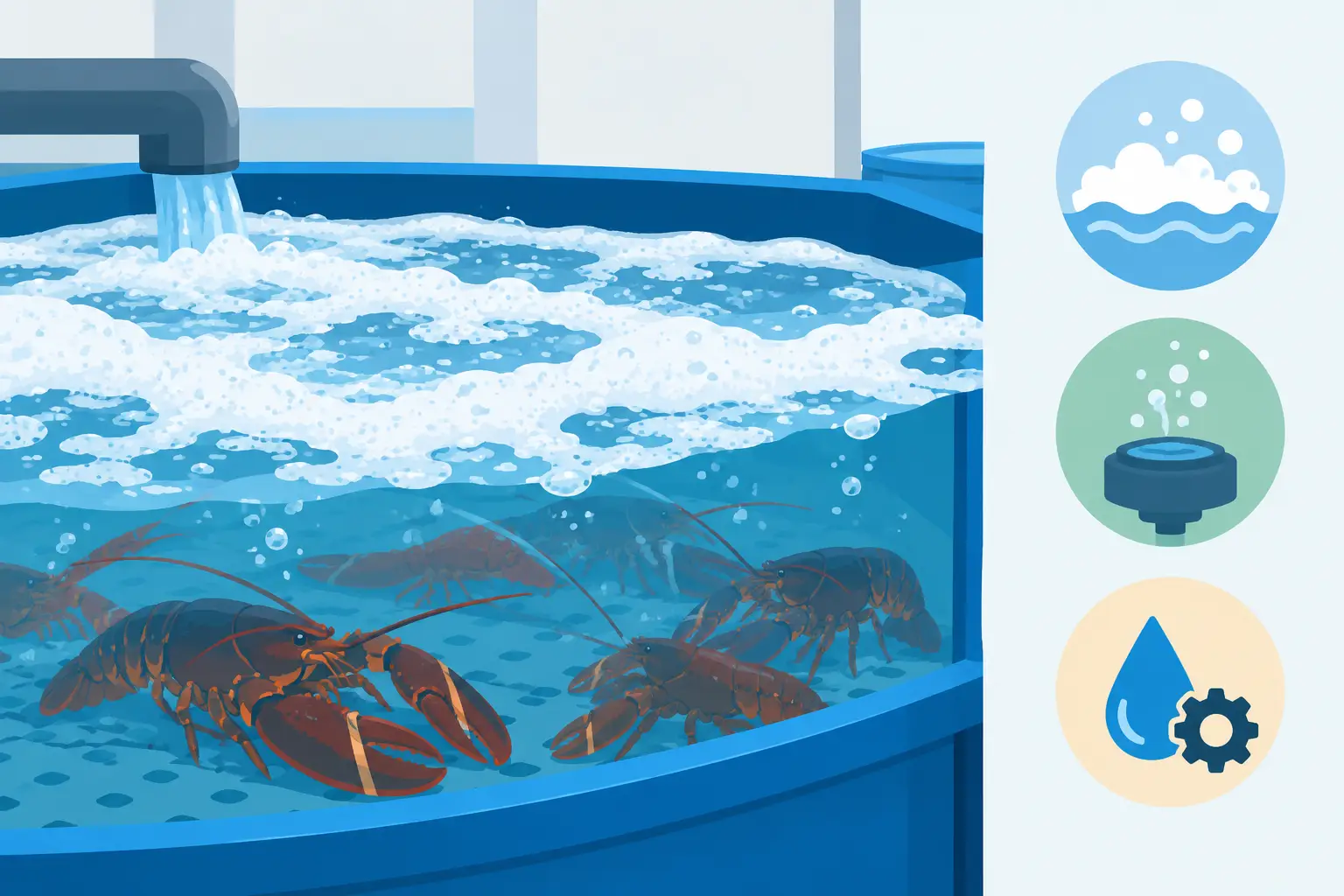
A proper system design considers mechanical filtration, biological support, circulation, and the quality of the saltwater environment as one connected package. If those pieces are treated separately, operators usually end up managing recurring issues instead of preventing them. Cloudy water, odor, foam, buildup, and unstable conditions rarely come from one isolated cause.
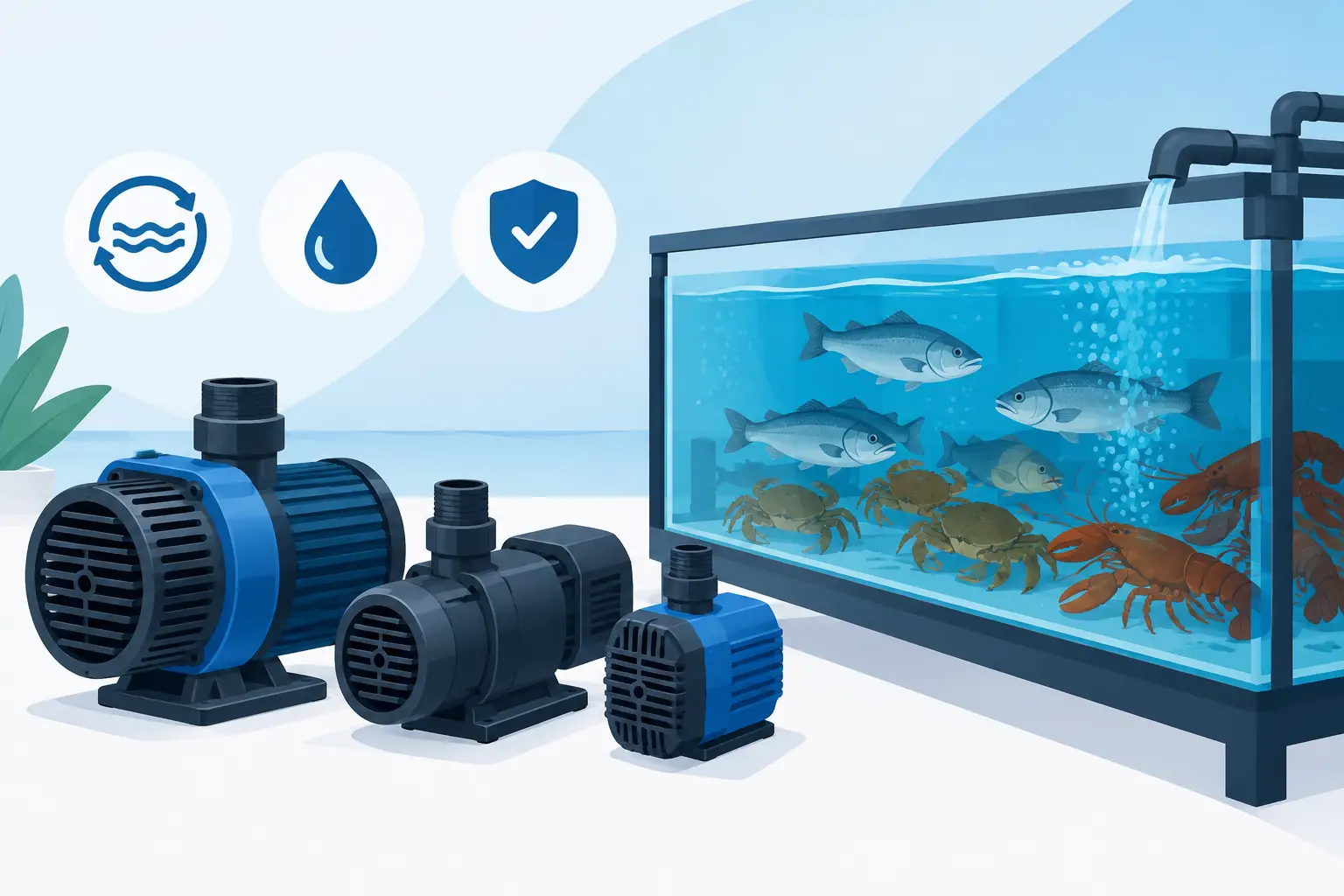
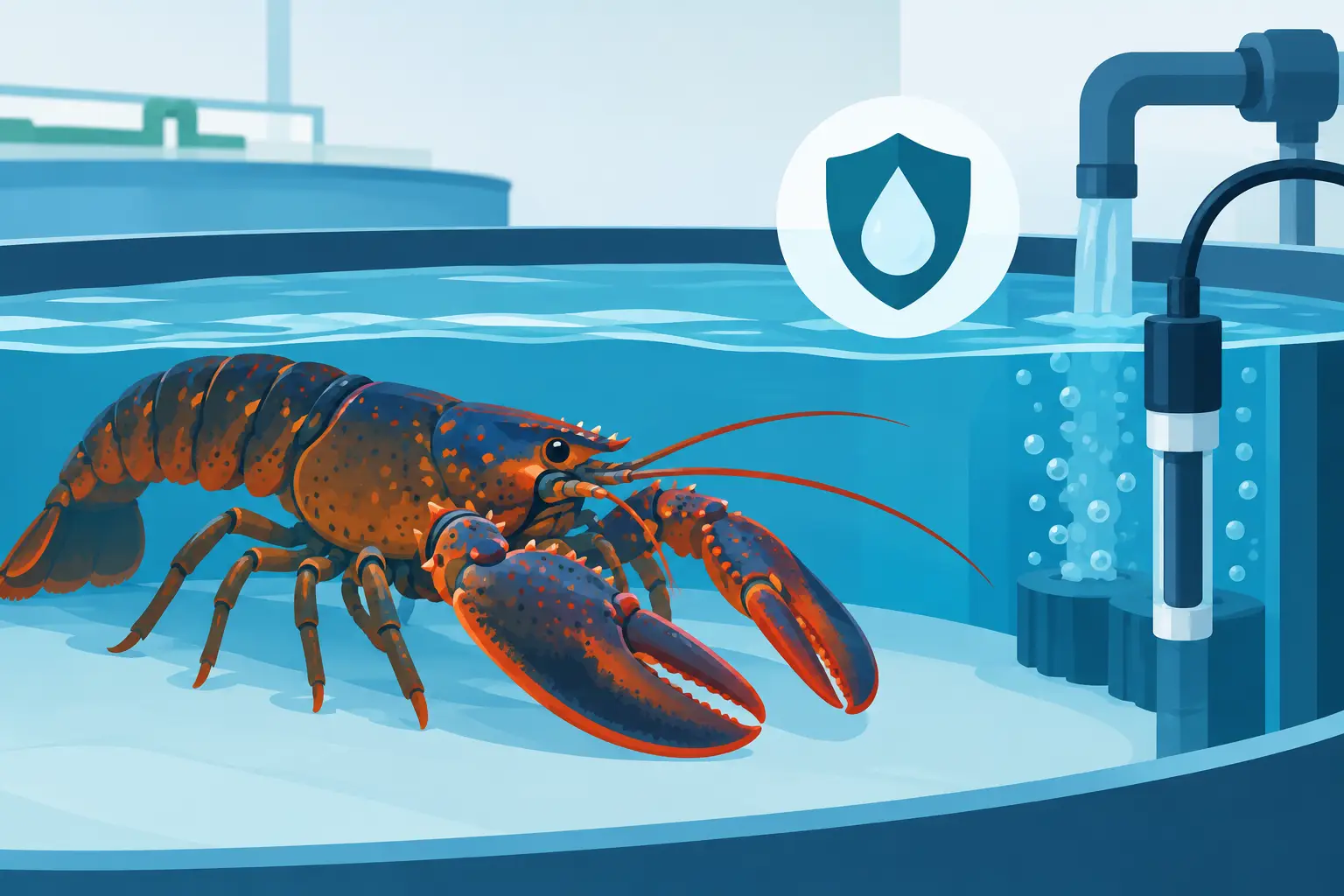
This is also where specialized engineering makes a real difference. Lobsters are not ornamental fish, and retail seafood operators should not be sold a generic aquatic setup dressed up for commercial use. Purpose-built lobster systems are designed around the realities of commercial holding. That includes purge performance, waste control, stable water conditions, and practical maintenance access.
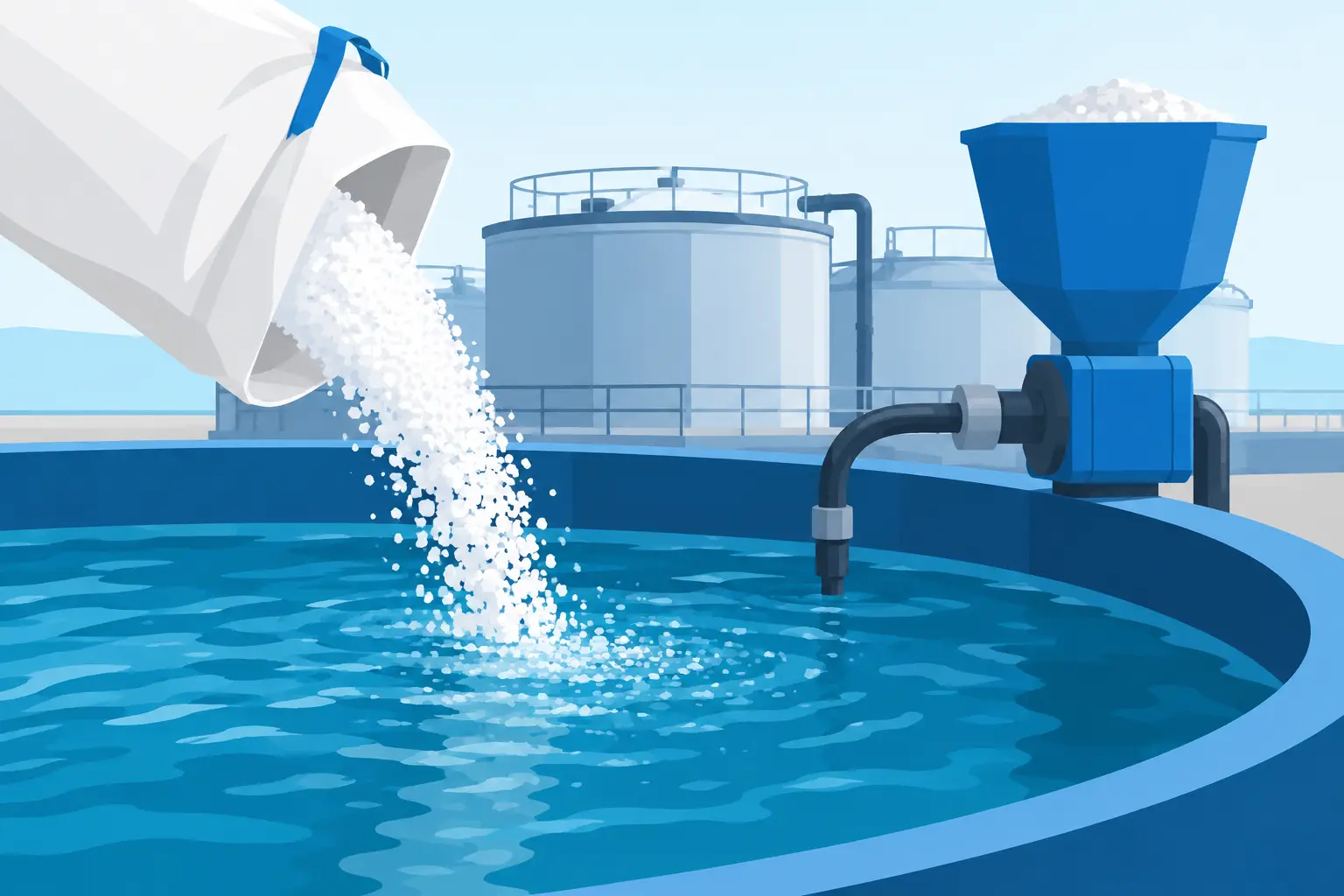
For many operators, the smartest move is working with a manufacturer that can provide not only the tank, but also the salt, media, carbon, replacement components, and technical support needed to keep the system running as intended. One-source accountability reduces finger-pointing and speeds up problem solving.
Service access is part of the design, not an afterthought
The best-looking tank in the department can still become the worst one to own if technicians cannot get to the equipment. This is where experienced commercial builders separate themselves from general fabricators. A good retail lobster tank design process plans for maintenance from day one.
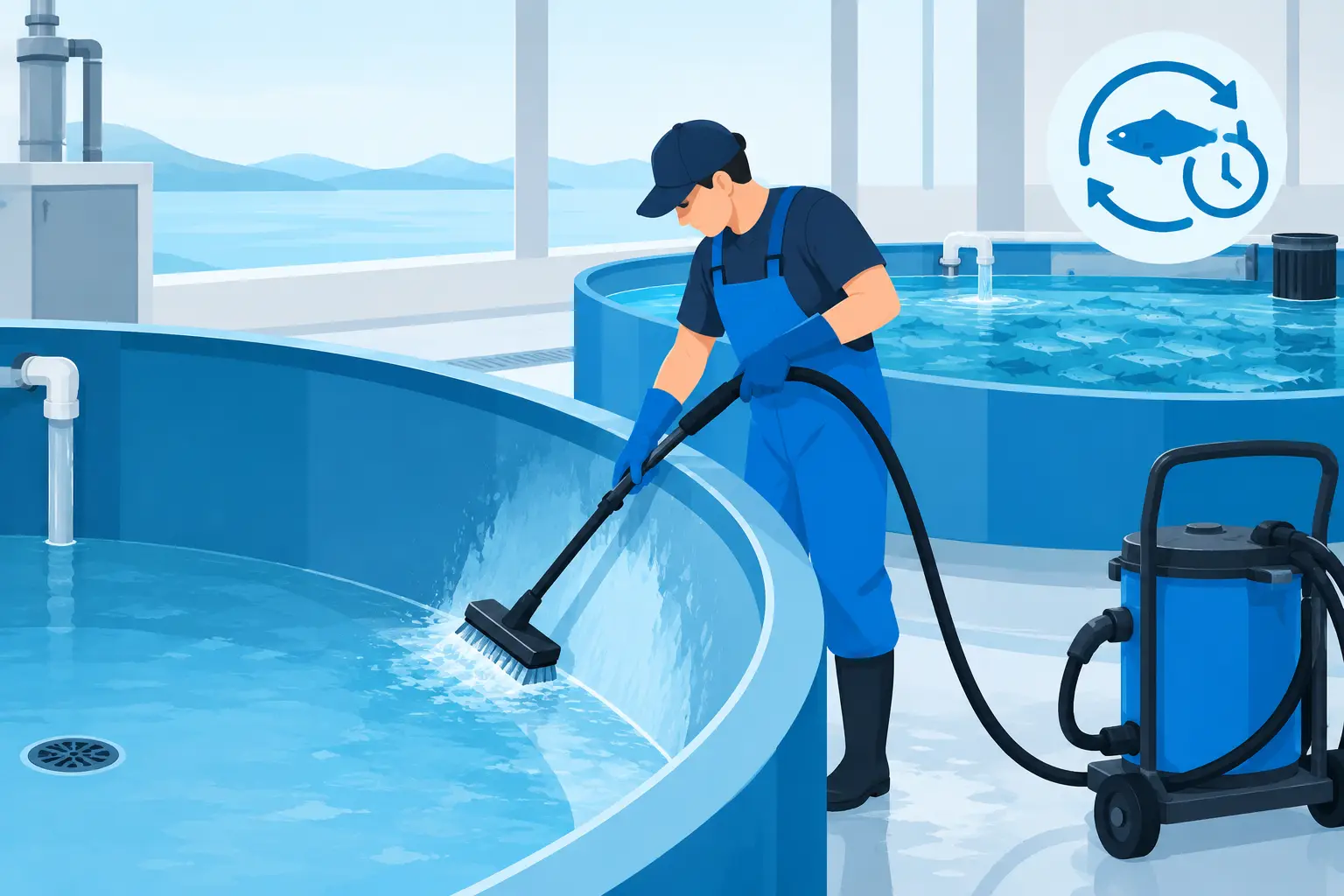
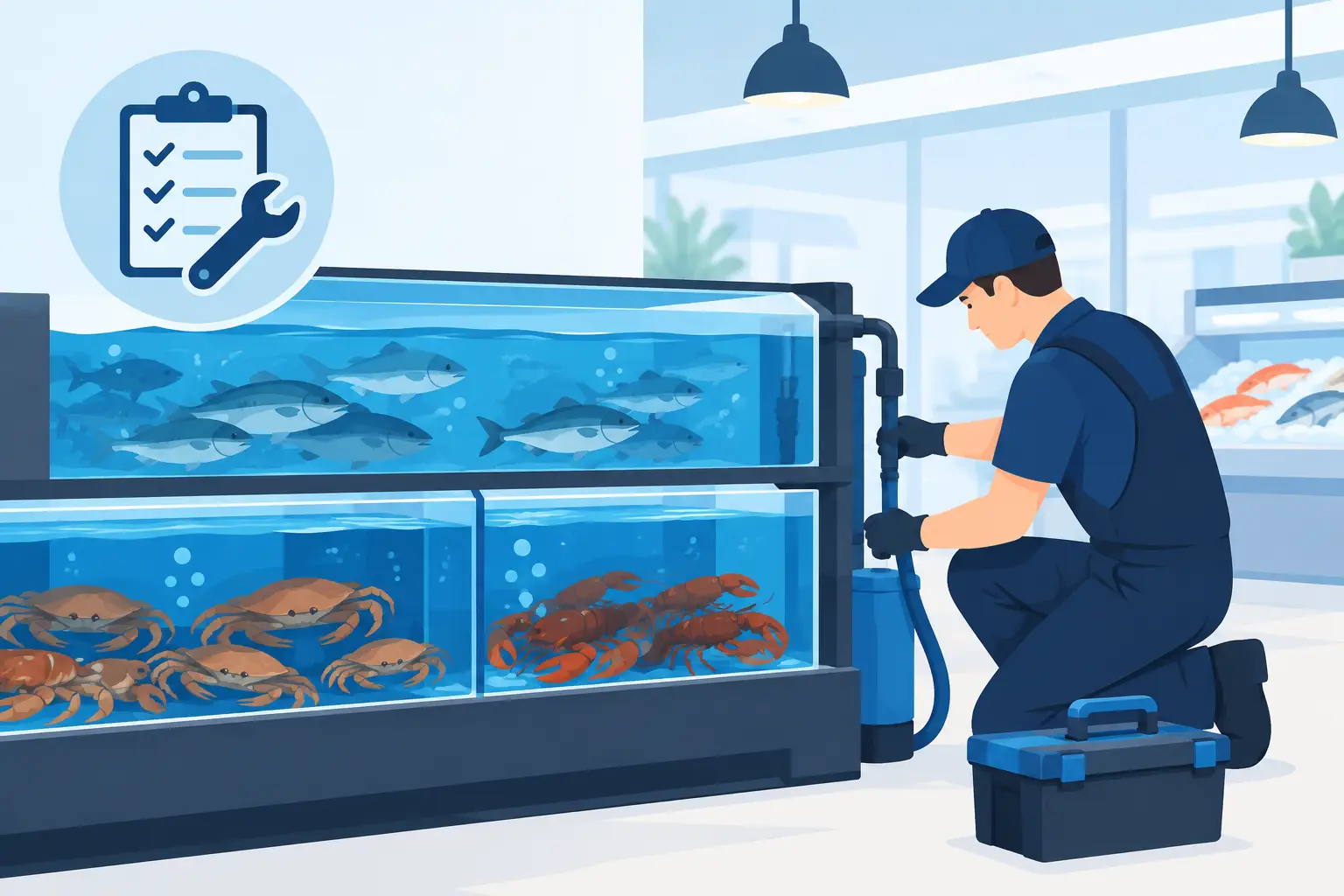
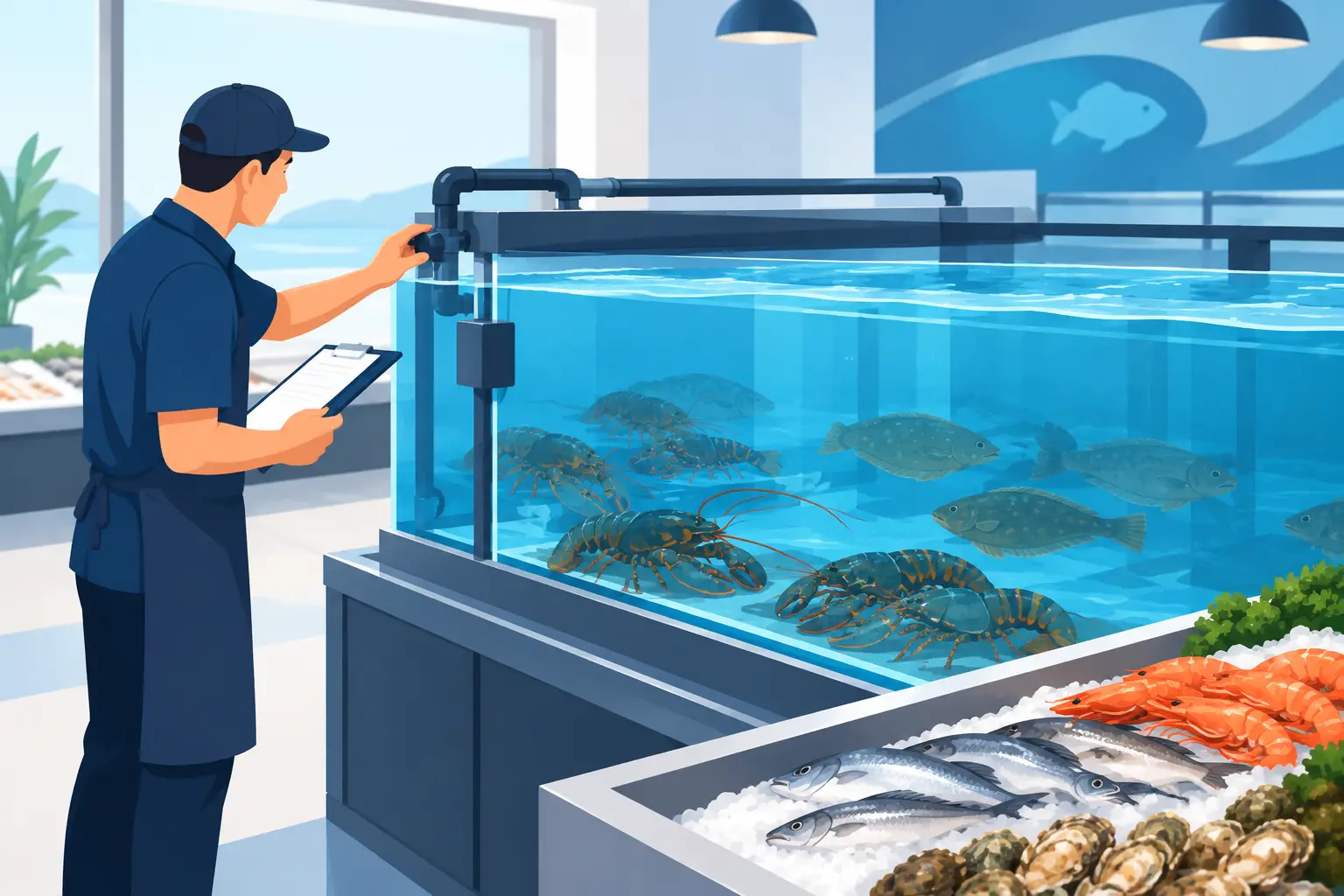
Panels should be accessible. Components should be reachable without dismantling half the system. Plumbing runs should make sense. Staff should be able to perform routine cleaning without special workarounds that get skipped during a busy week. If a pump or filter change takes too long, it usually means routine care starts slipping, and live inventory pays the price.
Serviceability also matters during emergencies. When a retailer needs troubleshooting, every extra minute spent locating valves, tracing lines, or opening cramped compartments increases stress and risk. A well-designed tank respects the fact that seafood departments operate in real time. Repairs and routine service both need to happen efficiently.
Materials and fabrication quality matter more than the brochure
Commercial seafood environments are unforgiving. Salt exposure, frequent cleaning, wet floors, customer contact, and long operating hours all test a tank over time. That is why fabrication quality is not a cosmetic detail. It is a business decision.
The right materials help the system hold up structurally, present cleanly, and remain easier to maintain. Poor fabrication shows itself in leaks, haze, weakened joints, warped components, corroded hardware, and cabinet wear that makes the entire seafood department look tired. Retailers do not need that kind of surprise after installation.
Domestic manufacturing can make a meaningful difference here, especially for custom work and ongoing support. When the builder controls fabrication quality and understands the commercial use case, the result is usually tighter execution and better accountability. For operators who expect years of service, that matters.
Customization should support operations, not complicate them
Customization is valuable when it solves a real problem. It is not valuable when it adds complexity for no operational gain. That distinction matters in live seafood systems.
A custom tank may need a specific footprint, finish, viewing height, compartment arrangement, or filtration configuration to fit a store layout and workflow. Those are useful modifications. But custom features should still preserve reliability, cleaning access, and consistent performance. Fancy design decisions that interfere with maintenance or stocking are expensive distractions.
This is where an experienced full-service partner brings value. A builder that has worked with supermarkets, retailers, and wholesalers can tell the difference between a smart custom choice and a future service issue. That kind of guidance saves money long after the installation crew leaves.
Installation, support, and long-term ownership
The retail lobster tank design process does not end when the unit is built. Installation planning, startup, staff training, consumable supply, and service support are all part of whether the system succeeds in the field.
Retailers should think beyond initial purchase price and ask what ownership looks like over time. Who handles maintenance questions? Who supplies the marine salt, filter media, and carbon? Who answers when there is a problem on a weekend or during a holiday sales push? If those answers are scattered across multiple vendors, response time usually suffers.
That is why many serious operators prefer a single accountable partner. A company like Lobster Life Systems can design, fabricate, supply, service, and support the full system instead of leaving customers to coordinate parts and answers from several directions. For commercial seafood sellers, that kind of continuity is not a luxury. It is part of protecting revenue.
A strong tank should do more than hold lobsters. It should make the department easier to run, easier to maintain, and easier to trust every day it is on the floor.