A live tank that looks sharp on the sales floor but creates constant service headaches is not doing its job. For supermarkets, seafood retailers, wholesalers, and restaurants, a self contained lobster tank has to do more than hold water. It has to protect high-value inventory, keep labor demands reasonable, support food safety, and present live lobster in a way that builds buyer confidence.
That is why experienced seafood operators do not treat tank selection like a basic fixture purchase. They treat it like an operating decision. The right system can reduce losses, improve consistency, and make day-to-day management far easier. The wrong one can quietly drain margin through stress-related mortality, poor water quality, emergency downtime, and avoidable maintenance costs.
What a self contained lobster tank really means
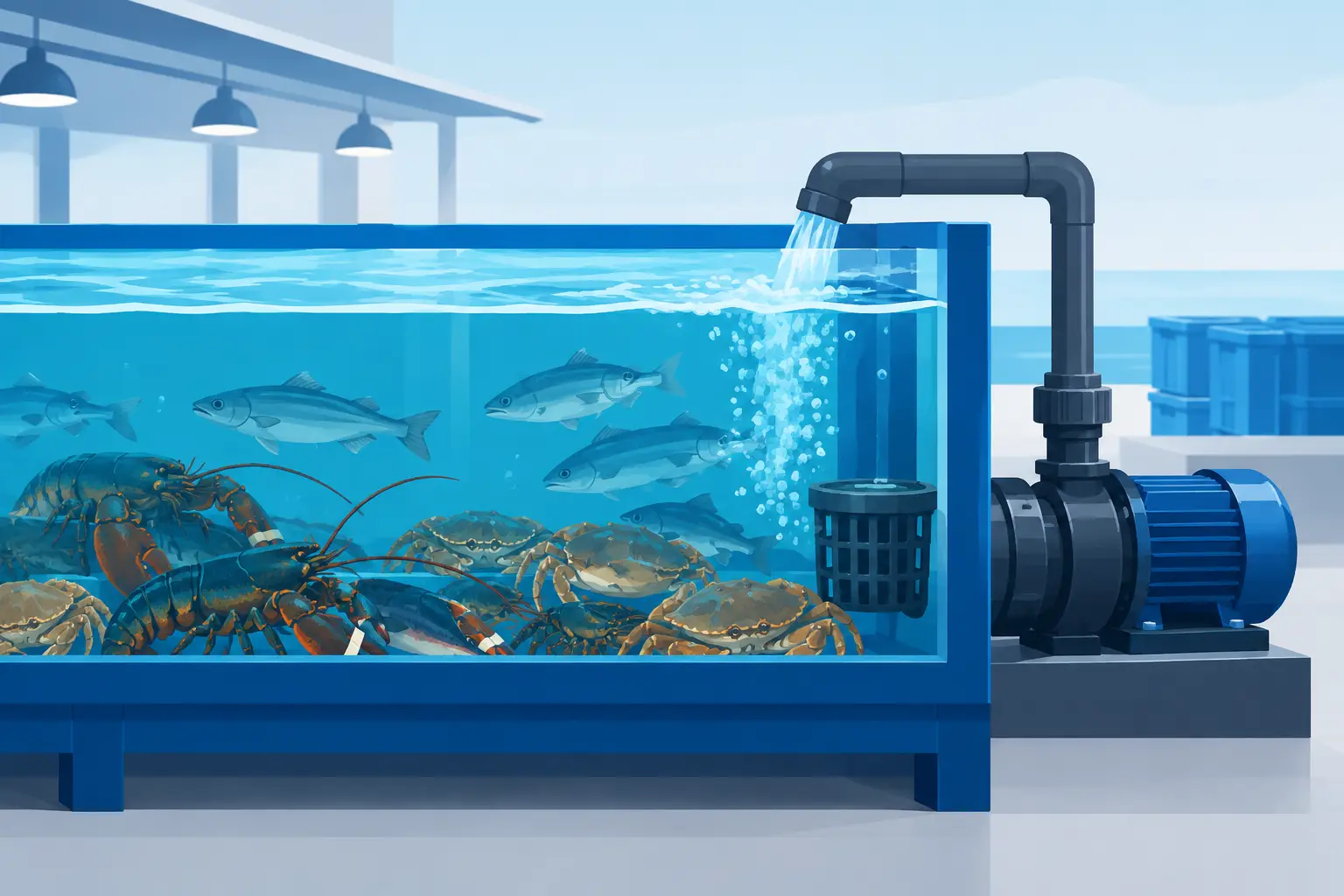
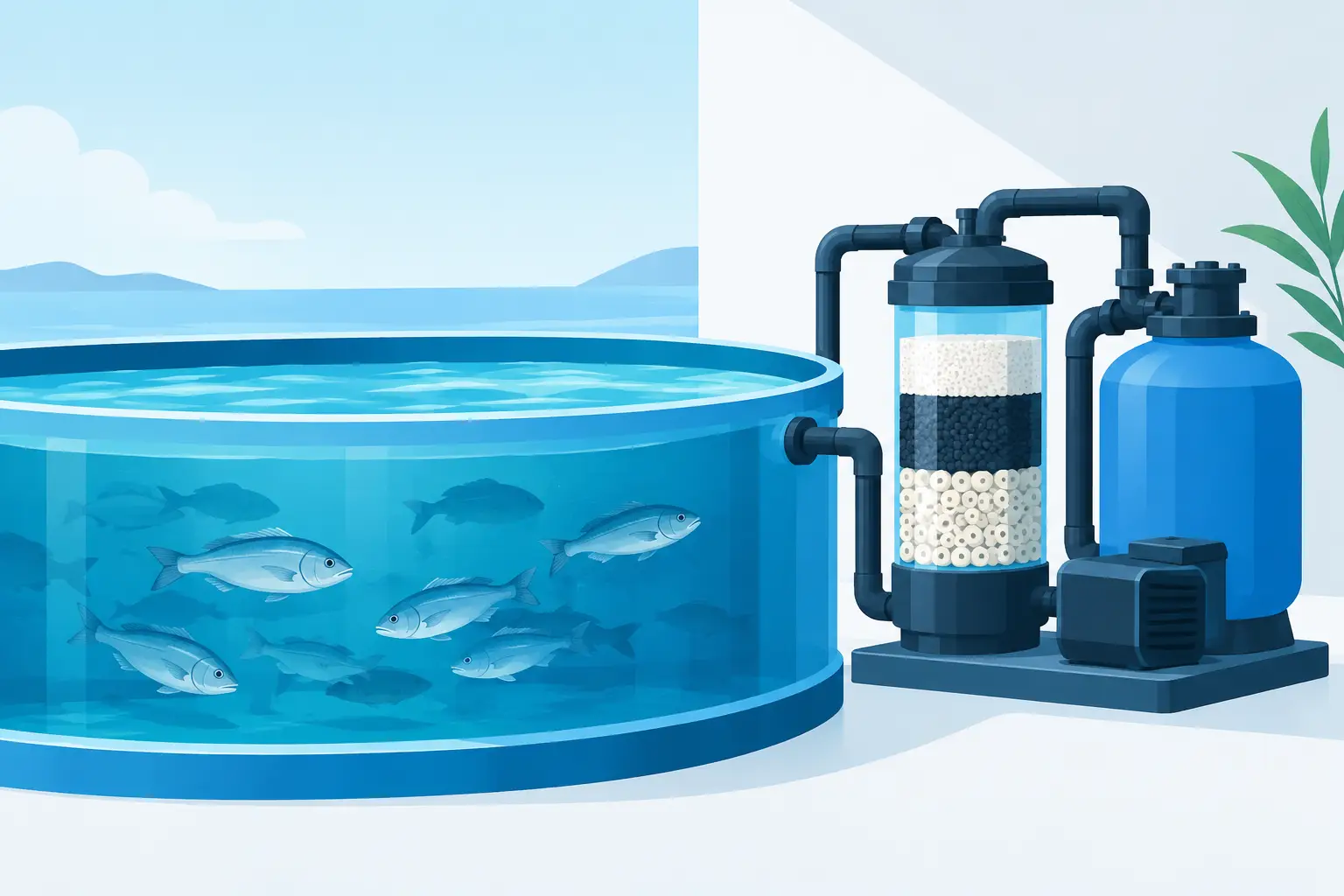
In commercial terms, a self contained lobster tank is a complete live holding system with filtration and life-support components integrated into the unit rather than depending on a remote equipment room. That sounds simple, but the details matter. A true commercial-grade system is built to control water quality, circulation, and holding conditions in a compact footprint that works in a store, market, or restaurant environment.
For many operators, that setup is attractive because it reduces installation complexity and makes placement more flexible. If you are opening a new seafood department, remodeling an existing counter, or adding live merchandising to a smaller footprint, a self-contained design can solve practical site limitations. You are not trying to engineer a separate back-of-house life-support room just to keep lobster alive and looking good.
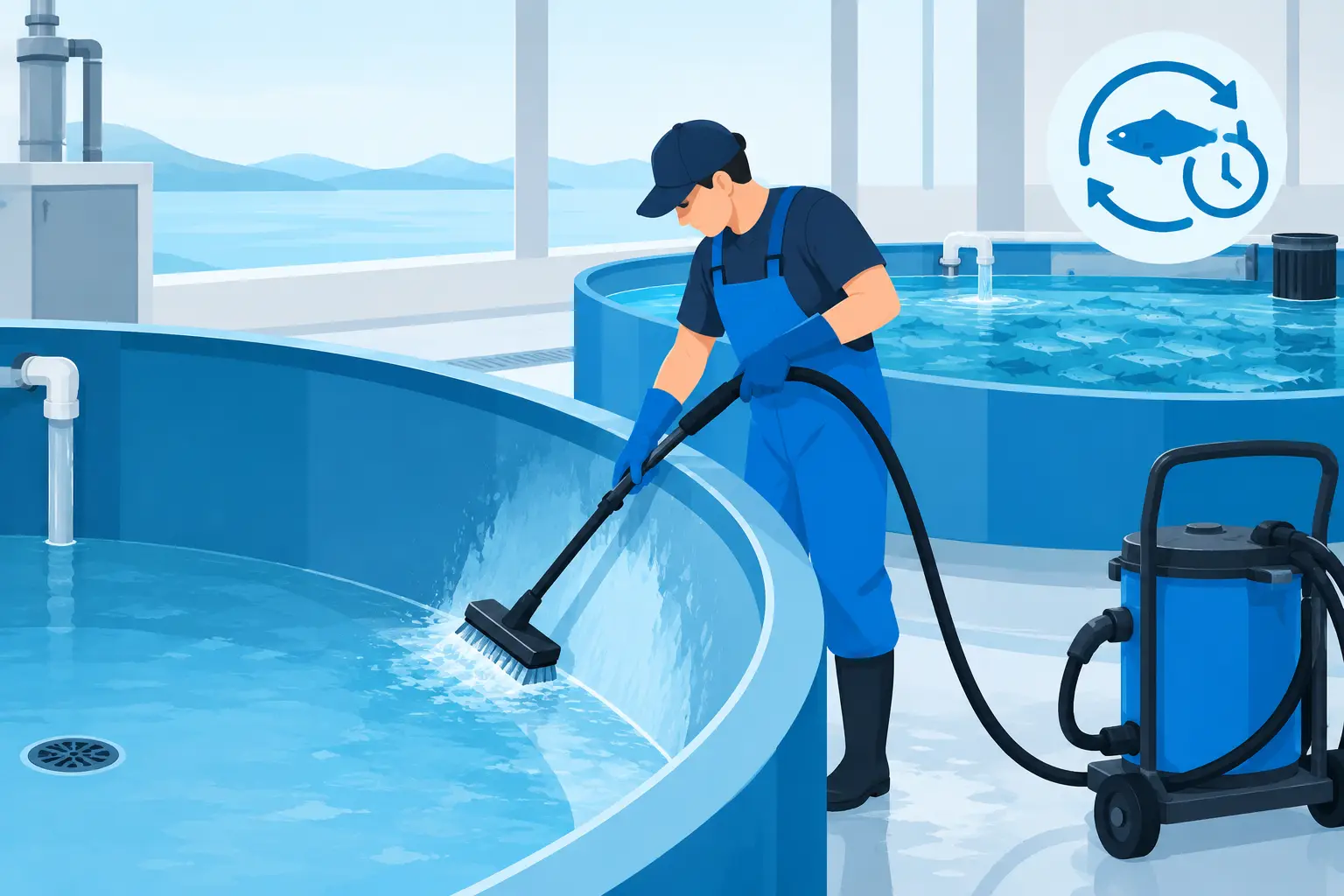
That said, self-contained does not mean maintenance-free. Any live seafood system still needs the right salt mix, filtration media, routine service, and technical support. The real question is whether the tank is designed to make those tasks controlled and predictable, or whether it turns basic upkeep into a weekly firefight.
Why seafood operators choose a self contained lobster tank
For most buyers, the appeal starts with control. A self contained lobster tank puts the major operating components into a single purpose-built system. That can shorten installation timelines, simplify coordination with contractors, and reduce the number of moving parts during startup.
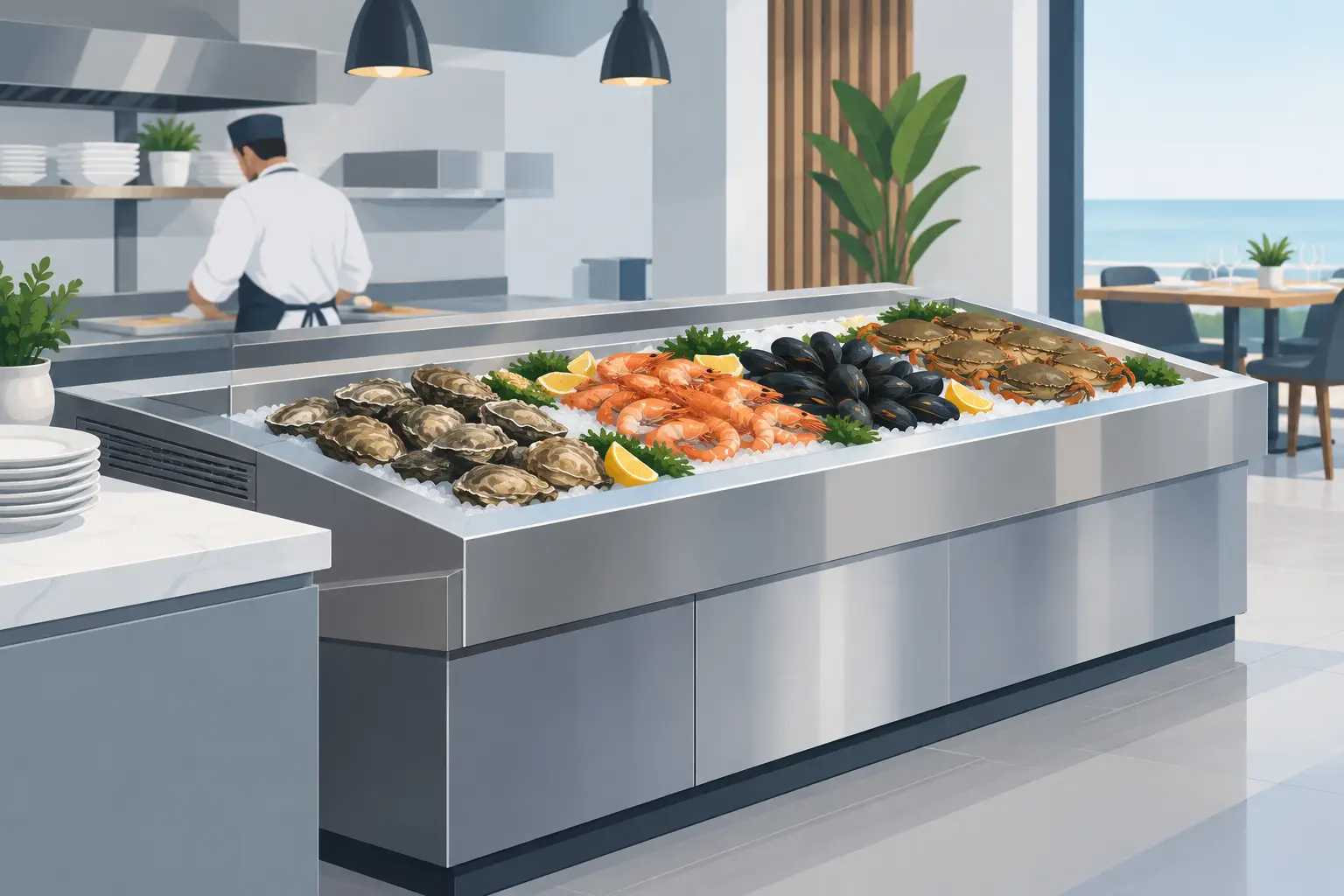
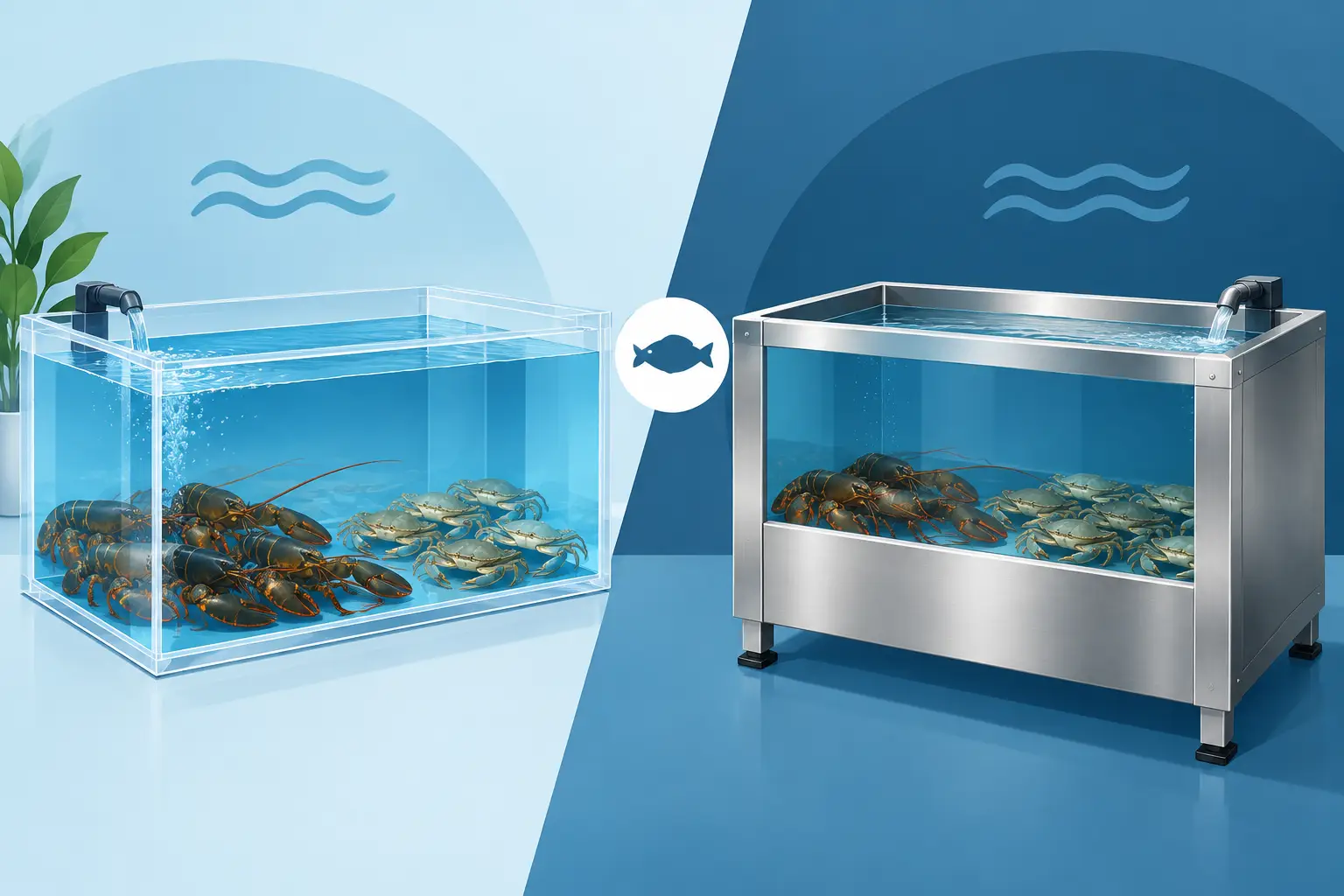
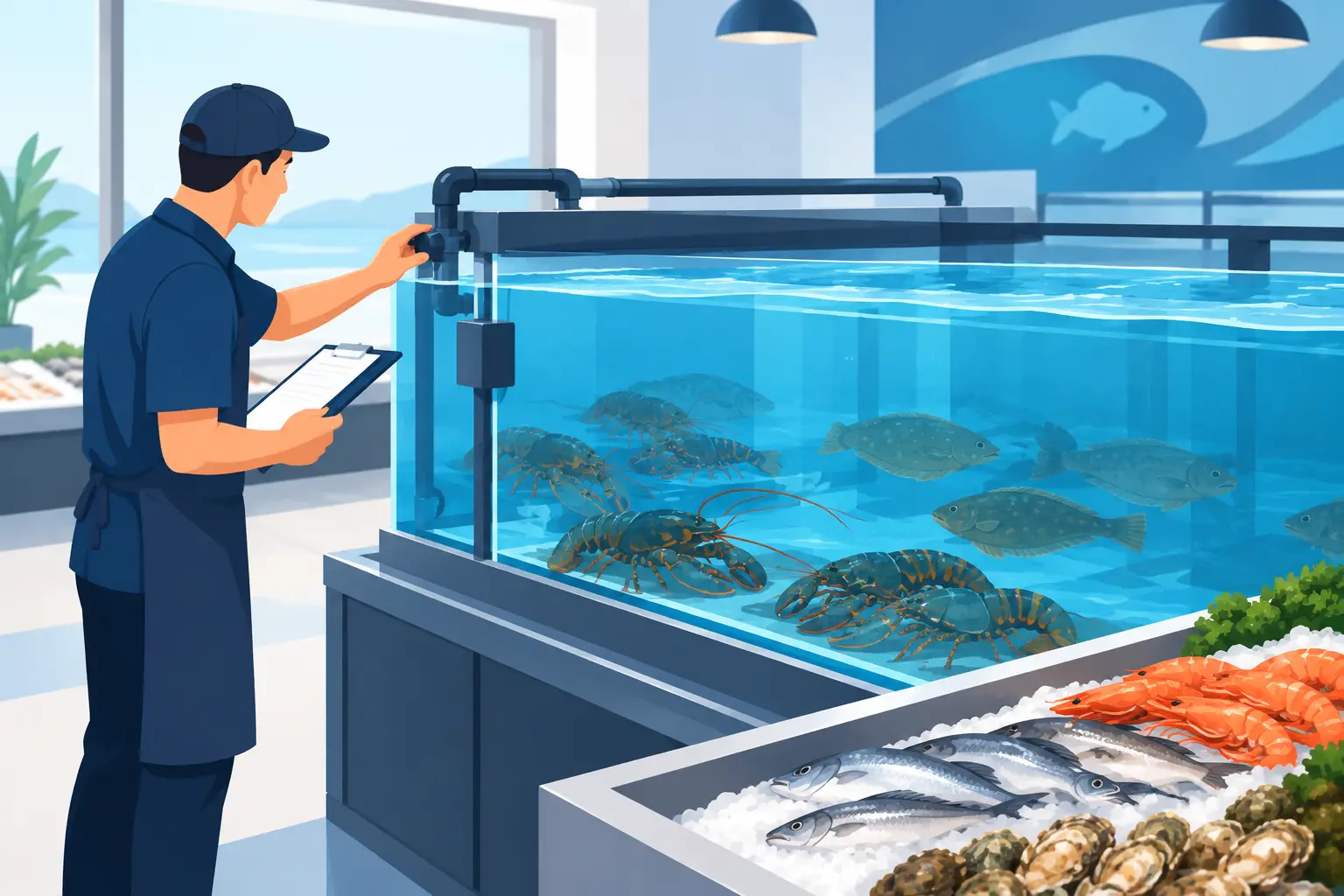
It also helps on the merchandising side. In retail and foodservice, live lobster is not just inventory. It is a visual statement about freshness and quality. A well-built tank supports clear viewing, stable water conditions, and a professional presentation that makes customers more comfortable buying premium seafood.
There is also the labor issue. Department managers and store teams already have plenty competing for their time. A tank that is easier to monitor and service can make a real difference, especially in multi-unit operations where consistency matters. When one store runs well and another struggles, the problem is often not effort. It is system design.
The features that matter in a commercial self contained lobster tank
The sales floor usually notices the glass, lighting, and cabinet finish first. Operators who have been through a tank failure know better. The real value is in what the customer cannot see right away.
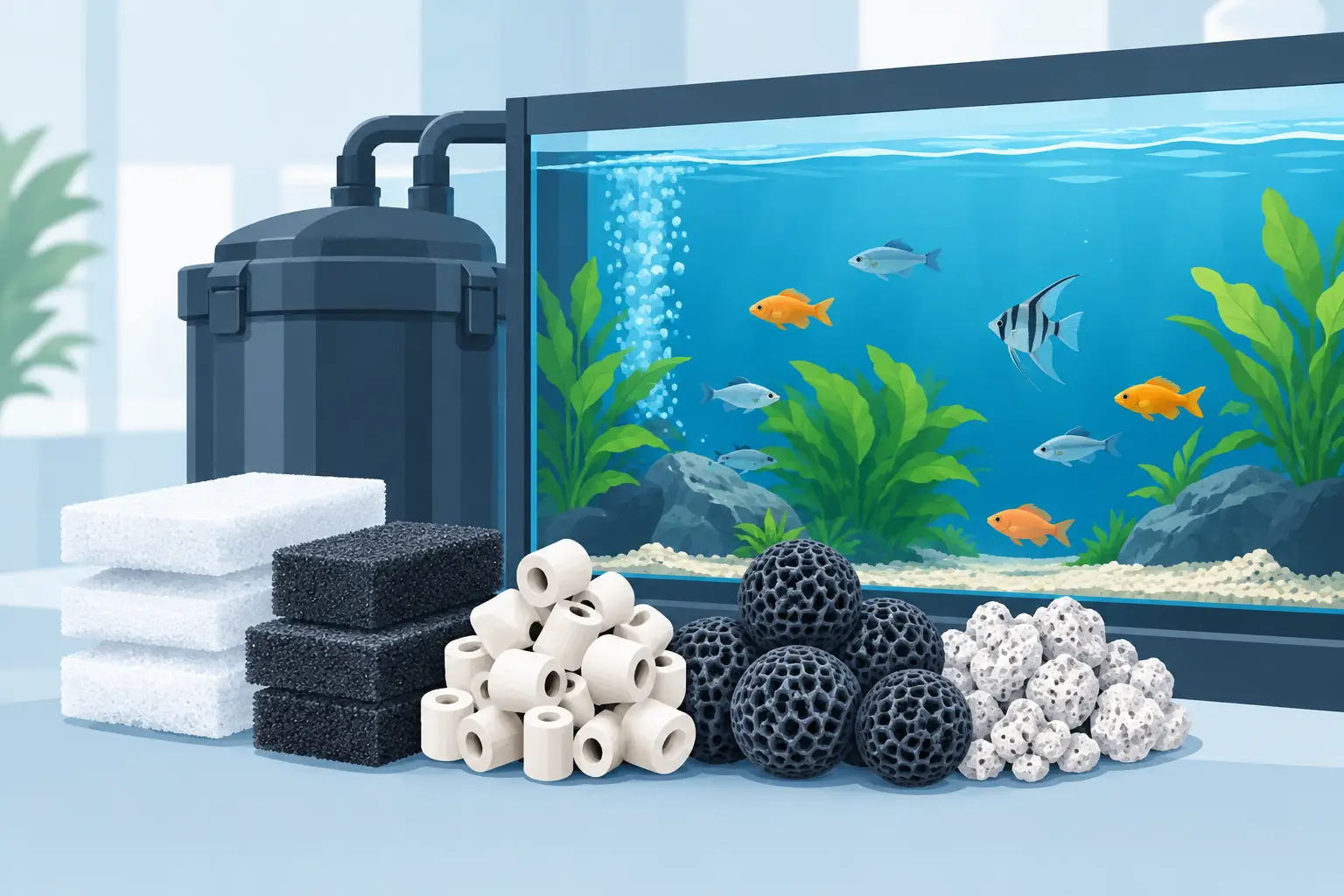
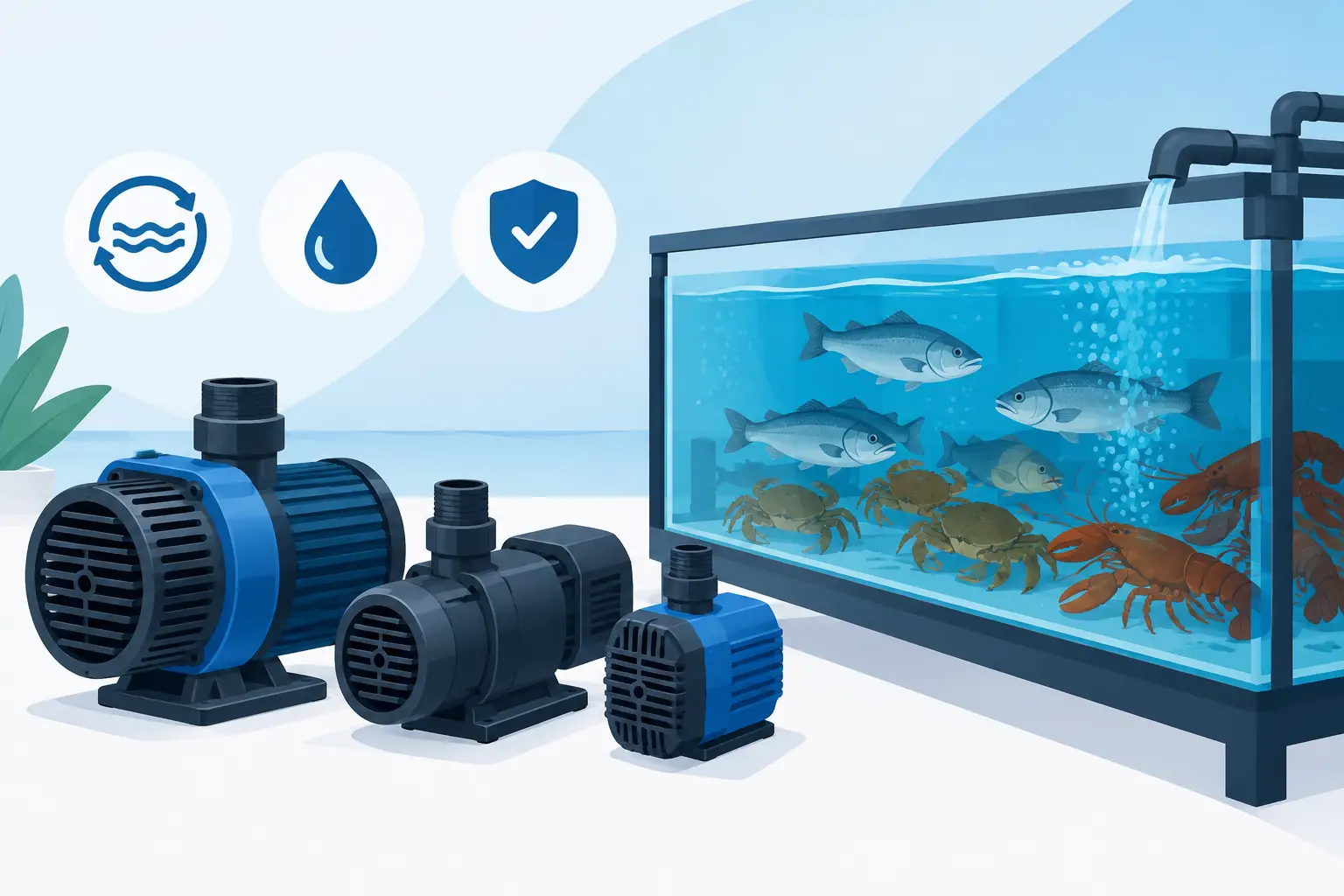
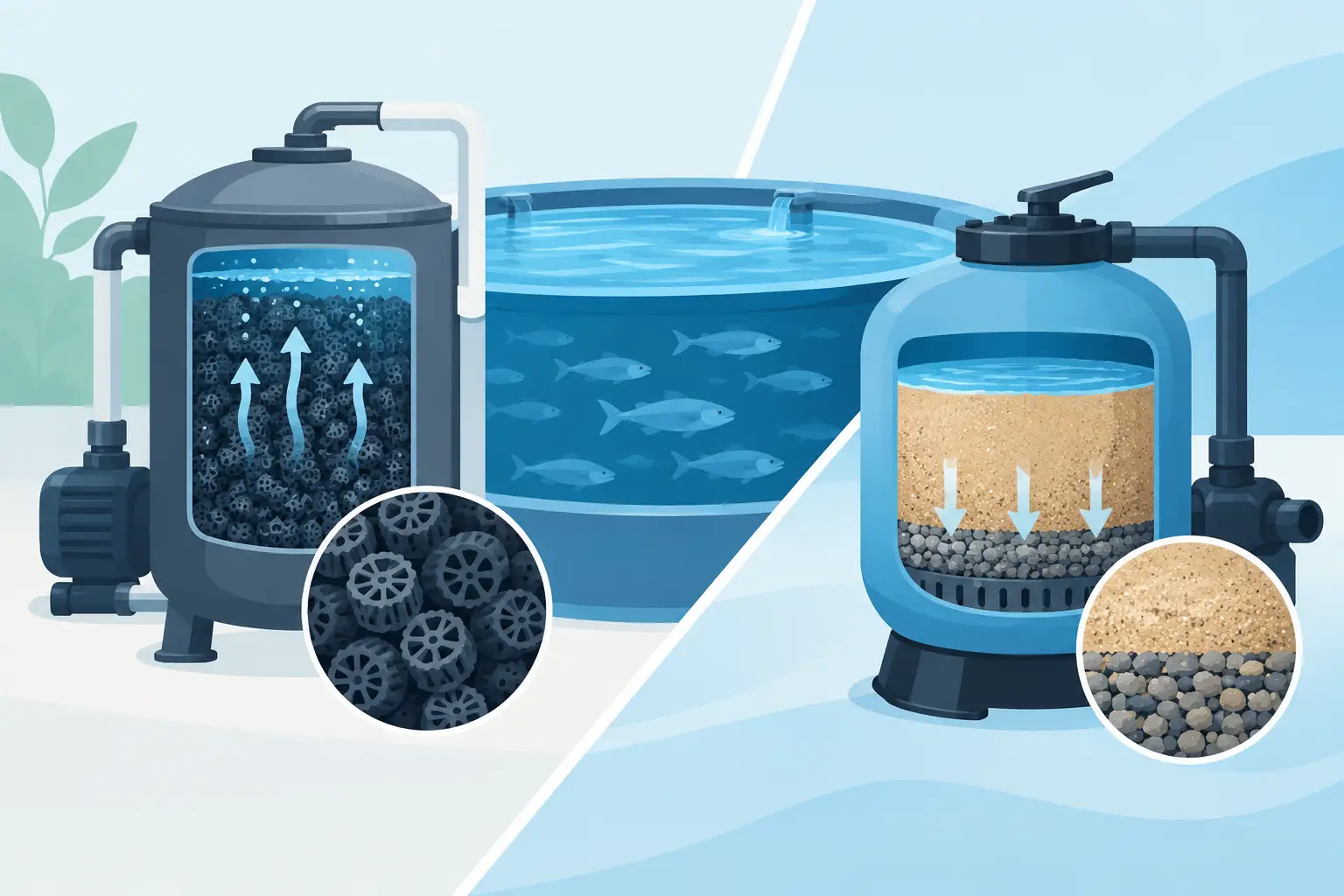
Filtration quality is at the top of the list. Lobster systems live or die by water quality management. Proper circulation, dependable filtration, and components sized for actual commercial demand are not optional. A tank that looks impressive but cuts corners on the life-support side can create losses fast.
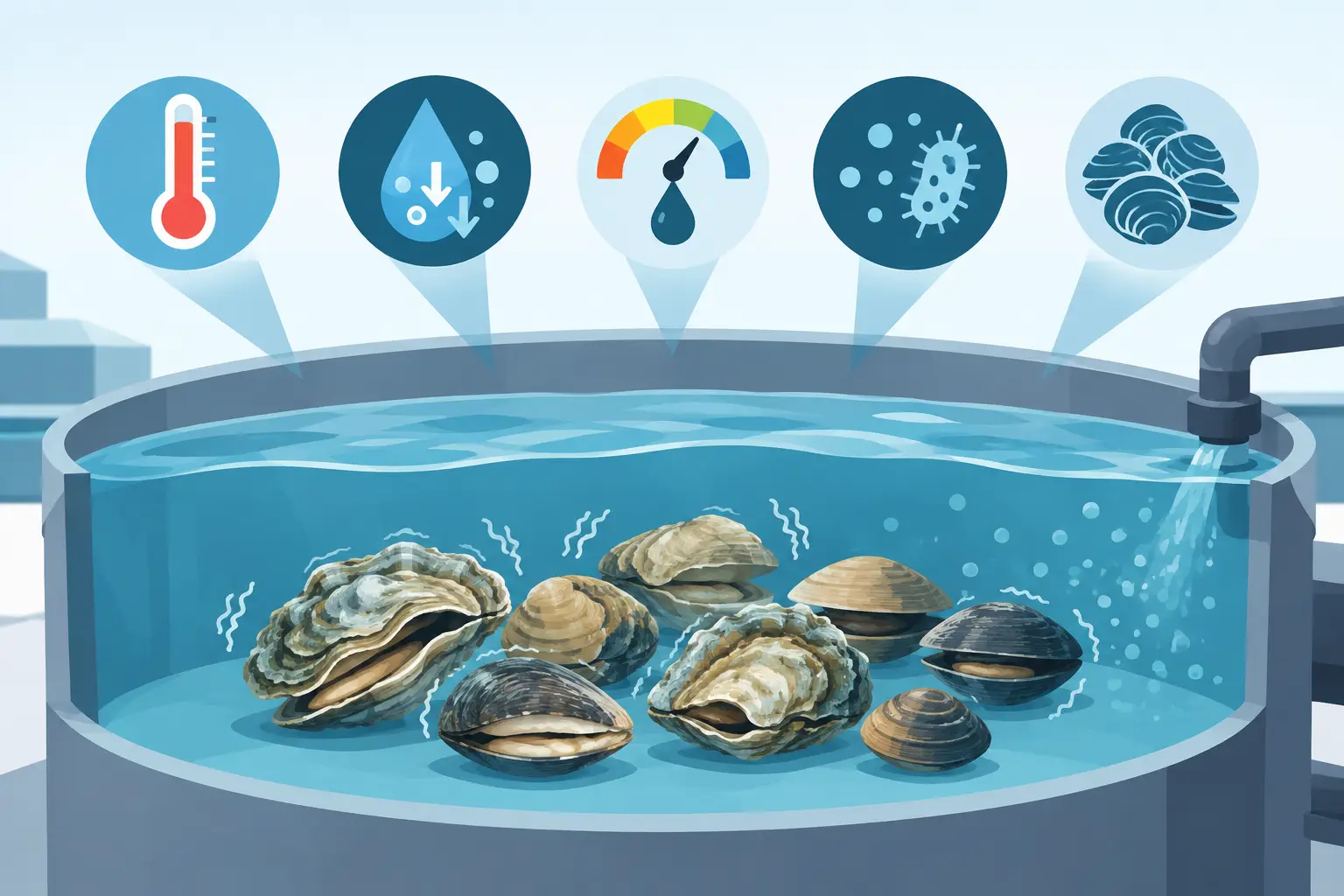
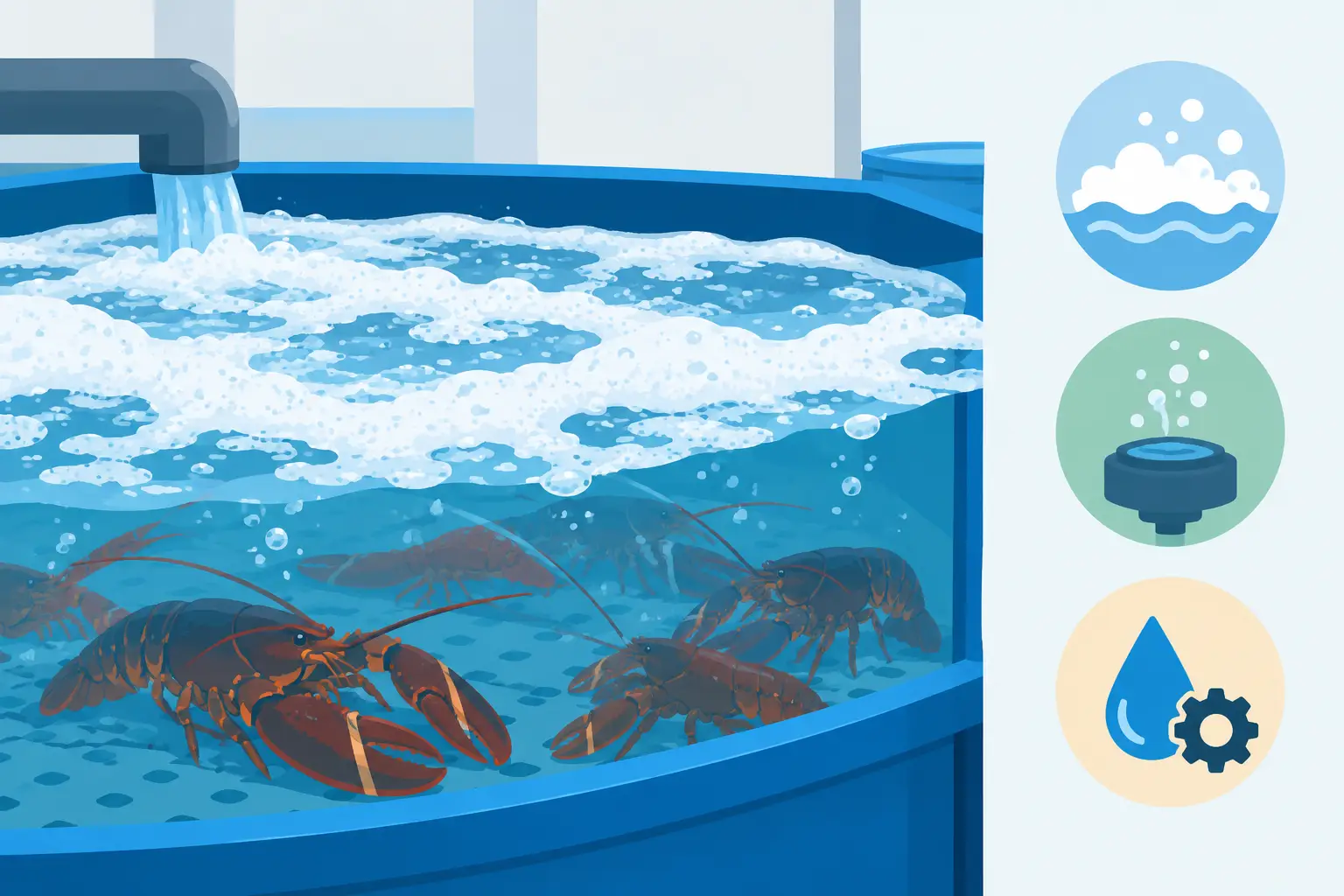
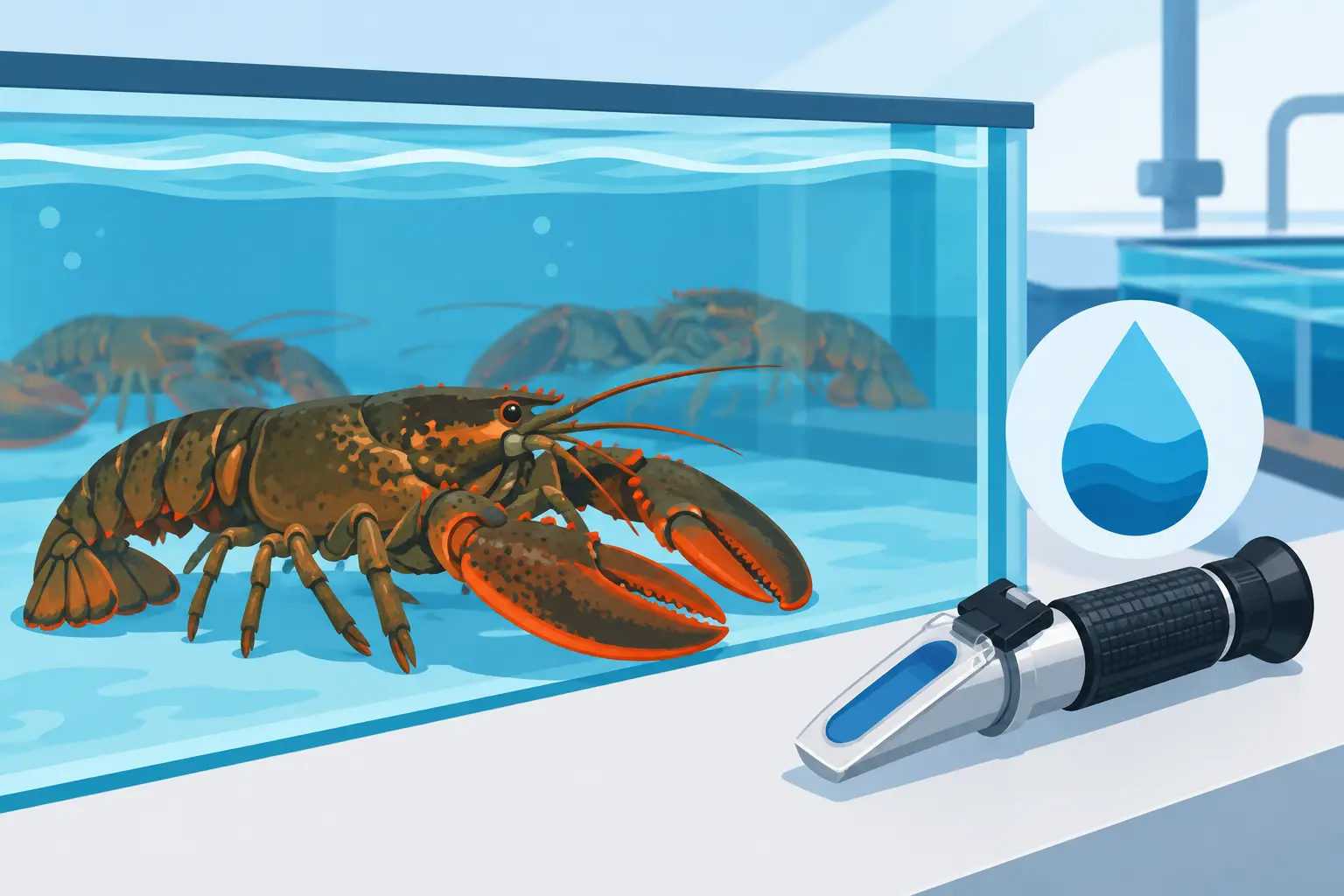
Temperature stability matters just as much. Lobsters need a controlled environment to reduce stress and hold well. If water conditions swing too much because the system is undersized, poorly insulated, or not designed for the location, inventory suffers.
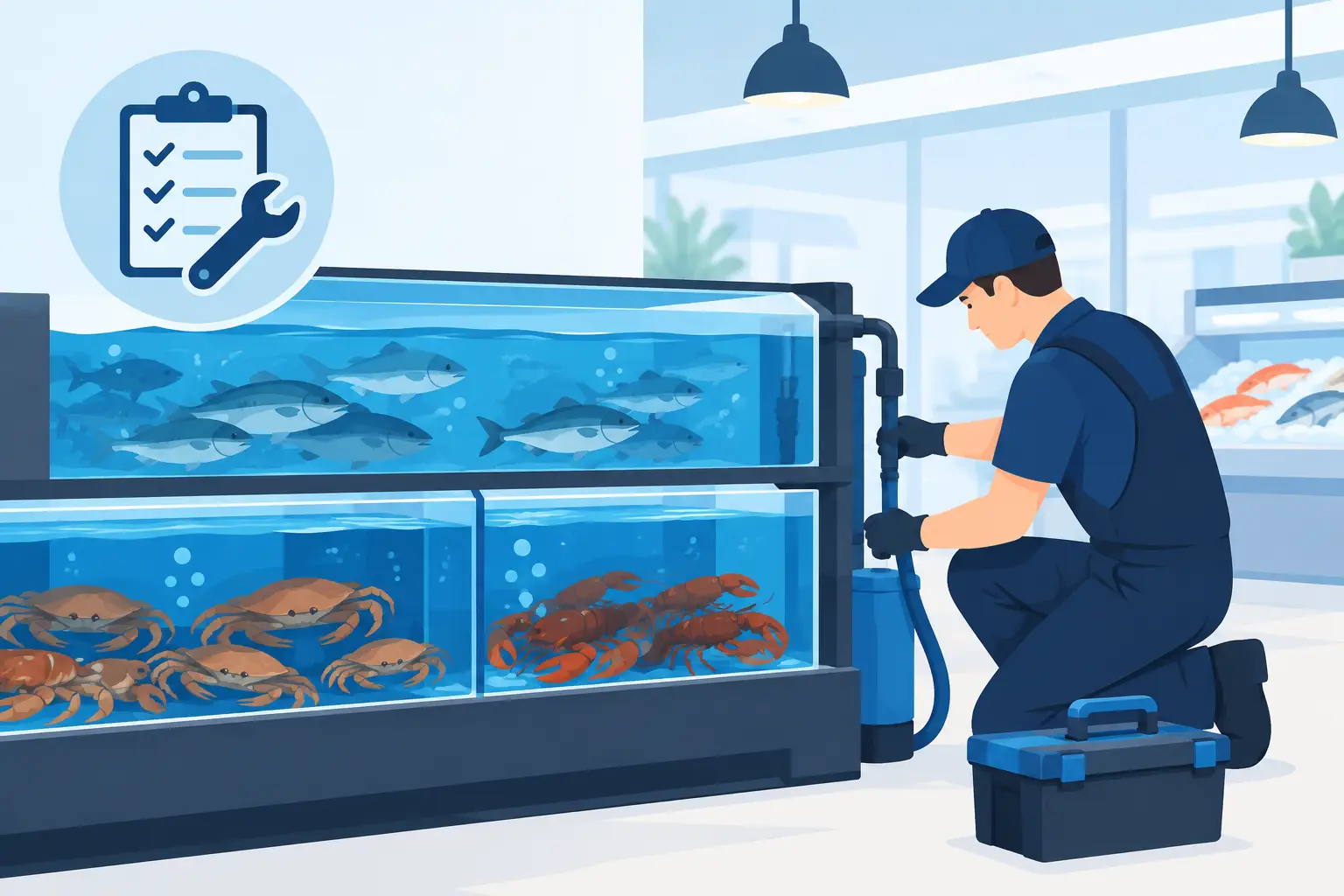
Access for service is another point many buyers underestimate. A commercial tank should allow technicians or trained staff to inspect, clean, and replace key components without creating unnecessary downtime. Tight layouts and awkward component access might not show up on a brochure, but they show up later in labor costs and service calls.
Build quality also deserves a hard look. In a commercial setting, tanks deal with constant use, cleaning, foot traffic, and the occasional rough handling that comes with a busy store or restaurant. Materials, fabrication standards, and long-term durability matter. USA-made manufacturing and ready parts support can become a major advantage over time, especially when a system is expected to stay in service for years.
A self contained lobster tank is only as good as its support
This is where many purchasing decisions go sideways. Buyers compare dimensions, finish options, and pricing, but they do not always look closely enough at what happens after delivery. With live seafood systems, support is not an extra. It is part of the product.
You need access to the right salt, carbon, filters, and replacement components. You need technical guidance when conditions change. You need maintenance support before a minor issue turns into inventory loss. And if your operation spans multiple locations, you need a supplier that can provide consistency across installs, replenishment, and service.
That is why many commercial operators prefer working with a full-service specialist rather than piecing together a tank from one source, salt from another, media from another, and service from whoever answers the phone first. One accountable partner usually means fewer delays, fewer compatibility problems, and clearer responsibility when something needs attention.
Custom versus standard tank designs
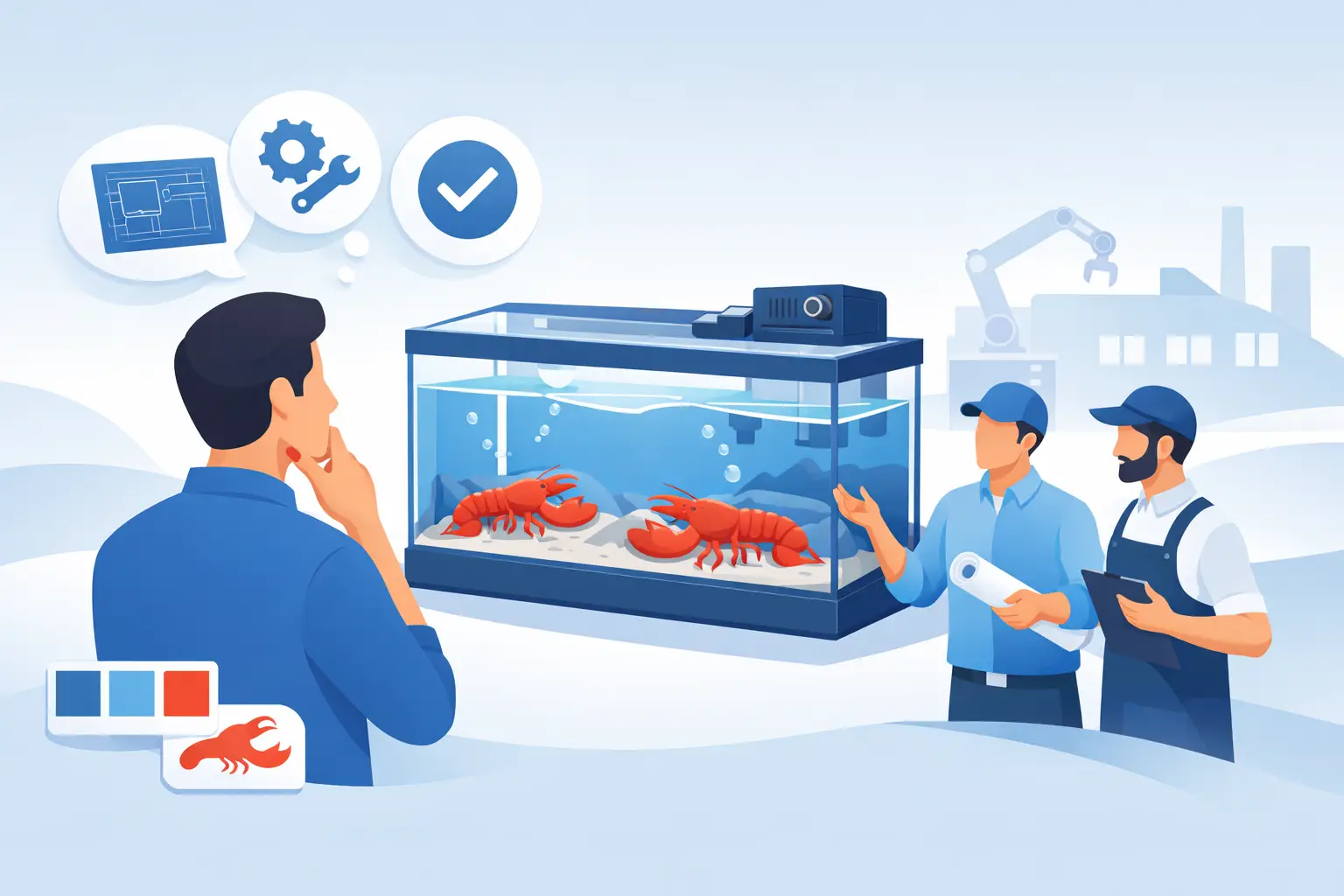
Not every seafood operation needs a fully custom build. Some locations have straightforward needs and can perform well with a proven standard format. Others have layout constraints, branding requirements, utility limitations, or higher-volume holding demands that make customization the better business decision.
A supermarket seafood department may need a tank that integrates cleanly into an existing service line and supports a strong merchandising presence. A restaurant may care more about front-of-house aesthetics and compact placement. A wholesaler may prioritize holding capacity and operational access over presentation details. Same product category, different priorities.
This is one of those areas where it depends. Standardized systems can be faster to deploy and easier to replicate. Custom systems can solve site-specific problems that would otherwise lead to compromises in performance or appearance. The right answer comes from understanding the location, the sales model, and the service plan.
Common mistakes buyers make
The most common mistake is buying on upfront price alone. A lower-priced tank can become the expensive option if it increases mortality, labor, or service frequency. Live lobster is high-value inventory. Even small performance problems add up.
Another mistake is underestimating how much routine support the system will need. If the supplier cannot reliably provide filtration products, marine salt, replacement parts, and experienced technical help, your staff ends up carrying the burden. That is rarely efficient and often risky.
Some buyers also choose a tank based on appearance without considering fit for the actual environment. A unit may look great in a showroom but struggle in a hot store area, a tight restaurant layout, or a high-volume retail setting. Commercial performance comes first. Looks matter, but they do not save inventory.
What to ask before you buy
Before committing to a self contained lobster tank, ask how the system handles filtration, temperature control, and routine maintenance. Ask what consumables it requires and whether those are easy to replenish from the same source. Ask how service is handled if there is a problem after installation.
You should also ask about fabrication quality, parts availability, and whether the supplier understands commercial seafood operations at your scale. A company that serves supermarkets, wholesalers, and retailers every day will usually ask better questions on the front end because they know what goes wrong in the field.
If you are planning for multiple locations or long-term growth, ask about standardization. Consistent systems, supplies, and service protocols can save serious time across a chain or regional operation.
The business case for choosing the right partner
A self contained lobster tank is not just a display unit. It is part of your seafood operation, part of your brand presentation, and part of your shrink control strategy. The strongest systems are backed by a supplier that can design, build, supply, and support the entire setup over time.
That is where an experienced full-service manufacturer makes a difference. Lobster Life Systems has spent decades serving commercial seafood operators that cannot afford guesswork. When your tank, filtration media, marine salt, accessories, maintenance, and technical support come from one place, the whole operation gets easier to manage.
If you sell live lobster, your tank should earn its floor space every day. Choose a system built for the real demands of seafood retail and foodservice, and the results show up where they matter most – healthier inventory, cleaner presentation, and fewer operational surprises.