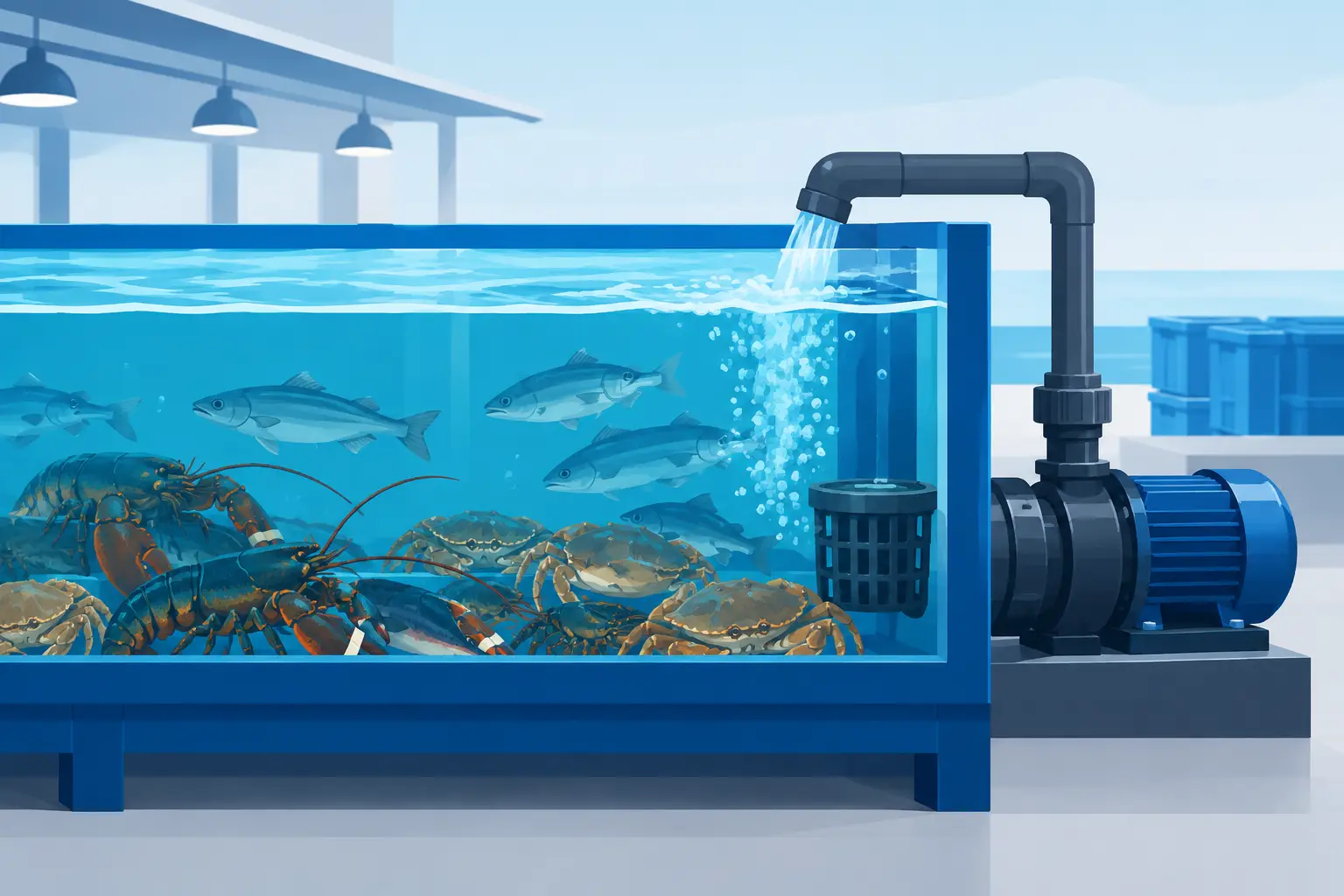
A live lobster system fails in two places first – on the sales floor and on the P&L. When water quality slips, temperature drifts, or circulation gets inconsistent, you do not just lose presentation. You risk inventory, labor time, and customer trust. That is why choosing a custom lobster tank manufacturer is not a design decision alone. It is an operations decision.
For supermarkets, seafood markets, wholesalers, and restaurants, the right tank partner should do more than build acrylic and stainless steel. They should understand livestock health, merchandising pressure, sanitation demands, replenishment schedules, and what happens when a system needs service fast. A tank that looks good on day one is easy to buy. A system that keeps performing month after month is what actually matters.
What a lobster tank manufacturer should really deliver
Everything we build is made by hand and customized if needed (usually at no additional cost) A true customer focused lobster tank manufacturer starts with how you sell seafood, not with a standard box and a catalog sheet. Store layout, available utilities, throughput, species mix, employee workflow, and customer visibility all shape the right build. A high-volume supermarket with a prominent seafood department has very different needs than an independent grocer or a back-of-house wholesale holding setup.
We put YOUR sales before our sale. Customization matters because live seafood systems are not one-size-fits-all. Tank depth, viewing angles, sump capacity, filtration design, water movement, and access for cleaning all affect daily performance. The wrong footprint can slow staff down. The wrong filtration approach can create recurring stress on livestock. The wrong placement can turn a strong merchandising feature into a maintenance headache.
That is where experience separates a specialist from a general fabricator. If a manufacturer does not understand how live lobster behaves in commercial settings, how seafood departments operate under pressure, and how service teams troubleshoot in the field, the final system may still leave you managing preventable problems.
Why custom matters more than off-the-shelf systems
Off-the-shelf tanks can work in limited situations, especially when layout, volume, and merchandising goals are simple. But many commercial operators do not have simple conditions. They have tight floor plans, chain-wide fixture standards, electrical constraints, or branding requirements that demand a purpose-built solution.
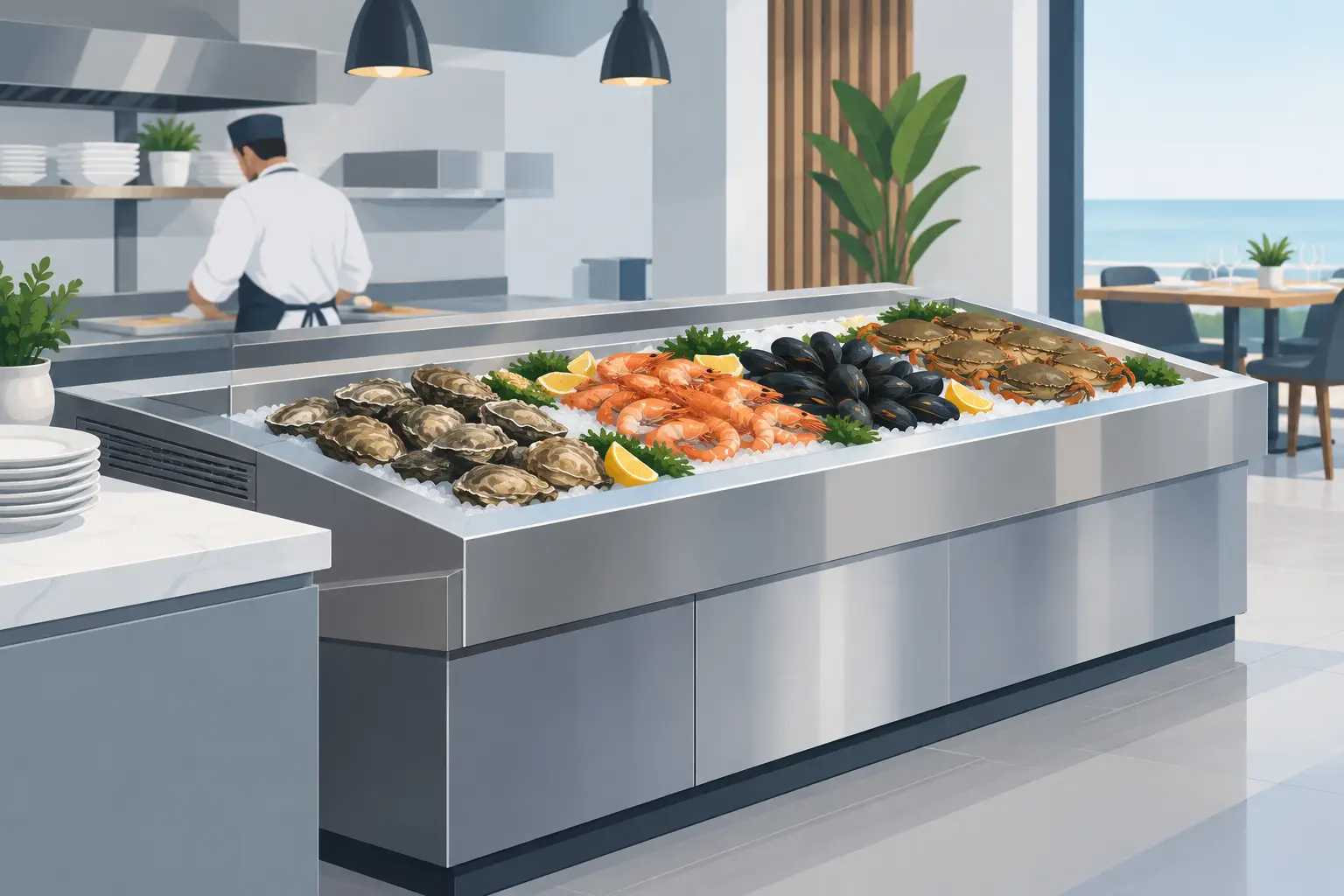
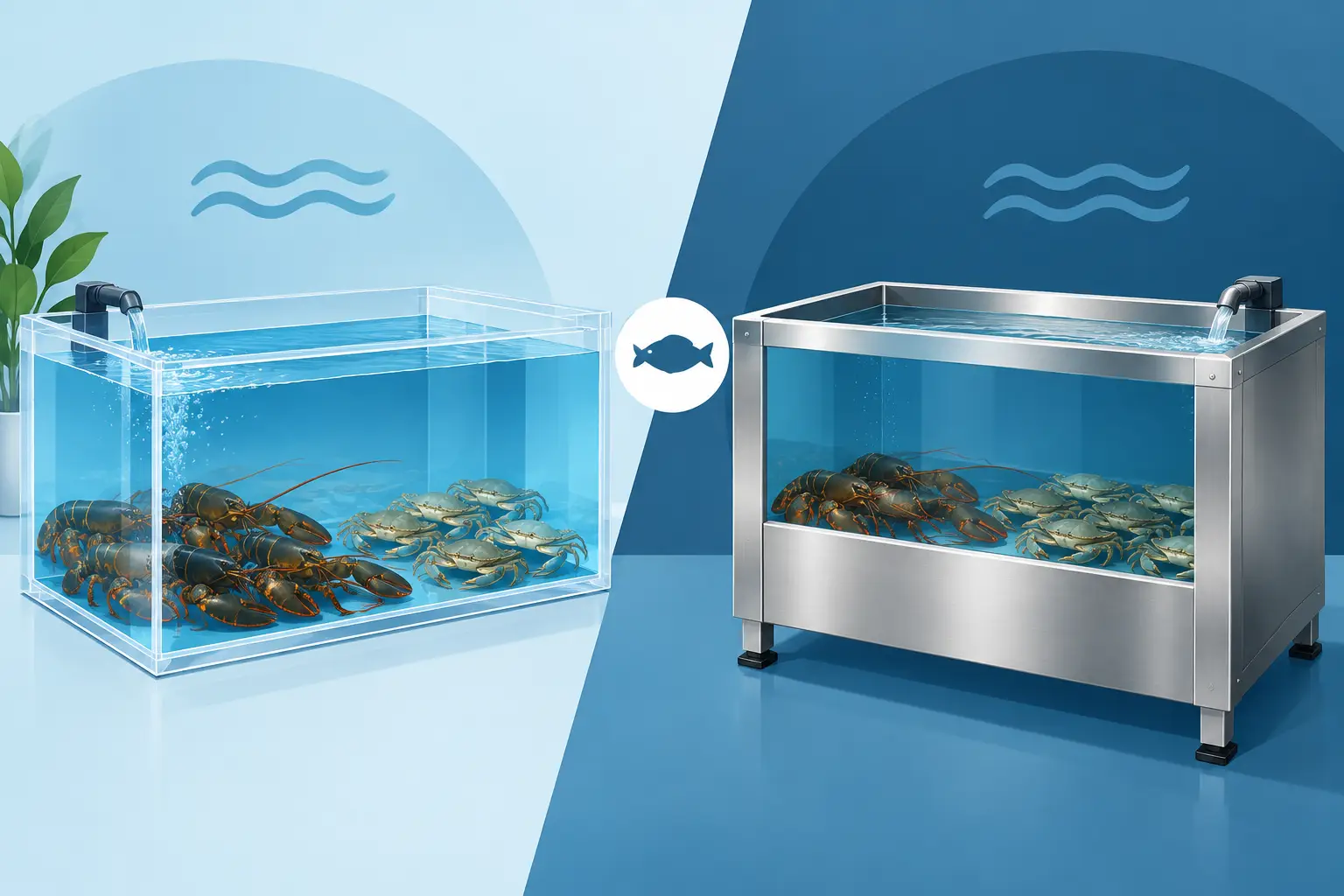
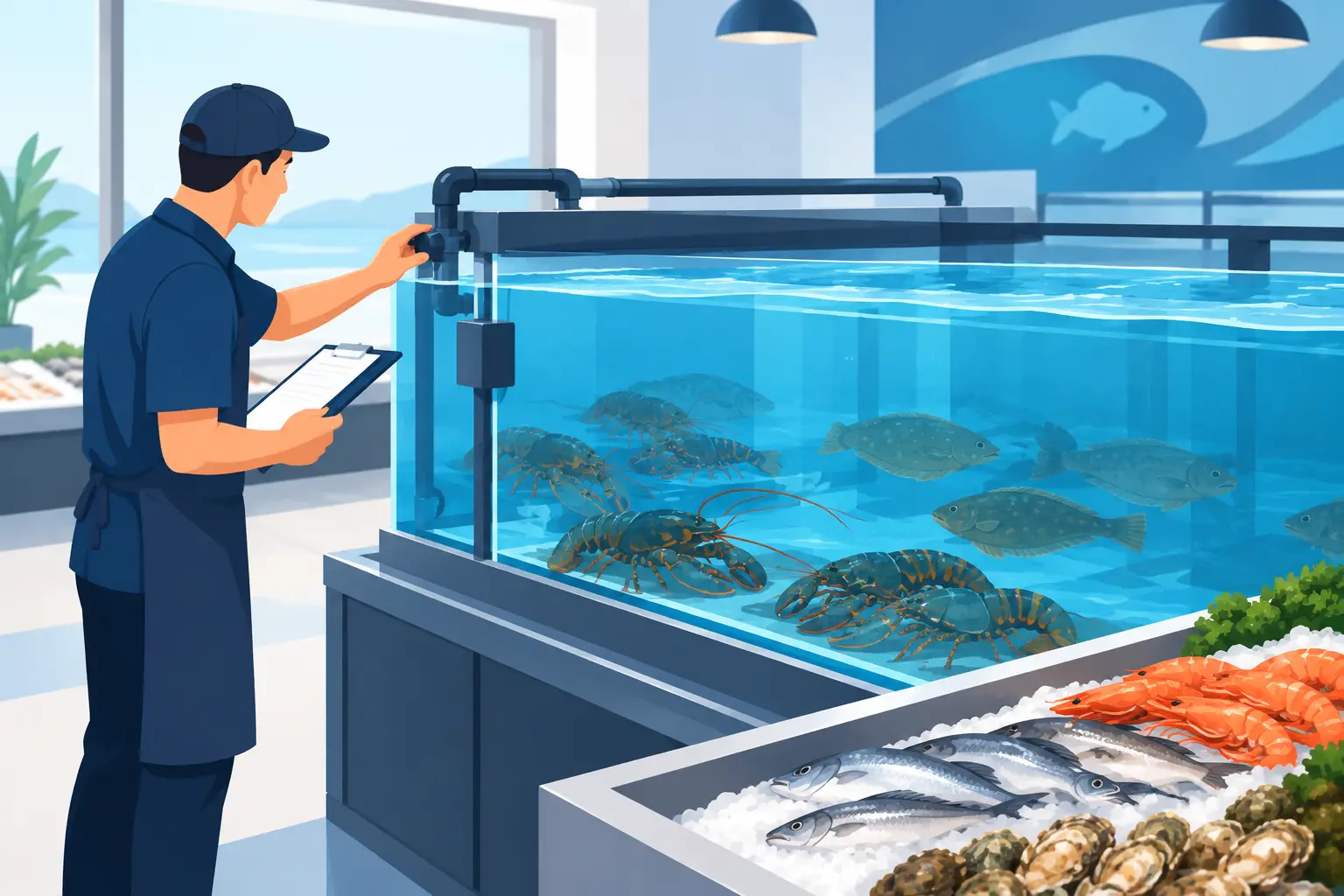
A custom system lets you match the tank to the business instead of forcing the business to work around the tank. That can mean integrating a display into a seafood counter, building around available back-room space, or designing a self-contained solution where central life support is not practical. In some cases, the best answer is a high-visibility merchandising display. In others, it is a more workmanlike setup built for holding capacity, easy cleaning, and dependable daily use.
There are trade-offs. Custom fabrication usually requires more planning up front and a clearer understanding of operating goals. It usually does not cost more than a basic stock unit. But for locations where live seafood sales are meaningful, the long-term value often comes from fewer livestock losses, better presentation, and less friction for the team running the department. Live lobsters are not a high volume, high gross profit item, however, are essential to a full service seafood dept. Why give valuable real estate to a standard size tank when we can build one to fit your sale program and floorspace.
The engineering behind a reliable lobster system
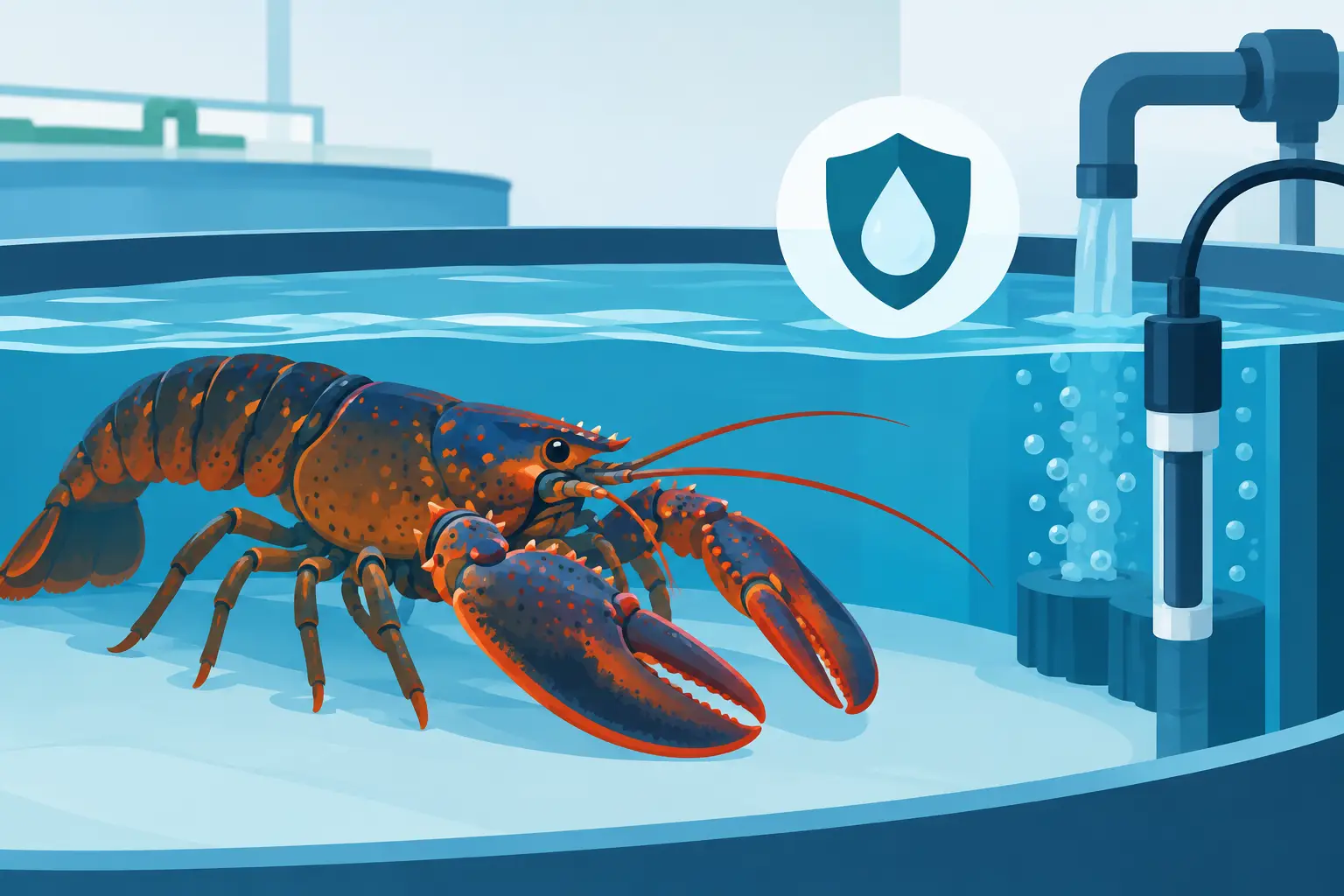
The tank is what customers see. The life support system is what protects your investment.
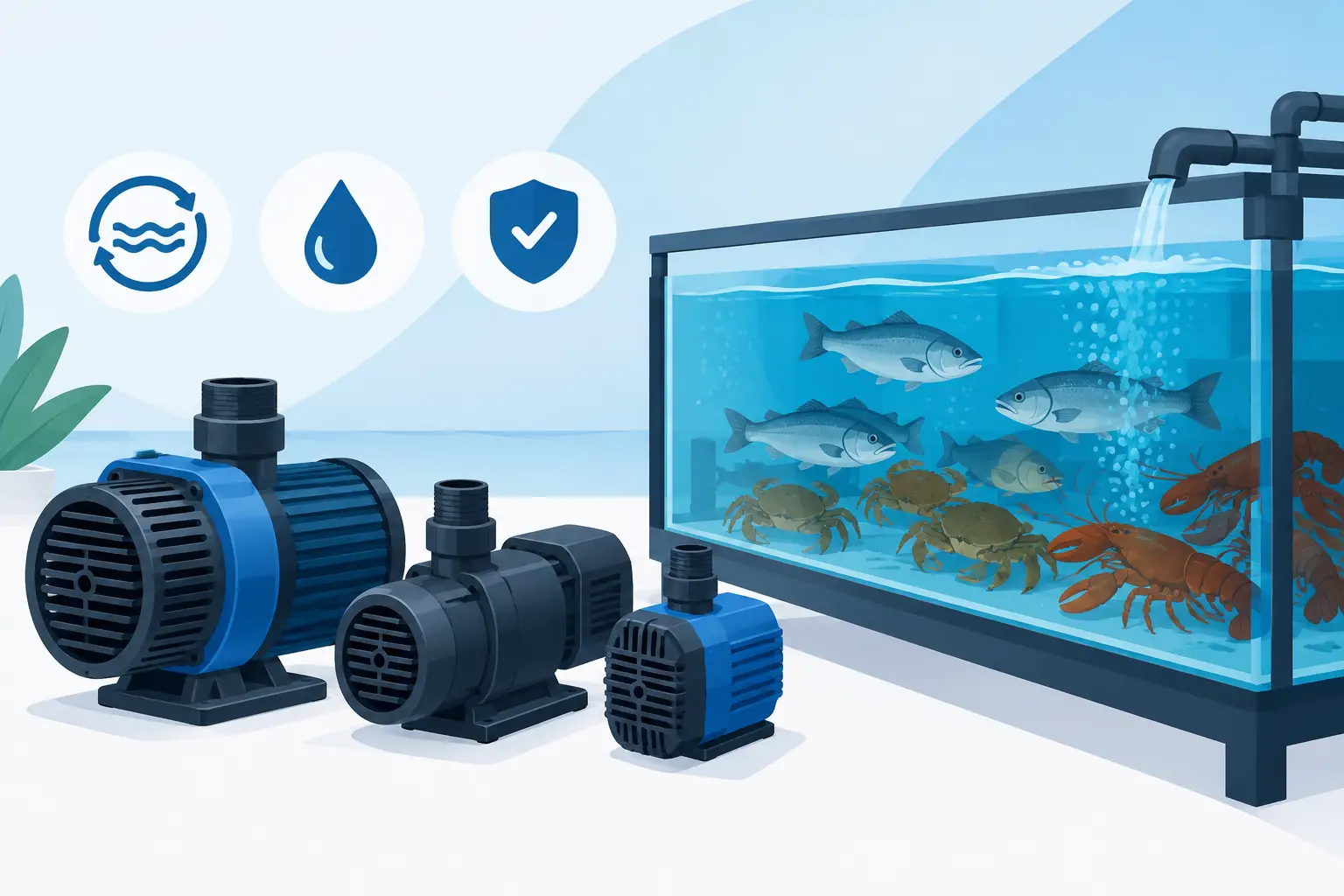
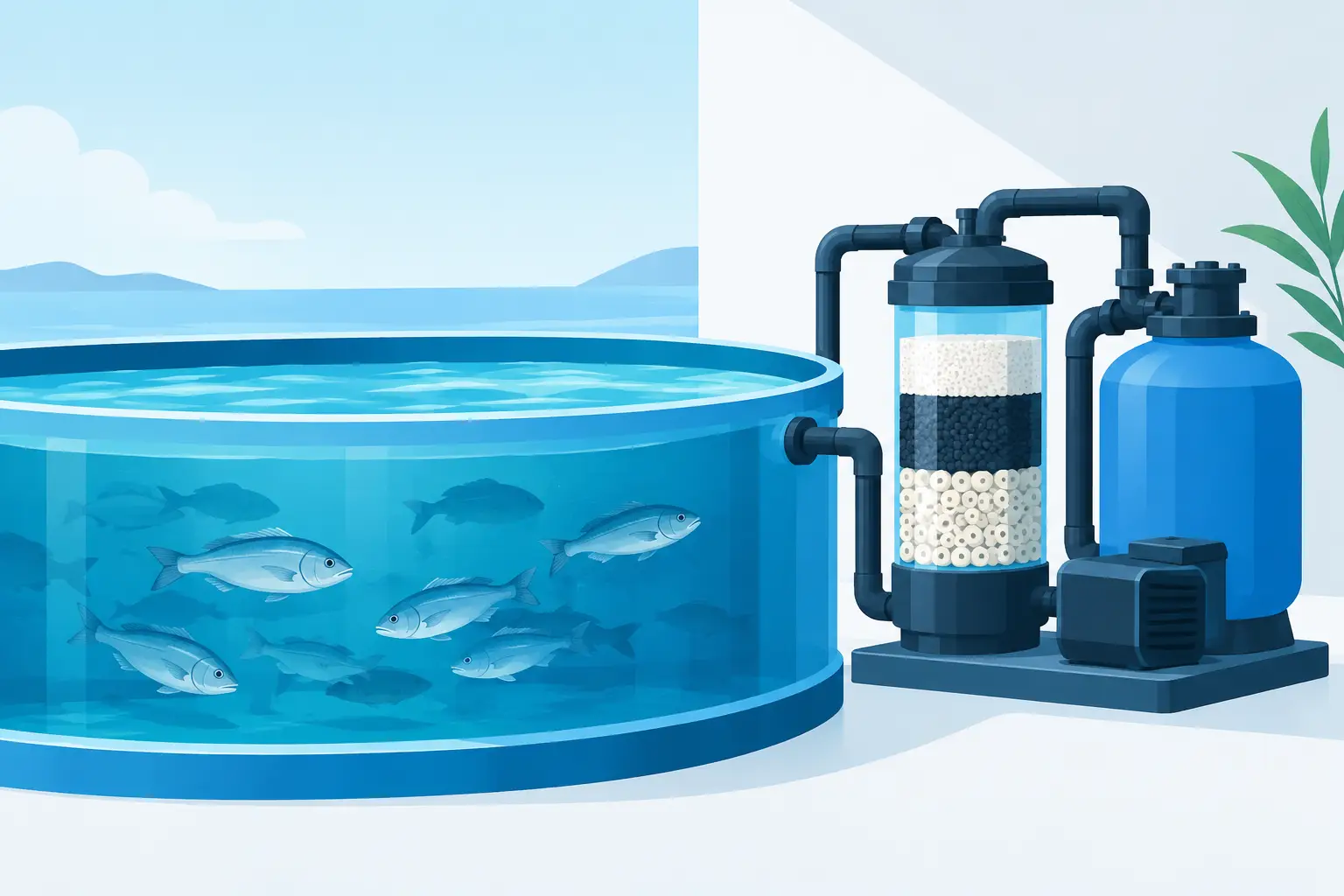
Any lobster tank manufacturer worth considering should be able to speak in plain terms about filtration, purging, temperature control, circulation, and maintenance access. If those conversations stay vague, that is a warning sign. Commercial buyers need specifics because reliability is built into the hidden parts of the system.
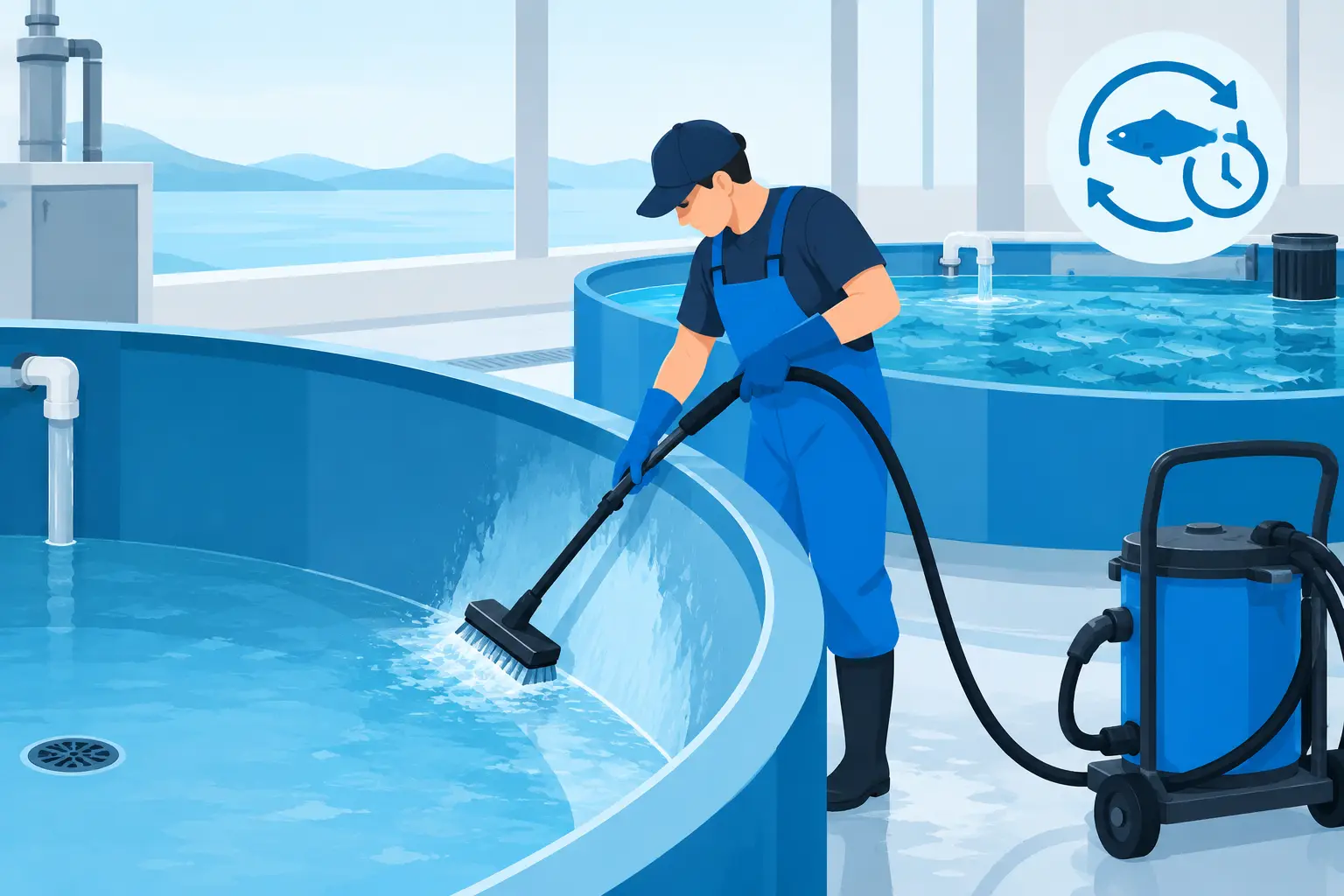
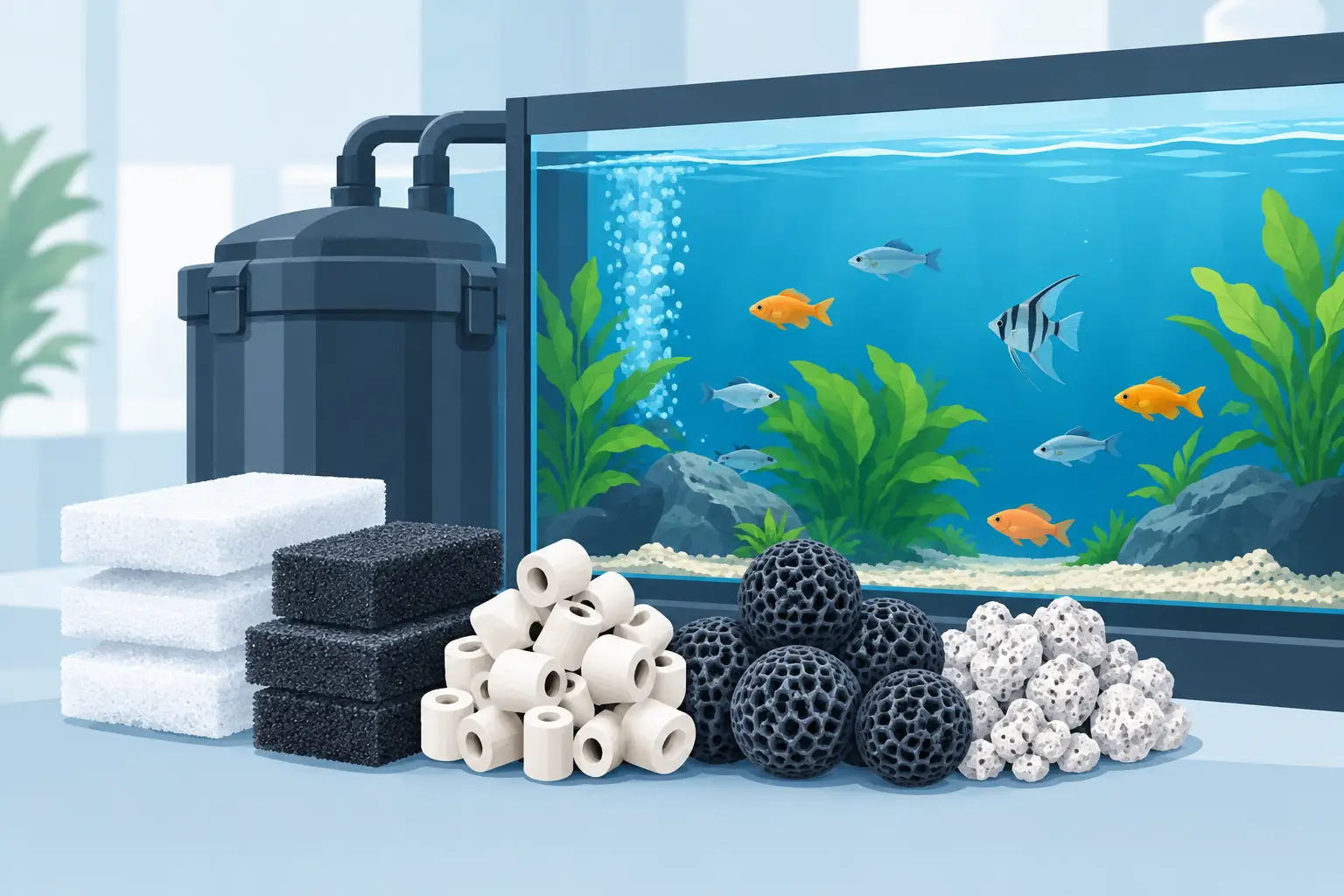
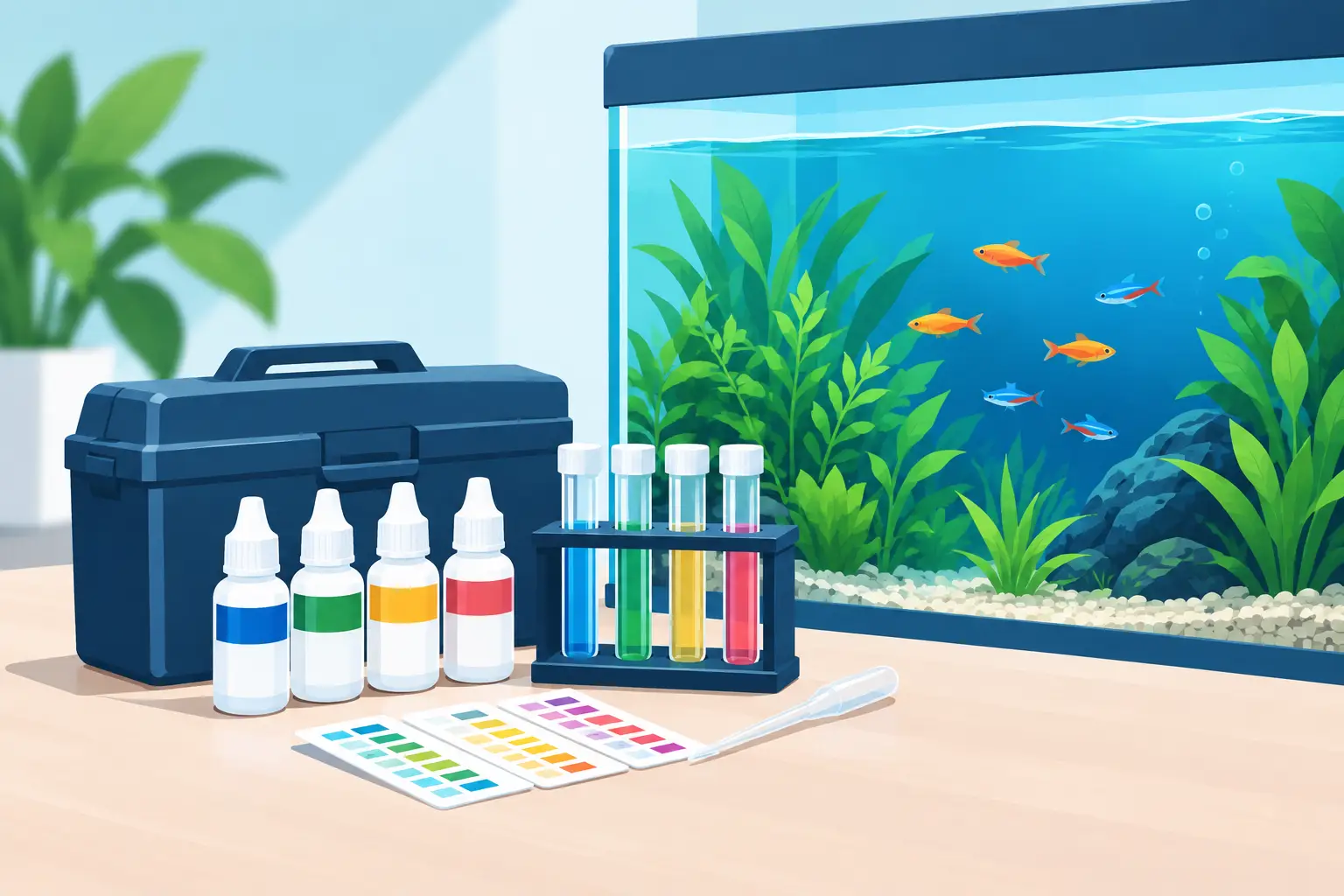
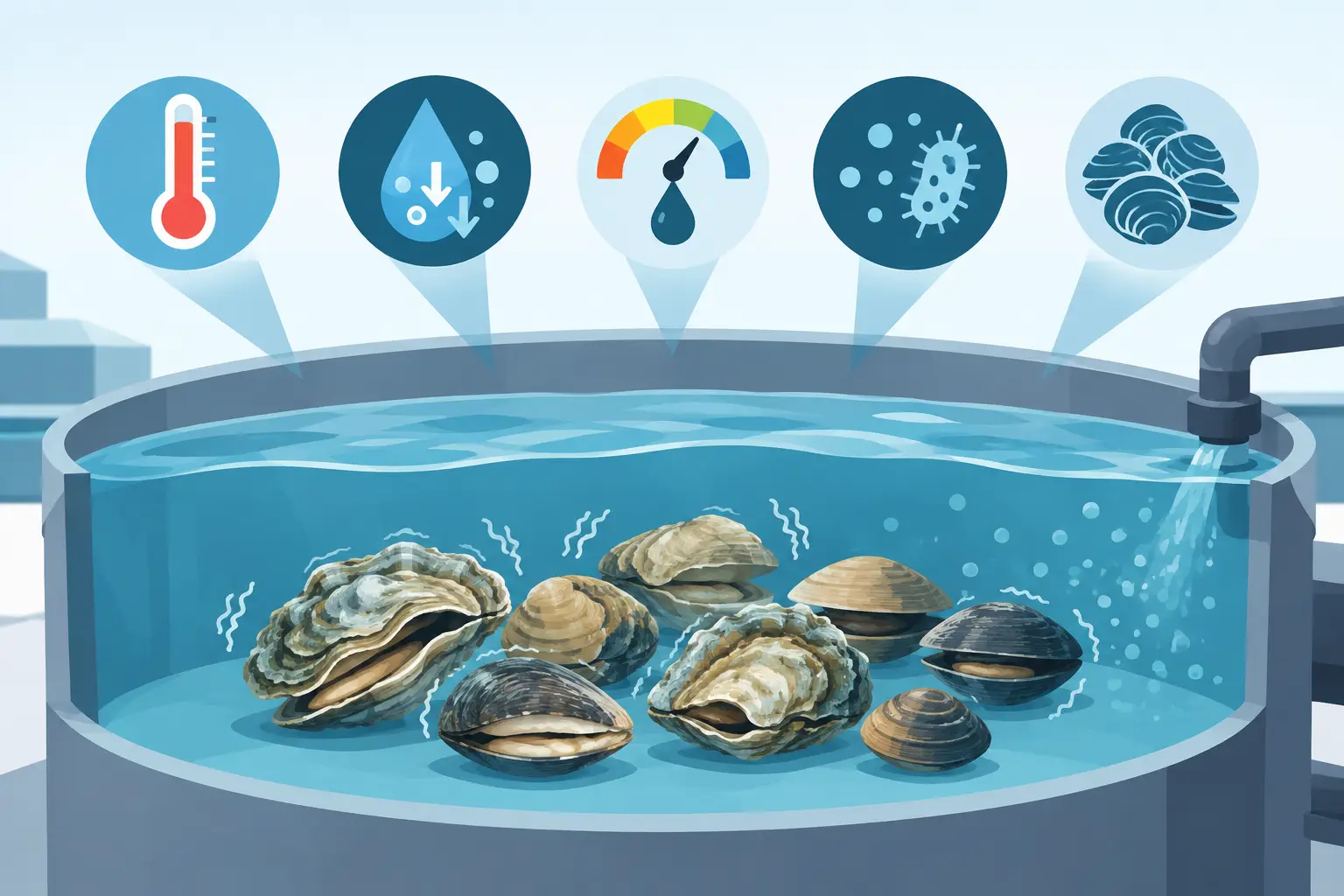
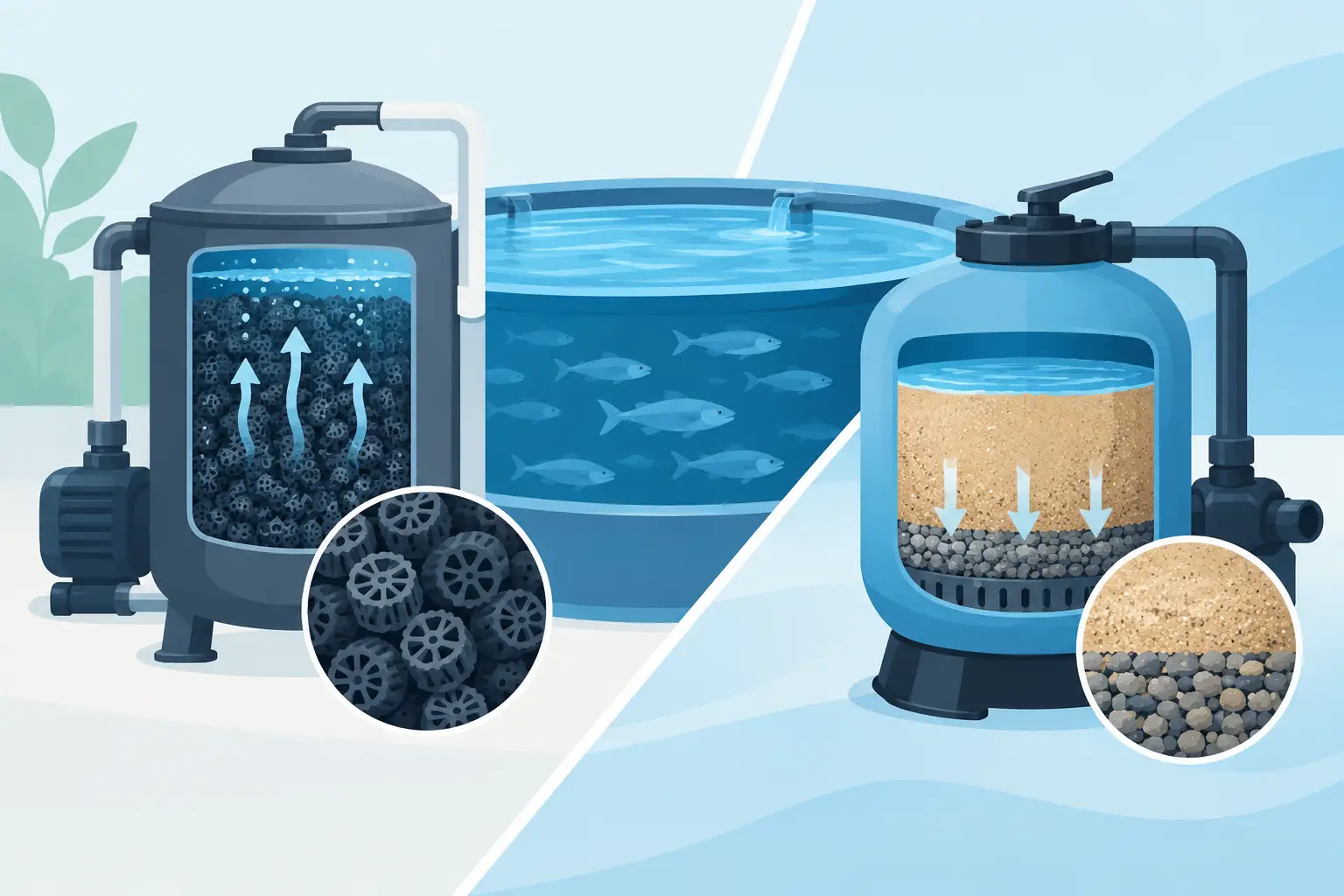
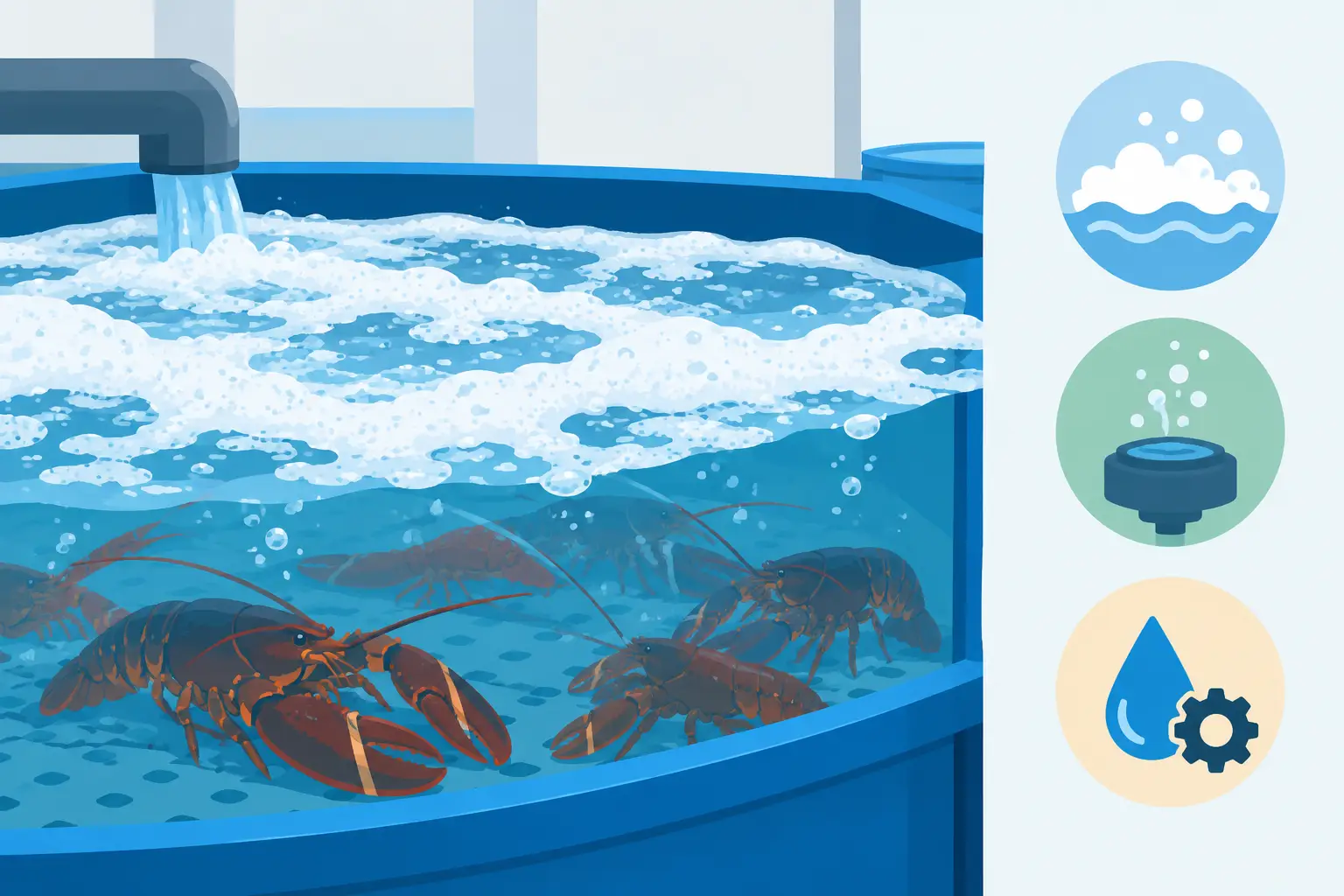
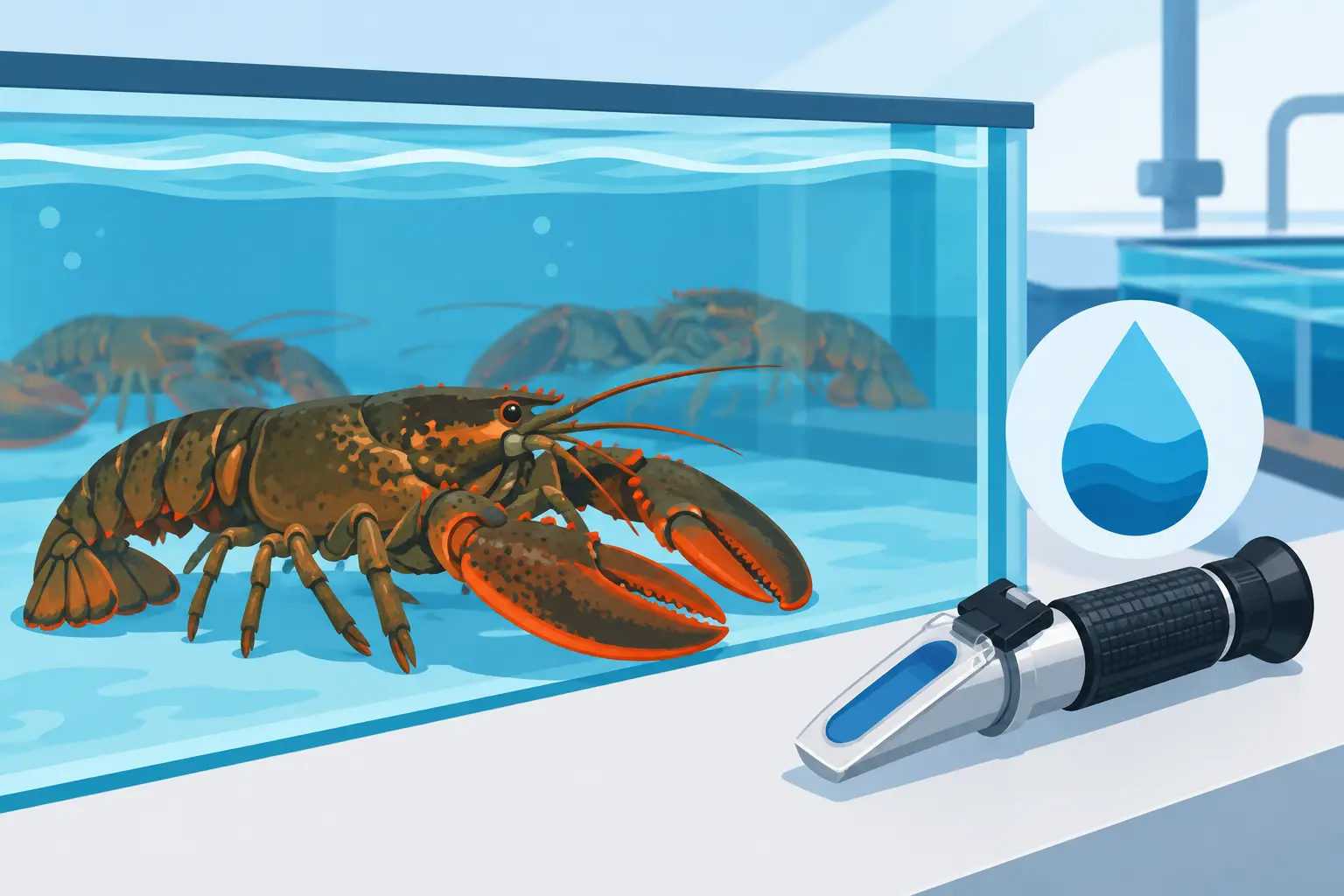
Water quality management is not optional in live lobster holding. Filtration media, activated carbon, protein removal, biological balance, and proper salinity all work together. If one part is overlooked, the system may still run, but not consistently. That inconsistency shows up as stress, weaker presentation, and avoidable shrink.
Purging is another area where specialization matters. A tank manufacturer that understands lobster systems should know how to support cleaner water and healthier holding conditions over time, not just initial installation. Self-contained purging designs can be especially valuable for operators who need dependable performance without adding complexity to daily routines.
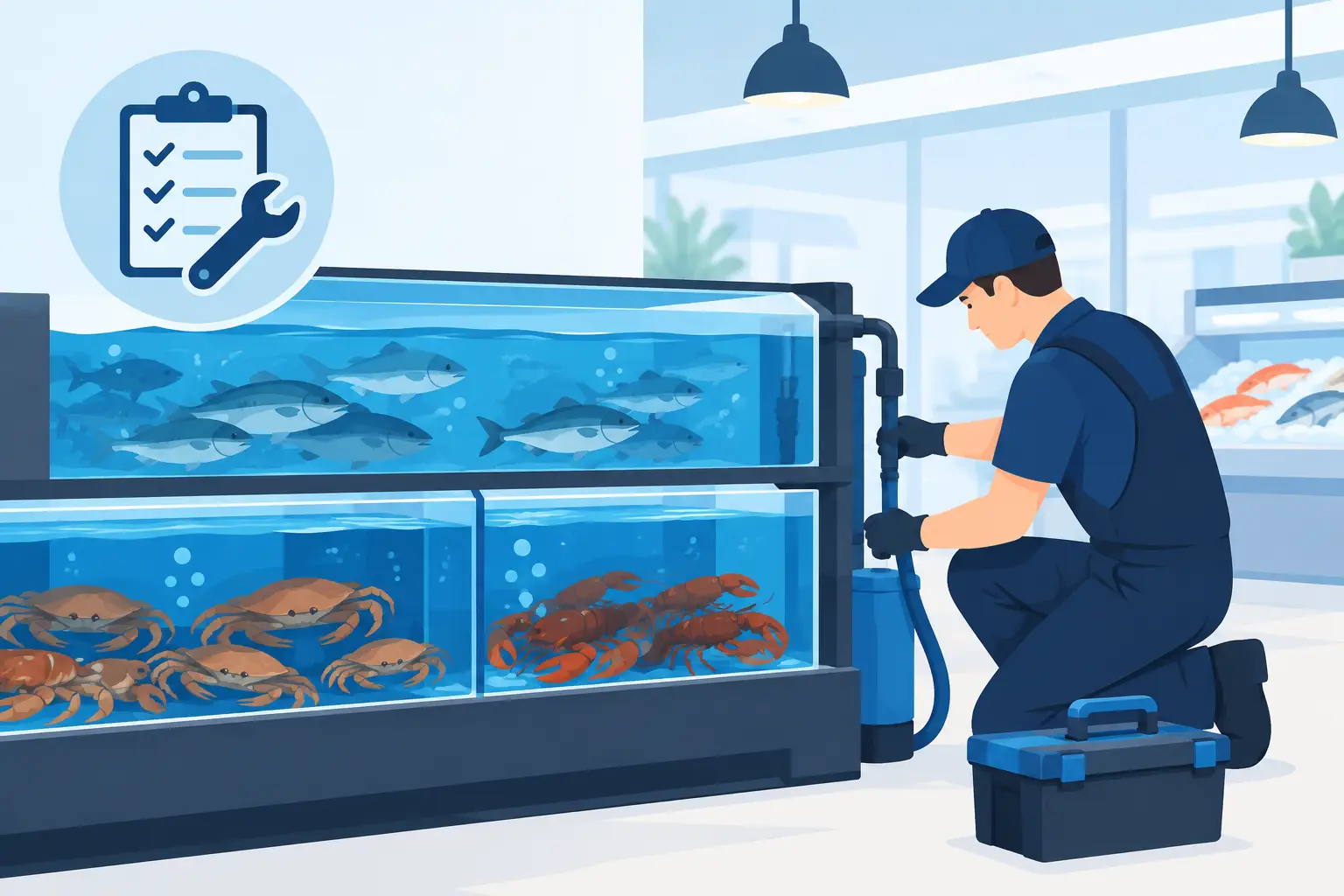
Serviceability also deserves more attention than it usually gets during purchasing. A beautiful custom tank loses value fast if basic maintenance is awkward, parts are hard to source, or technicians have trouble accessing critical components. Good design is not just about appearance. It is about keeping the system easy to run under real commercial conditions.
How to evaluate a lobster tank manufacturer
Start with specialization. Many companies can fabricate tanks. Far fewer understand live seafood systems as a full operating environment. You want a partner that knows the difference between building a vessel and building a system that supports sales, animal health, and food retail performance.
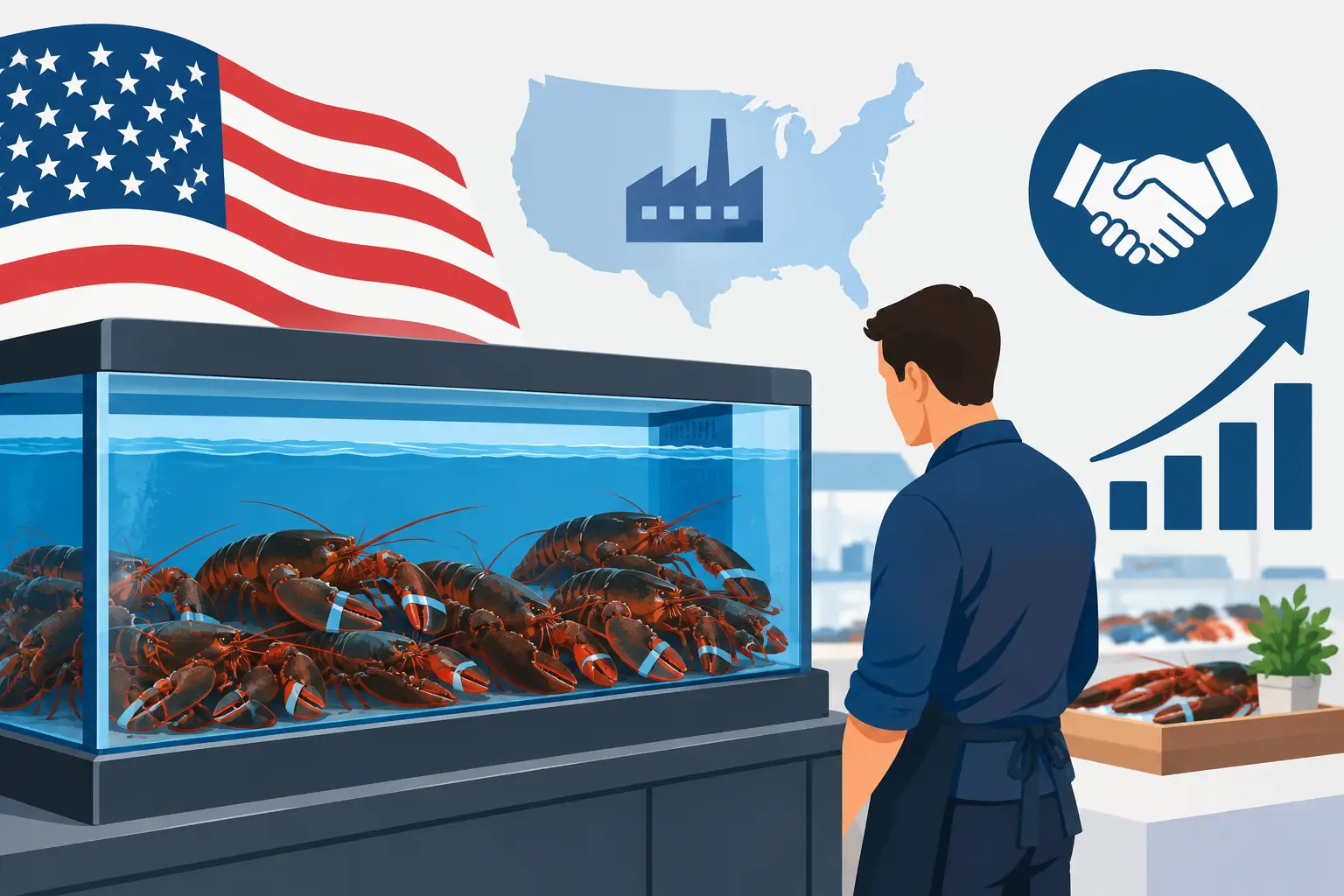
Next, look at manufacturing control. Domestic production matters because it supports quality oversight, lead-time accountability, and better communication during the build process. If modifications are needed, if a replacement component is required, or if service teams need direct answers, a U.S.-based manufacturer has practical advantages.
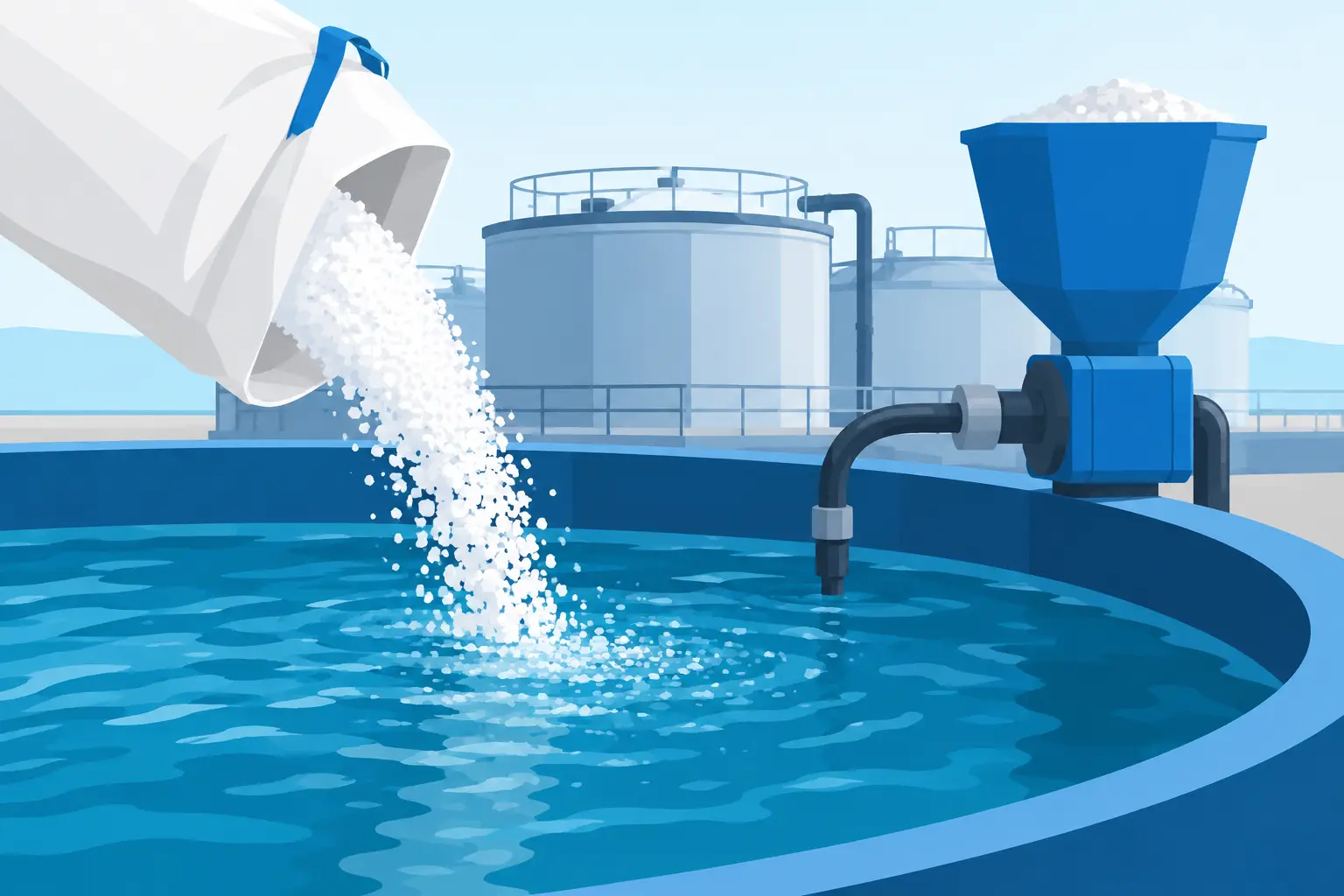
Then look beyond installation. The best manufacturers do not disappear after delivery. They support the system with marine salt, filtration products, activated carbon, replacement parts, routine service, and technical troubleshooting. That single-source model reduces finger-pointing when problems arise. It also saves time for procurement and operations teams that do not want to manage multiple vendors for one life-support setup.
Ask how the company handles support. If a pump goes down, if water quality turns, or if staff needs technical help, response time matters. For operators with live inventory on site, service is not a nice extra. It is part of the product.
One partner beats five vendors
This is where many buyers get burned. They source the tank from one company, filtration components from another, salt from somewhere else, and service from whoever is available locally. On paper, that can look efficient. In practice, it often creates gaps in accountability.
When one provider designs, manufactures, supplies, and services the system, the whole operation tends to run cleaner. The parts are matched to the build. Consumables are not guesswork. Maintenance is based on how the system was intended to perform. If an issue comes up, there is one place to call.
For commercial seafood operators, that matters. You are not buying a fixture. You are supporting live inventory with a direct effect on margin and customer experience. The fewer handoffs involved, the better.
That full-service approach is one reason experienced buyers continue working with established specialists. A family-owned company that has built long-term relationships in this category usually understands that uptime and trust win more business than flashy promises. Lobster Life Systems has built its reputation around exactly that kind of complete support since 1989.
What smart buyers ask before they commit
Before selecting a custom lobster tank manufacturer, ask how the system will fit your floor plan, your staffing reality, and your live seafood volume. Ask who provides the consumables and replacement media. Ask who services the system after installation. Ask how quickly technical support is available when problems hit.
You should also ask what success looks like six months after startup. That question tends to reveal whether the manufacturer is thinking like a partner or just a seller. A serious supplier will talk about stable operation, livestock condition, ease of maintenance, and ongoing replenishment. A weaker one will keep the conversation focused on materials and dimensions.
It also helps to be honest about your internal capacity. Some operators have strong facilities teams and can handle more maintenance in-house. Others need a partner that stays closely involved. Neither model is wrong, but the system should match the support structure you actually have.
The right system should make selling lobster easier
A well-built custom lobster system should do three things at once. It should protect live product, support a clean visual presentation, and make daily operation more manageable for the staff responsible for it. If it only looks impressive but creates extra work, it is not doing the job.
That is why the best custom projects start with operational questions instead of appearance alone. How often will the tank be cleaned? Who will monitor water conditions? How much turnover should the system support? Is the display meant to drive impulse sales, reinforce a premium seafood image, or hold inventory efficiently? The answers shape the right build.
Choosing a custom lobster tank manufacturer is really about choosing how much risk, maintenance burden, and vendor coordination you want to carry going forward. The strongest partner is the one that can build the system, stand behind it, and help keep it running the way your business needs it to run.
If your live seafood program matters to revenue, do not settle for a tank vendor when what you actually need is a long-term system partner.