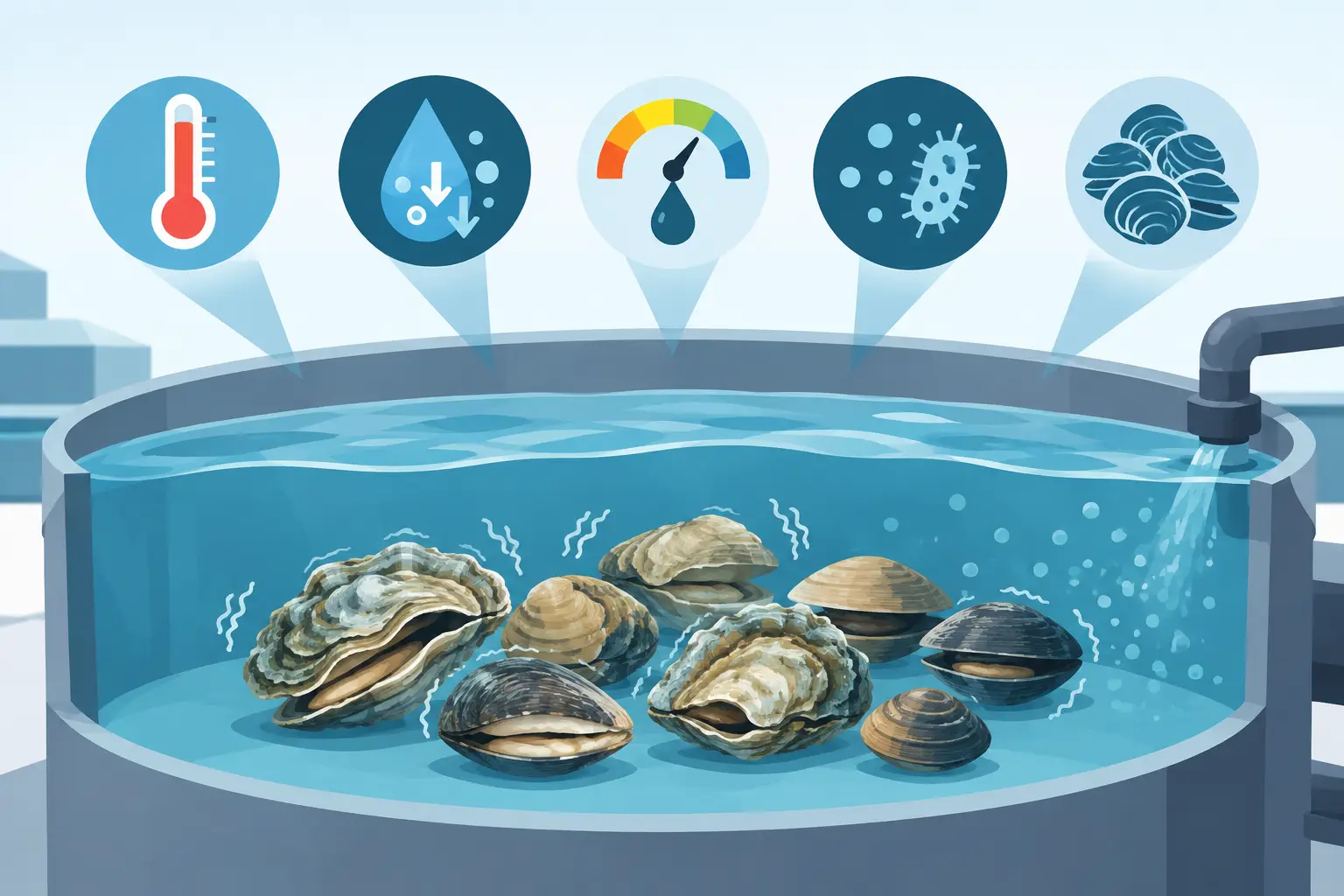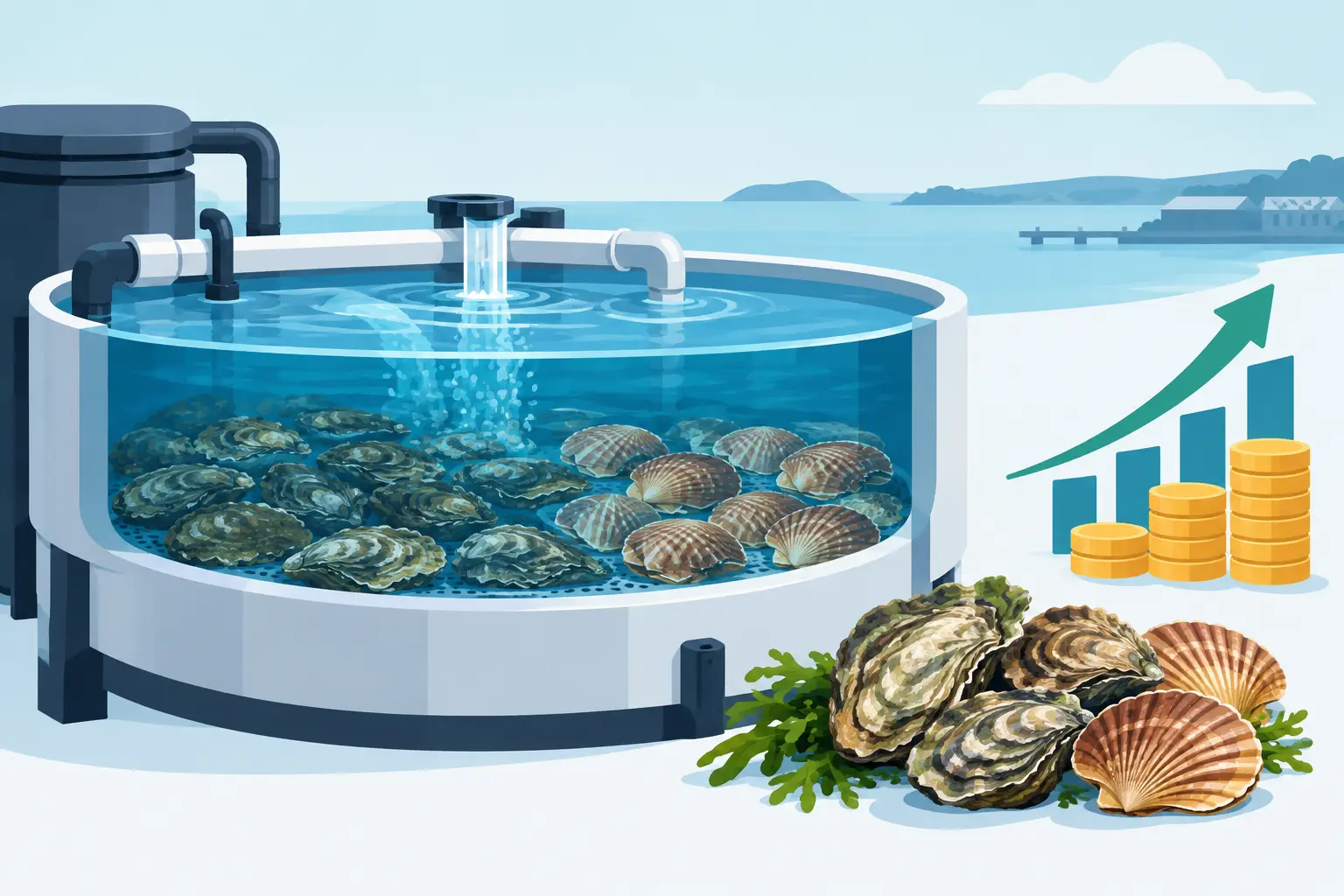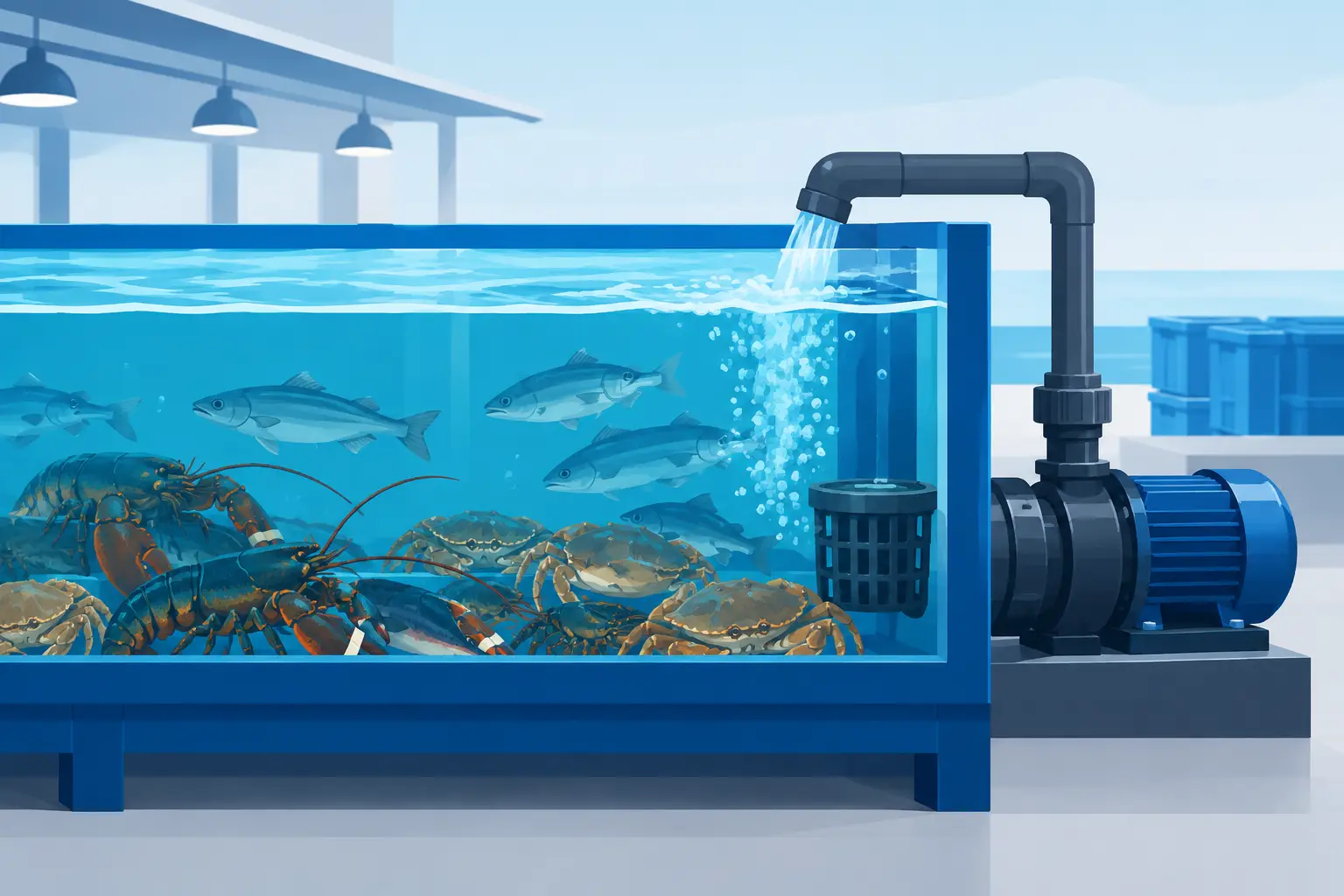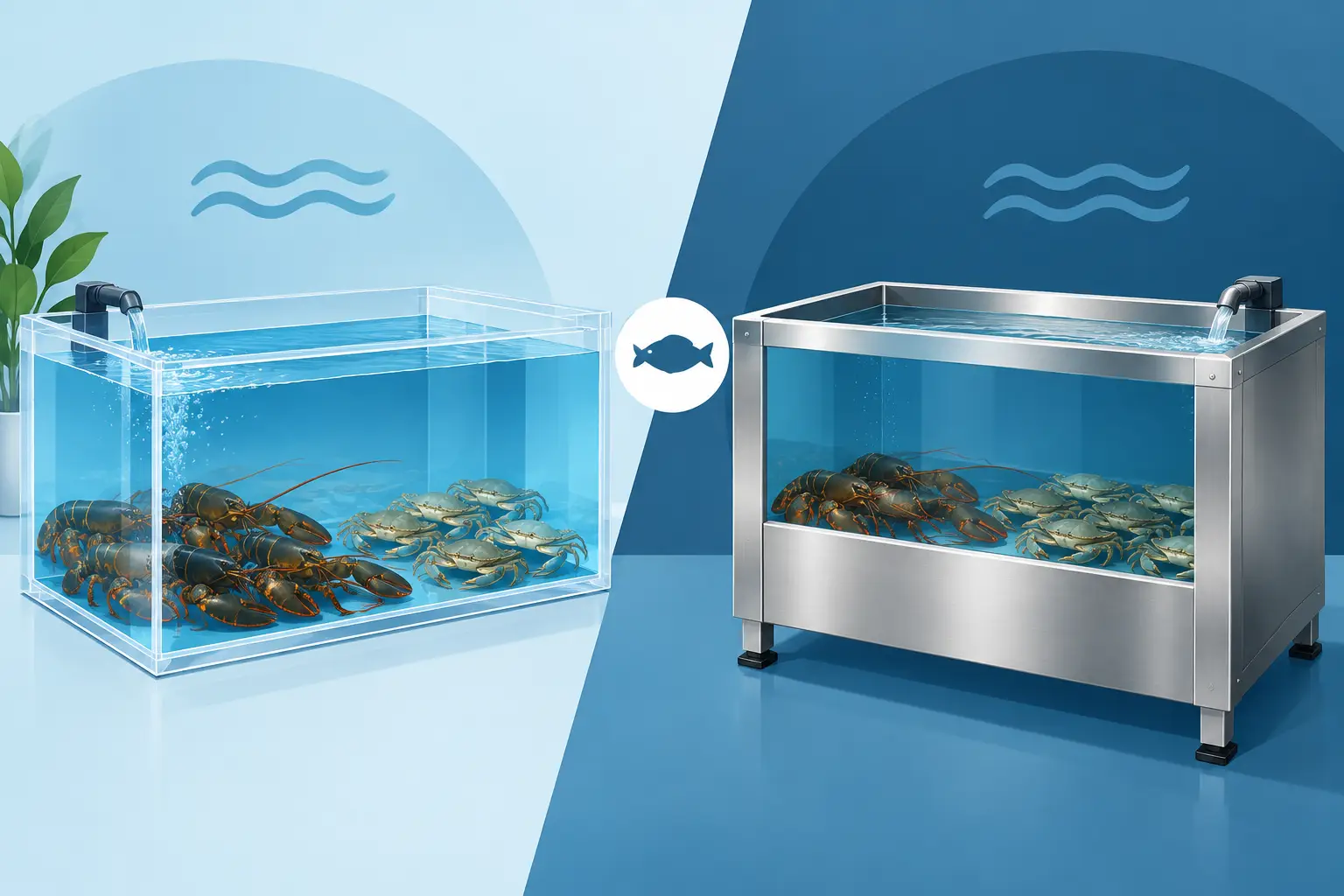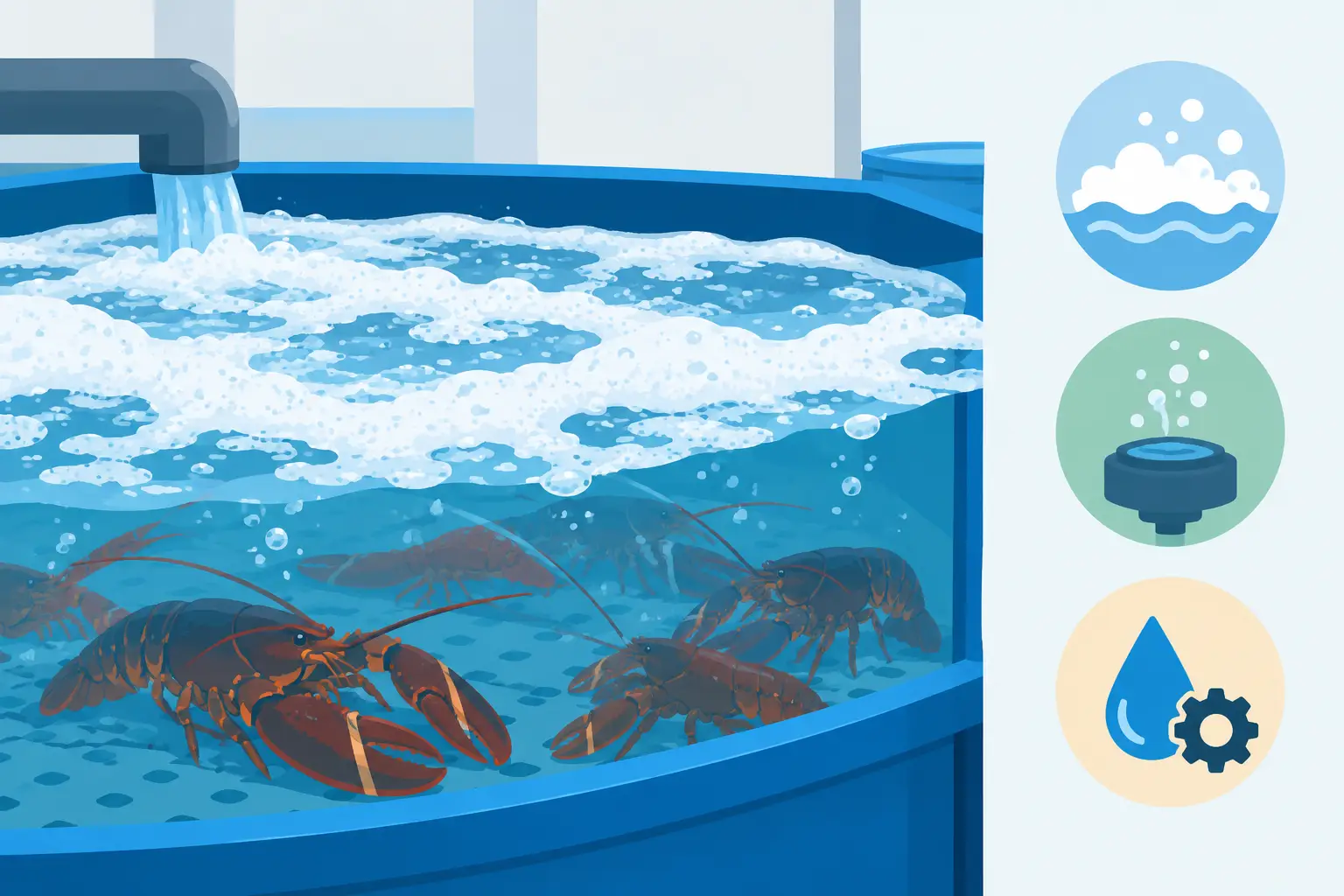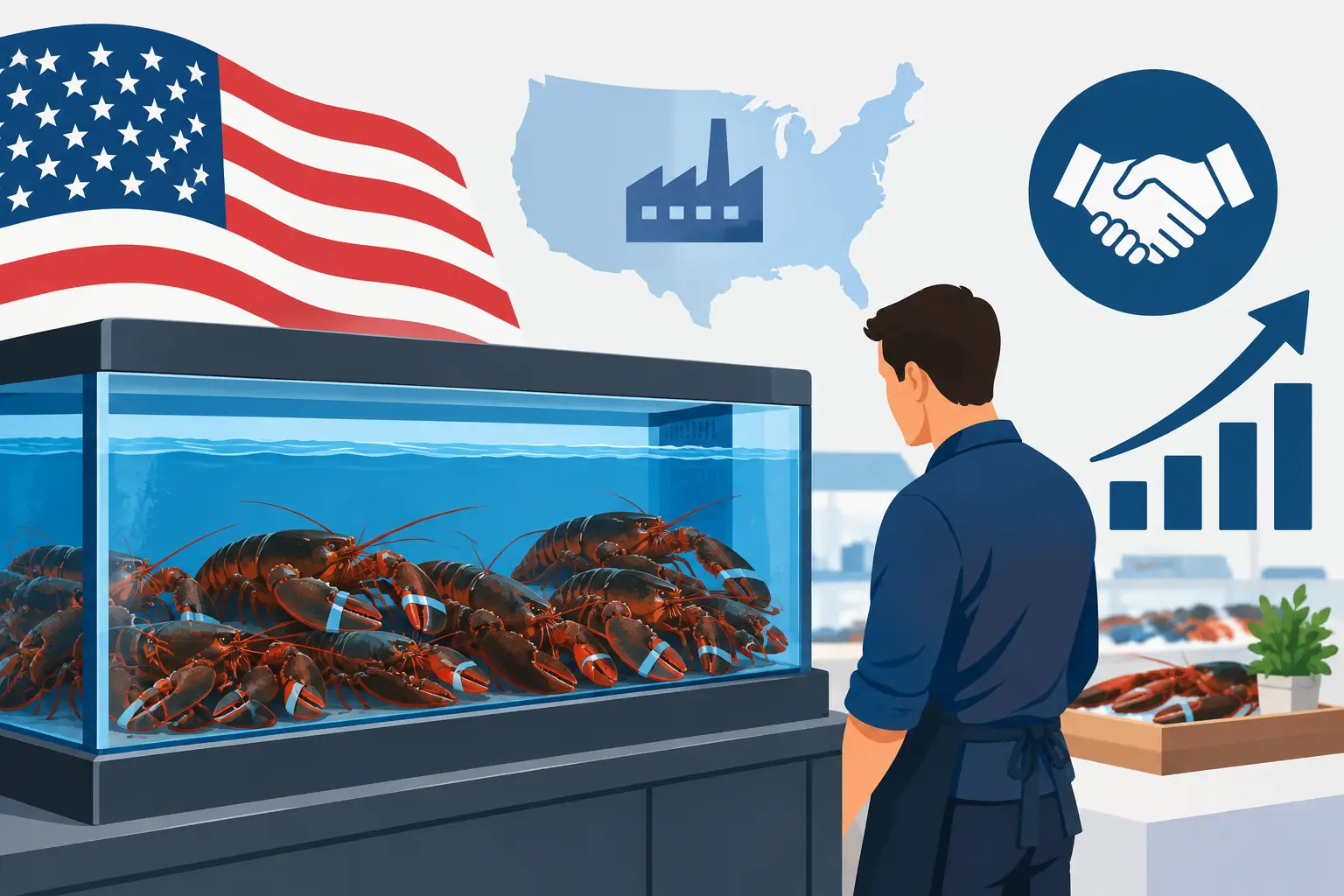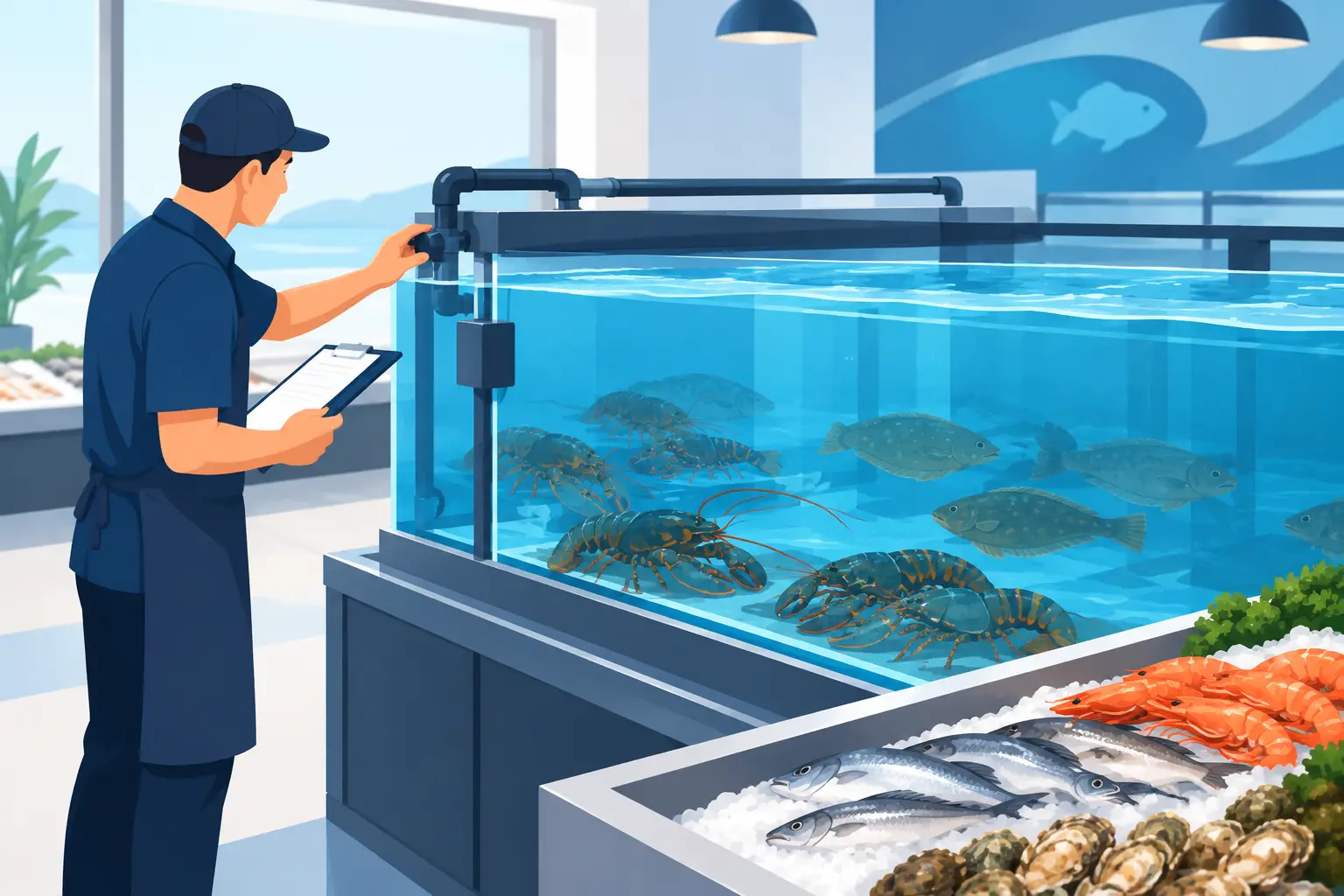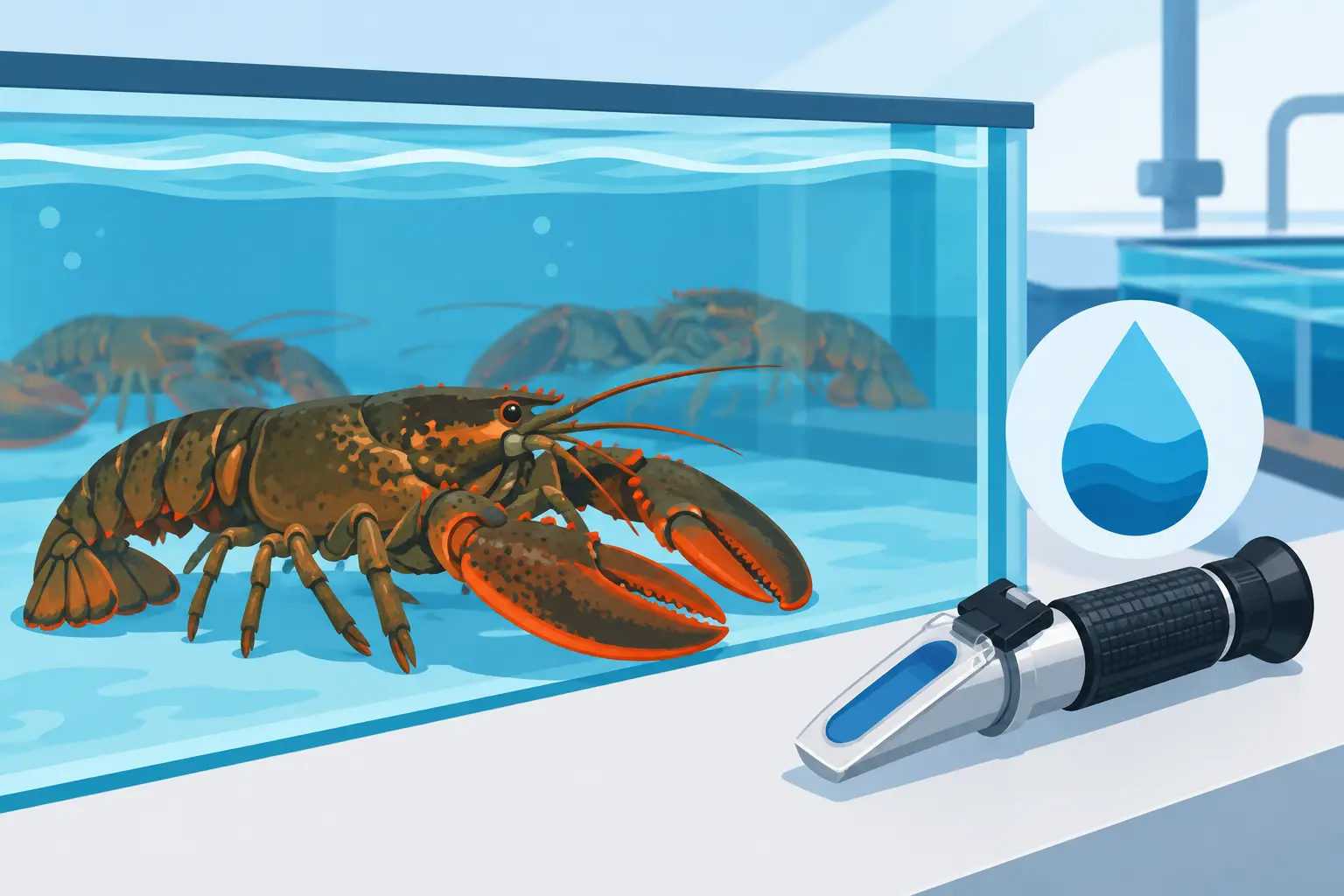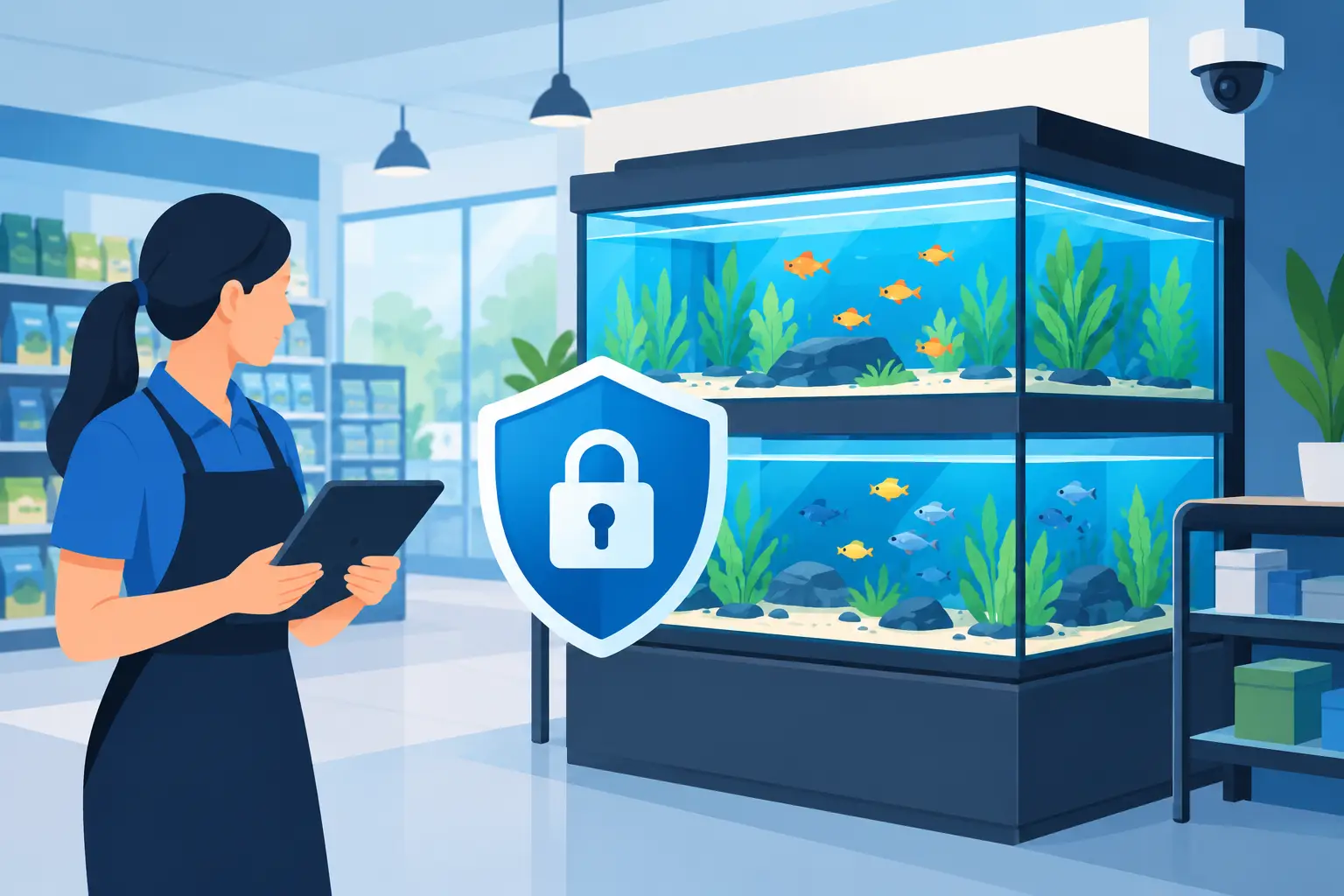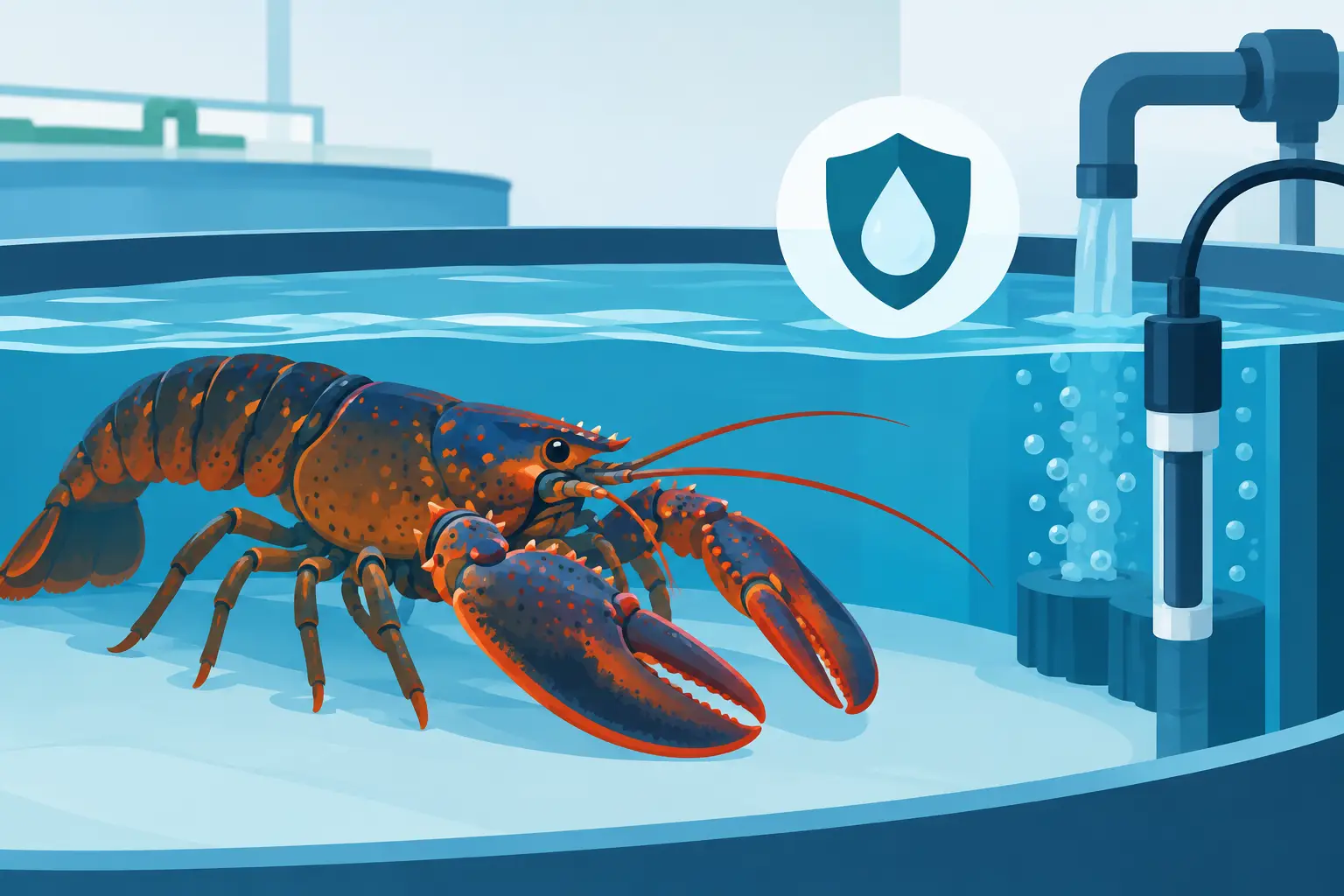
A shellfish tank system supplier is not just selling you a tank. They are taking a position in your operation – right next to your seafood margin, your shrink numbers, your labor load, and your reputation on the sales floor. If that sounds blunt, good. Live shellfish systems are unforgiving. When water quality slips, temperature drifts, filtration underperforms, or service lags, the losses show up fast.
For supermarkets, seafood markets, wholesalers, and restaurants selling live product, the right supplier has to do more than quote equipment. They need to understand merchandising, livestock health, sanitation, maintenance intervals, and the real-world headaches that happen once a system is installed and running seven days a week. A nice-looking tank is easy. A dependable system backed by people who know the business is what actually matters.
What a shellfish tank system supplier should really provide
The first mistake buyers make is treating all suppliers like they do the same job. They do not. Some companies fabricate tanks. Some distribute imported equipment. Some can sell you filters and salt. Fewer can design the system, build it, install it, stock consumables, and support it after the sale.
That difference matters because shellfish systems are not stand-alone pieces of décor. They are operating assets. They affect product quality, labor efficiency, cleaning routines, and customer confidence. If your supplier disappears after delivery, your team is left juggling parts, troubleshooting water issues, and chasing multiple vendors for basic support.
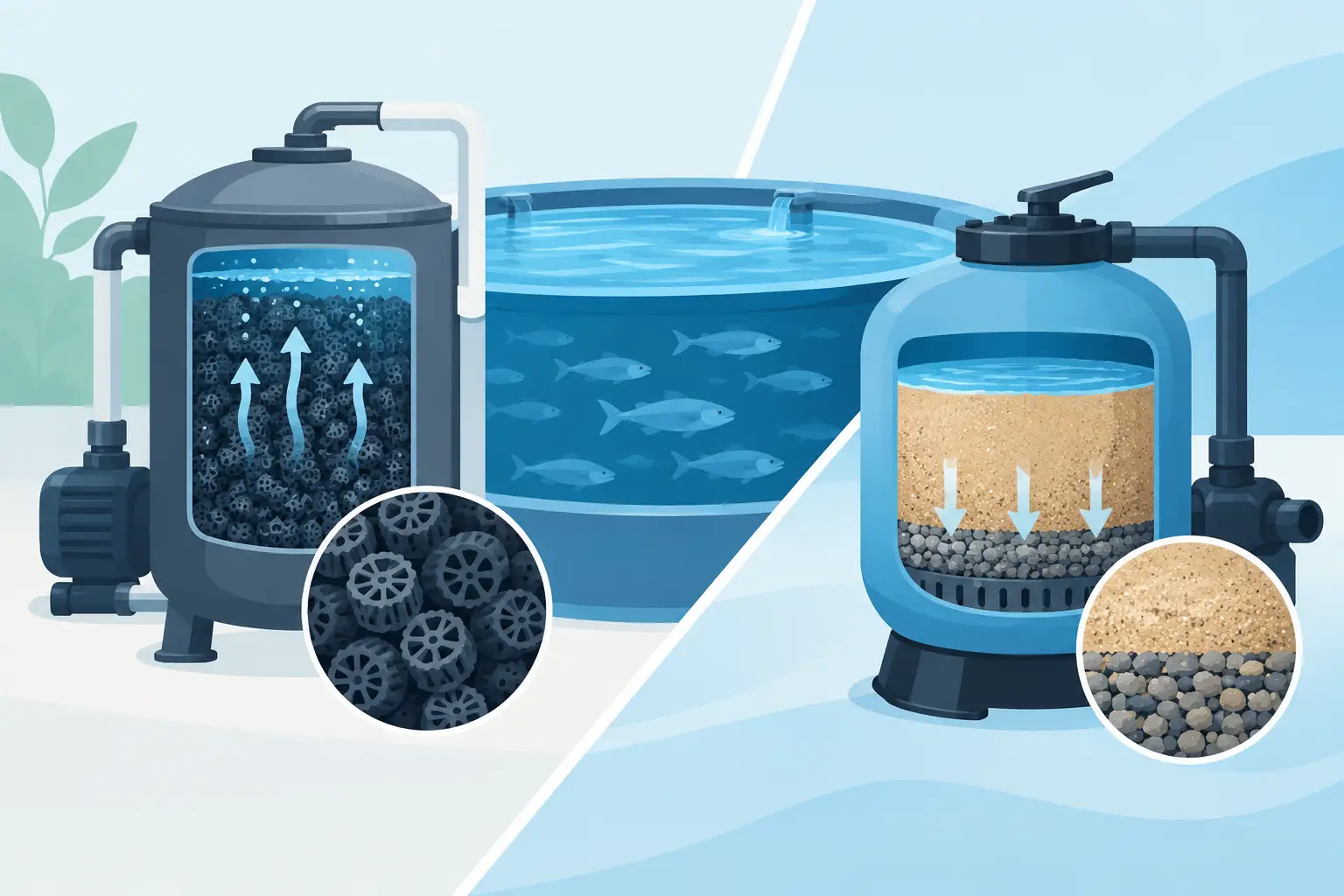
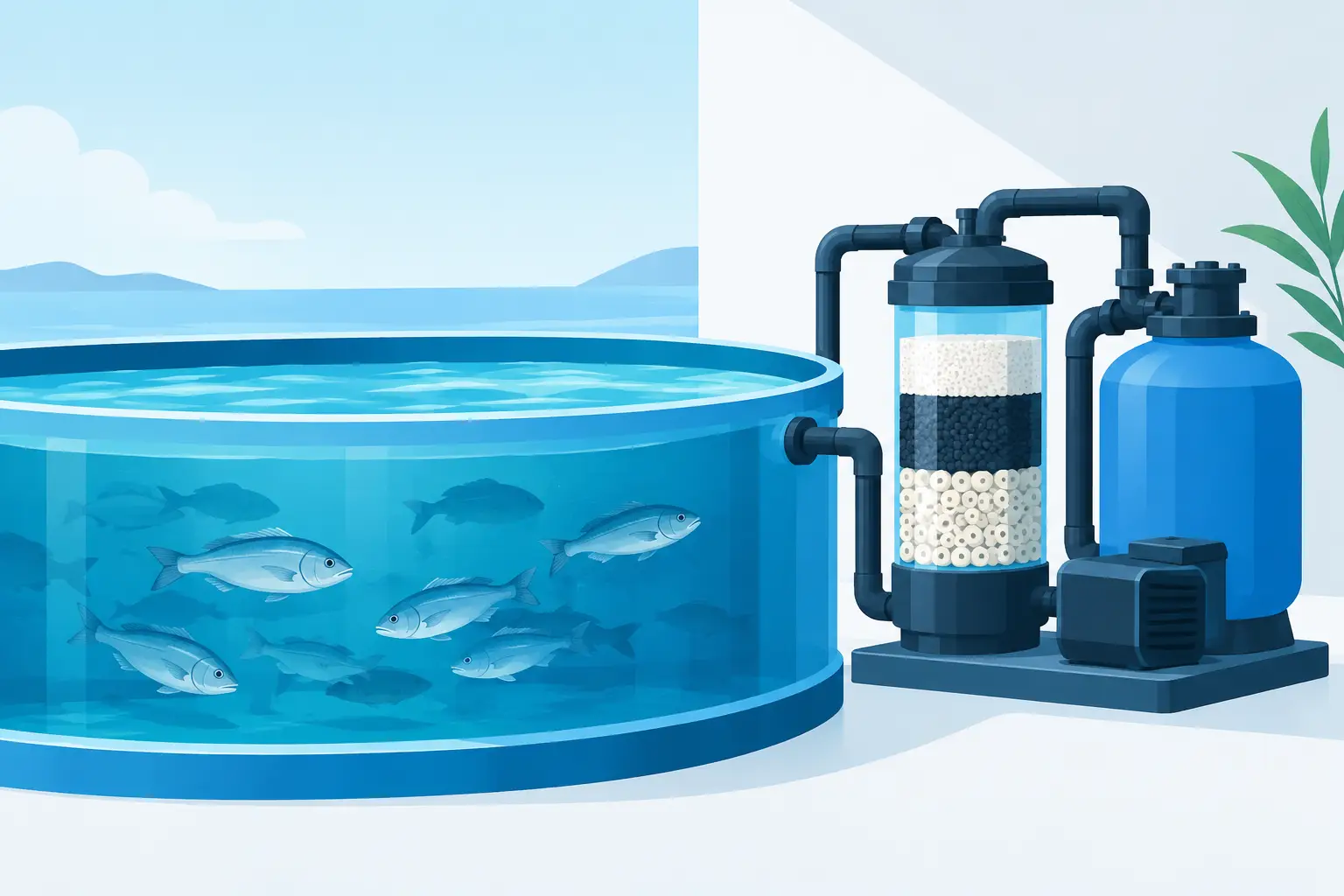
A serious partner should be able to help with system sizing, fabrication, filtration selection, water movement, temperature management, purging needs where applicable, replacement media, and ongoing maintenance. If they cannot support the full life of the system, you are the one filling the gaps.
The cost of choosing the wrong shellfish tank system supplier
Most buyers focus hard on purchase price and not hard enough on operating cost. That is understandable, but it can get expensive.
A lower upfront quote can hide weak filtration performance, harder cleaning access, poor-quality components, or a design that does not fit your store traffic and workflow. Then the real costs start. Product loss, staff time spent troubleshooting, emergency service calls, and damage to presentation all chip away at the savings that looked good on paper.
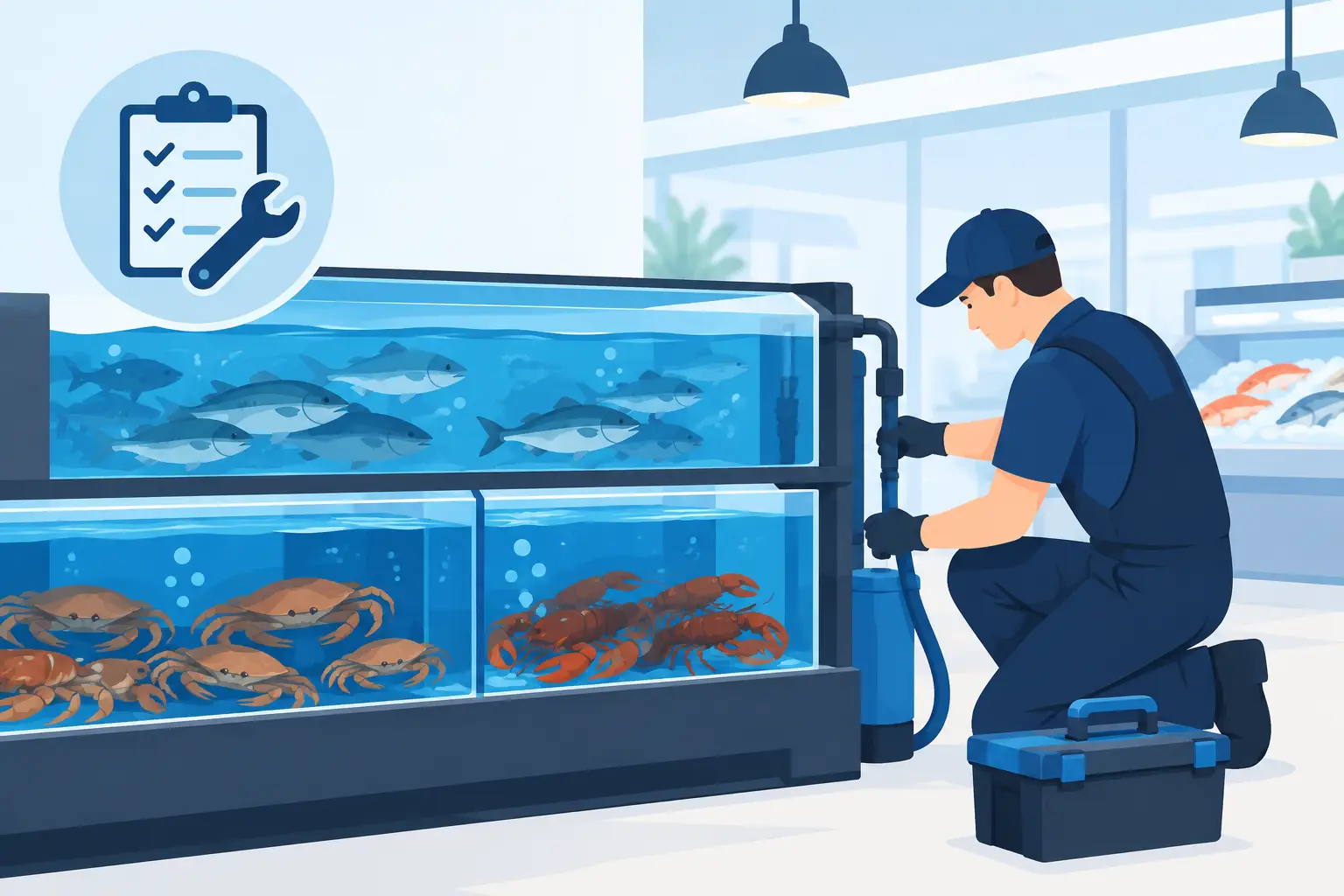
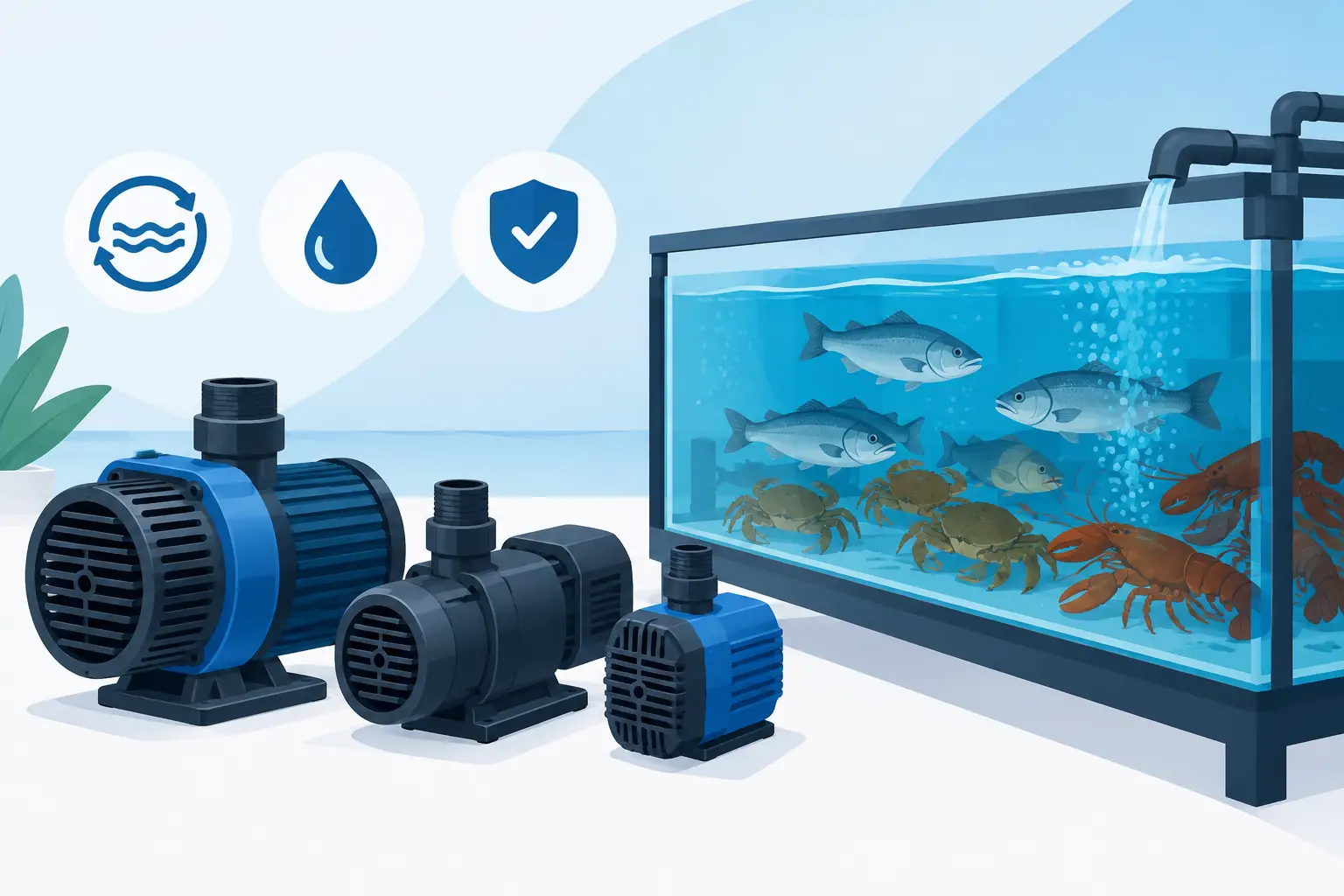
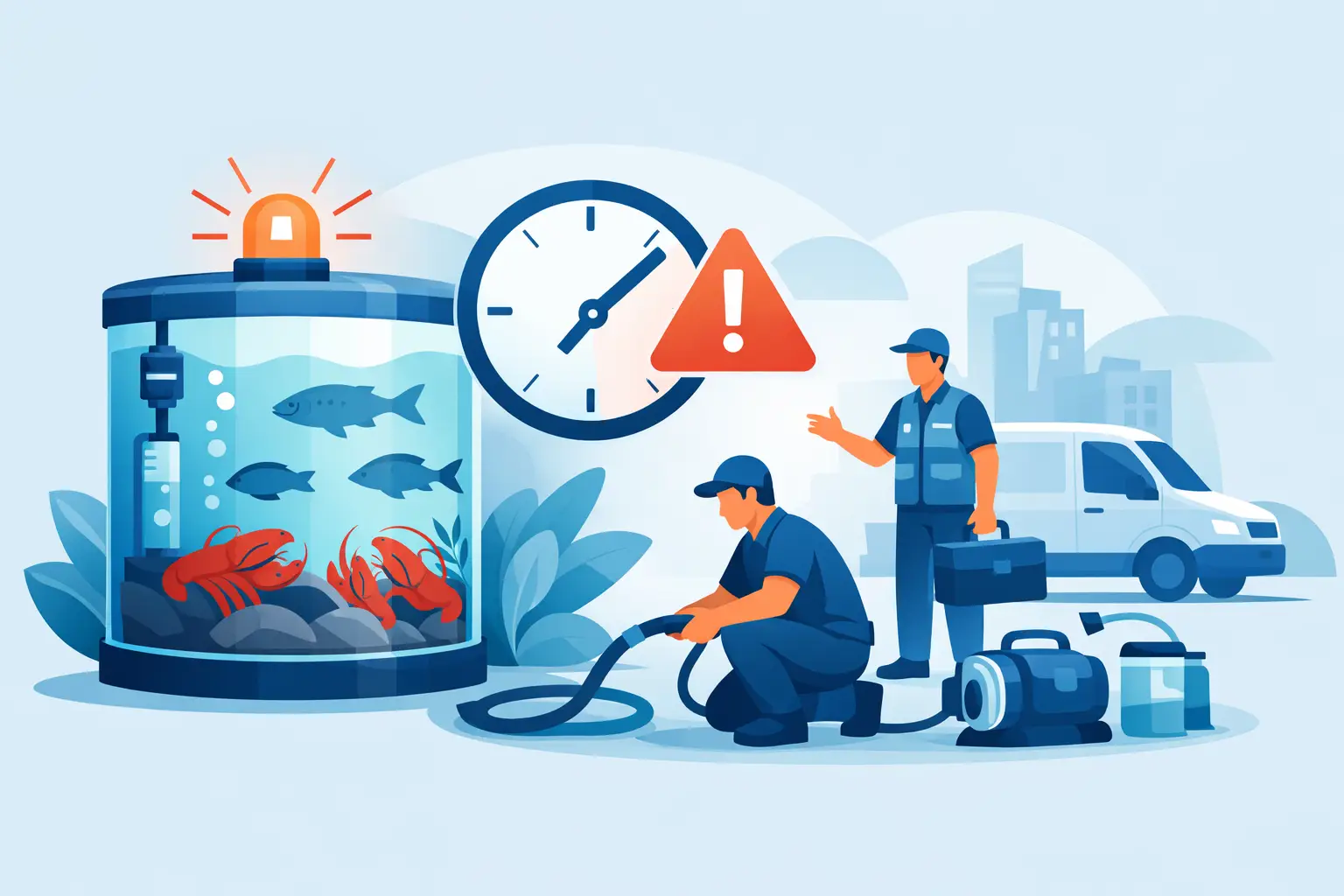
There is also the issue of downtime. If a circulation pump fails or a chiller starts acting up, how quickly can your supplier respond? Can they ship the right part without a week of back-and-forth? Do they know your installation, or are you explaining your system from scratch every time you call? In live seafood, delays have a way of turning into write-offs.
This is why experienced operators look past the tank itself. They evaluate the supplier’s service structure, inventory support, and technical depth. In this business, reliability is part of the product.
Custom fit beats off-the-shelf in a lot of operations
There are cases where a standard shellfish tank works fine. If your footprint is simple, your expected volume is predictable, and your product mix is narrow, a standard configuration may be enough.
But many commercial operators are not dealing with simple conditions. Grocery chains have planogram constraints. Independent markets may have limited back-room access. Restaurants often need compact systems that still present well to customers. Wholesalers may prioritize holding capacity and cleaning efficiency over front-end appearance.
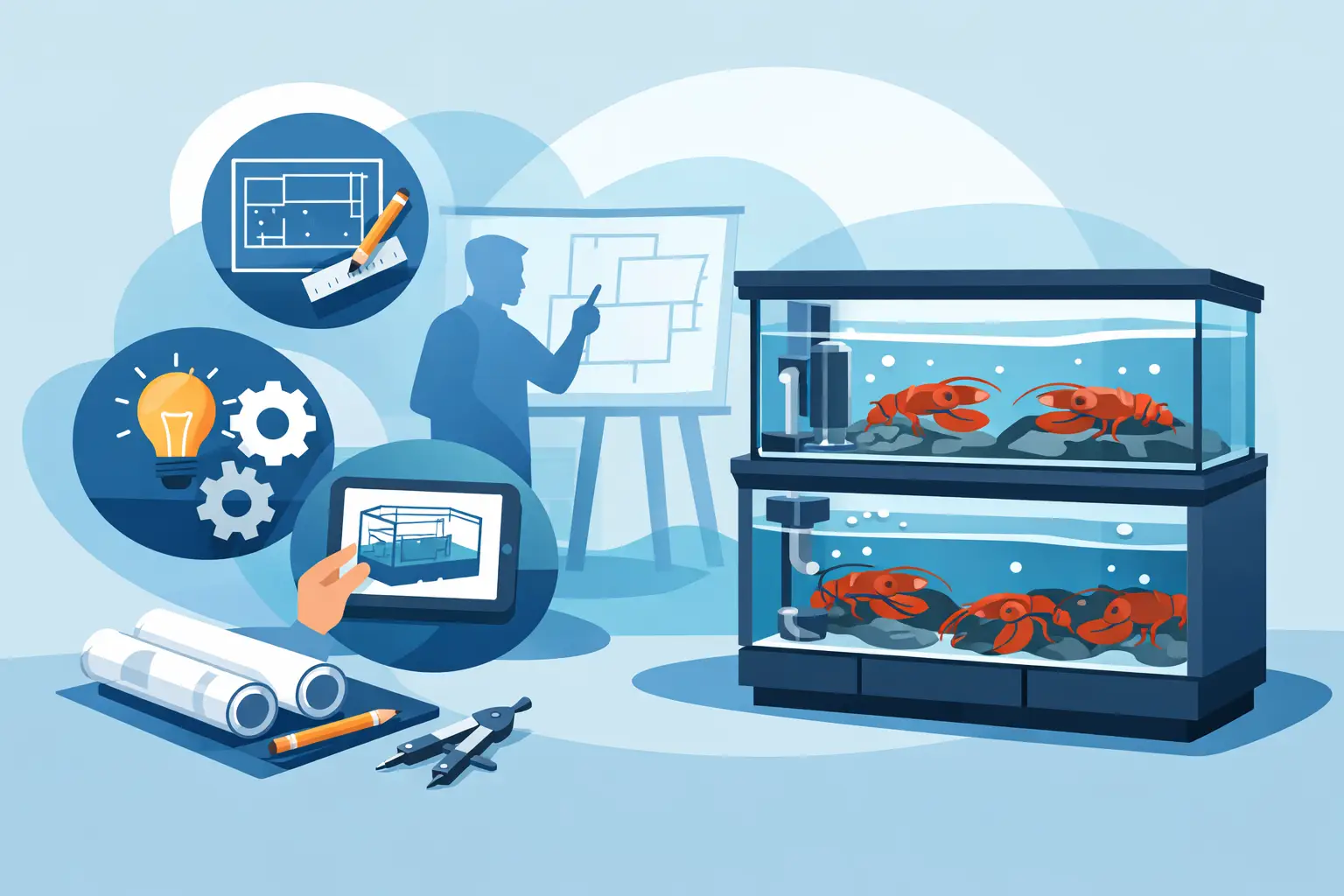
That is where custom fabrication starts to make sense. A capable supplier can build around your space, your throughput, and your staffing realities instead of forcing your operation to adapt to a generic tank. Better fit usually means better serviceability, cleaner presentation, and fewer operational compromises.
Custom does not automatically mean better, though. It only pays off when the supplier has enough field experience to design for actual use, not just for appearance. Good shellfish systems are built by people who understand what happens after the install crew leaves.
What buyers should ask before signing anything
A shellfish tank system supplier should be able to answer direct questions with direct answers. If the conversation stays vague, that is a warning sign.
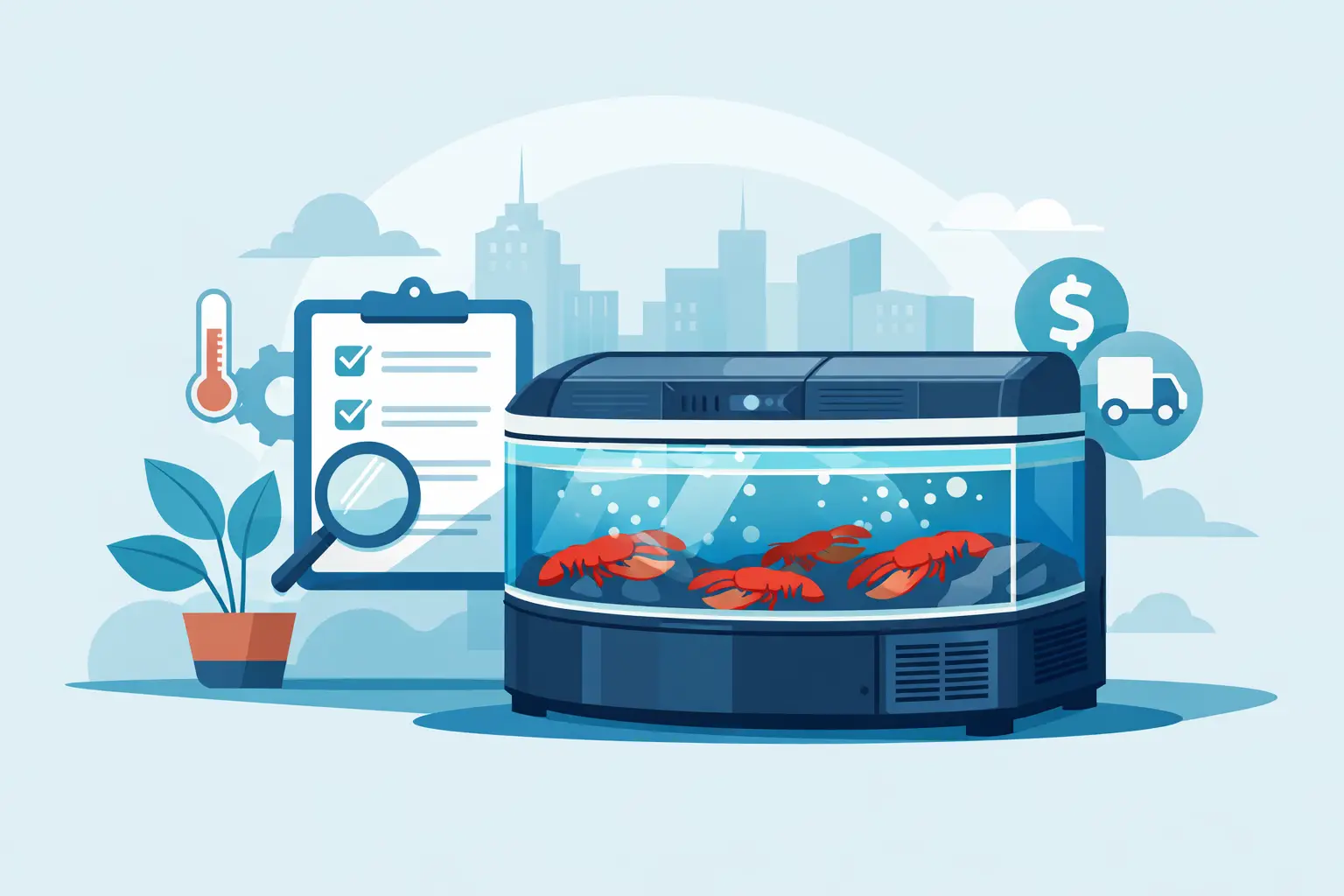
Ask where the systems are manufactured, what components are standard, and what support looks like after installation. Ask how the system is cleaned, what consumables are required, and how often service is typically needed. Ask what happens when a part fails on a holiday weekend or in peak season. Ask whether the supplier stocks replacement media, filtration components, pumps, and accessories or whether they source everything after the fact.
You should also ask about the supplier’s customer base. A company that works regularly with supermarkets, retailers, and wholesalers will usually understand the pressure points better than a general aquatic vendor. Live shellfish for commercial sale is a specialized category. It should be treated that way.
Service support is not an extra
Too many equipment discussions treat service like an add-on. In practice, service is one of the main reasons to choose one supplier over another.
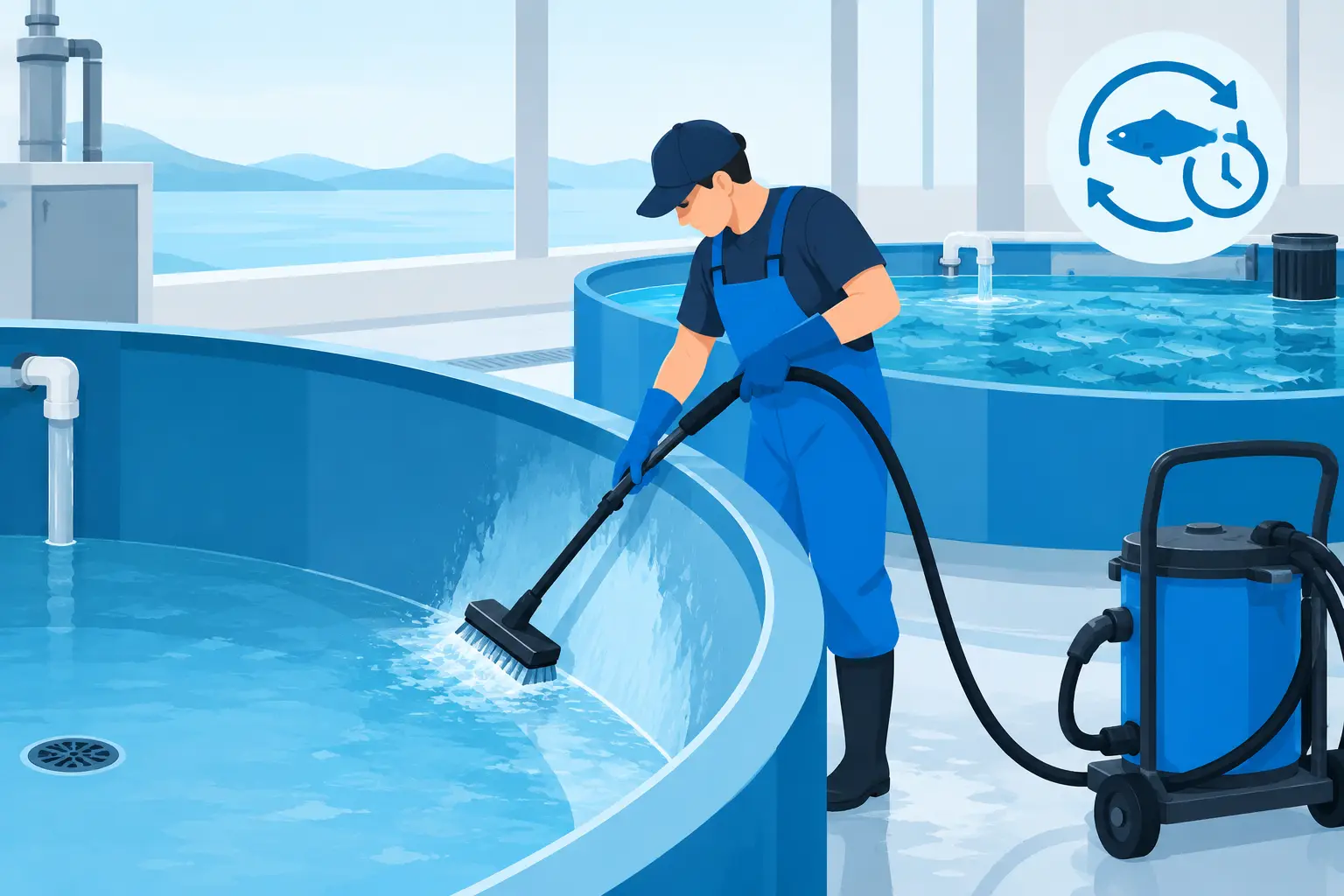
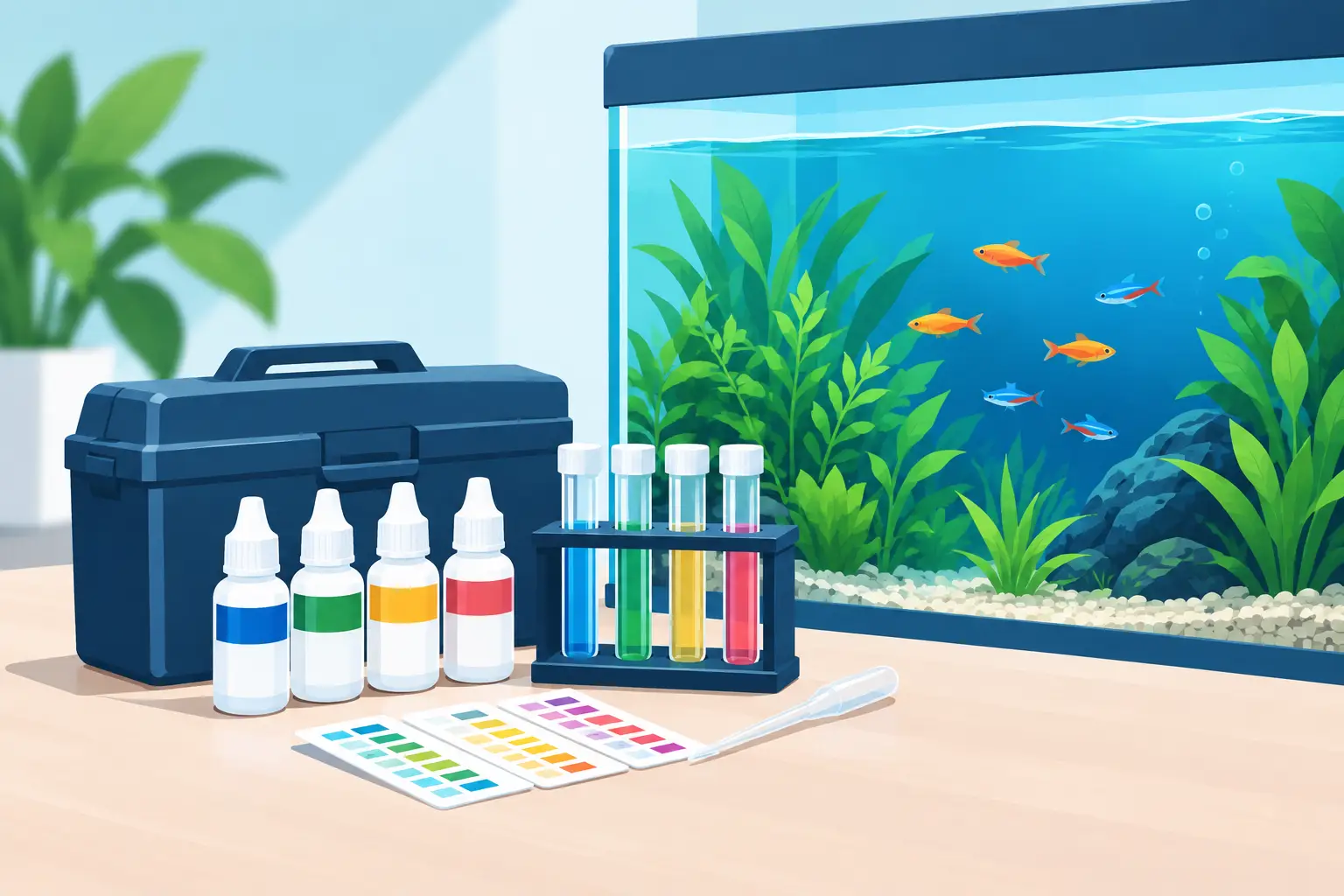
Even well-built systems need routine maintenance. Filters need replacement. Water quality needs monitoring. Components wear out. Staff changes happen, and new employees need a system that is straightforward to maintain. If your supplier can provide ongoing technical support, scheduled maintenance, and fast response when something goes wrong, that reduces risk in a way a cheaper quote never will.
For multi-location operators, this becomes even more important. Standardizing equipment and consumables across stores simplifies training and replenishment. It also makes service far more manageable. Instead of solving the same problem five different ways, your team gets consistency.
That is one reason many seafood operators prefer a full-service model. When one company handles design, fabrication, supplies, and support, accountability is clear. There is no finger-pointing between installer, manufacturer, and distributor.
Supplies and replenishment matter more than most people expect
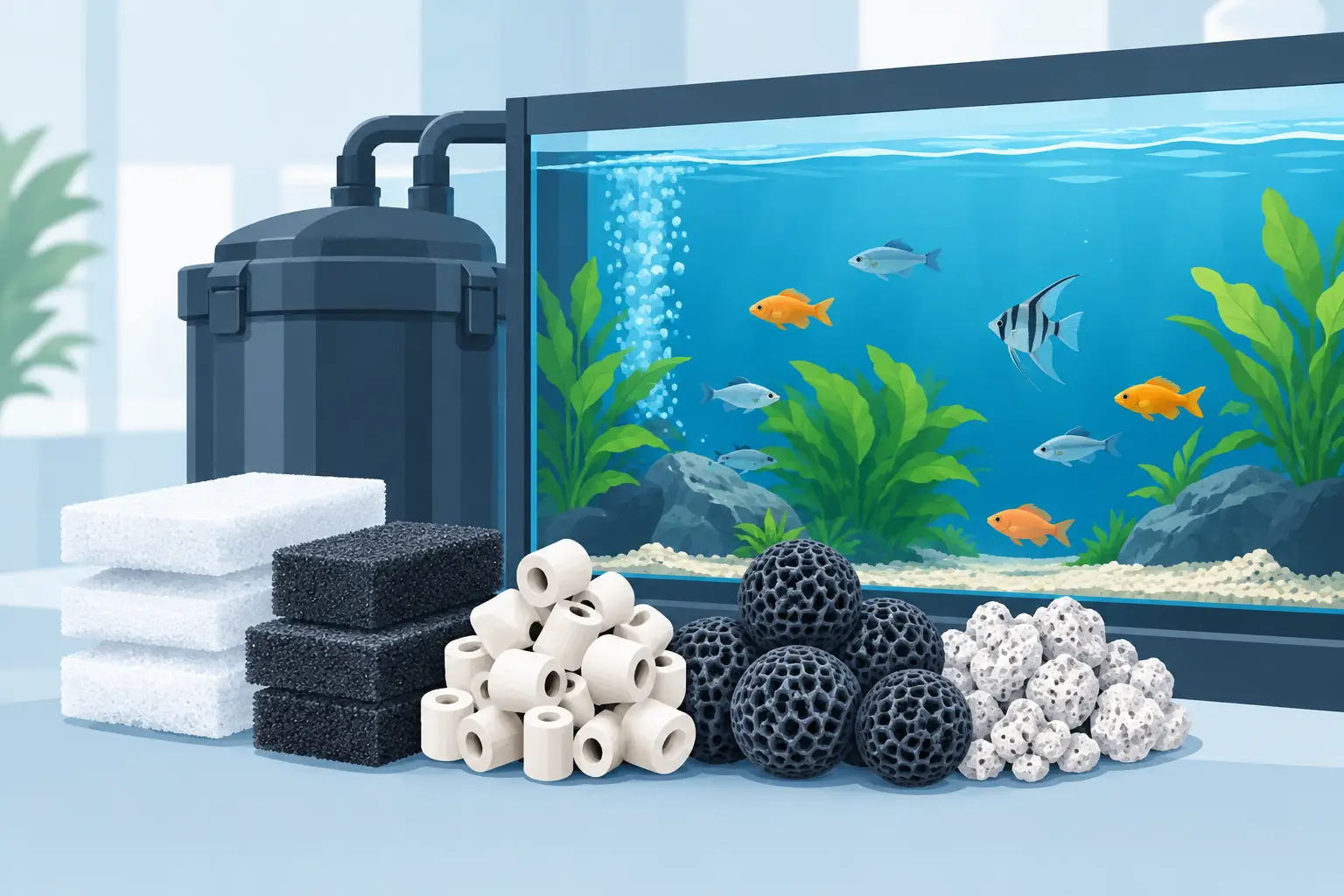
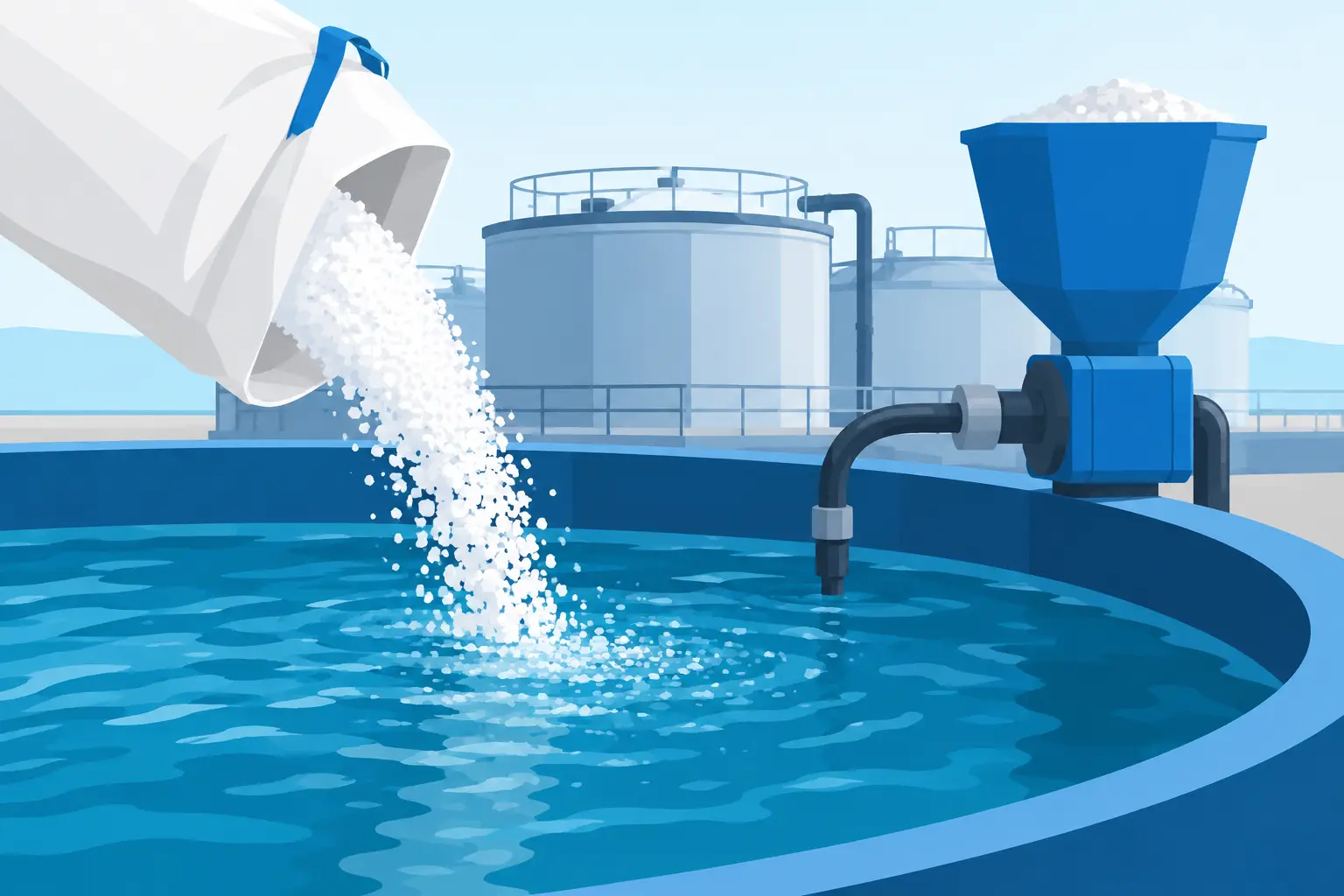
A shellfish tank system is not a one-time purchase. It is an ongoing operating system. Salt, filter media, activated carbon, replacement parts, and maintenance supplies all become part of your regular rhythm.
If those items come from different vendors, ordering gets fragmented fast. That may seem manageable at first, but over time it creates extra labor, inconsistent stocking, and more opportunities for delays. When your supplier can also provide the consumables and replacement components your system depends on, the whole operation runs cleaner.
This is where a specialized partner stands apart from a basic equipment seller. They know what your system needs month after month, not just what it needed on install day.
Experience shows up in the details
You can usually tell when a supplier has real industry experience because they talk about practical details first. They ask about livestock type, expected turnover, cleaning procedures, available utilities, and store layout. They think about service access, drain location, and how your staff will actually use the system during a busy day.
That hands-on thinking matters. It is the difference between a tank that looks good in a sales sheet and one that holds up on the floor year after year.
Family-owned companies with long operating histories often bring a different level of accountability to this work. They know their name stays attached to every installation. That can translate into better follow-through, more honest recommendations, and stronger long-term relationships. Not every customer needs the same setup, and a seasoned supplier should be willing to say so.
Lobster Life Systems has built its reputation in exactly that lane – custom aquatic systems, supplies, service, and technical support for commercial seafood operators who need one dependable source instead of a stack of vendors.
The best supplier helps you sell, not just store, shellfish
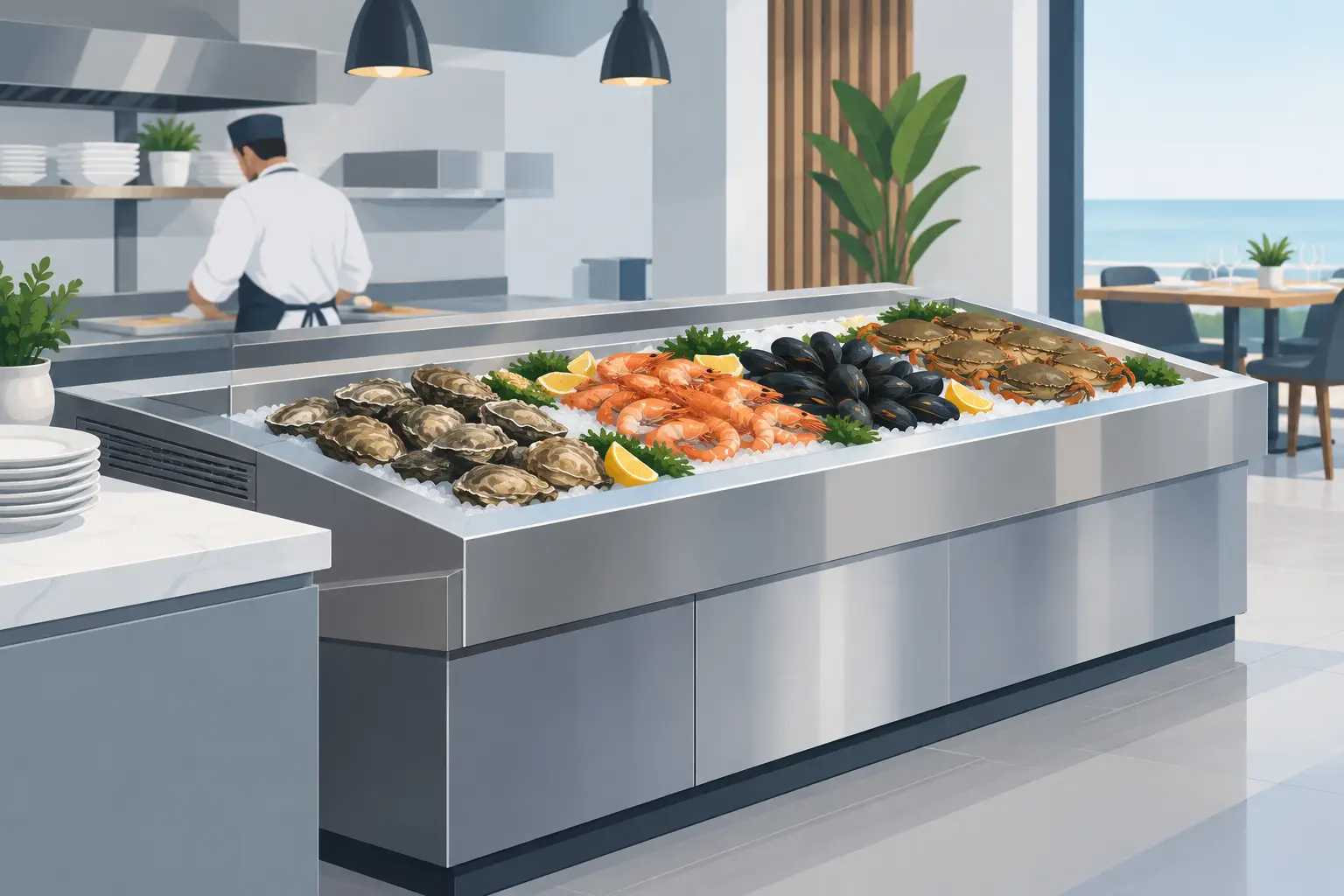
This point gets missed all the time. A shellfish tank is part life-support system and part merchandising tool. It has to protect product quality, but it also has to support the way your business sells seafood.
Clear visibility, strong presentation, manageable maintenance, and stable holding conditions all influence what the customer sees and what your staff can maintain consistently. The right supplier understands that the system has to work biologically and commercially.
That balance is especially important in retail environments. A great-looking display that is difficult to maintain will usually decline over time. A purely functional tank that does nothing for presentation can limit sales impact. Good system design respects both realities.
When you are evaluating a shellfish tank system supplier, think beyond the equipment quote. Think about who will still be useful to you six months after installation, during peak volume, when a part needs replacing, or when your team needs answers fast. That is usually the supplier worth keeping in your corner.