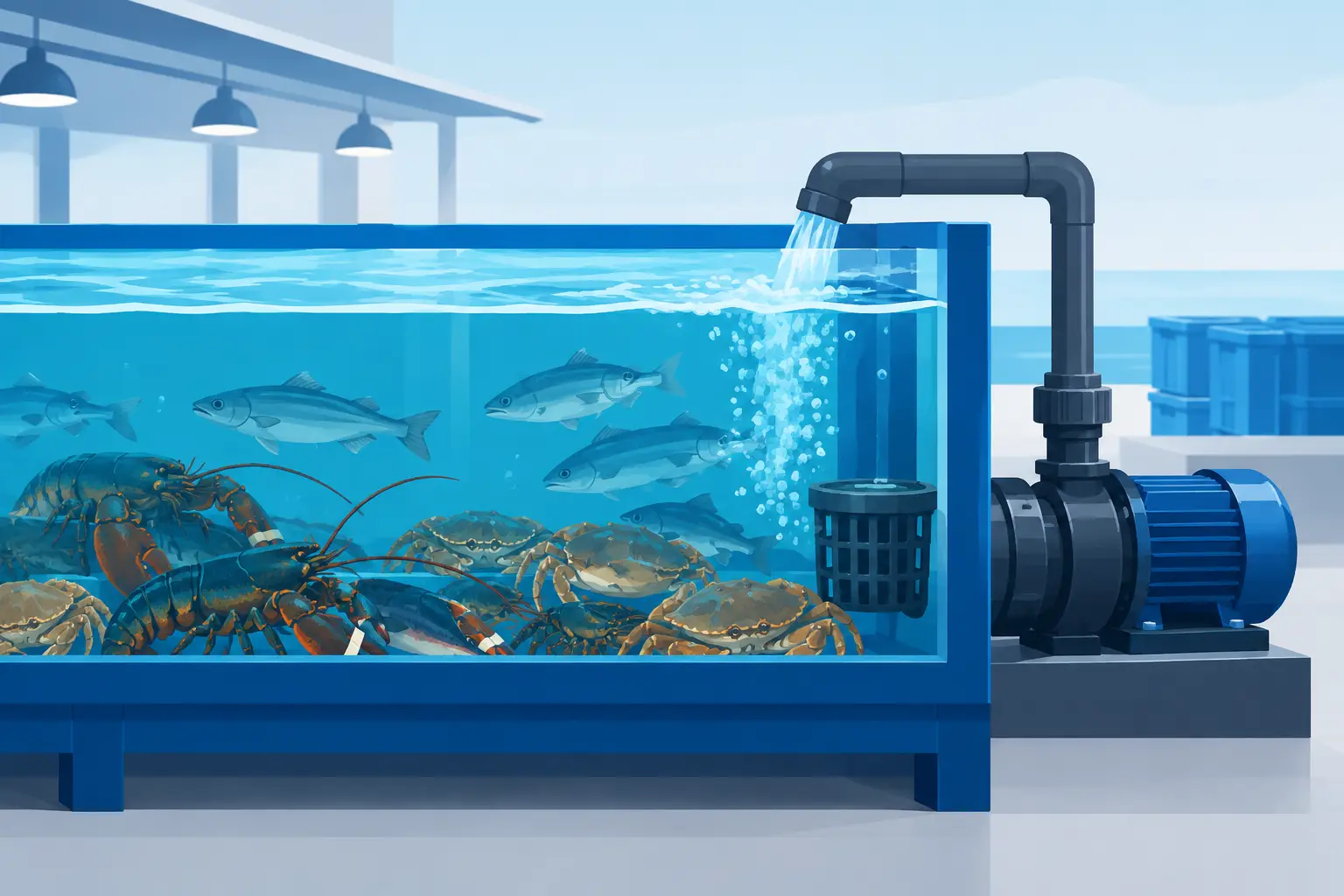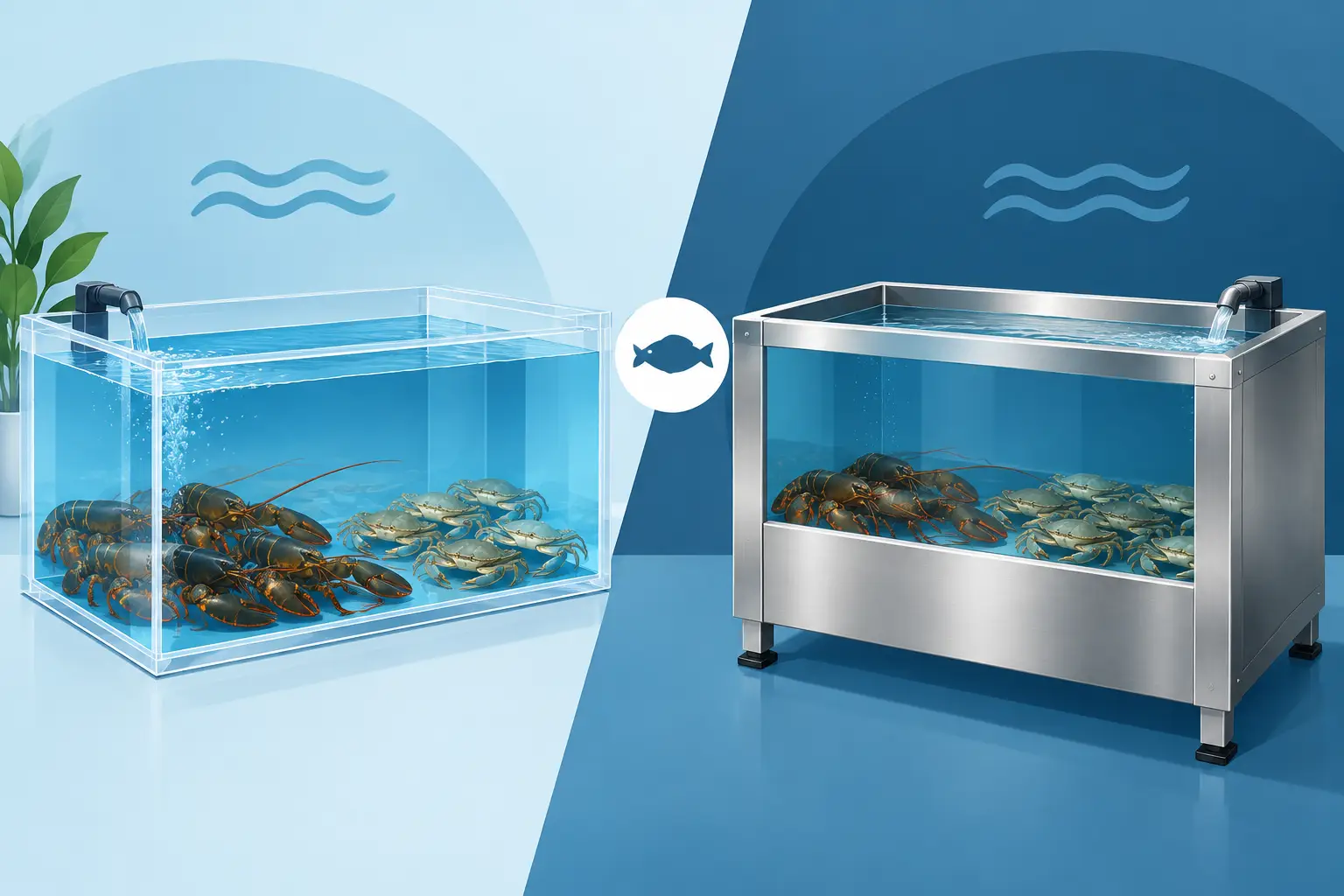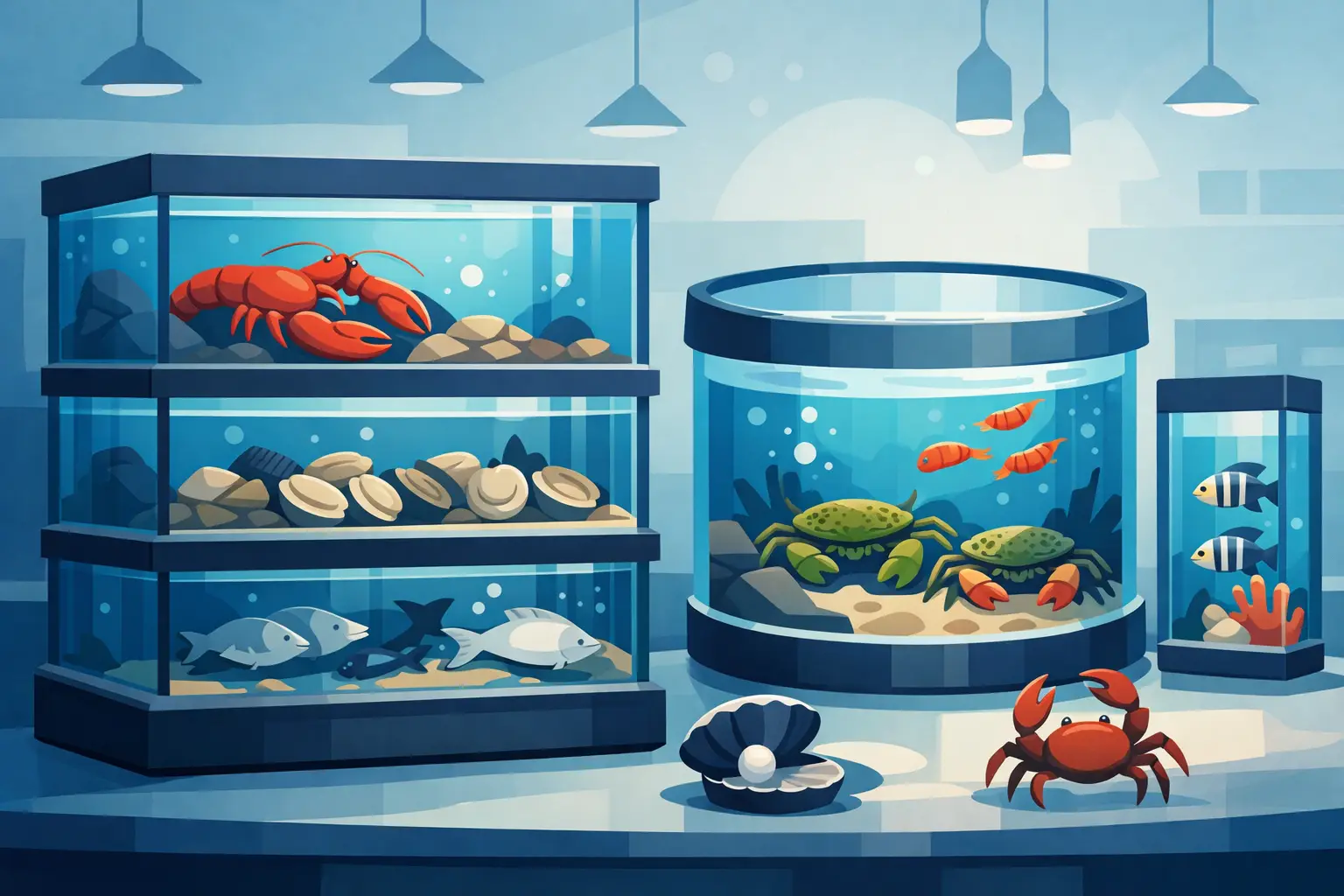
A live lobster or shellfish display can look perfectly fine right up until poor circulation begins costing inventory. Commercial tank pumps are the working heart of the system, moving conditioned saltwater through filtration, chillers, aeration equipment, and tank compartments day after day. For a seafood department, restaurant, or wholesale operation, selecting the right pump is not a small equipment decision. It is a decision about animal health, product presentation, labor demands, and avoidable loss.
A pump that is undersized, improperly matched to the plumbing, or difficult to service can create weak water movement and inconsistent filtration. A pump chosen only because it has a high gallons-per-hour rating may deliver disappointing real-world performance once it is connected to pipe runs, elbows, filters, and elevation changes. The right approach starts with the entire live seafood system, not a number on a product label.
What Commercial Tank Pumps Must Do
In a commercial seafood system, the pump has a more demanding job than simply keeping water in motion. It must provide the flow required for filtration while supporting stable water quality across the tank. It also needs to operate reliably through long store hours, busy deliveries, routine cleaning, and the occasional issue that cannot wait until morning.
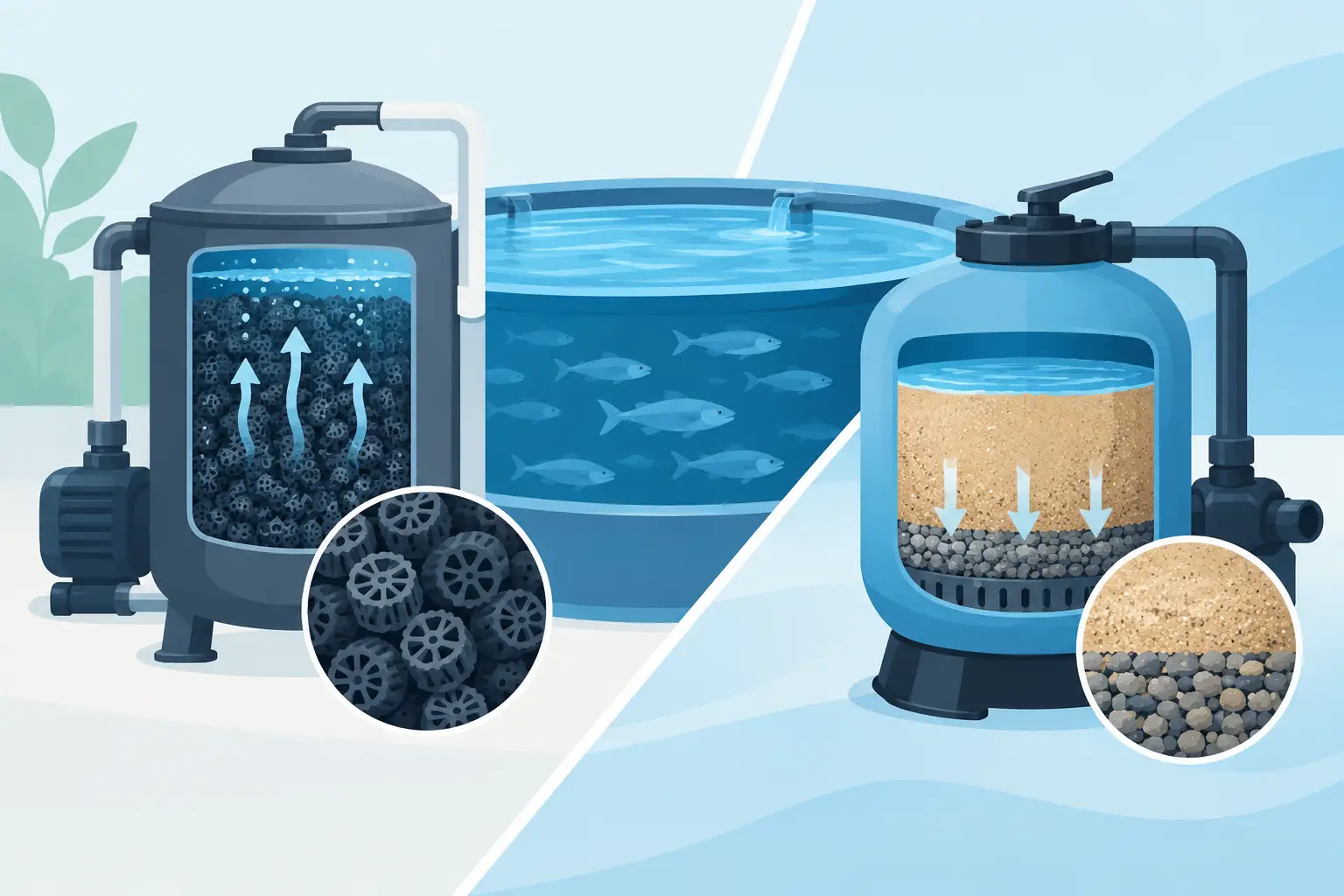
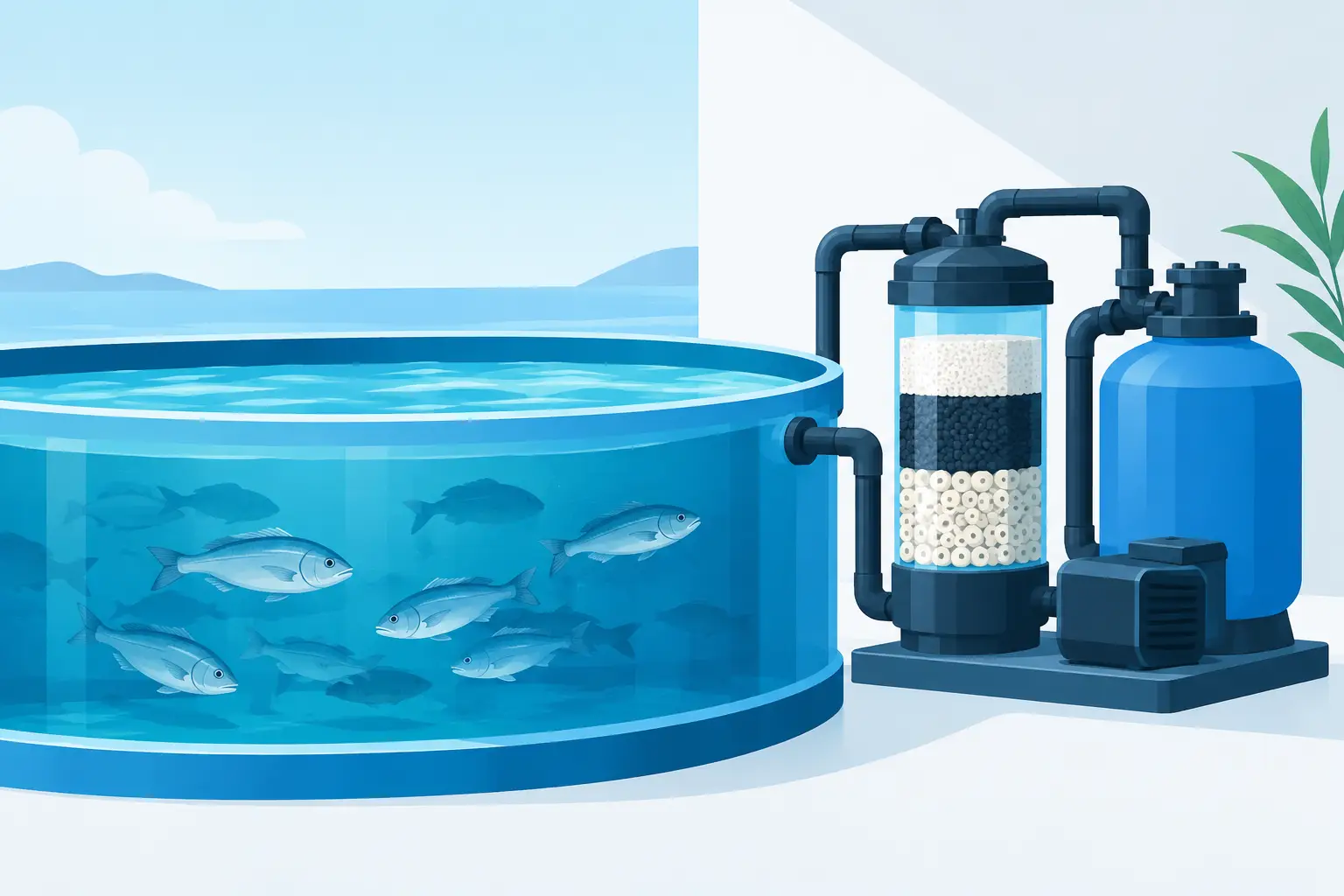
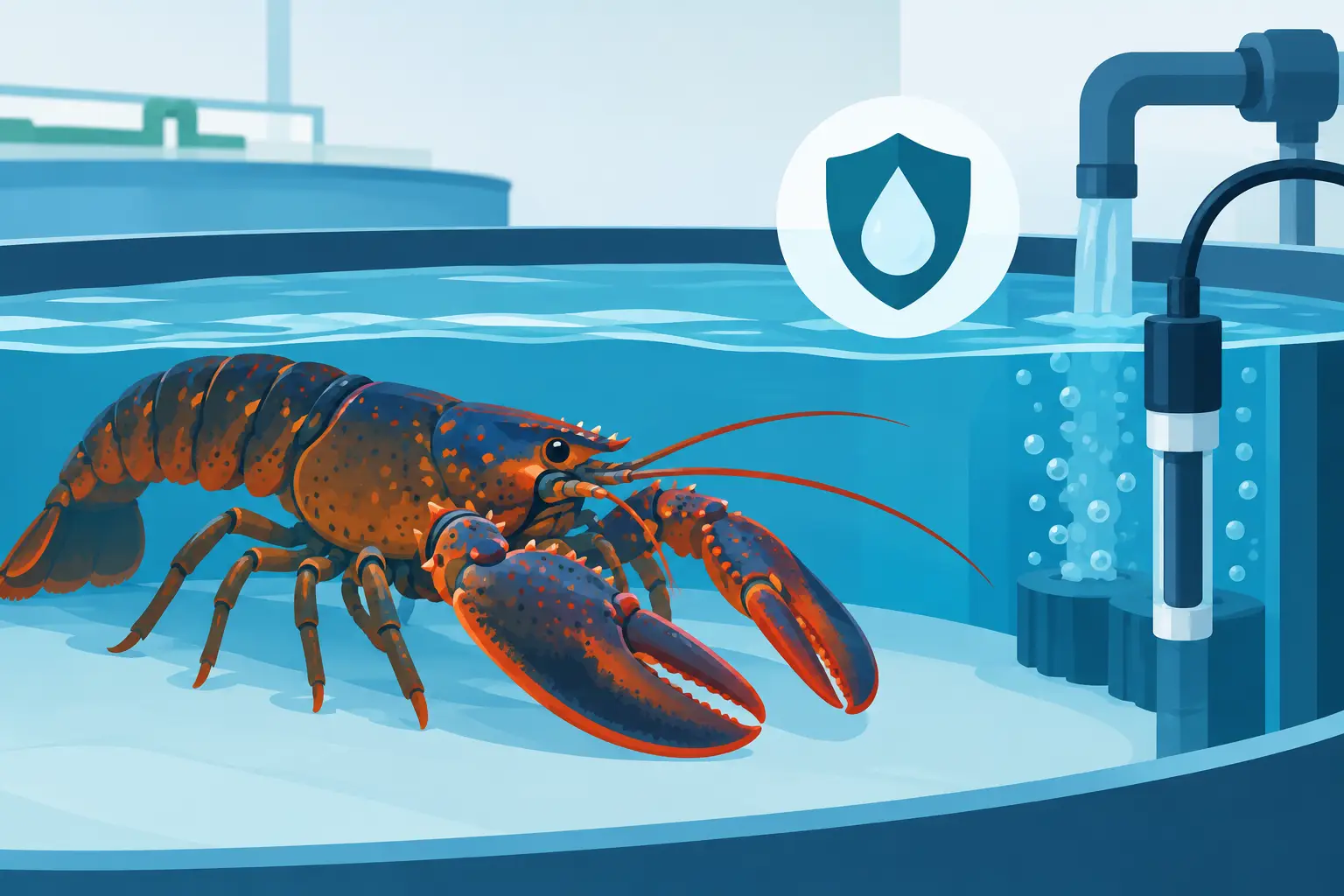
Consistent circulation helps move suspended waste toward mechanical filtration, carries water through biological media, and returns treated water to the tank. It also prevents dead spots where debris can settle and where water conditions can become less uniform. In lobster systems, steady movement supports the controlled environment needed to keep product active, presentable, and saleable.
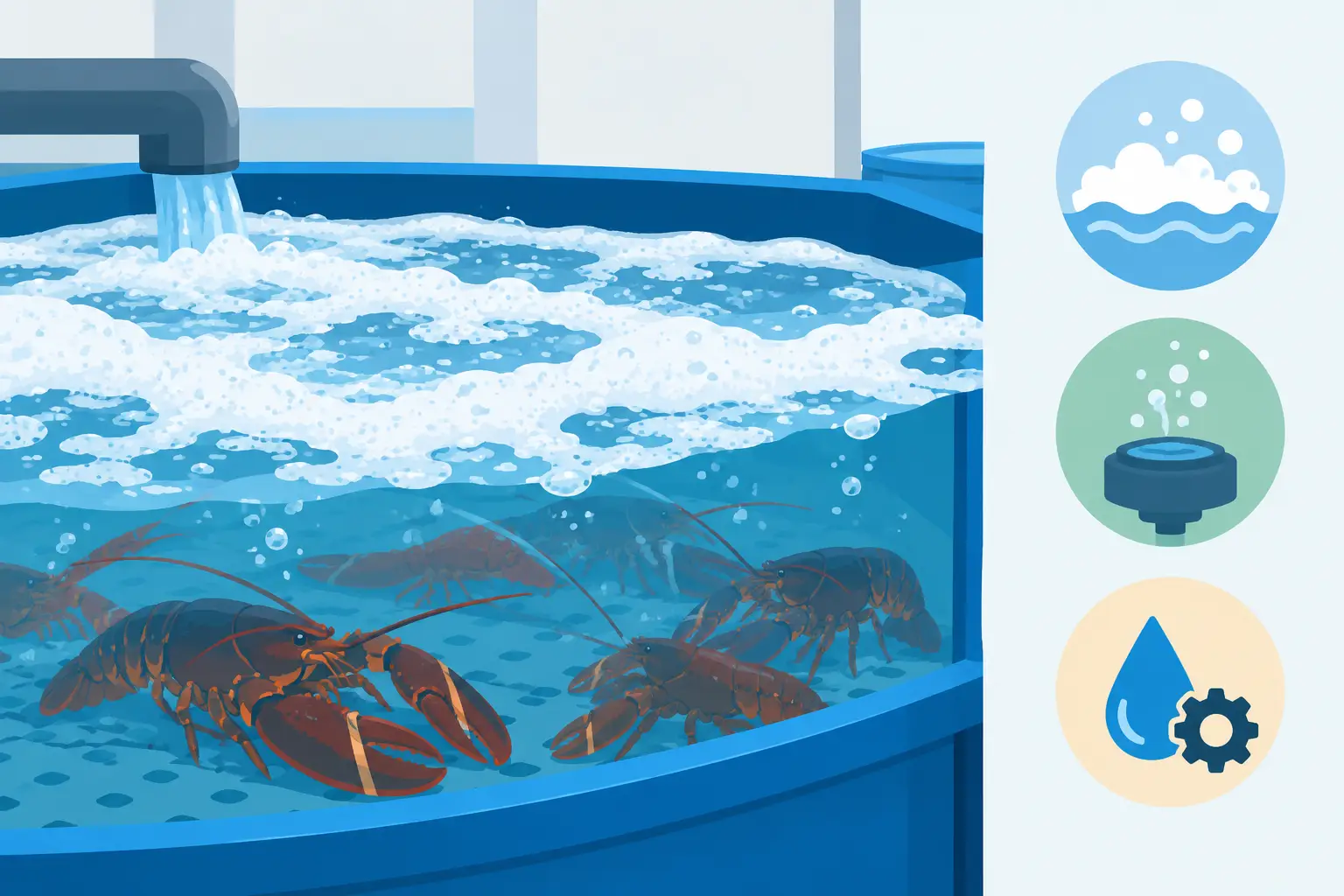
The pump must also work with the system’s other components. Filtration capacity, plumbing diameter, tank volume, water temperature, salt mix, and the number of animals being held all affect the flow requirement. More flow is not automatically better. Excessive velocity can create unnecessary stress, noise, splashing, or turbulence in a holding environment. Too little flow leaves filtration underutilized and water quality harder to control.
Size Pumps for Real Operating Conditions
Pump capacity should be calculated after accounting for total dynamic head, not just nominal tank volume. Total dynamic head is the resistance the pump must overcome as water moves through vertical lift, pipe length, fittings, valves, strainers, filters, and equipment. Every restriction reduces actual flow.
A pump rated at a certain flow level in an open, low-resistance setup will produce less flow in a commercial installation with several feet of lift and a full filtration path. This is why pump curves matter. They show how much water a pump can move at different head pressures and provide a far more useful basis for selection than the maximum rating alone.
Start with the system’s required turnover and treatment needs, then review the plumbing layout and equipment load. A custom-built lobster tank may need a different pump arrangement than a multi-section supermarket display or a back-of-house wholesale holding system. Larger systems may also benefit from multiple pumps serving separate loops rather than one oversized unit handling every function.
There is a practical trade-off here. One larger pump can simplify the layout and reduce the number of components. Multiple pumps can add redundancy and make it easier to isolate a section for maintenance. The best choice depends on the operation’s tank design, staffing, hours, and tolerance for downtime.
Match Materials to Saltwater Service
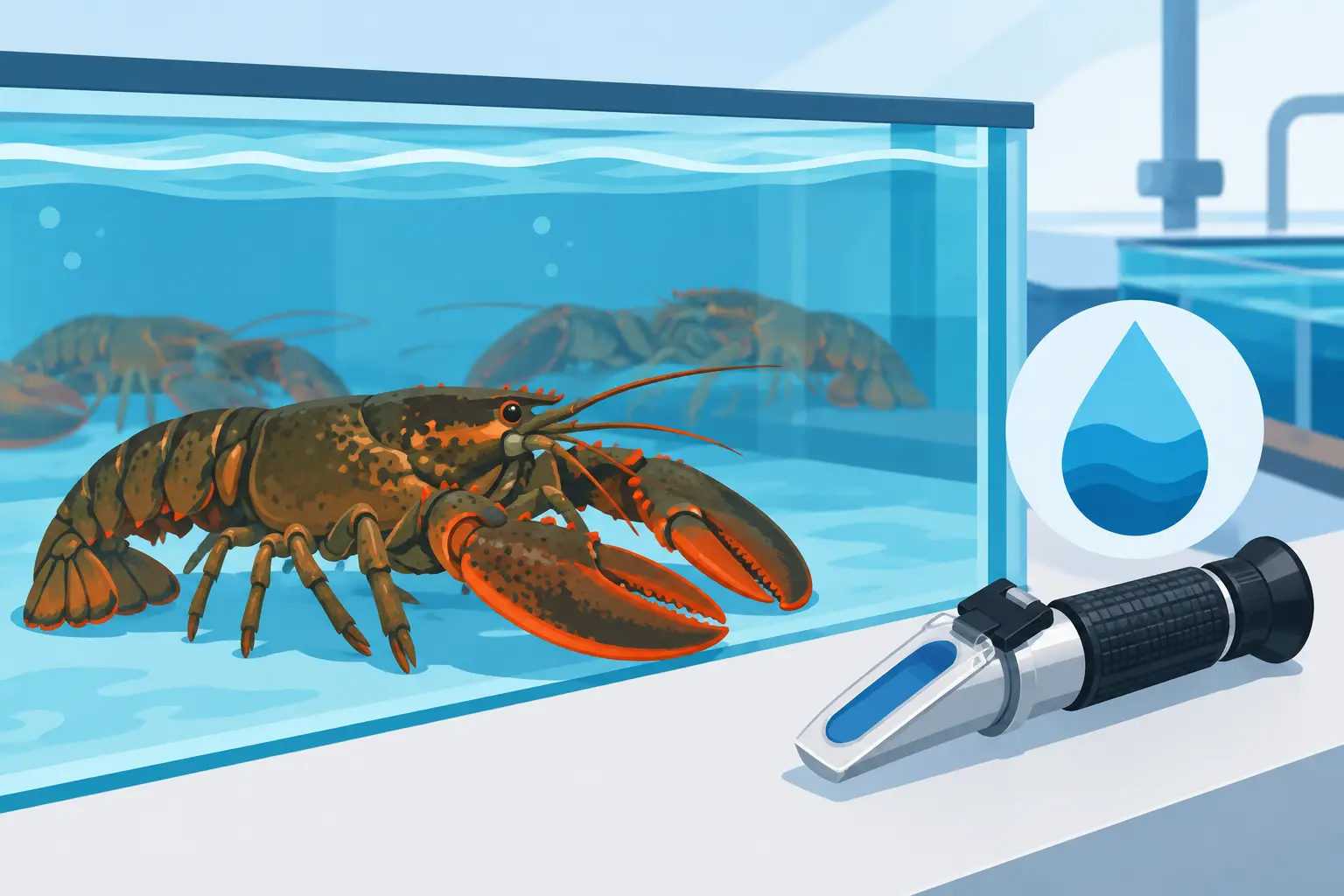
Saltwater is unforgiving on the wrong materials. Commercial tank pumps should be selected for continuous marine use, with corrosion-resistant components suited to the saltwater environment. Hardware, seals, shafts, housings, and fittings all deserve attention. A pump may appear economical at purchase, but if it corrodes quickly or requires frequent replacement, it becomes the expensive option.
Compatibility also extends to the rest of the system. The pump should fit the intended pipe size and connection type without forcing a maze of reducers or makeshift fittings that choke flow. Properly sized plumbing reduces friction loss and makes the pump’s job easier. It also gives technicians cleaner access when a component needs to be inspected or replaced.
Reliability Is a Revenue Requirement
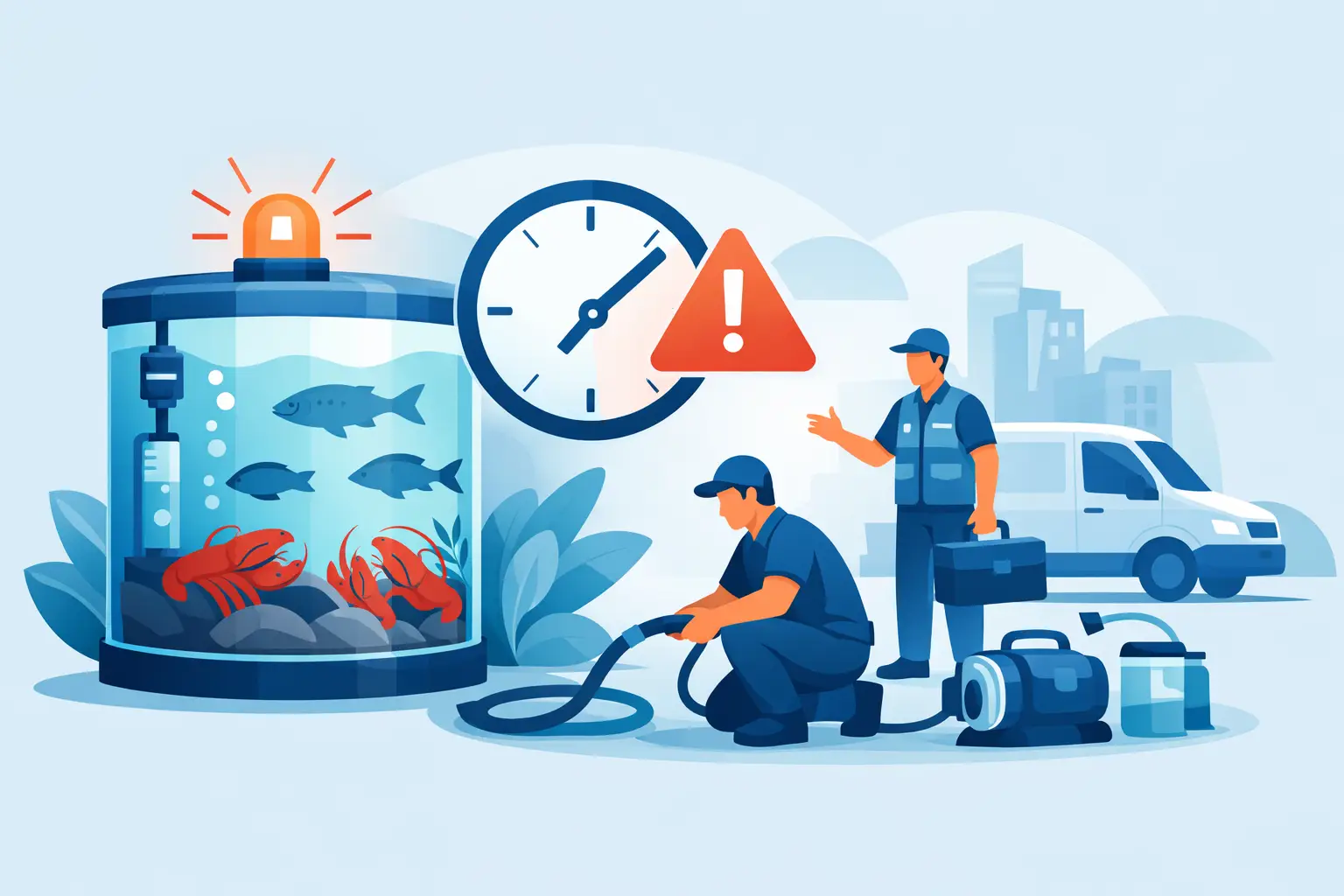
For a commercial seafood operator, a pump failure is not just a maintenance event. It can threaten valuable live inventory, disrupt department operations, and create an immediate customer-service problem. That is why dependable equipment and a clear response plan should be treated as part of the original installation, not an afterthought.
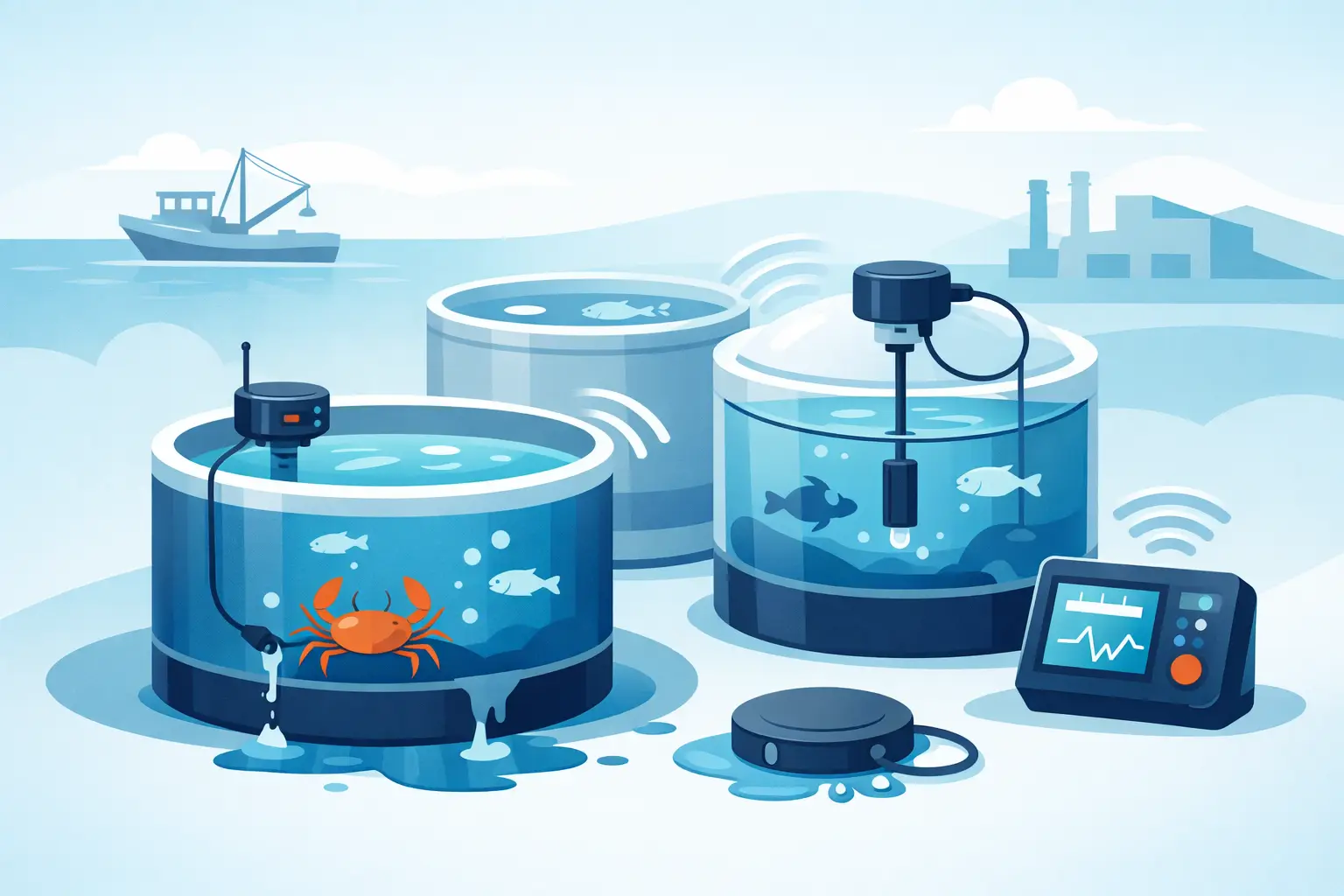
A serious tank program should consider backup capability. Depending on the system, that may mean a standby pump, a second circulation loop, alarms, spare critical parts, or a documented plan for transferring livestock if there is an equipment issue. The right level of redundancy depends on inventory value and operating risk, but every operator should know what happens if the primary pump stops at 2 a.m. or during a holiday weekend.
Pump accessibility matters just as much. A technically capable pump installed where no one can safely inspect it is harder to maintain. Valves and unions should allow a pump to be isolated and removed without draining the entire system. Strainers should be accessible for routine cleaning. Electrical connections should be protected from moisture while remaining serviceable for qualified personnel.
At Lobster Life Systems, the objective is not simply to supply a component. It is to help commercial seafood operators put the complete system together correctly, from tank fabrication and filtration to marine salt, replacement media, maintenance, and technical support.
Maintenance Keeps Flow Where It Belongs
Even a quality pump will lose performance when debris accumulates, strainers clog, impellers foul, or plumbing restrictions go unnoticed. Regular maintenance protects the pump and gives staff a chance to catch declining performance before it affects the livestock.
Operators should establish a simple inspection routine based on tank use and system design. Check for unusual noise, vibration, leaks, reduced return flow, air entering the line, and rising filter pressure where gauges are installed. Inspect intake screens and strainers, and clean them before blockage forces the pump to work harder. A sudden change in sound or water movement is worth investigating immediately.
Impeller inspection is especially valuable. Shell fragments, biofouling, sediment, and other debris can reduce efficiency or damage moving parts. Cleaning must follow the equipment manufacturer’s guidance and should never introduce chemicals or residue that can harm the tank environment. When parts show wear, replace them before failure turns into an emergency.
Keep records of service dates, replacement parts, observations, and any recurring issues. These notes help identify patterns. If the same pump repeatedly loses prime, trips electrical protection, or shows restricted flow, the problem may be in the plumbing layout, filter condition, water level, or electrical supply rather than the pump itself.
Warning Signs That Need Fast Attention
A well-run seafood department does not wait for complete pump failure to act. Reduced water return, cloudy water, debris settling in normally clean areas, unusual pump heat, grinding sounds, and persistent bubbles in a return line are all signs that deserve prompt attention. So are changes in livestock behavior or appearance that suggest the environment is no longer being maintained as intended.
Do not assume a stronger pump will correct every circulation problem. A blocked filter, undersized pipe, closed valve, air leak, or poorly positioned return can restrict performance regardless of motor size. Diagnosing the whole loop prevents a costly replacement that leaves the original problem in place.
Build the Pump Plan Into the Tank Purchase
The strongest results come when pump selection is part of the tank design process. When the tank, filtration, plumbing, service access, and expected inventory are planned together, the finished system is easier to operate and maintain. That matters whether the project is a single high-visibility retail display or a larger installation serving a supermarket, restaurant, wholesaler, or seafood market.
Ask practical questions before equipment is specified: How much live product will the tank hold during peak periods? What filtration equipment must the pump serve? How far does water travel, and how much lift is involved? Who will perform routine checks? What backup is required if a pump needs service? Clear answers lead to equipment that works for the business, not just on paper.
A commercial pump should quietly earn its place every day: stable flow, clean water, accessible service, and fewer surprises. Give that decision the same attention as the livestock it protects, and the tank will be better prepared for the long hours of commercial seafood sales.