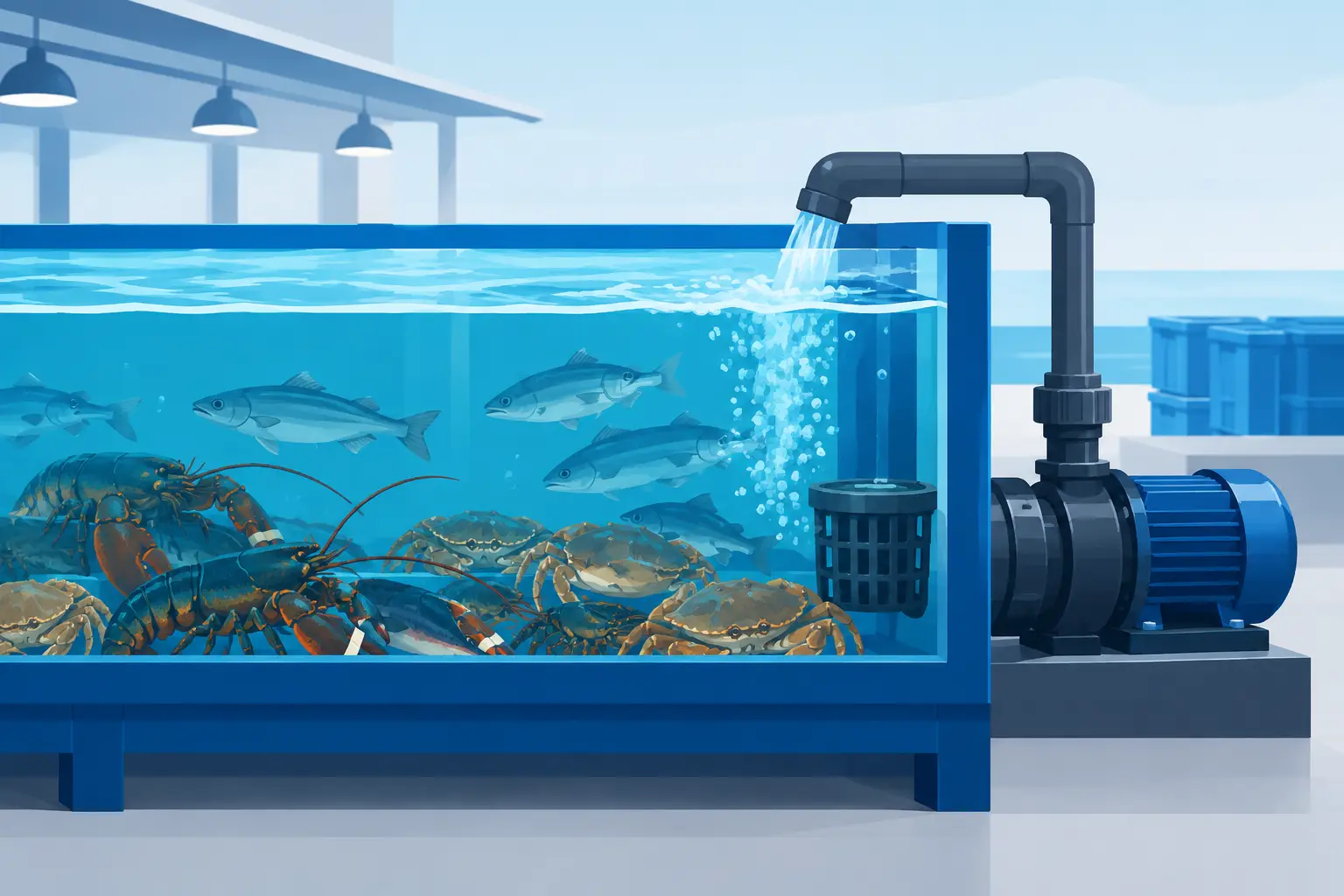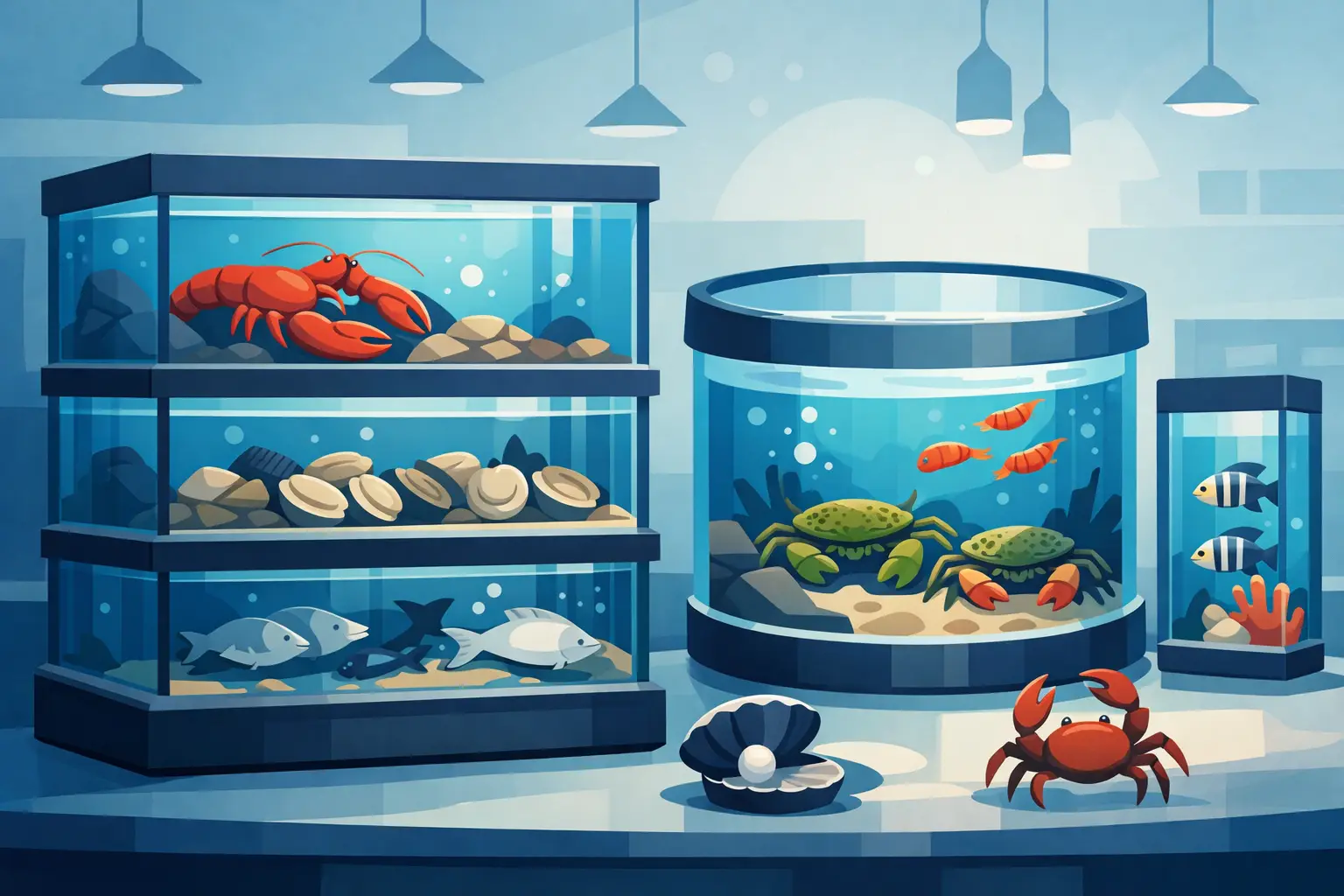
A live seafood tank is not just a display fixture. It is holding valuable, highly perishable inventory that can be affected by a pump issue, water-quality shift, power interruption, or missed maintenance task in a matter of hours. This live tank inventory protection guide is built for seafood departments, wholesalers, restaurants, and retailers that need to protect product quality, reduce shrink, and keep their tanks ready to sell.
The best protection plan is not one piece of equipment or one daily test. It is a disciplined operating system: the right tank for the product, stable water conditions, trained staff, dependable supplies, documented maintenance, and a clear response when something goes wrong. When those pieces work together, live inventory becomes a reliable part of the business instead of a constant source of risk.
Treat Water Quality as an Inventory Control
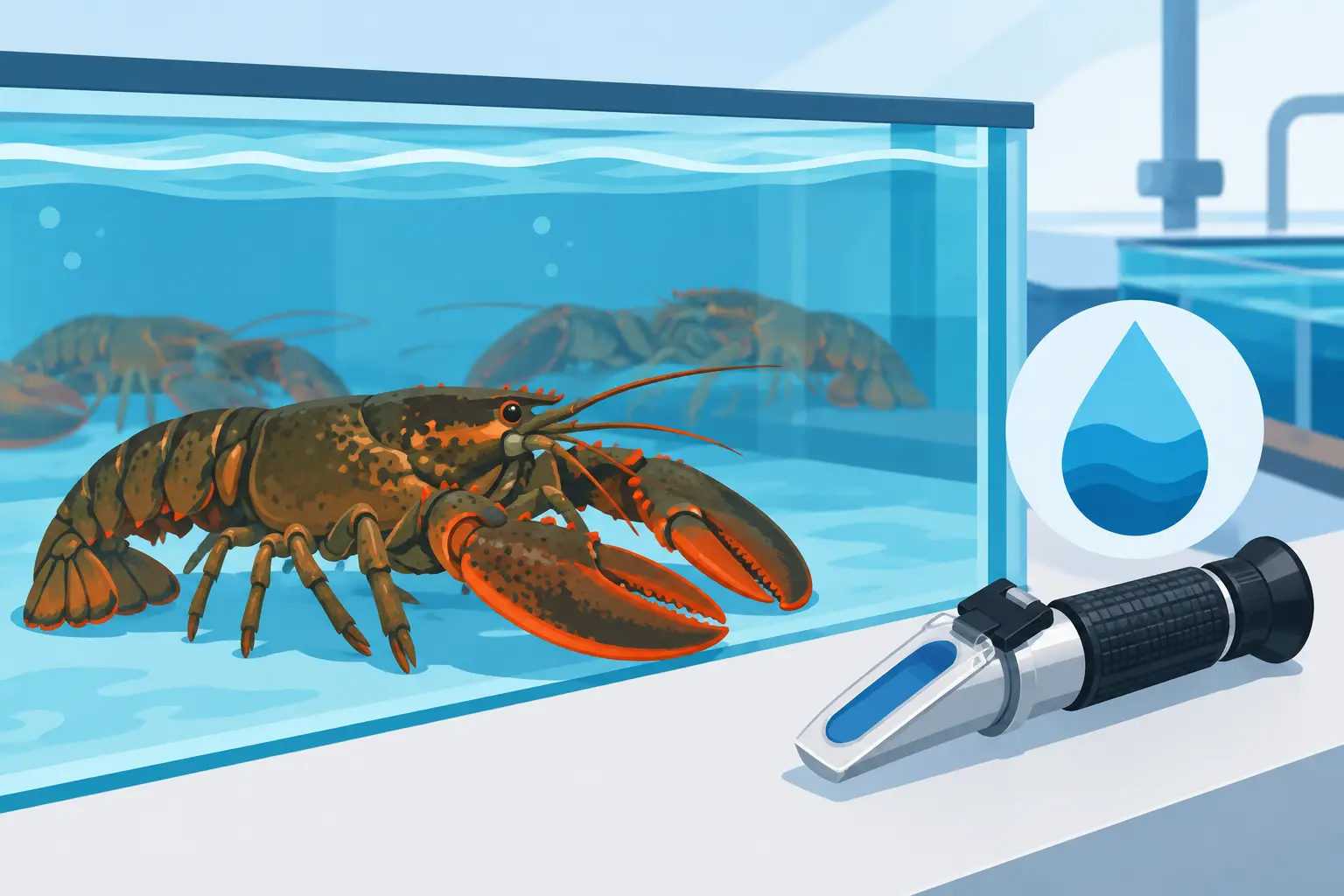
Lobsters, shellfish, and live fish are directly affected by the water they live in. A tank can look clean from the sales floor while conditions below the surface are moving in the wrong direction. That is why water testing cannot be left to visual checks alone.
Your team should establish a written testing routine that matches the species, tank design, inventory level, and turnover rate. Temperature, salinity, dissolved oxygen, pH, ammonia, and nitrite all deserve attention. The acceptable operating range depends on the livestock and the system, so use the specifications established for your equipment and product rather than applying a one-size-fits-all number.
The goal is to spot a trend before it becomes a loss. A slow rise in ammonia, a drop in salinity after top-off, or a temperature change caused by failing equipment can signal trouble well before animals show obvious stress. Record results in a log and make sure the same measurements are taken consistently. A log gives managers and service technicians a baseline, making it easier to identify whether a reading is normal, seasonal, or a warning sign.
Test the Equipment That Produces the Reading
A test result is only useful if the instrument is dependable. Calibrate meters on schedule, replace expired test materials, and train staff to collect samples correctly. Salt residue, dirty probes, improper storage, and rushed testing can create false confidence.
Do not wait for a questionable reading to inspect pumps, chillers, aeration, filtration, and plumbing. Check flow, listen for unusual motor noise, and look for leaks, blocked intakes, air in lines, and weak circulation. The water-quality program and the equipment-inspection program should operate as one routine.
Build Redundancy Around Critical Failure Points
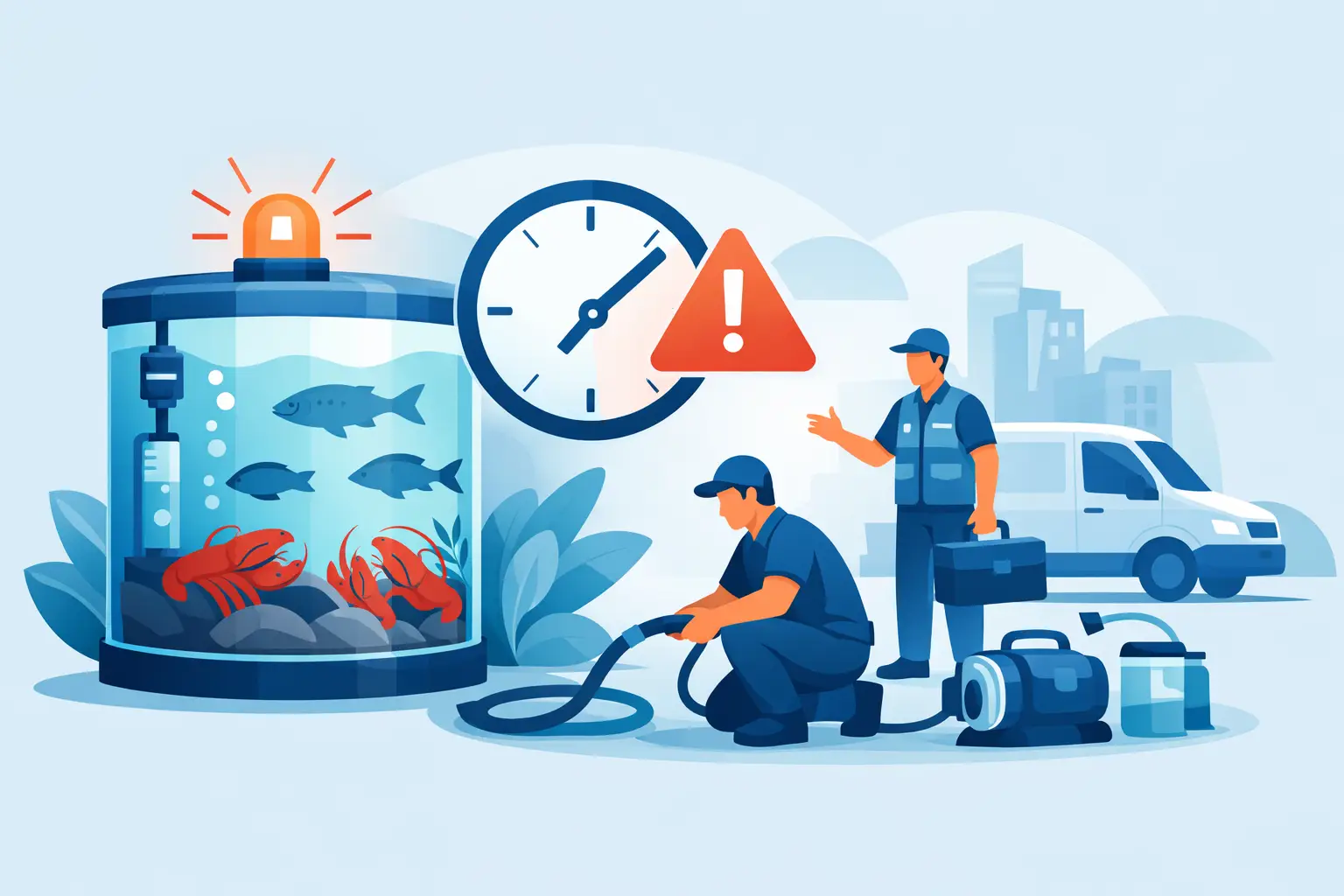
The biggest tank losses often come from a single point of failure: loss of power, a circulation pump that stops, a chiller malfunction, an aeration issue, or a filter problem that goes unnoticed after business hours. Protecting live inventory means deciding in advance which failures your operation can tolerate and which require backup.
At a minimum, every location should have a written plan for power loss and mechanical failure. Identify who receives an alarm, who has authority to act, how to reach a qualified technician, and what temporary steps staff can take to protect livestock. Keep emergency contact information where shift managers can find it without searching through emails or calling multiple vendors.
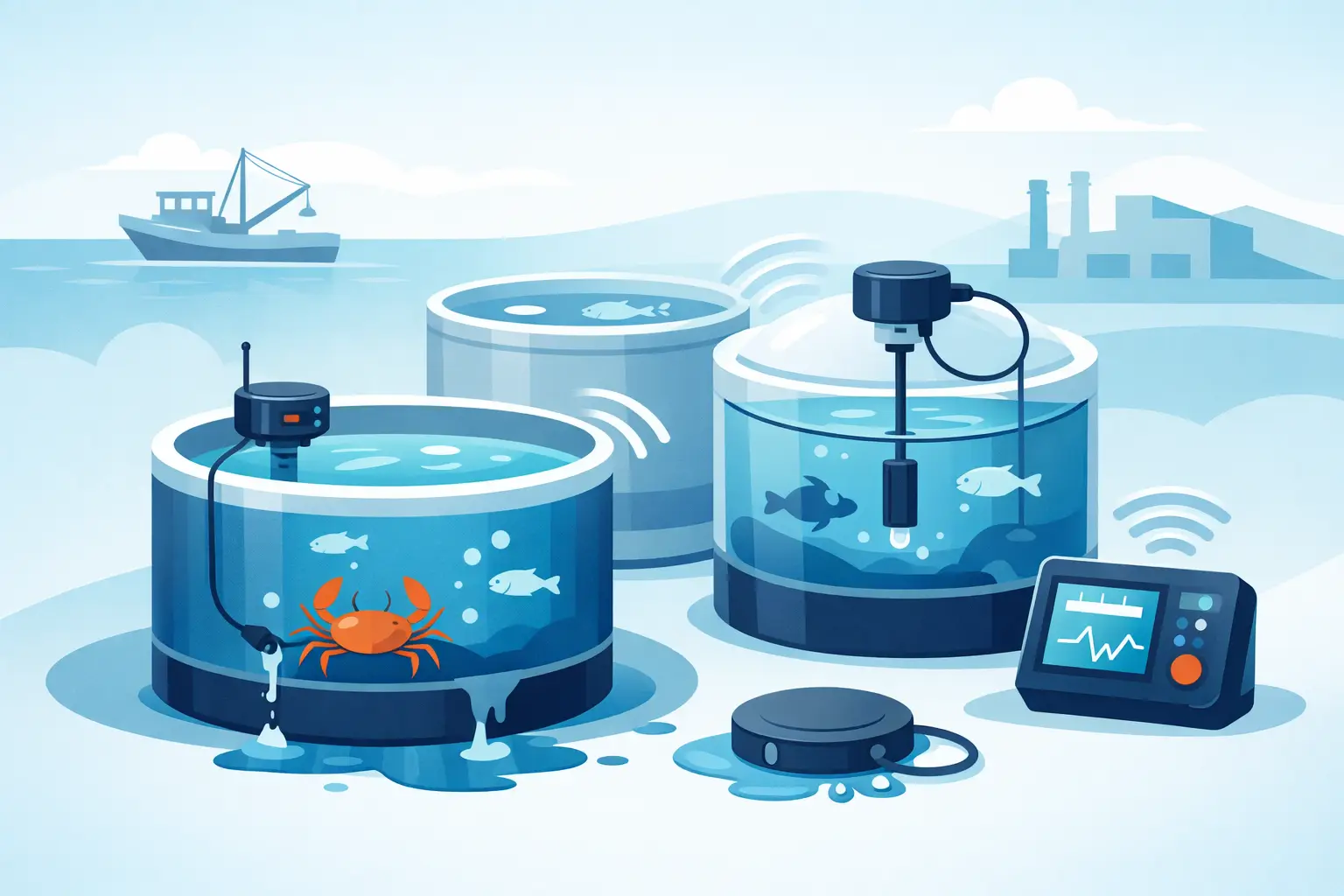
A properly selected alarm system can provide valuable warning, but an alarm is not protection by itself. Test it. Confirm that notifications reach the right people after hours, on weekends, and when management is away. Review call lists as staffing changes. A silent alarm, an outdated phone number, or a team member who assumes someone else is responding can turn a manageable service call into a full inventory event.
Backup equipment should match the real risk at the site. Some operations need emergency power capability. Others may need a spare pump, additional aeration, or critical replacement parts kept on hand. The right level of redundancy depends on tank capacity, location, product value, local response time, and the consequences of being down for several hours.
Control Inventory Before It Overloads the System
A live tank has a practical holding capacity, not an unlimited selling capacity. Overstocking creates more waste, more oxygen demand, more stress, and less room for livestock to recover after transport. It also makes it harder for staff to spot weak or injured animals.
Set receiving and stocking procedures that account for water conditions, expected sales volume, and the amount of product already in the system. A busy holiday weekend may justify higher inventory, but that does not mean the tank can be loaded beyond its designed operating range. Plan deliveries around actual movement whenever possible.
Separate visibly weak, damaged, or stressed product from healthy inventory according to your handling procedures. One compromised animal can affect water quality and complicate inspection of the rest of the tank. Staff should know what normal behavior looks like for the species they are selling, as well as the signs that require immediate attention.
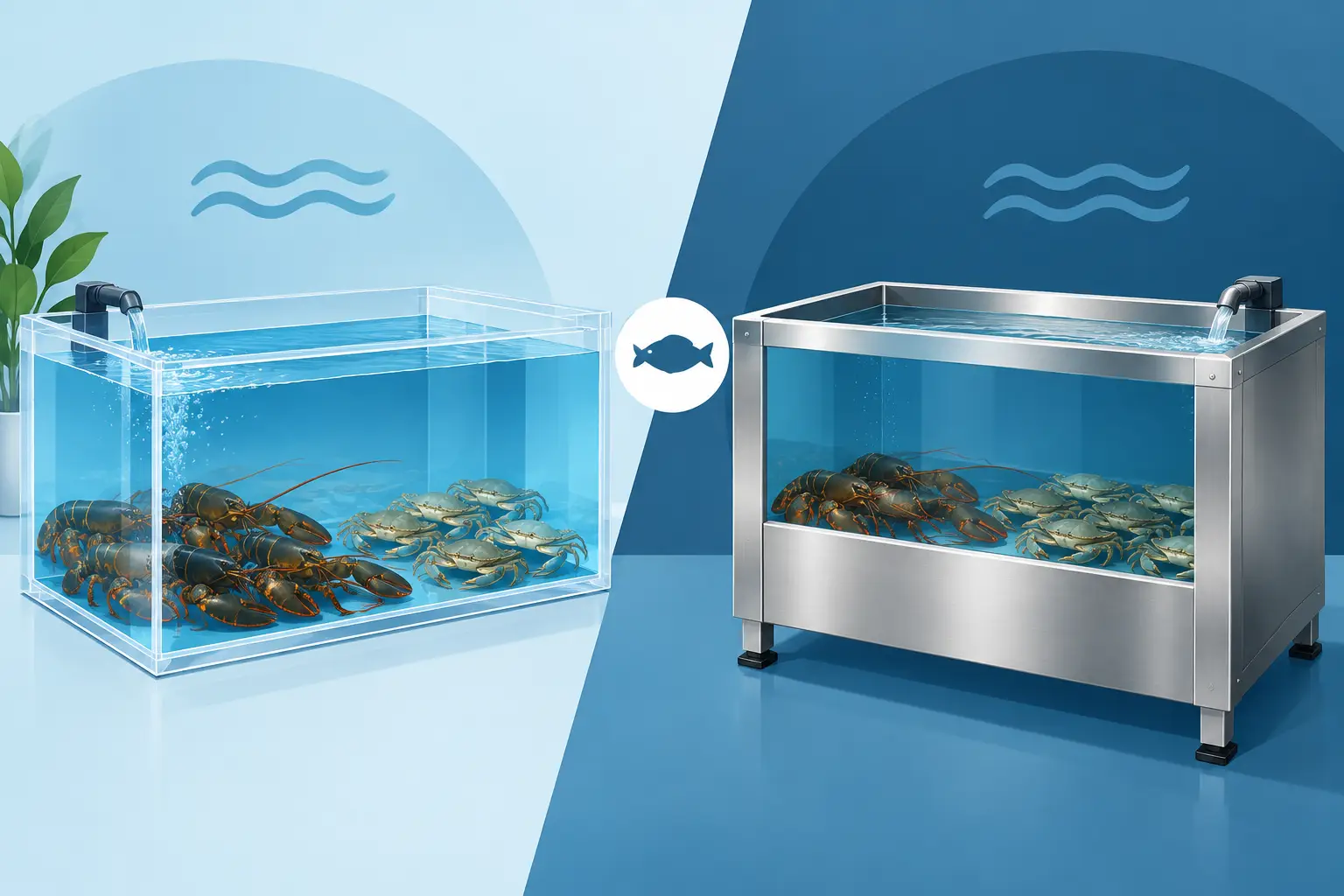
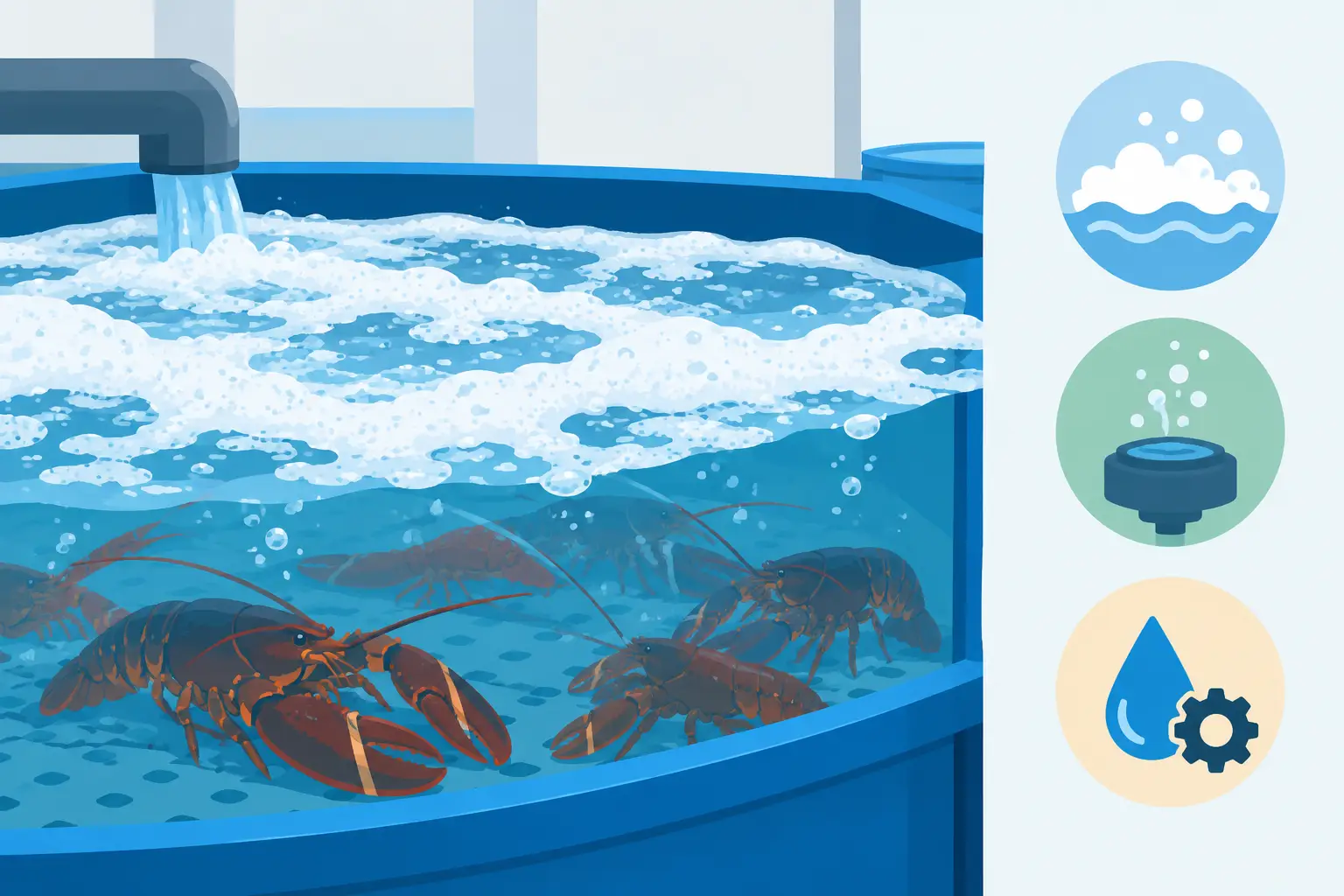
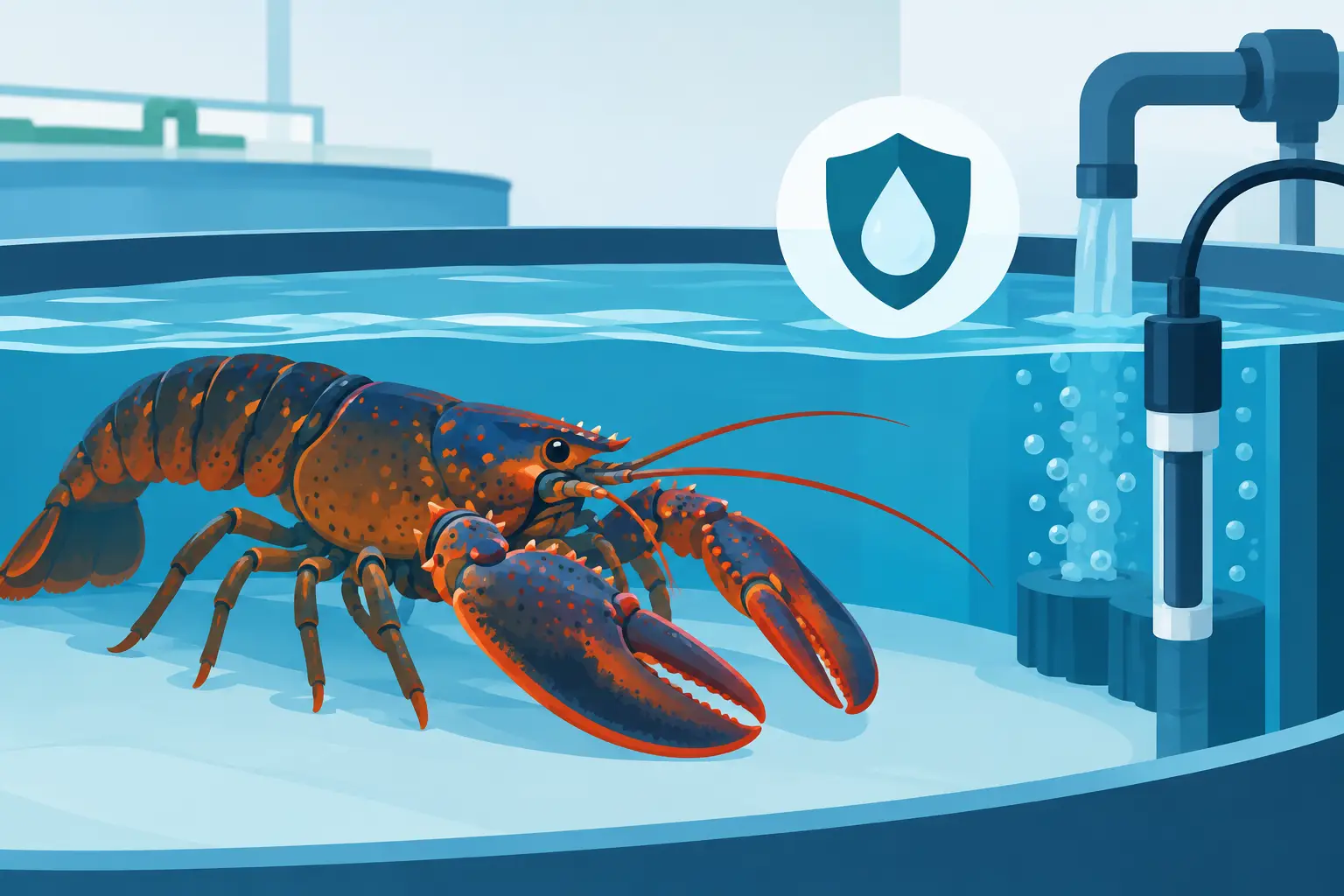
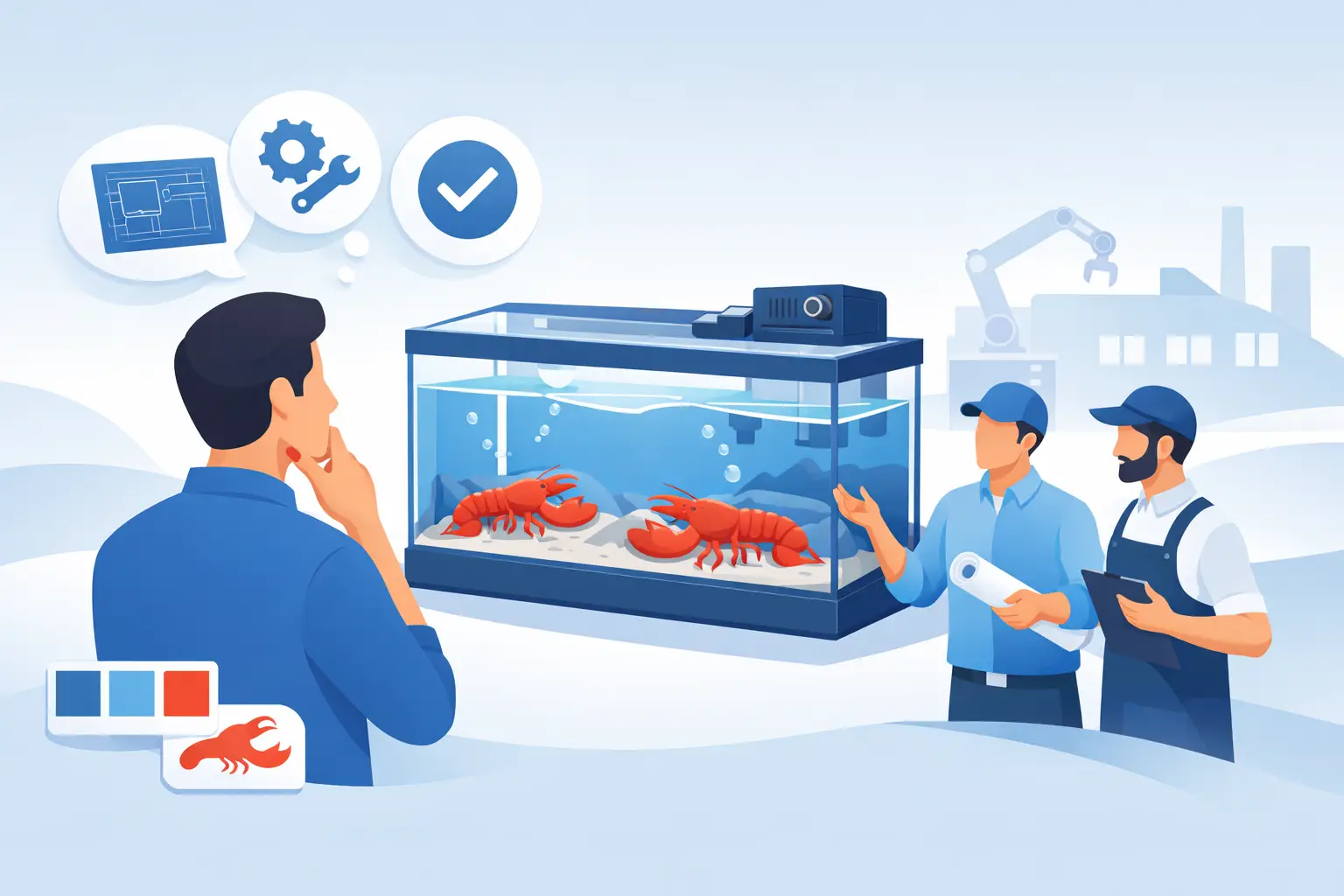
For lobster operations, a well-designed self-contained purging system can help maintain product quality while simplifying day-to-day handling. The system still requires correct loading, proper water management, and regular service. Good equipment supports good operating habits; it does not replace them.
Make Daily Tank Checks Specific and Accountable
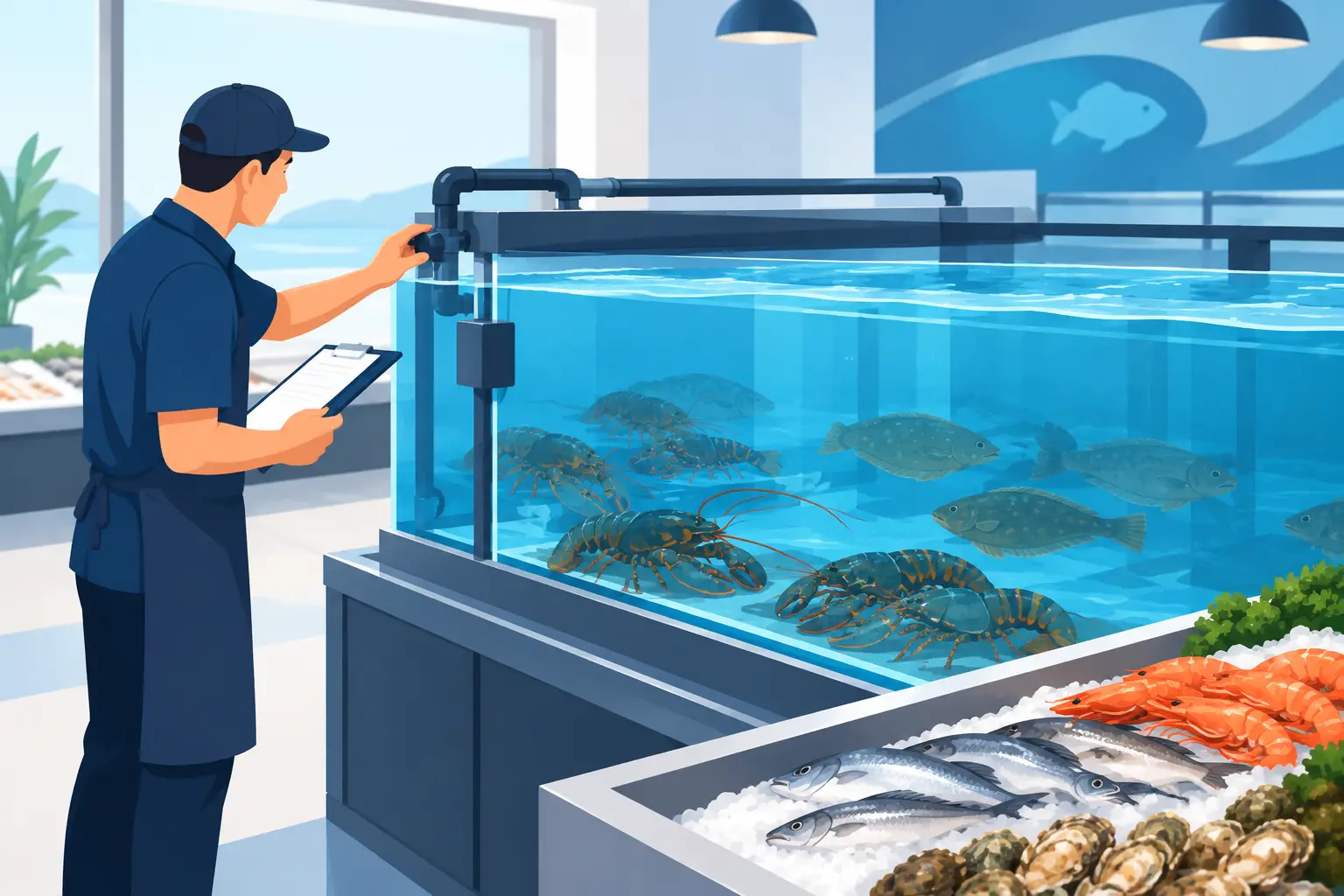
“Check the tank” is too vague to protect high-value live inventory. Give employees a short, specific inspection process and assign responsibility by shift. The check should cover livestock condition, water clarity, temperature display, circulation, aeration, equipment noise, water level, leaks, and any alarm or control-panel message.
Use a written opening and closing checklist, especially in locations where several employees share responsibility. A completed checklist creates accountability and catches small problems before they become expensive ones. It also helps a manager see whether repeated issues occur at a certain time, after a delivery, or following a cleaning task.
Train staff on what to do when they find a problem. They should not have to guess whether to adjust a setting, remove product, call a manager, or contact service. Clear escalation procedures protect both the livestock and the employee making the decision under pressure.
Protect the Biological Filter and Filtration Media
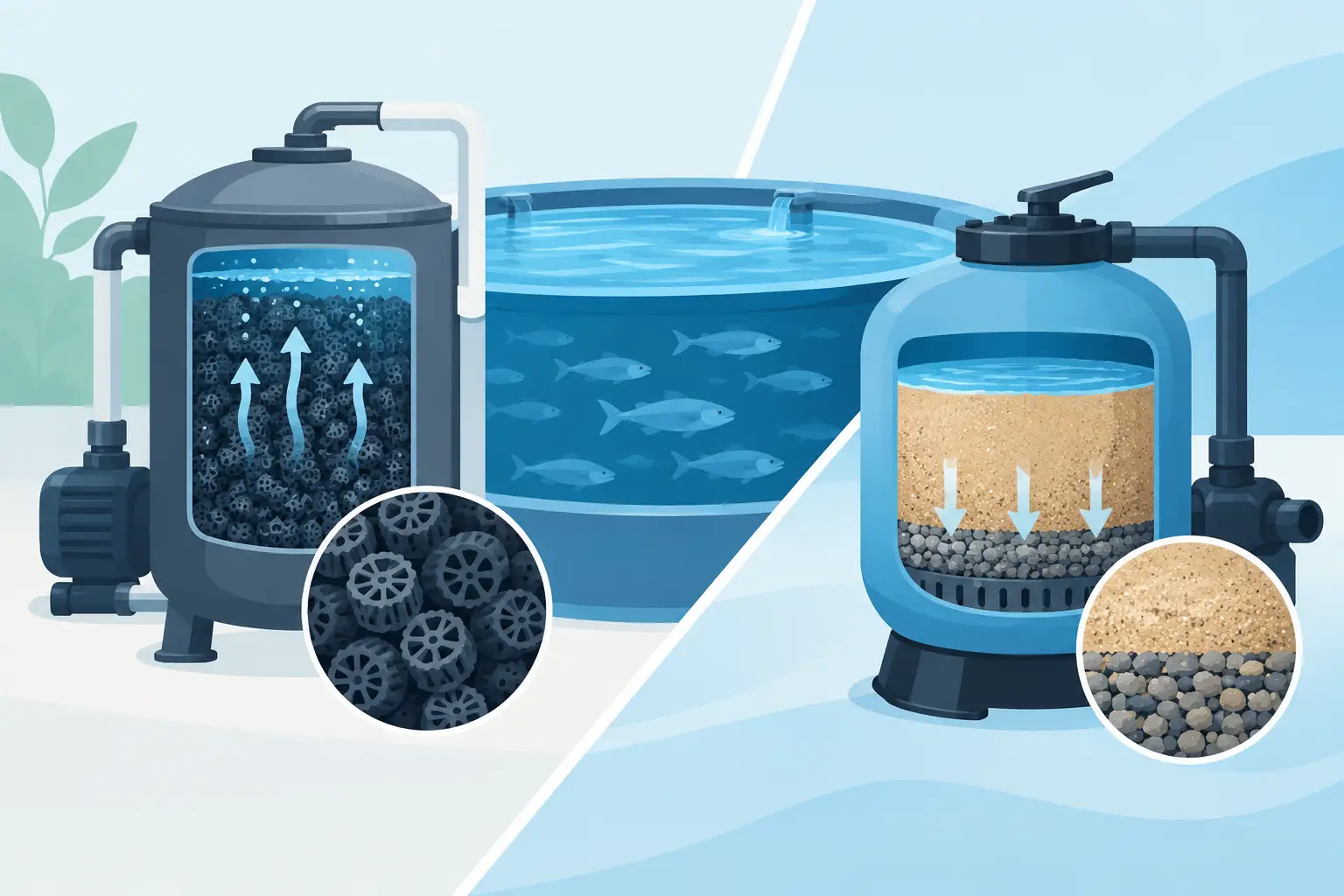
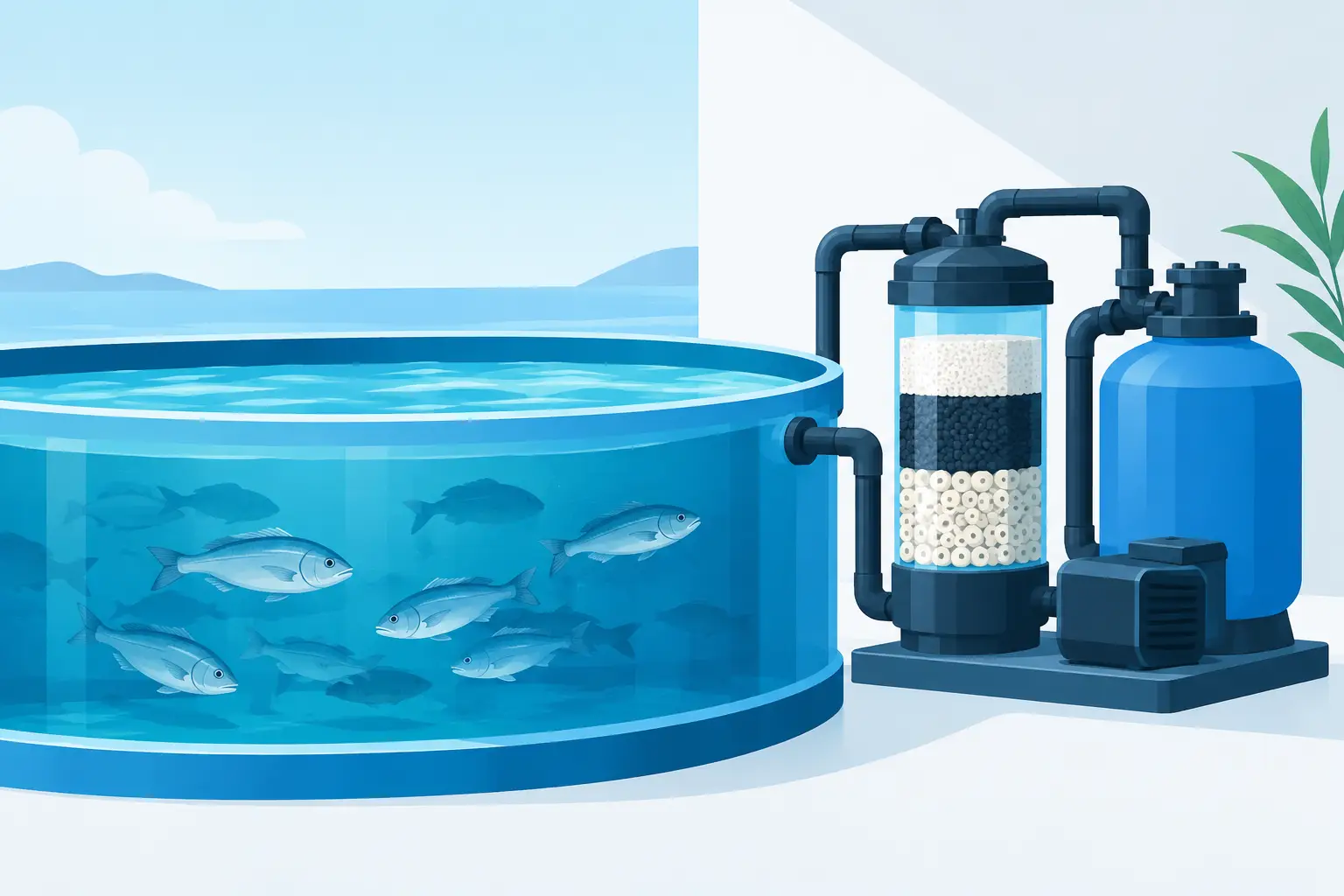
The biological side of a live tank is working every hour, whether the store is open or closed. Sudden changes in salinity, aggressive cleaning, incorrect chemical use, neglected media, or a prolonged equipment outage can disrupt the filtration process and create a water-quality event.
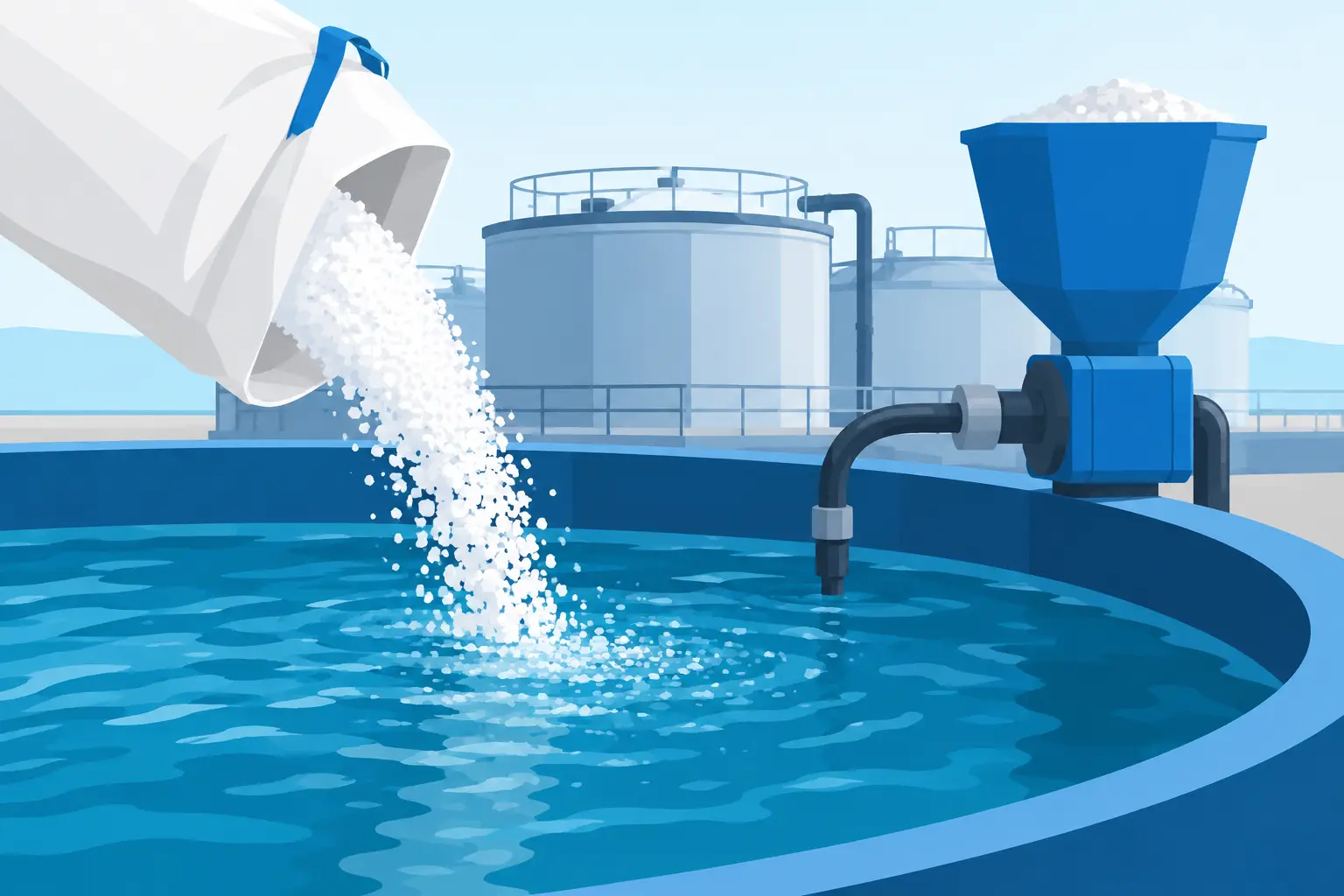
Follow the tank’s maintenance schedule for filters, activated carbon, salt, and other filtration components. Replace media at the appropriate interval rather than waiting until the water appears dirty or odors become noticeable. By that point, the system may already be carrying an unnecessary load.
Be careful with cleaning products around the tank area. Only use materials approved for the equipment and the livestock environment. Staff should understand that a clean-looking display is not worth introducing residues or making a hurried change that destabilizes the system.
Use Preventive Service to Avoid Emergency Service
Emergency support matters, but preventive maintenance is where many losses are avoided. A technician can inspect components that staff may not see every day, verify performance, identify worn parts, review water records, and correct small issues before they interrupt operations.
A service relationship is particularly valuable for multi-location retailers and seafood departments with limited in-house technical staff. One qualified partner can coordinate equipment knowledge, replacement supplies, maintenance history, and escalation procedures instead of leaving the team to manage separate tank, salt, filter, and repair vendors.
Lobster Life Systems has supported commercial live seafood operations since 1989 with custom tank systems, marine salt, filtration supplies, maintenance, and technical support. For operators in its service territory, having experienced technicians available for planned care and urgent needs helps reduce the uncertainty that comes with live inventory.
Keep a Response Plan Where the Work Happens
Every tank location needs a simple response plan that employees can use during a real incident. It should identify the tank model and key equipment, emergency shutoff and power information, backup equipment locations, approved contacts, and the first steps for common failures. Keep it near the system or in another location accessible to every shift.
After any incident, review what happened. Was the issue detected quickly? Did the alarm reach the right person? Were supplies and parts available? Did staff know what to do? A short post-incident review turns an expensive lesson into a stronger protection plan.
The tank that earns its keep is the one your team can trust through deliveries, busy weekends, staff changes, and unexpected equipment trouble. Give your live inventory the same attention you give refrigeration, food safety, and store security, because every stable day in the tank protects tomorrow’s sales.