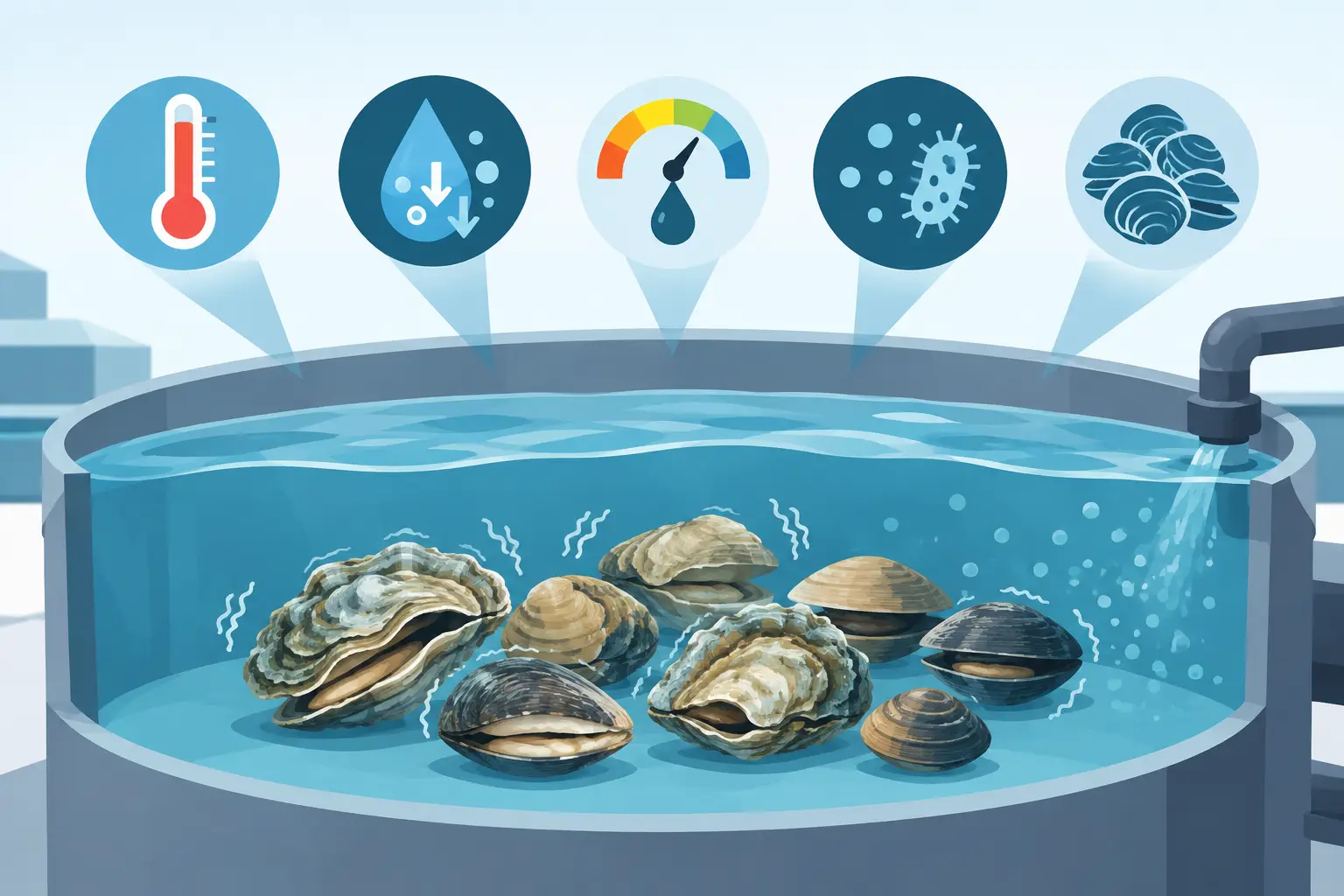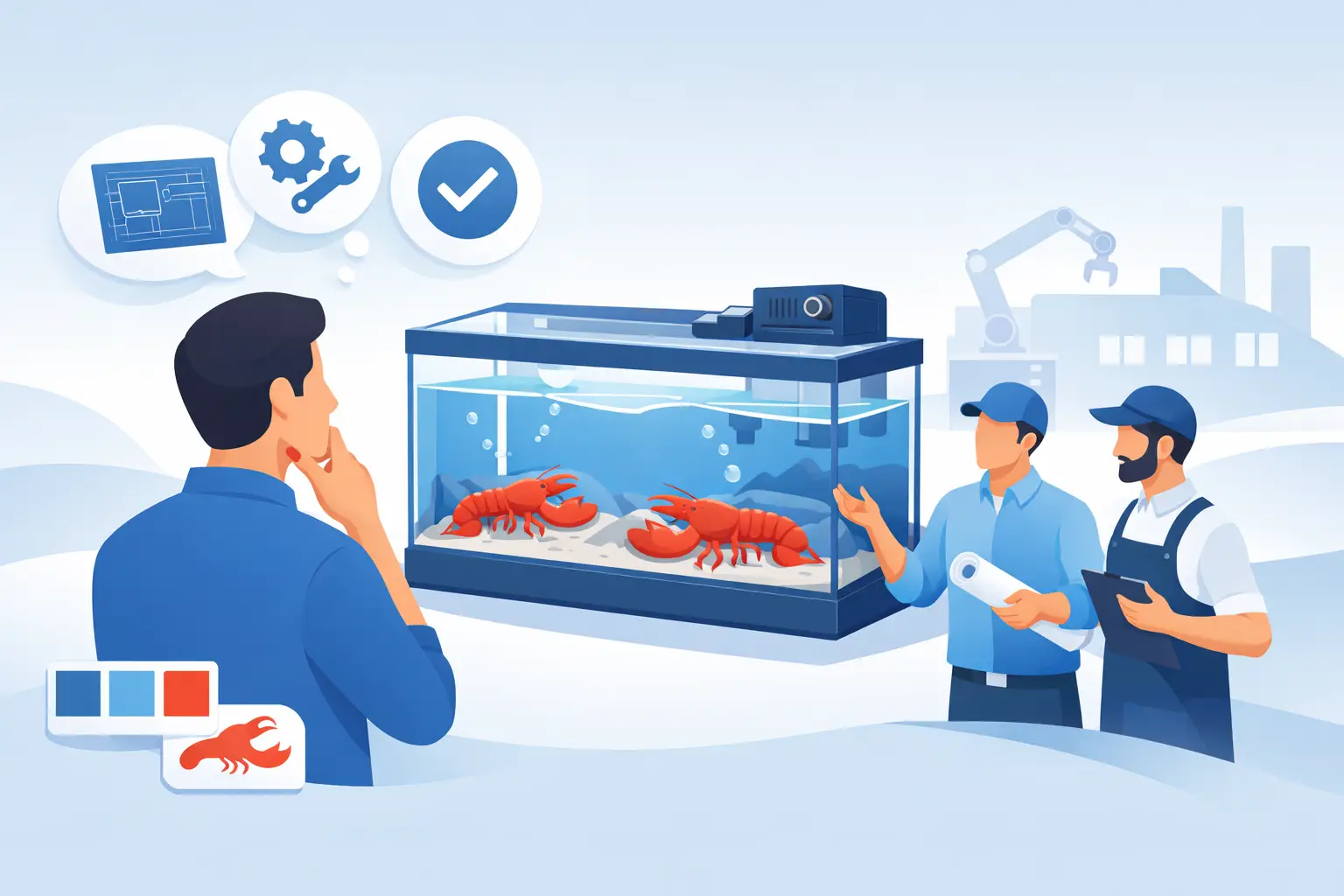
A new live seafood tank can look ready before it is ready. Water may be clear, pumps may be running, and the display may be cold, but an unseasoned filtration system can still put valuable lobster, crab, clams, or fish inventory at risk. This marine filtration startup guide is built for commercial operators who need a tank to perform reliably from its first delivery through daily selling conditions.
Filtration startup is not simply a matter of filling a tank and turning on equipment. It is a controlled commissioning process that establishes circulation, biological treatment, temperature control, salinity, and mechanical filtration before livestock is expected to thrive. Get those fundamentals right, and your seafood department starts from a position of strength. Rush them, and water quality problems can become costly fast.
Start With the Tank’s Operating Purpose
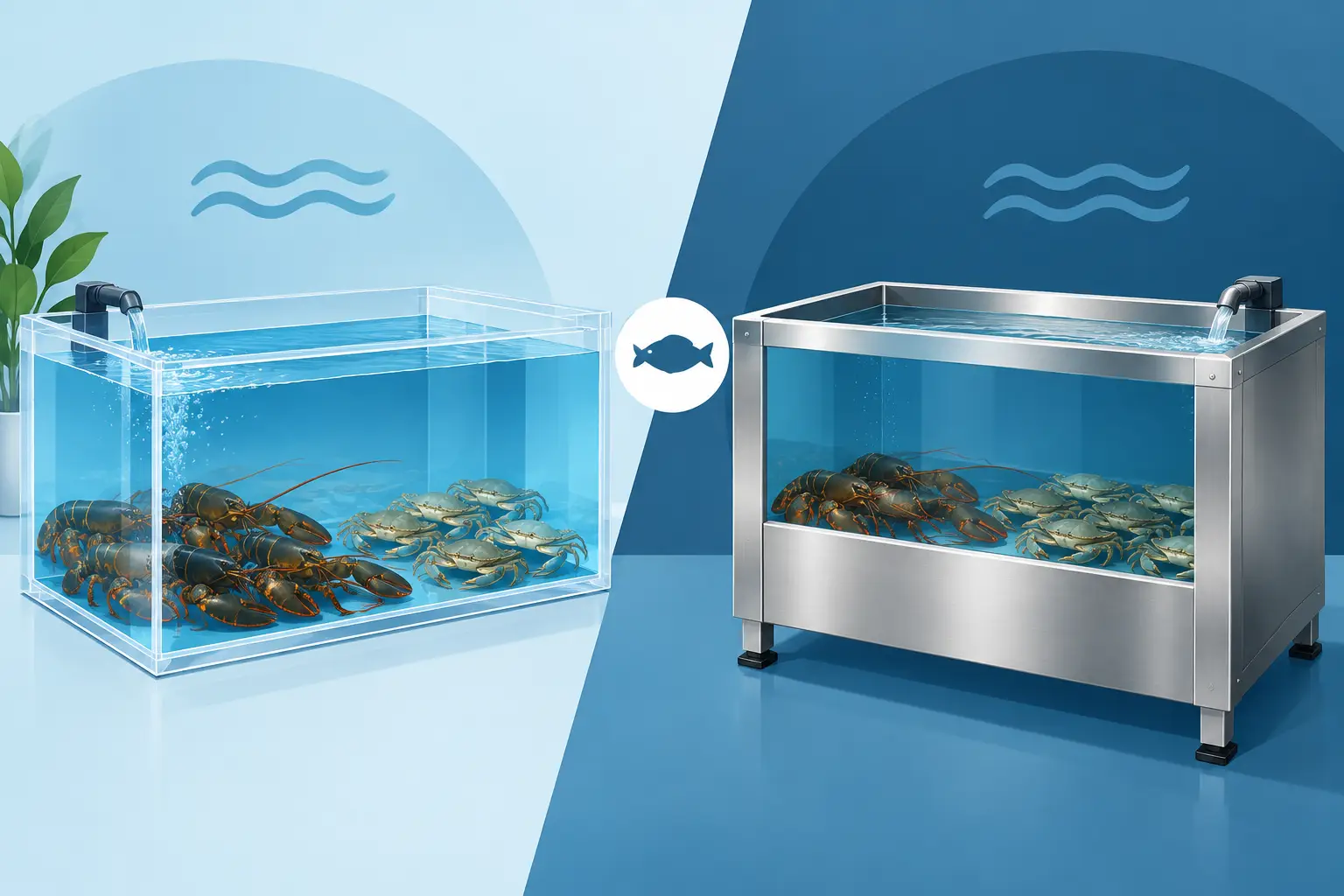
A filtration plan must match the species, holding volume, sales turnover, and tank design. A supermarket holding lobster for several days has different needs than a wholesale operation receiving frequent shipments or a restaurant maintaining a smaller display tank. The goal is not just clean-looking water. The goal is stable water that supports healthy, marketable product with minimal handling loss.
Before startup, confirm the intended livestock load and expected delivery schedule. A system that is sized for a modest holding load can become strained when a busy holiday weekend brings heavier volume. Consider how often the tank will be stocked, whether the animals will be held overnight or for several days, and whether the system includes a purging function. These details determine how much filtration capacity and daily attention the operation requires.
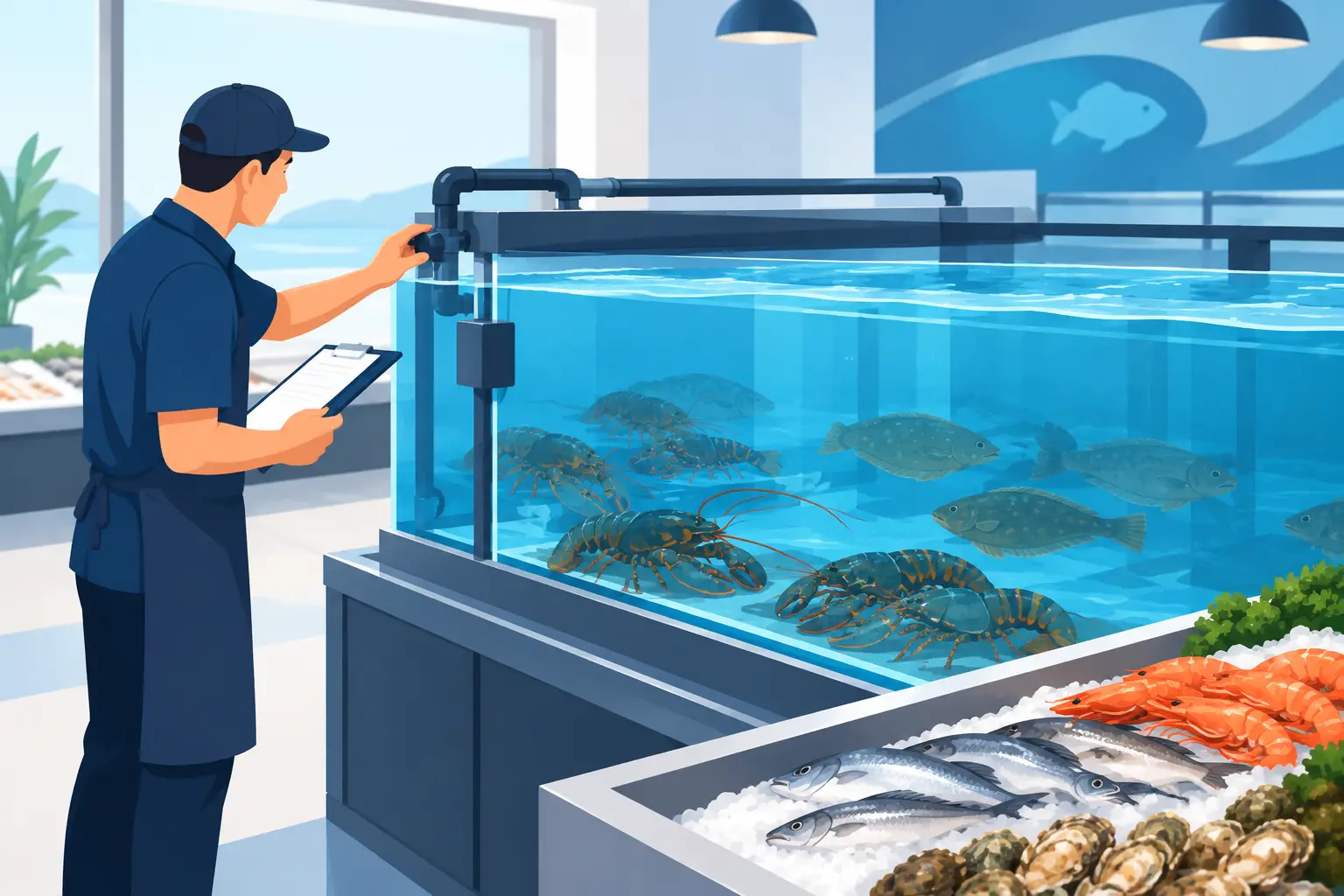
Tank placement matters as well. Keep the system away from direct sunlight, heat-producing equipment, chemical storage, and areas with heavy airborne grease or dust. A commercial seafood tank is a working piece of equipment, not just a display. Give technicians clear access to pumps, filters, drains, chillers, and electrical connections from day one.
Inspect the Full Filtration Loop Before Filling
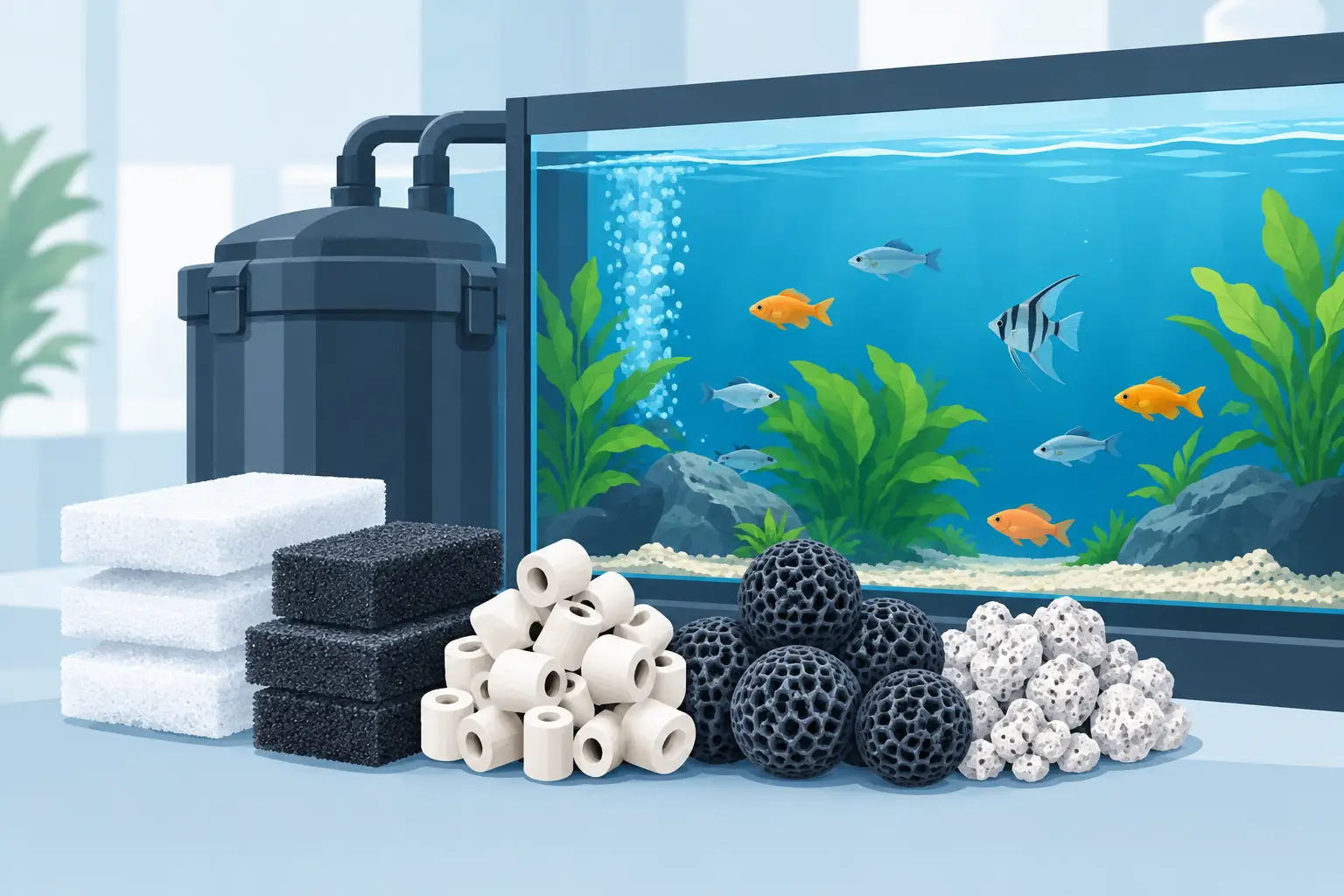
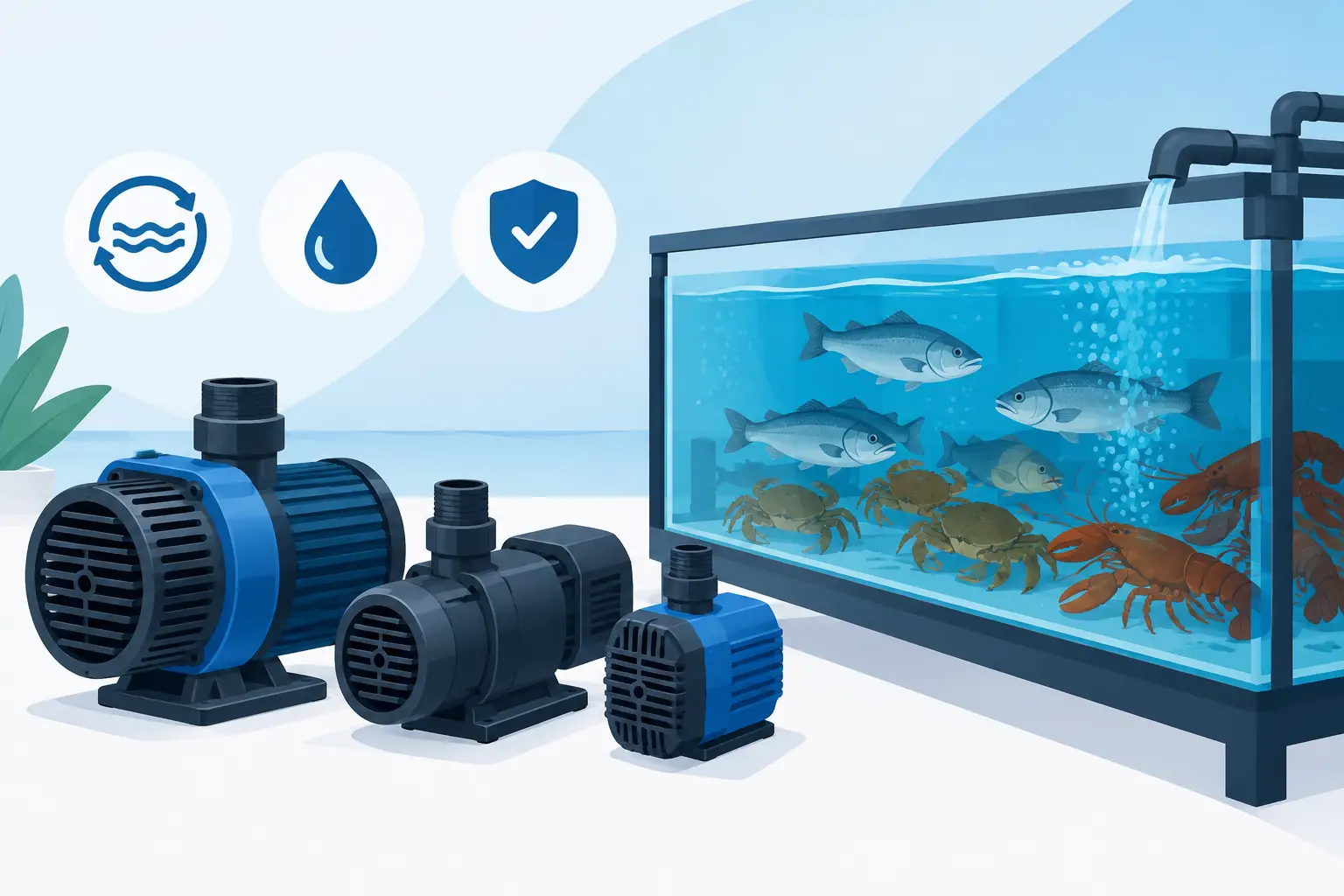
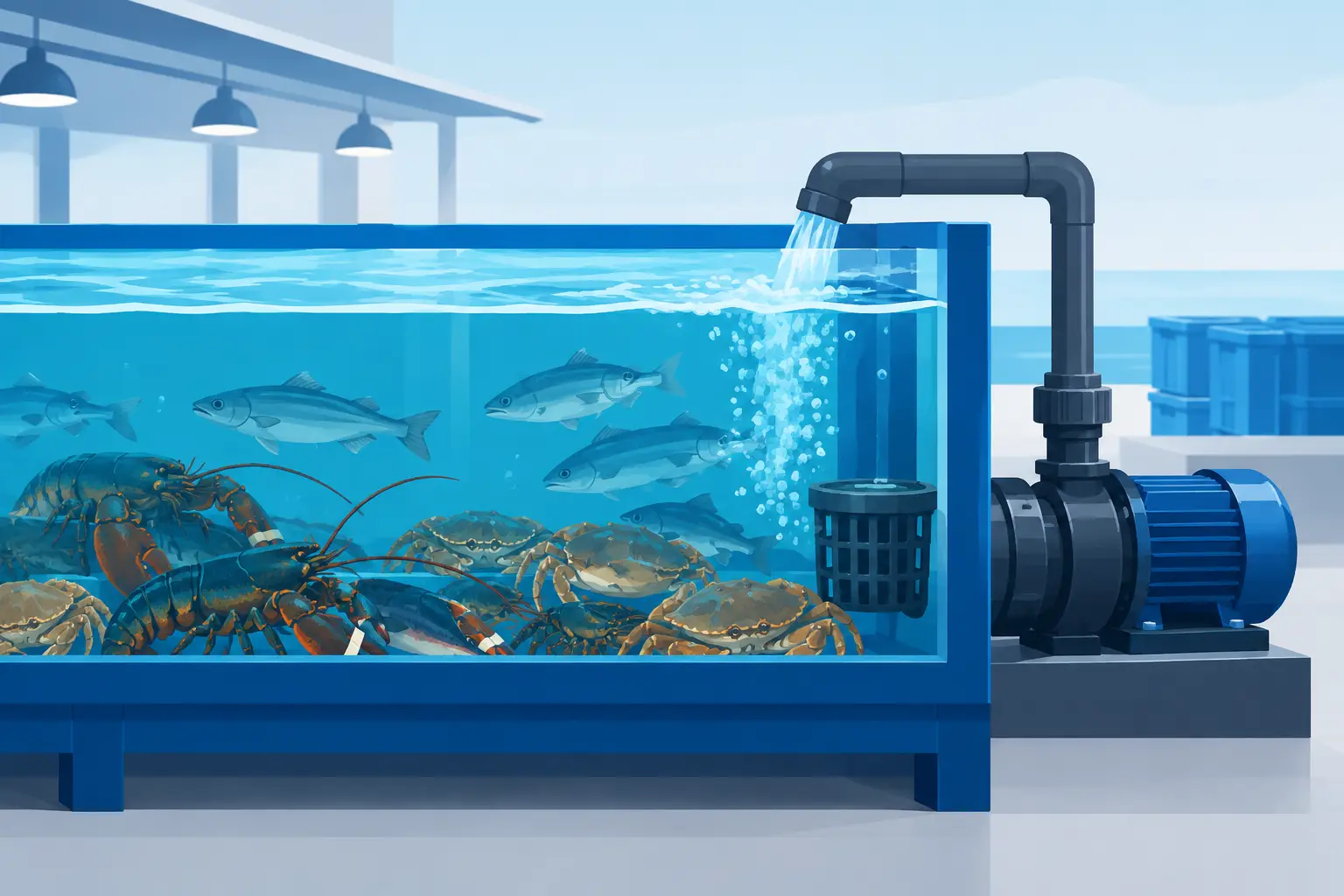
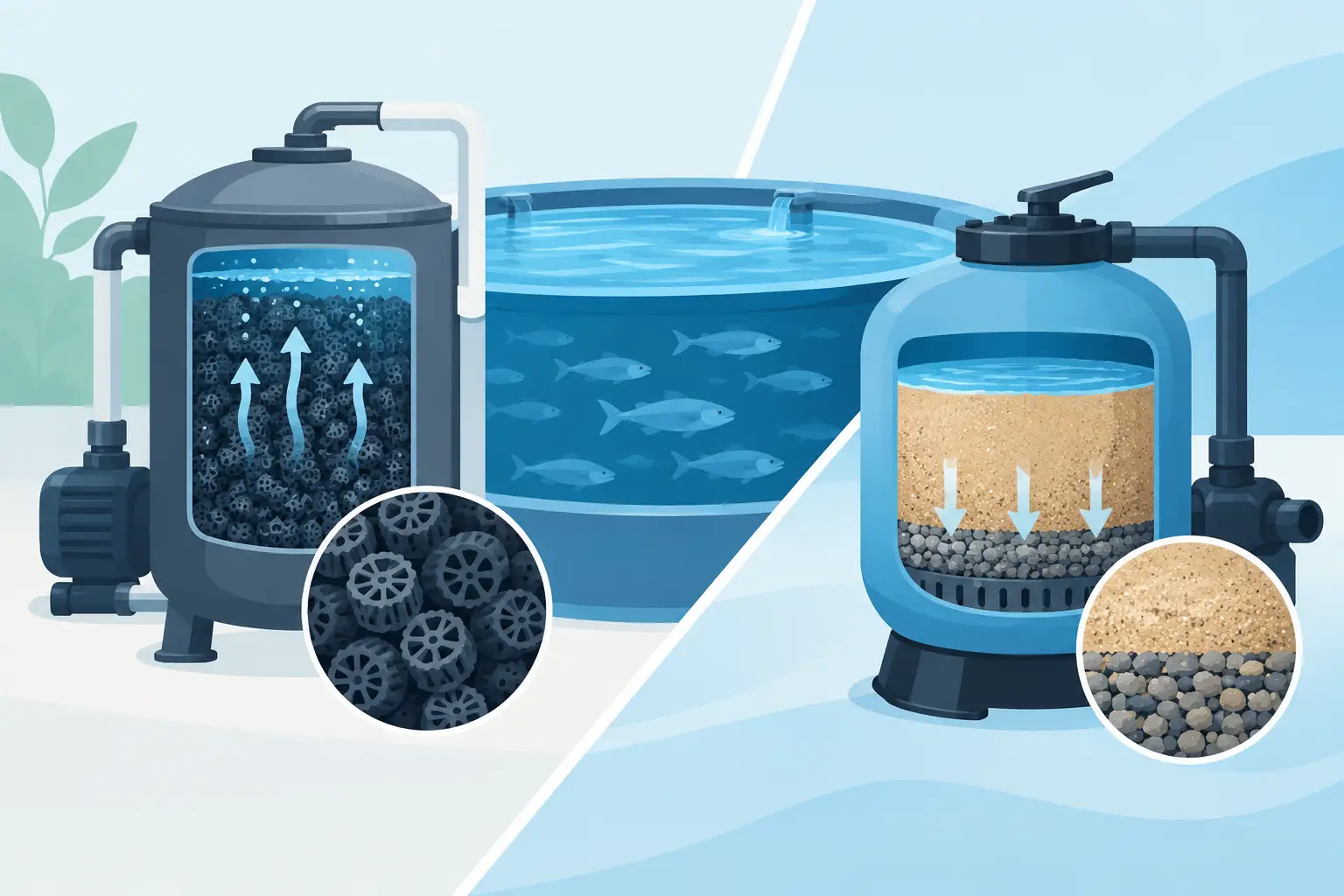
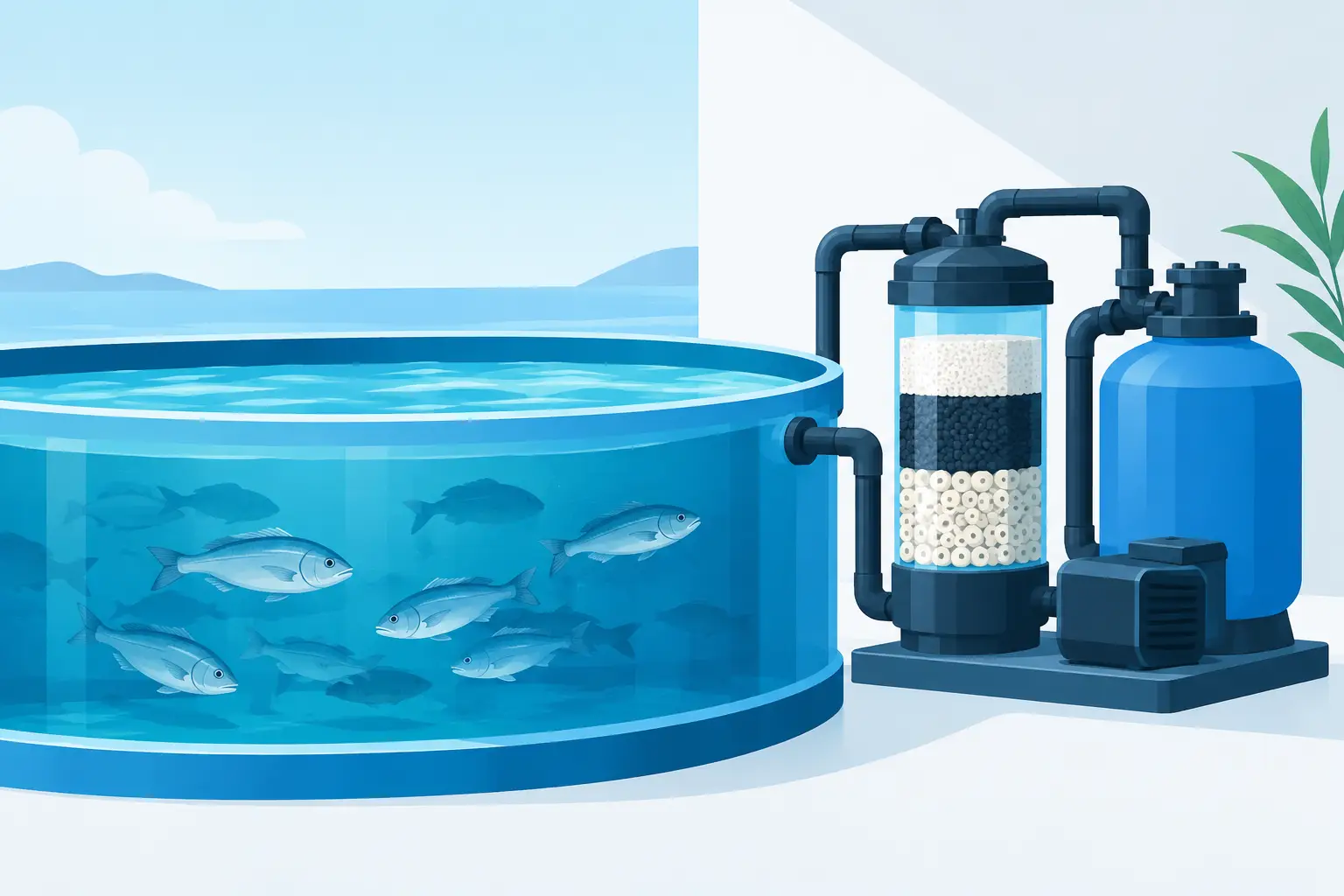
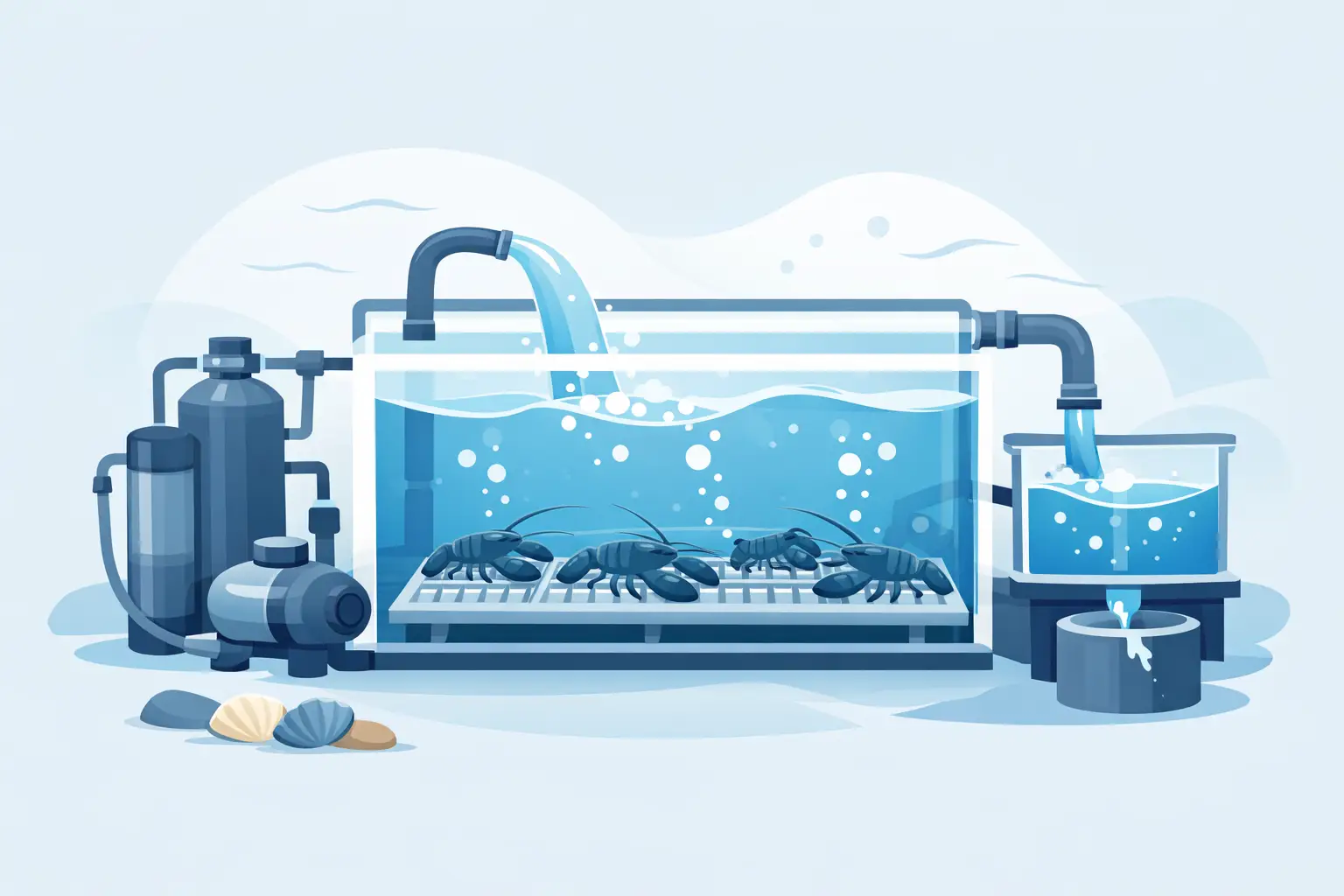
The filtration loop includes more than the filter housing. It includes the tank drains, intake screens, plumbing, circulation pumps, mechanical media, biological media, activated carbon, protein skimming or foam fractionation where applicable, chilling equipment, and return lines. A restriction or leak in any part of that loop can affect the entire system.
Inspect all unions, valves, fittings, clamps, and drain connections before saltwater is introduced. Verify that valves are in their correct operating positions and that emergency shutoffs are understood by the staff responsible for the seafood department. Make sure intake screens are seated properly and return outlets are aimed to provide consistent circulation without creating excessive current around the livestock.
Run a freshwater leak test when practical, particularly after a new installation, relocation, or major repair. This is the time to identify a loose fitting, an improperly seated gasket, or a drain issue, not after a tank is stocked with high-value inventory. Once the plumbing checks out, drain the test water fully if required and prepare the system for marine use.
Mix Marine Salt to the Correct Specification
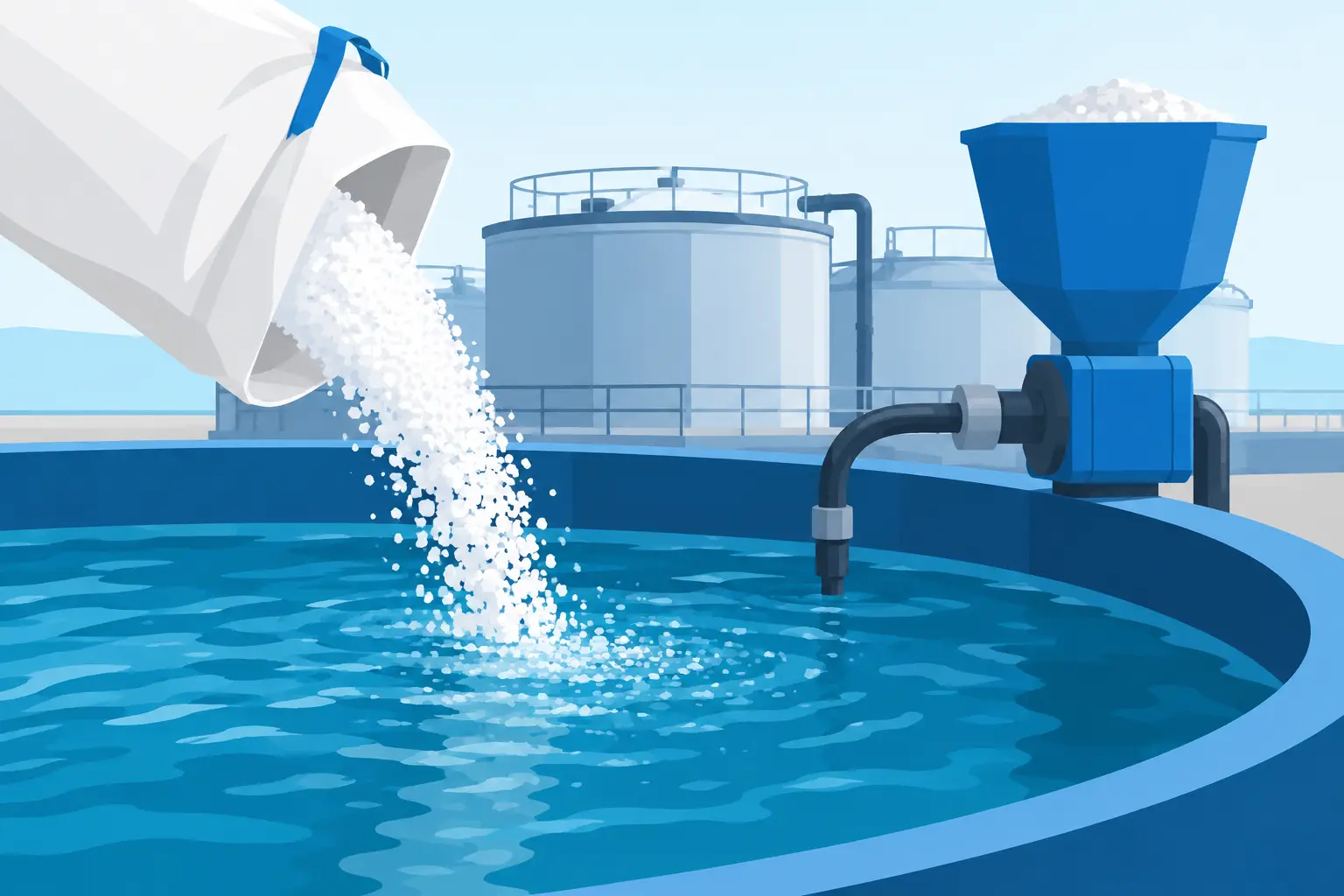
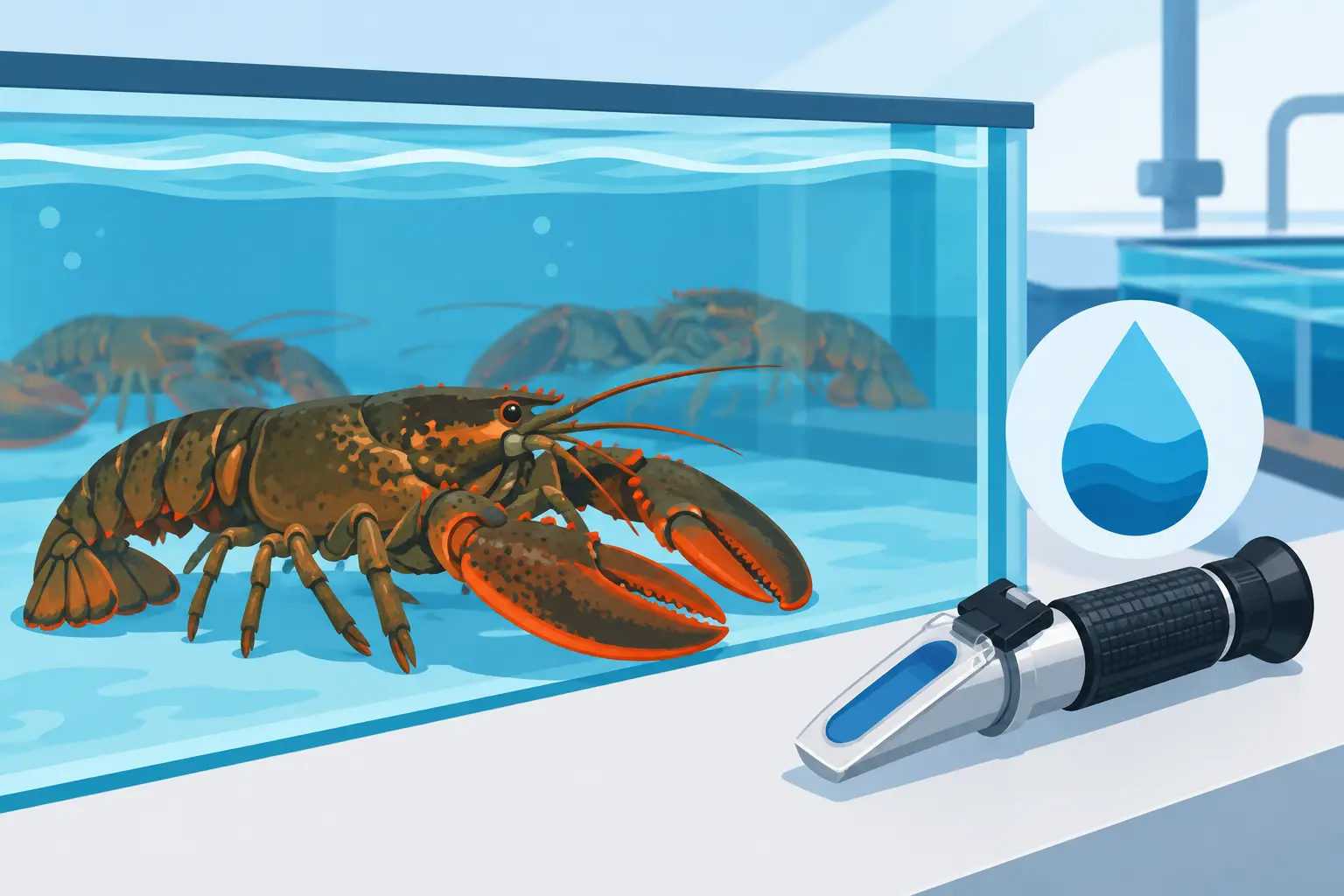
Commercial marine systems need consistent salinity, not a rough estimate. Use quality marine salt designed for live seafood systems and mix it with properly treated water according to the operating specification for the species being held. Measure salinity with calibrated equipment rather than relying on guesswork or visual appearance.
Allow the saltwater to mix and circulate thoroughly before adjusting final levels. Salt that is not fully dissolved can create uneven conditions in the tank and may affect pumps or media. Confirm temperature and salinity after the system has circulated, because both readings can change as water settles into its normal operating state.
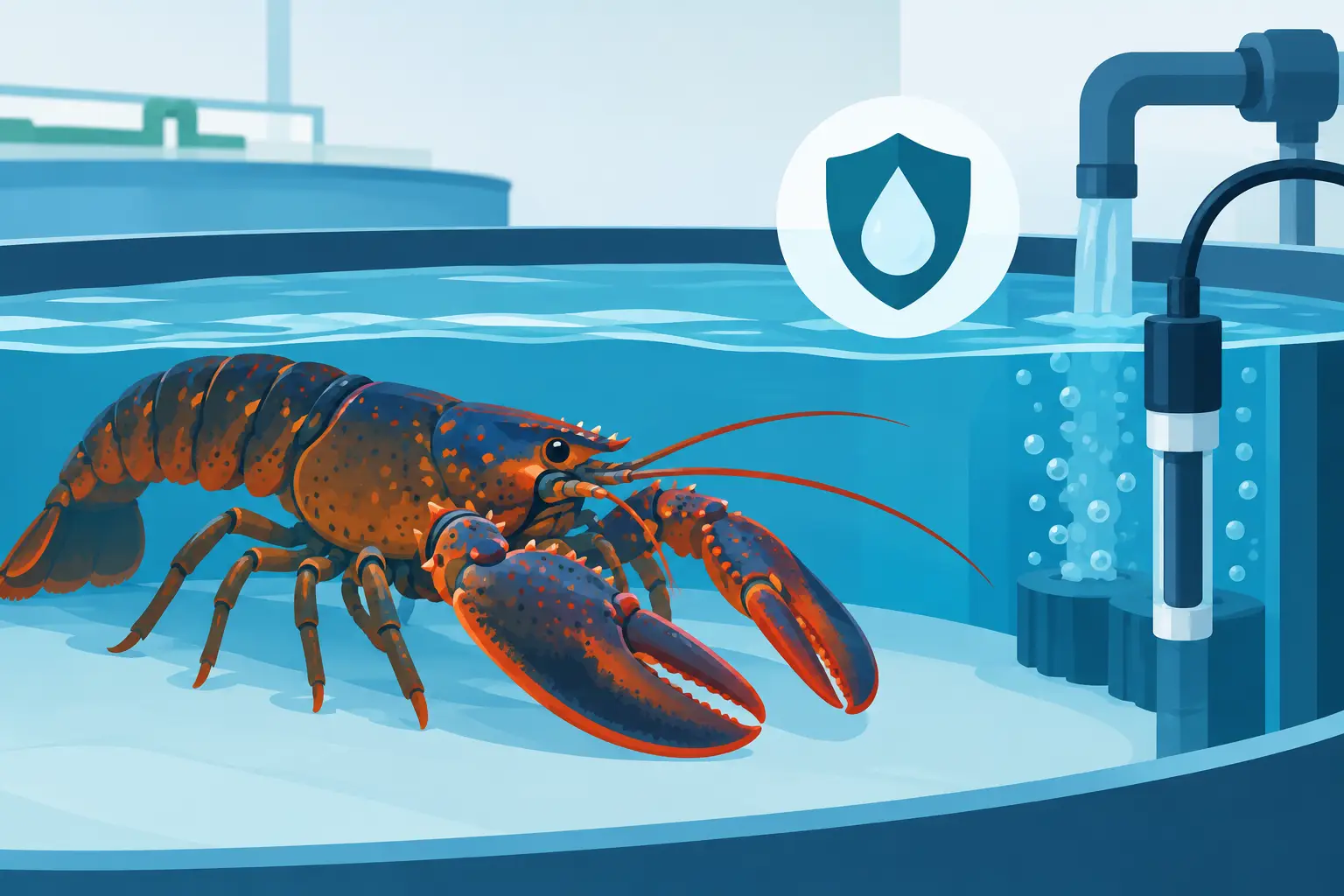
The exact target will depend on the species and system design. Lobsters, for example, require cold, clean saltwater and stable conditions. The key is avoiding sudden swings. Large corrections to salinity or temperature after livestock arrives create unnecessary stress and reduce the margin for error during a busy service period.
Do Not Treat Clear Water as Finished Water
Clear water tells you very little about the maturity of a filtration system. Mechanical filters can remove visible debris quickly, while biological filtration takes time to establish. The bacteria that process ammonia and nitrite need a stable environment and an appropriate source of waste to colonize filter media.
A newly started system should be commissioned according to the equipment manufacturer’s recommendations and monitored closely before carrying a full livestock load. Some commercial operations use established biological media or approved bacterial cultures to support startup. Others ramp stocking gradually while testing water frequently. The right method depends on the system, timeline, and available conditioning resources, but the principle remains the same: do not overload a new biofilter.
Establish a Testing Schedule Before Stocking
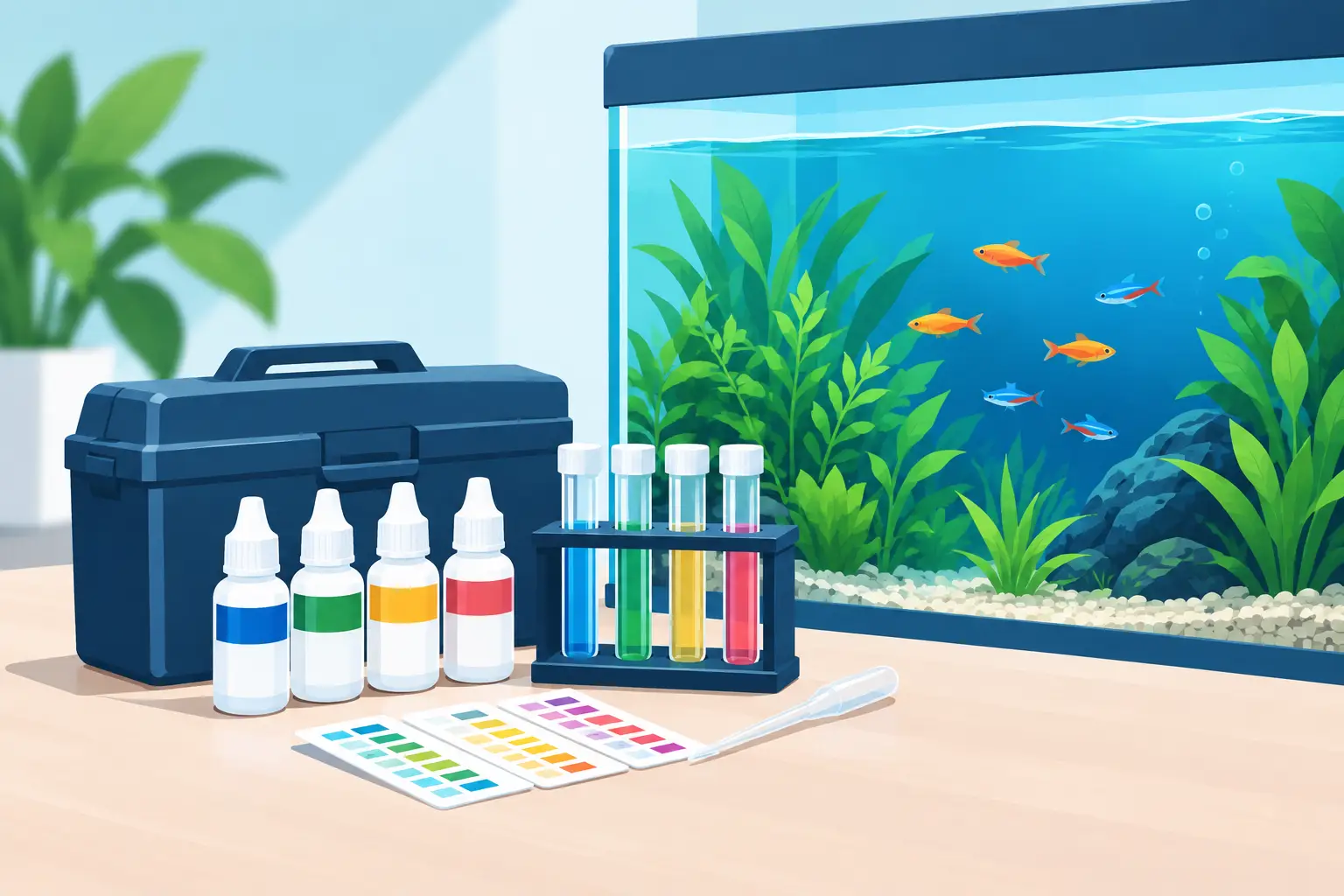
Water testing should be part of the startup plan, not a reaction after animals show stress. At minimum, test temperature, salinity, pH, ammonia, nitrite, and nitrate during commissioning. Record results, dates, and any adjustments made. A simple log gives your team a baseline and helps a service technician diagnose a developing problem faster.
During the first weeks of operation, test more often than you would on an established tank. Ammonia and nitrite are the urgent readings because both can rise when biological filtration has not caught up with the livestock load. If either reading climbs, reduce the load if possible, inspect circulation and media, and address the cause rather than masking the symptom with repeated water changes alone.
A healthy commercial system is built on consistency. Sudden temperature shifts, overfeeding where applicable, dead animals left in the tank, clogged prefilters, and skipped maintenance can all push water chemistry in the wrong direction. Give staff clear responsibility for daily observations and clear instructions for escalation when readings fall outside the operating range.
Load Livestock Gradually and Watch Behavior
The first delivery is a test of both the system and the operating team. Acclimate livestock carefully to avoid abrupt changes in water temperature or salinity. Stock the tank in manageable increments when possible, especially during a new startup, so filtration performance can be verified before the system reaches its normal operating load.
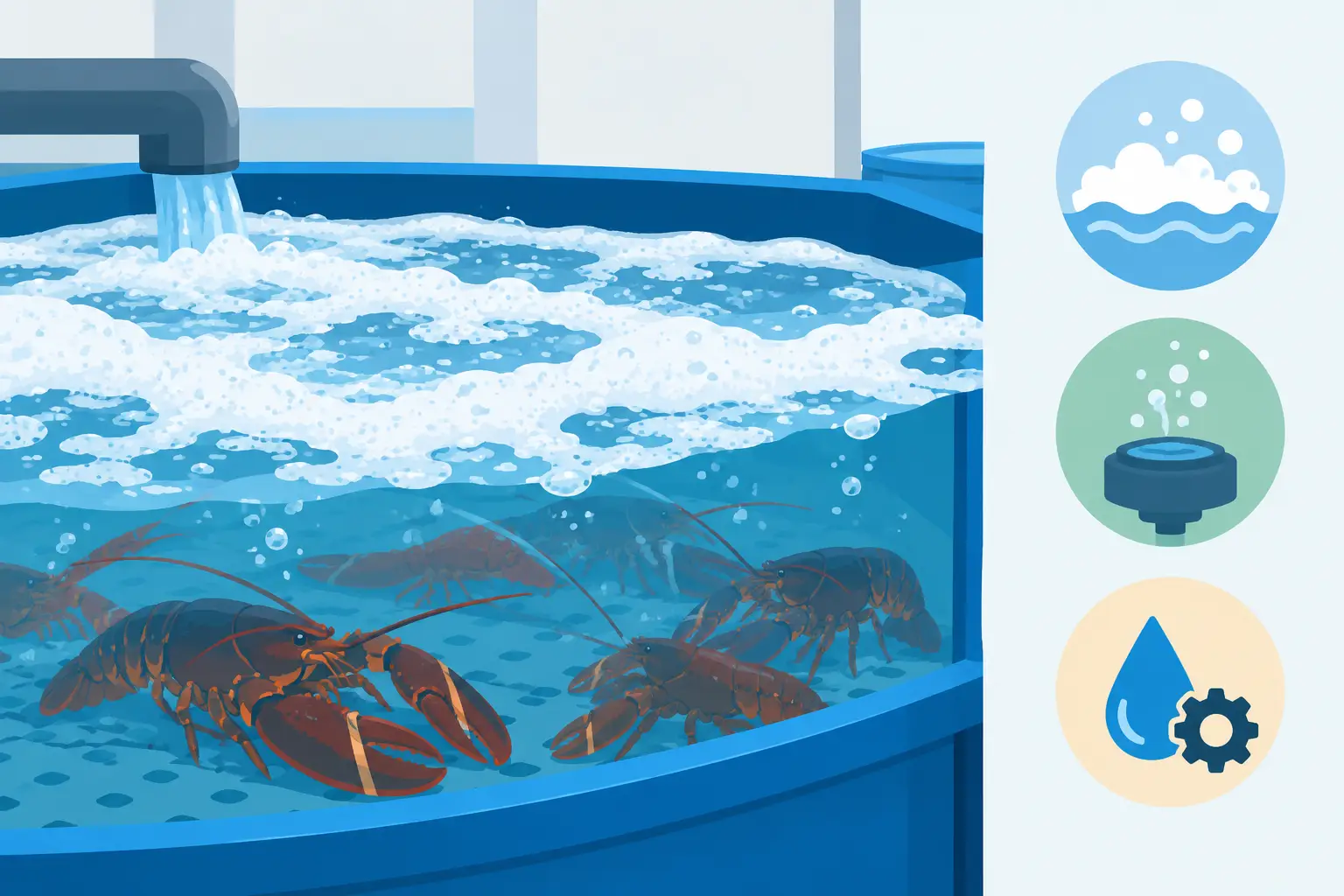
Watch the animals, not only the test kit. Unusual inactivity, poor response, crowding near inflows, excessive movement, or visible distress can point to a water quality, oxygen, temperature, or circulation issue. A good seafood department manager knows what normal behavior looks like for the species being held and acts early when that behavior changes.
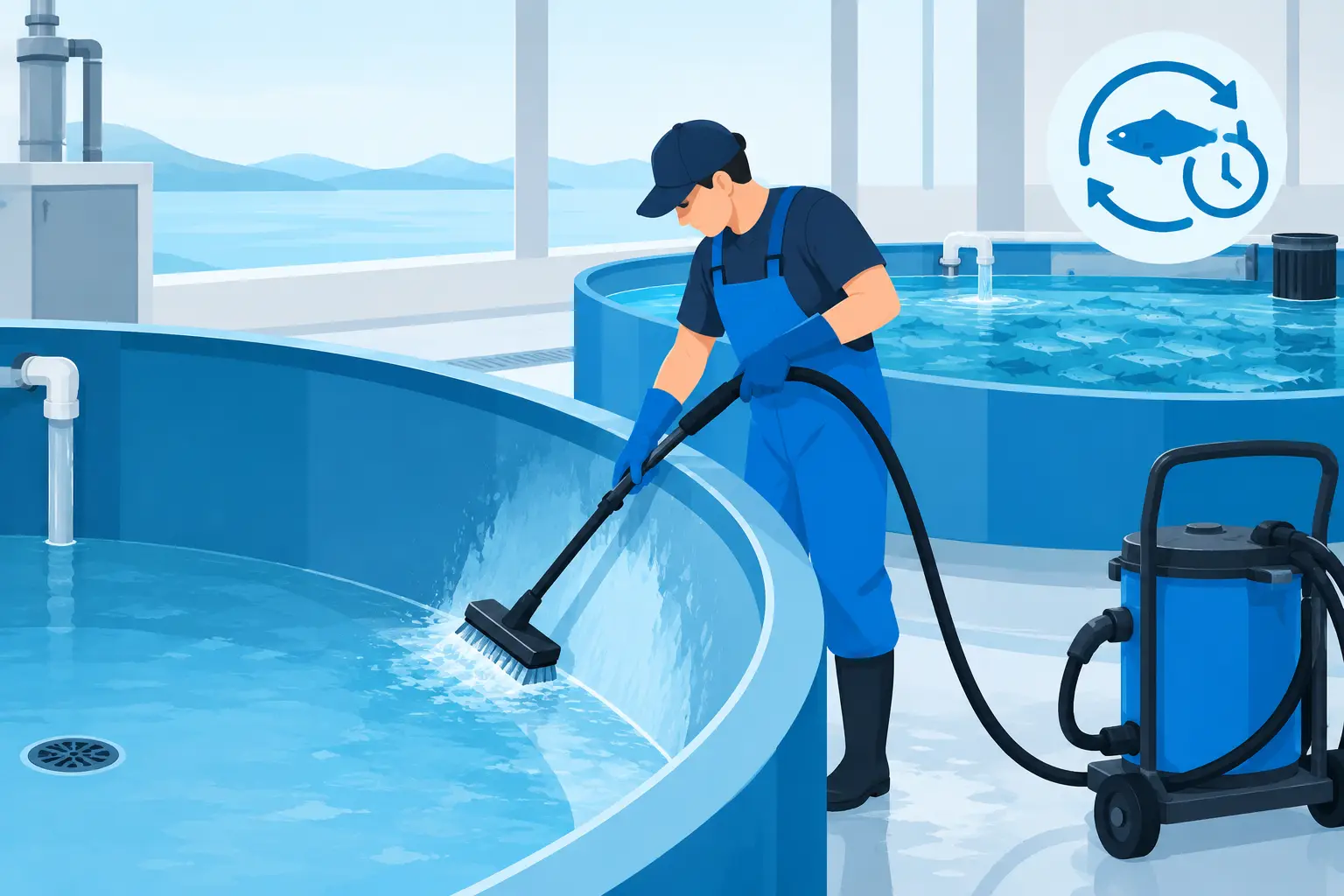
Keep the tank clean as it begins operating. Remove debris, inspect screens, and check that water is moving evenly through the system. Mechanical filters protect the rest of the filtration train, but they only work when they are serviced before they become clogged and begin restricting flow.
Build Maintenance Into the Startup, Not After It
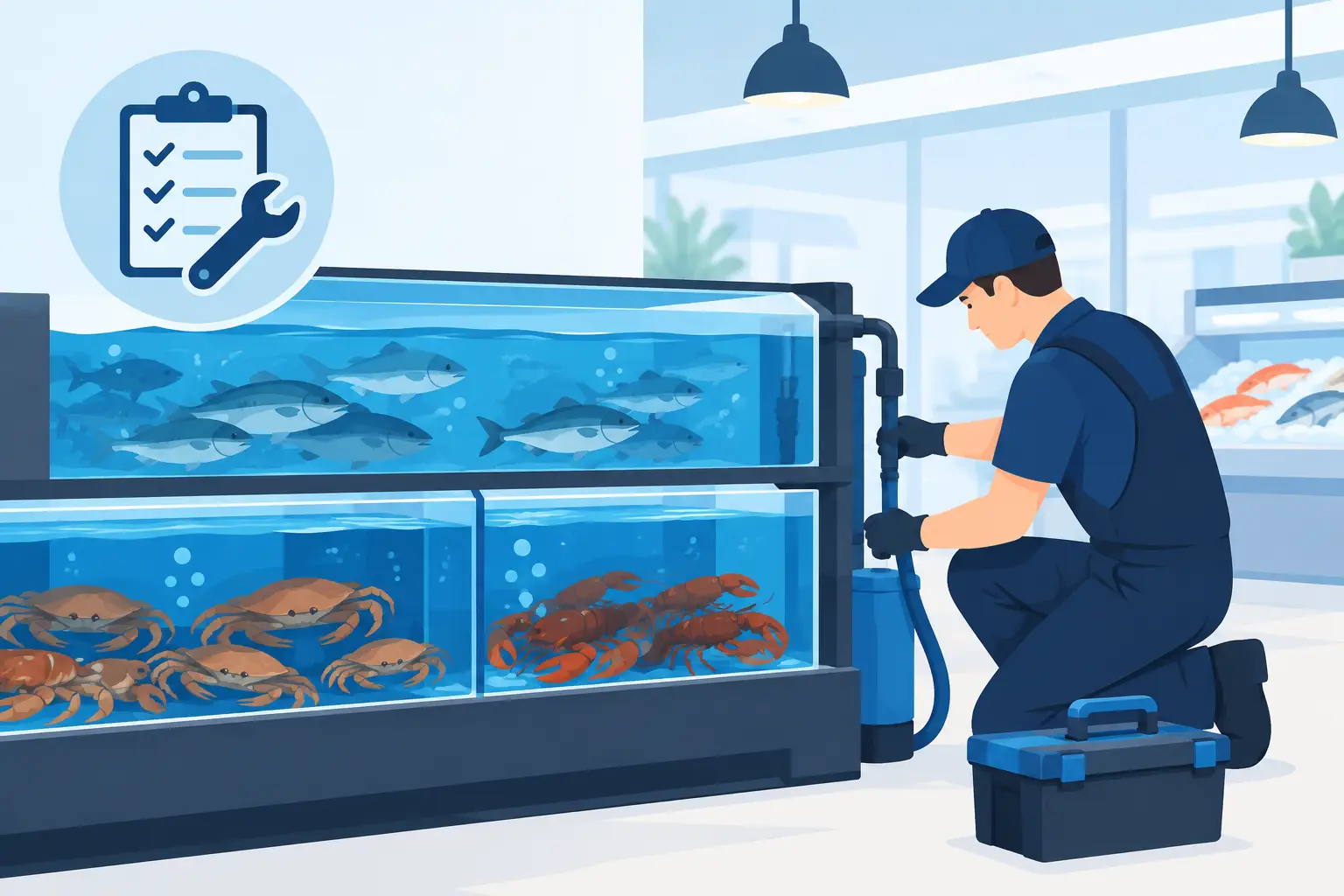
A filtration system does not become low-maintenance because it is new. It becomes dependable because maintenance is scheduled, documented, and completed correctly. Set your daily, weekly, and monthly responsibilities before the first full shipment arrives.
Daily work typically includes checking temperature, circulation, water level, animal condition, and visible debris. Weekly work may include cleaning or replacing mechanical media, inspecting pumps and plumbing, testing water chemistry, and checking activated carbon or other media based on the system’s service schedule. Longer-term maintenance can include deeper equipment inspection, pump service, cleaning accumulated buildup, and reviewing water-use patterns.
Avoid replacing all biological media at once or cleaning it with untreated tap water. That can damage the beneficial bacteria your system depends on. When media needs attention, follow the service procedure for that equipment and preserve as much established biological capacity as possible.
Keep Critical Spares on Site
A failed pump, damaged fitting, clogged screen, or worn gasket can turn into an inventory emergency when replacement parts are not available. For commercial seafood operations, keeping essential spares on hand is practical protection.
Your exact spare-parts list will depend on the tank design, but it commonly includes replacement filter media, pump components, gaskets, fittings, test supplies, and backup aeration or circulation equipment where appropriate. Label components and keep service records with the system. When a problem occurs, your staff should not have to identify an unfamiliar part under pressure.
Choose a Partner That Supports the Entire System
Marine filtration is not a one-time equipment purchase. It is an operating system that requires the right tank design, salt, media, parts, technical knowledge, and service response over time. Buying pieces from multiple sources can leave your team coordinating vendors while livestock and sales are on the line.
For retailers, wholesalers, and foodservice operators, the better approach is working with a specialist that understands the complete holding environment. Lobster Life Systems provides custom commercial aquatic systems, marine salt, filtration products, replacement media, and ongoing service support from one experienced source.
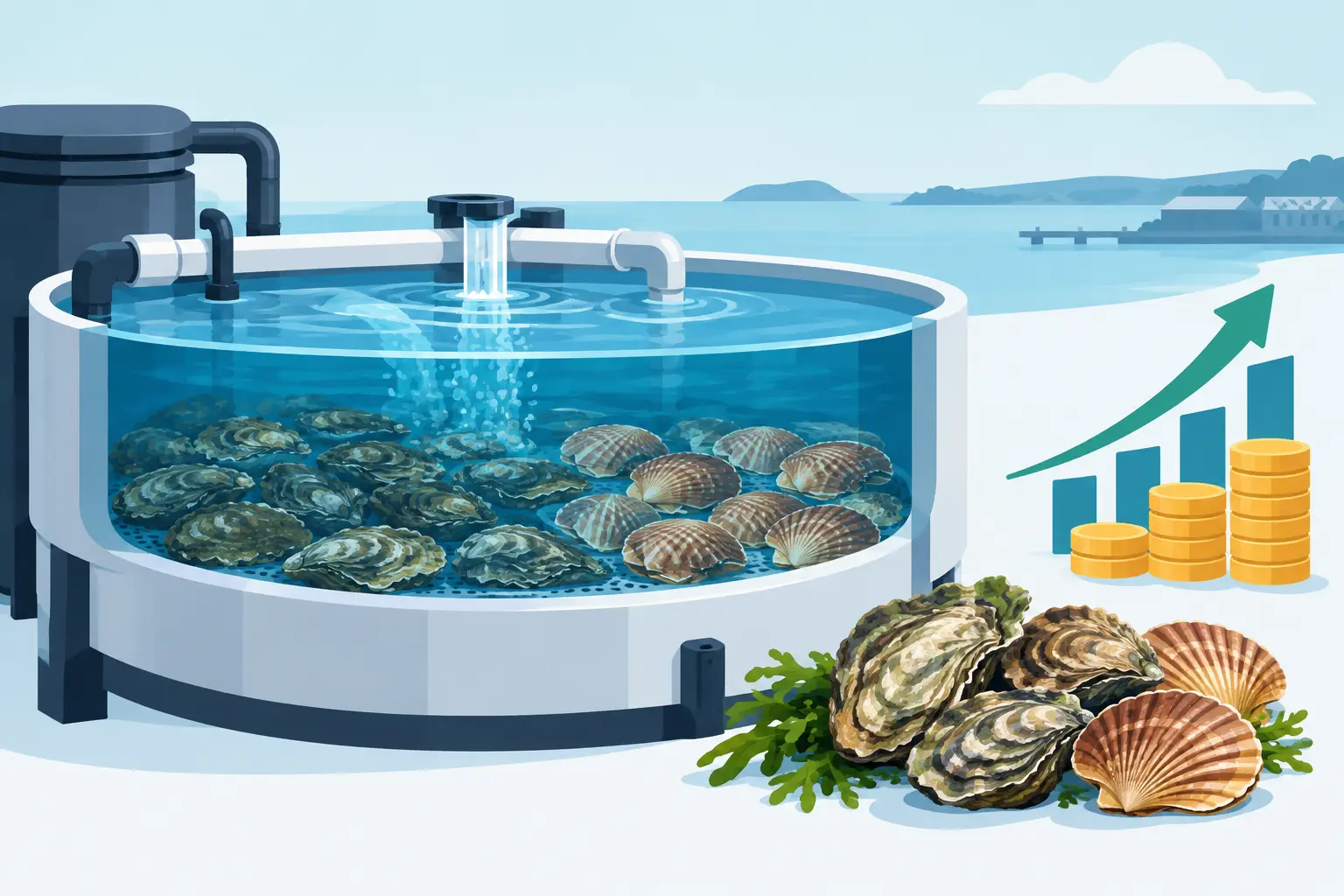
The best startup is one that stays stable after the installer leaves. Start methodically, document the readings that matter, and give your filtration system time to establish itself. That discipline protects your live seafood, your department’s presentation, and the revenue sitting in the tank.