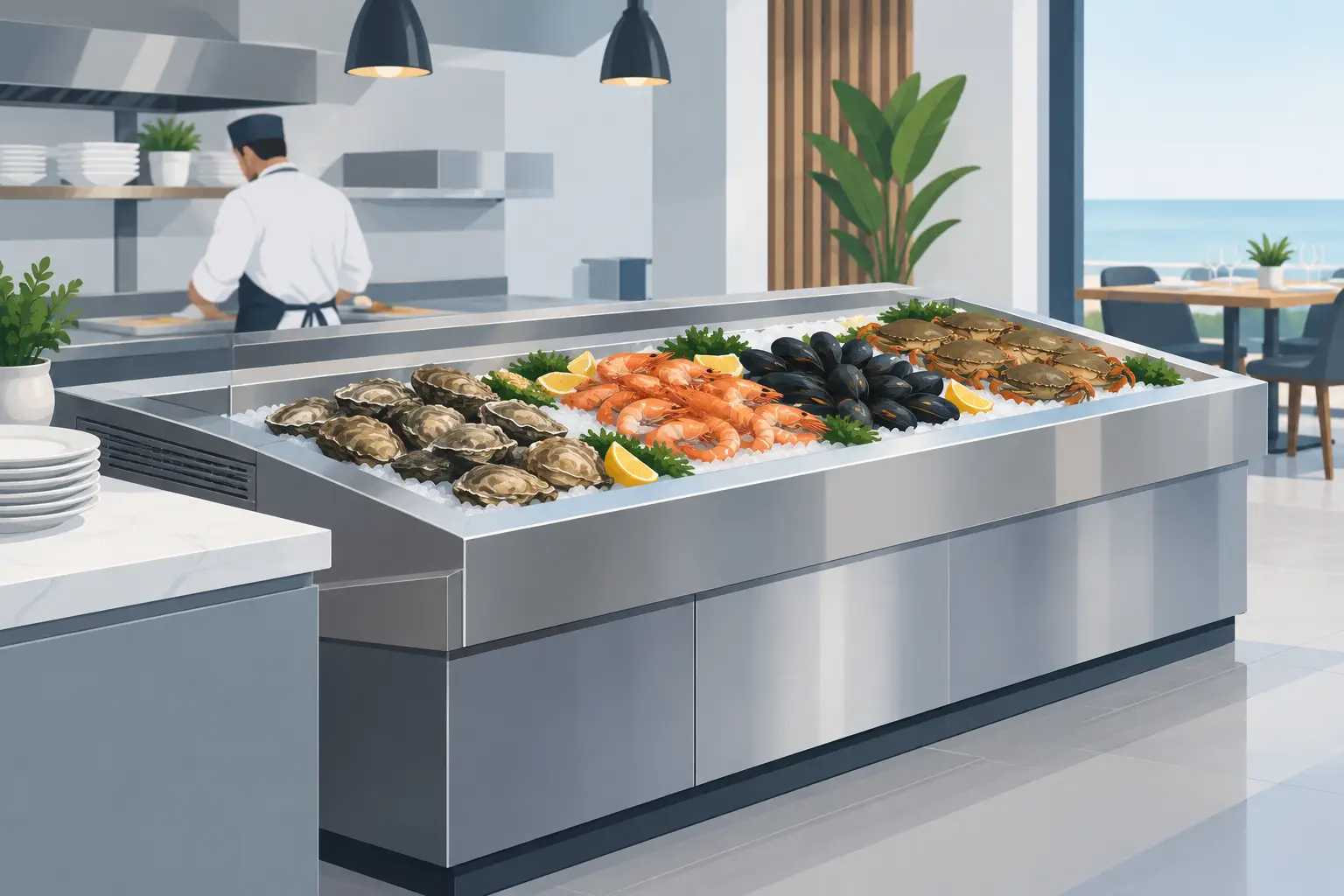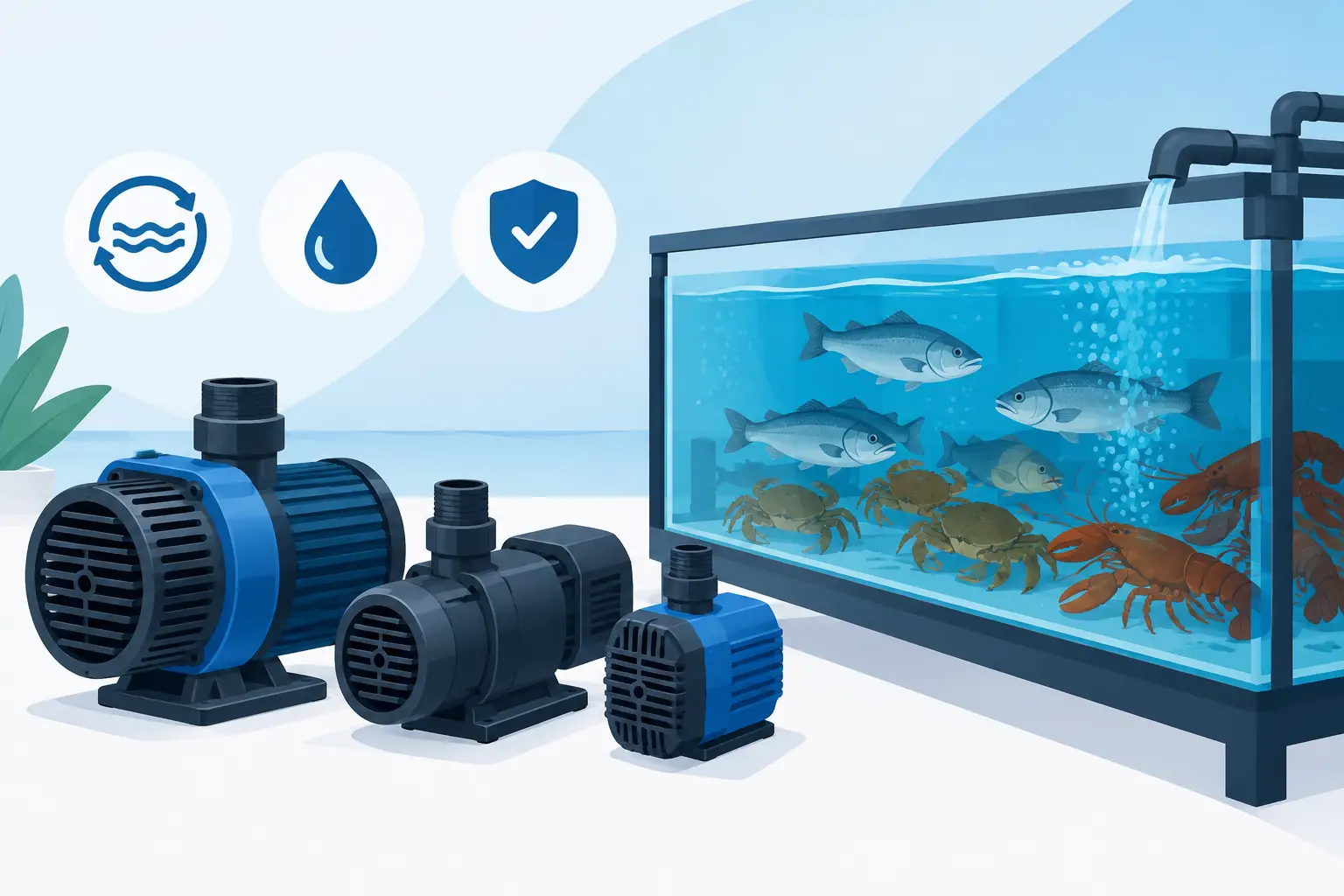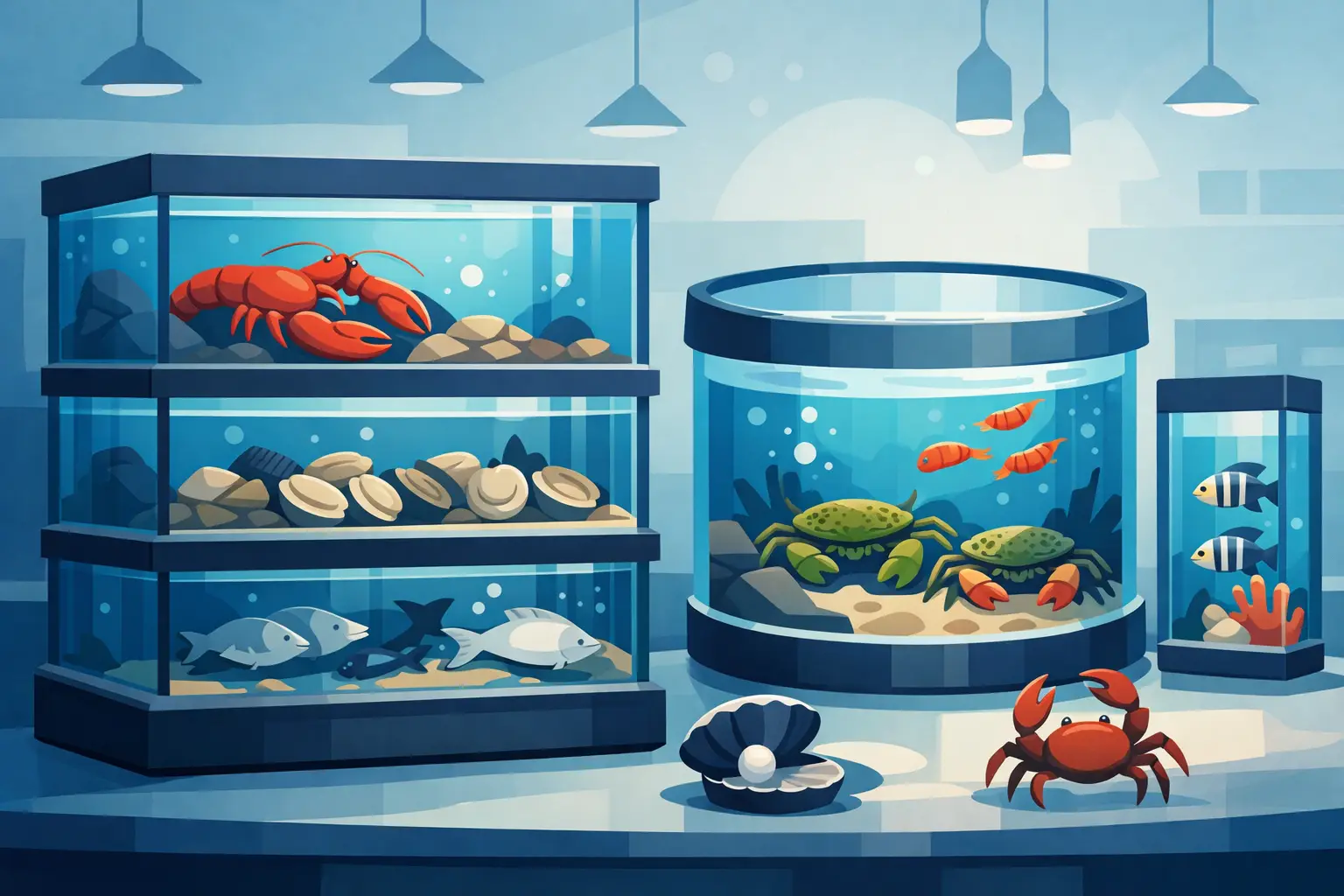
A lobster tank is not just a display fixture at the seafood counter. It is live inventory protection, a customer-facing merchandising tool, and a working water-treatment system all at once. That is why USA made lobster tanks matter to supermarkets, seafood markets, wholesalers, and restaurants that cannot afford to lose product because a component fails, water quality slips, or service is hard to reach.
For commercial operators, the value of domestic manufacturing is not a flag on a specification sheet. It is the ability to get the right system built for the location, understand what is inside it, obtain replacement parts, and speak with people who know how the equipment operates in a busy seafood department. When live lobster is part of the business, those details directly affect shrink, labor, presentation, and customer confidence.
What USA Made Lobster Tanks Change on the Floor
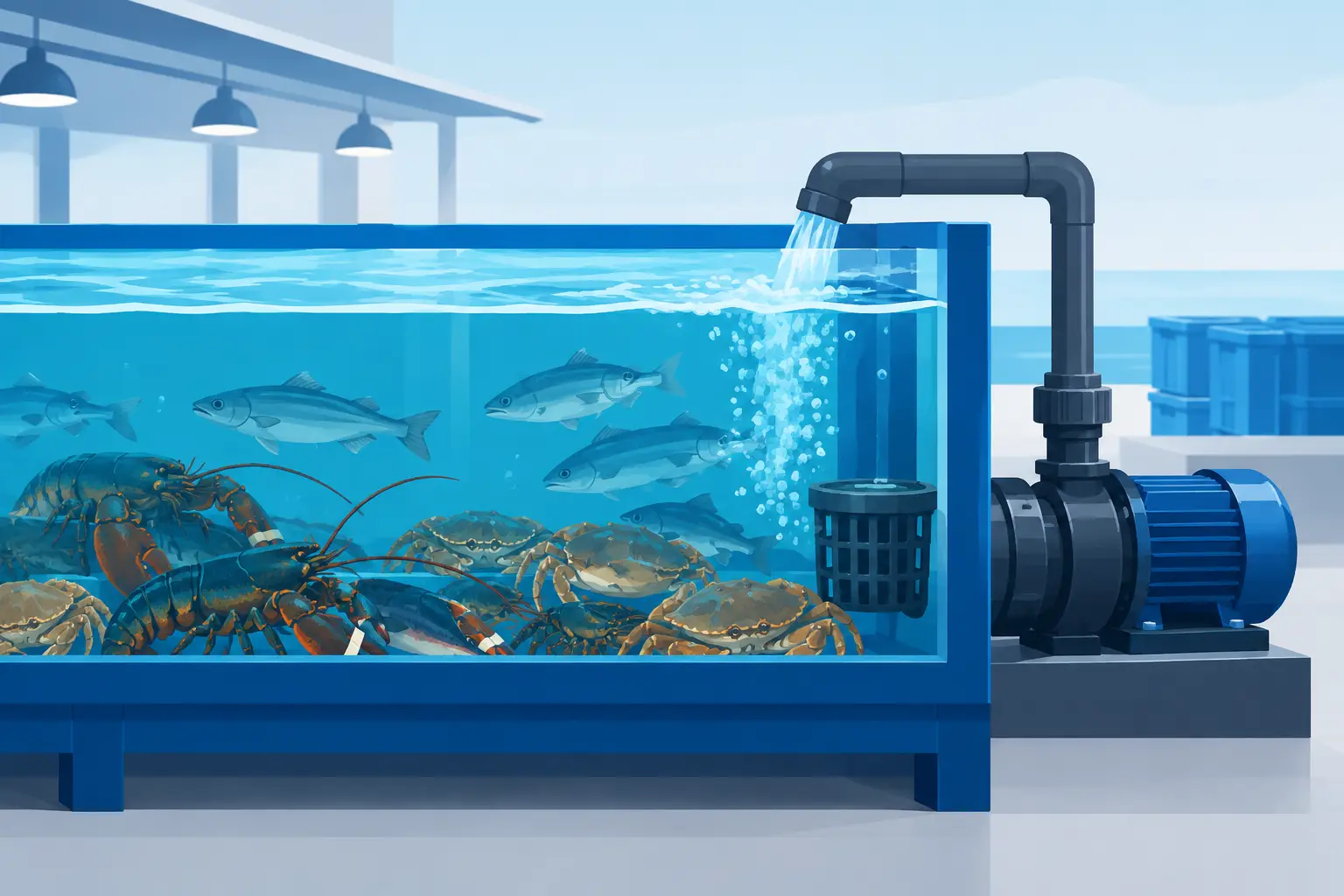
A properly designed lobster holding system must do more than circulate water. It must maintain stable saltwater conditions while standing up to wet, demanding retail environments. Pumps, chillers, filtration, plumbing connections, tank construction, and access points all need to work together. If one piece is poorly matched, the result can be stressed lobsters, difficult maintenance, inconsistent water clarity, or an avoidable service call.
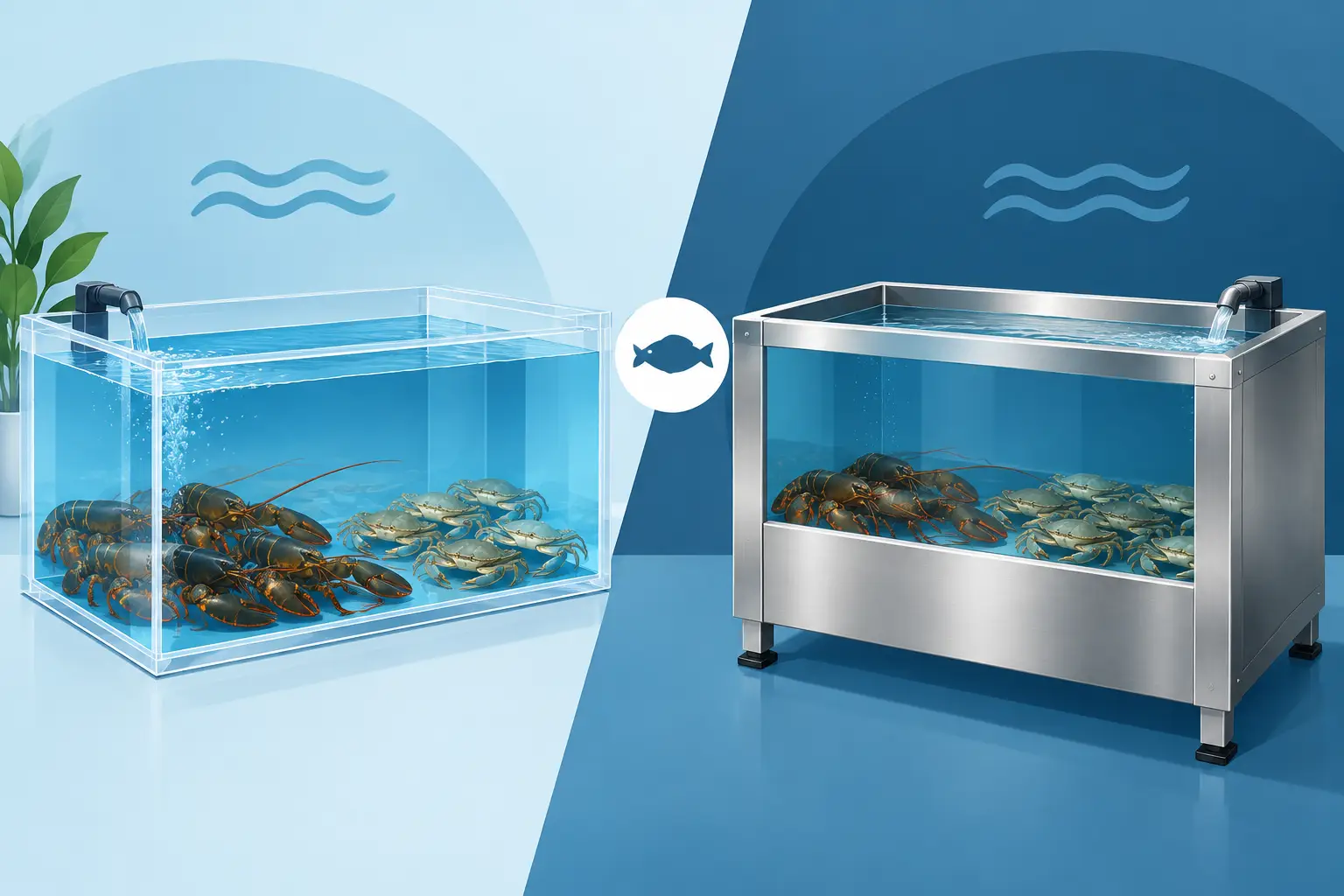
USA made lobster tanks give operators a more direct line between the system design and the people responsible for building it. That matters when a store has a narrow service aisle, a specific counter footprint, unusual electrical requirements, or a tank that must fit an established seafood display. A commercial system should be designed around the operation, not forced into a space because it happens to be available.
Domestic fabrication also makes accountability clearer. When a tank is built for commercial use, the manufacturer should be able to explain the materials, filtration approach, operating requirements, and service path. For a seafood manager, that means fewer guesses when training staff or troubleshooting a problem during a high-volume weekend.
Imported equipment can be appropriate in some circumstances, especially for standardized applications where local support and replacement parts are already established. But the lowest purchase price is not always the lowest operating cost. A less expensive tank becomes costly quickly if it is difficult to repair, lacks readily available parts, or requires repeated workarounds to perform reliably.
The System Behind the Tank Matters More Than the Tank Alone
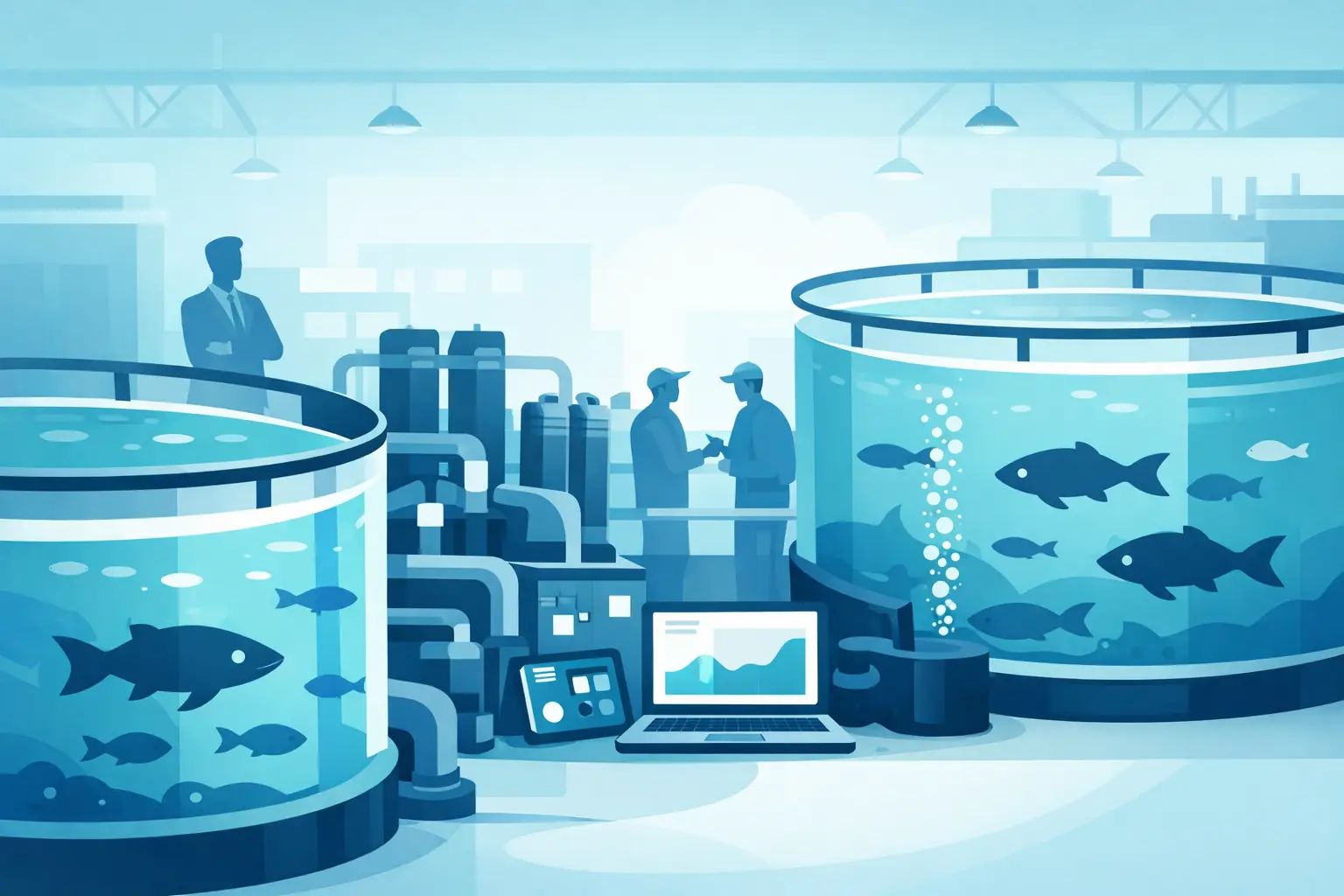
Customers see the glass or acrylic display. Your team has to manage everything behind it. A commercial lobster tank succeeds because the complete life-support system is sized and maintained correctly for the volume of water, lobster load, room conditions, and operating schedule.
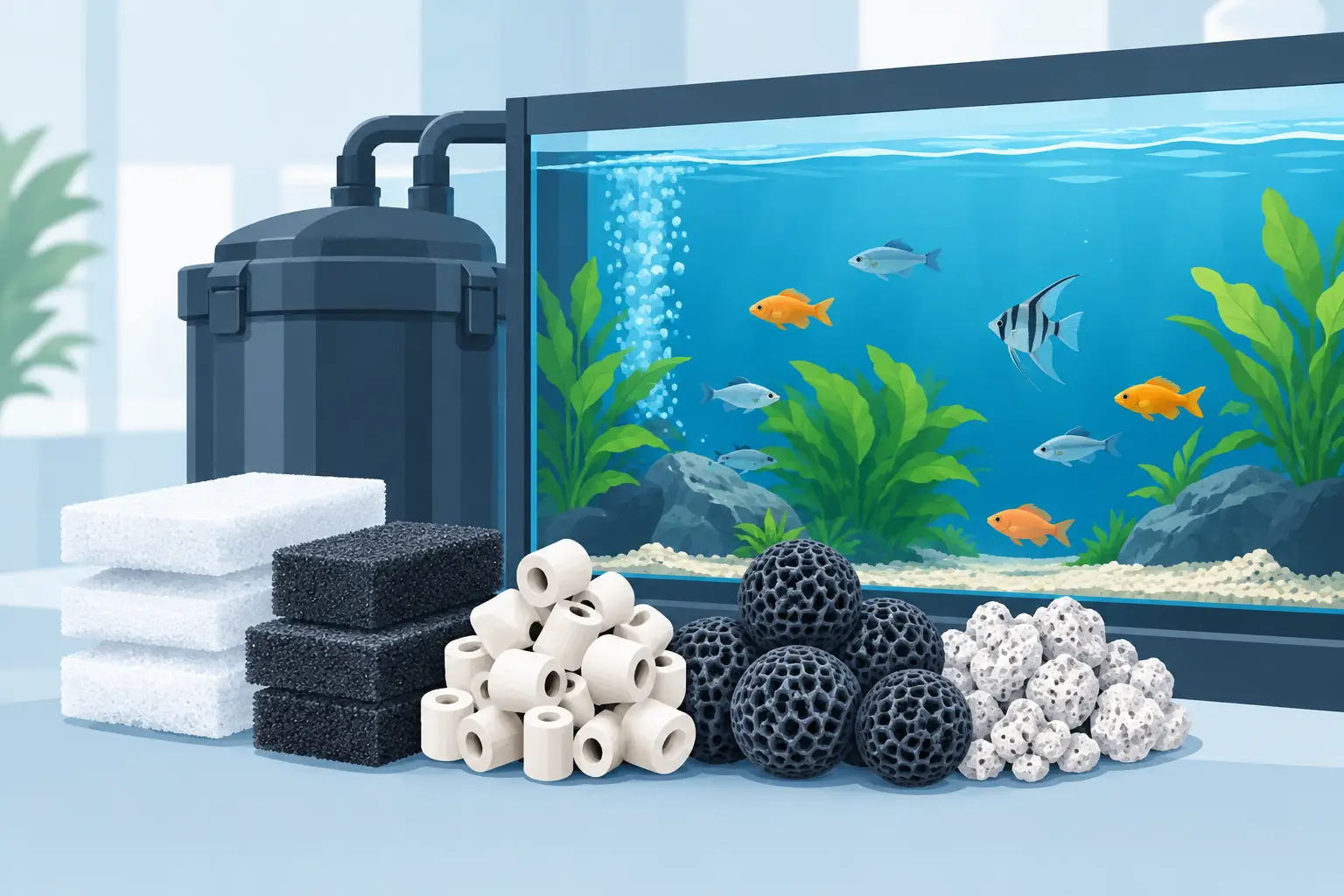
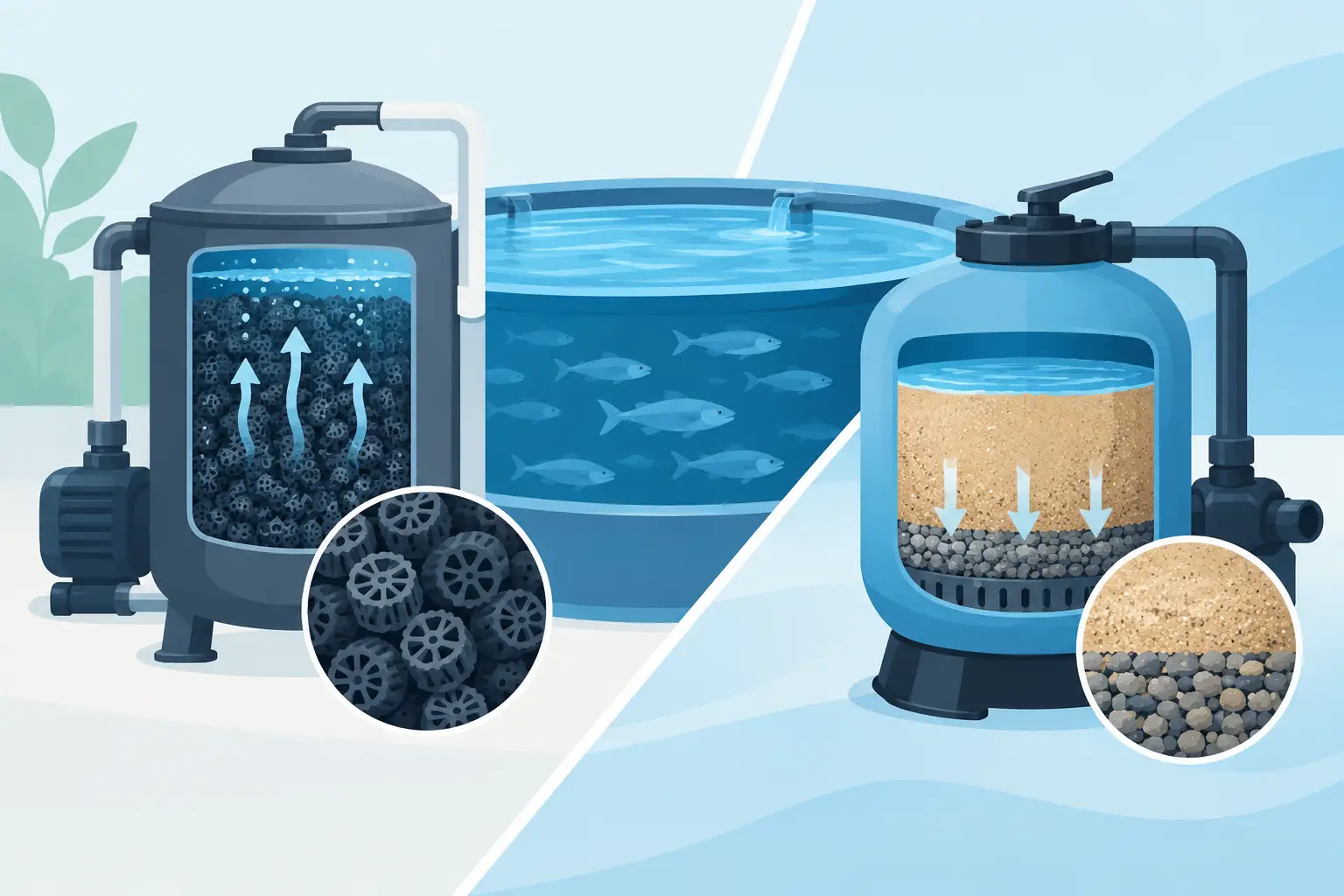
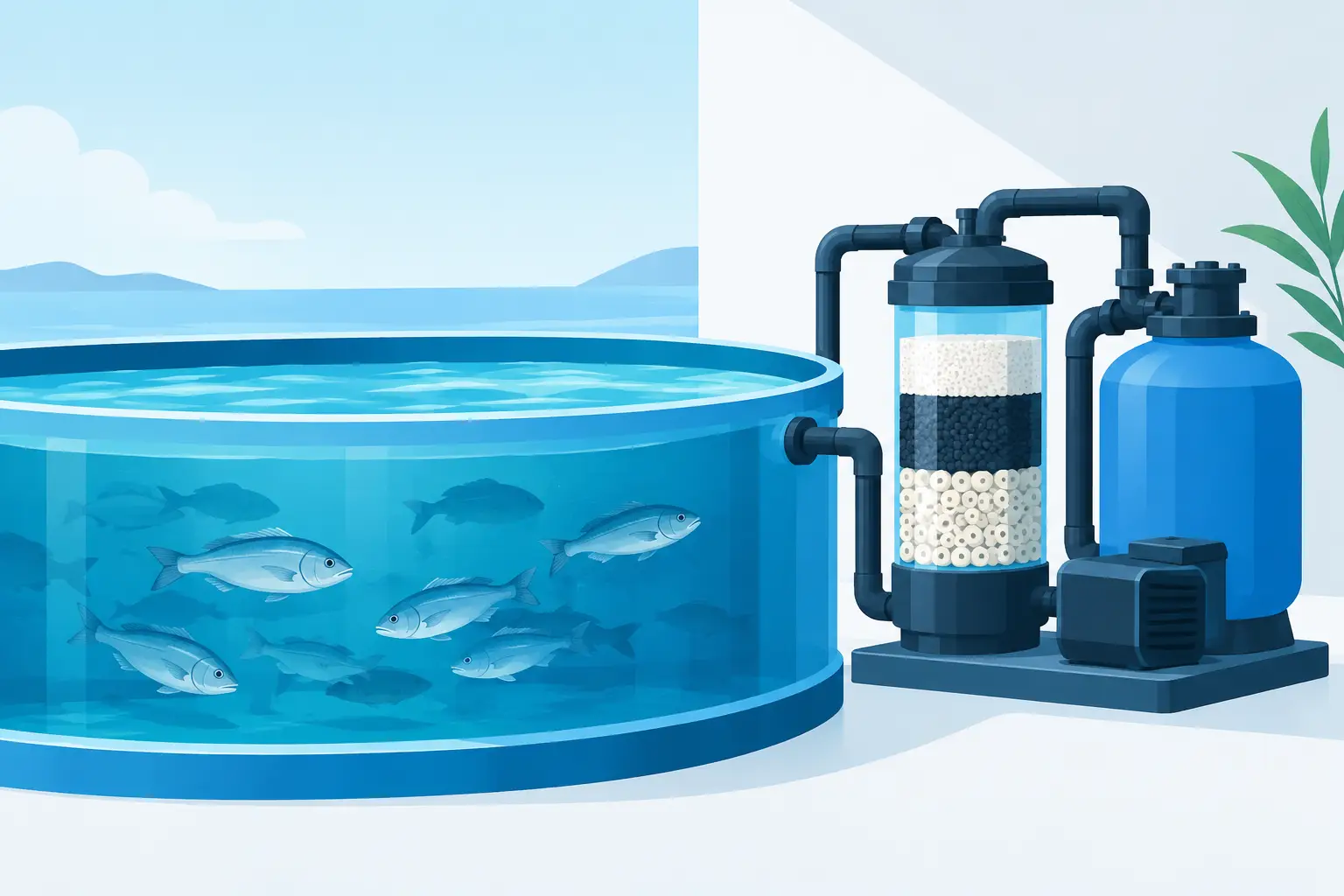
Filtration is central to that equation. Mechanical filtration removes suspended debris. Biological filtration supports the bacteria that process waste. Activated carbon and other media help manage water quality and clarity. Proper circulation prevents stagnant areas, while temperature control helps maintain conditions suitable for live product. Marine salt must also be mixed and maintained to the correct standards rather than treated as an occasional add-on.
These components are not interchangeable just because they fit a plumbing line. A system designed for a lightly stocked restaurant display may not perform the same way in a supermarket seafood department receiving regular deliveries and turning significant live inventory. The right design begins with honest questions about expected holding volume, delivery frequency, staffing, store temperature, cleaning practices, and available utilities.
This is where a full-service supplier earns its place. Rather than asking an operator to source a tank from one company, salt from another, media from a third, and repairs from whoever is available, a complete partner supports the system as a working whole. Lobster Life Systems has built its business around that approach since 1989: custom equipment, ongoing marine salt and filtration supplies, technical support, and commercial service from one source.
Purging Can Protect Product Quality
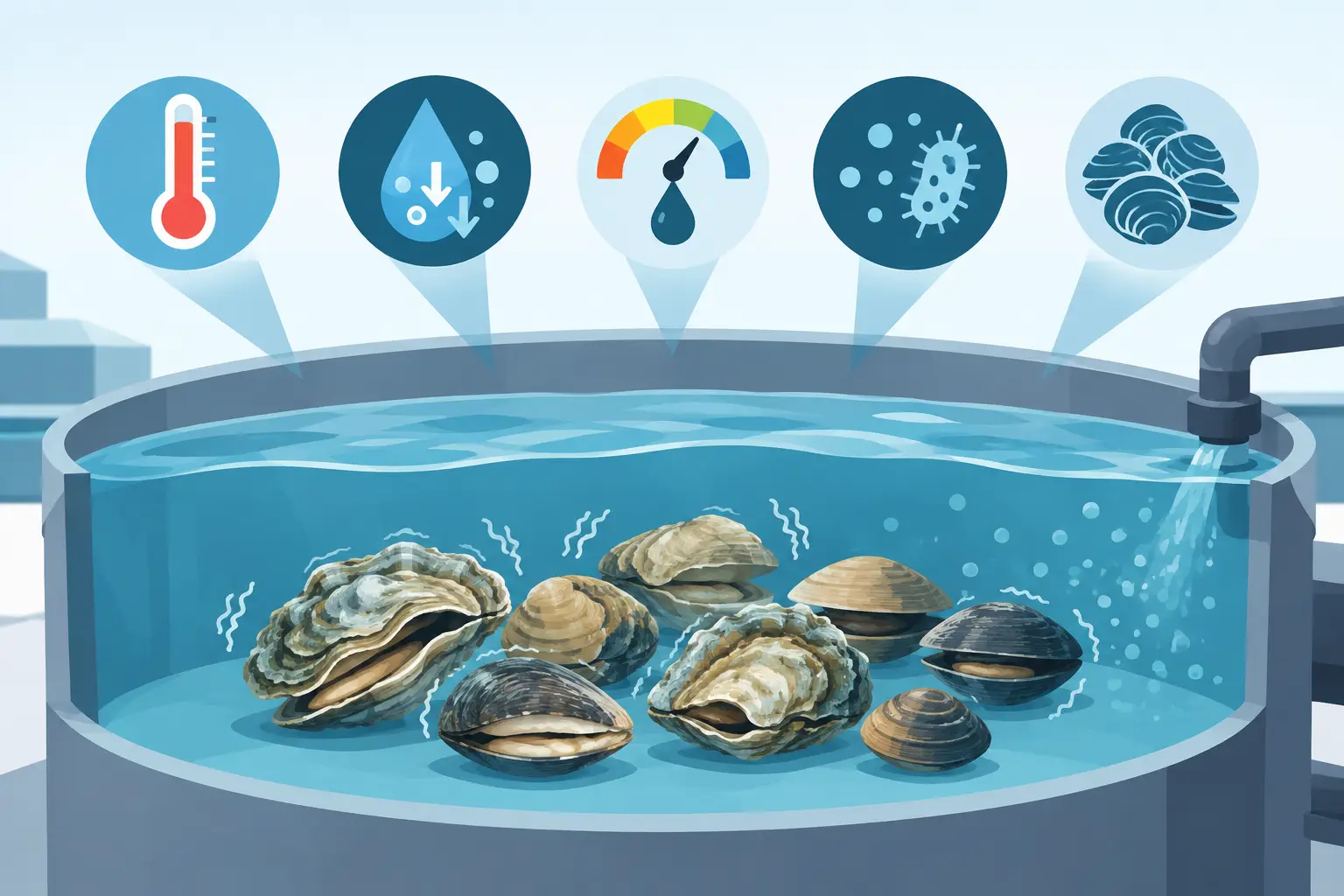
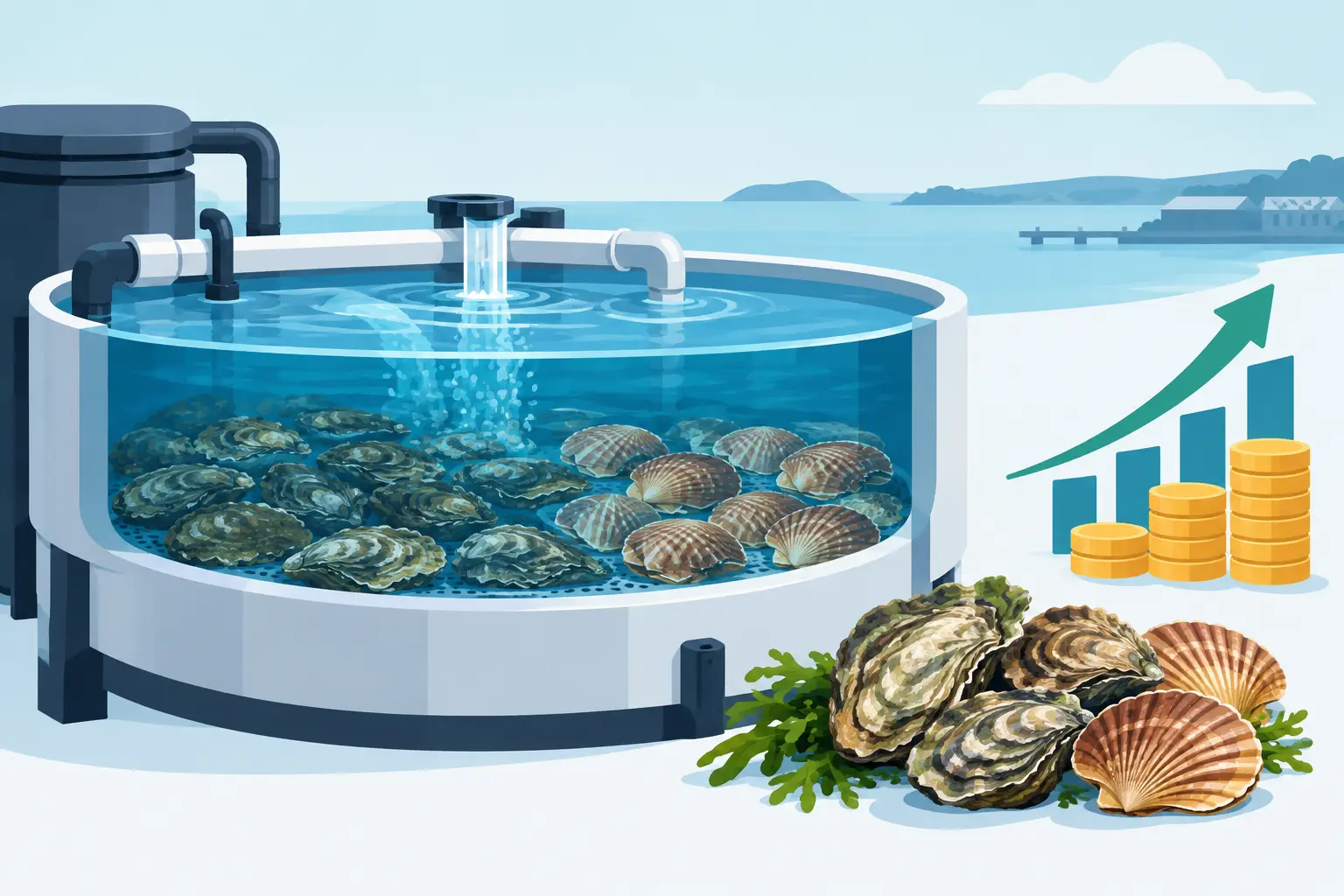
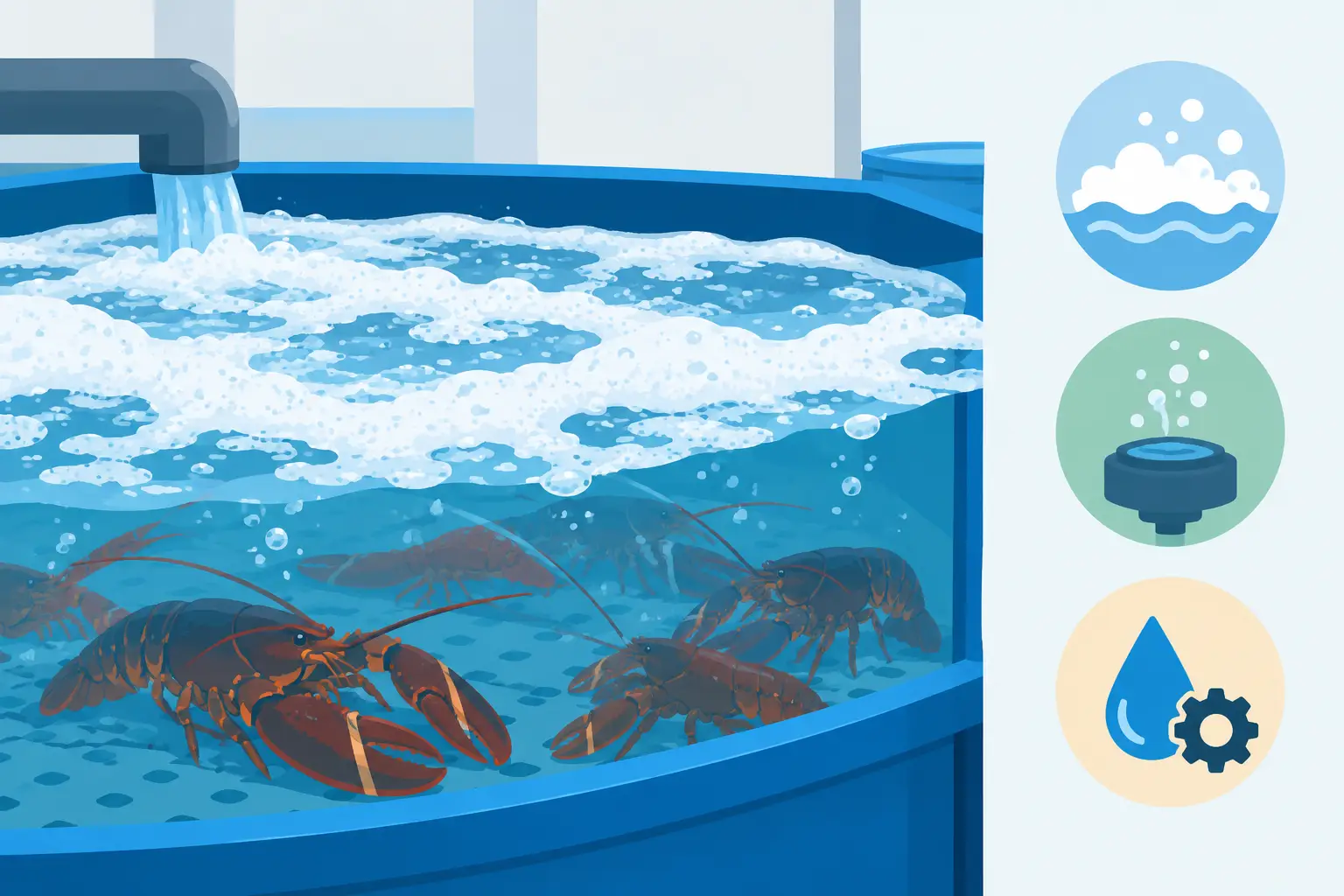
For certain operations, a self-contained purging system adds another layer of control. Purging is not simply holding lobsters in a tank. It is a managed process intended to help support cleaner, better-presented live product before sale or shipment. The system must provide appropriate water movement, filtration, salinity, and temperature while giving the operator a dependable workflow.
Whether purging is necessary depends on the business model. A retailer with quick turnover may have different needs than a wholesaler, processor, or shipper holding larger volumes. The point is to match the equipment to the operation instead of adding features that do not produce a practical return.
Built for Serviceability, Not Just Installation Day
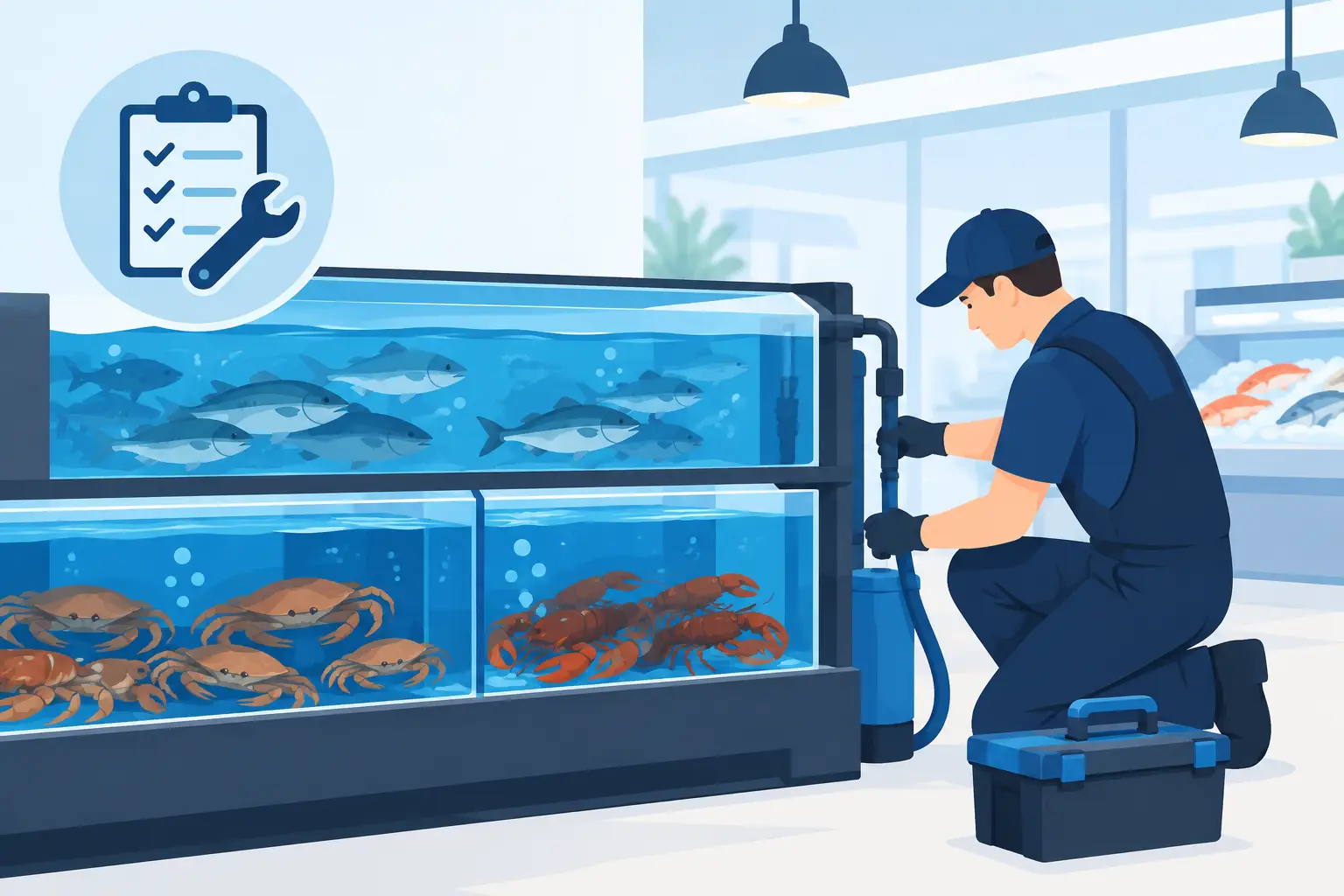
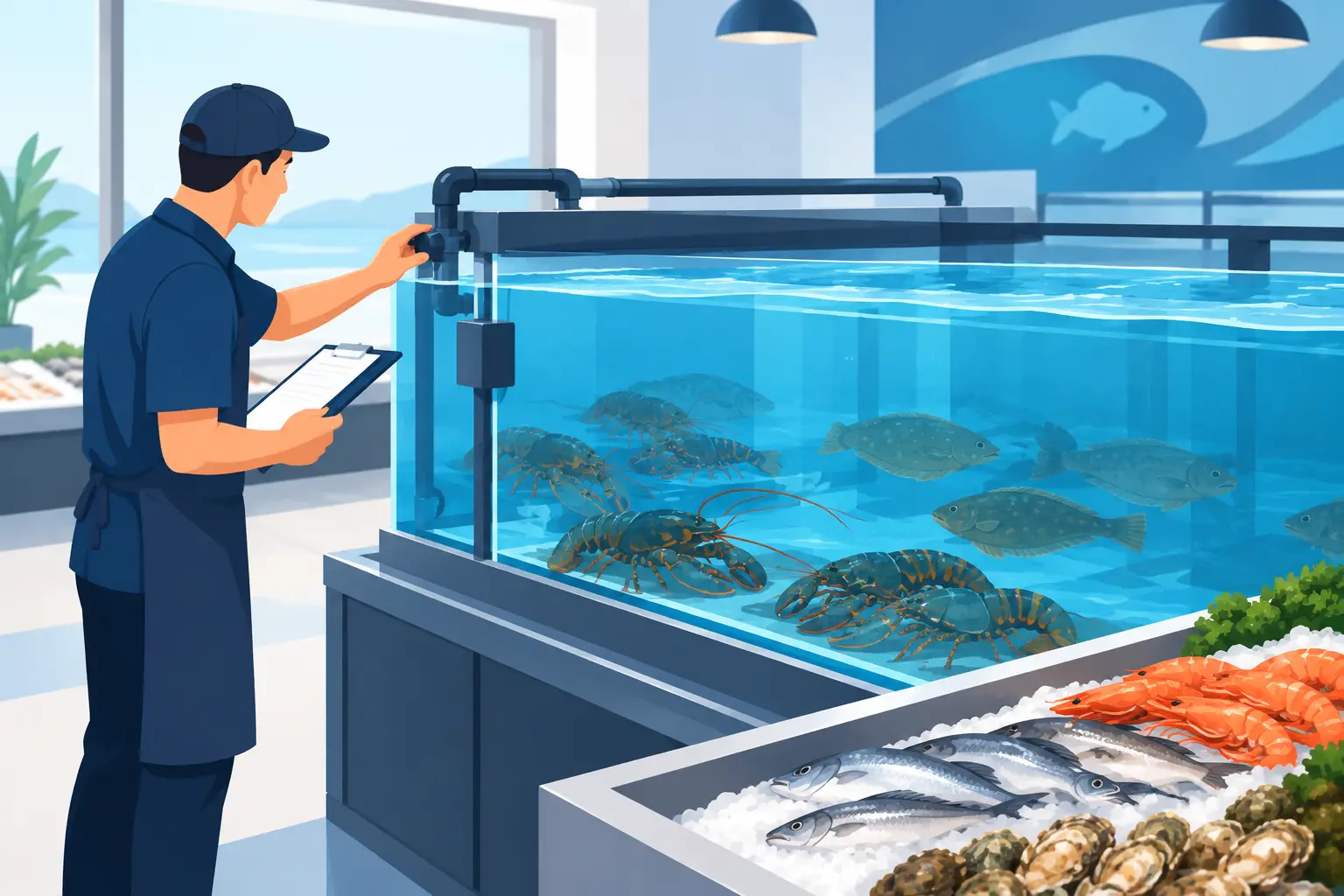
The best time to think about service is before the tank arrives. Commercial seafood departments need equipment that technicians and trained staff can access without dismantling the display or disrupting the department. Filters need room for routine changes. Pumps and valves need clear access. Plumbing should be laid out logically enough that a trained person can identify what is happening under pressure.
A tank that looks sharp but is difficult to service creates hidden labor costs. Staff may postpone routine care because access is awkward. Small issues can become larger problems. When equipment must be repaired, a poorly planned installation can turn a simple component change into a long interruption.
Serviceability also means parts availability. Pumps, controls, fittings, filtration media, and accessories should not become a sourcing project when they wear out. A commercial operator needs a supplier that understands urgency, particularly when the equipment is protecting perishable live inventory. In the Northeast and Mid-Atlantic service territory, responsive field service is especially valuable; elsewhere, reliable parts and technical support remain essential.
Maintenance Is an Operating Discipline
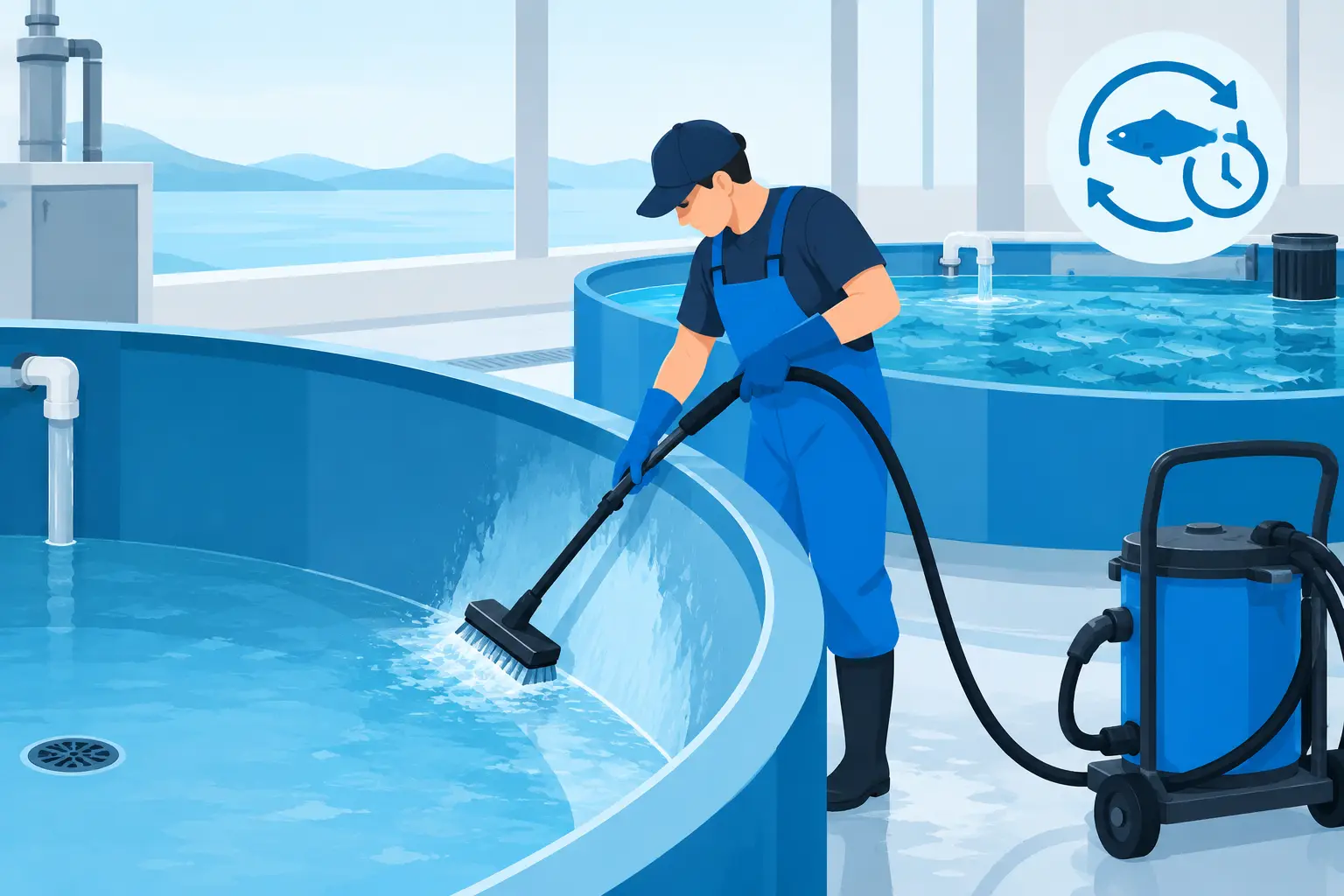
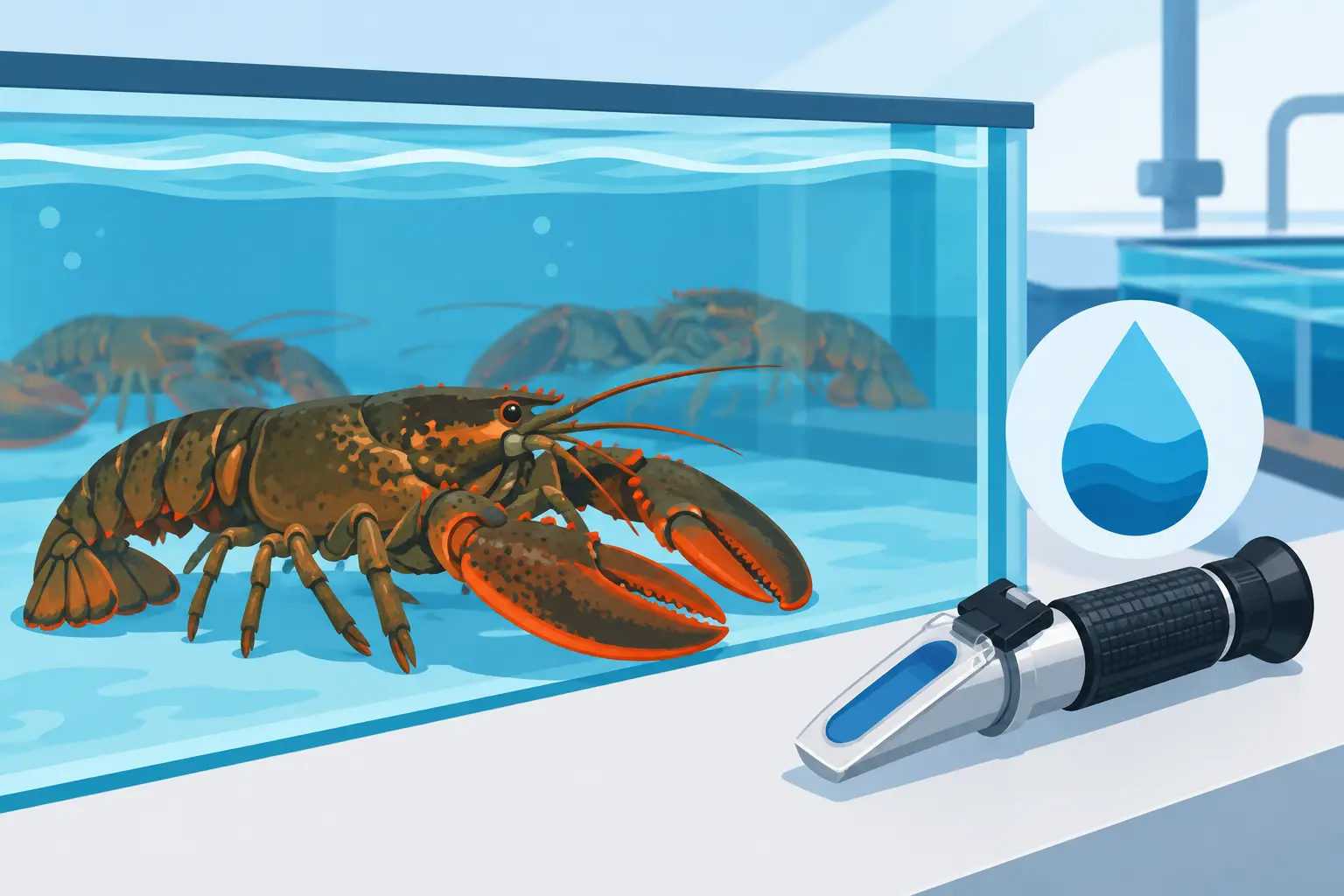
No lobster tank is maintenance-free. Claims that suggest otherwise usually lead to disappointment. Even an excellent system requires scheduled observation and care: checking temperature and salinity, monitoring water appearance, cleaning appropriate components, replacing filtration media, and watching lobster behavior.
The difference between a dependable system and a frustrating one is whether routine maintenance is straightforward and supported. A good service plan keeps critical tasks from being left to memory during busy shifts. It also creates a record of conditions, helping managers spot patterns before they become losses.
Seafood teams should know who is responsible for daily checks, who orders salt and media, and who calls for service when readings or equipment behavior fall outside normal range. That clarity protects both product and people. It prevents the common situation where everyone assumes someone else is handling the tank.
Questions to Ask Before Ordering a Lobster Tank
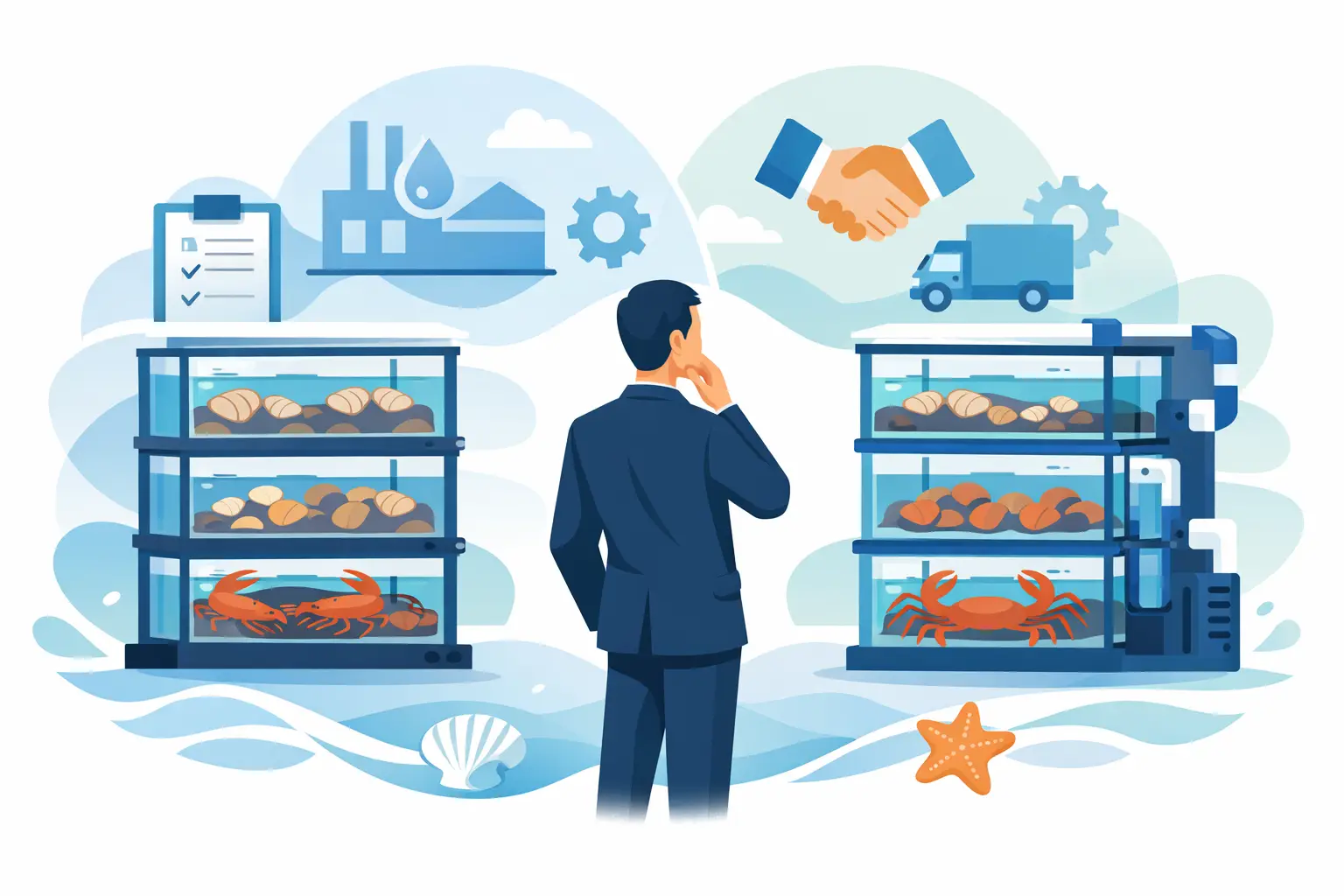
Before choosing a system, commercial buyers should look beyond overall dimensions and price. Ask how much live product the tank is expected to hold under normal and peak conditions. Confirm the electrical, water, drainage, ventilation, and floor-space requirements. Consider whether the tank will be installed as a new build, a remodel, or a replacement within an existing seafood department.
Also ask who will support the equipment after installation. Will the same provider supply marine salt, filters, activated carbon, and replacement components? Can the system be customized for merchandising and workflow? Is there technical guidance for staff? These questions reveal whether the purchase is a short-term equipment transaction or a long-term operating solution.
For chain retailers, standardization may be the priority. A consistent tank platform can simplify staff training, supply ordering, and maintenance across multiple stores. For independent seafood markets and specialty grocers, a tailored footprint or display configuration may deliver greater value. Neither approach is automatically better. The right choice depends on the operation, volume, and level of internal maintenance capability.
Choose a Partner That Understands Live Inventory
A commercial lobster tank should earn its floor space every day. It should present live product professionally, support animal health through stable water conditions, and give staff a manageable routine instead of another source of uncertainty. Domestic manufacturing supports that goal when it comes with thoughtful design, dependable components, accessible service, and a supplier that remains available after the sale.
When evaluating USA made lobster tanks, focus on the complete operating picture: fabrication quality, filtration design, service access, supply continuity, and technical support. The right system is the one that lets your seafood department spend less time reacting to equipment and more time selling exceptional live product with confidence.