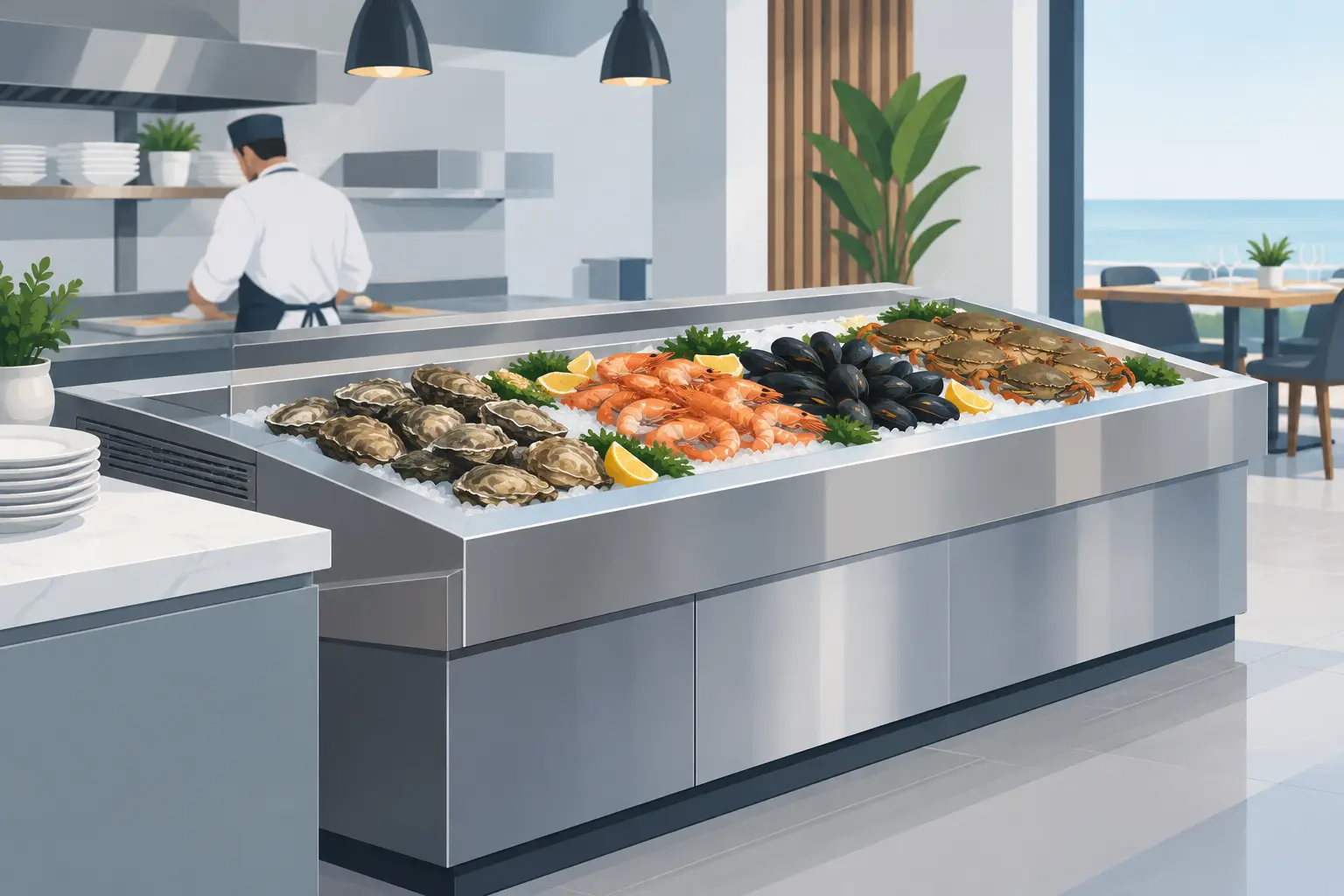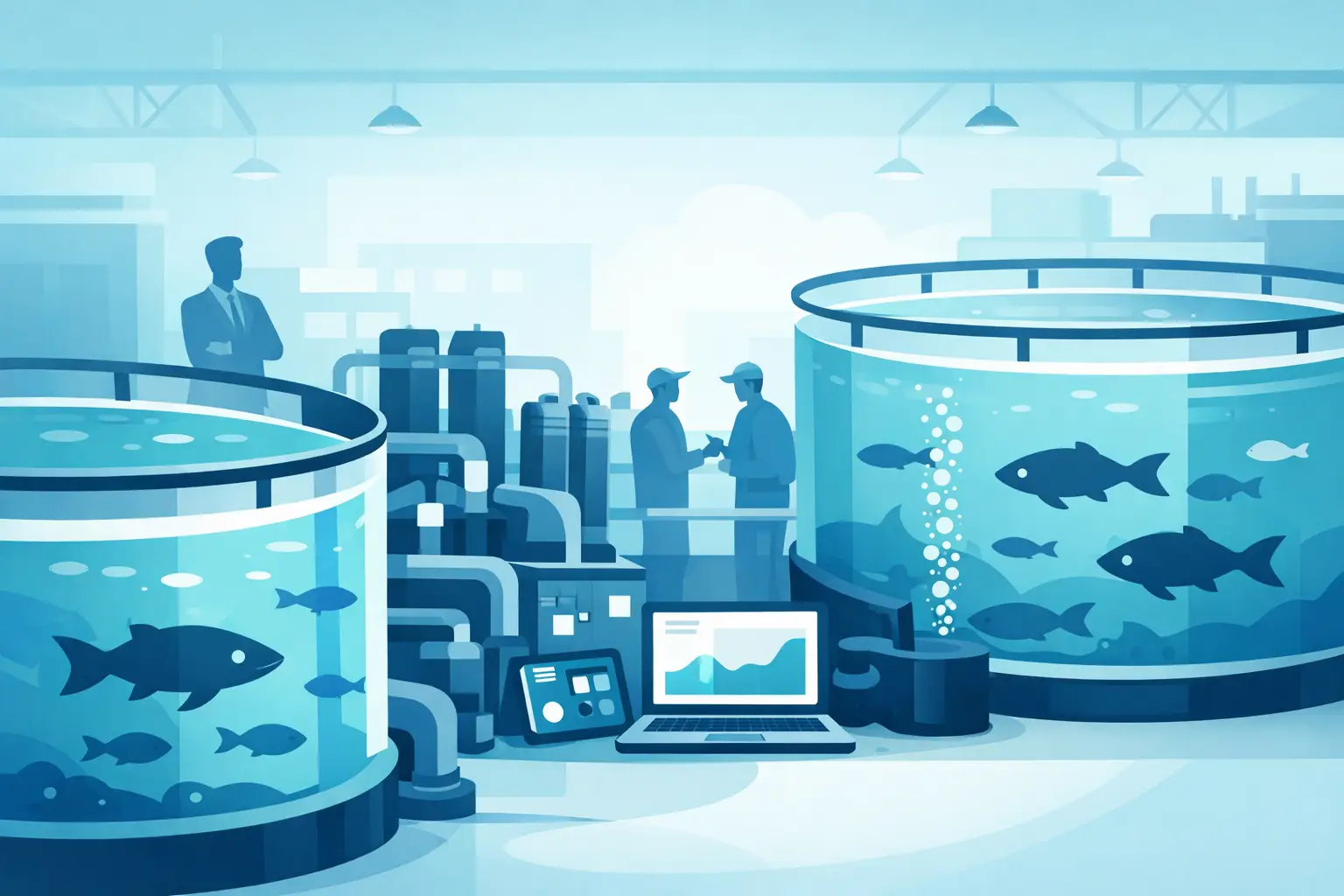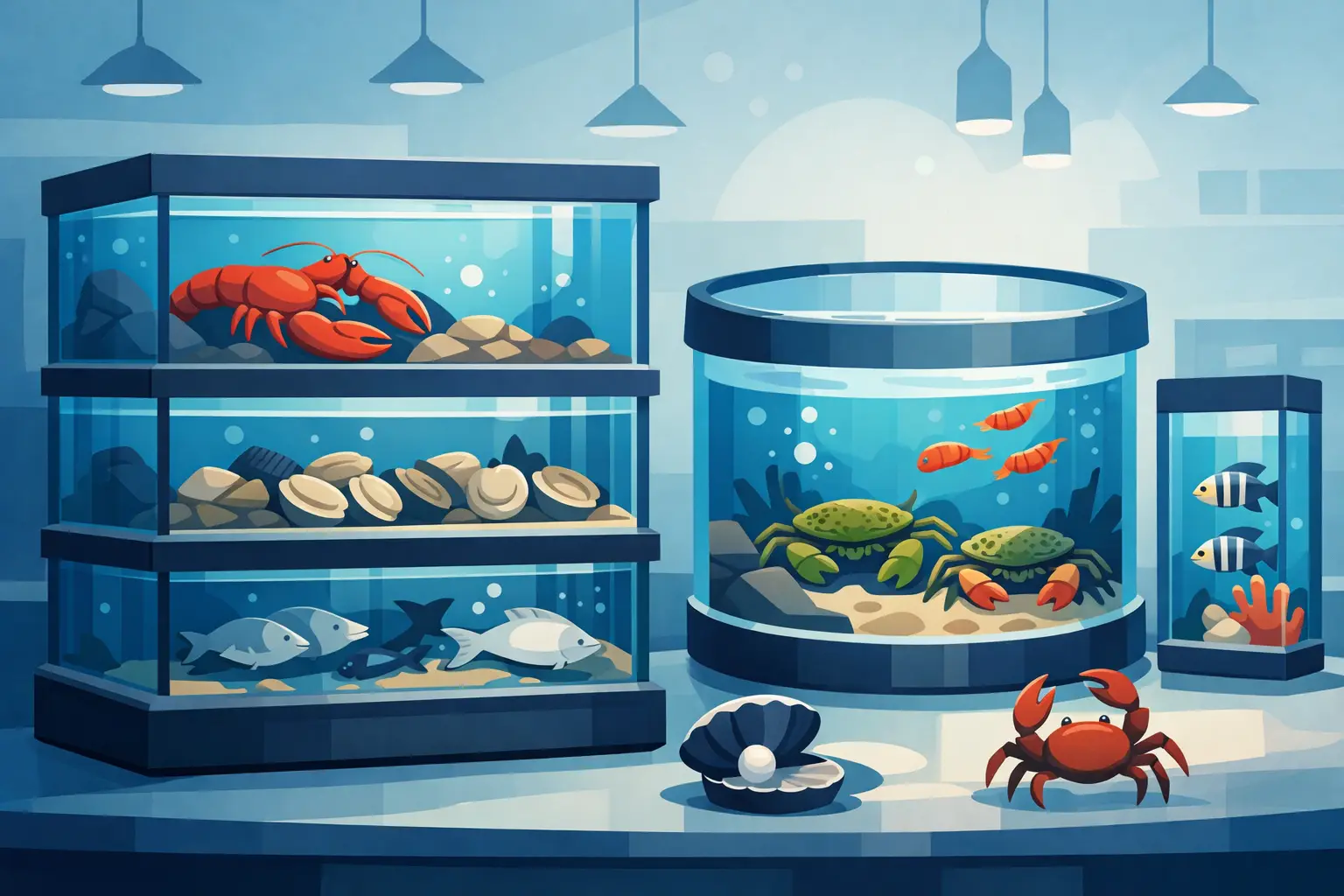

A restaurant shellfish installation is not a display case with water in it. It is a live-inventory system that has to protect product quality through busy dinner service, delivery days, changing room temperatures, and the occasional equipment issue that cannot wait until morning. When the tank is designed around the operation instead of squeezed into an available corner, it becomes a dependable part of the seafood program.
For restaurants serving lobster, crab, clams, oysters, mussels, or other live product, the stakes are plain. Poor water conditions, weak circulation, limited access for cleaning, or an undersized system can turn valuable inventory into loss. A well-planned installation supports healthier shellfish, stronger merchandising, and a staff workflow that does not create headaches every shift.
Start Restaurant Shellfish Installation With the Operation
The first question is not, “What size tank looks good?” It is, “What inventory must this system reliably hold?” A restaurant that keeps a small number of lobsters for same-day service has different needs than a high-volume seafood house receiving multiple live shipments each week. Holding volume, species, turnover rate, and delivery schedule should determine the system’s capacity.
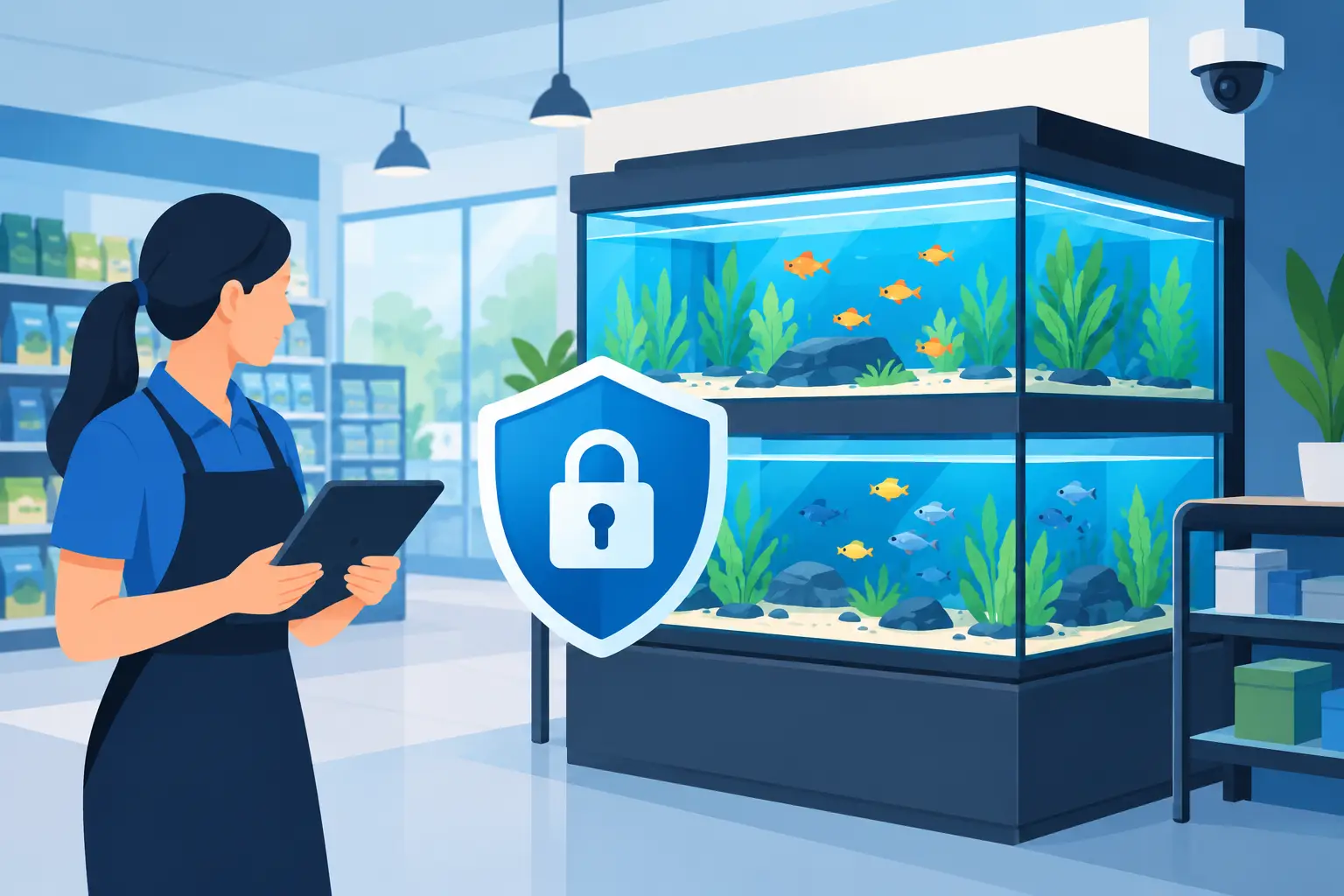
Location matters just as much. The tank must be visible enough to support the guest experience, but it also needs practical access for receiving, loading, cleaning, salt additions, filter changes, and service. A front-of-house tank can make a strong statement about freshness. It can also become difficult to maintain if staff have no service clearance or must move through a crowded dining room with equipment.
Before fabrication begins, review the actual site conditions: floor loading, drain access, electrical supply, water source, door widths, route from delivery entrance to final location, ventilation, and available space for filtration equipment. A tank that fits the floor plan on paper may still create problems if it cannot clear a doorway or if technicians cannot reach pumps, plumbing connections, and filter housings after installation.
Build for the Species You Sell
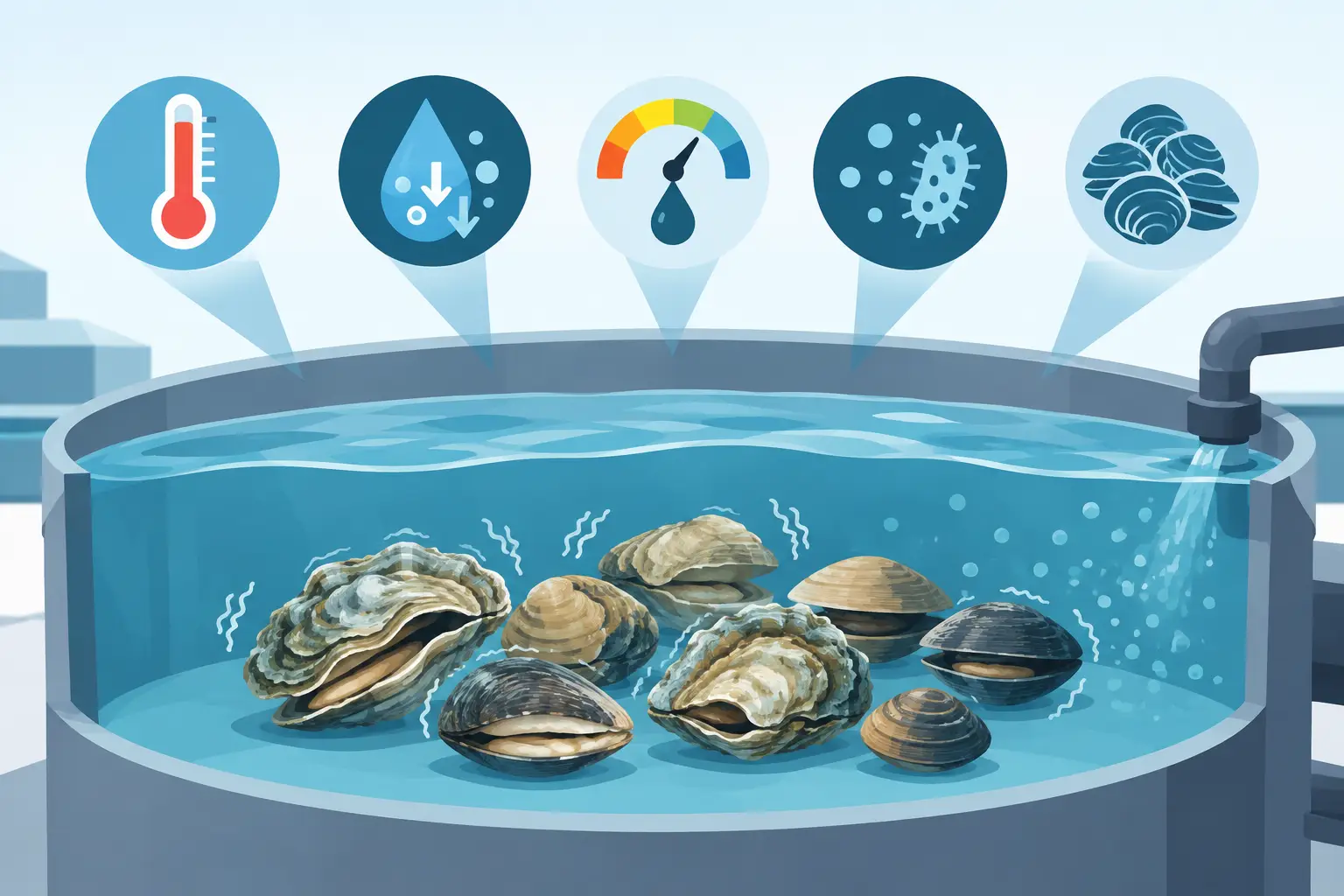
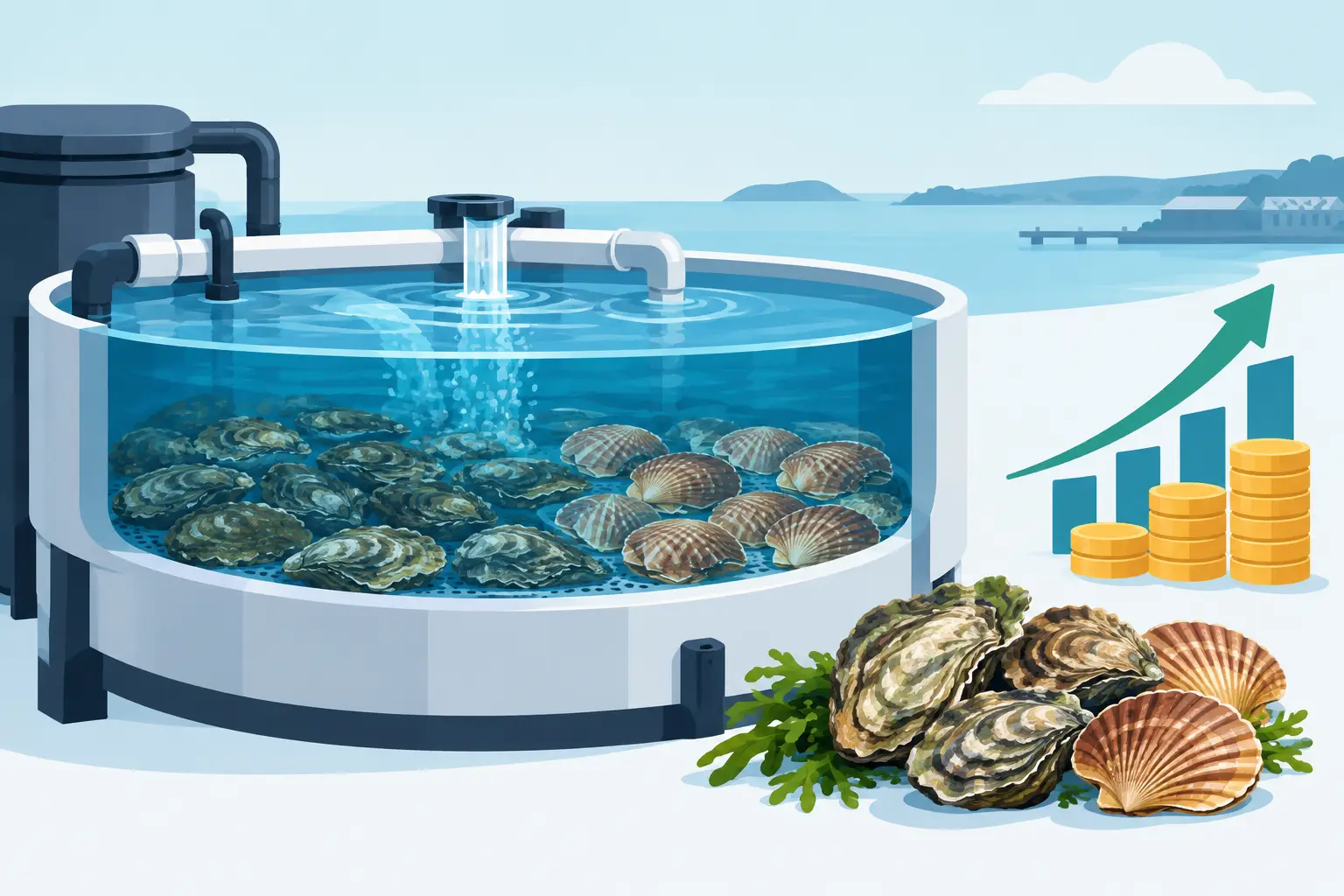
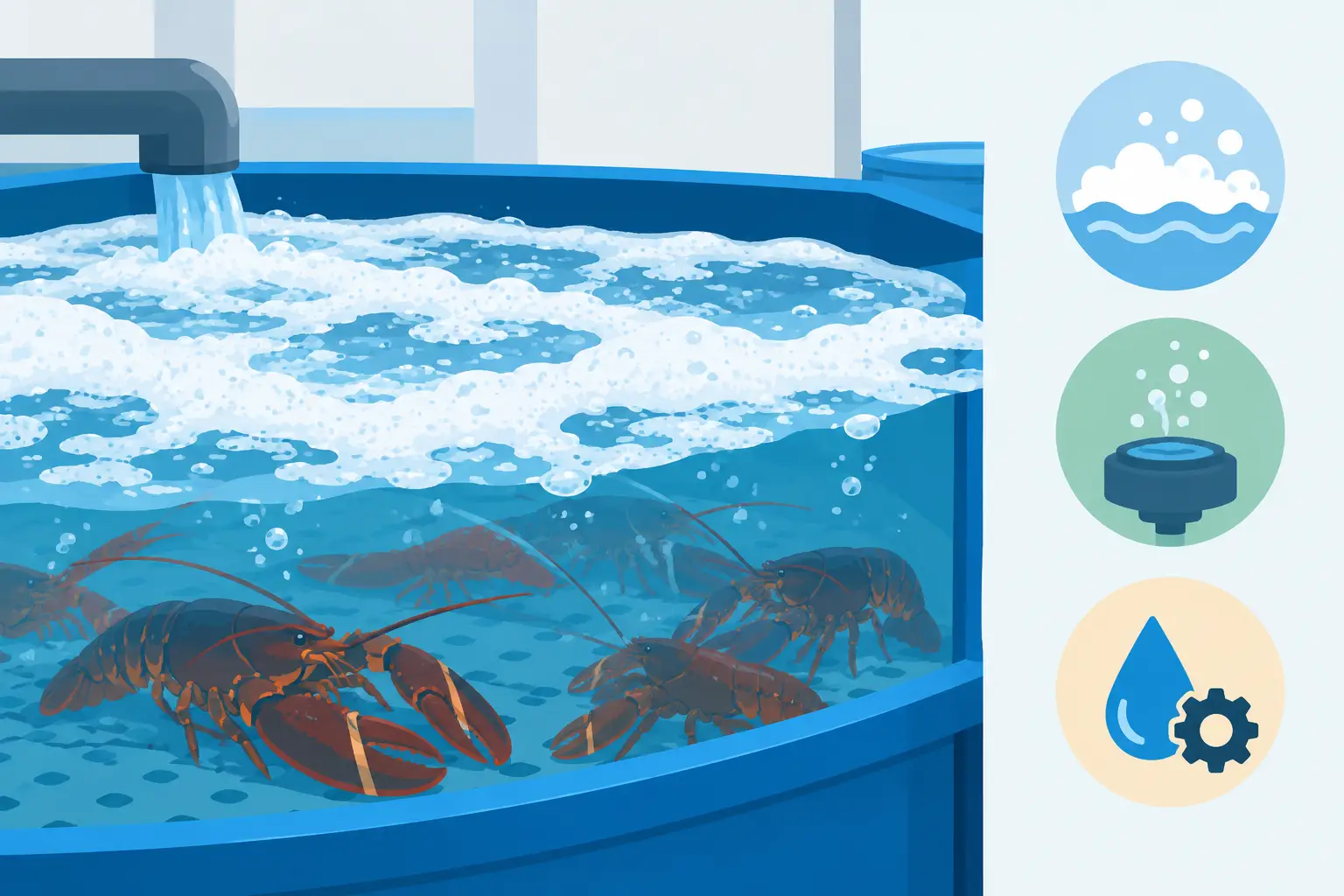
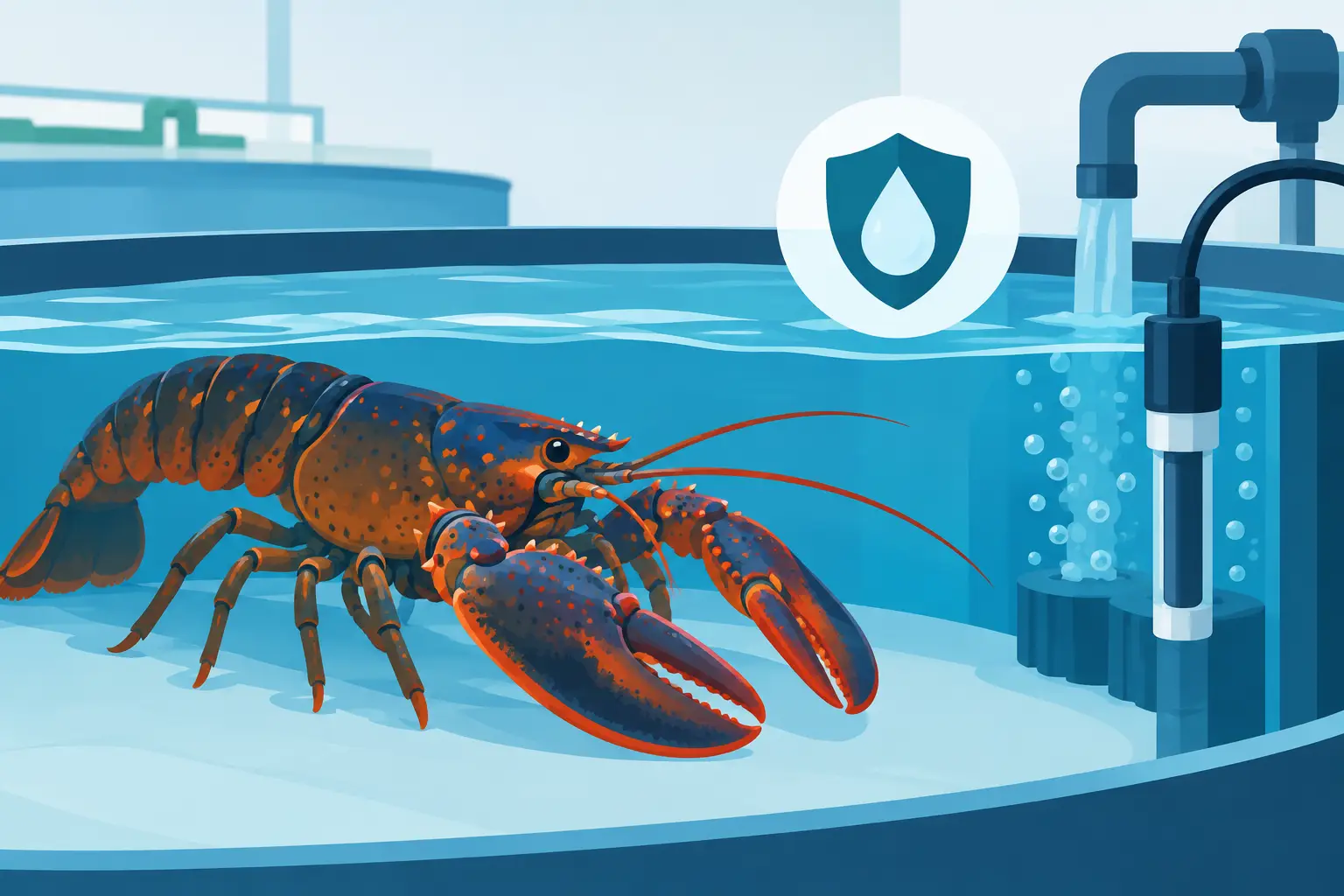
Not every live seafood system operates the same way. Lobsters require cold, clean saltwater, dependable oxygenation, and a stable environment that minimizes stress. Shellfish holding can vary by species, local handling practices, and how long product remains in the system. The right answer depends on the menu and the operator’s receiving and turnover habits.
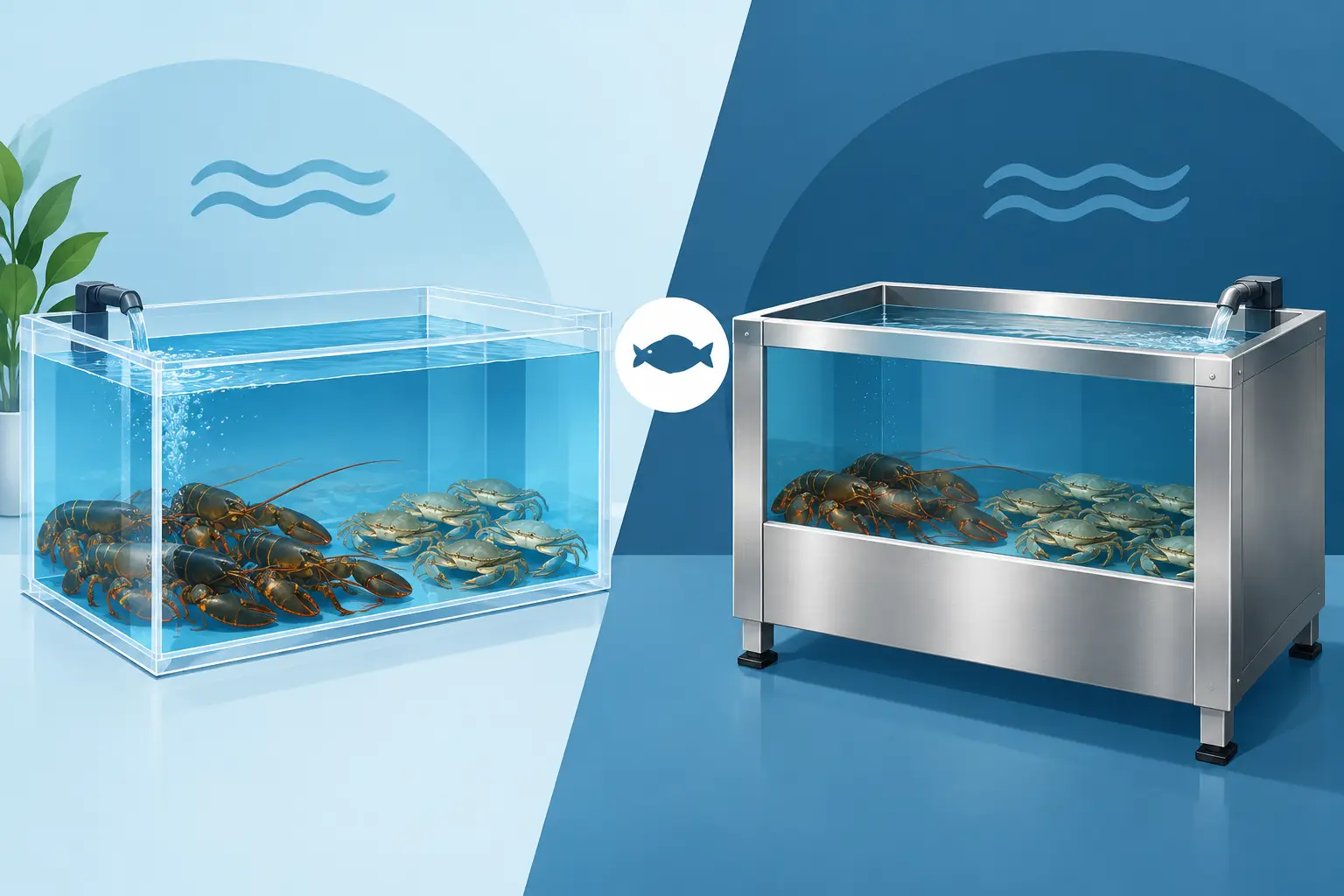
That is why a one-size-fits-all tank is rarely the best commercial choice. Custom fabrication allows the tank dimensions, capacity, dividers, access points, refrigeration approach, and filtration package to match the restaurant’s real needs. It also helps owners avoid paying for oversized capacity that consumes space and energy without improving operations.
Water Quality Is the System’s Working Engine
Guests see the tank. Your product lives in the water.
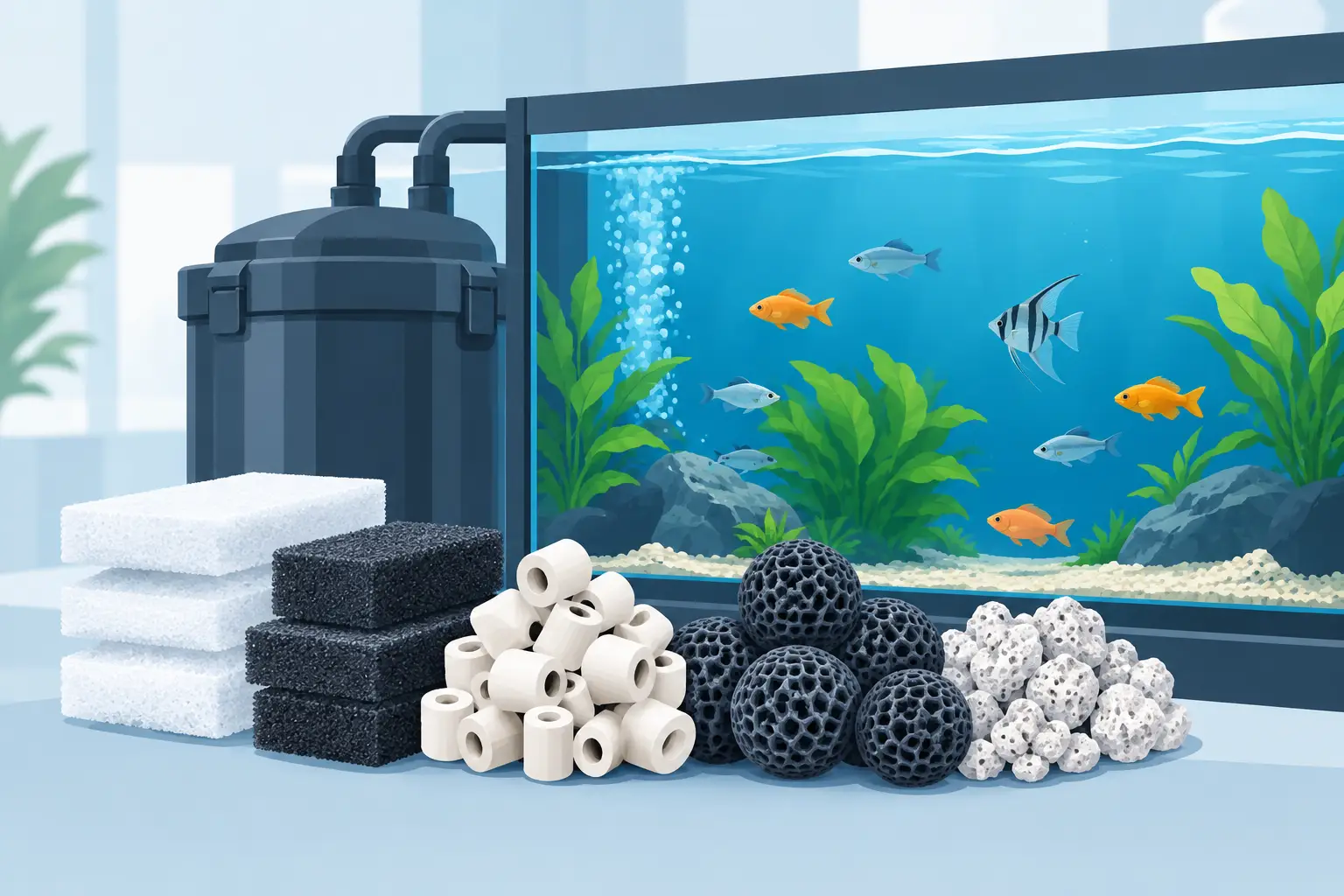
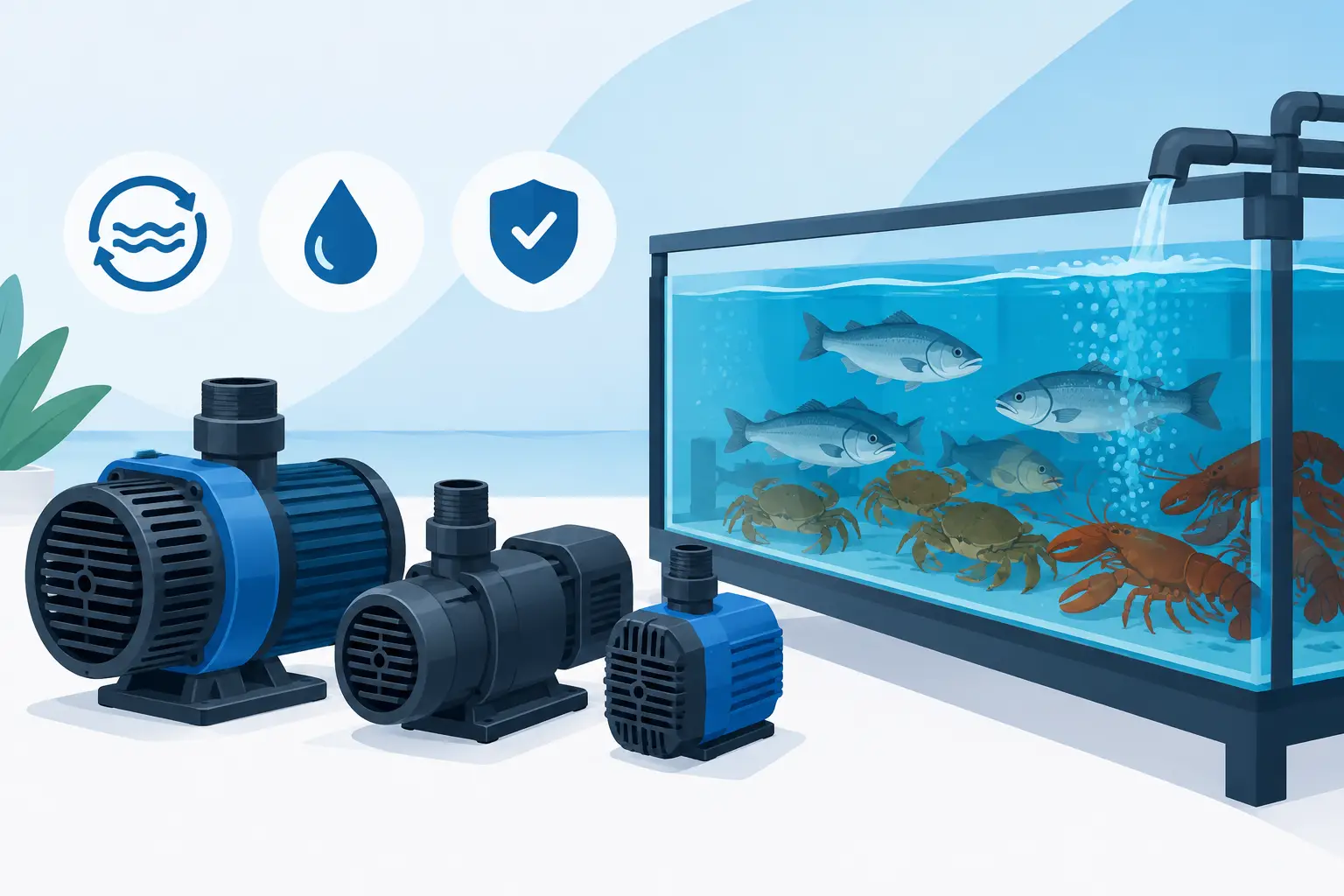
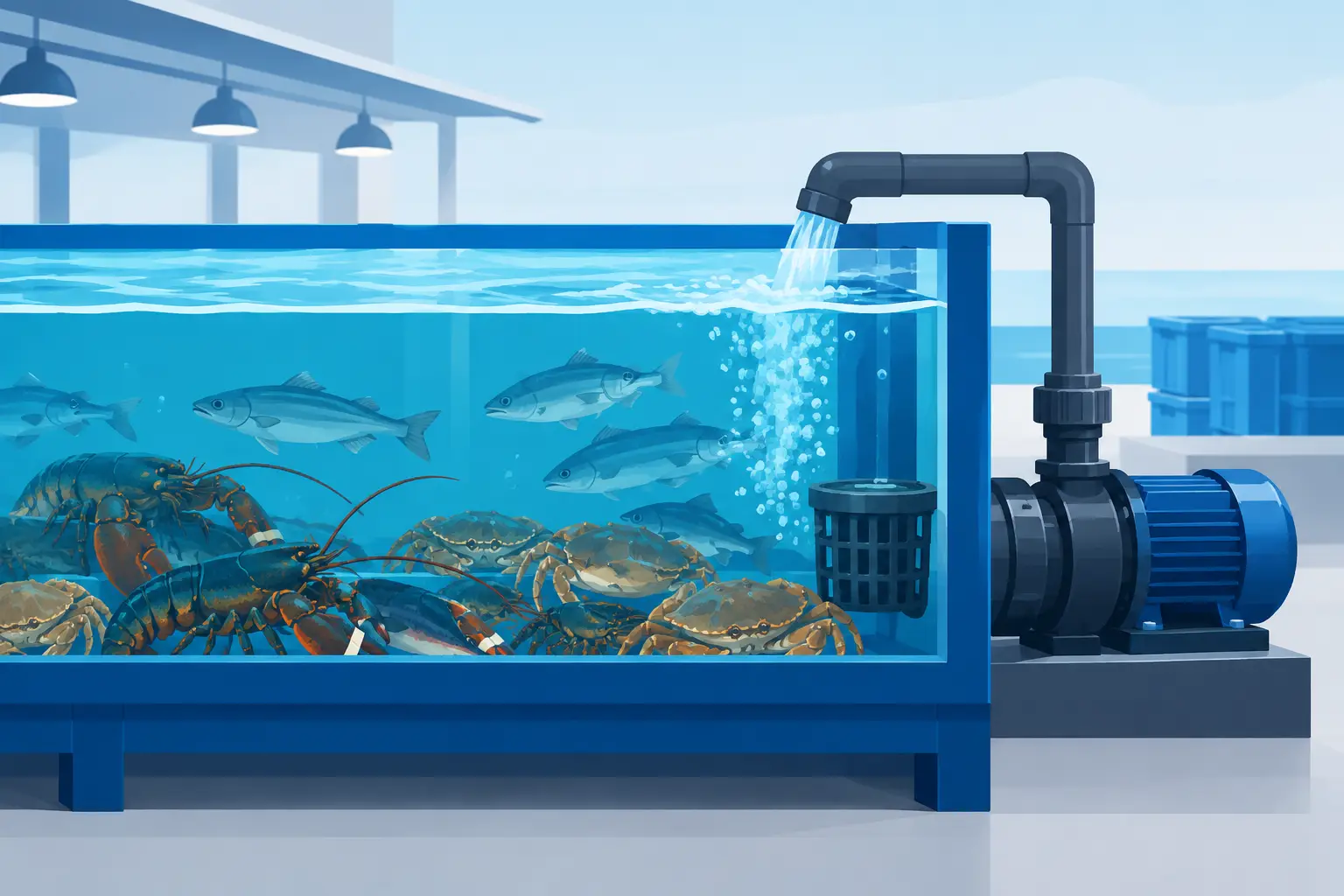
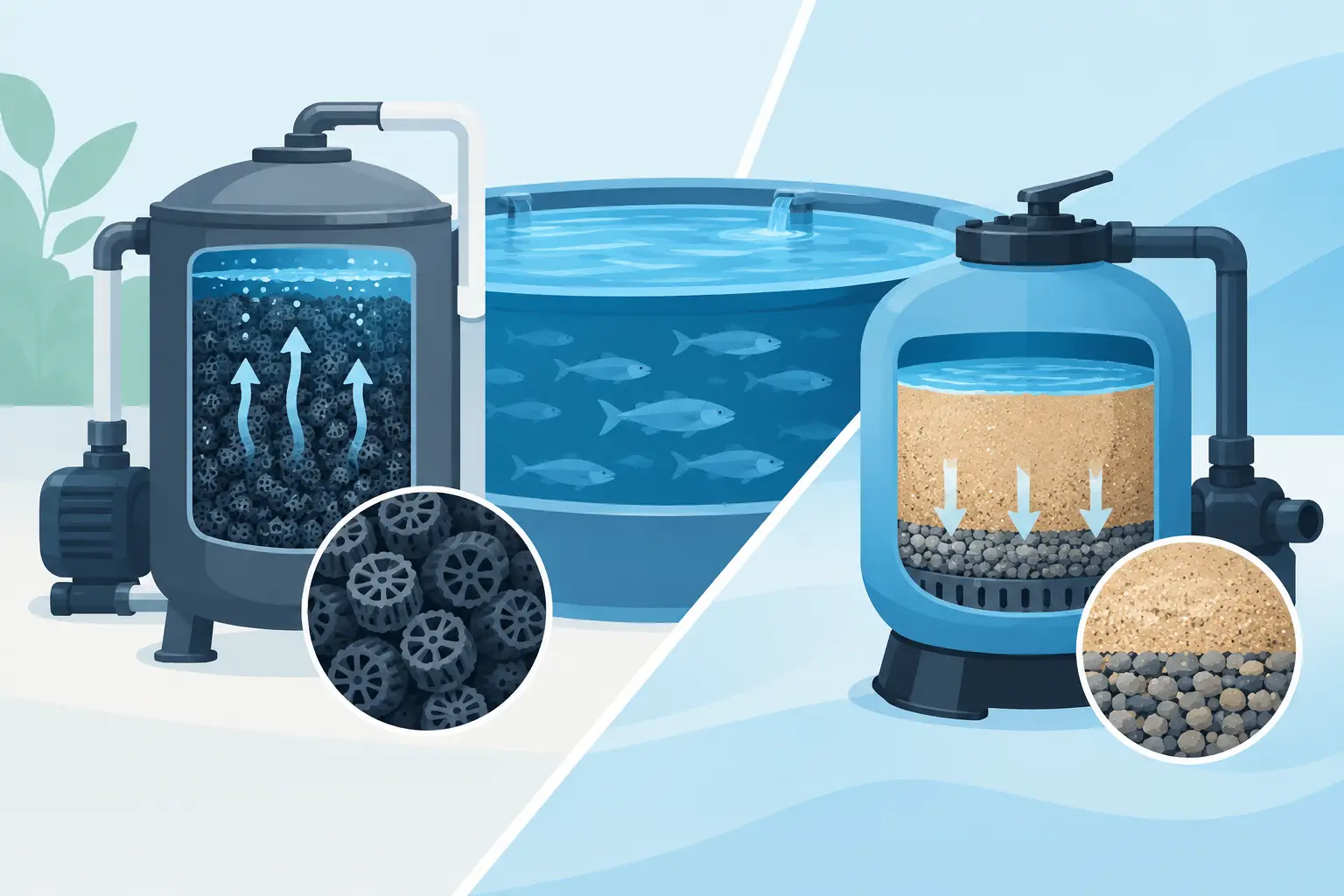
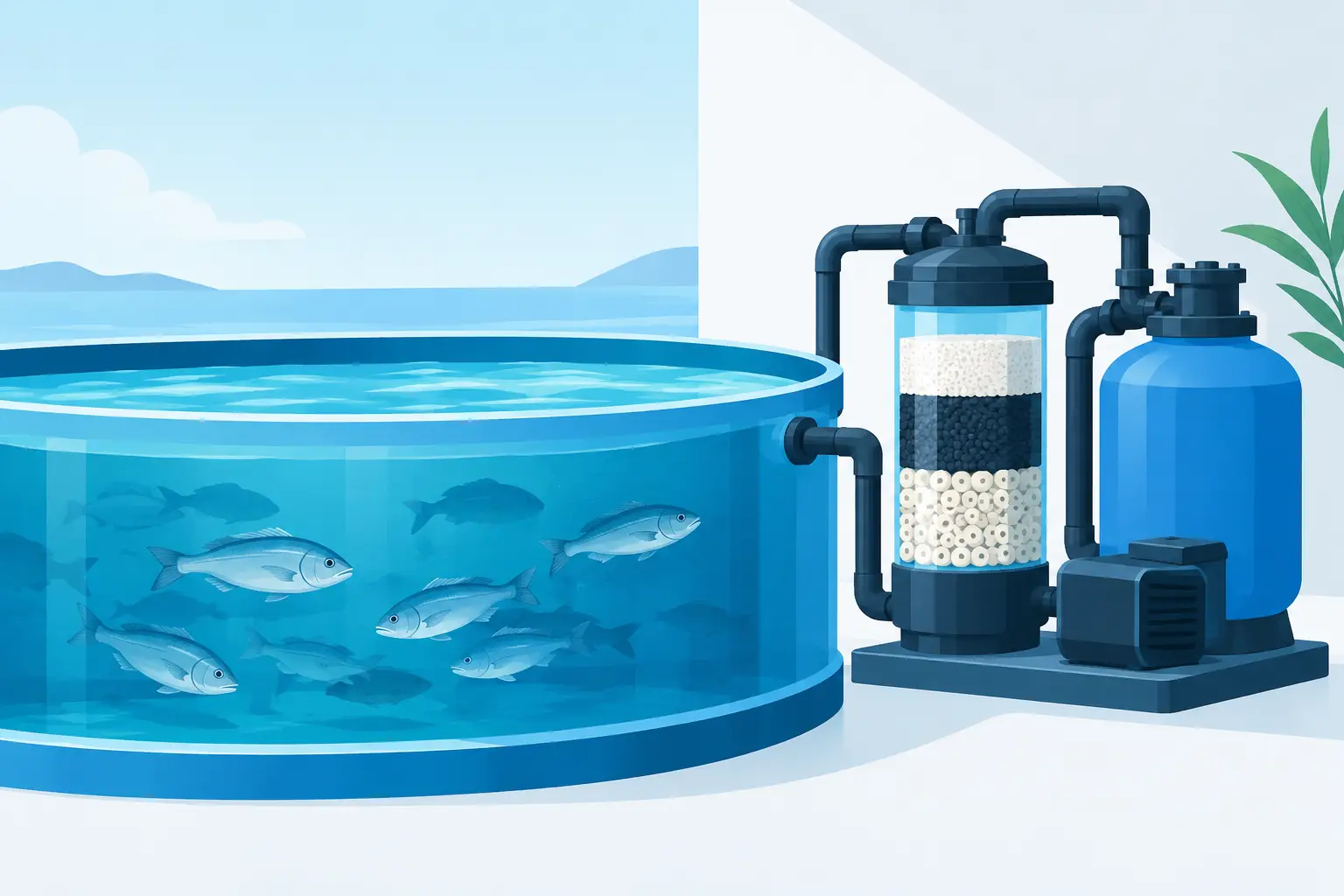
A shellfish system needs continuous circulation and filtration that can manage organic load without turning routine maintenance into a daily battle. The filtration package should be specified for the tank volume, anticipated livestock load, and operating schedule. Mechanical filtration captures suspended debris, while biological filtration helps manage waste compounds. Activated carbon and other media can support water clarity and quality when used as part of the proper maintenance plan.
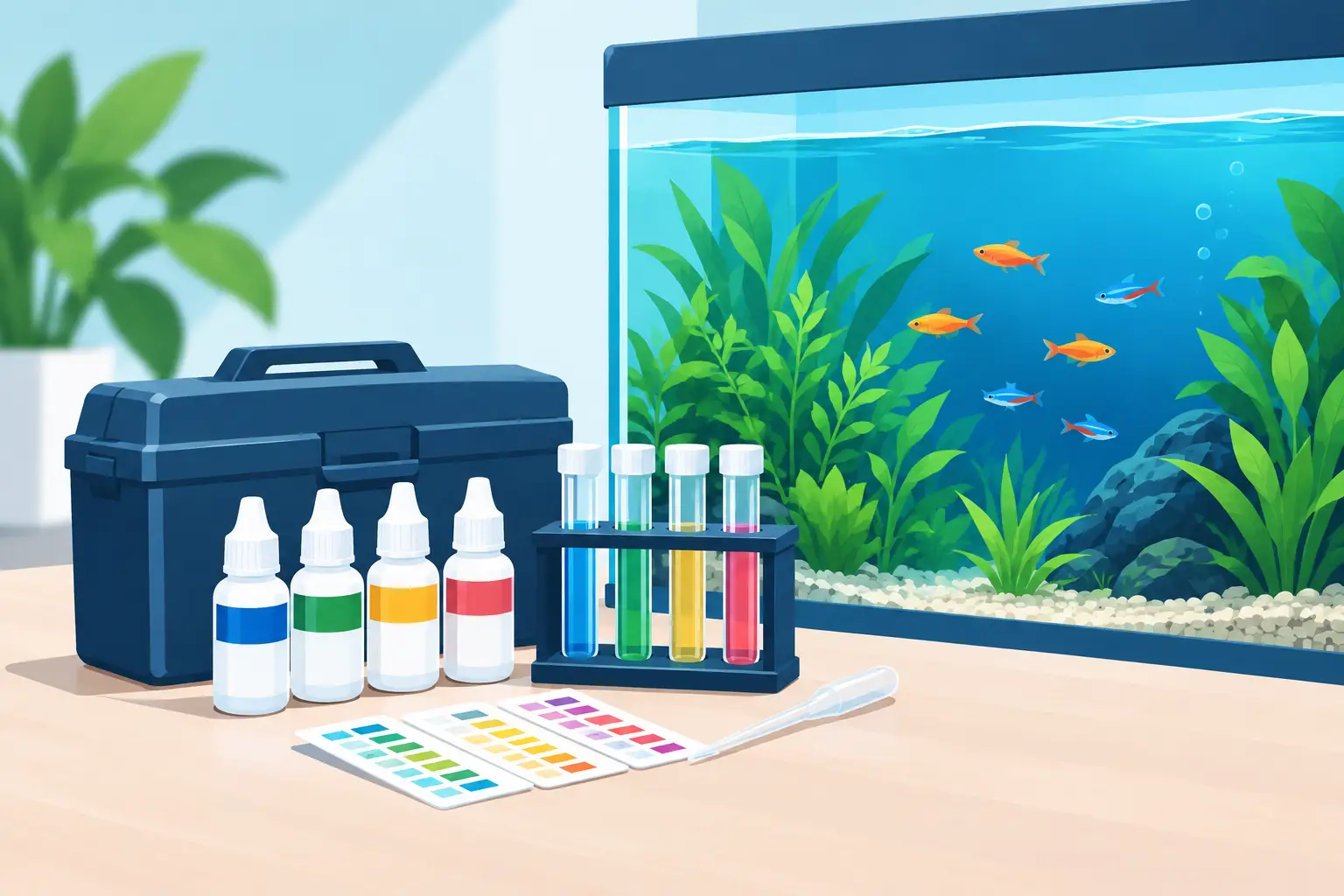
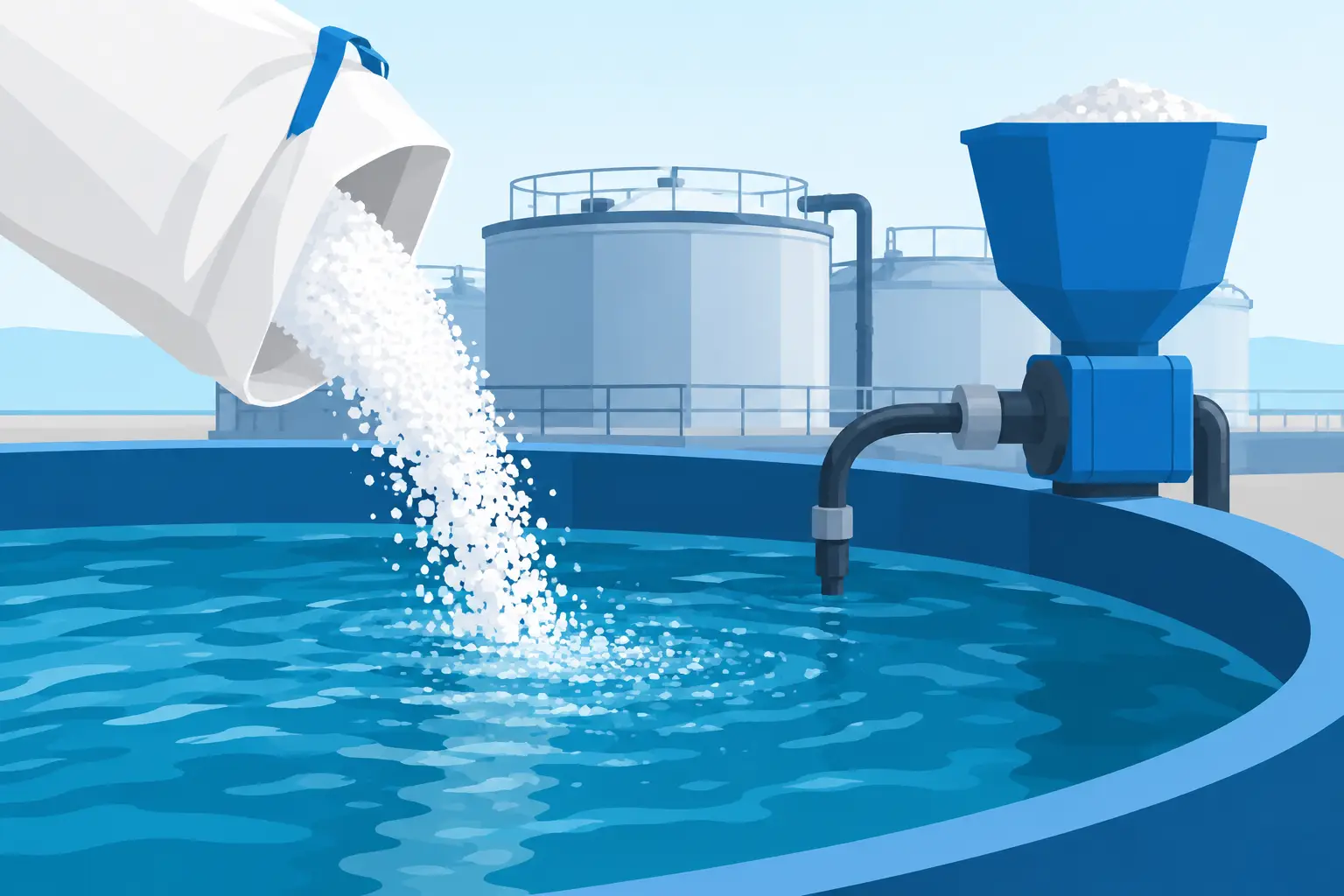
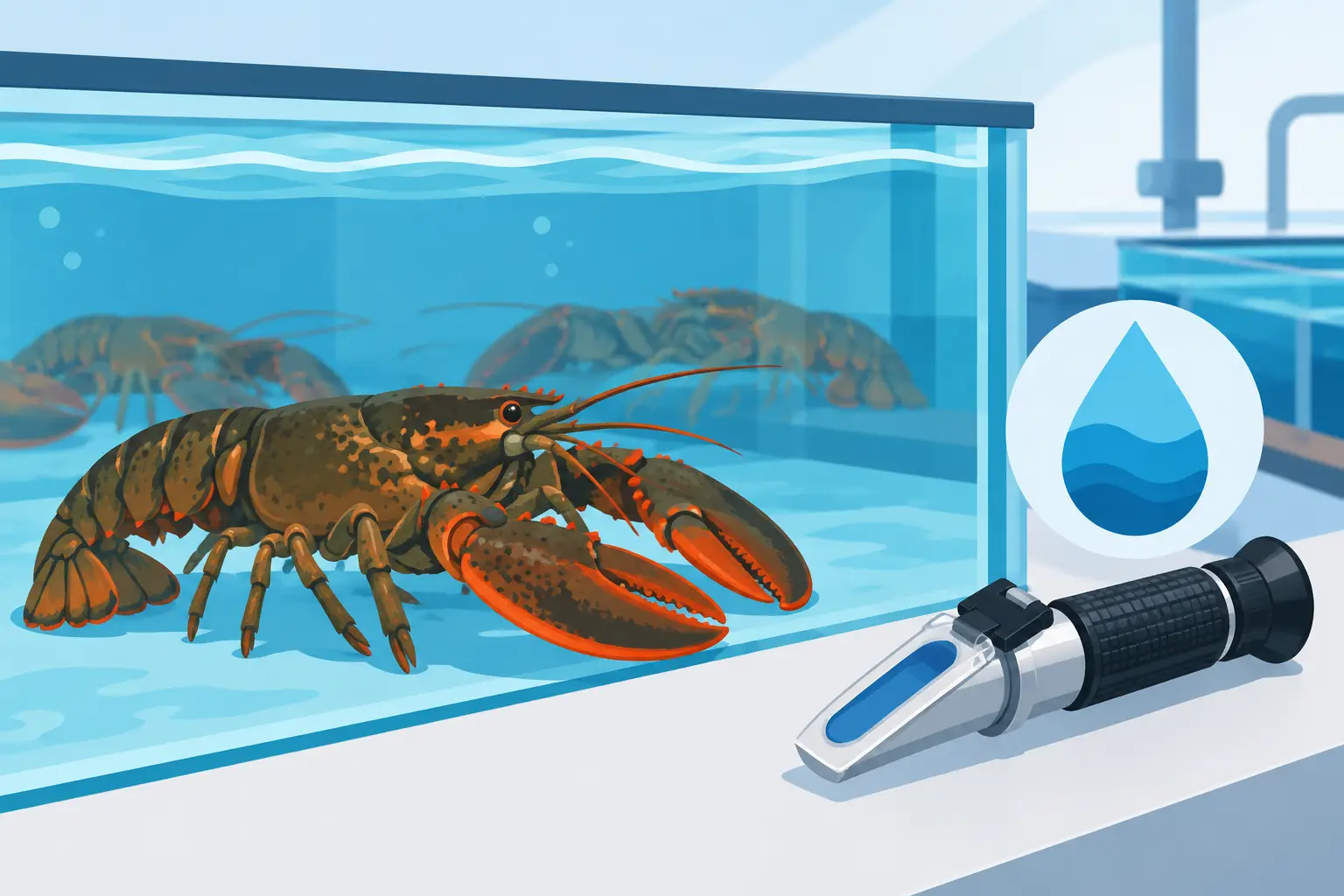
Saltwater quality deserves the same discipline. Mixing inconsistent salt batches, topping off without understanding salinity, or delaying media changes creates instability that can affect animal health. Commercial operators need a clear supply plan for marine salt, replacement filters, carbon, and other consumables. Running short on a basic filtration component should never put live inventory at risk.
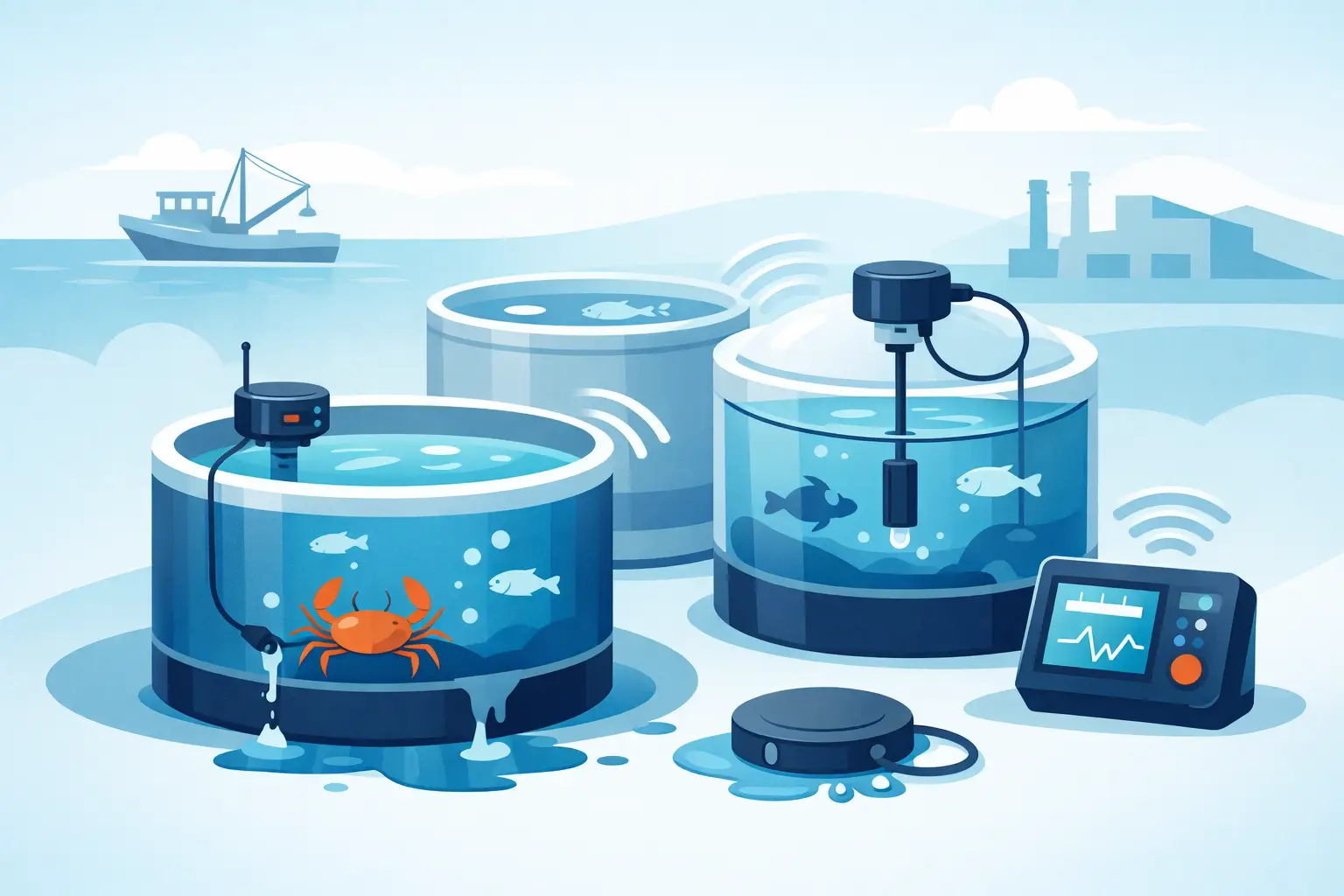
Temperature control is another decision that cannot be treated as an afterthought. Kitchen heat, direct sunlight, nearby refrigeration exhaust, and seasonal changes can all affect tank performance. A properly specified system accounts for the environment around the tank, not just the temperature target inside it.
For lobster programs, a self-contained purging system can be especially valuable. It gives operators a controlled holding environment designed to support cleaner, healthier product while reducing the complications of coordinating separate equipment and suppliers.
Design for Staff, Not Just the Dining Room
An attractive tank earns attention. An accessible tank earns its keep.
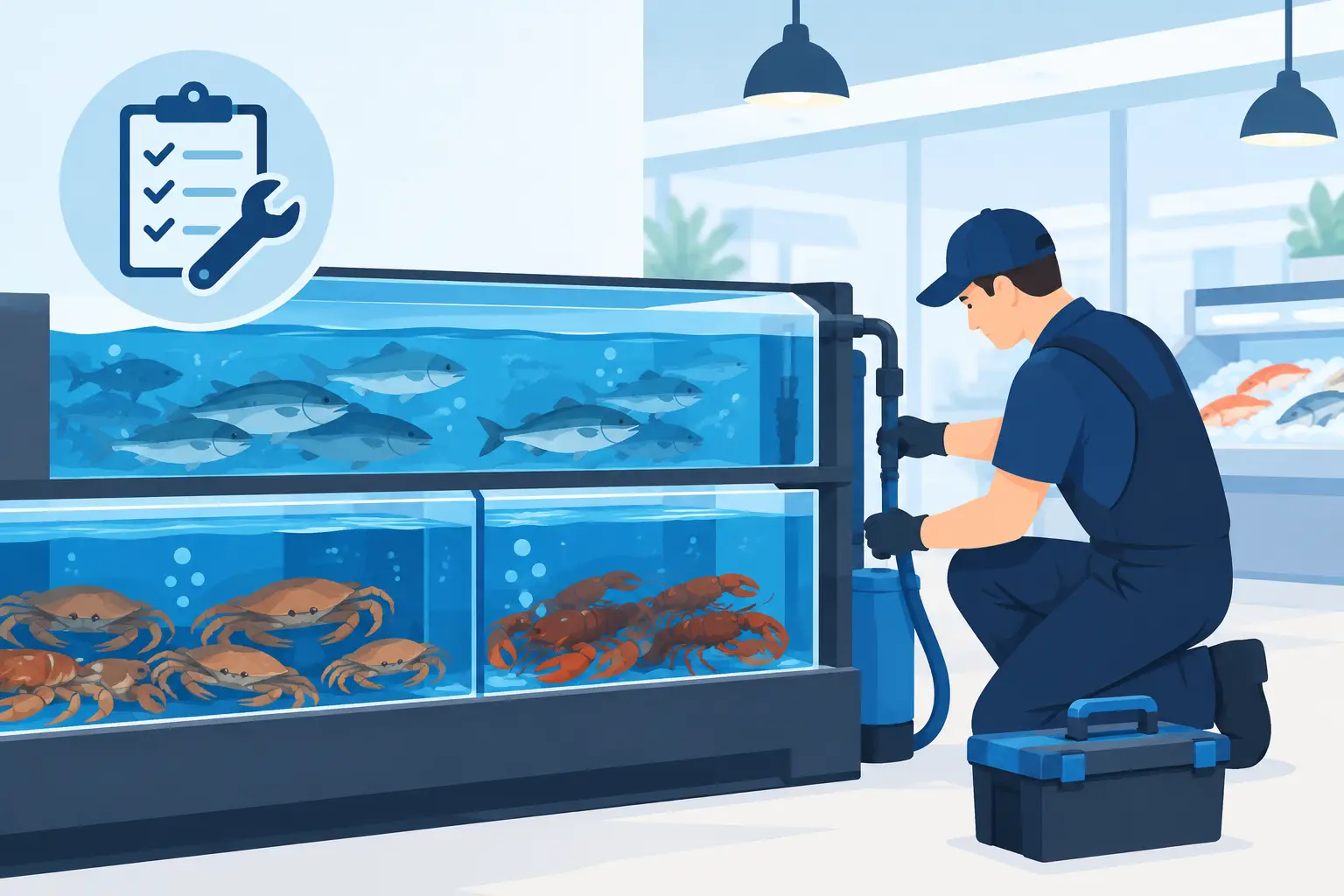
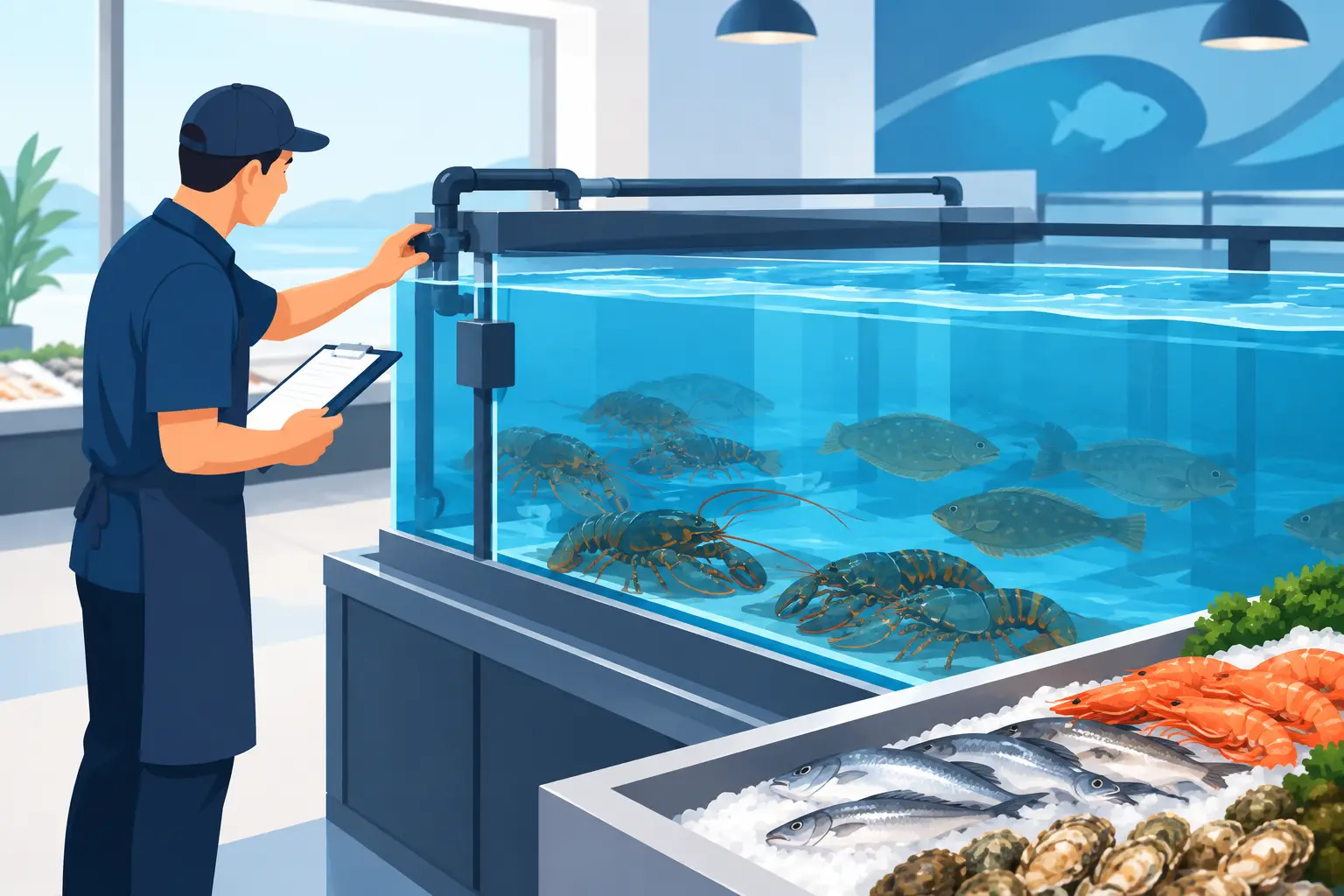
The best restaurant installations make normal tasks simple: feeding where appropriate, removing debris, checking water levels, monitoring temperature, receiving product, and cleaning surfaces. Service panels should be reachable. Drain and fill points should be practical. Employees should not need to climb, stretch, or dismantle display components to complete basic care.
A clear operating routine also protects against avoidable errors. Designate who checks the tank at opening and closing, who documents temperature and water observations, and who has authority to call for service. Restaurant teams have enough to manage during a rush. The system should provide straightforward visual indicators and an agreed response plan when something is outside the normal range.
Consider the appearance from both sides of the counter. Clean sightlines, proper lighting, well-designed dividers, and a tank scaled to the restaurant’s identity can turn live seafood into a point of confidence for guests. At the same time, appearance should never compromise access to critical mechanical components. A beautiful enclosure that makes service difficult will cost more over the life of the system.
Installation Day Requires Coordination
Commercial tank installation is a facilities project, not a last-minute delivery. The tank, filtration, plumbing, electrical connections, and any required refrigeration components must come together in the right sequence. Coordinating the installer with the restaurant’s contractor, electrician, plumber, and facilities team prevents costly delays and avoidable rework.
The space should be ready before equipment arrives. Floors need to be finished and capable of carrying the load. Electrical service must be available where specified. Plumbing and drains must be confirmed. The travel path from truck to installation location must be clear, including turns, elevators, thresholds, and door openings.
Once the system is positioned, the work is not complete. Water must be mixed and conditioned, circulation verified, filtration checked, temperature stabilized, and all connections inspected. A responsible commissioning process gives the restaurant time to understand normal operation before valuable live inventory is introduced.
Do Not Rush the First Load-In
A new system needs stable water conditions before it is expected to carry product. The exact preparation period depends on the equipment and operating plan, but rushing live shellfish into an unverified system is a poor tradeoff. Test the system, confirm circulation and temperature, inspect for leaks, and make sure the team knows where supplies and service contacts are kept.
This is also the time to establish delivery procedures. Product should move from receiving to the tank efficiently, with staff trained to handle it correctly and avoid overloading a section. A tank is not a warehouse. Capacity limits exist to protect water quality and the animals held inside.
Maintenance Is Part of the Purchase Decision
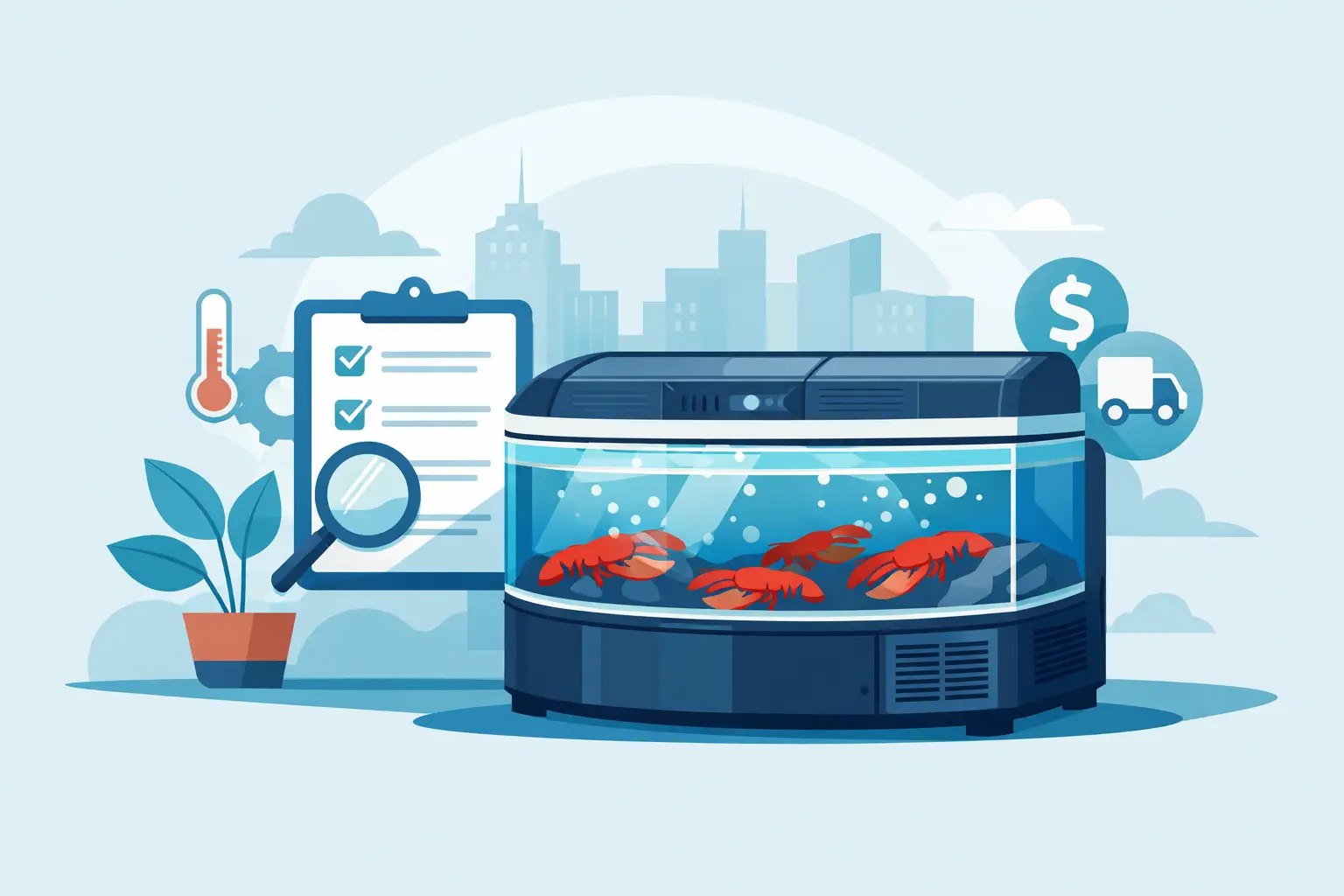
The lowest initial price is not always the lowest cost of ownership. Restaurants should evaluate who will provide replacement media, marine salt, parts, technical guidance, scheduled maintenance, and emergency support after installation. When the tank goes down, the operator does not have time to track down separate vendors for equipment, water treatment supplies, and service.
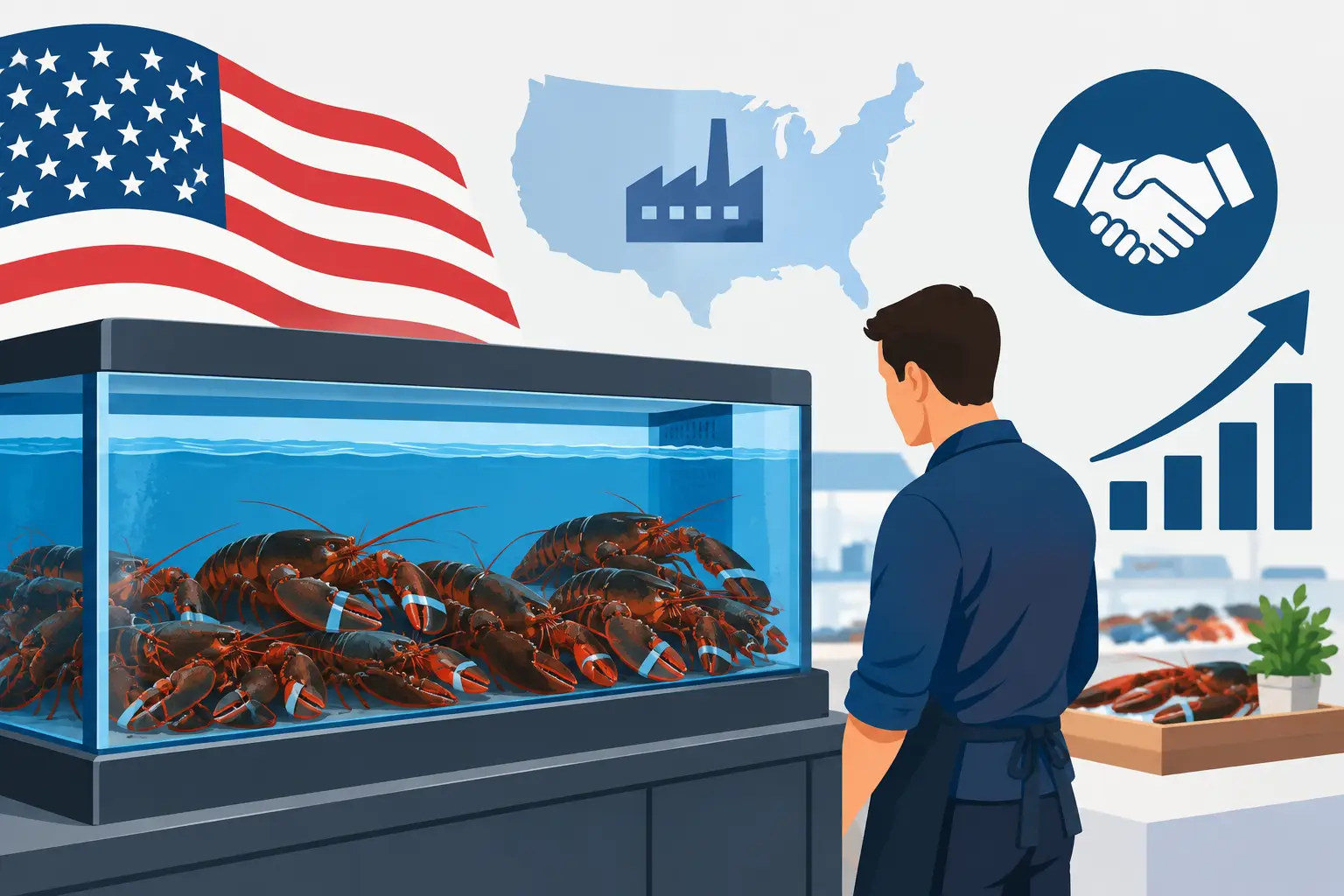
Lobster Life Systems has built commercial live-seafood systems since 1989 and provides custom USA-made tanks, filtration components, ongoing supplies, and service support from one source. That model gives seafood operators a clearer line of accountability throughout the life of the system.
Maintenance frequency depends on the tank design, holding load, species, and operating conditions. Some restaurants need routine scheduled service; others have trained in-house teams supported by a dependable technical partner. Either approach can work when responsibilities are clear. What does not work is waiting for water clarity, odor, temperature, or animal behavior to signal a problem that should have been caught earlier.
Keep a written log of temperature, salinity, filter changes, water additions, cleaning, deliveries, and unusual observations. This does not need to become paperwork for its own sake. A simple record helps staff recognize trends, gives technicians useful information during a service call, and creates accountability across shifts.
Choose a System Partner That Stays Involved
Restaurant owners and facilities managers should expect more than a tank shipment. Ask who designed the system, where it was manufactured, what support is available after commissioning, and how quickly replacement components can be sourced. Ask whether the provider understands live seafood handling or simply sells aquarium equipment.
A good installation partner will ask direct questions about your menu, volume, site, staffing, and service expectations. That level of planning may take more time at the beginning, but it prevents the expensive compromises that show up after the dining room opens.
Give the system the same attention you give your seafood purchasing: specify it for the way you operate, train the people responsible for it, and keep service support close at hand. The result is not just a better-looking tank, but a live-seafood program your staff can run with confidence every day.