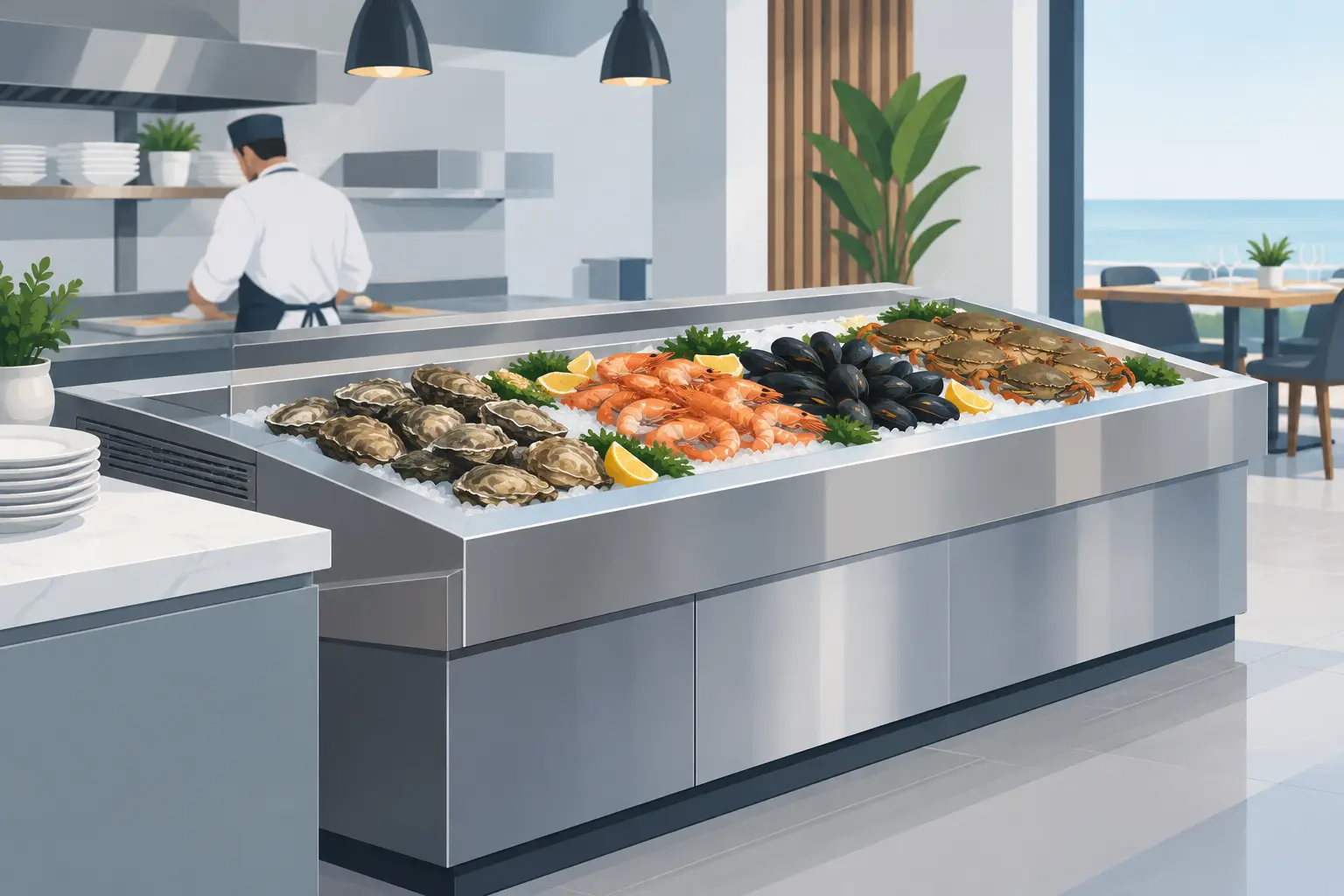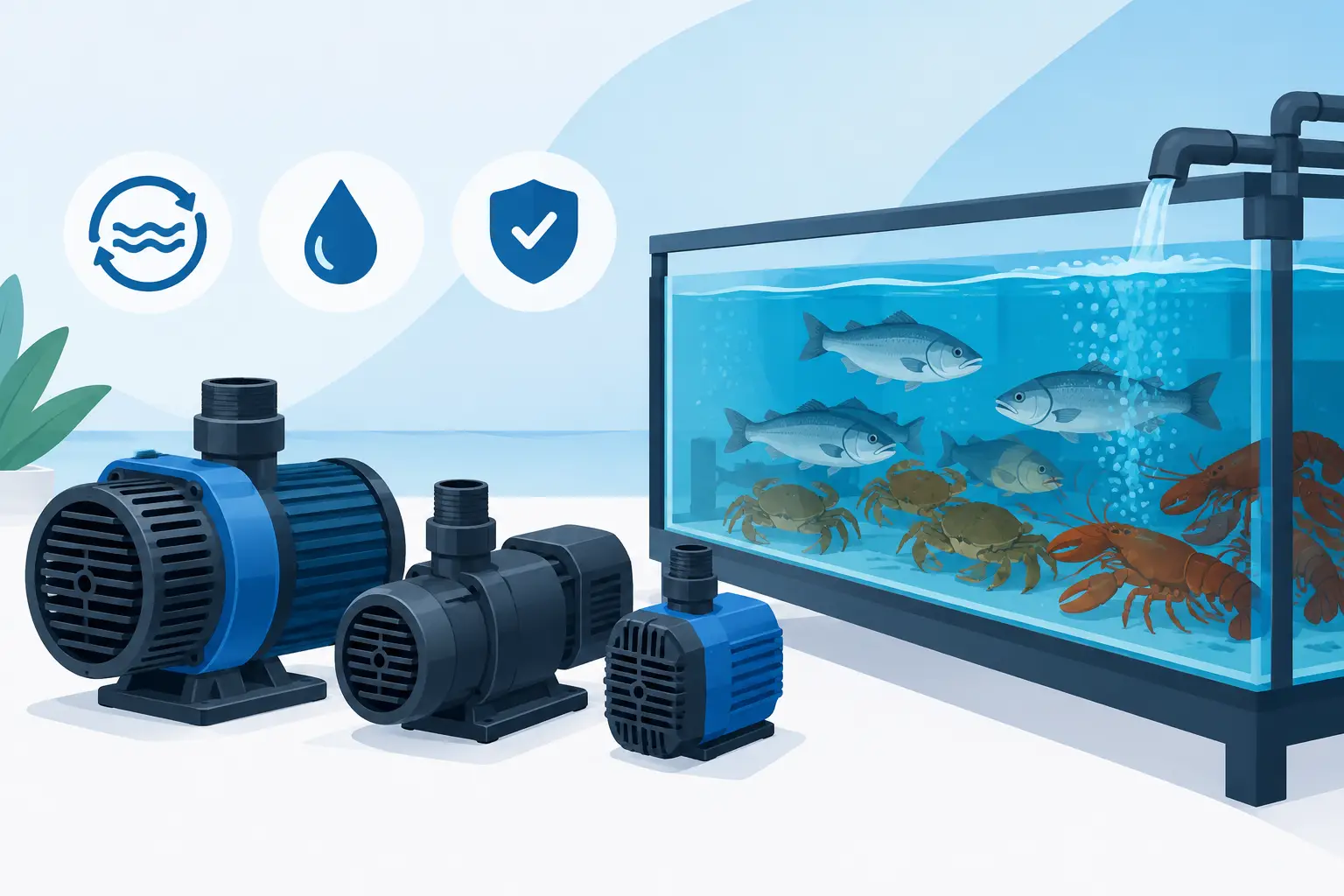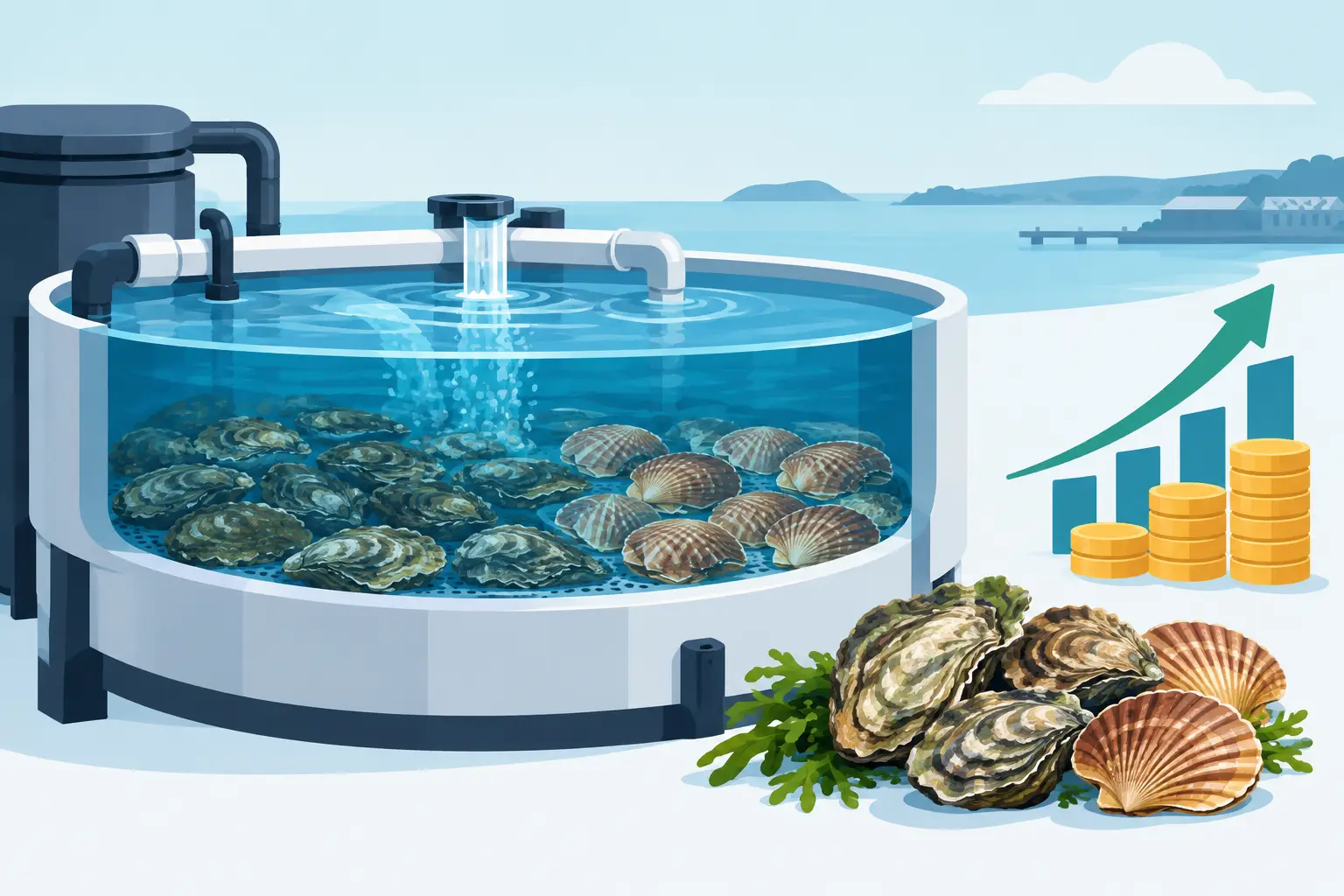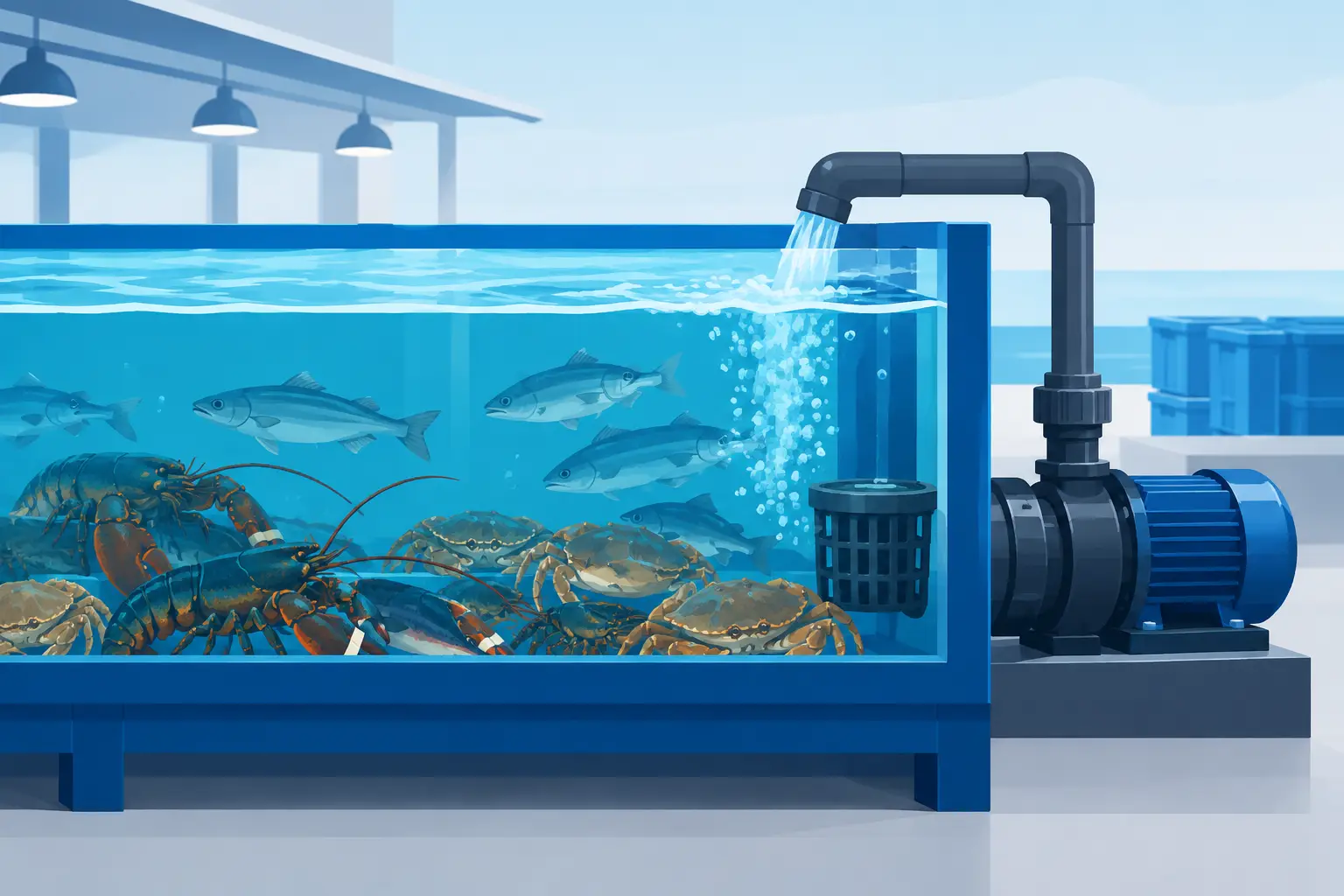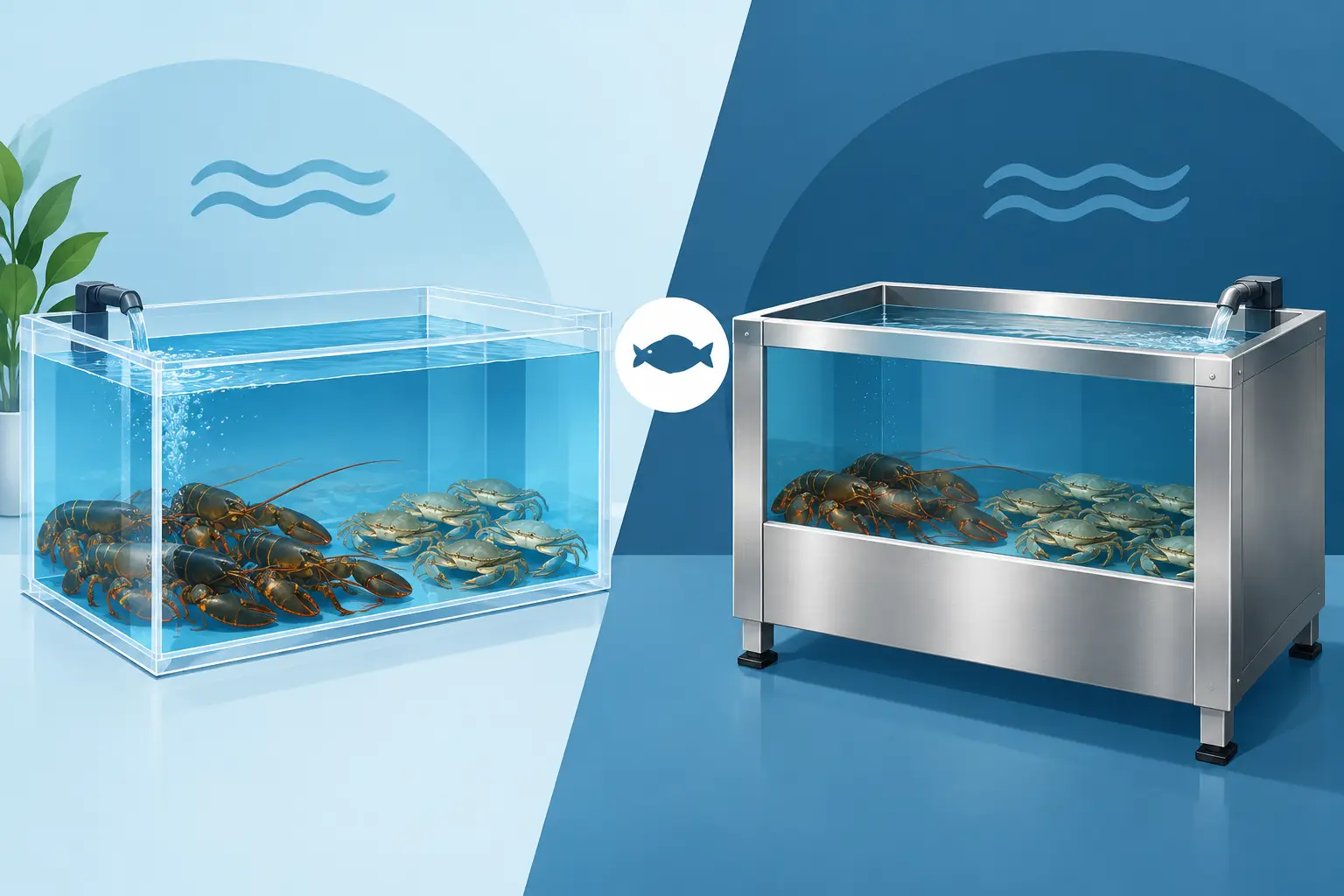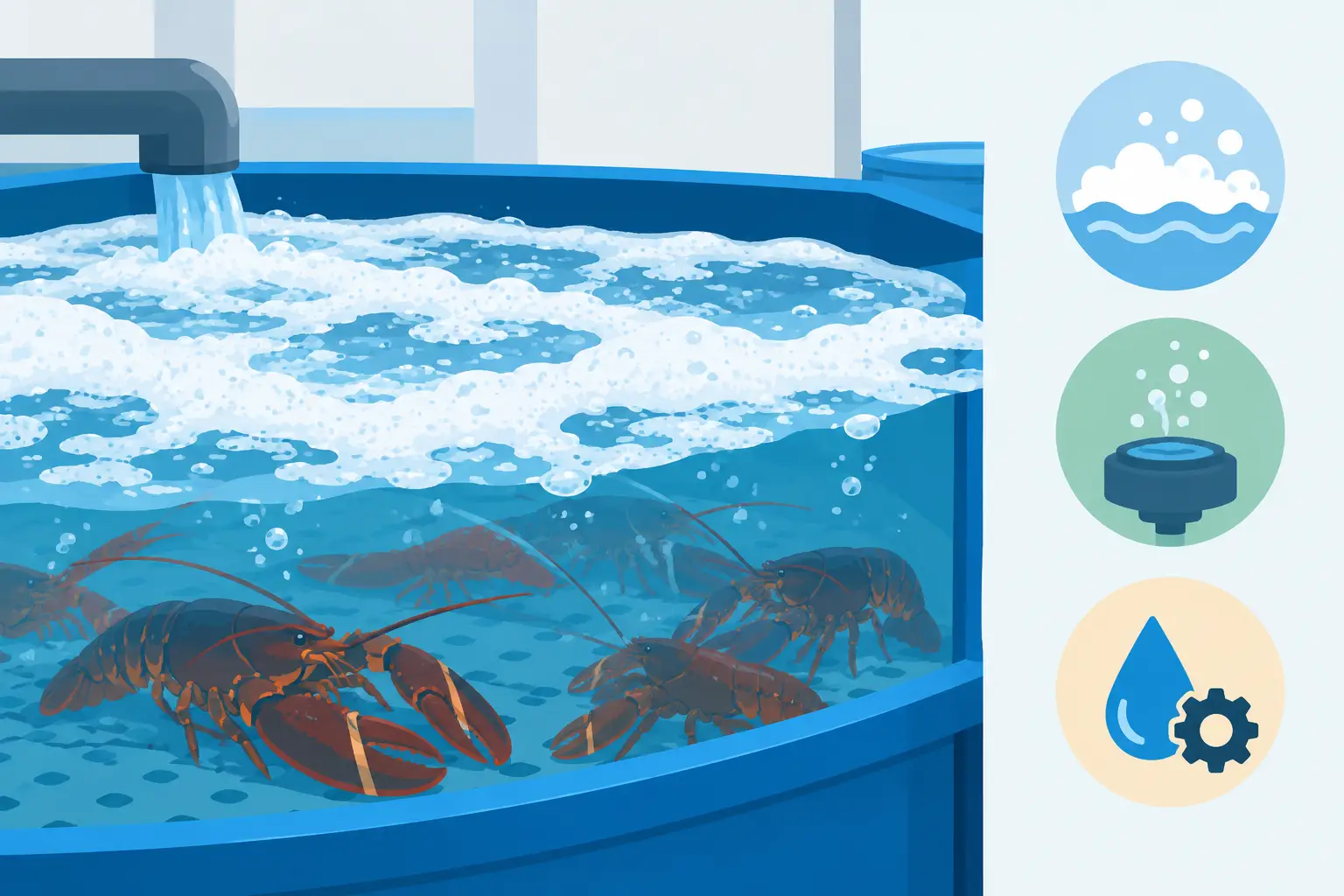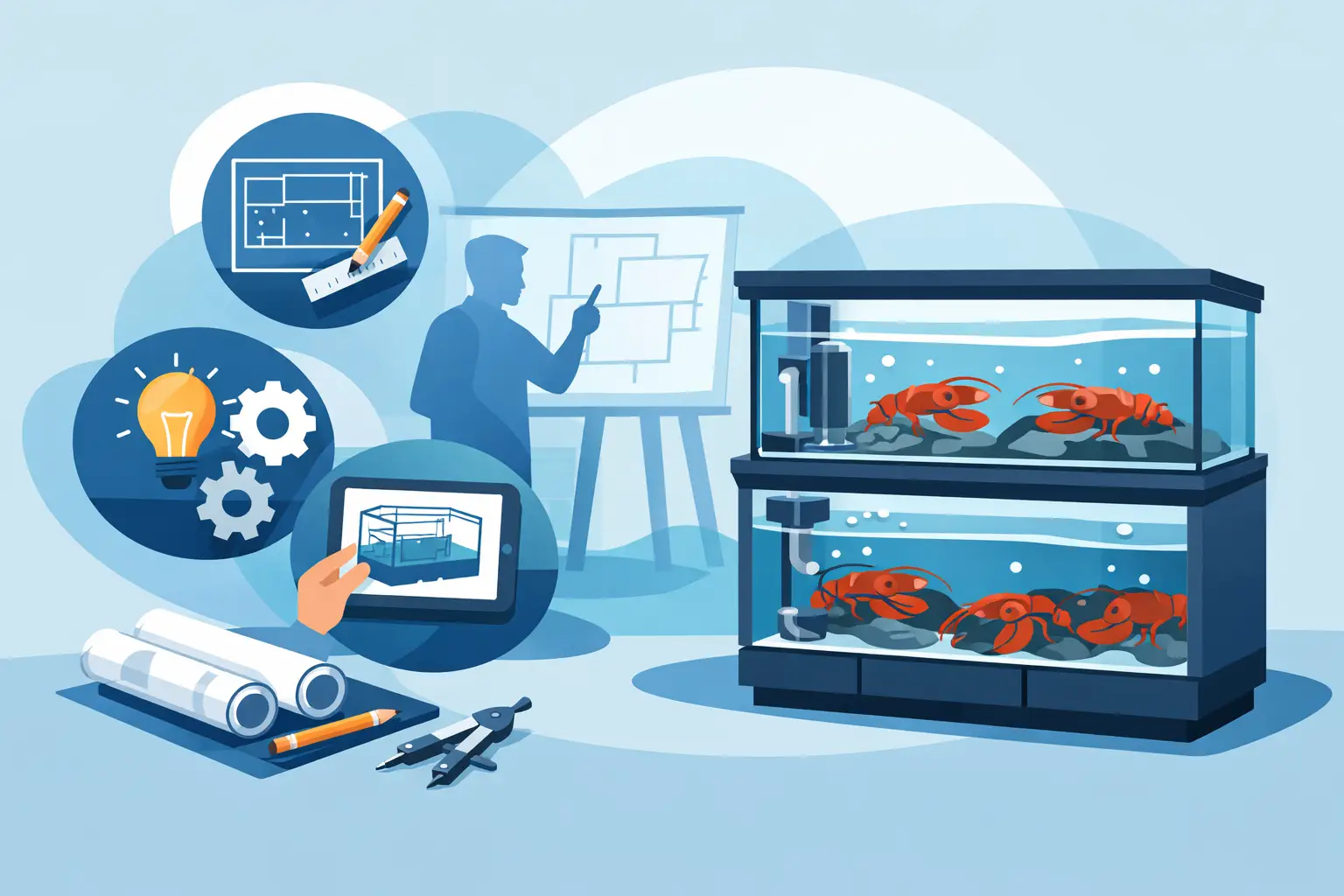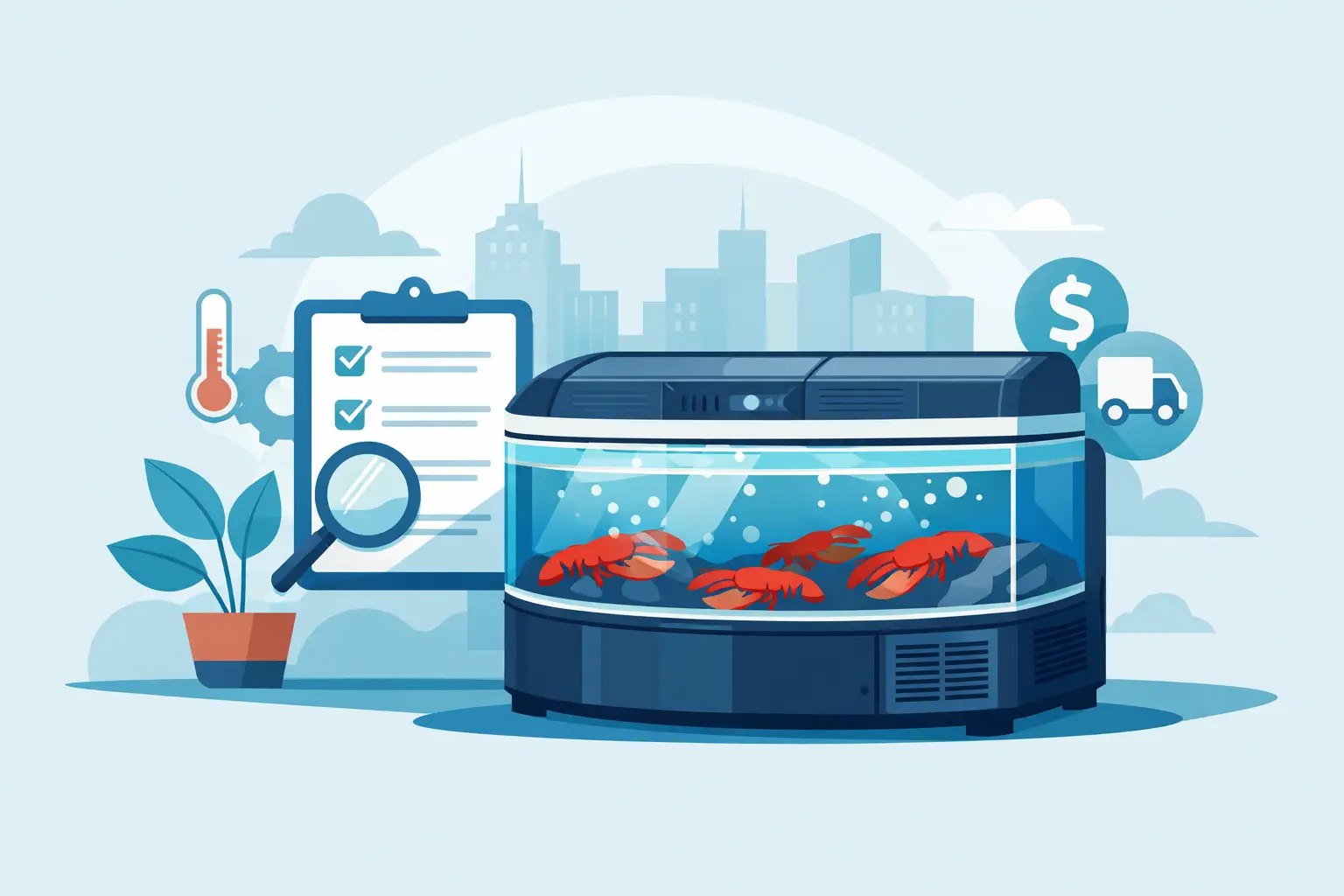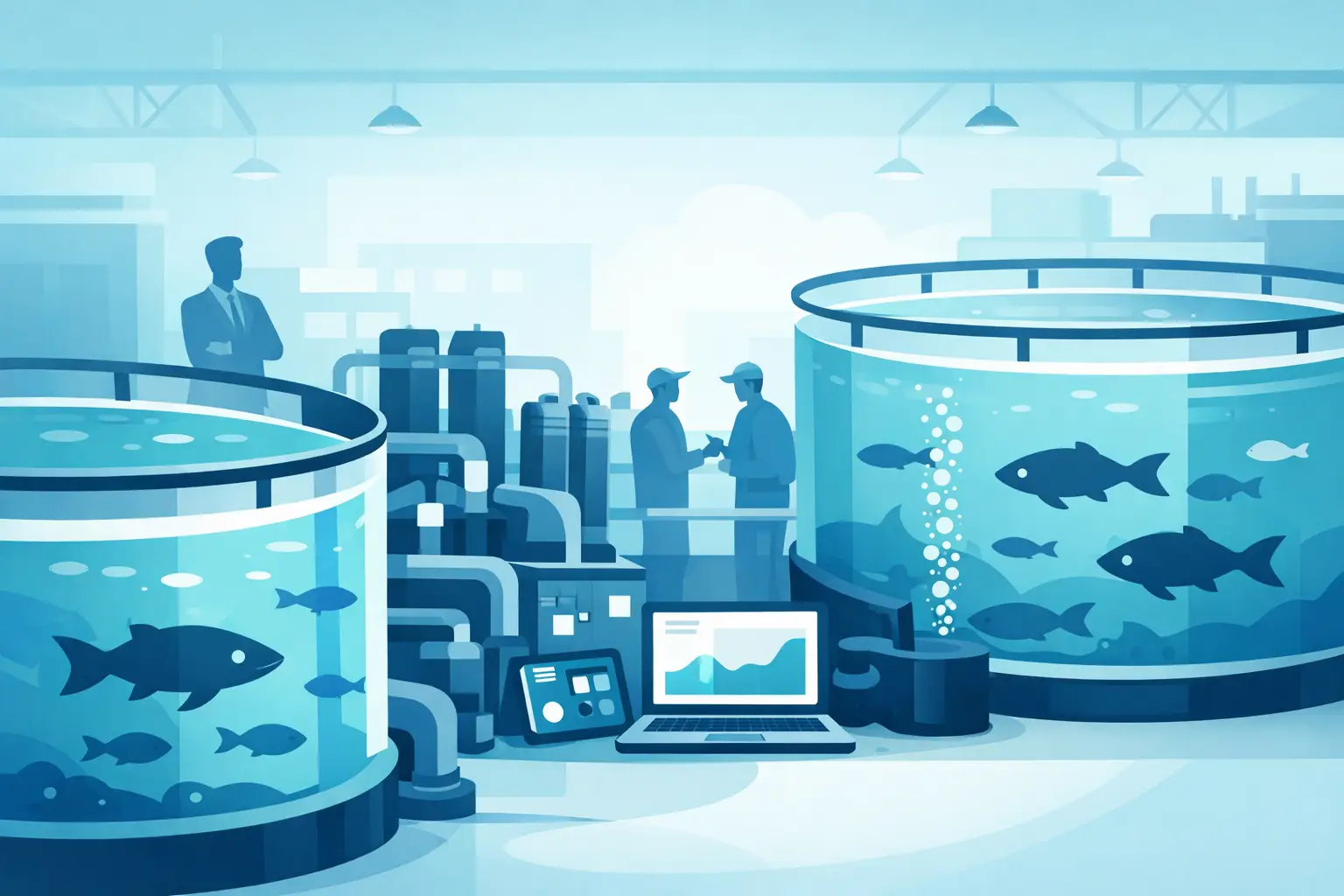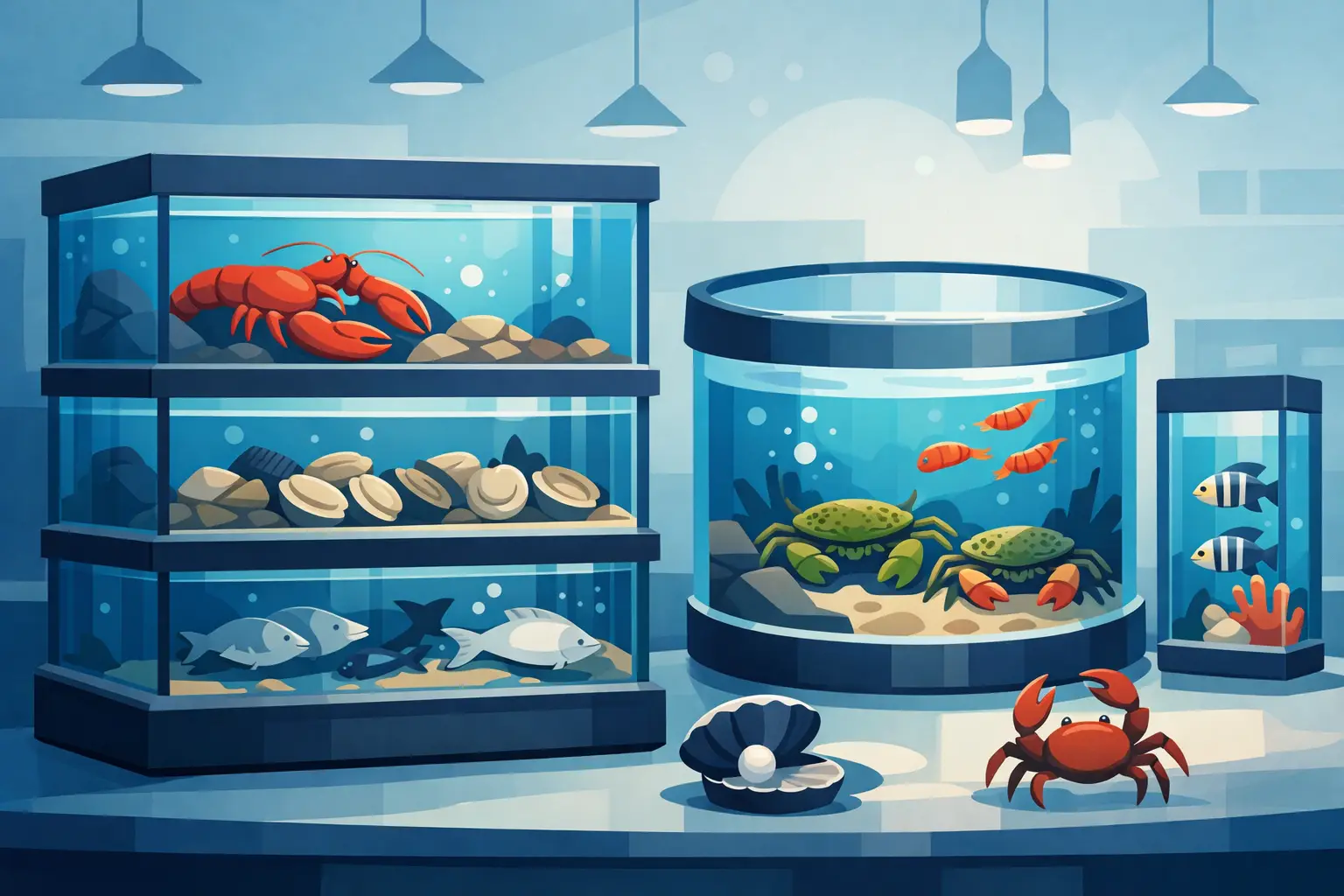
A lobster tank can look clear at opening and still be headed toward a costly problem. Water quality changes begin at the filter, often long before livestock shows visible stress. The right commercial aquarium filter media gives a seafood operation the capacity to capture waste, support healthy bacteria, and control dissolved contaminants before they affect product quality, holding performance, or customer confidence.
For supermarkets, wholesalers, restaurants, and specialty seafood retailers, filter media is not a minor supply item. It is a working part of the life-support system. When it is undersized, neglected, or selected without regard for the tank load, the result can be cloudy water, odors, stressed lobster or shellfish, higher mortality, and unnecessary labor. Reliable filtration protects valuable live inventory and helps keep the seafood department presentation-ready.
What Commercial Aquarium Filter Media Must Do
A commercial live seafood system has a tougher job than a decorative aquarium. It may hold large volumes of lobster, crab, shellfish, or fish under constant retail traffic, varying deliveries, and frequent changes in bioload. Every animal adds waste. Uneaten food, shell debris, and suspended particles add more. The filter media must keep up without creating a maintenance burden that pulls staff away from the counter.
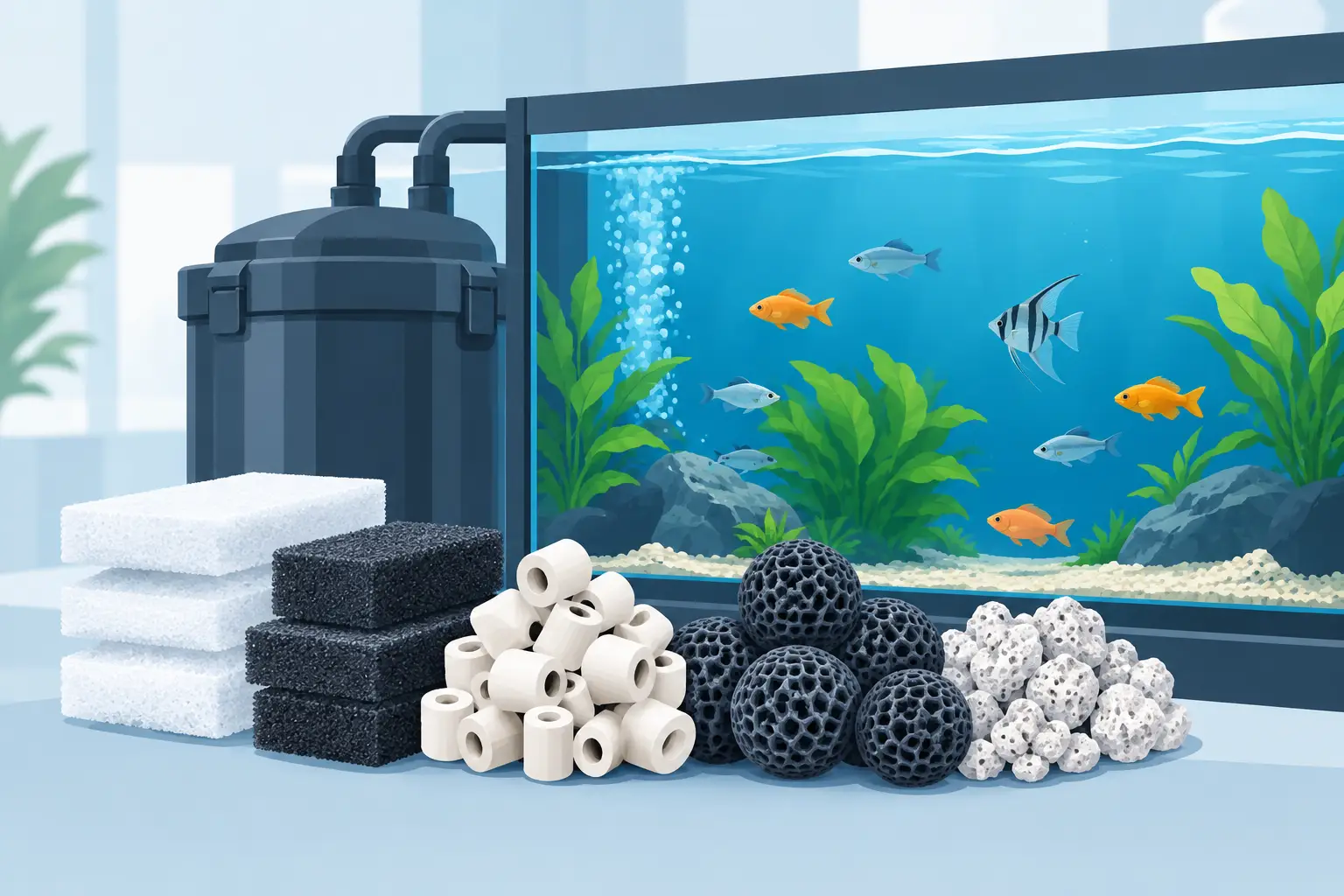
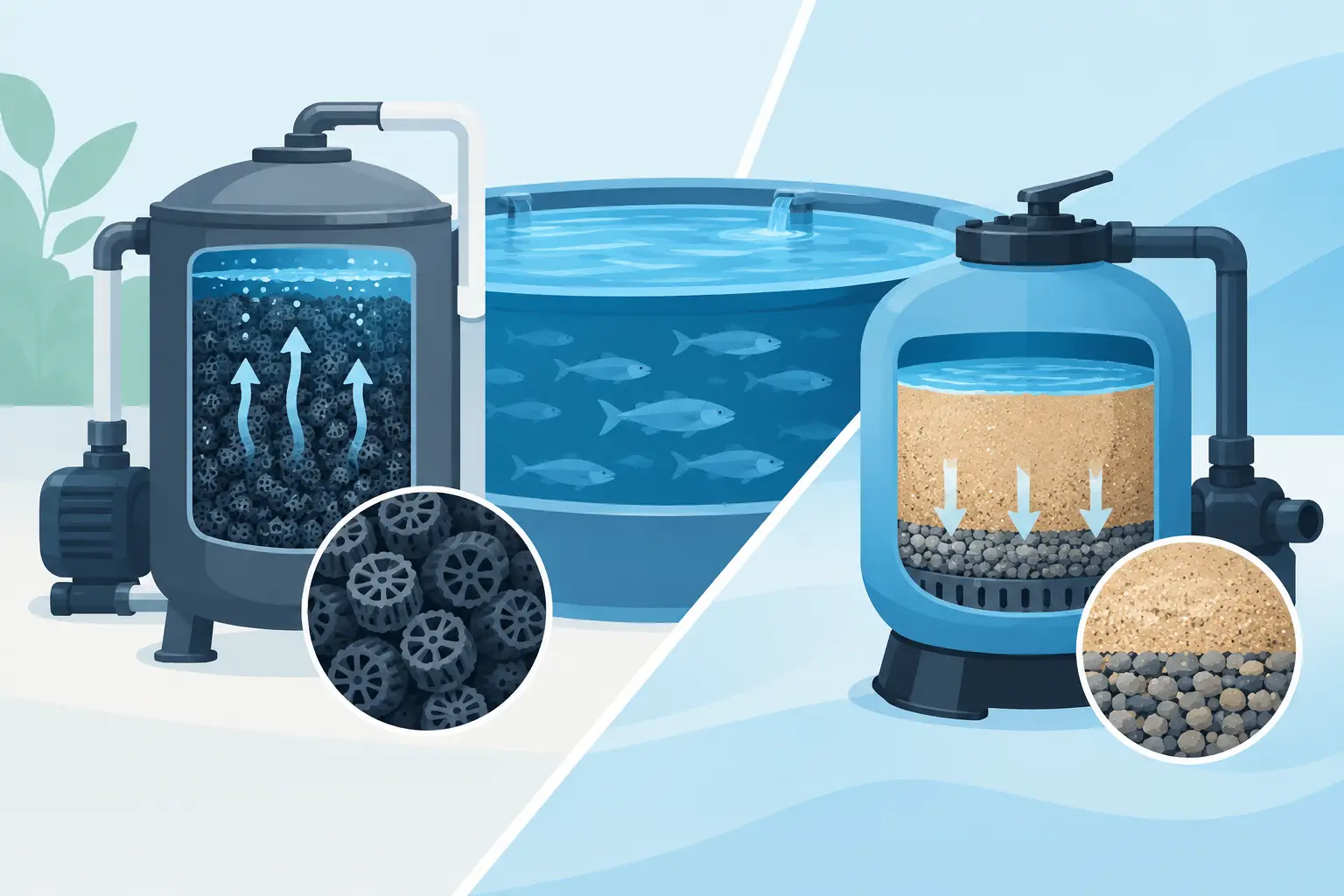
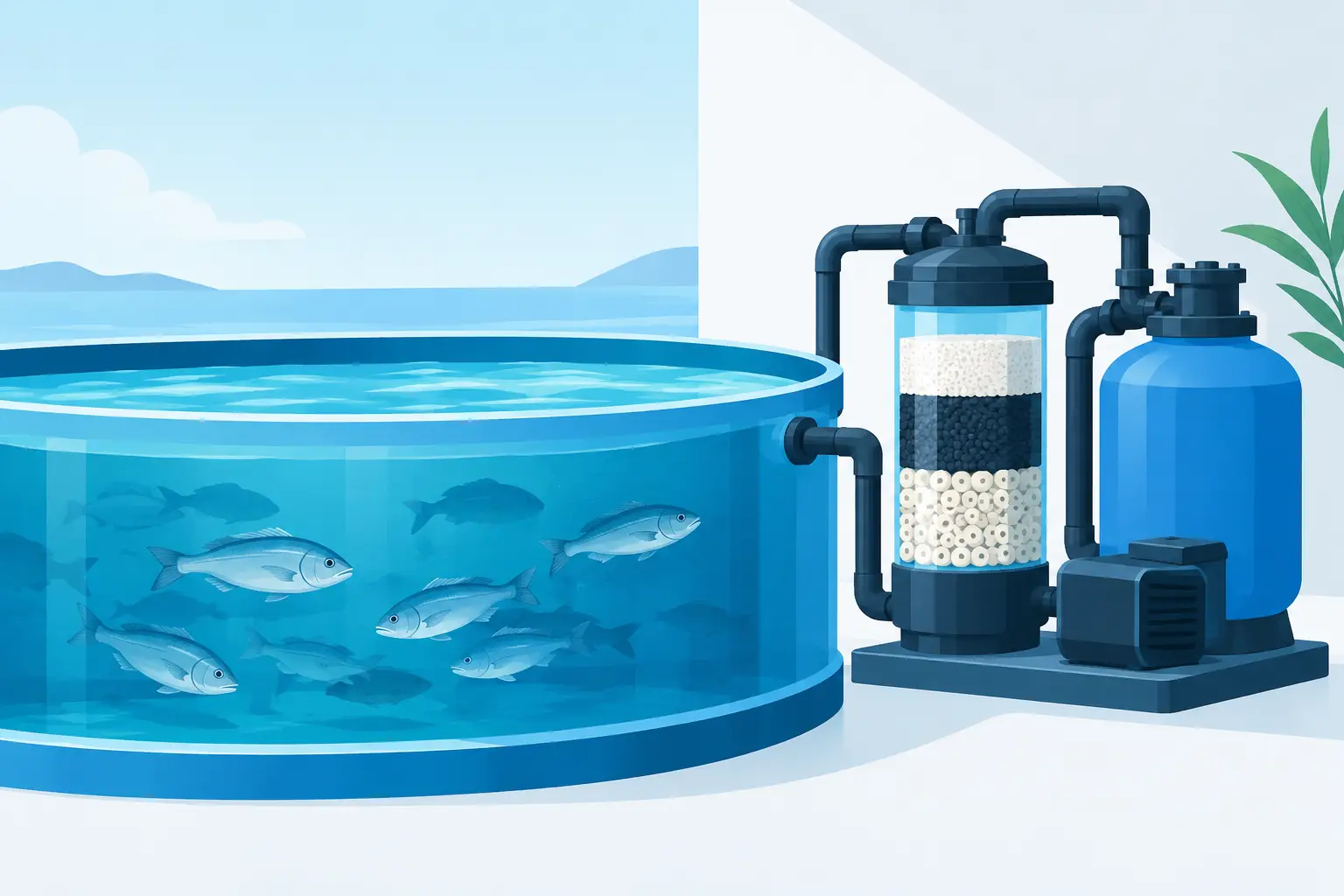
Effective filtration typically depends on three jobs working together: mechanical filtration, biological filtration, and chemical filtration. None should be treated as a substitute for the others. A tank may need more of one type based on its design, stocking density, source water, and operating practices, but stable systems use a coordinated approach.
Mechanical media removes the visible load
Mechanical media captures suspended solids before they break down in the system. This includes bits of shell, food particles, sediment, and organic debris. Pads, cartridges, screens, and other mechanical elements keep that material from moving deeper into the filtration loop.
This is the first line of defense, but it requires regular attention. Once mechanical media becomes loaded with debris, water flow can fall off and trapped waste can begin contributing to water-quality issues. Replacing or cleaning it on schedule is usually less expensive than responding to a tank emergency later.
Biological media handles the waste customers cannot see
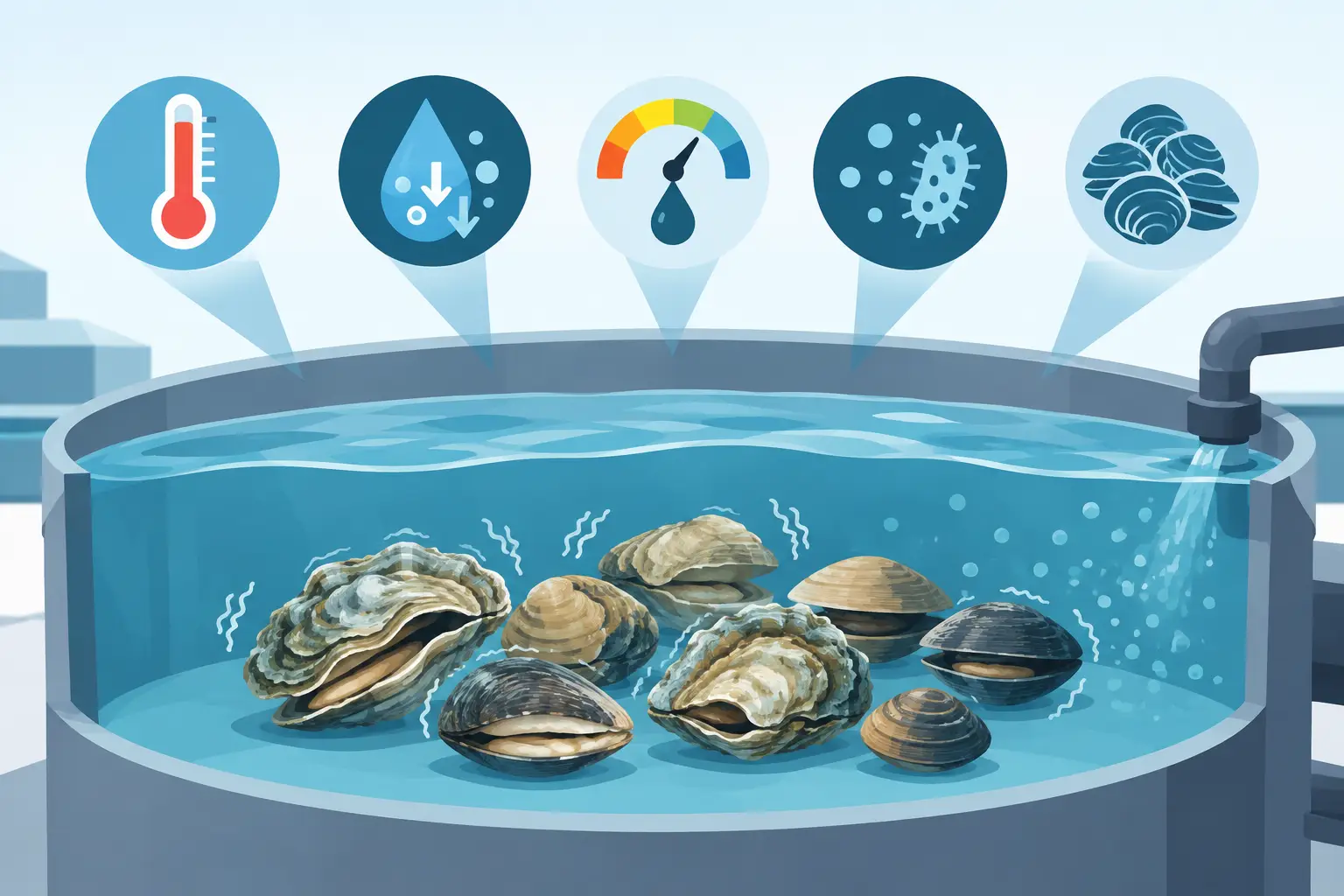
Biological media provides surface area for beneficial bacteria. These bacteria are essential because they convert toxic ammonia from livestock waste into less harmful compounds through the nitrogen cycle. In a live seafood holding system, that process is central to animal health and water stability.
The best biological media is not simply the media with the most advertised surface area. It must also suit the system’s flow rate, filter design, saltwater conditions, cleaning routine, and expected livestock load. Media that clogs easily or receives poor water circulation cannot perform at its potential. A properly designed biological stage gives bacteria consistent oxygenated water and protection from excessive solids.
Chemical media polishes the water and controls contaminants
Chemical media, including activated carbon, helps remove dissolved organic compounds, discoloration, odors, and certain impurities that mechanical filtration cannot catch. In a commercial display tank, this matters for more than appearance. Clear, clean-smelling water supports a better customer impression and can help staff spot system issues sooner.
Activated carbon has a useful service life, not a permanent one. Once it is exhausted, it no longer adsorbs contaminants effectively. Changing carbon on a planned schedule is a practical way to maintain consistent performance. The right replacement interval depends on tank volume, inventory turnover, feeding, water quality, and overall system demand.
Choosing Commercial Aquarium Filter Media for Live Seafood
Buying filter media by price alone often costs more over time. A lower-cost product that needs constant replacement, restricts flow, sheds particles, or fails under saltwater conditions can create labor and livestock losses that outweigh the initial savings. Commercial operators need media selected for the actual demands of their tanks.
Start with the system itself. Tank volume matters, but so do the number and species of animals held, delivery schedules, holding time, water temperature, feeding protocol, and filtration configuration. A high-turnover lobster tank may need a different maintenance plan than a display system holding marine fish for longer periods. There is no one-size-fits-all replacement schedule that works for every operation.
Also consider how the media fits the equipment. Media must be compatible with the filter housings, trays, canisters, or custom filtration components already in place. Improvising with an ill-fitting product can lead to bypass, poor contact time, clogged pathways, and uneven water flow. In commercial work, those small compromises have a way of becoming recurring problems.
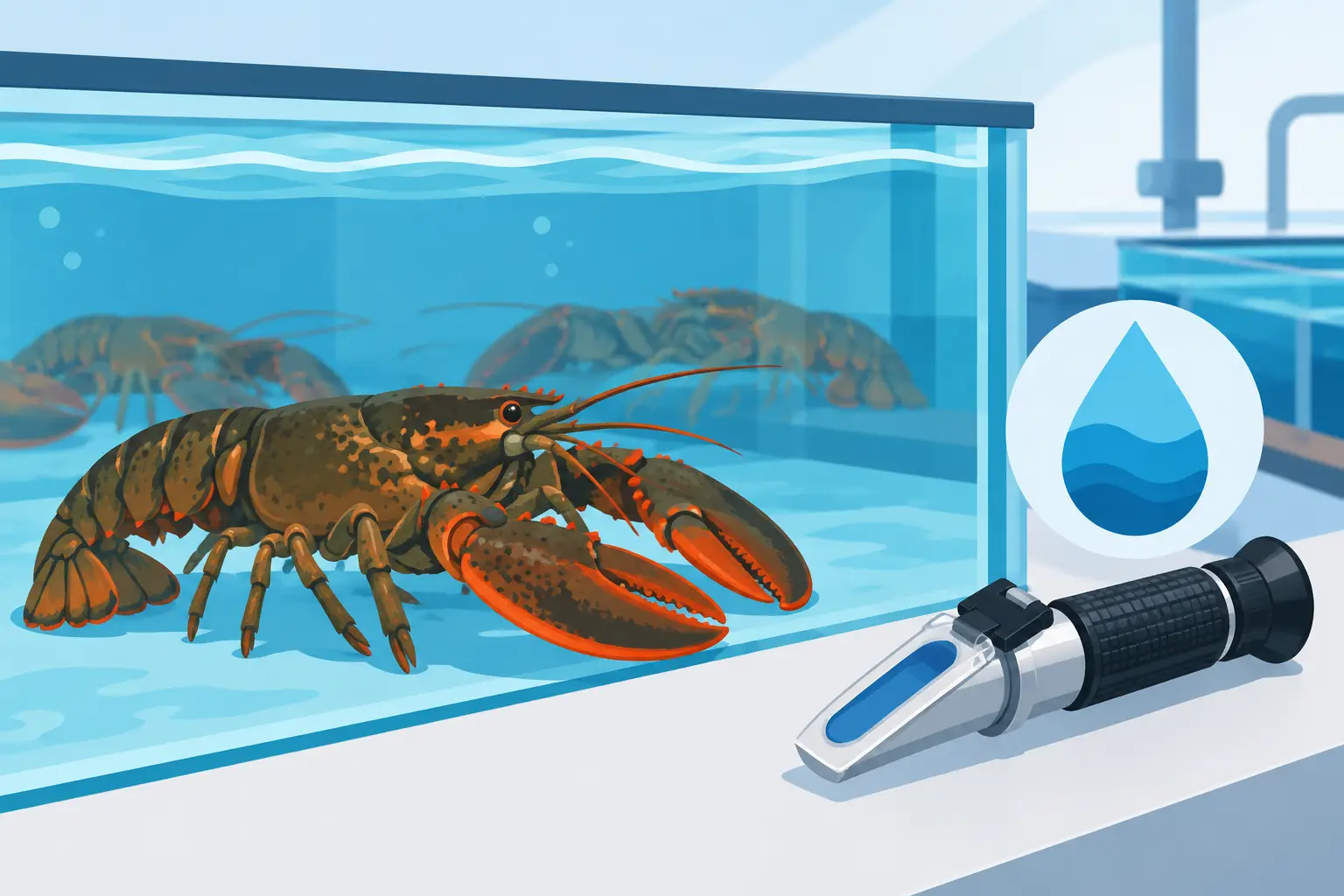
Saltwater compatibility is equally important. Marine systems expose components to conditions that can break down unsuitable materials, affect media performance, or introduce unwanted residue. Use filtration products intended for commercial marine applications and supplied by a partner that understands live seafood systems, not just hobby aquariums.
The Most Common Media Mistakes
The first mistake is waiting for cloudy water or odor before replacing media. By then, the system may already be carrying an excessive organic load. Planned service is more controlled, more efficient, and far less disruptive than a last-minute correction.
The second is changing all biological media at once. Beneficial bacteria need time to establish. Removing too much mature biological media in one service can reduce the system’s ability to process ammonia and nitrite. When a major replacement is necessary, a phased approach may be safer, depending on the system design and current water conditions.
The third is treating low flow as a pump problem without checking the mechanical stage first. Dirty pads and clogged prefilters can restrict circulation significantly. Before replacing costly equipment, inspect the media and verify that water is moving through each filtration stage as intended.
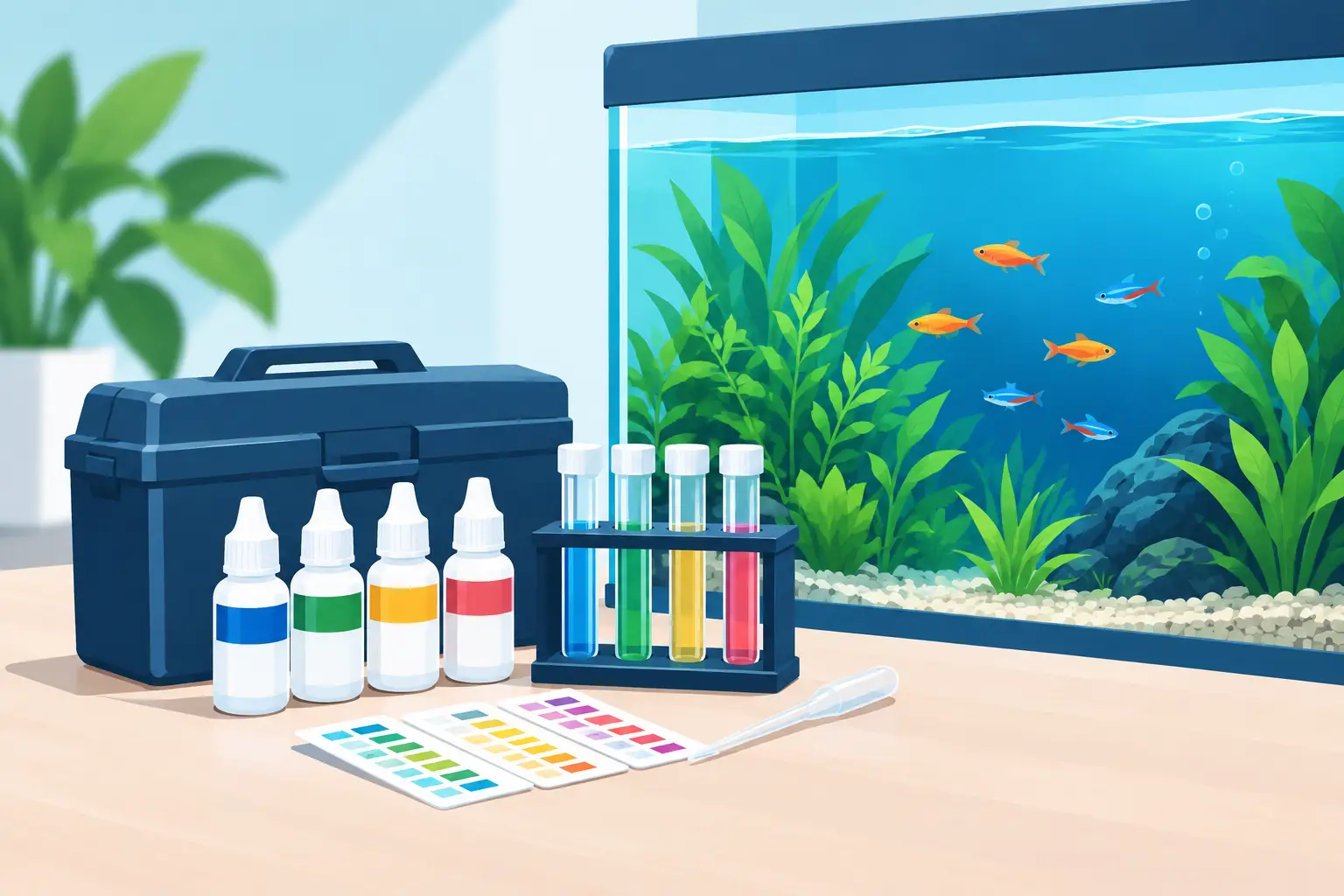
Finally, do not use carbon as a cure-all. Carbon is valuable, but it cannot compensate for inadequate mechanical cleaning, insufficient biological capacity, poor circulation, overstocking, or neglected water testing. Good filtration is a system discipline, not a single product purchase.
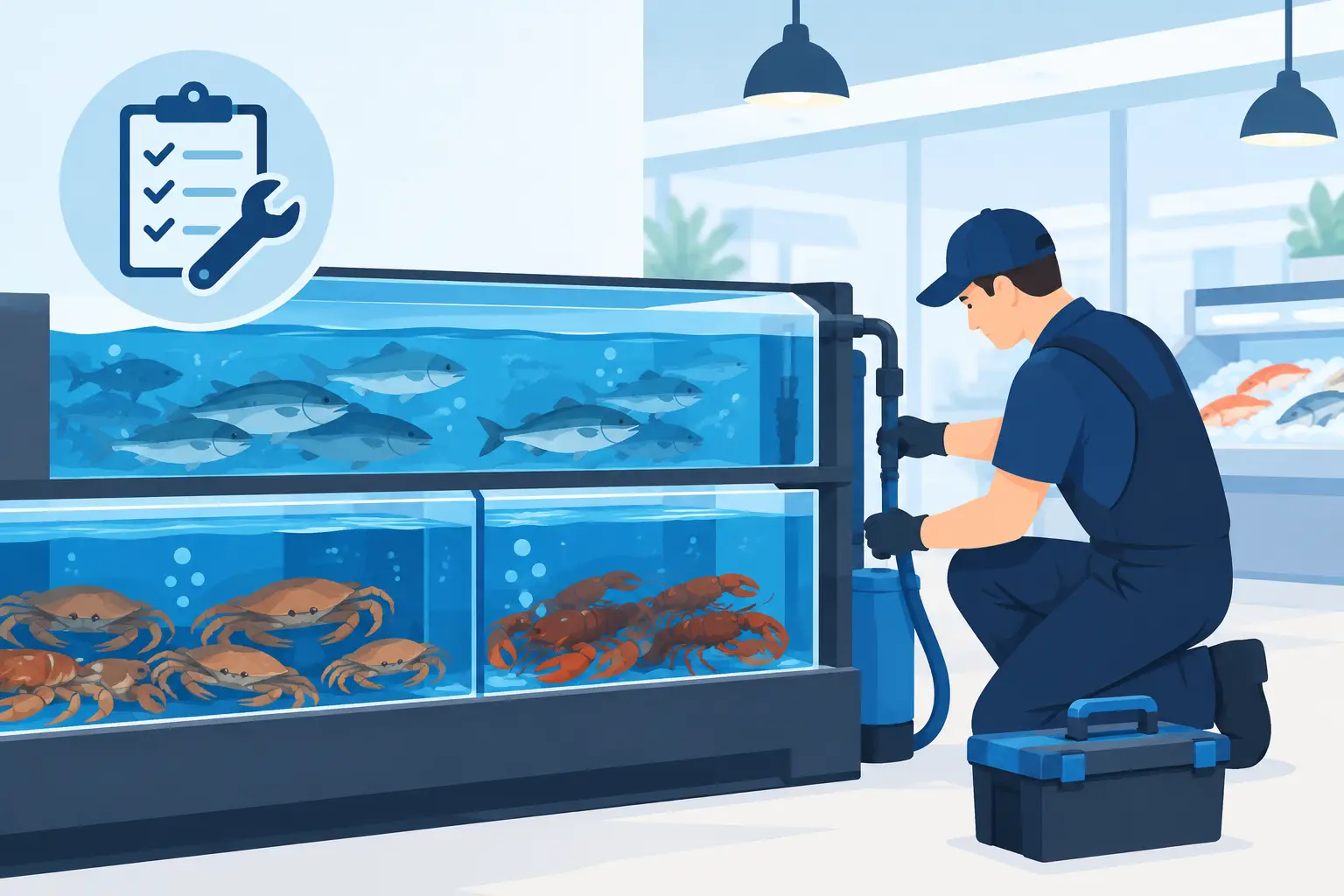
Build Media Replacement Into Operations
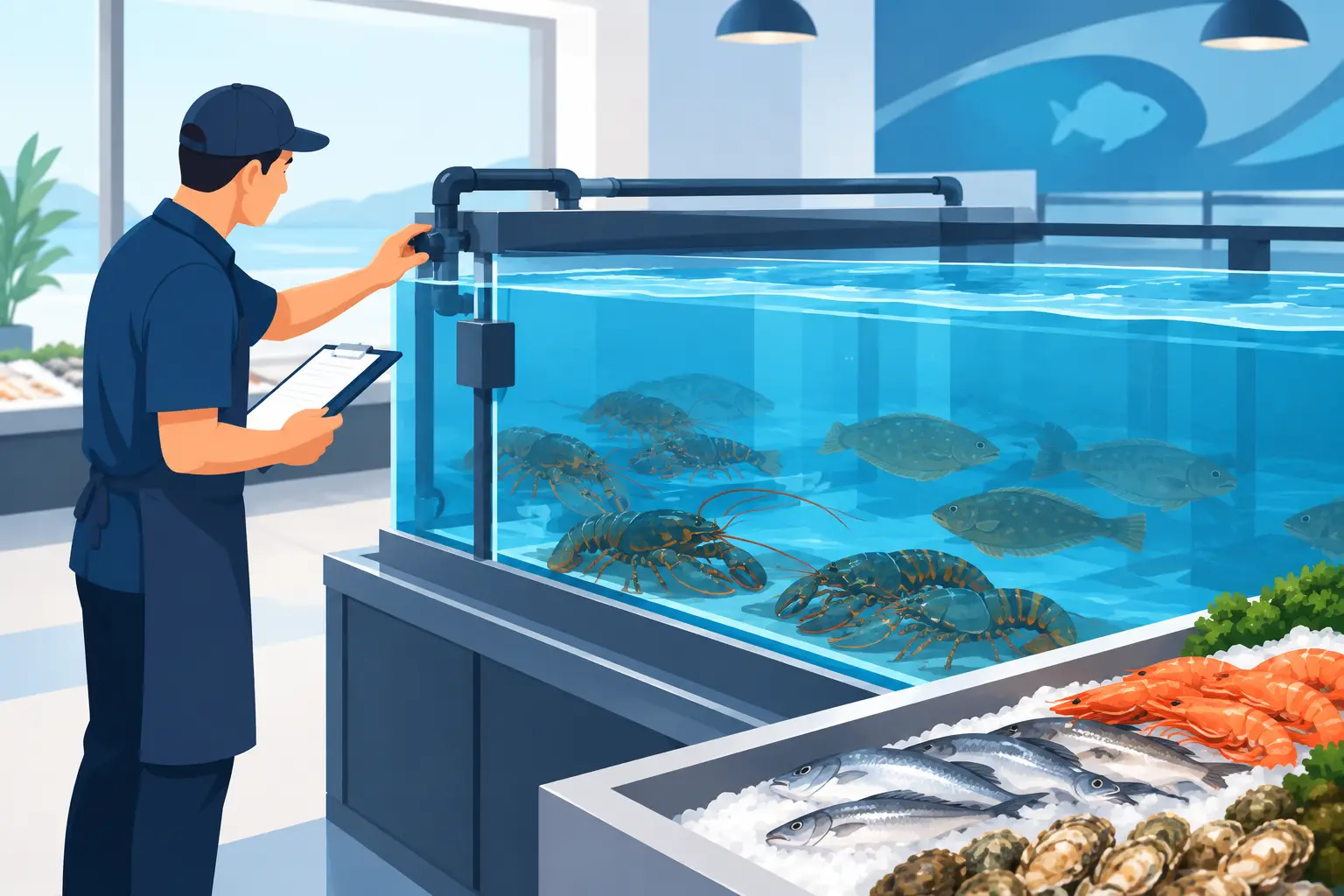
The strongest seafood departments do not leave tank care to memory. They build simple routines around it. Staff should know what normal water clarity, flow, odor, and livestock behavior look like. A daily visual check can catch problems early, while scheduled media changes prevent avoidable surprises.
Keep appropriate replacement media on hand for each installed system. Running out of pads, carbon, or other critical supplies when a filter is due for service creates an unnecessary vulnerability. Standardizing approved media for each tank location also helps teams avoid using the wrong product during a busy shift.
For multi-location retailers and high-volume wholesalers, consistency becomes even more valuable. The same filtration specifications, maintenance records, and replenishment process across locations make performance easier to manage. When an issue occurs, service teams can diagnose it faster because the equipment and media program are known quantities.
A Full-System Partner Makes the Difference
Filter media performs best when it is part of a complete tank strategy. The equipment design, plumbing, pump capacity, salt mix, stocking practices, service intervals, and staff training all influence the outcome. A supplier that only sells a box of media cannot always help when the real issue is undersized filtration or an unaddressed system condition.
Lobster Life Systems has supported commercial live seafood operators since 1989 with USA-made tank systems, marine salt, filtration products, maintenance, and technical support. That full-service approach matters when a retailer needs more than a replacement cartridge. It means one accountable source for the parts, knowledge, and field support that keep live inventory protected.
Your filter media should work quietly in the background, keeping water clear and conditions stable while your staff sells seafood. Set the right media program now, keep replacements available, and address small changes before they become an inventory-loss event.