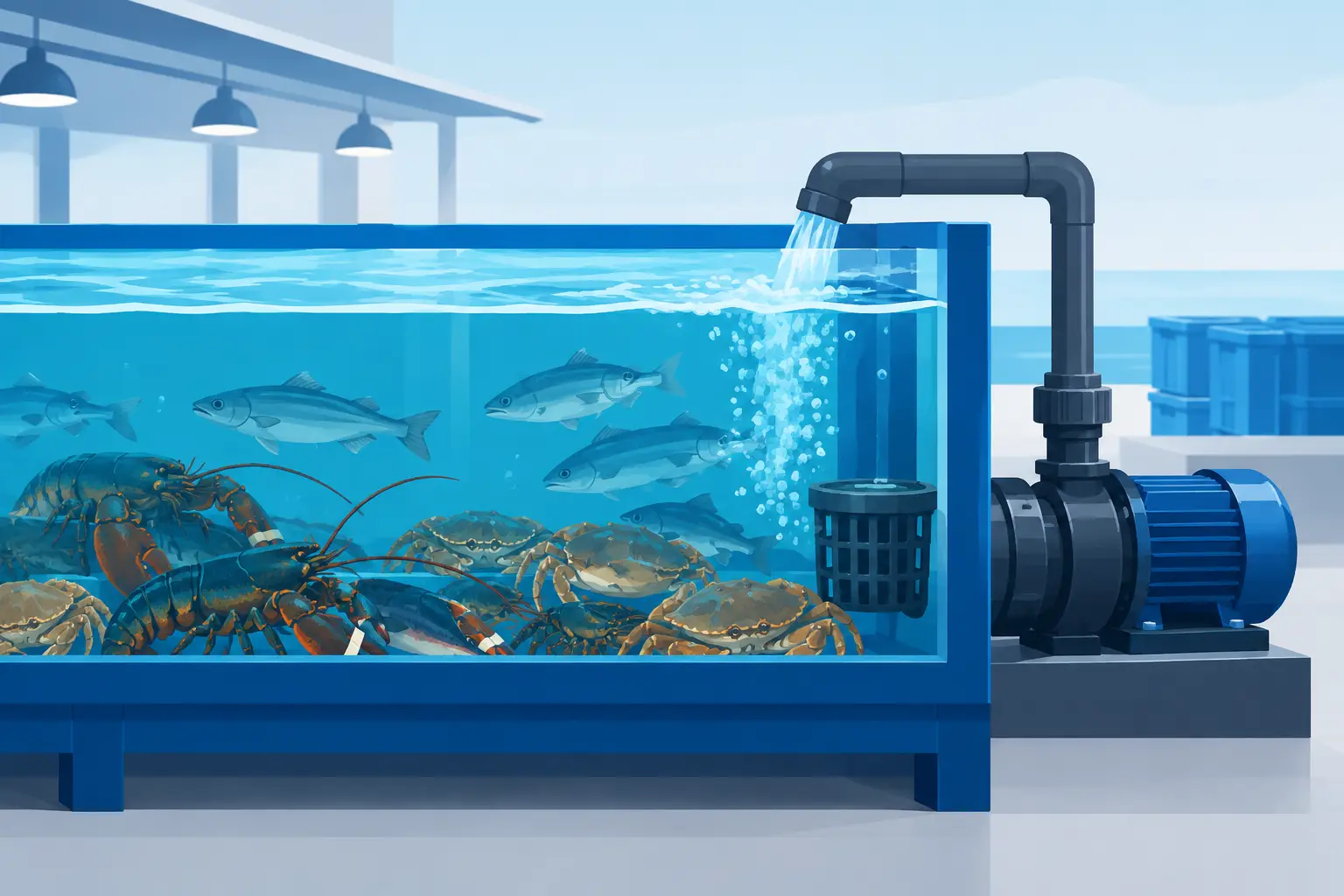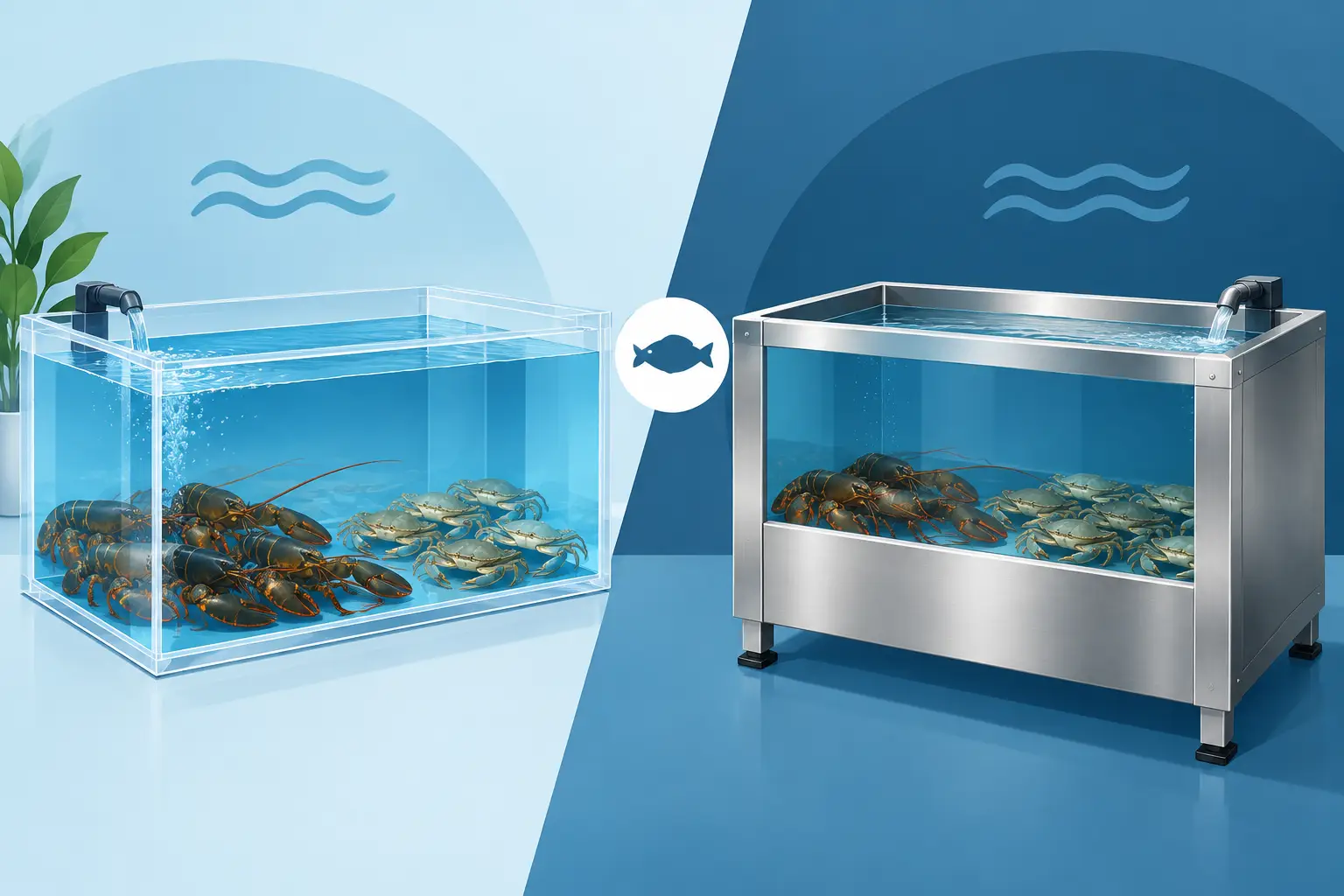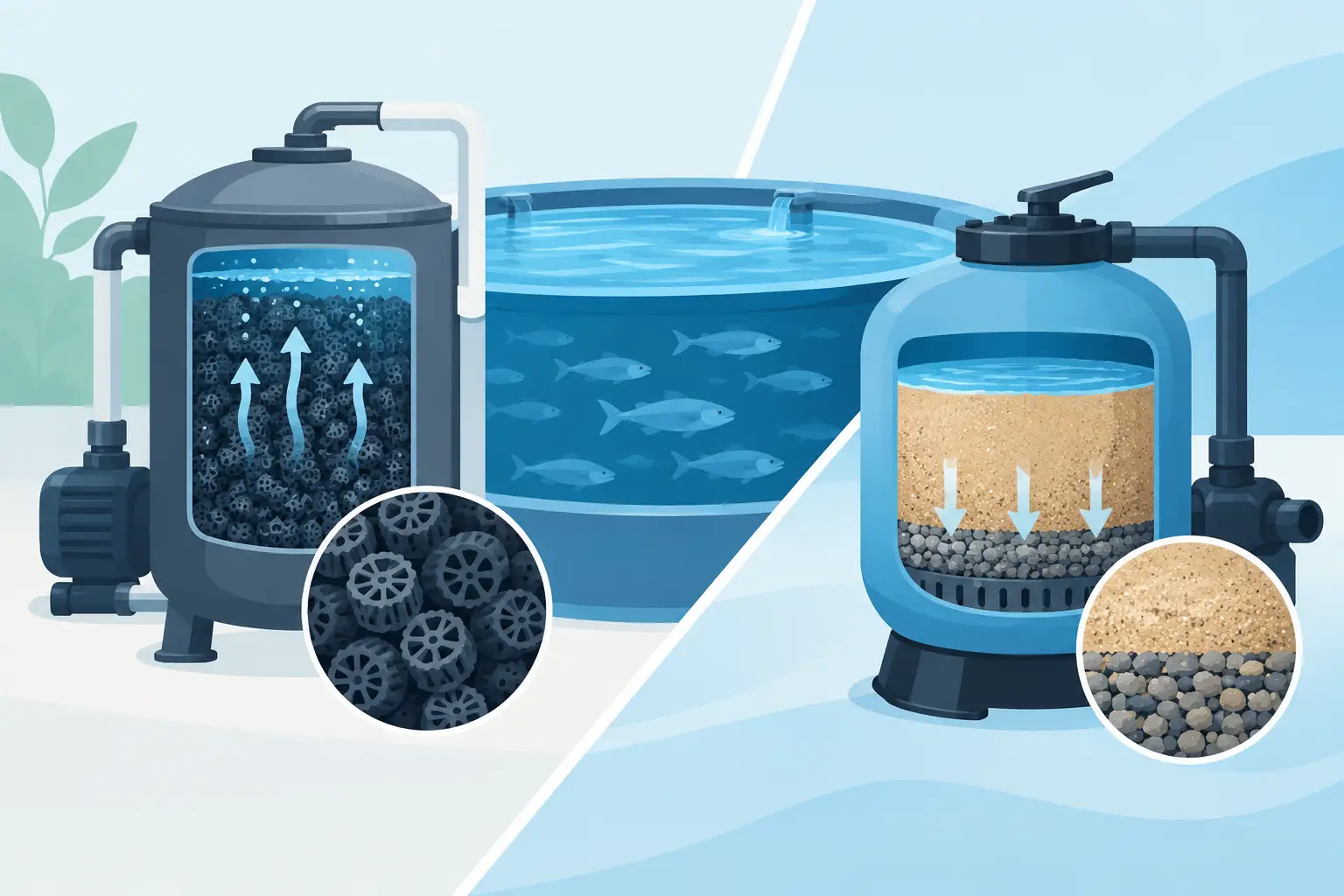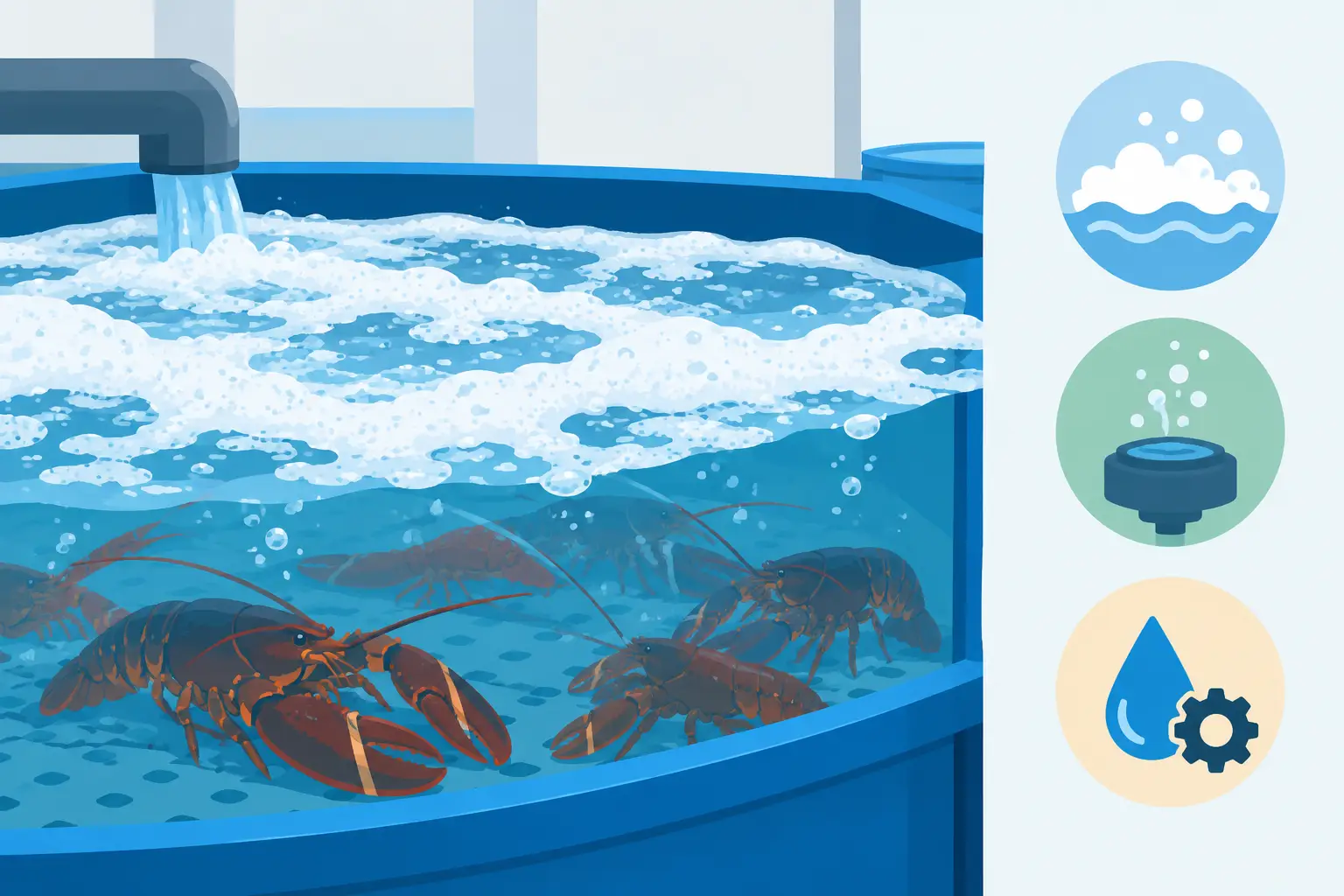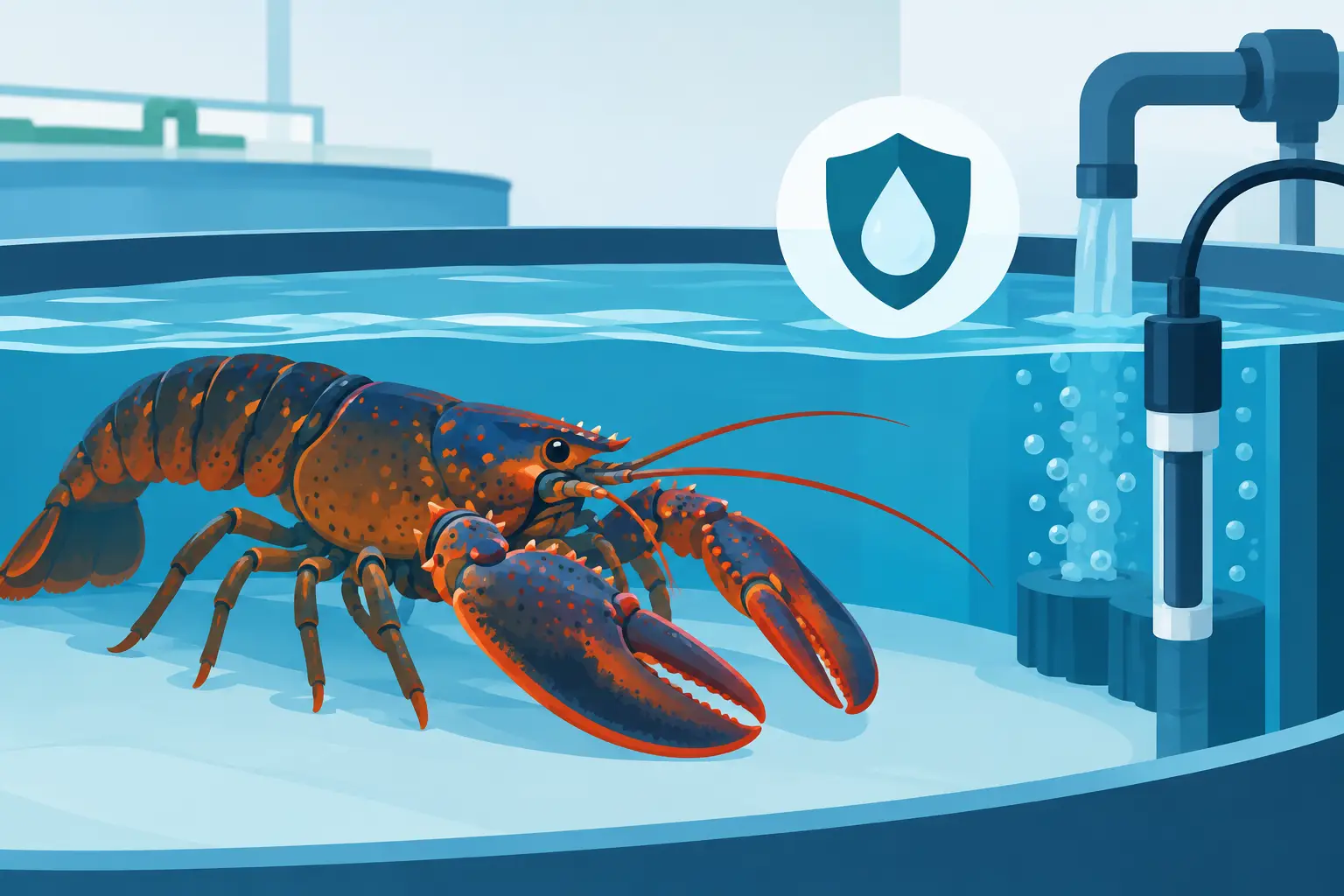

A layer of foam around a live lobster display is not just a housekeeping issue. It can change how customers view your seafood department, and more importantly, it can point to a water-quality or equipment condition that puts valuable live inventory at risk. Why do lobster tanks foam? In most commercial systems, foam forms when dissolved organics, fine particles, or contaminants combine with moving water and air.
A few bubbles near an aeration point are not always cause for alarm. Thick, persistent foam that collects along tank edges, smells off, turns yellow or brown, or returns immediately after removal deserves attention. The right response depends on what is creating the foam, not simply how it looks.
Why Do Lobster Tanks Foam in Commercial Displays?
Foam needs two things: air and compounds that allow bubbles to hold together. A properly operating lobster tank has plenty of water movement, so air is often present by design. The question is what is stabilizing those bubbles.
In a clean saltwater system, bubbles typically rise and break quickly. When proteins, fats, mucus, dissolved waste, uneaten food, or other organic material accumulate, they coat the bubbles and make them last longer. The result is a visible foam cap, often concentrated near returns, overflows, spray bars, or high-turbulence areas.
For a seafood operator, that foam is best treated as a symptom. It may indicate that the biological load has increased, mechanical filtration is not removing enough solids, carbon has reached the end of its useful life, or maintenance intervals no longer match the tank’s actual demand.
Organic Waste and Heavy Bioload
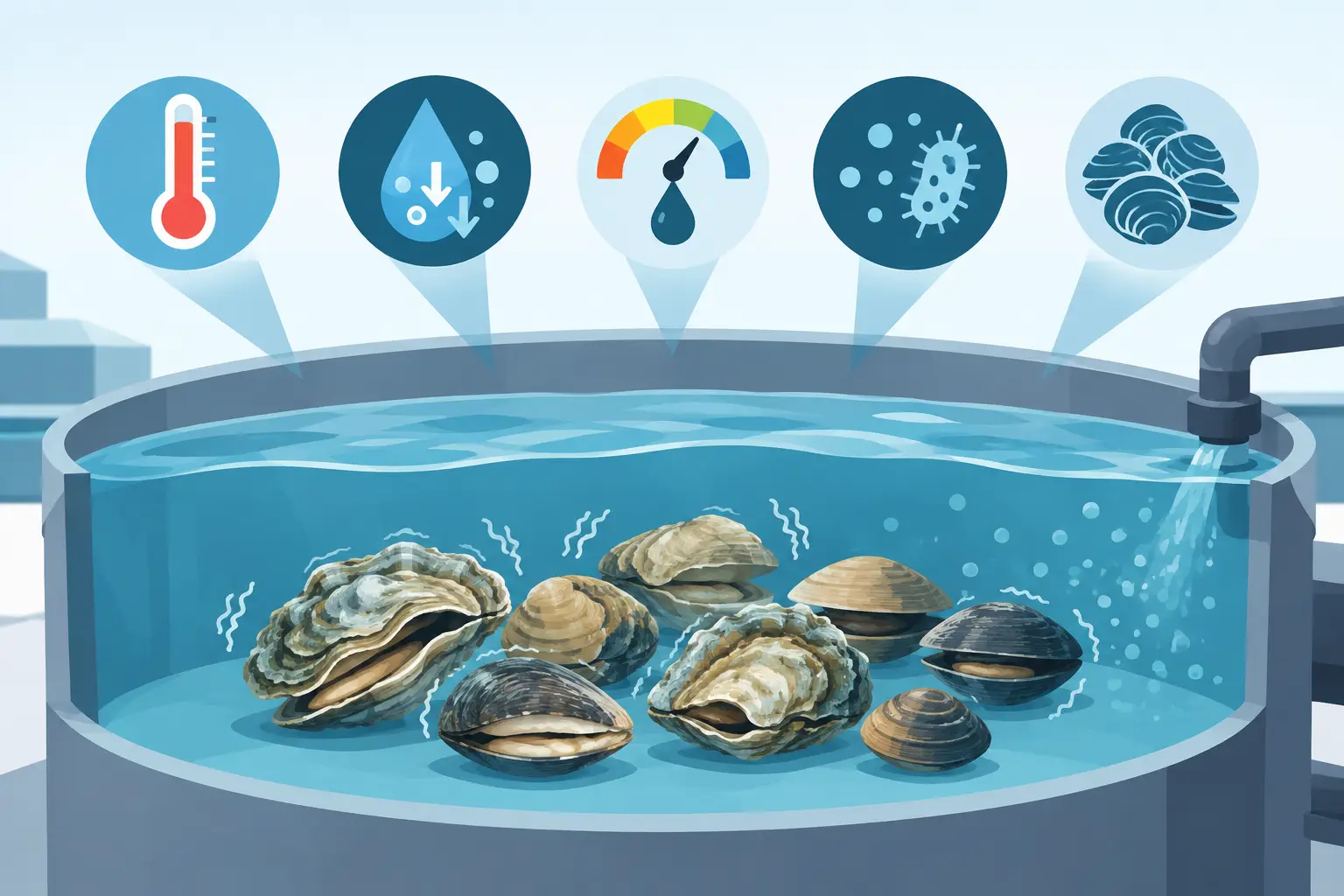
Lobsters naturally release waste and mucus into the system. A well-sized, well-maintained filtration package is built to manage that load. But stocking density, holding duration, seasonal sales volume, water temperature, and the condition of incoming lobster inventory can all increase the amount of dissolved organic material in the tank.
A busy retail display can move from normal to overloaded quickly. A holiday shipment may arrive larger than usual. Lobsters may remain in the tank longer because of slower traffic. A tank that looks adequately stocked from the sales floor may be carrying a much greater filtration burden than it did under normal conditions.
When organics rise, the water may also begin to look dull, develop an odor, or show more surface film. Foam is often one of the earliest visible signs that the system needs closer inspection.
Dirty or Undersized Mechanical Filtration
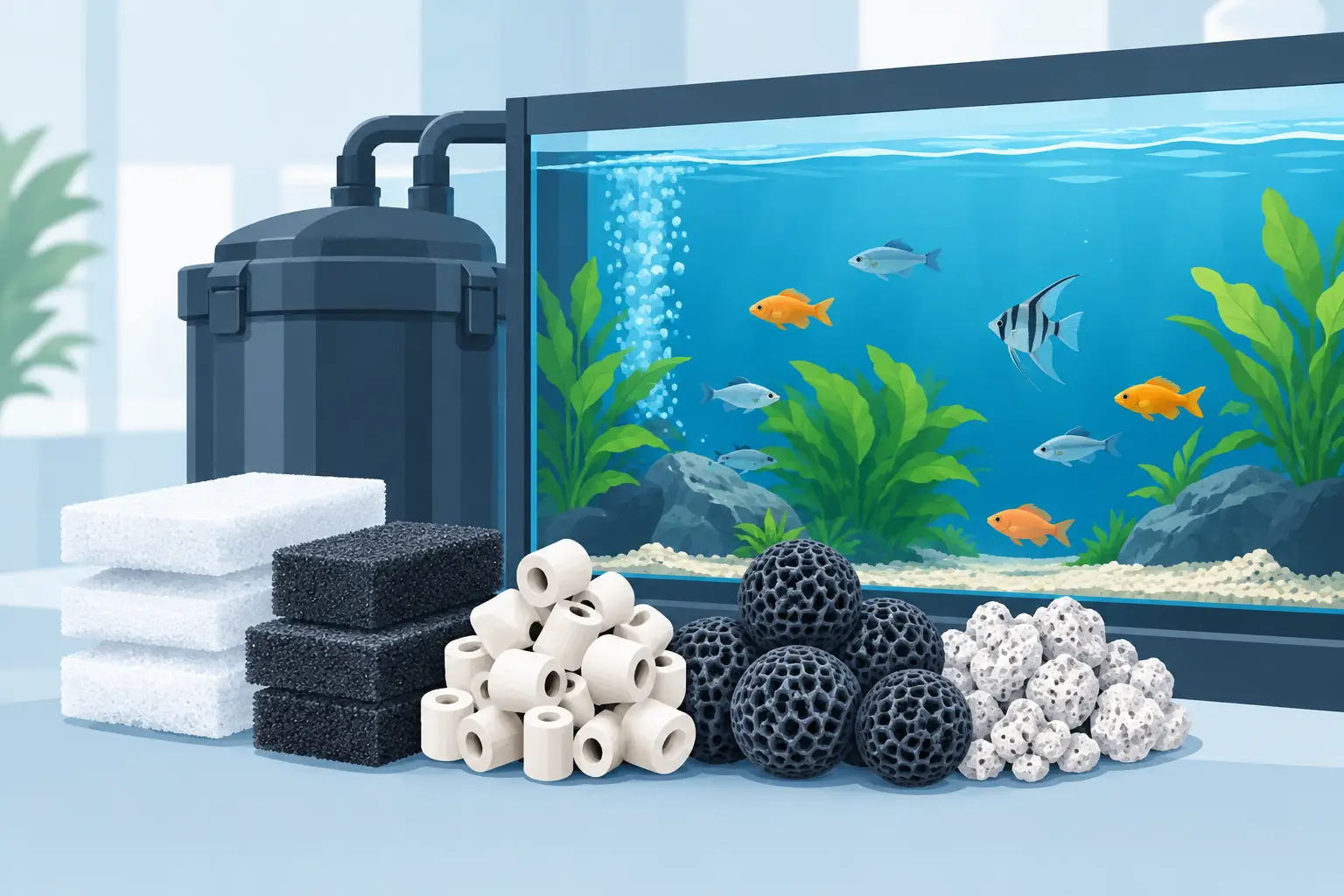
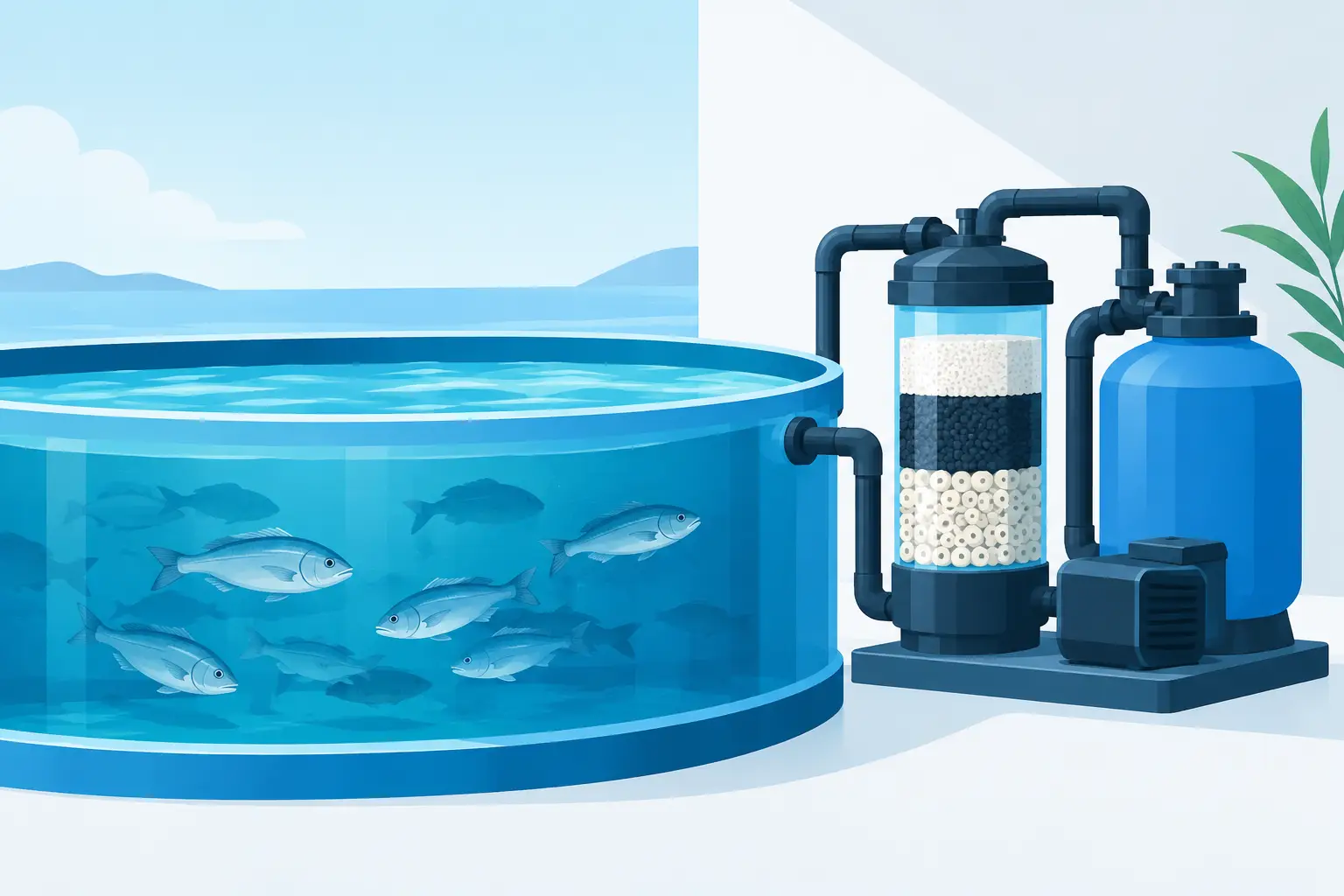
Filter pads, socks, cartridges, screens, and other mechanical media capture solid waste before it breaks down further in the water. If those components are loaded, bypassed, improperly installed, or overdue for service, fine particles remain in circulation and add to the foam problem.
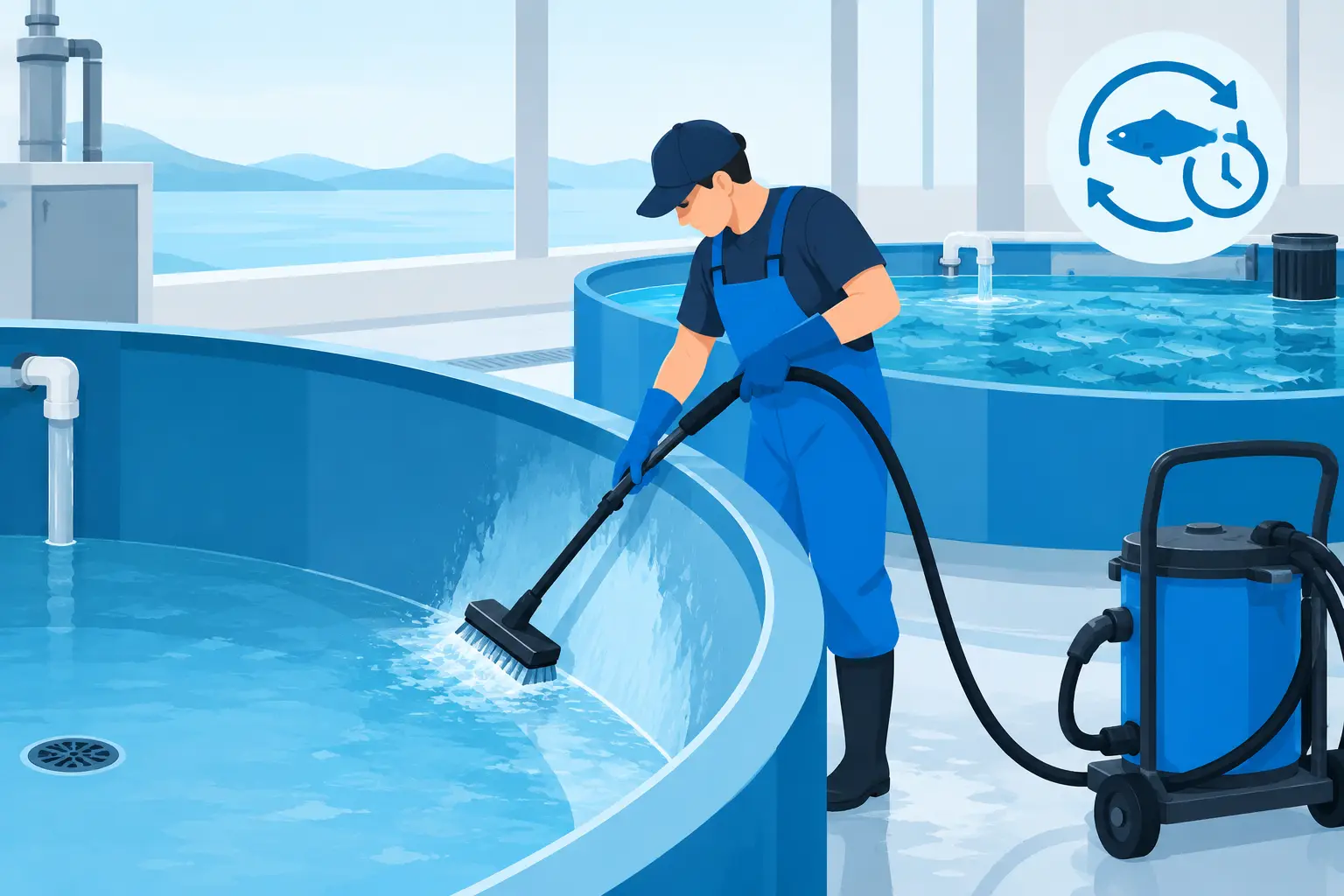
This is why simply skimming the foam off the surface is rarely a lasting fix. The foam may be removed, but the source material remains in the system. Inspect the mechanical stage first, especially if the issue appeared suddenly after a busy selling period, a missed maintenance visit, or a change in stocking volume.
The correct media and change schedule depend on the tank design and operating load. Overchanging media can create unnecessary cost and labor. Waiting too long can compromise water clarity, filtration performance, and lobster condition. The schedule should fit the real operation, not a calendar that ignores seasonal demand.
Exhausted Activated Carbon or Filtration Media
Activated carbon helps remove dissolved organic compounds that mechanical filtration cannot catch. As carbon becomes exhausted, those compounds remain in the water and can contribute to persistent foam, odor, discoloration, and reduced presentation quality.
Carbon is not a substitute for regular cleaning or proper mechanical filtration. It works best as part of a complete water-treatment process. If the tank has good circulation and clean mechanical media but foam remains, reviewing the carbon condition and media replacement history is a logical next step.
Residue From Cleaners, Hands, or Equipment
Not all foam comes from lobster waste. Soap, sanitizer, degreaser, hand lotion, food residue, and other foreign materials can create dramatic foaming even in a tank with otherwise acceptable water readings. A contaminated net, bucket, cleaning cloth, or maintenance tool can introduce enough residue to create a noticeable issue.
This is one reason seafood departments need dedicated, clearly identified tank-cleaning tools. Anything used near food prep, janitorial work, or general store cleaning should stay out of the life-support system. Even products marketed as mild or residue-free may not belong near a marine tank unless they are specifically approved for that use.
If sudden white foam appears after cleaning, service work, or a new employee’s shift, contamination should move to the top of the troubleshooting list. Do not assume it will work itself out. Remove the possible source, assess water conditions, and get technical guidance before the situation affects livestock.
How Aeration and Water Movement Affect Foam
Air stones, venturis, return lines, spray bars, and pump discharge points can make a foam issue look worse because they create the turbulence that concentrates bubbles. That does not automatically mean the aeration system is the problem.
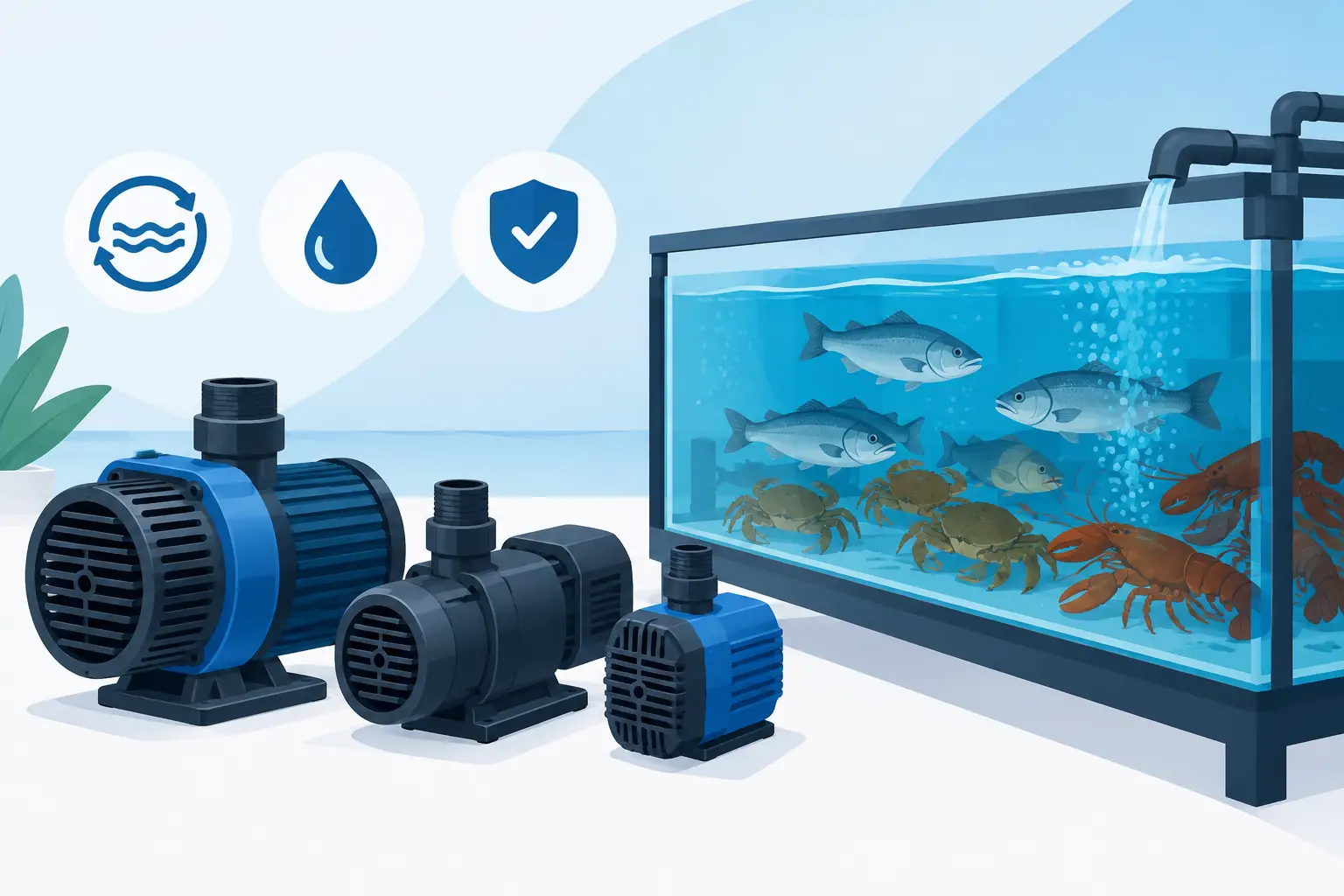
Lobsters need well-oxygenated water, and reducing aeration blindly can create a more serious problem than foam. Instead, look at whether a return is splashing excessively, an air diffuser is damaged, a pump is drawing air, or a plumbing connection is creating microbubbles. Correcting an equipment issue may reduce visible foam without sacrificing oxygen transfer or circulation.
The key distinction is this: healthy water movement creates short-lived bubbles. Persistent, stable foam usually means the water contains something that is helping those bubbles stay intact.
A Practical Response When Foam Appears
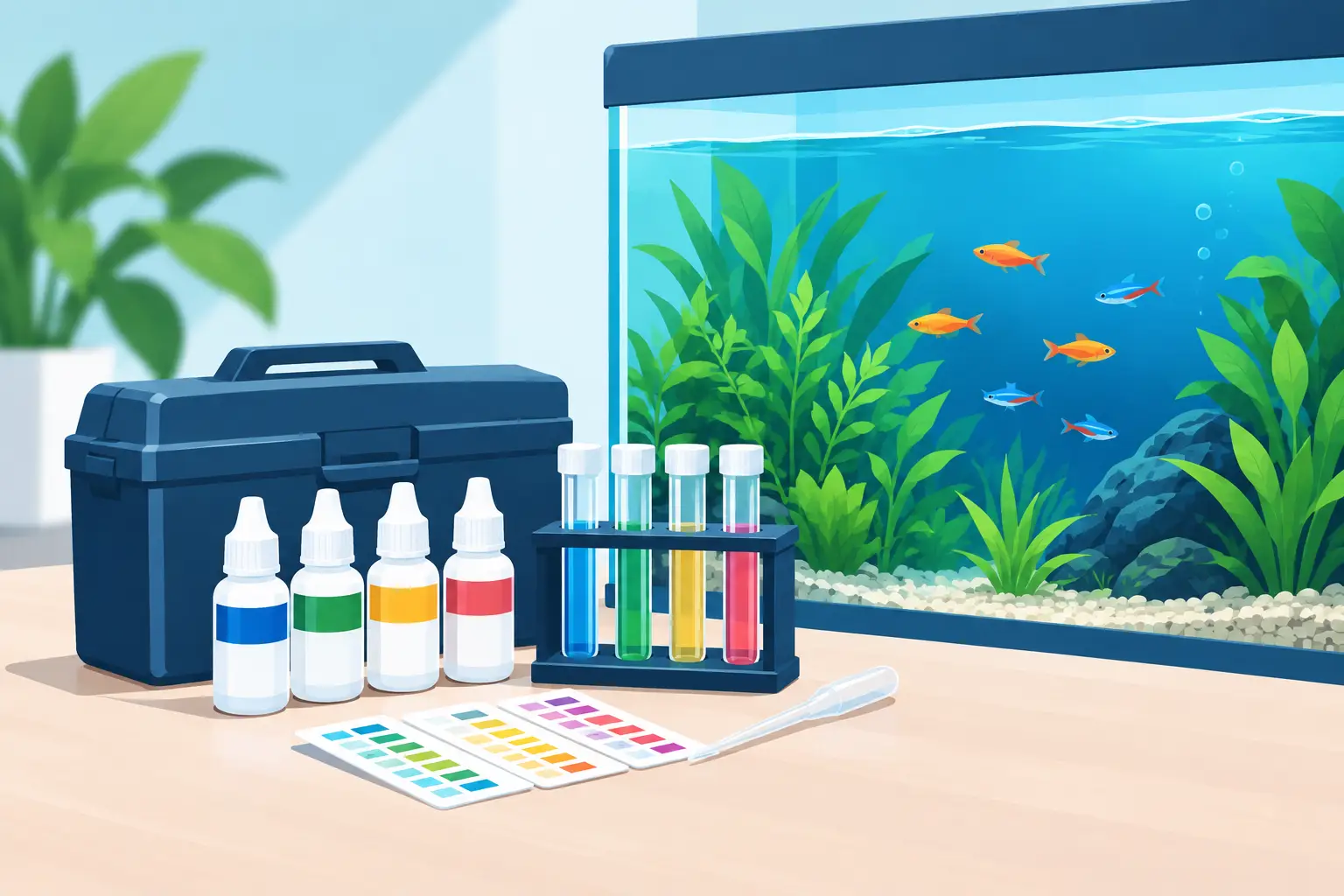
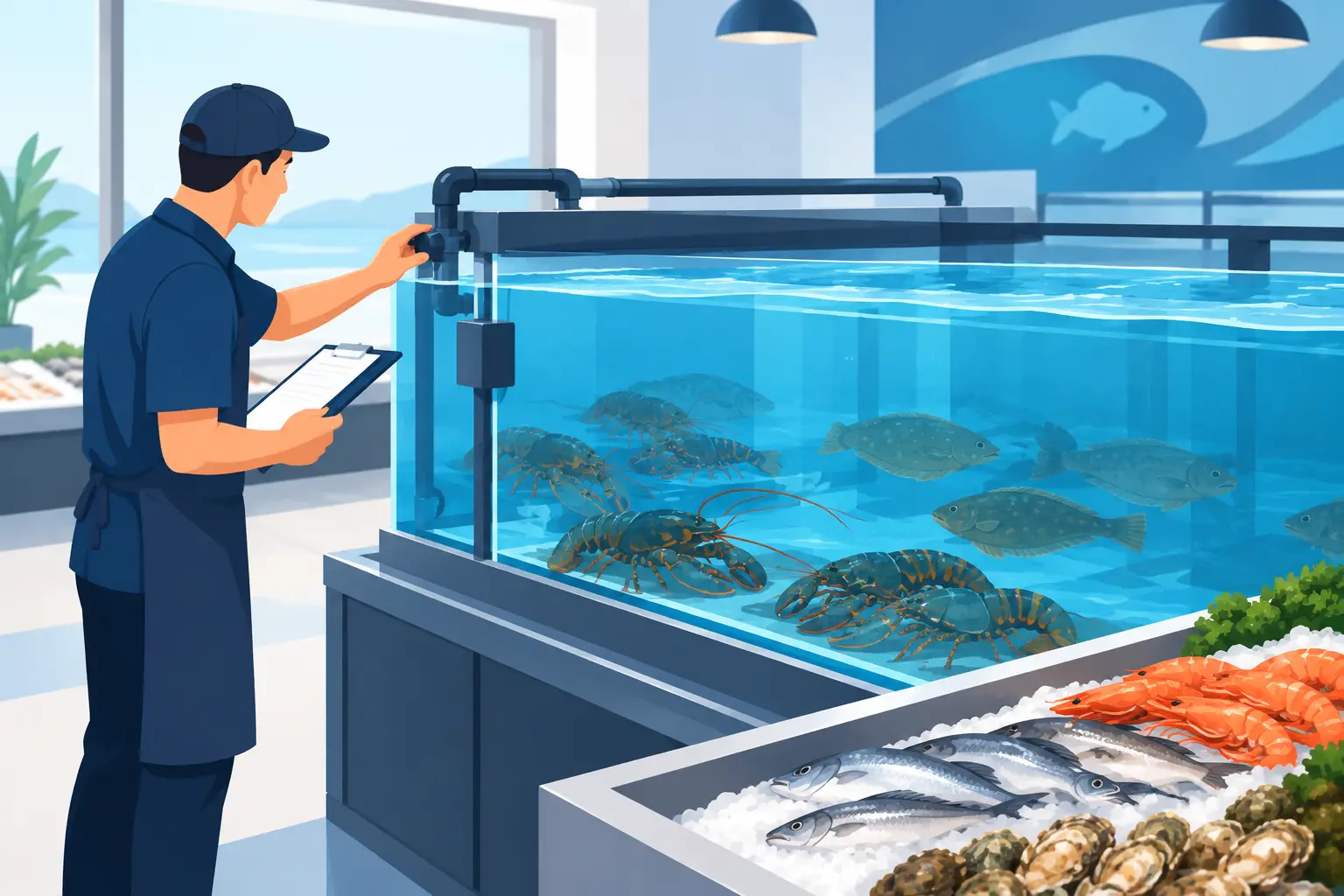
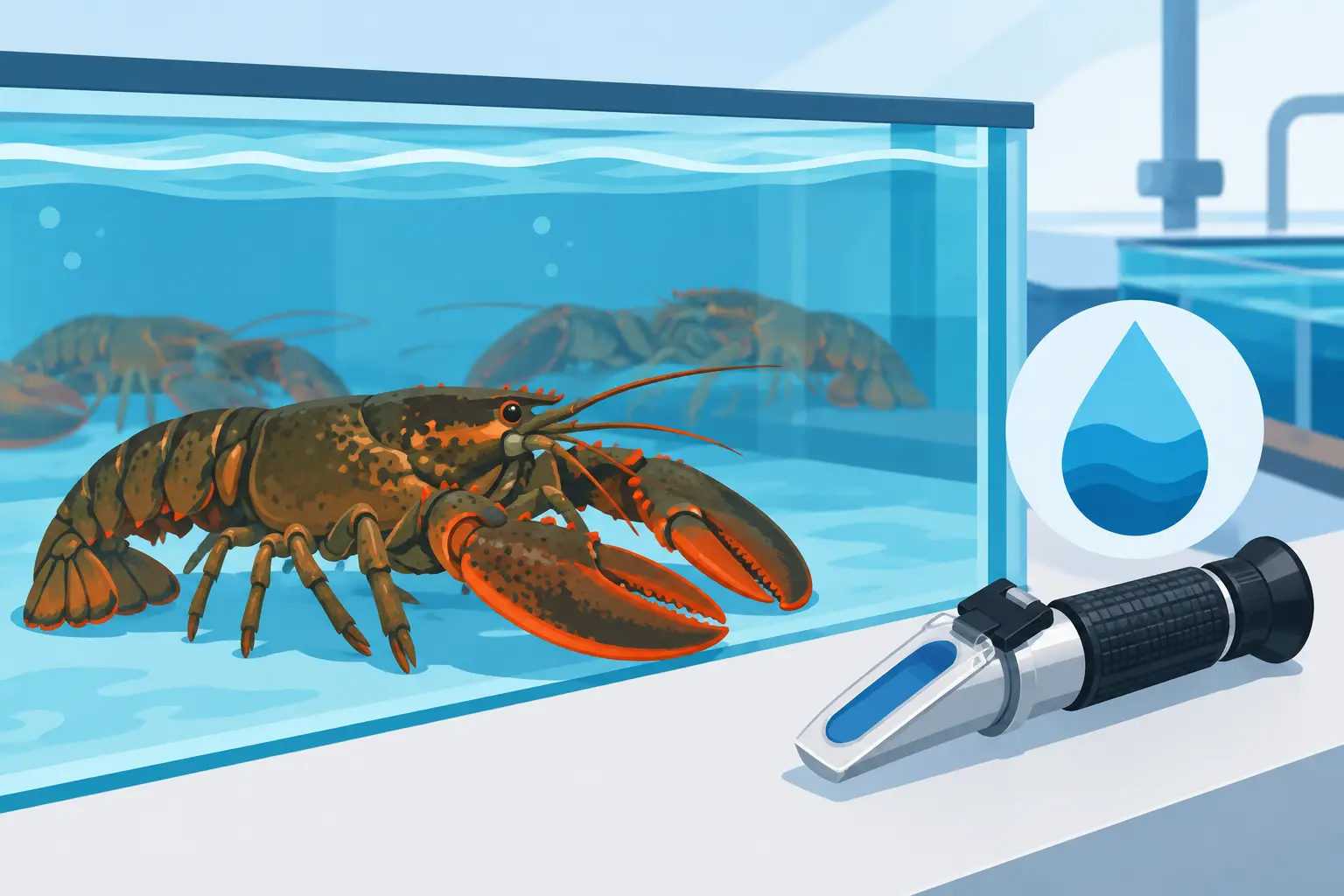
Start by observing the foam. Note its color, thickness, odor, location, and whether it disappears when water movement stops. Then inspect the tank’s operating basics: water temperature, salinity, dissolved oxygen, circulation, filter condition, water level, and any recent changes in stocking or cleaning practices.
If there is an obvious source, such as saturated mechanical media or a contaminated tool, address it immediately. Remove accumulated solids, replace media as required, and clean only with tank-safe procedures. If the source is not clear, avoid random chemical additions. Products that suppress foam may hide the symptom while introducing a new risk to the lobsters and the biological system.
A partial water change may be appropriate when dissolved organics or contamination are suspected, but it must be done with properly mixed, temperature-matched marine saltwater. Rapid swings in salinity or temperature can stress lobsters just as surely as poor water quality can. In a commercial operation, the goal is controlled correction, not a fast-looking fix that creates instability.
When Foam Signals a Larger System Problem
Foam paired with lethargic lobsters, repeated mortalities, poor water clarity, foul odor, ammonia or nitrite readings, or declining appetite calls for immediate action. These conditions can indicate a filtration failure, excessive bioload, insufficient maintenance, or a water-quality event that requires more than routine cleaning.
Also consider the tank’s capacity. A system designed for one holding volume may struggle if it is routinely asked to carry more inventory, hold product longer, or operate in a warmer environment than originally planned. There is a trade-off between maximizing display capacity and protecting survival, product quality, and margin. The most profitable tank is not the one packed to the limit. It is the one that keeps live seafood healthy, marketable, and dependable through the sales cycle.
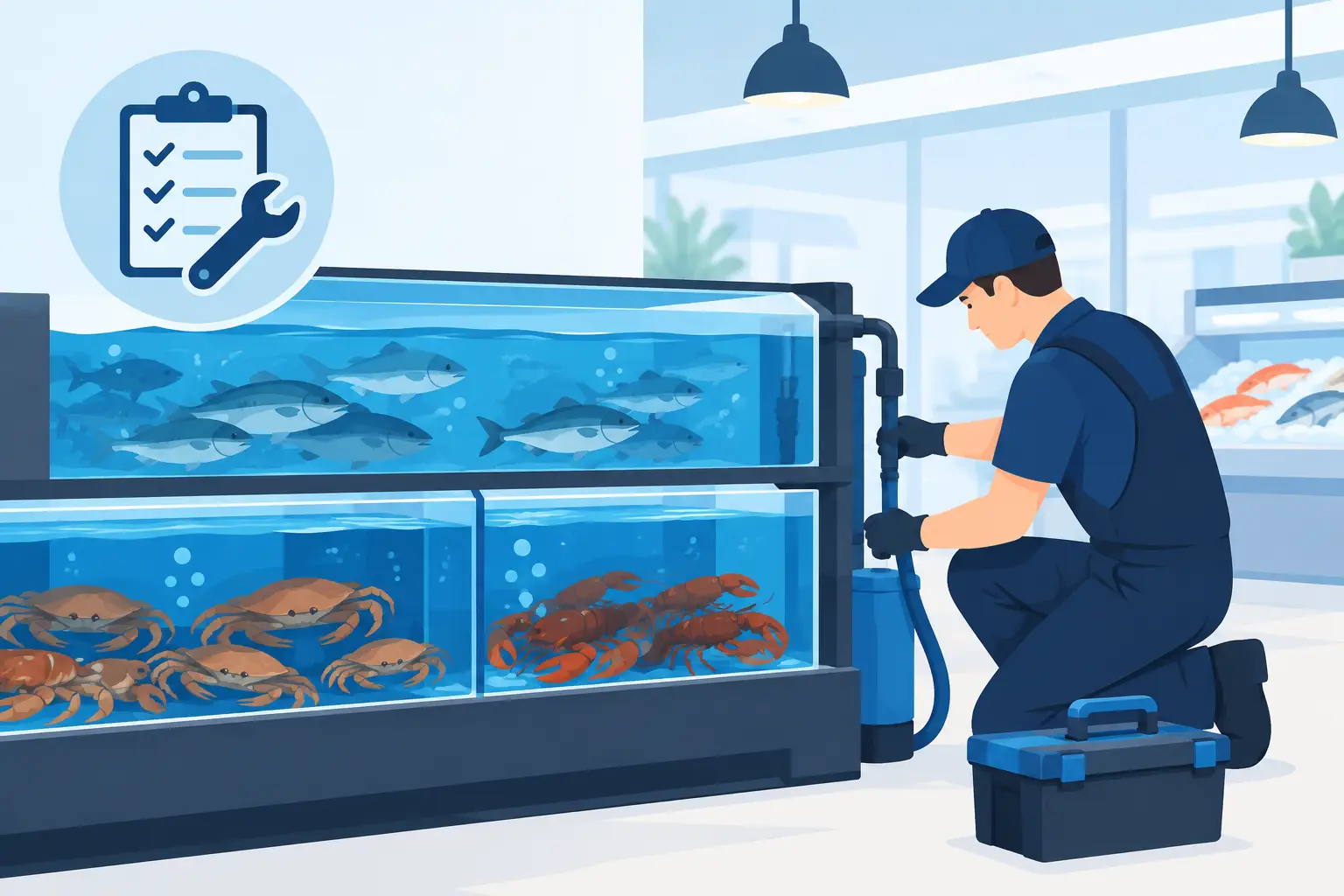
For operators managing multiple locations or high-volume seafood departments, recurring foam can be a useful trigger for reviewing service frequency, filtration sizing, consumables, and staff procedures. A trained technician can often identify patterns that are easy to miss when the team is focused on daily merchandising and customer service.
Lobster Life Systems has worked with commercial live-seafood operators since 1989, supporting tank systems, marine salt, filtration media, parts, and service from one place. When foam becomes persistent or returns after standard maintenance, an experienced system review is usually less expensive than waiting for a tank problem to become an inventory loss.
A clean, stable lobster tank should look as dependable as the seafood you sell. Treat foam as an early operational signal, correct the cause methodically, and keep the system maintained for the conditions it is actually carrying.