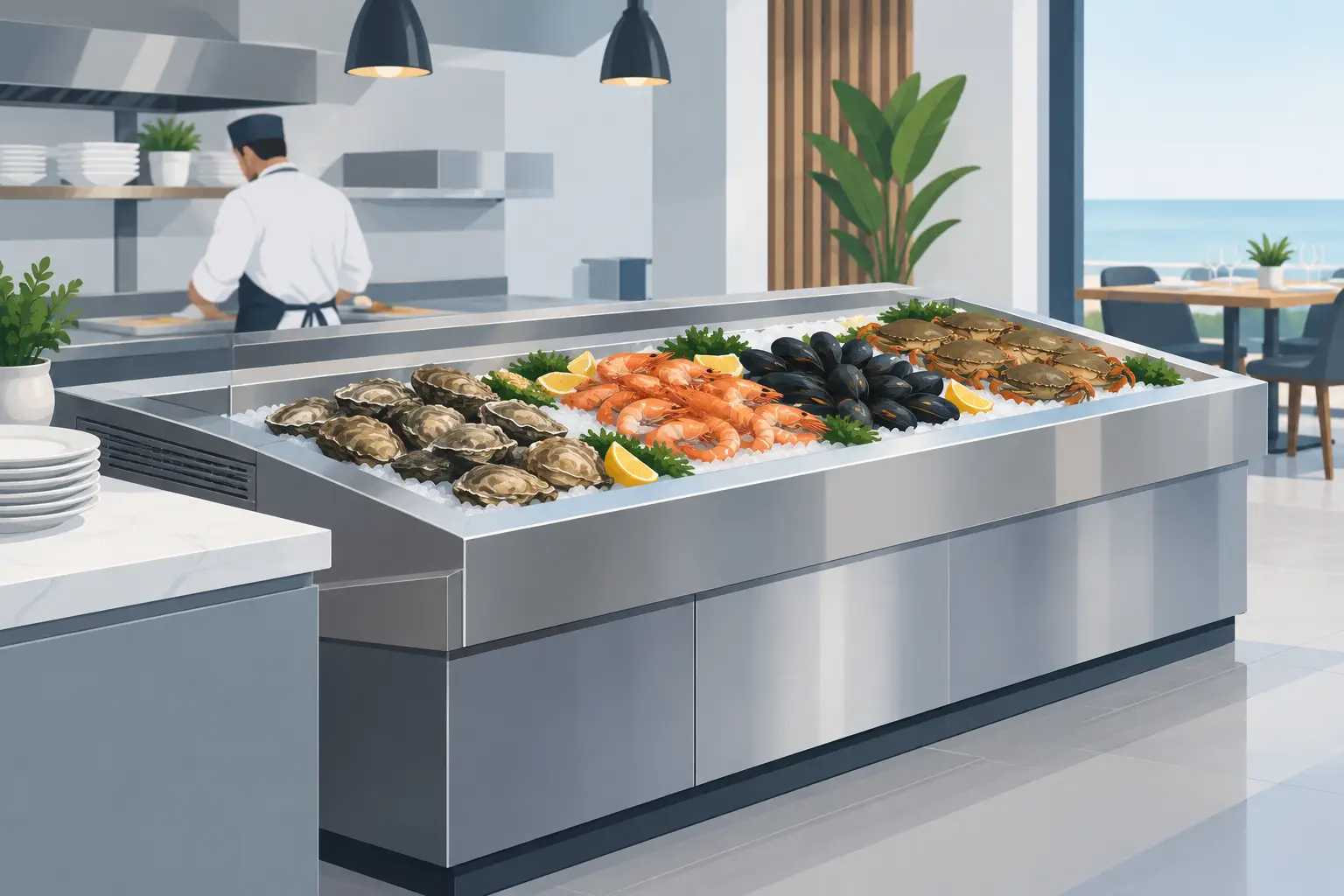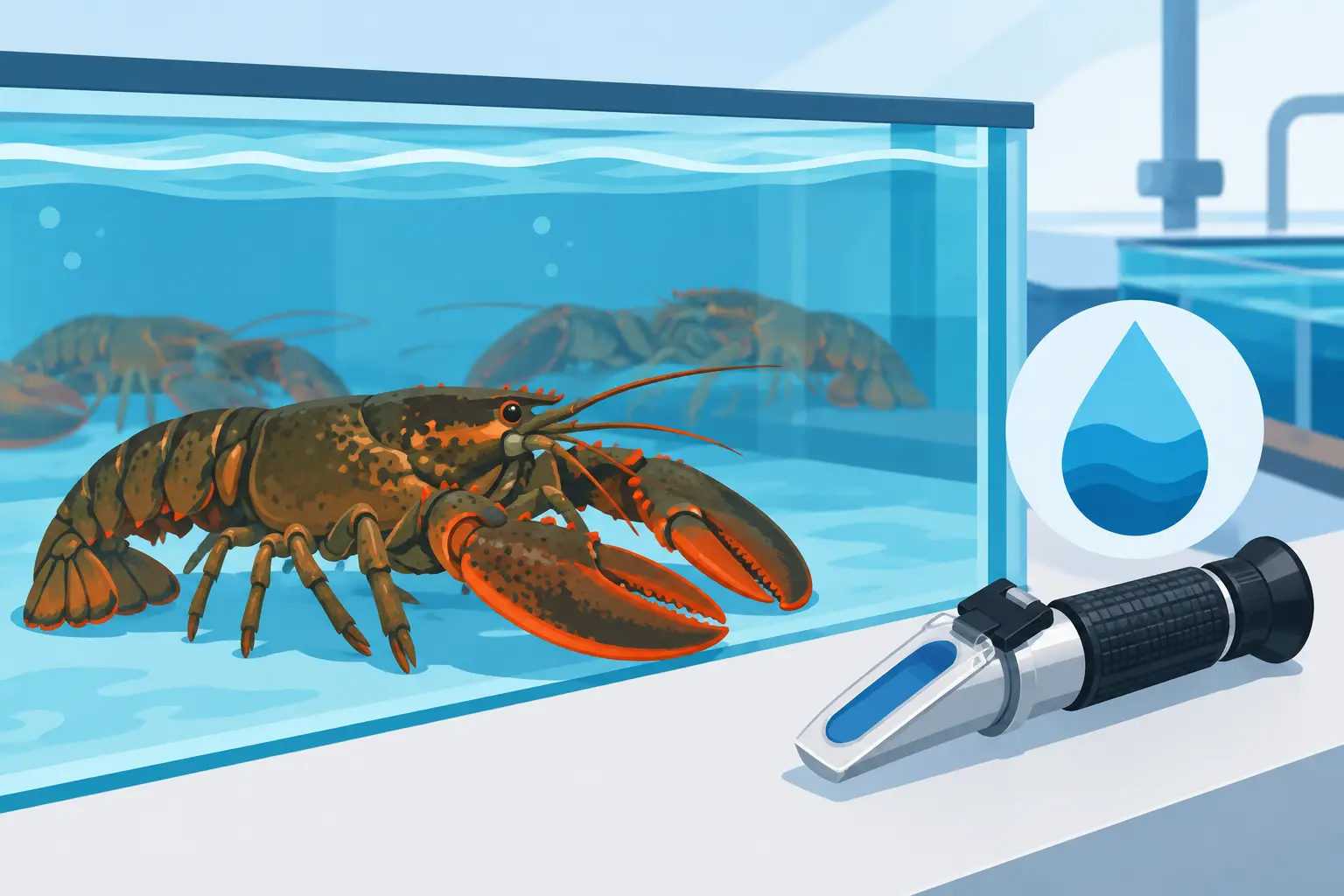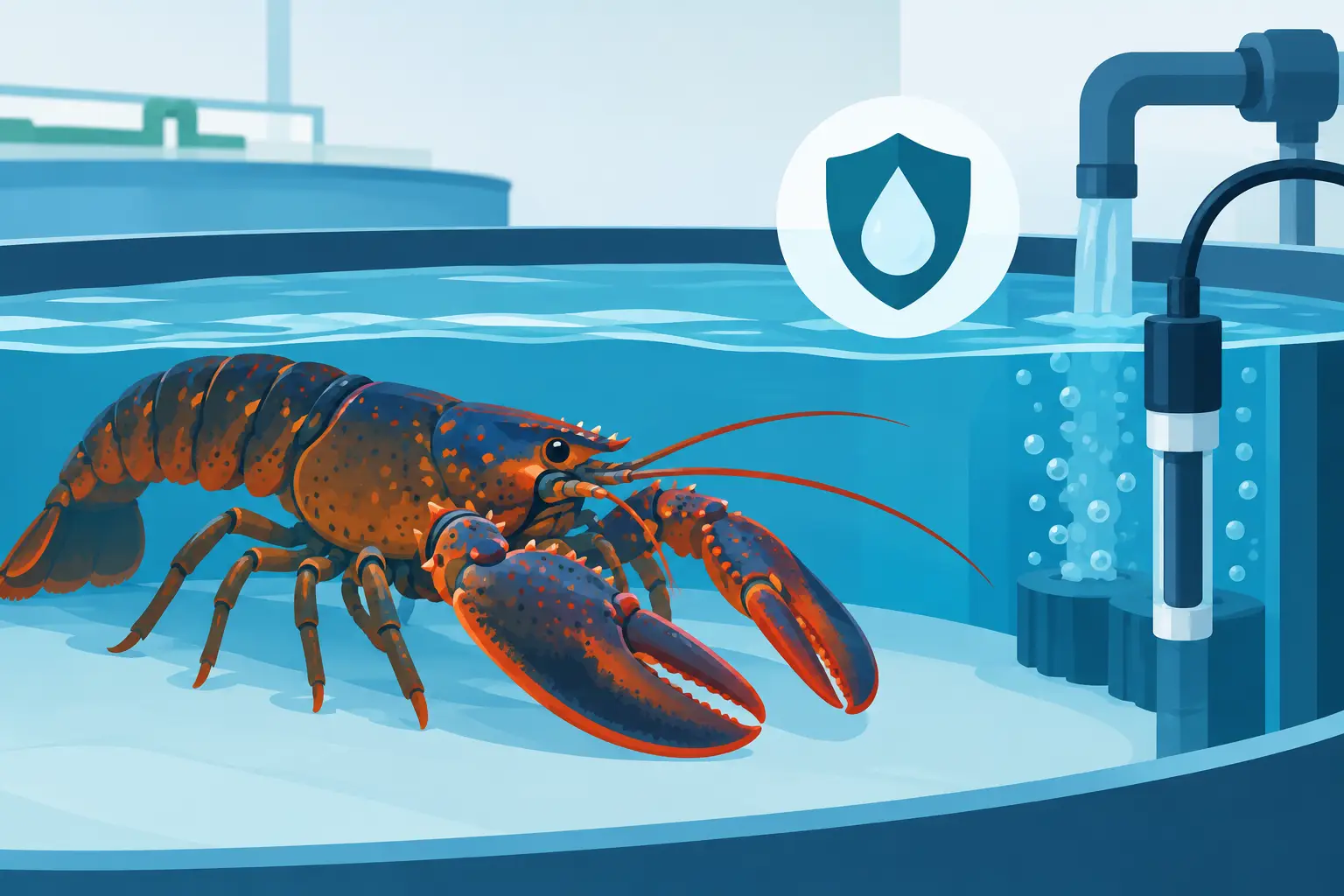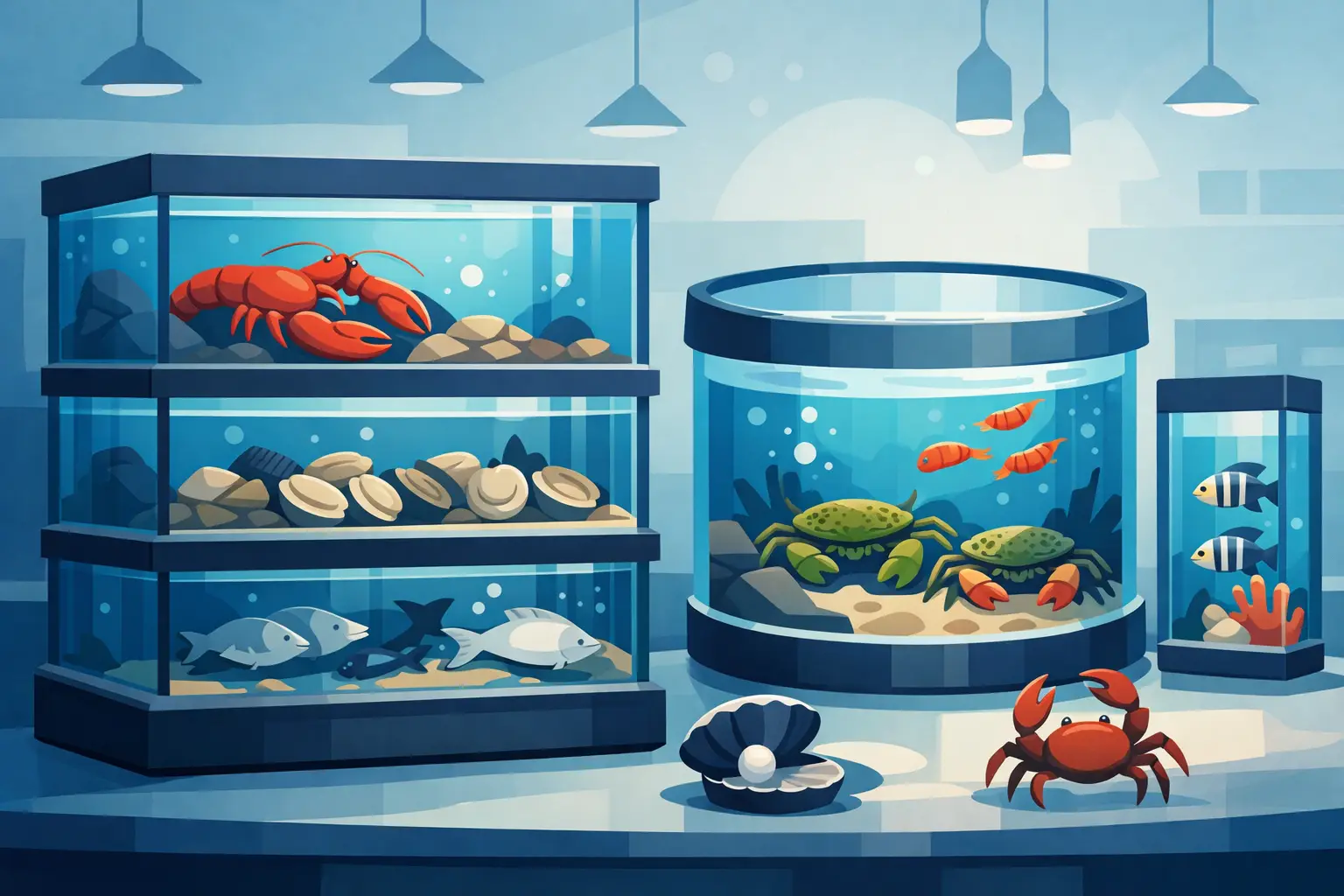
A live lobster display can be a strong seafood counter asset. It gives customers a clear view of product quality, supports premium pricing, and helps move live inventory. But when a tank is poorly designed or neglected, it can become an operational liability just as quickly. Are lobster tanks food safe? They can be, but only when the tank, water treatment, cleaning program, and daily handling practices are built around commercial food safety.
A lobster tank is not made food safe simply because it holds saltwater or looks clean from the customer side. Food safety depends on controlling the conditions that affect the lobster, the water, the equipment surfaces, and the people handling the product. For supermarkets, wholesalers, restaurants, and seafood retailers, that means treating the tank as part of the seafood operation, not as a decorative fixture.
Are Lobster Tanks Food Safe by Design?
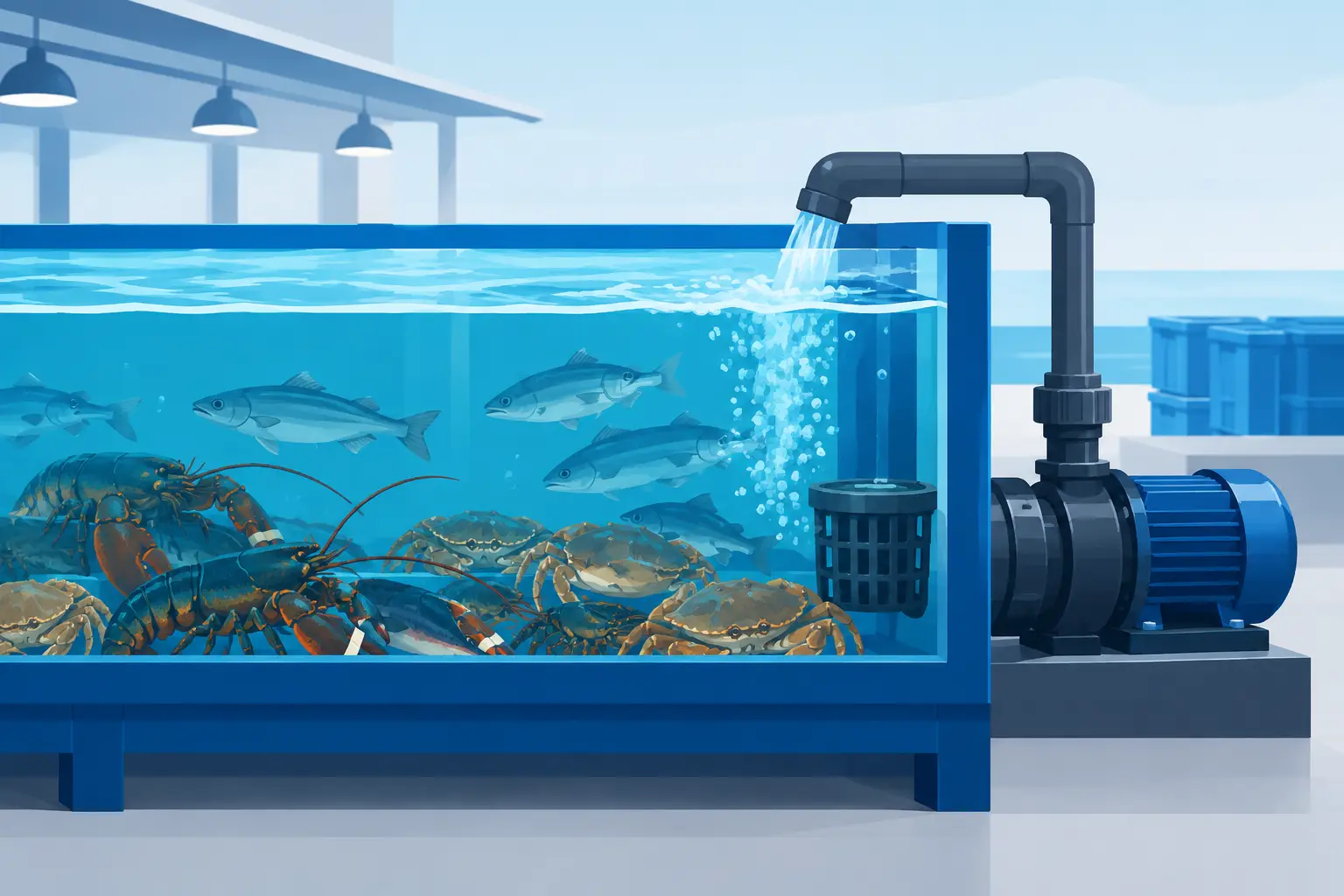
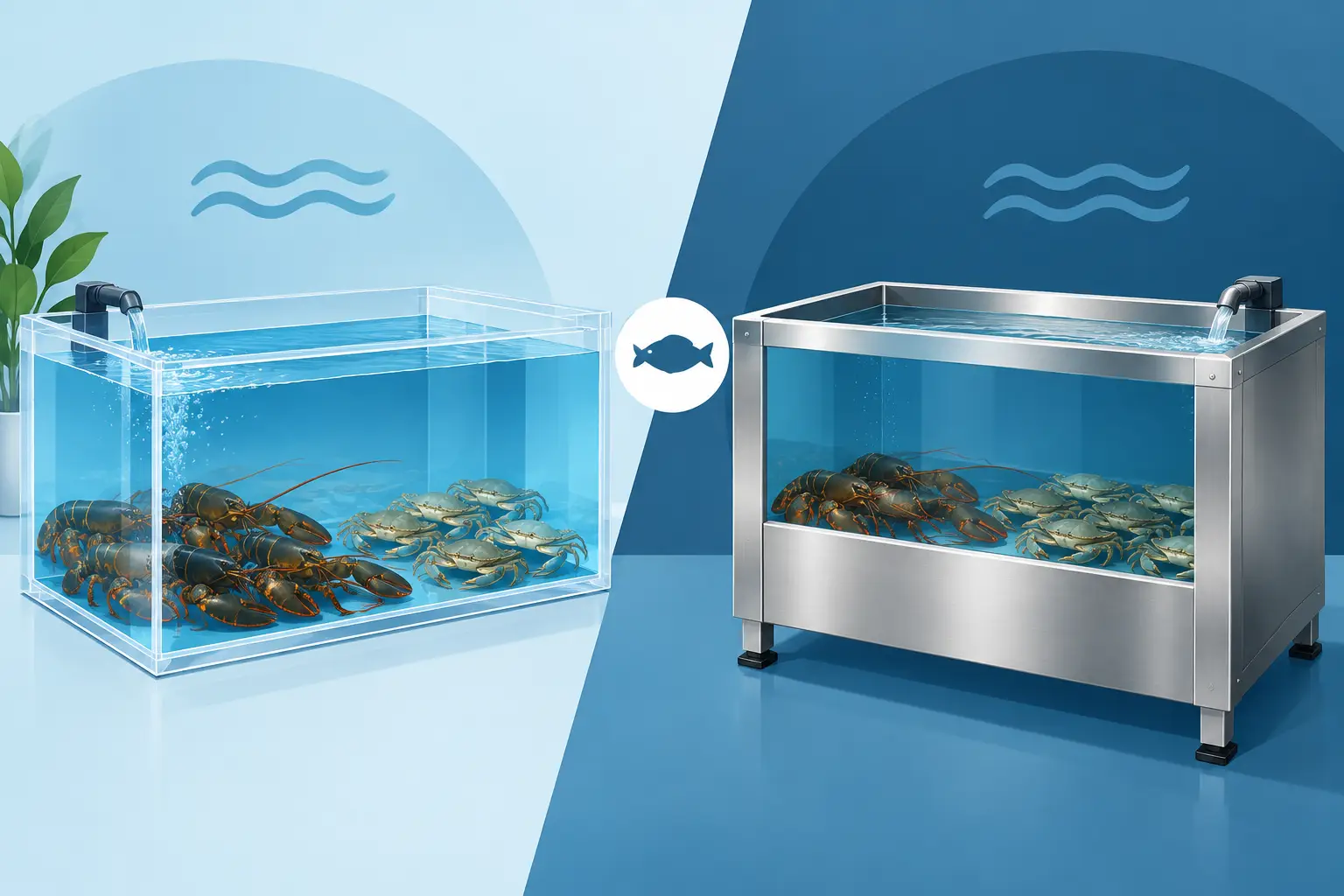
A properly specified commercial lobster tank should be constructed from durable, cleanable materials that are appropriate for a food retail environment. Non-porous surfaces are easier to wash and sanitize. Components should resist saltwater corrosion and hold up to frequent use without cracking, peeling, or creating hard-to-reach areas where organic matter can collect.
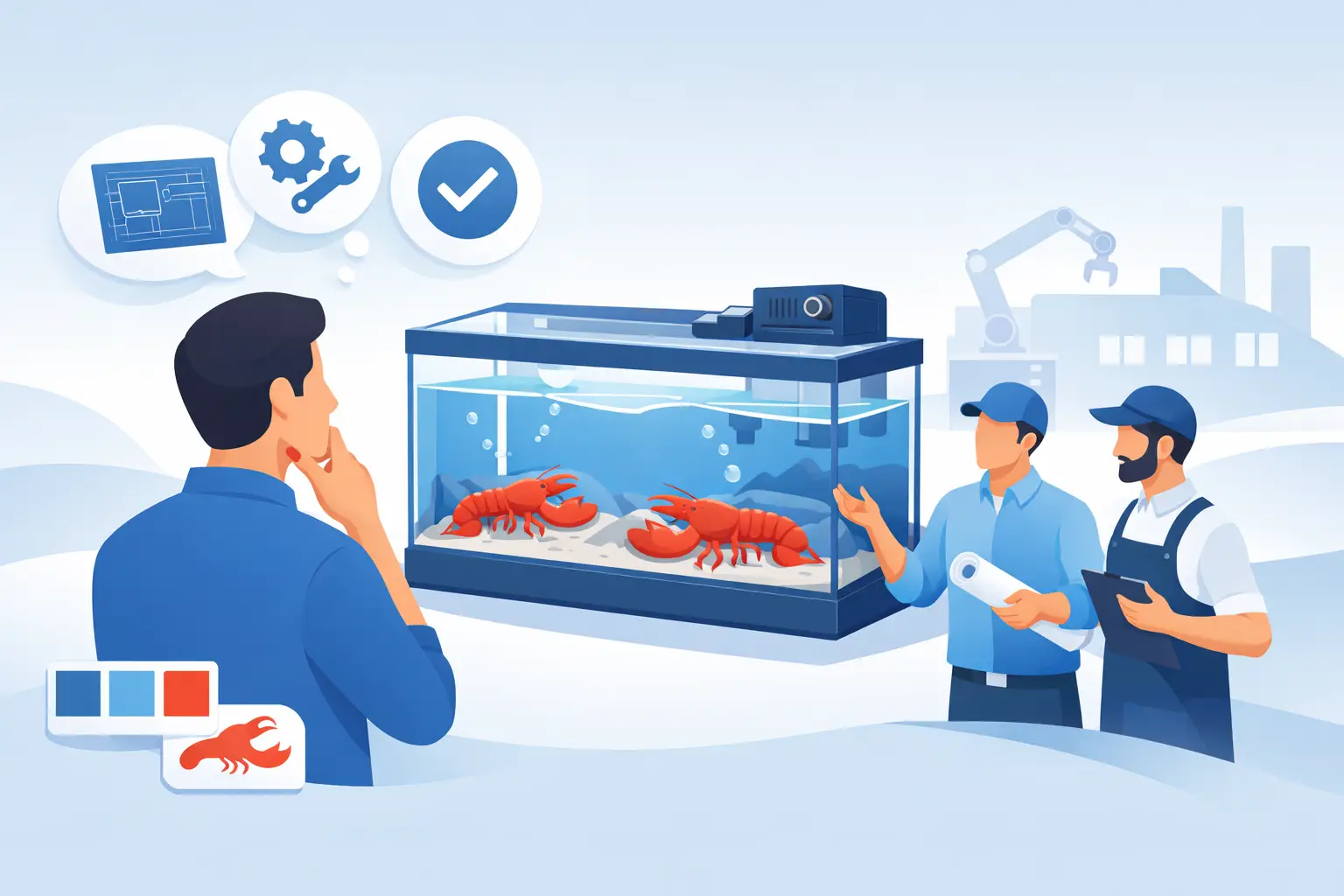
The tank design also matters. A system with accessible plumbing, removable screens, serviceable filters, and adequate drainage makes routine sanitation practical. If staff cannot safely reach a component, remove buildup, or inspect the system without shutting down the entire display for hours, cleaning will eventually get deferred. That is where preventable problems start.
Food safety also depends on separating tank operations from other activities at the seafood counter. Lobsters should not be held in a system that shares water, tools, or cleaning equipment with finfish, raw shellfish, or non-food aquatic displays unless the system has been deliberately engineered and managed for that use. Cross-contamination is not a theoretical concern when several products, employees, and wet work areas meet in a busy department.
Water Quality Is a Food Safety Control
Lobsters are living inventory. When water conditions decline, lobster health declines, mortality rises, and the quality of the product reaching the customer can suffer. Clear water alone is not proof that a tank is operating correctly.
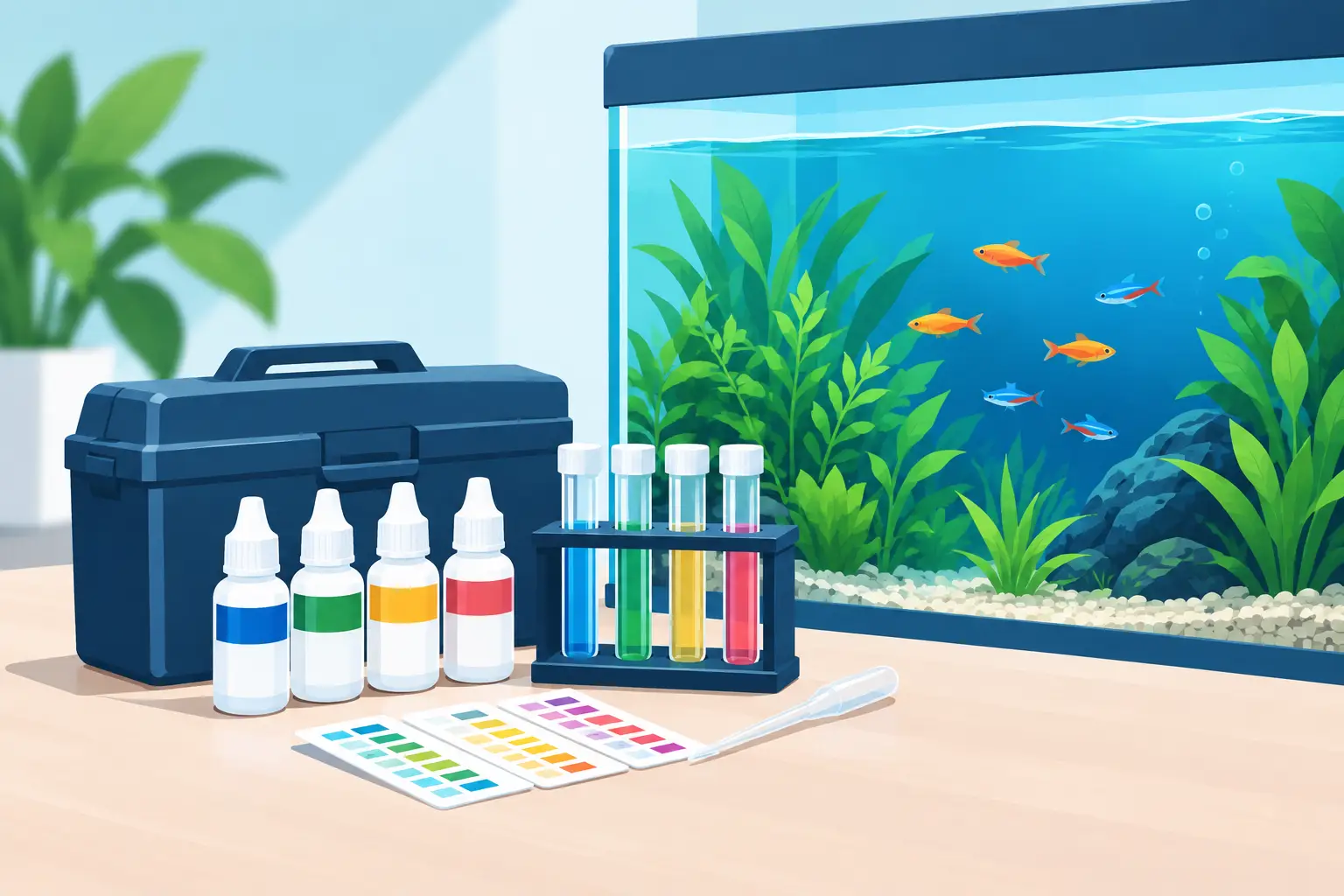
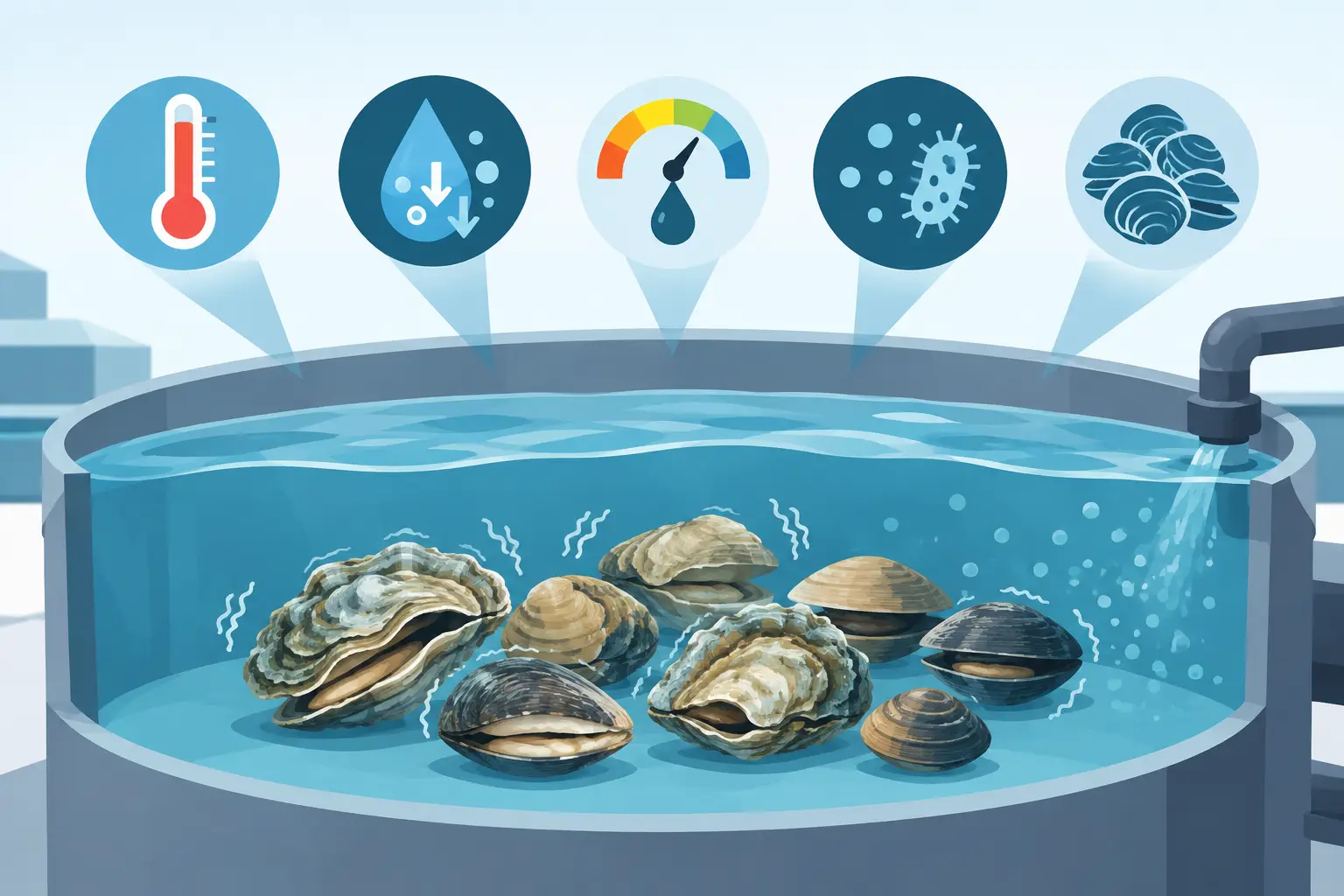
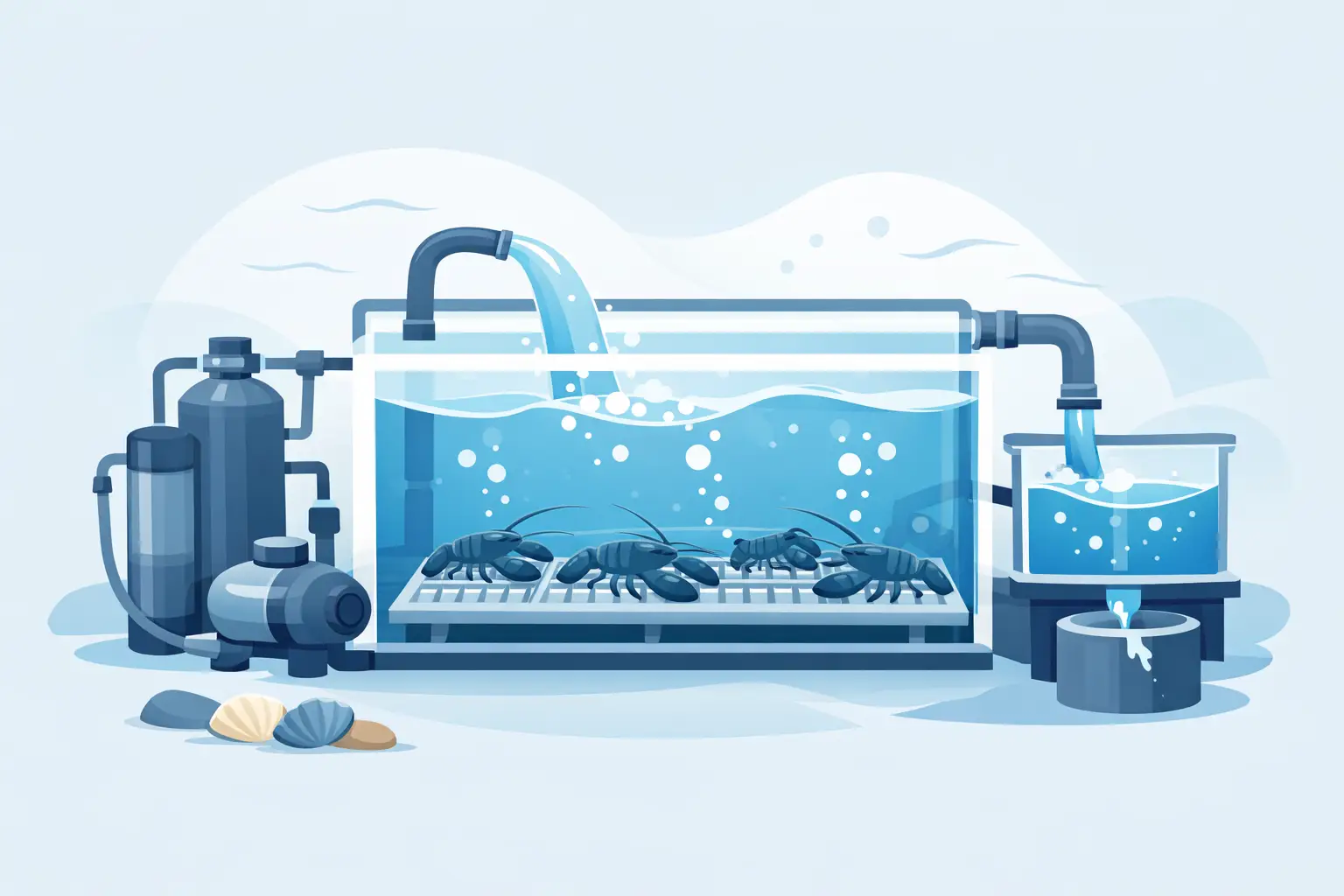
Commercial saltwater systems need stable temperature, salinity, oxygen, pH, and nitrogen-cycle control. Ammonia and nitrite are especially important because they can build as lobsters release waste. Poor biological filtration, overloaded tanks, missed water changes, or an interrupted pump can turn a healthy holding system into a stressful environment fast.
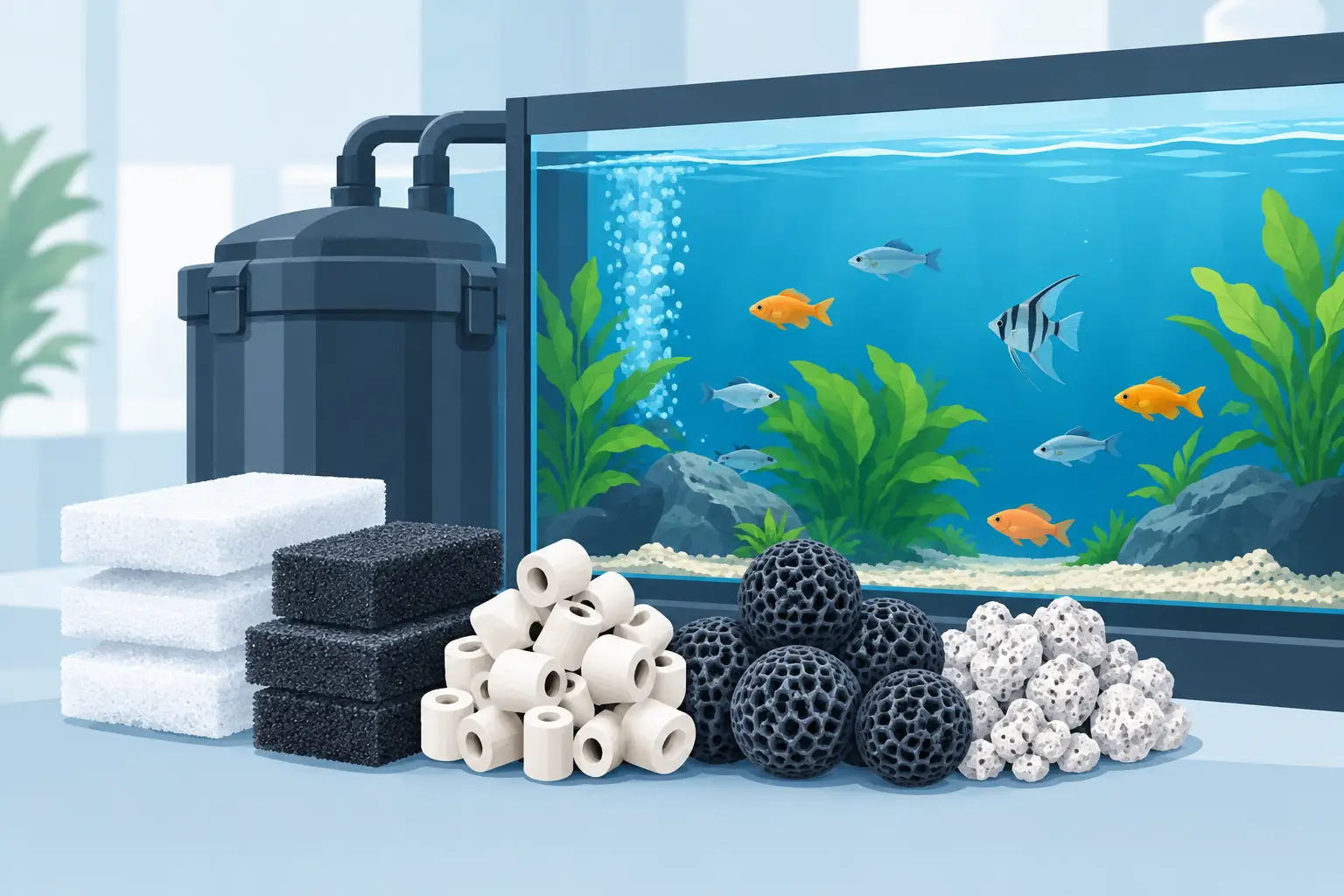
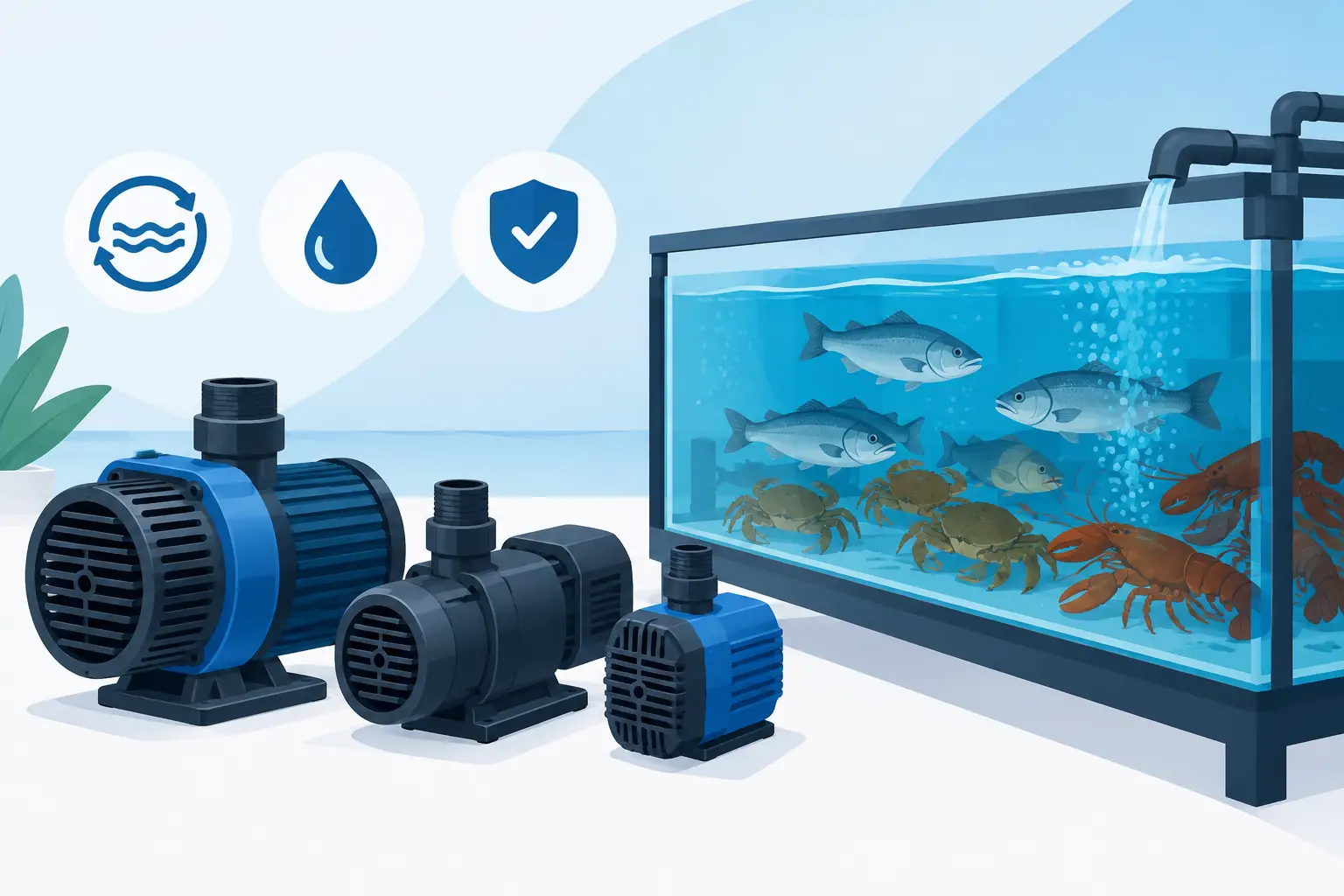
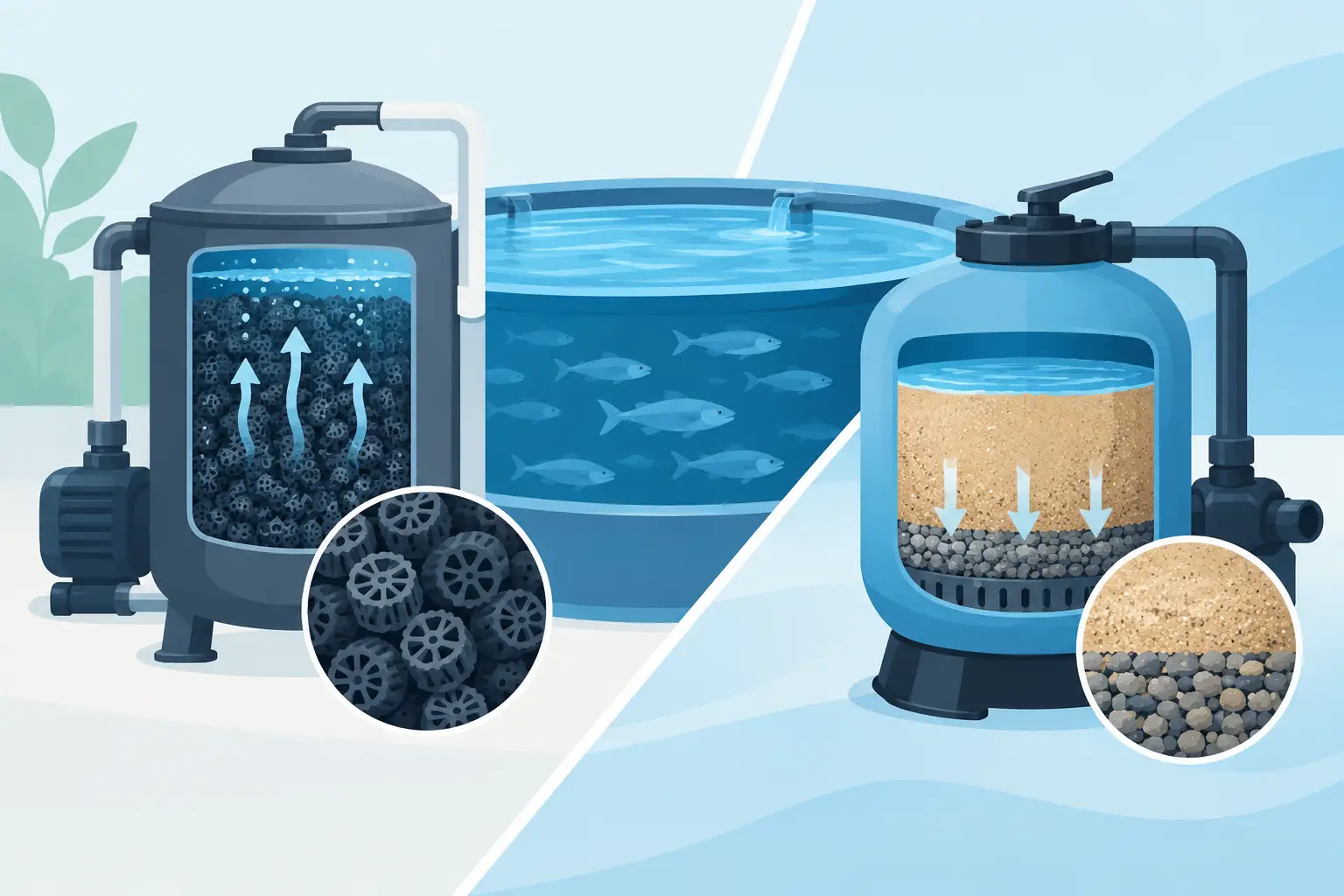
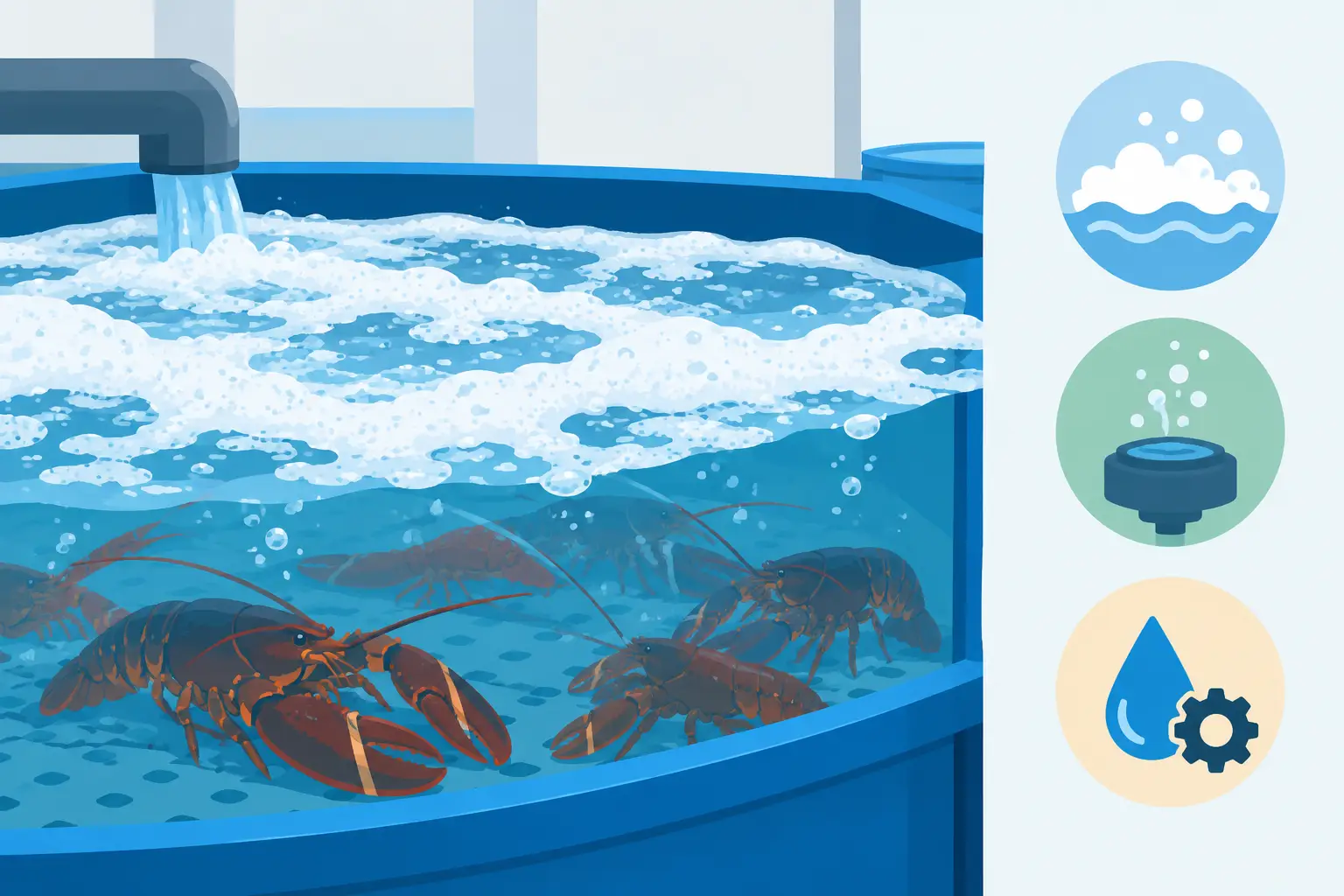
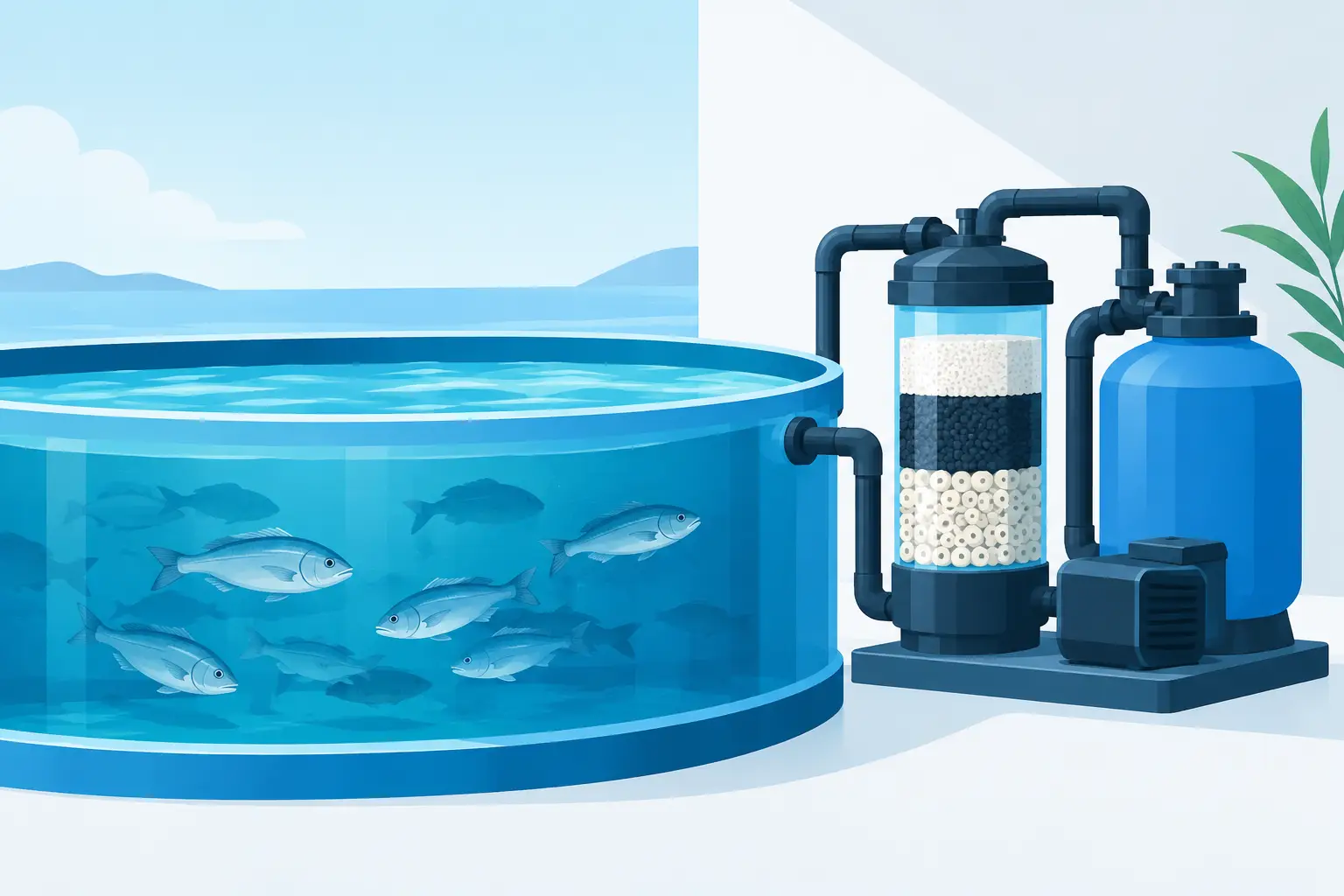
The purpose of filtration is not merely to make the tank look presentable. Mechanical filtration captures solids before they break down. Biological filtration supports beneficial bacteria that process dissolved waste. Activated carbon and other media can help manage odors, discoloration, and certain dissolved compounds. Proper water circulation keeps conditions more uniform throughout the tank while supporting oxygen transfer.
Each piece has to be sized for the actual operating load. A small system may perform well with a light lobster population, then struggle during a holiday rush when inventory is packed tighter and fed by a larger volume of waste. The right capacity is based on tank volume, lobster size, stocking density, water temperature, turnover rate, and how long animals are expected to remain in the system.
Temperature Requires a Deliberate Decision
Coldwater lobsters require coldwater conditions. A tank that runs too warm can increase stress and oxygen demand, reduce holding performance, and shorten the margin for error when business gets busy. Yet colder water is not a substitute for filtration, cleaning, or proper stocking.
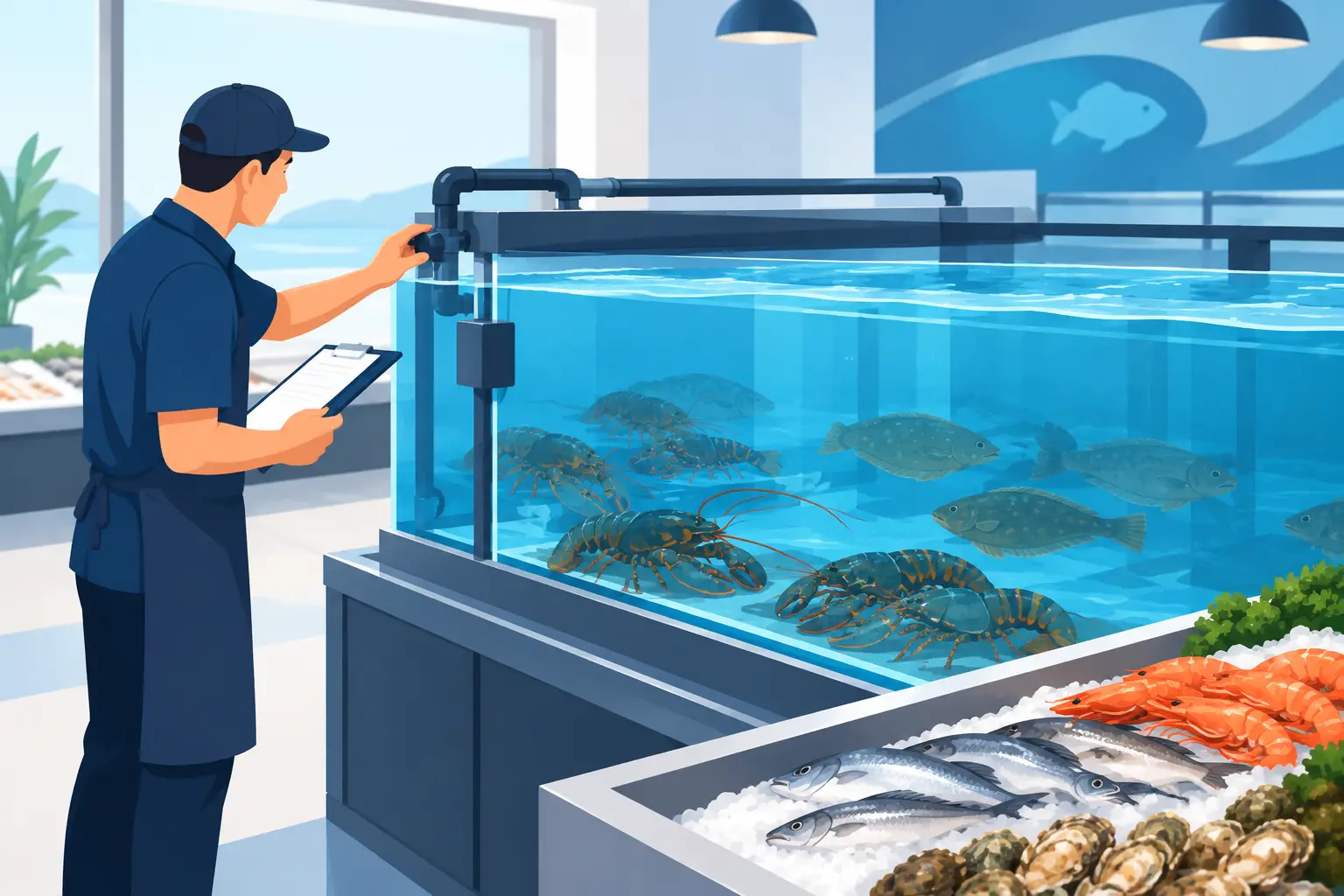
Your target temperature should be set according to the species, the condition of incoming lobsters, local operating conditions, and the equipment’s design. Temperature should be monitored routinely with reliable equipment, not guessed from the feel of the water or the reading on a display panel that has not been checked in months.
Cleaning Must Remove Soil Before Sanitizing
No commercial tank stays food safe on equipment quality alone. Daily care and scheduled deep cleaning are what keep a well-built system performing as intended.
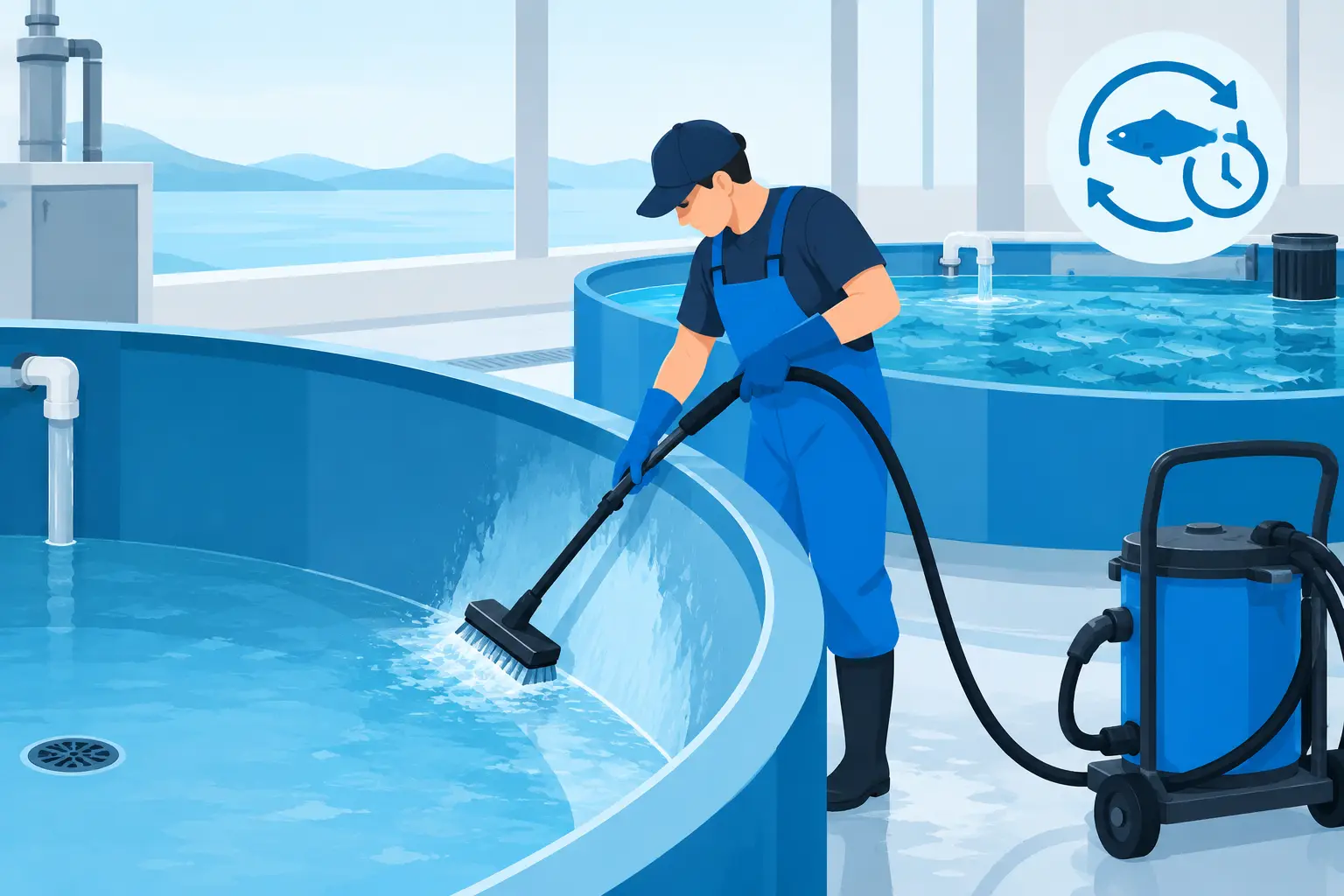
The first rule is simple: sanitation does not work well on dirty surfaces. Slime, biofilm, food debris, mineral scale, and organic buildup must be physically removed before an approved sanitizing process can do its job. Staff should use tools designated for the lobster system and store them away from floor-cleaning equipment, raw seafood prep tools, and chemical areas.
Cleaning chemicals deserve special attention. Some products that are acceptable for floors, glass, or general retail fixtures are not appropriate around live aquatic systems. Residues can injure or kill lobsters, disrupt beneficial bacteria in the filter, and create a serious operational setback. Any cleaner or sanitizer used on tank components must be selected for the application, used at the correct concentration, and thoroughly managed according to its instructions.
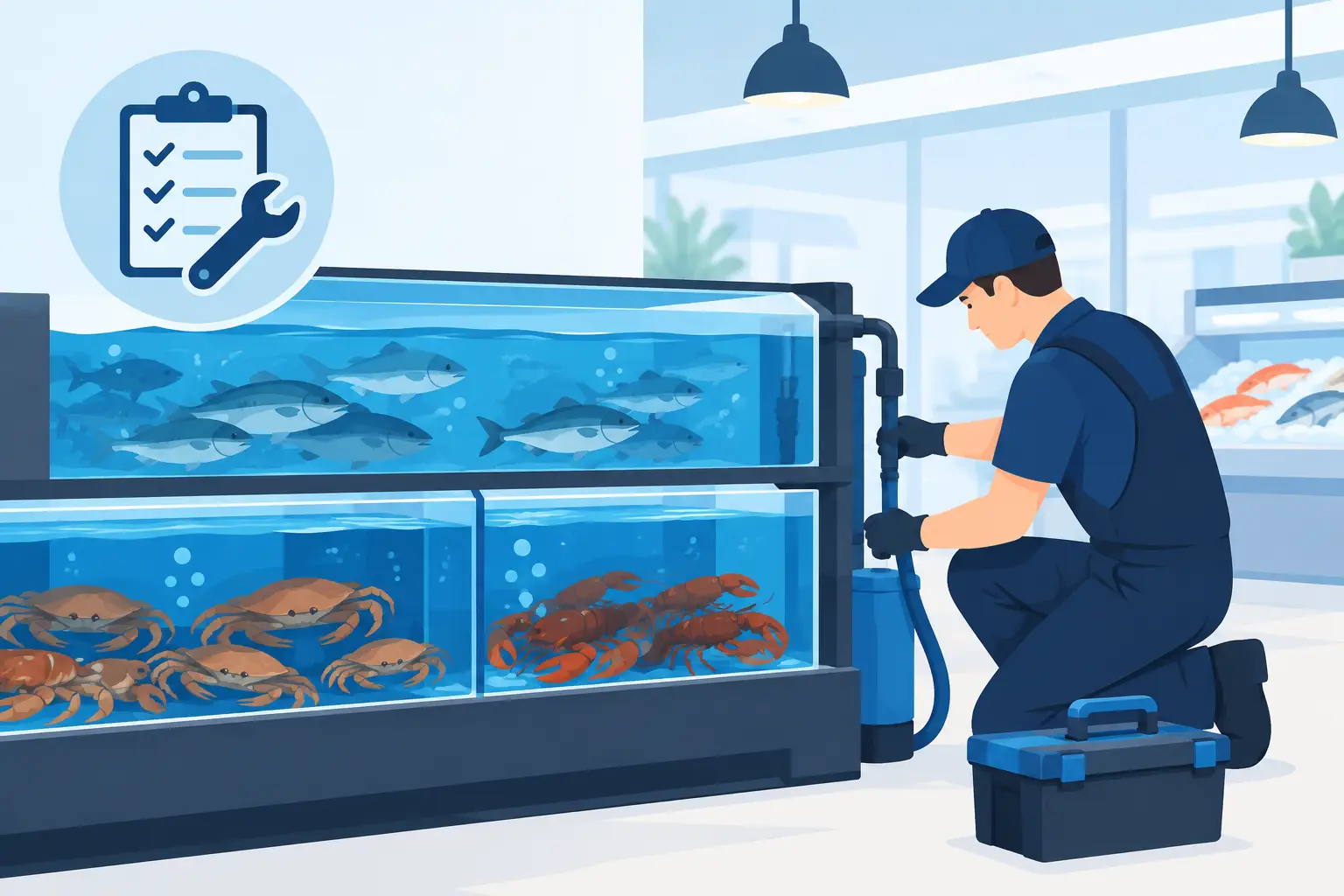
A workable maintenance program usually includes daily visual inspections and debris removal, regular cleaning of accessible tank surfaces and screens, scheduled filter service, and periodic cleaning of pumps, plumbing, and less-visible components. The exact interval depends on tank design, volume, stocking levels, and water test results. A high-volume supermarket display should not follow the same schedule as a lightly stocked specialty market tank.
Handling Practices Matter as Much as the Tank
The cleanest water system cannot overcome careless product handling. Employees should handle live lobsters with clean hands or dedicated, clean gloves and use dedicated nets, tongs, or transfer containers. Equipment that touches lobsters should not be used interchangeably for drains, floors, waste, or other seafood without being properly cleaned and sanitized.
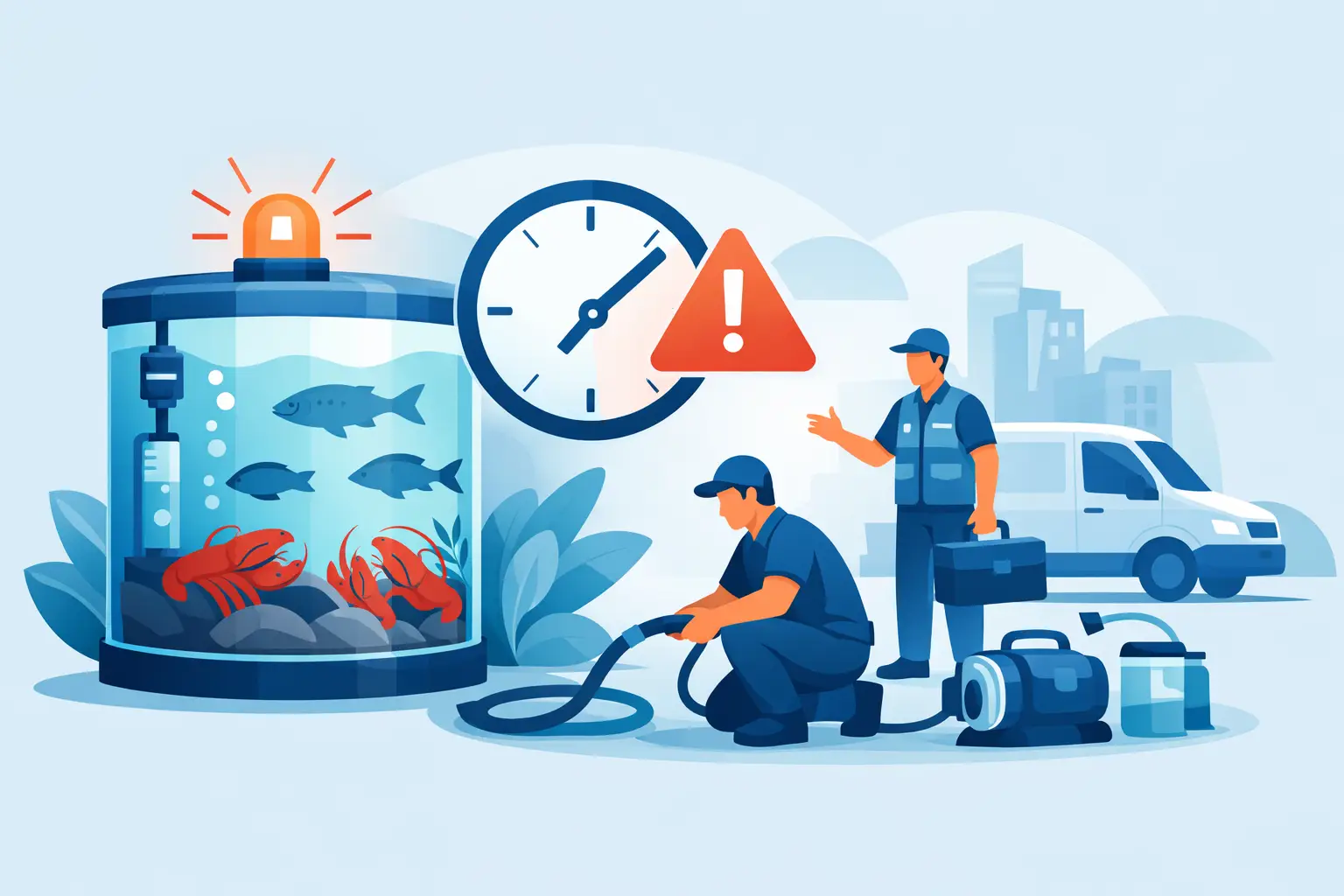
Dead lobsters should be removed promptly. They add organic load to the system and create a product-quality issue that should be assessed rather than ignored. Staff should also look for signs of stress, damage, or unusual behavior during routine checks. Catching a failing pump, blocked intake, low water level, or weak circulation early can prevent inventory loss and protect the rest of the tank.
Stocking practices should be realistic. Overcrowding may make a display appear abundant, but it increases stress, waste loading, and the chance that staff overlook an unhealthy animal. The best display is one that looks full, keeps lobsters in sound condition, and gives employees enough room to inspect and remove product safely.
Documentation Turns Good Intentions Into Control
For a commercial operator, food safety needs to be repeatable across shifts. A written log creates accountability and gives managers a record when troubleshooting tank performance. It does not need to be complicated, but it should reflect the controls that matter to the operation.
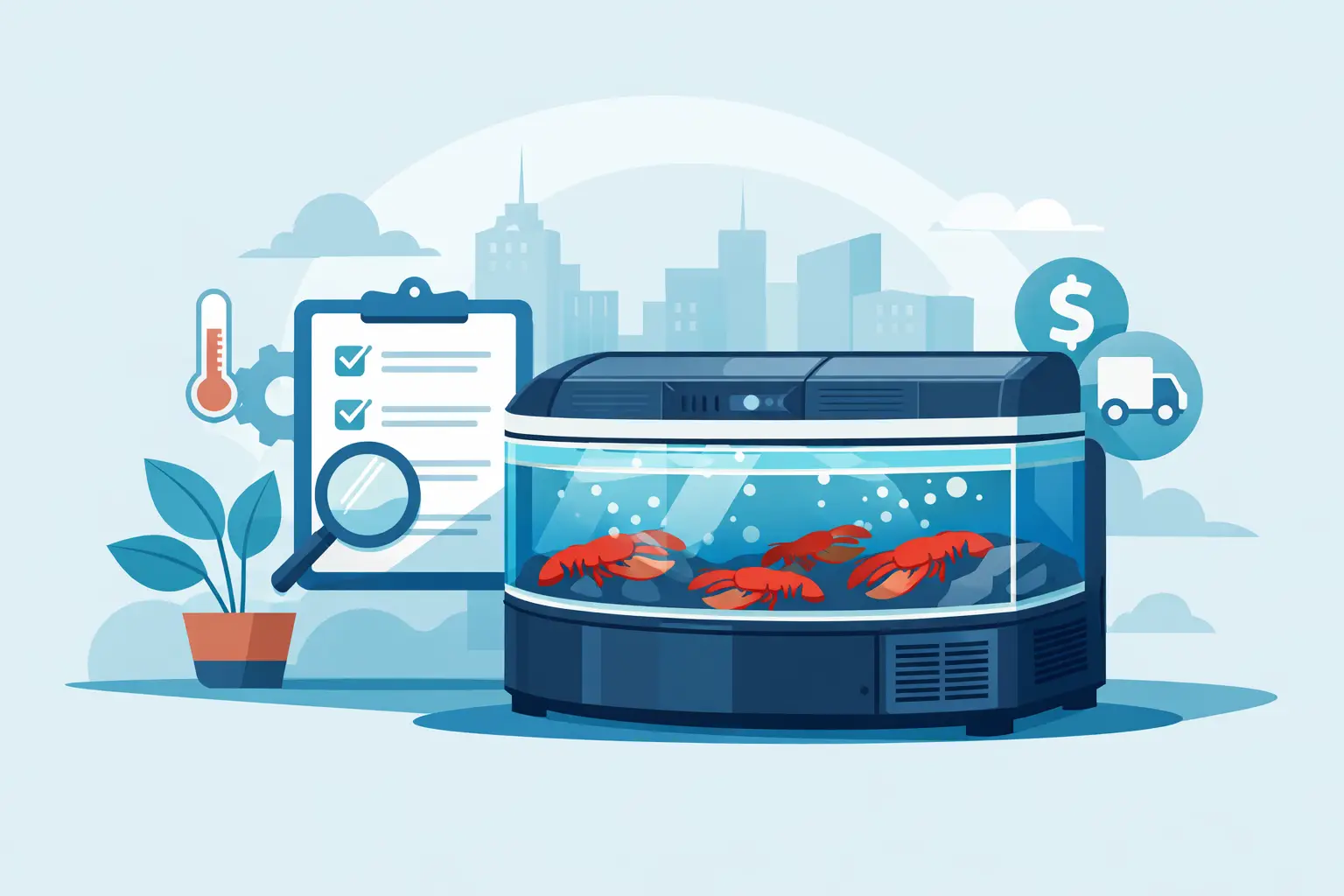
Useful records can include water temperature, salinity, ammonia and nitrite readings, filter service dates, cleaning tasks, chemical use, mortality, and corrective actions. If a reading is out of range, the log should show what was done, who did it, and whether the issue was rechecked. This is particularly valuable for multi-store operations, where a standard process helps seafood departments perform consistently.
Training is part of the same system. Employees need to understand that a lobster tank is not just another display case. They should know what normal operation looks like, what warning signs demand action, and who to call when equipment needs service. A clear escalation plan is far better than waiting until a tank is cloudy, warm, or full of stressed inventory.
The Value of a Full-Service Tank Partner
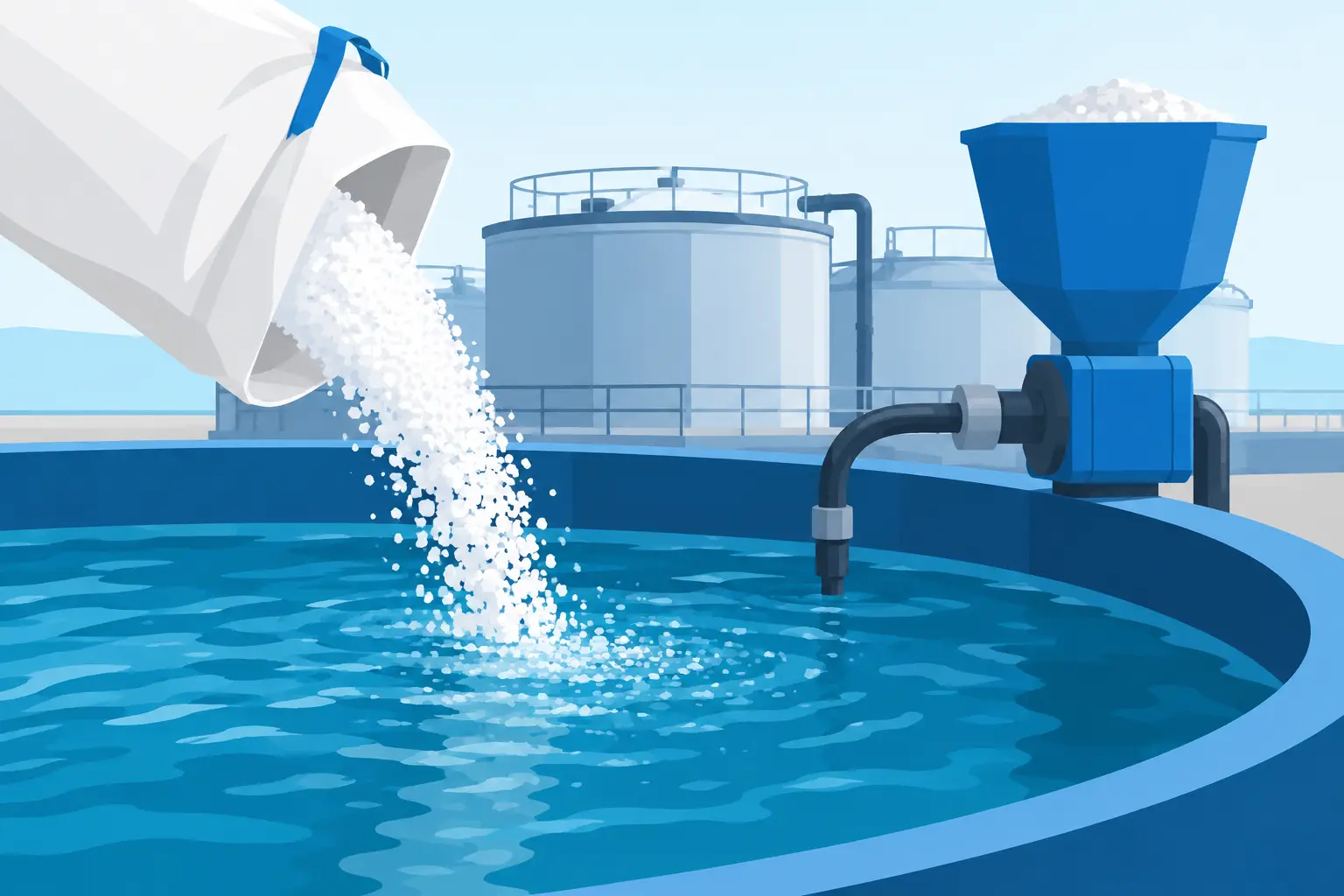
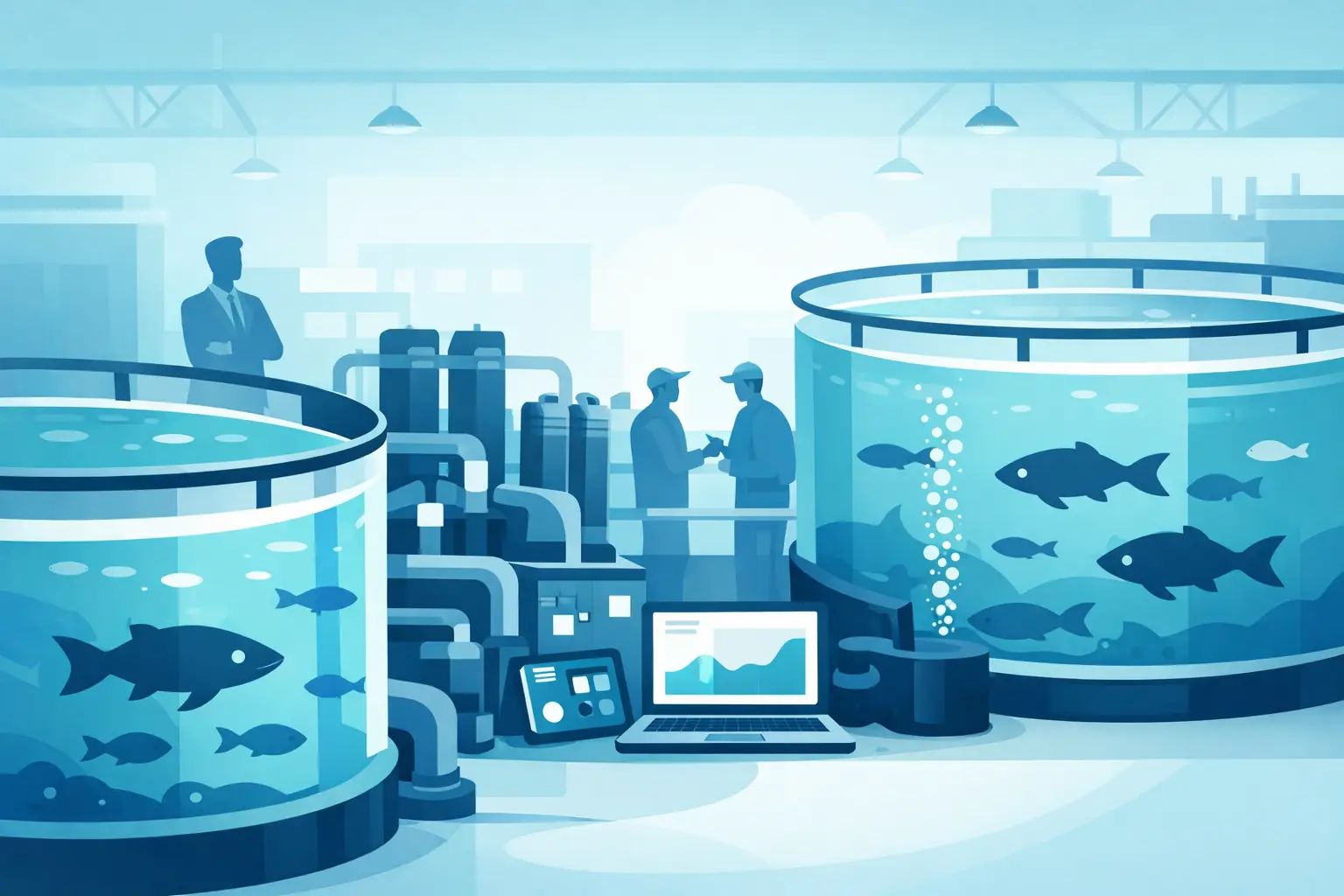
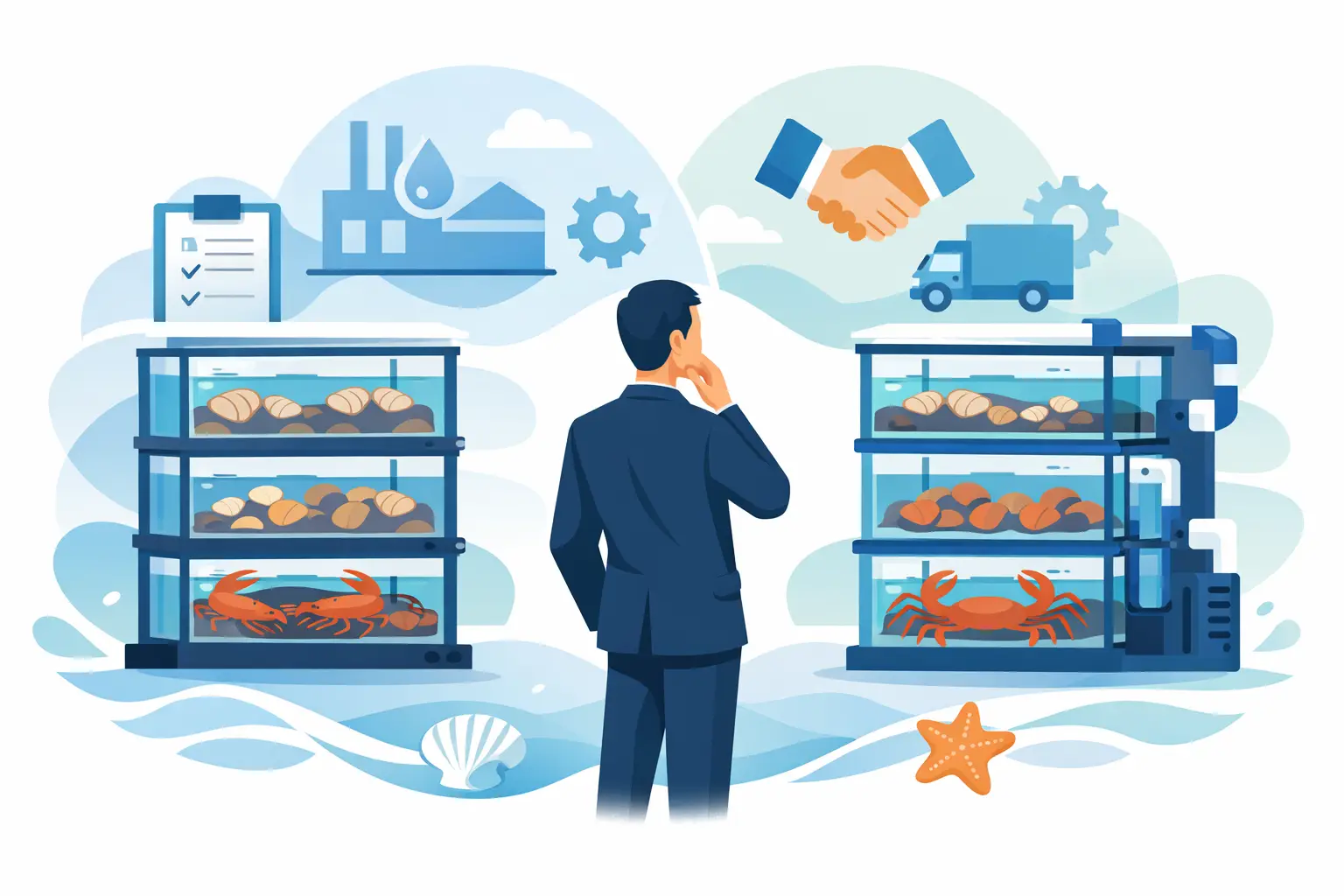
A commercial lobster system has too many connected parts to be treated as a one-time equipment purchase. Tank fabrication, refrigeration or temperature control, filtration, marine salt, replacement media, preventive maintenance, and emergency support all affect the result at the counter.
That is why operators benefit from working with a specialist that understands live seafood holding from installation through ongoing service. Lobster Life Systems has supported commercial seafood operations since 1989 with custom-built systems, marine filtration products, supplies, and technical service. The goal is not simply to sell a tank. It is to keep the system reliable enough to protect live inventory and support daily sales.
A food-safe lobster tank is a controlled working system: cleanable equipment, stable water, disciplined handling, documented maintenance, and dependable service when something is not right. Build those controls into the operation from the start, and your live display can remain a point of confidence for both your staff and your customers.