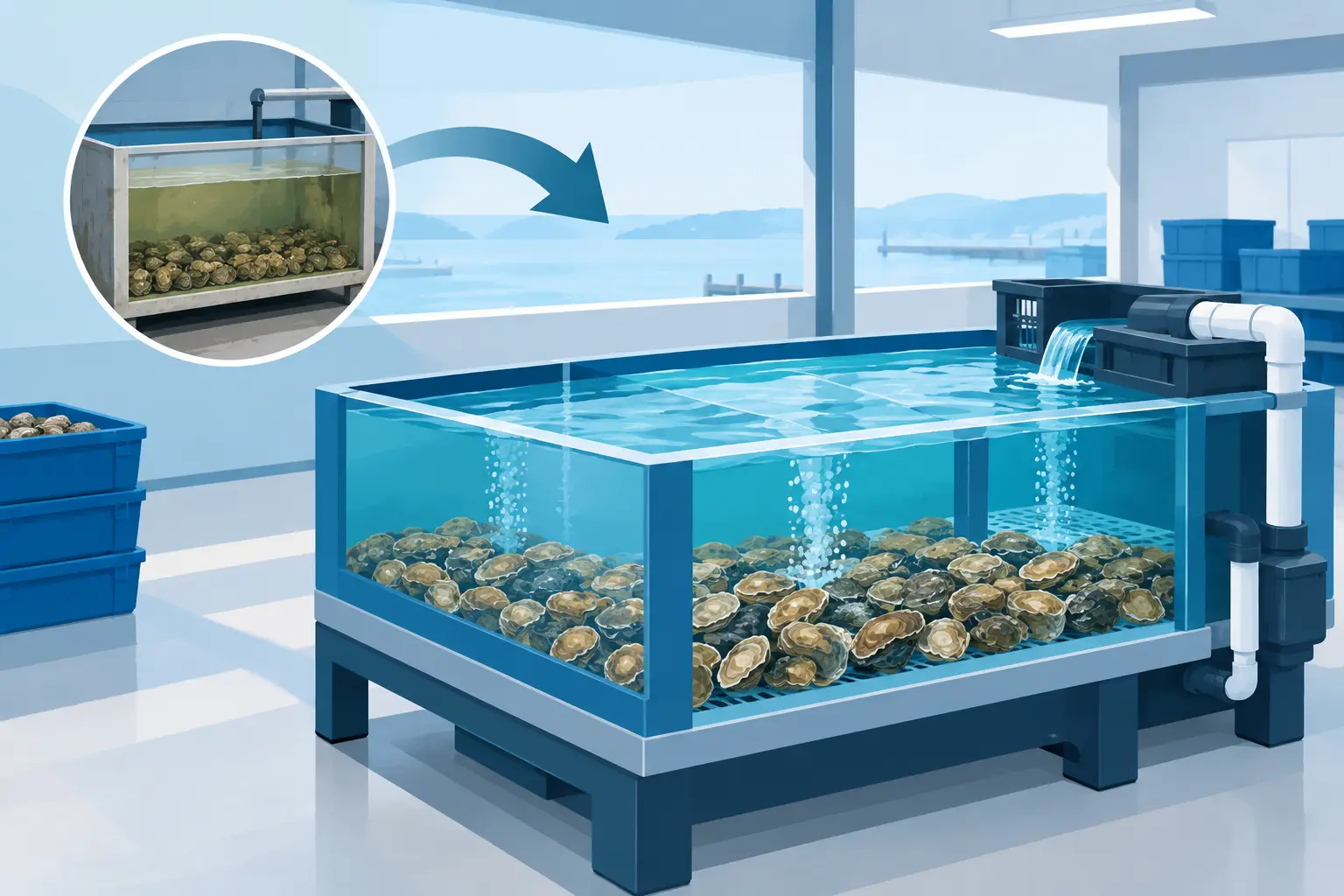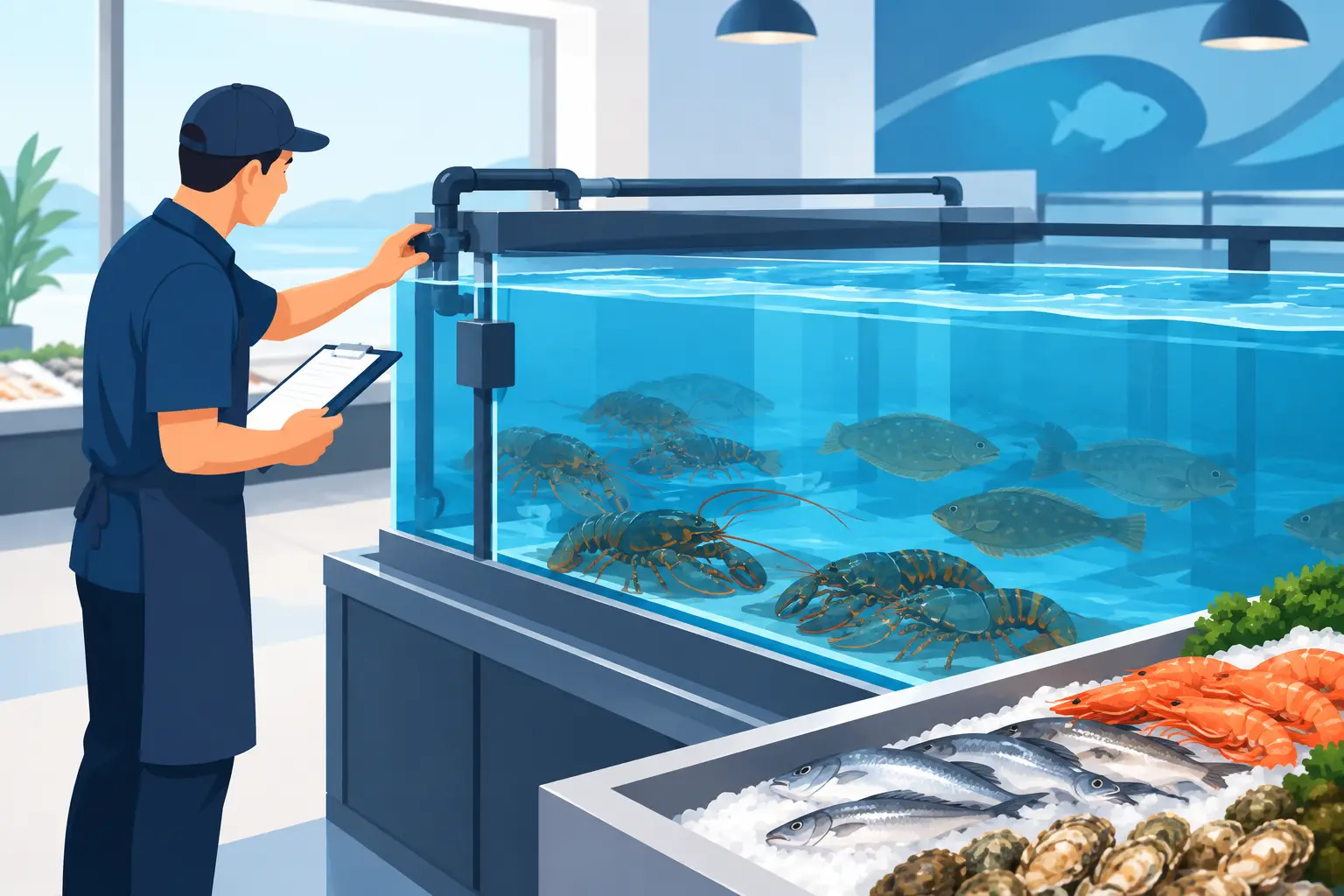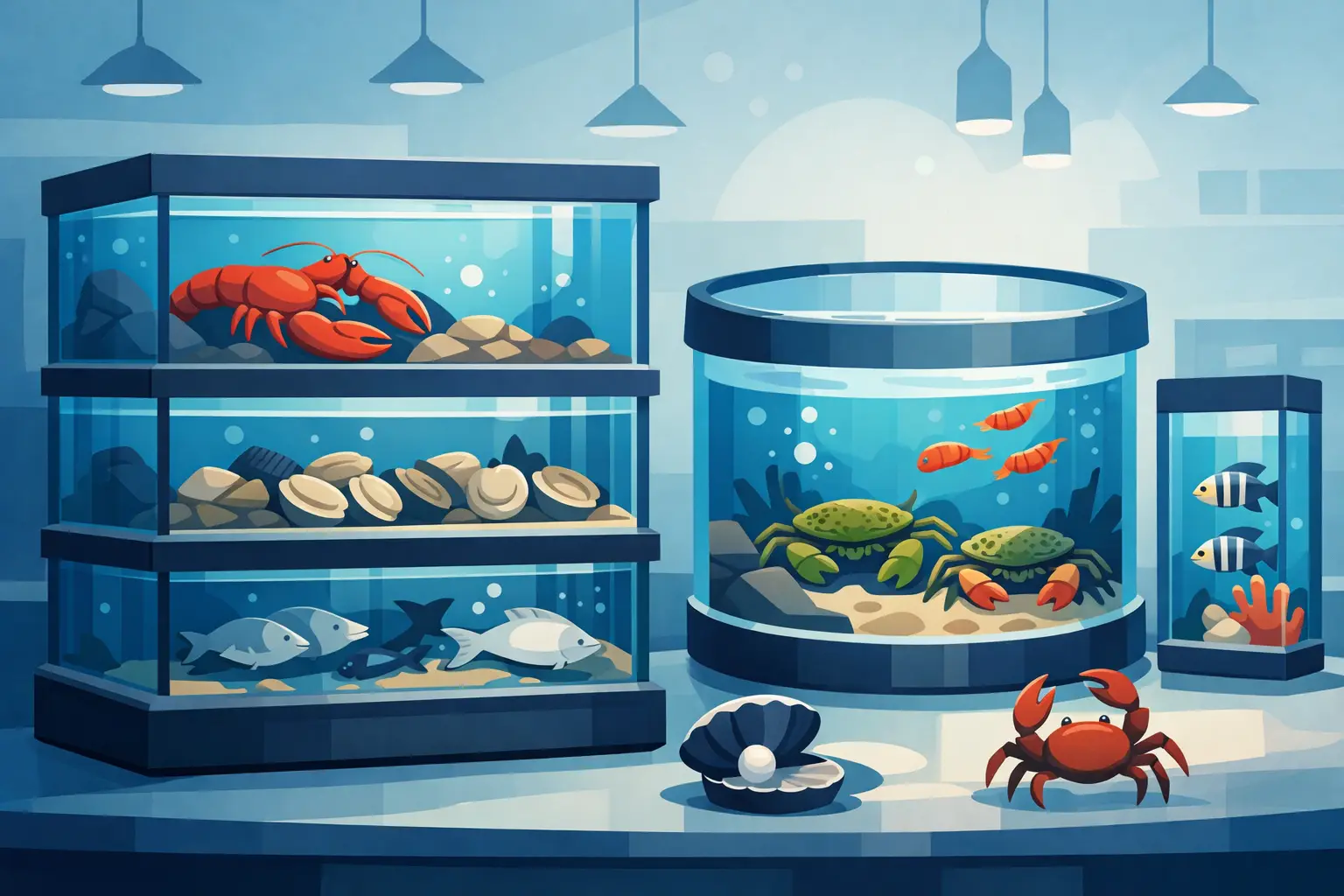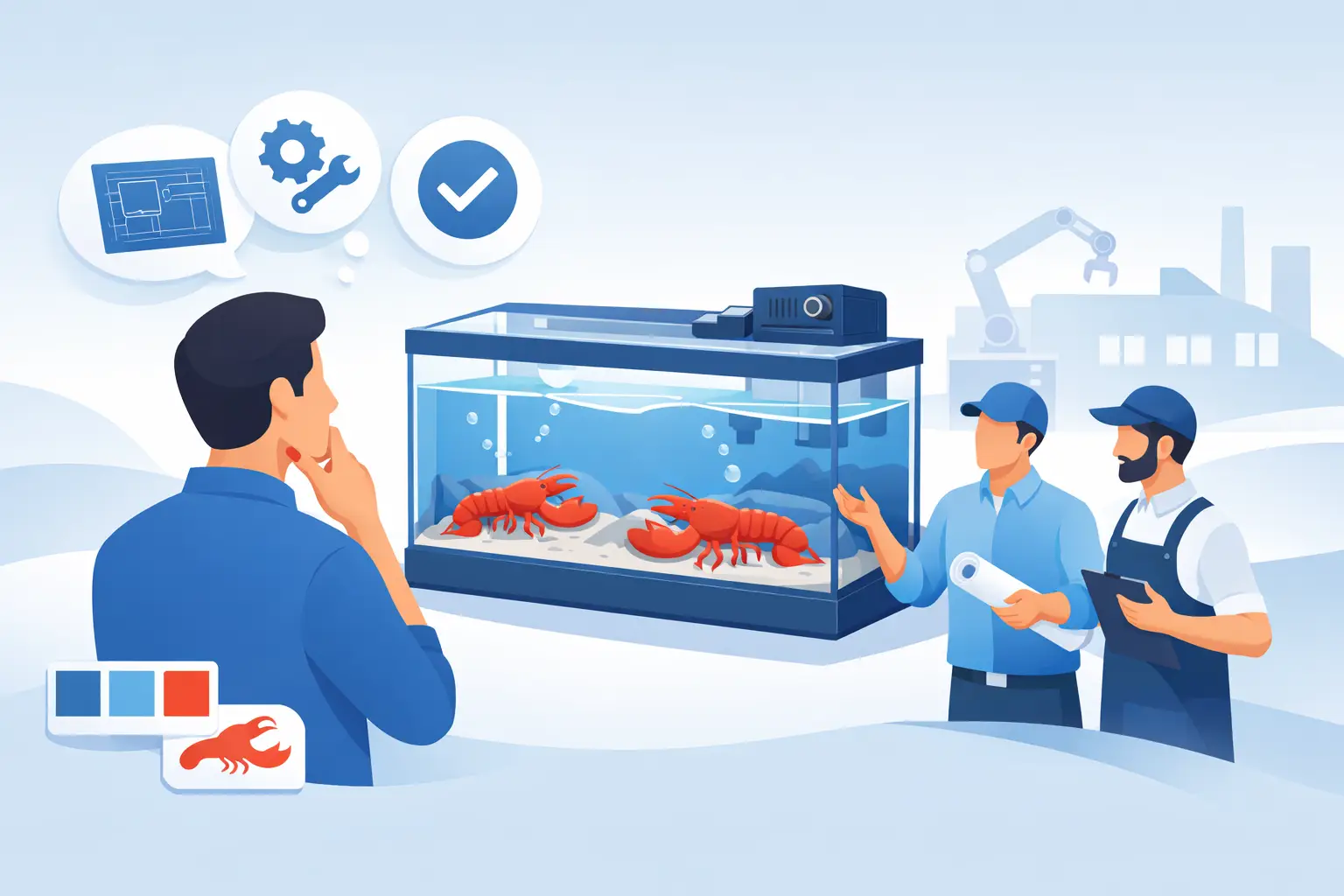

A tank that once handled a steady lobster and shellfish program can become a daily bottleneck without much warning. More volume, a broader species mix, new merchandising expectations, or recurring maintenance headaches can turn an old setup into a source of shrink. A wholesale shellfish tank redesign is not a cosmetic refresh. It is a working-system decision that affects product survival, labor, sanitation, customer confidence, and revenue.
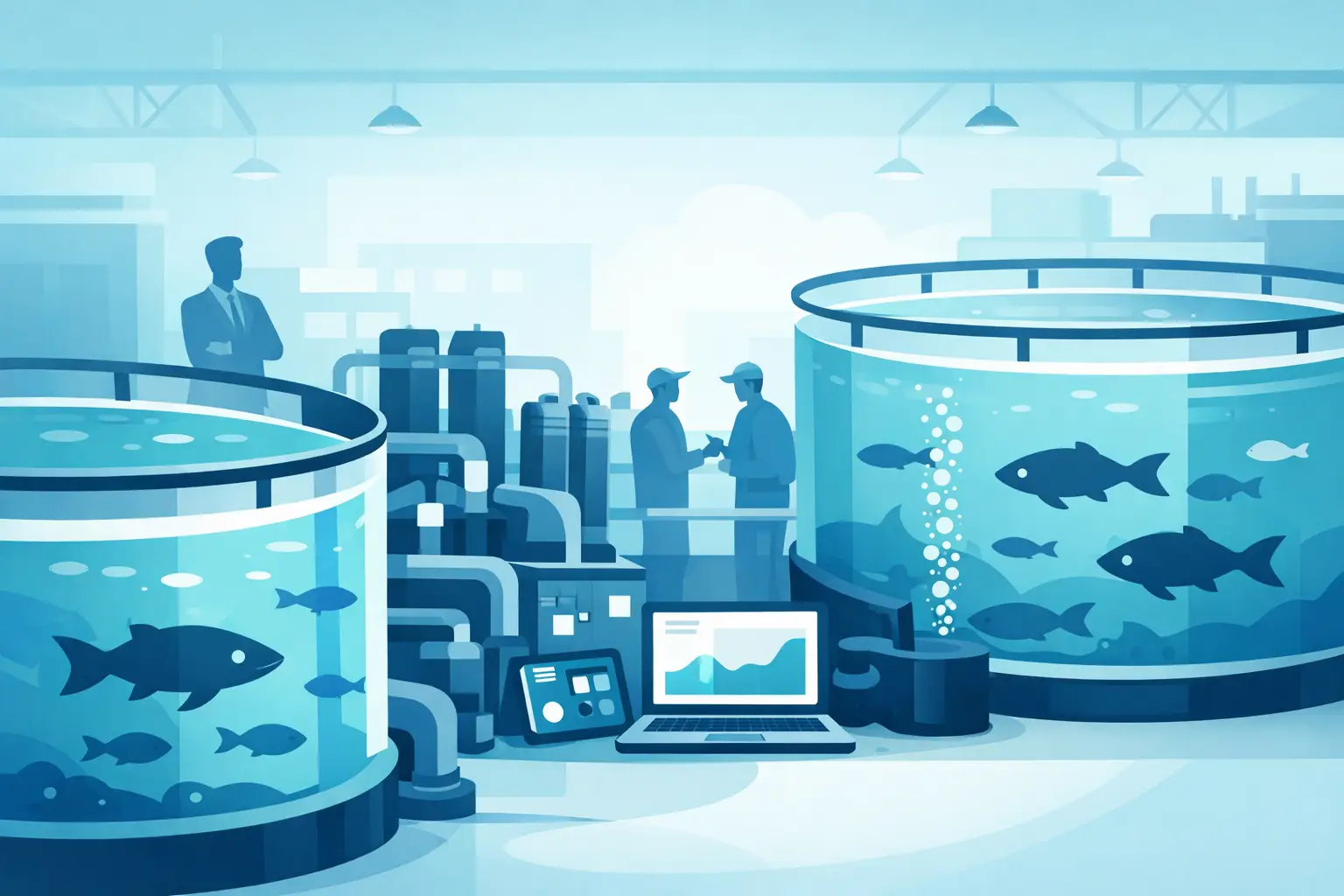
For wholesalers, supermarkets, seafood retailers, and foodservice operations, the right redesign begins with how the department actually runs. The tank needs to hold saleable inventory safely, support efficient receiving and picking, keep water conditions stable, and allow staff or technicians to access critical components without disrupting the day.
Start With the Operational Problem, Not the Tank Shape
A larger tank is not automatically a better tank. If the current system loses animals during peak delivery periods, struggles with temperature recovery, creates difficult cleaning routines, or forces employees to reach and lift awkwardly, those are design issues that need to be addressed before selecting dimensions or finishes.
Look at the operation over a full week, not only during a quiet shift. How much live product arrives before weekends and holidays? How long does inventory typically remain in the system? Are lobsters, clams, oysters, crabs, or other shellfish being held under the same conditions? Is the tank serving a customer-facing display, a wholesale holding area, or both?
The answers determine whether the priority is more holding volume, better compartmentalization, faster product rotation, a different rack layout, or improved filtration capacity. A tank designed strictly for display may look impressive but create unnecessary labor for a high-volume wholesale program. Conversely, a back-of-house holding system may protect inventory well but miss an opportunity to support retail presentation.
Measure Peak Demand, Not Average Demand
Average weekly volume can lead to undersizing. The tank has to perform when deliveries are heavy, sales are strong, and employees are moving product continuously. Planning around peak live inventory, expected dwell time, and a reasonable operating reserve provides a safer basis for capacity.
Overcrowding is expensive. It can increase stress on live product, make water-quality management more difficult, and reduce staff visibility into animal condition. On the other hand, building far more capacity than the operation needs can tie up floor space, power, and capital. The target is usable capacity that matches real turnover.
Build Water Quality Into the Wholesale Shellfish Tank Redesign
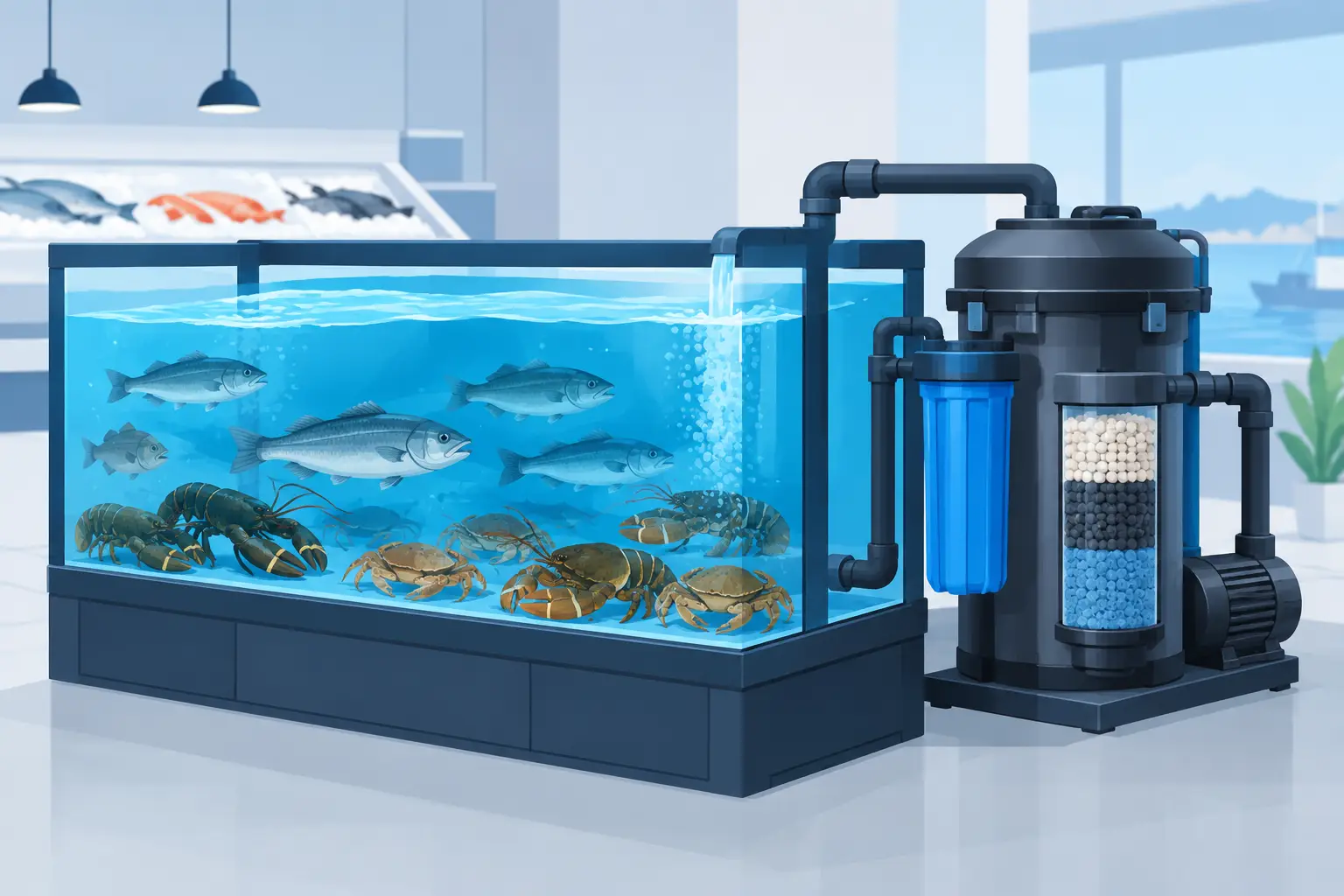
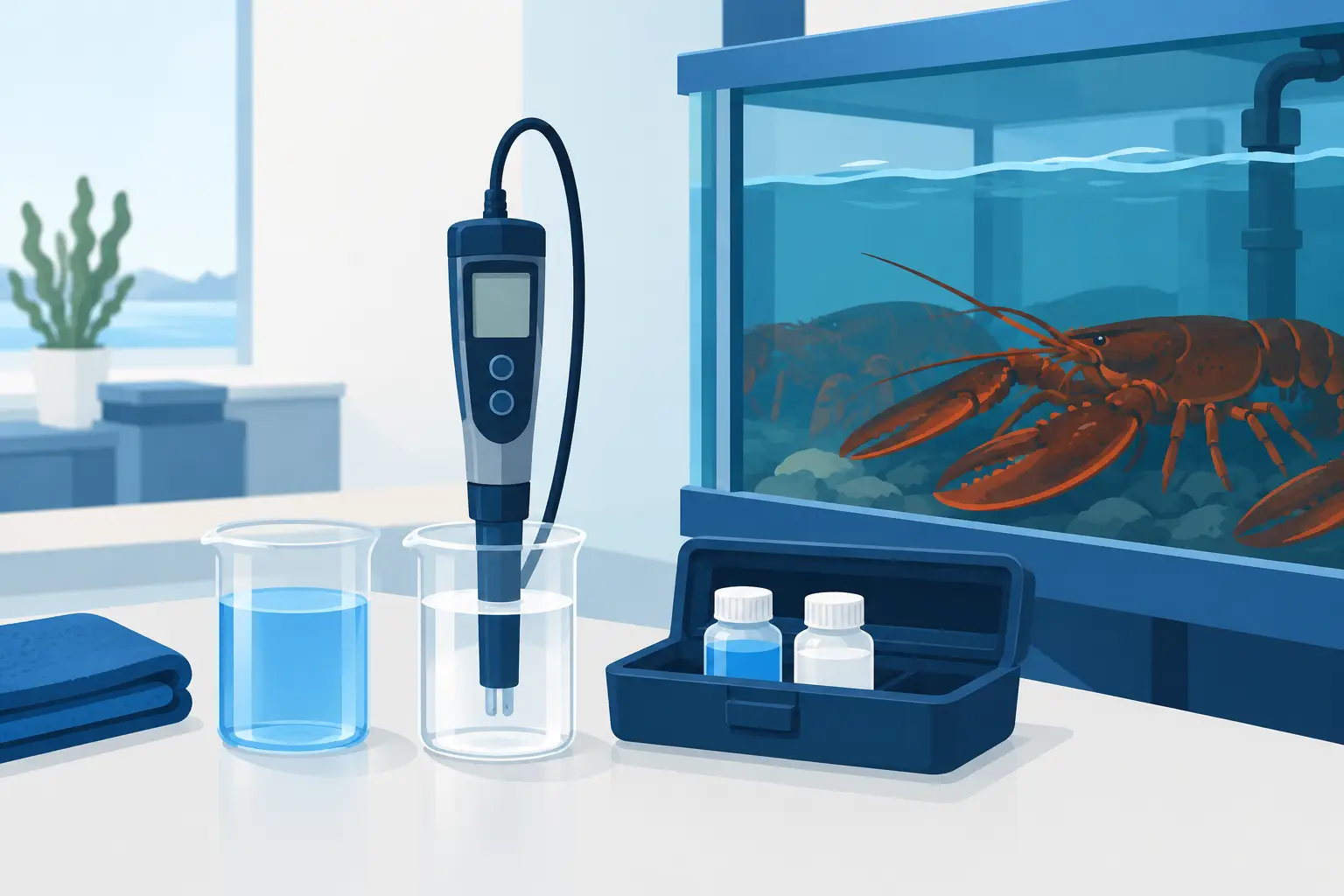
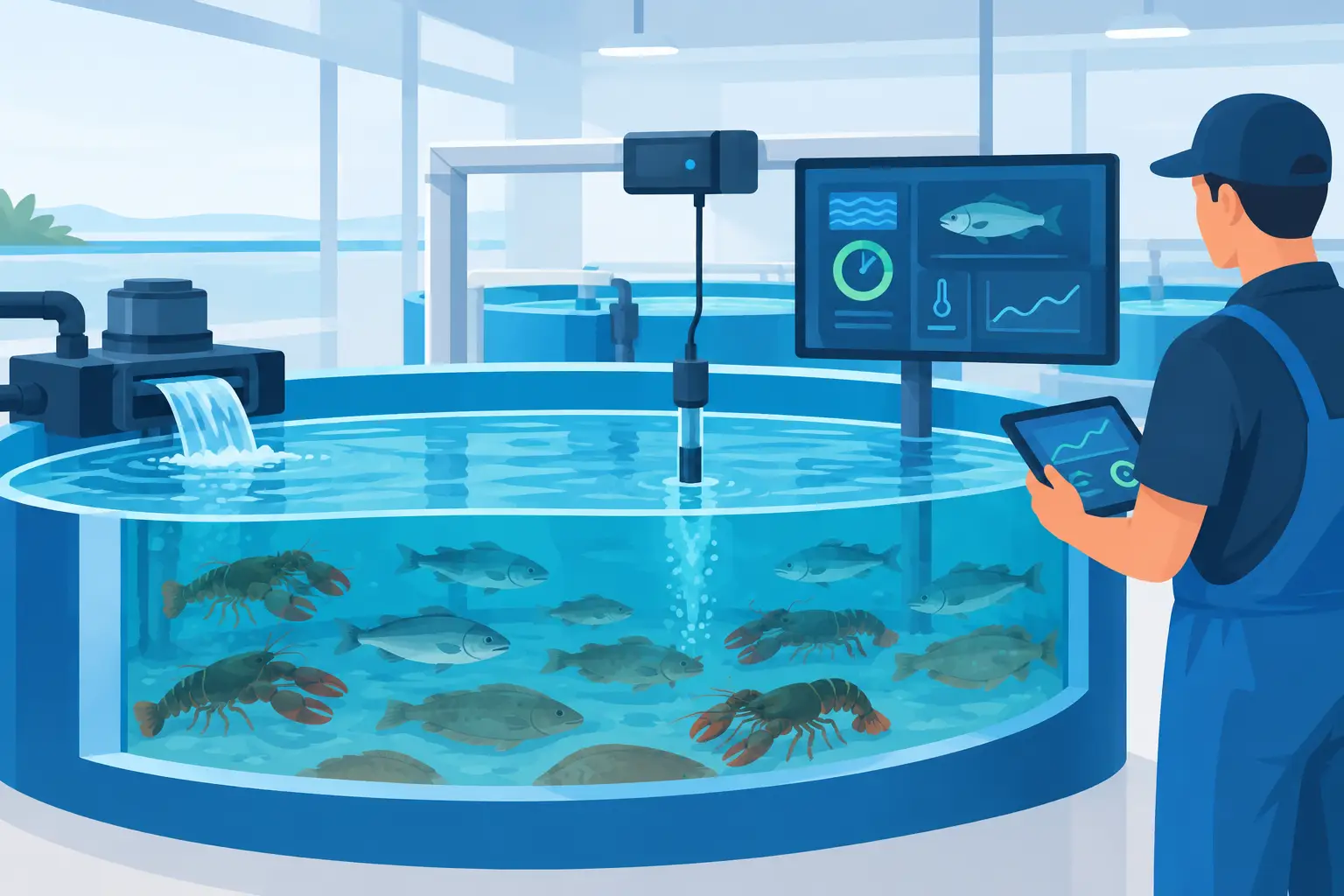
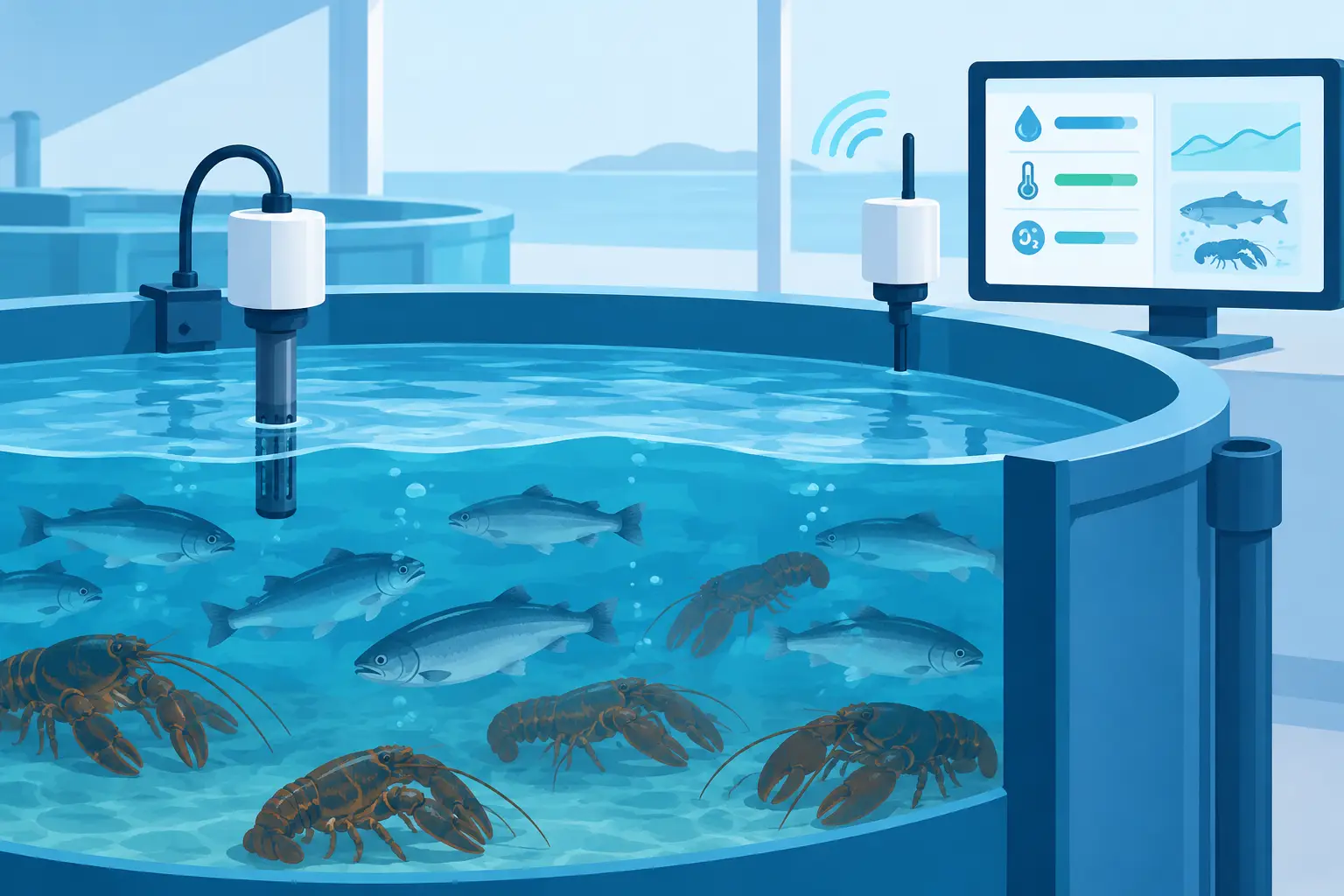
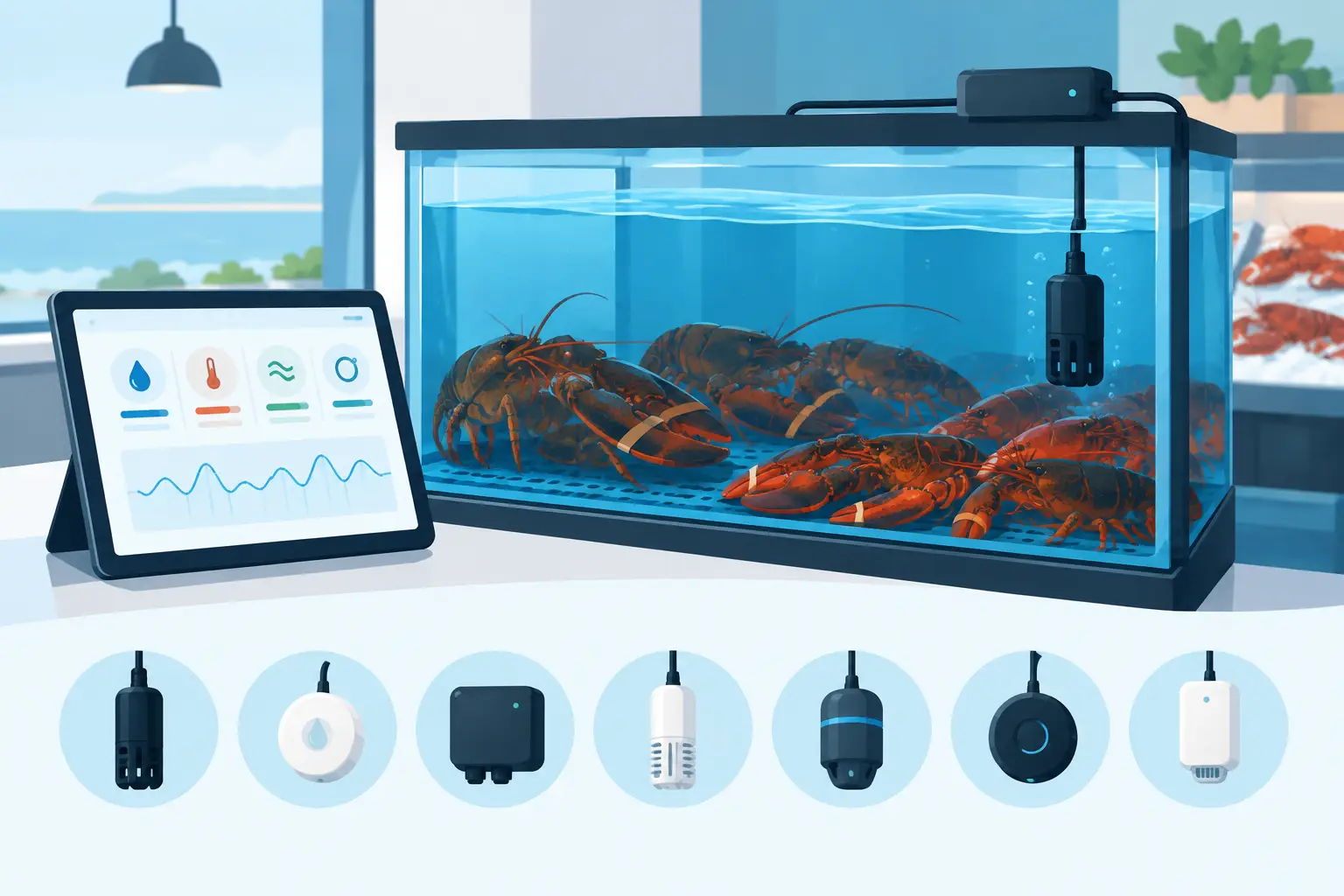
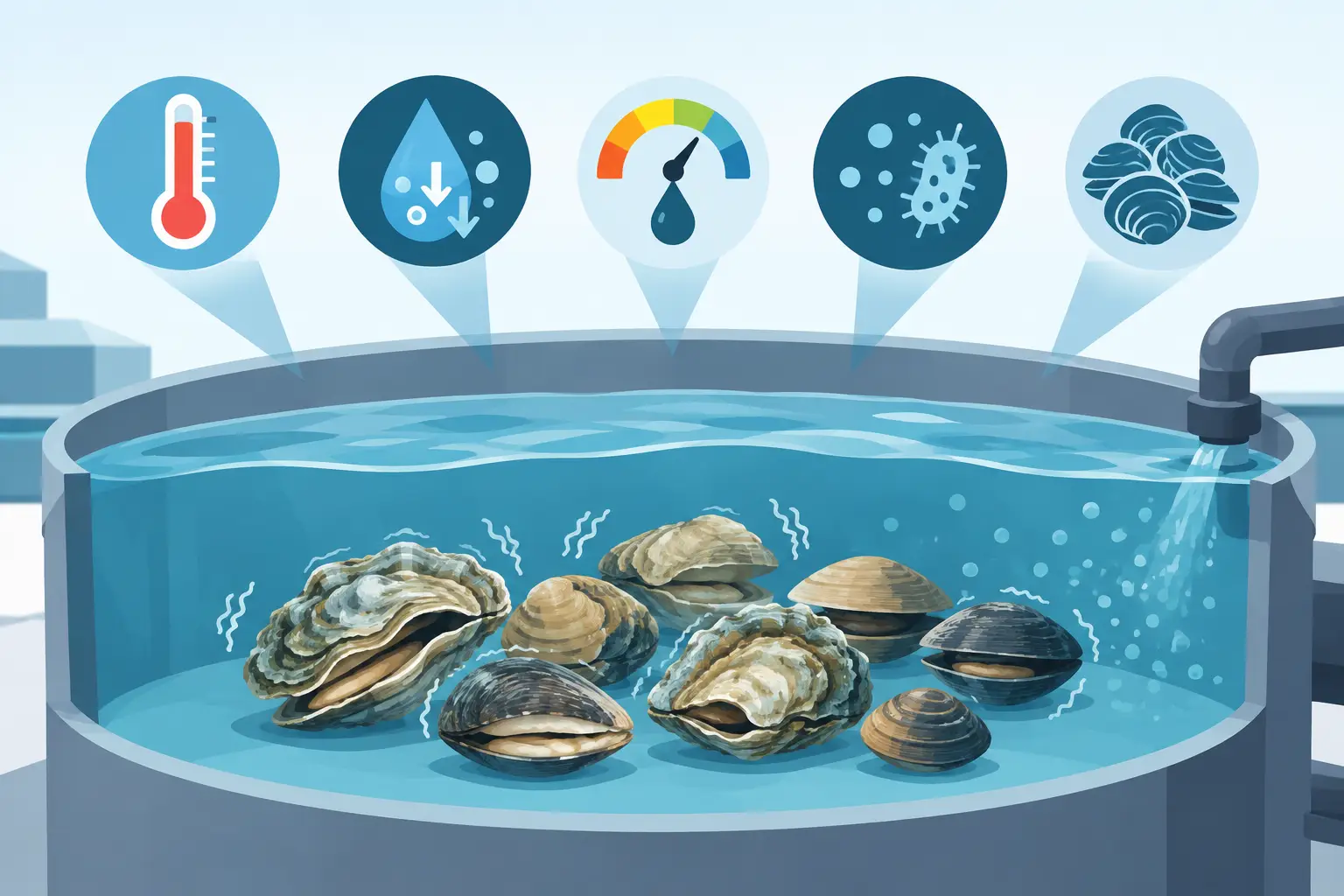
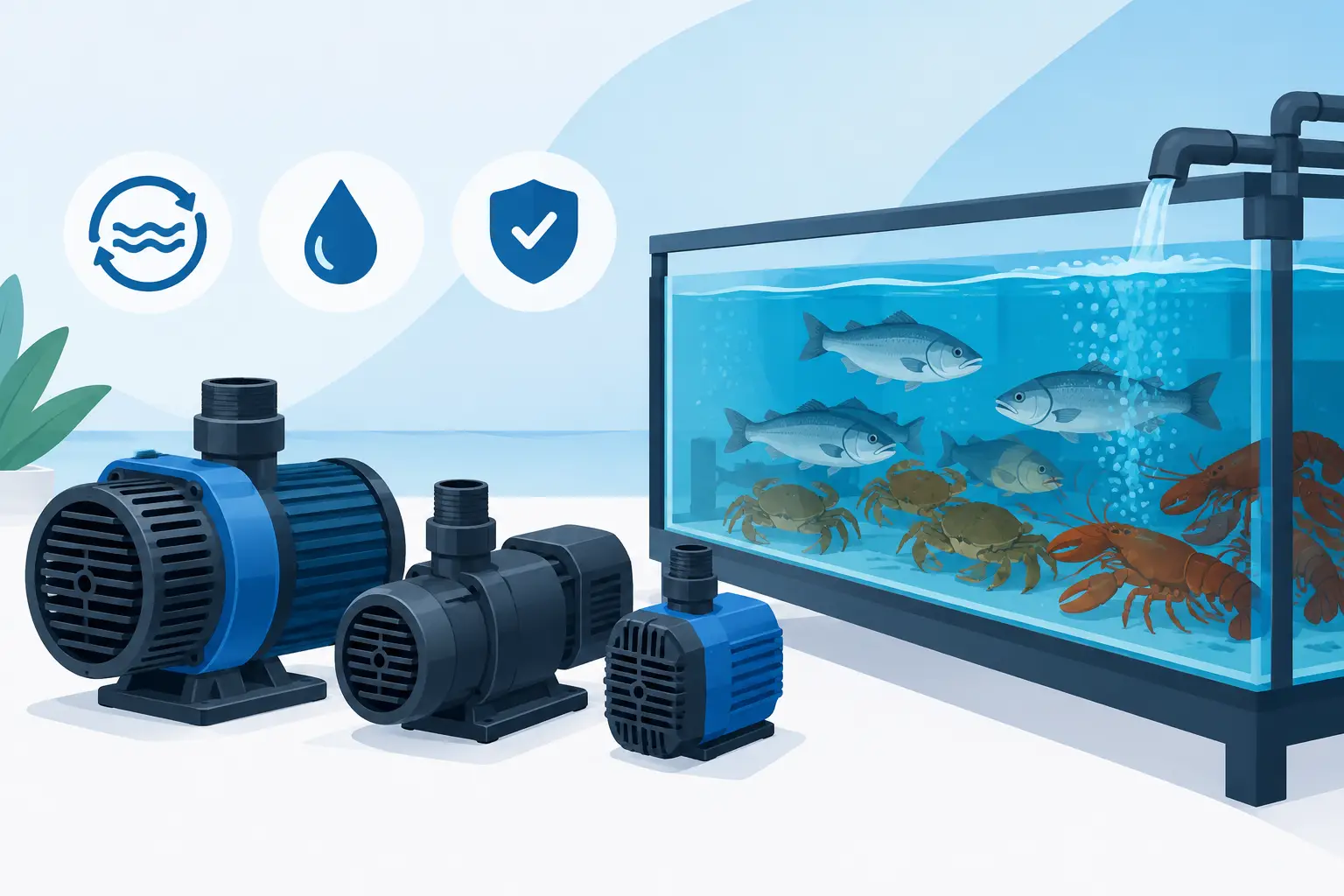
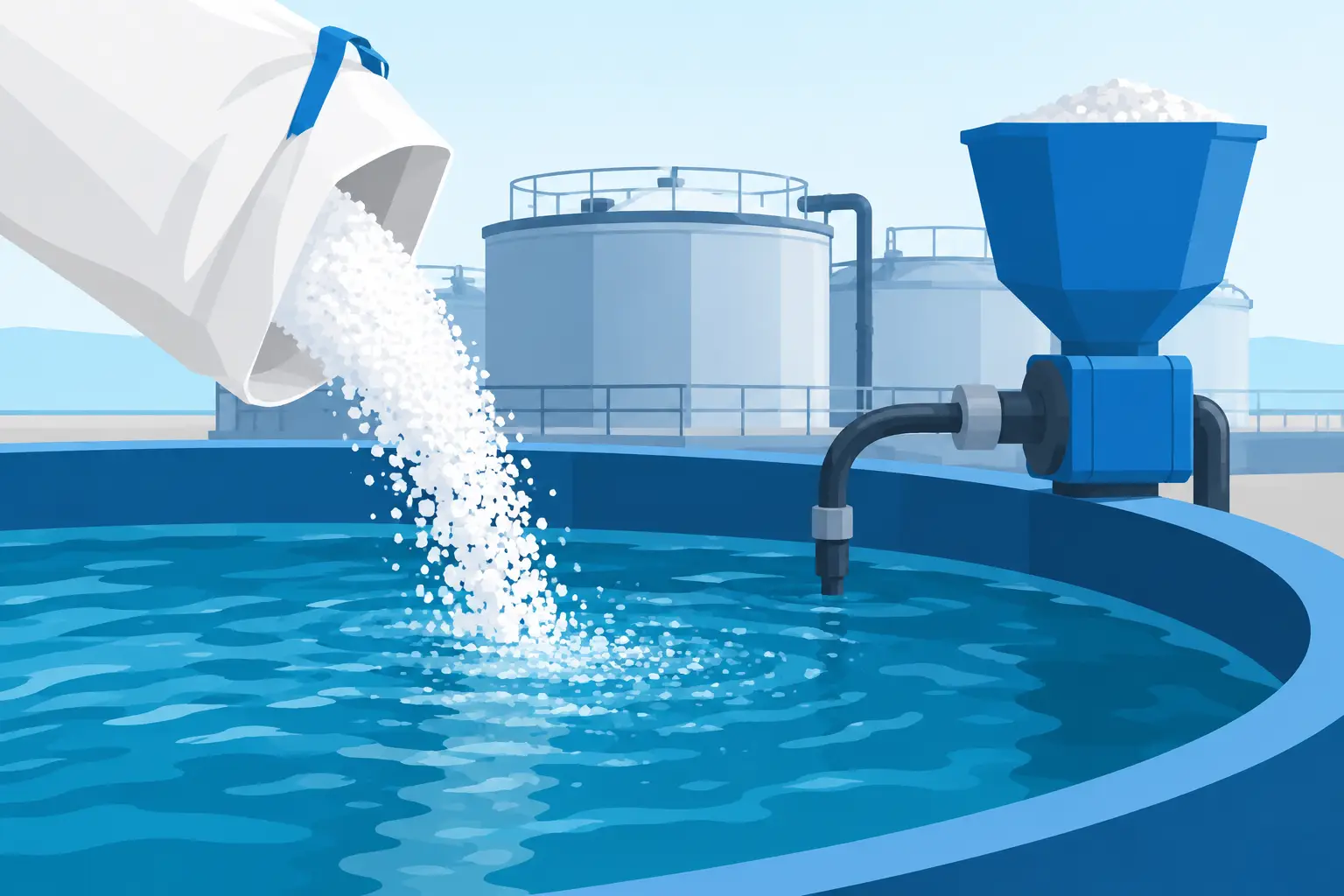
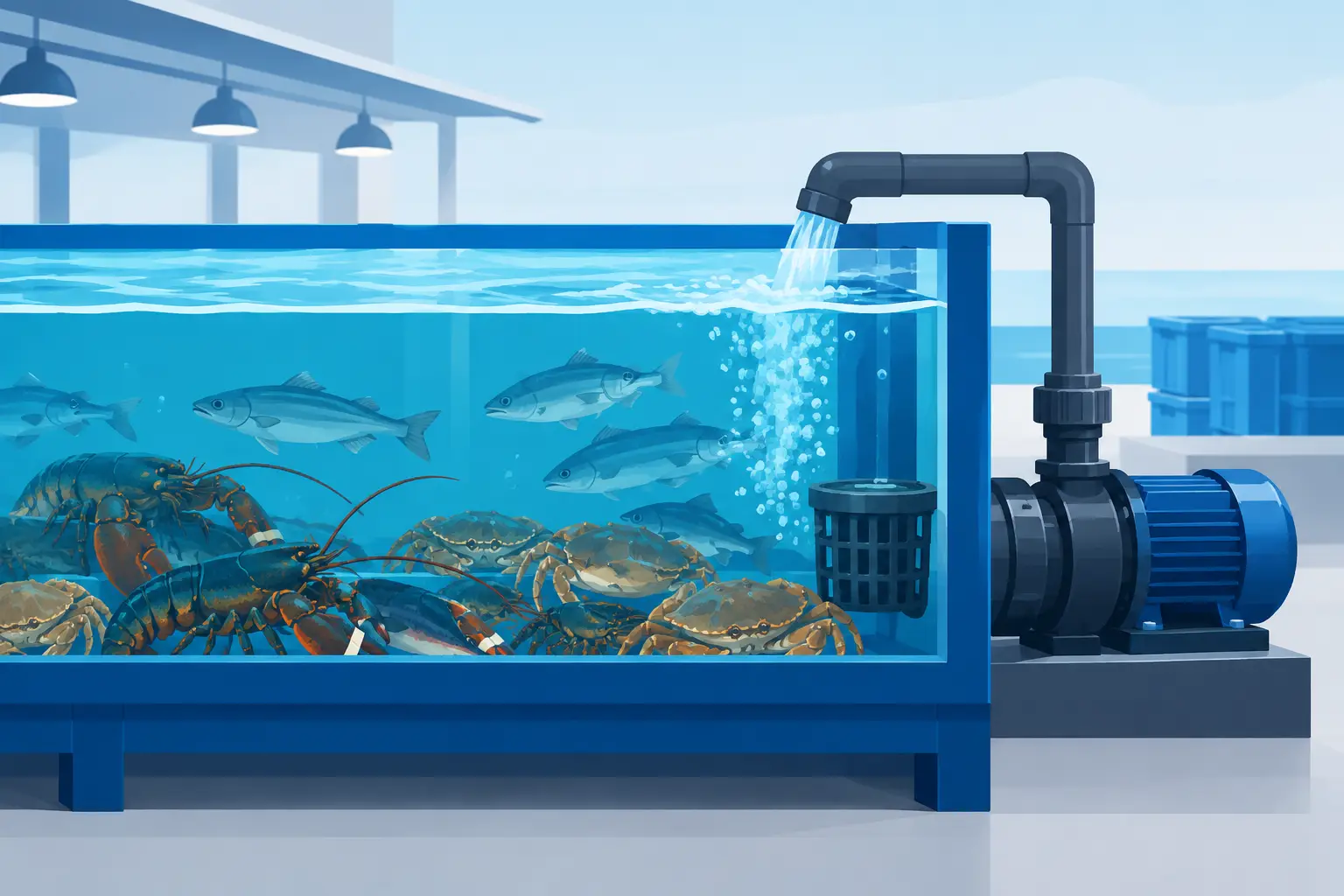
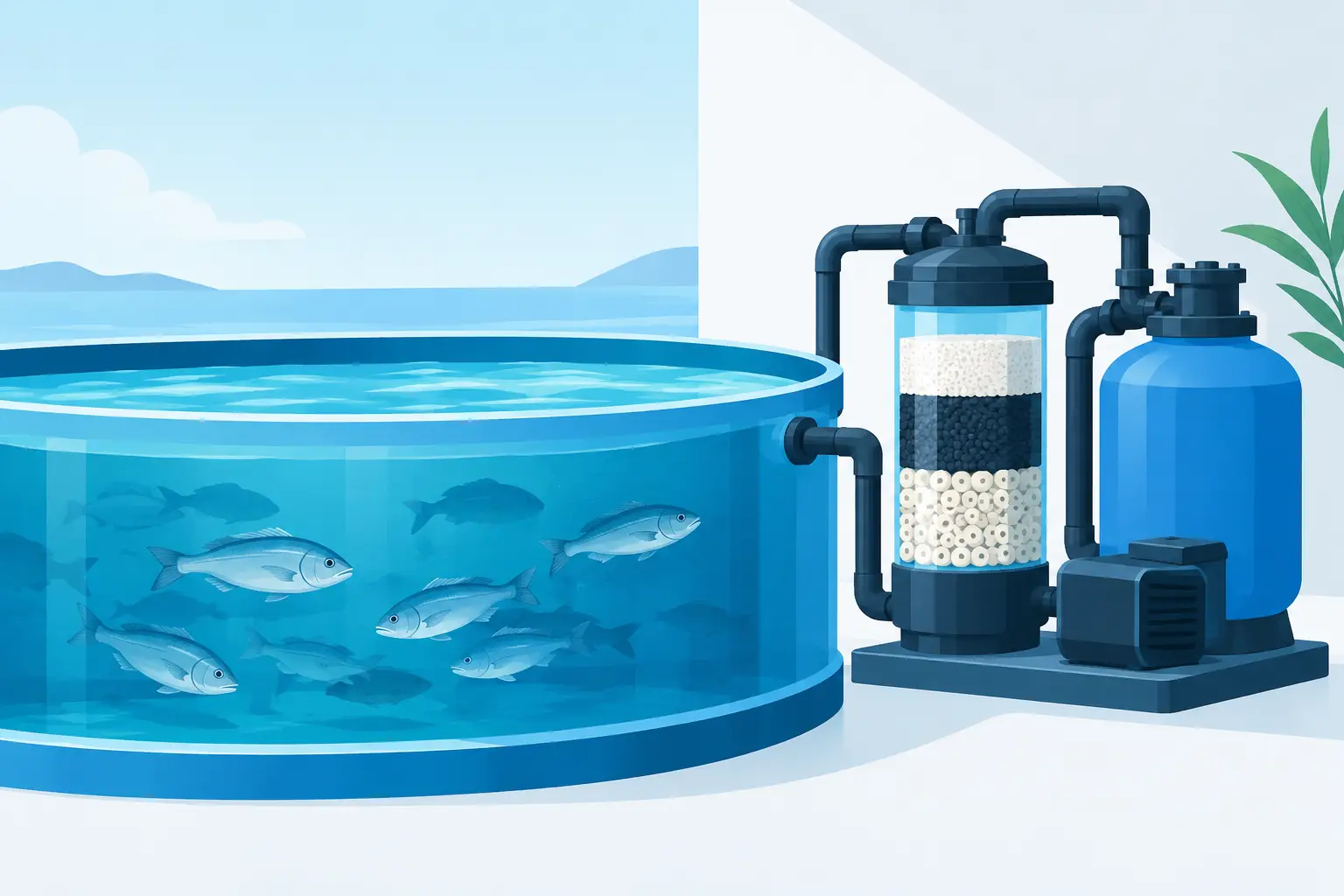
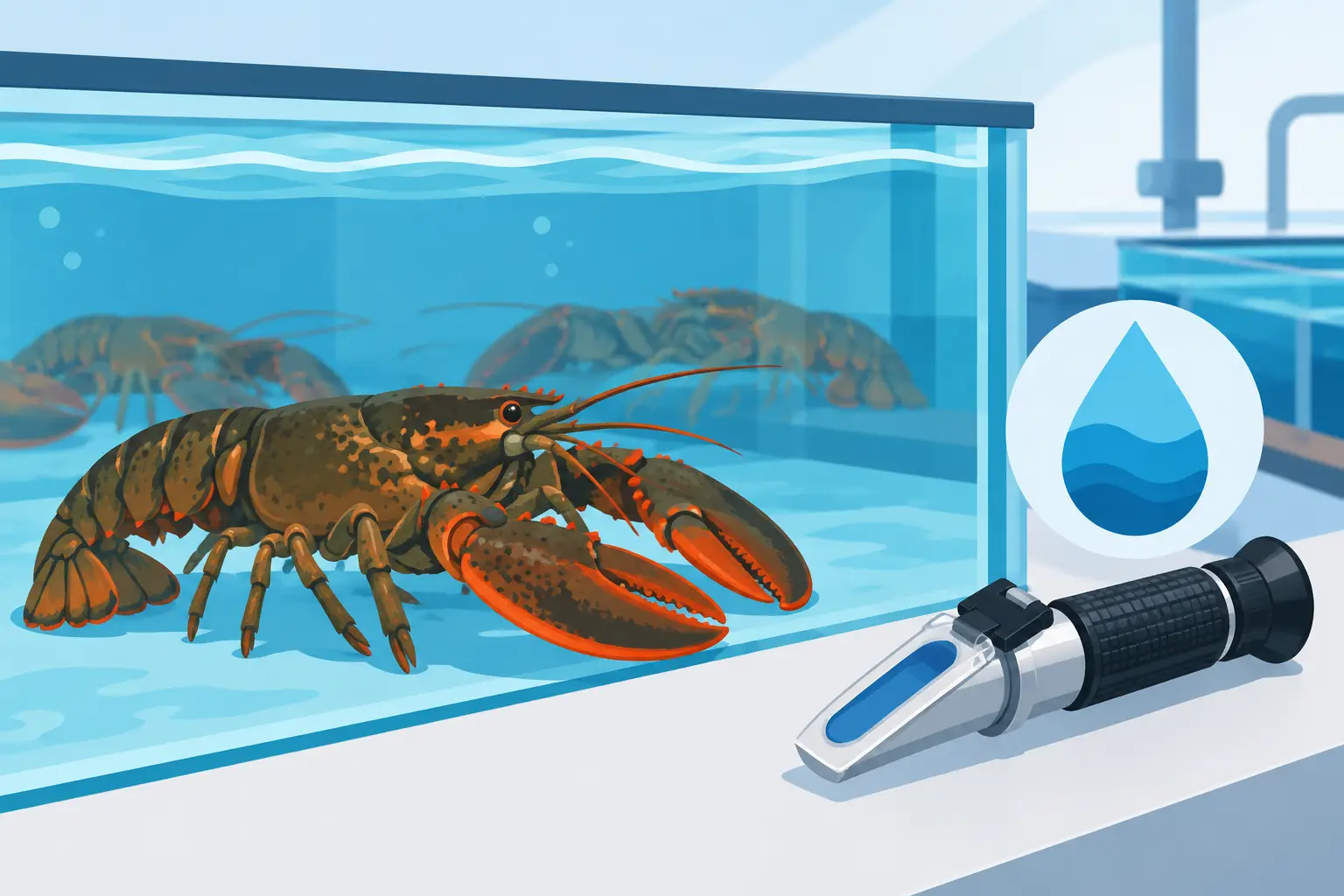
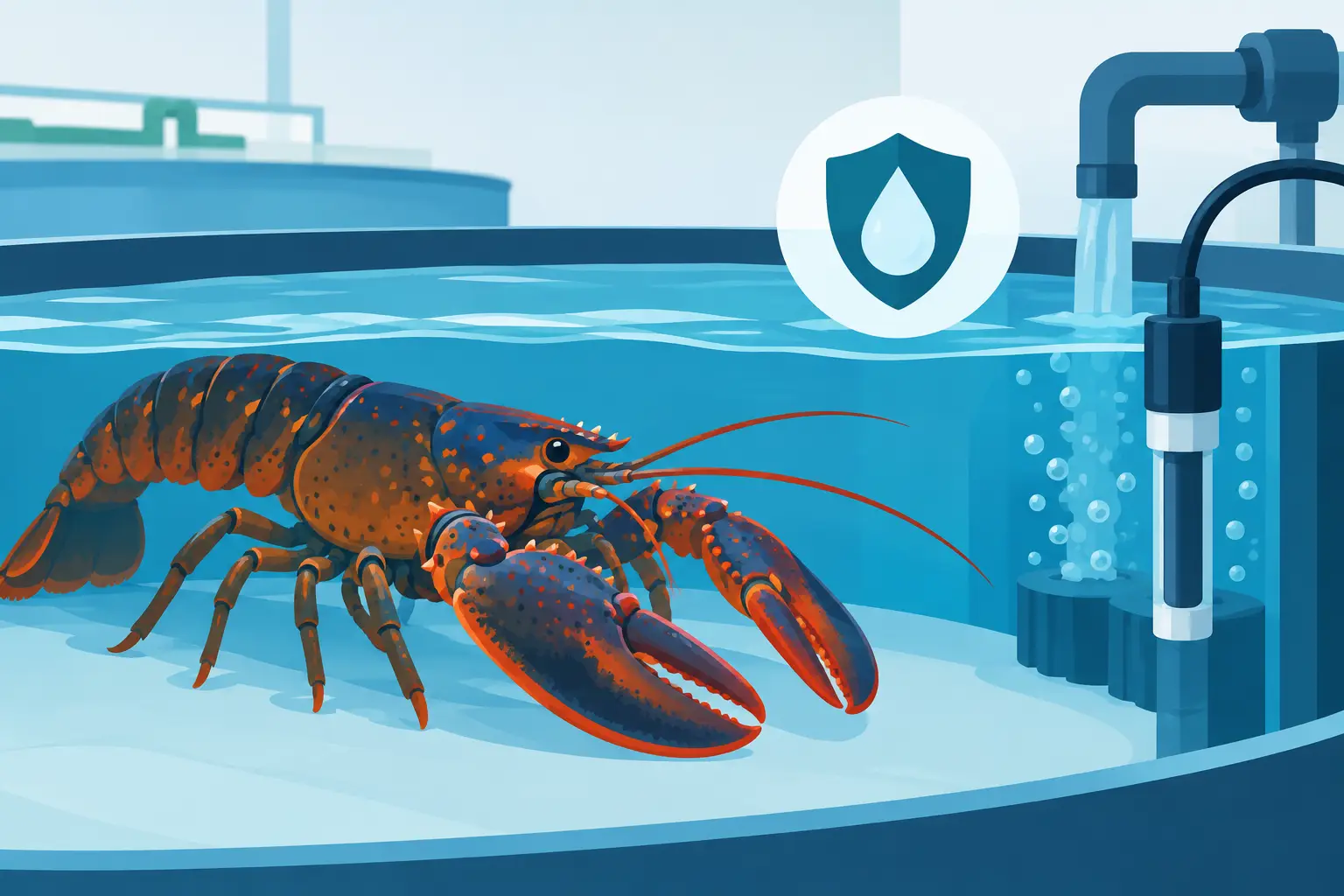
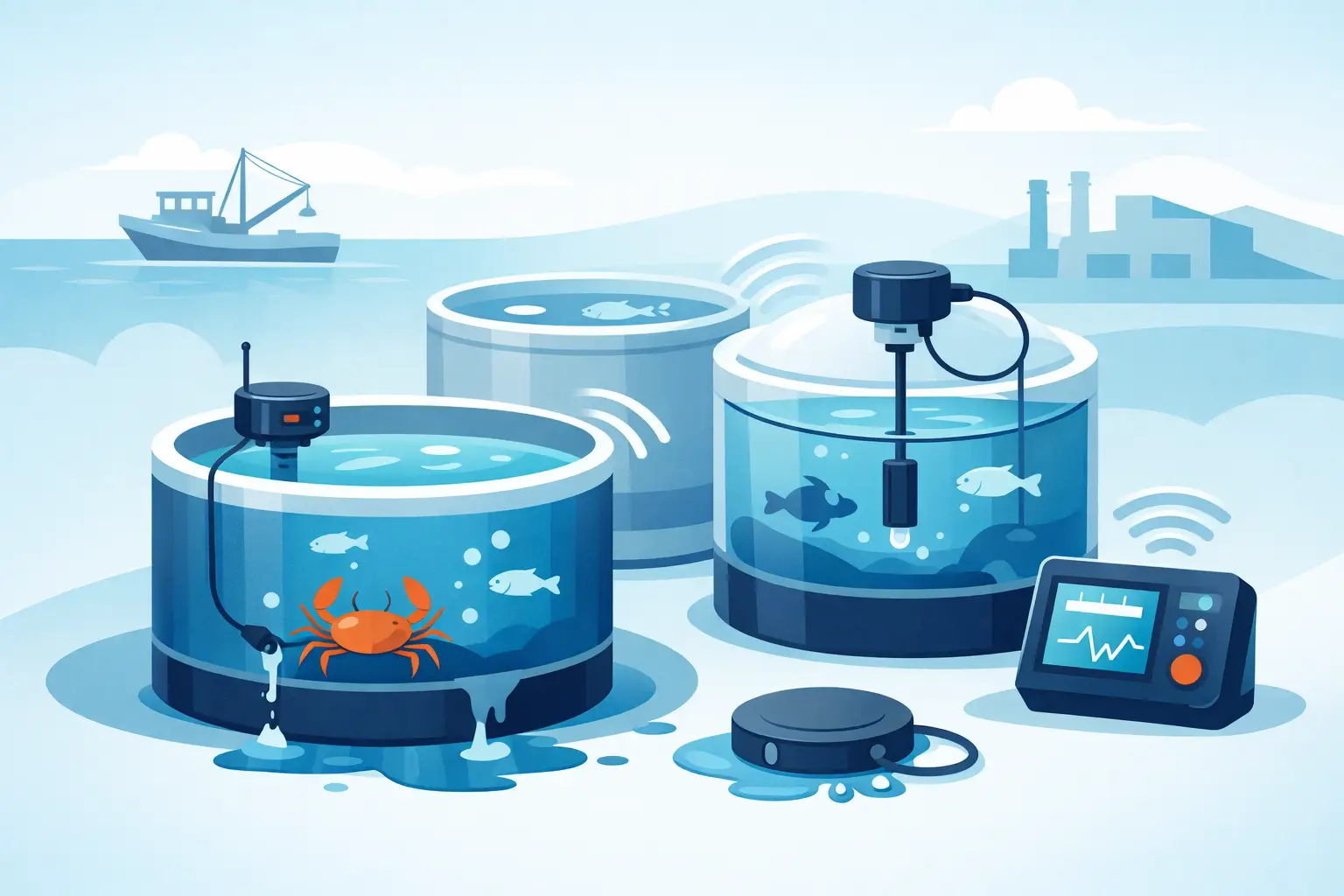
Live shellfish systems are only as dependable as the water management behind them. A well-built tank cabinet cannot compensate for undersized filtration, poor circulation, inconsistent salinity, or neglected media. Redesign planning should treat the tank, filtration, marine salt, plumbing, pumps, and service access as one coordinated system.
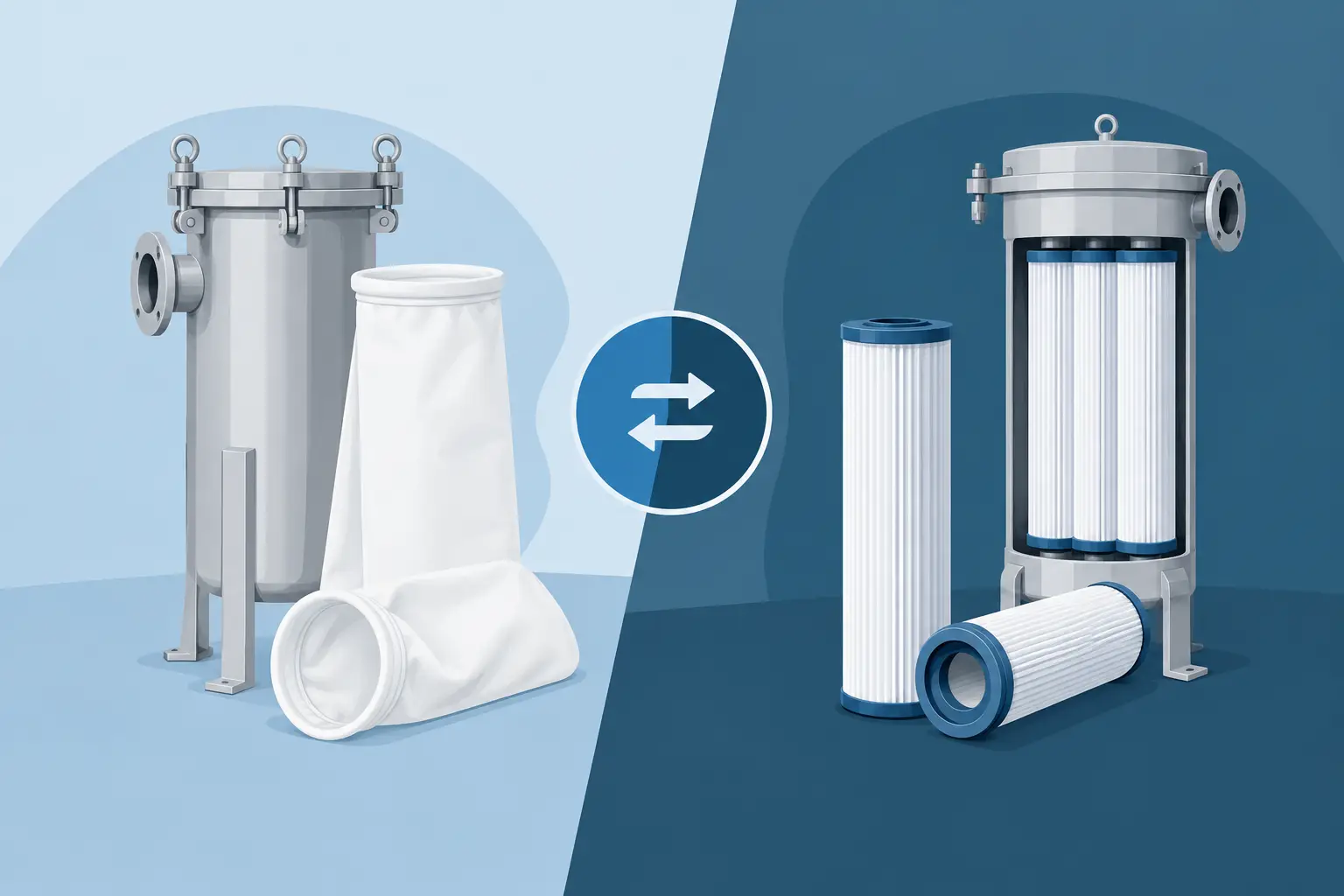
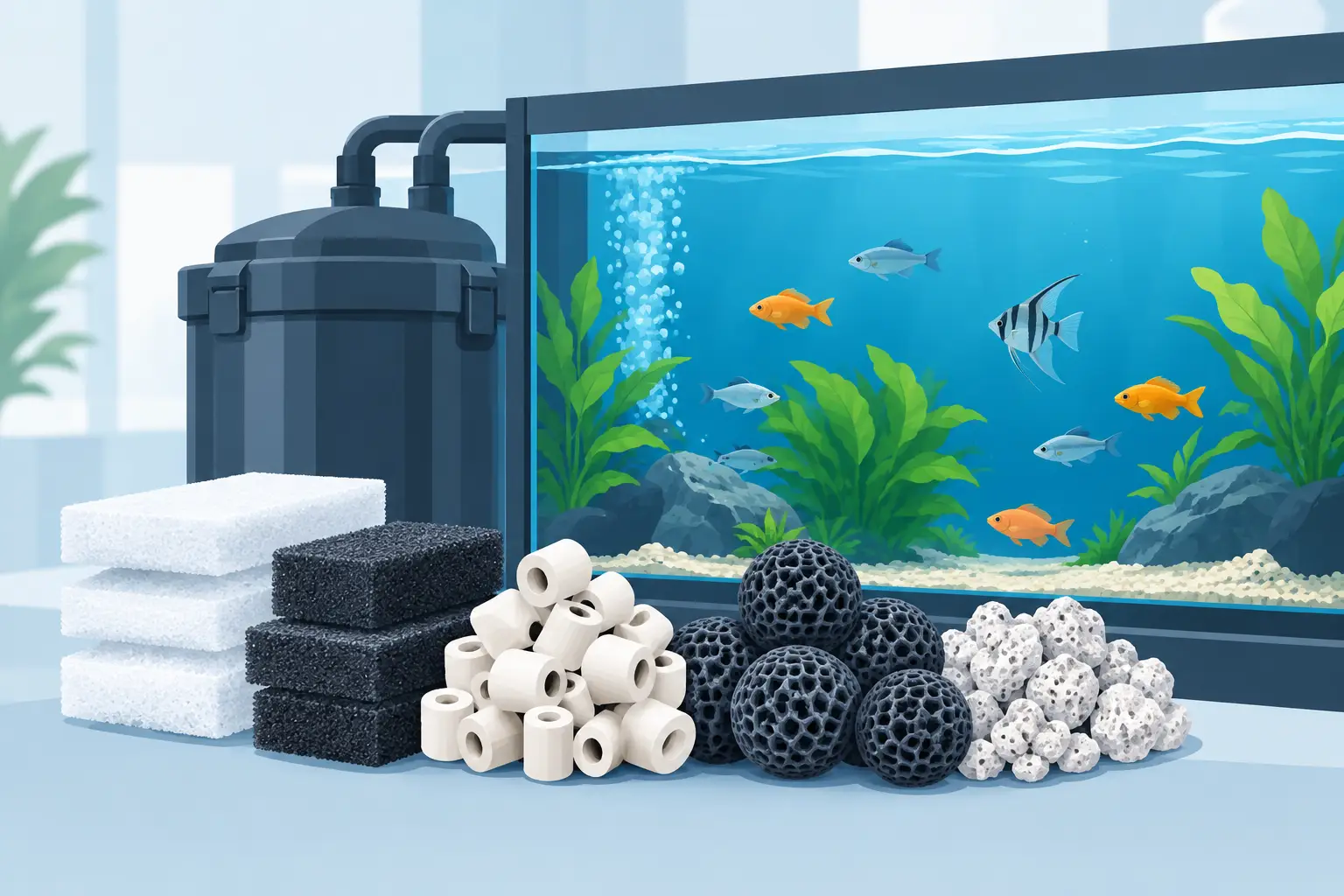
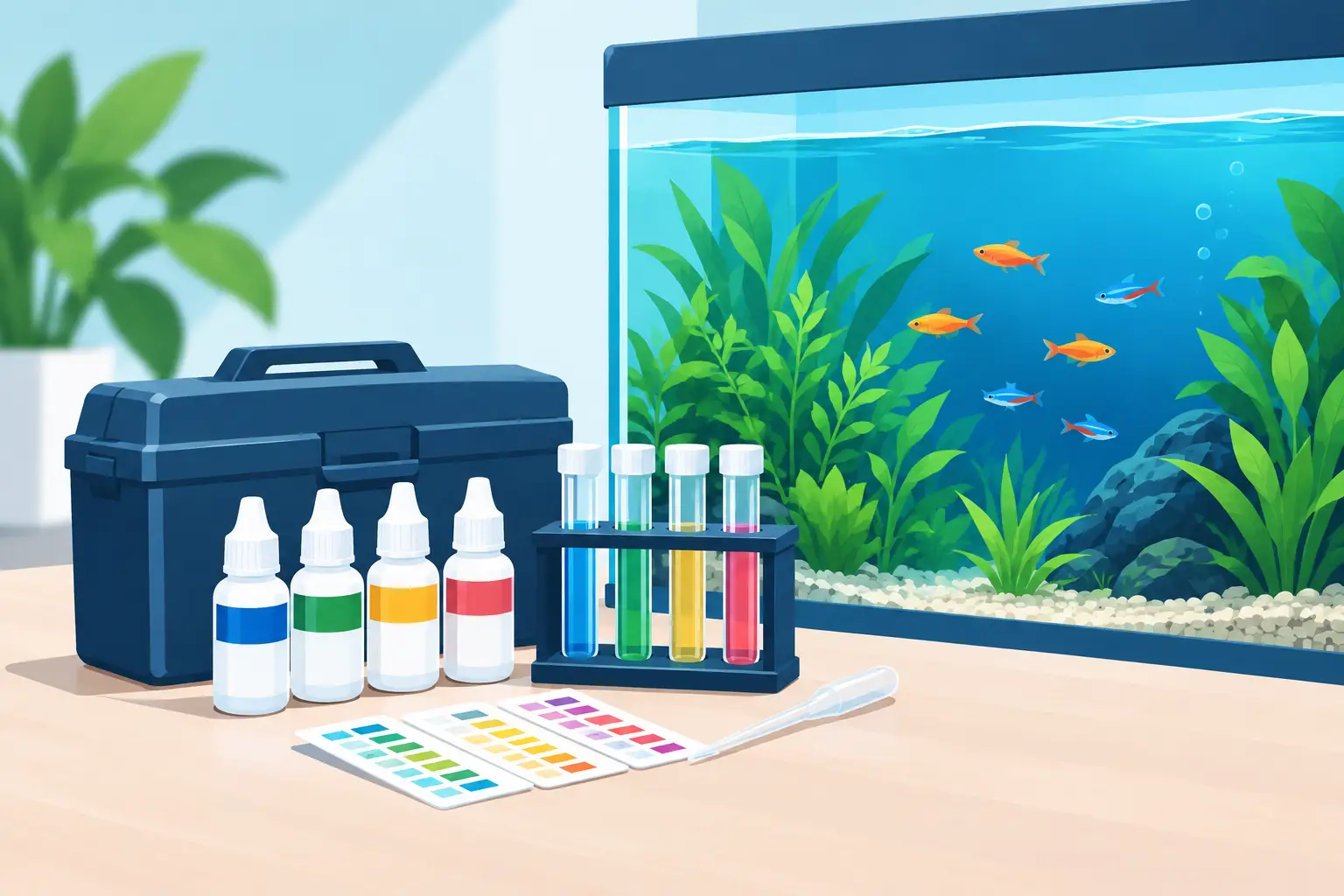
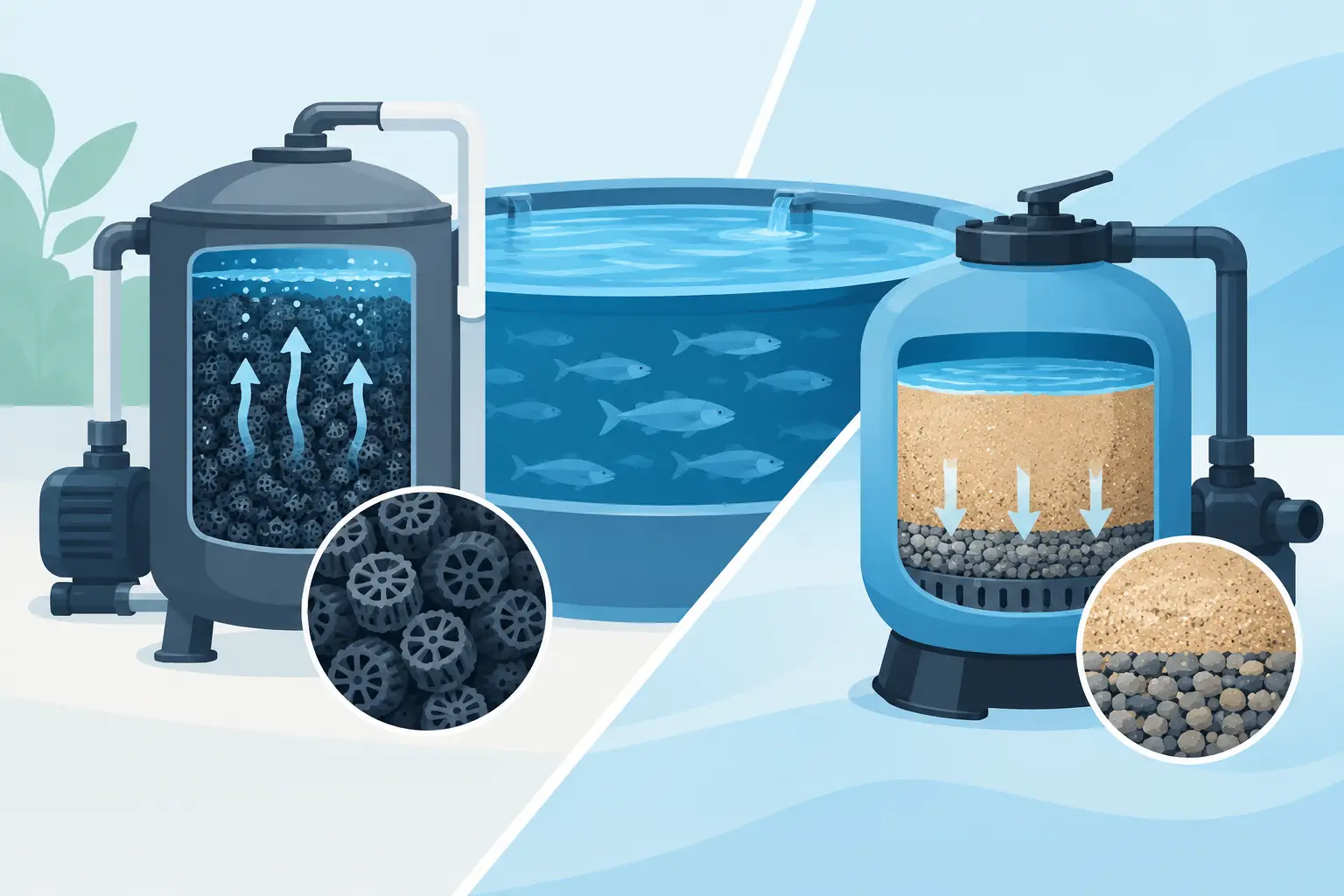
Filtration needs are influenced by tank volume, species, loading density, feeding practices where applicable, and the rate at which inventory turns. Mechanical filtration removes solids before they become a larger water-quality problem. Biological filtration supports the nitrogen cycle. Activated carbon and other media can help manage water clarity and dissolved contaminants when selected and maintained properly.
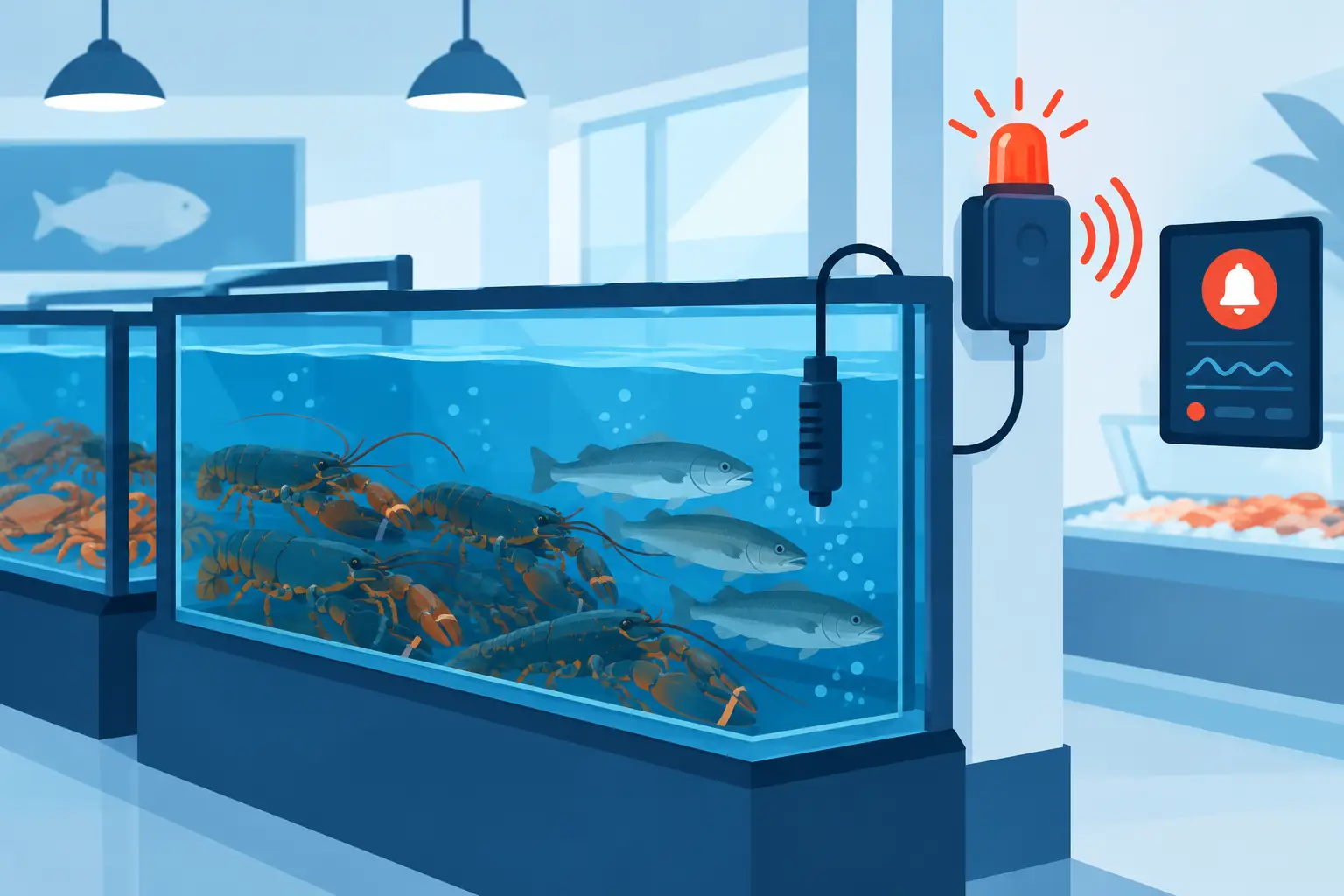
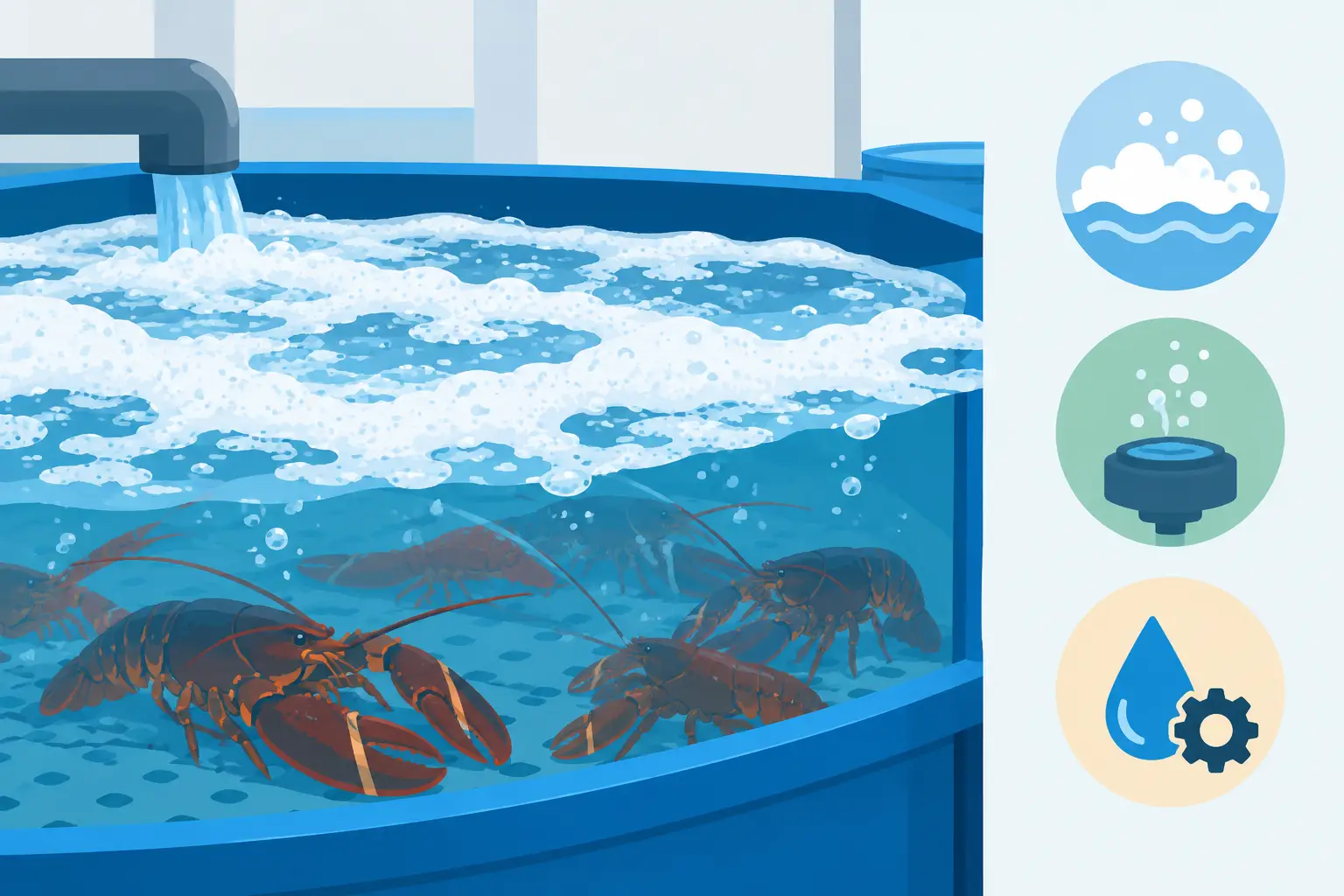
Temperature control deserves the same attention. A system may hold target temperature during normal conditions but fall behind after receiving, cleaning, heavy customer interaction, or summer heat. The redesign should account for ambient conditions in the building, equipment heat load, and the need for dependable cooling performance during the busiest periods.
Separate Species When Their Needs Differ
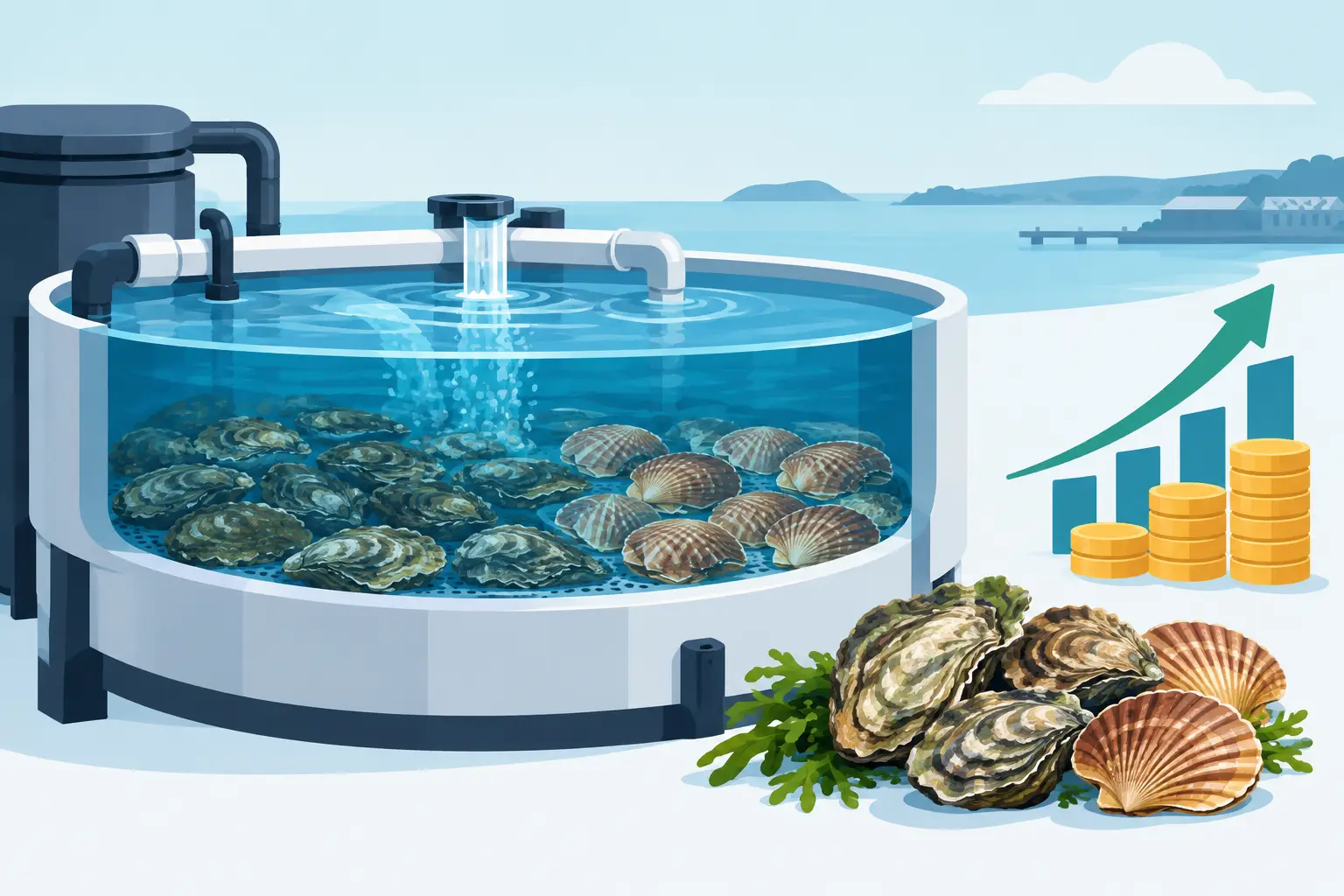
Not every shellfish program should use one shared water environment. Species can have different temperature, salinity, handling, and holding requirements. A combined system may simplify the initial layout, but it can create product-quality compromises later.
Separate compartments or independently managed systems may be the better choice when the operation carries different species in meaningful volume. This also provides a measure of operational protection. If one section needs attention, the entire live inventory program does not necessarily have to stop.
Design for Labor, Cleaning, and Service Access
The best system is not the one that only works when a specialist is standing next to it. It is the one that seafood staff can operate confidently every day and that a technician can service without dismantling half the department.
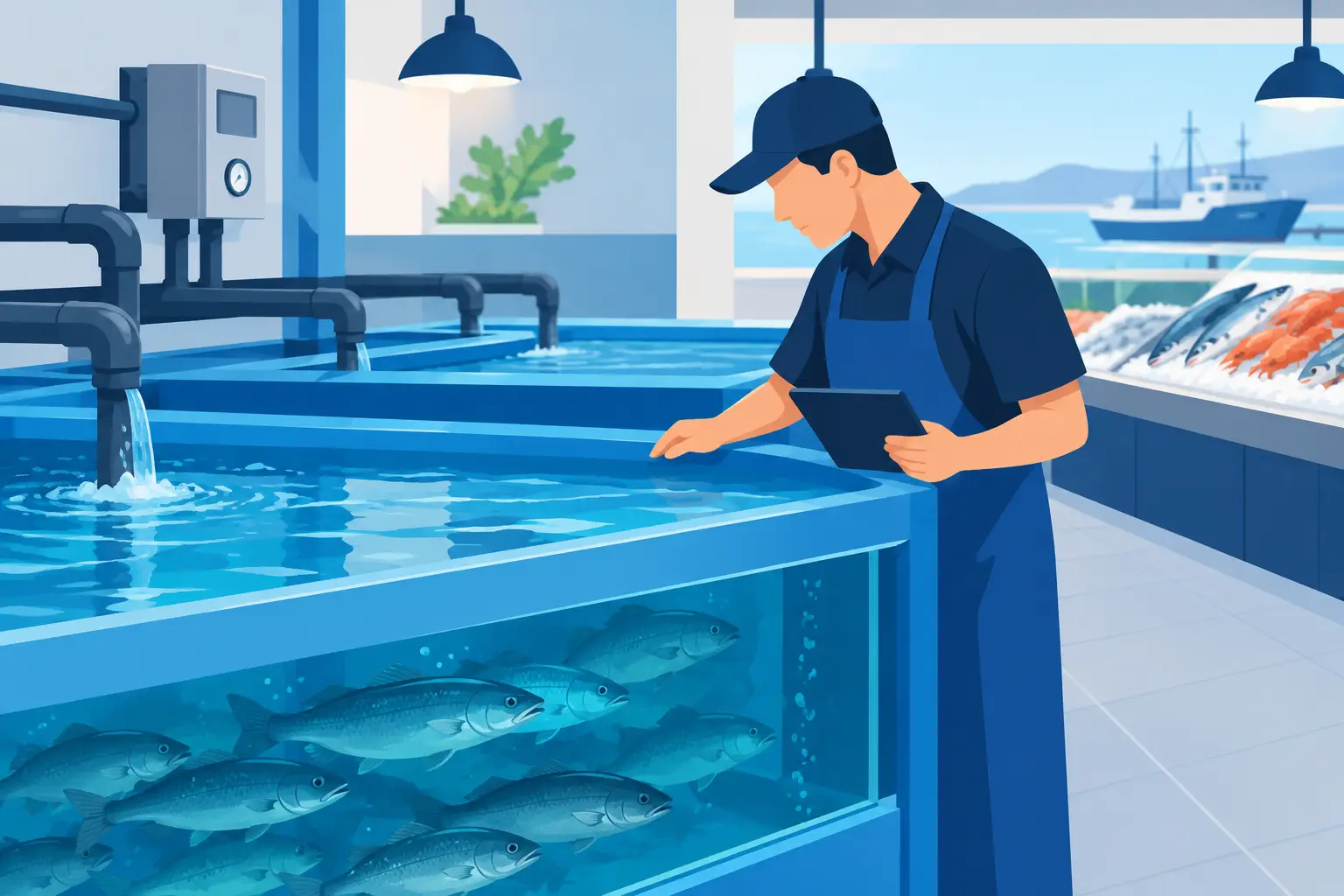
During a redesign, consider the path employees take from receiving to tank, from tank to customer order, and from tank to cleaning station. Tank height, door placement, access openings, drain location, and rack configuration all influence how much time and physical strain each task requires. These details matter more in a wholesale setting, where product moves in volume and small inefficiencies repeat all day.
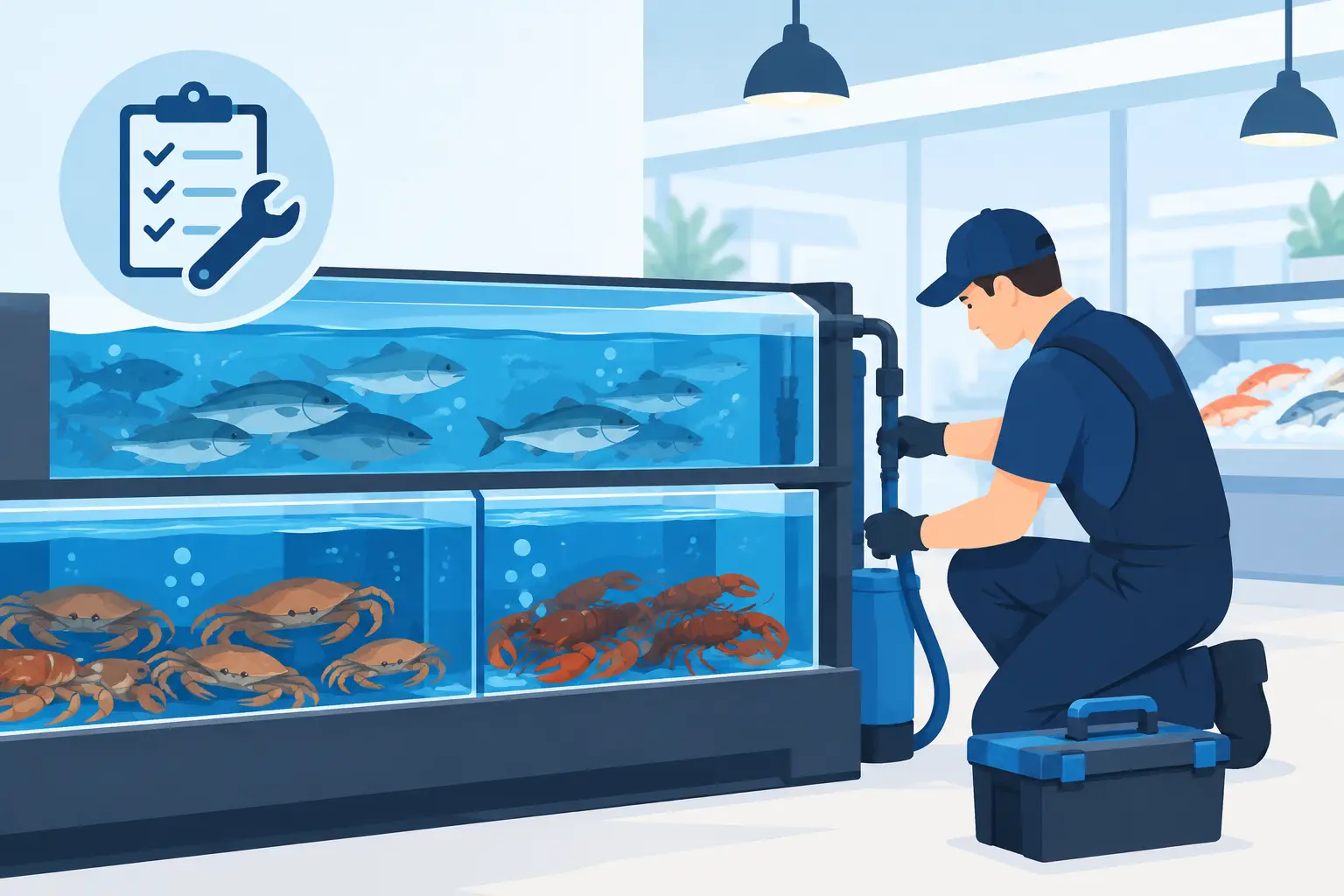
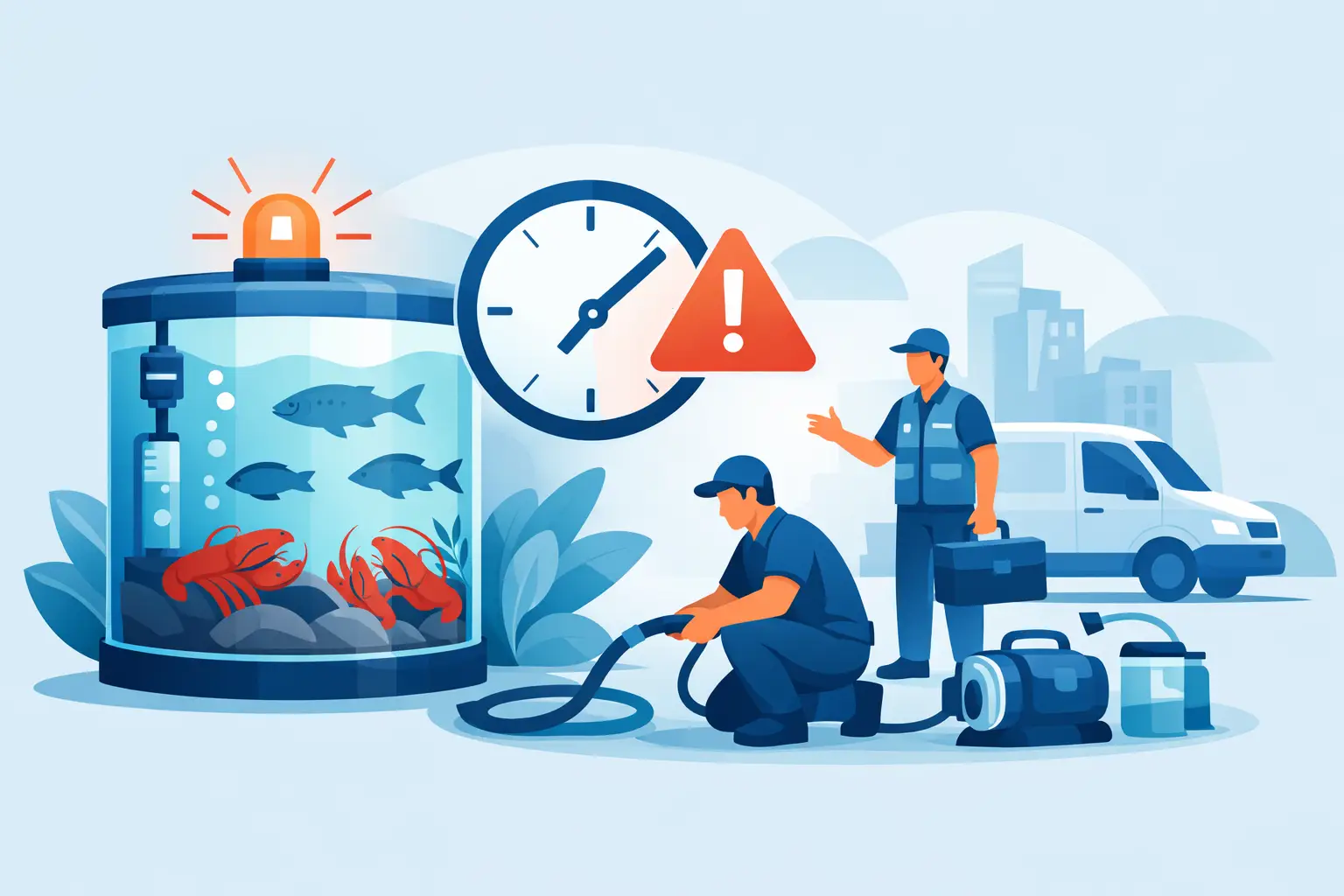
Service access is equally important. Pumps, controls, filters, plumbing connections, and electrical components should be reachable for routine inspection and replacement. Hiding critical parts may create a cleaner visual line, but it can turn a simple service call into a longer and more costly interruption.
A practical redesign also makes sanitation easier. Smooth, durable surfaces; appropriate drainage; accessible corners; and components that can be cleaned without excessive disassembly help employees keep the system in better condition. If a cleaning task is difficult, it will eventually be delayed. That is not a staff problem. It is a design problem.
Protect the Product and the Customer Experience
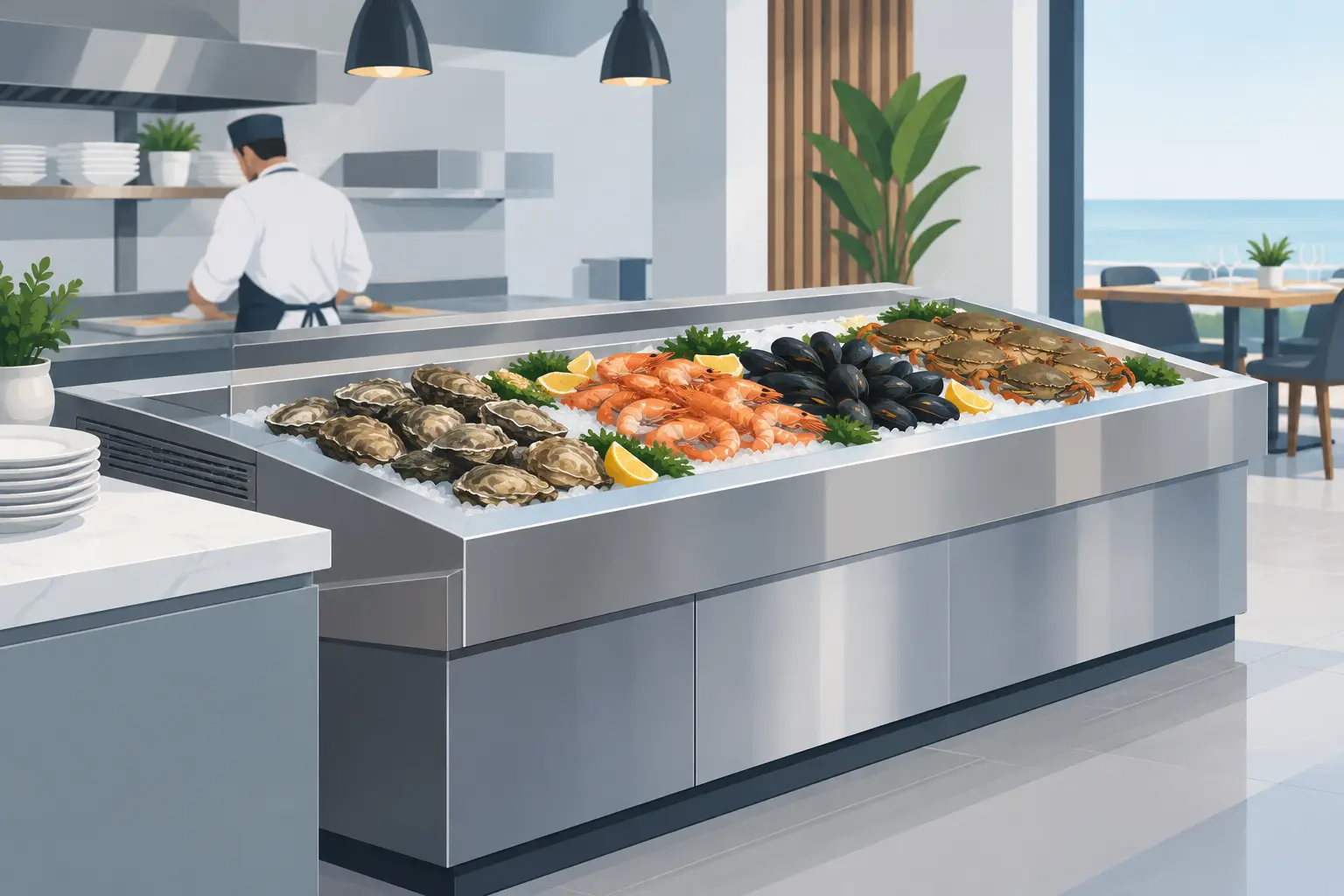
Customers notice live seafood before they ask about price. Clear water, active product, clean tank surfaces, and an orderly presentation signal that the seafood department is being managed correctly. For retailers and gourmet markets, that confidence supports premium pricing. For wholesalers and restaurant suppliers, it reinforces the reliability buyers expect from their source.
The redesign should make it easy to inspect inventory. Staff need to see product condition, remove weak or unsaleable animals promptly, and rotate stock without disturbing the entire tank. Proper lighting and sightlines help, but they should not add unnecessary heat or complicate cleaning.
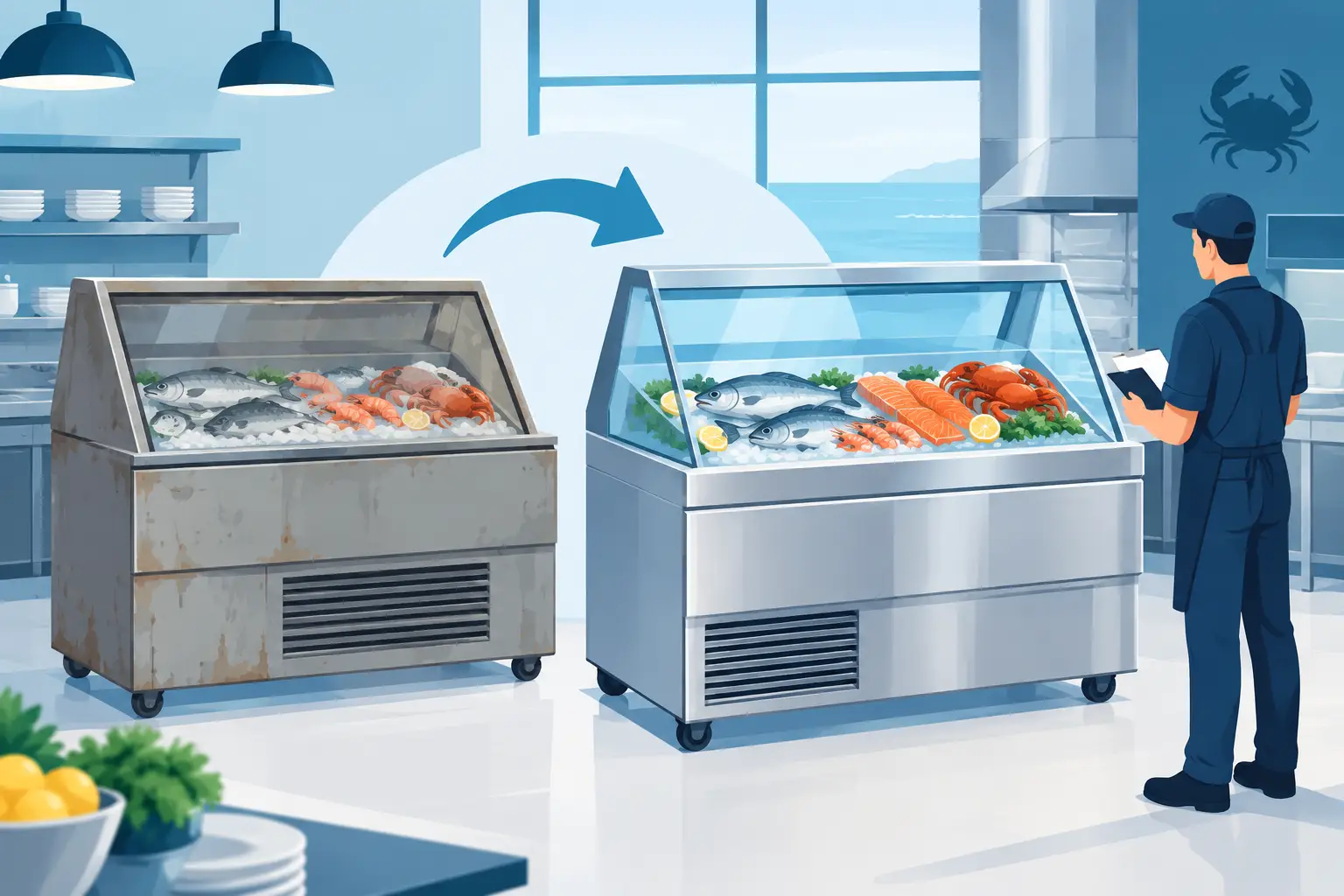
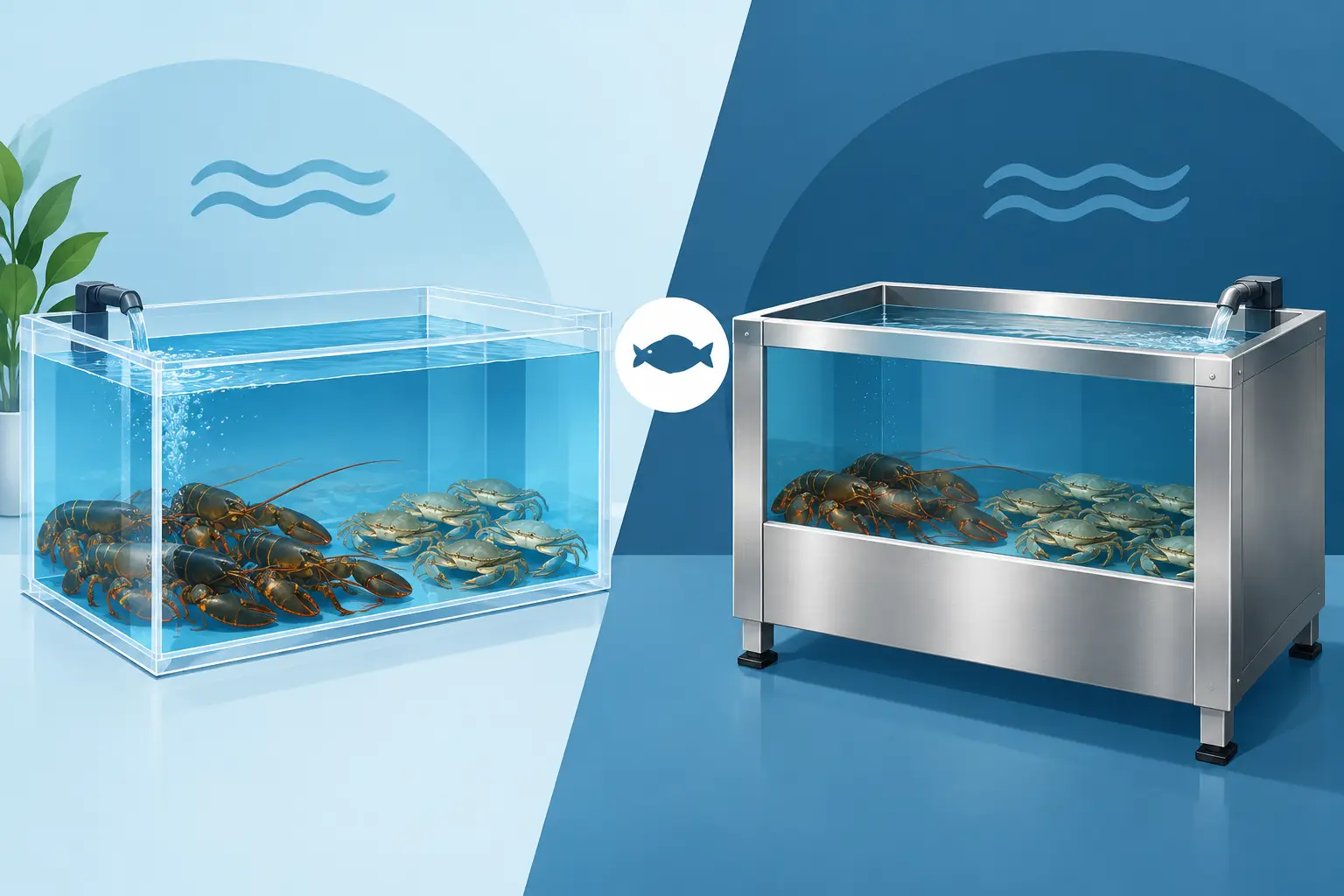
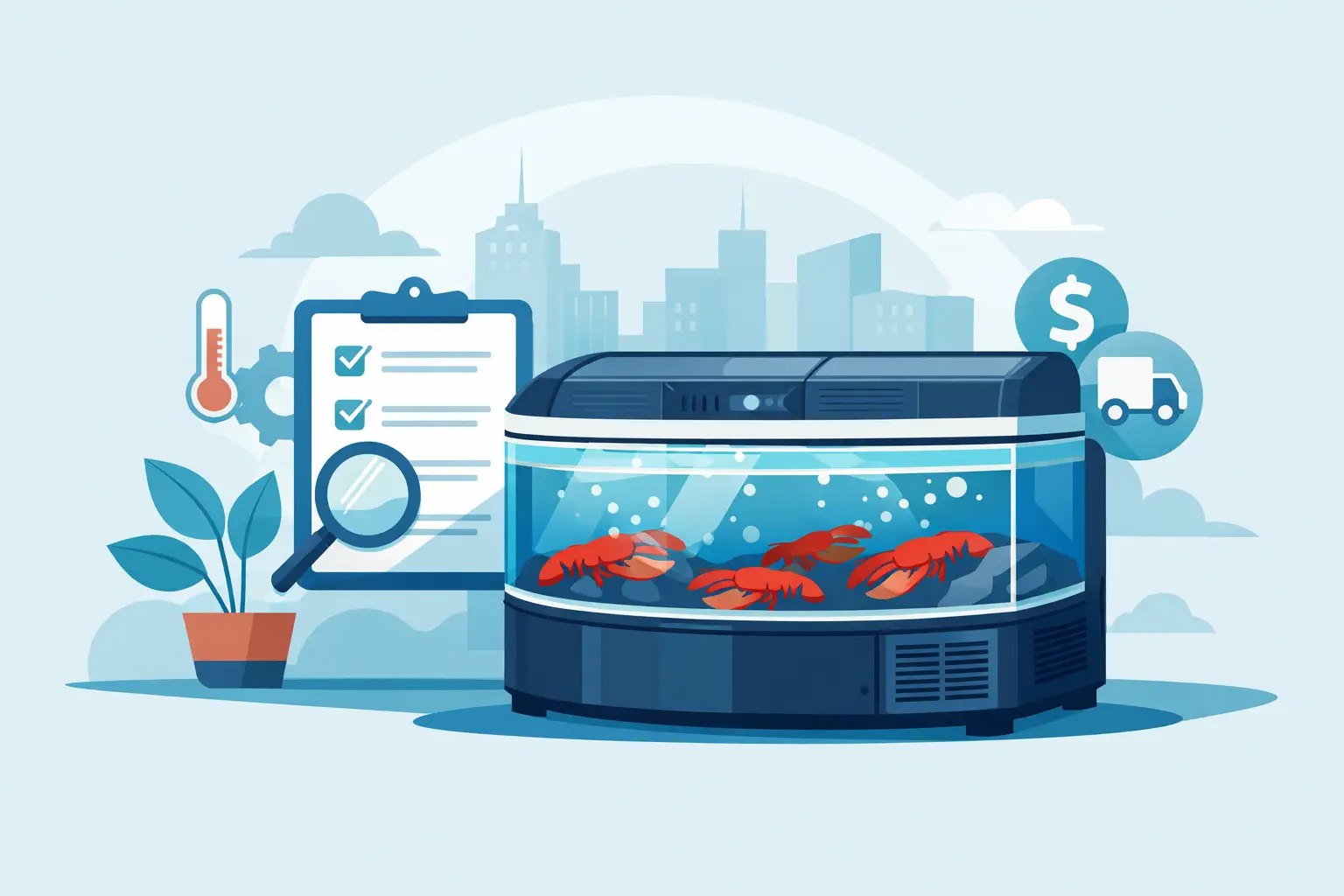
There is also a balance between display and protection. Open, highly visible tanks can support merchandising, while enclosed or back-of-house systems may offer better temperature stability and less customer interference. The right solution depends on whether the live program is primarily a selling tool, a fulfillment operation, or both.
Plan the Installation Around Business Continuity
A redesign can create risk if it is handled as an equipment swap with no transition plan. Live inventory needs a safe place to go, employees need clear procedures, and the installation schedule needs to respect delivery days and peak sales windows.
Before work begins, establish how product will be temporarily held, when water will be prepared, how startup will be monitored, and who is responsible for the first days of operation. New or reconfigured systems need close observation while operating conditions stabilize. That is especially true when capacity, plumbing, or filtration strategy has changed.
Training should be part of the project, not an afterthought. Staff should understand normal operating readings, daily checks, cleaning procedures, media replacement, and the signs that call for technical support. A good system makes these tasks manageable. A good service partner makes sure the team is not left guessing when something changes.
Choose a Partner That Can Support the System After Delivery
A wholesale shellfish tank redesign is a long-term operating investment, not a one-time purchase. Fabrication quality matters, but so do replacement parts, marine salt, filters, activated carbon, maintenance planning, and responsive technical help when the system is under pressure.
Working with multiple vendors can create gaps when a problem involves both equipment and water conditions. One company may point to the tank, another to the filtration, and another to the supplies. A full-service provider can take ownership of the complete system and help keep operations moving from installation through routine maintenance.
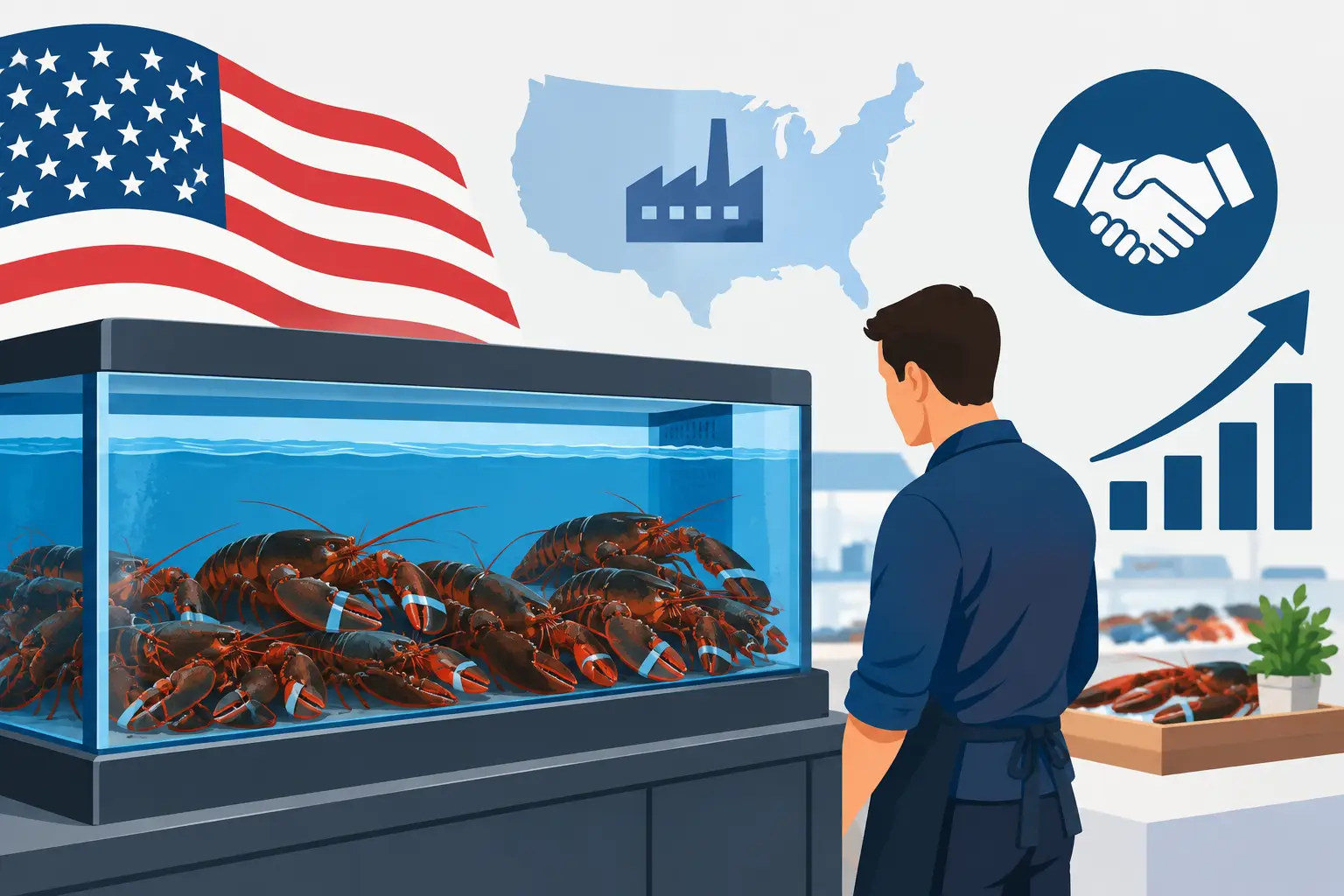
Lobster Life Systems has supported commercial live seafood operations since 1989 with custom USA-made systems, ongoing filtration supplies, and experienced service support. For operators that depend on live product every day, that kind of accountability is worth building into the redesign from the start.
The right redesign should leave your team with fewer workarounds, clearer daily routines, and a live seafood system that earns its floor space. When the tank supports the way you receive, hold, sell, and service shellfish, it stops being a liability waiting for a busy day and becomes part of a stronger seafood operation.