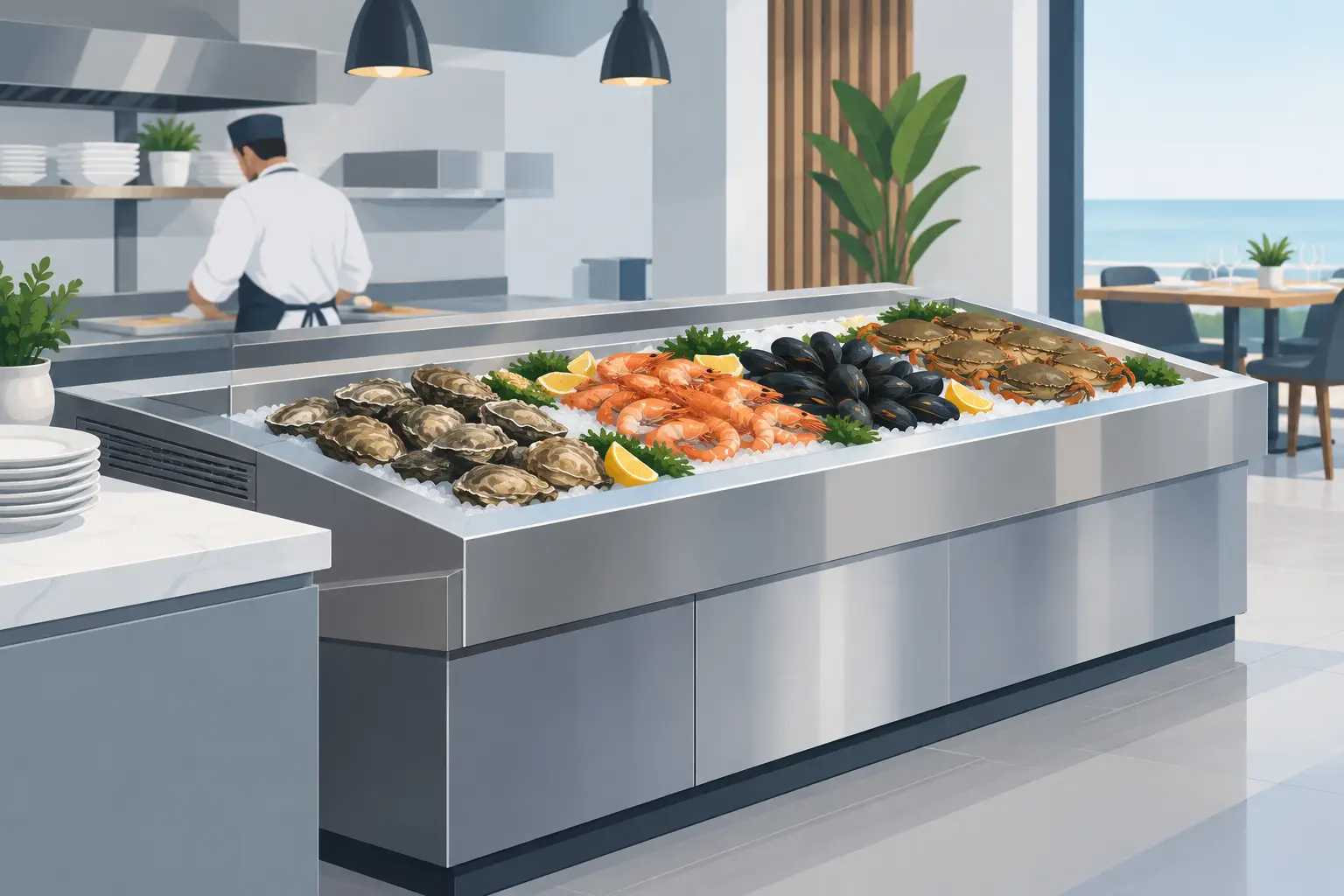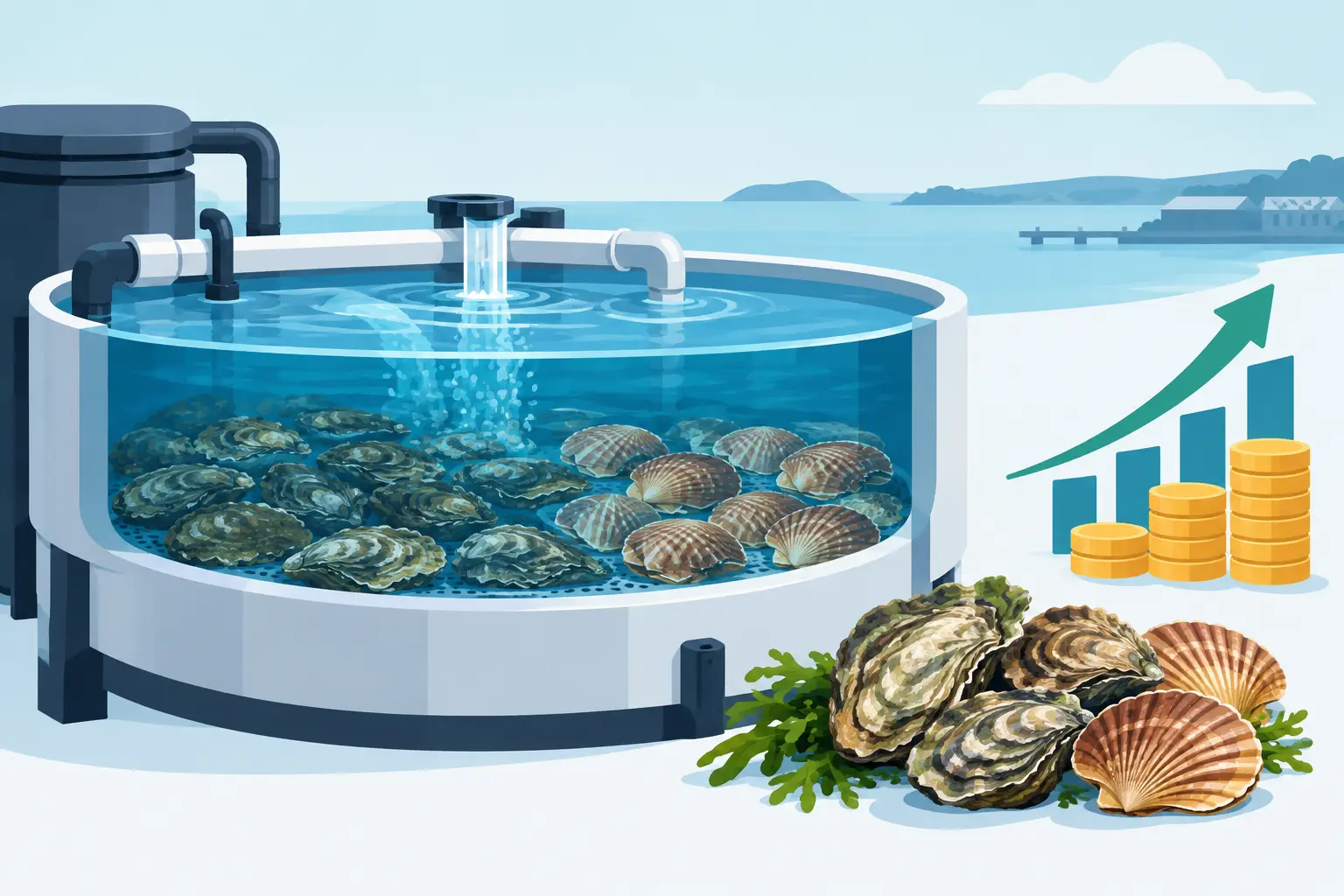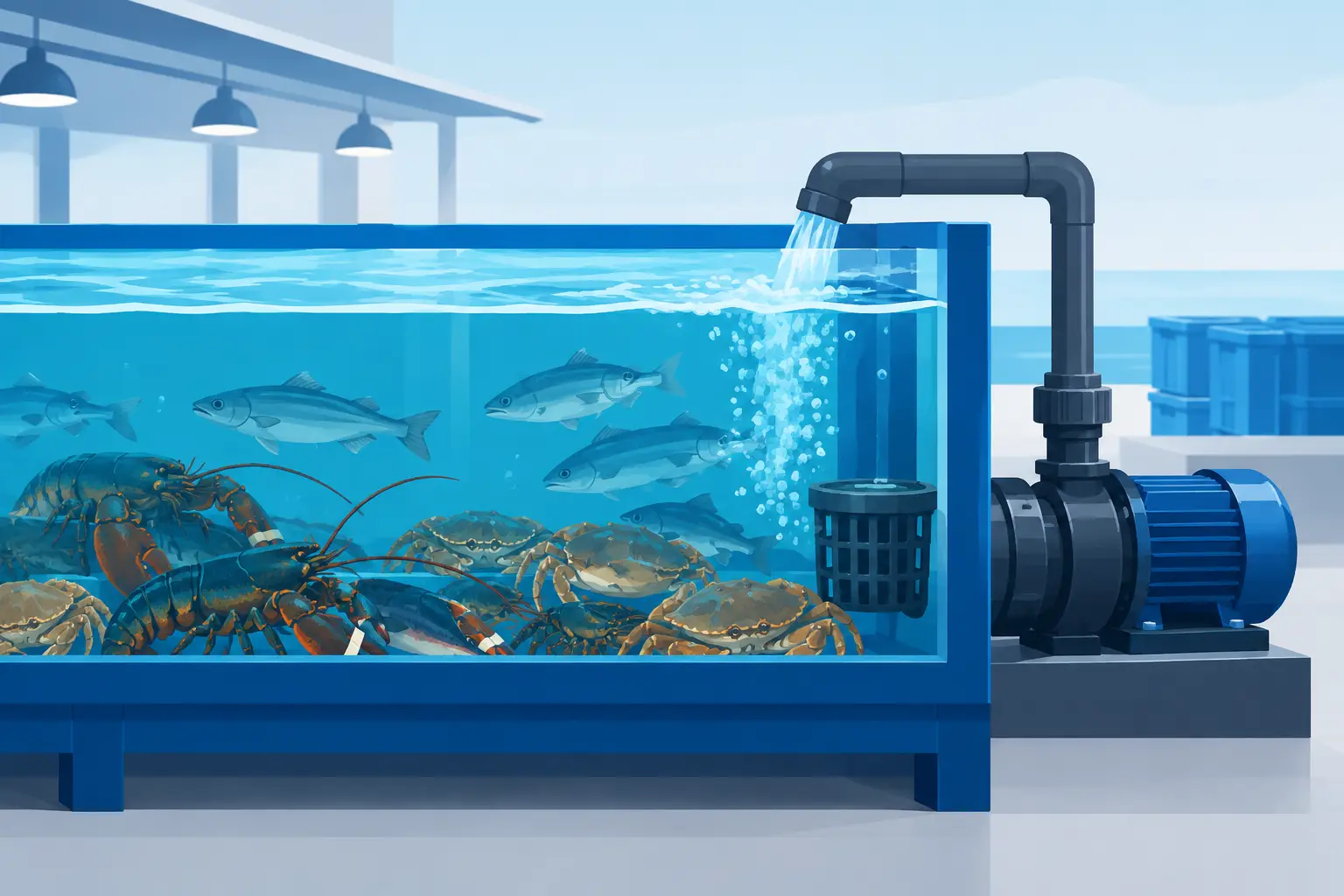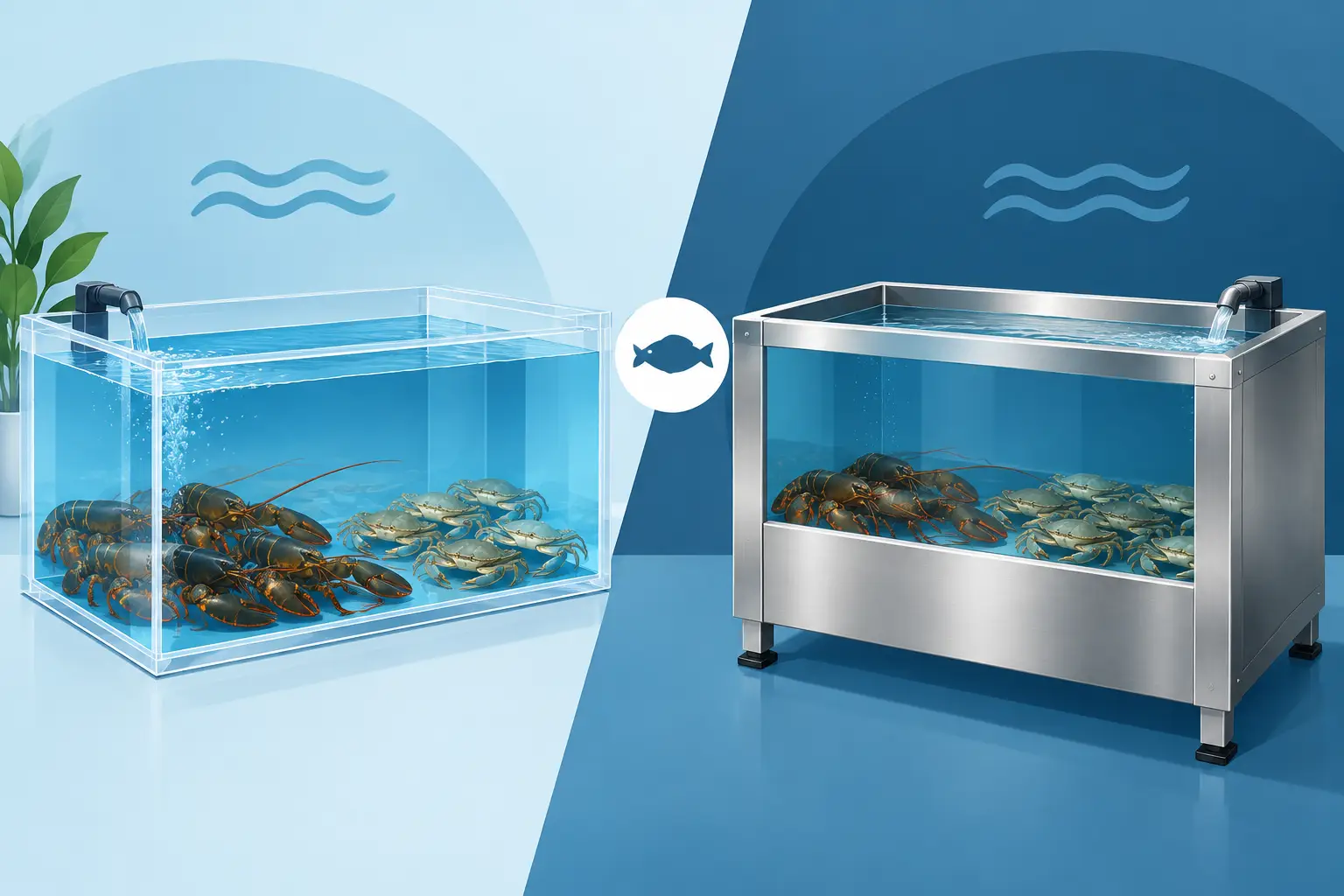

A tank can look clear, circulate well, and still cost a seafood department money if the water is running a few degrees outside its proper range. Shellfish water temperature is not a minor adjustment for the back room. It directly affects animal stress, oxygen demand, feeding behavior, holding life, shrink, and the quality customers see at the retail case.
For supermarkets, wholesalers, restaurants, and live-seafood retailers, temperature control has to work every day, not just when a technician is standing in front of the tank. The right target depends on the species, the system design, the source water, and how long product will be held. The operational goal is simpler: maintain a stable, species-appropriate temperature with equipment that can handle the actual demands of your location.
Why Shellfish Water Temperature Drives Loss or Profit
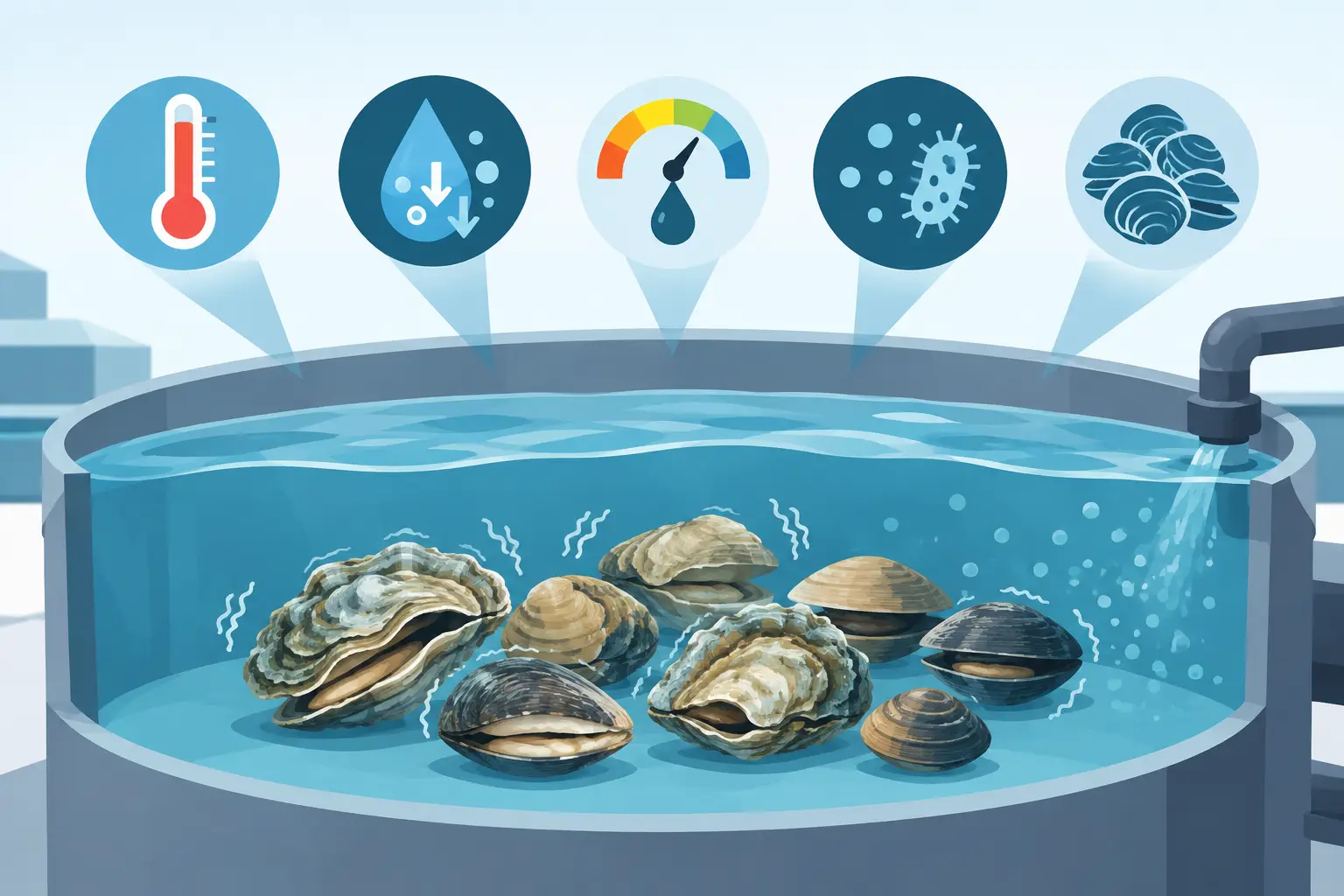
Cold-water shellfish are adapted to a narrow environmental range. When water gets too warm, their metabolism rises. They consume more oxygen, create more waste, and become more vulnerable to stress from handling, crowding, poor water quality, or a change in salinity. In a commercial setting, that can shorten holding time and turn saleable inventory into loss.
Water that is too cold can create problems as well. Rapid chilling may shock animals, and a temperature set below the requirements of the species can reduce normal activity and make recovery from shipping more difficult. The target is not simply the coldest water a system can produce. It is the correct range, held consistently.
Stability matters as much as the number on the controller. A tank that swings several degrees during a busy afternoon, after a delivery, or overnight is harder on live product than a tank held at a steady, appropriate setpoint. Repeated temperature swings add stress even when the average daily reading looks acceptable.
For operators, the business impact shows up in practical ways: more mortalities, weaker-looking product, reduced customer confidence, emergency calls, and higher labor spent sorting or removing distressed shellfish. Temperature control protects inventory before those issues reach the sales floor.
Temperature Targets Must Follow the Species
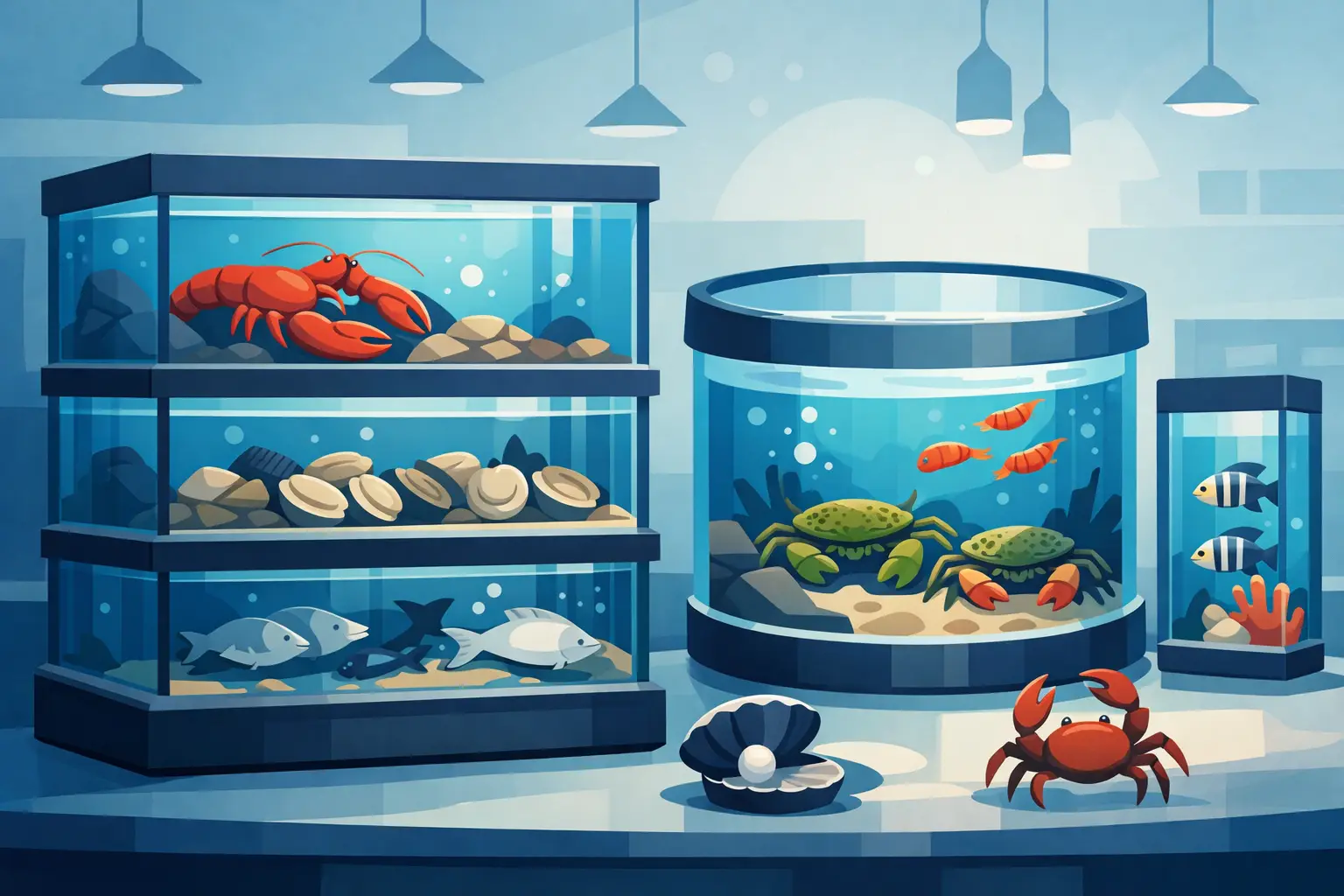
There is no one universal setting for every live seafood tank. American lobsters, cold-water crabs, clams, oysters, mussels, and warm-water species each have different needs. Even within a category, the best holding conditions can vary based on harvest region, season, acclimation history, and expected holding period.
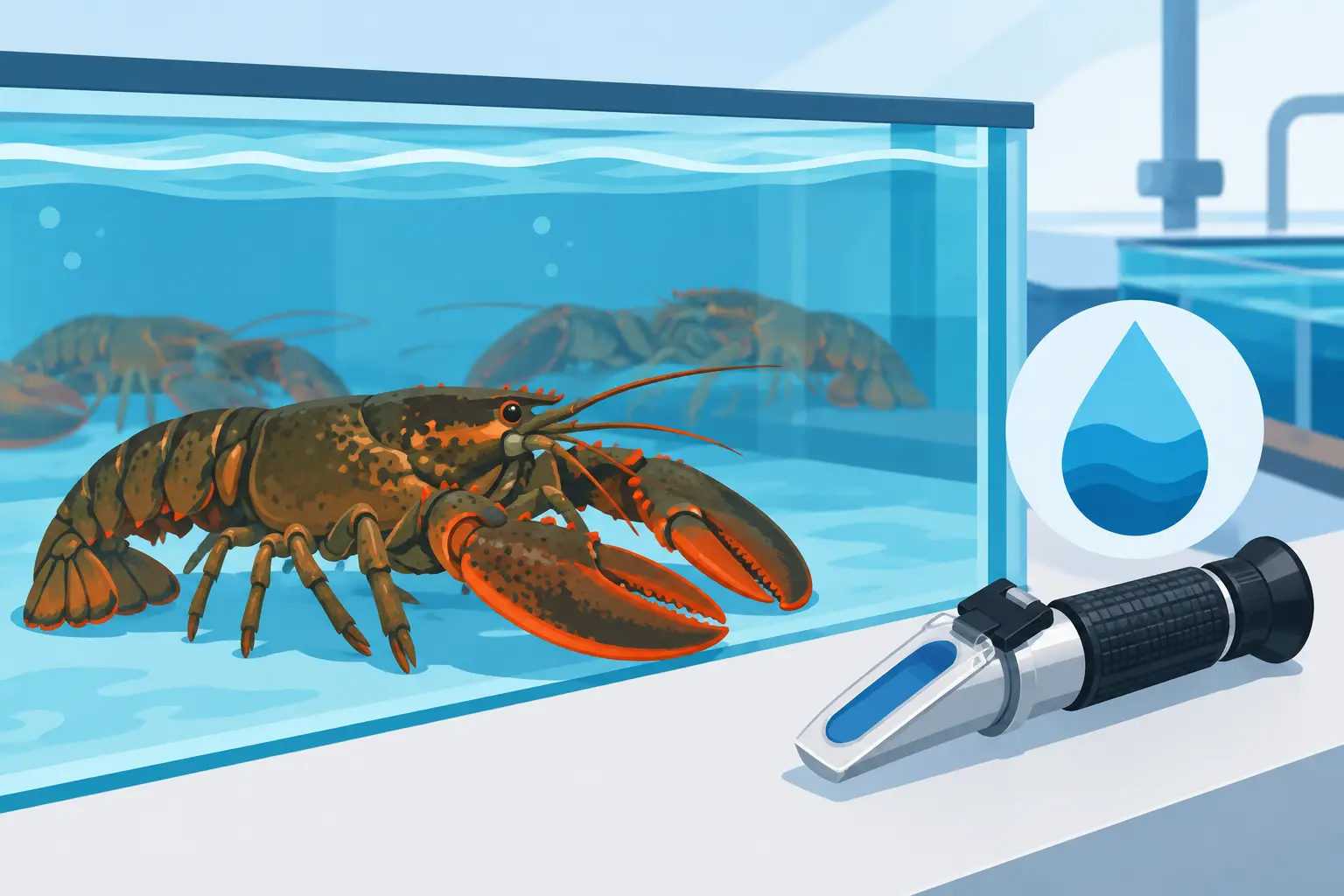
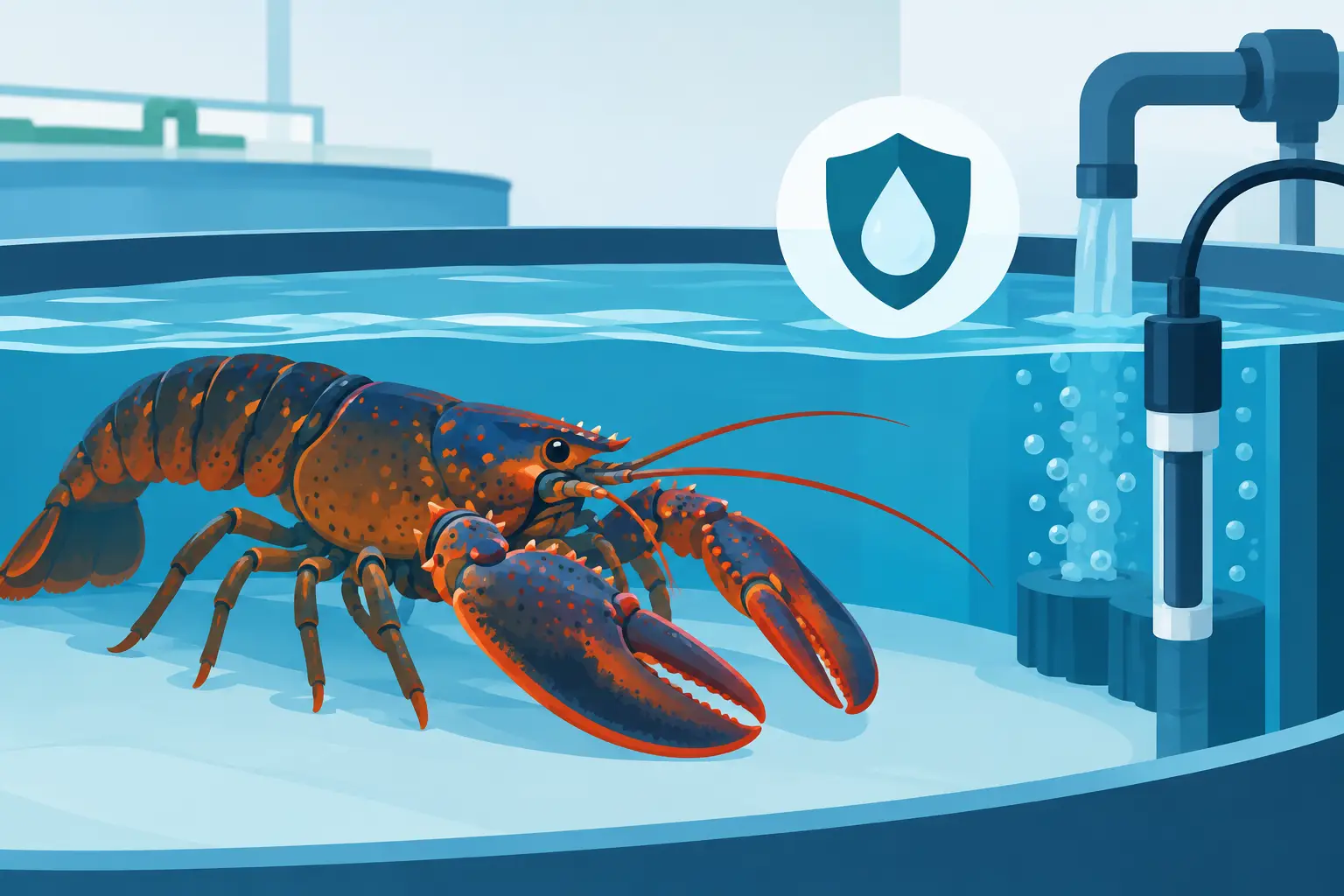
Lobsters are typically held in chilled, clean saltwater that reflects their cold-water environment. A properly designed lobster system should maintain a stable temperature appropriate for the lobsters being received, without exposing them to abrupt changes from truck to tank. If product arrives from a colder source environment, rushing it into substantially warmer water can create immediate stress.
Bivalves require equal care, though their holding setup may differ from a lobster tank. Oysters, clams, and mussels are living food products, not display props. Their water conditions should support the specific species and comply with applicable food-safety and shellfish-handling requirements. Operators should never assume that a temperature suitable for lobster is automatically the correct answer for every shellfish program.
The dependable approach is to establish species-specific operating ranges with your supplier or aquatics partner, record the approved setpoint, and train staff not to change it casually. If you expand the assortment in a shared system, verify compatibility before adding new livestock. Mixed species can create a temperature compromise that serves none of them well.
Temperature Is Connected to Dissolved Oxygen
As water warms, it holds less dissolved oxygen. At the same time, shellfish generally need more oxygen because their metabolic activity increases. That combination is why a warm tank can go from manageable to critical quickly, especially when it is heavily stocked.
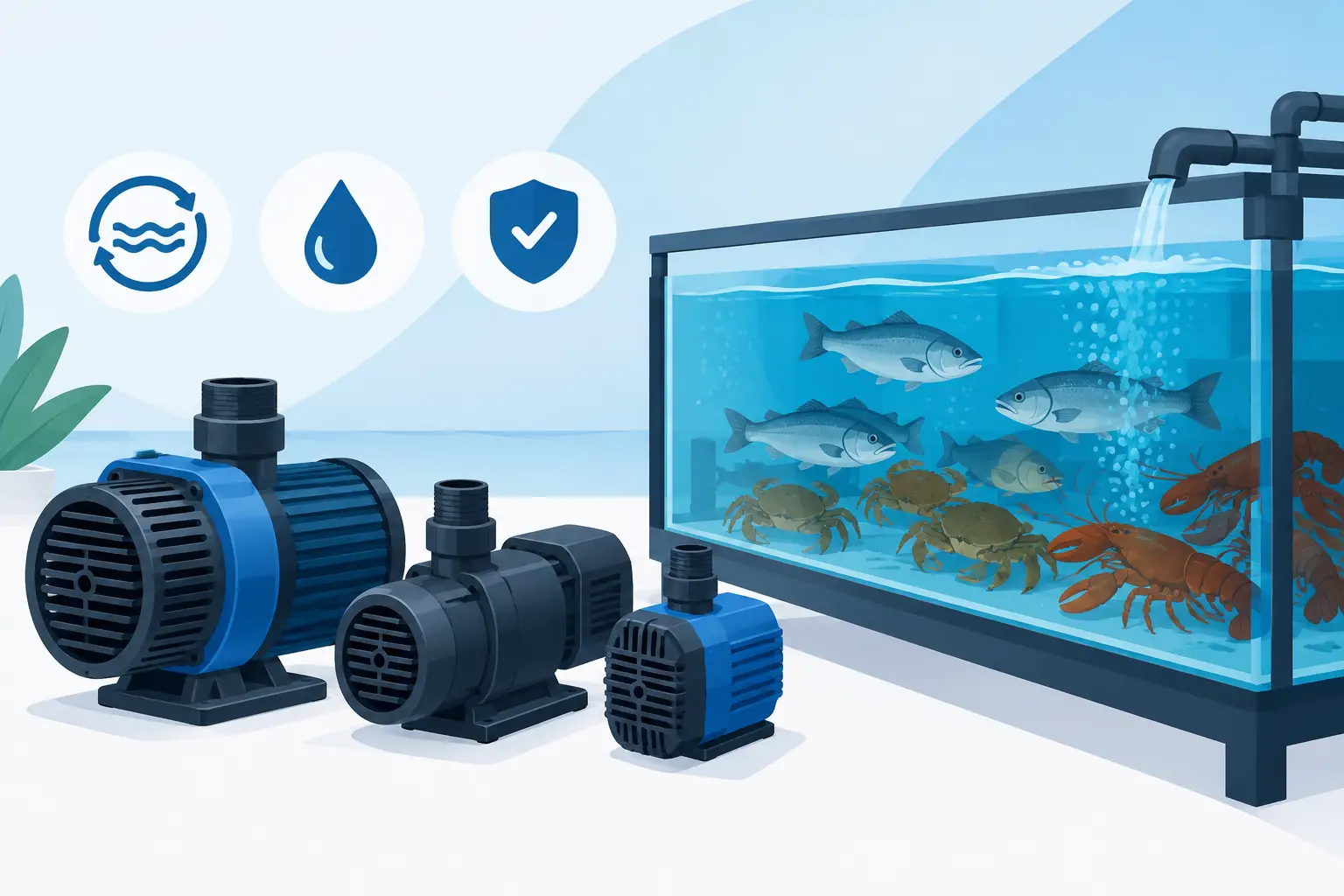
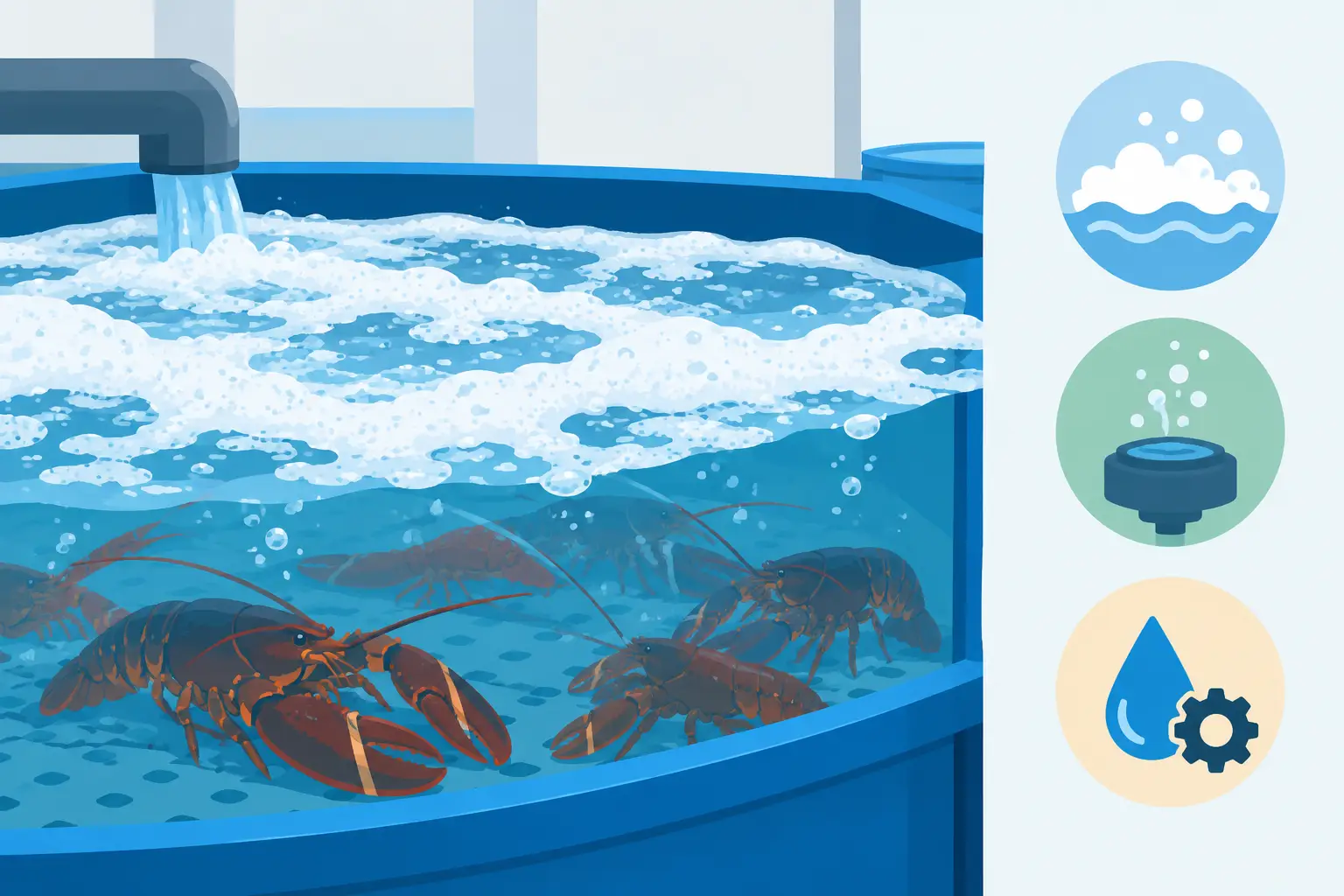
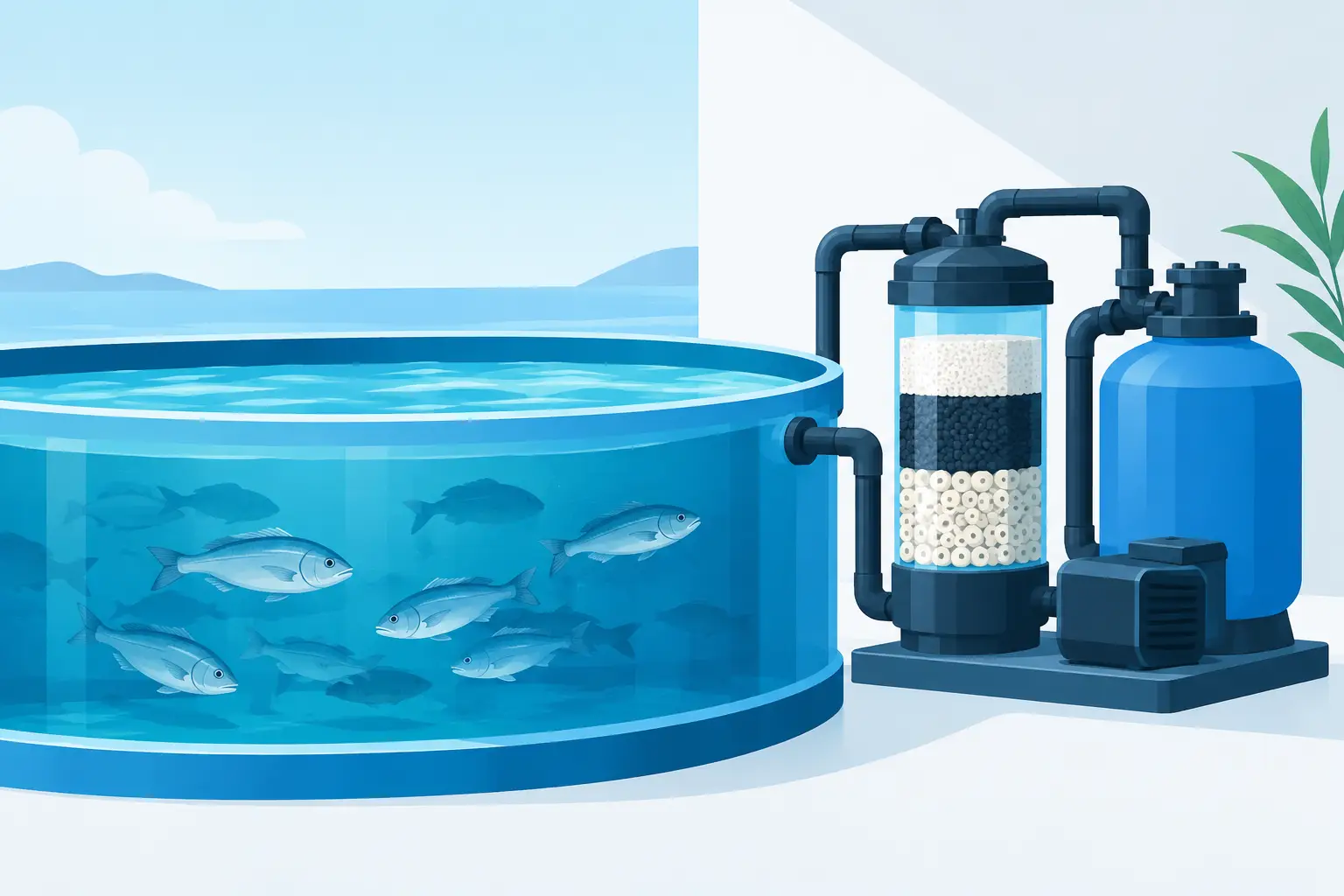
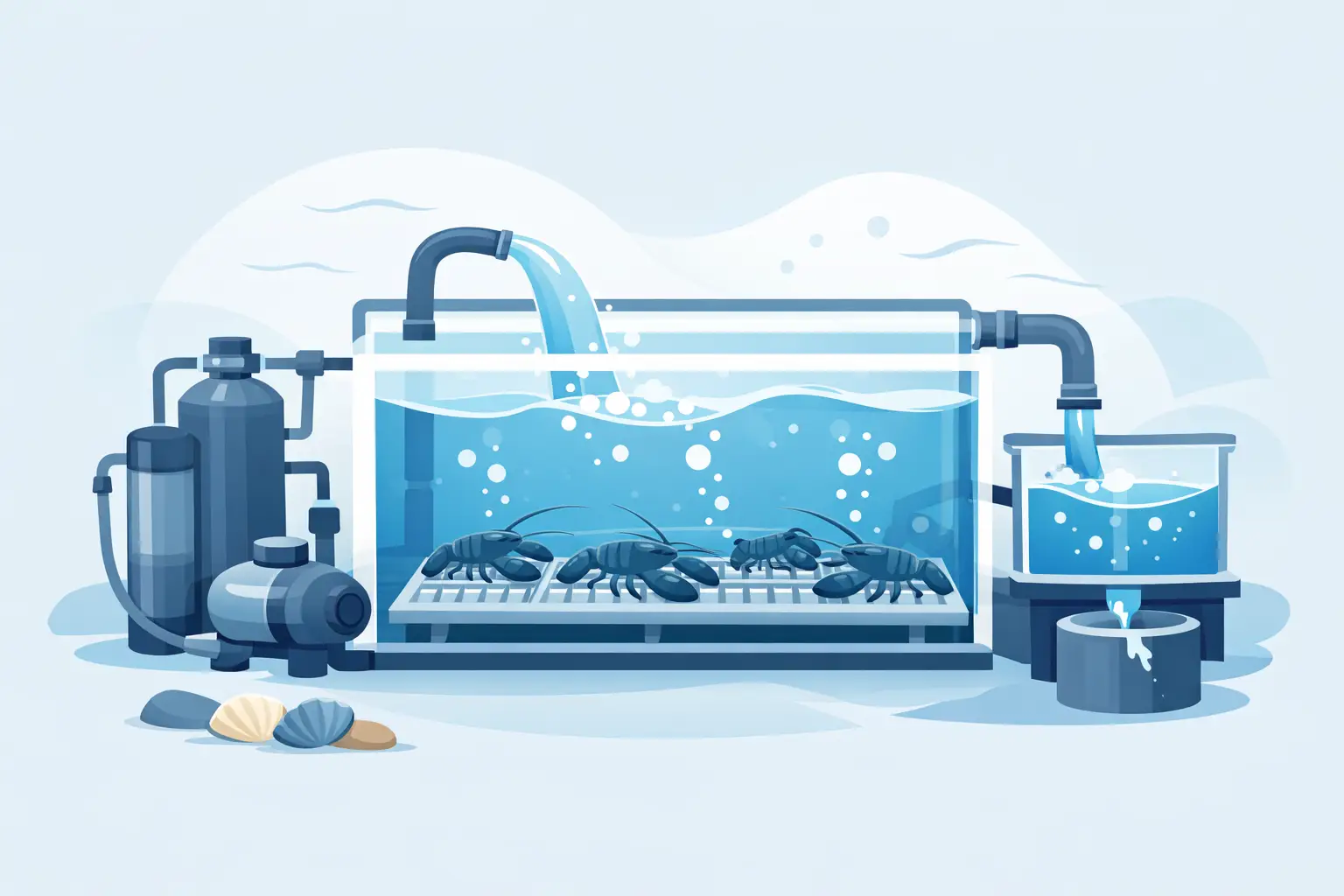
Adequate circulation, aeration where appropriate, filtration, and water movement help support oxygen availability, but they do not replace correct temperature control. A system cannot aerate its way out of chronic overheating. Conversely, cold water alone does not solve oxygen problems caused by overcrowding, dirty filters, weak circulation, or a mechanical failure.
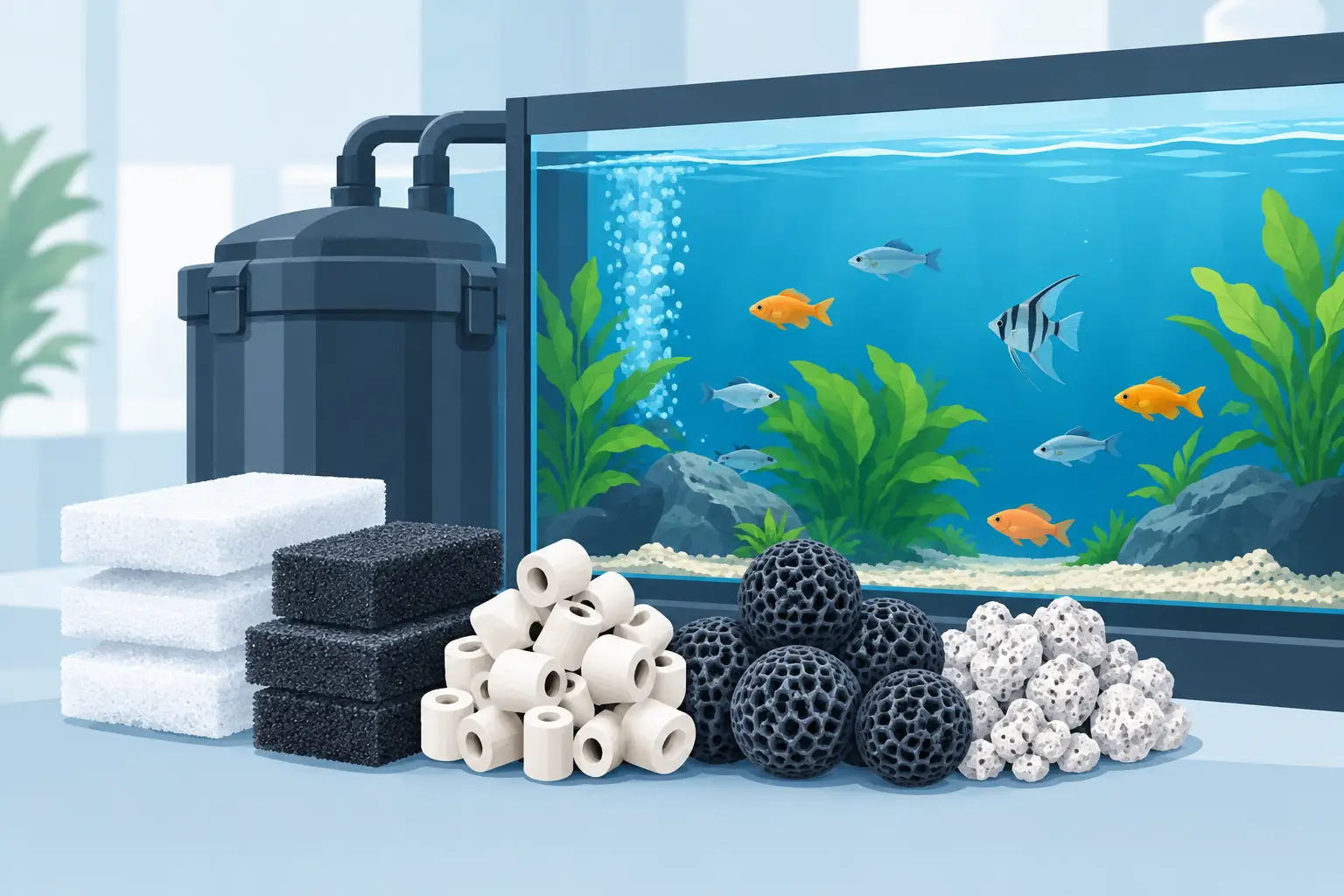
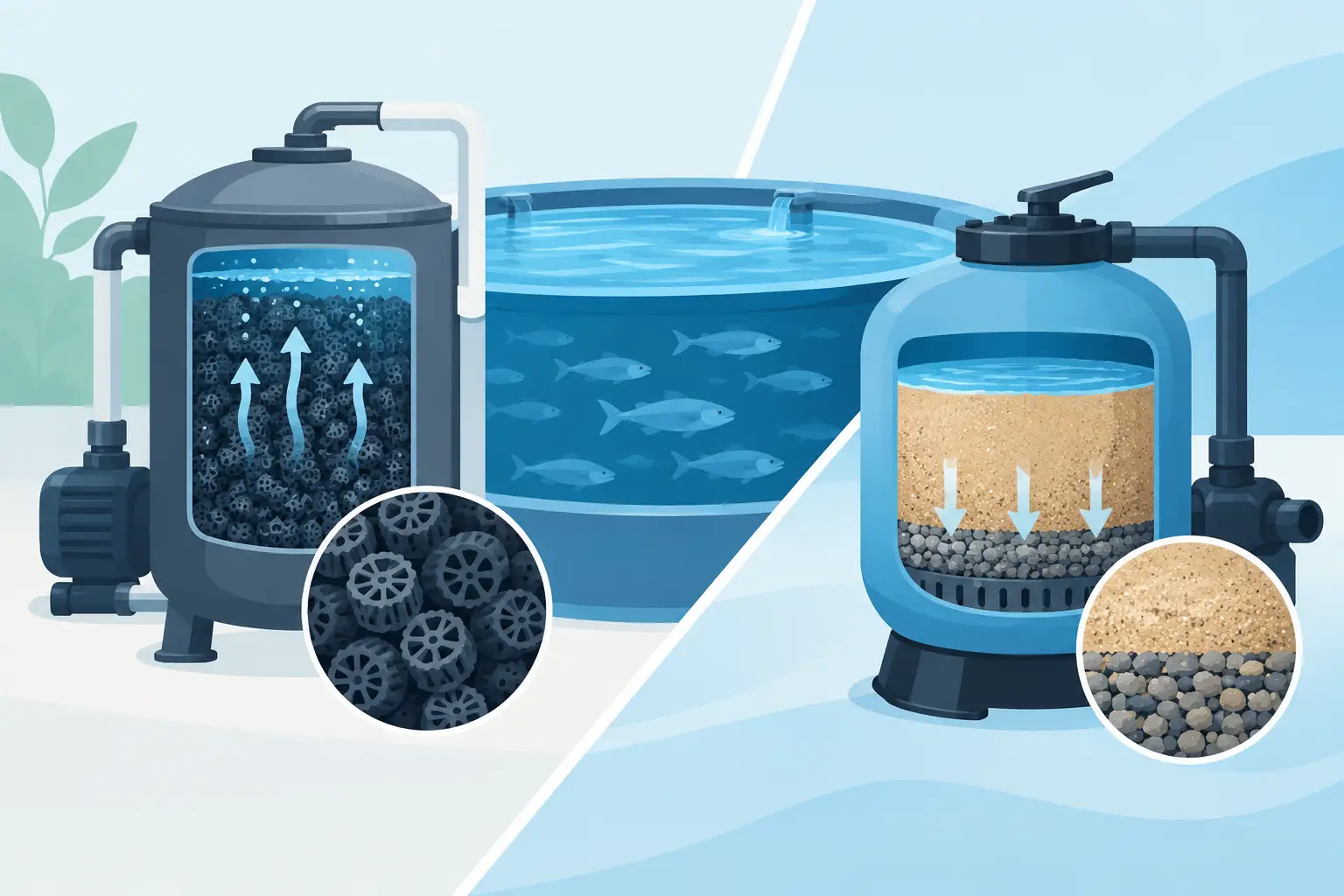
A commercial tank should be evaluated as one operating system. Temperature, oxygen, salinity, ammonia control, biological filtration, mechanical filtration, stocking density, and sanitation all affect the condition of the live product.
What Causes Commercial Tanks to Run Too Warm
The most common temperature problem is not an operator deliberately choosing the wrong setting. It is heat entering the system faster than the equipment can remove it. Store conditions change, equipment ages, and a tank that performed well at one stocking level may struggle under a higher seasonal load.
Ambient heat is often the first issue. A seafood department near exterior doors, direct sunlight, cooking equipment, refrigeration machinery, or poor HVAC airflow puts more demand on the chiller. Open-topped systems can also gain heat from warm room air. During summer, even a few additional degrees in the building can expose an undersized or poorly maintained system.
Heat also enters through pumps, lighting, and other equipment. A clogged condenser, dirty air intake, failing fan, restricted water flow, low refrigerant charge, or an improperly calibrated controller can all keep a chiller from doing its job. The tank may still feel cold to the touch while operating outside its desired range.
Heavy stocking raises the stakes. More live product means more biological load, greater oxygen demand, and less tolerance for a temperature excursion. A department planning for a holiday, weekend promotion, or high-volume delivery should confirm tank capacity before the product arrives, not after the temperature alarm sounds.
Build Temperature Control Into Daily Operations
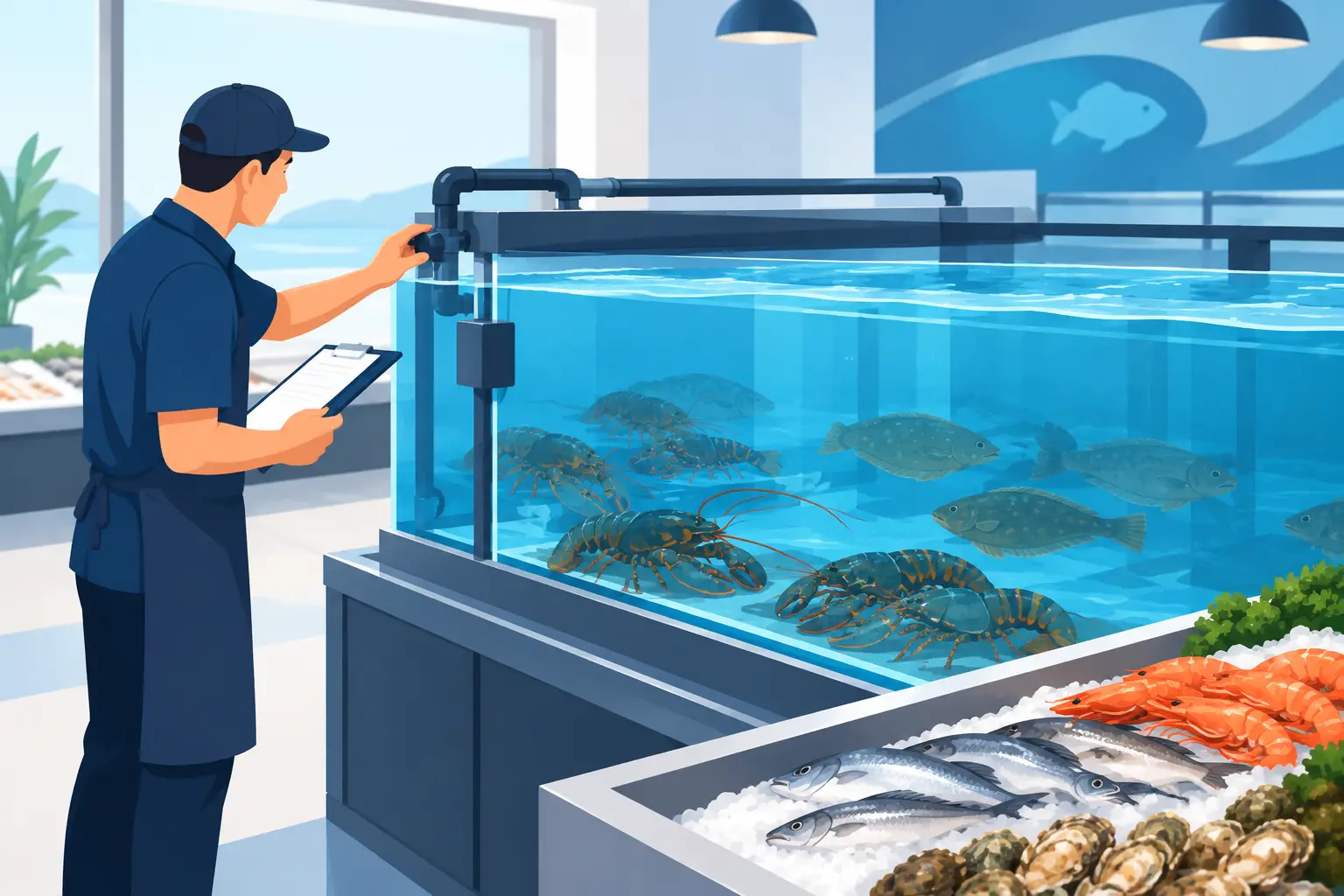
Reliable shellfish water temperature management starts with clear accountability. Someone on each shift should know the approved temperature range, where the actual reading is displayed, how to recognize an alarm, and who to call if the system cannot recover. A thermostat setting is not proof that the tank is operating correctly.
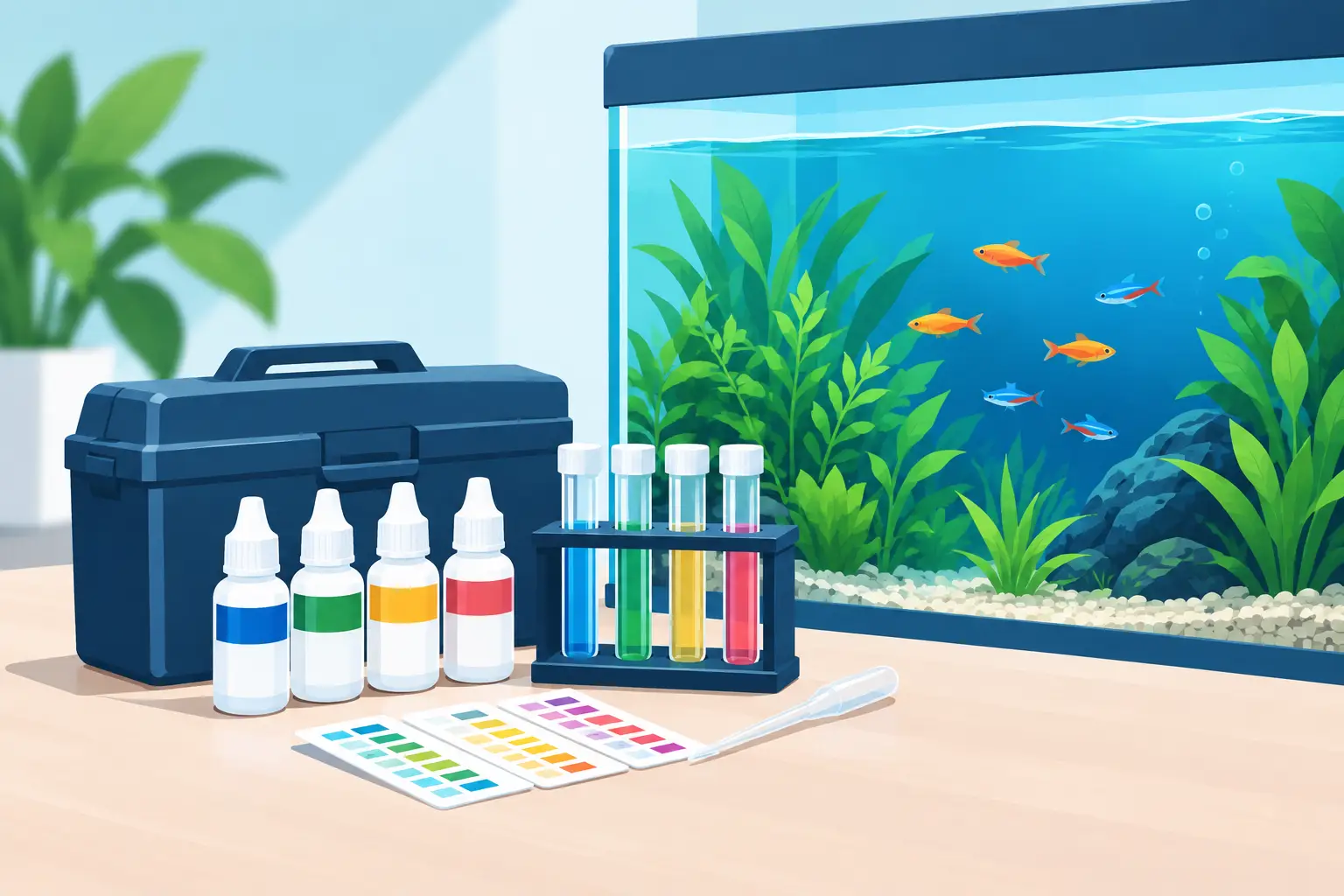
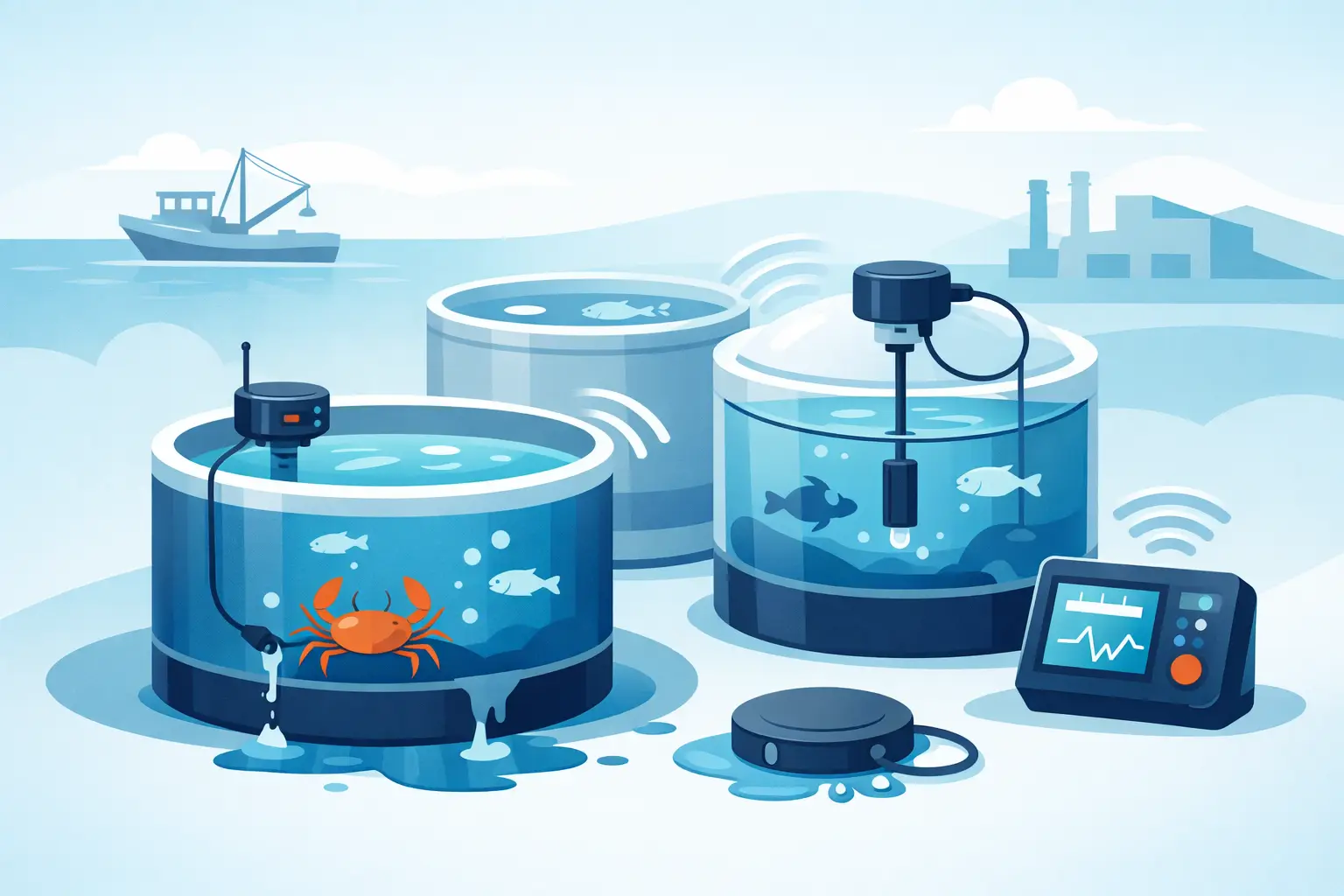
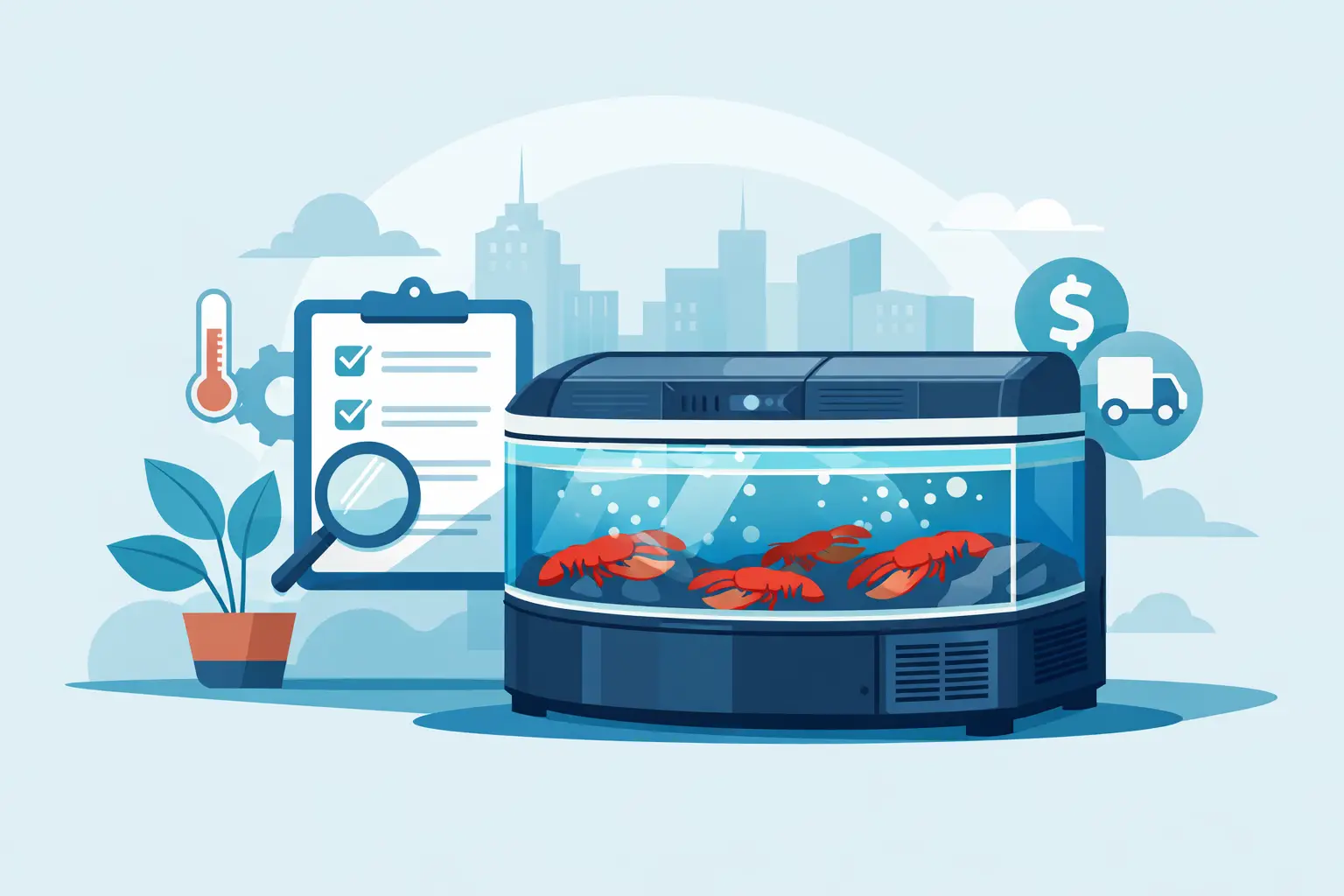
Use a dependable, calibrated thermometer to verify the displayed temperature. Check it at consistent times, especially after deliveries, after cleaning, during peak store traffic, and when seasonal weather changes. Record readings so slow trends are visible. A tank creeping warmer over several days often provides warning before it becomes an inventory emergency.
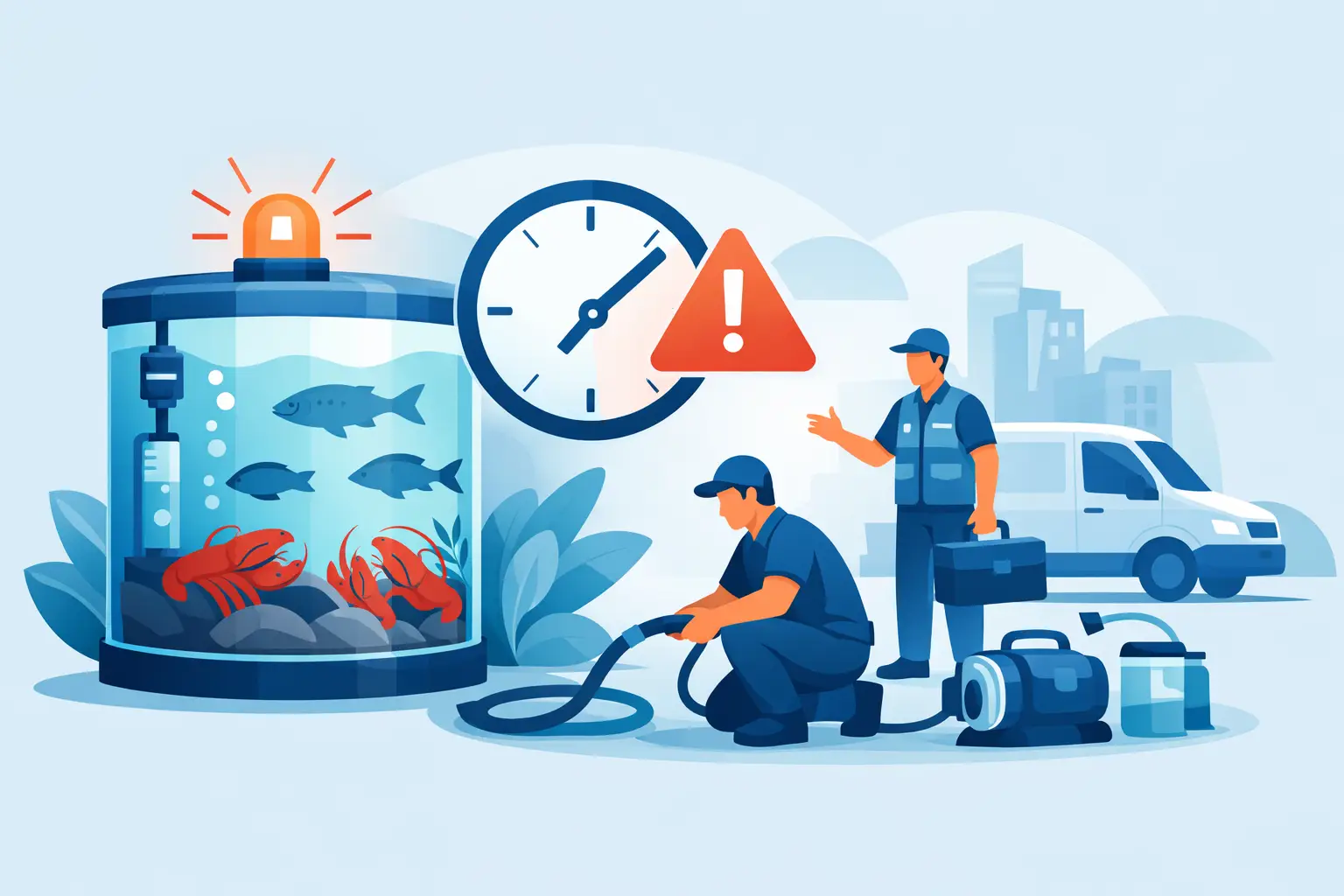
When a temperature issue occurs, staff should focus first on protecting the product and identifying the cause. Avoid overcorrecting by forcing a dramatic change in setpoint or adding untreated ice directly to the system. Sudden shifts can create another source of stress, while unapproved water or ice can alter salinity and water quality.
A useful response plan covers four practical points:
- Verify the reading with a separate thermometer and check whether the controller or alarm has malfunctioned.
- Inspect circulation, water level, pump operation, air flow around the chiller, and obvious restrictions in filters or condensers.
- Reduce additional stress by pausing new stocking, limiting unnecessary handling, and following the site’s approved contingency procedure.
- Contact qualified service support early if the system is not returning to range or if live product shows signs of distress.
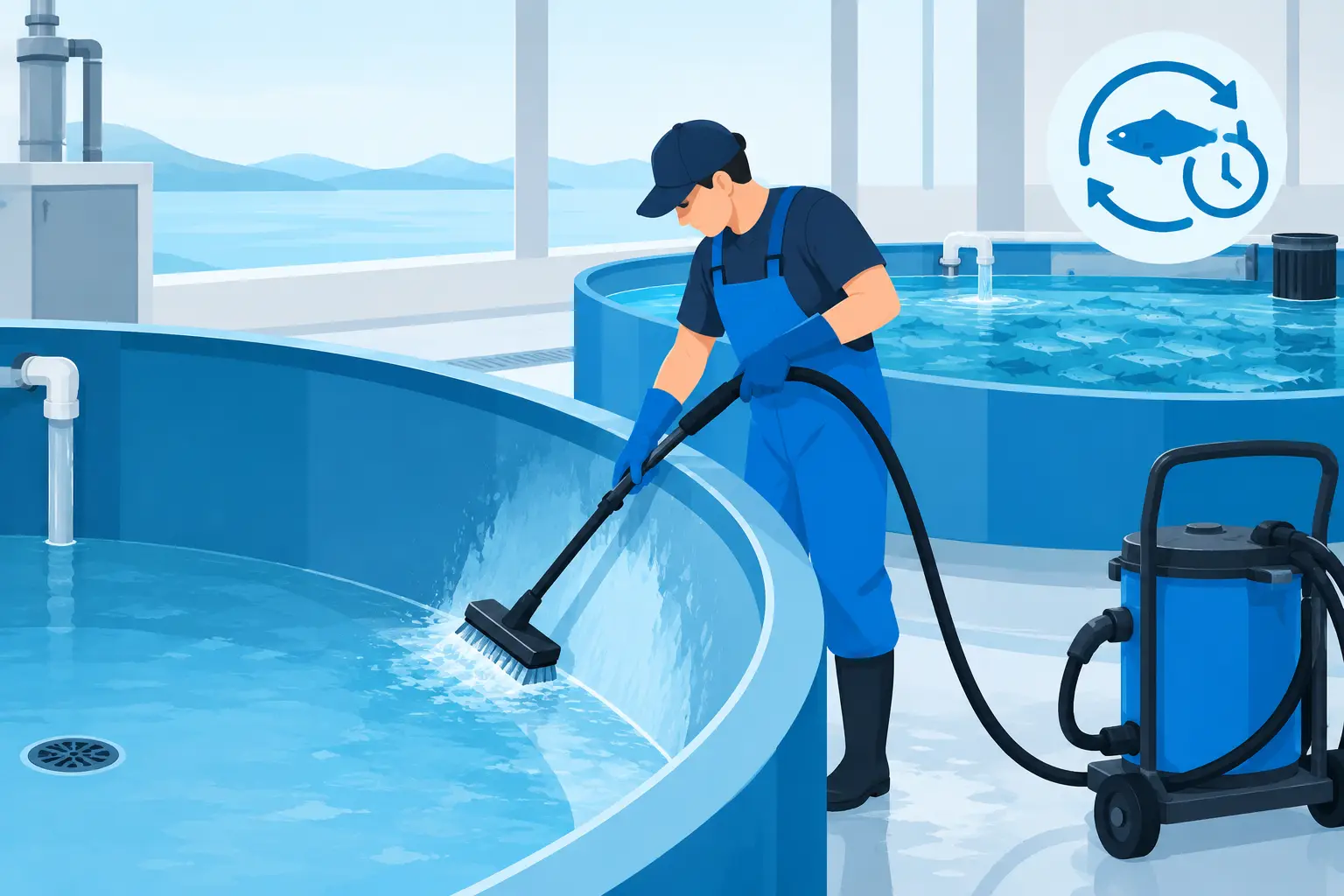
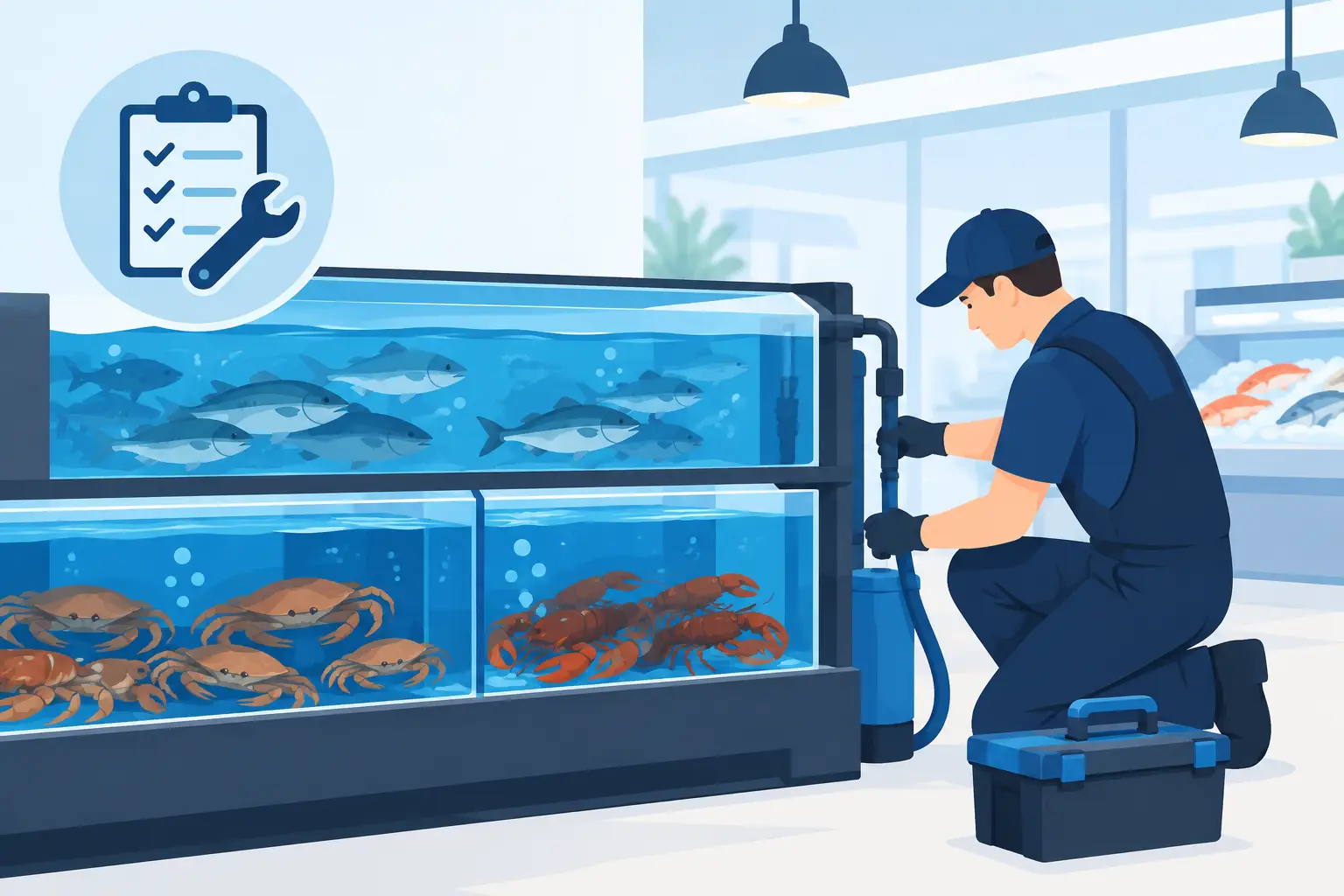
This is where maintenance pays for itself. Scheduled cleaning, filter replacement, condenser service, controller checks, and inspection of pumps and refrigeration components are less disruptive than an emergency repair during a busy sales period.
System Design Determines How Much Margin You Have
A properly sized commercial shellfish system gives operators a buffer against normal changes in room conditions and stocking load. An undersized chiller, inadequate circulation, poorly planned plumbing, or limited filtration capacity leaves very little room for error. The tank may perform acceptably on a quiet weekday, then fail to maintain conditions when the department needs it most.
Custom tank design should consider the species being held, desired display volume, backroom or sales-floor placement, expected inventory turns, water treatment requirements, available power, drainage, room temperature, and service access. There is always a trade-off between a compact footprint and maintenance access, or between a high visual display load and the water volume needed for stable conditions. Experienced design prevents those trade-offs from becoming daily operating problems.
For facilities with multiple locations, standardizing approved setpoints, maintenance procedures, alarm response, and staff training also makes a real difference. A consistent program reduces guesswork when departments change hands or new team members are assigned to the seafood case.
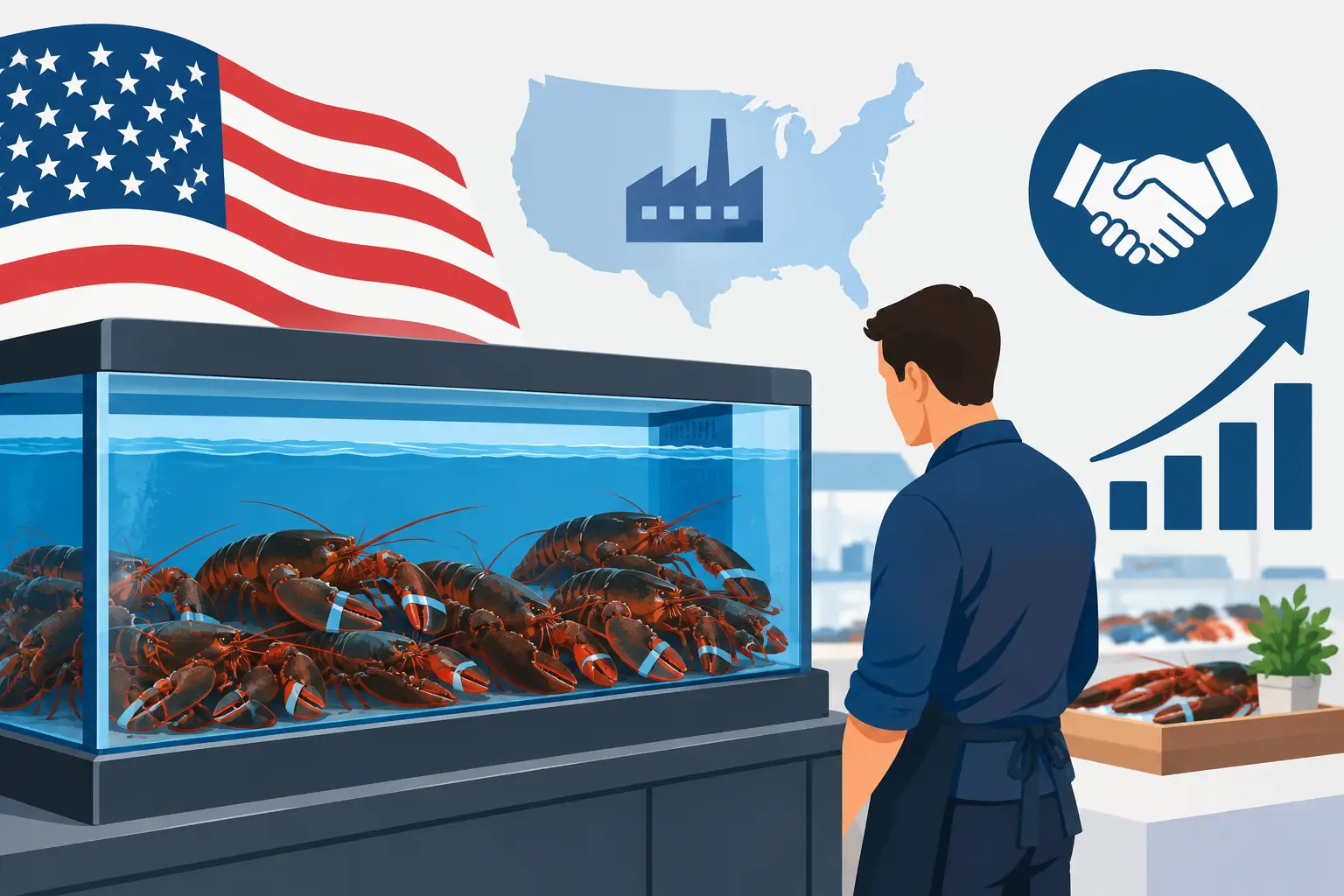
Lobster Life Systems has worked with commercial live-seafood operators since 1989, providing USA-made tank systems, marine salt, filtration media, and ongoing service from one place. The value is not just a tank that looks right on opening day. It is a system built to protect live inventory under real retail and foodservice conditions.
When your water temperature stays controlled, your team can focus on selling healthy, active product instead of managing preventable losses. That is the standard a live shellfish operation should demand from its equipment and service partner.