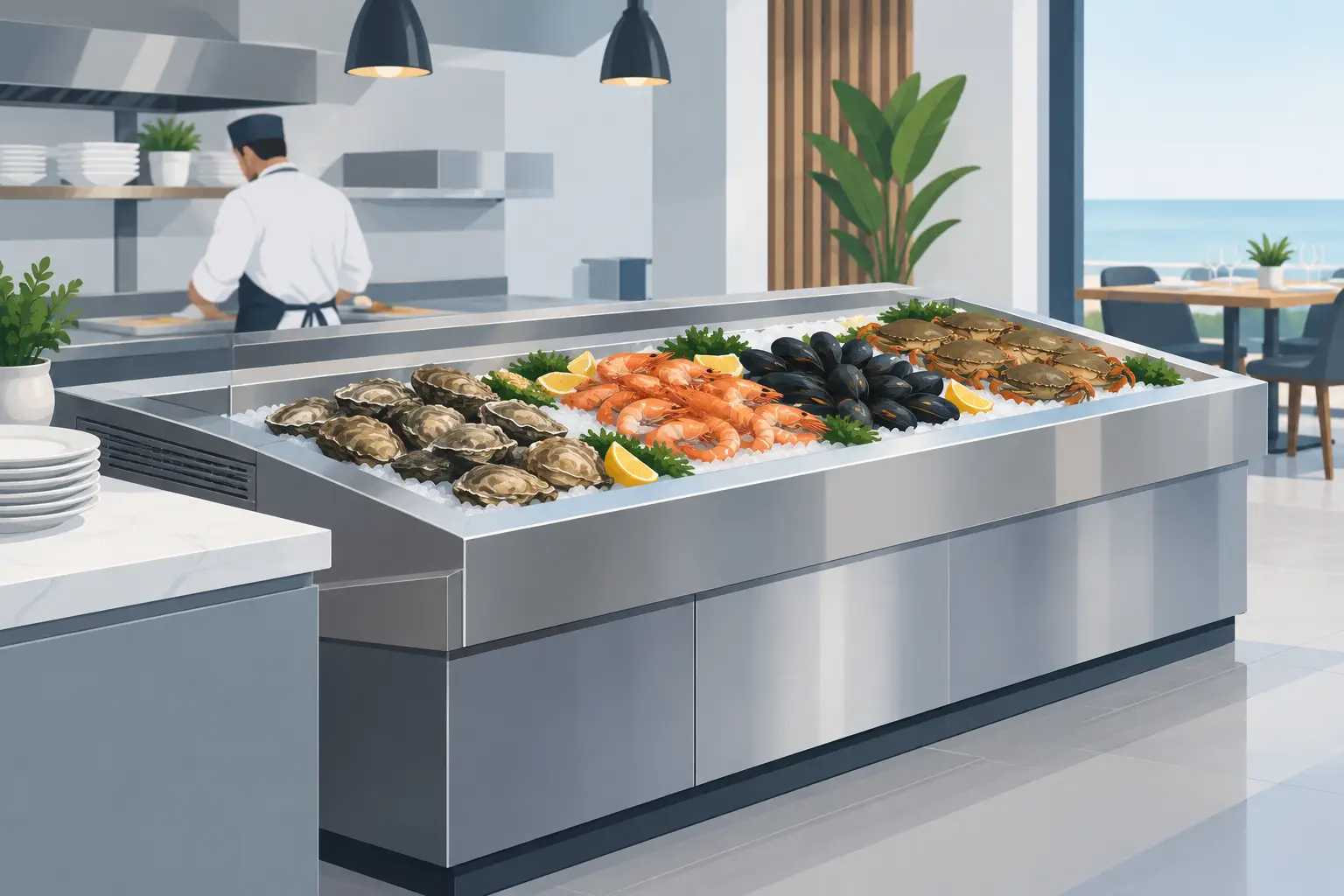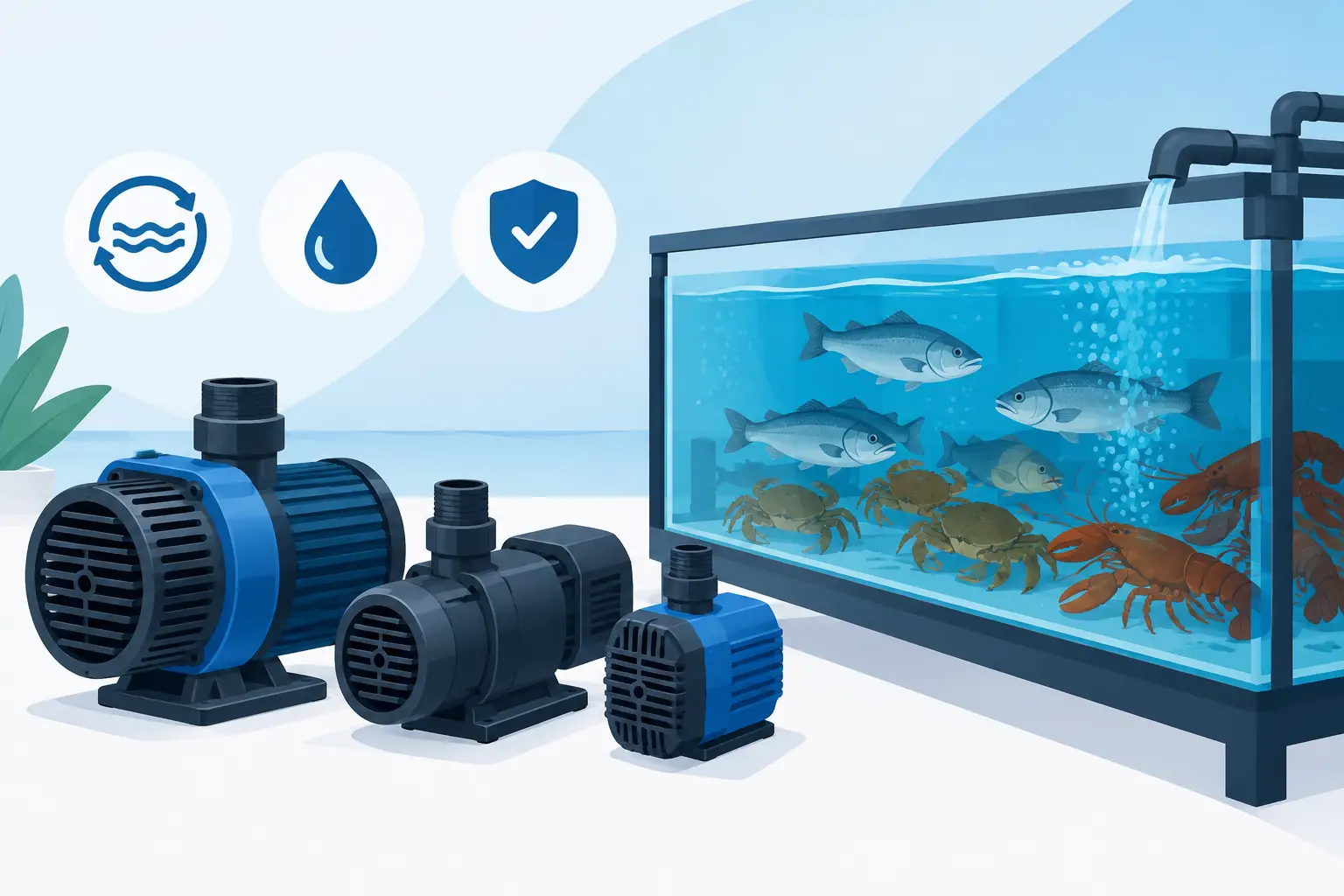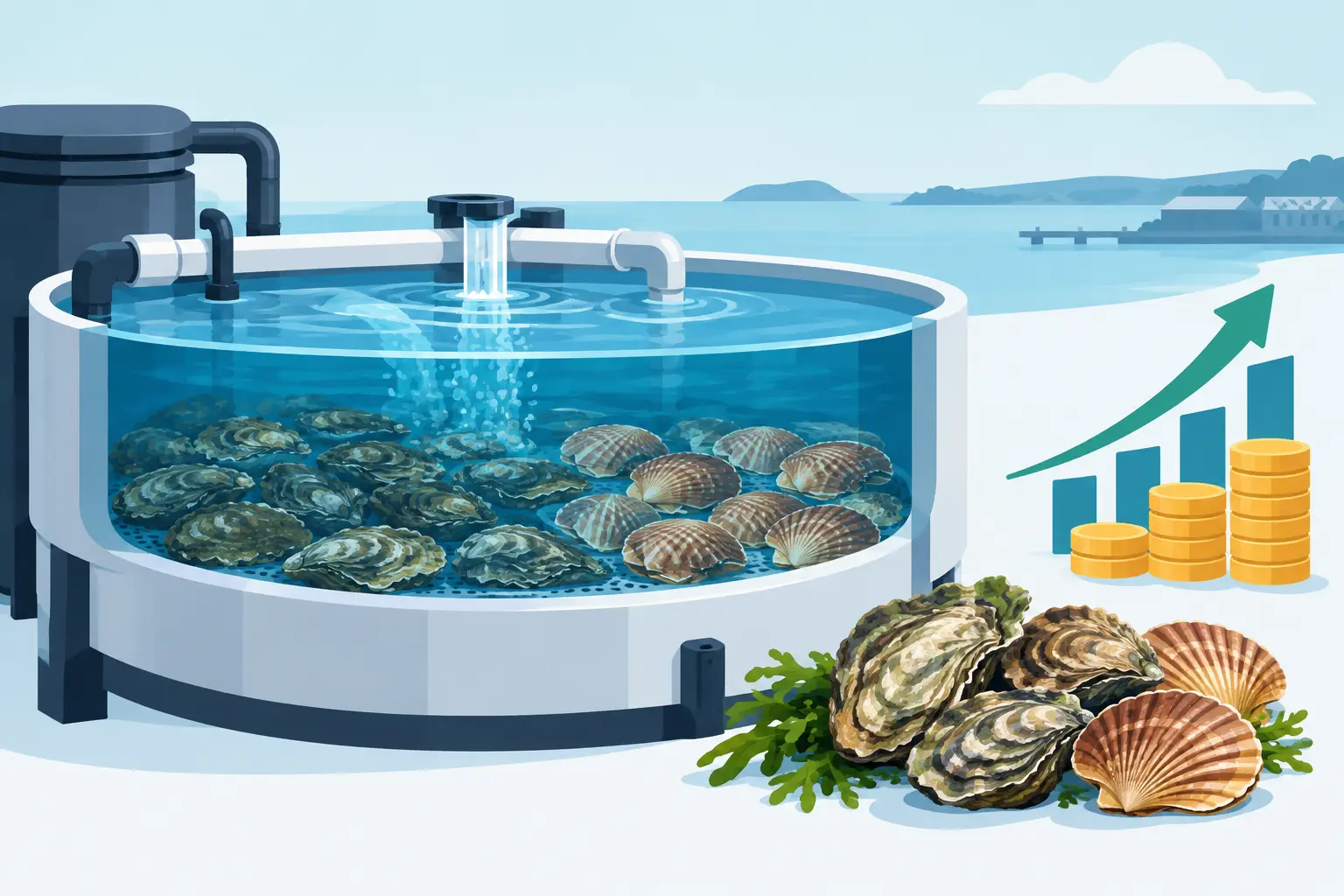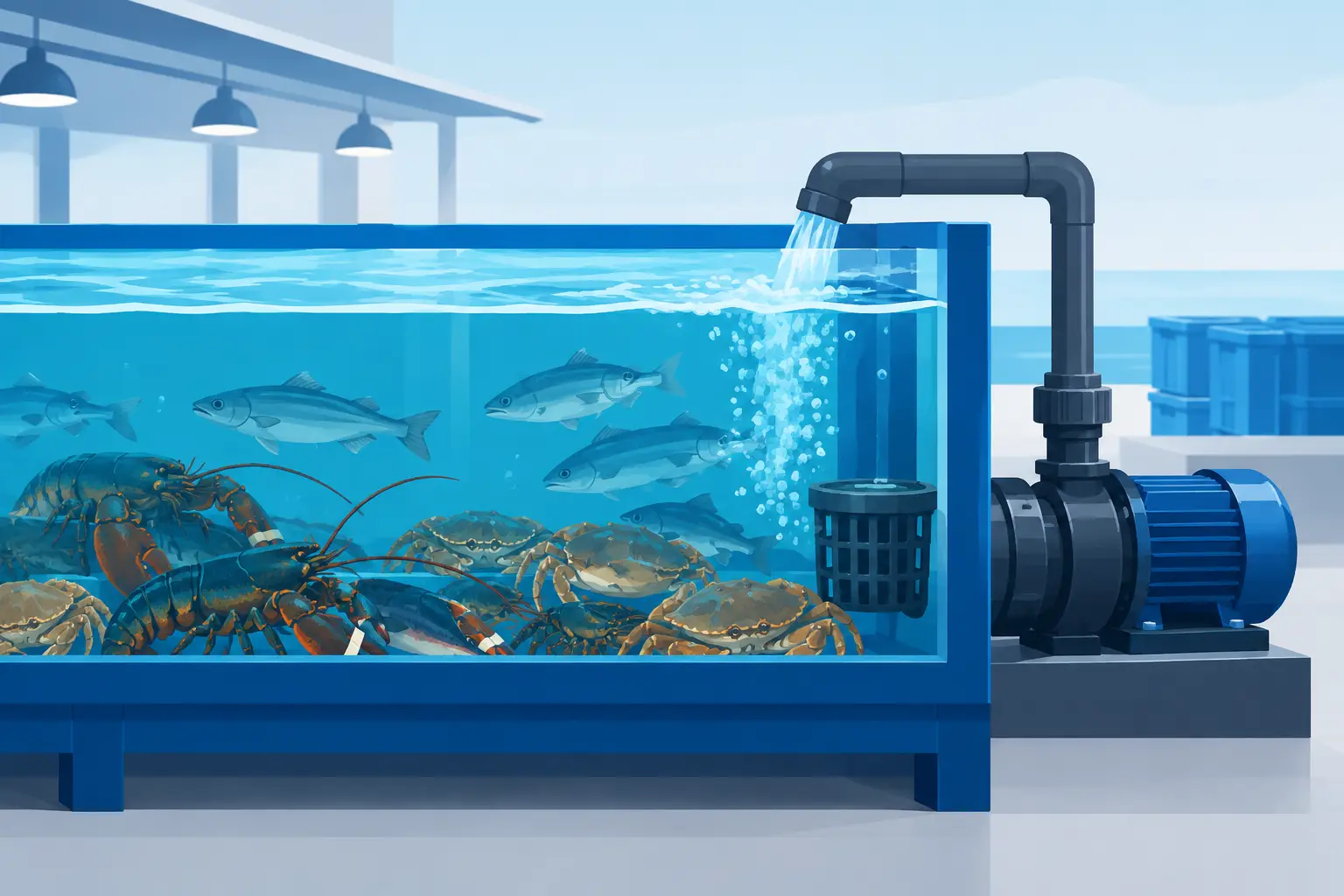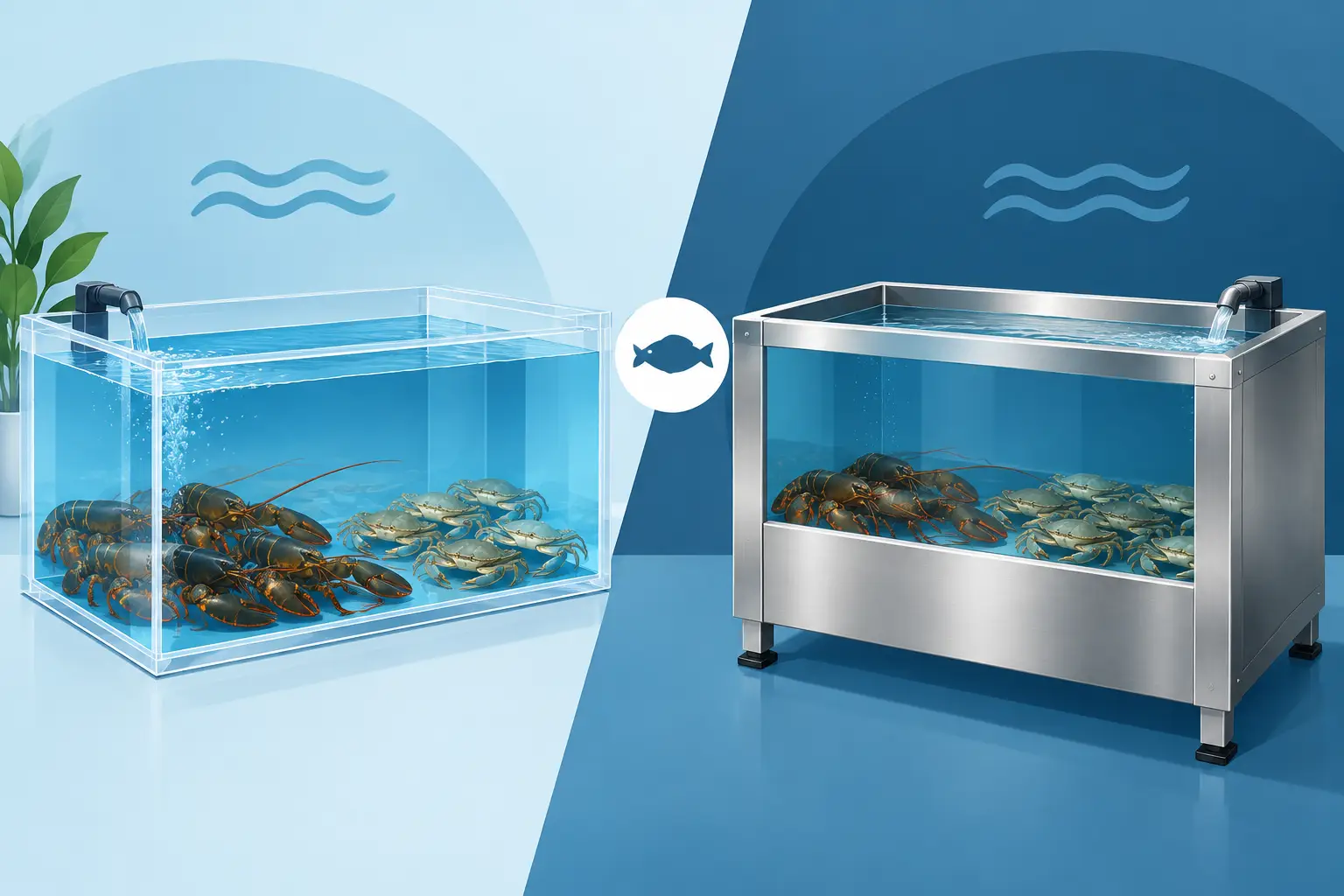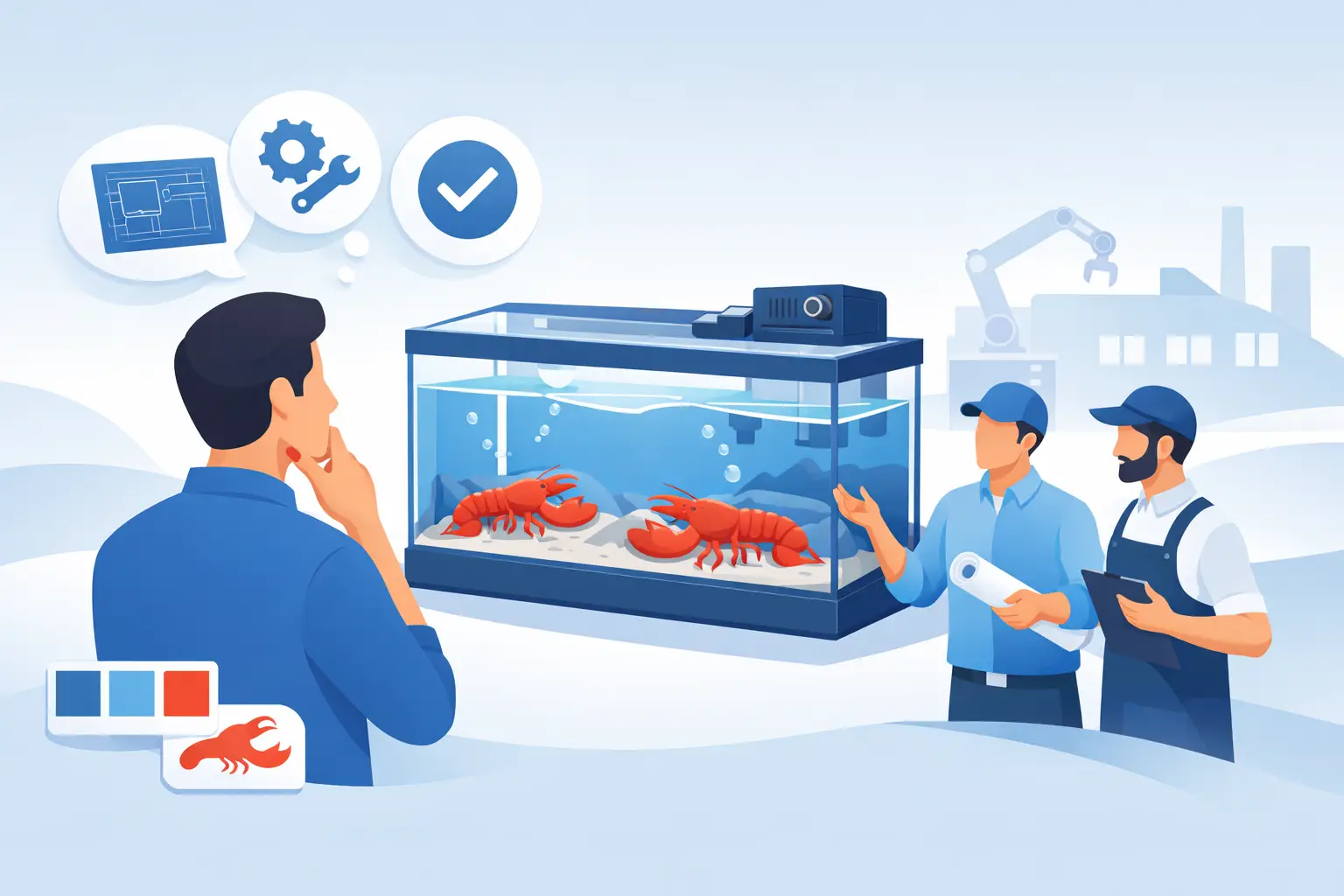
A live tank can look perfectly normal from the sales floor while a pump runs dry, a chiller loses capacity, or water quality begins to turn against the inventory. That is why a seafood holding tank safety guide must be more than a cleaning checklist. For seafood departments, wholesalers, and restaurants, safe tank operation protects valuable live product, supports food safety, reduces employee risk, and keeps the display earning its place on the floor.
The practical standard is simple: know what normal looks like, inspect the system before a small problem becomes a loss, and have a trained response ready when equipment or water conditions change.
Start With the Right Safety Mindset
A seafood holding system is an operating piece of commercial equipment, not a decorative aquarium. It combines saltwater, electricity, refrigeration, moving equipment, live inventory, and food handling in one location. Each part affects the others.
When water chemistry drifts, shellfish health and holding performance suffer. When filtration is neglected, waste accumulates and water clarity can decline. When a pump, chiller, or electrical component fails, the issue can quickly become an inventory emergency. Employees also need clear procedures for wet floors, lifting crates, handling live seafood, and using cleaning chemicals around the system.
The best safety programs assign ownership. One trained person should be responsible for opening checks, another for closing checks if the department runs long hours, and management should know who is authorized to call for service or approve emergency product transfers. A tank without an accountable operator is relying on luck.
Seafood Holding Tank Safety Guide: Daily Checks That Matter
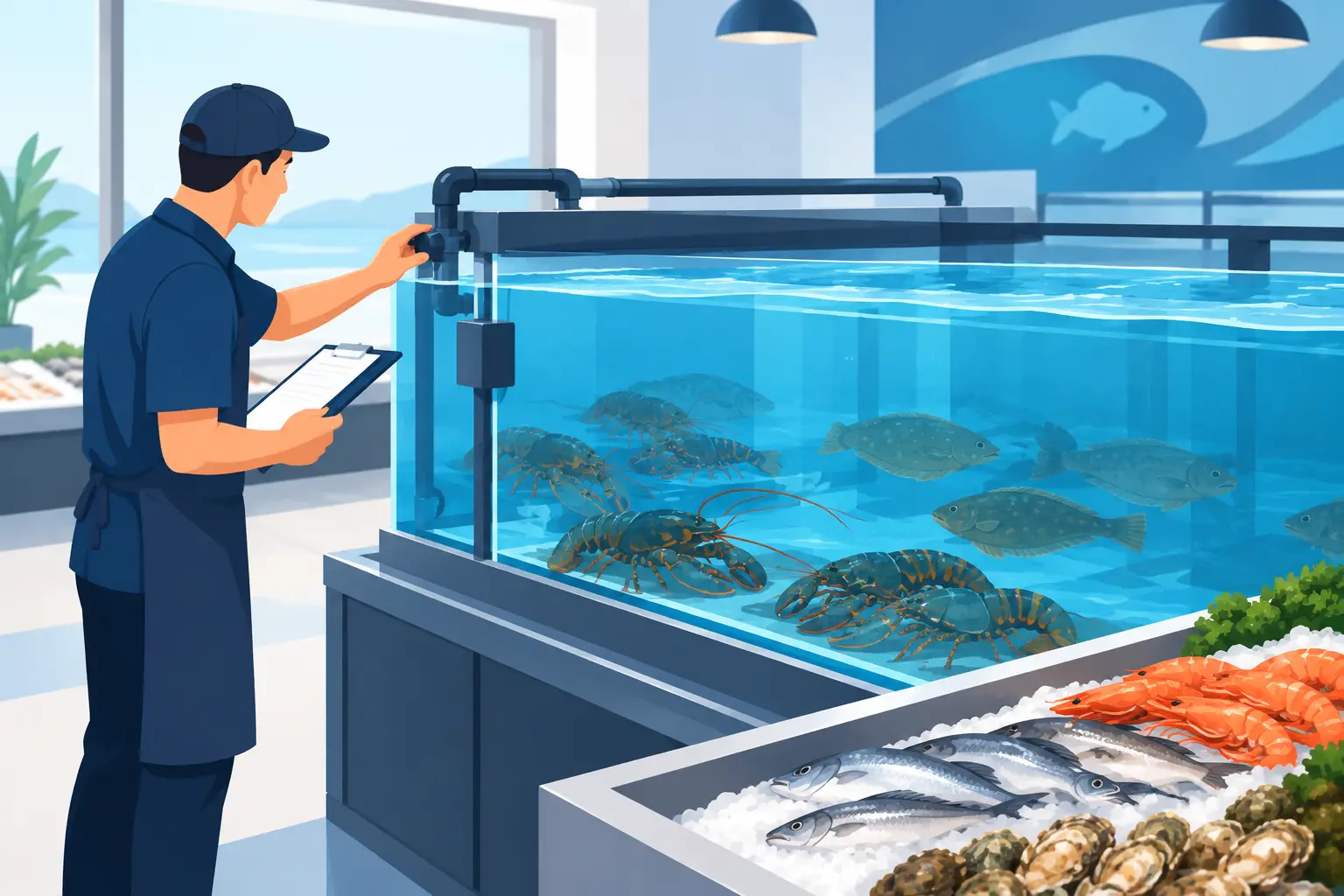
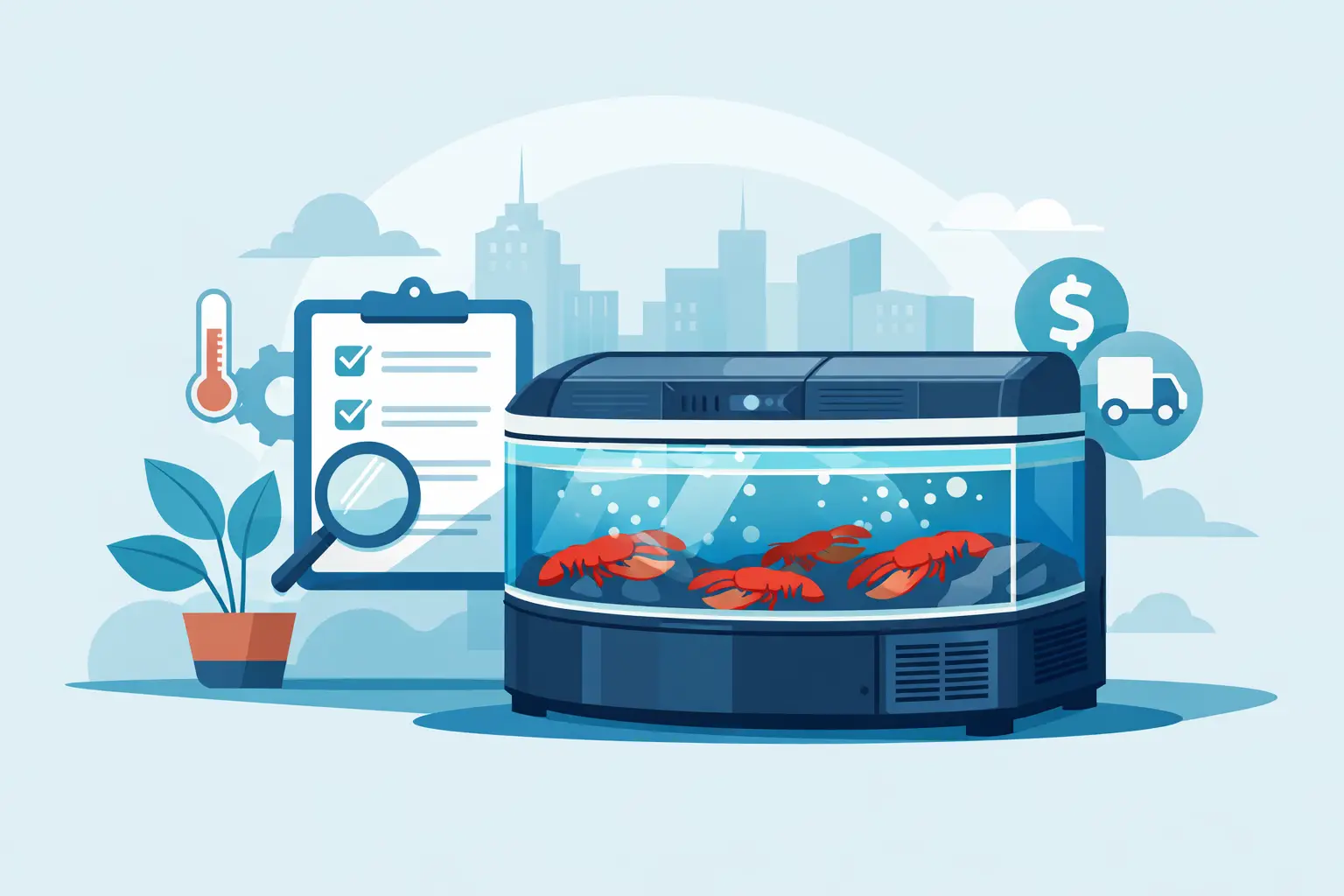
Daily inspections should happen before the seafood case is stocked or the store opens. They do not need to take long, but they must be consistent and documented. A handwritten log or digital record gives operators a baseline and helps a service technician identify patterns before they become repeat failures.
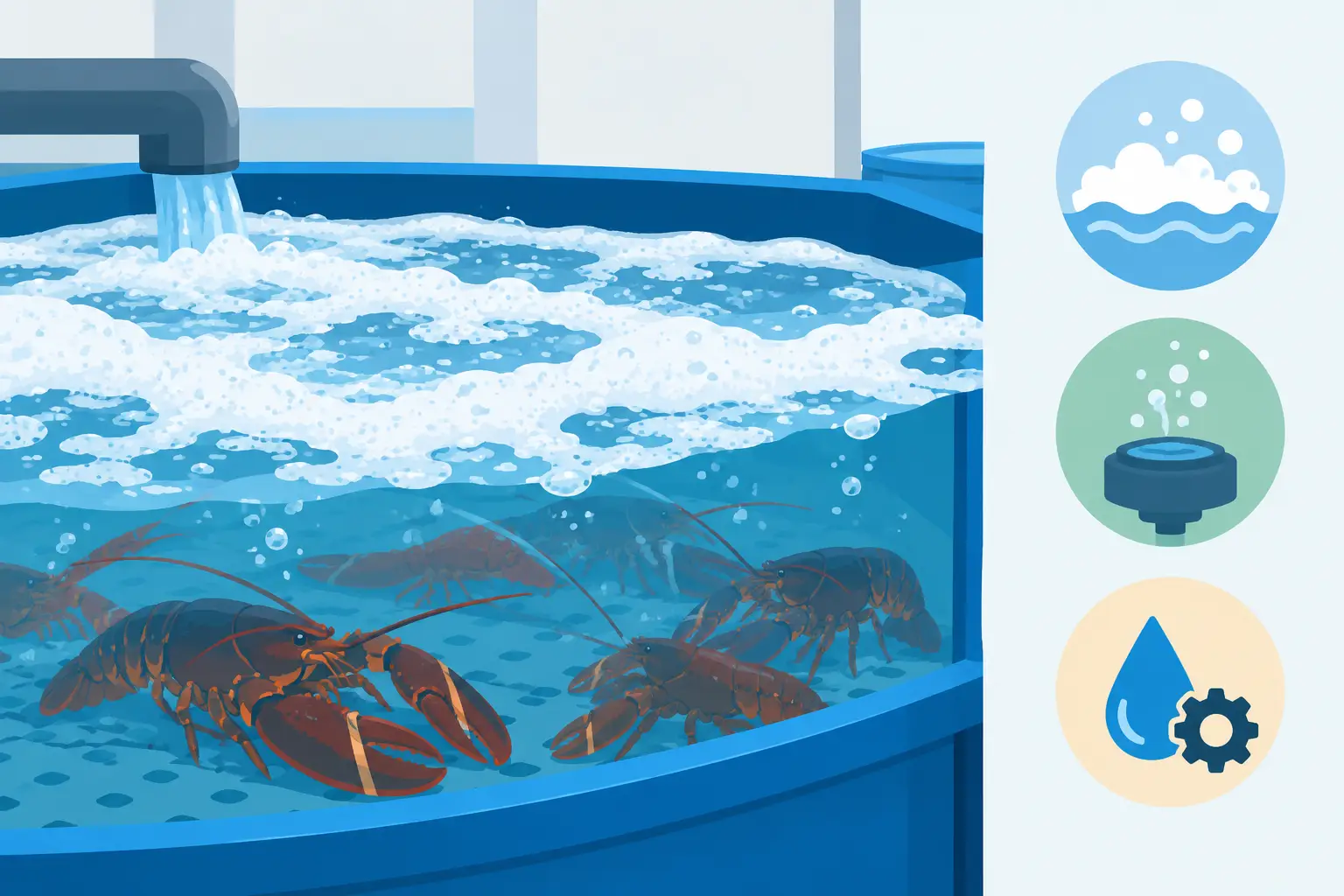
Start by looking at the animals and the water. Lobsters and other live shellfish should appear active for their species and be held in clean, properly circulated water. Unusual lethargy, crowding around a specific water return, excessive foam, off-color water, or a sudden change in odor all deserve attention. Do not assume the problem will correct itself overnight.
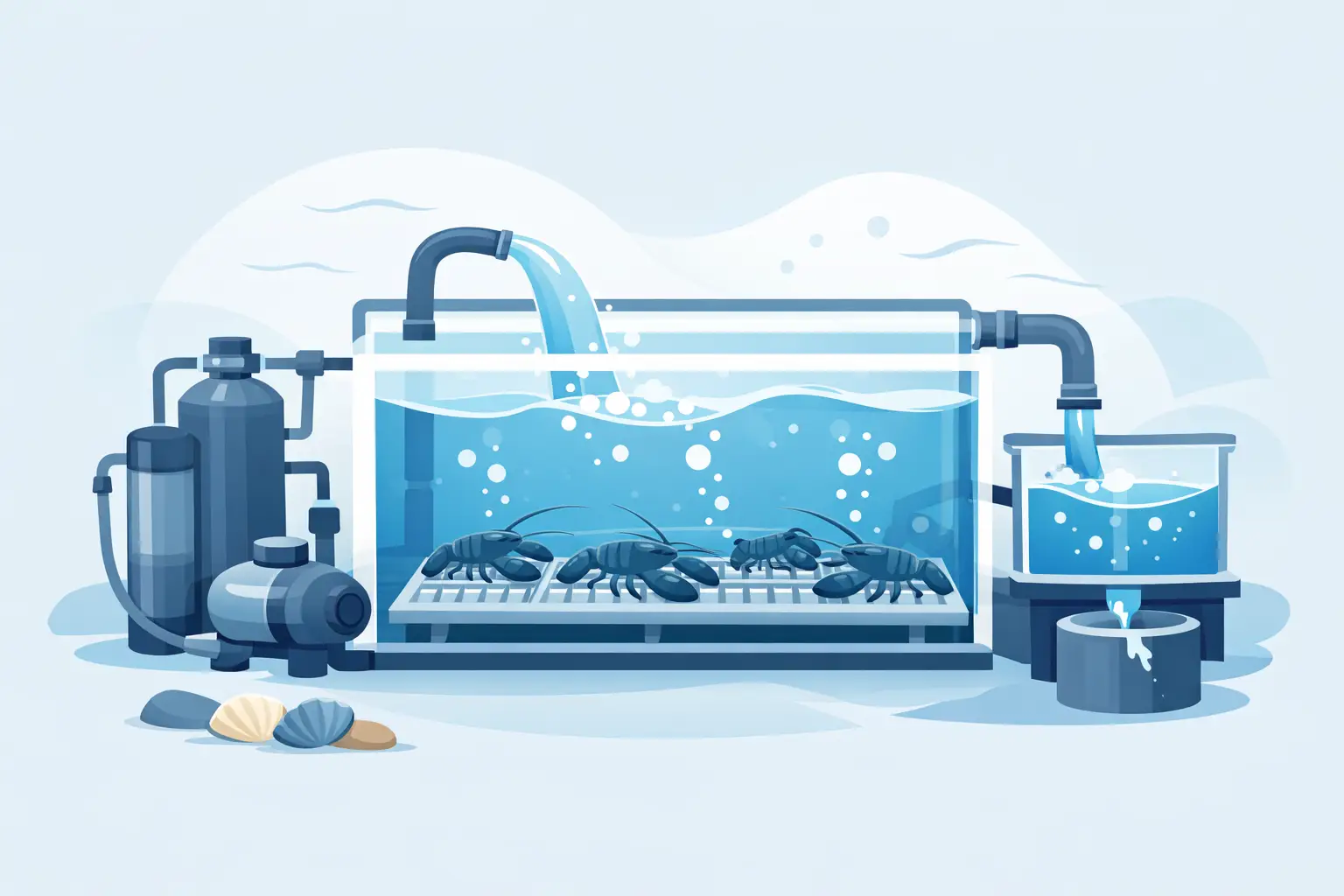
Then verify the equipment. Confirm that pumps are operating, water is moving through the filtration path, and the chiller is maintaining the specified range for the species being held. Listen for new vibration, grinding, rattling, or cycling that is different from normal operation. Check for leaks at unions, hoses, valves, and beneath the tank cabinet. Even a slow leak can create slip hazards and expose electrical equipment to moisture.
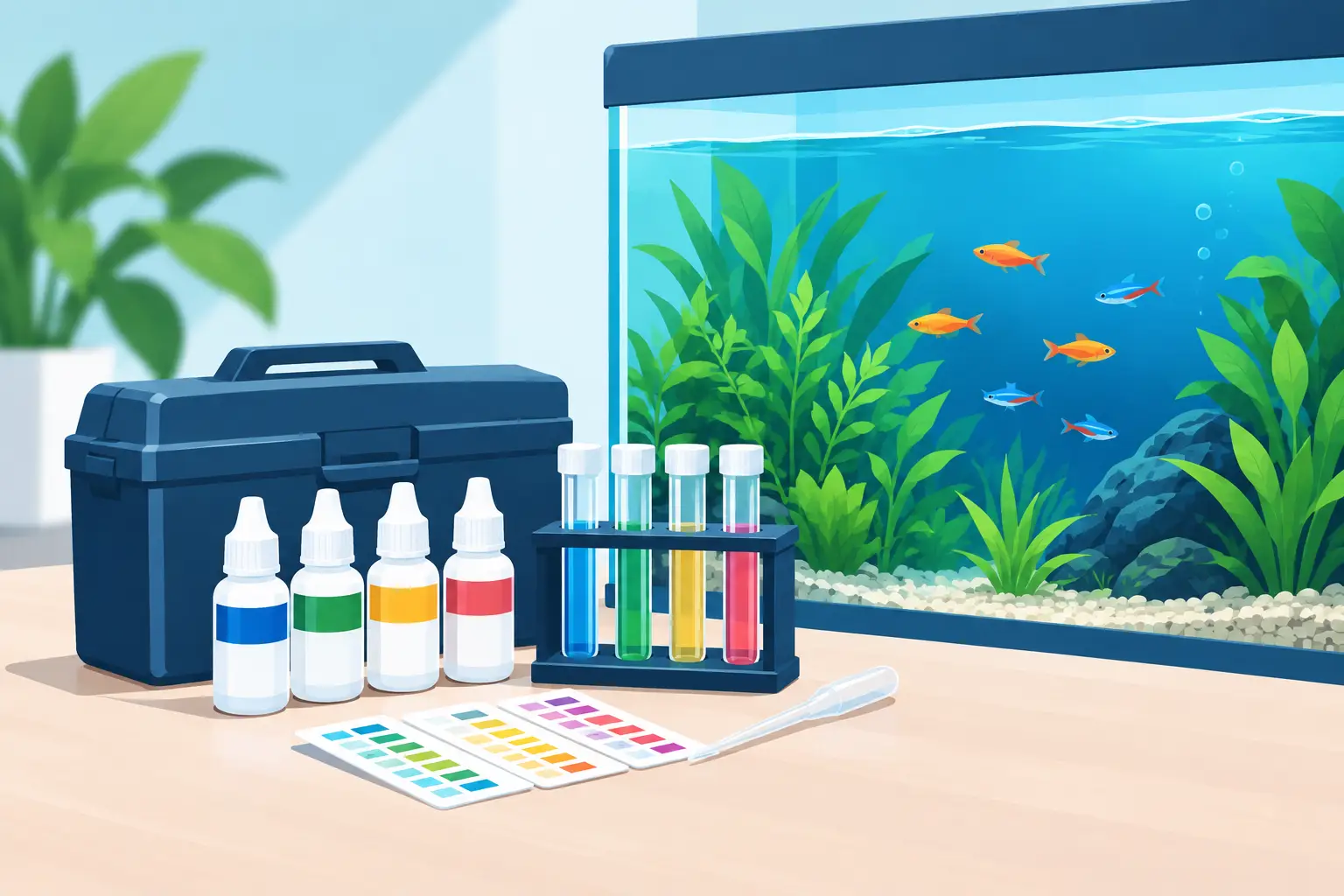
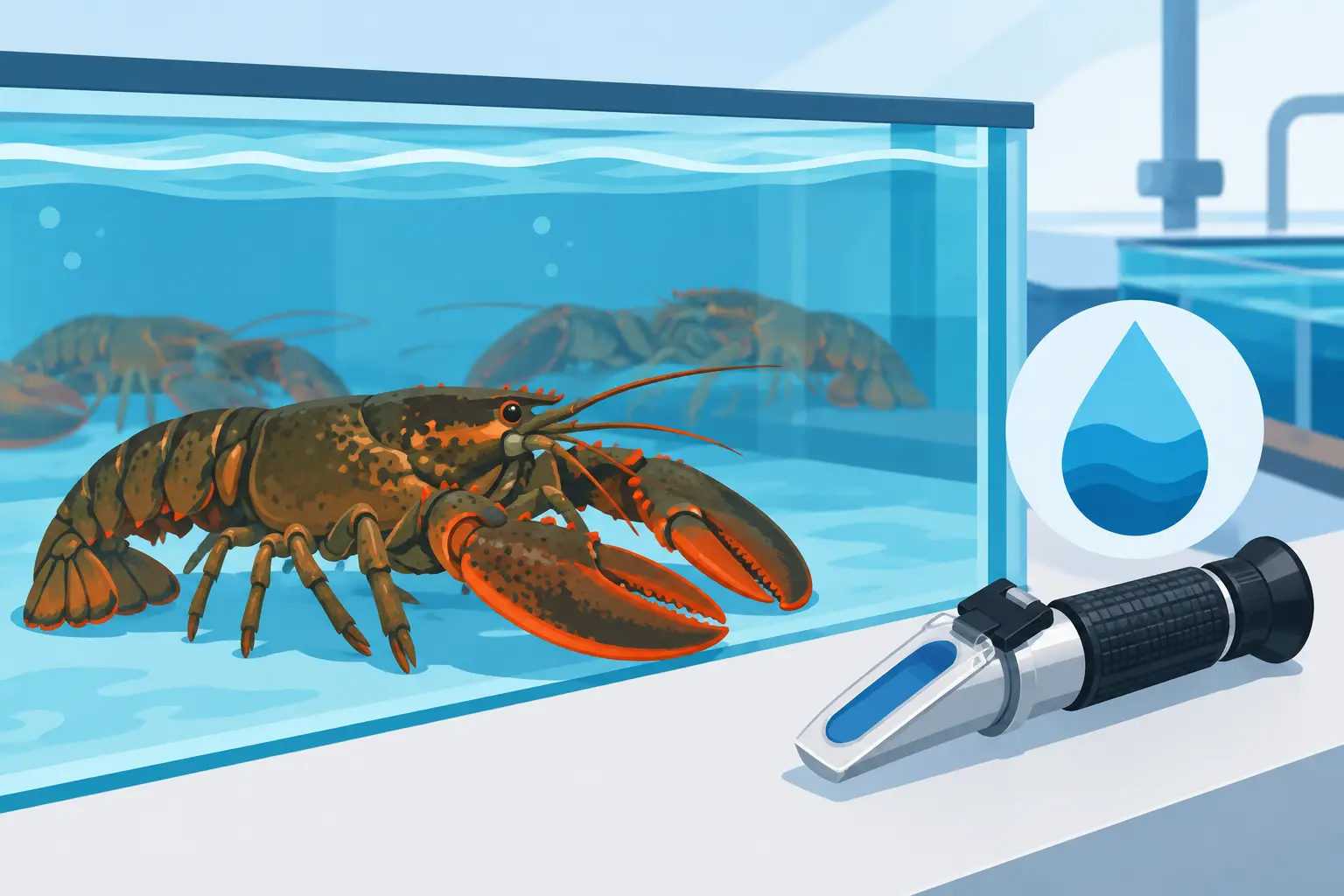
Water temperature should be checked with a dependable thermometer, not judged by the display controller alone. Controller readings are useful, but an independent check can reveal sensor or calibration issues. Salinity and key water-quality parameters should be tested on the schedule recommended for the system and the livestock. The exact testing routine depends on tank volume, stocking density, species, filtration design, and how frequently inventory turns.
Protect Water Quality Before It Becomes a Product Loss
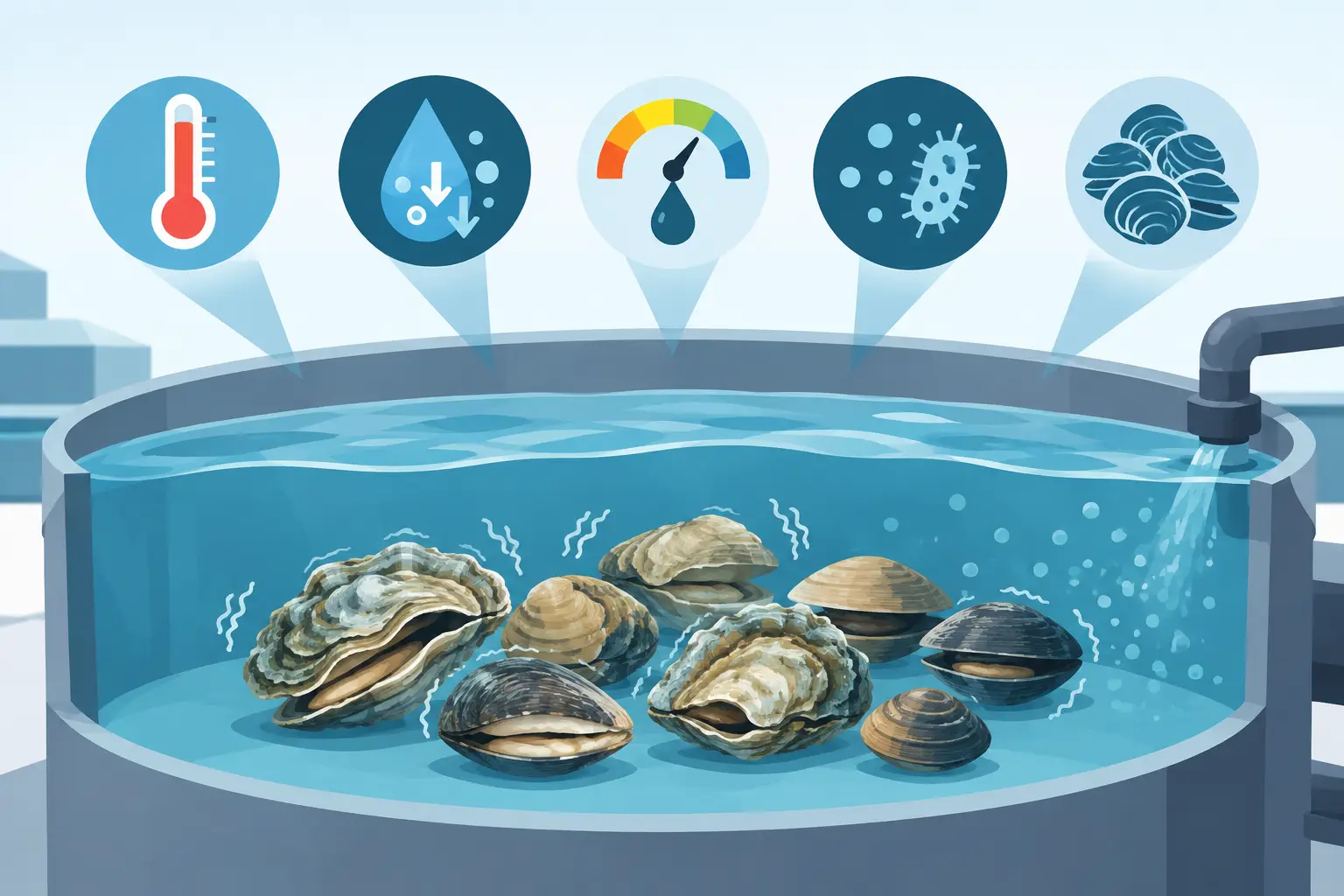
Water quality is the center of live seafood holding safety. Overstocking, delayed maintenance, poor-quality makeup water, incorrect salt mix, and a missed filter change can all put pressure on the system. The result may not be immediate, which is why operators sometimes miss the connection between an earlier service lapse and a later inventory problem.
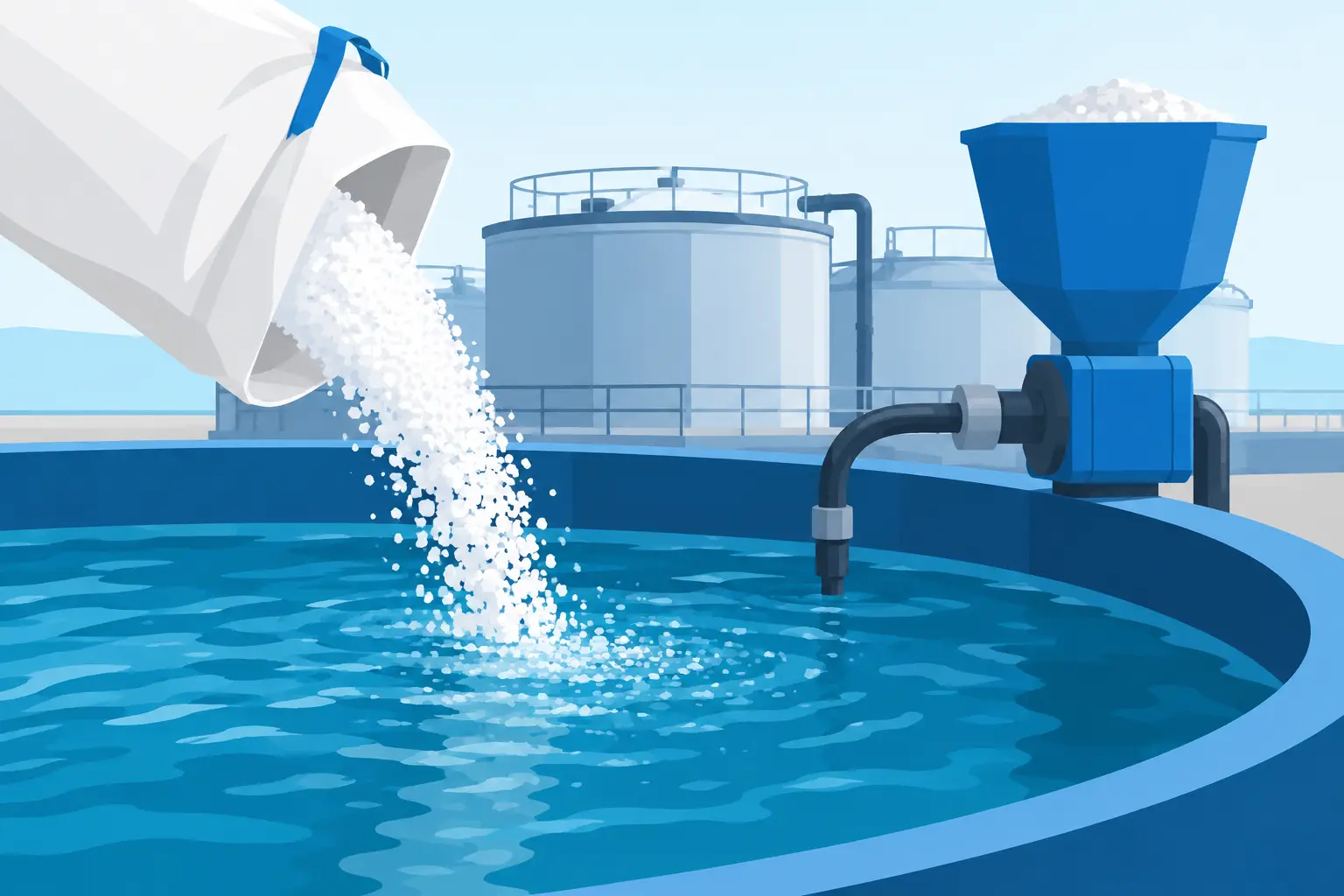
Use marine salt formulated for commercial live seafood systems and mix it according to the required specifications. Do not substitute household salt or improvise with products that are not intended for marine livestock. Consistent salinity is critical, particularly when new water is added after cleaning or a water change.
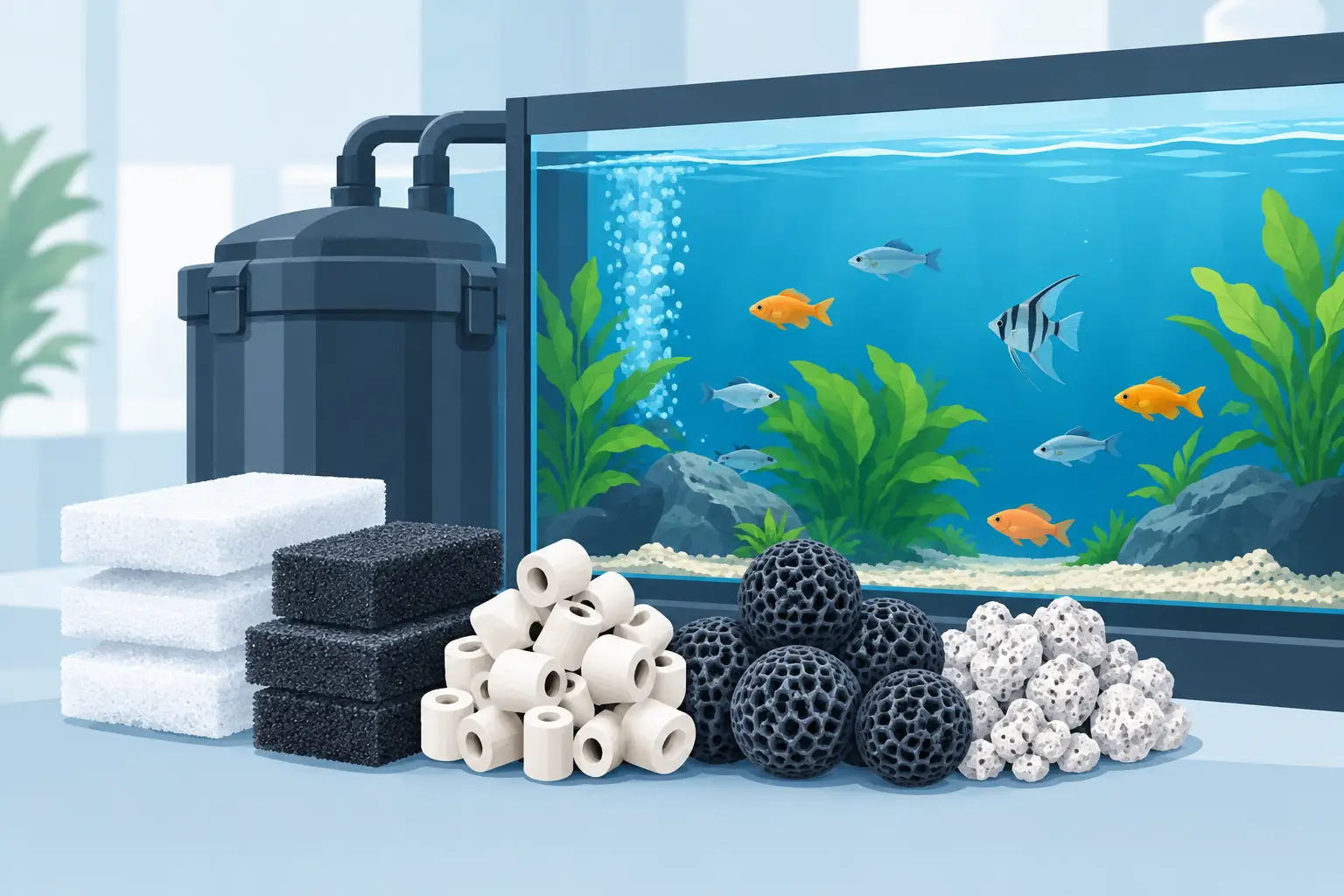
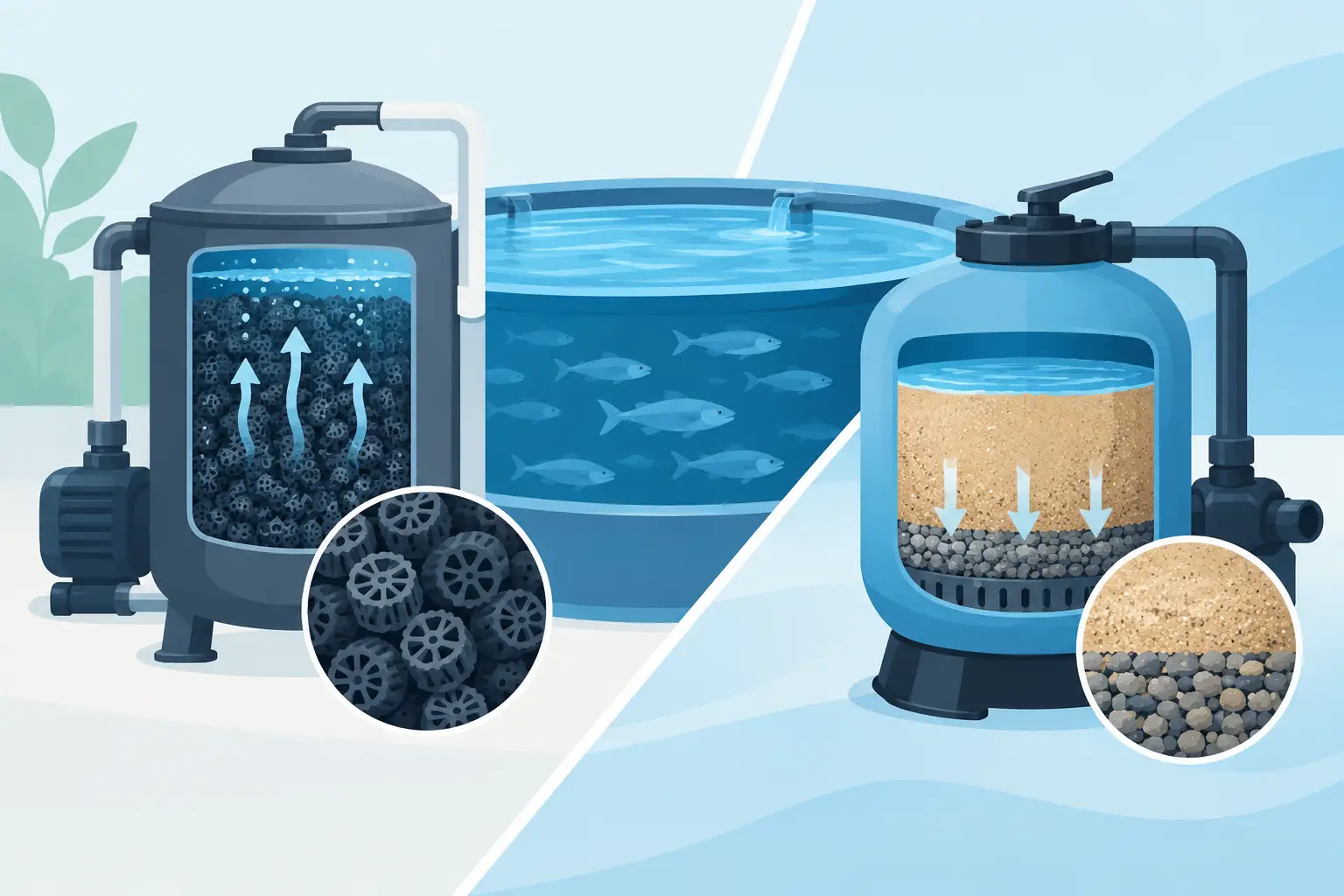
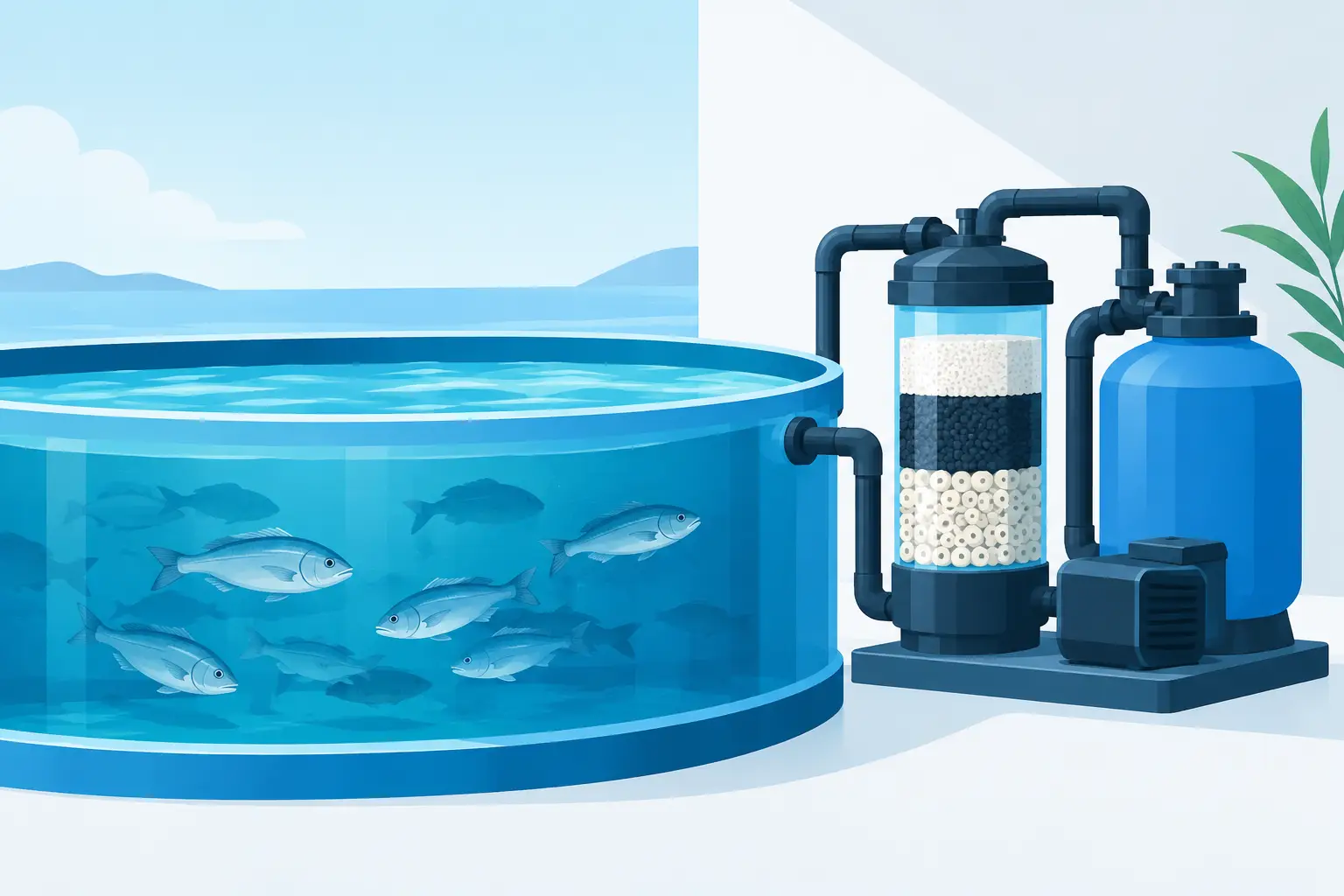
Filtration media must also be changed on schedule. Mechanical filtration captures solids, but it cannot keep doing its job when it is loaded with debris. Activated carbon and other media have a service life, and biological filtration needs stable conditions to perform. Neglecting one stage of filtration shifts the burden to the rest of the system.
Avoid reacting to water issues with large, unplanned water changes unless the condition and procedure call for it. A rapid correction can create a second stress event through temperature or salinity swings. When readings are outside the acceptable range, reduce the immediate risk by following the established response plan, check the equipment, and contact qualified technical support when the cause is unclear.
Keep Employees Safe Around Water and Equipment
Tank safety is also workplace safety. Floors around live seafood systems need to stay dry enough for safe footing. Place non-slip mats where appropriate, repair leaks promptly, and do not allow hoses, boxes, or supply containers to block walking paths or access to shutoffs.
Electrical safety deserves the same discipline. Pumps, lighting, chillers, and control components should be connected through properly protected circuits and installed to applicable electrical requirements. Staff should never reach into a tank or wet cabinet area to investigate an electrical issue. If equipment is damaged, repeatedly trips a breaker, produces a burning smell, or has exposed wiring, isolate it and call for qualified service.
Cleaning chemicals should be clearly labeled, stored away from food and tank additives, and used only as directed. Never add unapproved chemicals to holding water. A product that is safe for a floor or counter may be harmful to shellfish, filtration bacteria, or employees working in a poorly ventilated area.
Safe handling practices matter at the tank as well. Train staff to use proper lifting technique for heavy crates and to keep fingers clear when moving lids, grates, and equipment panels. Lobsters and other shellfish can cause injury if handled carelessly. Use the right gloves and tools for the job, especially when handling stock, cleaning tank components, or working with sharp shell edges.
Build an Emergency Response Plan Before You Need It
A tank emergency plan should be visible, short, and specific to the installation. It should identify the location of electrical disconnects, water shutoffs, backup equipment, emergency contact numbers, and the approved steps for moving inventory if the system cannot be stabilized quickly.
Power loss is one of the clearest examples. The response depends on the duration of the outage, tank design, water temperature, stocking density, and available backup power. Employees should know who to notify immediately and should not make major adjustments without direction. Opening and closing tank lids repeatedly, adding untreated water, or moving product into an unprepared container can make a difficult situation worse.
For leaks, first protect people from slips and electrical exposure, then contain the water and identify whether the source is a fitting, drain, hose, or tank component. For equipment alarms or abnormal temperatures, verify the reading, inspect circulation, and escalate promptly. The goal is not for store staff to become refrigeration or filtration technicians. The goal is for them to recognize a developing failure early and preserve inventory while expert help is arranged.
Maintenance Is a Safety Control, Not an Optional Expense
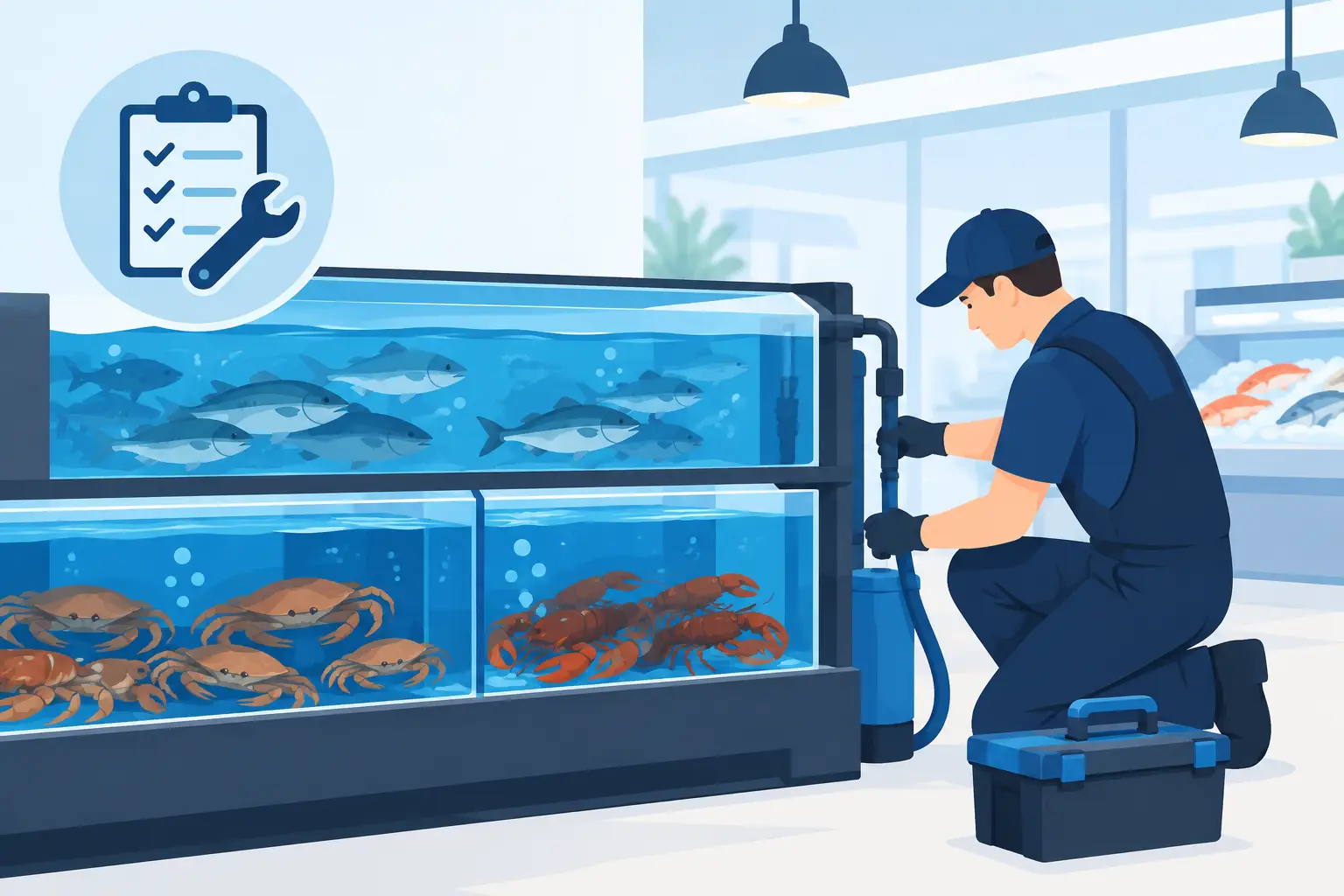
Preventive maintenance costs less than a rushed response to a tank full of stressed or lost inventory. Service intervals should cover pumps, chillers, plumbing connections, filtration components, controls, lighting, and the overall condition of the tank. The right schedule varies by system use, but high-volume seafood departments should not wait for a visible problem before scheduling attention.
Keep replacement consumables and critical spares on hand based on your system’s needs. Filter media, marine salt, test supplies, and other regularly used items should be reordered before the last unit is opened. For locations with heavy live-seafood volume, having a plan for essential parts can reduce downtime when a component fails.
At Lobster Life Systems, commercial operators can source custom tank equipment, marine salt, filtration media, service, and ongoing technical support through one experienced partner. That single-source approach helps reduce the gaps that occur when tank fabrication, supplies, and service are handled by unrelated vendors.
Make Safe Operation Part of the Department Routine
The strongest seafood holding programs are built around routines employees can actually follow during a busy shift. Train new team members before they are left responsible for the tank. Review alarm procedures regularly. Keep records simple enough that they get completed, but detailed enough to show temperature readings, water checks, maintenance activity, and unusual observations.
A well-run live seafood display should feel uneventful. Clean water, healthy inventory, stable equipment, dry floors, and confident staff are signs that the system is being managed correctly. When something looks, sounds, or tests differently than normal, treat that early signal as the best opportunity to protect the tank, the team, and the product customers expect to take home.