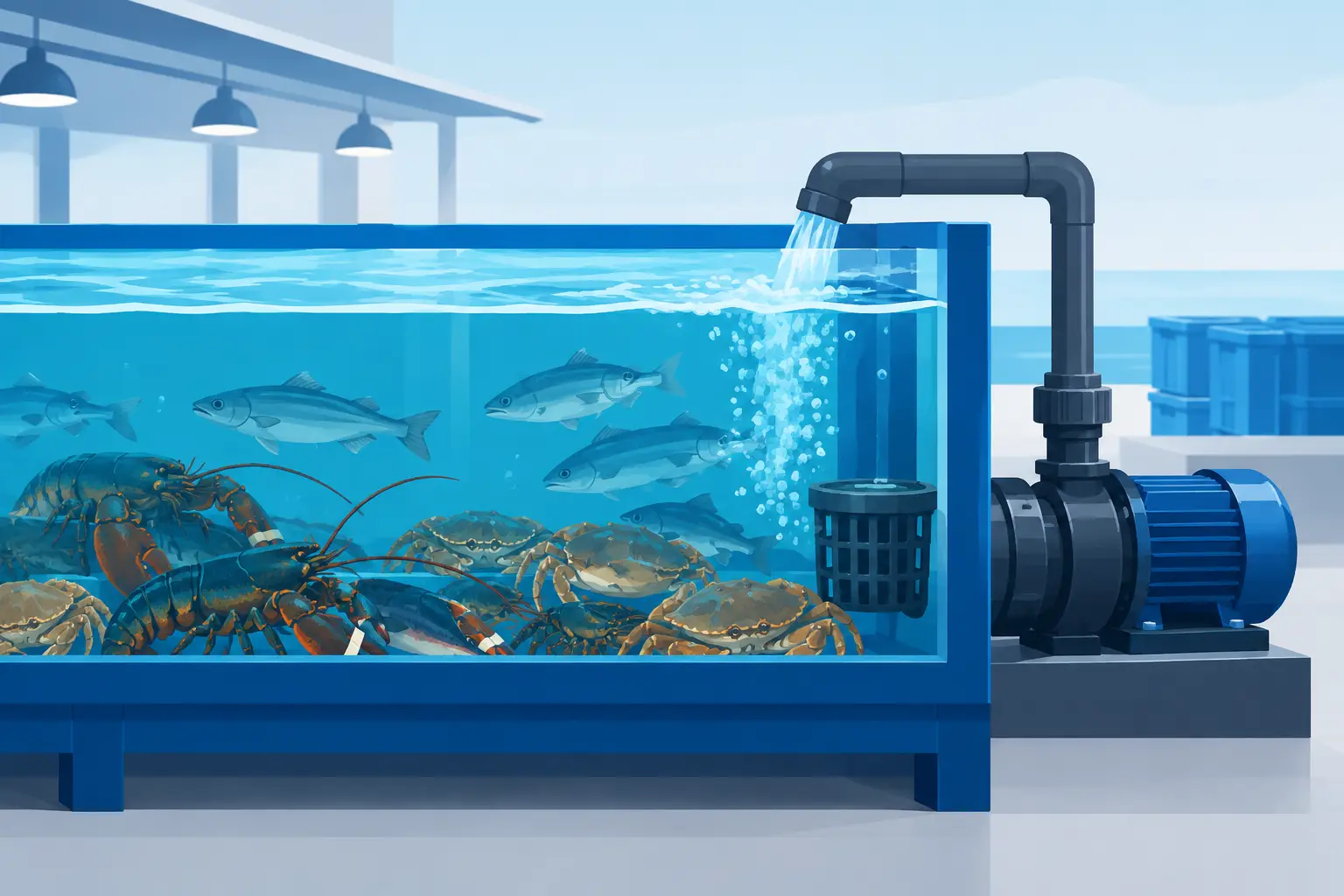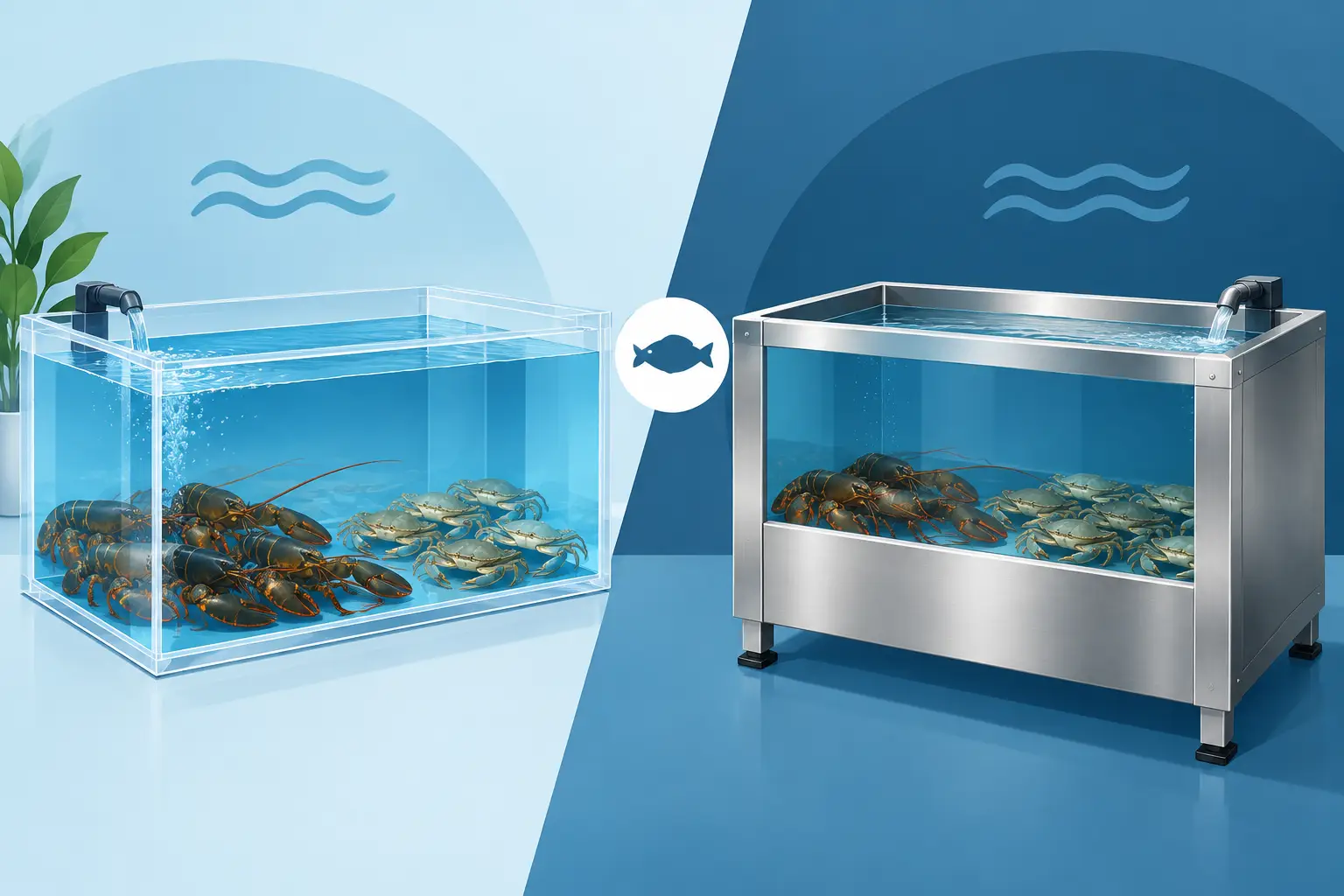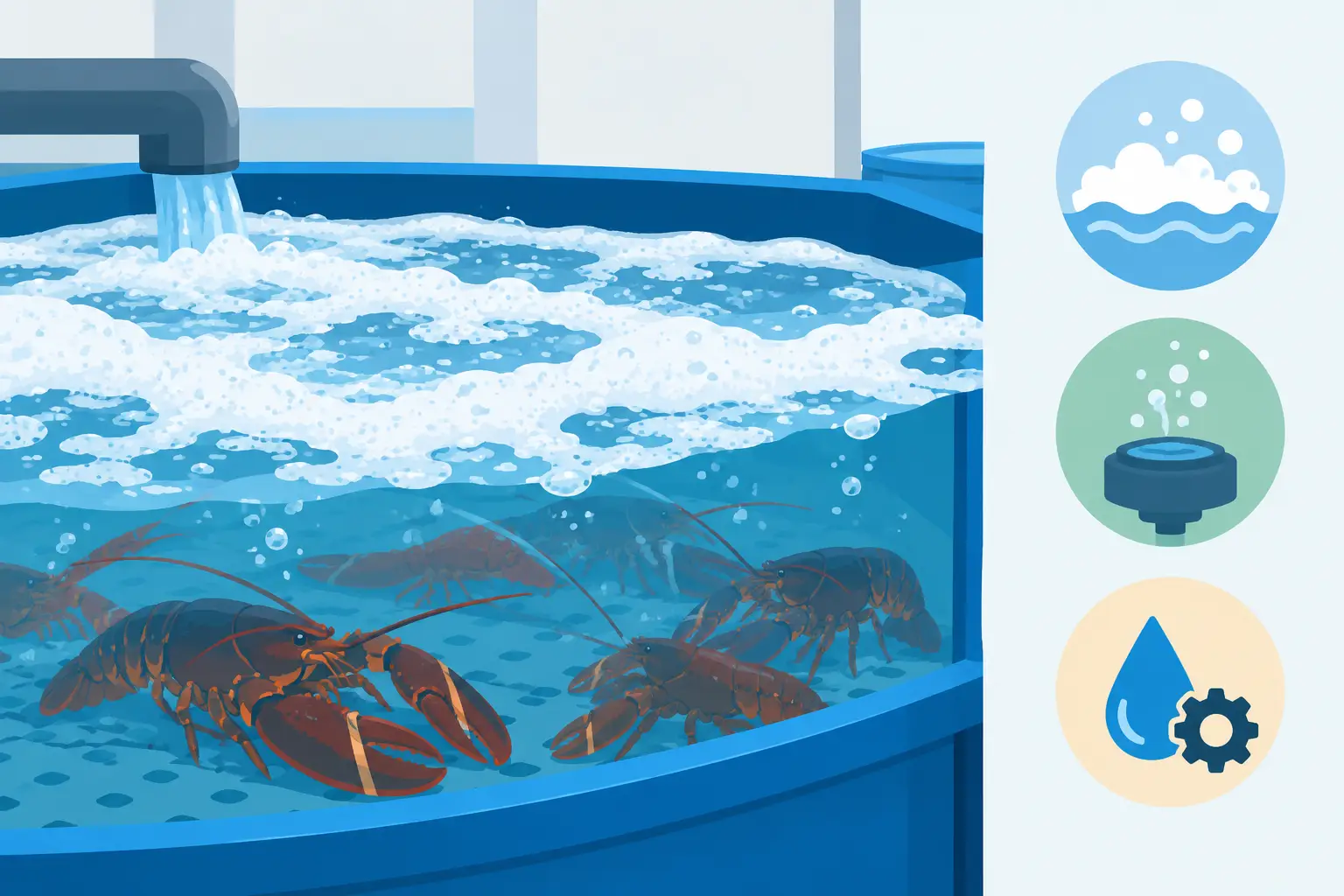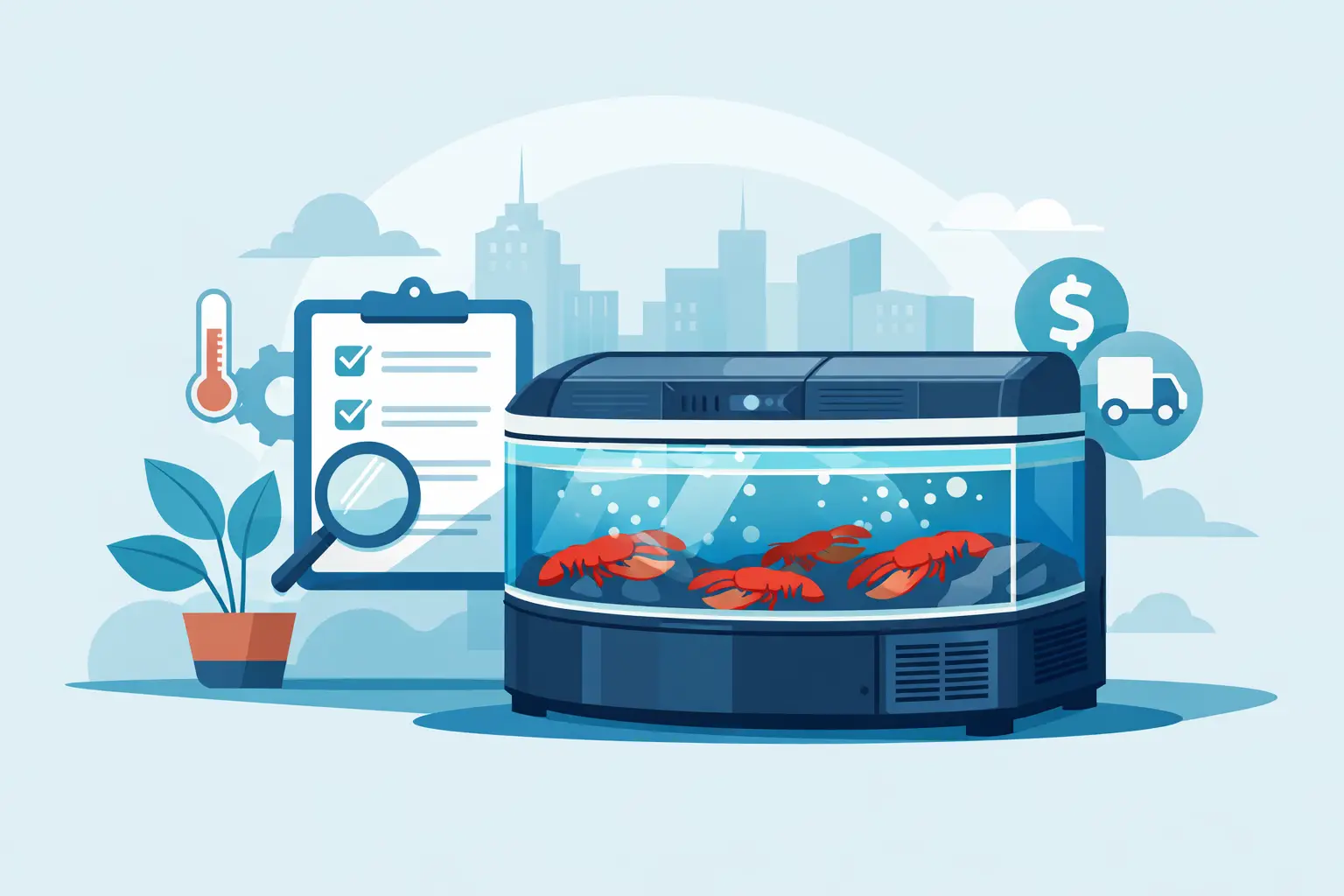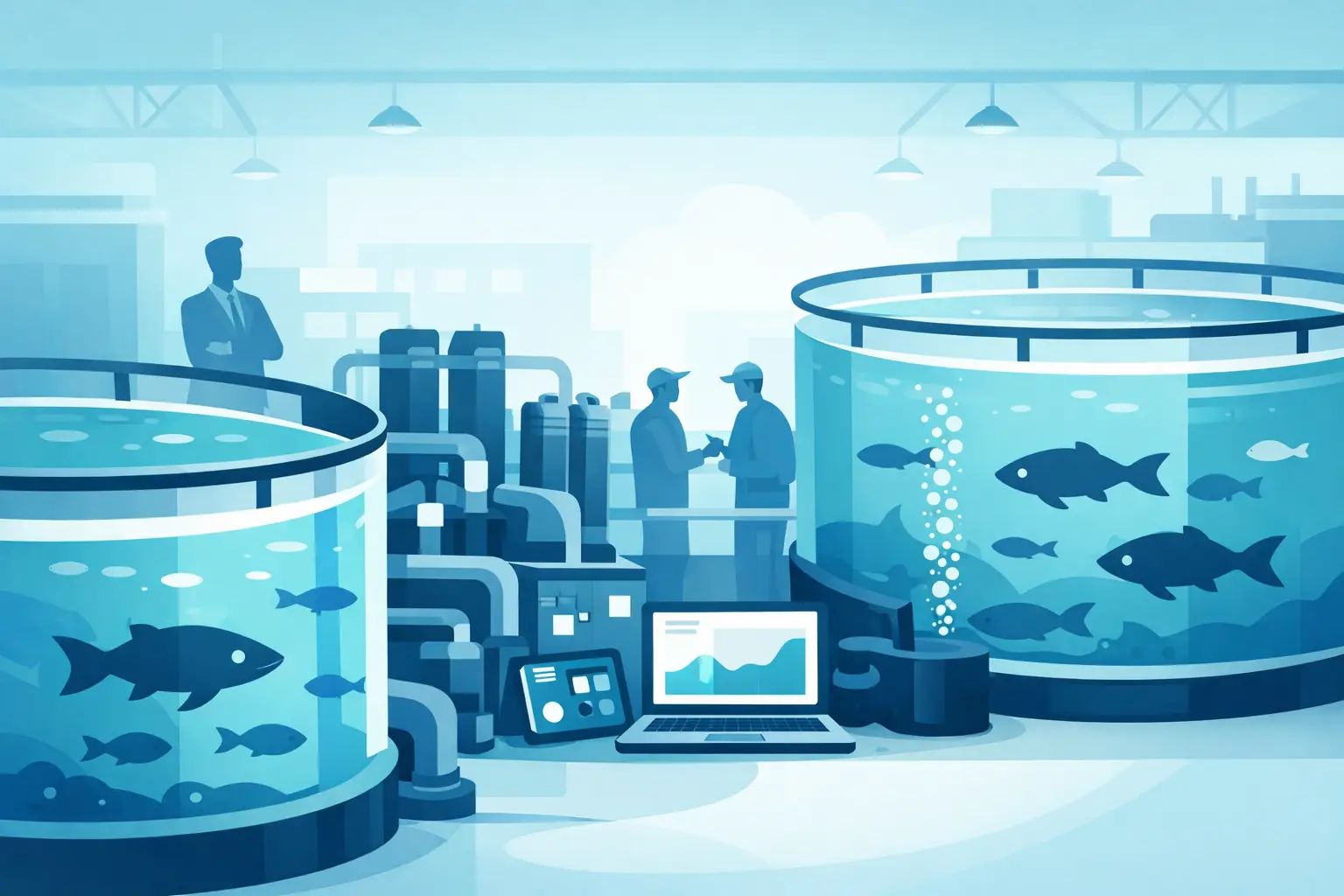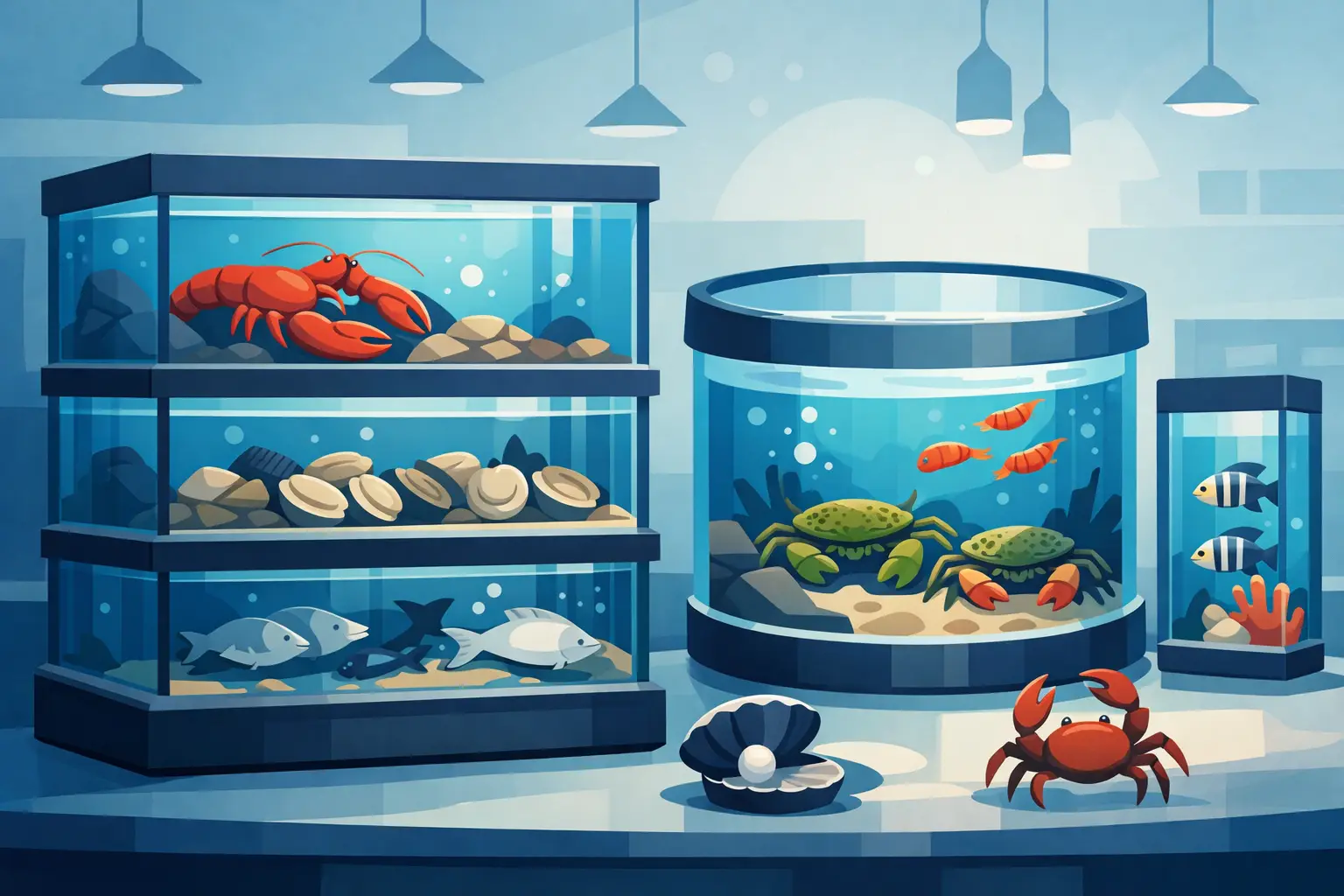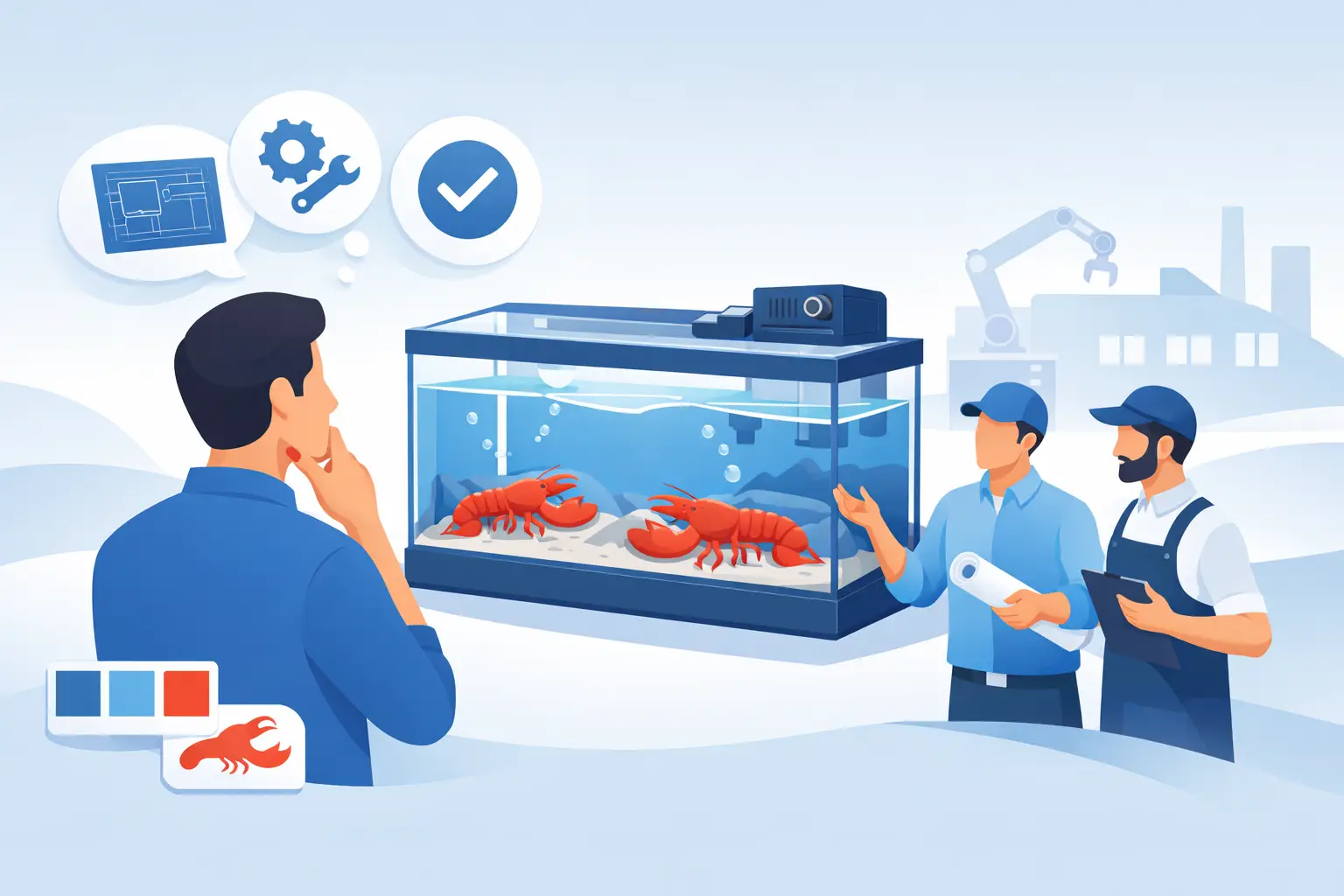
A tank can look clear at opening time and still be headed for a costly water-quality problem. That is why the biofilter versus sandfilter decision cannot be made on water clarity alone. Commercial lobster and live seafood systems need to manage visible solids, dissolved waste, oxygen demand, and the day-to-day realities of a busy seafood department.
For supermarkets, wholesalers, restaurants, and seafood retailers, the right answer is usually not choosing one filter and forgetting the other. It is understanding what each component is built to do, then designing a system that protects inventory under your actual stocking levels, feed practices, water temperatures, and maintenance schedule.
Biofilter Versus Sandfilter: Different Jobs in One System
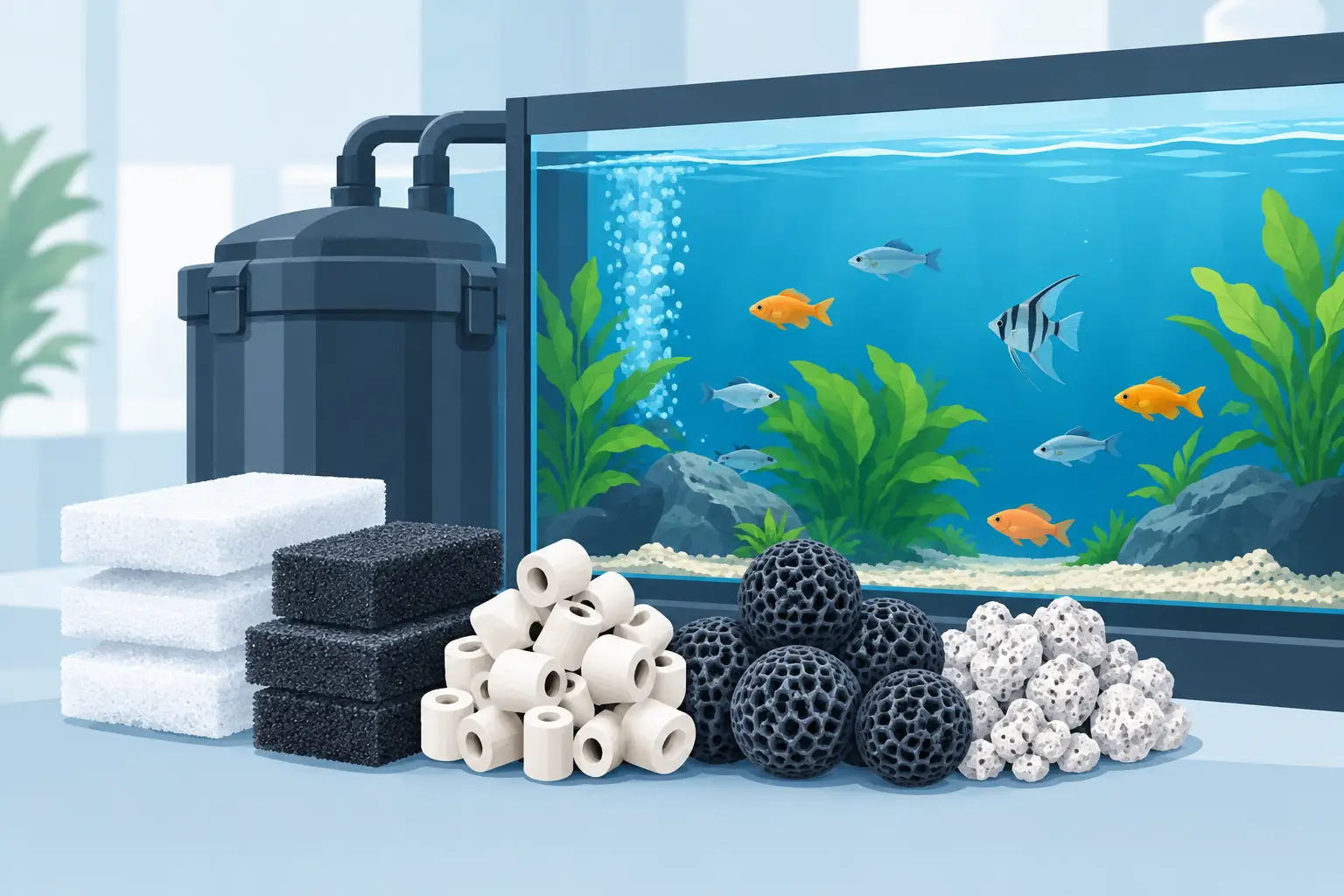
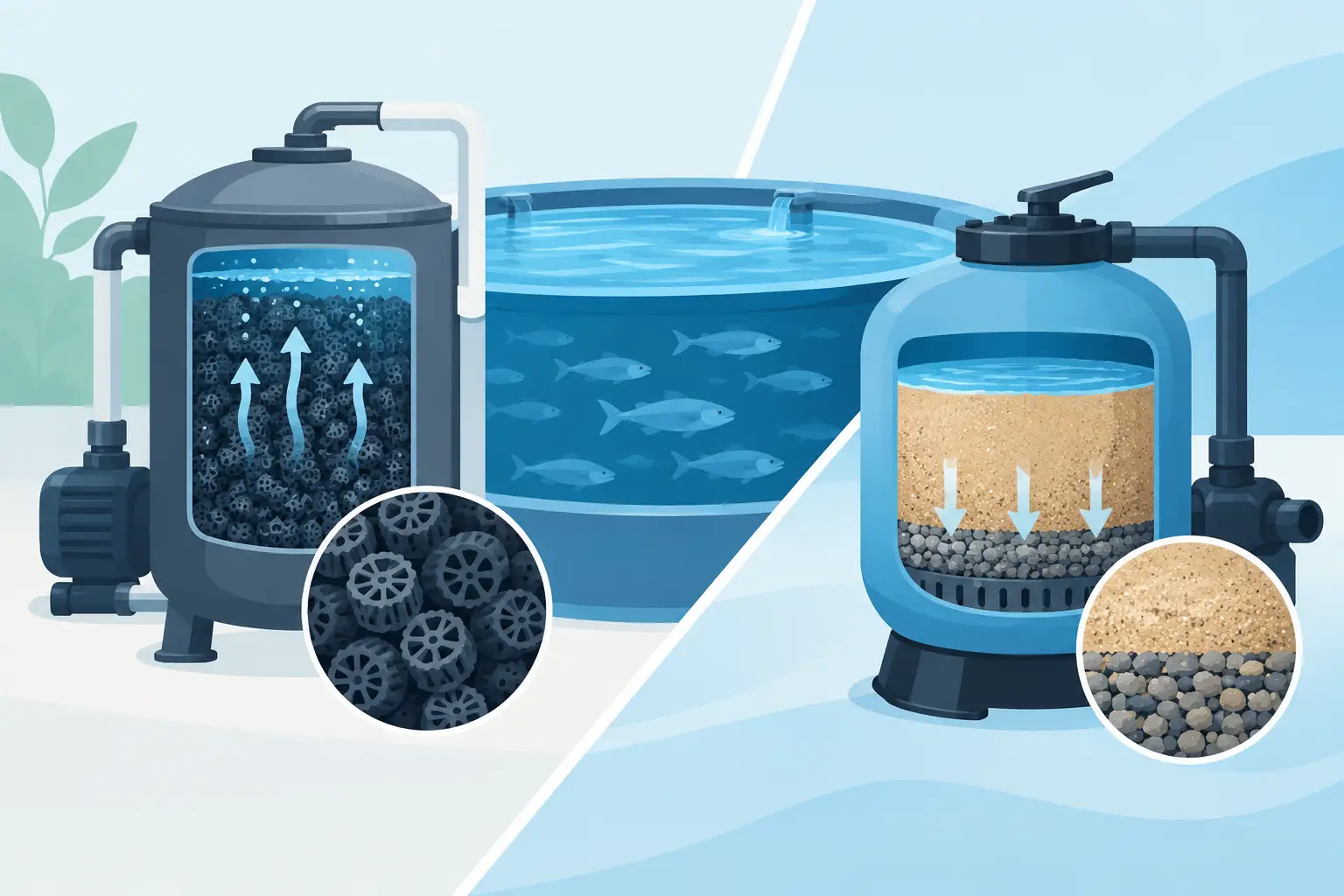
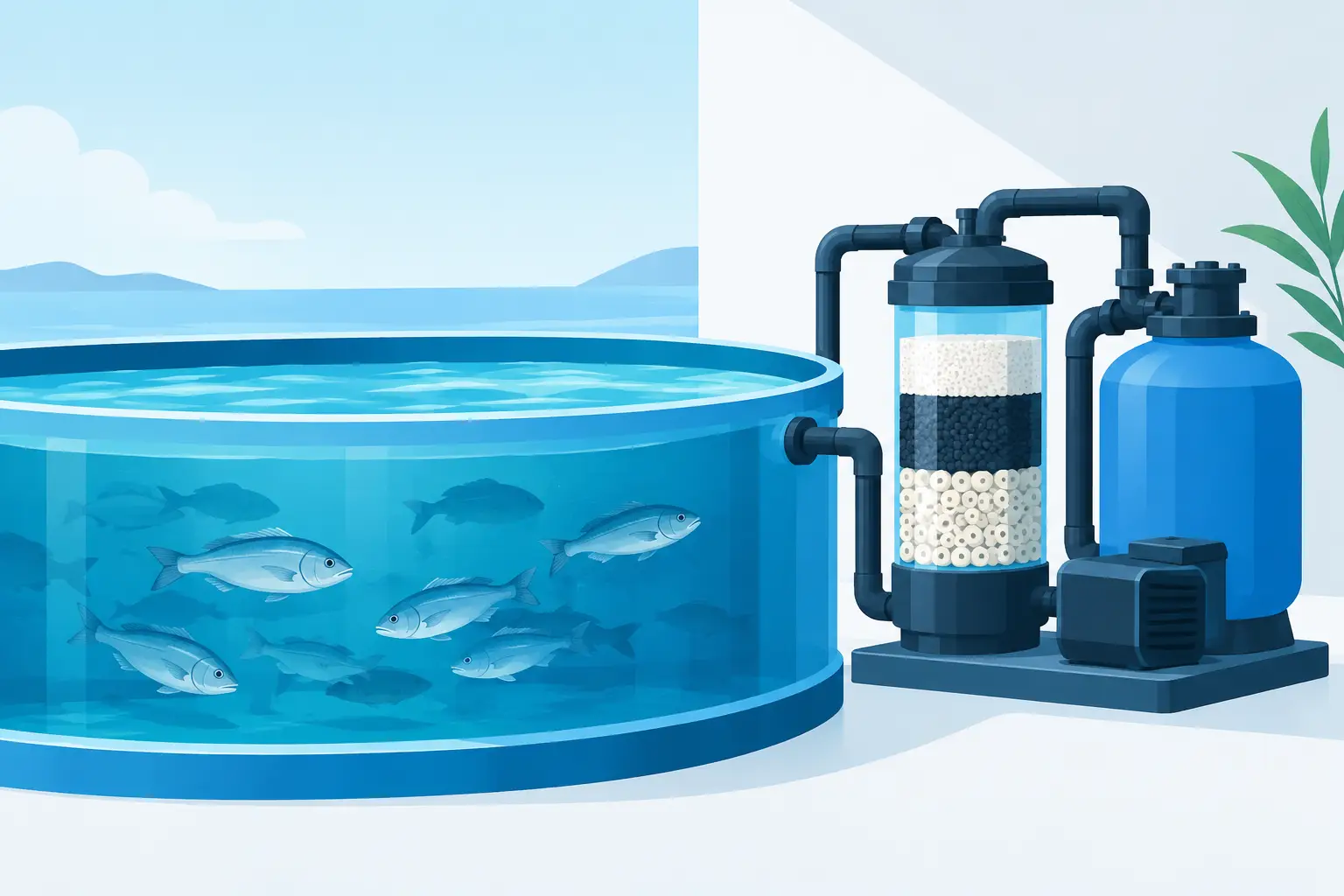
A biofilter is primarily a biological treatment component. It provides surface area for beneficial nitrifying bacteria, which convert toxic ammonia into nitrite and then into the less harmful nitrate. In a live seafood tank, that process is central to keeping water suitable for holding animals over time.
A sandfilter is primarily a mechanical filter. Water passes through a bed of sand, where suspended solids are captured. Shell fragments, food particles, waste, and other debris that cloud the water or add to the organic load are removed before they have more time to break down in the system.
The distinction matters because clear water is not automatically safe water. A sandfilter can remove a great deal of visible debris while ammonia continues to rise if the biological side of the system is undersized, immature, or damaged. On the other hand, a biofilter can be working properly while solids accumulate elsewhere, creating poor appearance, excess oxygen demand, and additional waste for the biological filter to process.
In many commercial systems, these are complementary stages, not competing choices. The sandfilter reduces the solids burden. The biofilter handles dissolved nitrogen waste. Proper circulation, aeration, temperature control, and routine service support both.
What a Biofilter Does for Live Seafood Holding
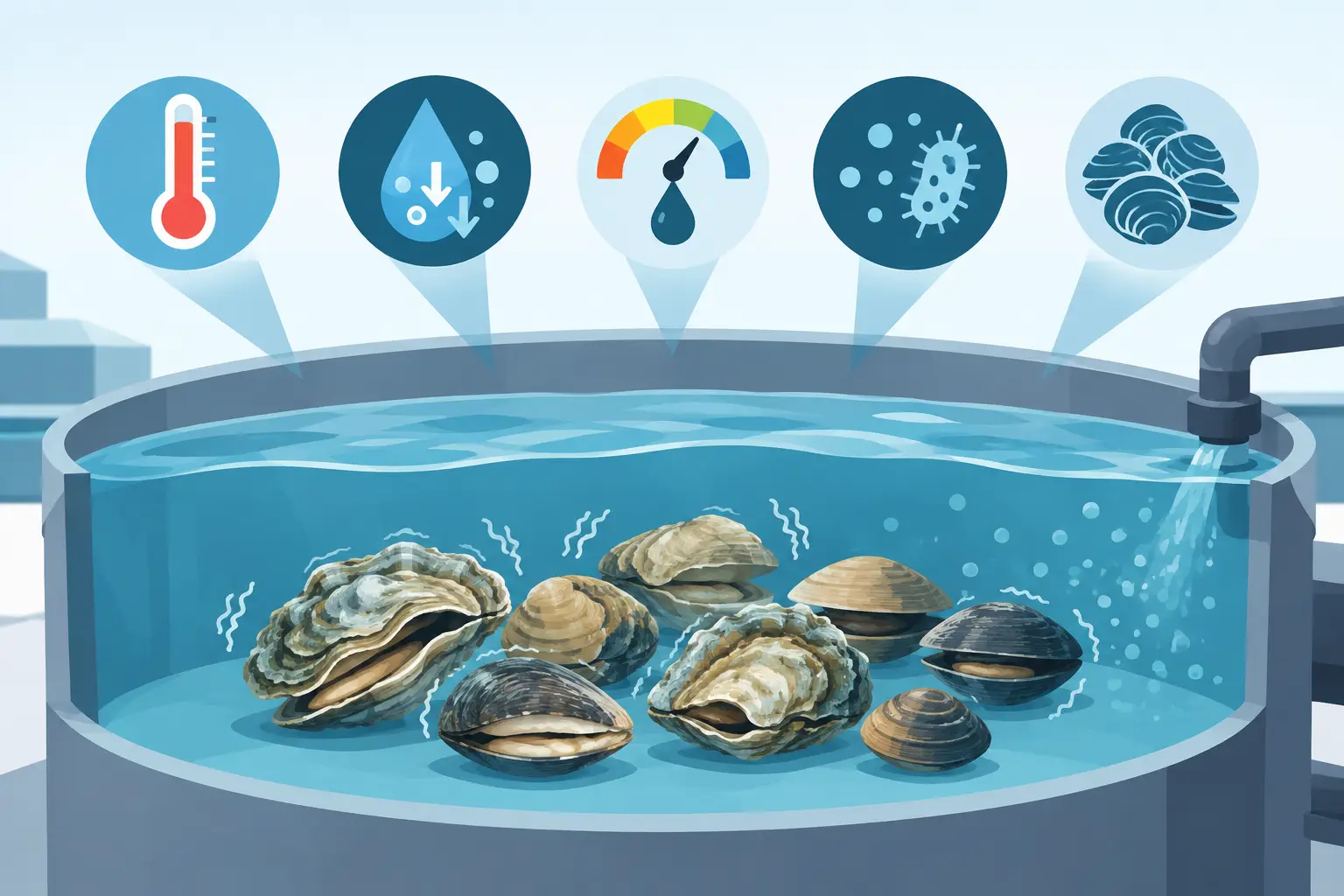
Ammonia is produced as lobsters, fish, and shellfish respire and excrete waste. Uneaten feed and decaying organic material add to the load. At harmful levels, ammonia and nitrite place animals under stress, reduce holding performance, and can turn a tank issue into inventory loss quickly.
A properly sized biofilter gives nitrifying bacteria a protected place to colonize and process that waste continuously. Media selection, water flow, oxygen availability, salinity, temperature, and contact time all affect its performance. It is not simply a tank component that can be installed and ignored.
Biological filtration also requires patience. A new or heavily cleaned filter needs time to establish its bacterial population. If a retailer changes stocking density, receives a larger-than-normal delivery, alters feeding practices, or adds new species, the system load may outpace the established biofilter. Operators should view biological capacity as a working limit, not a promise printed on a spec sheet.
For lobster holding, stable water conditions matter as much as peak capacity. Sudden changes in salinity, temperature, disinfectants, or certain cleaning chemicals can harm the bacteria that keep ammonia and nitrite in check. That is one reason commercial maintenance should follow a process, not a guess.
Where Biofilters Need Attention
Biofilters are highly effective for dissolved nitrogen waste, but they do not replace solids removal. If heavy particulate matter reaches the biological media, it can clog surfaces, restrict water flow, and create areas where trapped organics decay. That reduces efficiency and raises maintenance demands.
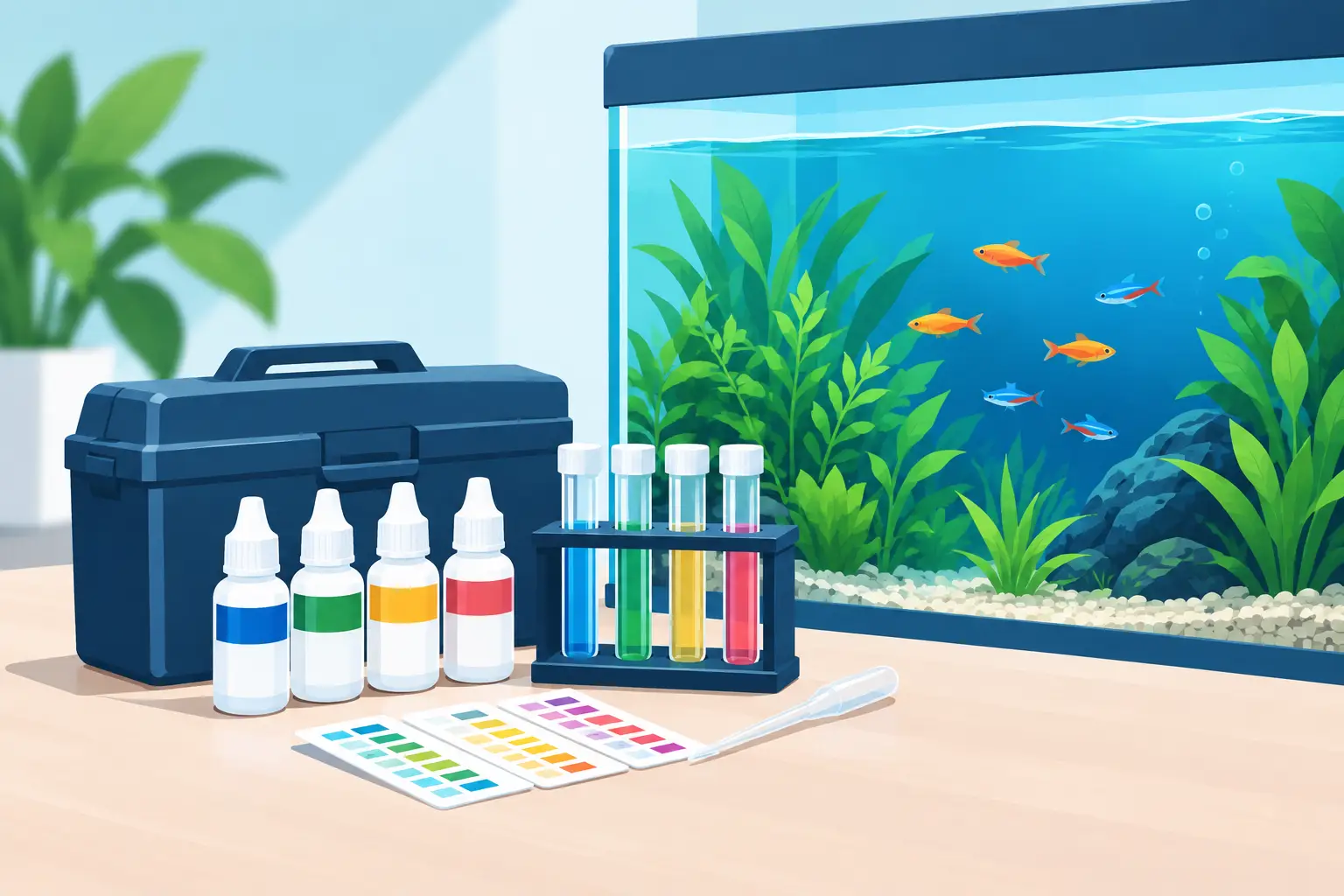
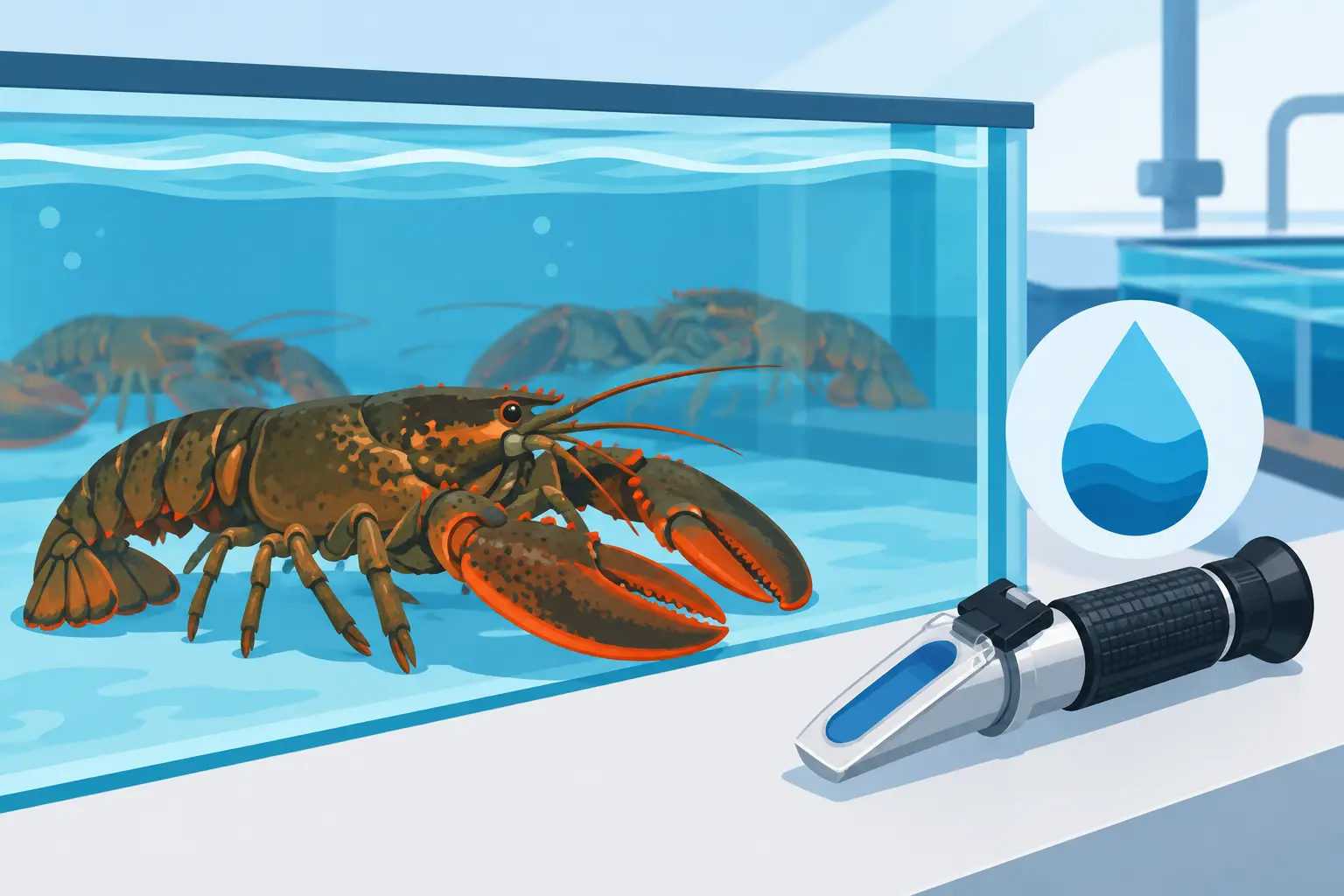
A biofilter also does not eliminate the need for testing. Regular readings for ammonia, nitrite, nitrate, pH, salinity, and temperature help identify a developing problem before animals show visible stress. In a commercial environment, records are valuable because they reveal patterns related to deliveries, maintenance timing, seasonal temperature changes, or recurring equipment issues.
What a Sandfilter Does for Tank Appearance and Solids Control
Sandfilters earn their place by collecting suspended debris. In a high-traffic retail tank, this improves water clarity and helps maintain the clean, professional presentation customers expect at the seafood counter. More importantly, removing solids early prevents them from breaking down and adding to the dissolved waste load.
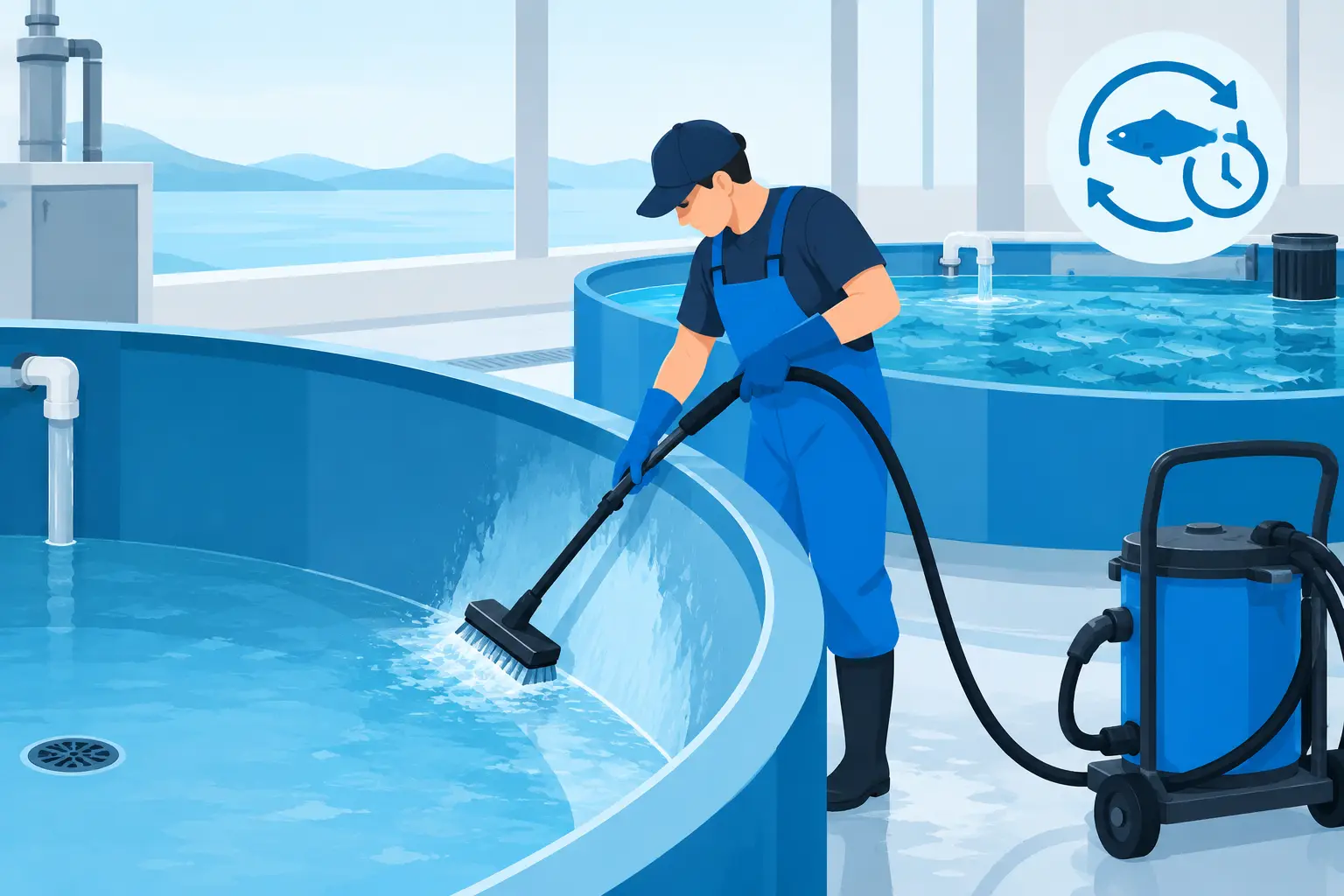
As a sand bed collects debris, pressure rises across the filter. That pressure increase is not a nuisance to ignore. It is the operational signal that the filter needs backwashing. Backwashing flushes trapped solids to waste and restores normal flow through the media.
A well-maintained sandfilter can take a significant amount of stress off downstream equipment. It can reduce the amount of organic material reaching the biofilter, carbon, pumps, and other filtration components. That makes the entire system easier to manage when the tank is correctly sized and operated.
Where Sandfilters Need Attention
A sandfilter is not a substitute for biological capacity. Depending on design and operating conditions, biological activity may occur in a sand bed, but a commercial operator should not assume that a sandfilter alone provides adequate nitrification for a heavily stocked live seafood tank.
Backwashing must also be done correctly. Infrequent backwashing allows solids to remain in the filter too long. Overly aggressive or improperly timed backwashing can waste water and disrupt operations. The correct interval depends on pressure readings, water condition, tank load, and the filtration design.
Media condition matters as well. Channeling, clumping, damaged laterals, or worn sand can reduce filtration performance. If water finds an easy path through the bed instead of moving evenly through the media, debris can pass through and the operator may mistake a mechanical problem for a water-quality problem.
Choosing the Right Configuration for Your Operation
The right filtration plan starts with how the tank will actually be used. A display tank holding a modest, predictable number of lobsters has different demands than a wholesale holding system receiving frequent deliveries. A restaurant tank with short holding times is not the same as a supermarket installation that must perform through weekends, holidays, and seasonal volume increases.
Start with the expected biomass, not just tank gallons. Consider the number and size of animals, how long they will be held, whether feed enters the system, delivery frequency, and the highest expected stocking level. Design for the busy day, not the quiet one.
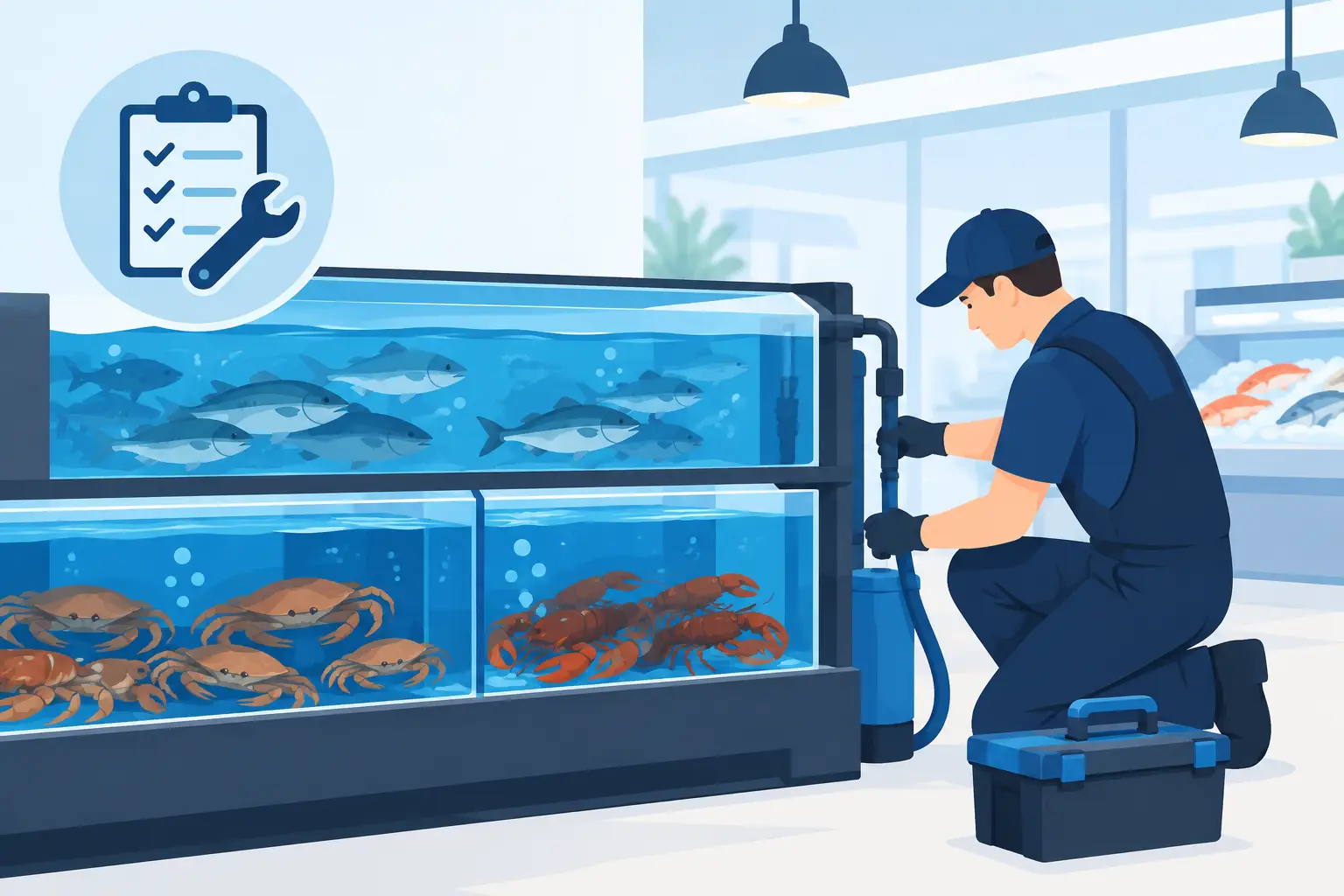
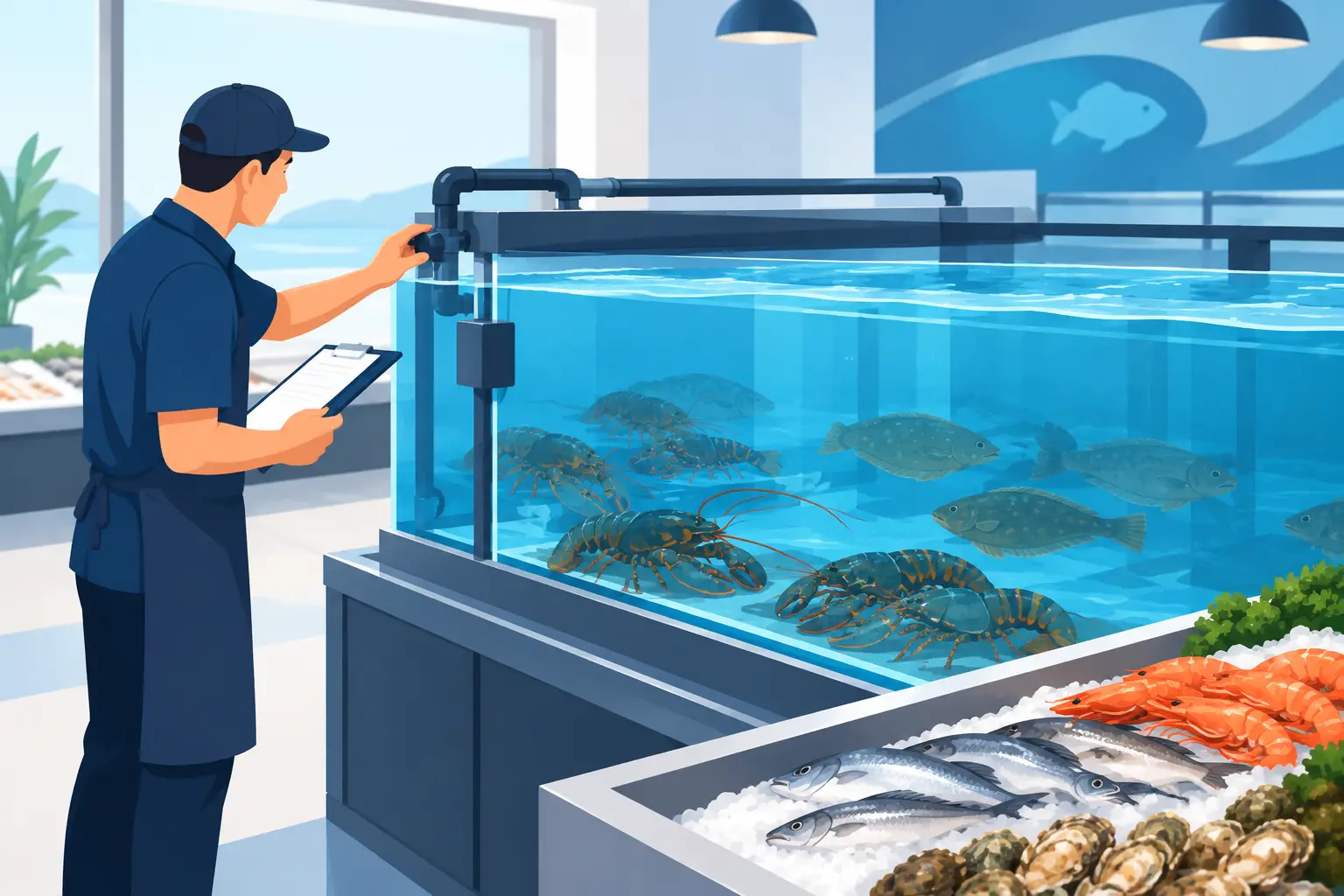
Next, consider labor and maintenance access. A filter that performs well on paper can become a liability if staff cannot monitor pressure, complete backwash procedures, test water, or reach service valves safely. Commercial filtration should be built for the people who will operate it every day.
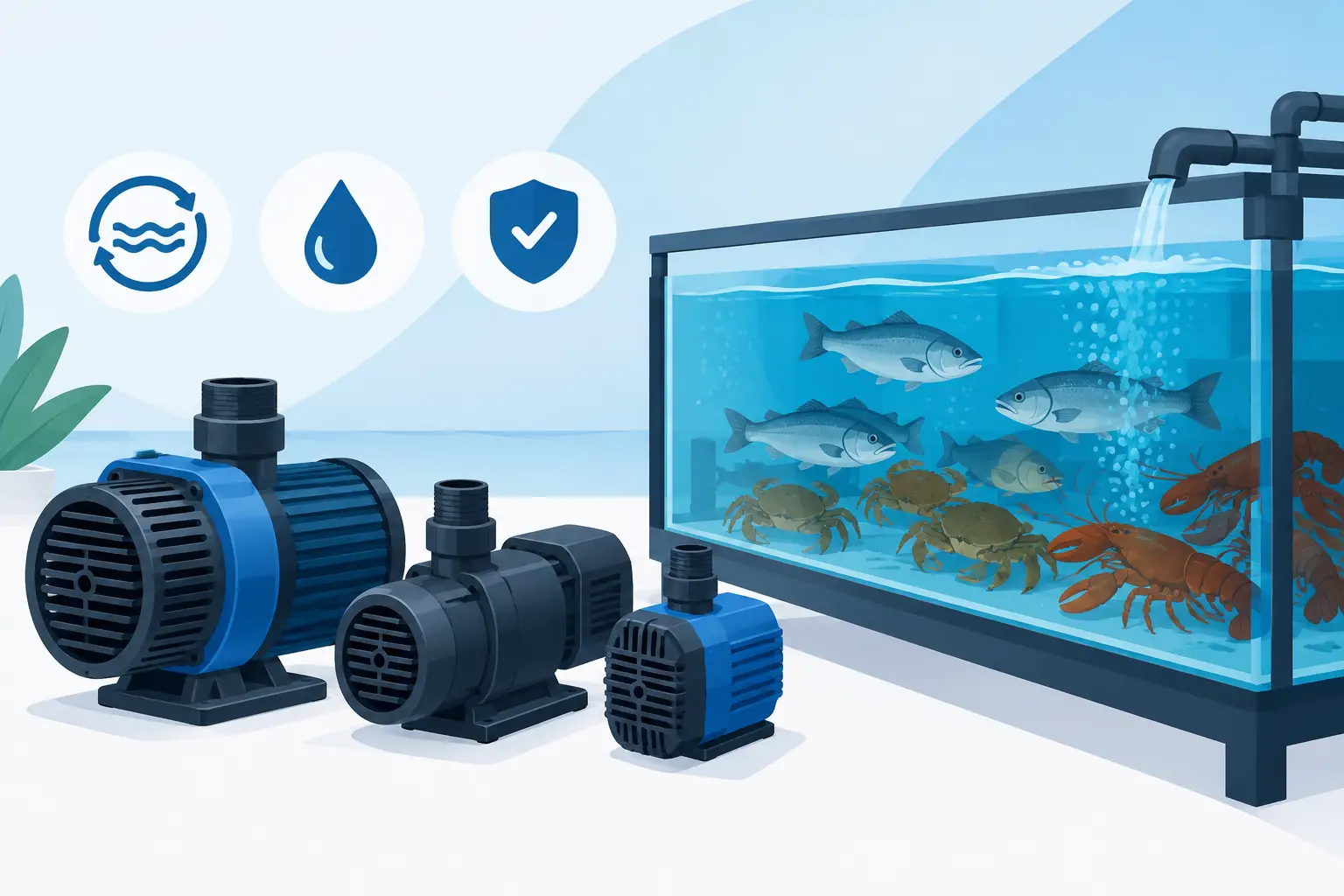
Finally, think about failure protection. Pumps, circulation, oxygenation, alarms, backup planning, and service response all affect whether a filtration issue remains manageable or becomes an emergency. Filtration is part of a complete life-support system, not a stand-alone purchase.
A Practical Approach for Commercial Lobster Systems
For most serious live seafood applications, a combined approach provides the strongest operating foundation. Mechanical filtration captures solids before they decay. Biological media manages ammonia and nitrite. Activated carbon or other polishing media may support water quality when used appropriately. Reliable circulation keeps treatment consistent throughout the system.
The sequence and sizing of these components should be based on the application. Placing effective mechanical filtration ahead of biological media generally helps keep the biofilter cleaner and more productive. Adequate flow is necessary, but excessive flow can reduce useful contact time or create stressful conditions in the holding area. This is where experienced system design makes a measurable difference.
Lobster Life Systems works with commercial seafood operators that need more than a box of filters. A complete system plan considers tank fabrication, filtration, marine salt, replacement media, operating procedures, maintenance, and responsive technical support as one connected operation.
Do Not Let Clear Water Create False Confidence
When water clarity looks good, it is easy to postpone testing or maintenance. That is a common and expensive mistake. Ammonia and nitrite are not always visible, while trapped solids can create problems before they noticeably affect the display.
Set a routine that matches your operating load. Monitor filter pressure, inspect flow, test water on a defined schedule, keep backwash and service records, and investigate changes rather than waiting for losses. If the tank is carrying more product than normal, increase attention before water quality forces the issue.
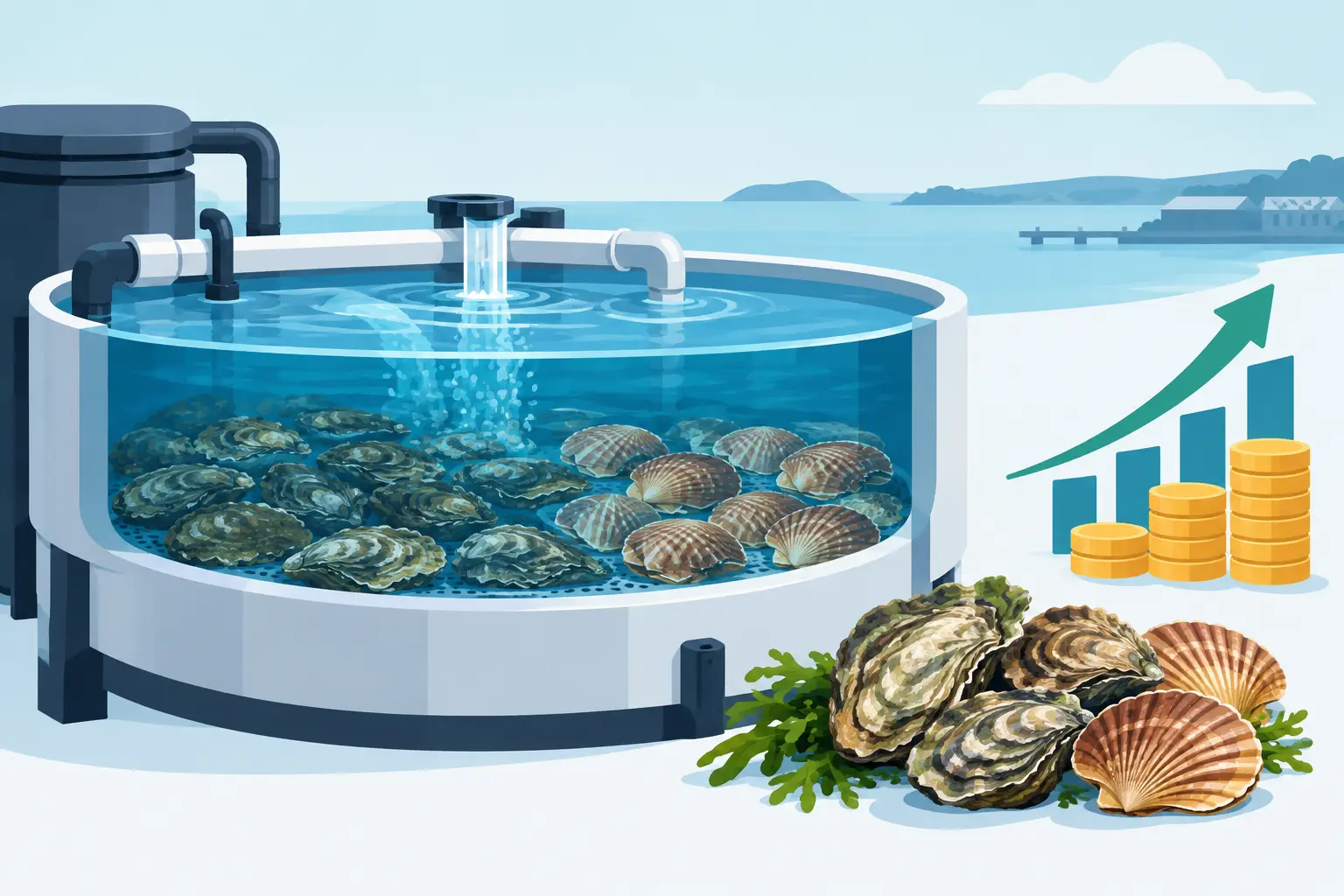
The best filtration decision is the one that gives your seafood team dependable water quality on the days when inventory is highest and time is shortest. Build for those conditions, maintain to the system’s needs, and your live holding operation has a far better chance to protect product, presentation, and profit.