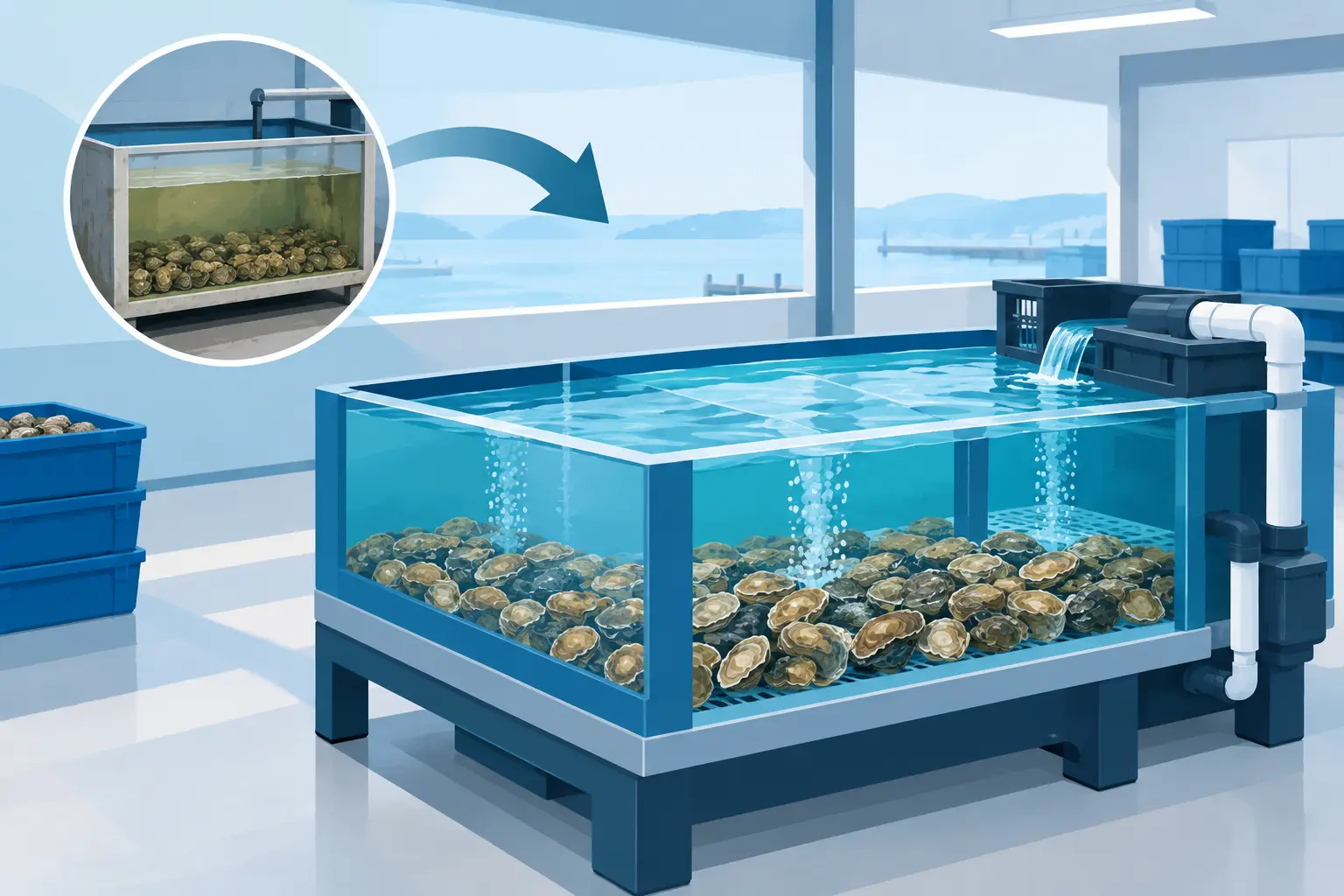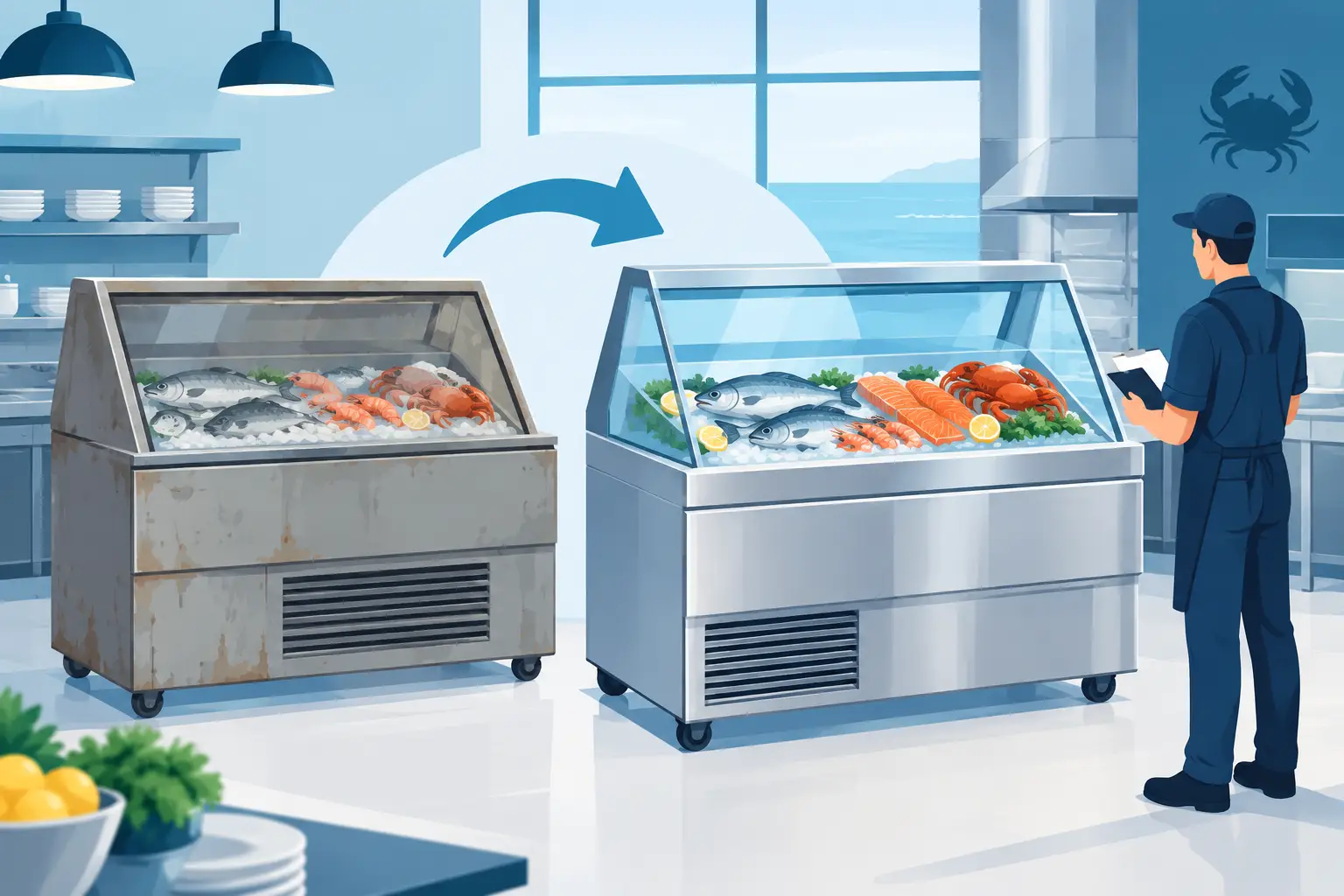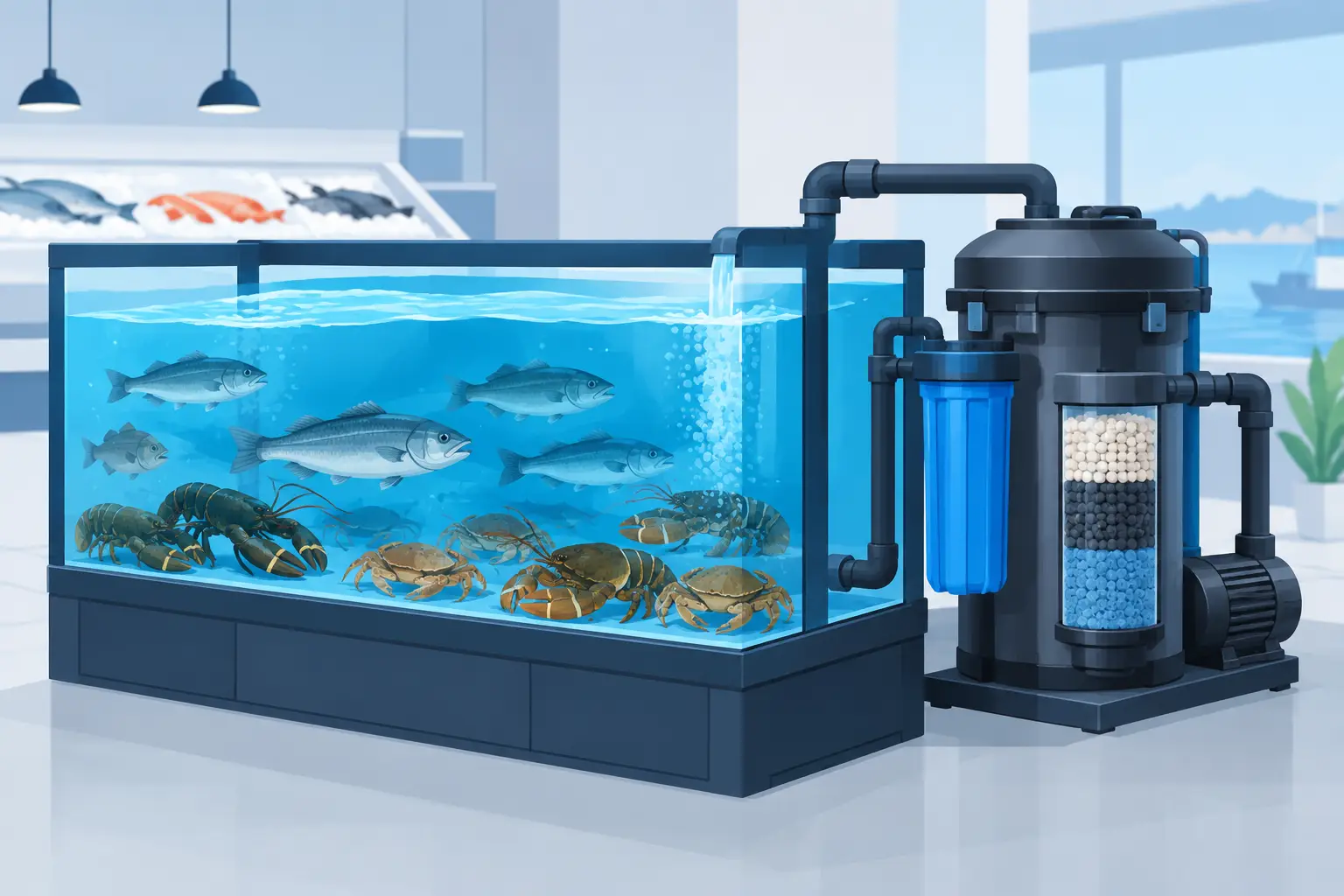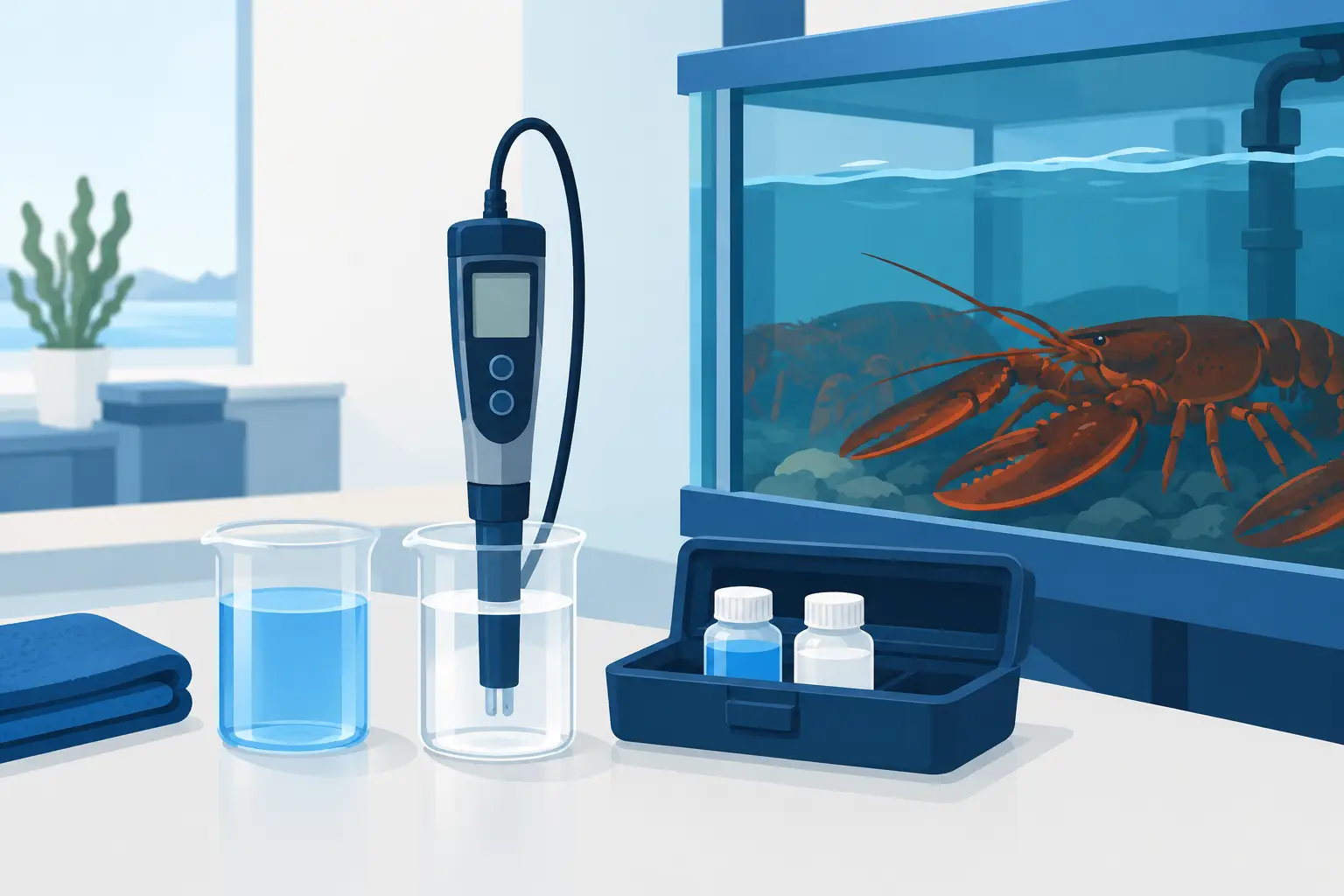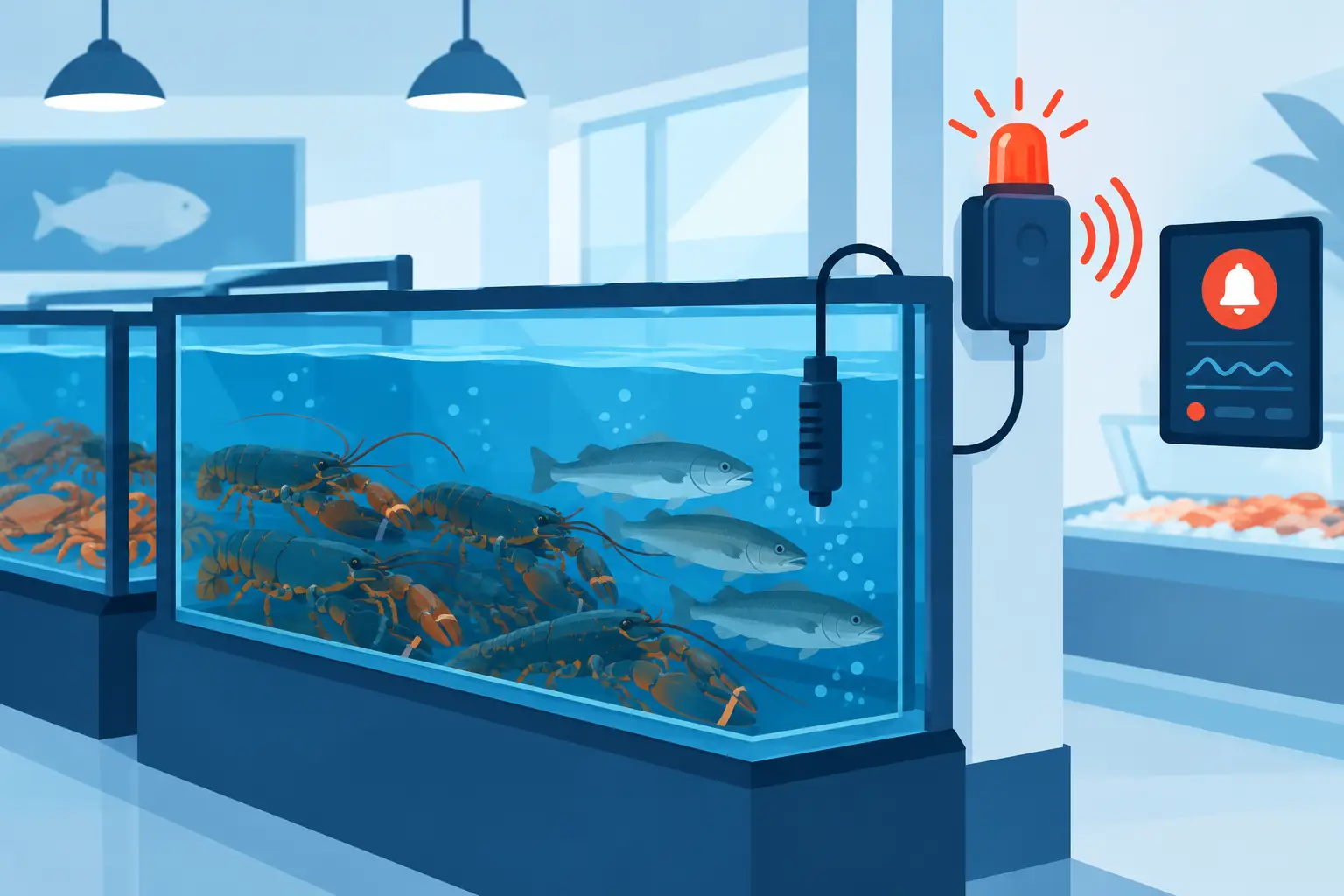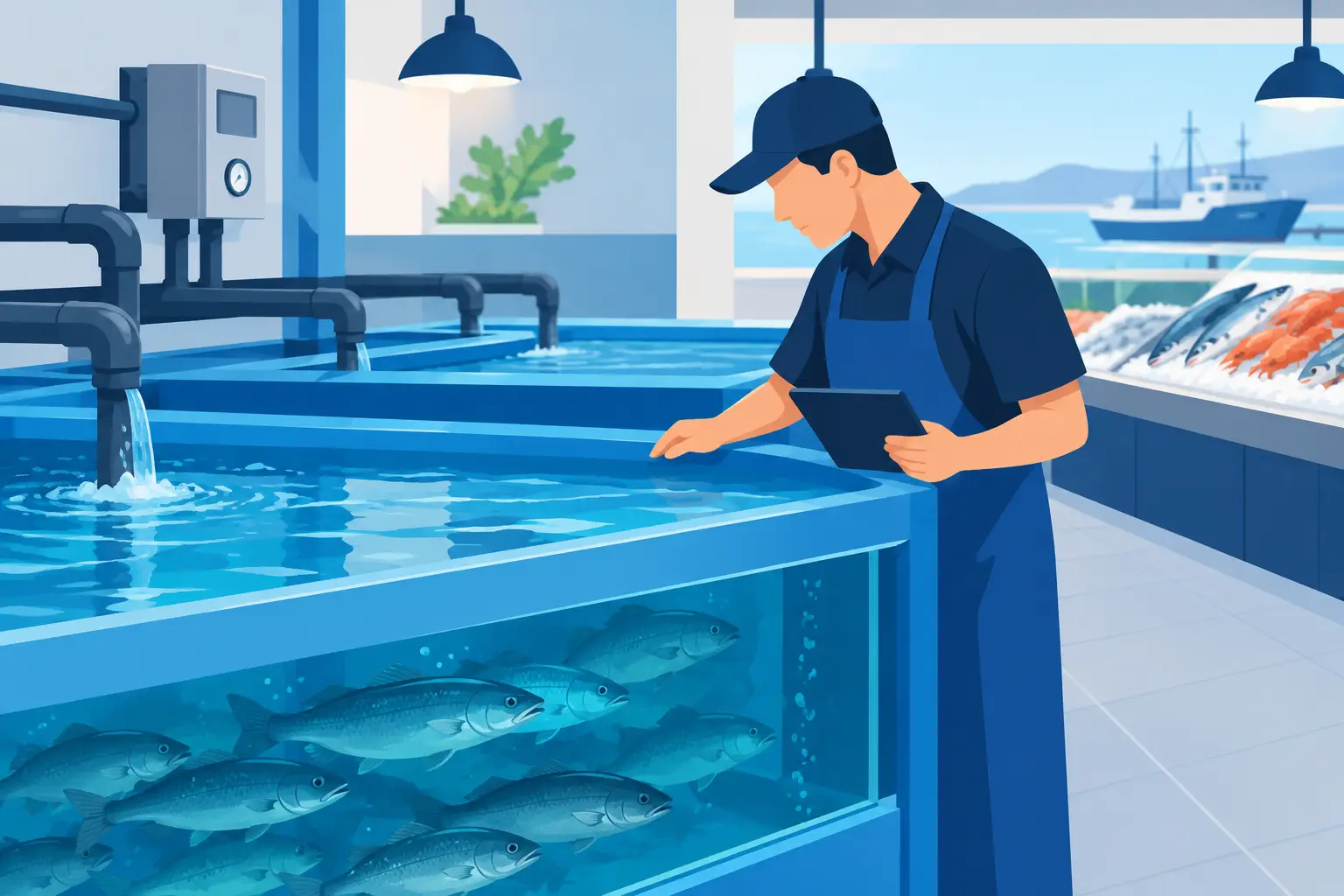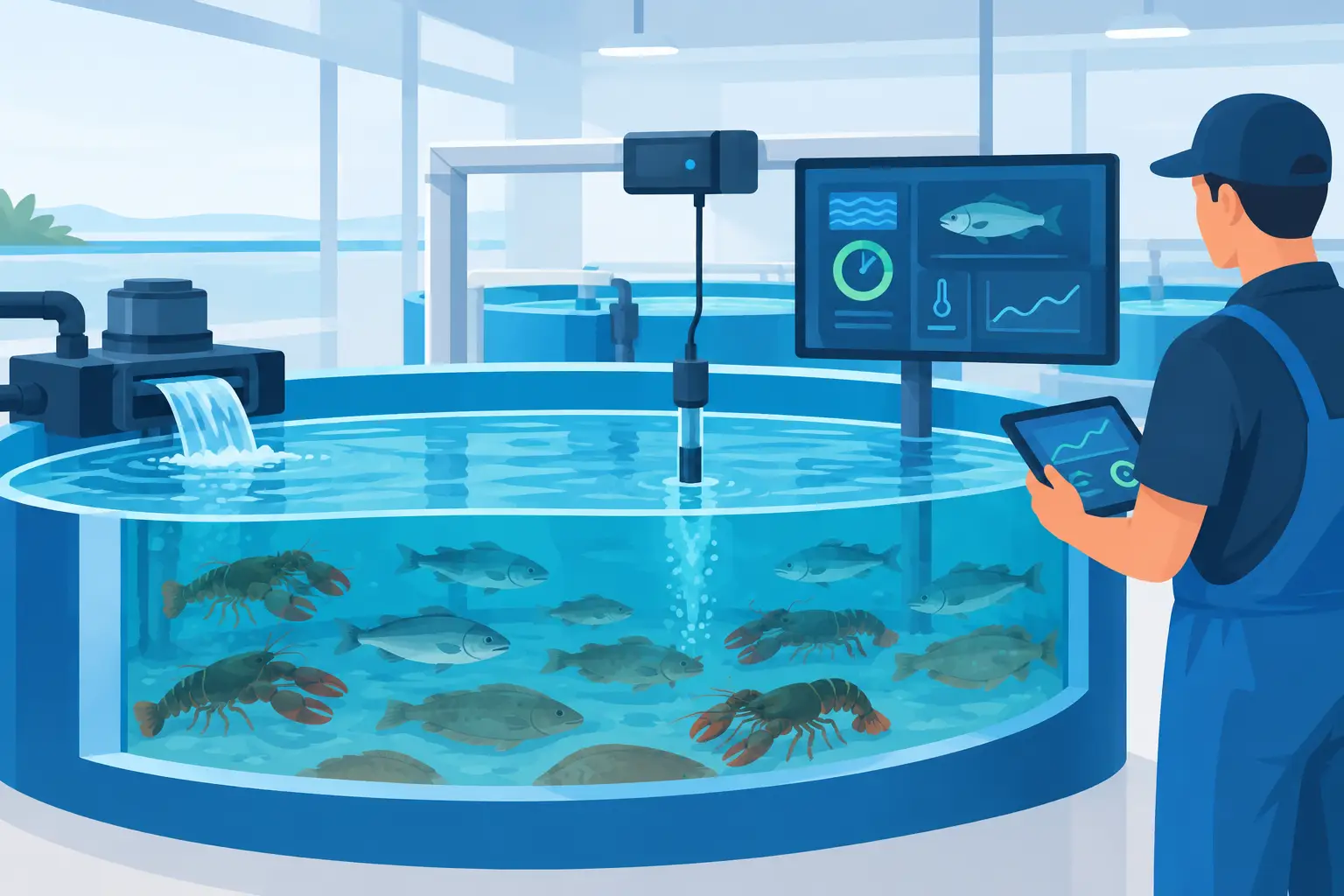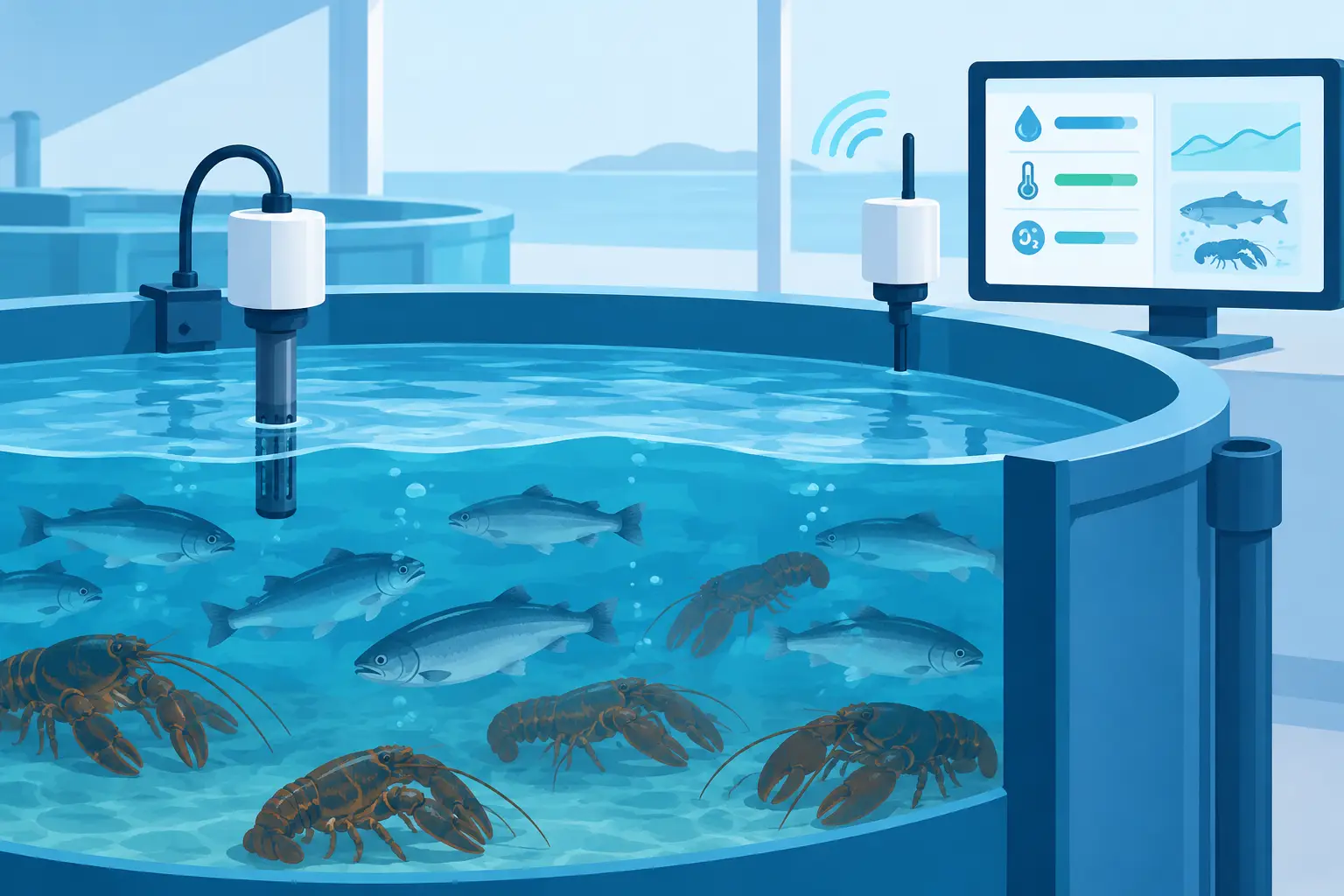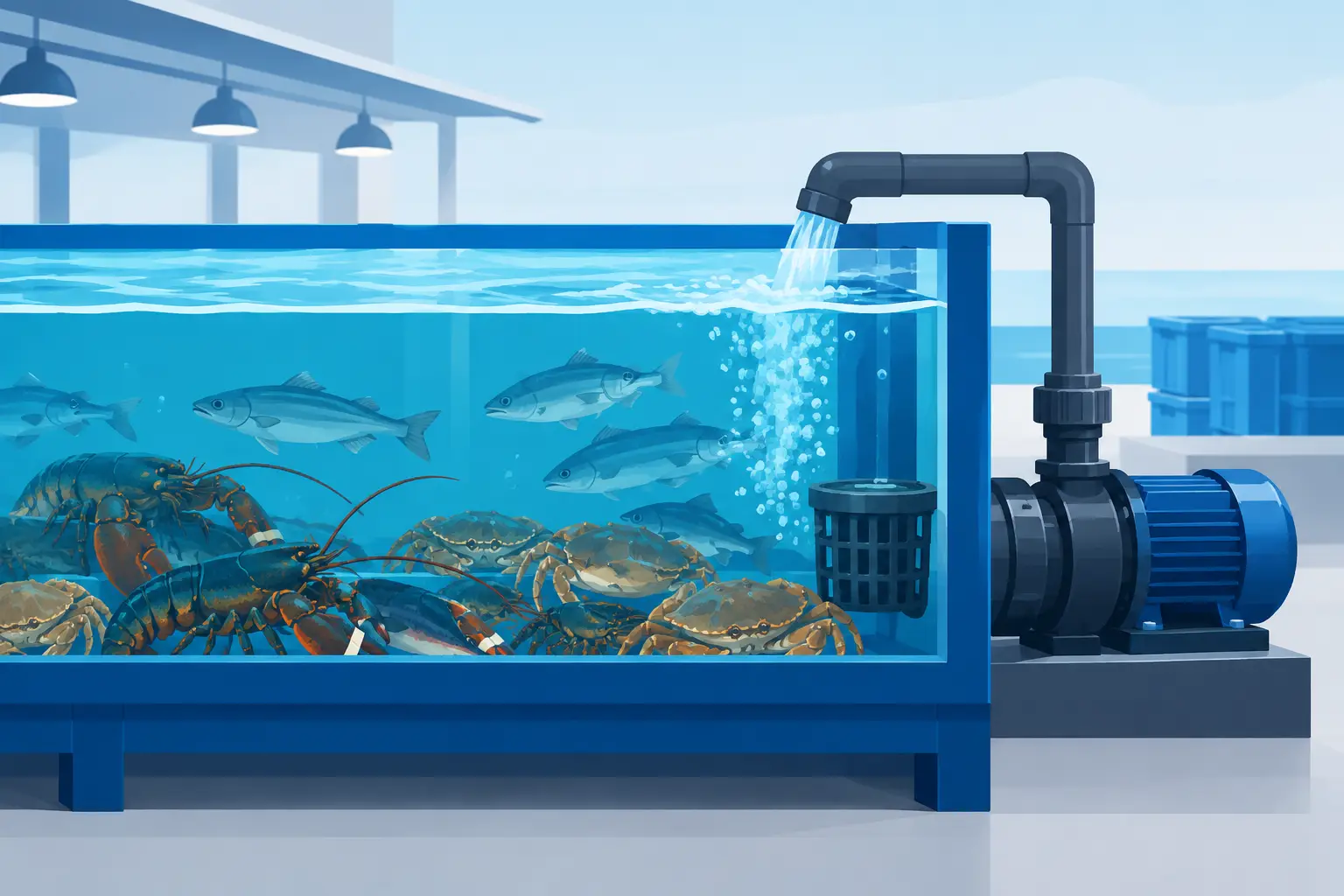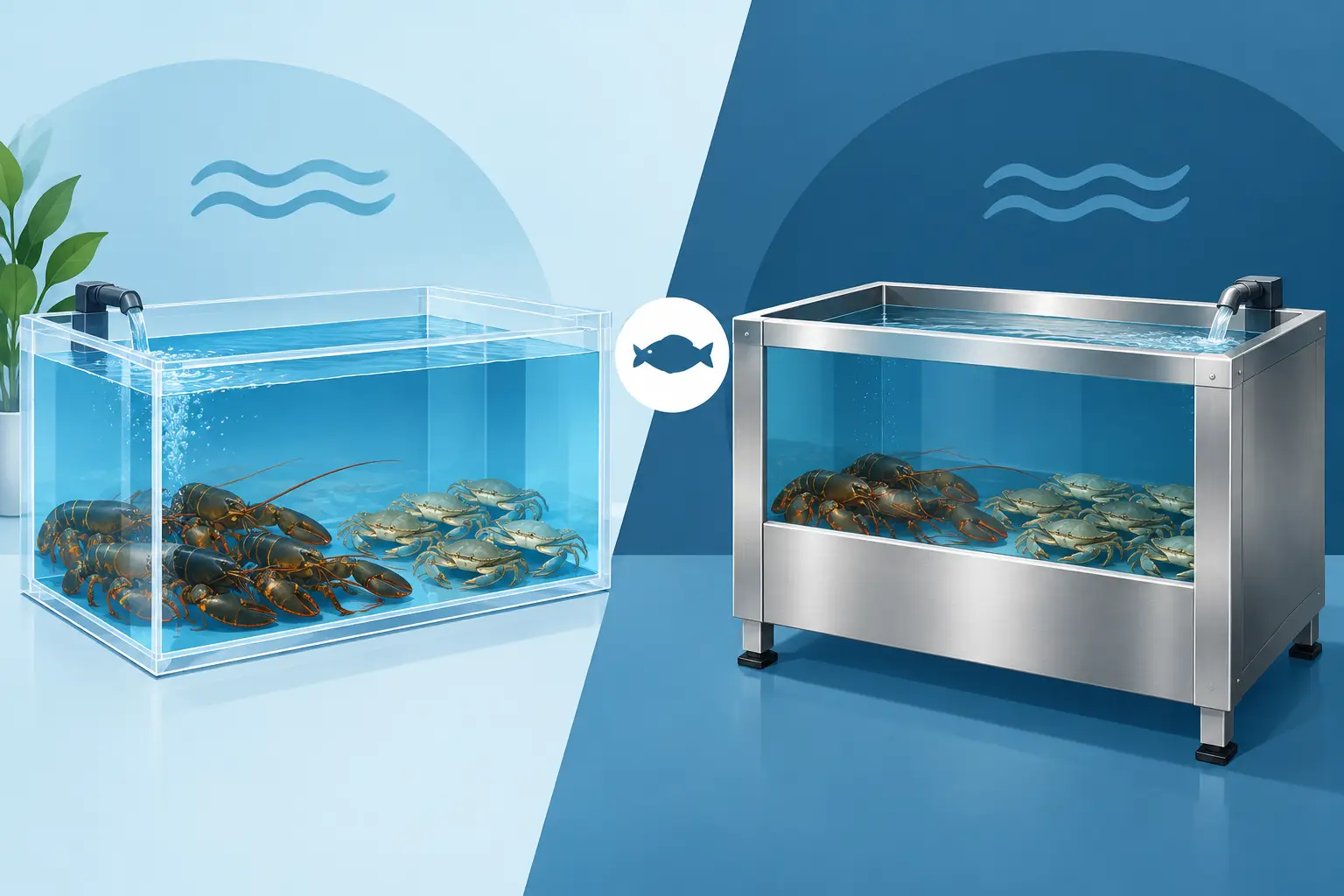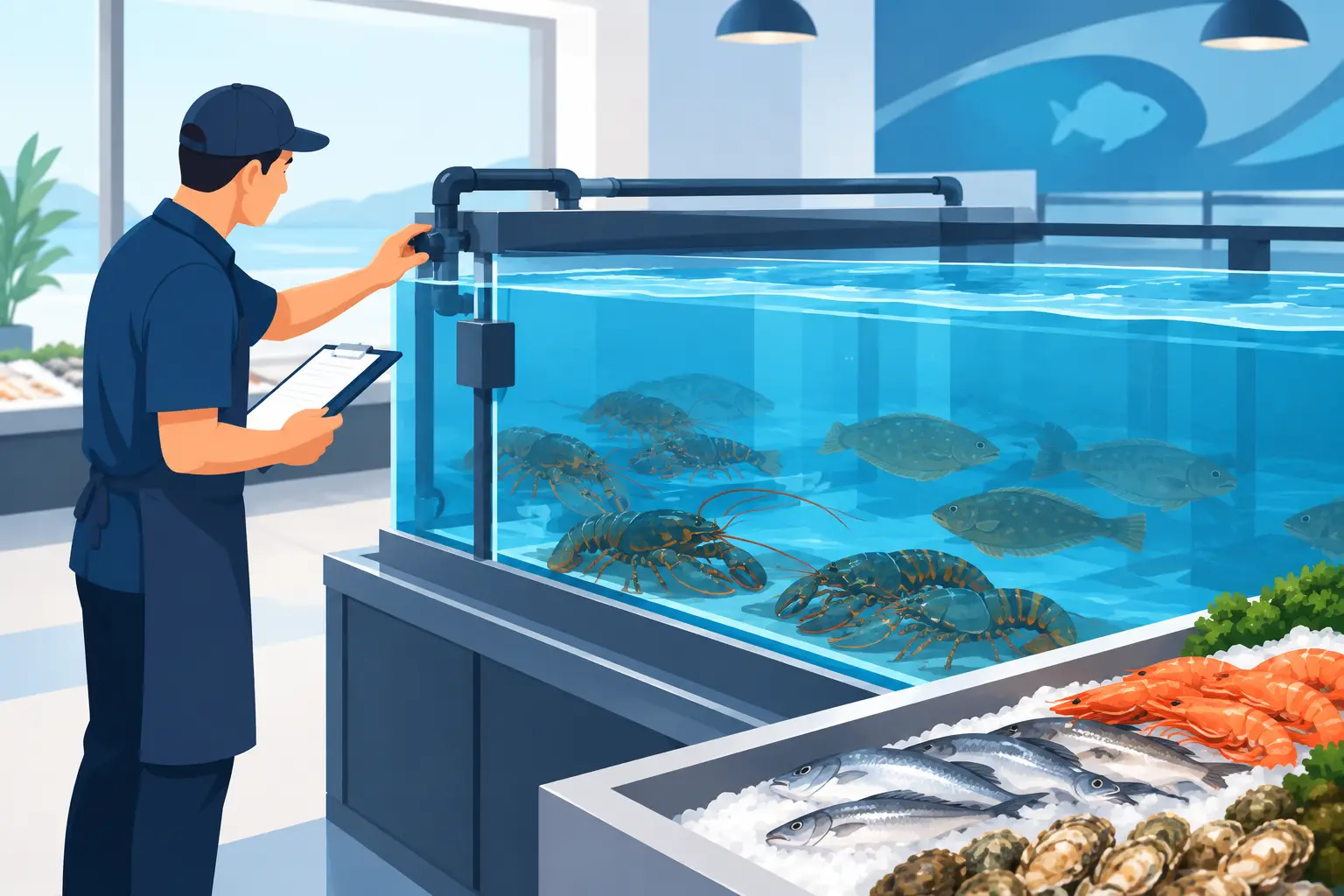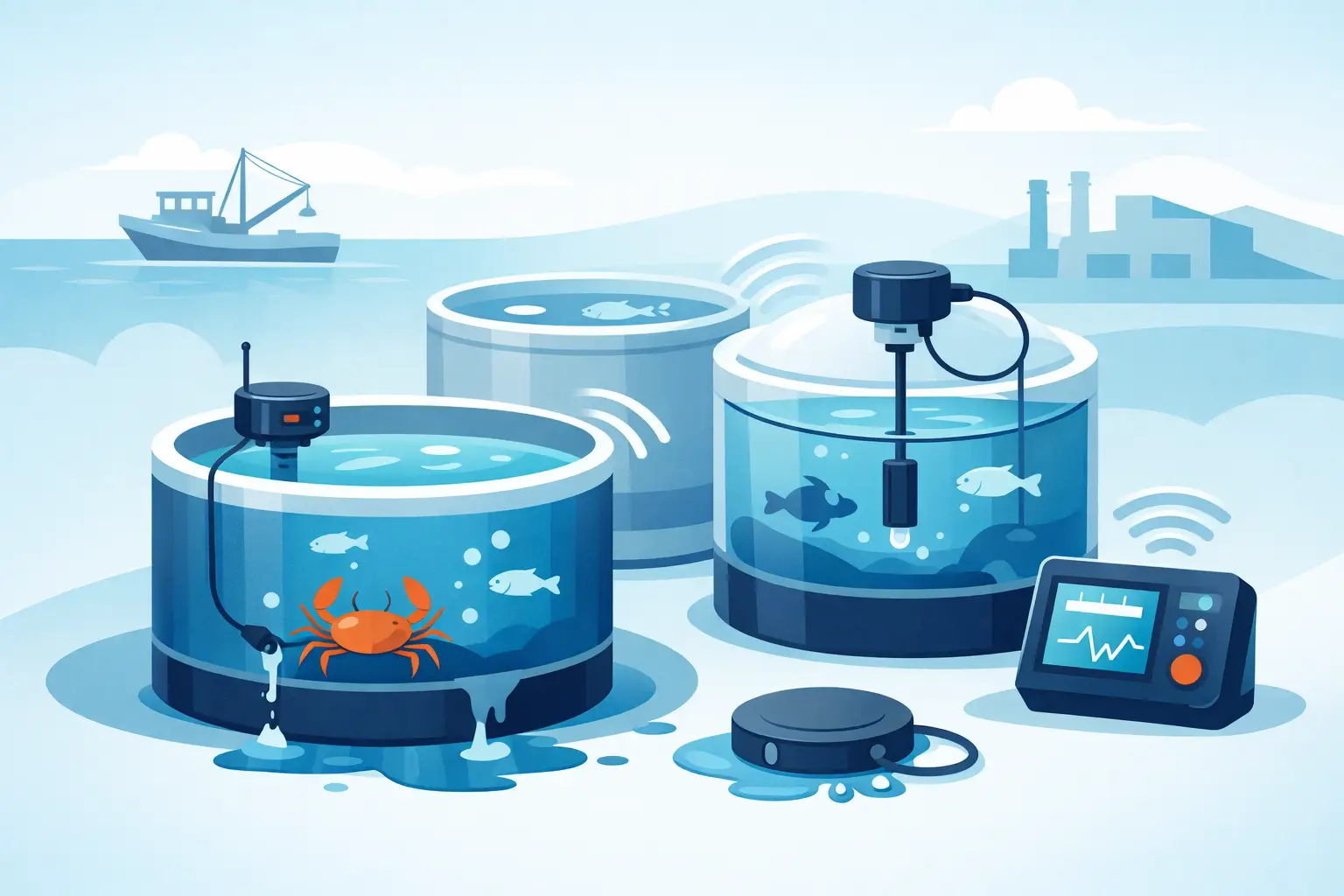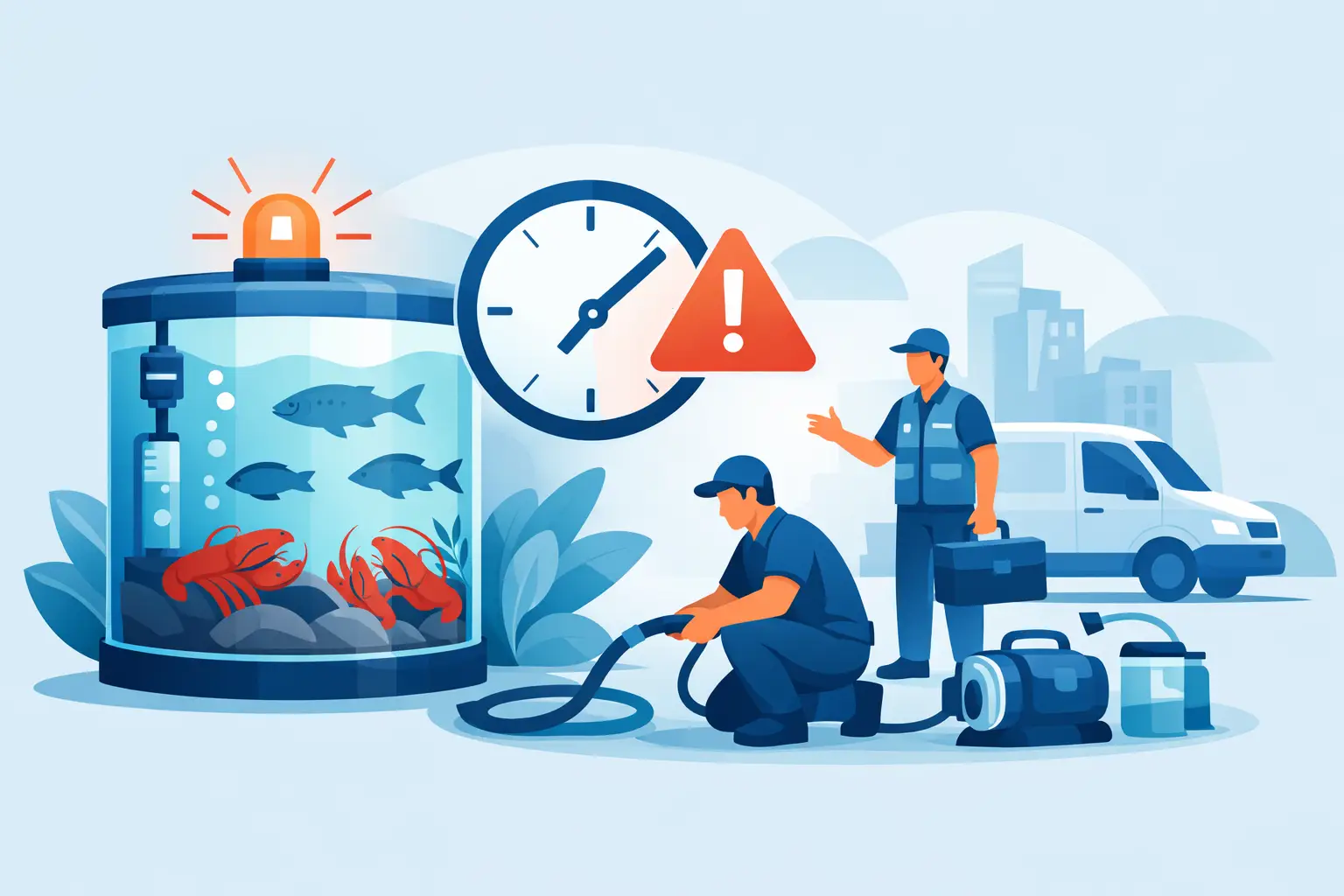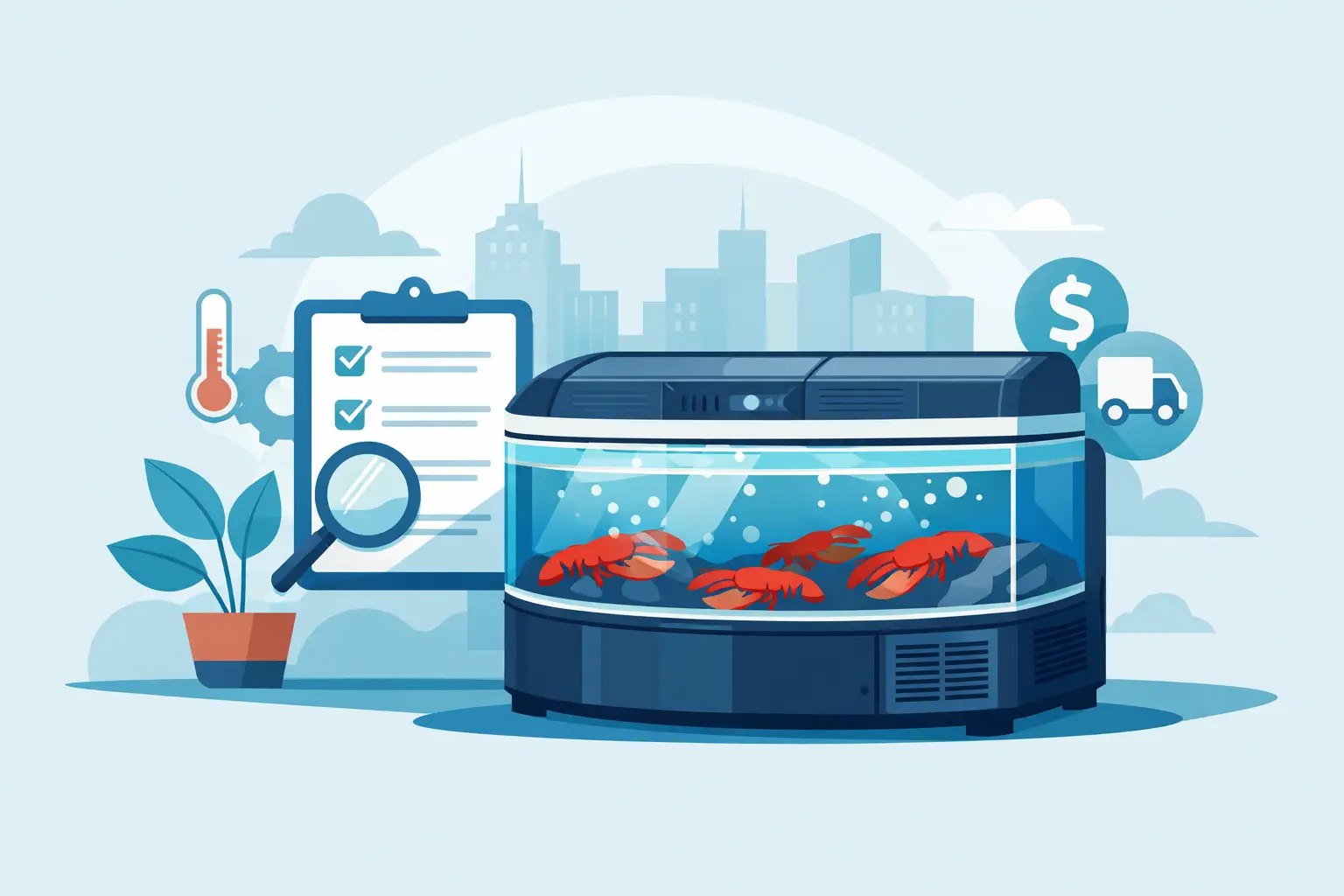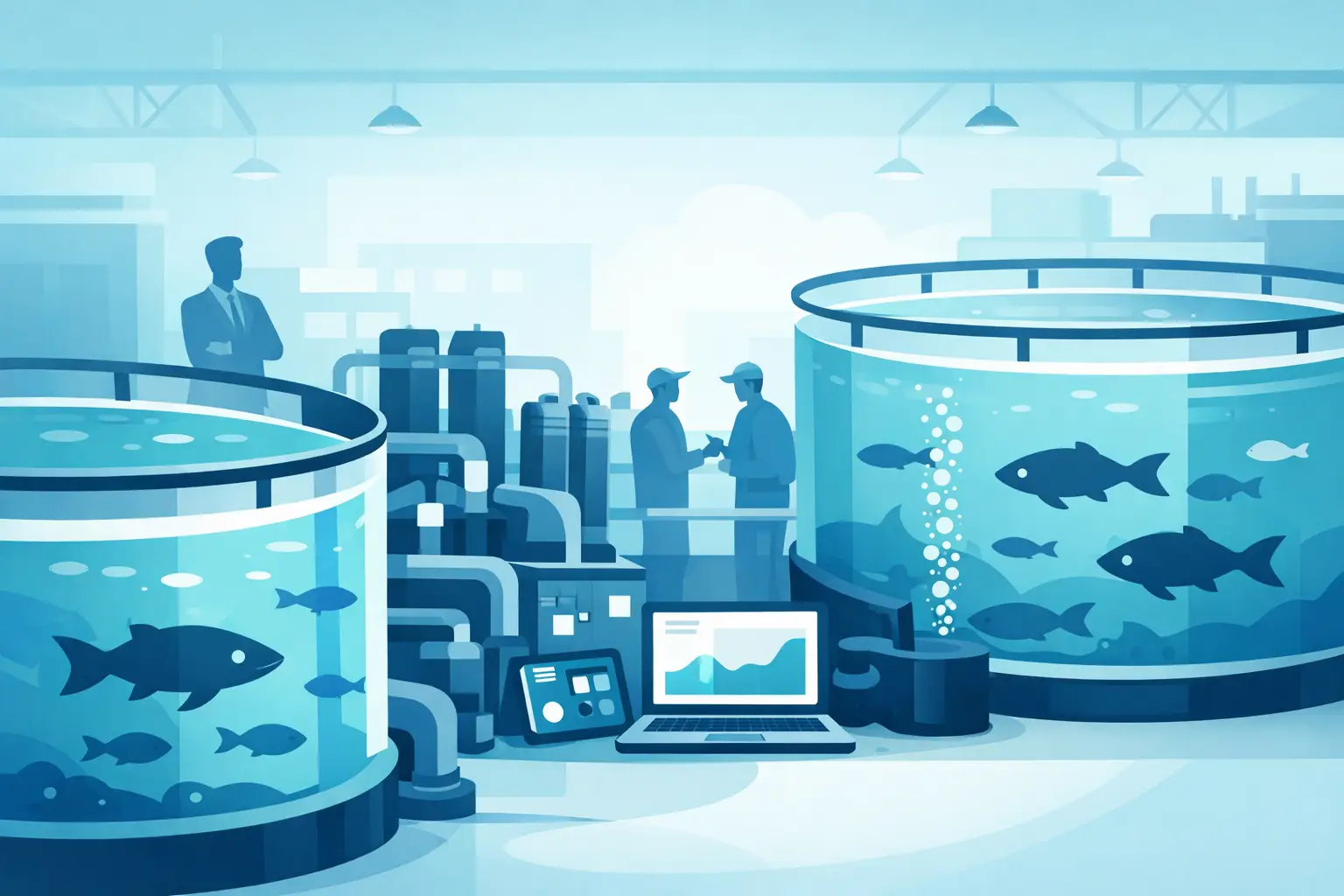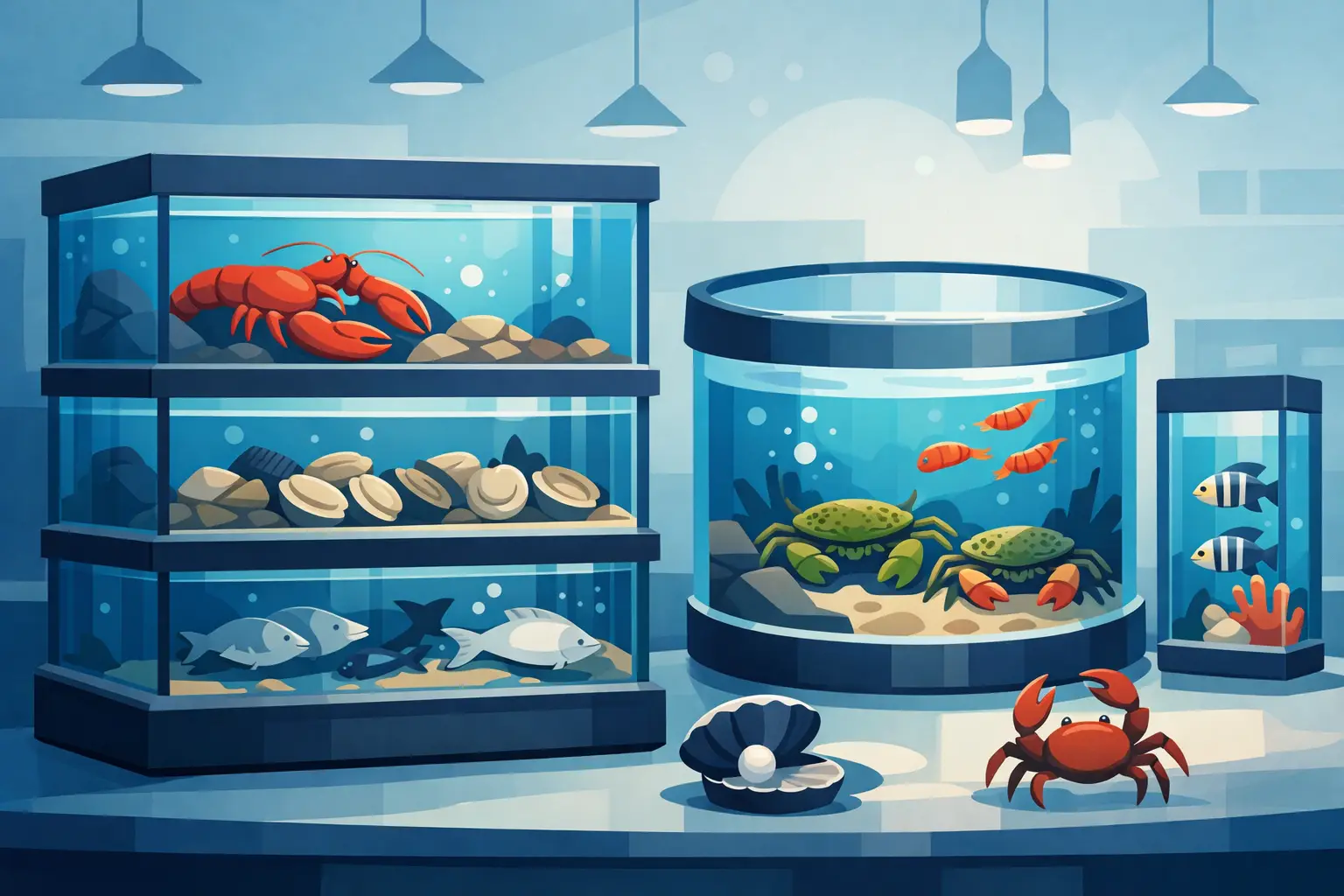
A live lobster tank can look fine at opening and become an expensive emergency by dinner service. When temperature control slips, circulation weakens, or filtration can no longer keep up with the load, the problem is not limited to a piece of equipment. Live inventory, seafood quality, labor, customer confidence, and revenue are all on the line. Smart restaurant seafood equipment replacement begins before a breakdown forces a rushed decision.
For restaurants, seafood markets, and wholesale operations, replacement planning is not about buying the newest model for its own sake. It is about protecting a working system that supports healthy live product and a clean, credible display. The right time to replace equipment depends on its condition, repair history, operating demands, and the cost of downtime.
Restaurant Seafood Equipment Replacement Starts Before Failure
Waiting for a tank, chiller, pump, or filtration component to fail completely can turn a manageable capital expense into a same-day inventory problem. Emergency replacement often limits your choices. You may have to accept an undersized unit, interrupt service, move live product without proper holding capacity, or schedule work during the busiest part of your week.
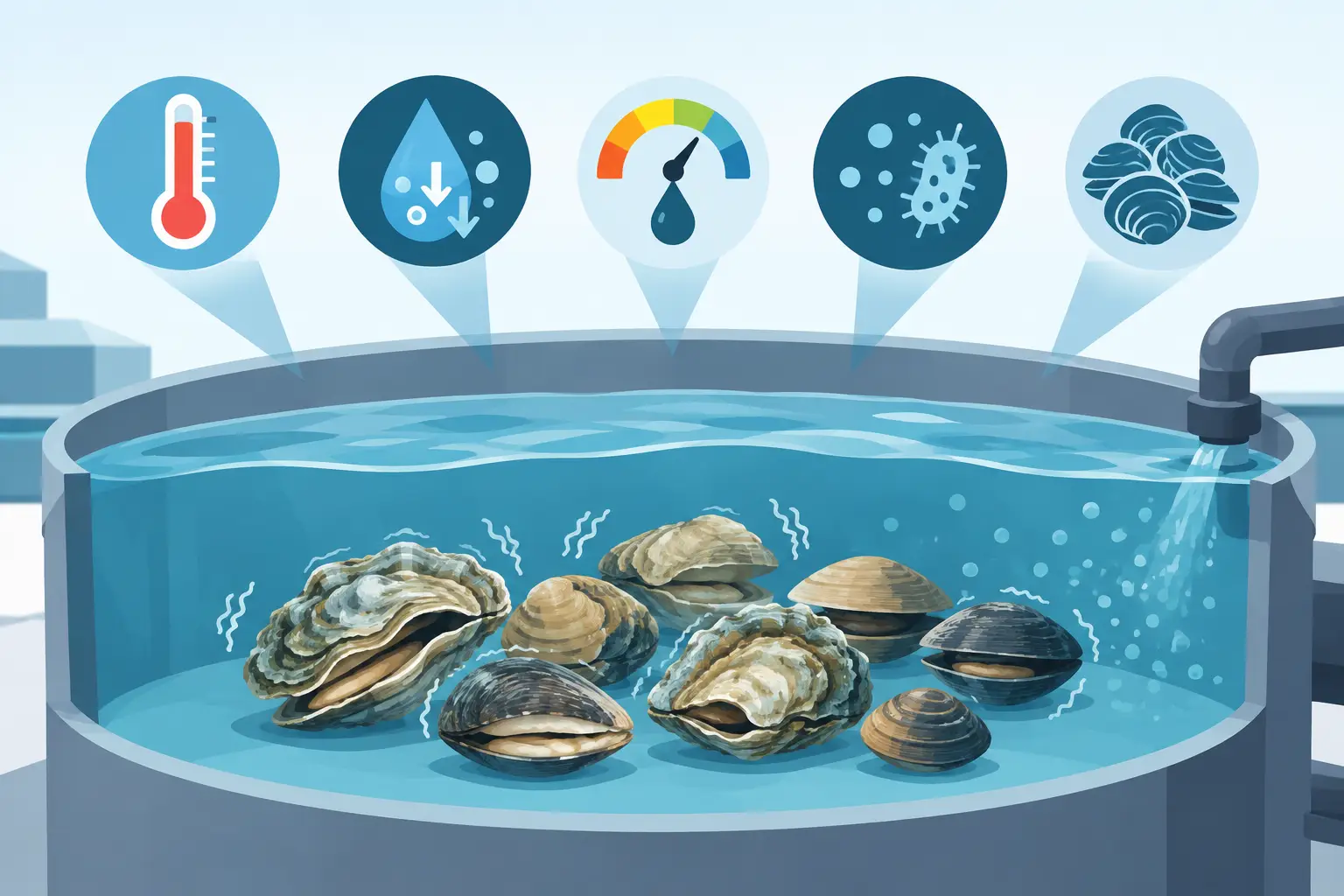
A planned replacement gives operators control. It allows time to confirm dimensions, electrical requirements, water volume, drainage, access through doors and aisles, and the amount of live seafood the system must reliably support. It also gives your team time to coordinate inventory levels so the transition does not put lobster, shellfish, or fish under unnecessary stress.
There is no single replacement age that applies to every system. A lightly used tank in a controlled environment may perform well for years, while equipment running constantly in a high-volume operation can wear much faster. The better question is whether the system still delivers stable conditions with predictable maintenance and reasonable operating cost.
Know the Warning Signs Before They Become Losses
A failure rarely arrives without warning. Seafood operators who track performance can usually see the signs well before a tank goes down.
Water quality no longer stabilizes
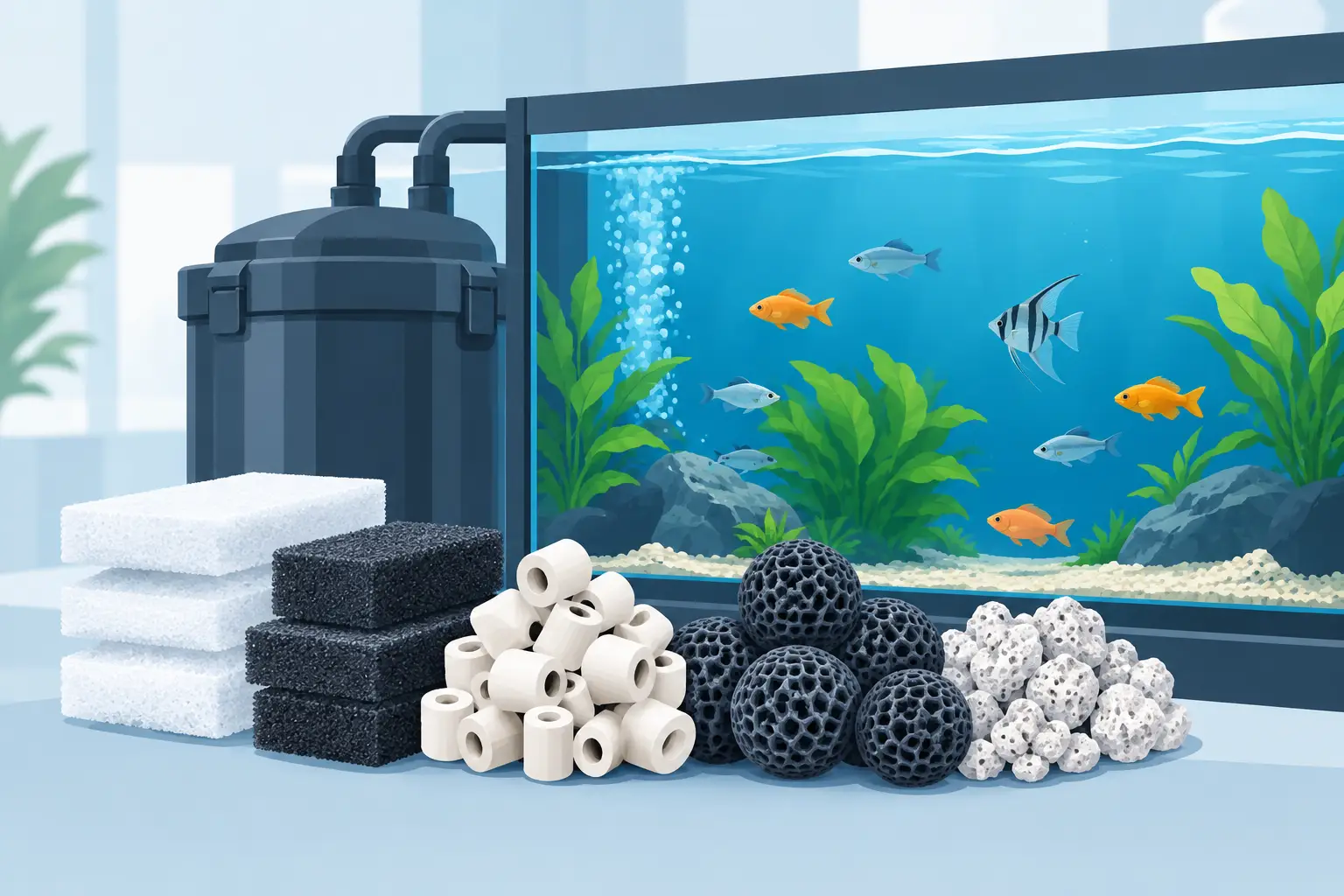
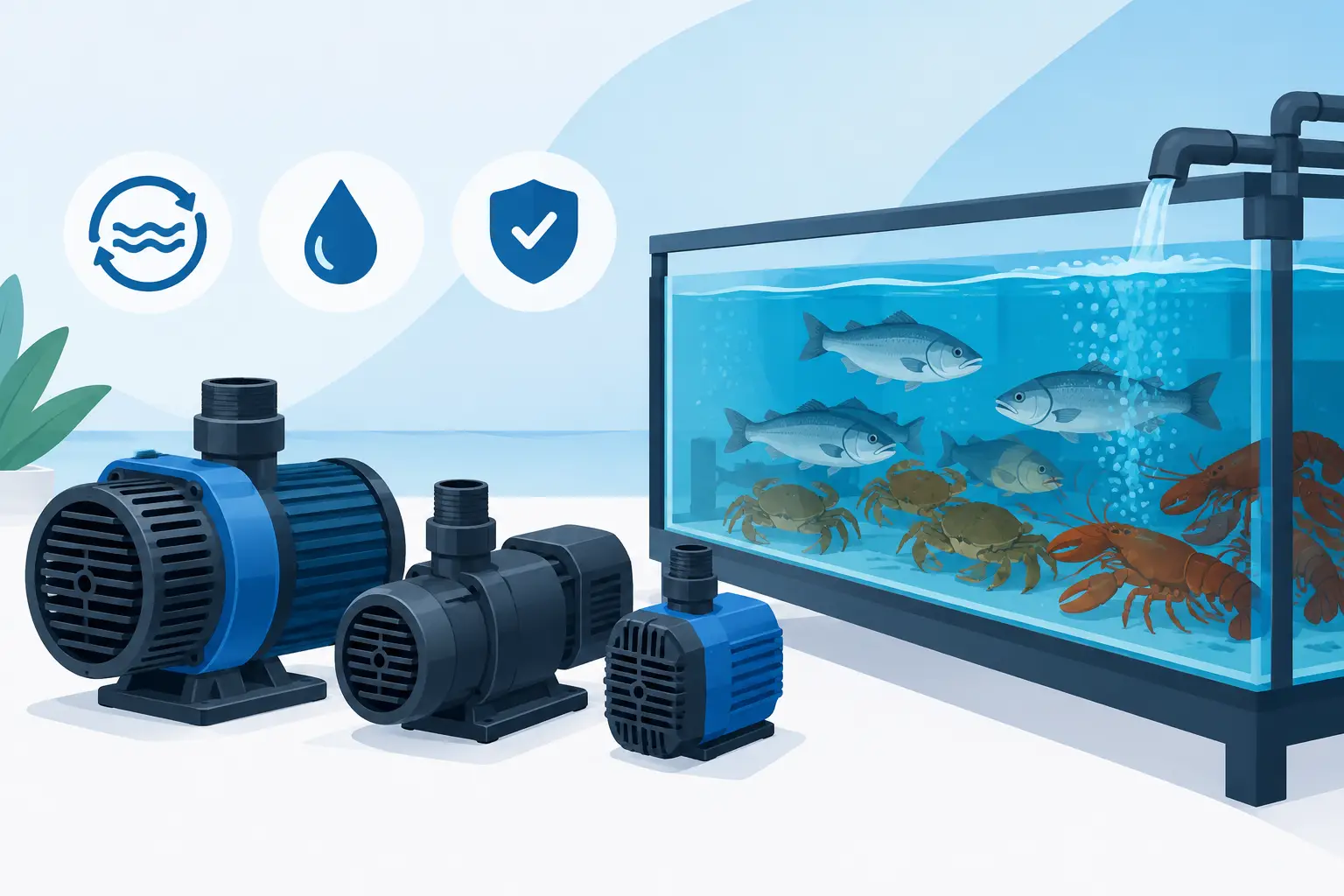
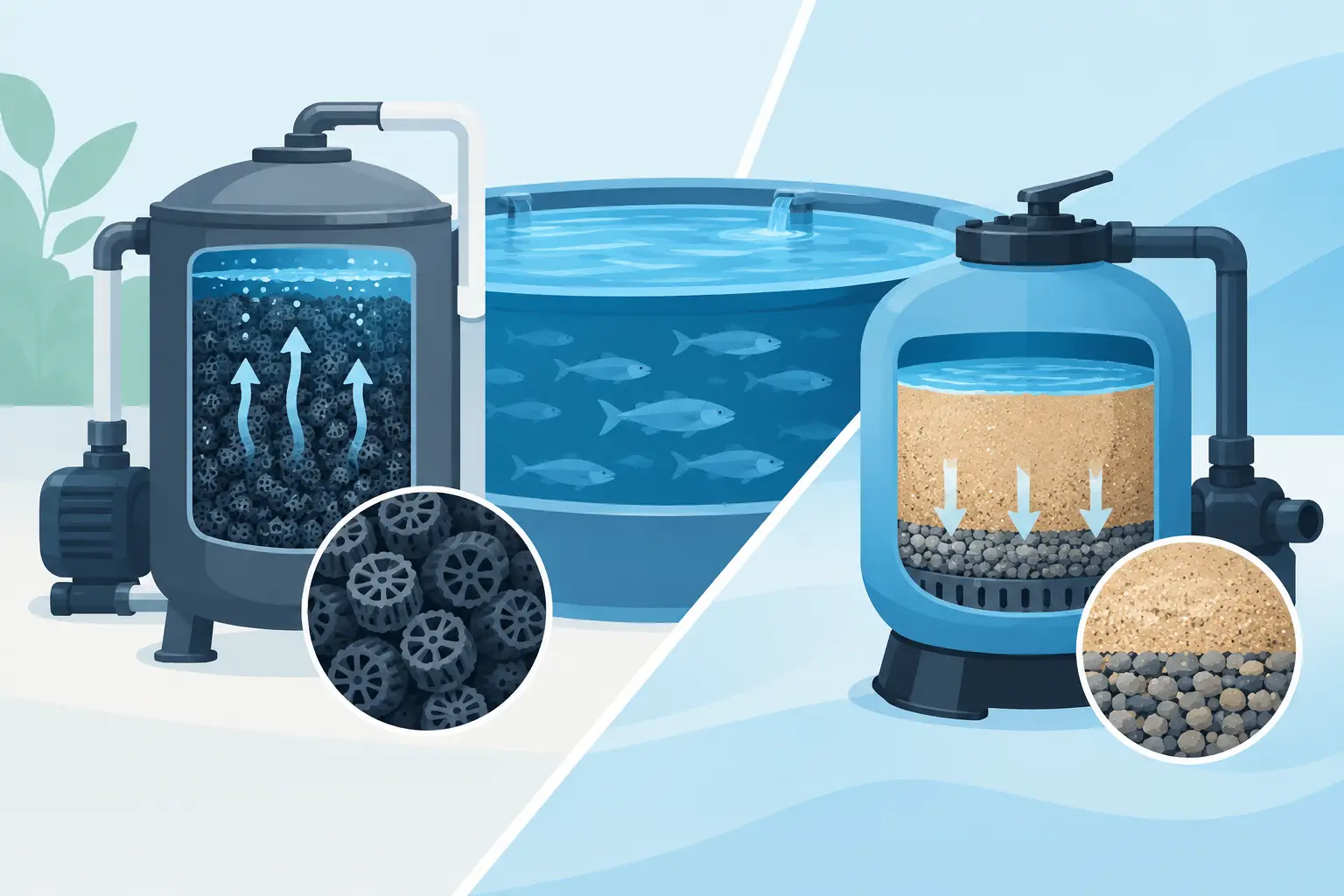
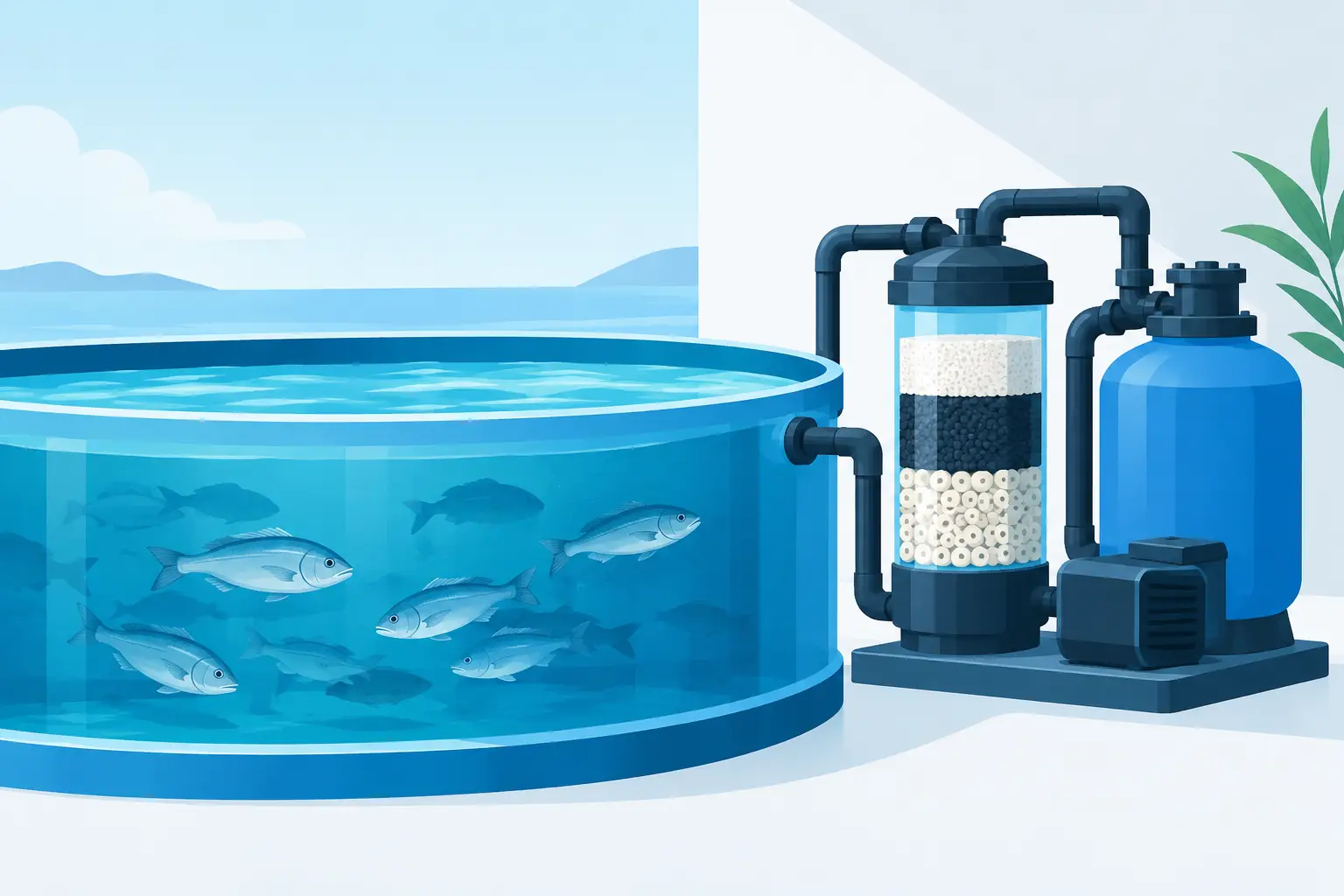
If water parameters drift despite proper salt, media changes, cleaning, and normal maintenance, the issue may be more than a routine service need. Worn pumps, declining filtration capacity, damaged plumbing, poor circulation, or an improperly matched system can make it difficult to maintain dependable water conditions.
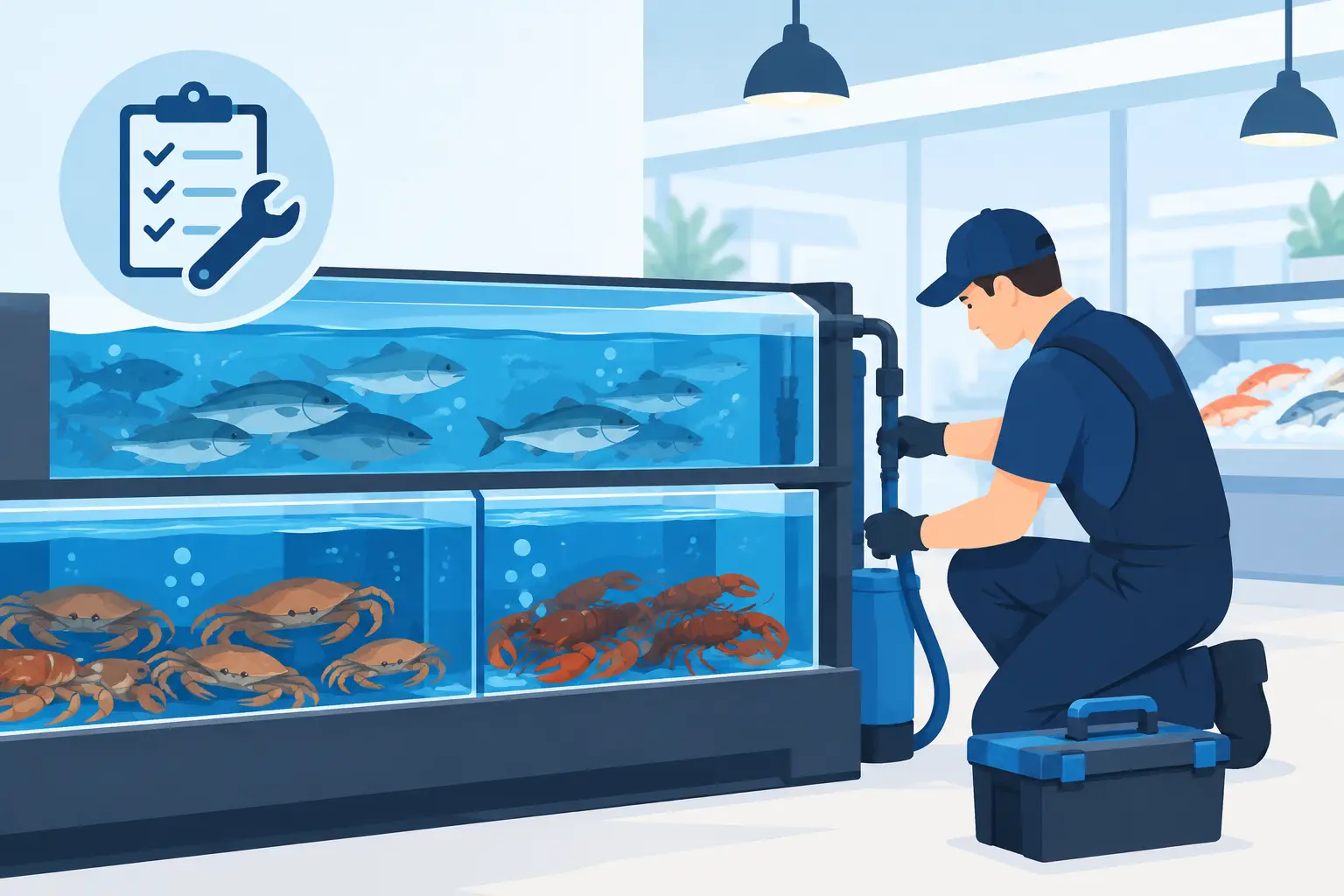
Do not assume every water-quality issue means the entire tank must be replaced. A qualified technician may be able to restore performance by replacing a pump, filter housing, plumbing run, control, or other component. But when several parts are aging at once, repeated repairs can become a costly way to postpone the inevitable.
Refrigeration or temperature control is inconsistent
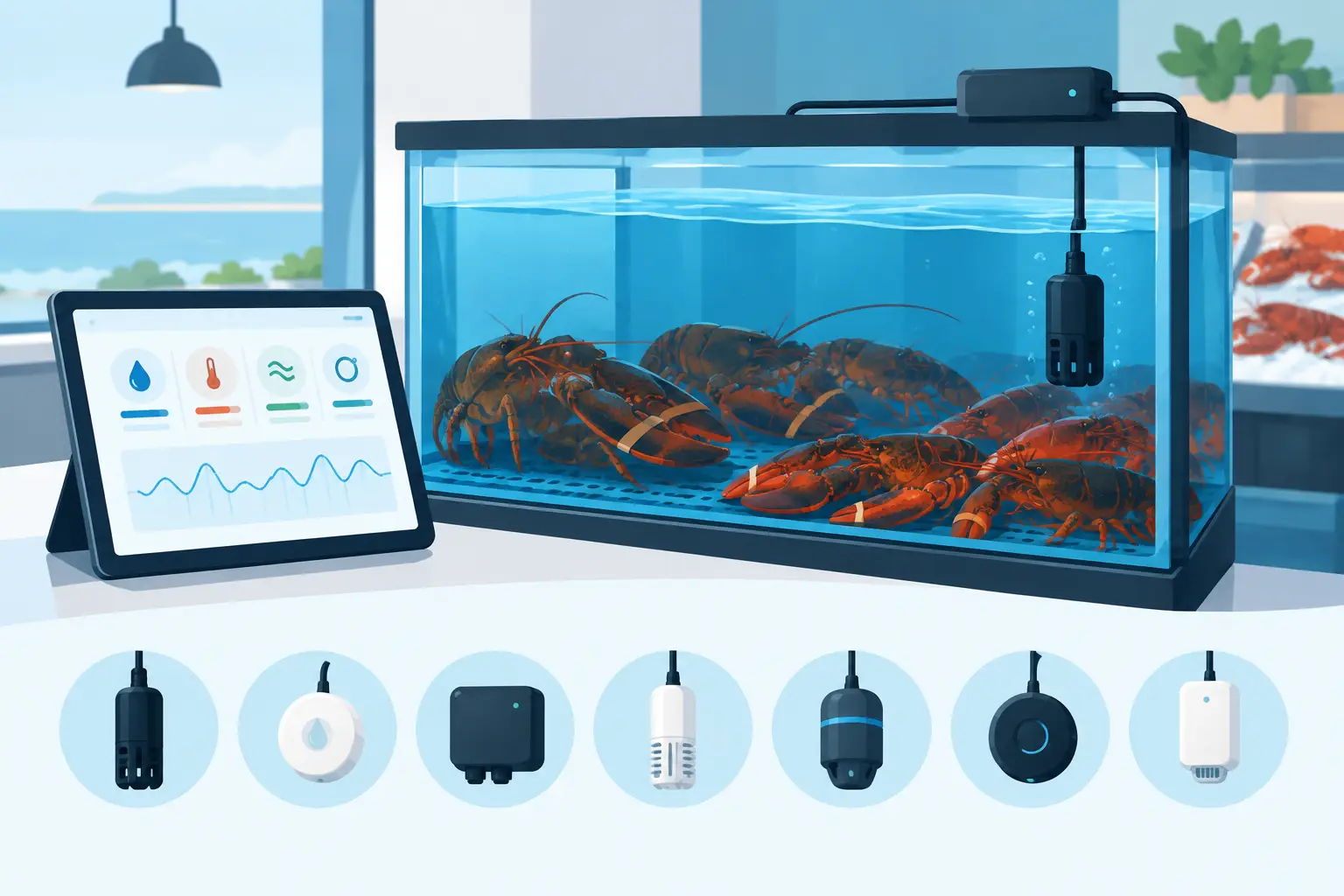
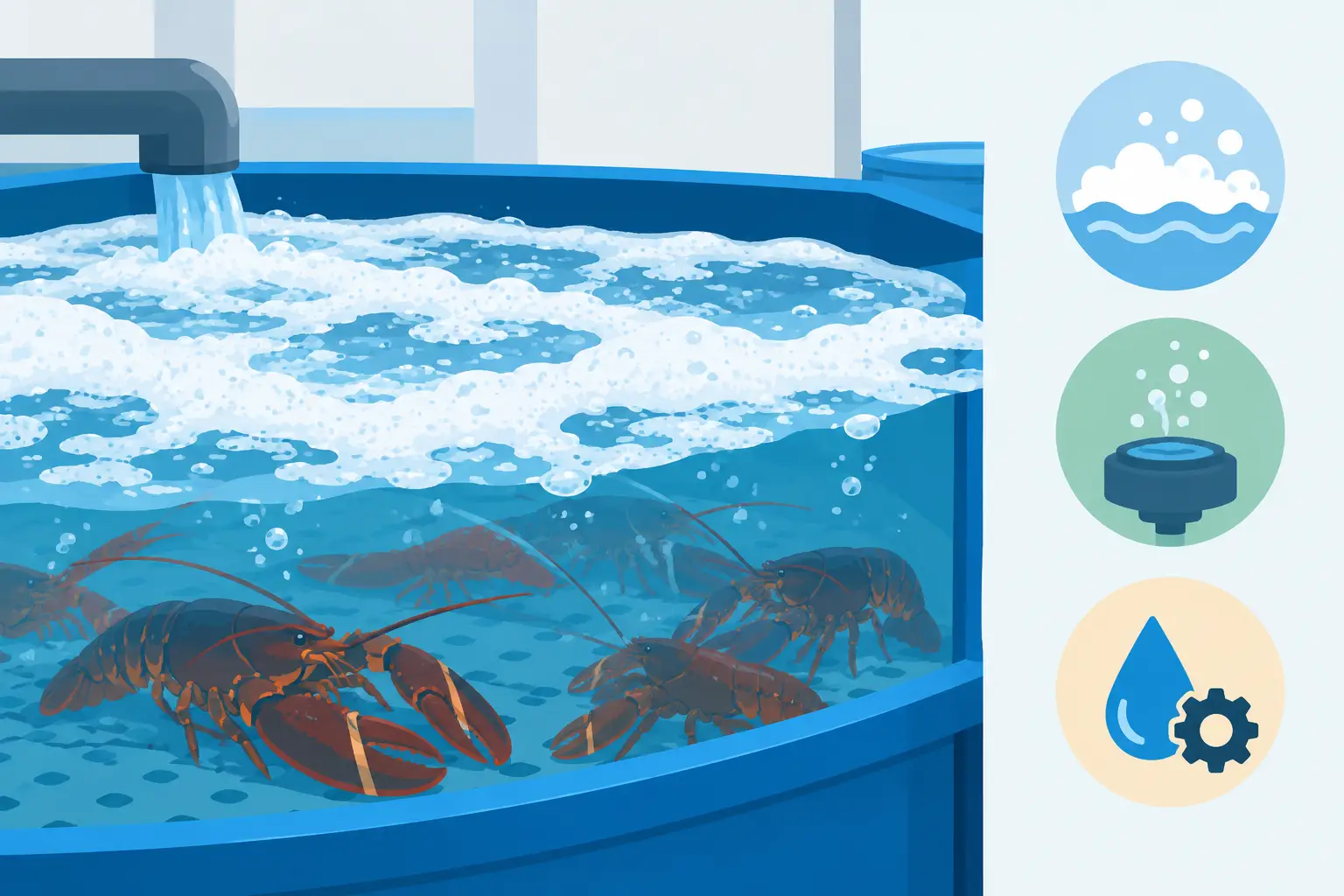
Temperature stability is a core operating requirement, not a nice feature. If the system cycles excessively, struggles during warm weather, makes unusual noise, or cannot hold its set point under a normal live load, it needs immediate attention.
A refrigeration repair may make sense when the rest of the system is sound and the cause is isolated. Replacement becomes the stronger business decision when cooling issues recur, parts are difficult to source, utility consumption is climbing, or the equipment can no longer support the volume you sell.
The tank shows physical wear that affects operations
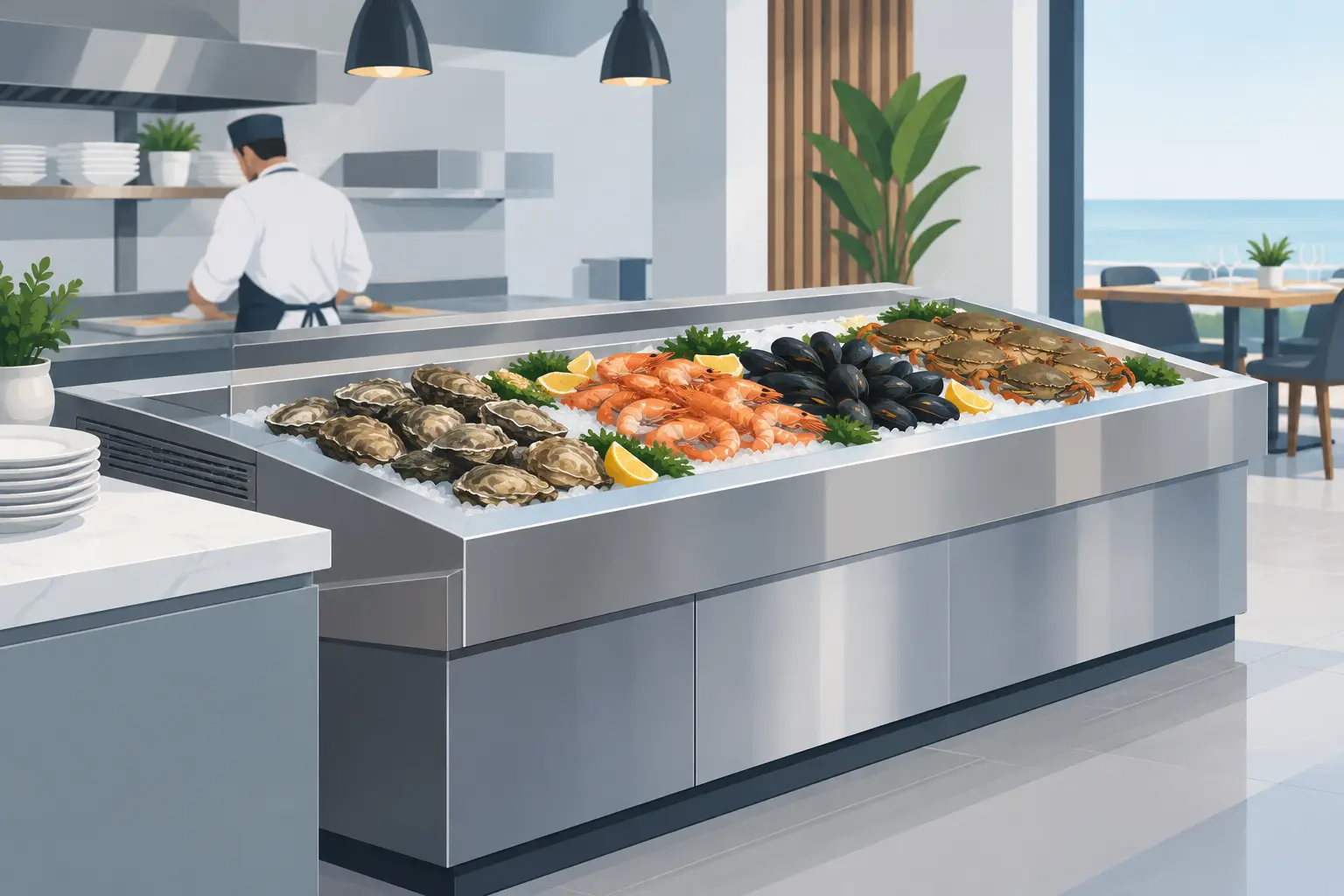
Cracked panels, failing seams, corroded metal, compromised lids, unreliable drains, and worn display components are more than cosmetic concerns. Physical deterioration can create sanitation challenges, increase the chance of leaks, and weaken the presentation customers see at the seafood counter or in the dining room.
A live seafood display should communicate freshness and professional handling. If staff are constantly working around a leaking fitting, sticking access door, or unreliable drain, that equipment is taking attention away from service and product care.
Service calls are becoming routine
A single repair does not justify replacement. A pattern does. Track the number of service calls, replacement parts, labor hours, product losses, and interruptions tied to each system. When the same equipment requires frequent intervention, the apparent savings of repair can disappear quickly.
The true cost includes more than an invoice. Consider the manager pulled into troubleshooting, the employee monitoring a weak system overnight, the seafood that cannot be displayed confidently, and the sales lost when live inventory is unavailable.
Repair or Replace: Make the Decision on Total Cost
The repair-versus-replace decision should be practical. If a system has a defined problem, replacement parts are available, and the repair returns it to dependable operation, repair is often the right call. Good commercial equipment deserves proper maintenance.
Replacement deserves serious consideration when the system is undersized, obsolete, physically deteriorated, or dependent on repeated repairs. The same is true when your menu, seafood department, or wholesale volume has outgrown the original setup. Keeping an undersized tank alive may cost less this month, but it can restrict sales every day it remains in place.
Look at a 12- to 24-month window rather than one repair estimate. Add projected service work, utility use, likely replacement parts, potential inventory risk, and the operational disruption of an unplanned failure. Then compare that number with a new system designed for the actual demands of your operation.
A replacement should also solve the reason the old system fell behind. Installing the same capacity in a business that now carries more lobster or turns product faster simply restarts the cycle. Proper sizing, reliable filtration, adequate circulation, and accessible service areas matter as much as the tank itself.
Plan the Change Around Live Inventory
Replacing seafood equipment while protecting live product requires coordination. Start by scheduling the work during a lower-volume period whenever possible. Reduce incoming live inventory beforehand, confirm temporary holding arrangements if needed, and make sure the new system has the appropriate water, salt, filtration media, and temperature conditions ready before product is transferred.
Measure the full route, not just the final footprint. A custom tank or replacement system has to clear loading areas, doors, hallways, counters, and installation access points. Confirm electrical service, water supply, drains, floor capacity, ventilation, and room for technicians to reach pumps, filters, and controls after installation.
It also pays to decide who owns each step. Facilities may handle power and drainage, while seafood managers coordinate inventory and staff training. Procurement needs clear specifications and lead-time expectations. When those responsibilities are understood upfront, installation day is far less disruptive.
For multi-unit operators, replacement planning can become a useful standardization effort. Similar systems, common maintenance practices, and readily available replacement parts reduce training time and make it easier to manage service across locations. Standardization is not always possible with different footprints and sales volumes, but it is worth considering before each location purchases independently.
Specify a System That Works on Your Floor
The best equipment is not simply the largest tank or the lowest initial price. It is the system built around the species, holding volume, turnover rate, available space, and service expectations of the operation.
A restaurant with a limited live-lobster program may need a compact, dependable unit that staff can manage without sacrificing kitchen or guest space. A busy seafood department may need higher capacity, stronger merchandising impact, and filtration designed for continuous demand. Wholesalers and high-volume retailers may require custom fabrication, multiple holding zones, and components selected for easier ongoing maintenance.
Ask direct questions during the specification process. How much live product will the system carry at peak? What happens during a holiday rush? Can staff safely access the system for cleaning and product handling? Are filtration components simple to service? Is the equipment designed with the correct water volume and circulation for its intended load?
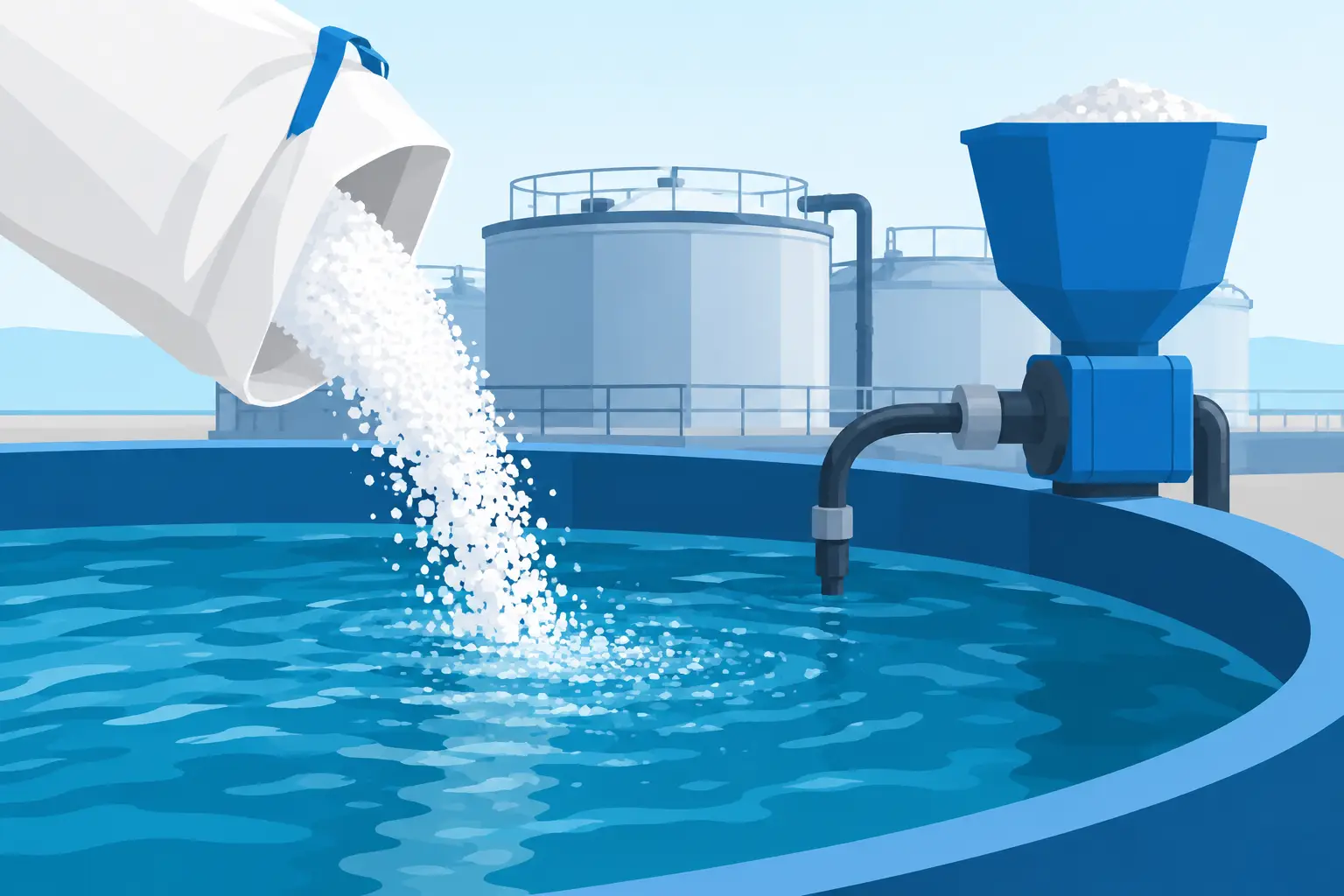
Do not overlook consumables and support. Marine salt, activated carbon, filter media, replacement parts, and preventative maintenance are part of the operating system. A well-built tank cannot deliver consistent results if required supplies are delayed or routine maintenance is ignored.
Lobster Life Systems provides commercial operators with one source for custom aquatic tank design, USA-made fabrication, filtration products, marine salt, replacement components, and ongoing technical support. That matters when a replacement project needs to move from specification to installation without coordinating a string of unrelated vendors.
Protect the New Investment After Installation
New equipment should come with a written maintenance routine, not an assumption that it will run unattended. Train staff on daily visual checks, normal operating ranges, cleaning responsibilities, and the escalation process when something changes. A small shift in temperature, flow, noise, or water clarity is easier to address before it affects inventory.
Keep records of service, media changes, water conditions, and repairs. Those records help technicians diagnose issues faster and give managers the information needed to budget responsibly for future replacements. They also reveal whether a recurring issue comes from equipment, operating practices, or a mismatch between system capacity and demand.
The best replacement decision is the one made while your seafood is healthy, your schedule is intact, and your team has choices. Treat your live seafood system like the revenue-producing equipment it is, and give it the planning attention it deserves.