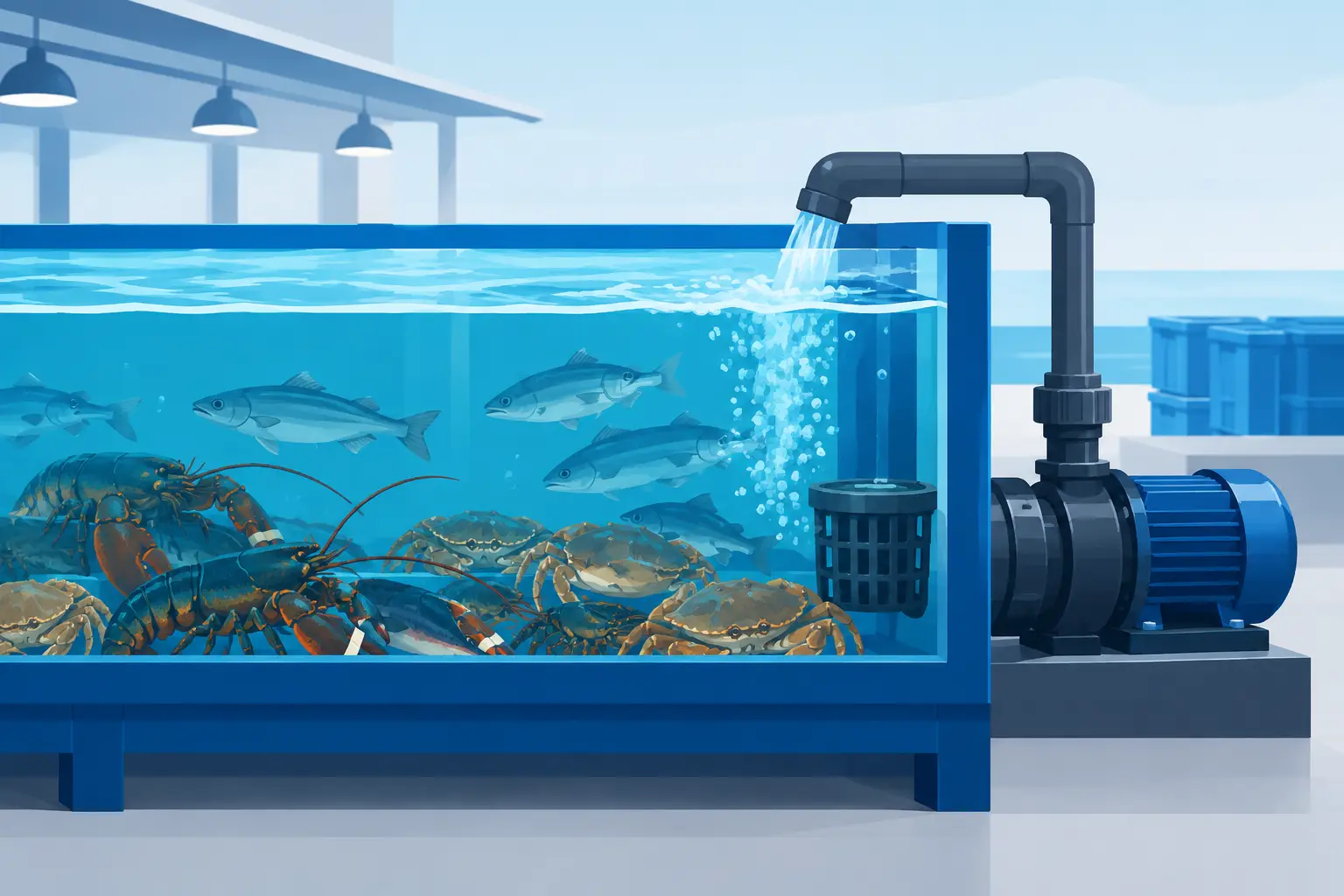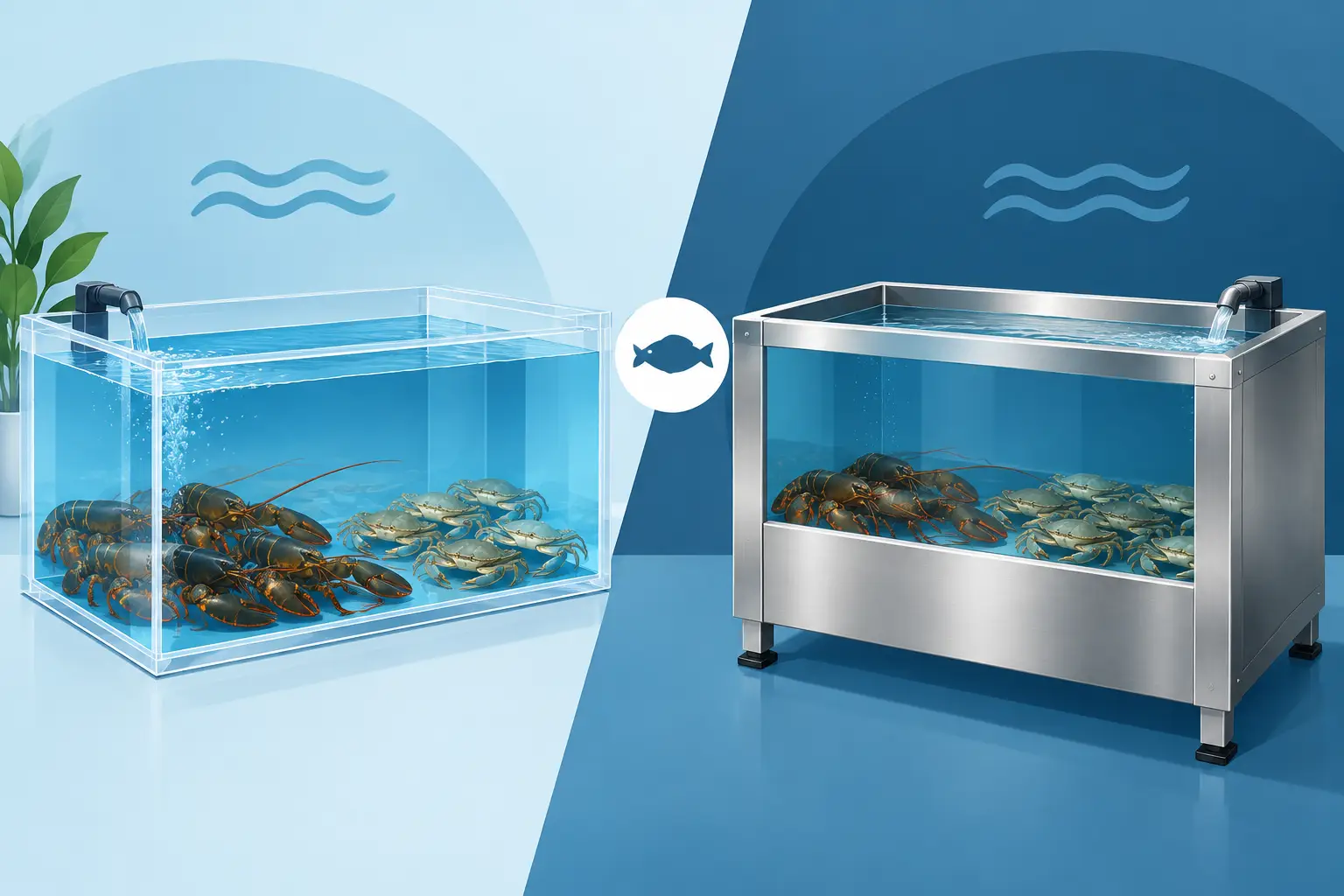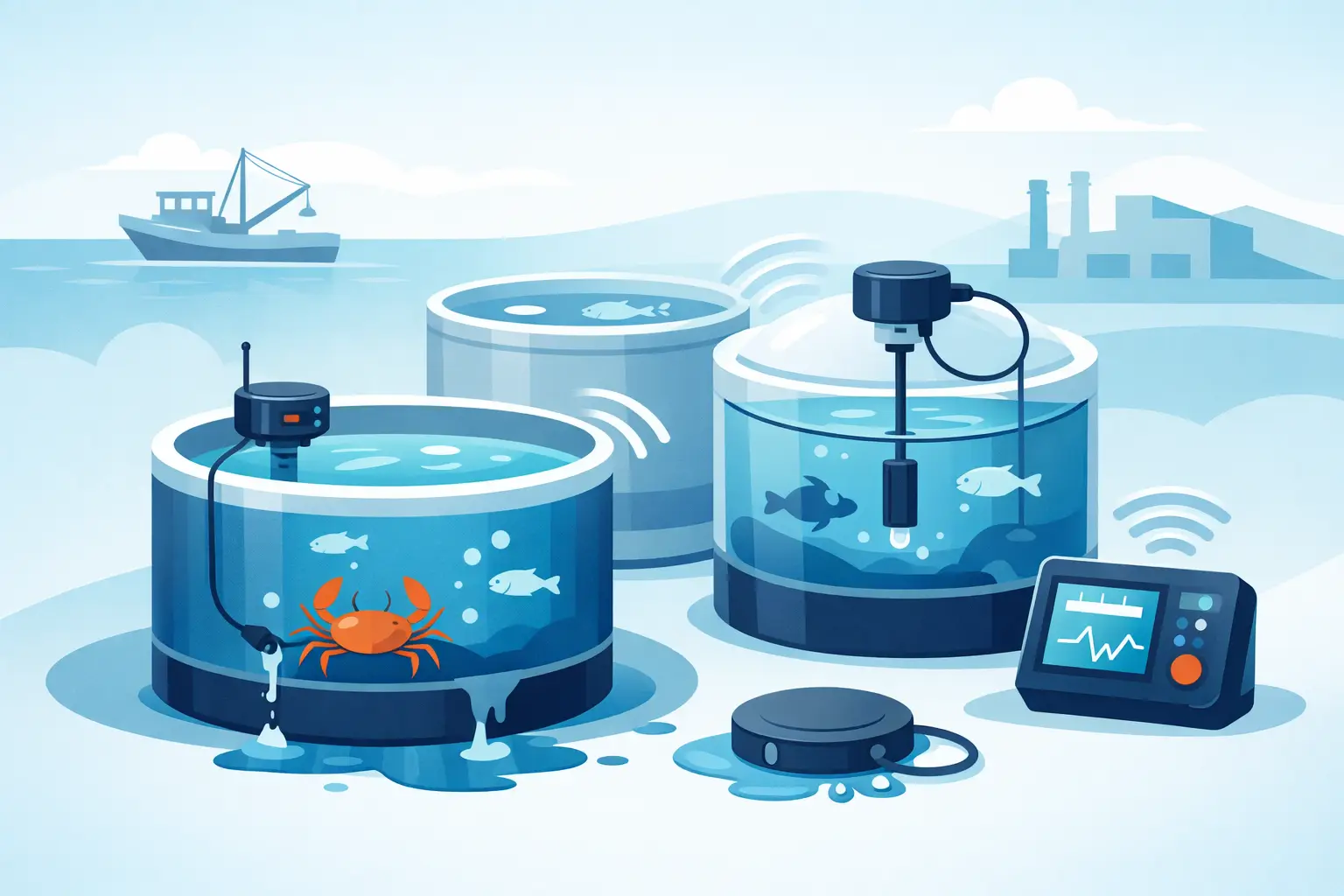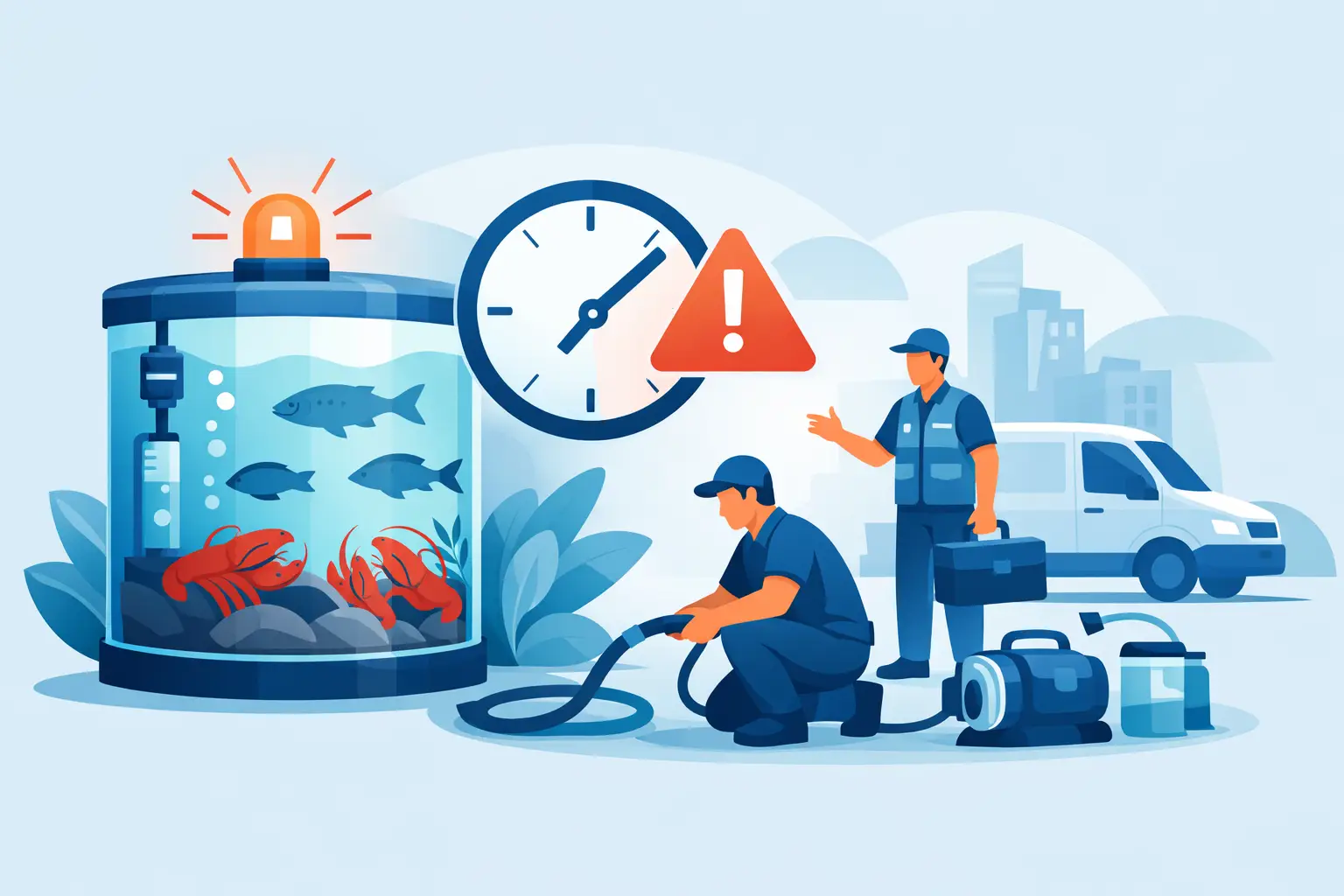

A few ounces of saltwater on the floor can be the first warning of a costly failure. Left unnoticed, a slow drip from a fitting, drain, chiller line, or tank seam can damage finishes, create a slip hazard, corrode nearby equipment, and put valuable live inventory at risk. The best tank leak detection sensors give seafood departments an early warning before a small water event becomes an emergency.
For supermarkets, wholesalers, restaurants, and live seafood retailers, leak detection is not a gadget purchase. It is part of protecting uptime. The right setup depends on the tank layout, floor surface, plumbing design, operating hours, and who is available to respond when an alarm occurs.
What the Best Tank Leak Detection Sensors Must Do
A leak sensor has one job: detect unwanted water where it should not be and notify the right person quickly. In a commercial live seafood environment, that job needs to hold up around saltwater, washdown activity, refrigeration equipment, and busy staff traffic.
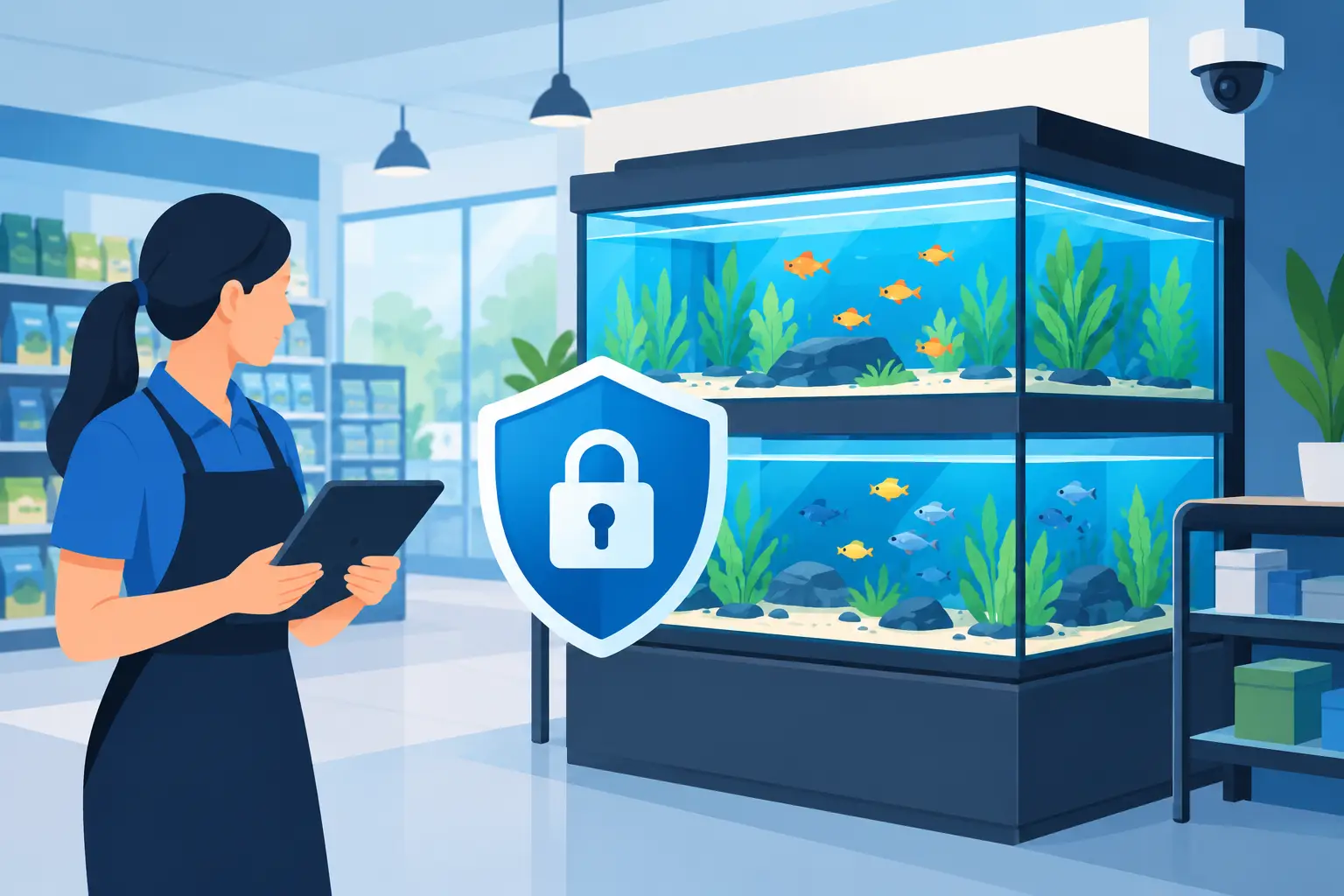
The strongest systems combine dependable sensing with a clear alert path. A local audible alarm may be enough for a small, continuously staffed seafood counter. A multi-location retailer or a facility that is lightly staffed overnight may need text, phone, app, or building-management notifications. Detection without a practical response plan only solves half the problem.
Saltwater changes the equation. It is conductive and corrosive, so sensors, leads, connectors, and mounting locations must be selected with care. A sensor placed directly in the normal splash zone may nuisance-alarm or fail prematurely. One placed too far from the likely leak path may not detect water until it has already spread under equipment.
Four Sensor Types That Fit Commercial Tank Rooms
There is no single best sensor for every lobster tank, shellfish display, filtration room, or seafood back room. These are the main options worth evaluating.
Spot leak sensors
Spot sensors use probes or contacts at a single location. When water bridges the contacts, the system triggers an alarm. They are straightforward, economical, and useful beneath a known risk point such as a pump union, filter housing, chiller connection, or plumbing manifold.
Their limitation is coverage. A spot sensor only protects the small area where it sits. On a long tank run or in a crowded mechanical area, a leak can travel in the opposite direction and remain undetected. They work best when several units are positioned intentionally rather than treated as a one-sensor solution.
Water sensing cables
Water sensing cable detects moisture along its length, making it a strong choice for long tank banks, perimeter curbs, filtration skids, and pipe runs. Cable can be routed where water is most likely to collect, providing more coverage than individual spot sensors.
This approach is especially valuable where the exact source of a future leak is hard to predict. The trade-off is installation discipline. Cable must be secured so staff do not kick, pinch, or bury it beneath debris. It should also remain accessible for inspection and replacement. In wet-service areas, confirm that the cable and controller are rated for the intended environment.
Float switches and sump level alarms
A float switch does not detect a floor leak directly. Instead, it identifies an abnormal water level in a sump, catch basin, containment pan, or equipment reservoir. That can be the right protection for systems where a failed valve, blocked drain, or overflowing reservoir is the more likely threat.
Float alarms are effective when they are tied to a clearly understood condition, such as a high-water pan beneath a filtration component. They are less useful if the surrounding floor has no containment and water can bypass the monitored area.
Smart connected sensors
Connected sensors pair leak detection with remote notification. Depending on the system, alerts can go to designated staff by text, email, mobile app, or a central monitoring platform. For stores with multiple departments, overnight hours, or limited facilities coverage, remote visibility can shorten response time considerably.
Connectivity is not a substitute for reliability. Ask how the device performs during a power outage, internet interruption, or network change. Battery backup, local audible alarms, and documented testing procedures matter. A smart sensor that only works when every other building system is functioning perfectly is not enough protection for live inventory.
Where to Place Leak Sensors Around Live Seafood Systems
Sensor placement determines whether an alarm arrives early or after water has crossed the floor. Begin with a walk-through of the entire system, not just the display tank. Follow every path water can take: incoming water, filtration, drains, pump connections, chillers, condensate lines, and return plumbing.
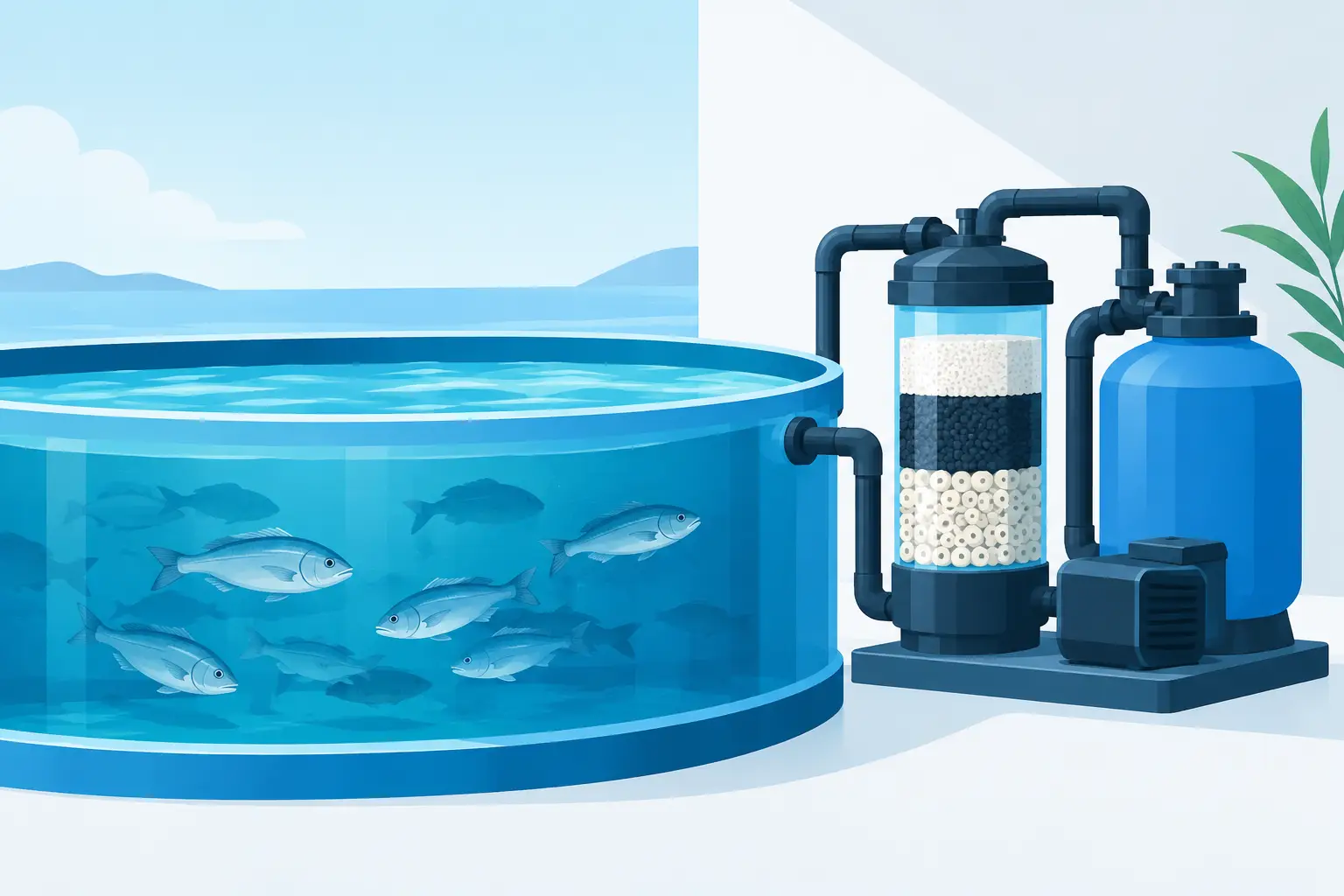
Priority locations usually include beneath pump and filter connections, below unions and valves, around chiller or refrigeration-related water lines, beside floor-level drain points, under plumbing manifolds, and at the low side of a sloped floor. For long custom tank systems, water sensing cable along the back base of the tank can provide broad coverage without cluttering the customer-facing side.
Do not place sensors where routine mopping, splash, or washdown will trigger alarms unless the system is designed to distinguish those events. That creates alarm fatigue. Staff who receive repeated false alarms will eventually stop treating them as urgent.
It is also wise to protect the equipment around the tank, not only the tank itself. Saltwater reaching an electrical connection, refrigeration component, finished casework, or adjacent dry-goods storage can create a larger problem than the original drip. The goal is to detect water at the first practical point, before it reaches vulnerable assets.
How to Choose the Right Alert Strategy
A leak alarm should match the way your operation actually runs. A seafood manager working beside a display all day can respond to a local audible alarm. A chain store may require the alarm to reach store management, facilities, and an outside service contact. A wholesale facility with overnight holding systems may need escalation if the first contact does not acknowledge the alert.
Before buying, answer three questions: Who receives the alert? Who can physically respond? What action are they authorized to take? The response may be as simple as inspecting the source, placing a catch pan, shutting down a pump, closing a water supply, or calling a qualified service technician. The correct action depends on the design of the tank system and the cause of the leak.
For higher-risk installations, consider pairing detection with a monitored shutoff valve or equipment interlock. This can reduce the volume of water released during certain failures. However, automatic shutoff must be designed carefully. Cutting power or water to the wrong component can create circulation, temperature, or animal-health problems. It should be part of an engineered operating plan, not an afterthought.
Installation and Maintenance Are Part of the Equipment
Even the best sensor will not protect a department if it is installed poorly or never tested. During installation, label each sensor location and identify it on a simple site diagram. When an alarm sounds, staff should know whether the issue is at the pump station, the display tank, the filtration skid, or the chiller line.
Test sensors on a scheduled basis using the manufacturer-approved method. Check batteries, signal strength, controller status, cable condition, and notification contacts. Clean salt residue or debris according to the equipment instructions. Do not assume a sensor is working because its indicator light is on.
A practical inspection routine should also include the system components most likely to leak: hose clamps, unions, fittings, valves, drain lines, pump seals, filter housings, and tank seams. Sensors are a safety net. Preventive maintenance is what keeps minor wear from becoming a water event in the first place.
Why Tank-Specific Expertise Matters
General building leak devices can be useful, but live seafood systems have different demands. They operate around saltwater, continuous circulation, biological filtration, temperature-control equipment, and valuable live product. The best recommendation starts with the actual tank configuration and the way the seafood department is staffed.
Lobster Life Systems has worked with commercial live seafood operations since 1989, and that experience matters when evaluating protection around custom tanks, filtration, salt, service needs, and long-term maintenance. A properly designed tank system should make leaks easier to identify, contain, and service before they threaten product quality or the customer experience.
Choose sensors that fit your operation, place them where water will truly travel, and test them before you need them. That small amount of planning gives your team a better chance to protect the inventory, the equipment, and the day’s sales when a fitting decides it has had enough.