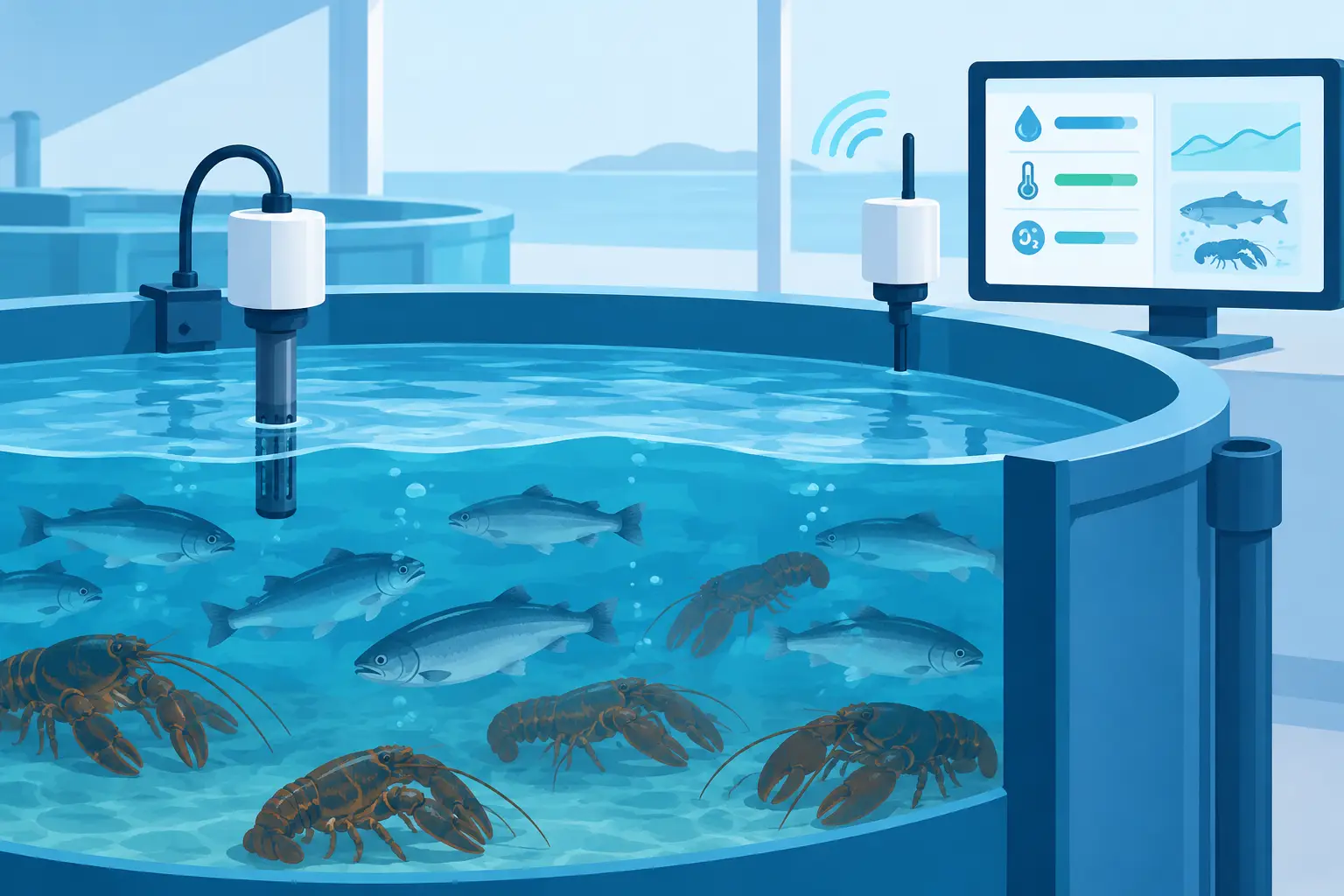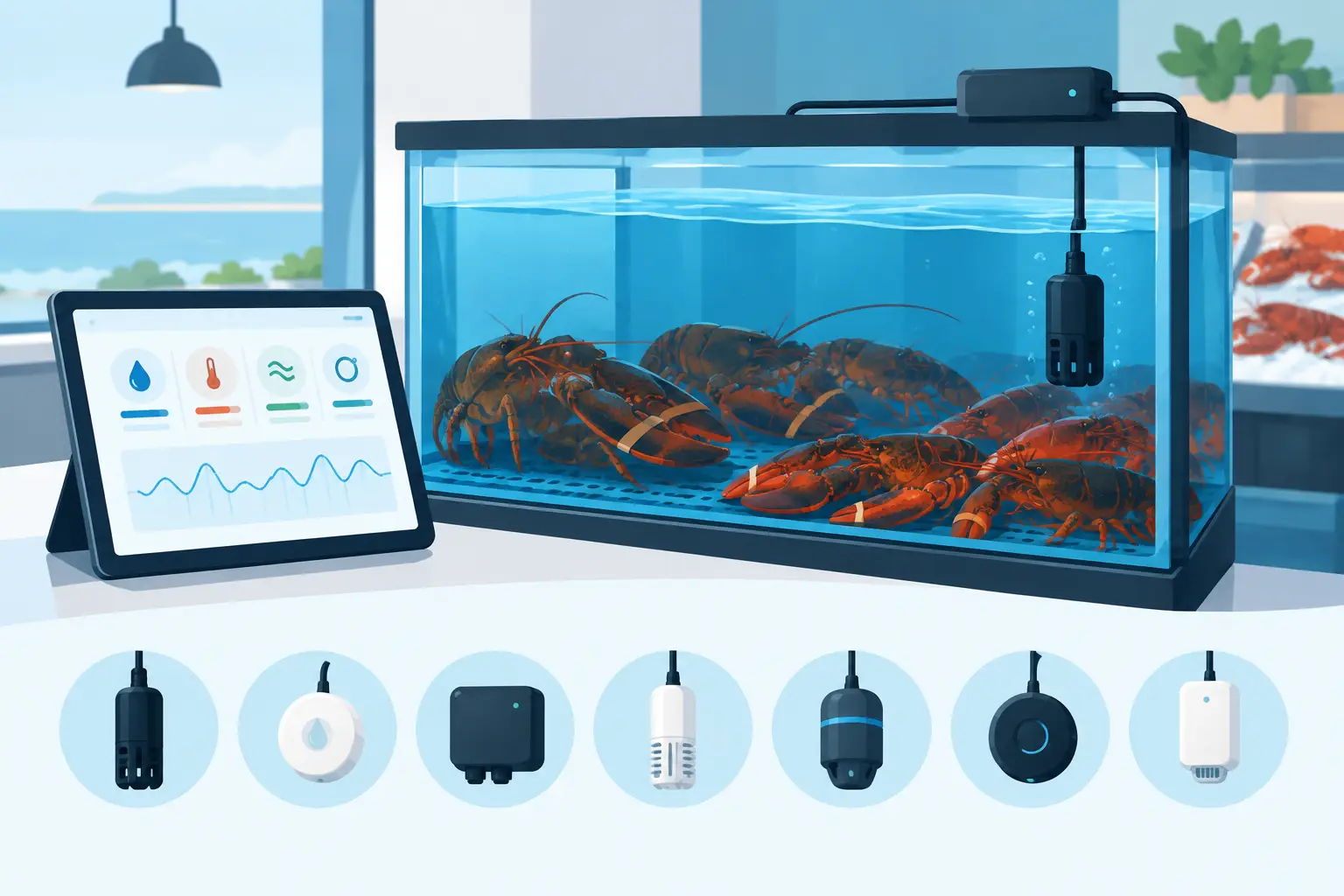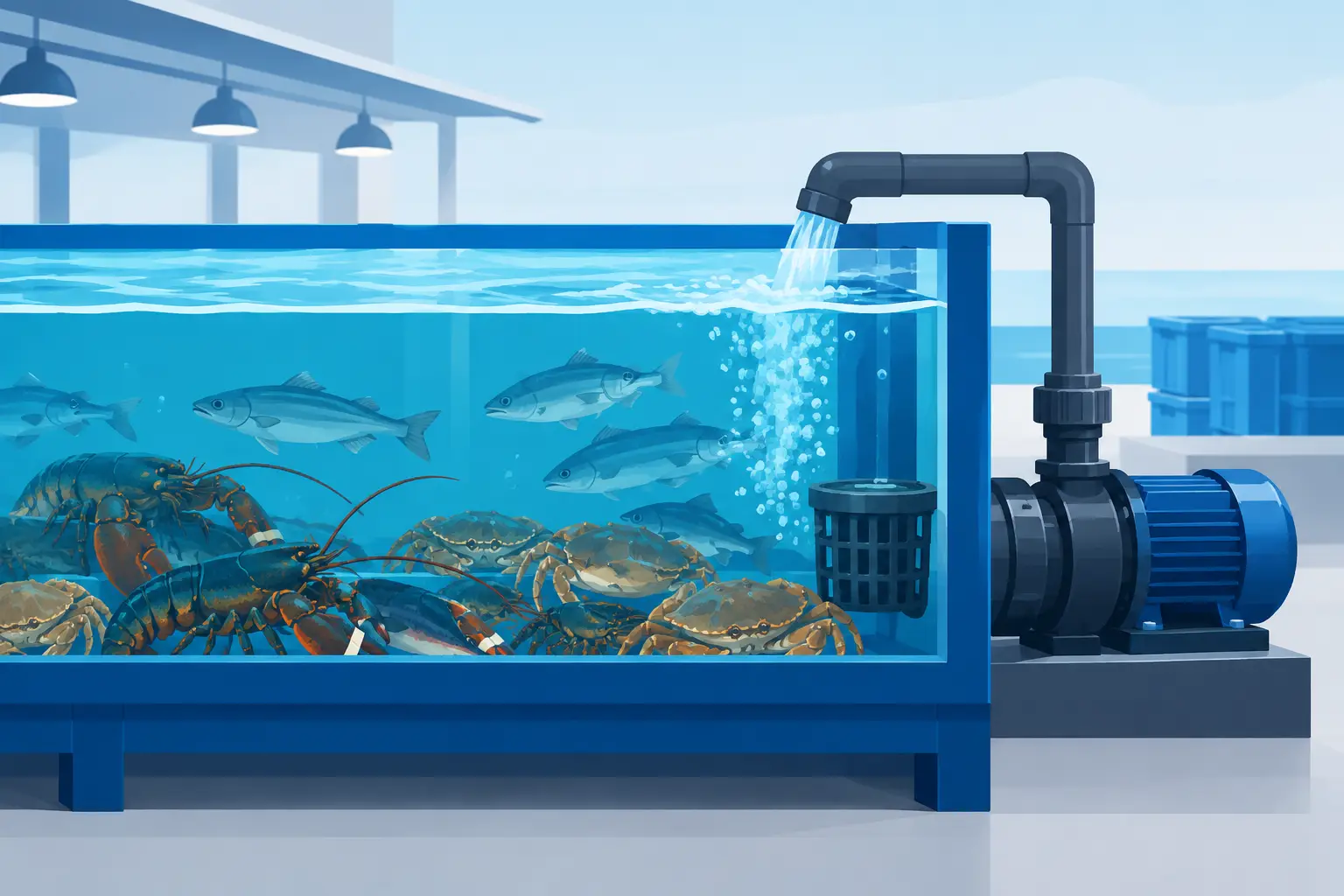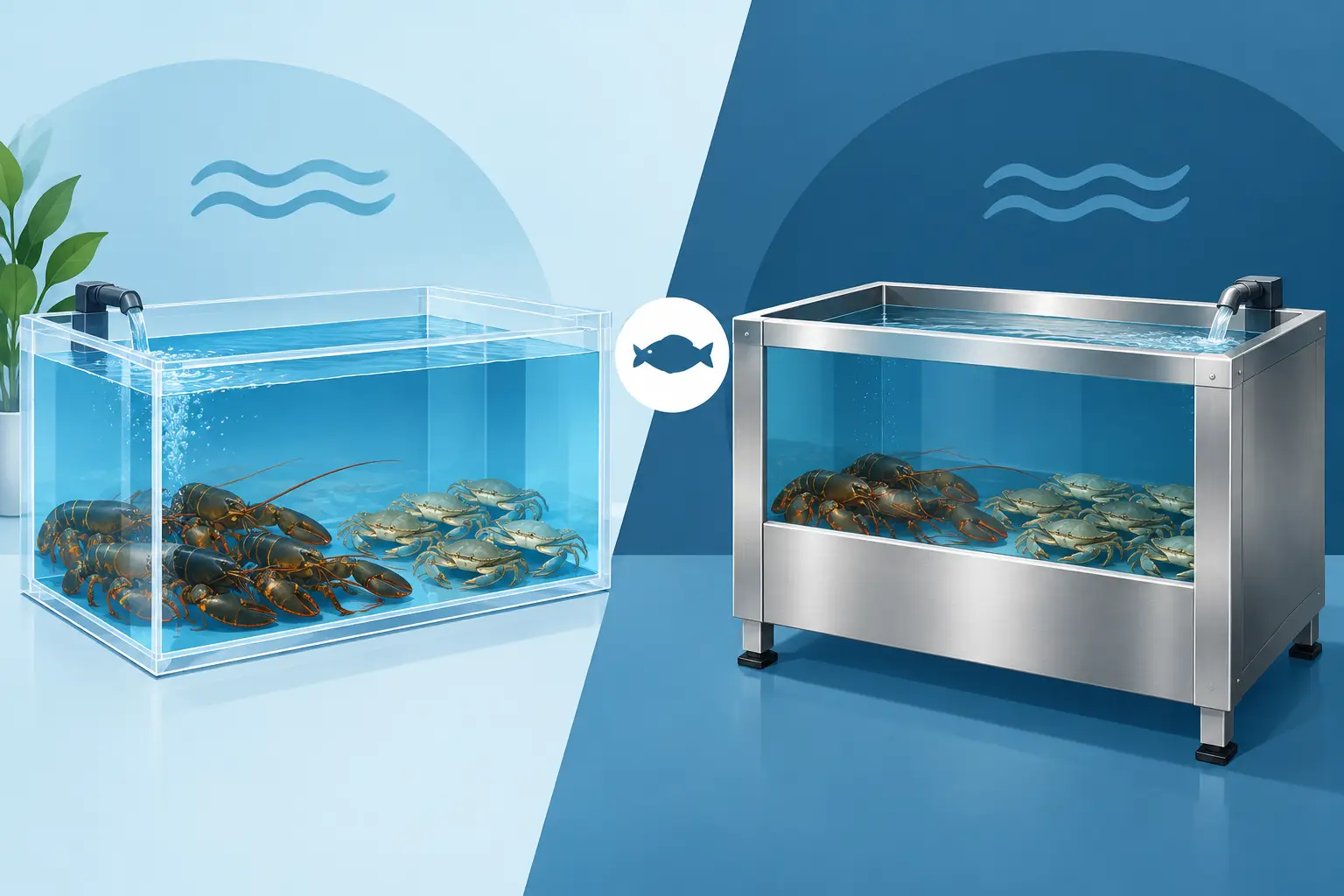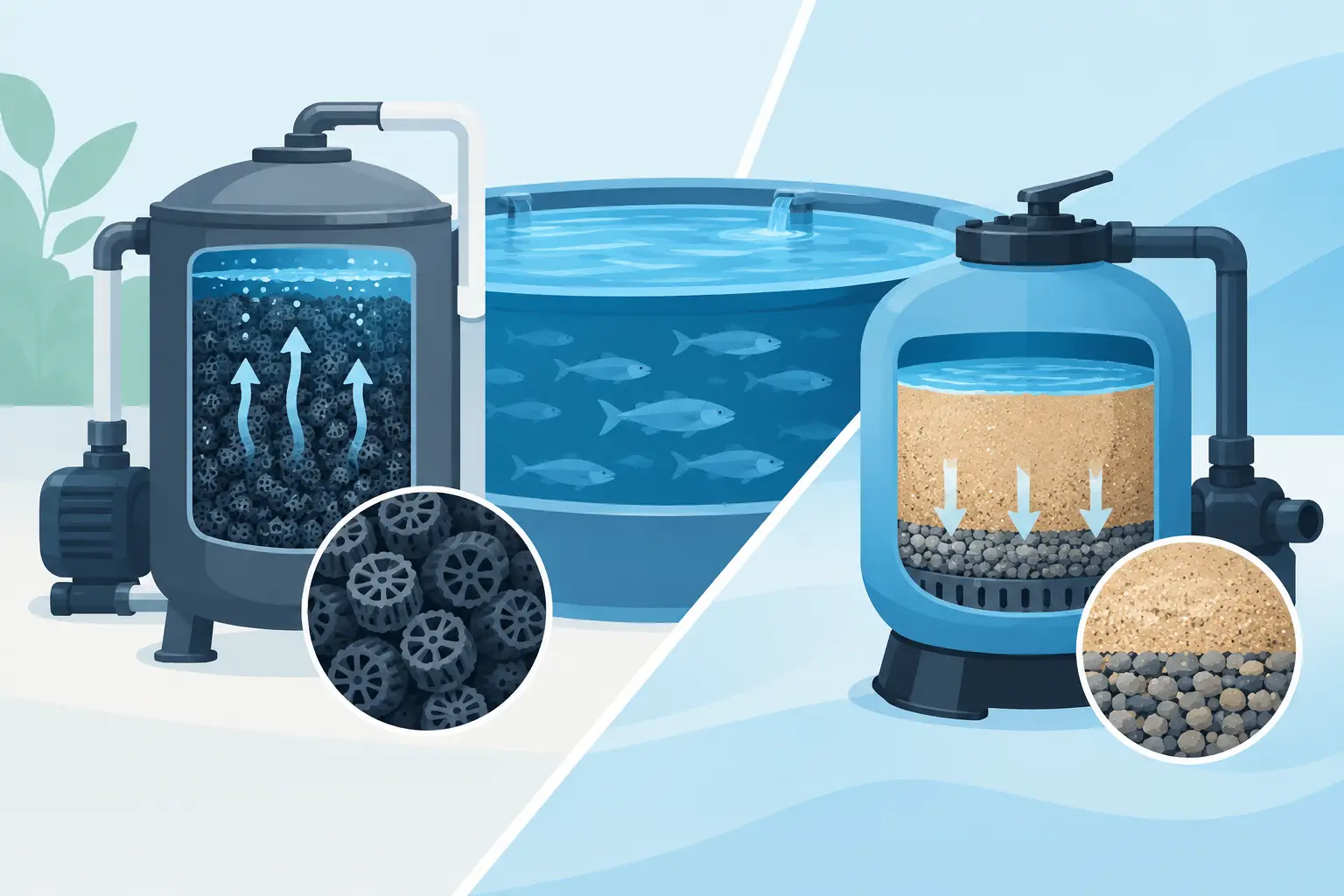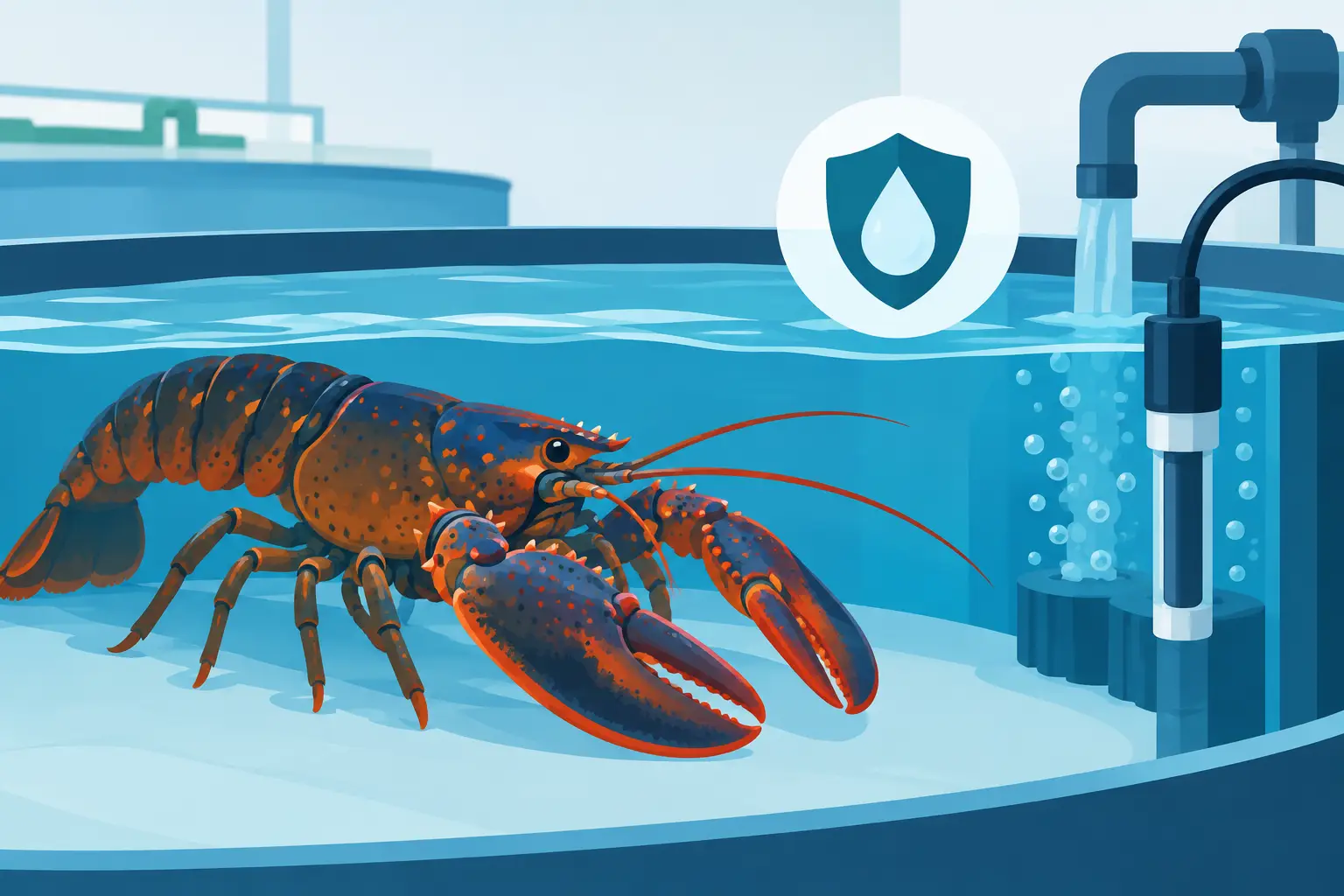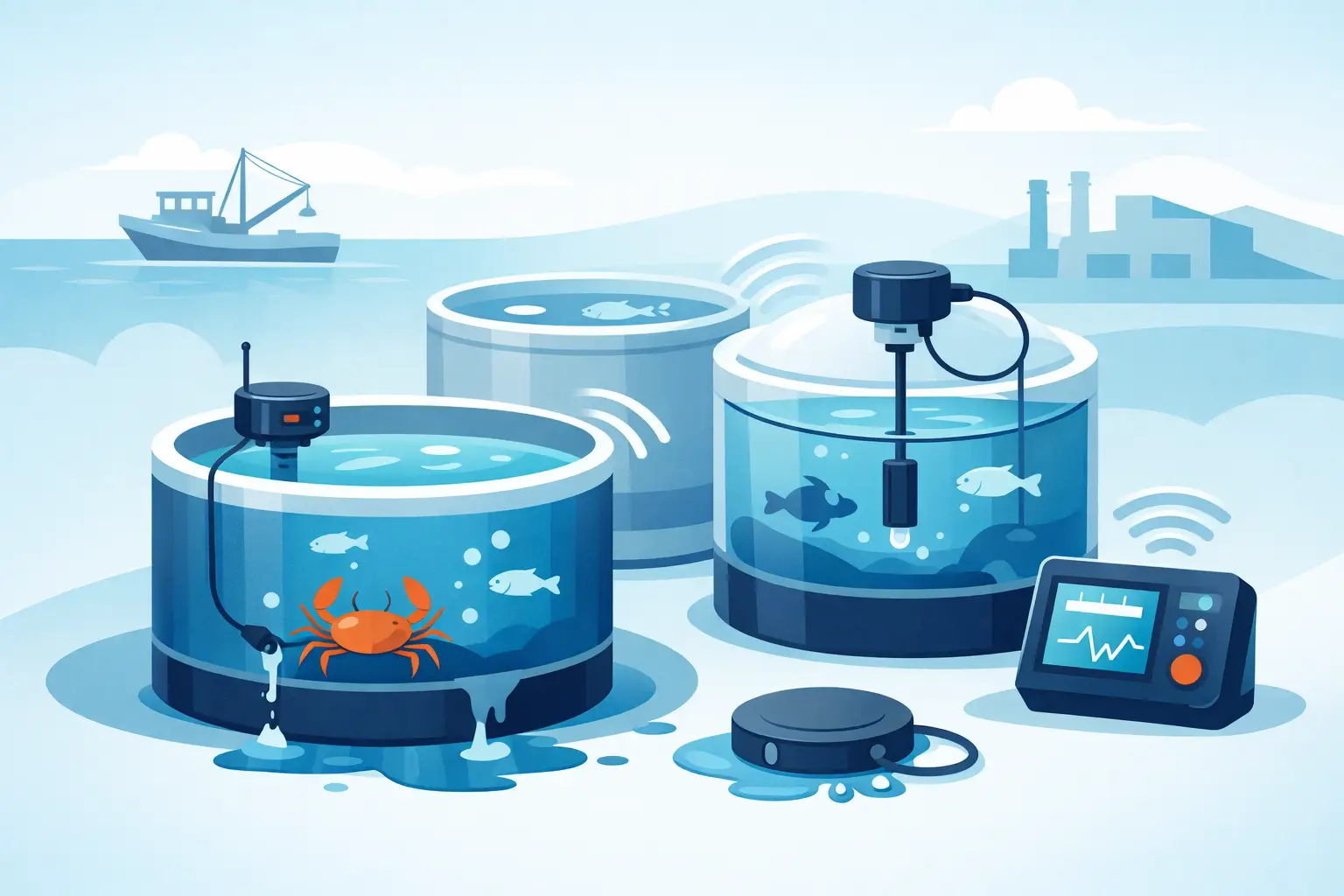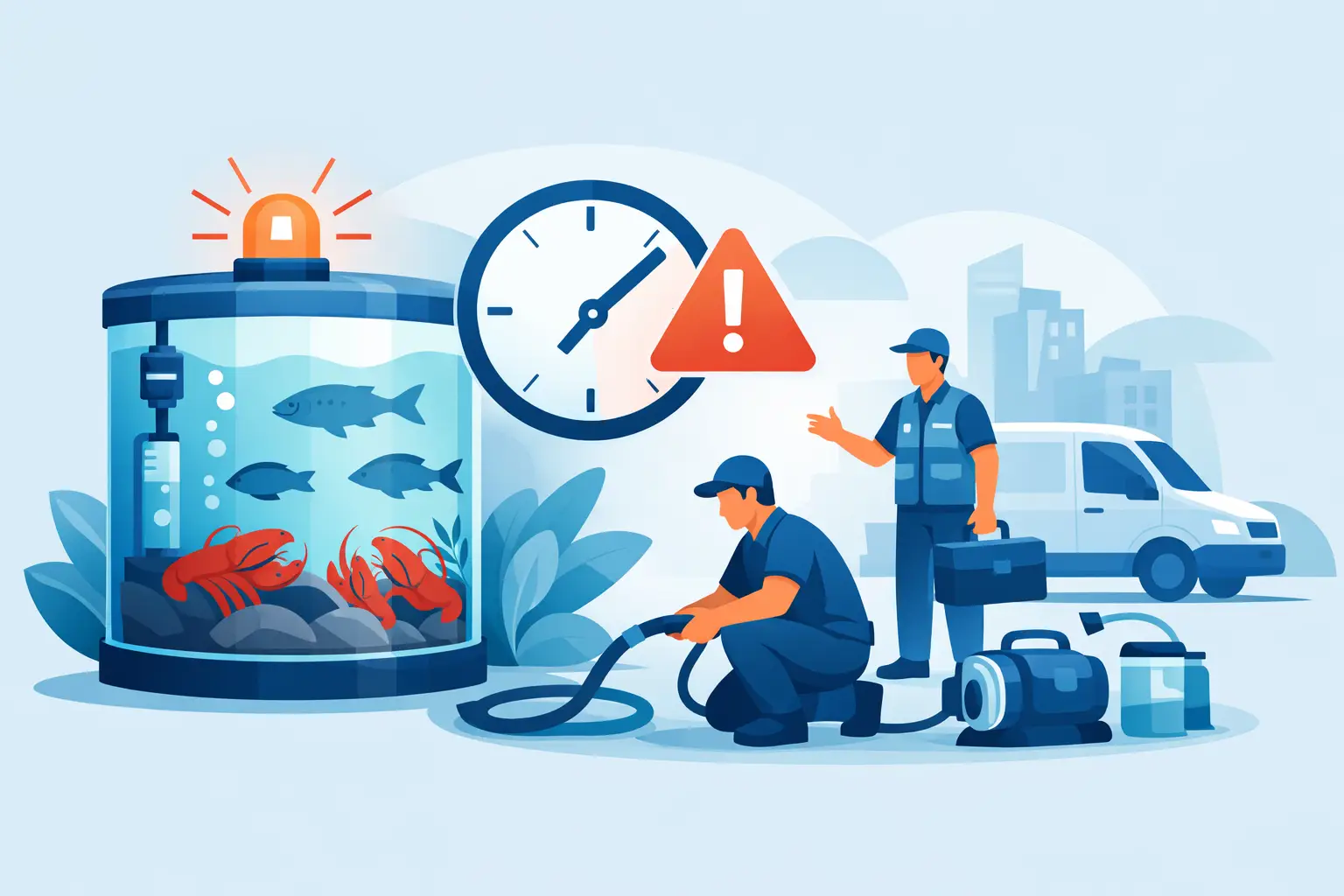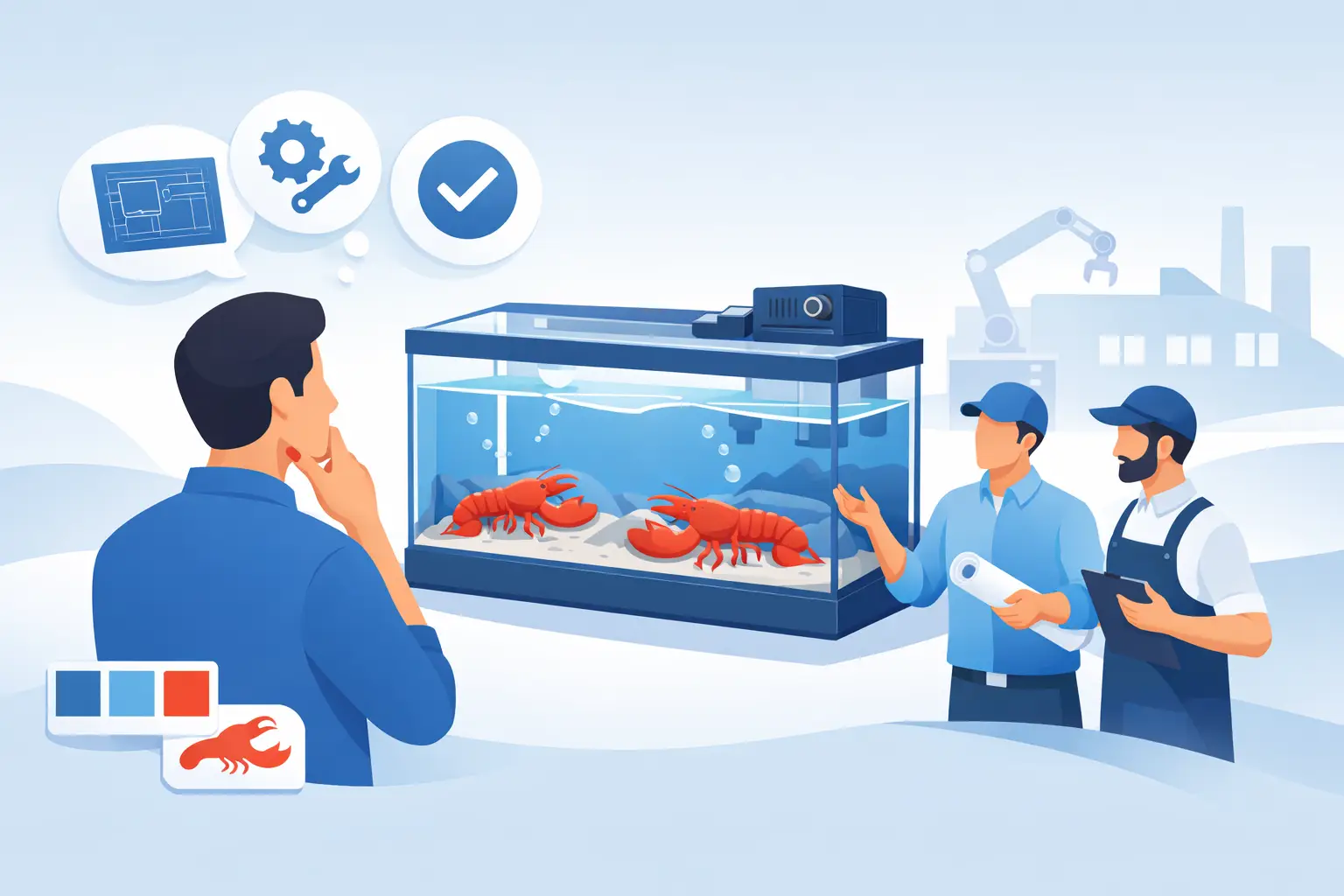

A busy seafood department can lose a tank’s worth of live product long before anyone sees a visible problem. Water may still look clean while circulation has slowed, dissolved oxygen is falling, or a chiller is drifting outside its set point. Properly specified tank sensors give operators an earlier warning, turning a potential livestock loss into a service call or a quick correction.
For supermarkets, wholesalers, restaurants, and specialty seafood retailers, sensors are not a replacement for knowledgeable tank care. They are the eyes and ears of the system between scheduled checks. The right monitoring package helps protect product quality, support animal health, reduce emergency downtime, and give staff a clear reason to act before the problem reaches the sales floor.
What Tank Sensors Need to Monitor
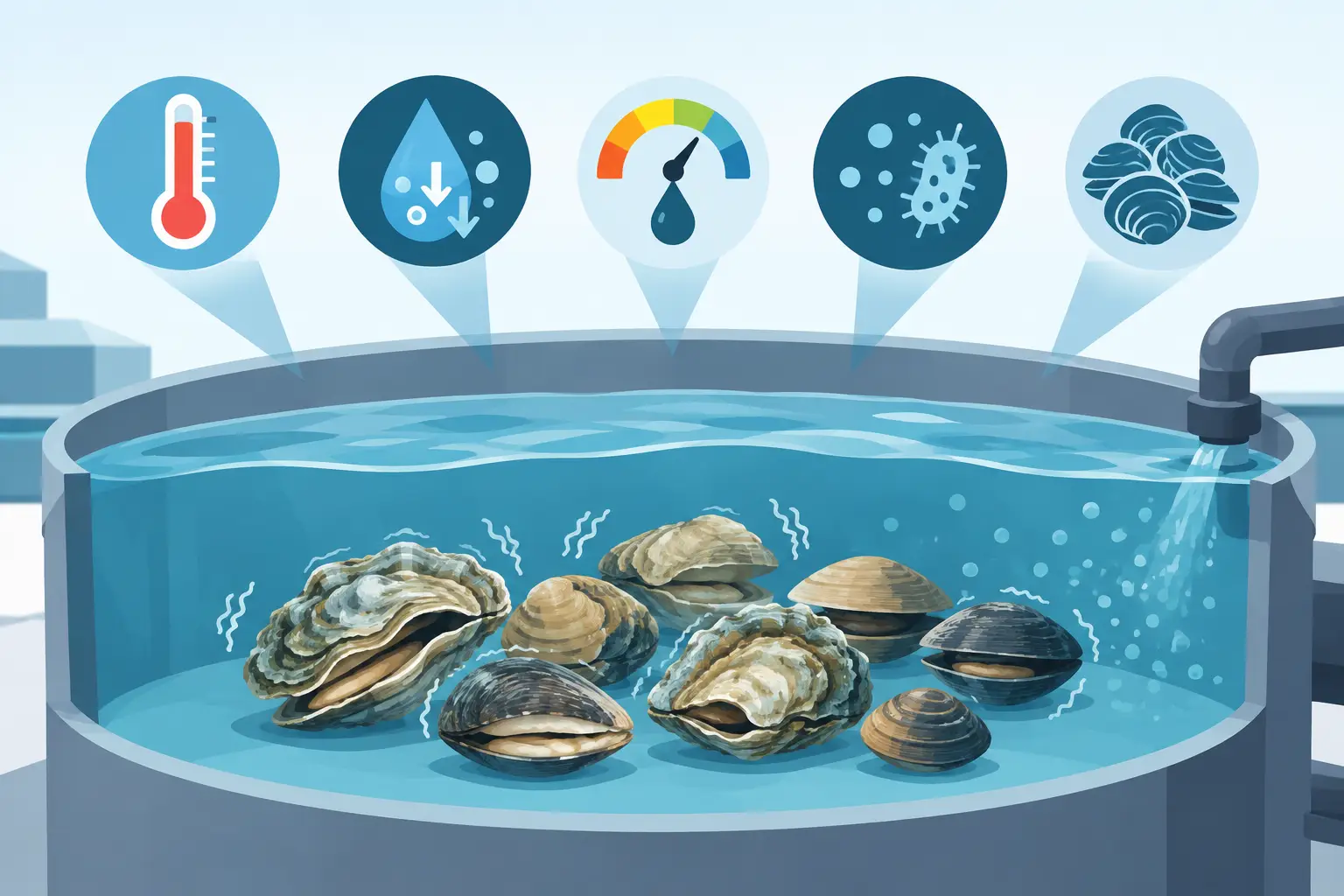
Not every live seafood system needs every available probe. The correct setup depends on whether the tank holds lobster, shellfish, or finfish; the size of the system; the tank’s filtration design; local operating conditions; and how closely the tank is staffed. Still, several measurements deserve attention in most commercial live-holding applications.
Temperature
Temperature is often the first value operators think about, and for good reason. It directly affects animal metabolism, water chemistry, and refrigeration performance. A gradual temperature rise can be just as damaging as a sudden spike because it may go unnoticed through a full shift or overnight period.
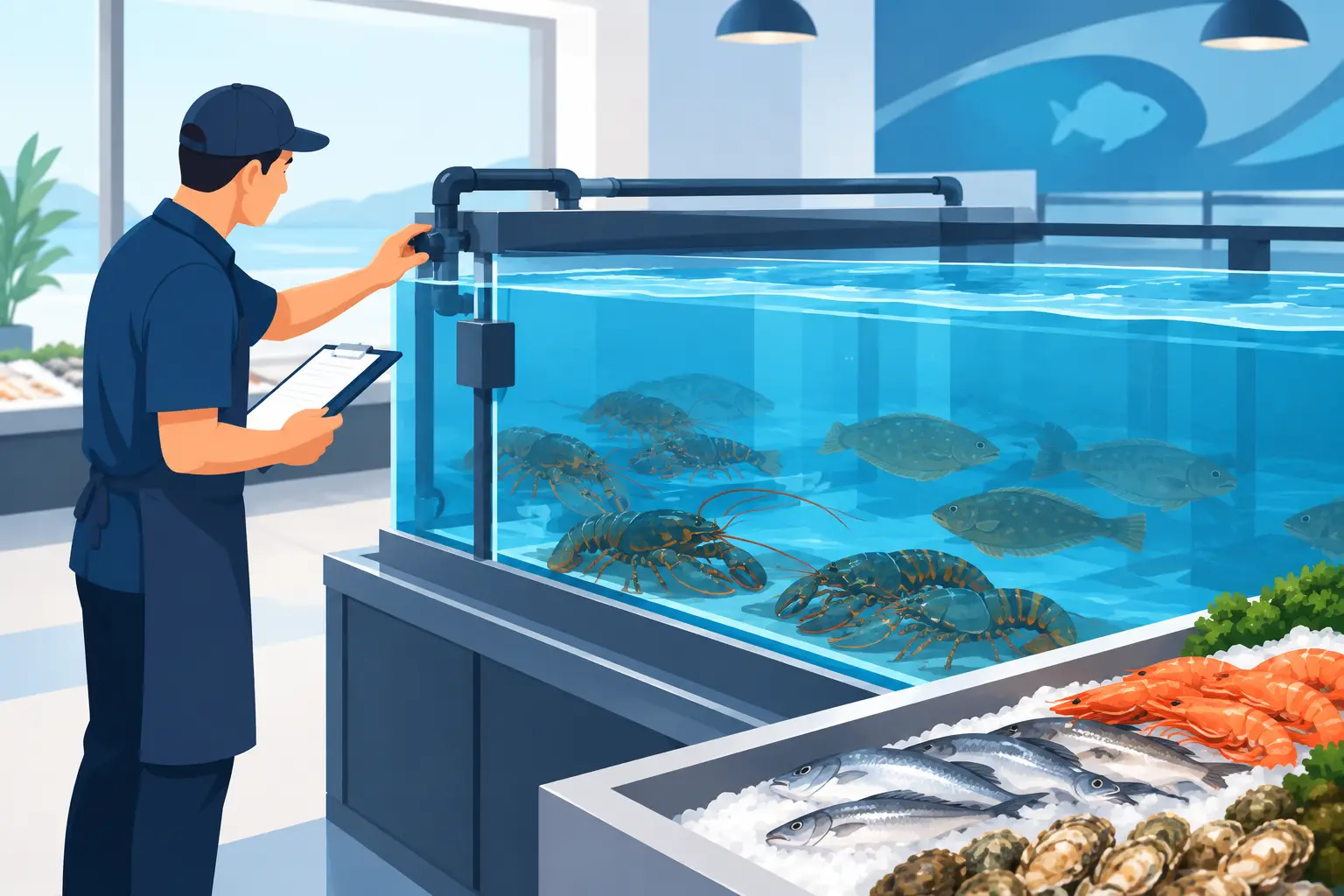
A temperature sensor should be installed where it reflects actual tank water conditions, not merely the air around the display or the temperature inside a mechanical room. On larger systems, more than one measurement point may be appropriate. Water can vary between a display tank, a sump, and a return line when circulation is compromised.
Dissolved oxygen
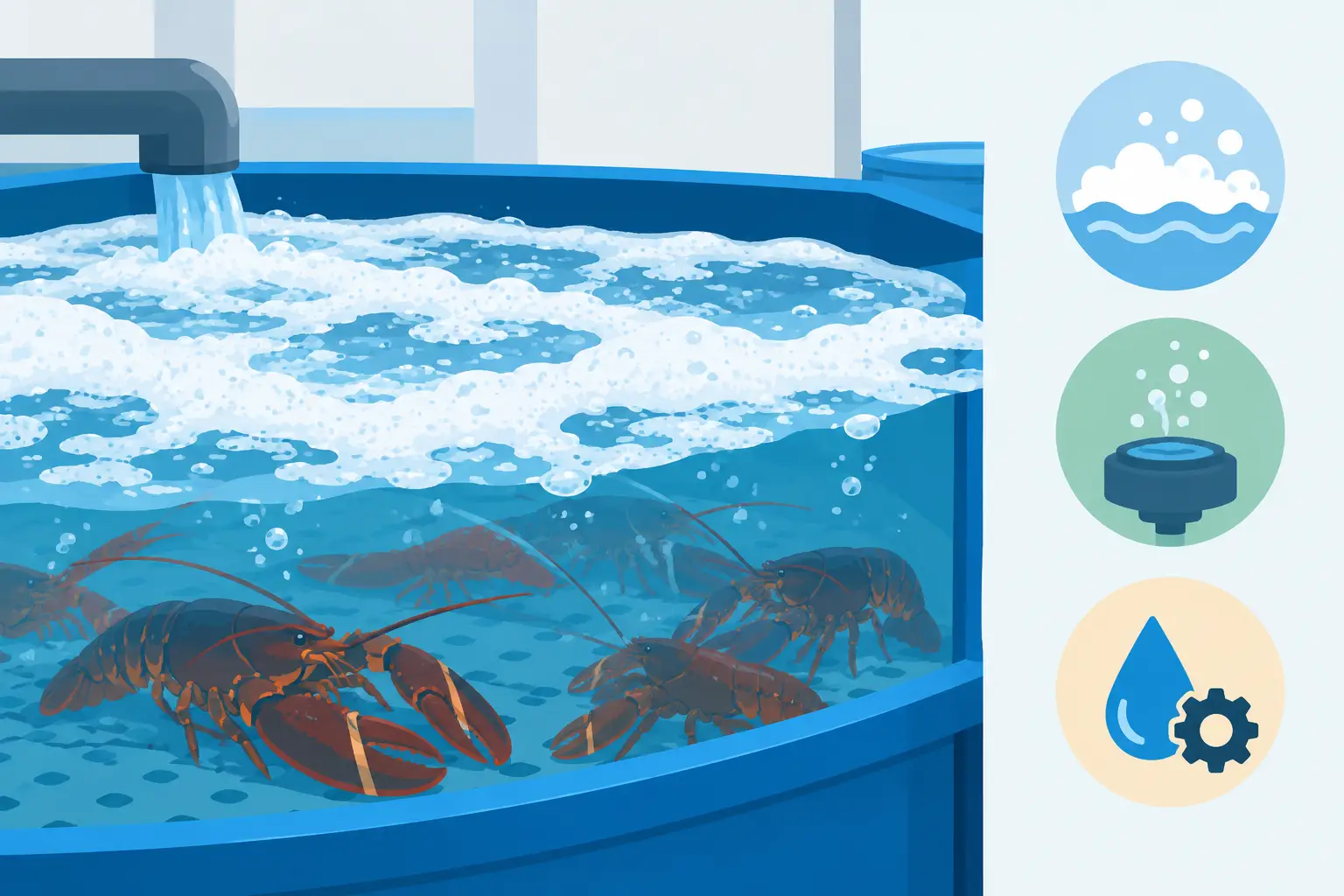
Live seafood needs oxygenated water, but aeration alone does not prove that dissolved oxygen is where it should be. Heavy inventory loads, warmer water, pump issues, clogged diffusers, and biological demand can all reduce available oxygen. A dissolved oxygen sensor gives an operator information that visual observation may not provide until animals are already stressed.
Dissolved oxygen monitoring is especially valuable in high-volume displays, systems with long plumbing runs, and locations where staffing is lighter overnight. It also helps technicians separate an oxygen issue from a temperature, flow, or water-quality issue during troubleshooting.
Water level and leak conditions
A low-water condition can point to evaporation, a plumbing failure, a failed top-off arrangement, or an issue in a sump or filtration compartment. High-water alarms matter, too. They can signal a blocked drain, overflow risk, or an equipment issue that could put adjacent retail fixtures and flooring at risk.
Water level sensing is not glamorous, but it is practical. A simple, dependable level alarm can prevent a minor mechanical issue from becoming a cleanup, repair, and inventory-loss event.
Flow and pump performance
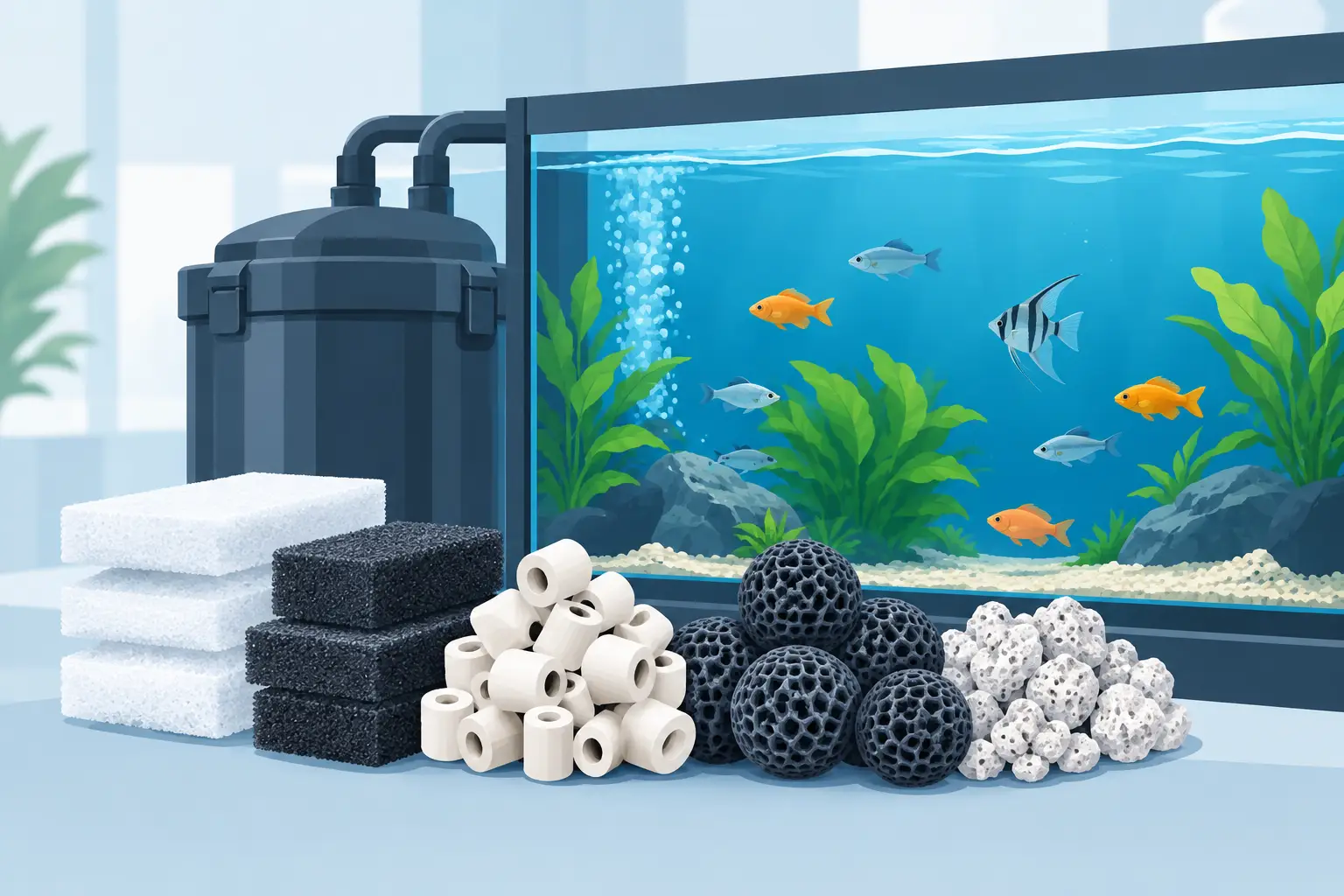
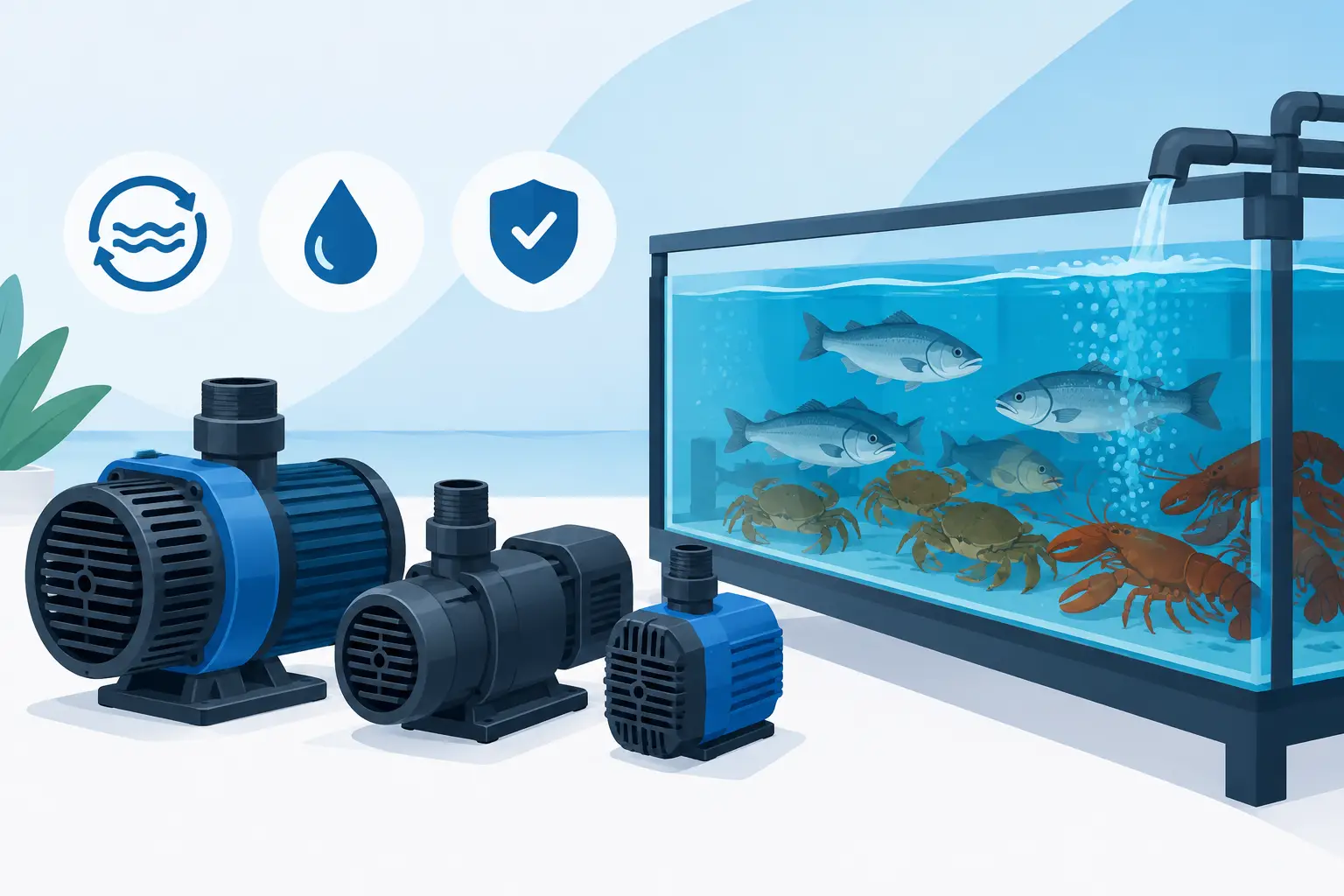
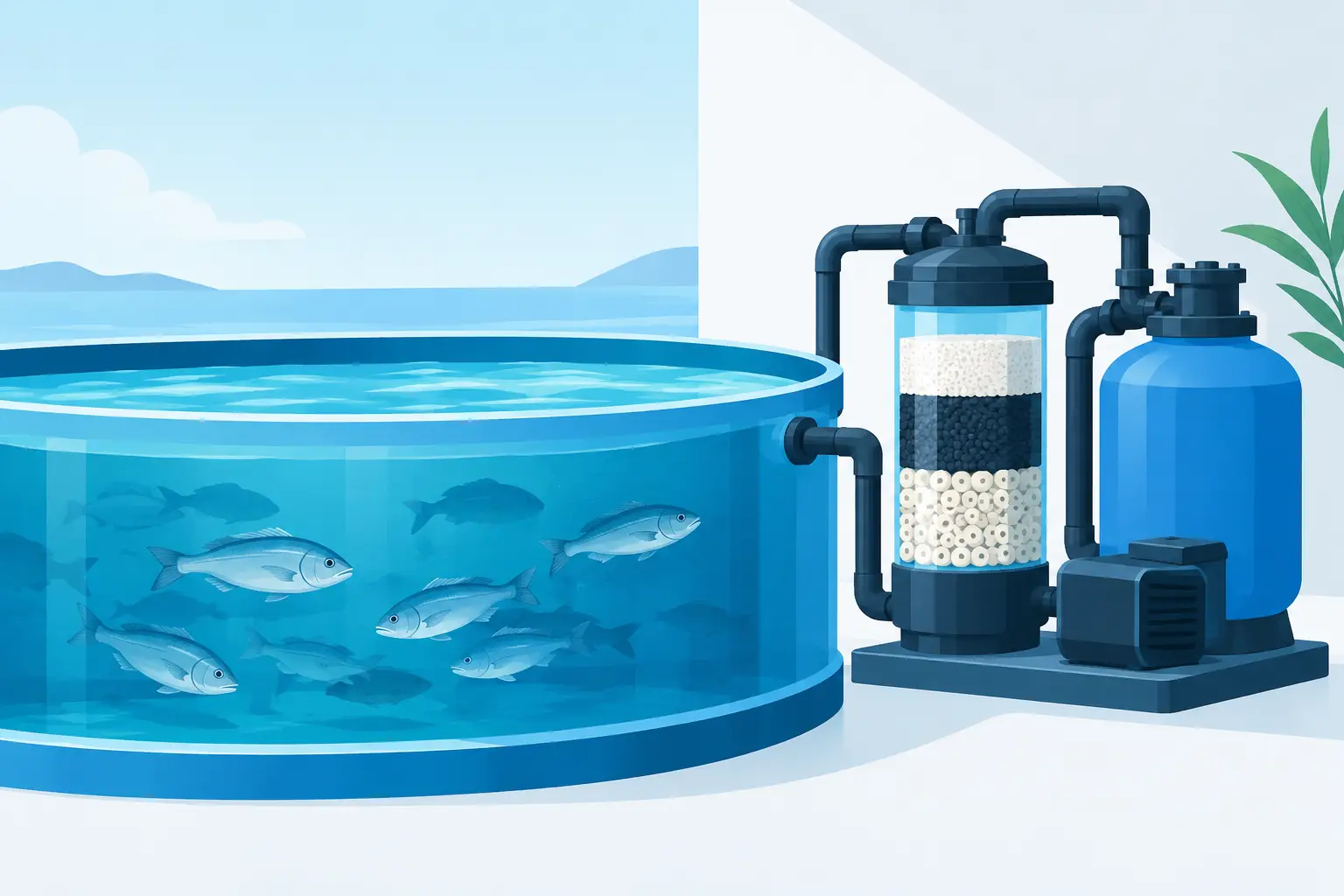
Water movement carries oxygen, supports filtration, helps maintain stable temperature, and moves waste toward the filtration system. When a circulation pump loses output, the tank may appear normal at first. The trouble becomes clear only after water conditions begin to deteriorate.
Flow sensors, pressure monitoring, or pump-status alarms can provide useful confirmation that the system is moving water as intended. The best choice depends on the plumbing layout and equipment configuration. In some installations, monitoring pump power or controller status provides sufficient warning. In others, actual flow verification offers better protection.
Salinity and water quality
Salinity changes can affect live seafood quickly, particularly after improper make-up water additions, mixing errors, or a malfunctioning automatic top-off system. Monitoring conductivity or salinity can be worthwhile where consistency is critical and where staff frequently mix or add water.
Depending on the species and system design, operators may also monitor pH, oxidation-reduction potential, ammonia, or other water-quality factors. These sensors can be useful, but they require a realistic maintenance plan. A neglected probe can create false confidence, which is worse than having no measurement at all.
Tank Sensors Are Only as Good as Their Placement
A sensor installed in the wrong location can report a number that looks acceptable while the livestock experiences something different. This is a common issue in systems with remote filtration, multiple tanks, or uneven water movement.
Temperature and dissolved oxygen probes should be placed where they represent the water returning to, or circulating through, the live-holding environment. Avoid dead zones, stagnant corners, direct discharge points, and locations where an air stone or chiller outlet can distort the reading. In a multi-tank system, consider whether one probe can truly represent every tank or whether separate zones need separate monitoring.
Sensors also need protection from routine operations. Staff need room to clean, net product, stock tanks, and service equipment without striking a probe or pulling a cable loose. A clean installation should allow technicians to remove and inspect sensors without shutting down the entire system.
Build Alarms Around Action, Not Just Numbers
An alarm has value only when someone knows what it means and what to do next. That starts with thresholds that fit the specific system. A generic high-temperature alert or low-oxygen setting may not match the needs of a lobster holding tank, a shellfish system, and a finfish display.
Set alert levels in stages when possible. The first alert should tell the team to inspect conditions. A higher-level alarm should signal that immediate corrective action is needed. For example, a temperature reading that begins to drift can trigger a facilities check, while a sustained out-of-range reading may require moving product, calling for service, or taking equipment offline.
The notification path matters as much as the sensor. If an alert goes only to a manager who is off duty, it may not prevent a loss. Commercial operators should decide who receives alarms during store hours, after hours, weekends, and holidays. The response plan should include current contact information for facilities personnel and the tank service provider.
Do not overlook nuisance alarms. If alerts sound repeatedly because thresholds are too tight, probe placement is poor, or a known operating cycle causes temporary variation, staff will eventually ignore them. Tune the system so alarms are meaningful, documented, and taken seriously.
Calibration and Cleaning Protect the Investment
Sensors work in saltwater, near food operations, and around biological load. That environment demands routine care. Salt creep, biofilm, scale, damaged cables, and aging probes can all affect accuracy.
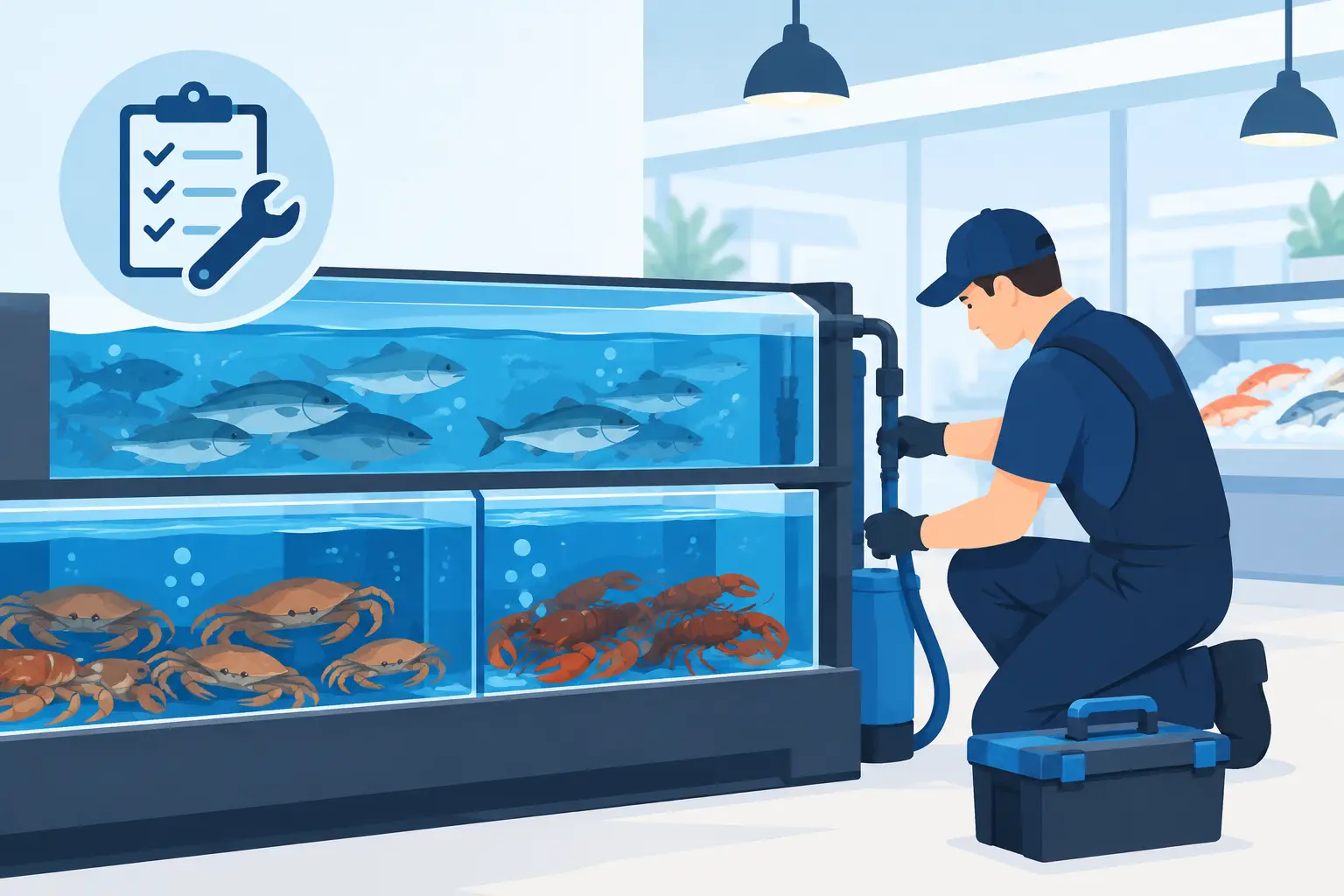
Each sensor type has its own service requirements. Some need scheduled calibration against known standards. Others need regular cleaning and occasional replacement. The manufacturer’s guidance should be part of the site’s maintenance plan, but real-world conditions should guide frequency. A heavily used retail display may need more frequent attention than a lightly stocked holding system.
Keep a simple record of calibration dates, cleaning, replacements, alarm events, and corrective actions. This record helps technicians identify patterns. If low-flow alarms occur every few months, for example, the underlying issue may be filtration loading, pump wear, or a maintenance interval that needs adjustment.
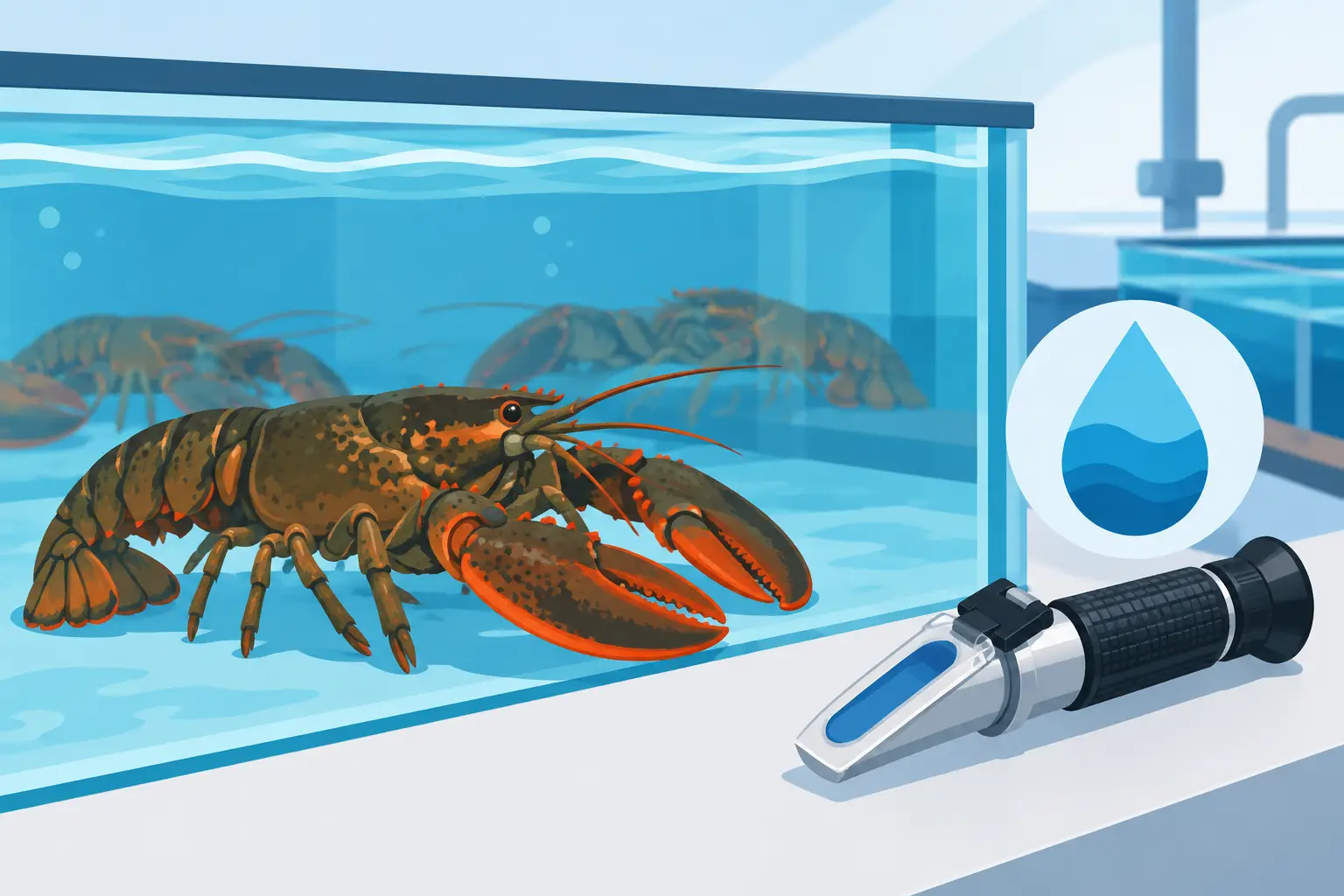
A handheld test instrument is also a smart safeguard for critical readings. When a fixed sensor reports a problem, staff or service technicians should be able to verify it before making major operating decisions. The goal is not to second-guess every alarm. It is to confirm conditions quickly and accurately.
Choosing the Right Monitoring Package
The best sensor package is not always the one with the most screens, probes, or data points. It is the package that matches the risk level of the operation and can be maintained consistently.
A smaller independent market with a single lobster display may benefit most from dependable temperature, water-level, and equipment-failure alerts. A large supermarket seafood department, wholesaler, or multi-tank operation may need zoned temperature monitoring, dissolved oxygen measurement, flow verification, remote notifications, and a documented escalation plan.
When evaluating a new system or retrofit, ask practical questions. Can the sensor be serviced without draining a tank? Will it tolerate the salinity and cleaning practices used on site? Is replacement equipment readily available? Can store personnel understand the display and respond to alarms? Most importantly, does the monitoring arrangement fit the actual plumbing, filtration, and refrigeration design?
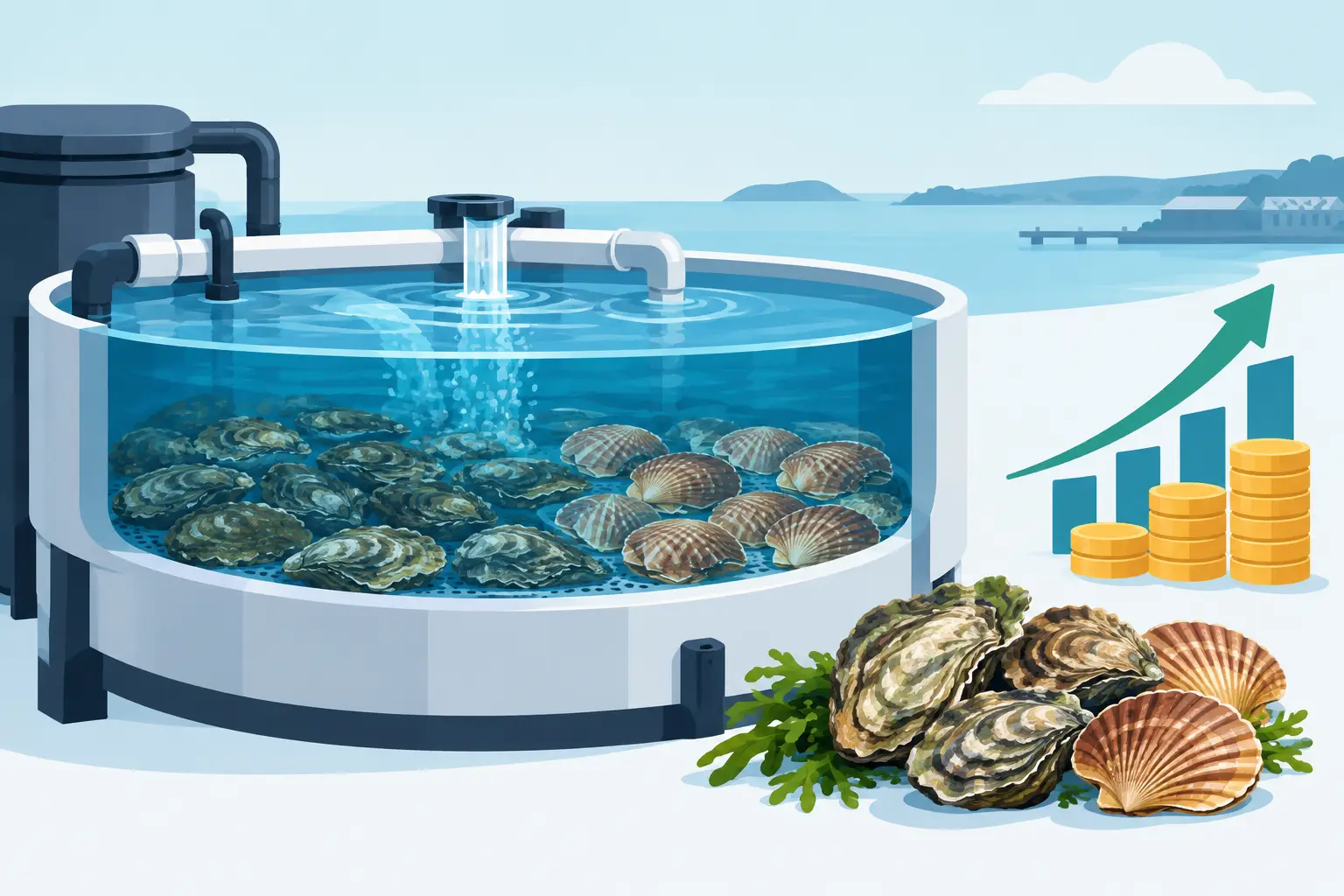
This is where a full-service partner matters. Tank design, filtration capacity, pump selection, refrigeration, sensor placement, marine salt, and maintenance should work as one operating system. Lobster Life Systems has spent decades building and supporting commercial live seafood systems, because a sensor is most useful when it is part of a tank designed to protect inventory from the start.
Make Monitoring Part of Daily Tank Discipline
Tank sensors should support daily operating habits, not replace them. Staff should still inspect animal behavior, water clarity, circulation, equipment sounds, and the condition of filters and plumbing. A sensor reading provides context. A trained employee provides judgment.
For commercial seafood operators, the real return on monitoring is time. Time to catch a chiller issue before the morning rush. Time to clear a restriction before oxygen drops. Time to call for service before live inventory and customer confidence are on the line. That extra time is often what keeps a routine equipment issue from becoming an expensive loss.