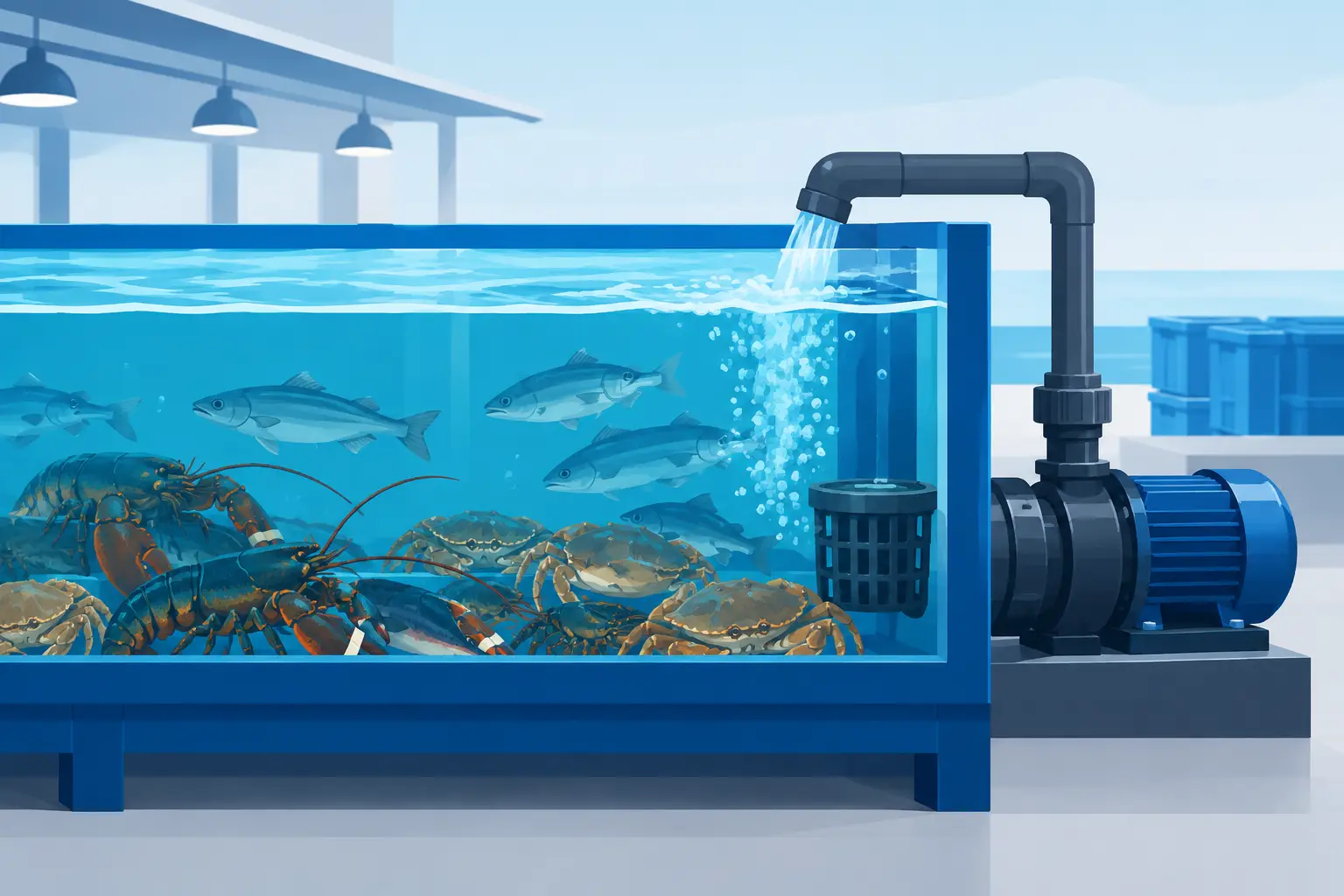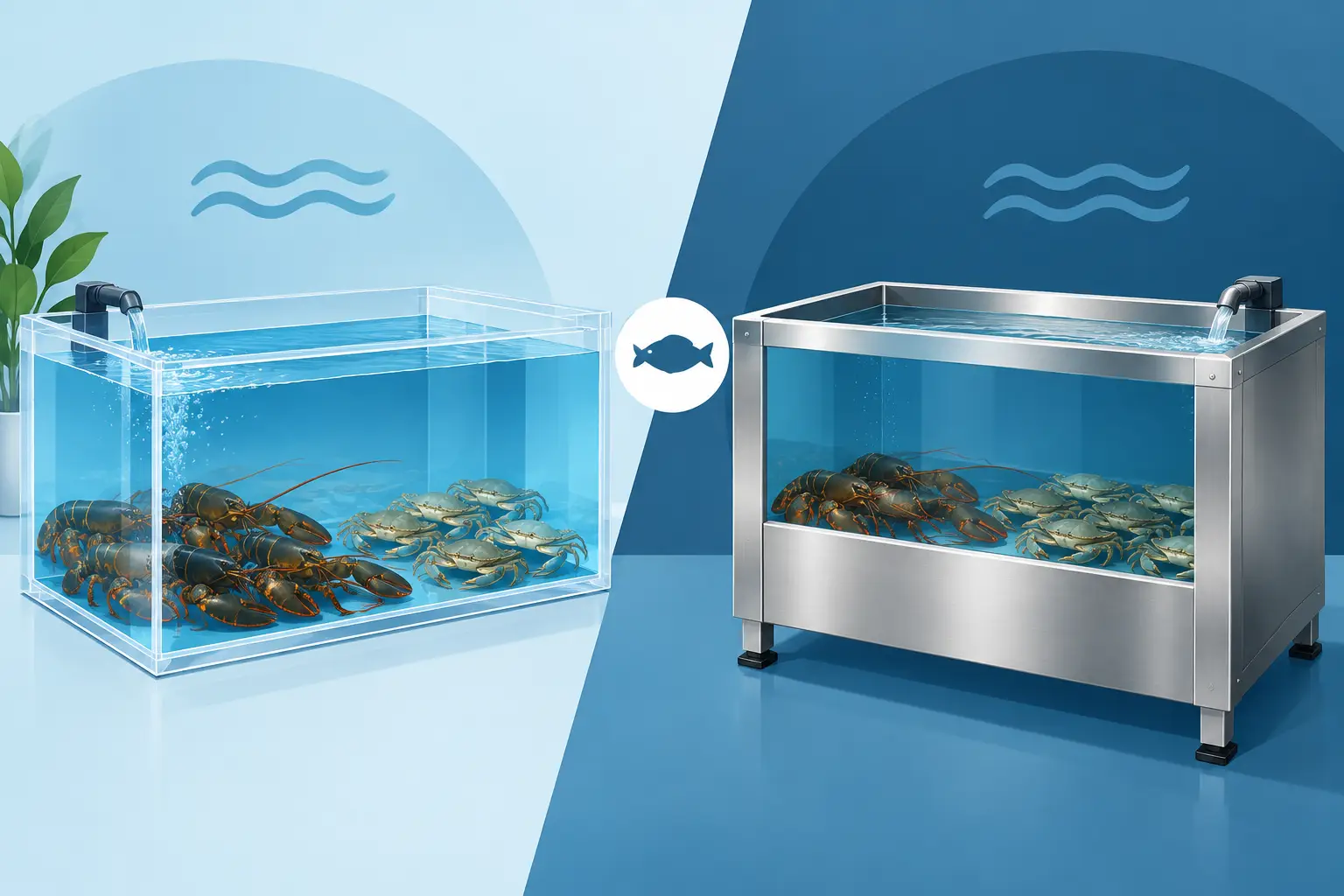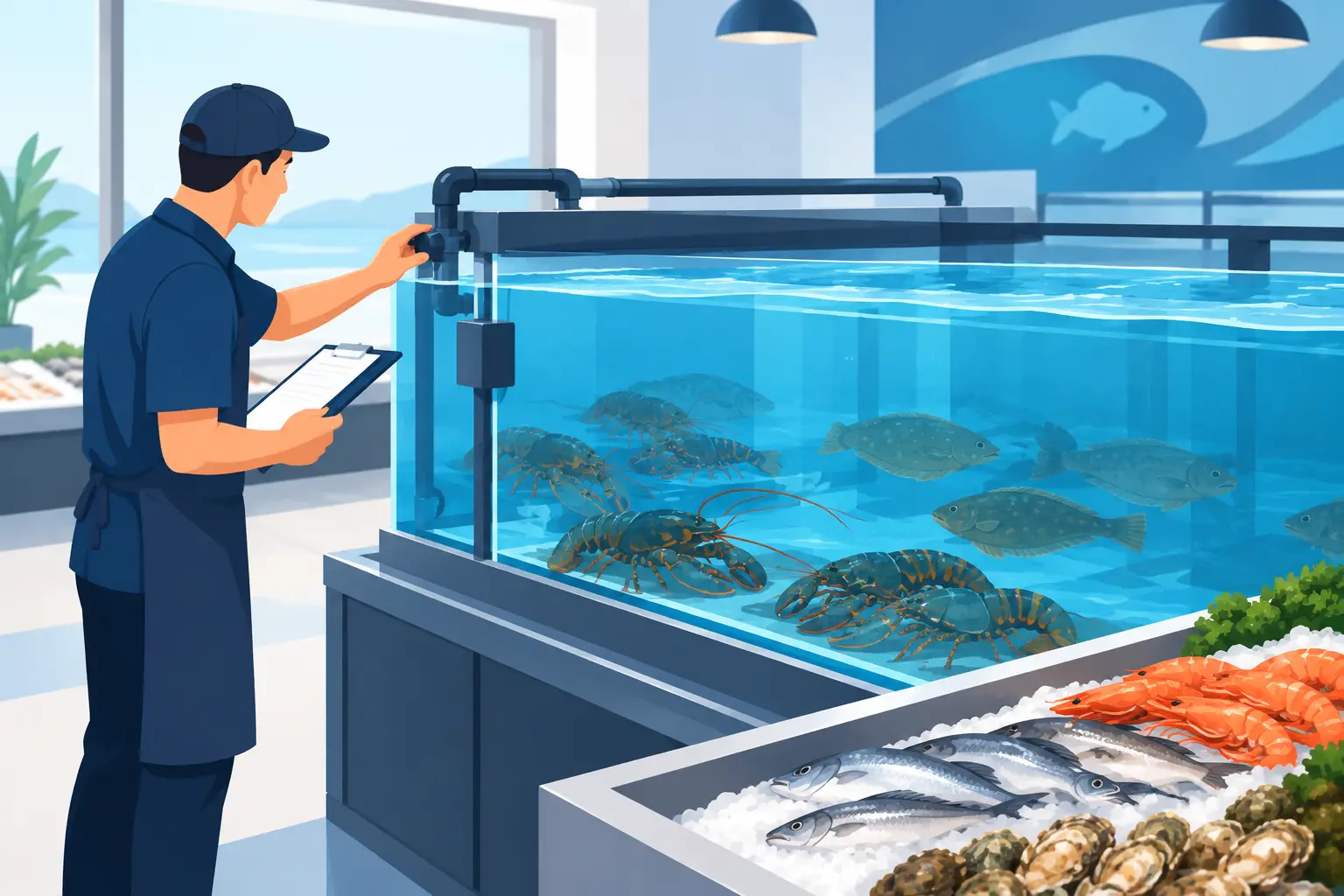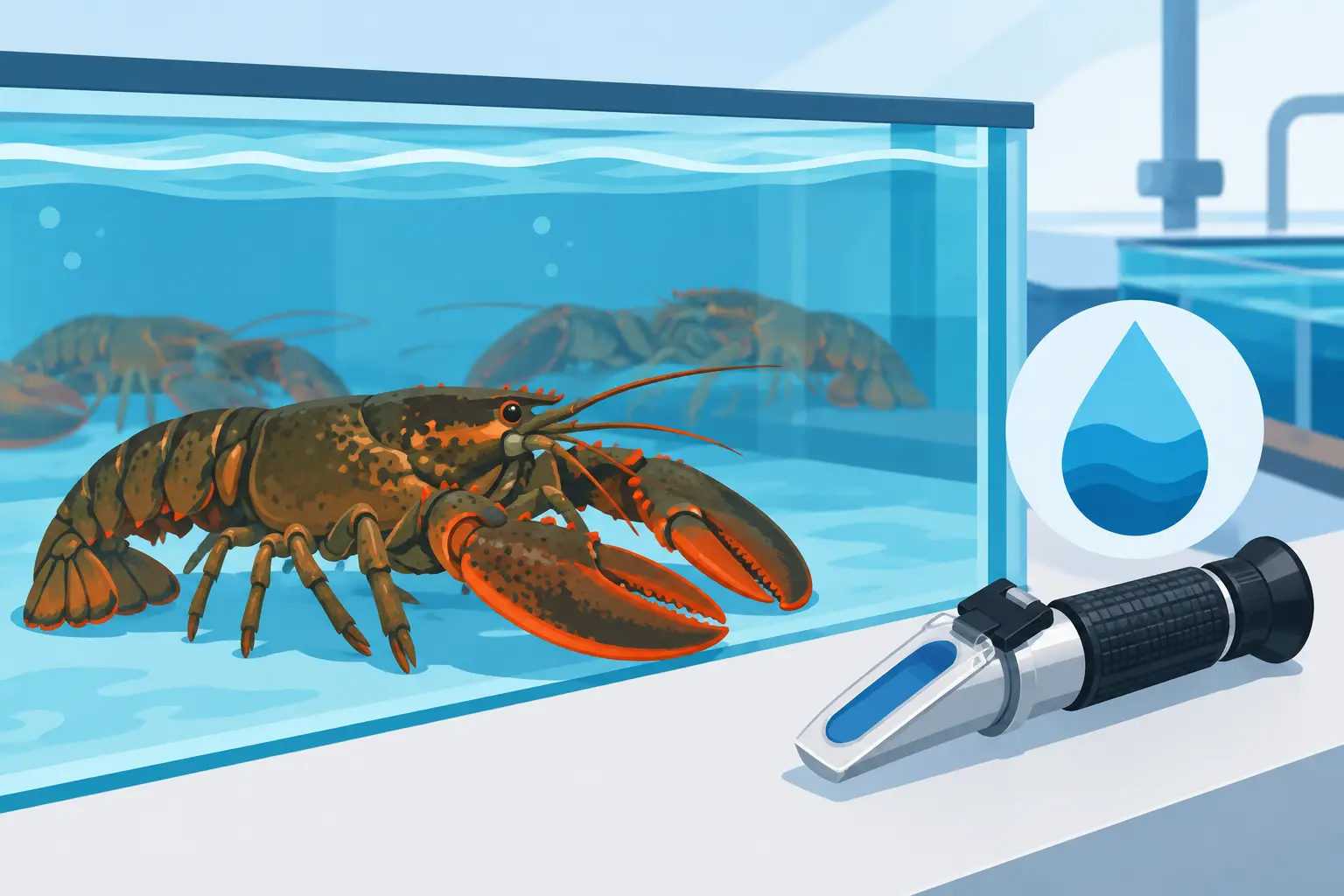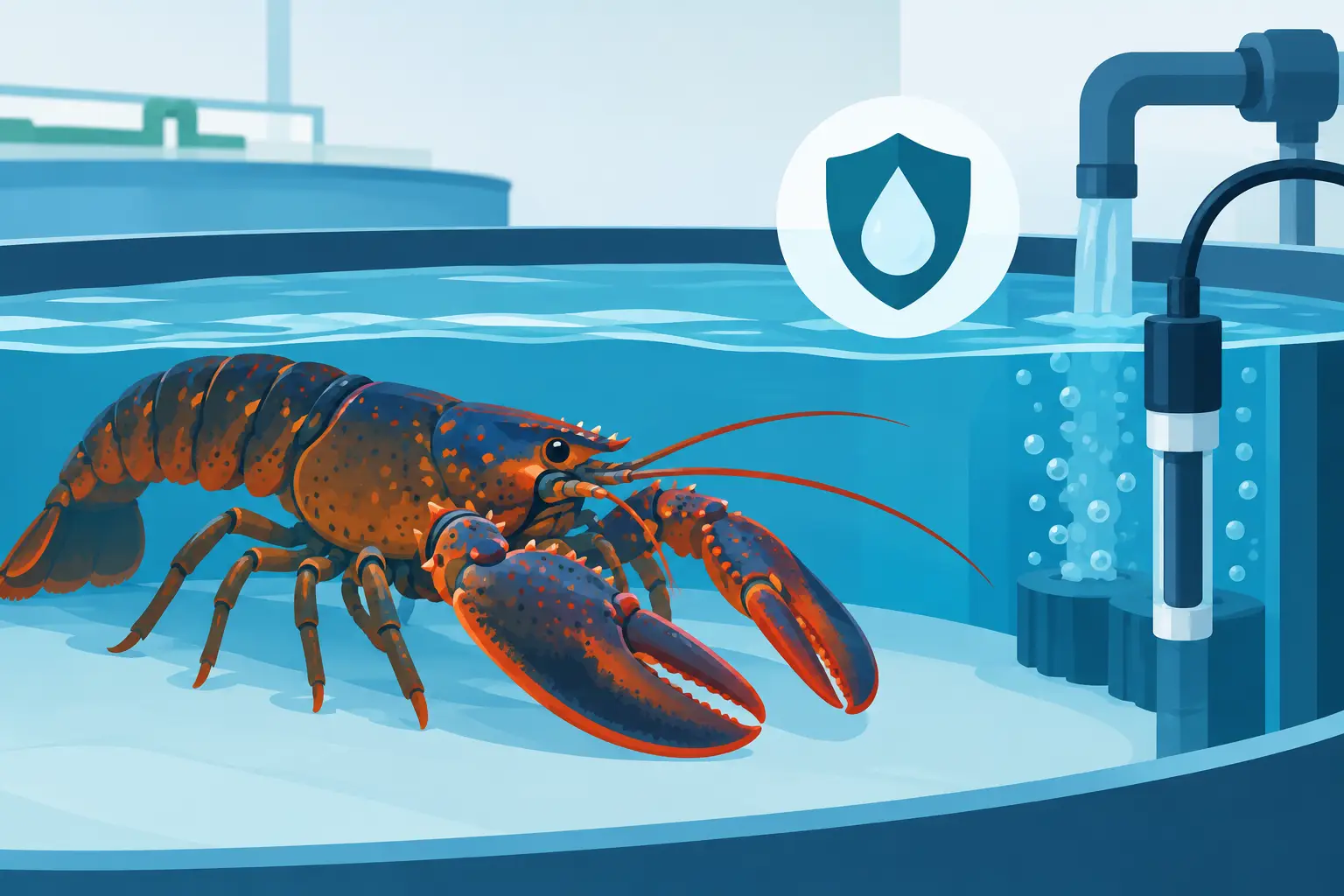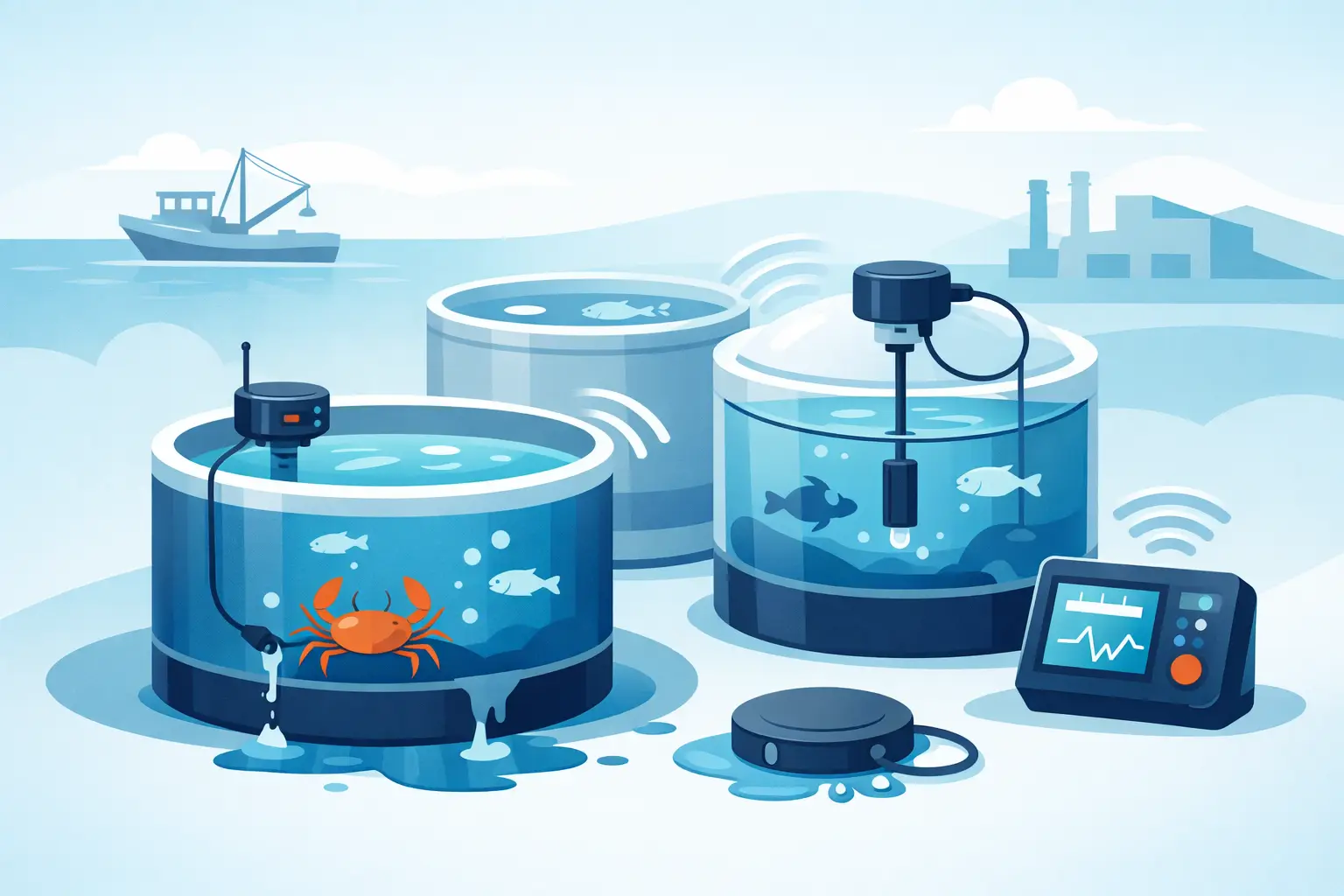
A lobster tank can look clear, circulate properly, and still be heading toward an inventory loss. When tank ammonia levels rise, the water may give very little warning before lobsters become stressed, weak, or unsellable. For seafood departments, wholesalers, and restaurants holding premium live product, ammonia control is not a minor maintenance detail. It is a direct safeguard for animal health, shrink, food quality, and the reputation of the seafood case.
Commercial live lobster systems need more than occasional water testing. They need disciplined operation, correctly sized filtration, dependable circulation, and a response plan that protects inventory before a small chemistry issue becomes a costly emergency.
What Tank Ammonia Levels Actually Measure
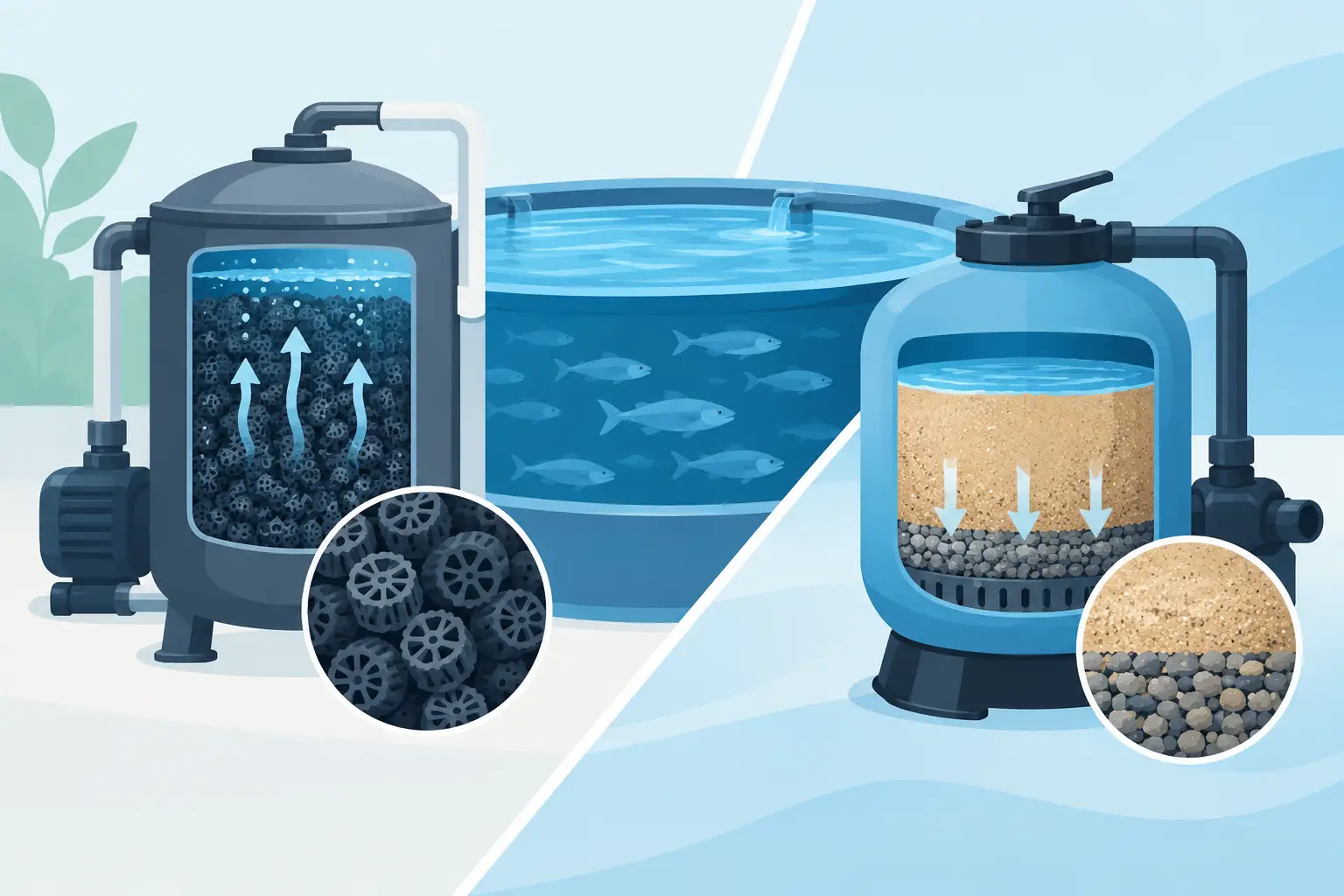
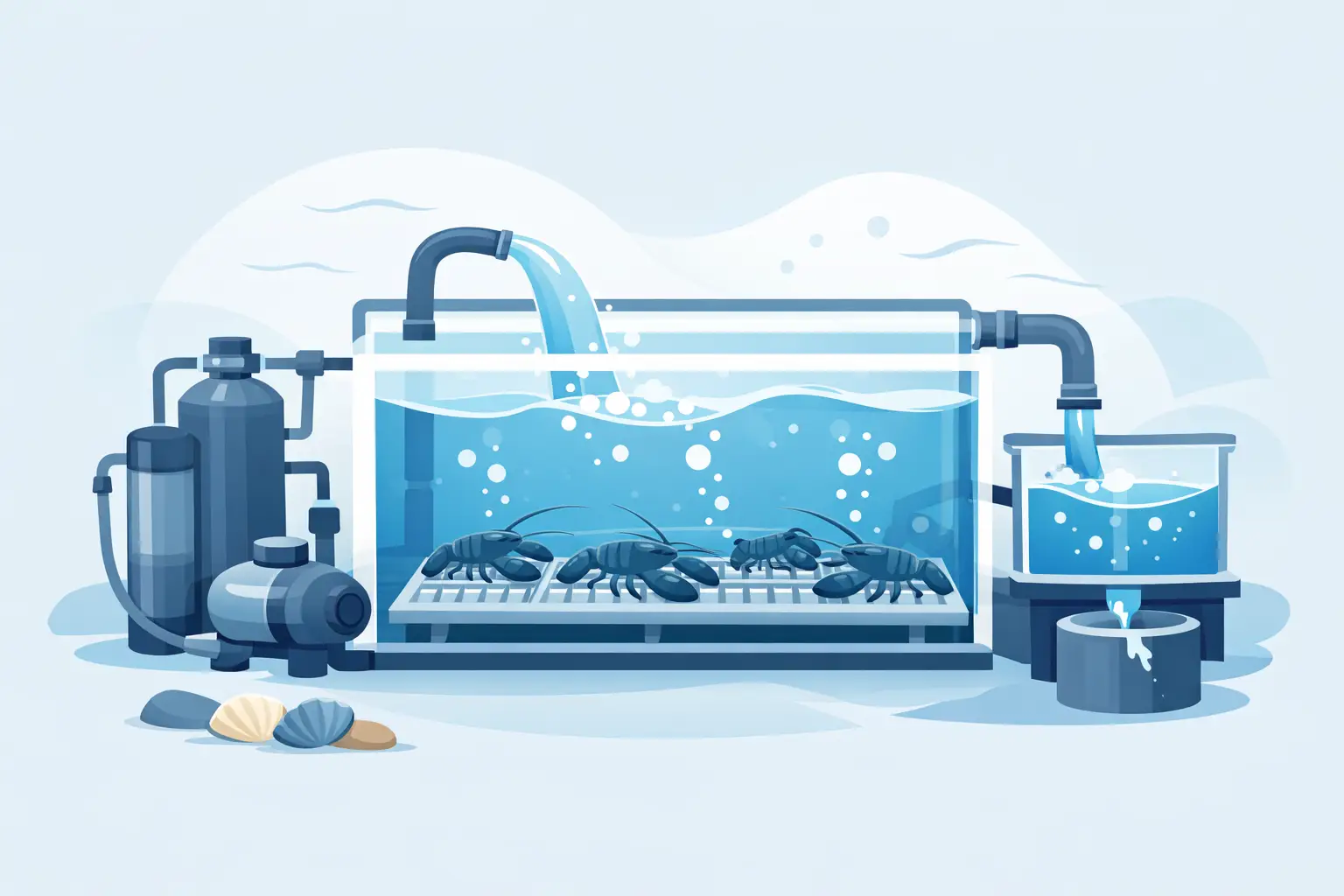
Ammonia enters a lobster system through normal biological activity. Lobsters release waste, uneaten food and organic debris break down, and any dead animal left in the system adds a fast, heavy load. In a properly operating tank, beneficial bacteria in the biological filter convert ammonia first into nitrite and then nitrate.
The test result most operators see is total ammonia nitrogen, often called TAN. That number includes two forms of ammonia: ionized ammonium, which is less immediately harmful, and un-ionized ammonia, or NH3, which is the dangerous form. The share of toxic NH3 increases as pH and water temperature rise.
That relationship matters in commercial holding. A TAN reading that appears manageable on paper can be more serious if water temperature has crept up or pH has shifted. There is no single number that excuses a high reading in every system. Stocking density, temperature, salinity, pH, system design, and lobster condition all affect the real risk. The operating goal is simple: keep measurable ammonia as close to zero as practical and investigate any upward trend immediately.
Why Ammonia Problems Cost More Than Lost Lobsters
Ammonia affects a lobster’s ability to regulate itself in the water. Stress often appears before a lobster dies. Animals may become sluggish, show weak movement, struggle to right themselves, or arrive at the point of sale in poor condition. Those signs reduce confidence for both staff and customers, even when the animal is still alive.
The business impact compounds quickly. A stressed tank can create avoidable product loss, extra labor, emergency water work, and interruptions at the seafood counter. If the underlying cause is not corrected, fresh inventory placed into the same water inherits the same risk.
Ammonia also tells an operator something useful about the system. It is often the first indication that the biological filter cannot keep pace with the current load, water flow is compromised, maintenance has fallen behind, or operating conditions have changed. Treating the reading without finding the cause only delays the next problem.
The Most Common Causes of Rising Ammonia
Overstocking is a frequent cause, particularly during holiday volume, busy weekends, or a delivery that arrives before existing inventory has moved. A tank designed for a normal holding load may not have enough biological capacity or oxygen transfer for a sudden increase in live lobster volume.
A new, recently moved, or newly serviced system can also be vulnerable. Biological filtration needs time to establish and stabilize. Replacing media, aggressively cleaning a biofilter, using untreated water, or exposing the system to certain cleaning chemicals can damage the bacterial population that performs the ammonia conversion.
Mechanical issues deserve equal attention. Reduced flow through filtration, a blocked intake, failing pump, dirty prefilter, low water level, or poor circulation can prevent the system from processing waste as designed. A tank does not need to be completely down to develop a problem. Partial loss of flow can be enough to create trouble in a high-load commercial system.
Dead lobsters, shed material, broken bands, debris, and food residue add another avoidable source of organic load. In short-term lobster holding, unnecessary feeding creates waste without helping the operation. Staff should remove mortalities and debris promptly, not wait for a scheduled cleaning round.
Test on a Schedule, Then Test the Trend
Testing once a week may be adequate for a stable, lightly loaded system with a proven record, but it is not a universal rule. During high-volume periods, warm weather, after deliveries, after a filter issue, or when lobster behavior changes, test more frequently. A daily check can be inexpensive insurance when inventory value is high.
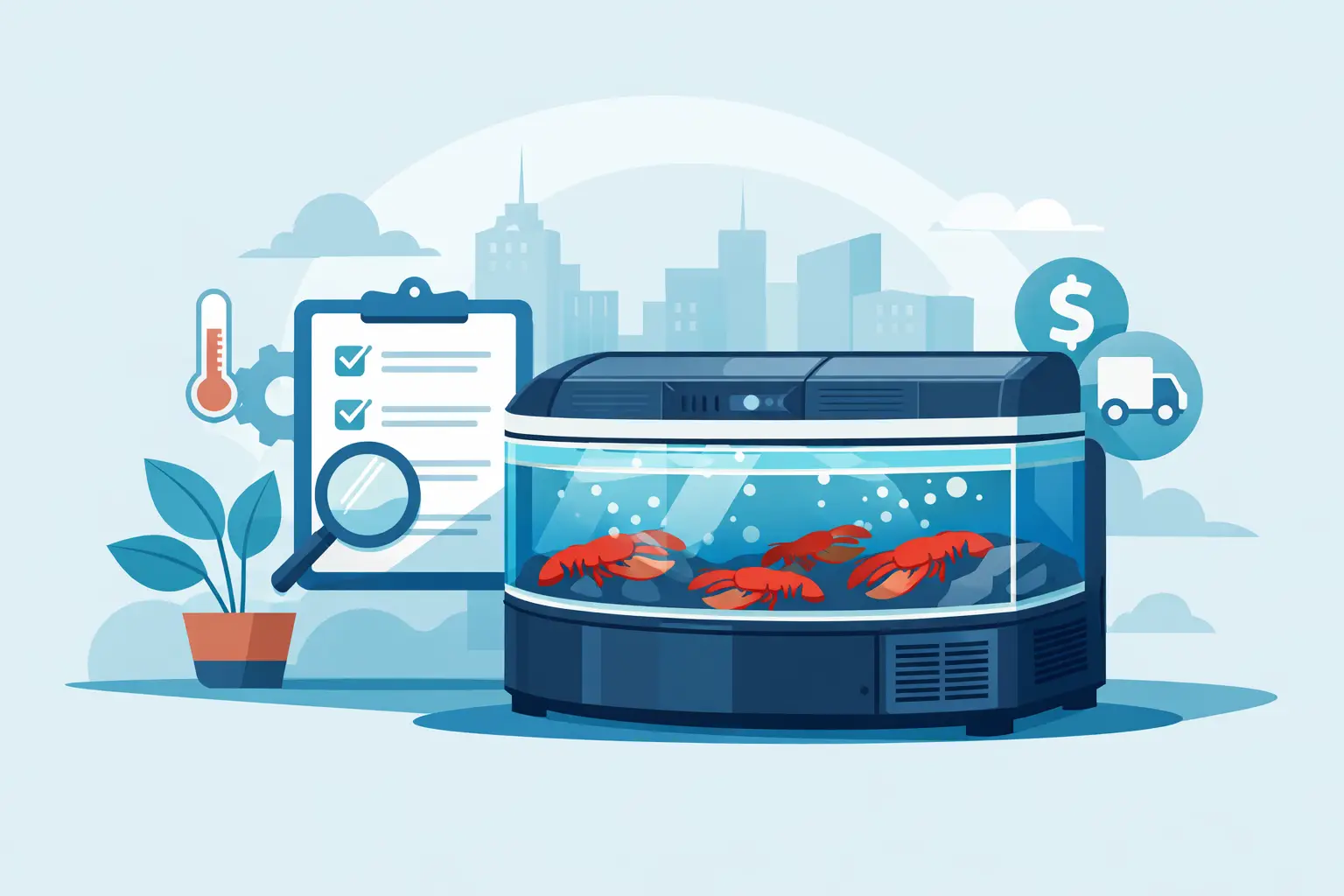
Use a reliable ammonia test method and follow its timing and storage instructions exactly. Record the result with date, time, water temperature, pH, salinity, nitrite, and any operational notes. Those notes matter. A reading becomes far more useful when staff can see that it followed a large delivery, a pump repair, a water addition, or an unusually heavy weekend.
A single result deserves action, but a trend reveals the condition of the whole system. If ammonia rises from an undetectable reading to a low positive reading and continues upward, do not wait for a dramatic number. Investigate while the filter still has a chance to recover and the lobsters still appear normal.
Watch the Water and the Animals
Water testing should be paired with routine observation. Train seafood staff to notice weaker activity, unusual crowding behavior, cloudy water, accumulating debris, changes in water level, weak return flow, or an alarm condition on system equipment. The person opening the department should know what normal operation looks and sounds like.
Clear water is not proof that ammonia is under control. Ammonia is invisible, and a tank can look presentable while biological filtration is underperforming. Conversely, visible debris is a clear reason to inspect the system before chemistry worsens.
What to Do When Ammonia Is Detected
First, verify the result. Retest with a fresh sample and confirm that the kit or meter is functioning correctly. If the reading is confirmed, treat it as an operational issue, not just a number to write down.
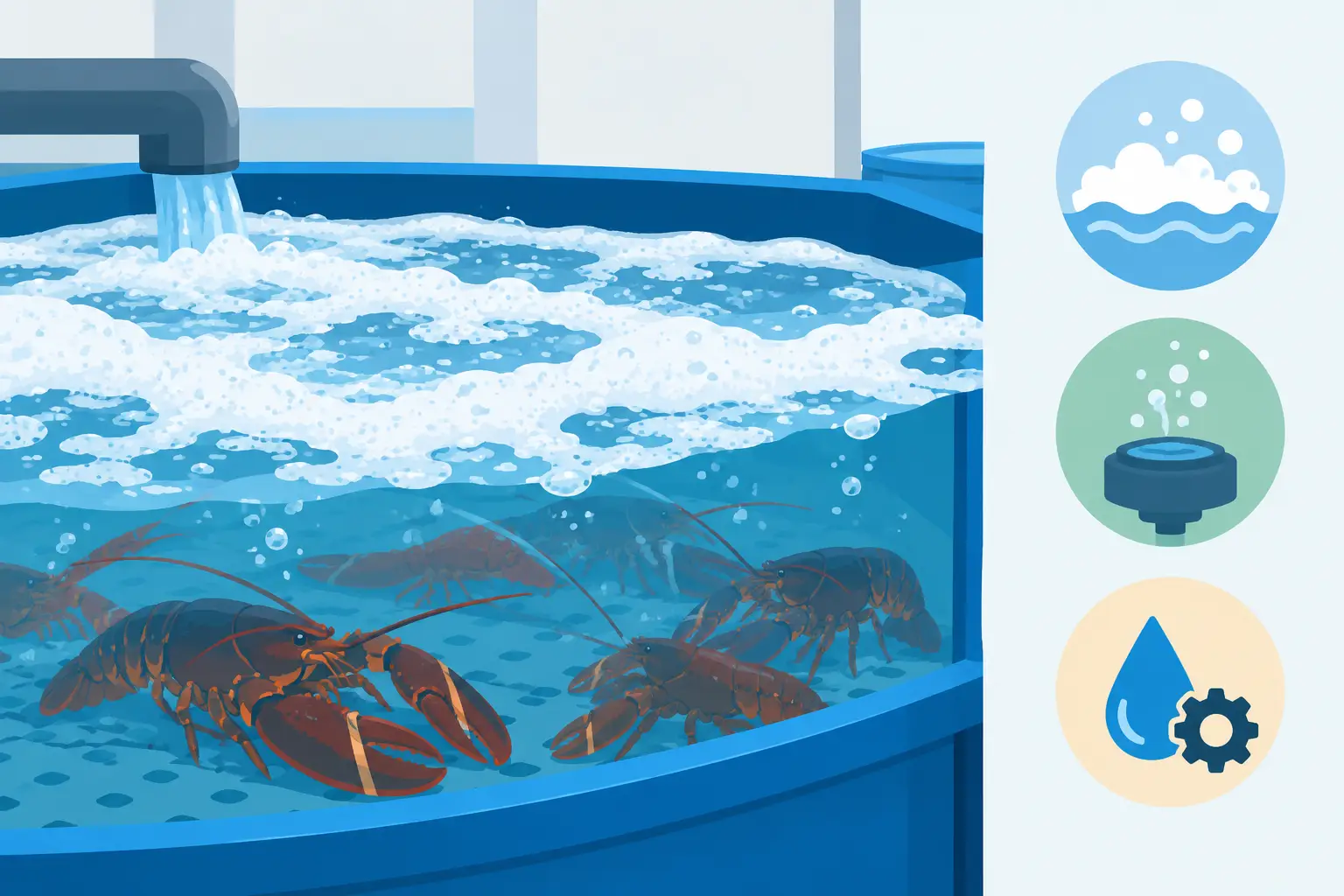
Start by reducing the load on the system. Remove dead or compromised animals, clear obvious debris, avoid feeding, and do not add more inventory until the cause is understood. Check pumps, flow, water level, filtration pathways, and aeration or oxygenation equipment. Make sure valves are in their proper operating positions and that no filter component is bypassed or clogged.
A properly managed partial water exchange can reduce ammonia, but it must be done carefully. Replacement water needs to be prepared to the appropriate salinity and temperature for the system. A rushed change with poorly matched water can create a second stress event. Do not make abrupt pH adjustments in an attempt to solve the issue, because raising pH can increase the proportion of toxic un-ionized ammonia.
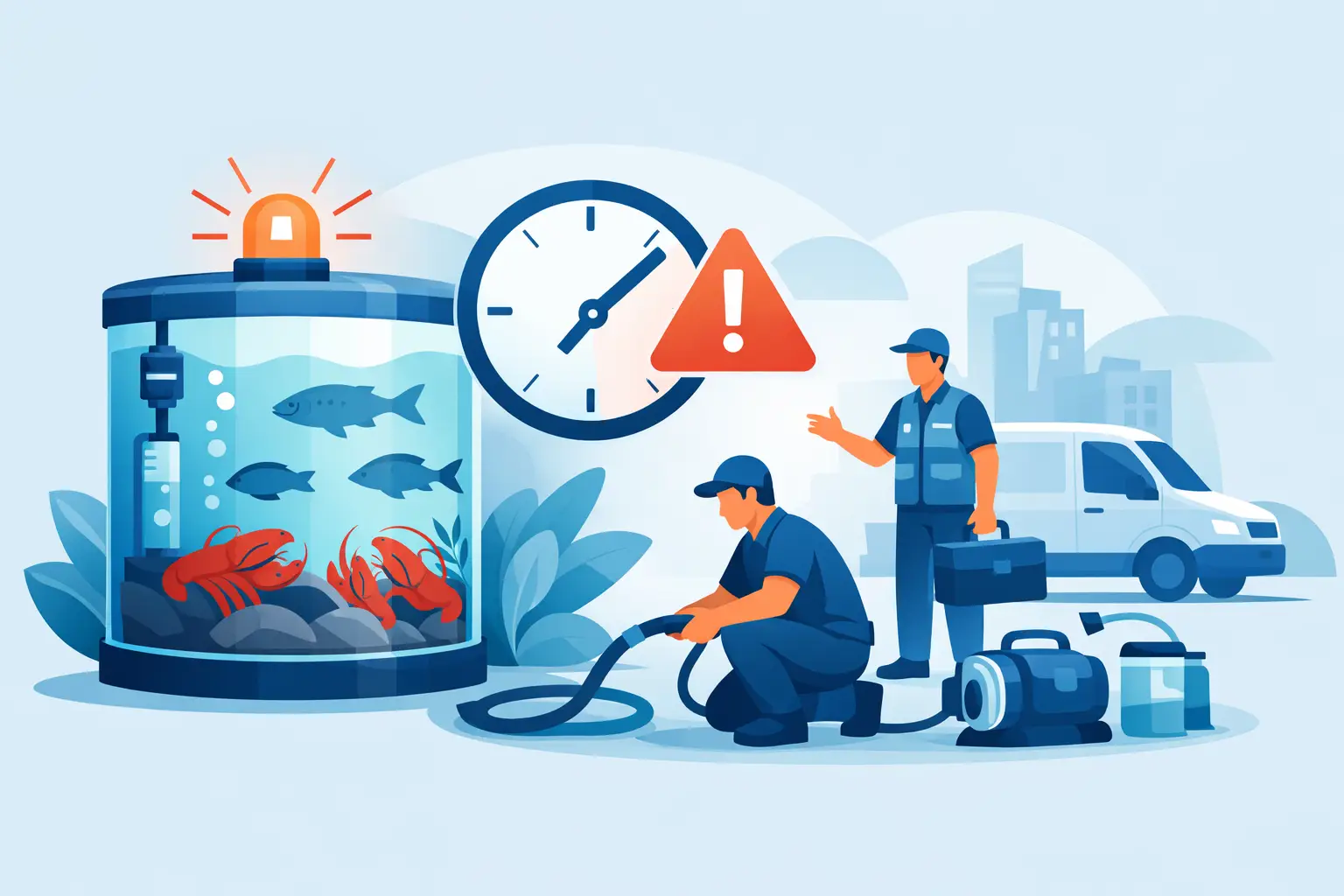
If the system is heavily stocked or the ammonia level is rising despite corrective steps, move inventory to a known stable backup system when possible and call for qualified technical support. Emergency action should protect live product while the root cause is identified, whether it is inadequate filtration capacity, failed circulation, depleted media, poor water preparation, or a maintenance gap.
Build Ammonia Control Into Daily Operations
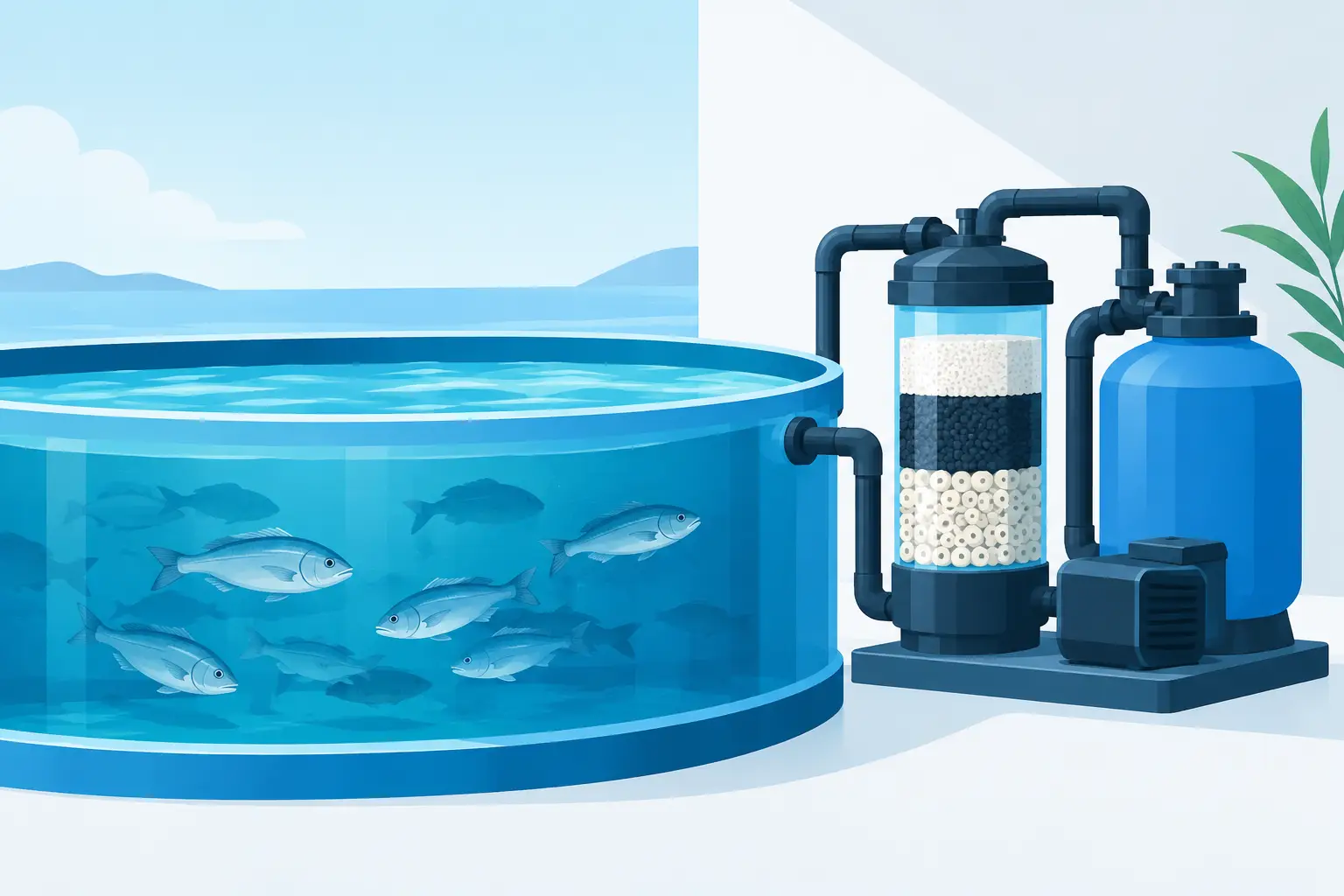
The best defense is a system designed around the actual holding load, not an optimistic estimate. Commercial lobster tanks need correctly matched mechanical filtration, biological filtration, circulation, temperature management, and water treatment. A tank that performs well at half capacity may not perform the same way during a seasonal rush.
Routine maintenance should protect the beneficial bacteria rather than accidentally strip them out. Clean mechanical components on schedule, inspect pump performance, replace consumables as needed, and use the correct marine salt and filtration media for the system. Keep maintenance records so recurring issues do not get mistaken for isolated events.
Clear staff ownership is equally valuable. Assign who tests, who records results, who checks equipment at opening and closing, and who has authority to escalate a problem. When everyone assumes someone else is watching the tank, small warning signs get missed.
For operators who need a full commercial solution, Lobster Life Systems provides custom live seafood systems, ongoing filtration supplies, and experienced service support built around the demands of retail and wholesale holding. The right equipment partner should understand that a lobster tank is working inventory, not decoration.
A stable tank is earned through daily attention: test before there is a crisis, react before stress becomes loss, and keep the filtration system ready for the load your business actually carries.