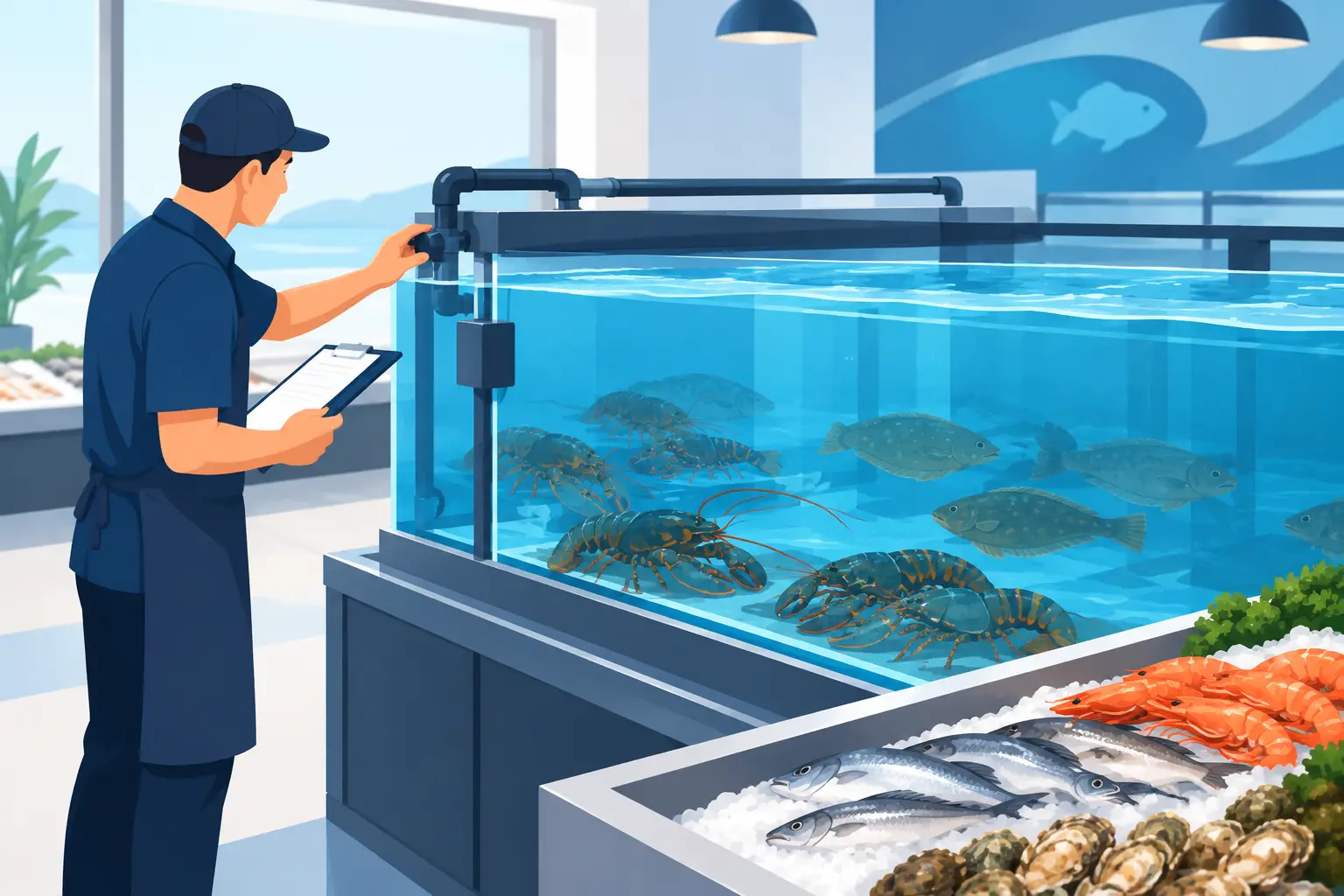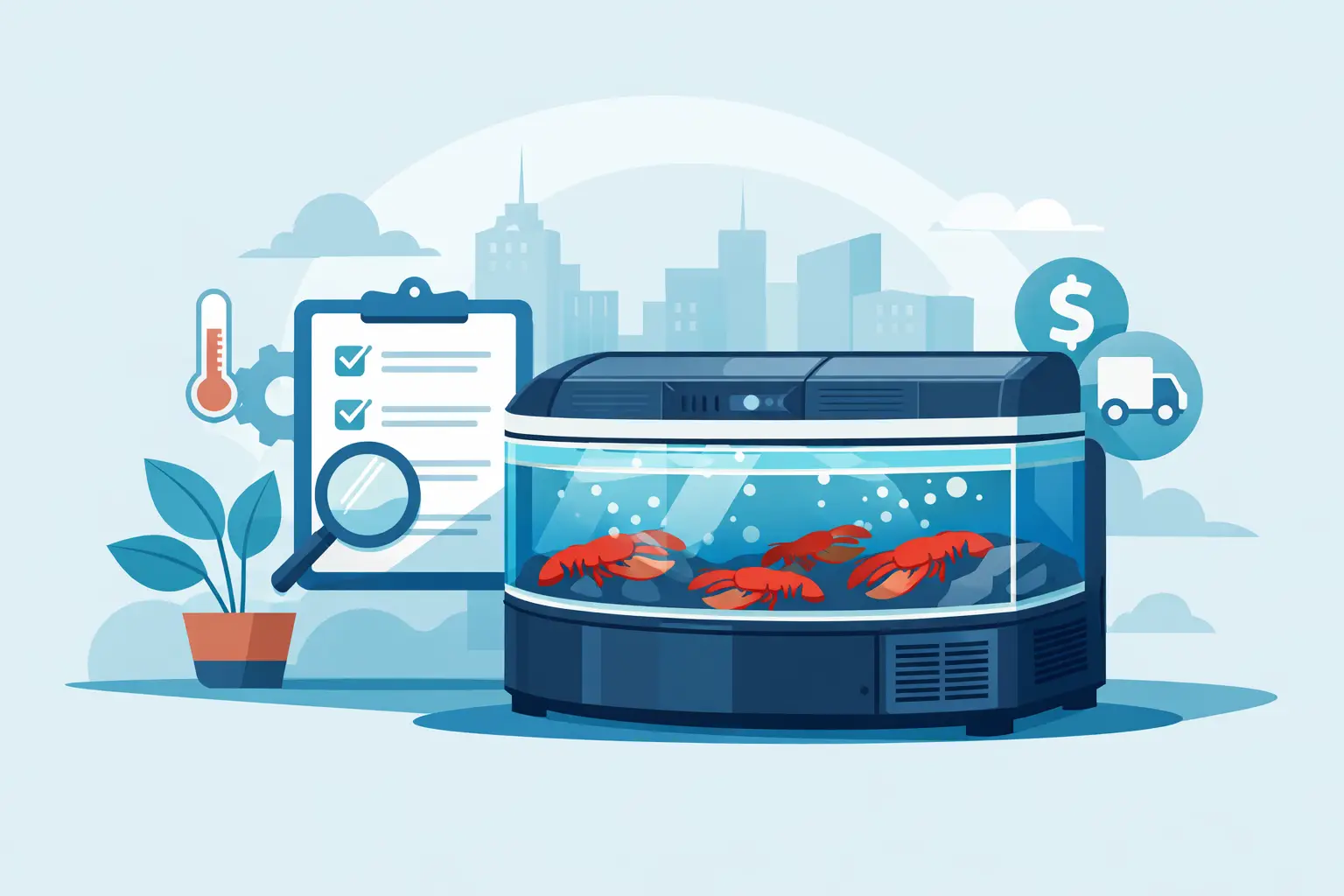
A live shellfish holding system is not simply a display fixture with water in it. It is a working piece of seafood infrastructure that protects high-value inventory, supports food quality, and gives customers confidence at the case. When it is properly designed and maintained, it helps a seafood department sell live product in peak condition. When it is neglected or undersized, the losses can show up fast – through mortality, weak presentation, labor headaches, and avoidable product shrink.
For supermarkets, wholesalers, restaurants, and independent seafood markets, the right system starts with a practical question: what does this tank need to do every day? The answer depends on volume, species, turnover, available floor space, staffing, and the level of service support behind the equipment.
What a Live Shellfish Holding System Must Control
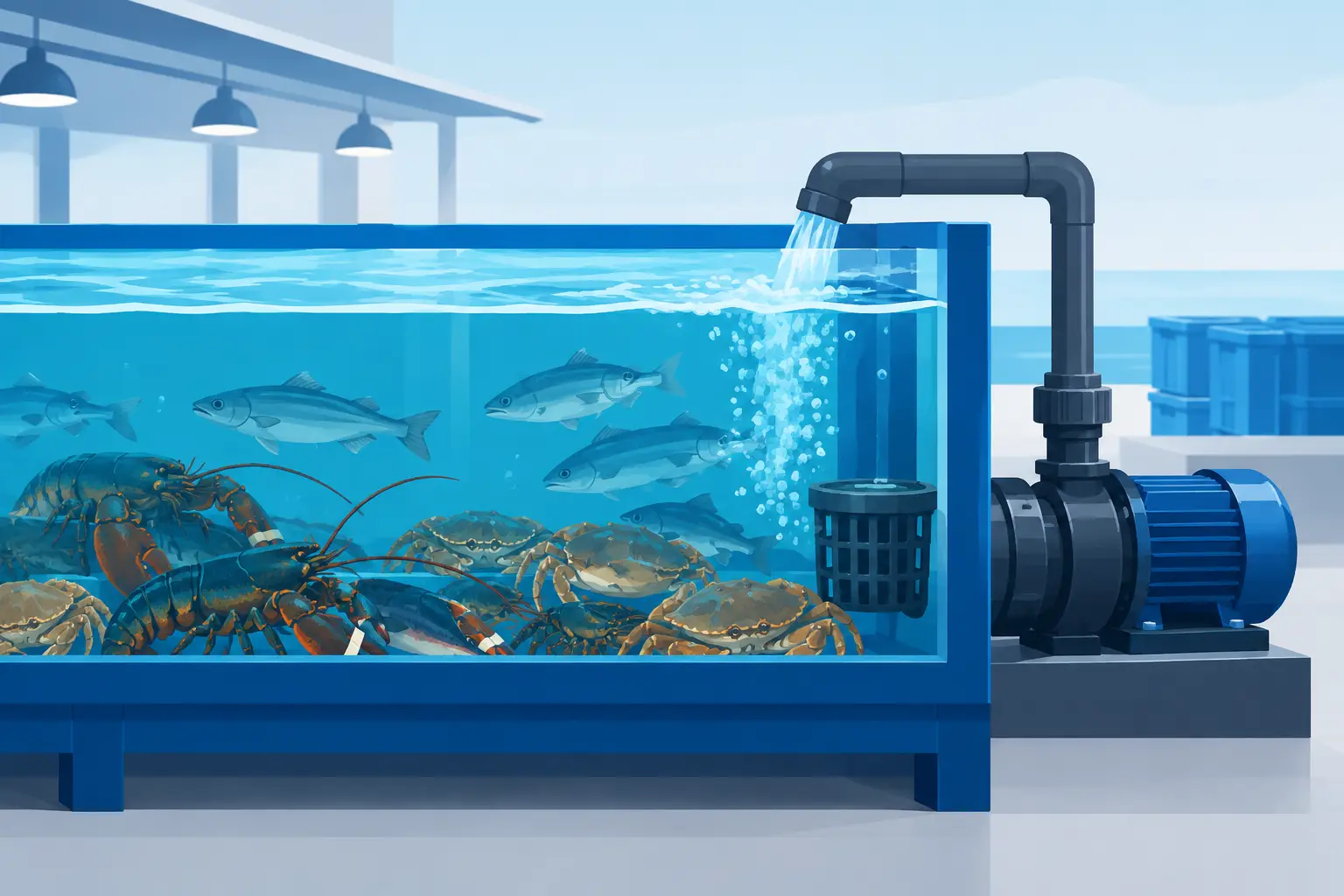
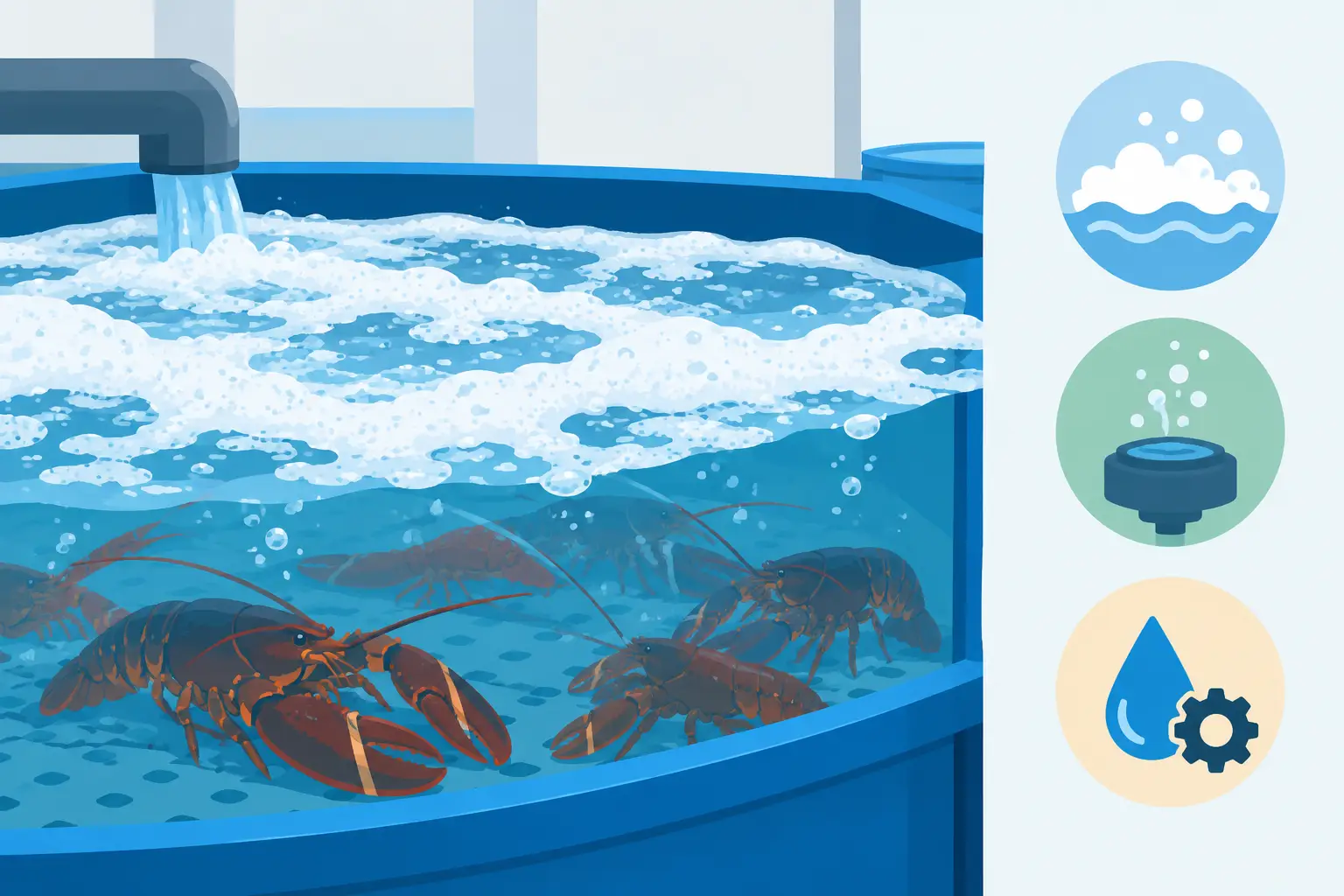
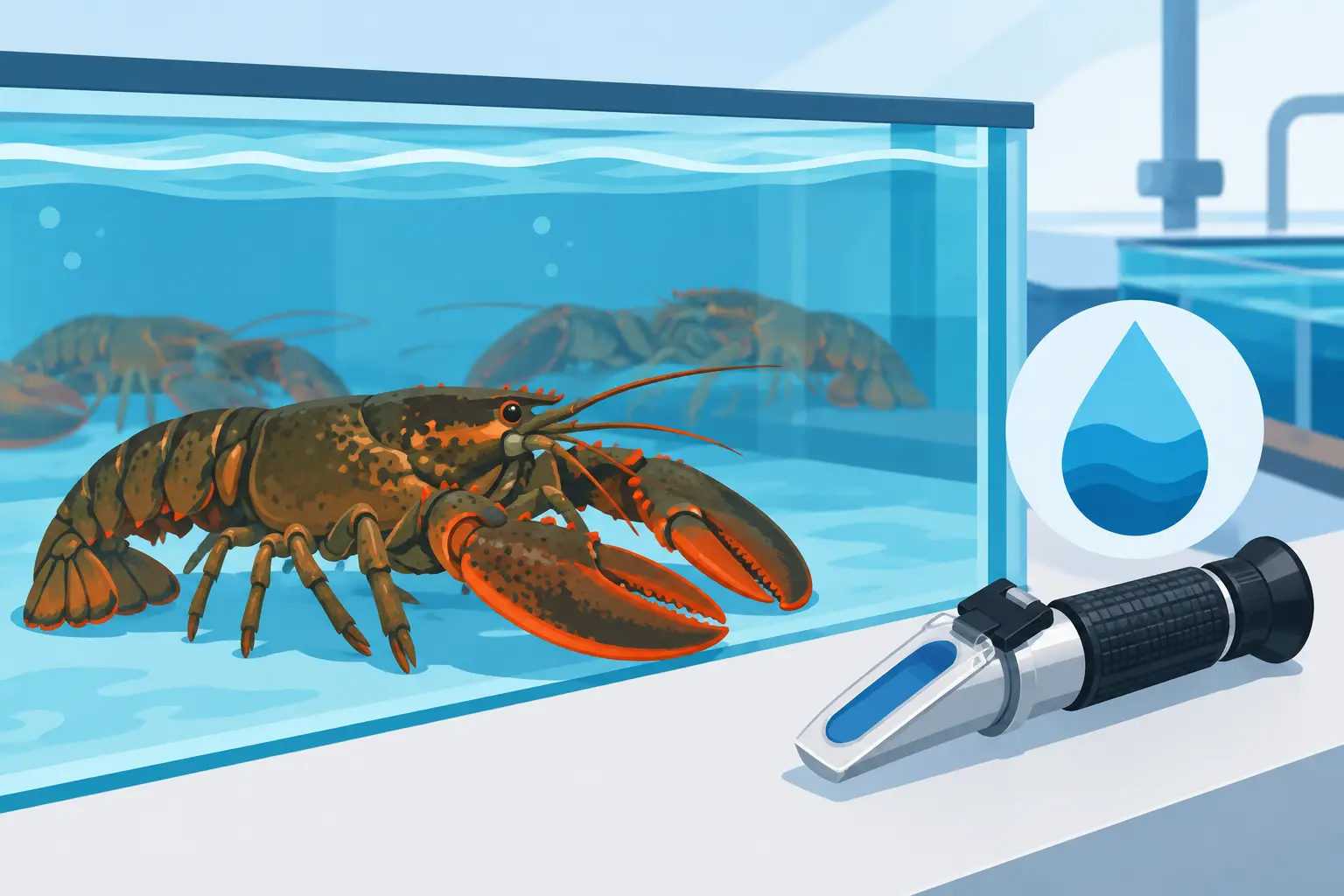
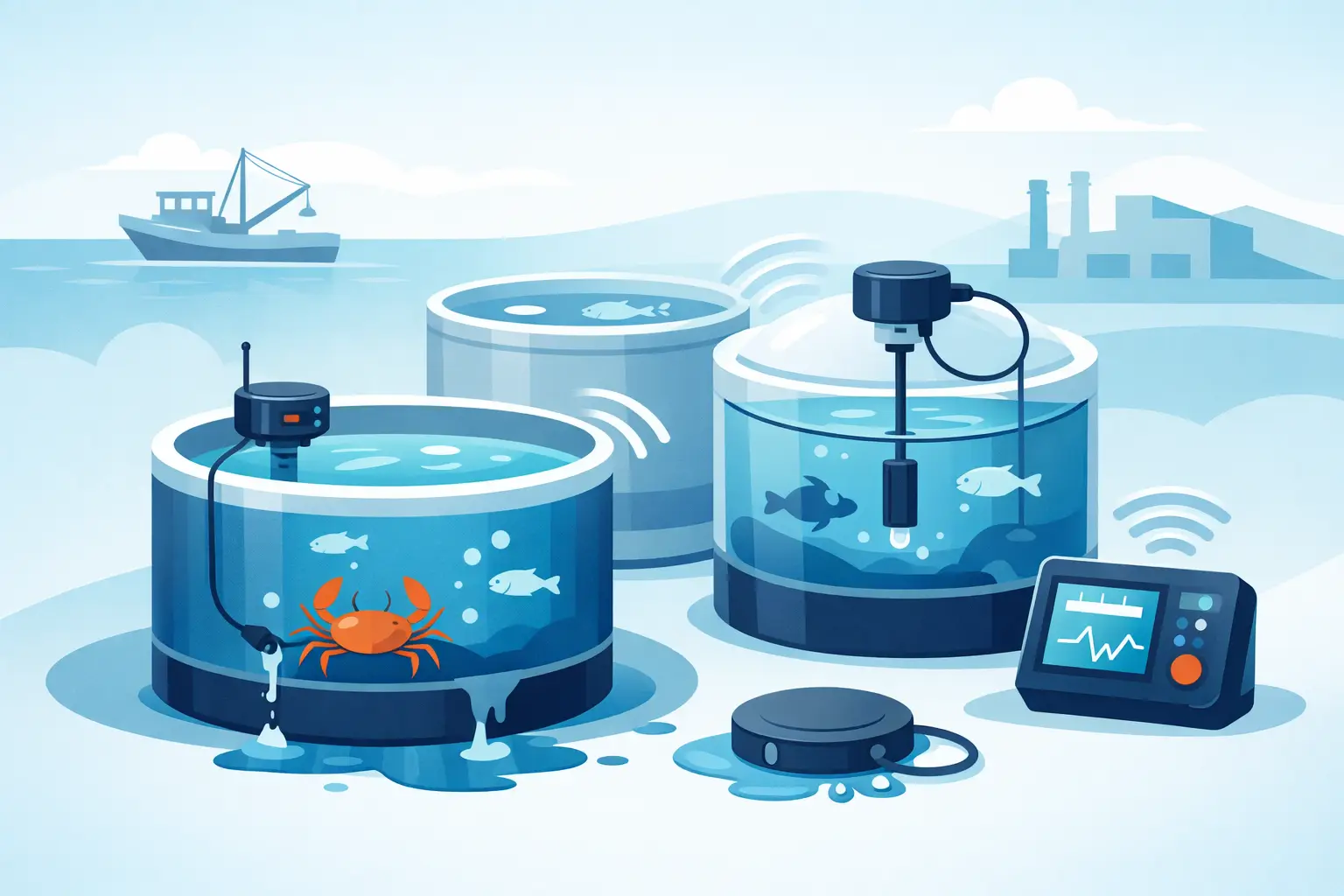
Live lobsters, clams, oysters, mussels, and other shellfish are sensitive to changes in their environment. A holding system must consistently manage water temperature, salinity, filtration, circulation, and oxygen levels while removing organic waste. Those requirements do not pause during a busy weekend, a holiday rush, or an overnight equipment issue.
The goal is stable water, not constant adjustment. A tank that requires employees to chase water conditions every day is not making the operation easier. Good system design puts the major controls where they belong: in the equipment, filtration process, and maintenance schedule.
Temperature is often the first condition operators watch, and for good reason. Warm water can stress cold-water species, increase metabolism, and accelerate oxygen demand. But temperature alone will not protect inventory. Poor salinity, accumulated waste, weak circulation, or exhausted filtration media can create problems even when the thermometer reads correctly.
That is why commercial operators need a complete system rather than a tank selected only for its appearance. The display is what the customer sees. The life-support equipment is what keeps the product saleable.
Tank Capacity Should Match Real Sales Volume
Oversizing and undersizing both carry a cost. A system that is too small can become overloaded during heavy deliveries or seasonal demand. Water quality may decline quickly, and staff may be forced to make difficult decisions about what inventory to hold. A tank that is far larger than the operation needs can consume unnecessary space, water, energy, and capital.
Capacity planning should account for more than average weekly sales. Consider the largest deliveries, holiday inventory, product mix, and how long live shellfish may remain in the system before sale. A supermarket seafood department that receives large peak-season lobster shipments has different needs than a restaurant holding a limited amount for nightly service.
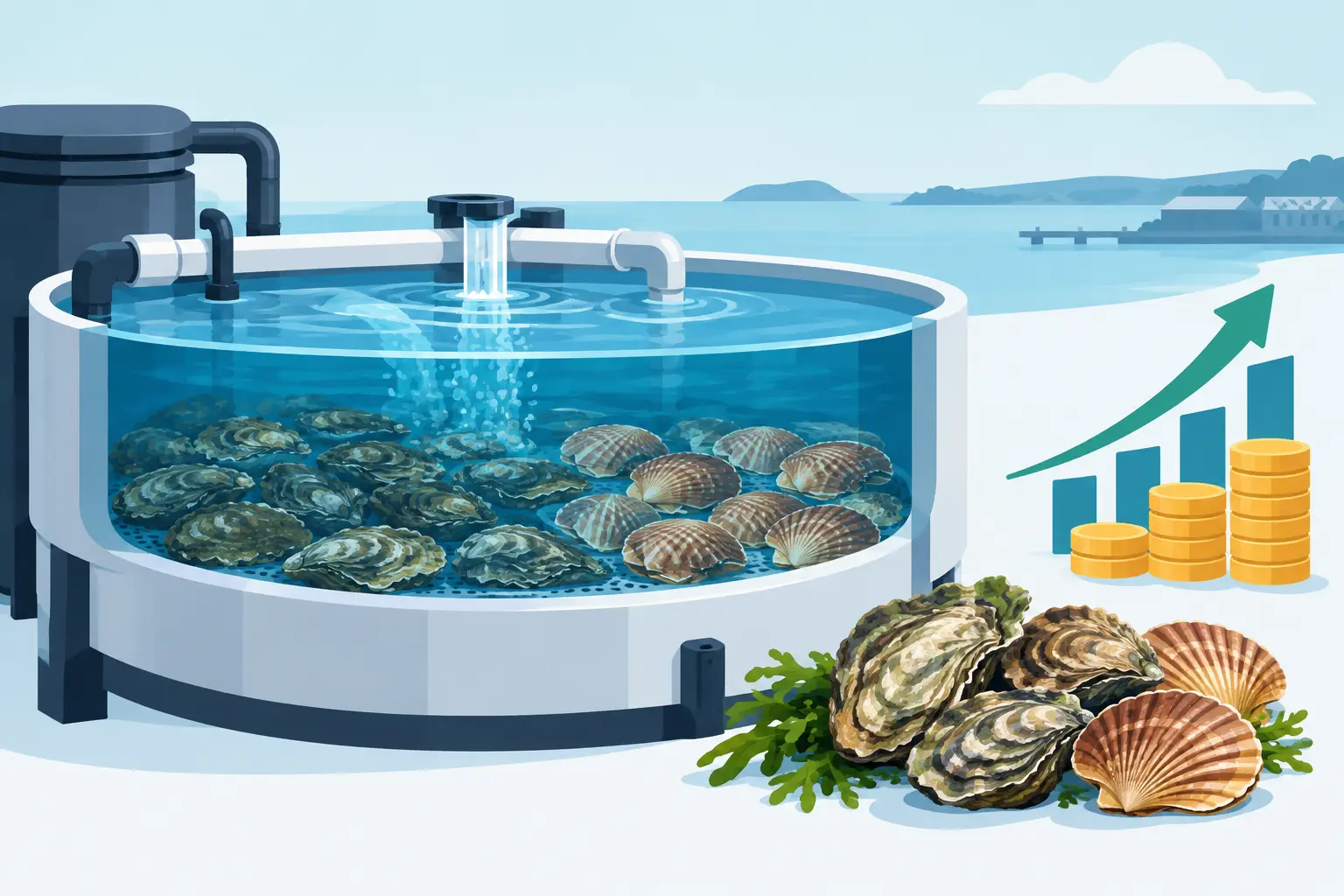
Species mix matters as well. Lobsters, bivalves, and finfish have different holding requirements. Combining species in one system may be possible in certain applications, but it should never be assumed. The tank design, water parameters, loading rate, and filtration must support the species being held.
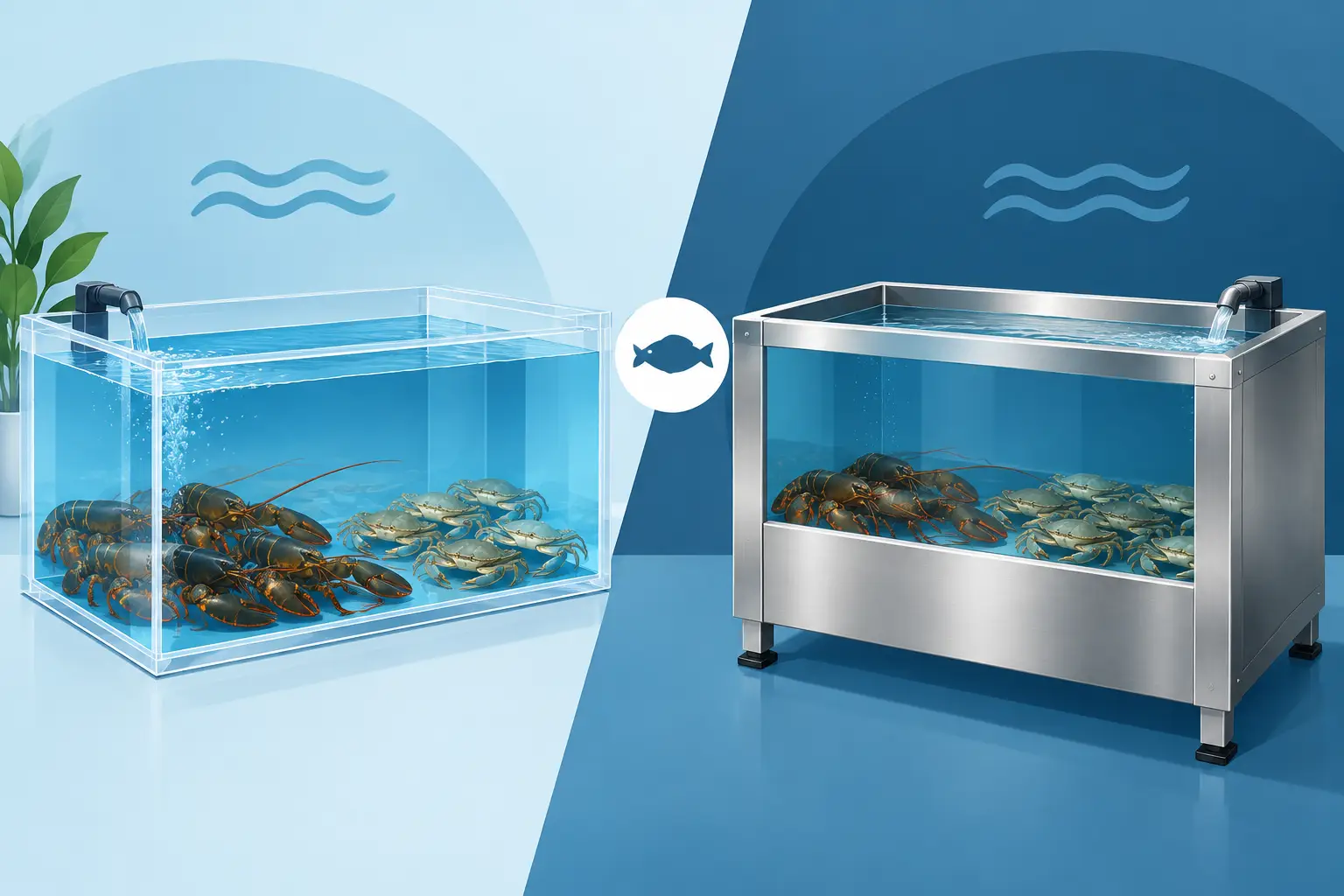
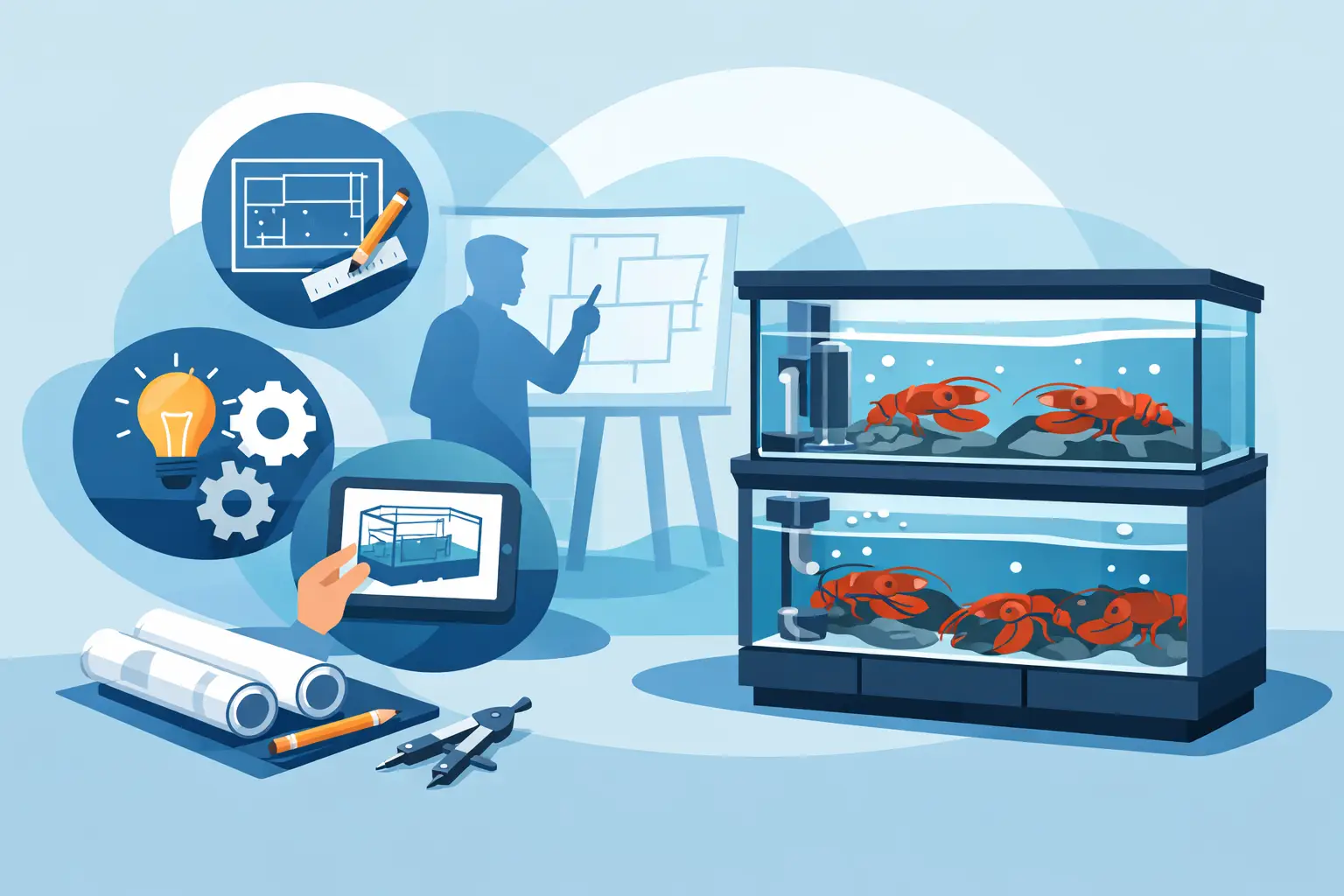
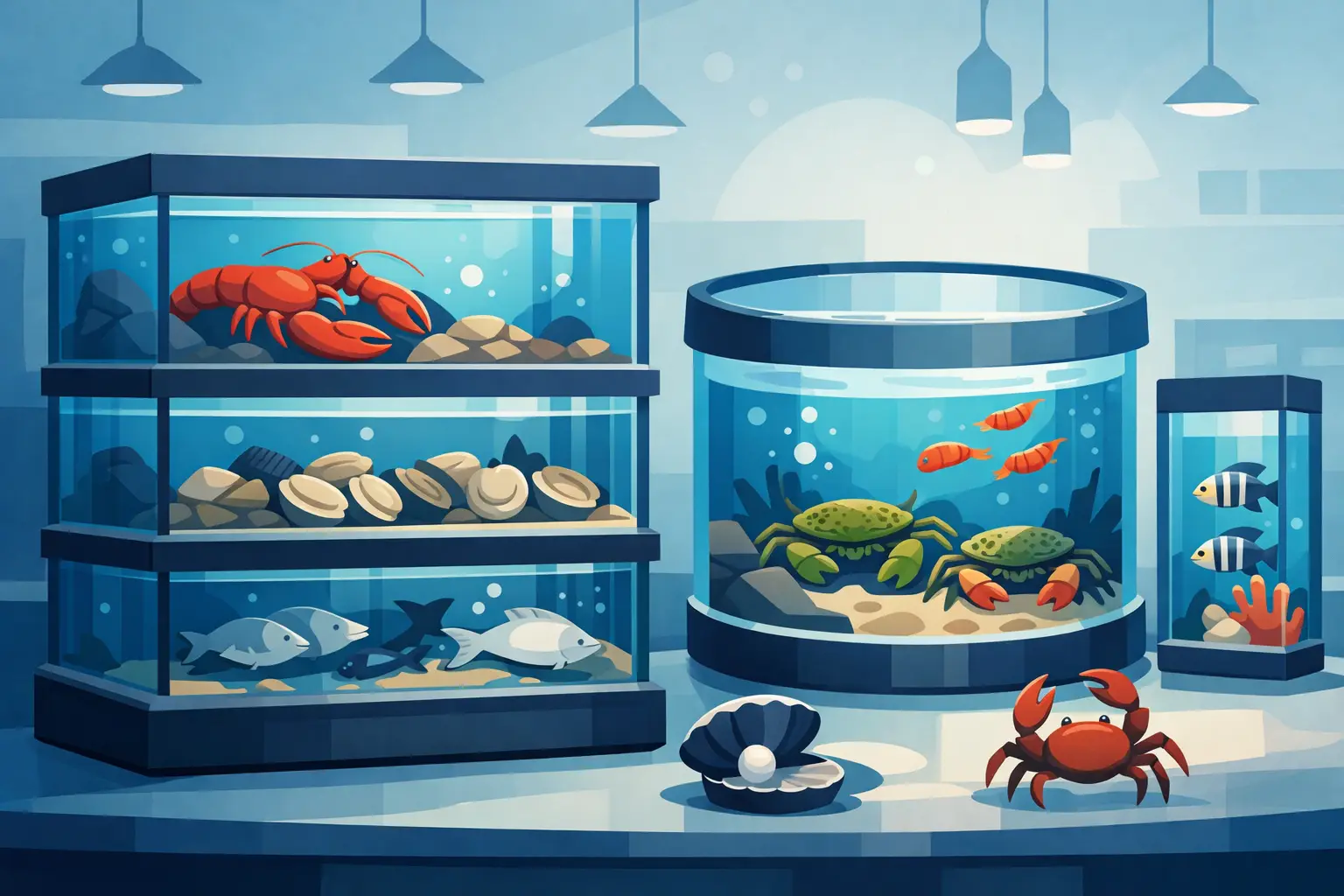
A custom-built configuration can also make better use of the available footprint. Countertop displays, freestanding tanks, backroom holding units, multi-tank installations, and systems integrated into a seafood service case each solve different operational problems. The best choice is the one that gives the department safe access, clear merchandising, efficient cleaning, and enough capacity for its actual business.
Filtration Is Where Inventory Protection Happens
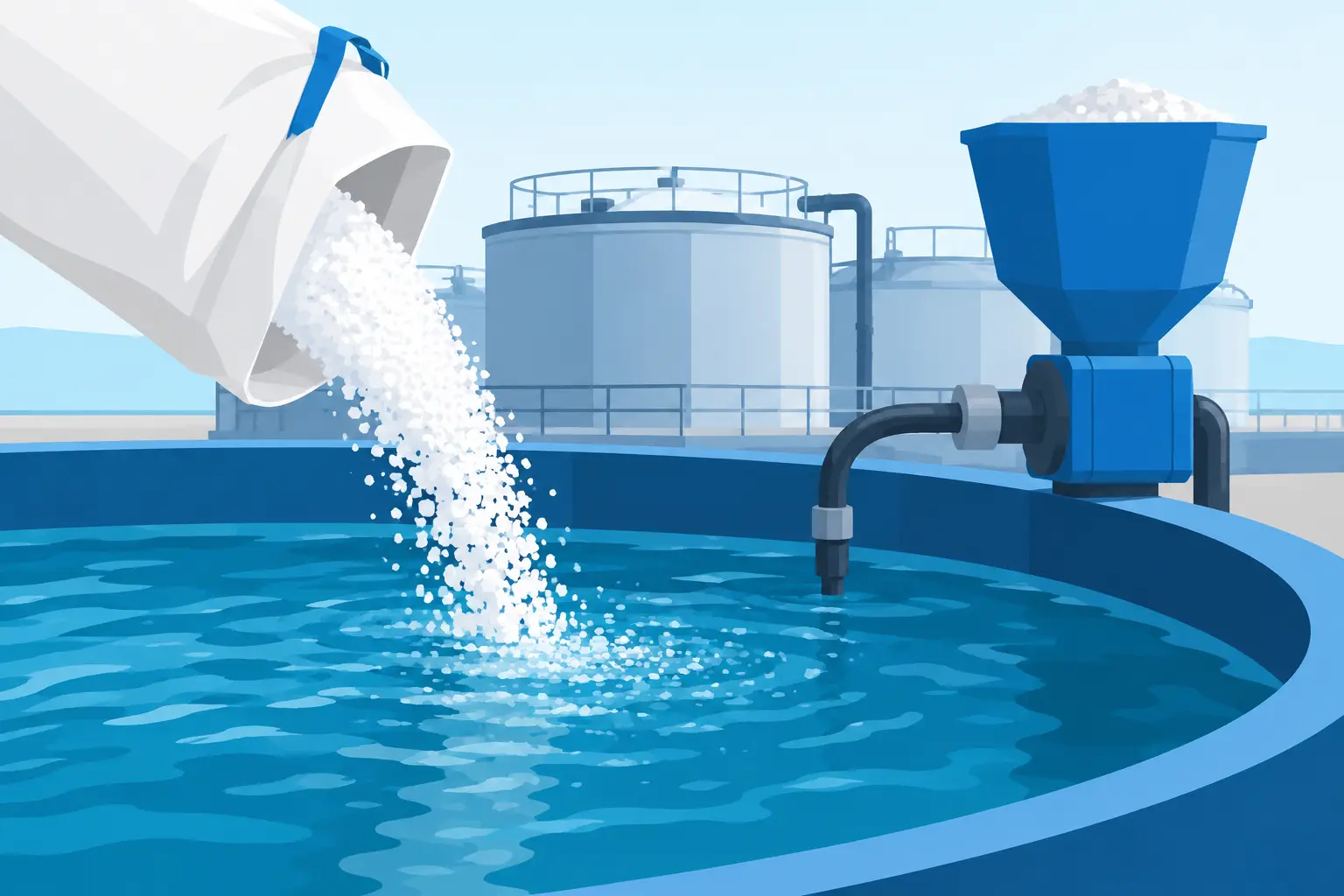
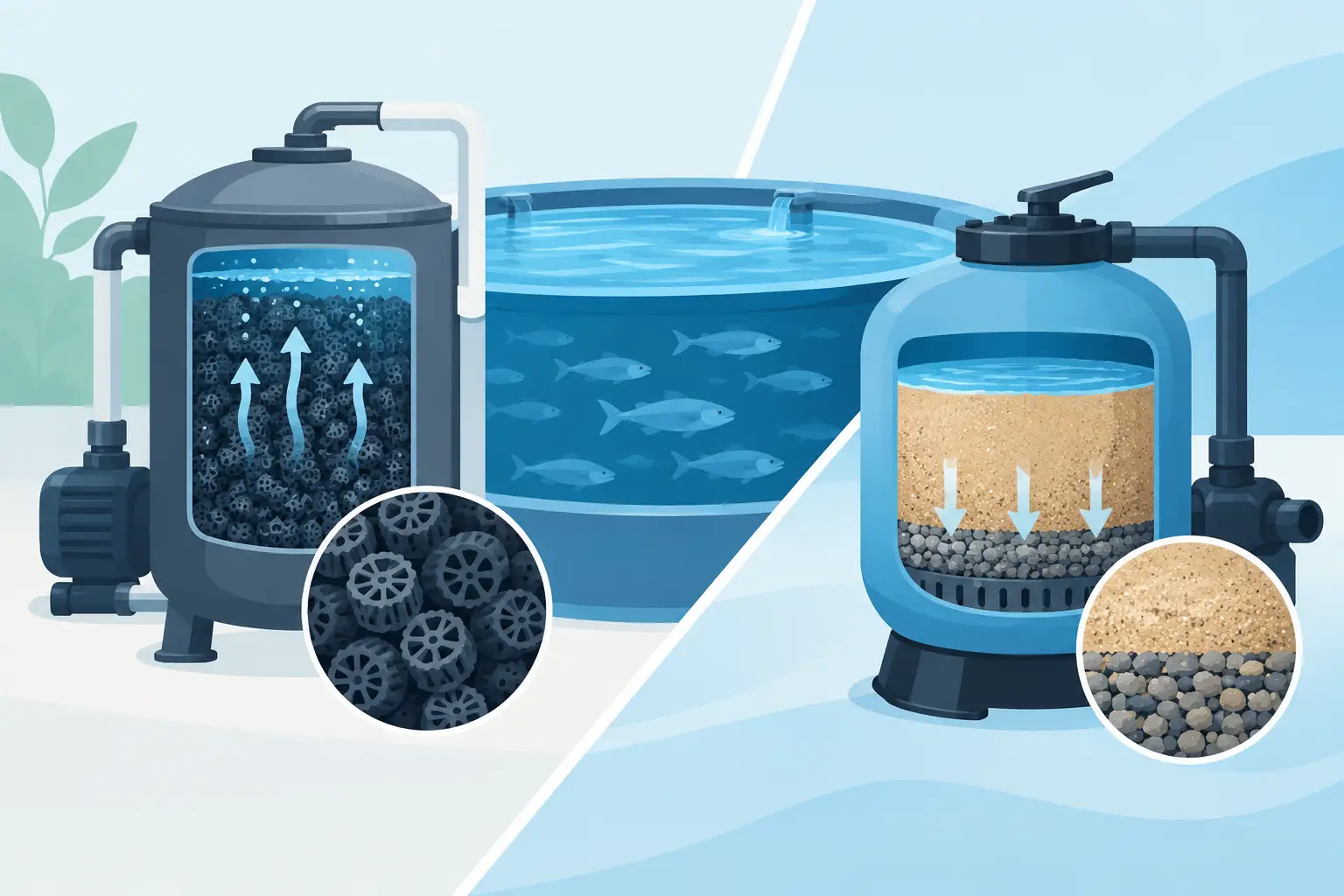
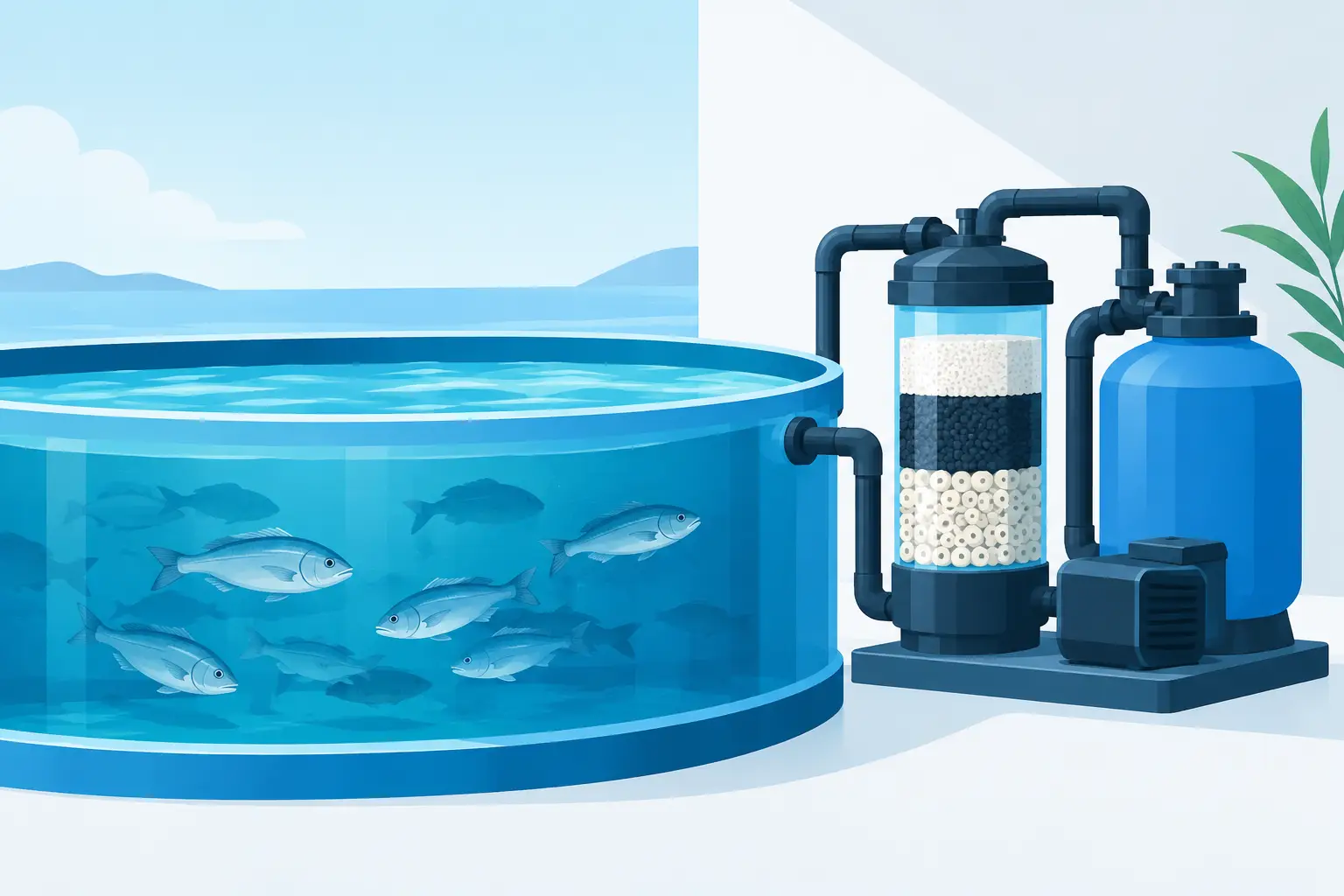
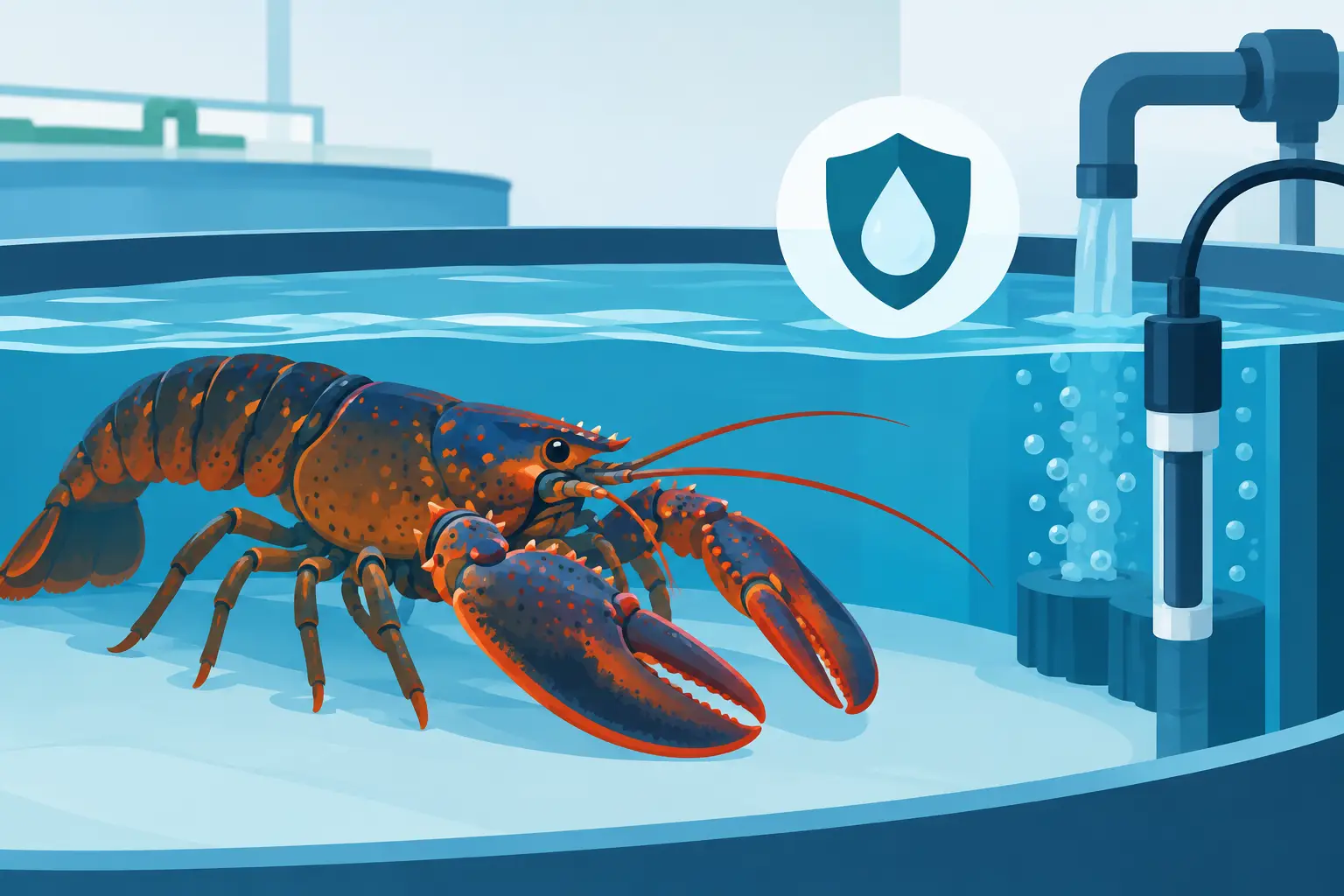
Every live holding system needs a filtration strategy that fits its load. Waste enters the water continuously through animal respiration, uneaten material, debris, and normal handling. Without effective mechanical, biological, and chemical filtration, water conditions can deteriorate faster than many operators expect.
Mechanical filtration captures solids before they break down in the system. Biological filtration supports beneficial bacteria that process nitrogenous waste. Chemical media, including activated carbon where appropriate, helps manage dissolved compounds and water clarity. Each component has a job, and each needs regular inspection and replacement.
There is no one filter schedule that works for every account. A high-volume retail tank during a holiday period will consume media and require attention differently than a lightly stocked weekday restaurant system. The right schedule is based on stocking density, source-water quality, species, feeding practices, and system design.
This is where buying equipment from one company and consumables from another can create gaps. When a problem occurs, operators need a clear answer about whether the cause is filtration, salt mix, maintenance practices, plumbing, pump performance, or loading. Working with a full-service provider reduces finger-pointing and shortens the path to a fix.
Water Quality Is a Daily Operating Discipline
Even a well-built system needs routine checks. Employees should know what normal water appearance, flow, temperature, and animal behavior look like. A change in any of these can be an early warning before a larger loss occurs.
Daily observation is especially valuable because many tank problems start small. Reduced flow from a clogged prefilter, unusual foam, a noisy pump, cloudy water, or shellfish that appear sluggish can all signal that the system needs attention. Waiting for a major alarm or visible mortality is expensive maintenance.
A practical operating routine includes checking the system at opening and closing, verifying water temperature and circulation, inspecting filters, removing dead or weakened product promptly, and keeping the tank area clean. Records should also be kept for maintenance actions, water testing, salt additions, and equipment service. For multi-location retailers, consistent records help managers identify recurring issues and maintain standards across stores.
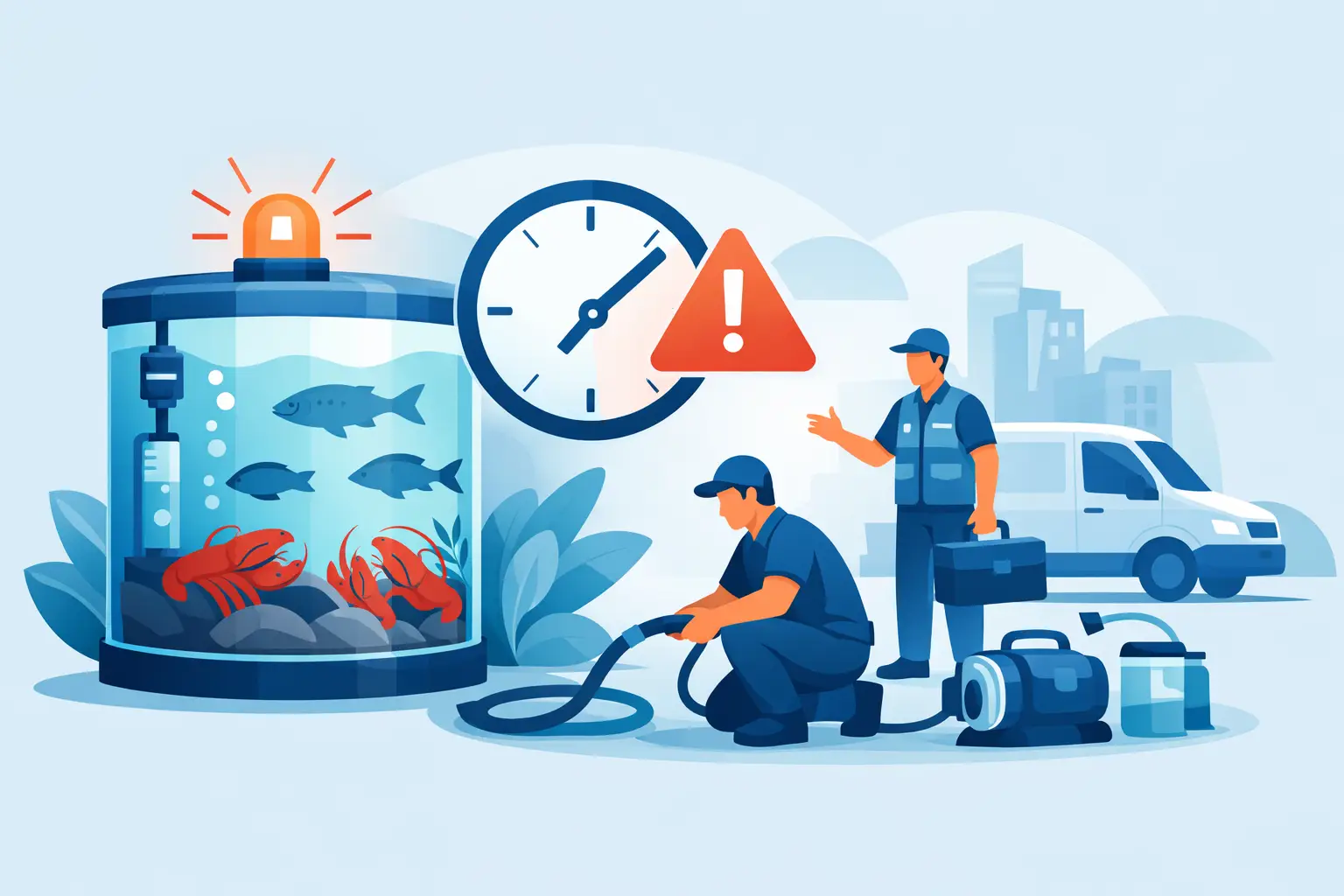
Employees should not be expected to diagnose every technical problem. They should, however, have a clear escalation process. When the person on the floor knows whom to call and what information to provide, a service technician can respond more effectively.
Design Details Affect Labor, Safety, and Sales
The best live shellfish holding system works for the people who use it, not just for the person who approved the purchase. Service access, drain placement, pump access, lid design, viewing panels, and plumbing layout all affect how easily employees can do their jobs.
For example, a tank may look impressive on the sales floor but become a daily burden if staff cannot safely net product, clean interior surfaces, or access filters without moving equipment. A system that is difficult to maintain tends to be maintained less consistently. That raises risk over time.
Merchandising also matters. Customers buy with their eyes, particularly when purchasing premium live seafood. Clear water, active product, clean glass or acrylic, and a well-lit display reinforce freshness. The tank should support the department’s presentation standards without creating a constant cleaning project for staff.
Operators should also think about utility requirements before installation. Electrical capacity, drainage, floor loading, water supply, ventilation, and access for delivery all need to be reviewed. Planning these details early helps avoid costly field changes and keeps the installation on schedule.
Service Support Is Part of the Equipment Decision
A commercial holding system is not a set-it-and-forget-it purchase. Pumps wear, media needs replacement, plumbing fittings can fail, and operating conditions change as a business grows. The value of the system depends partly on the support available after installation.
For operators in the Northeast service region, responsive field service can mean the difference between a manageable repair and a significant inventory loss. For customers outside that area, dependable access to parts, supplies, technical guidance, and clear maintenance procedures remains just as important.
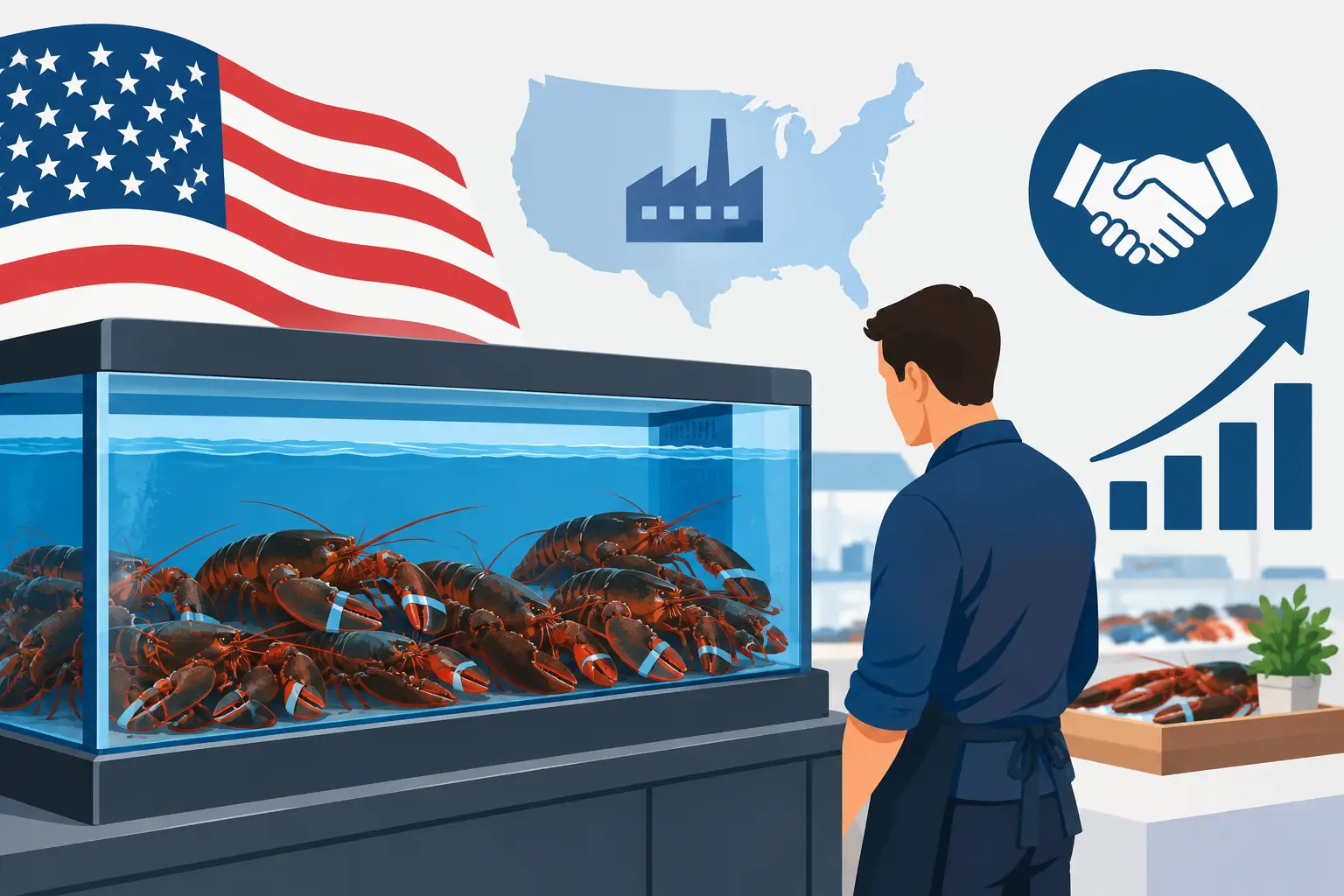
Lobster Life Systems has served commercial seafood operators since 1989 with USA-made tank fabrication, marine salt, filtration products, replacement components, and ongoing support from one source. That kind of continuity matters because the company supporting the system understands how it was designed, what it is holding, and what it needs to keep performing.
Before choosing a supplier, ask direct questions. Who will help size the system? What filtration media and salt products are specified? How quickly can common parts be supplied? Is maintenance available? What happens if there is a pump or water-quality issue after hours? The answers reveal whether you are buying a tank or building a long-term operating partnership.
Build for the Busy Day, Not the Quiet One
The right holding system earns its keep when the department is under pressure: a large delivery arrives, the holiday rush starts, staffing is thin, or a key component needs attention. That is when dependable design, proper capacity, and knowledgeable support protect both product and reputation.
Start with an honest assessment of your inventory volume, species, space, and service needs. A well-planned system gives your team a cleaner operation, gives customers a stronger freshness signal, and gives valuable live seafood the stable environment it deserves.