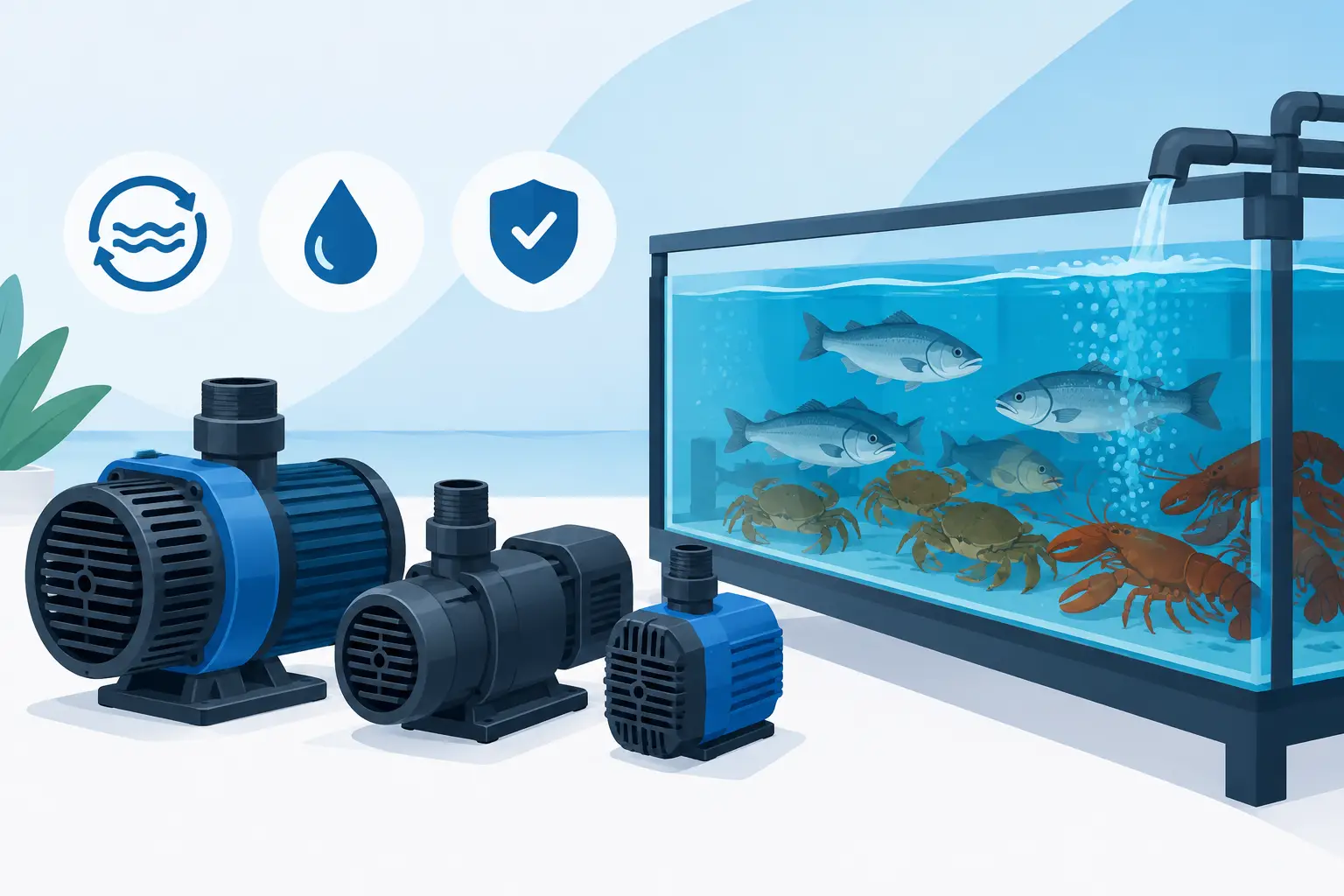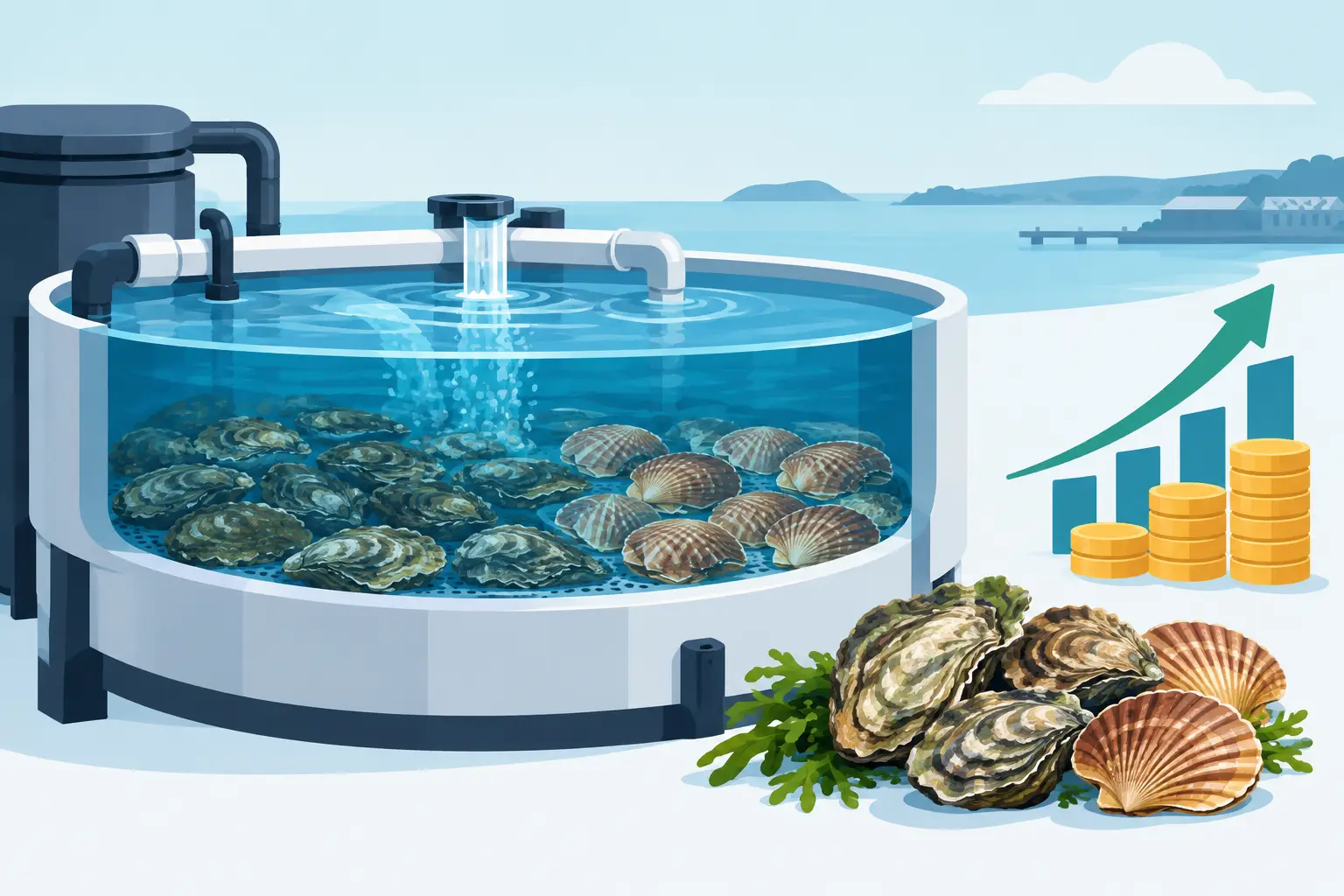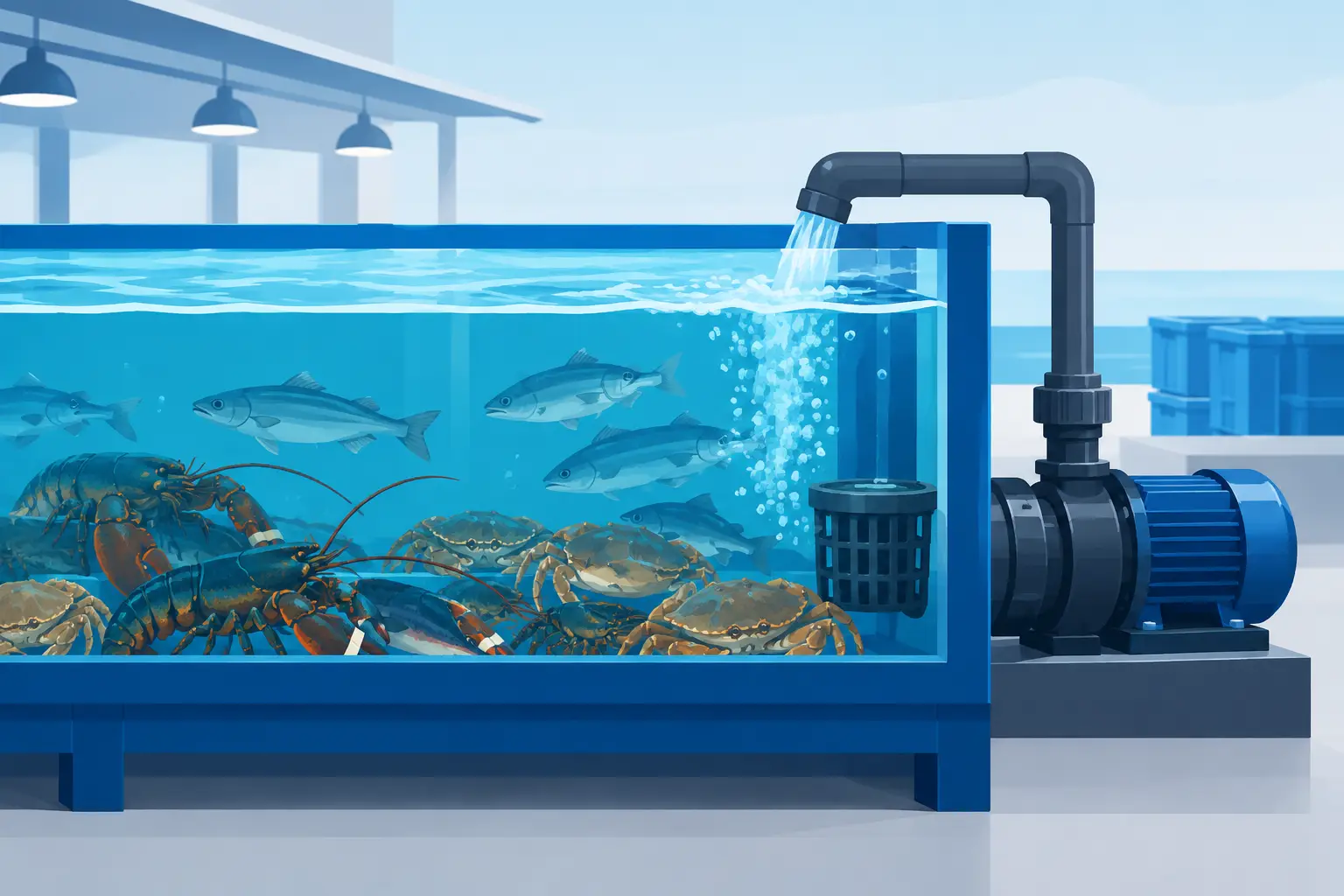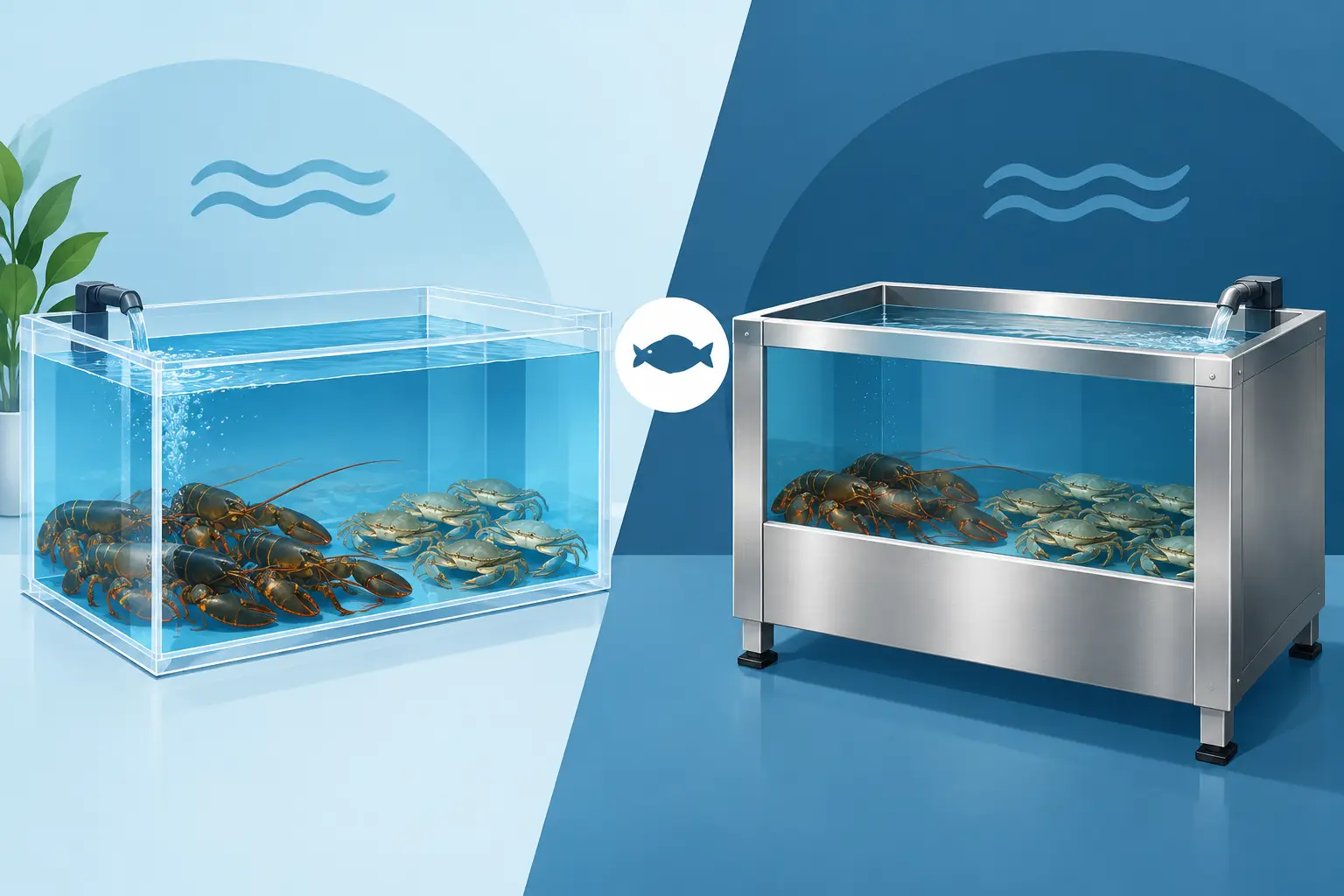
A live lobster tank can look clear, circulate well, and still be headed toward a costly water-quality problem. By the time livestock shows stress, reduced activity, or mortality, the issue may have been developing for hours or days. The best commercial water test kits give seafood operators the numbers needed to act before a tank problem becomes a product loss.
For supermarkets, wholesalers, restaurants, and specialty seafood markets, water testing is not a side task for slow periods. It is part of protecting live inventory, maintaining a clean presentation, and keeping the system operating as designed. The right kit must be accurate enough for commercial decisions, practical enough for daily use, and suited to the chemistry of marine live-holding systems.
What Makes a Water Test Kit Commercial Grade?
A commercial kit is not simply a consumer aquarium kit with more bottles in the box. Retail seafood operations need repeatable results across shifts, clear instructions for trained staff, and replacement reagents that can be stocked without delay. The best option also matches the system’s maintenance program and the species being held.
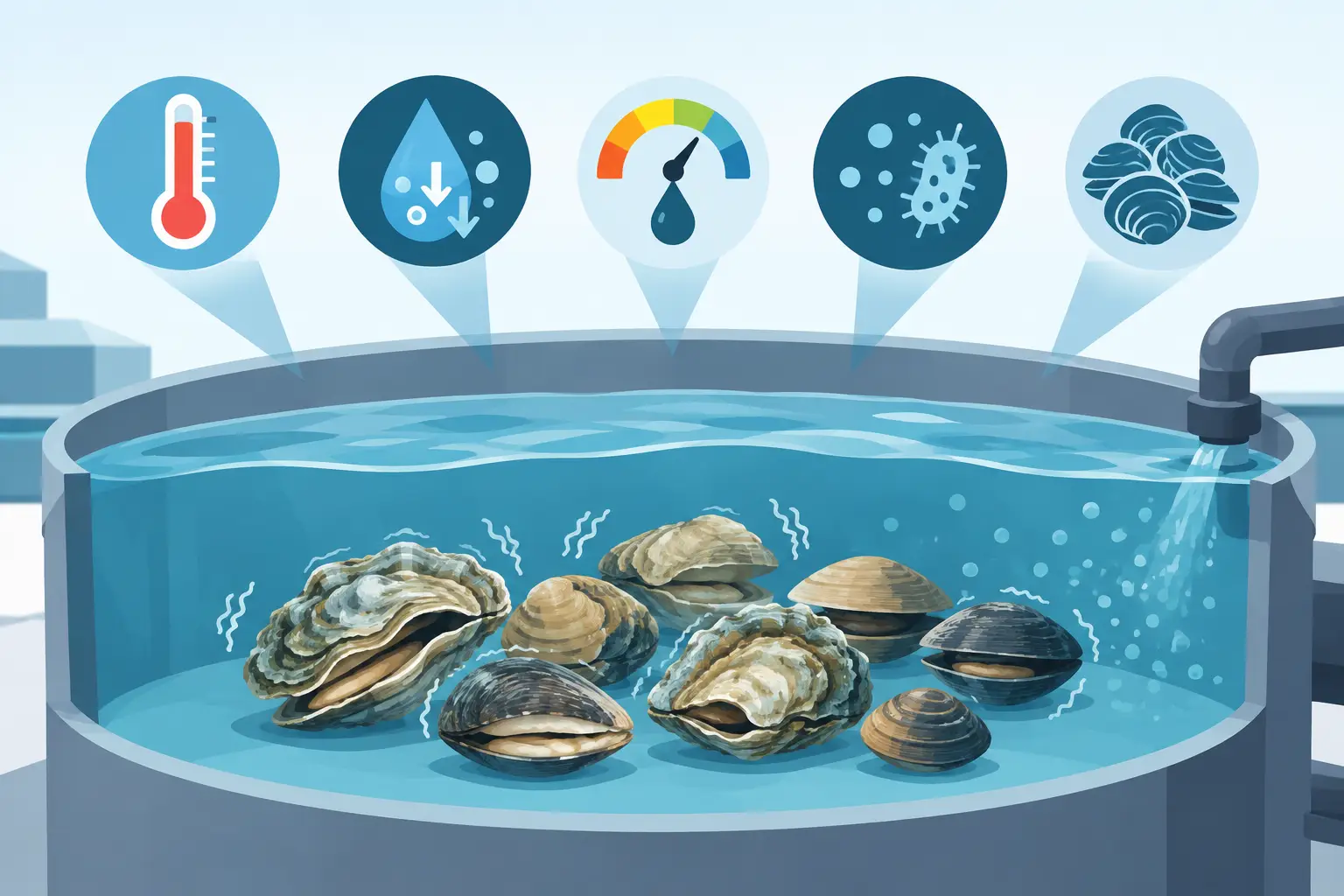
For a lobster or shellfish tank, the core concern is usually not one isolated reading. It is the relationship between ammonia, nitrite, nitrate, pH, salinity, temperature, alkalinity, and dissolved oxygen. A result only has value when the operator understands what it means for the livestock and what system component may need attention.
A quality commercial test program should provide enough resolution to identify a developing issue, not just confirm a serious failure. It should also be easy to document. If one employee tests at opening and another tests later in the day, both should be able to follow the same procedure and compare results with confidence.
The Best Commercial Water Test Kits Measure the Right Parameters
There is no single kit that is automatically right for every live-seafood operation. A small restaurant holding tank, a high-volume supermarket department, and a wholesale staging system have different loading patterns and staffing needs. Still, a complete commercial testing setup should cover the parameters that drive livestock health and filtration performance.
Ammonia and nitrite need close attention
Ammonia and nitrite are two of the most important readings in a recirculating marine system. Both can rise when biological filtration is overloaded, when a filter has been disrupted, when livestock density changes, or when maintenance issues reduce system performance.
Choose tests designed to detect low-level changes clearly. A vague color comparison may be acceptable for a home aquarium hobbyist, but it is not ideal when a department manager must decide whether to reduce loading, inspect filtration, perform corrective maintenance, or call for service. Tests that distinguish total ammonia from the more toxic un-ionized portion can be especially useful when pH and temperature vary.
pH, alkalinity, and salinity work as a system
Marine saltwater chemistry depends on balance. pH readings show whether the water is staying within the system’s intended range, while alkalinity indicates the water’s ability to resist rapid pH movement. Salinity confirms that salt concentration remains consistent after top-offs, water changes, or system adjustments.
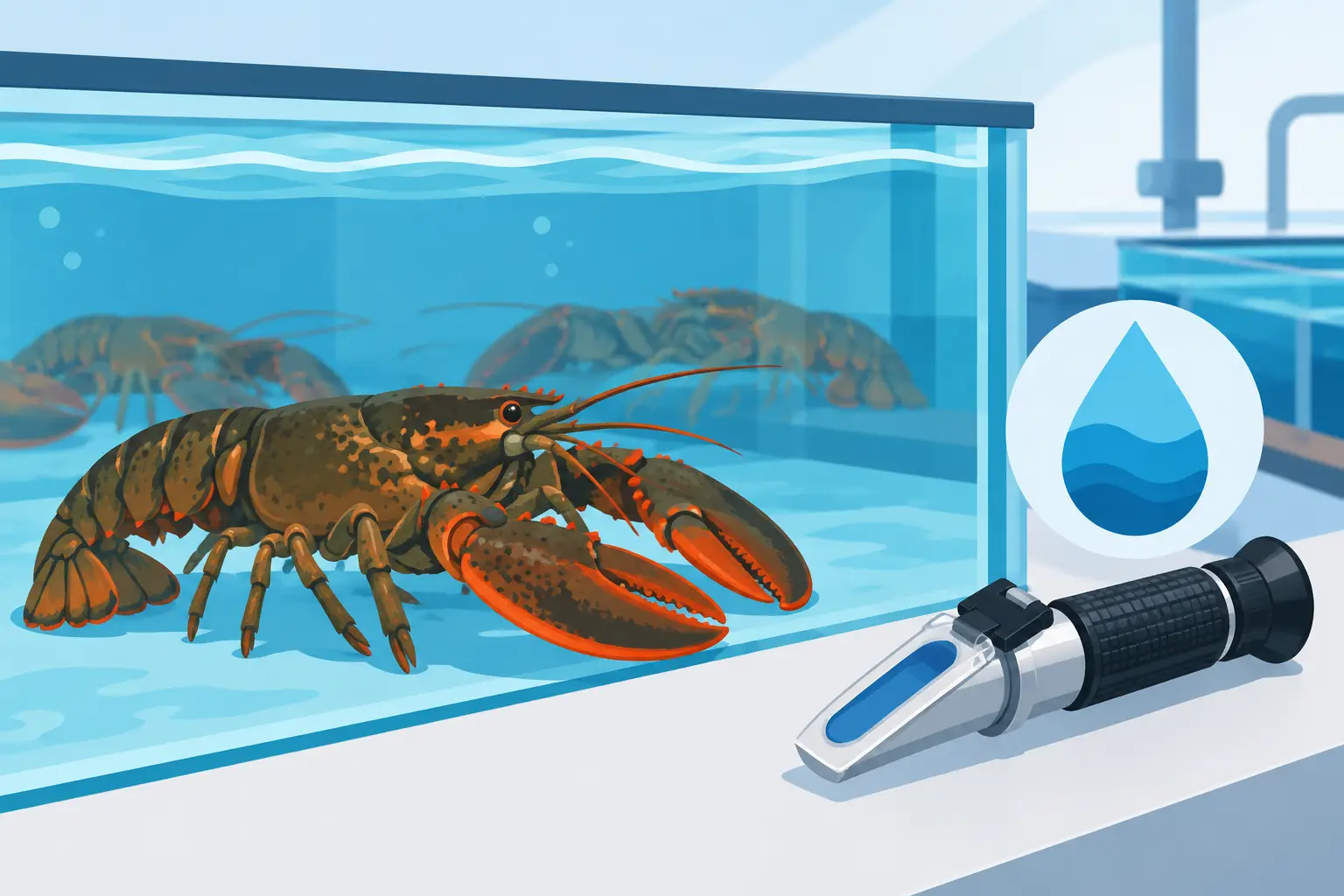
A dependable refractometer or calibrated salinity meter is often more useful in a commercial setting than broad-range test strips. For pH, electronic meters can be efficient when they are calibrated and maintained correctly. Liquid reagent tests remain valuable as a cross-check, particularly when a meter reading does not match livestock behavior or the rest of the test results.
Dissolved oxygen deserves its own plan
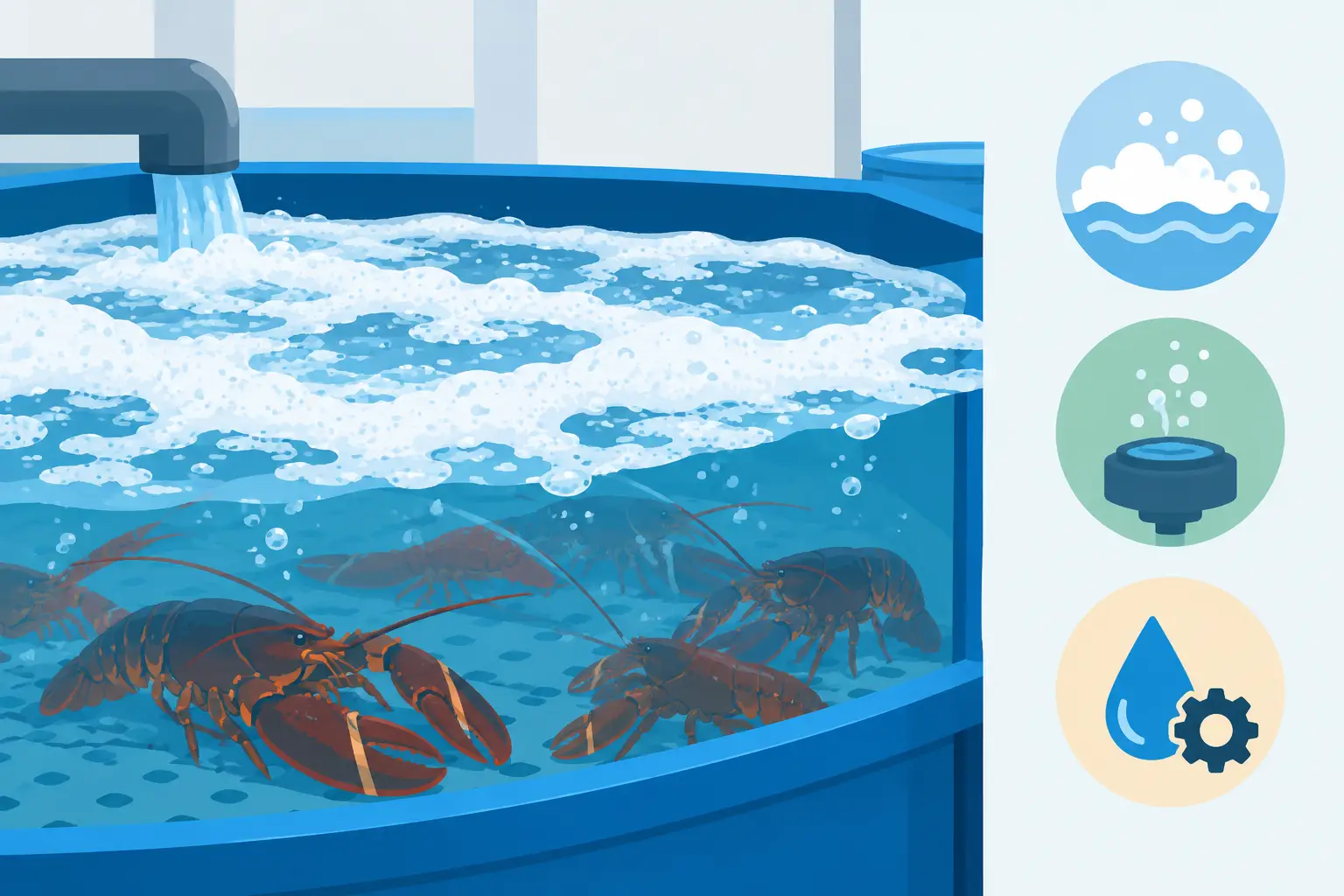
A tank can have good circulation and still experience oxygen stress, particularly during heavy holding periods, warm conditions, high feeding activity, or equipment trouble. Dissolved oxygen is one area where a professional-grade electronic meter may be worth the investment. It delivers fast readings and helps operators verify that aeration, pumping, and filtration are doing their job.
The trade-off is maintenance. Meters require calibration, clean probes, proper storage, and occasional replacement parts. A meter that is not maintained can create false confidence, so assign responsibility for calibration and keep a backup testing method available.
Temperature and nitrate complete the operating picture
Temperature affects oxygen availability, biological activity, and the toxicity of some compounds. It should be checked continuously or at least several times per day in systems with valuable live inventory. Use a reliable digital thermometer, ideally one that can alert staff when readings move out of the target range.
Nitrate generally develops more slowly than ammonia or nitrite, but it remains an important indicator of long-term system conditions. Rising nitrate may point to a need to review water-change practices, filtration capacity, loading levels, or maintenance intervals. It is not a reading to ignore simply because the animals appear normal.
Choosing Between Strips, Liquid Kits, and Digital Meters
Test strips are fast and convenient, which makes them useful for quick screening or routine checks by busy floor staff. Their limitation is precision. Humidity, handling, expiration dates, lighting, and subjective color matching can all affect the result. They are best used as part of a program, not as the only source of information for high-value live holding.
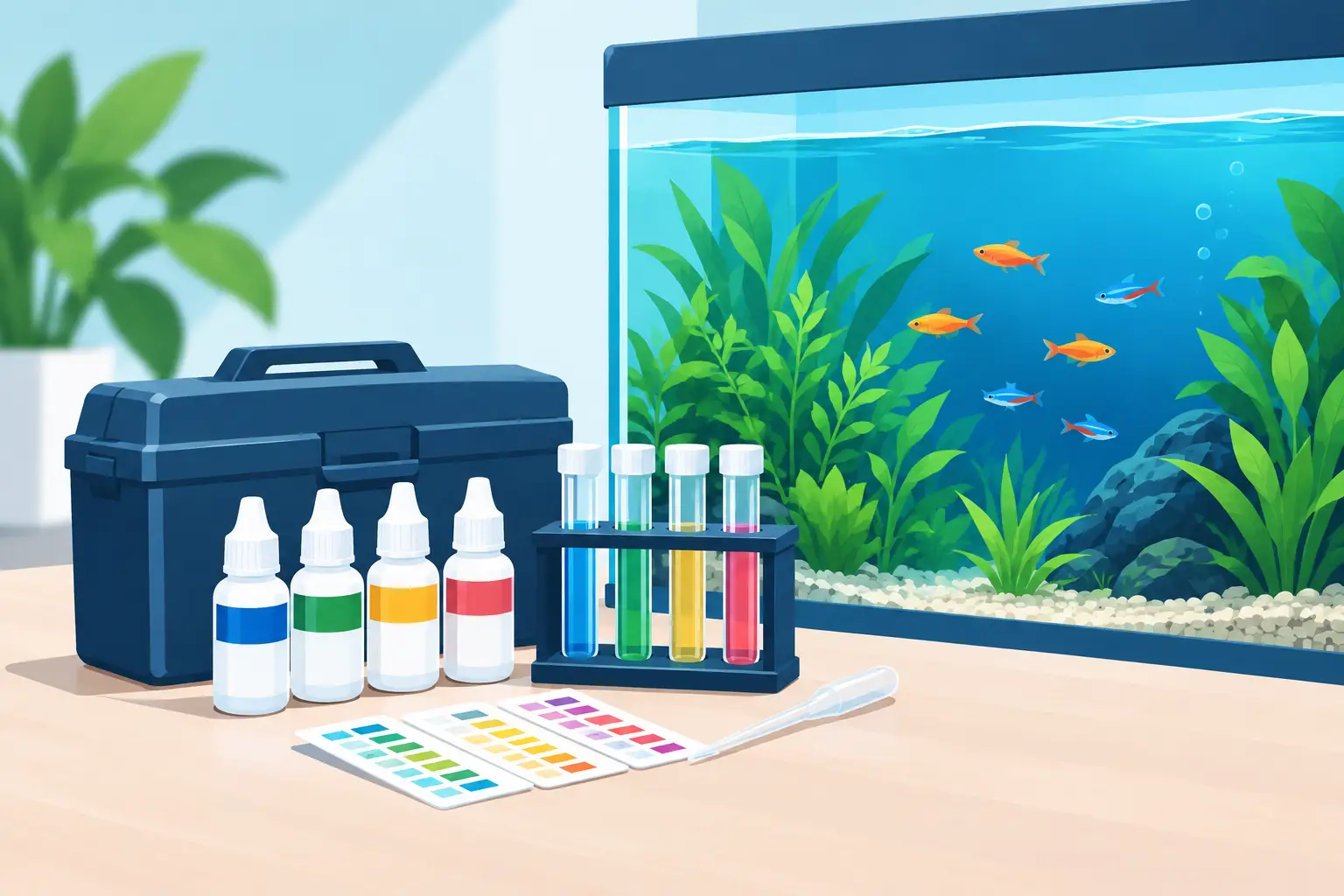
Liquid reagent kits are widely used because they offer better detail at a reasonable operating cost. They take more time and require staff to measure samples carefully, follow timing instructions, and read color changes under consistent light. For ammonia, nitrite, nitrate, pH, and alkalinity, a reputable liquid kit is often the practical foundation of a commercial test station.
Digital meters are efficient for parameters such as temperature, salinity, pH, and dissolved oxygen. They can reduce interpretation errors and speed up testing, especially in operations with multiple tanks. They also carry a higher initial cost and a stronger calibration requirement. The best approach for many seafood departments is a combination: digital instruments for frequent operational readings and liquid tests for chemistry verification.
Build a Testing Routine That Staff Will Actually Follow
The most capable test kit is of little use when it stays in a cabinet. Commercial operators need a simple written schedule that identifies what is tested, how often, acceptable ranges, and the action required when a reading is outside target.
At minimum, temperature, salinity, and visual livestock condition should be checked daily. Ammonia and nitrite should be tested on a defined schedule and more often after delivery days, heavy sales periods, filter service, power interruptions, or any change in animal behavior. Dissolved oxygen checks should be routine in systems where stocking density or temperature can change quickly.
Record results in a log, whether on paper or in a digital system. The log creates a history that helps technicians see trends before they become emergencies. For example, a small but consistent rise in nitrate, a gradual pH shift, or recurring salinity correction may reveal a system issue that one isolated reading would miss.
Staff should also know what not to do. Do not treat a test result as a reason to add chemicals blindly. Do not assume clear water means clean water. And do not reset a reading by changing water without investigating why the parameter changed. Corrective action should protect the livestock now while addressing the filtration, loading, or maintenance condition behind the problem.
Buying Considerations for Seafood Retail and Foodservice
Before purchasing, confirm that the kit is intended for saltwater use and that its measurement ranges fit your operating targets. Freshwater-oriented kits and low-range hobby strips can create confusion in a marine system. Check the reagent shelf life, availability of refills, storage requirements, and whether the manufacturer provides clear instructions.
Consider the number of tanks, number of shifts, and likely user skill level. A single independent market may need a well-organized liquid kit, refractometer, thermometer, and written log. A chain seafood department or wholesale operation may benefit from dedicated electronic meters, standardized testing supplies at every location, and formal training for department teams.
Do not buy based on price per box alone. The lower-cost kit is not less expensive if inconsistent readings lead to livestock loss, unnecessary water changes, or missed filtration trouble. A dependable test program is a small operating cost compared with the value of live lobster, shellfish, and fish inventory.
Testing Works Best With a Complete System Partner
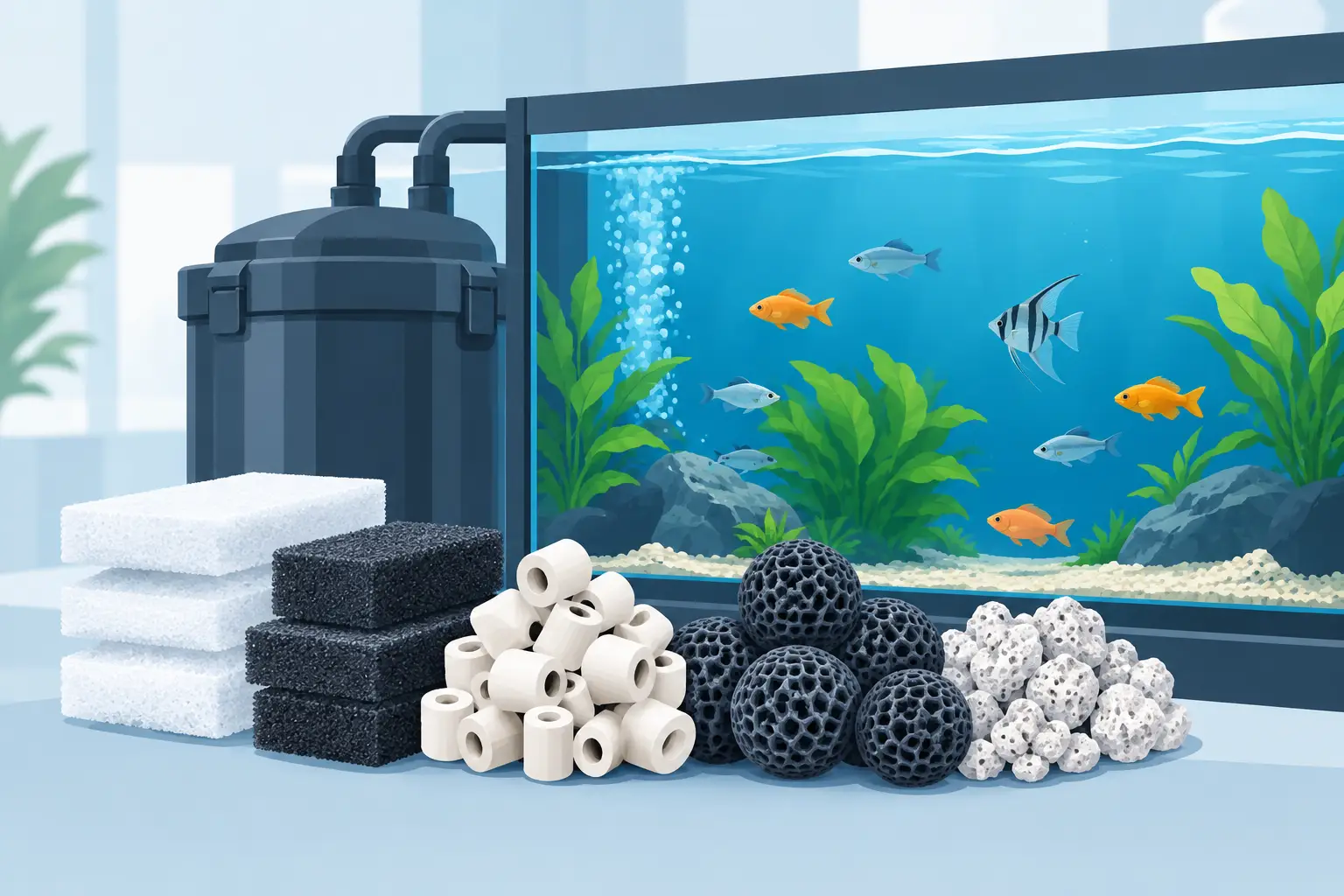
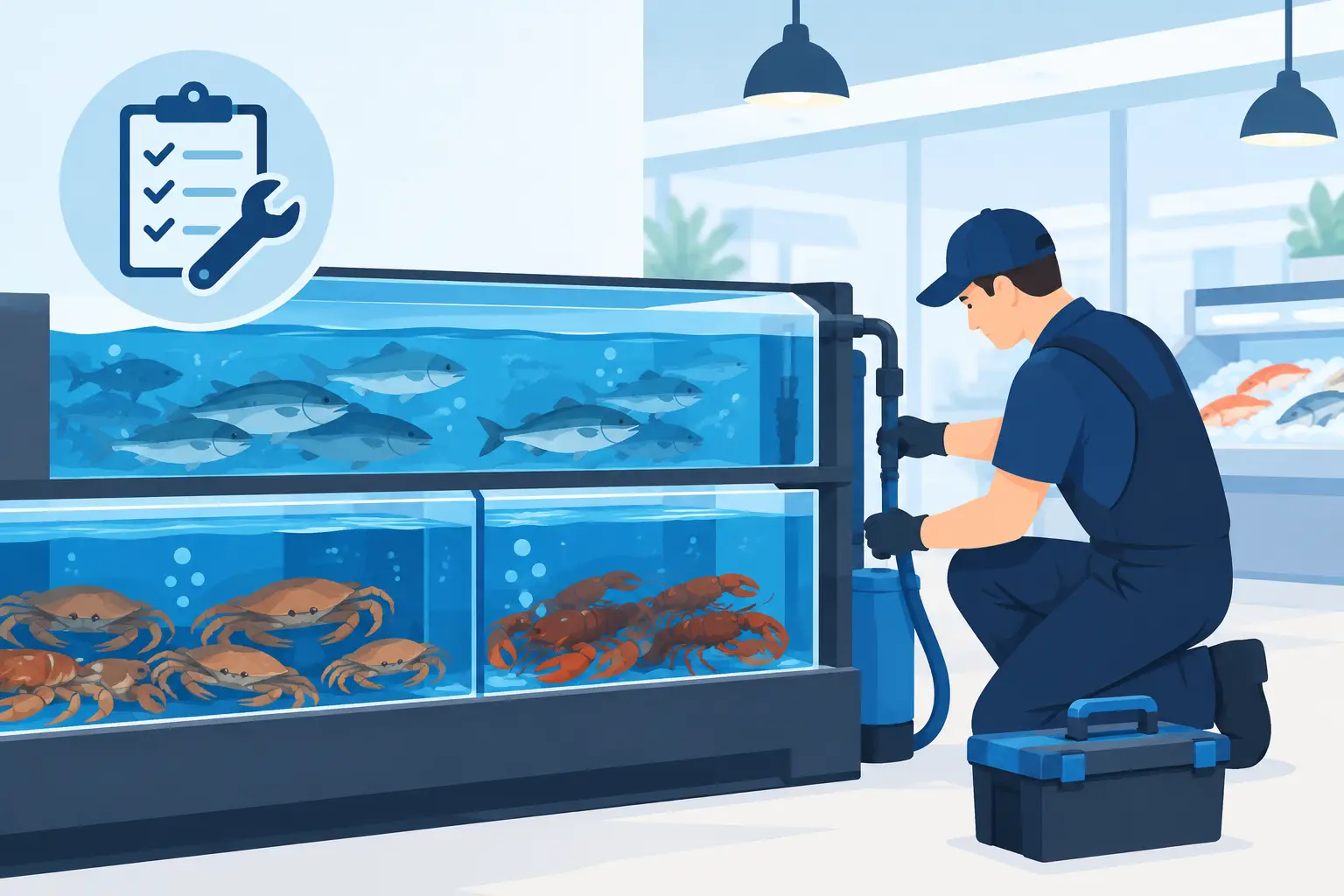
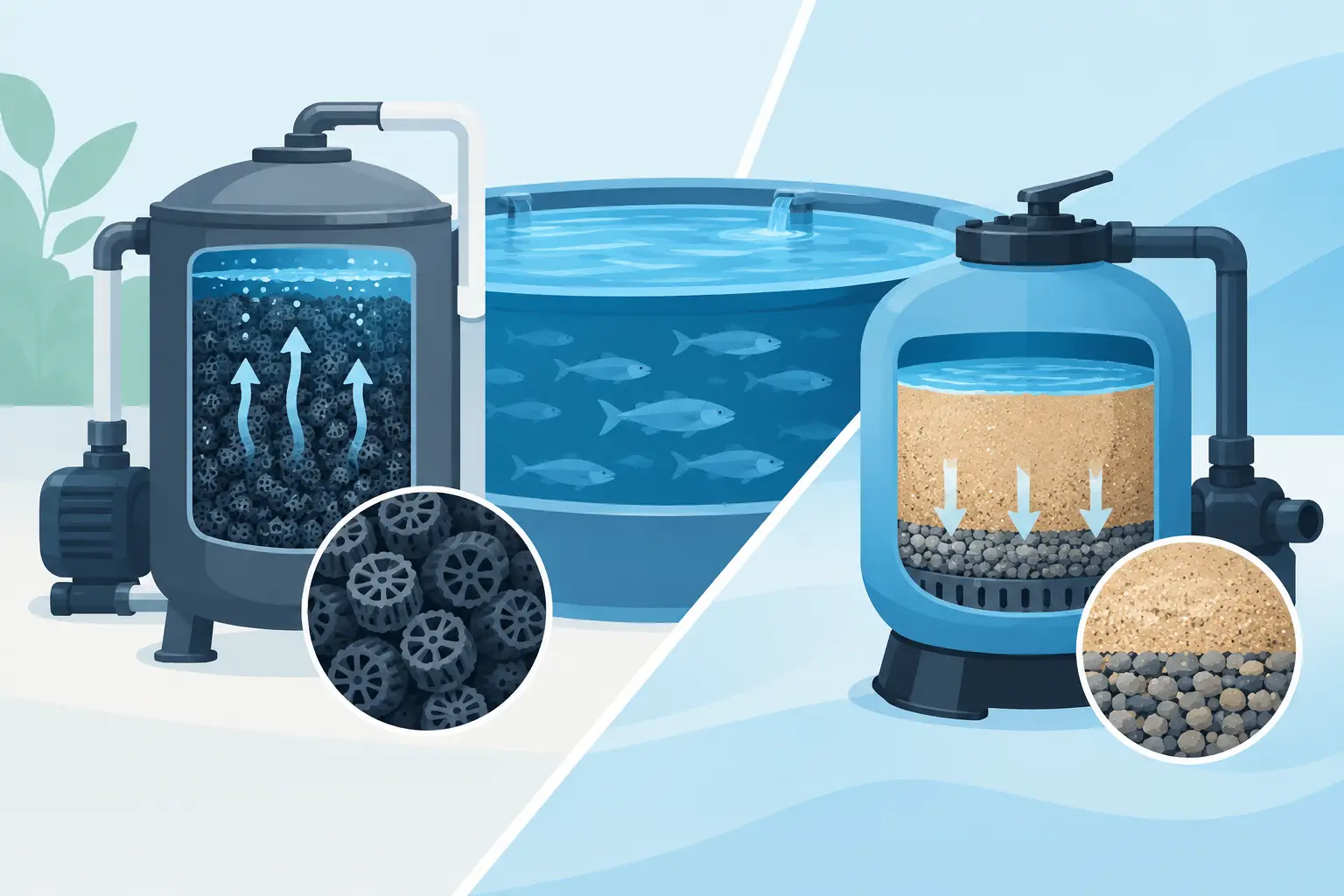
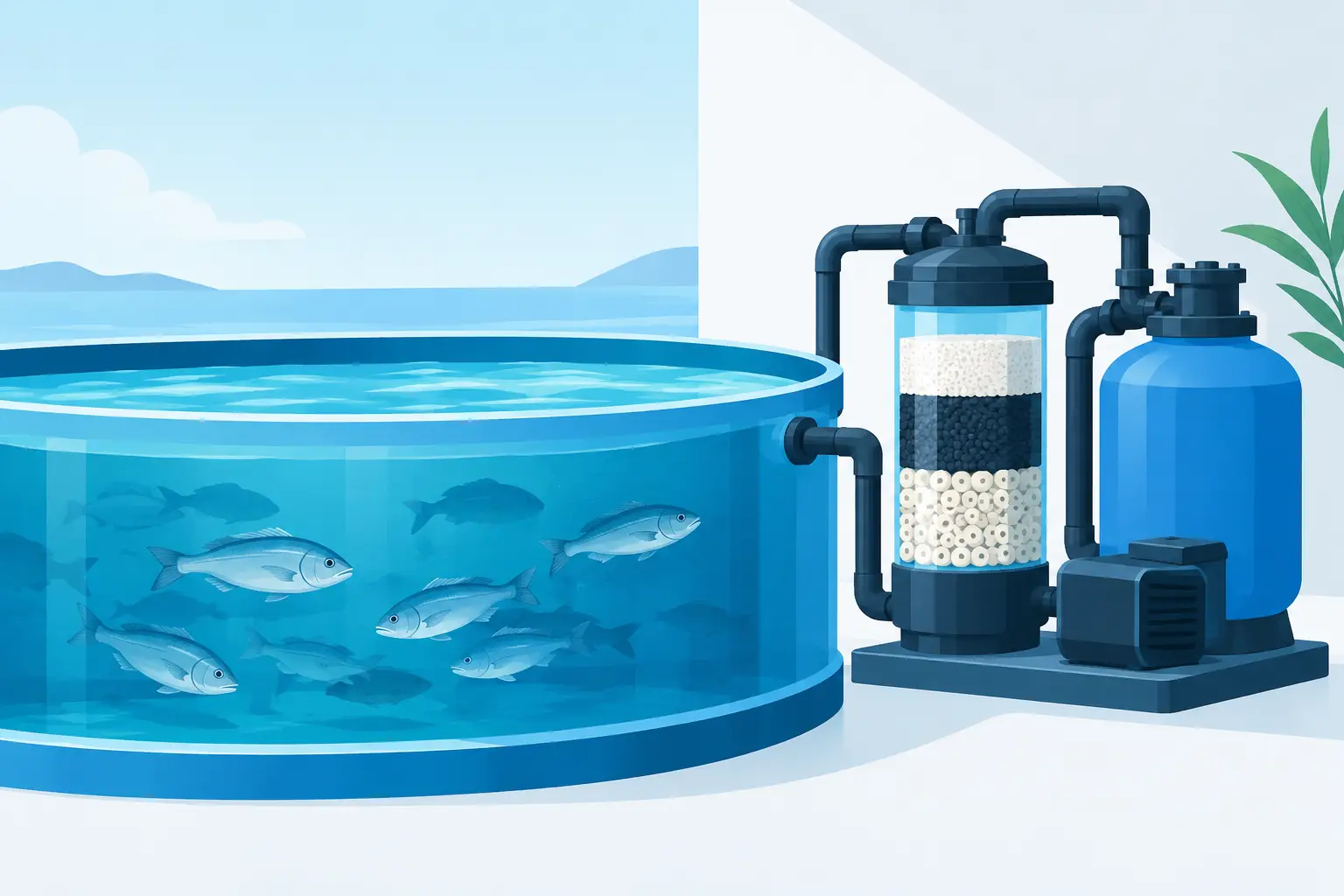
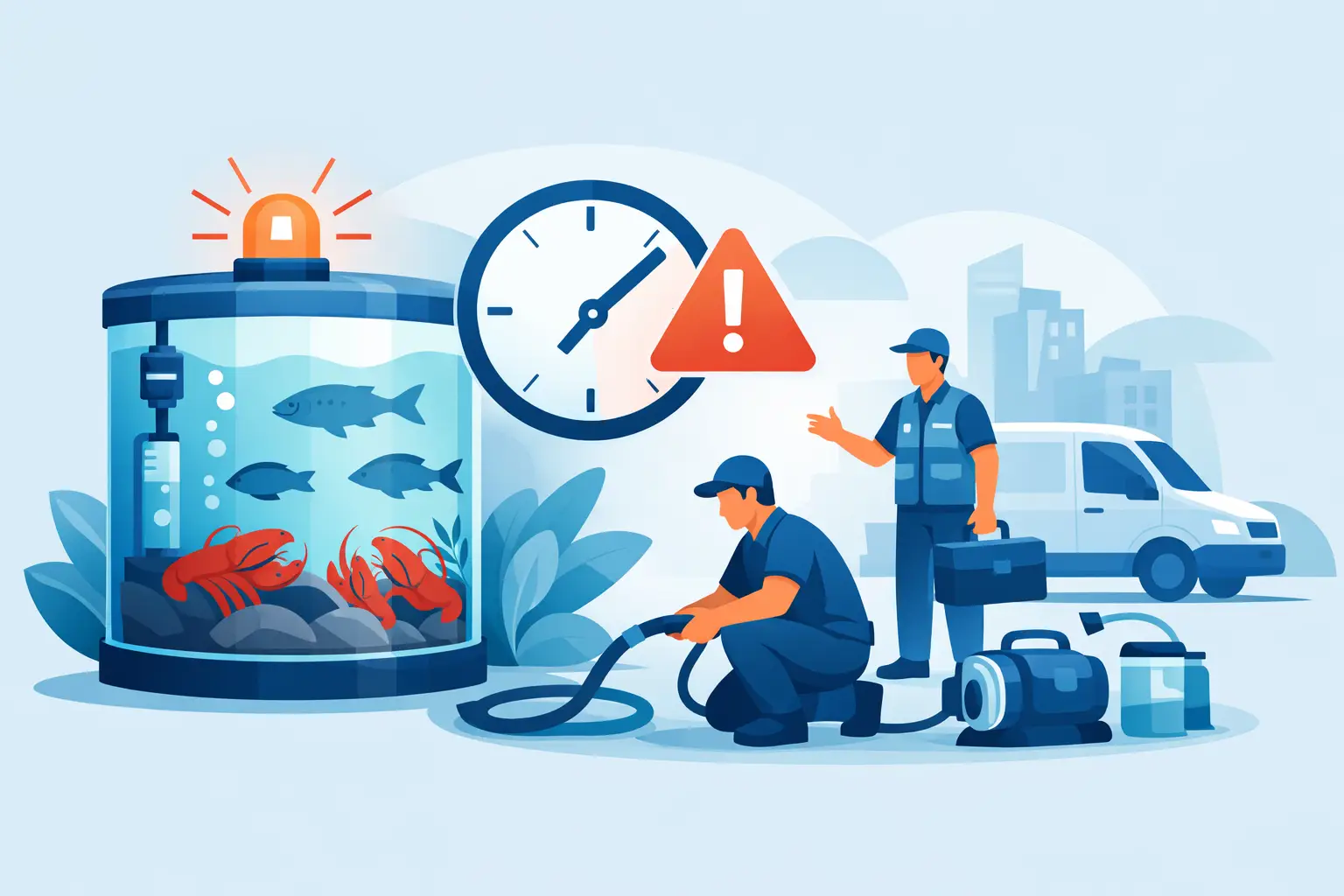
Water testing tells you what is happening inside the tank. It does not replace proper tank design, correctly sized filtration, quality marine salt, scheduled maintenance, or knowledgeable service. When readings repeatedly move outside target, the answer may be a worn pump, exhausted media, undersized filtration, poor flow, improper loading, or a maintenance gap.
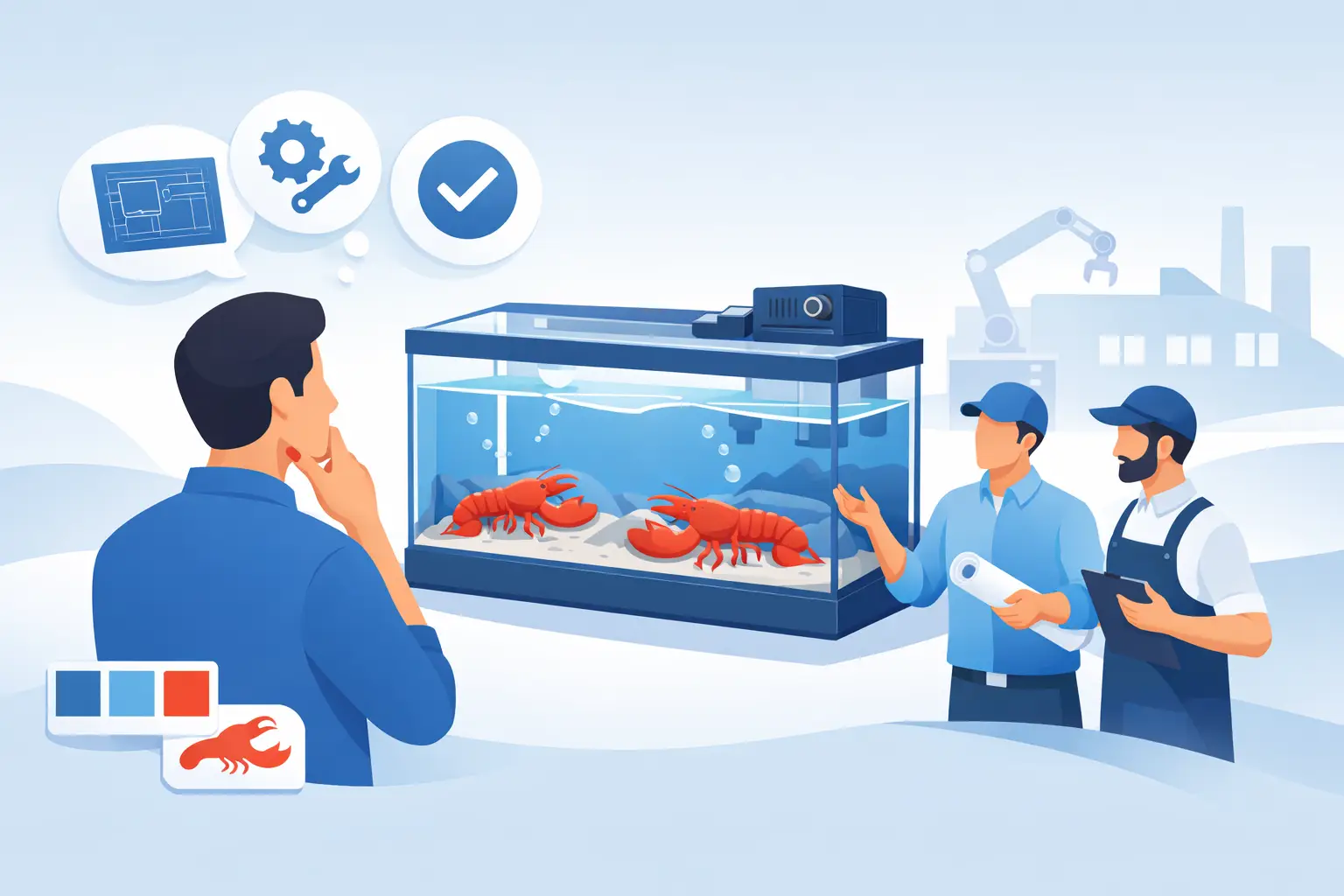
Lobster Life Systems works with commercial seafood operators that need the full picture: USA-made live seafood systems, filtration supplies, marine salt, maintenance, and technical support from specialists who understand the consequences of downtime. A test result becomes far more useful when there is a clear path to diagnose and correct the cause.
Keep the test station clean, keep reagents current, train every shift, and treat unusual readings as an early warning. That discipline protects the tank, the livestock, and the reputation your seafood counter earns one healthy sale at a time.