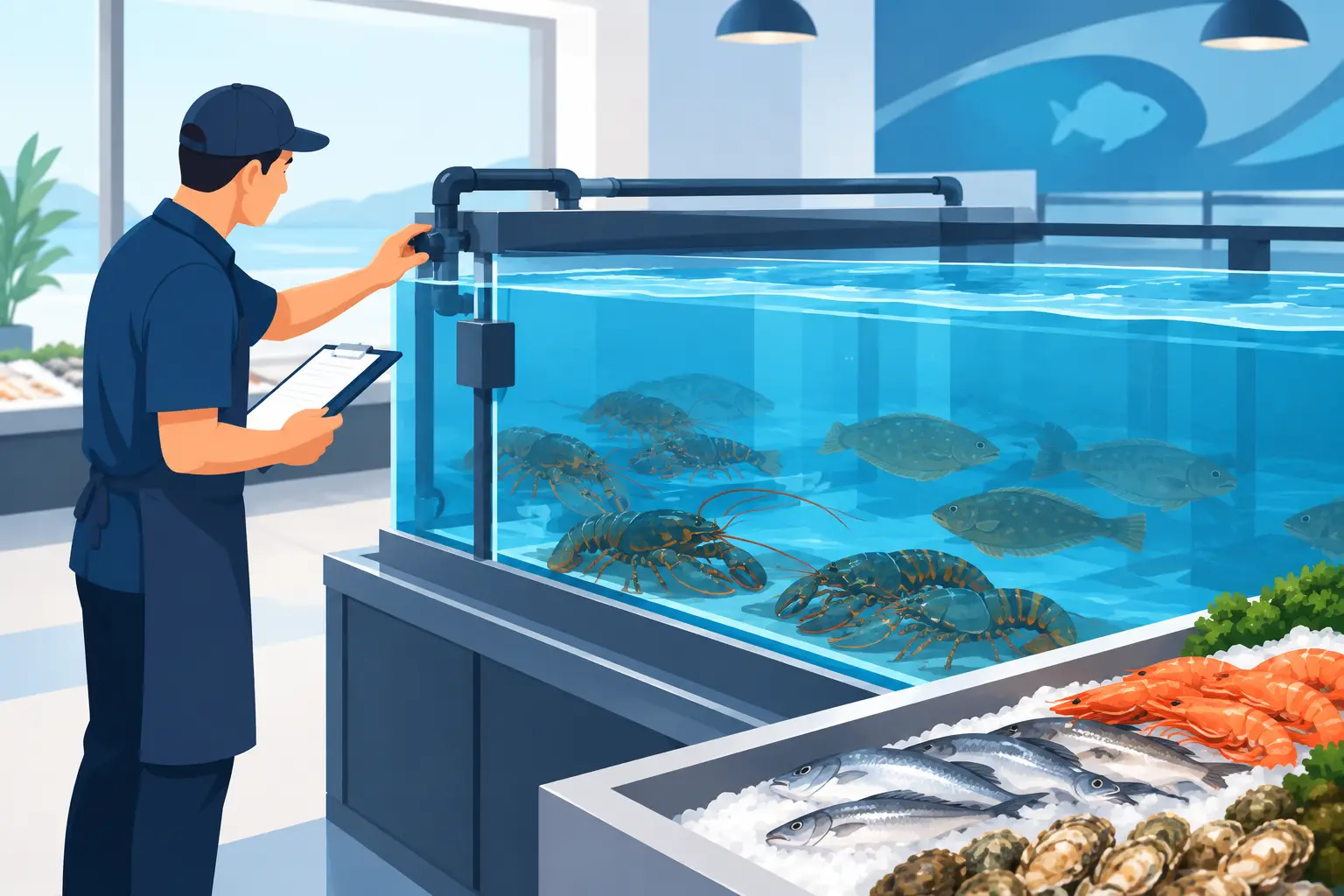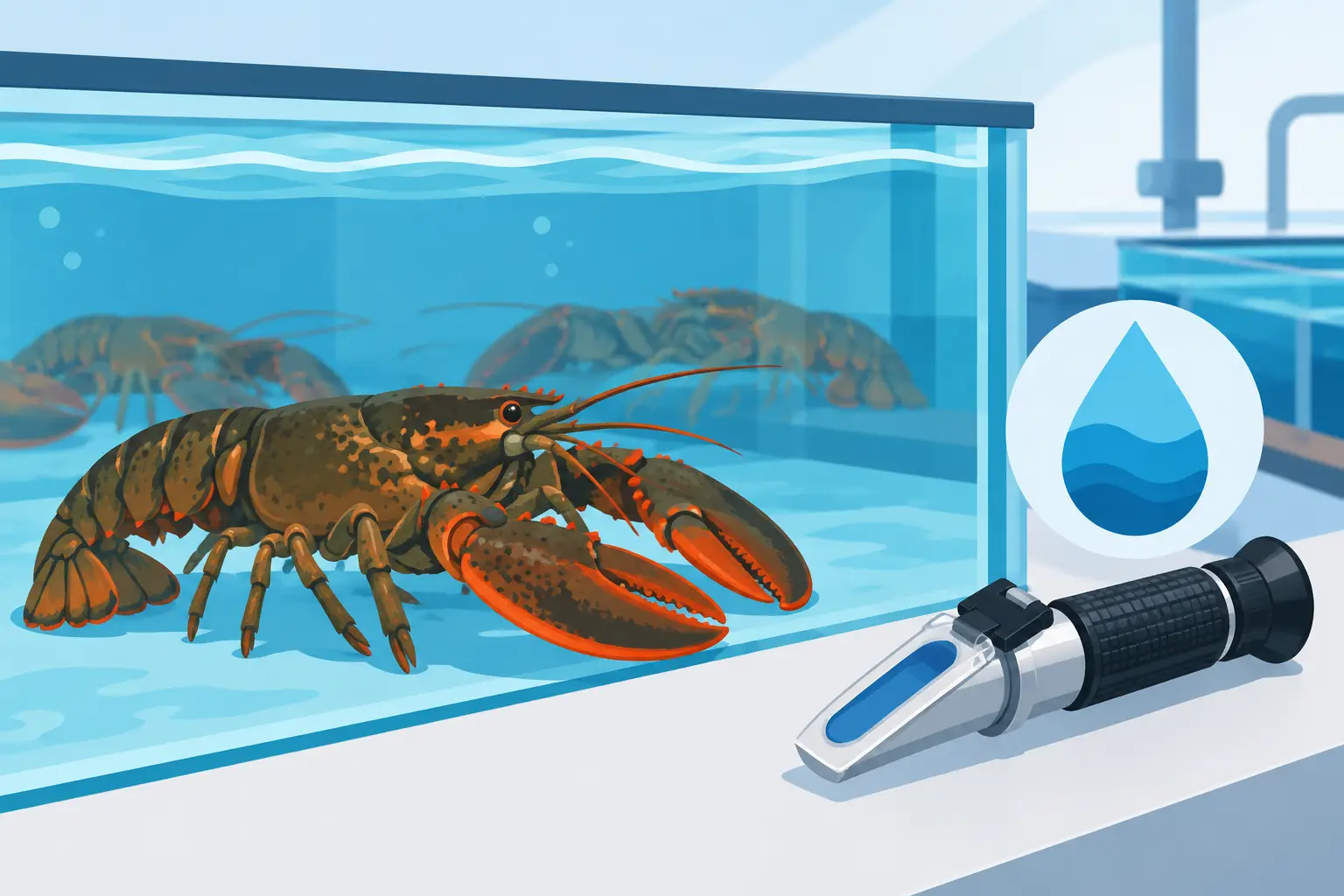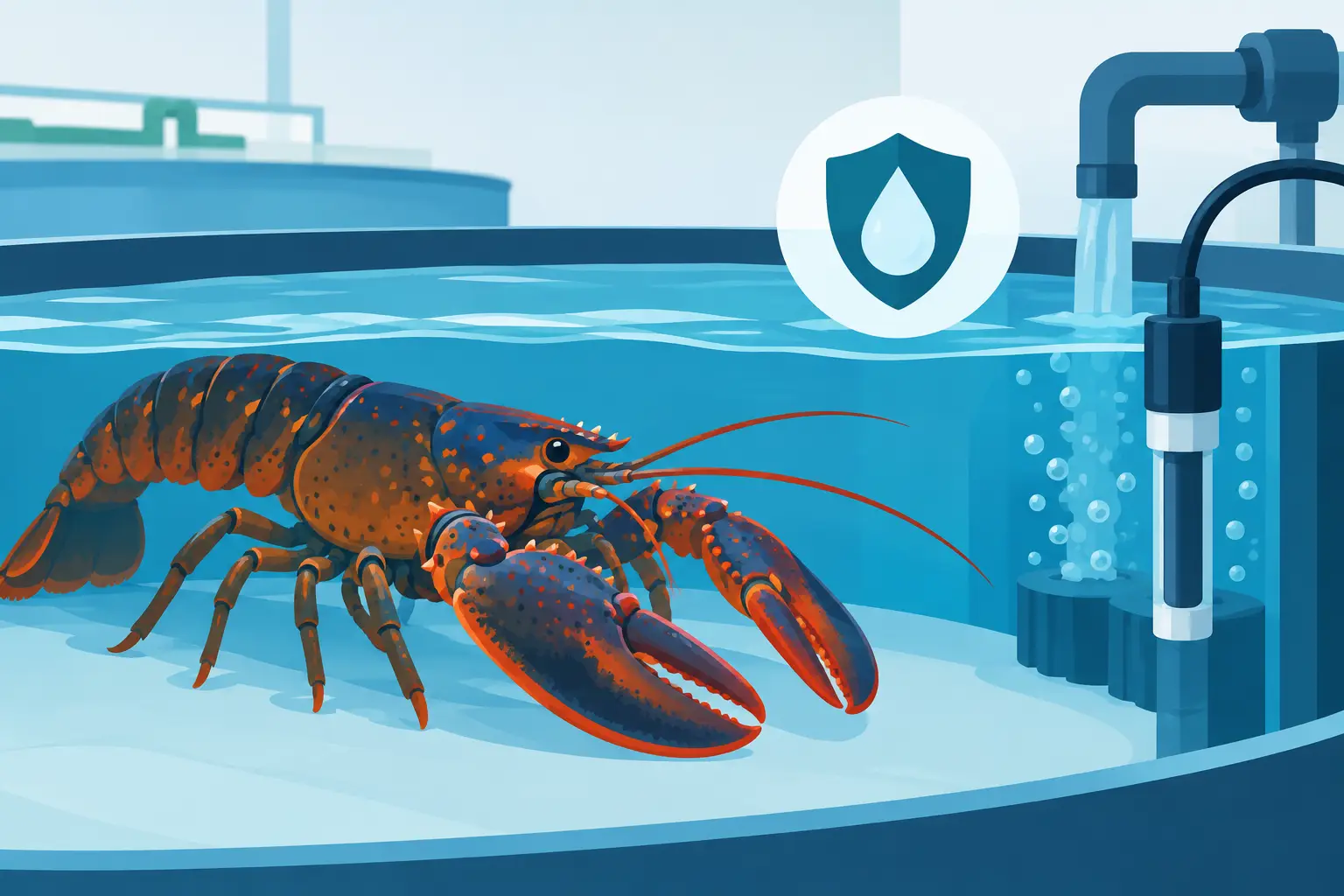
A live lobster or shellfish tank can look fine at opening and still be headed for trouble. A clogged filter, depleted carbon, drifting salinity, failing pump, or neglected refrigeration component may not announce itself until livestock is stressed and the seafood department is facing preventable loss. That is why retail seafood tank service contracts should be treated as an operating safeguard, not an optional maintenance expense.
For supermarkets, seafood markets, wholesalers, and restaurants, the tank is part of the selling floor. It holds high-value inventory, supports customer confidence, and puts the condition of your operation on display. A service contract gives your team a defined plan for protecting that asset before a minor water-quality issue becomes a product loss, an emergency call, or a department-wide disruption.
What a Good Service Contract Actually Covers
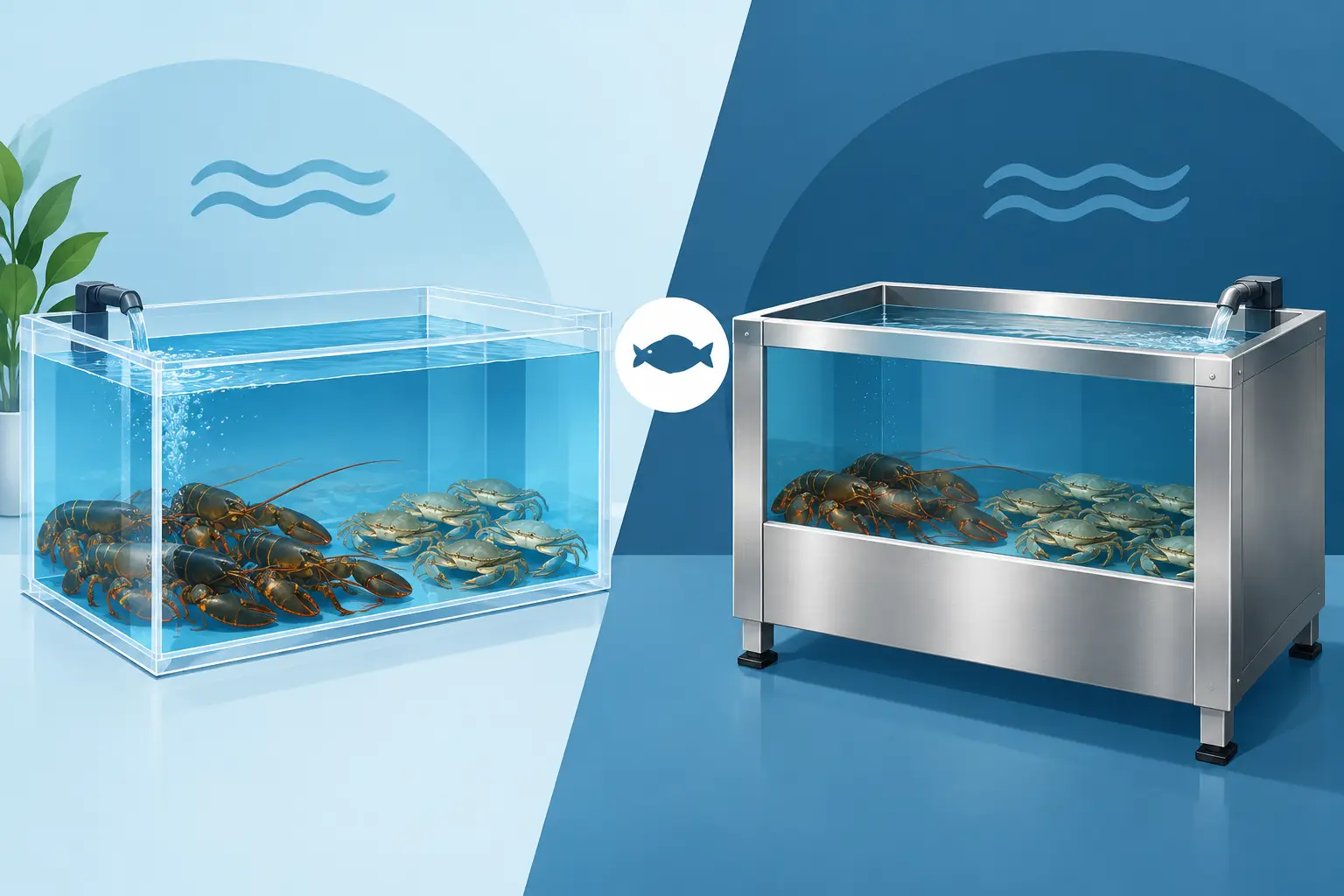
A tank service agreement should be built around the equipment, livestock volume, water conditions, and operating demands of the location. There is no responsible one-size-fits-all schedule. A high-volume retail lobster tank that is constantly being stocked and sold needs different attention than a lightly used display system.
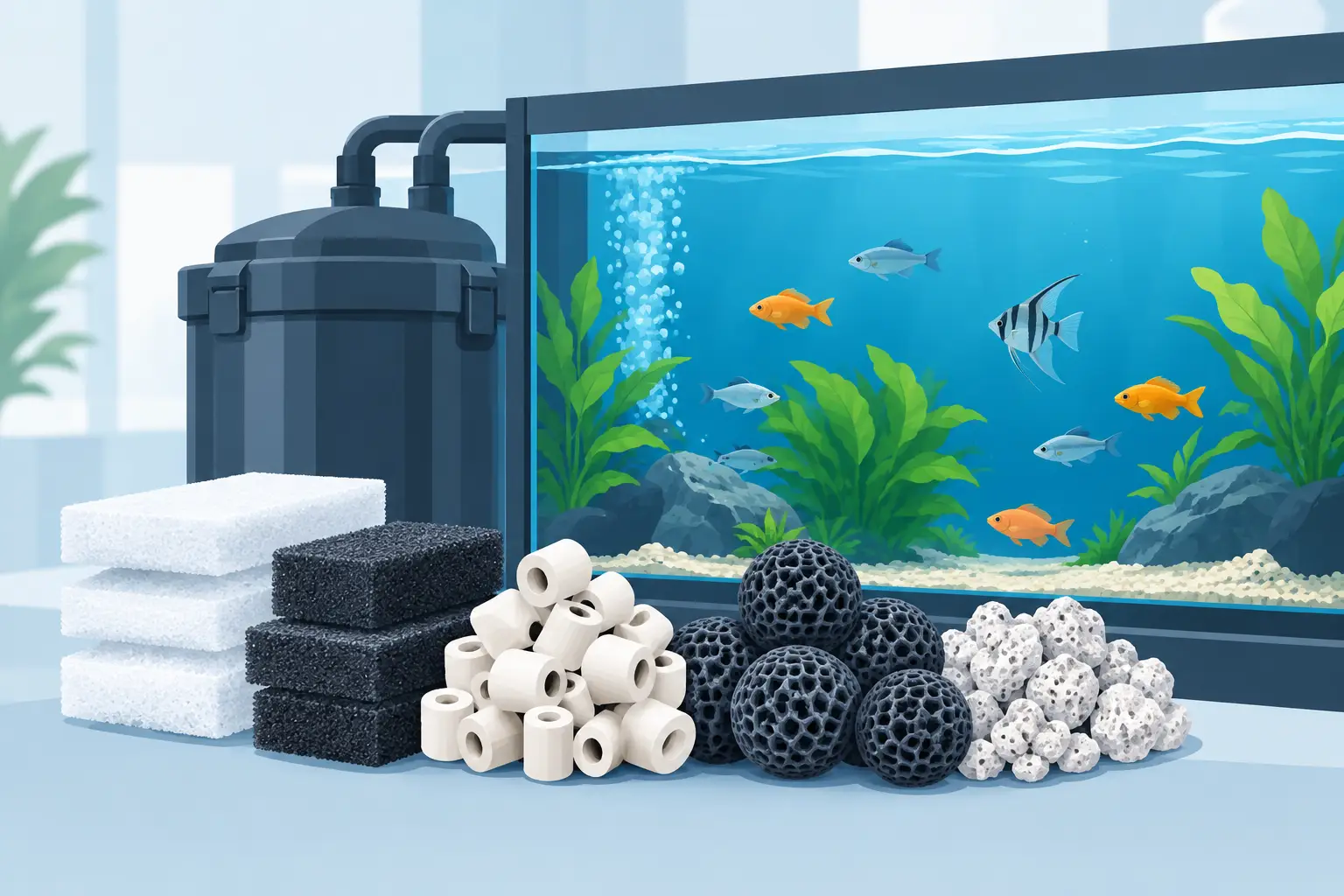
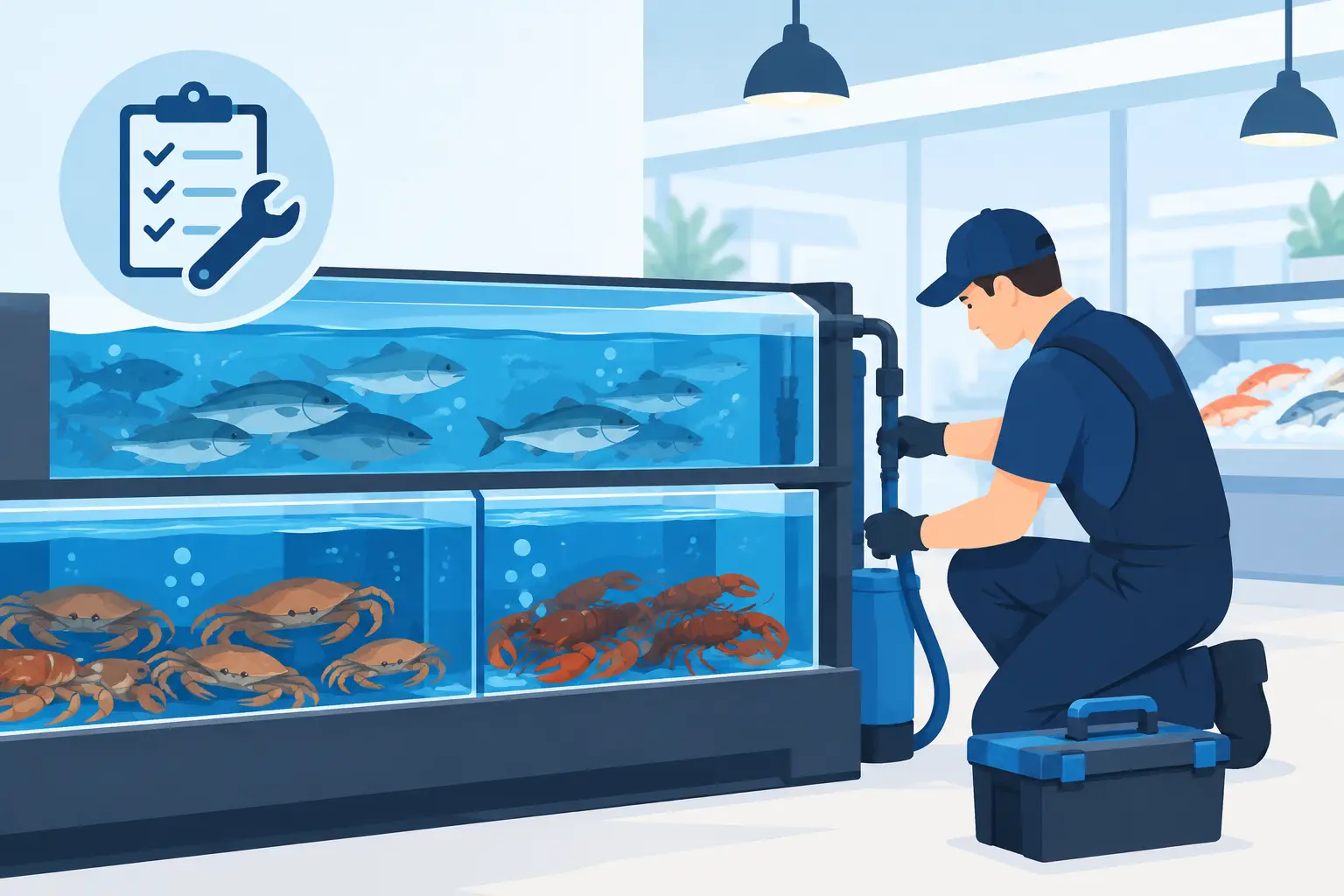
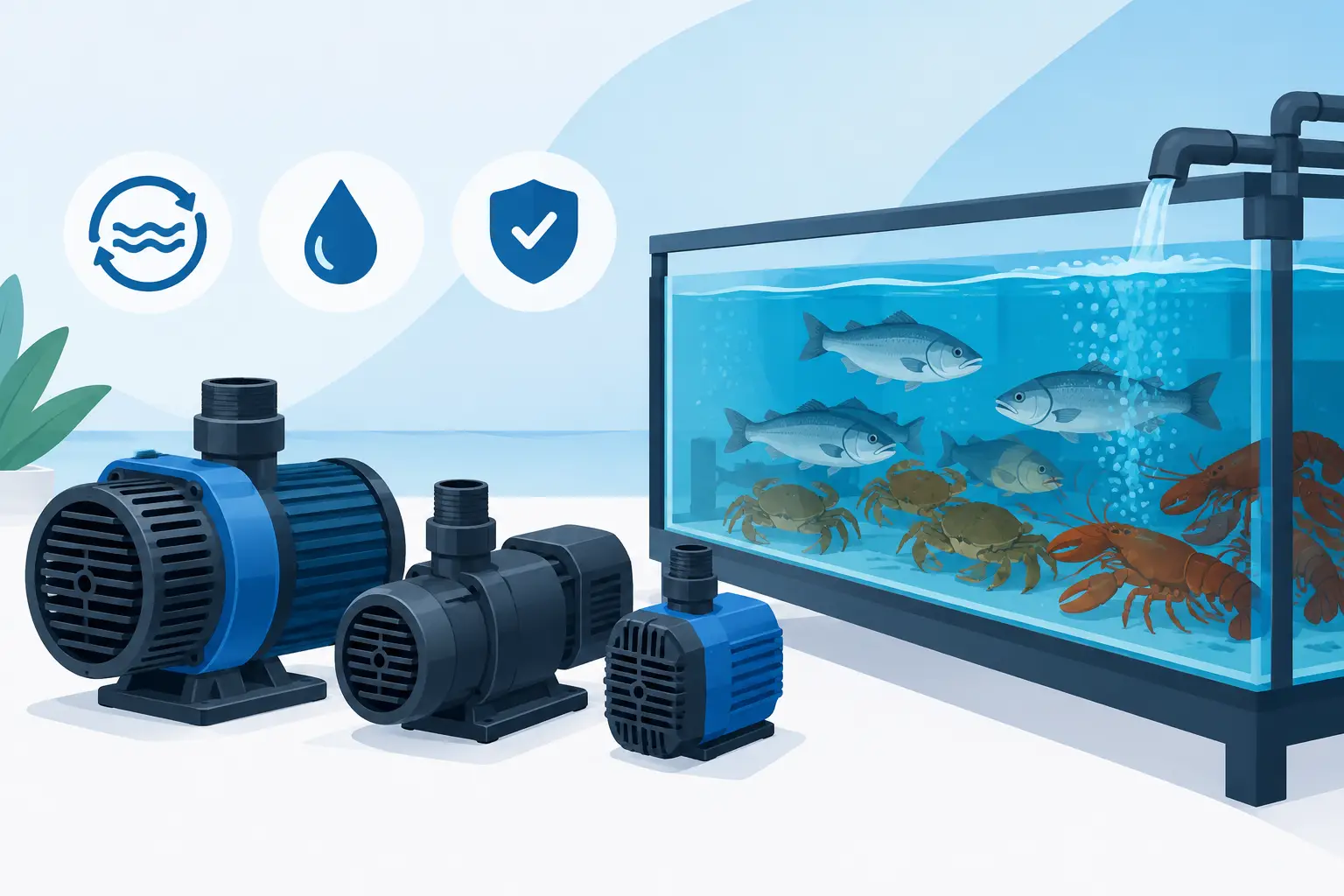
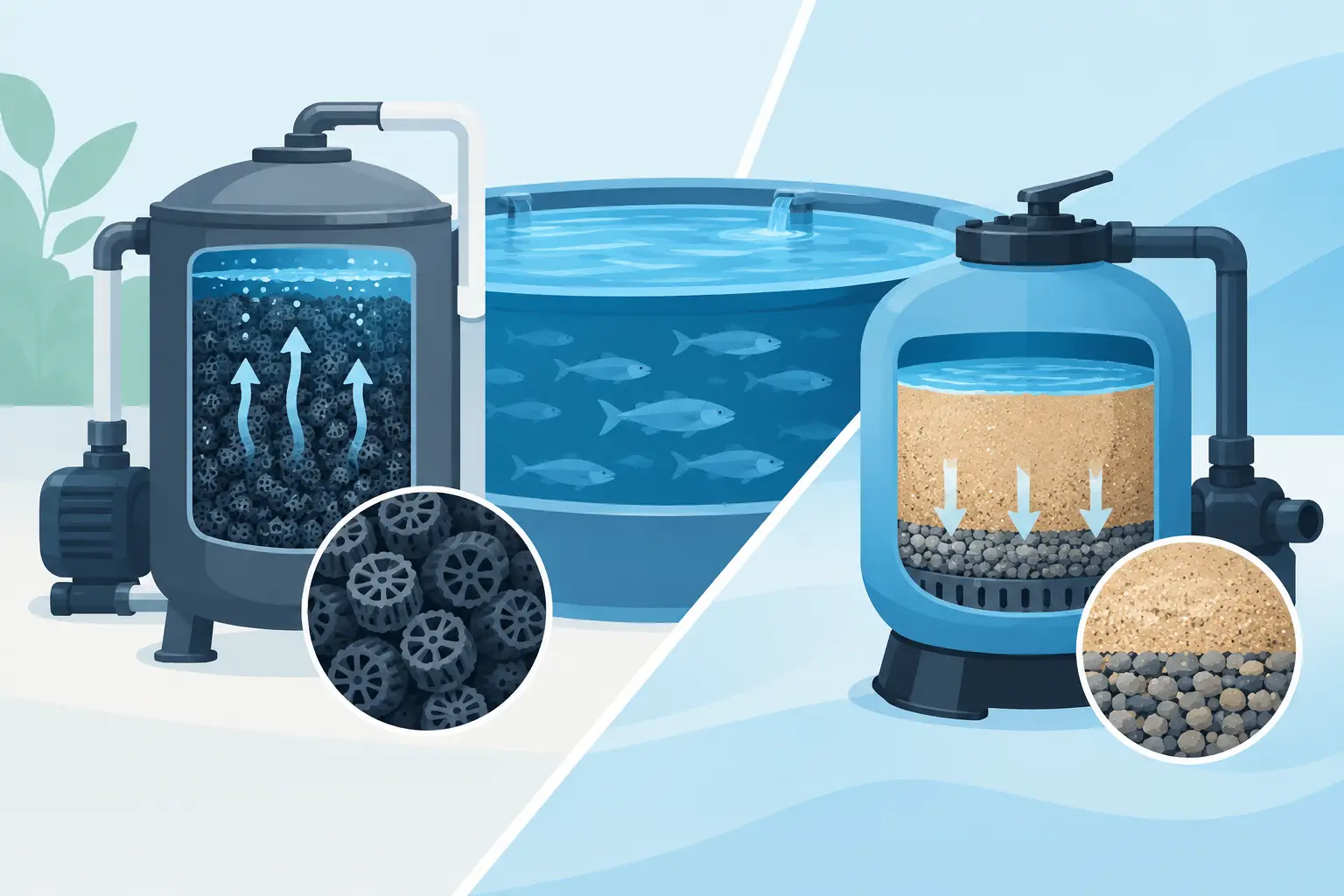
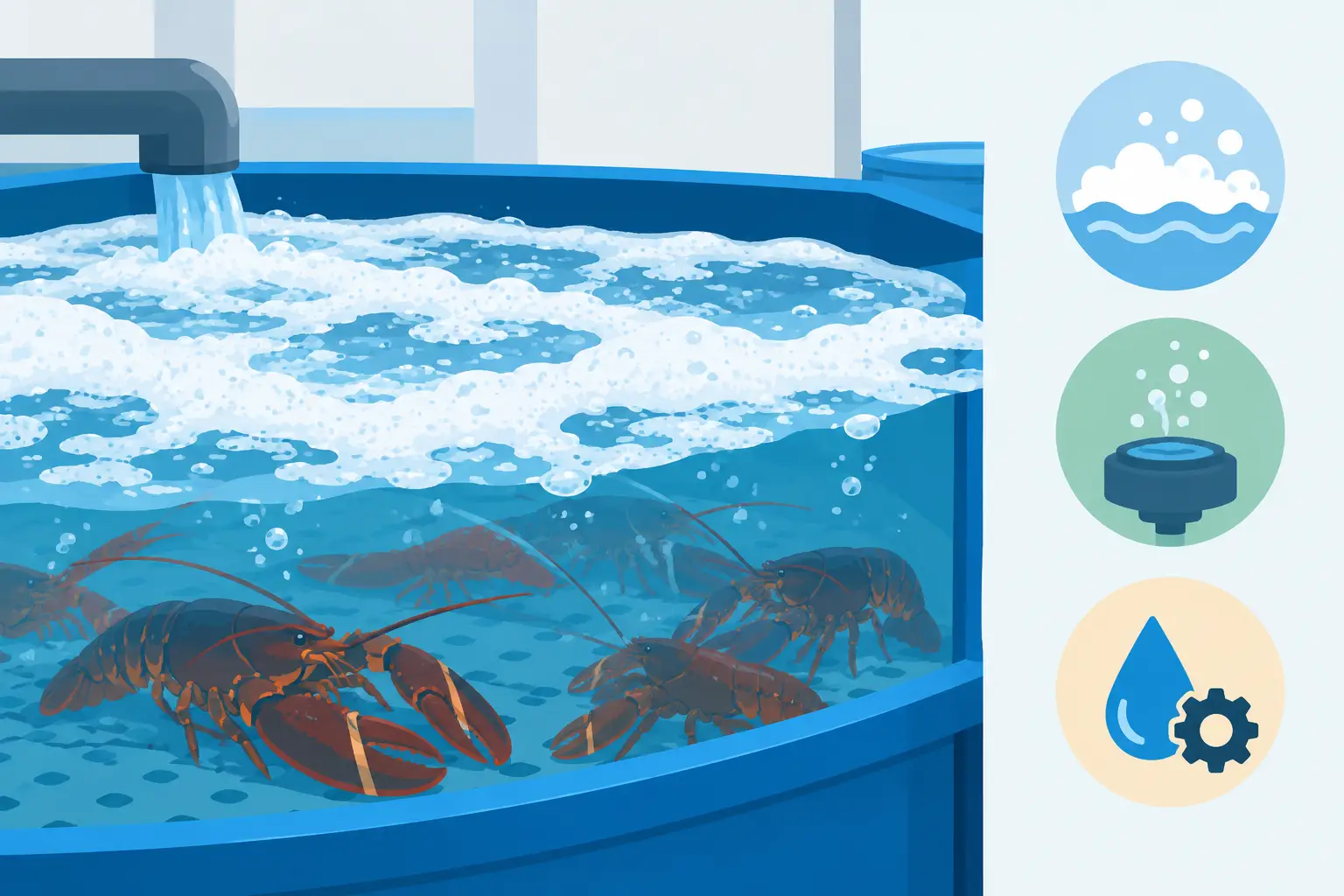
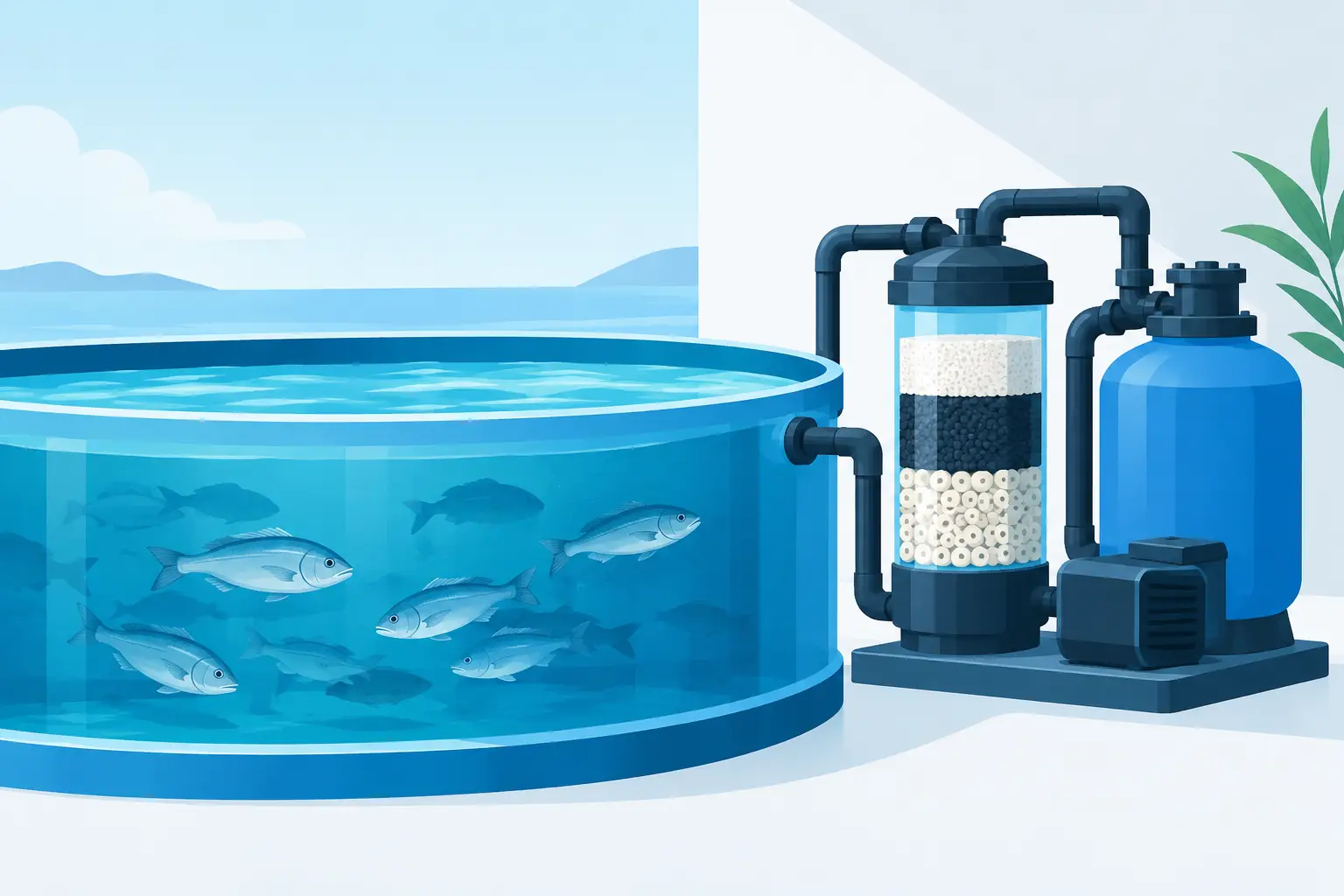
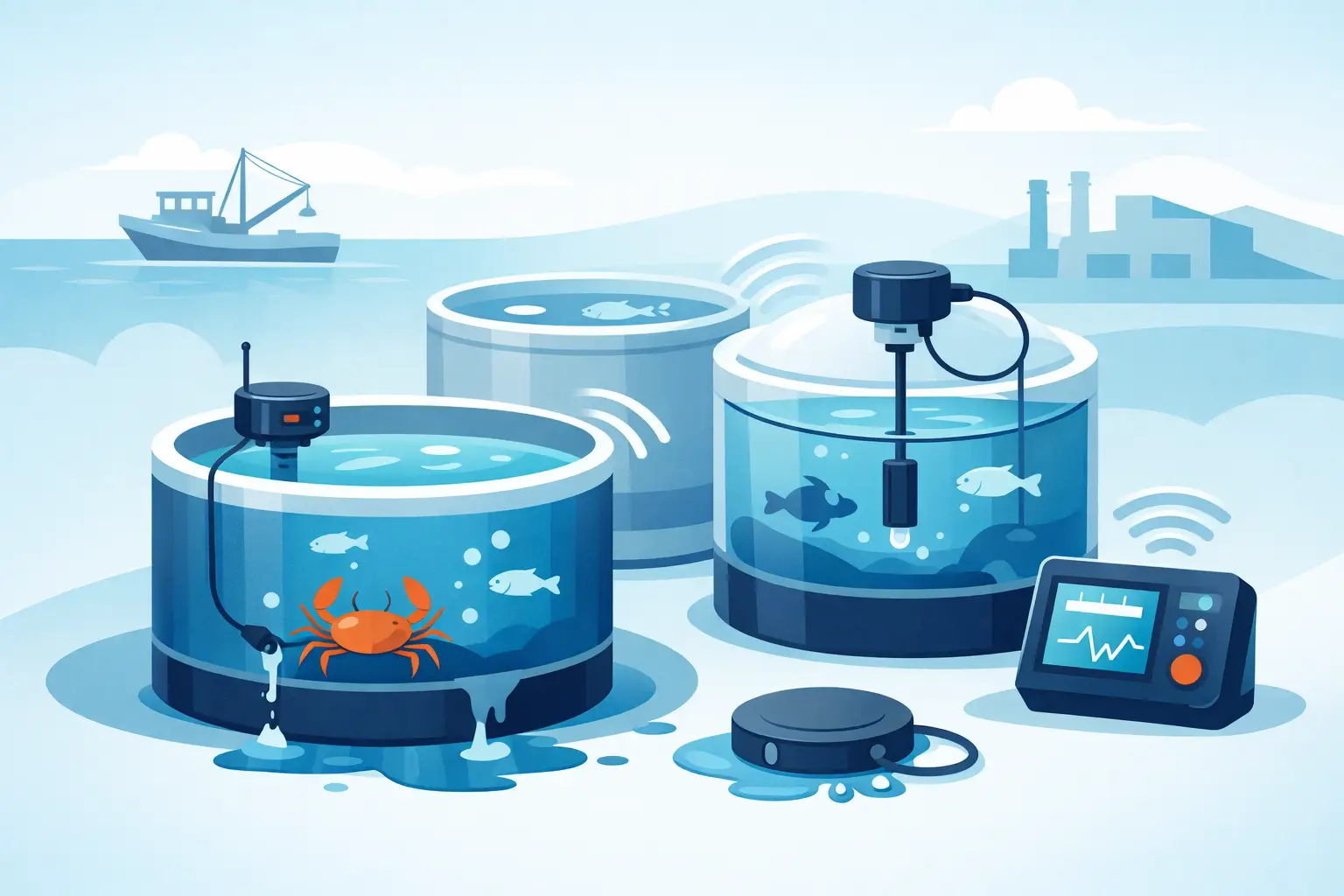
At its core, scheduled service should address the systems that keep marine life stable: mechanical filtration, biological filtration, activated carbon or other media, marine salt levels, circulation, aeration, temperature control, pumps, plumbing, and overall tank cleanliness. The technician should inspect the system, identify developing concerns, and perform the service needed to keep equipment operating as intended.
Just as important, the agreement should spell out what happens between visits. Does the provider supply the salt, filters, carbon, and other consumable media? Is technical support available when your department has an operational question? What is the process when a critical component fails? Clear answers prevent the familiar scramble of calling several vendors, trying to identify the right replacement part, and hoping it arrives before conditions worsen.
Why Retail Seafood Tank Service Contracts Protect Margin
The cost of neglected maintenance is rarely limited to a service invoice. When water quality drops, the consequences can include live-product loss, employee time spent troubleshooting, emergency repair charges, interrupted merchandising, and a poor impression at the seafood counter.
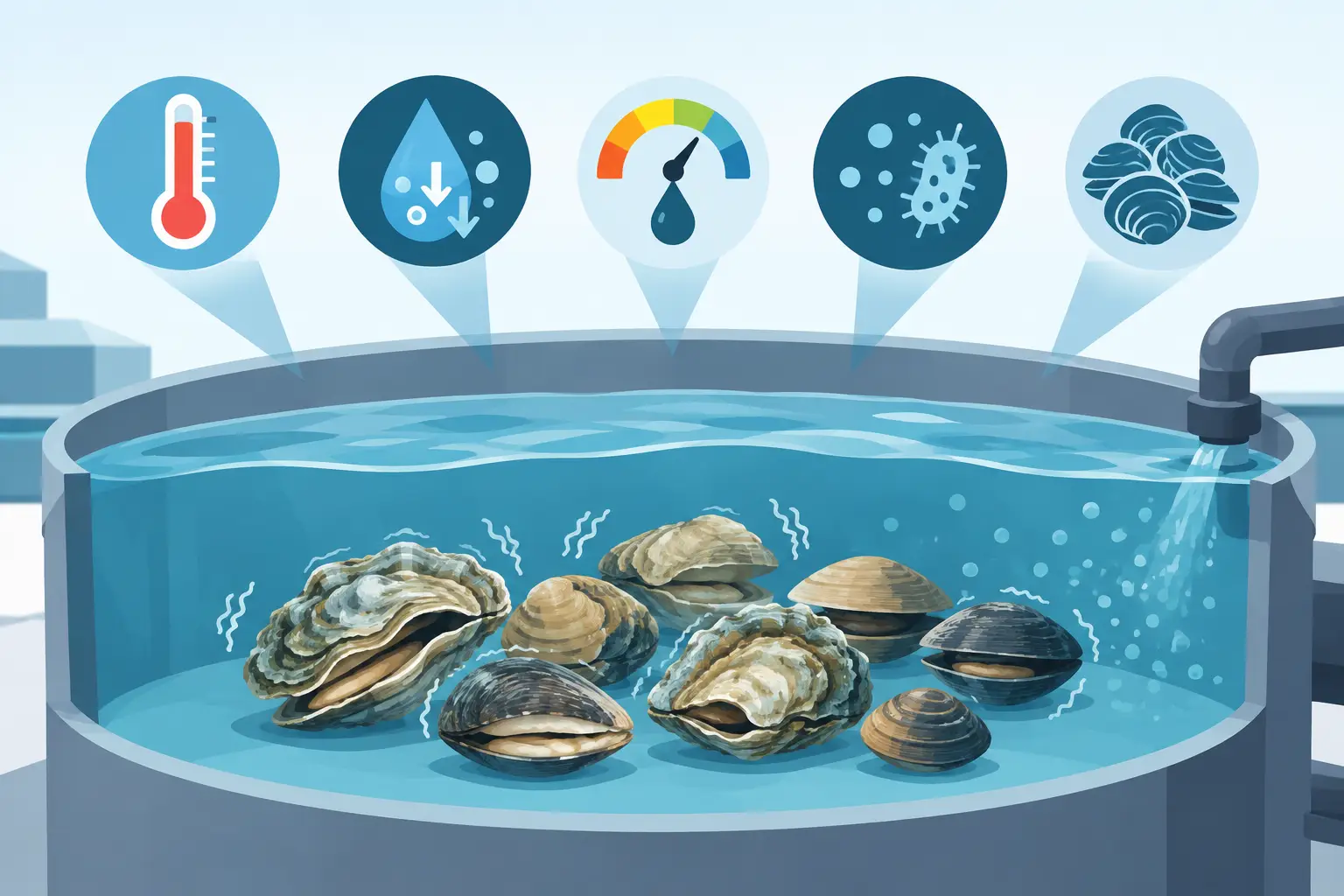
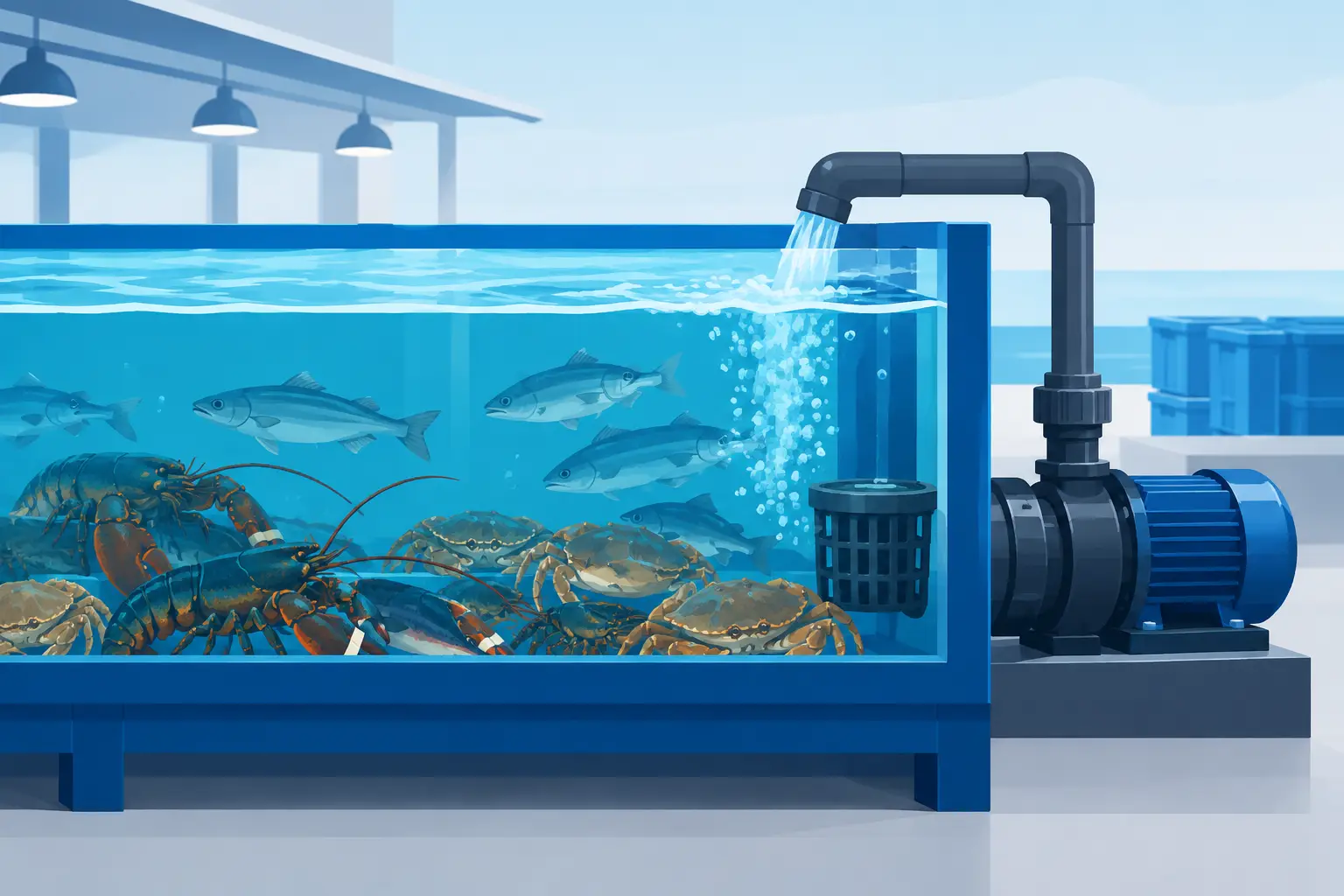
Routine service is designed to catch smaller problems early. A pump may still be running but moving less water than it should. Filter media may be loaded long before it looks alarming. Salt concentration can shift after water changes, evaporation, or handling mistakes. These conditions do not always create an immediate crisis, but they steadily reduce the safety margin your live-holding system needs.
A contract also creates accountability. Your staff knows when service is scheduled, what work was completed, and which items need attention next. For multi-location retailers, that consistency matters. It gives operations and procurement leaders a clearer view of maintenance standards across stores instead of relying on each location to react differently when something goes wrong.
There is a trade-off, of course. A contract is a recurring operating cost, and not every location needs the same visit frequency or coverage level. But comparing contract cost only to the price of an individual service call misses the point. The better comparison is against the total exposure of a poorly maintained live seafood system – inventory, labor, sales, and brand reputation included.
The Difference Between Maintenance and Emergency Repair
Emergency repair has a place. Pumps fail unexpectedly, electrical components wear out, plumbing can be damaged, and no maintenance plan can eliminate every equipment issue. The right partner should be prepared to help when the unexpected happens.
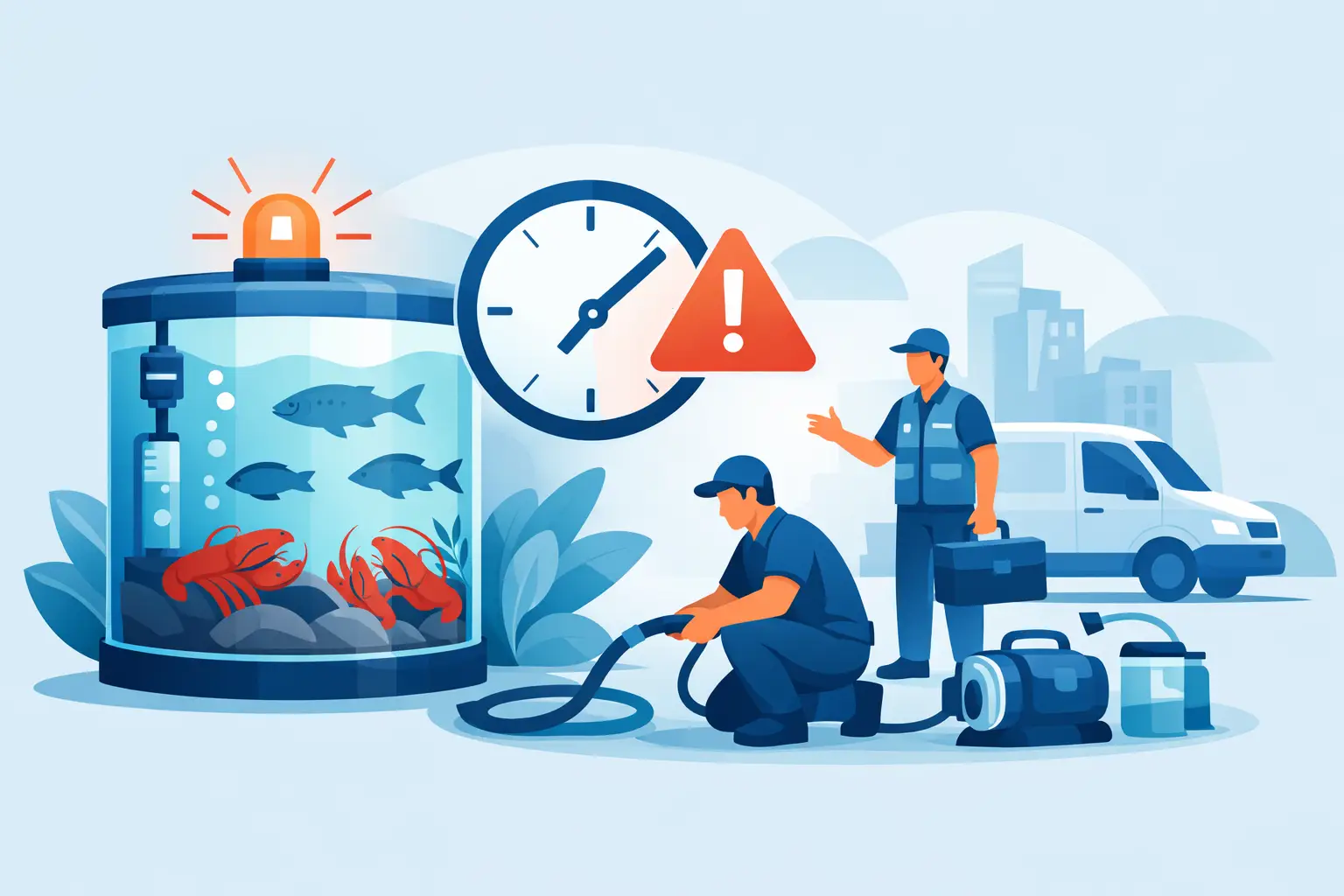
But emergency response is not a maintenance strategy. It often costs more, happens at the worst possible time, and puts your staff in a reactive position. Preventive service focuses on system condition before a failure affects live inventory.
A practical contract separates the two. Scheduled maintenance should cover agreed-upon inspections, cleaning, adjustments, and consumable replacements. Emergency service terms should explain response procedures, labor rates, parts availability, and any geographic limitations. Seafood operators should ask those questions before signing, not while a tank is losing circulation on a busy weekend.
For accounts within the service territory, Lobster Life Systems provides maintenance and technical support backed by decades of hands-on experience with commercial live seafood systems. The company also supplies the salt, filtration media, replacement components, and equipment knowledge that keep service from turning into a multi-vendor project.
What to Ask Before You Sign
A strong provider will welcome detailed questions because the answers determine whether the contract fits your operation. Start with service frequency. Ask how often the tank will be inspected and what conditions would justify more frequent visits. Stocking volume, species held, tank capacity, store traffic, and the age of the equipment all matter.
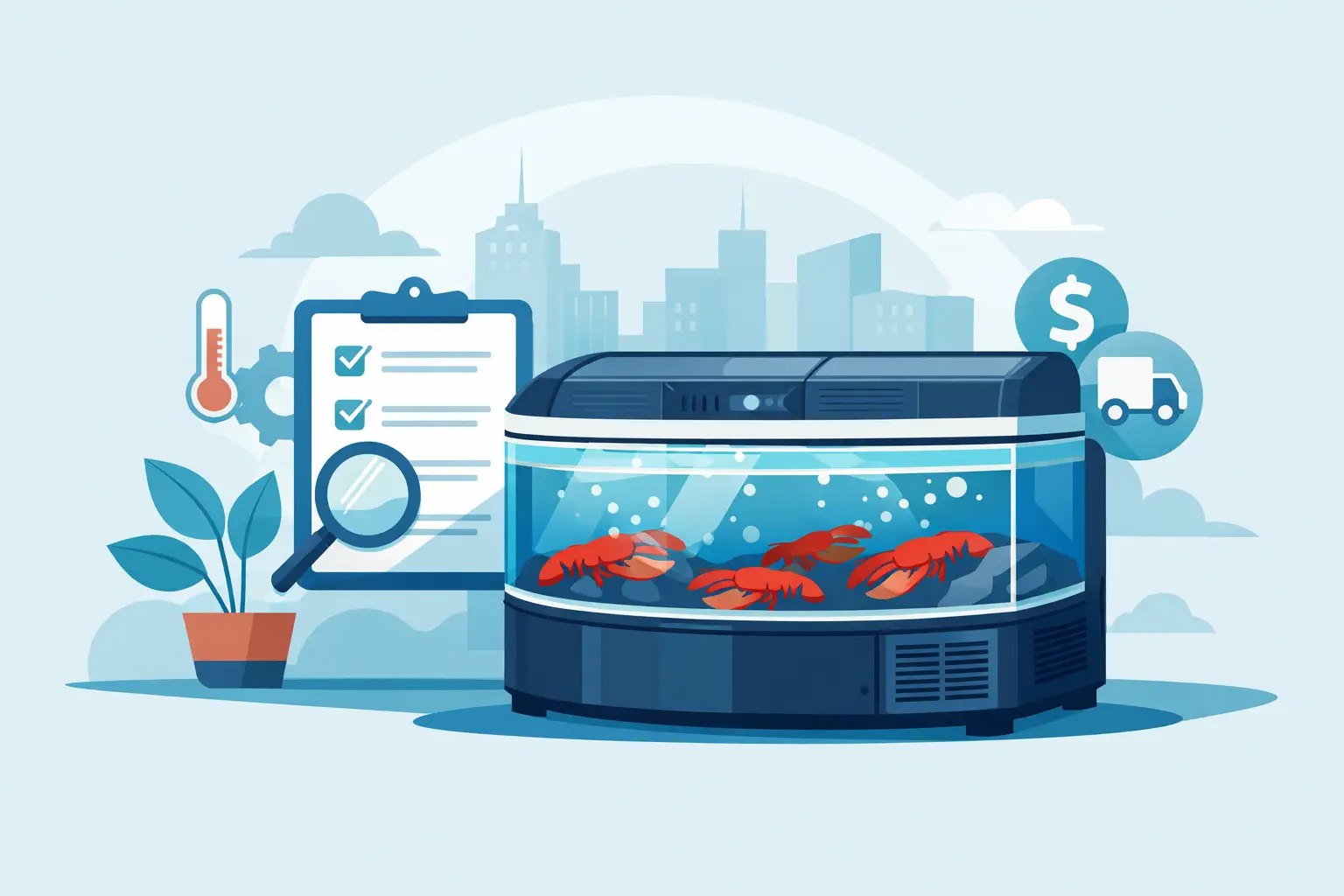
Then ask for specifics on the work performed at each visit. “Tank maintenance” is too vague on its own. You should understand how filters are serviced, how water quality is evaluated, which consumables are replaced, whether pumps and plumbing are inspected, and how findings are documented for your team.
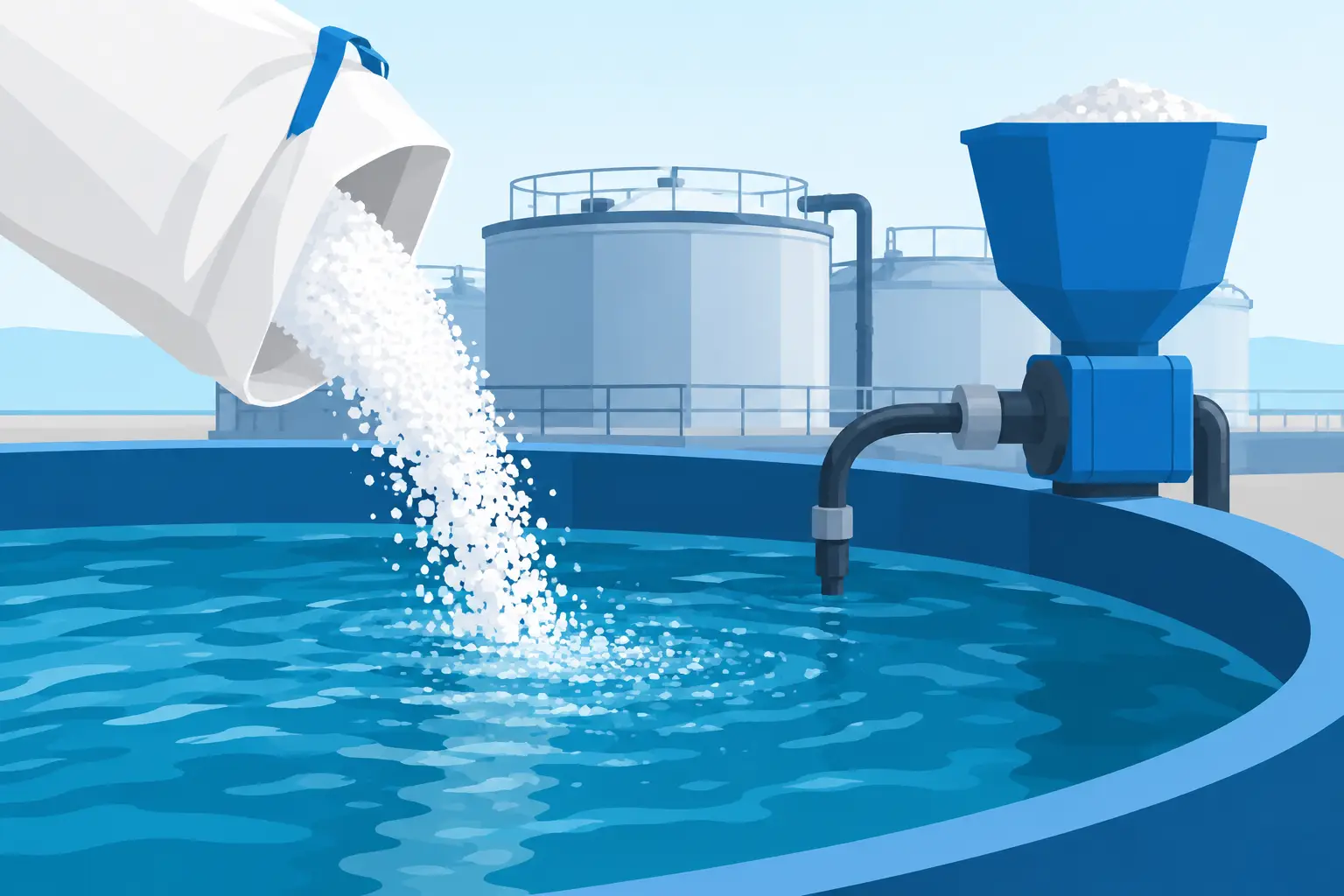
Supply responsibility is another major point. If marine salt, activated carbon, filter pads, cartridges, or other media are needed, establish who provides them and whether they are included in the agreement. Using the right materials on the right schedule is part of preserving stable tank conditions. It should not depend on whether someone remembered to place a last-minute order.
Finally, discuss support and parts. A service contractor that understands your specific tank design can diagnose issues faster and source compatible components without guesswork. That advantage is especially valuable for custom systems, where generic service providers may understand plumbing in general but not the operating requirements of a commercial lobster or shellfish holding tank.
Choose a Partner That Knows Live Seafood Systems
Not every aquarium service company is equipped to support retail seafood operations. The stakes are different. Your system must support market-ready inventory, maintain a clean presentation for customers, and stand up to daily use by busy department teams. It may also need to meet the particular needs of lobster, crab, clams, oysters, or other live product.
Look for a provider with direct commercial seafood experience, not just general aquatic knowledge. They should understand marine salt management, filtration capacity, holding-system design, livestock stress, replacement-part requirements, and the real-world pace of a supermarket or wholesale operation.
The best arrangement is usually one place for design, equipment, supplies, maintenance, and technical support. That does not mean every location needs a complete system replacement or the highest service tier. It means your provider should be able to take responsibility for the full operating picture and recommend the level of support that makes sense for your tank and sales volume.
Build the Contract Around Your Actual Operation
Before requesting a proposal, gather basic details: tank size and configuration, species held, average inventory, water source, current maintenance schedule, known equipment issues, and the location’s service needs. This helps the provider recommend a realistic visit schedule rather than offering a generic package.
It also helps to involve the people who work with the tank every day. Seafood managers can explain recurring pain points, while facilities teams can identify electrical, drainage, refrigeration, or access considerations. Procurement can then compare service scope, supply terms, and response expectations without losing the operational details that matter most.
A good retail seafood tank service contract gives your department more than scheduled cleaning. It gives your team a reliable operating plan for protecting live inventory and keeping the tank ready for business. Put the agreement in place before your next problem forces the decision.