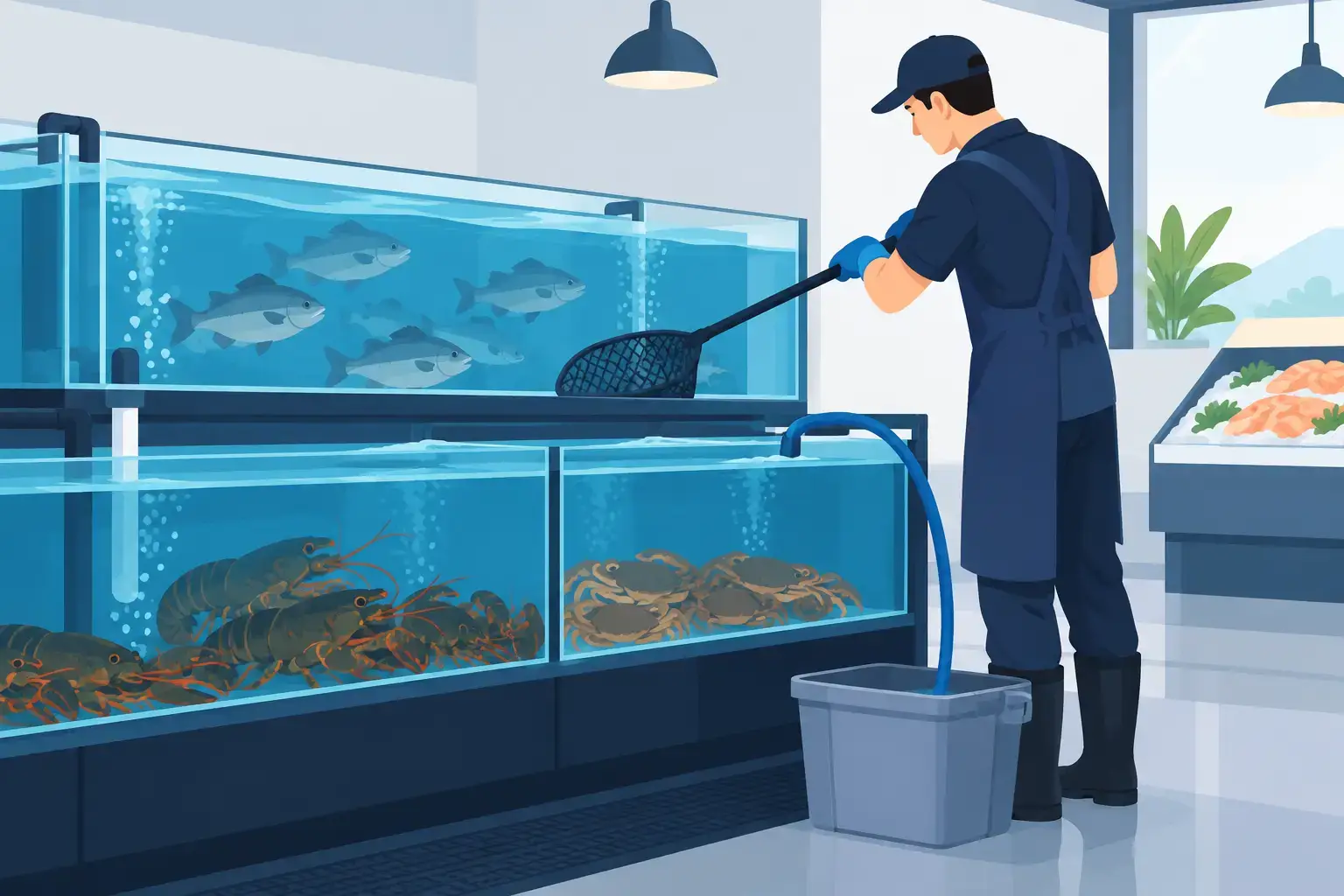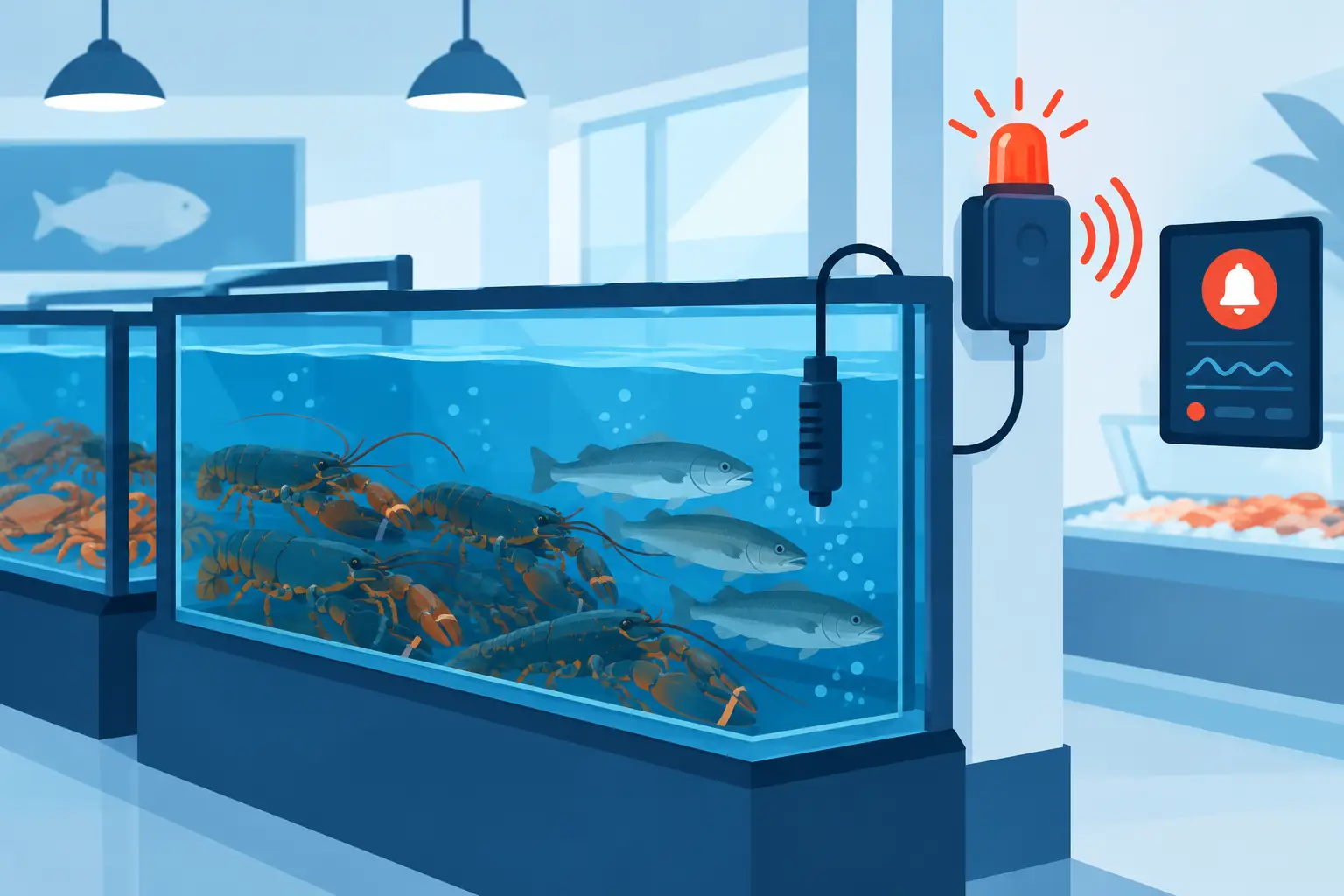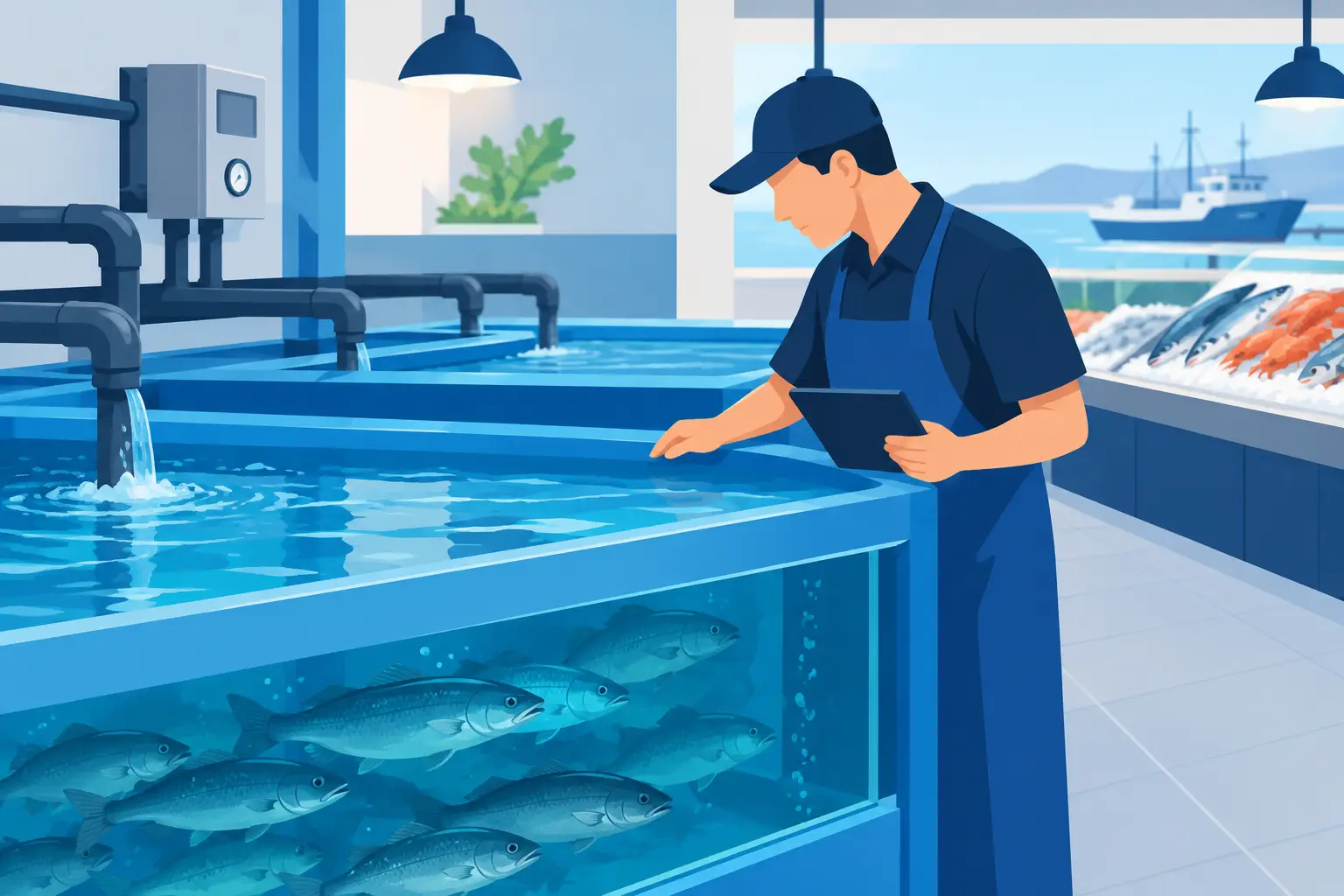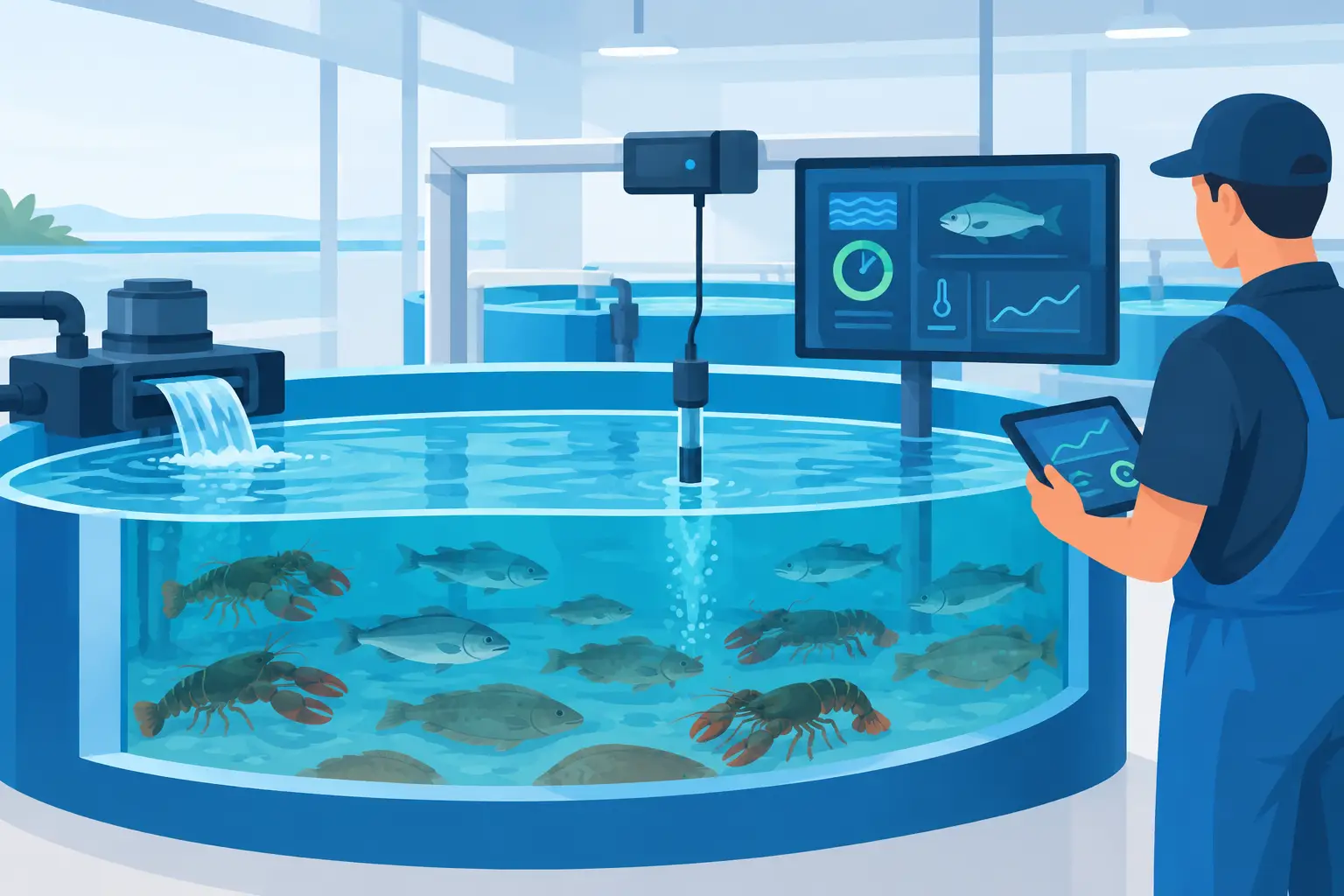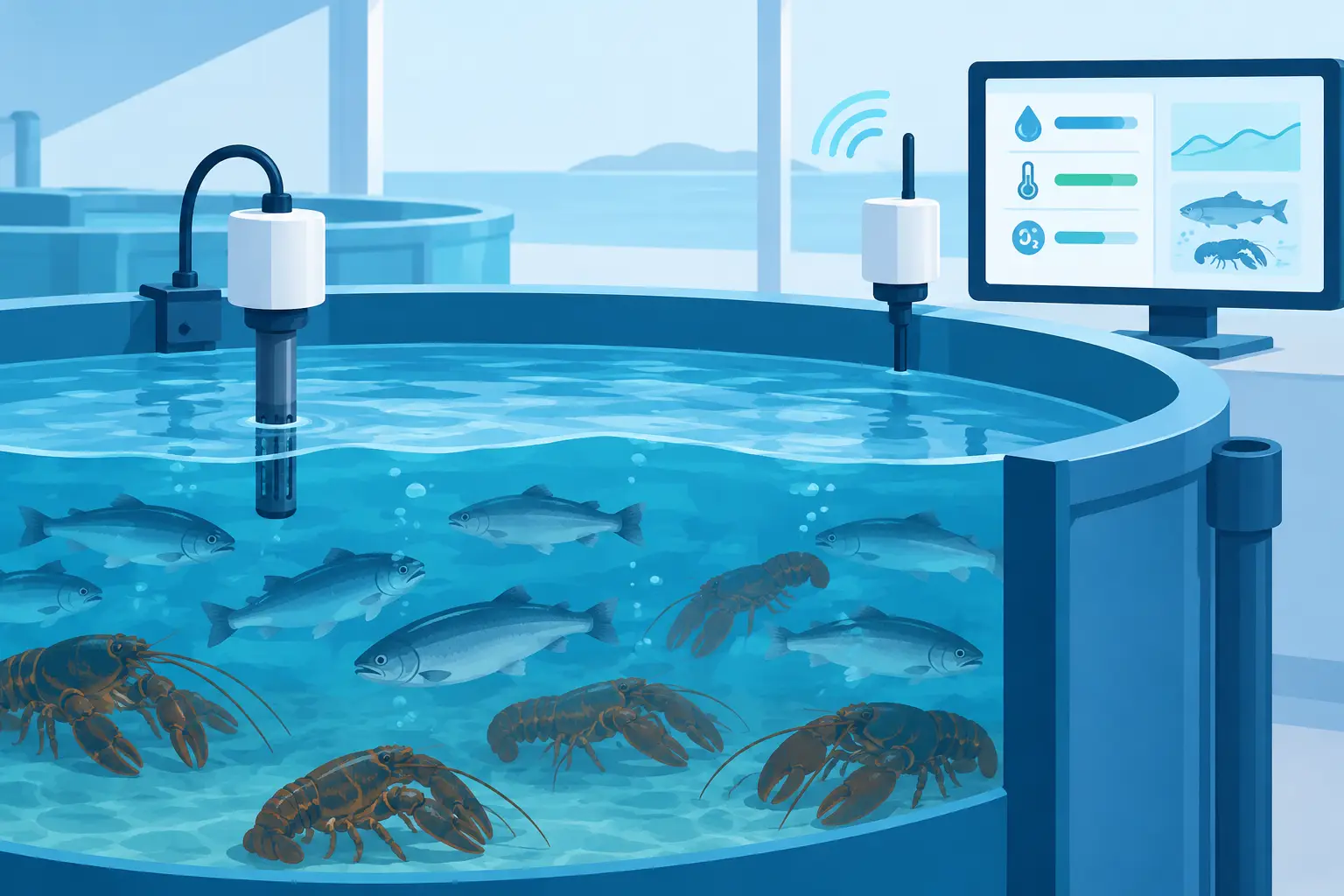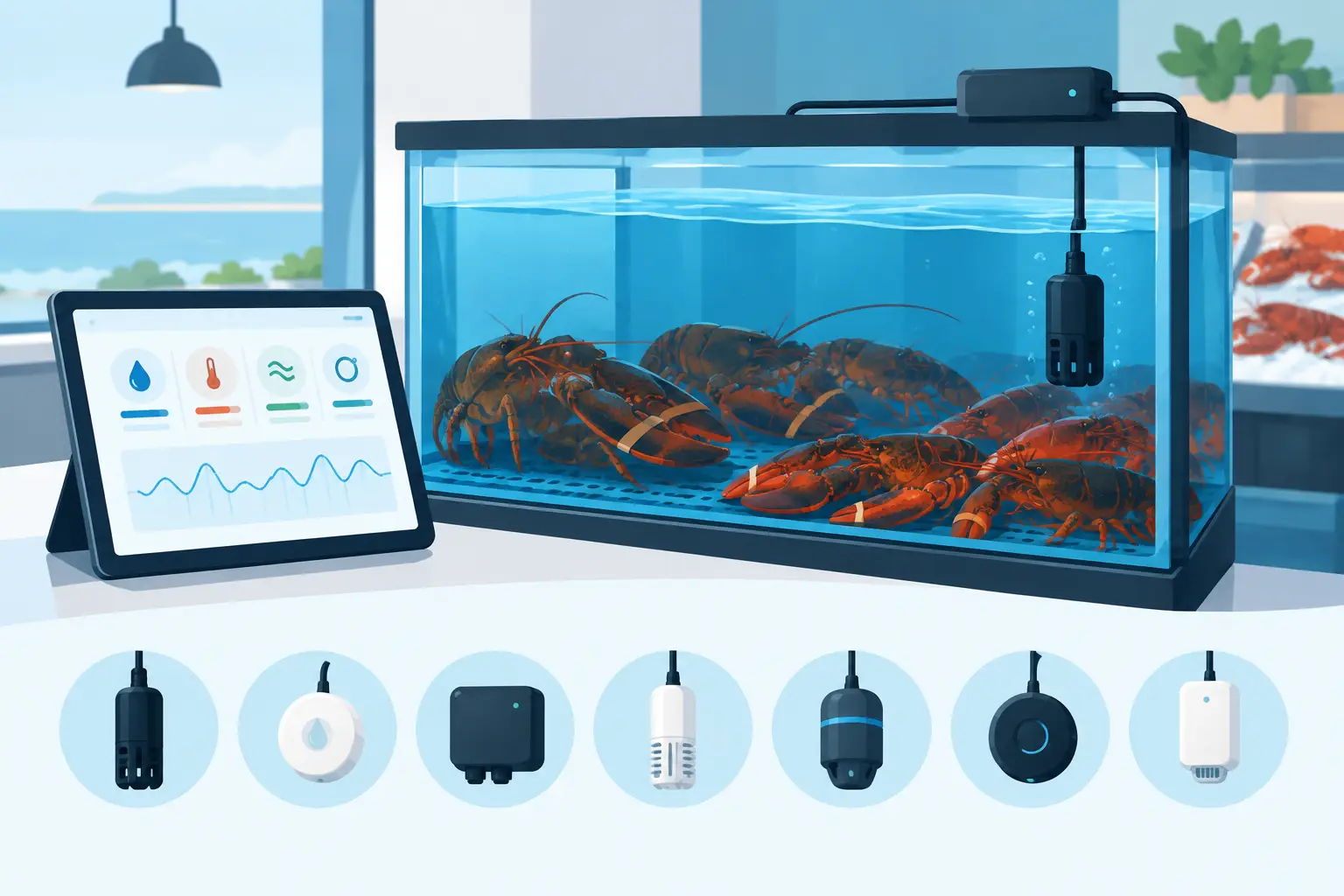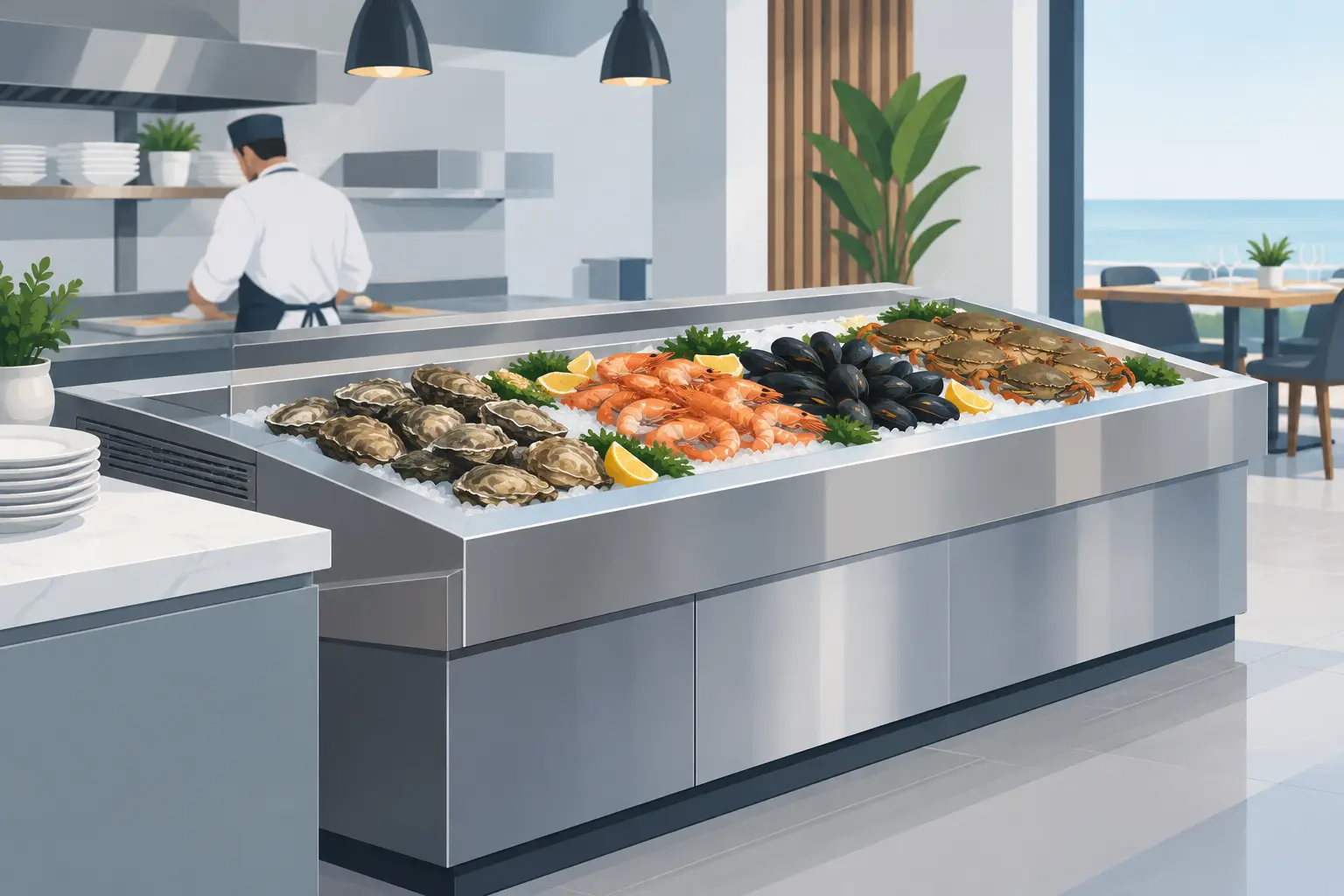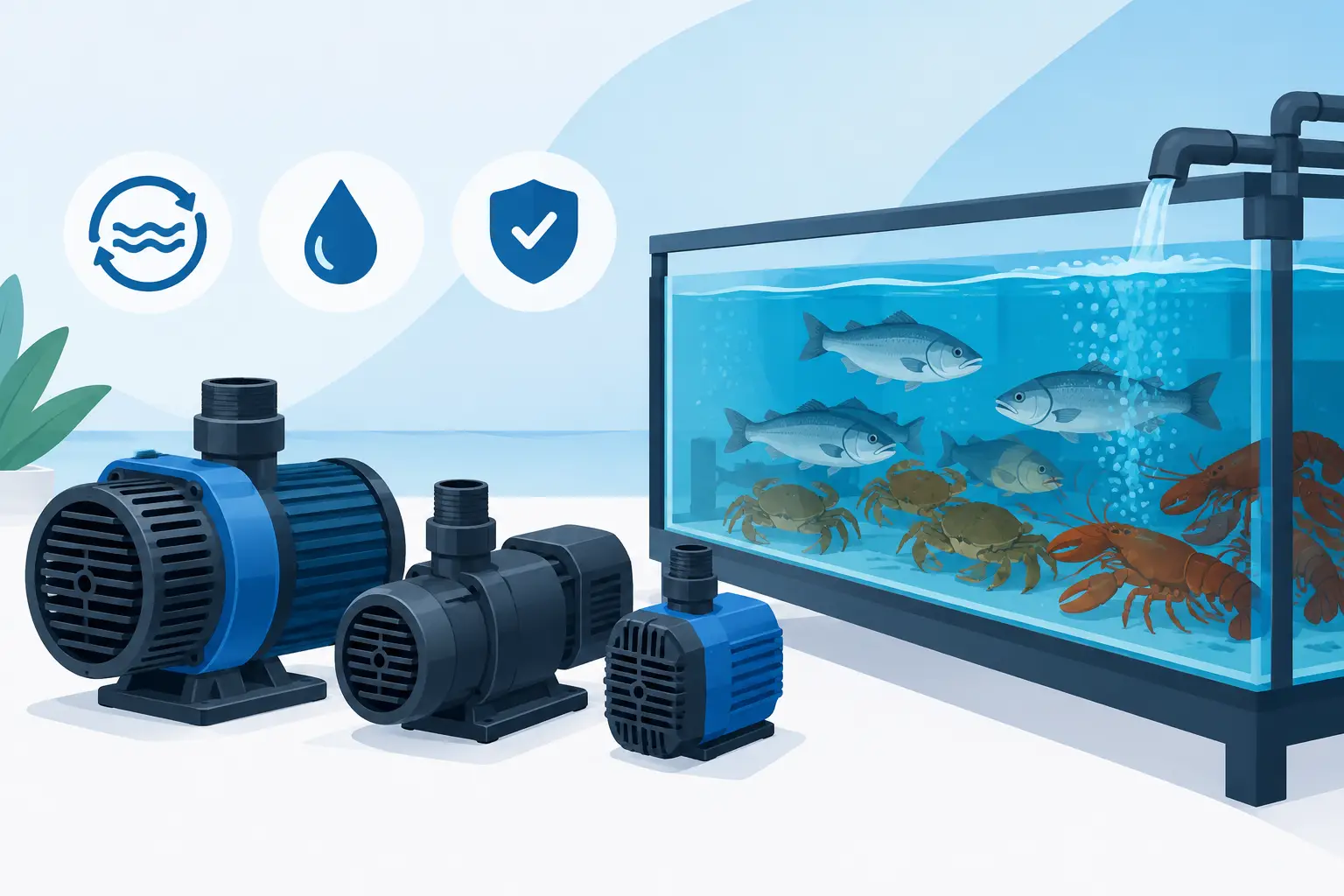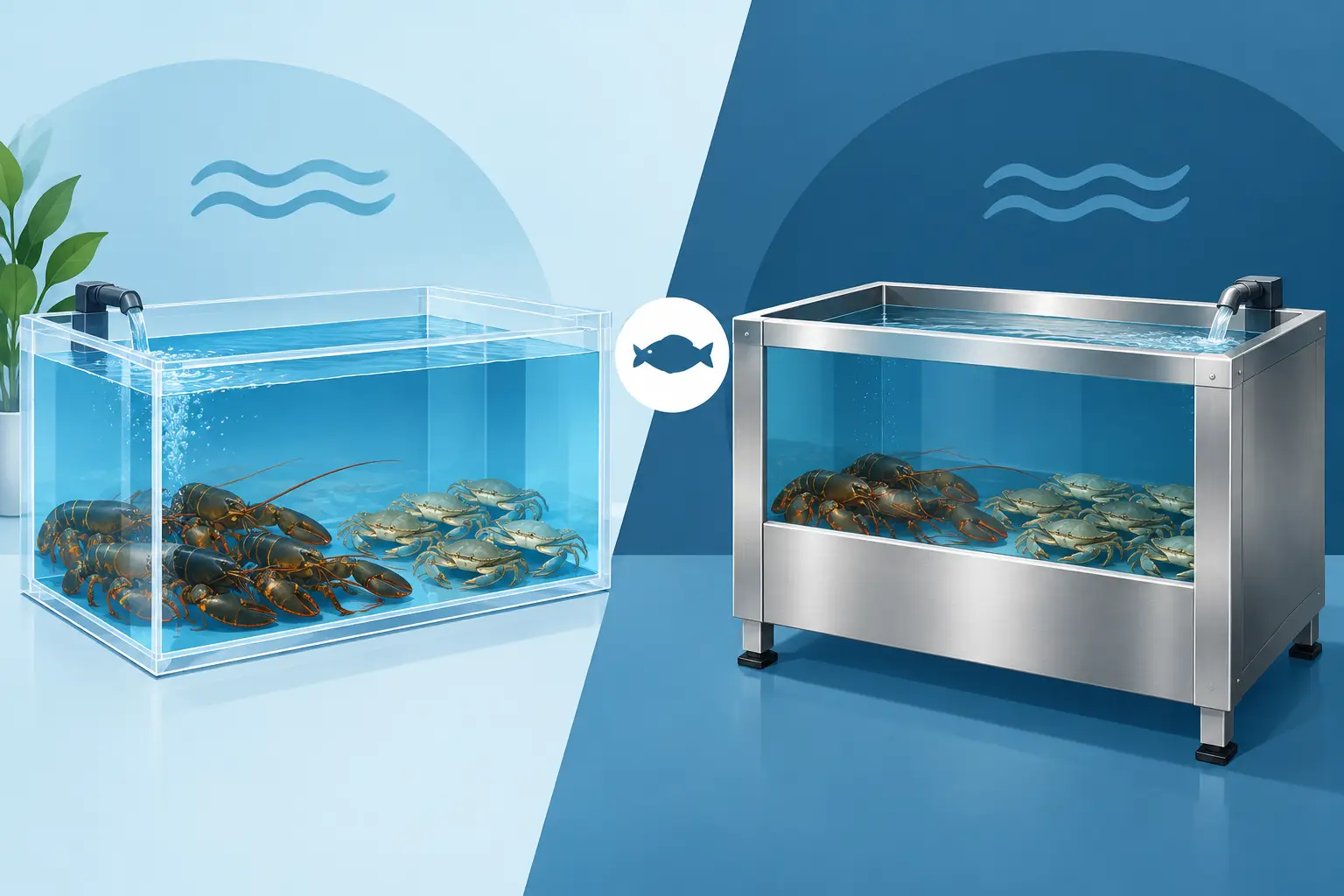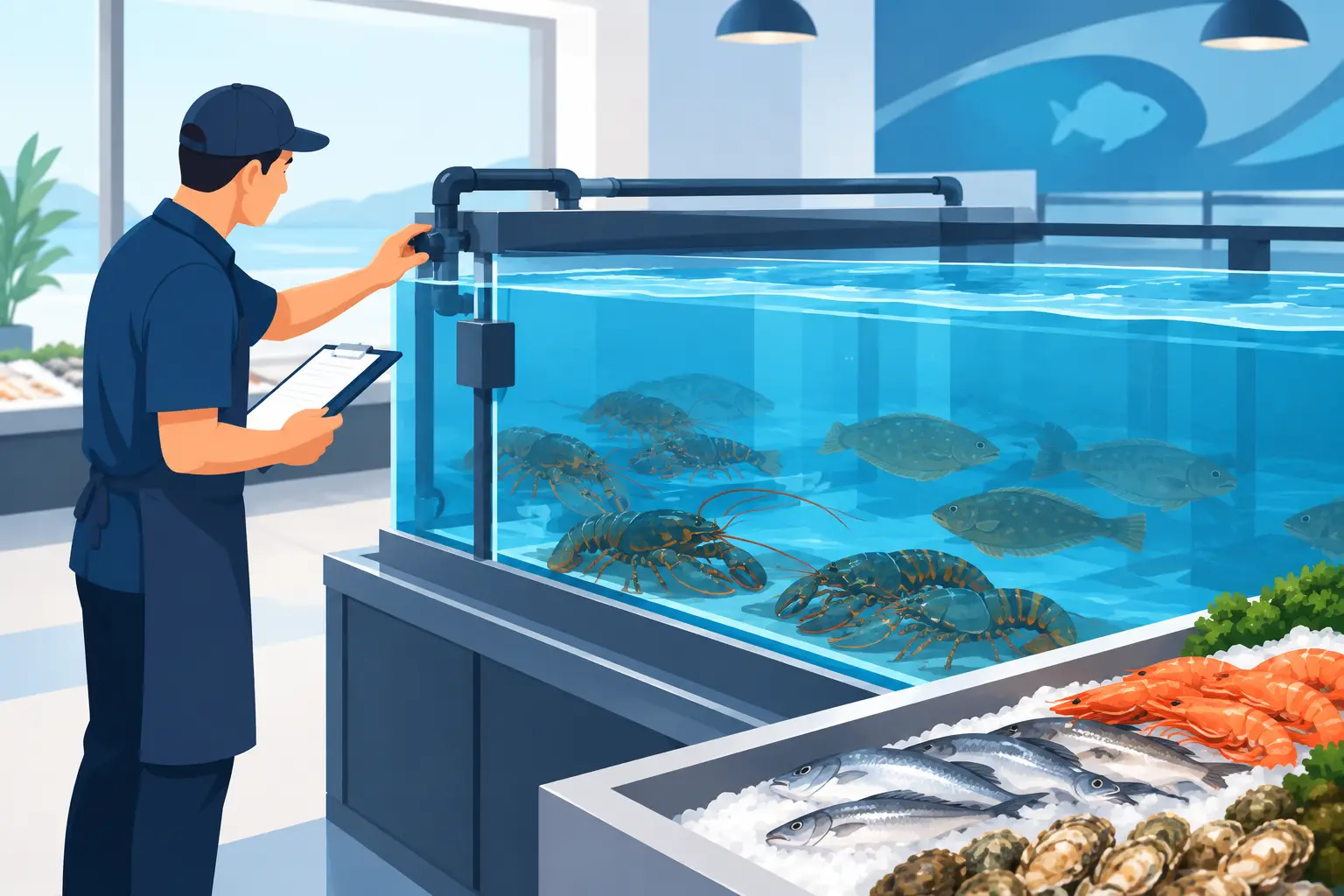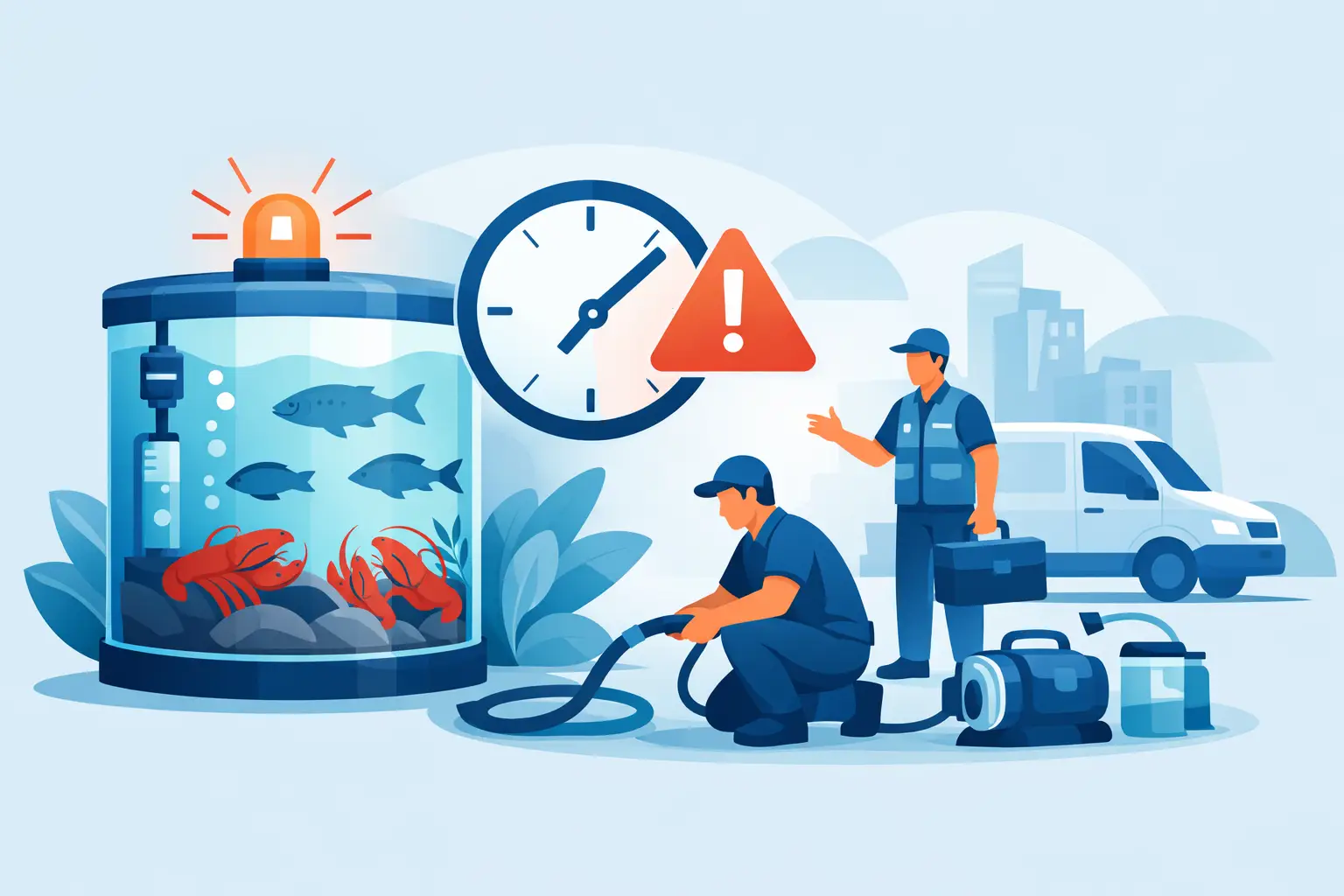

A live seafood display can look perfect at opening and become a costly emergency before lunch if the water path is wrong. Seafood tank plumbing is not background infrastructure. It determines how consistently water moves, how easily debris is removed, whether filtration can do its job, and how quickly a team can respond when something needs attention.
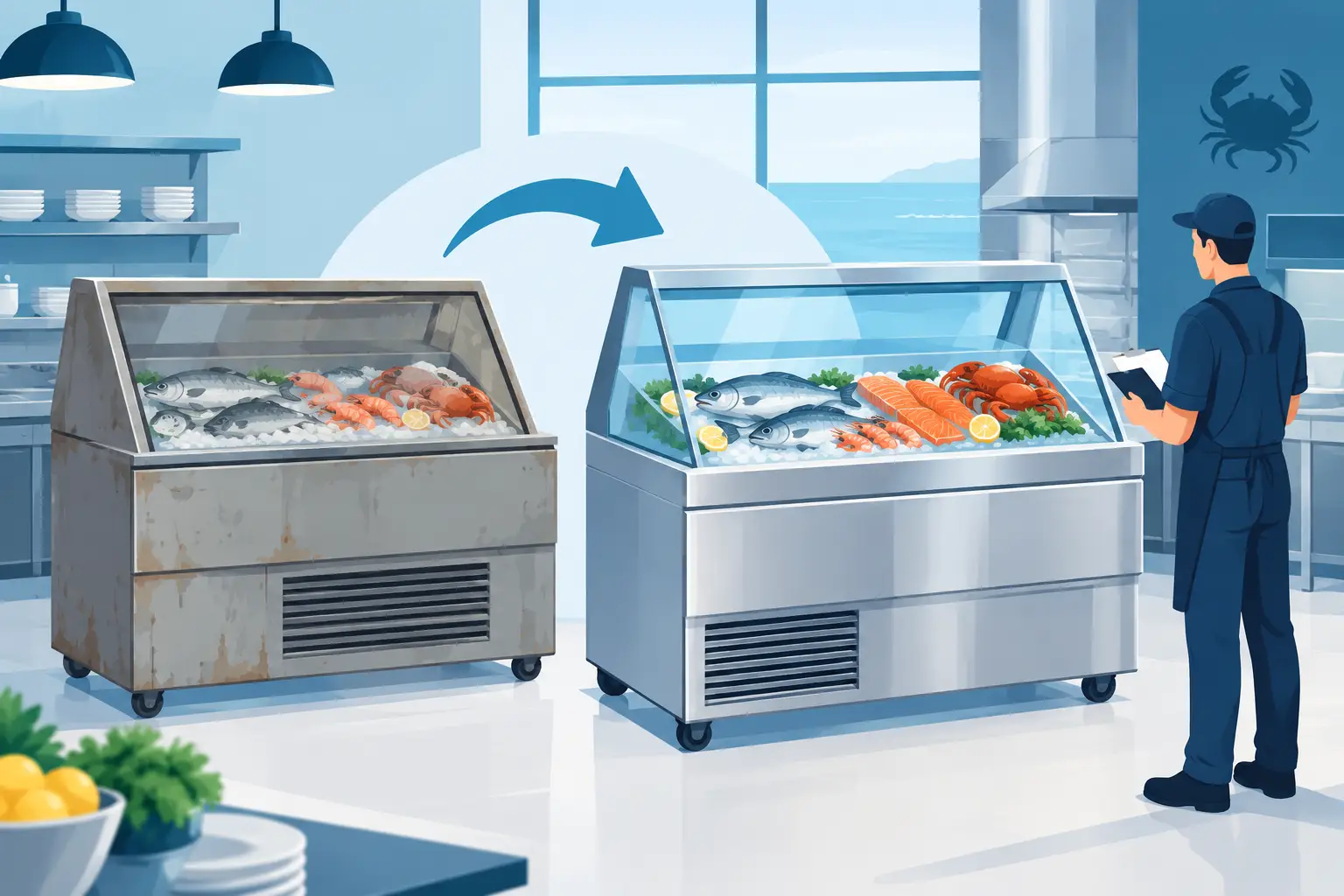
For supermarkets, wholesalers, restaurants, and seafood retailers, plumbing decisions affect more than the appearance of a tank. They affect animal health, inventory loss, labor, sanitation, equipment life, and customer confidence at the seafood counter. A properly designed system gives operators control. A poorly designed one creates hidden restrictions, difficult service calls, unstable water conditions, and preventable downtime.
Seafood Tank Plumbing Is a Life-Support System
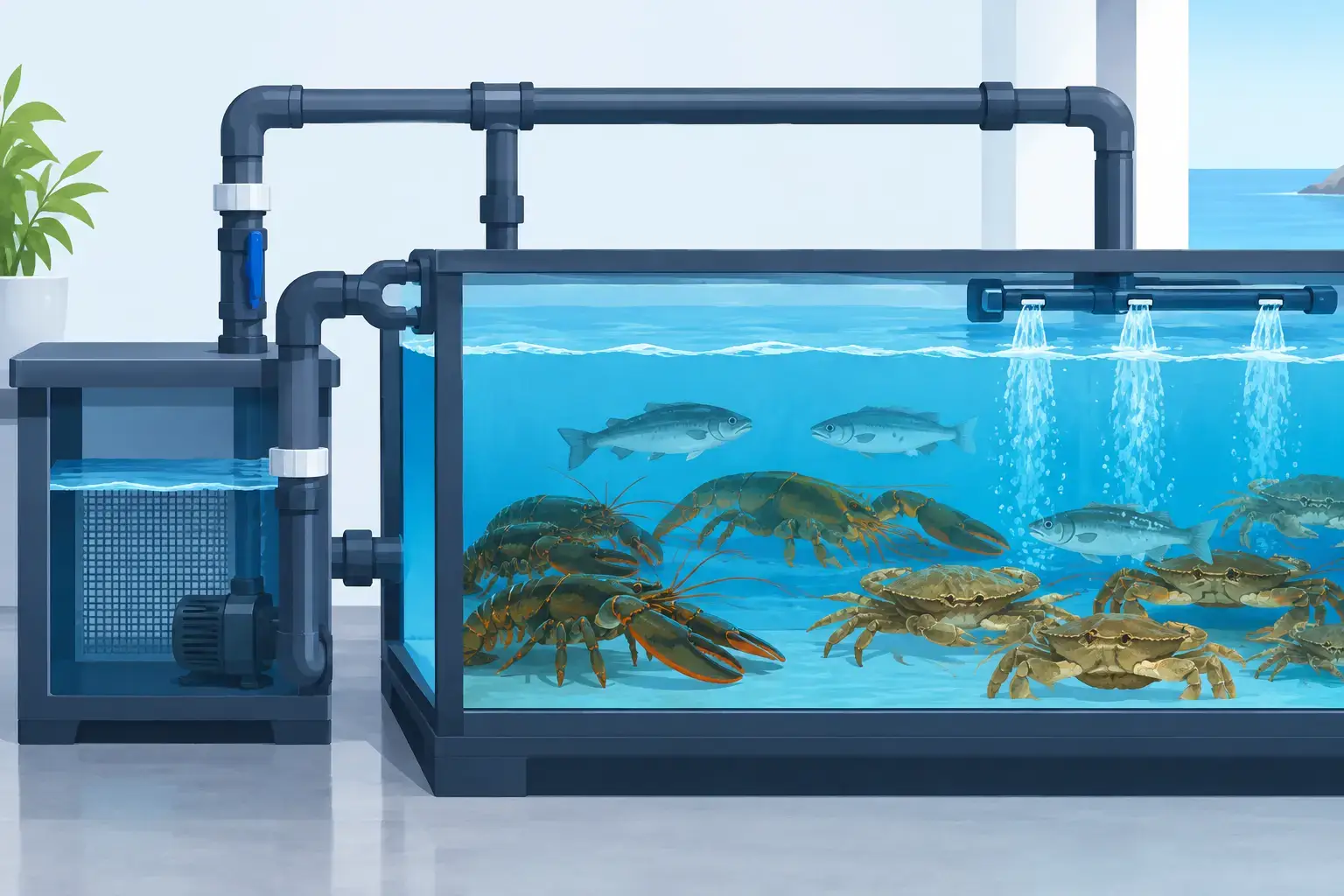
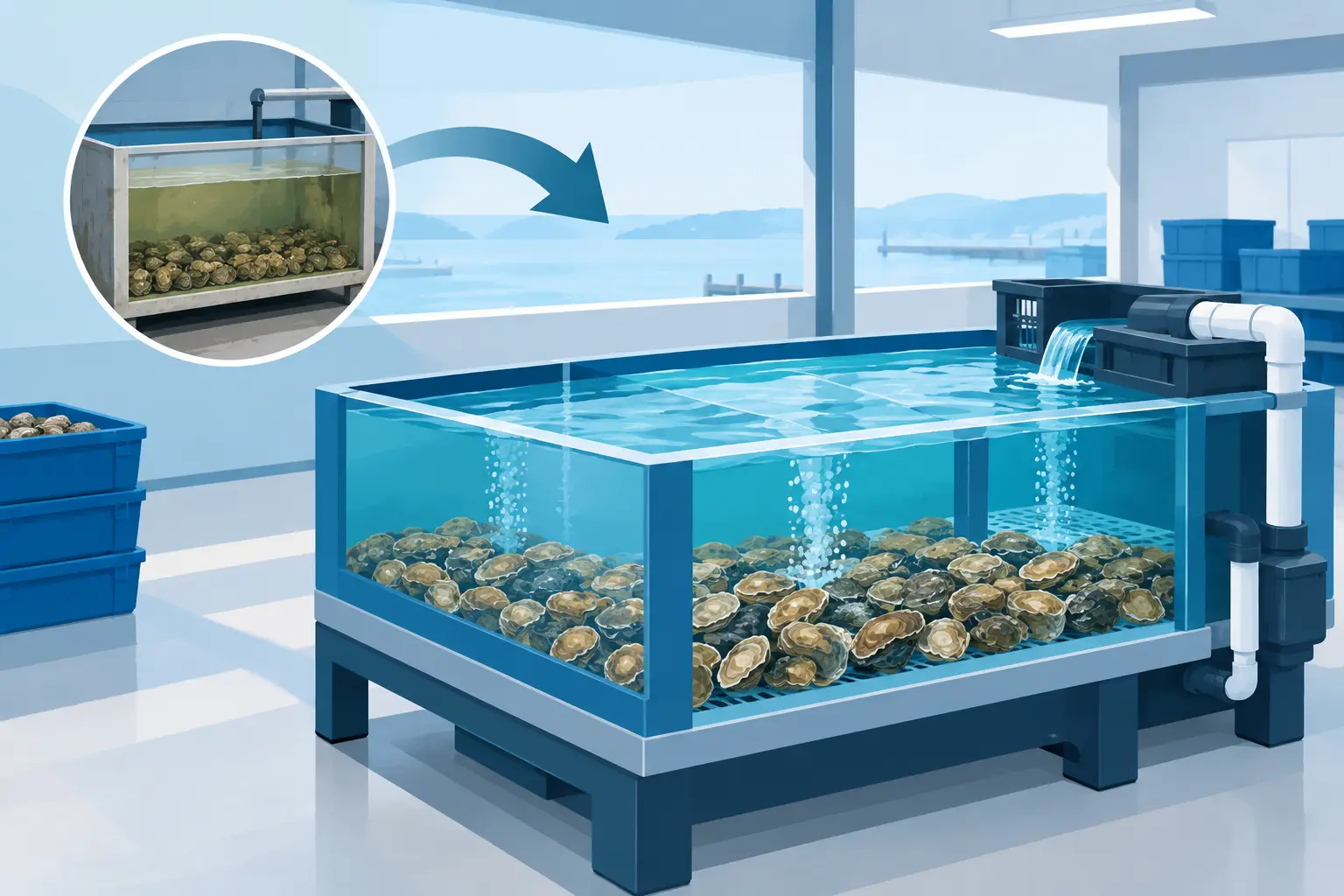
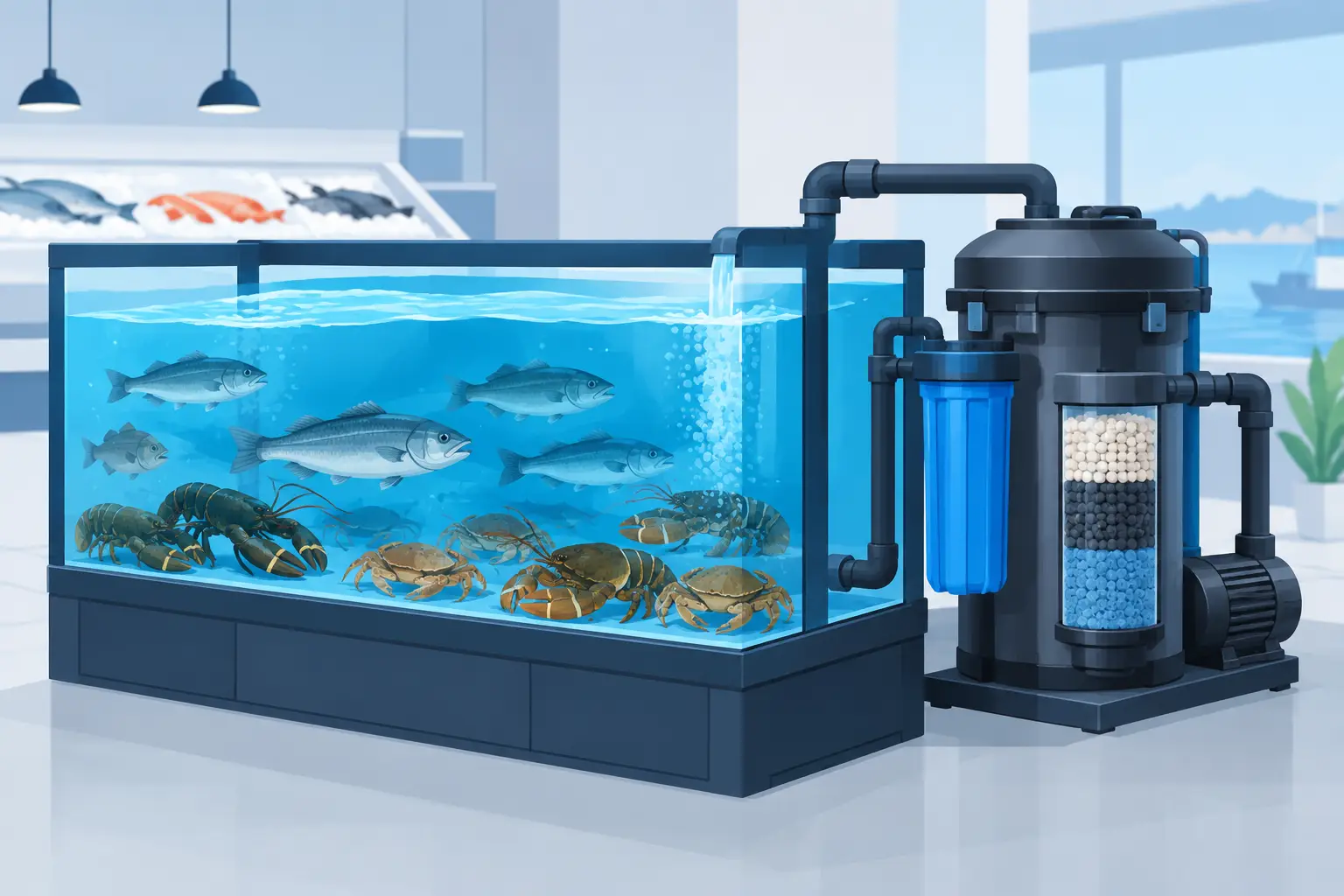
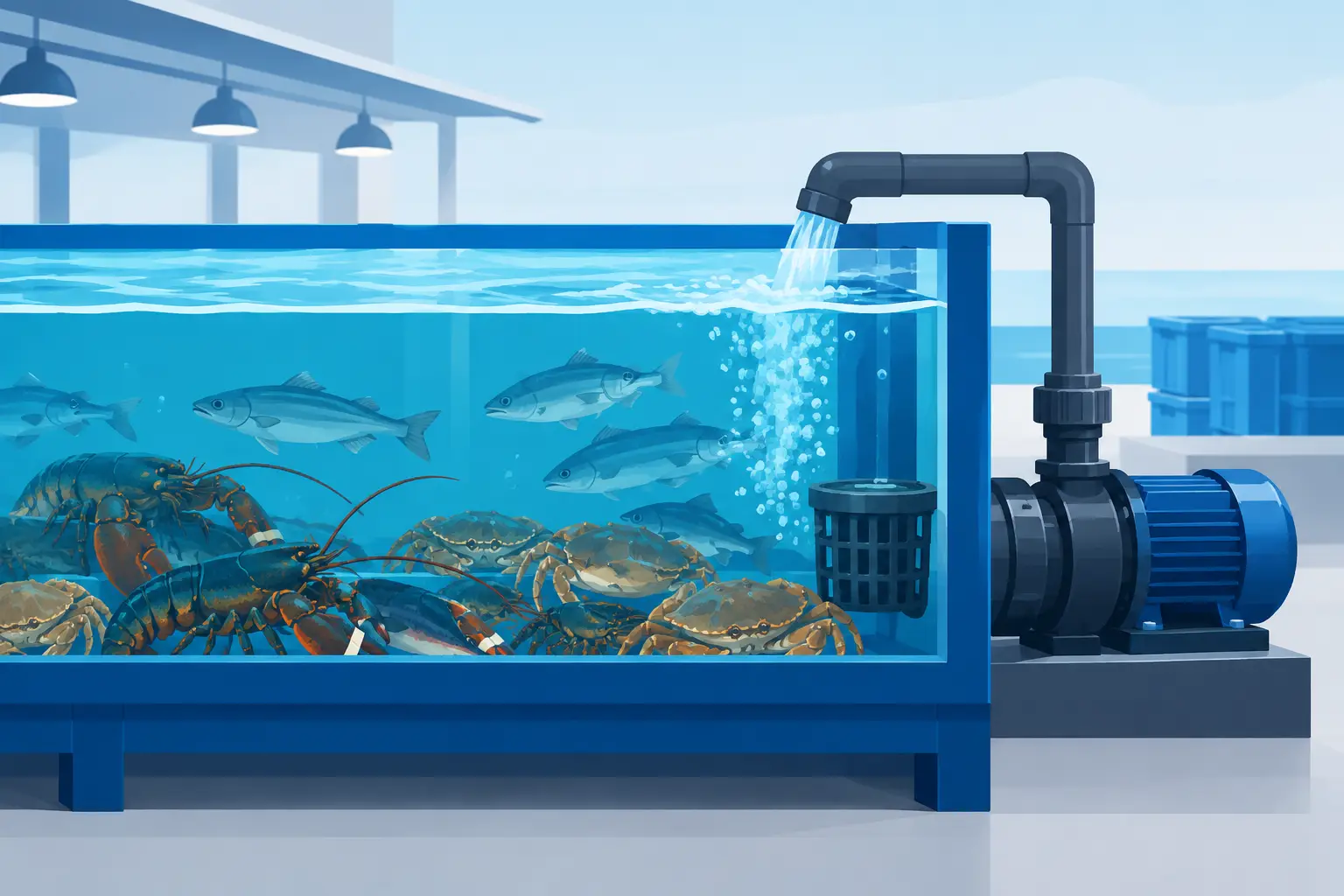
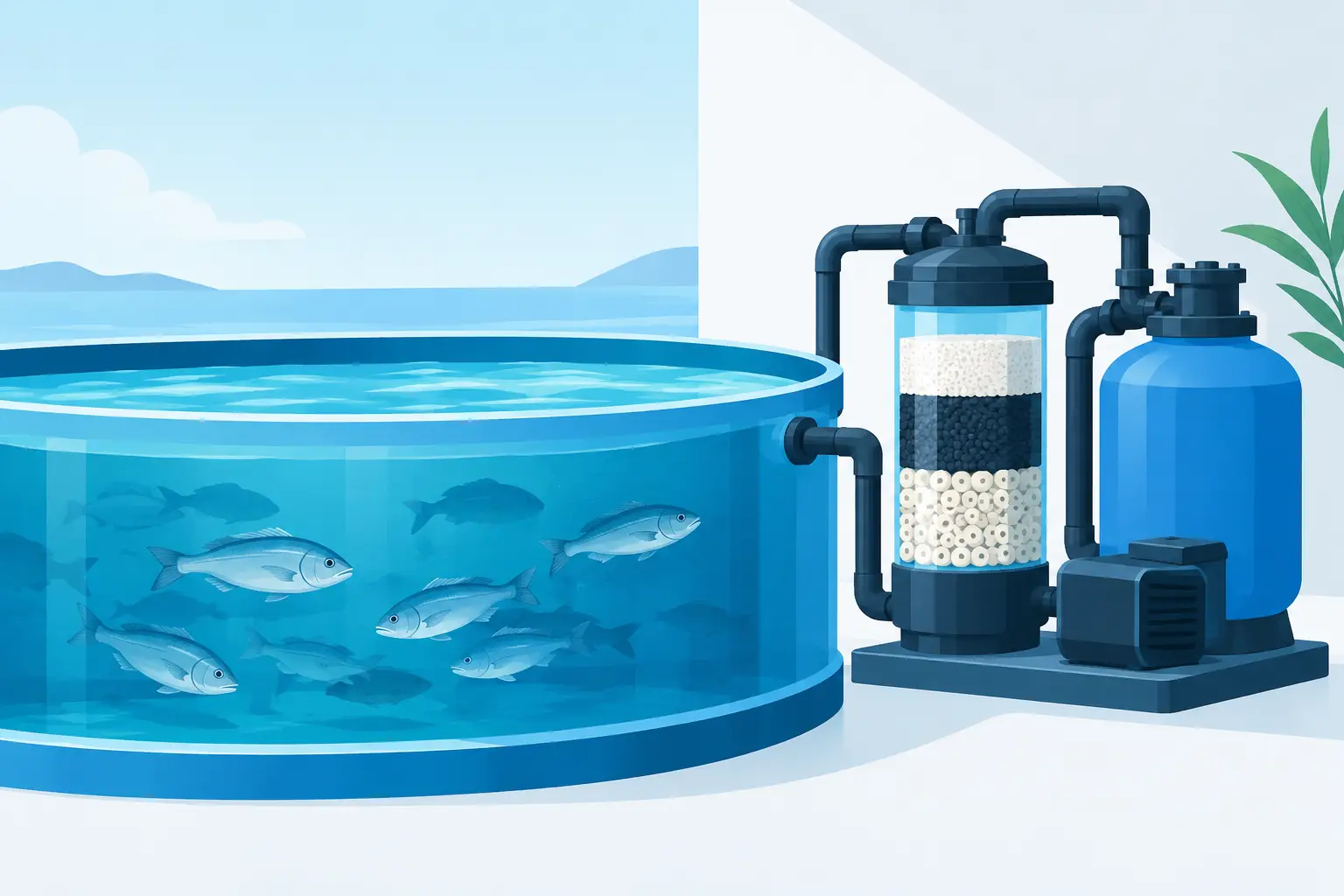
Commercial seafood tanks rely on a controlled loop: water leaves the tank, passes through filtration and treatment equipment, and returns at a rate that supports the species being held. That sounds simple. In the field, however, the details make the difference.
Every fitting, valve, drain, pump connection, and pipe run has a job. Plumbing must move the required volume of water without creating excessive friction or pressure loss. It must pull waste from the areas where it collects. It must avoid stagnant sections where solids can settle. It also needs to remain accessible after the tank is installed, stocked, and surrounded by a busy retail operation.
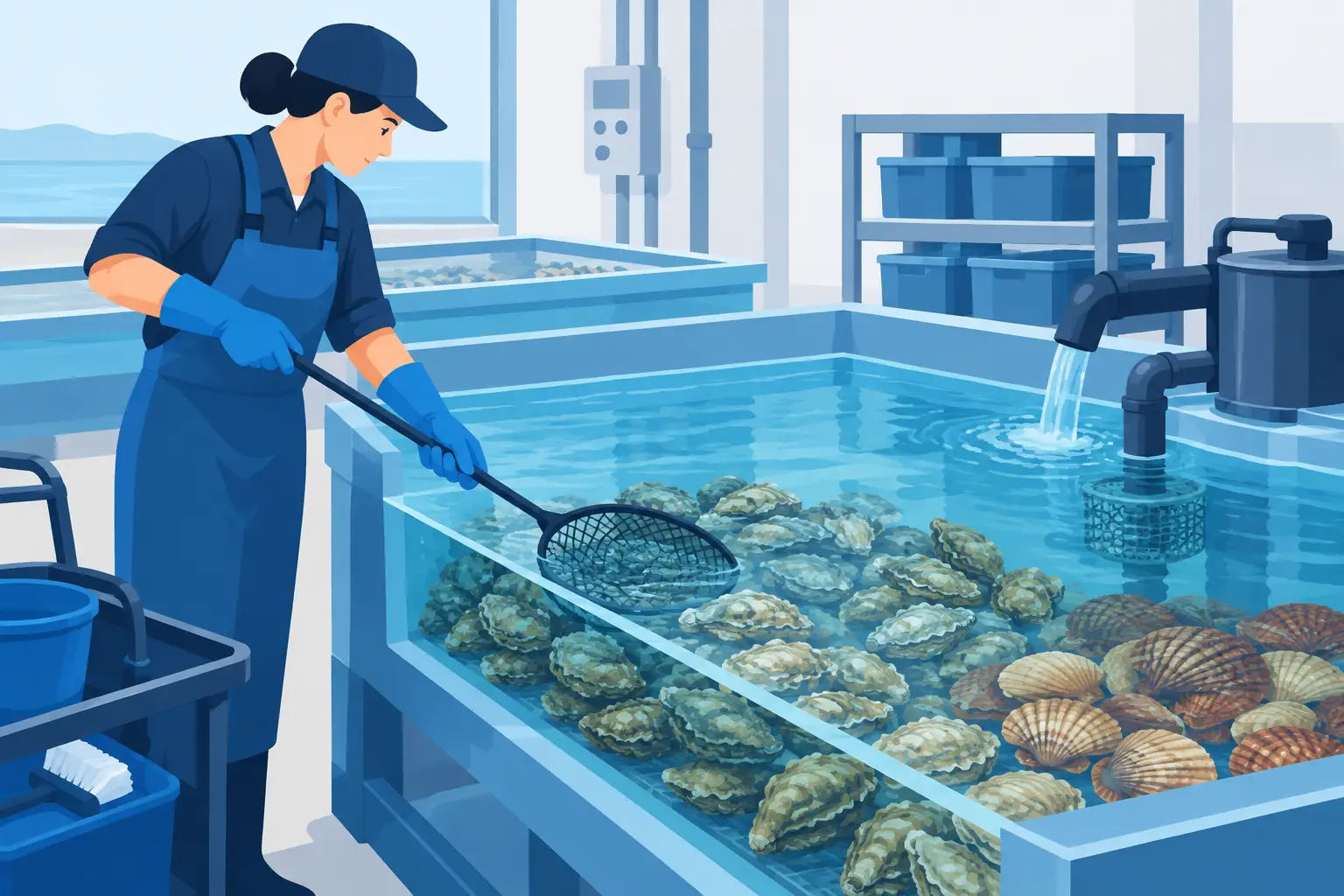
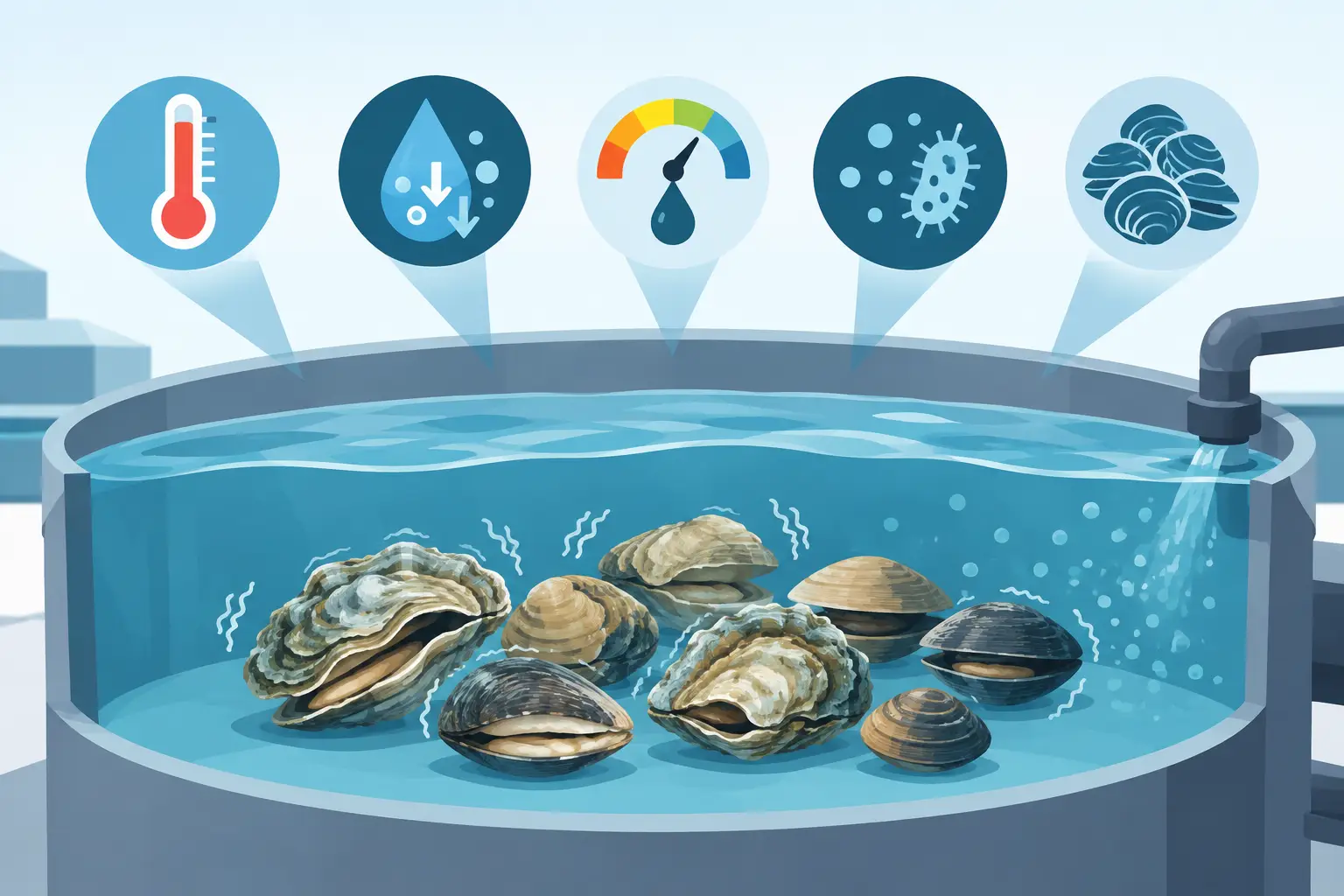
Lobsters, shellfish, and finfish do not all place the same demands on a system. Stocking density, water temperature, tank design, holding time, filtration package, and local operating practices all matter. There is no one pipe layout that fits every seafood department. A custom system should be built around the live product, the available footprint, and the way the staff will actually use it.
Start With the Water’s Complete Path
The strongest plumbing layouts are designed from the tank outward, not from a catalog of available parts. Before pipe is cut, the system designer should understand where water enters the display, where it exits, how it reaches the filter, and how it returns after treatment.
Water return locations matter because they establish circulation inside the tank. A return aimed into one corner may leave another area with weak movement. Too much direct velocity can also stress live product or make the display difficult to manage. The goal is even, dependable circulation that carries suspended waste toward collection points while maintaining a stable environment throughout the tank.
Drain design is equally critical. Gravity drain lines generally need the capacity to handle incoming water without backing up, surging, or becoming a choke point. Tank drains should be positioned to capture solids and provide a predictable route to mechanical filtration. If a drain line is undersized, poorly sloped, or packed with unnecessary turns, the problem may not show up until the system is heavily loaded.
The return line needs careful sizing as well. A pump can only deliver its expected flow if the plumbing allows it to do so. Long runs, restrictive fittings, undersized pipe, dirty strainers, and elevation changes all add resistance. Selecting a pump based only on its advertised flow rating, without accounting for total system head, is a common and expensive mistake.
Build for Flow, Service, and Control
Good seafood tank plumbing is not only about moving water. It is about making the system manageable when conditions change. Operators need the ability to isolate equipment, inspect components, adjust flow, and replace service items without shutting down the entire display.
Isolation valves should be installed where they provide real operational value: before and after pumps, around filter equipment, and on individual tank branches when a multi-tank installation requires independent control. Unions or other serviceable connections allow a technician to remove a pump or component without cutting pipe. These details add cost during installation, but they can save hours of labor and avoid unnecessary product risk later.
Pipe routing deserves the same attention. Lines hidden behind fixed millwork or installed too close to walls may look clean on day one, but they become a service problem for the life of the system. Mechanical rooms, cabinet spaces, and equipment bays need enough access to inspect joints, clear drains, clean strainers, and service pumps safely.
Whenever possible, plumbing should be organized and labeled. A seafood manager should be able to identify which valve controls a tank, which line feeds the return, and where water is supposed to travel. Clear labeling is especially valuable when multiple employees share responsibility for the department or when outside service is needed after normal business hours.
Filtration Works Only When Plumbing Supports It
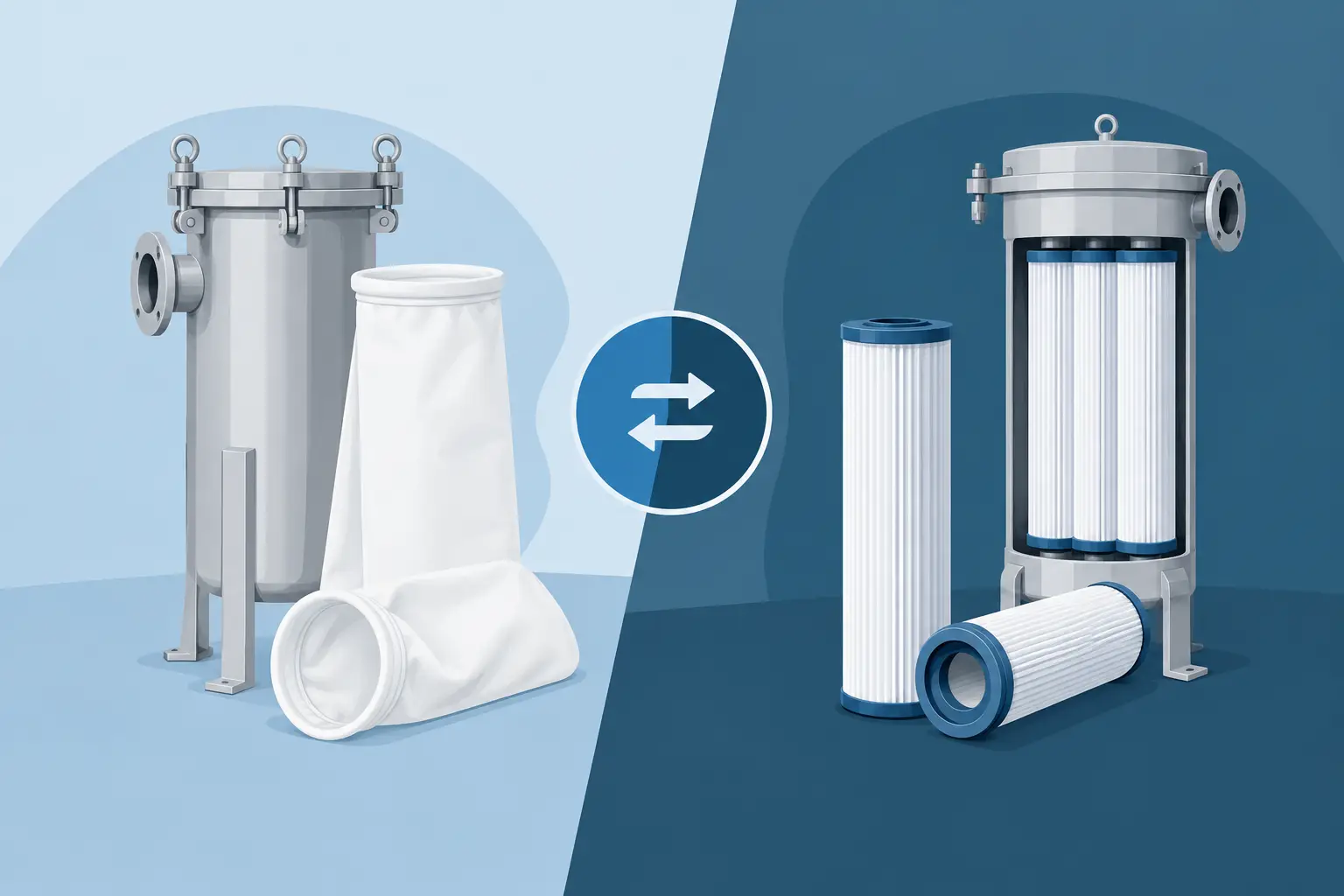
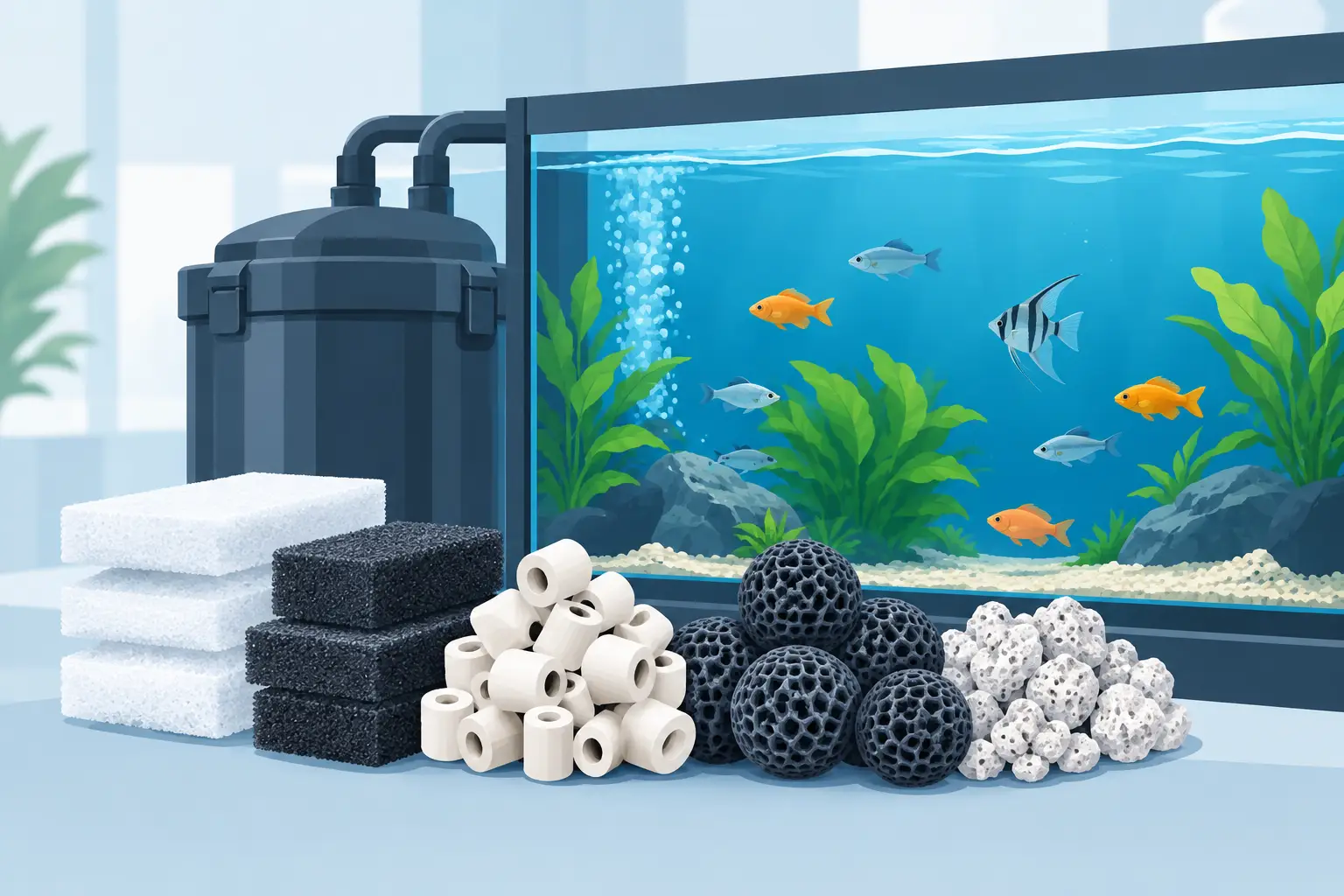
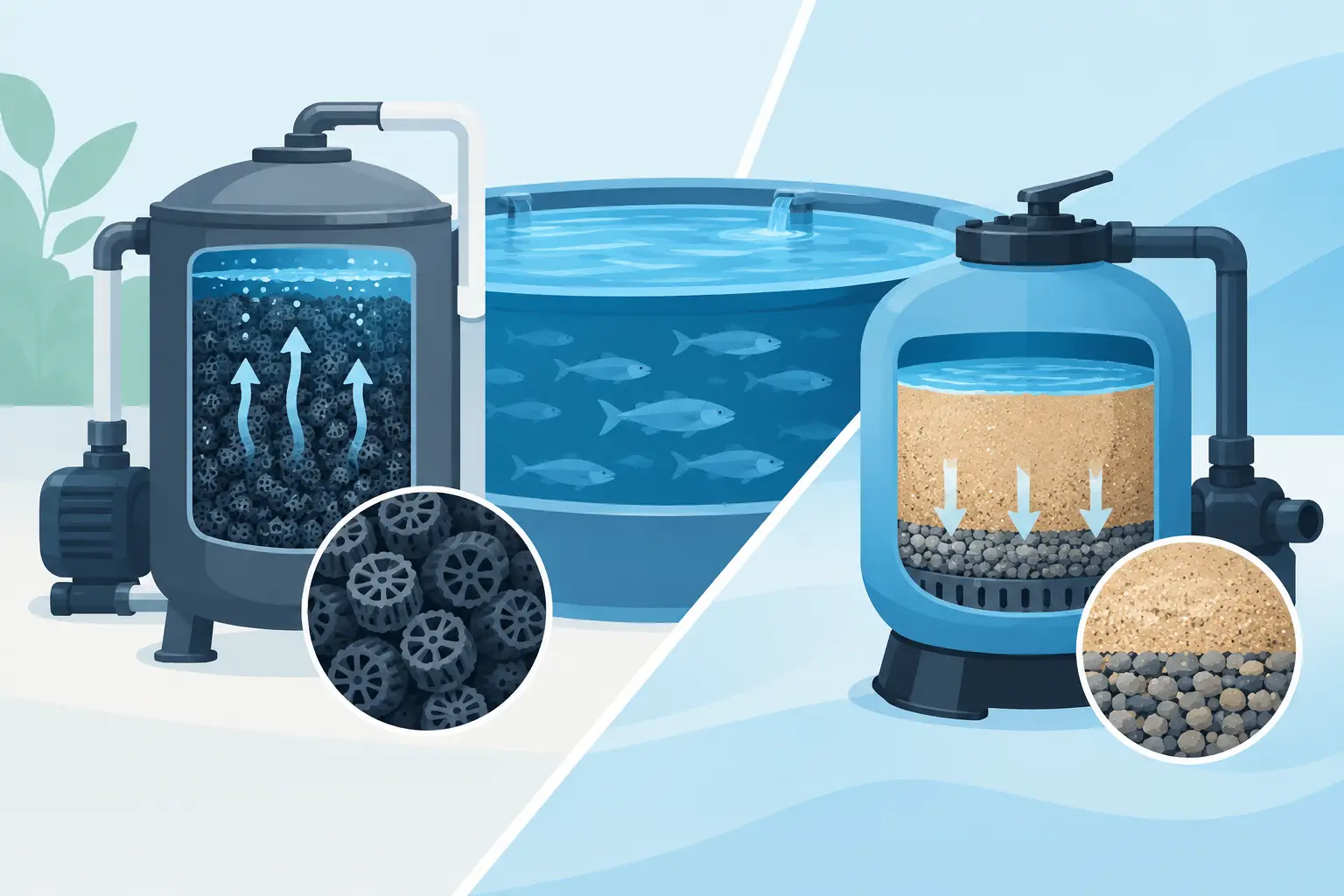
Filtration media cannot compensate for bad water movement. Mechanical filters need a steady supply of water carrying suspended solids. Biological filtration depends on stable flow and proper water conditions. Activated carbon and other chemical media need appropriate contact time and a clean flow path to work effectively.
A well-plumbed system separates these functions in a logical sequence. Larger debris should be captured before it reaches sensitive equipment or media that can clog quickly. Pumps should receive clean, consistent flow. Return water should be distributed in a way that supports circulation without bypassing the areas that need it most.
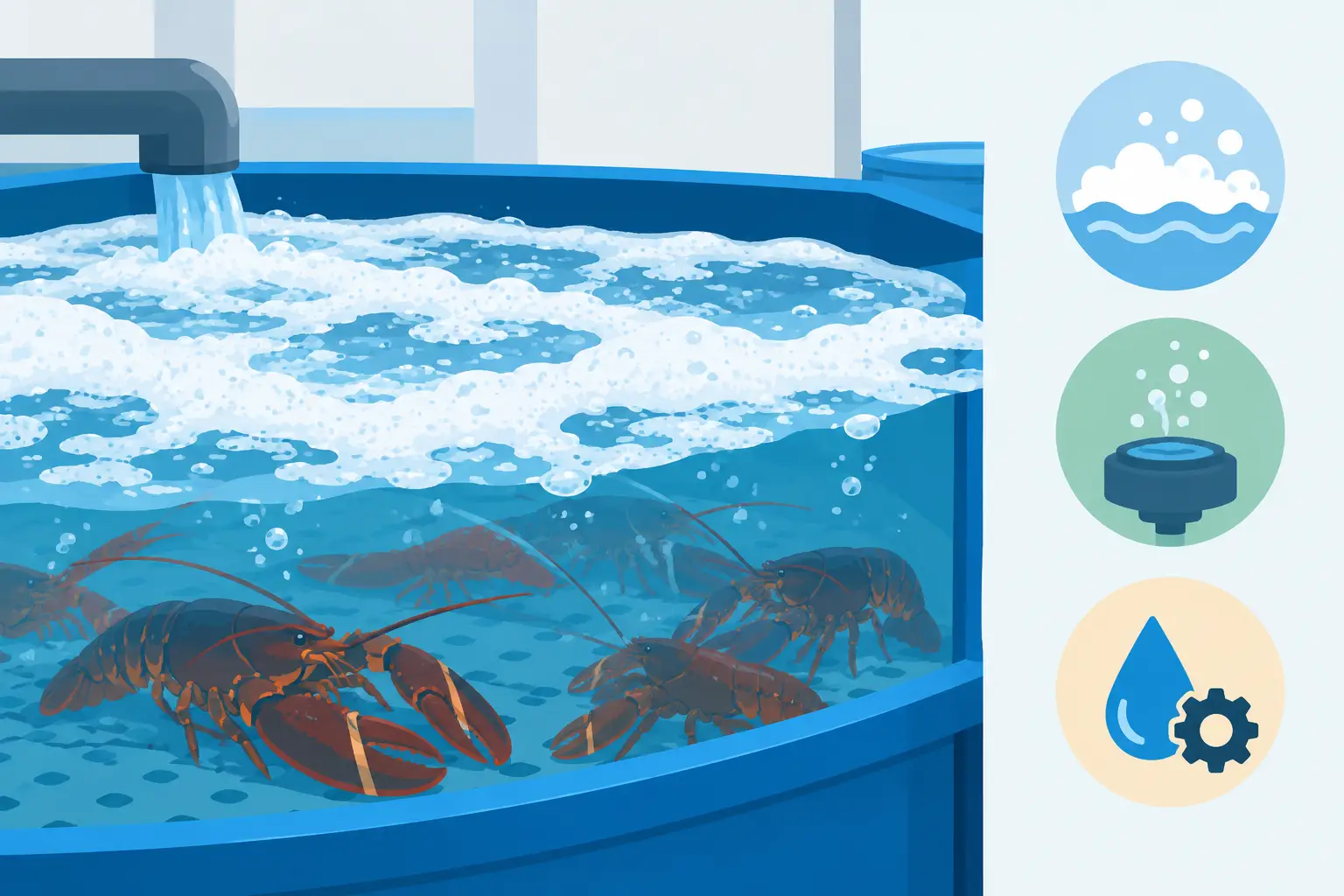
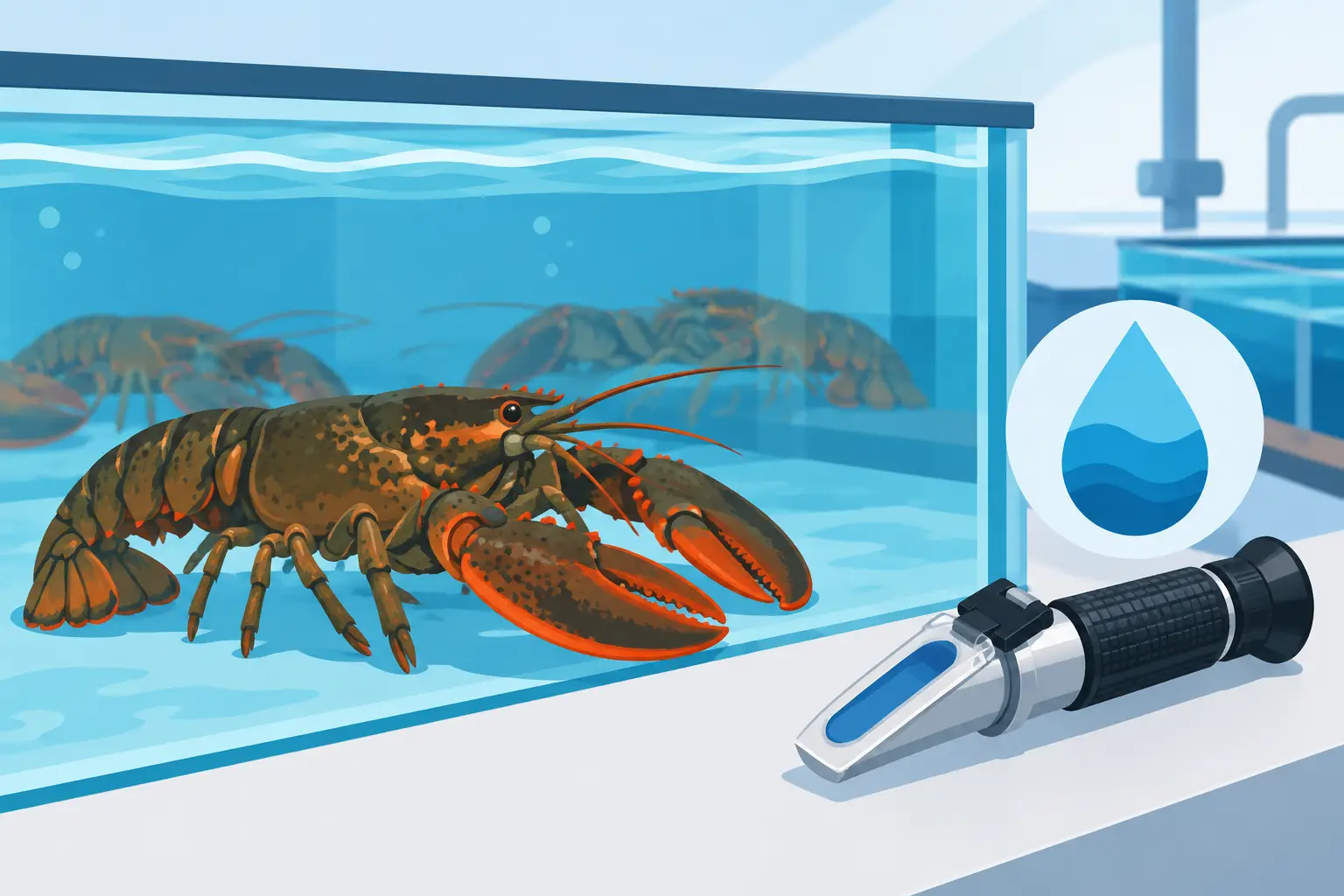
This is also where a purpose-built lobster holding and purging system can make a significant operational difference. Purging performance depends on consistent water quality, proper flow, and a system designed for the way lobsters are held and managed. It is not an add-on that can be improvised with a few extra fittings.
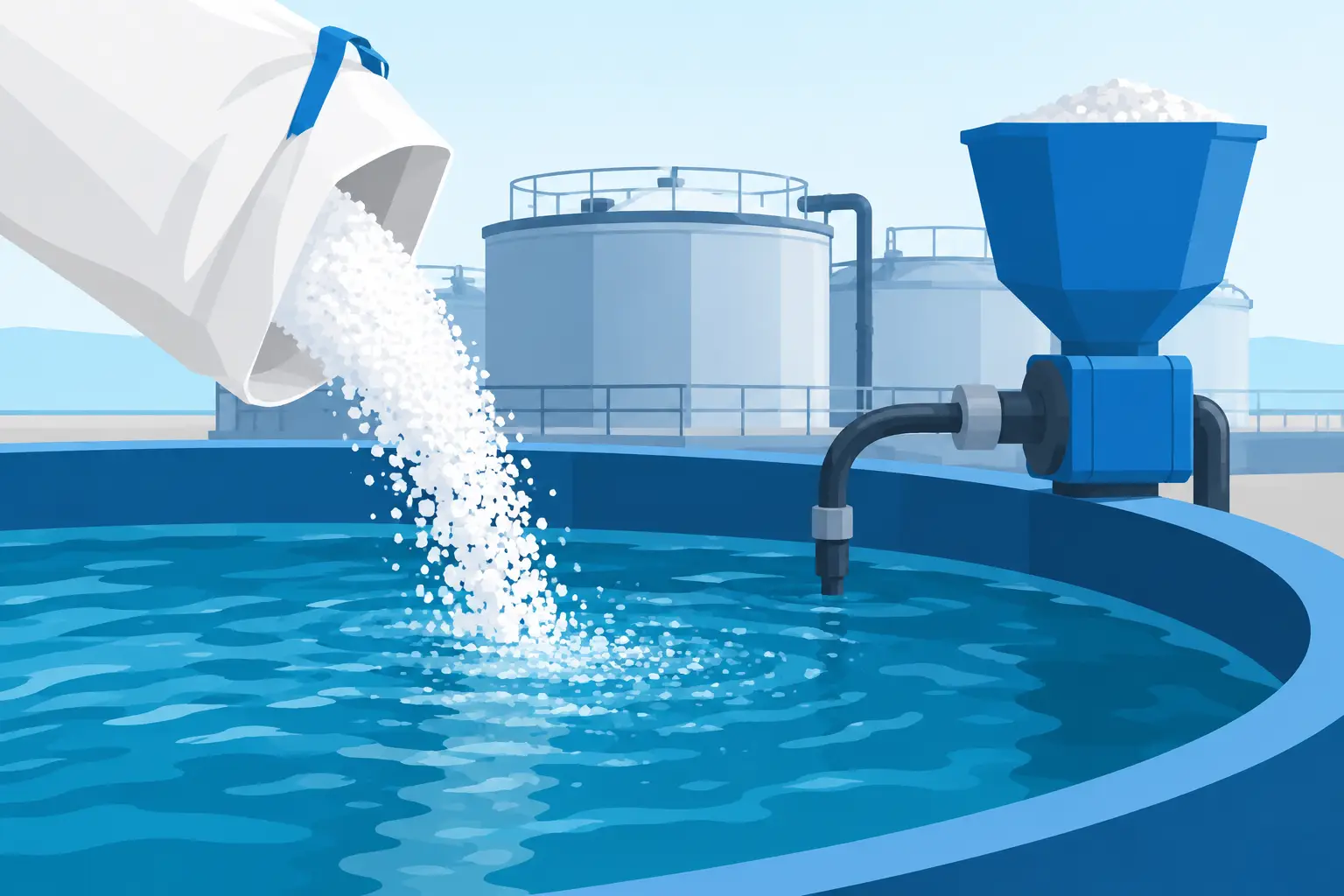
At Lobster Life Systems, our work begins with the complete operating system, not just the tank itself. That means matching custom fabrication, plumbing, filtration, marine salt, service support, and replacement supplies to the needs of commercial seafood operators.
Avoid the Plumbing Shortcuts That Create Expensive Problems
The most troublesome installations often share the same issues: undersized piping, too many sharp turns, inaccessible valves, no room for filter service, and drain routes that collect debris rather than carrying it away. A system can still run with these flaws, but it will require more labor and offer less margin when demand is high.
Watch for these warning signs in an existing system:
- Uneven water movement or debris collecting in the same locations every day
- Pump noise, reduced return flow, or recurring air entering the line
- Frequent drain backups, slow filter performance, or unexplained water level changes
- Components that cannot be cleaned, removed, or inspected without major disassembly
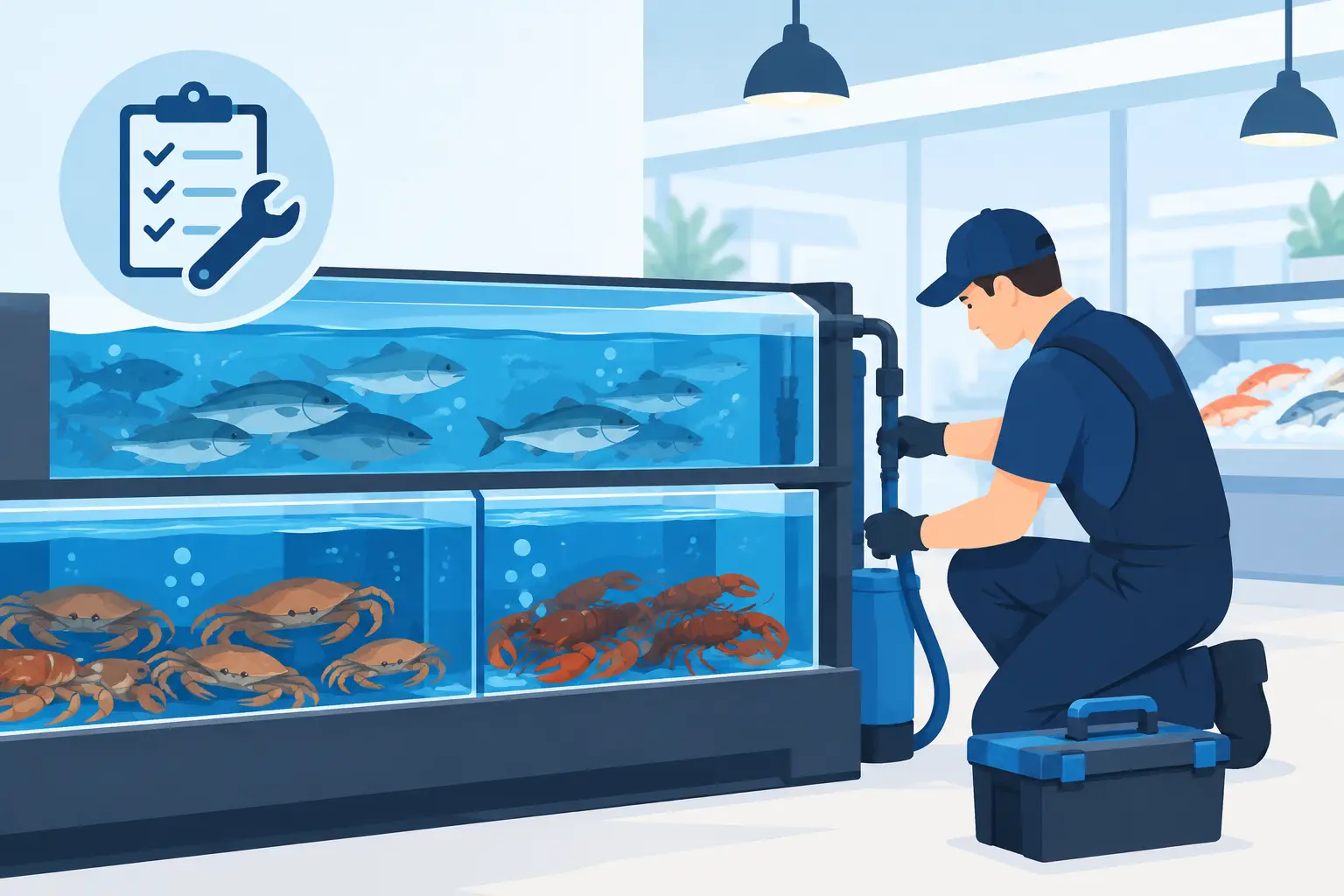
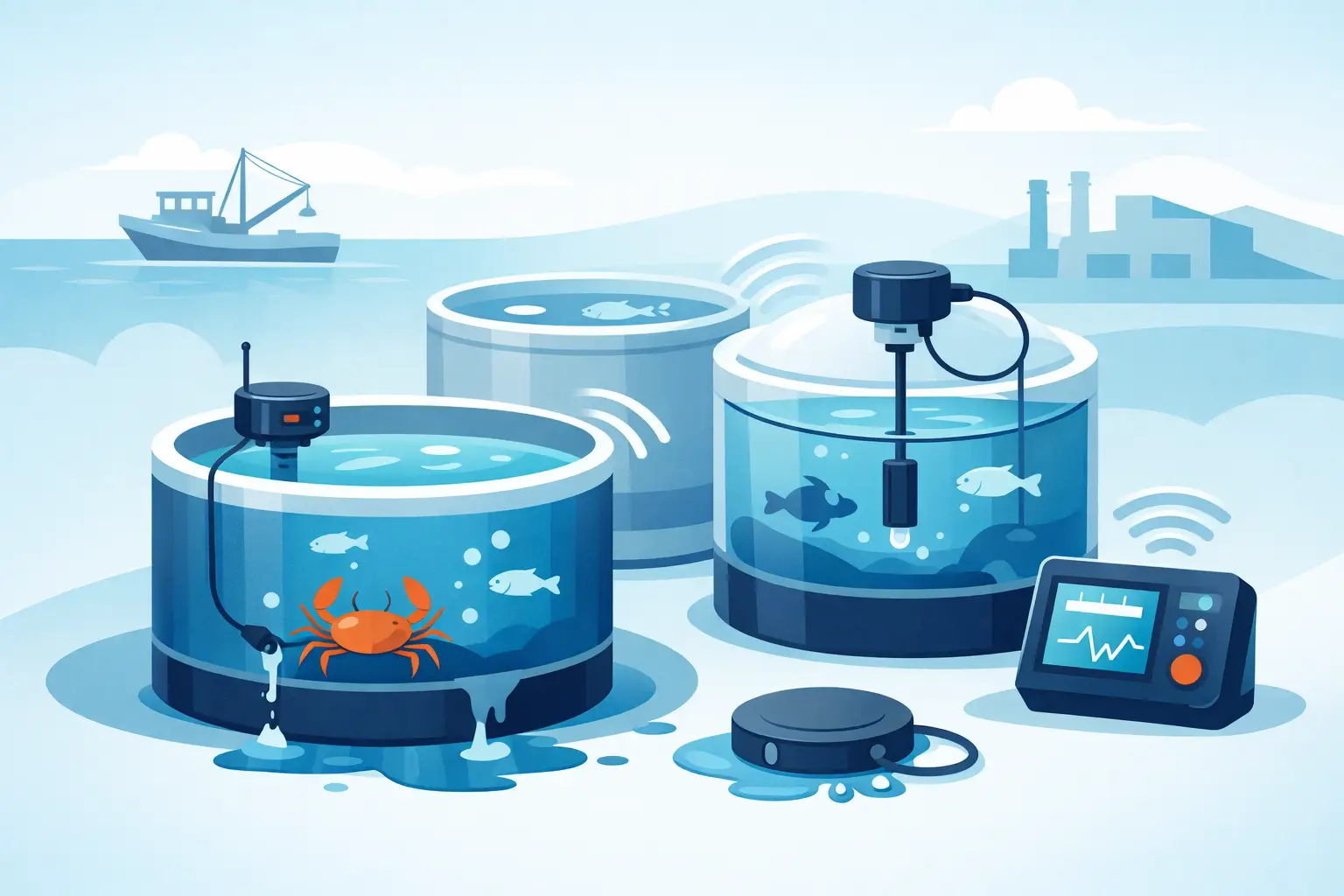
These symptoms do not always point to one failed part. They can indicate a plumbing layout problem, restricted flow, poor component sizing, or a maintenance need that has been deferred too long. A qualified seafood tank technician can evaluate the entire loop rather than treating each symptom in isolation.
Plan Maintenance Into the Installation
The best time to make a system easy to maintain is before it is installed. Service points should be reachable. Pumps and filters should have adequate clearance. Drain connections should allow cleaning. Valves should operate without requiring staff to move product, climb over equipment, or work around standing water.
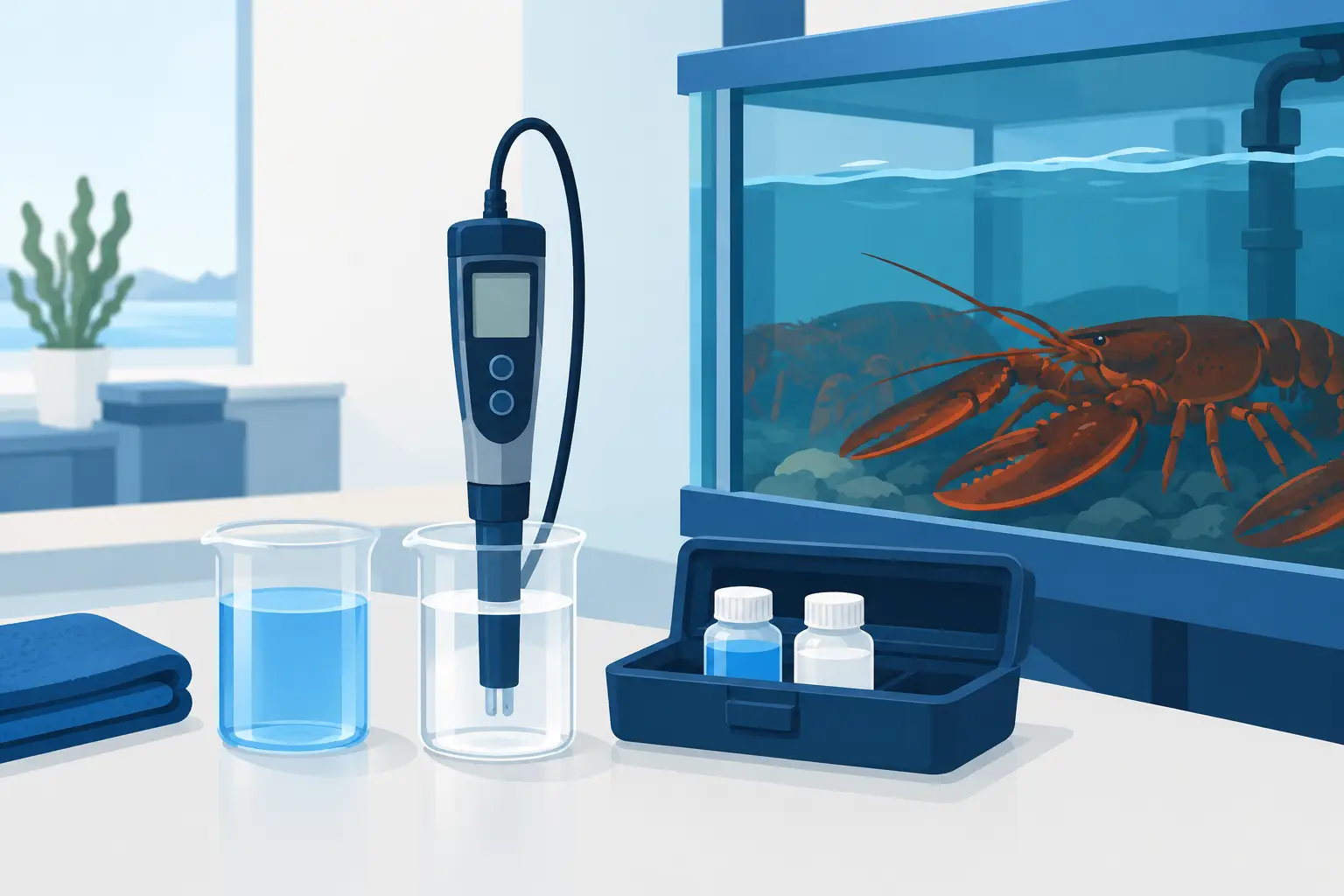
Routine maintenance then becomes straightforward: inspect flow, clean mechanical filtration, verify pump and valve operation, check for leaks or salt buildup, and replace filtration media on schedule. Regular attention protects equipment, but it also helps staff catch small changes before they become inventory-threatening failures.
For a new seafood department, remodel, or recurring tank issue, treat plumbing as a core business decision rather than a finishing detail. The right layout protects the live product, supports your team, and keeps the seafood case ready for the customers who expect healthy, high-quality product every day.