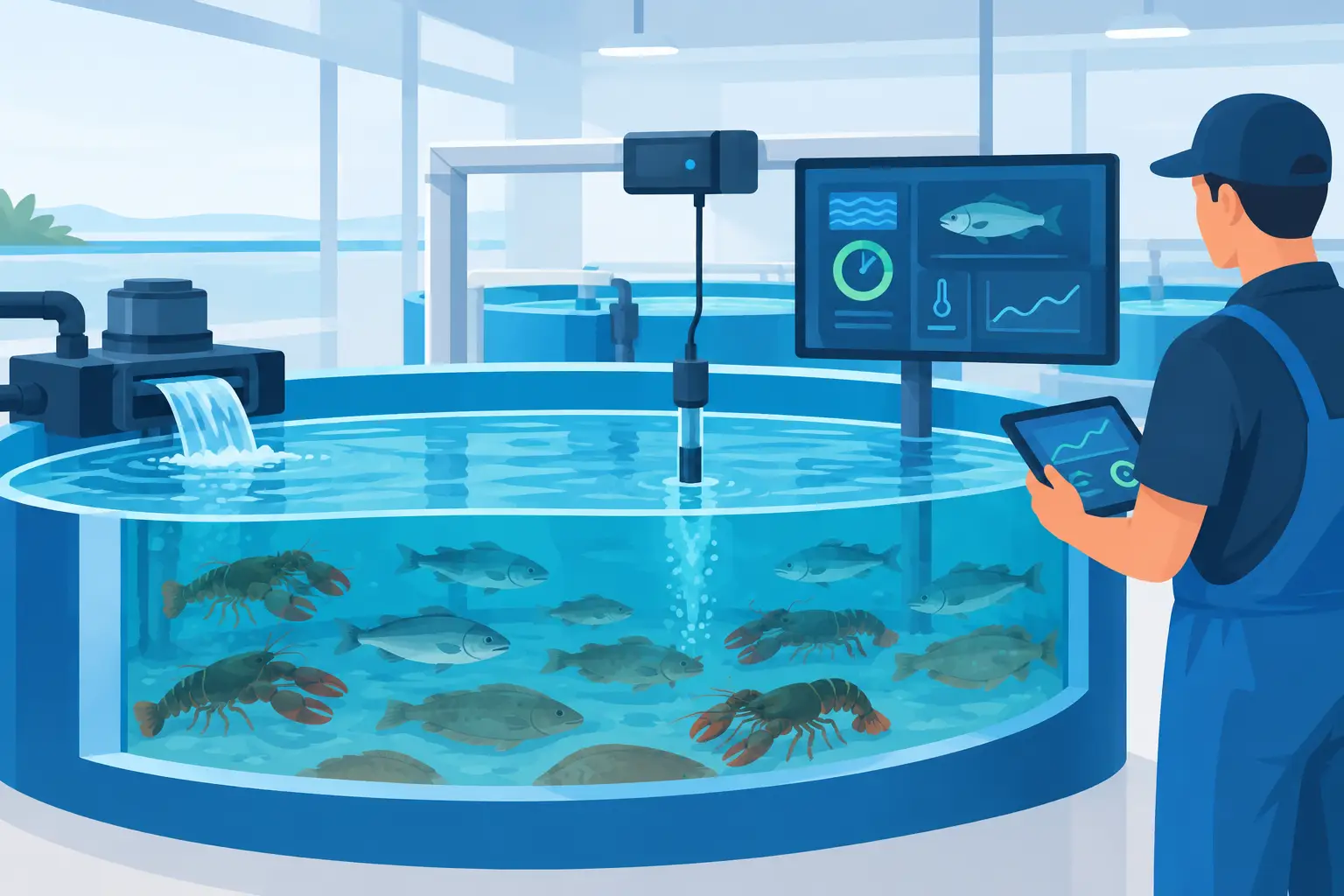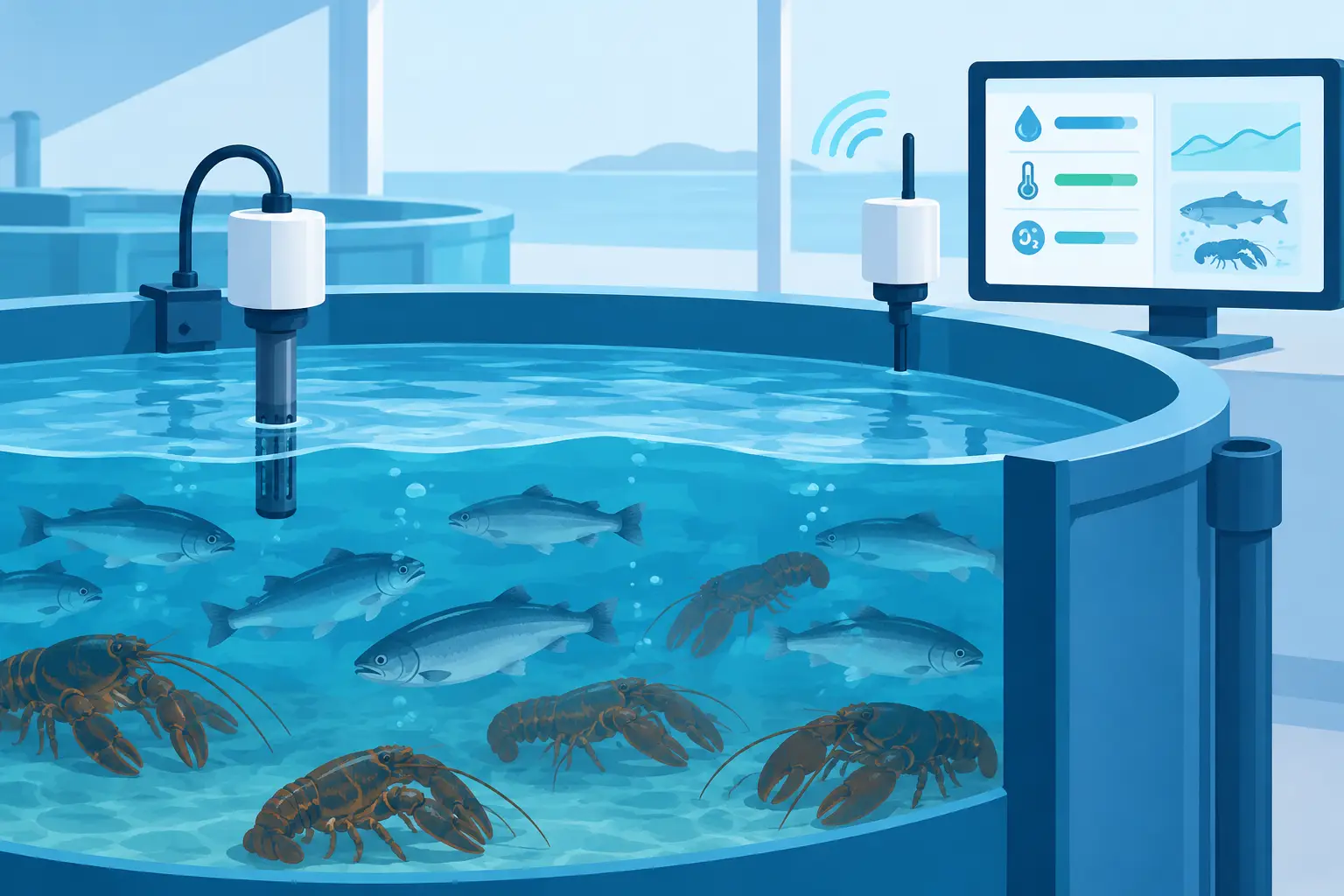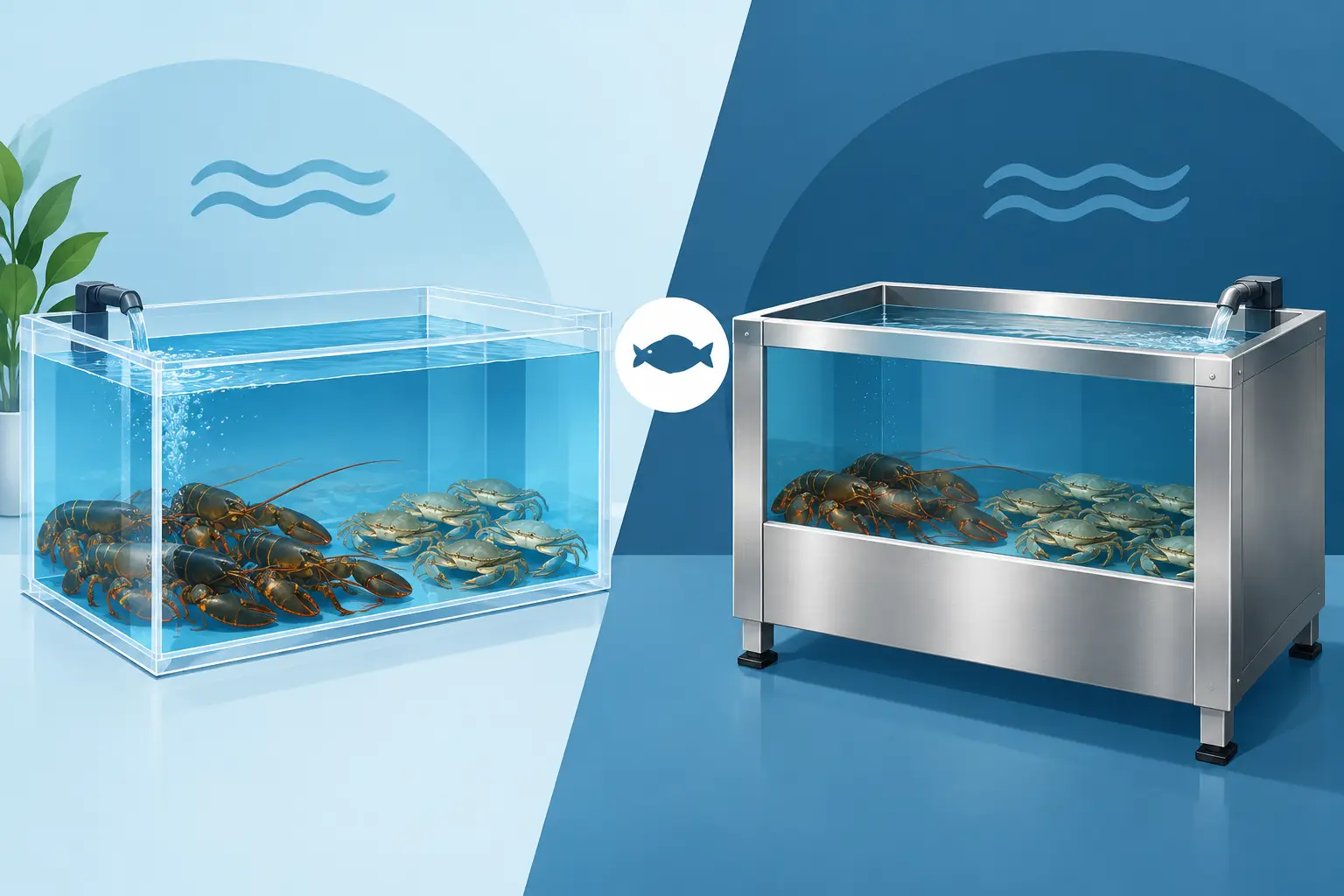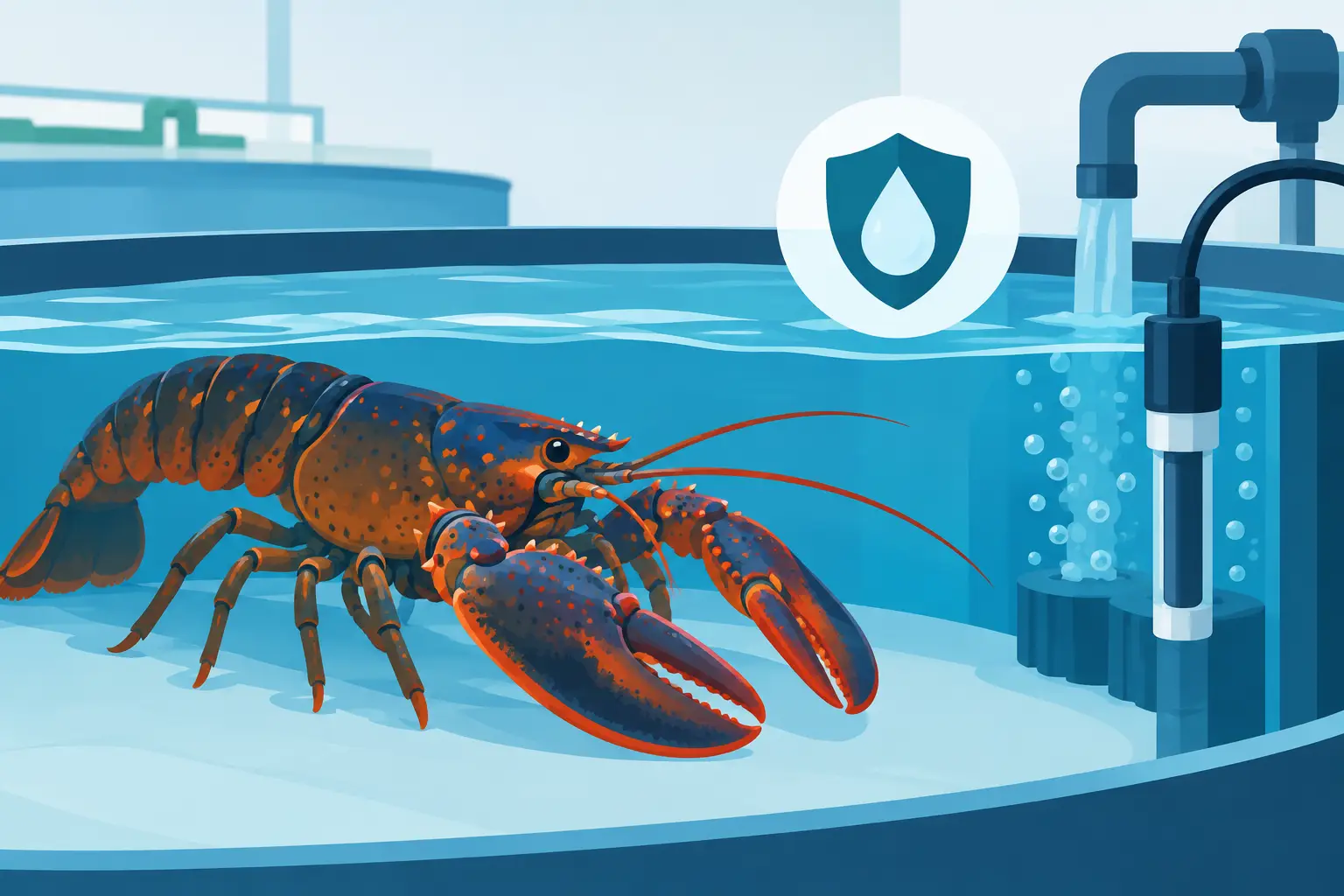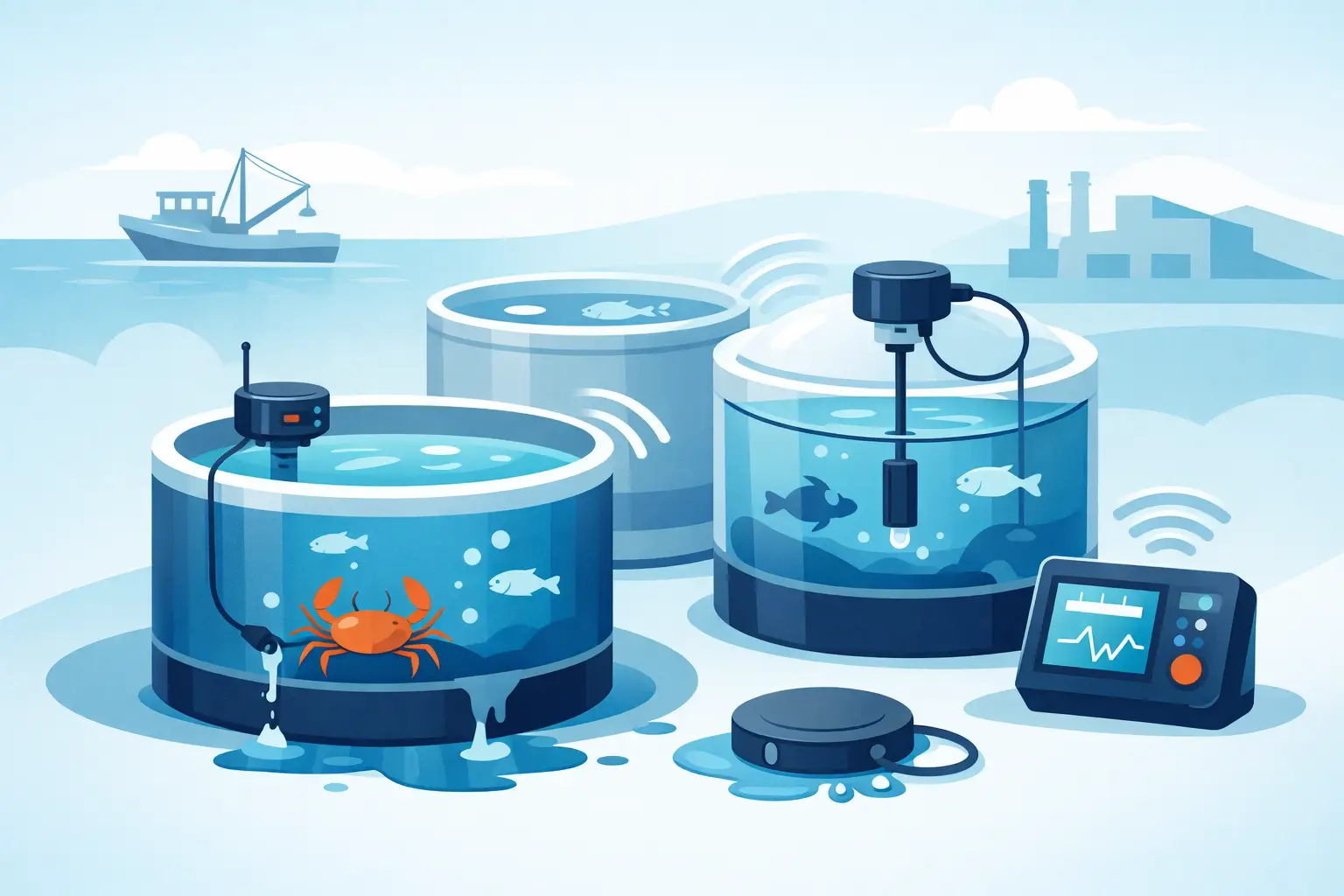
A shellfish tank can look clear from the customer side and still be headed toward an expensive problem. A weak pump, clogged media, rising ammonia level, or incorrect salinity can stress live product long before the warning signs are obvious. For seafood departments, wholesalers, and restaurants, shellfish tank maintenance is not a back-room chore. It is direct protection for inventory, product presentation, food quality, and margin.
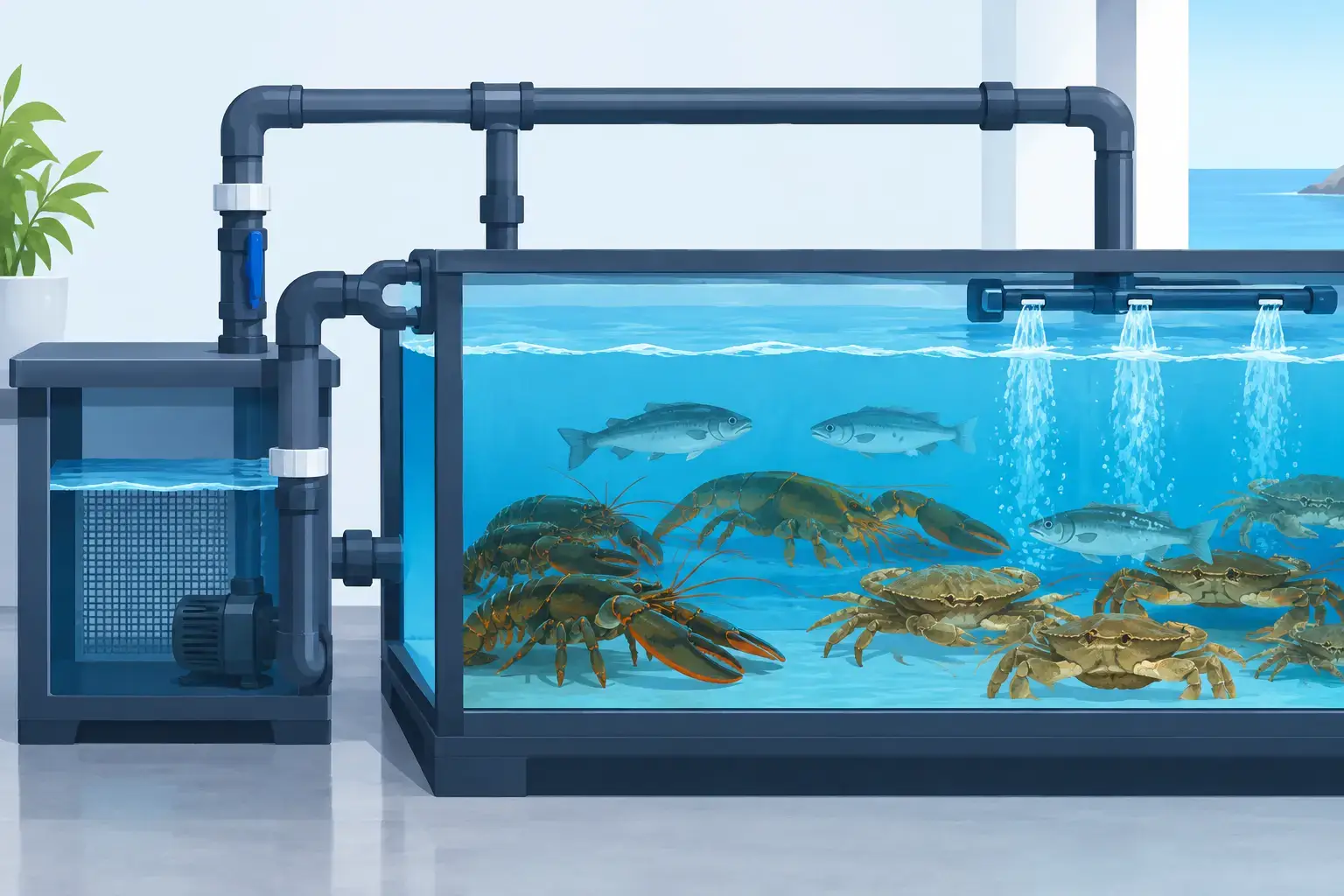
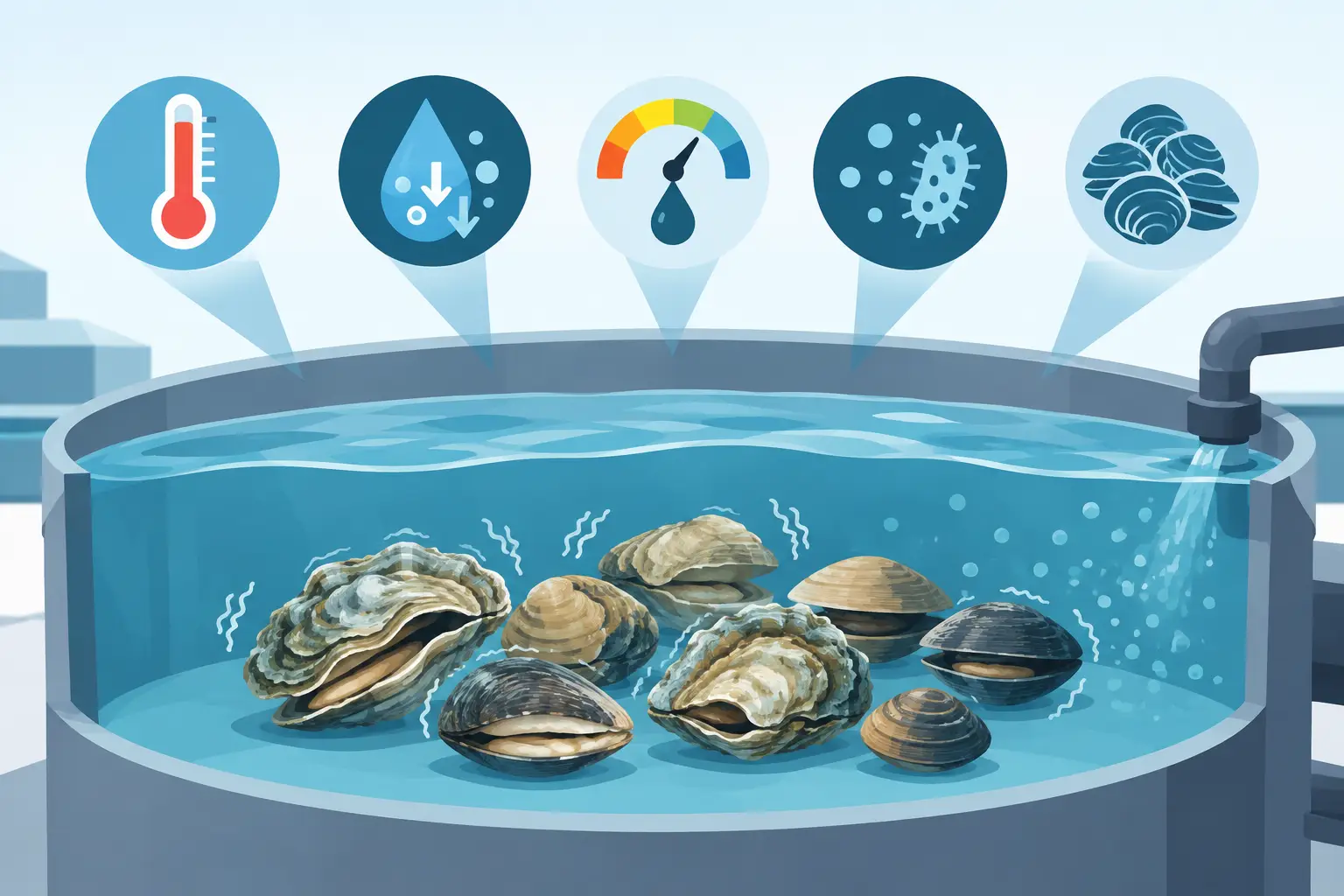
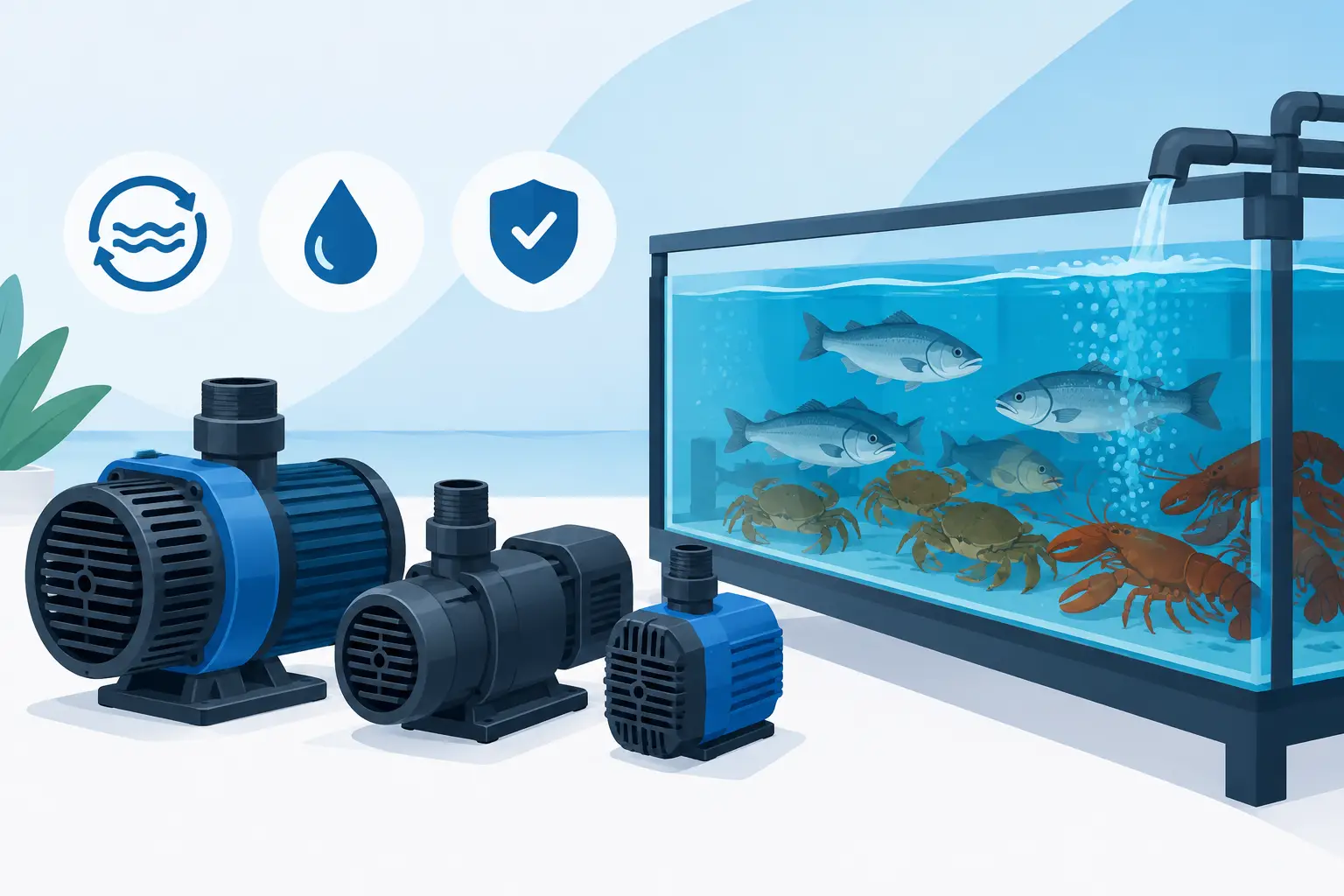
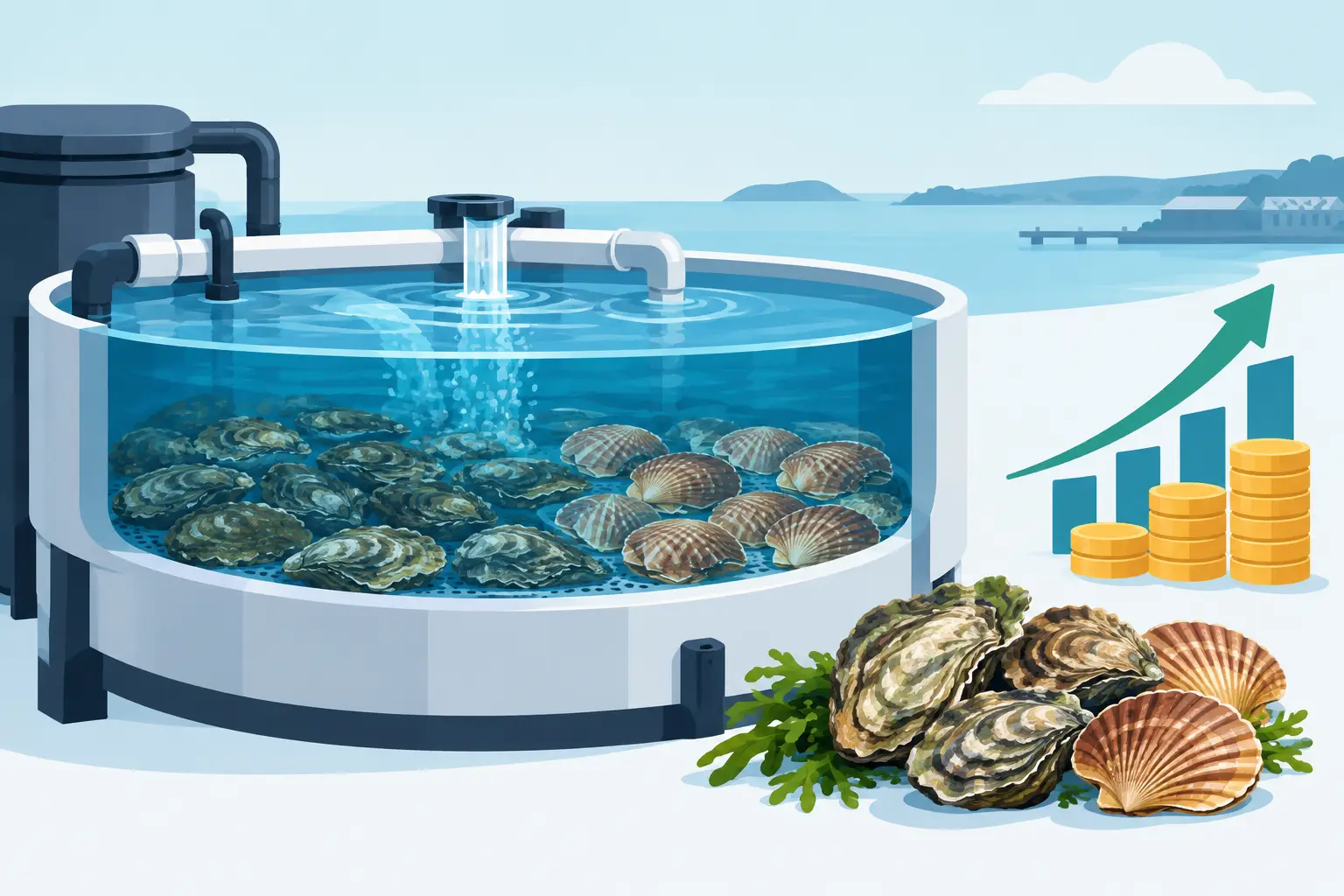
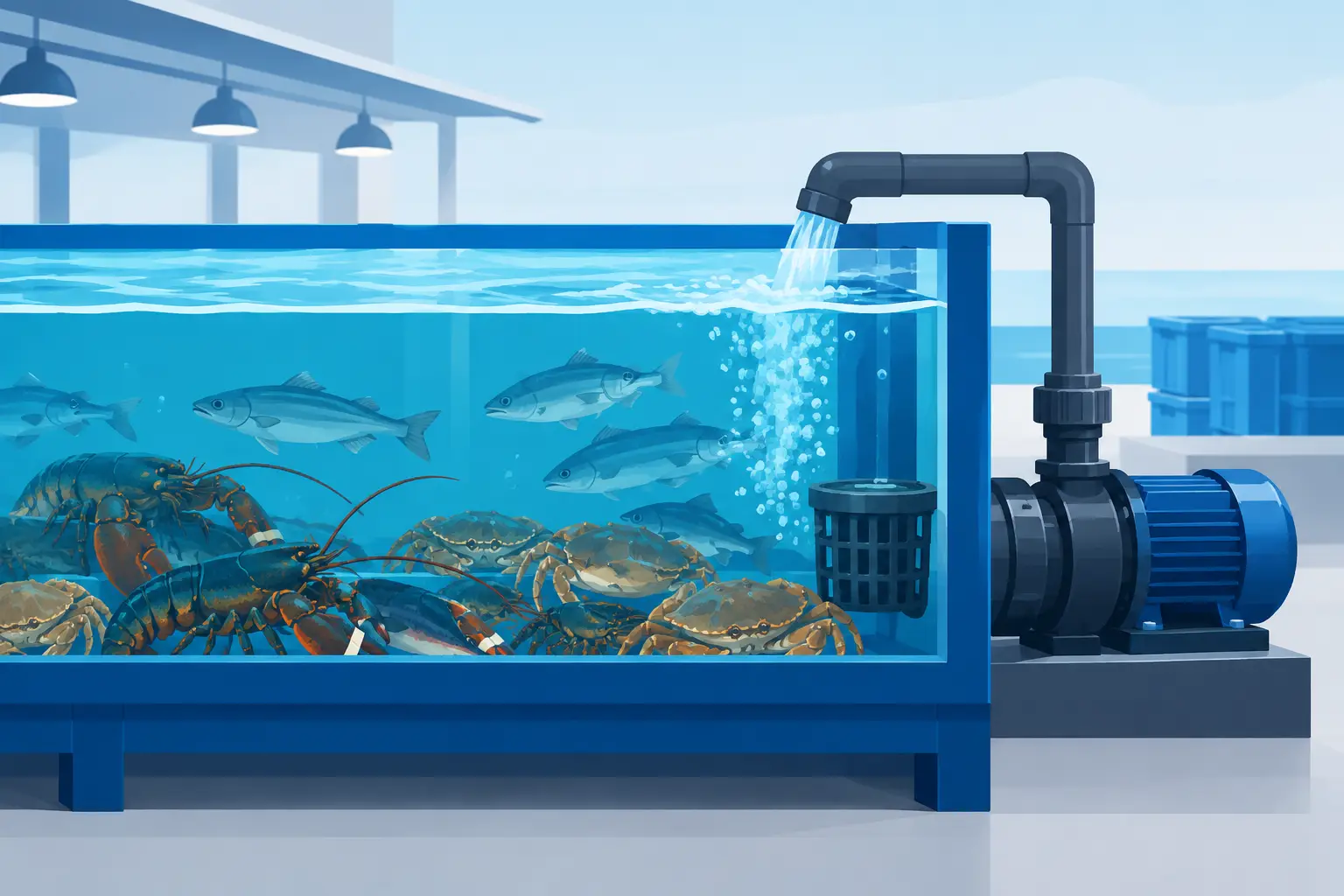
Live lobster, crab, clams, and other shellfish are highly dependent on stable water conditions. The tank system has to do more than hold water. It has to circulate, filter, oxygenate, cool when required, and remove waste at a consistent rate. When one part of that process slips, the loss can move quickly from a maintenance issue to a product loss.
What Commercial Shellfish Tank Maintenance Is Really Protecting
The first priority is animal health, but the business impact goes further. Healthy live shellfish are more active, present better to customers, and are less likely to create avoidable shrink. A well-maintained tank also helps staff work with confidence instead of reacting to dead product, foul water, low-flow alarms, or a system failure in the middle of a busy weekend.
Maintenance also protects the equipment investment. Commercial systems operate continuously in a harsh saltwater environment. Salt creep, mineral buildup, worn pump components, fouled lines, and neglected filtration media all shorten equipment life. Replacing scheduled supplies and servicing components on time costs far less than an emergency repair and the inventory loss that can come with it.
The right schedule depends on tank size, species, holding density, water temperature, store traffic, and the design of the filtration system. There is no responsible one-size-fits-all checklist. Still, every commercial operation needs clear daily observation, routine water testing, planned cleaning, and access to trained service support when the system is not performing as it should.
Daily Shellfish Tank Maintenance Starts With Observation
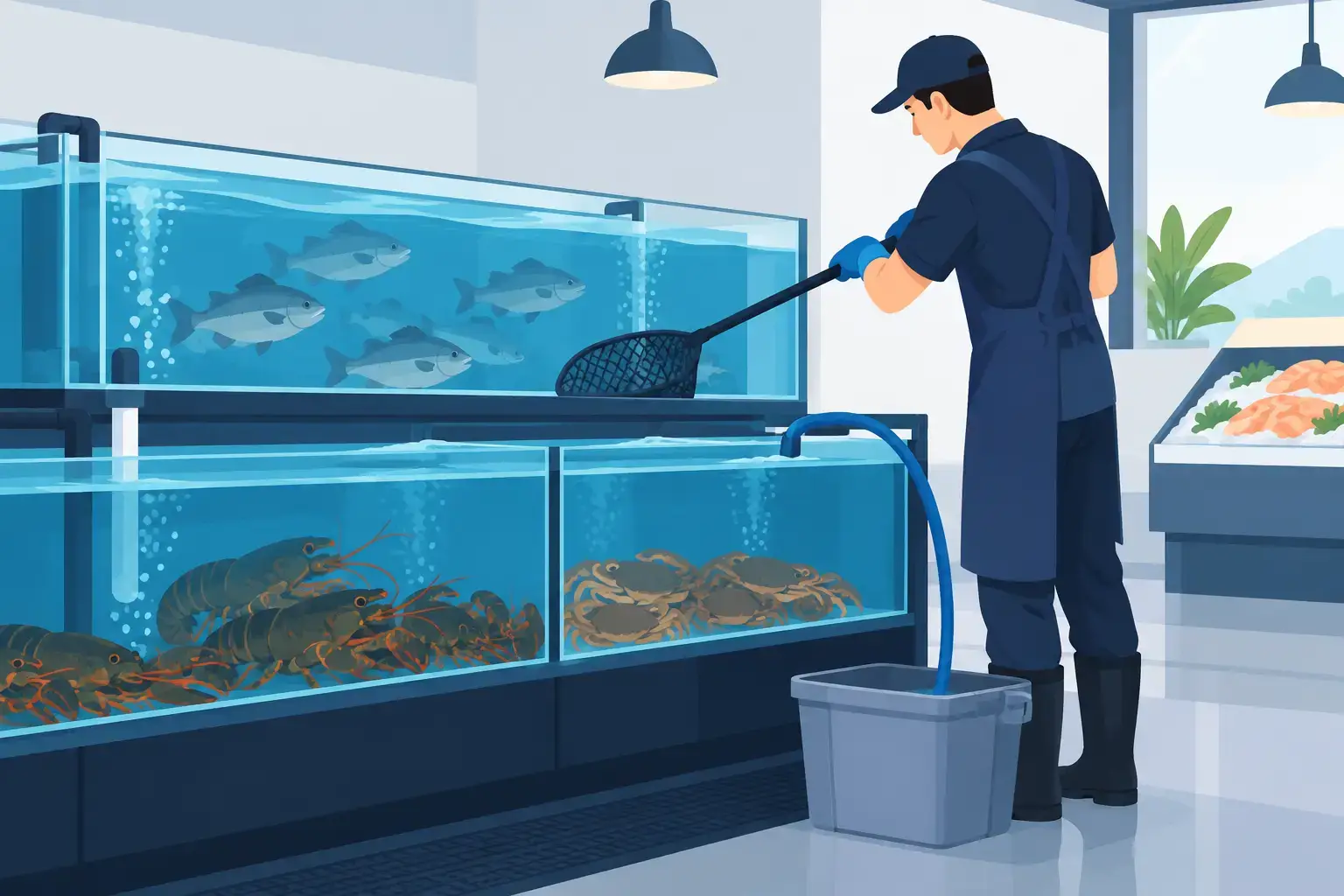
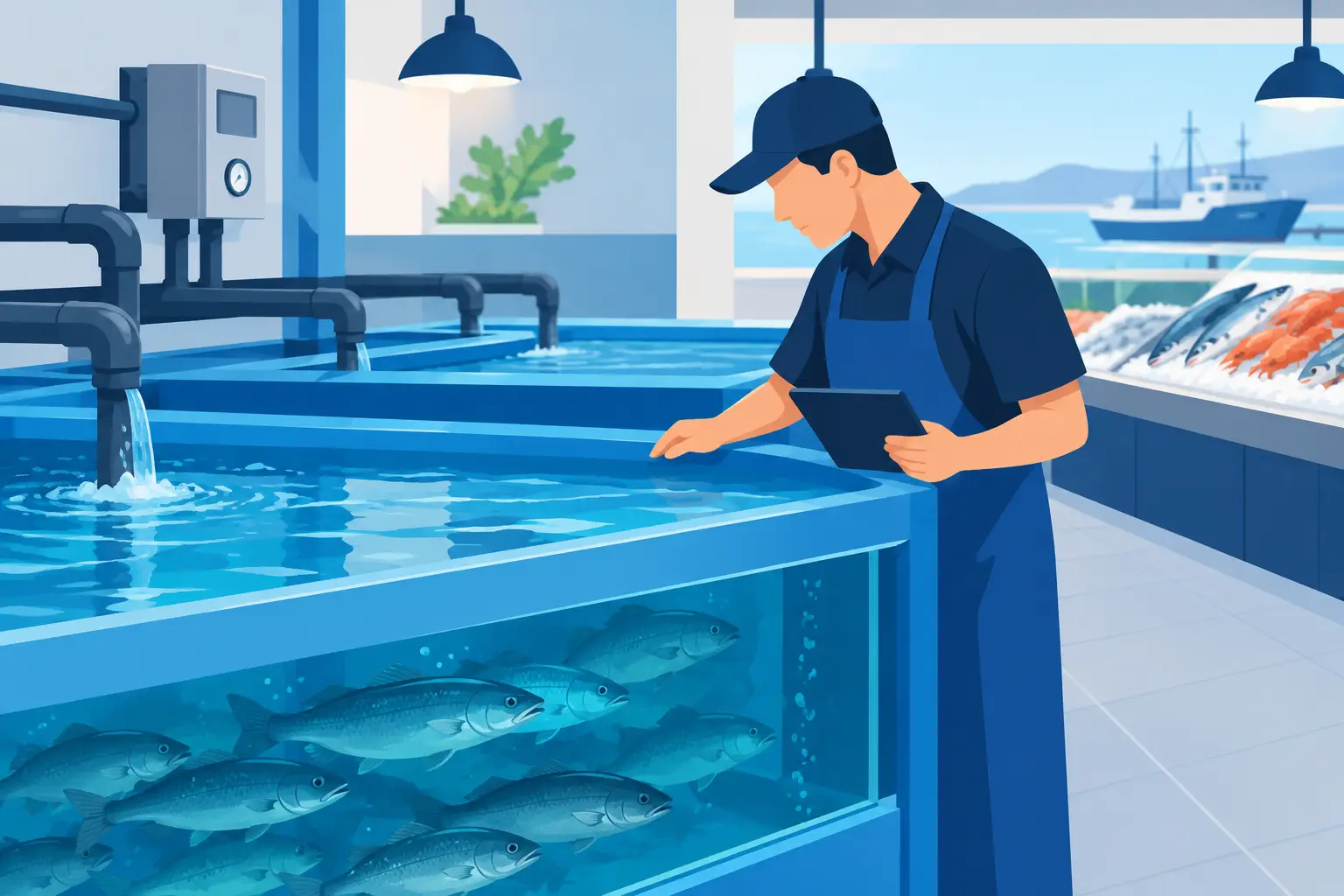
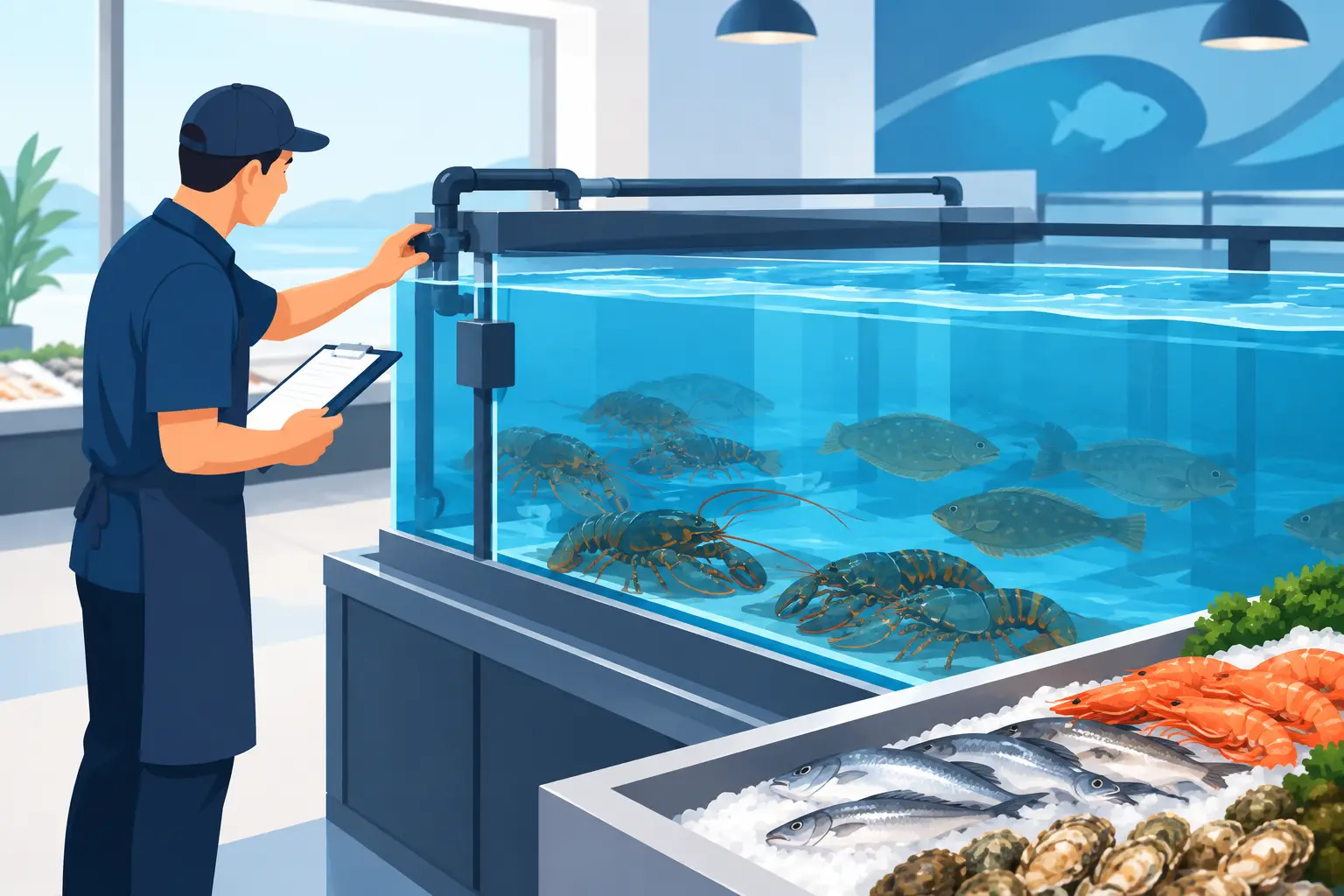
The most valuable maintenance step is often the simplest: look closely at the system every day. Staff should not only check whether animals are alive. They should inspect the condition of the water, the behavior of the shellfish, the water flow, and the equipment itself.
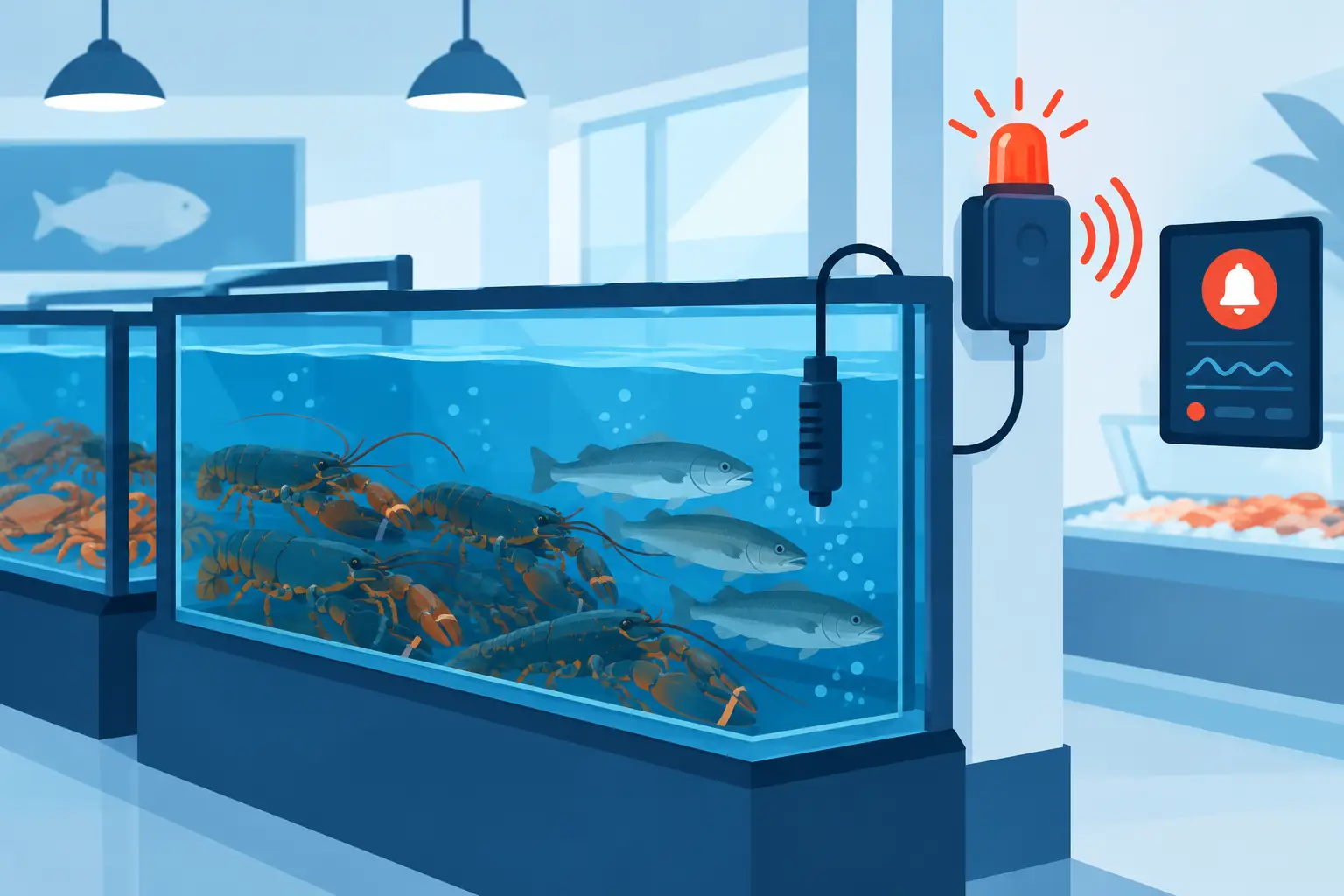
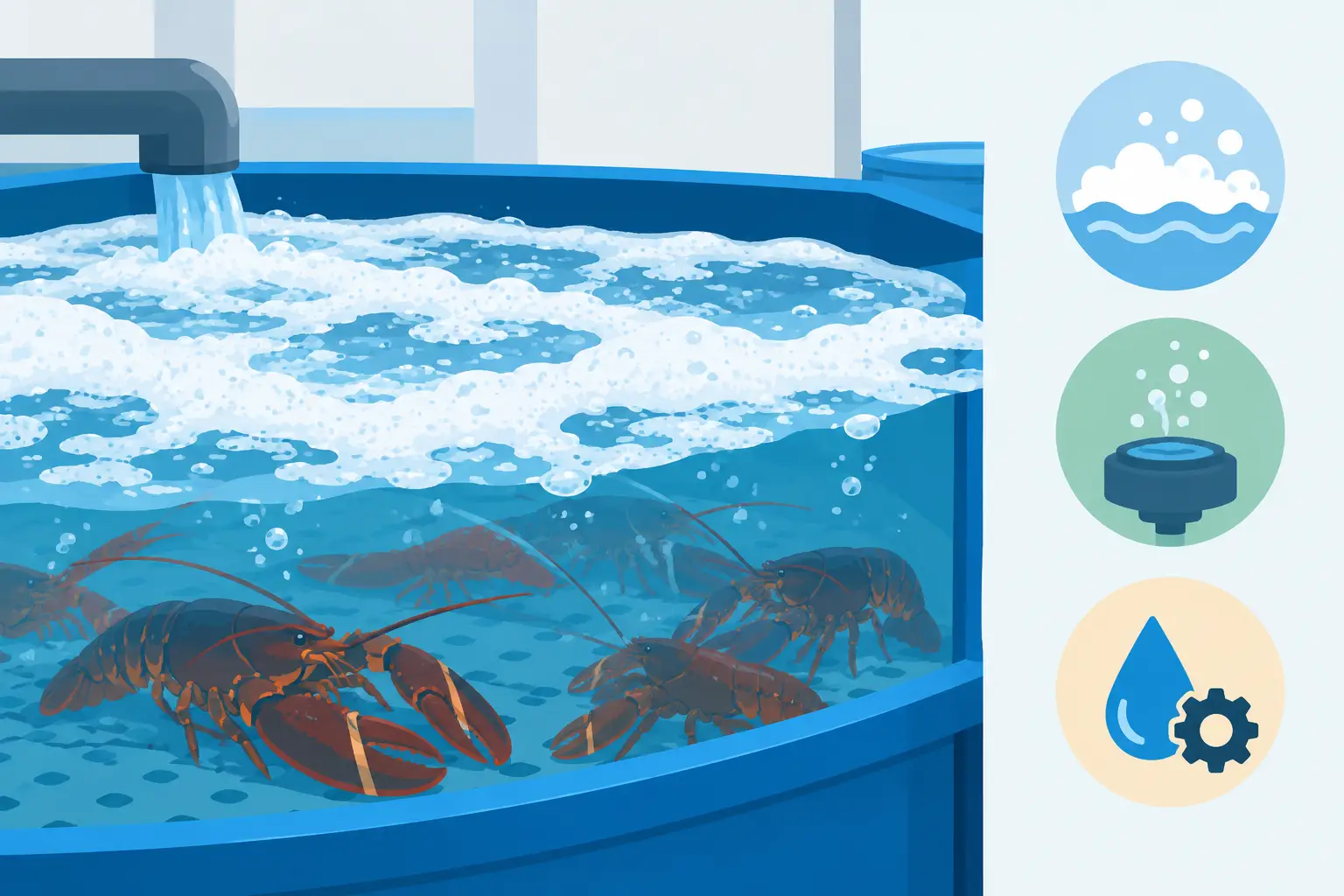
Cloudy water, foam that does not dissipate, unusual odor, excess debris, or a sudden change in animal activity deserves attention. Low flow from returns, noisy pumps, leaks around fittings, or a tank running warmer than normal can point to a problem before water quality falls out of range.
Daily observations should also include checking the water level and confirming that circulation and aeration are operating as designed. In a retail setting, a display tank may be opened and handled repeatedly throughout the day. That makes simple, documented checks especially valuable. A shift manager should be able to see what was checked, when it was checked, and whether an issue was escalated.
Do not treat dead or weakened animals as a cosmetic issue. Remove mortalities promptly and inspect for a pattern. One isolated loss may be normal. Repeated losses, lethargy, or animals crowding areas of higher flow can indicate poor water conditions, temperature problems, density issues, or a filtration system that needs attention.
Test the Water Before It Becomes a Crisis
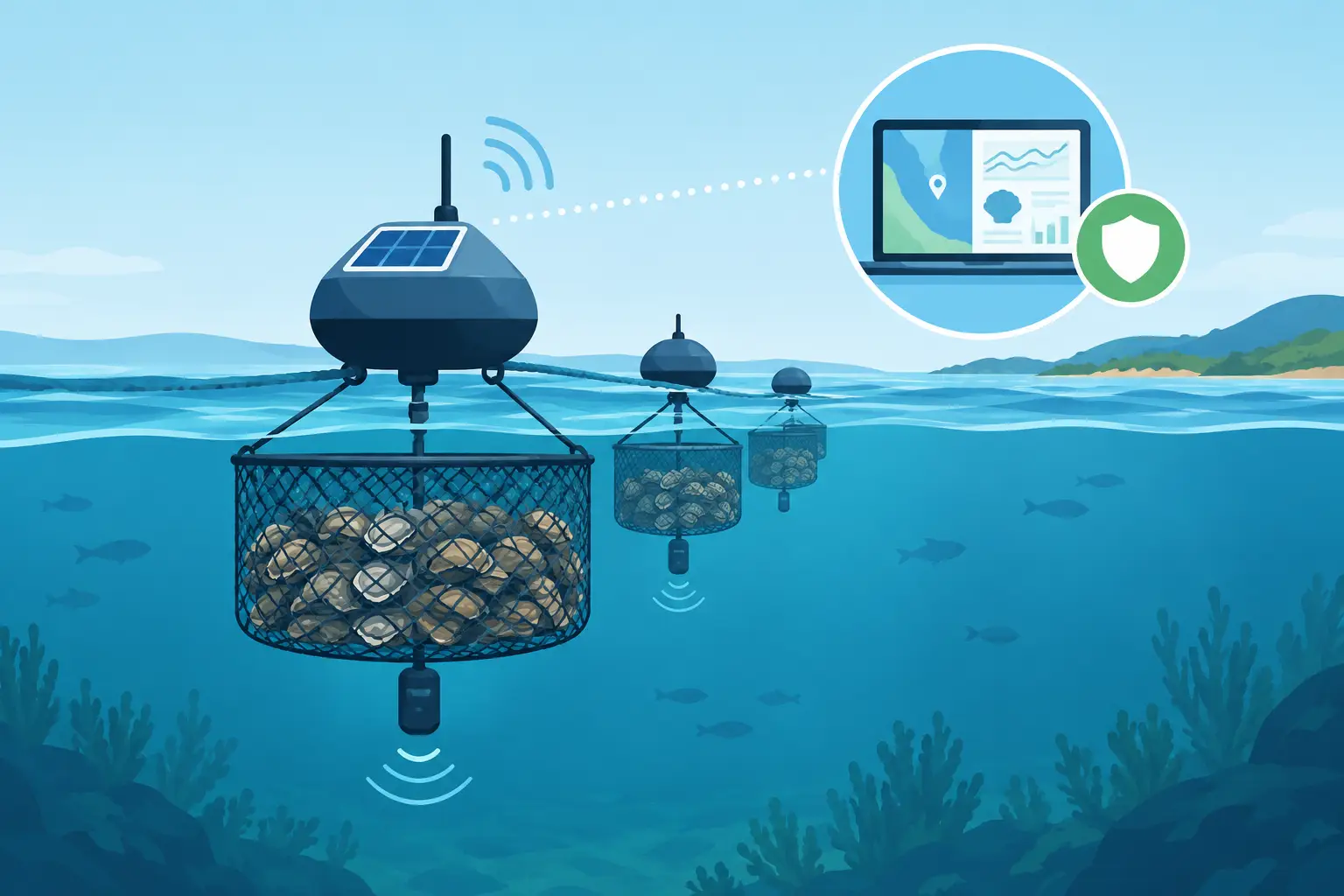
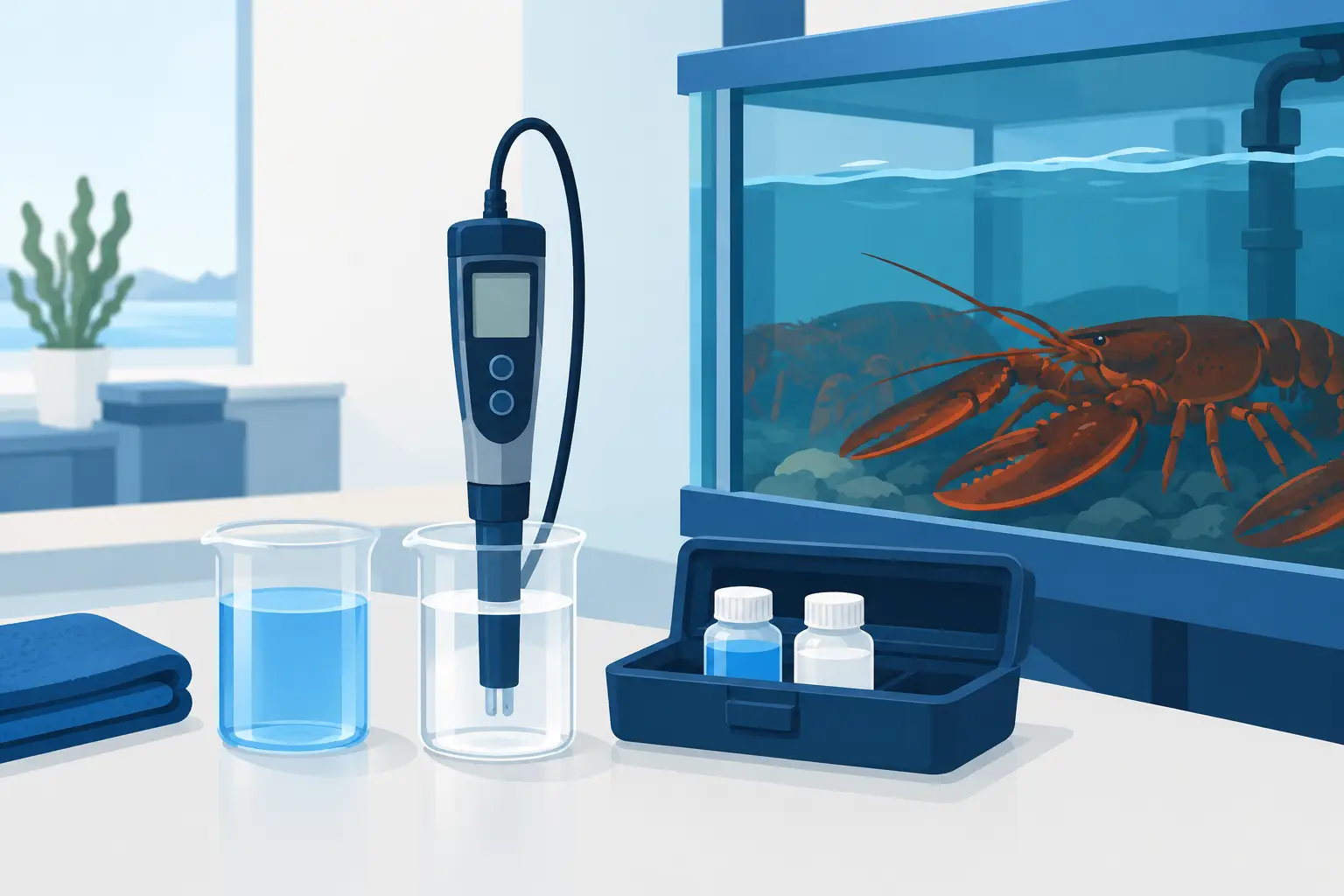
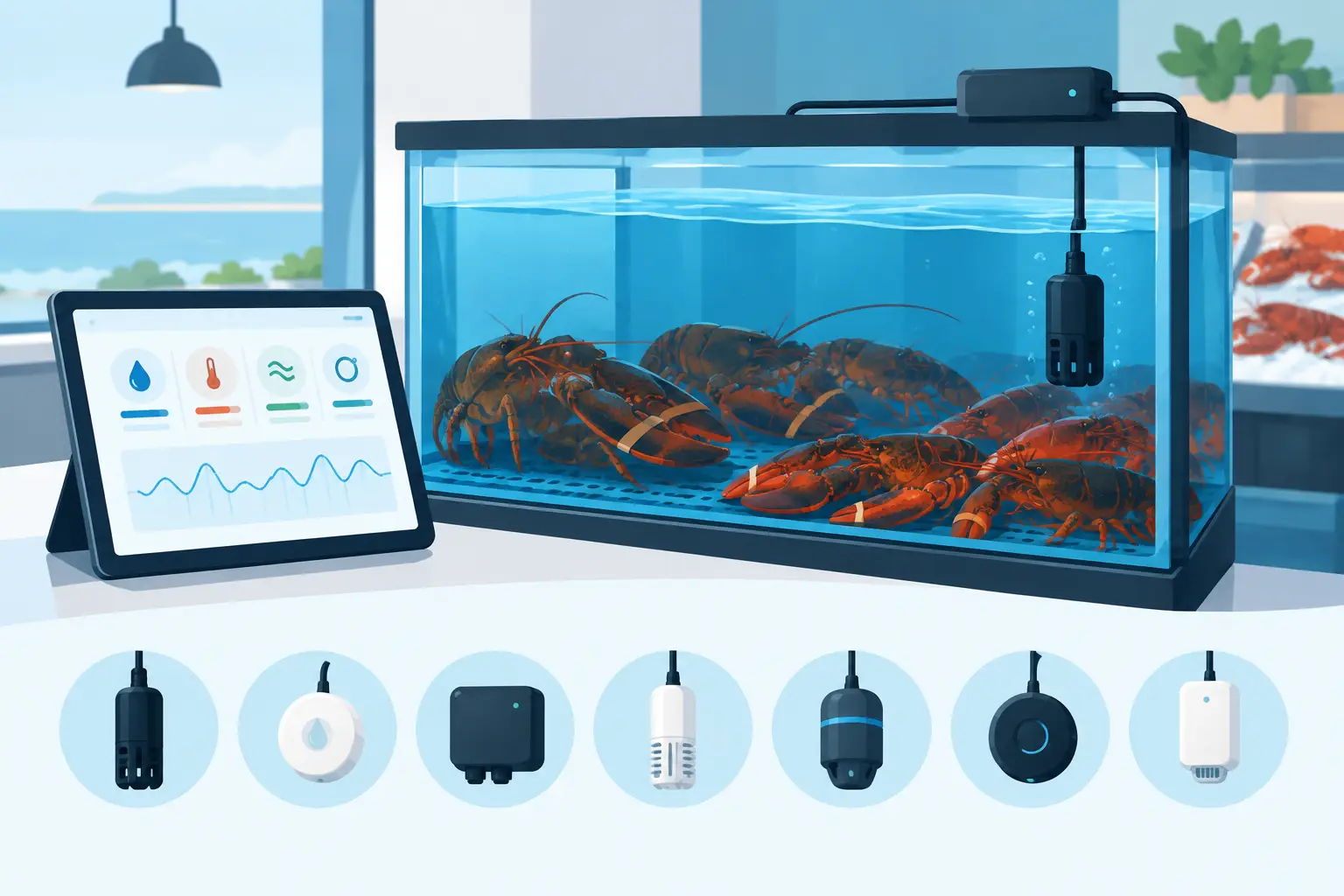
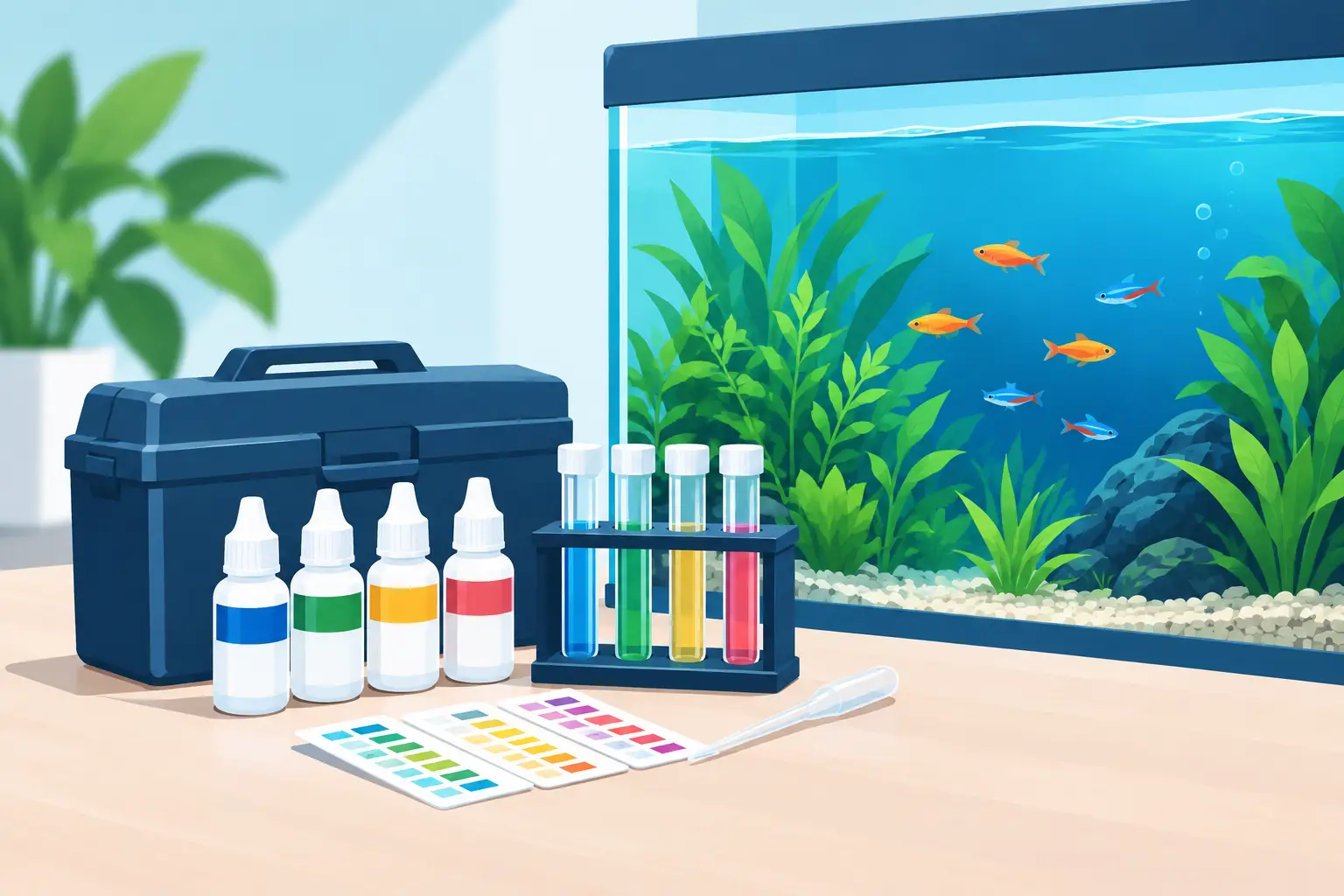
Water testing turns assumptions into operating facts. Commercial shellfish systems should be monitored for the conditions that matter most to the species being held, including temperature, salinity, pH, ammonia, nitrite, nitrate, and dissolved oxygen where applicable.
Ammonia and nitrite are particularly critical because they can rise when biofiltration is overloaded, disrupted, or not fully established. Overstocking, excess organic waste, poor feed control where feeding applies, and neglected mechanical filtration can all increase the load on the system. Clear water does not guarantee safe water.
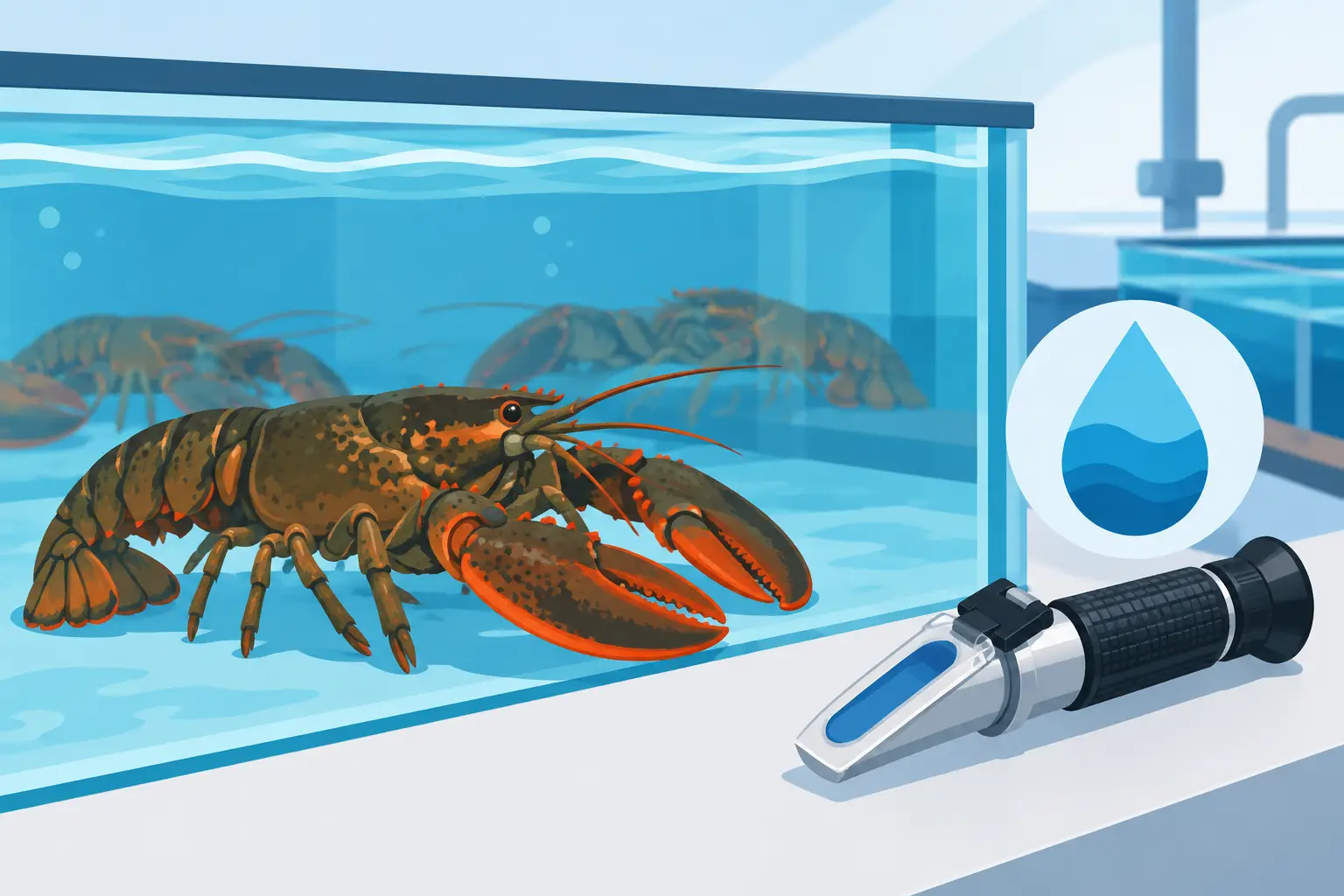
Salinity is another common source of avoidable stress. Evaporation leaves salt behind, while top-off water and water changes can shift concentration if they are not managed correctly. Use properly mixed marine salt and calibrated testing tools. Guessing at salinity based on appearance or an old gauge is not a maintenance program.
Keep a water-quality log that records results, corrective actions, and any changes to stocking or system operation. Over time, that record helps identify patterns. If ammonia rises every Friday, for example, the answer may be heavier weekend inventory, a media-change interval that is too long, or a filtration capacity issue that needs to be addressed before the next high-volume period.
Avoid Quick Fixes That Create New Problems
When a test result is off, avoid dumping chemicals into the system without identifying the cause. Abrupt changes in salinity, pH, or temperature can create another stress event. The appropriate response may involve a measured water change, media replacement, removal of organic waste, adjustment of stocking density, or a technical inspection of pumps and filtration.
That is why a commercial service partner matters. Experienced technicians can separate a short-term correction from the underlying issue, helping operators avoid the cycle of treating symptoms while the system continues to decline.
Keep Filtration Working at Its Designed Capacity
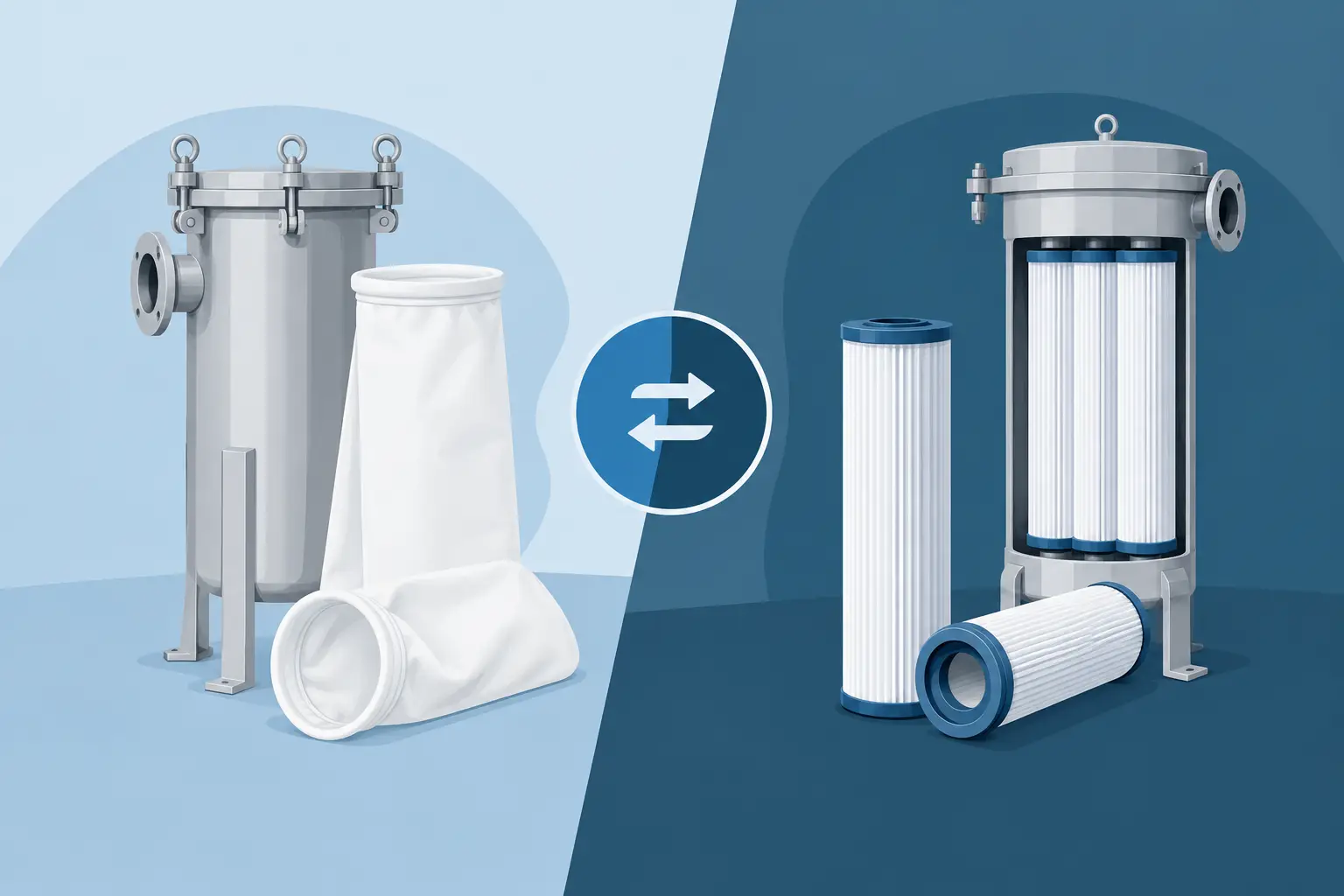
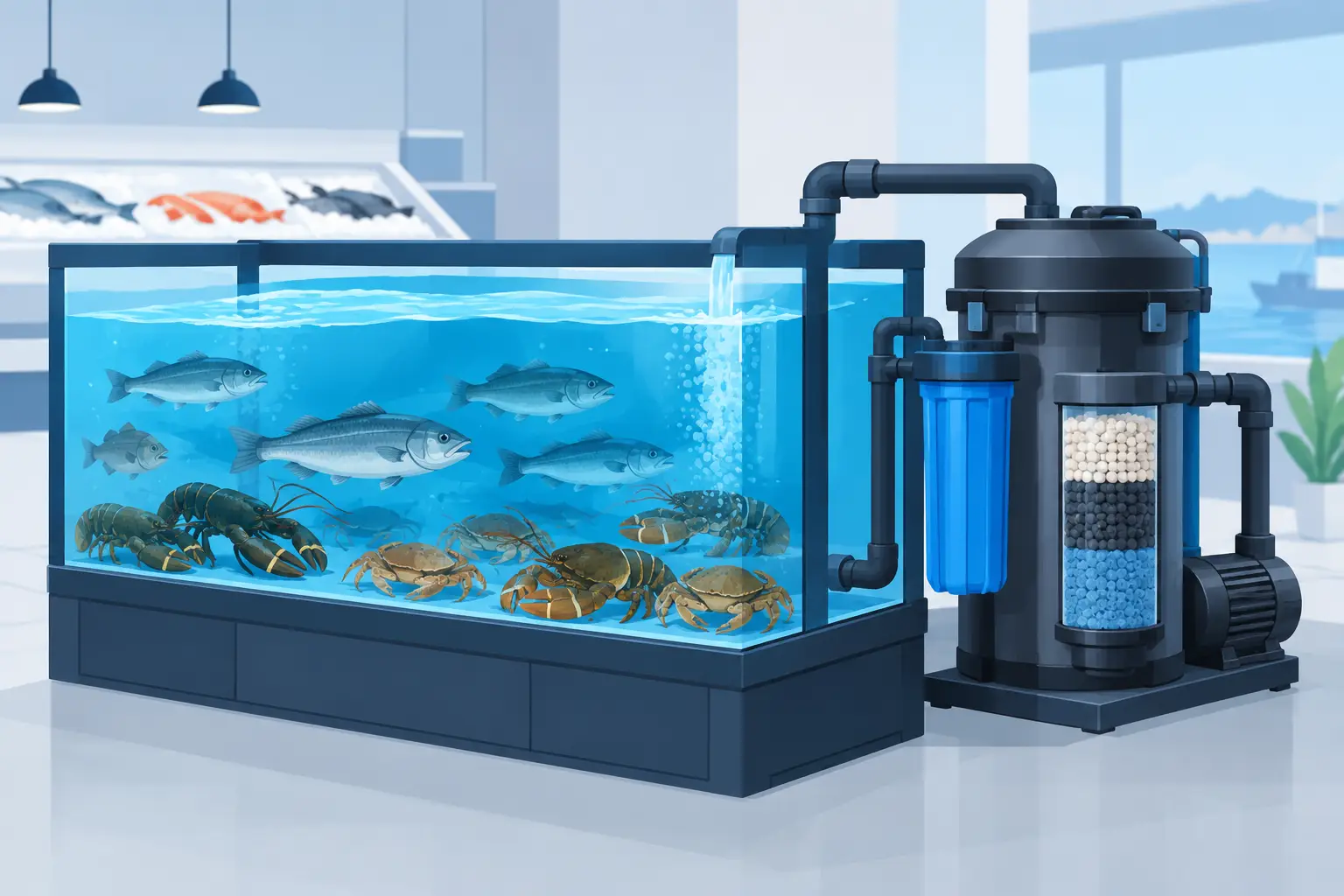
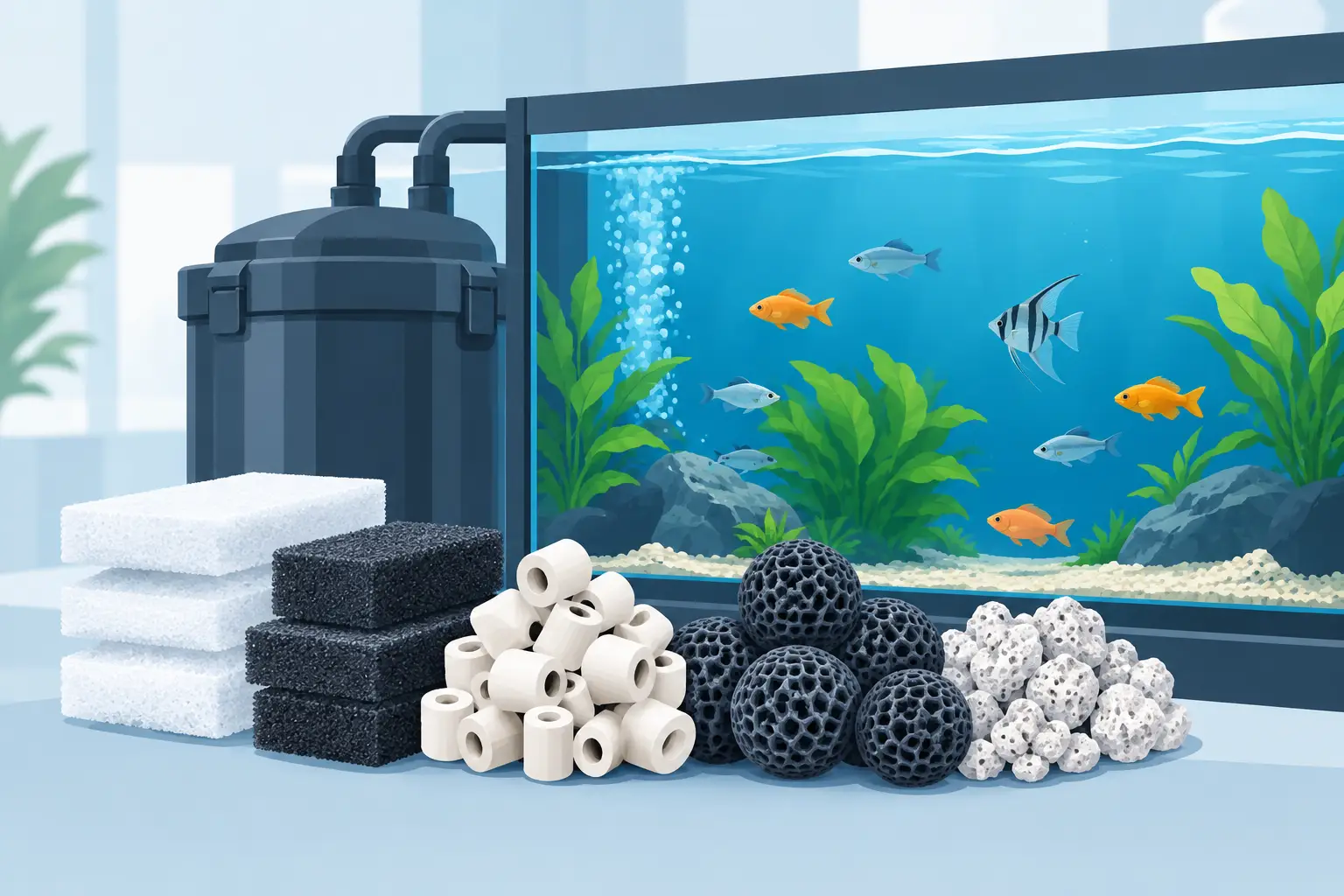
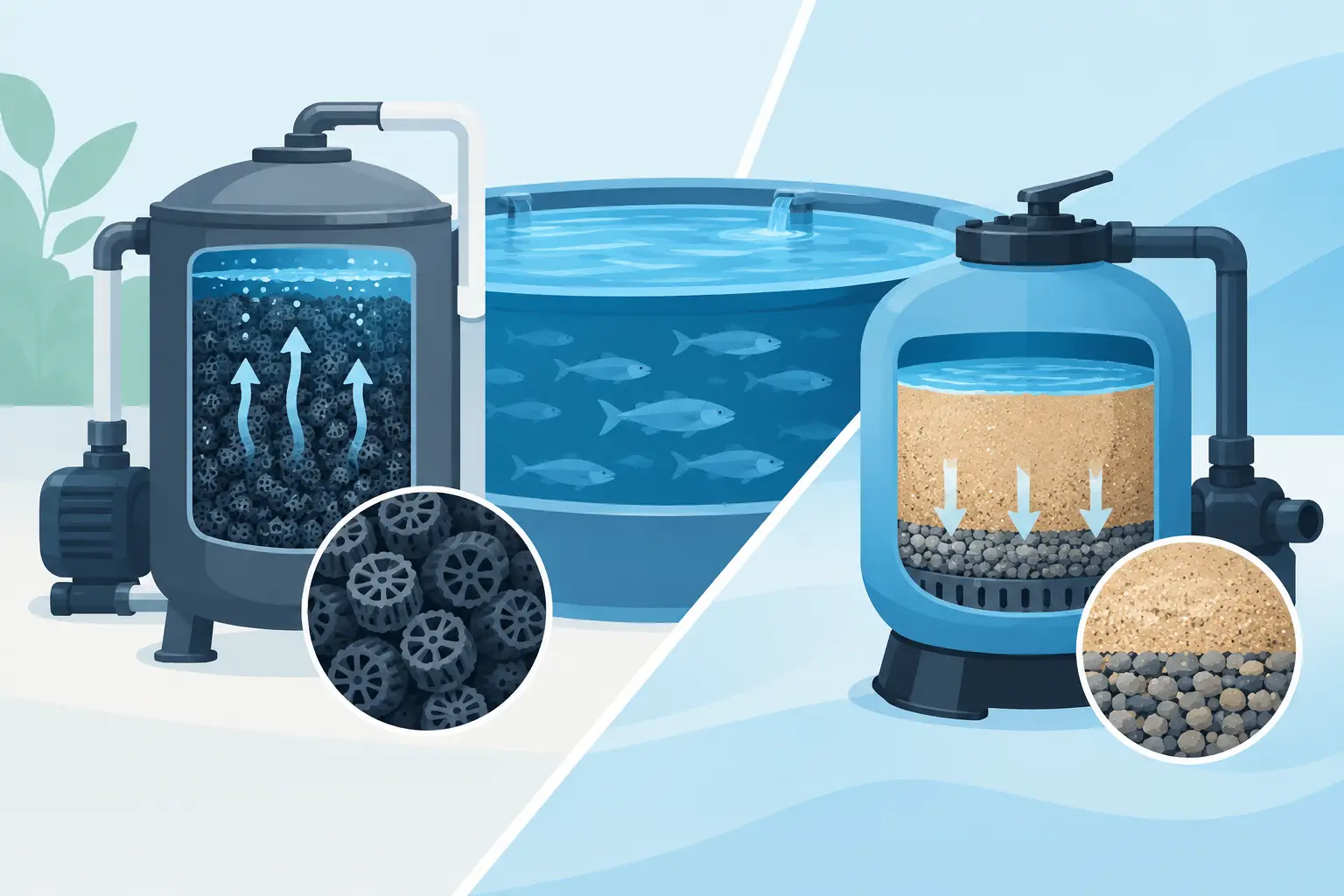
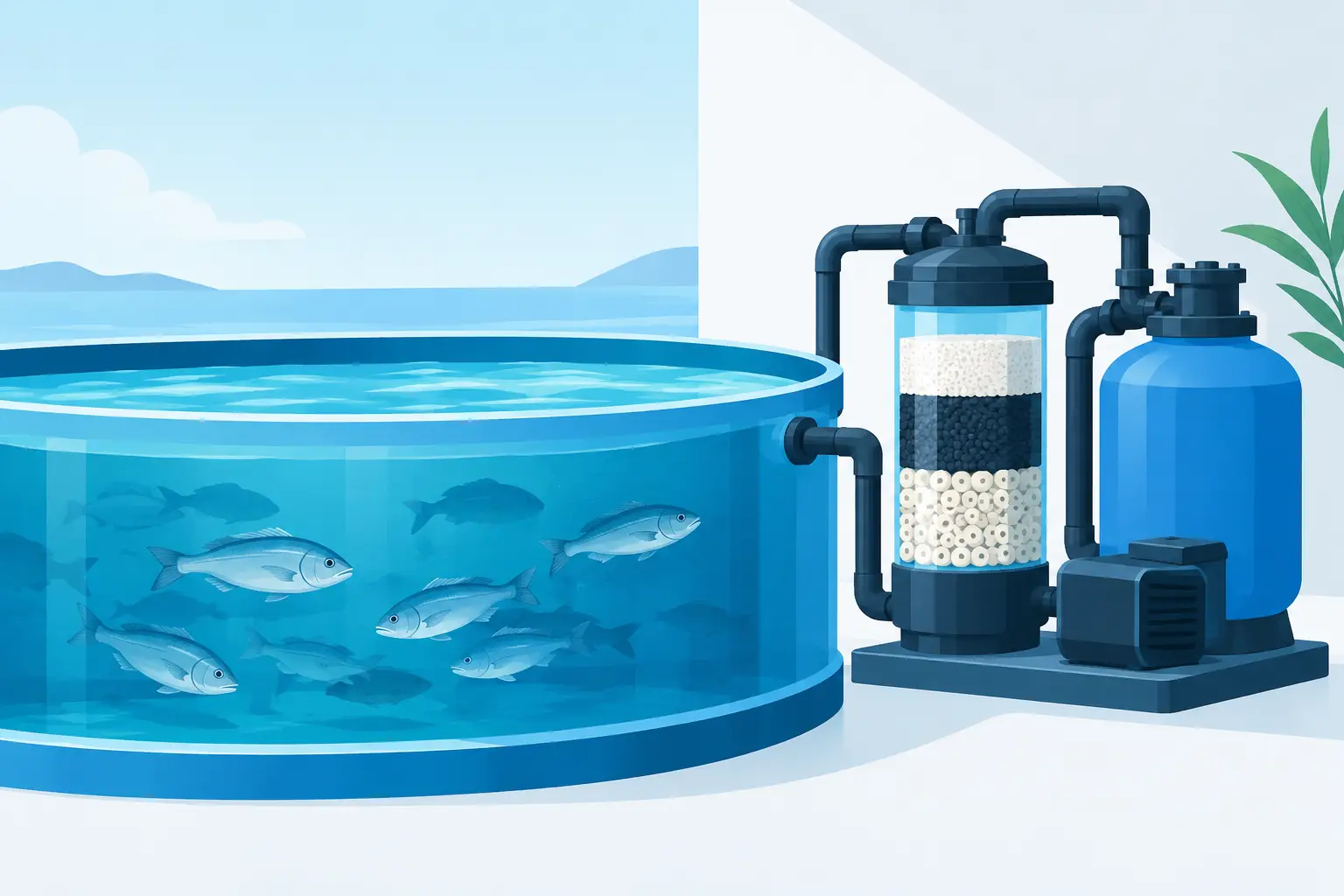
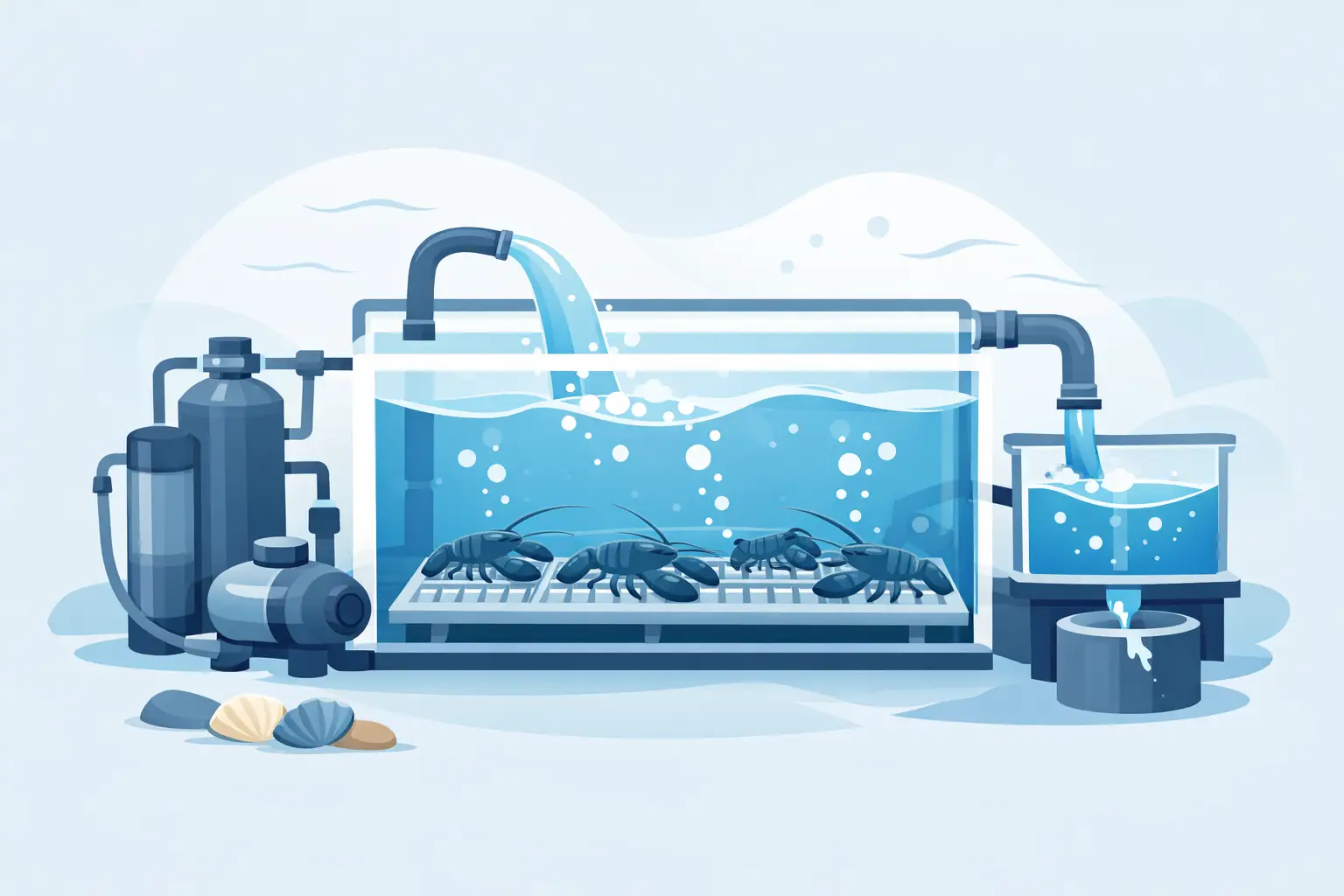
A commercial shellfish tank relies on several layers of filtration. Mechanical filtration captures solids. Biological filtration supports beneficial bacteria that process waste. Chemical media, such as activated carbon, can help manage dissolved organics and water clarity. Each layer has a job, and each needs regular attention.
Mechanical filters need frequent inspection because they can clog quickly under a heavy organic load. When flow drops, the entire system suffers. Biological media should be handled carefully. Replacing or aggressively cleaning all biological media at once can damage the bacteria population the system depends on. Chemical media has a useful life and should be changed according to the system’s needs rather than left in place indefinitely.
Pump baskets, strainers, skimmers, lines, and return nozzles also need planned cleaning. Saltwater deposits and debris restrict flow gradually, which makes neglect easy to miss until circulation is already inadequate. A scheduled inspection is better than waiting for a pump to run hot or a return line to weaken.
Use products intended for commercial marine systems. The wrong salt mix, filter media, or cleaning product can compromise water chemistry or leave residues that do not belong in a live seafood environment. Consistency in supplies matters because stable systems are built on repeatable inputs.
Clean the Tank Without Disrupting the System
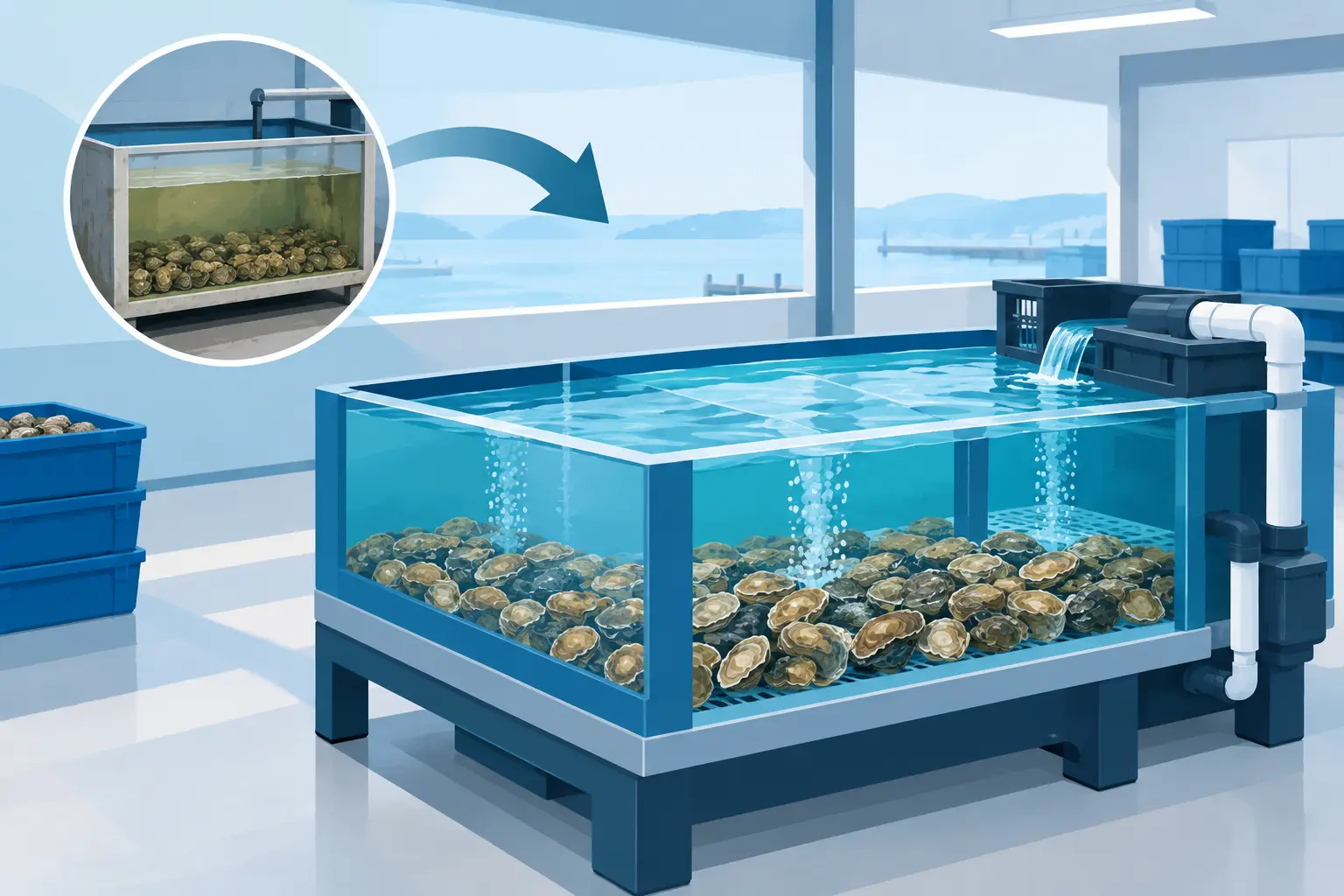
Customers judge a live display in seconds. Clean glass, orderly merchandising, and clear water signal that the product is being handled professionally. But cleaning must be done with the biology of the system in mind.
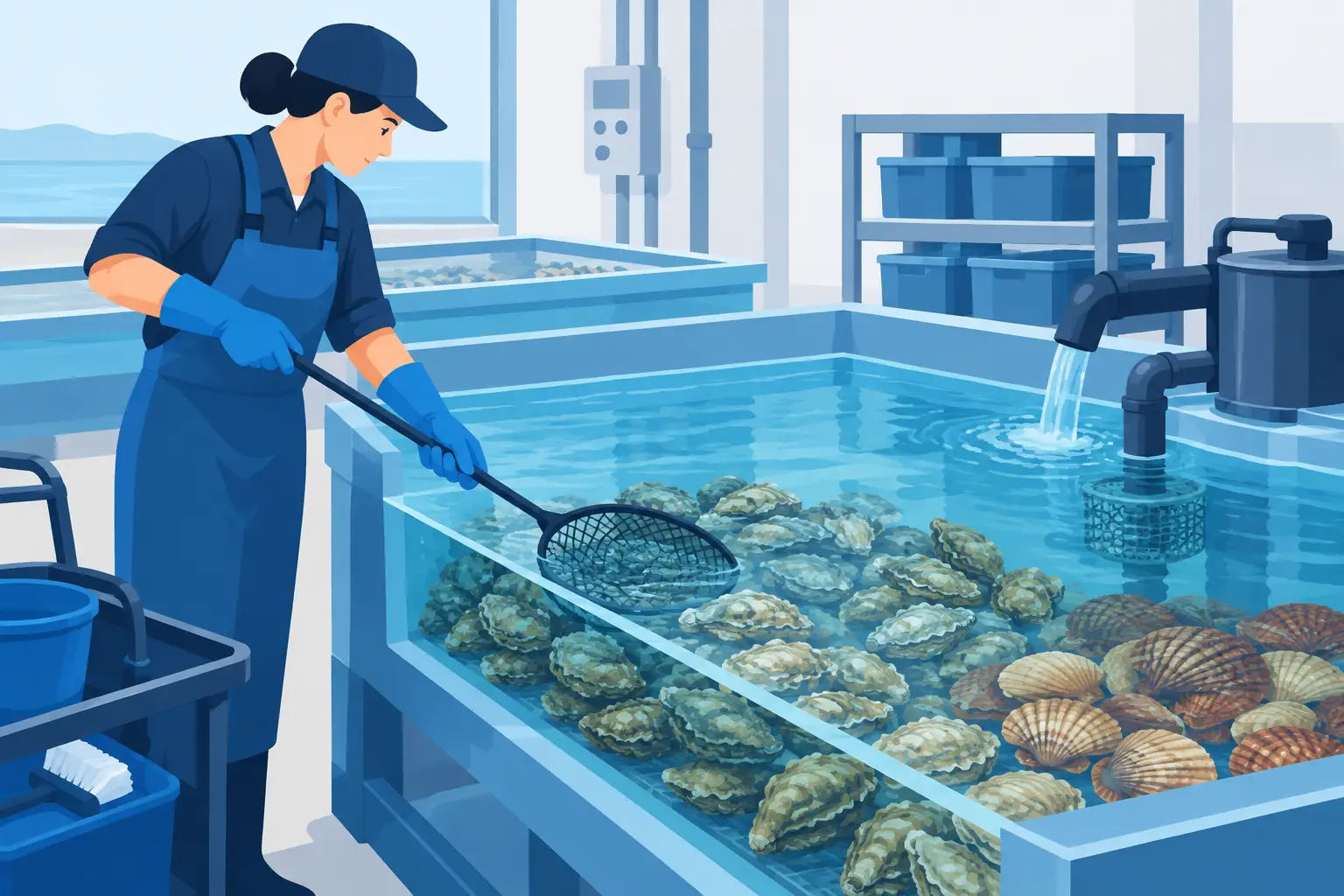
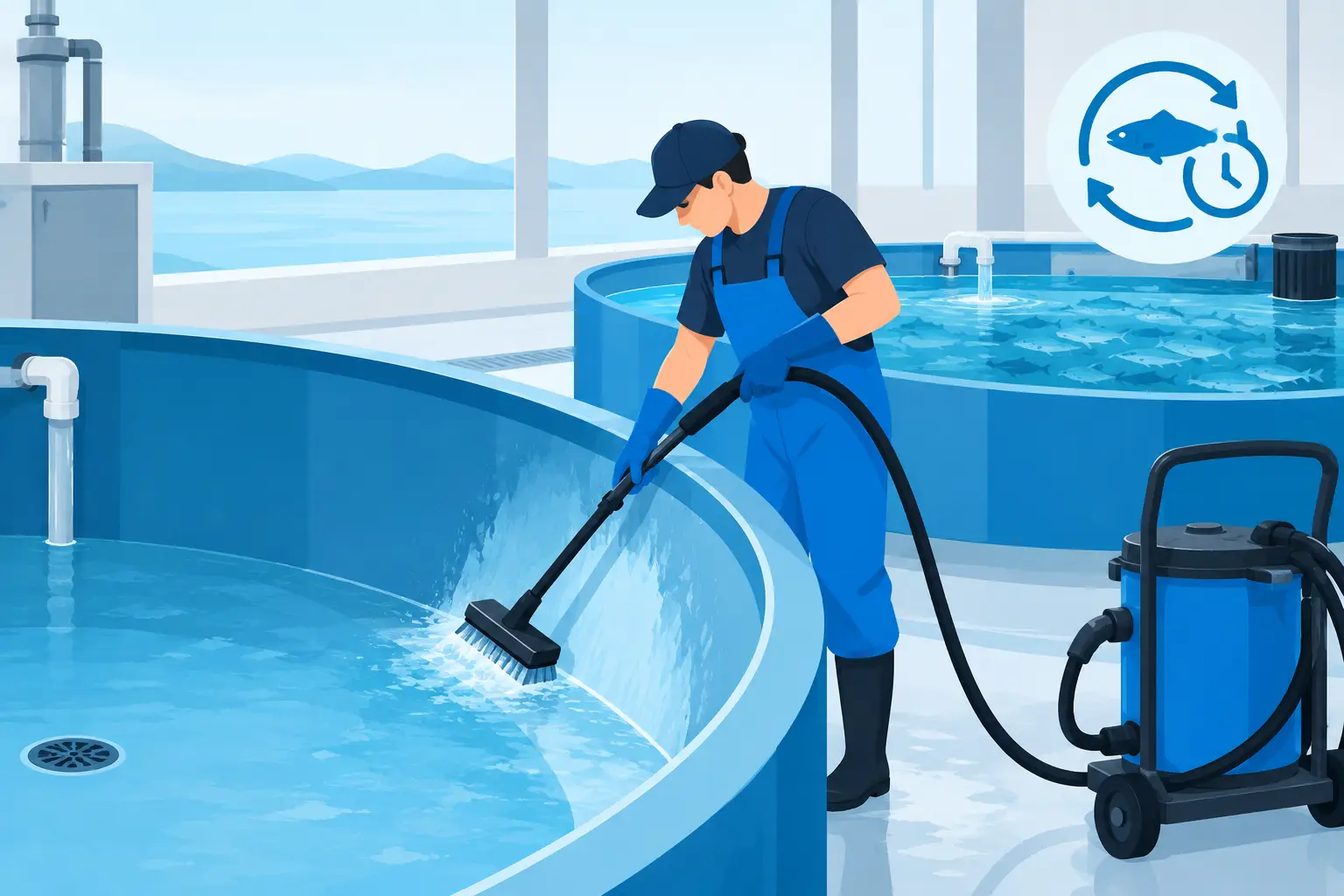
Remove debris from the tank, clean viewing surfaces with approved methods, and keep exterior components free of salt buildup. Schedule water changes and deeper cleaning around the system’s stocking load and water-test results. A poorly timed or overly aggressive cleaning can disturb beneficial bacteria and create water instability, especially in a smaller system or a tank carrying a heavy live load.
Staff training is part of sanitation. Employees should know which tools are dedicated to the tank, what cannot be used near the water, how to handle animals with minimal stress, and when to report a concern. A clean tank maintained with the wrong process is not truly a well-maintained tank.
Know When Routine Maintenance Needs Professional Service
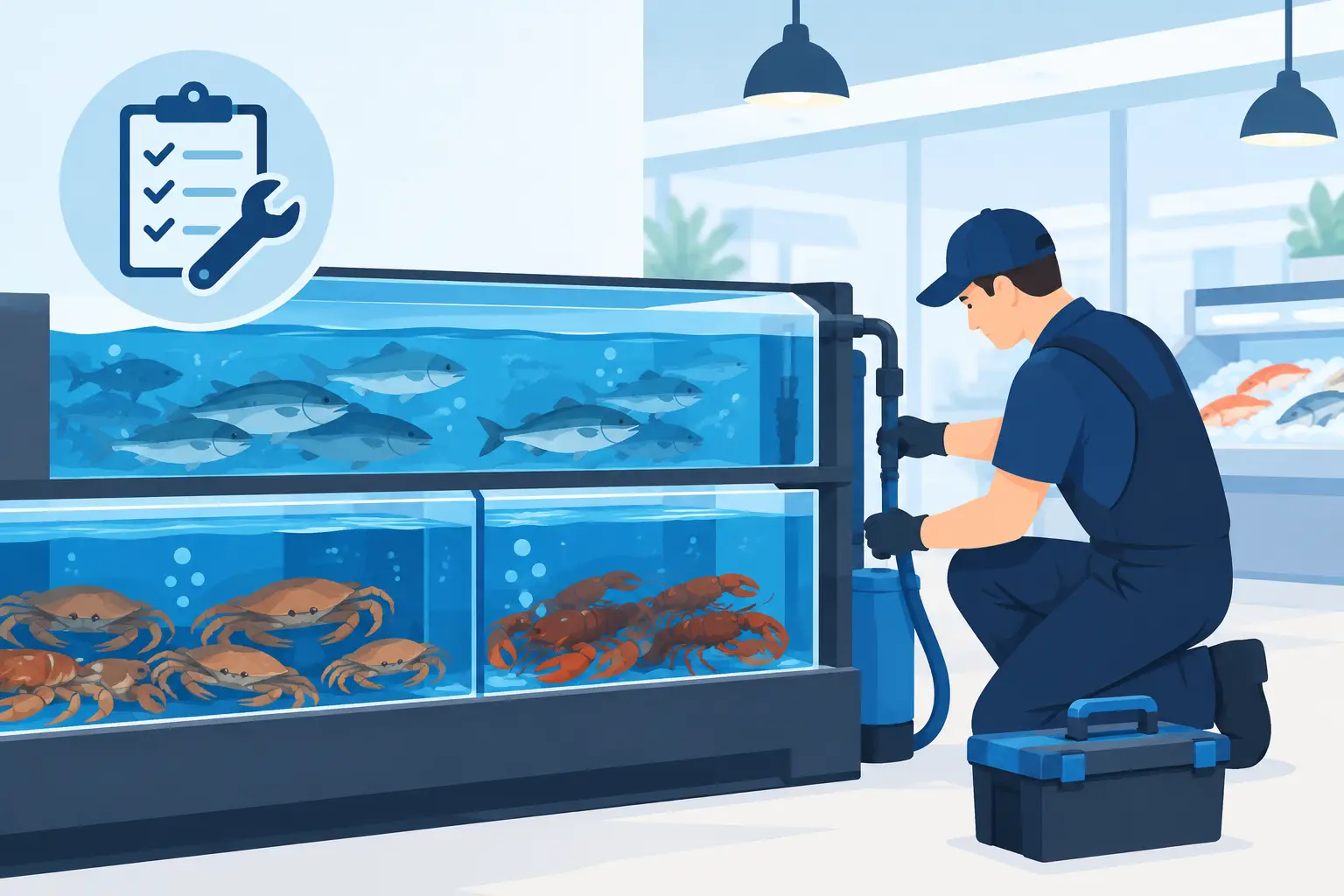
Some tasks belong in the daily operating routine. Others call for technicians who understand commercial seafood systems, marine filtration, refrigeration interfaces, plumbing, electrical components, and the consequences of downtime.
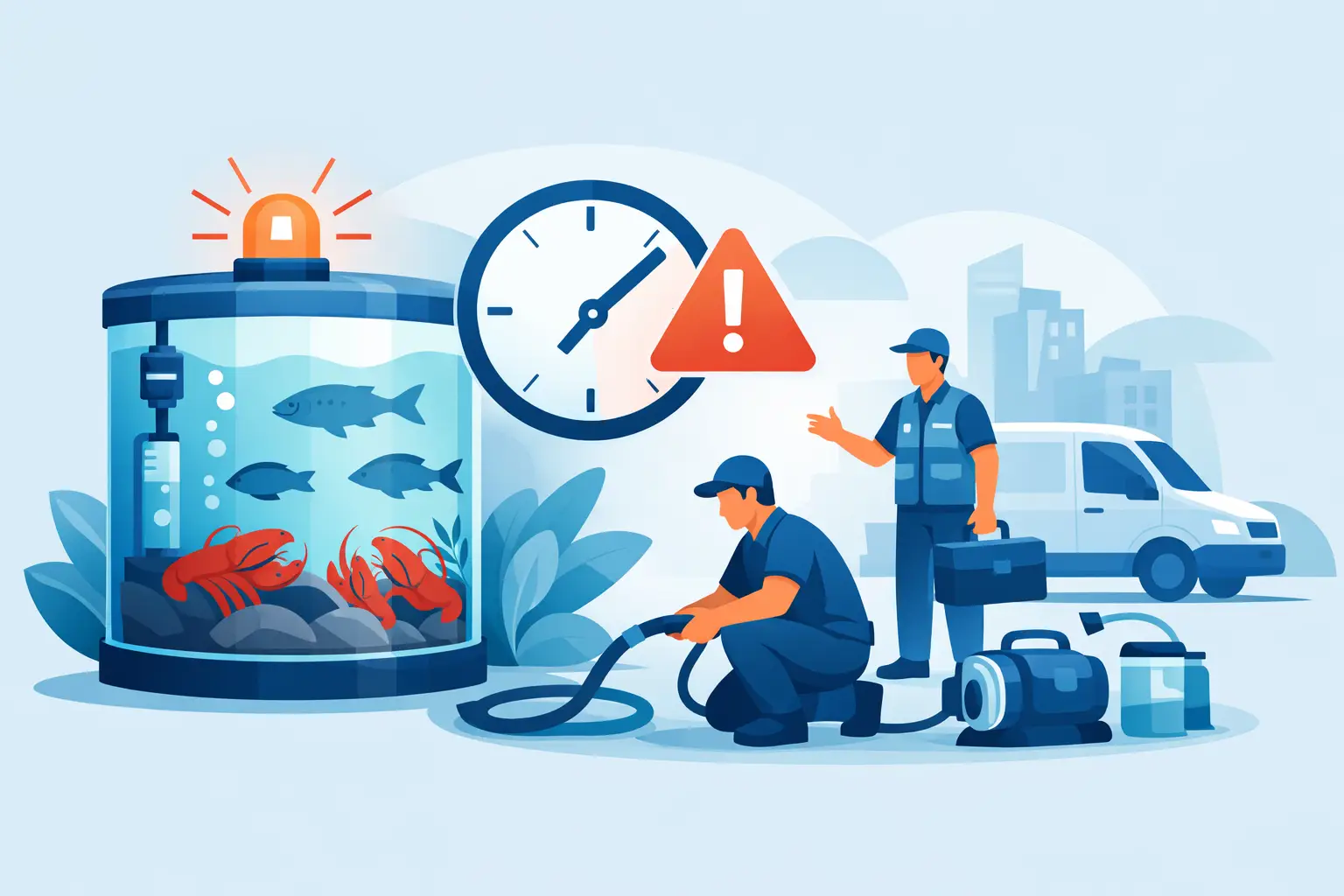
Bring in professional support when water quality does not respond to normal corrections, pump flow repeatedly drops, equipment is leaking or making unusual noise, temperature control is inconsistent, or mortality rises without a clear explanation. It is also smart to schedule preventative service before peak seasonal demand, store remodels, new department openings, or major changes in live inventory volume.
Lobster Life Systems has supported commercial live seafood operations since 1989, with custom-built systems, marine salt, filtration supplies, maintenance, and technical support available from one experienced source. For an operator, that means fewer handoffs when the tank needs more than a quick adjustment.
Build a Maintenance Plan Around Your Actual Operation
The best maintenance plan is specific enough that staff can follow it and flexible enough to respond to changing conditions. A high-volume supermarket tank during holiday season does not have the same demands as a small specialty market holding limited inventory. Holding lobster is not identical to holding other shellfish, either.
Assign clear ownership for daily checks, keep supplies on hand before they are urgently needed, document water results, and set service intervals based on operating history. If your team is constantly reacting to alarms, cloudy water, or equipment failures, the schedule is not protecting the operation. It needs to be tightened, supported, or redesigned.
A dependable tank should let your seafood team focus on selling exceptional live product, not wondering whether the system will make it through the weekend. Treat the maintenance plan as part of your seafood program, and the tank becomes the reliable merchandising asset it was built to be.