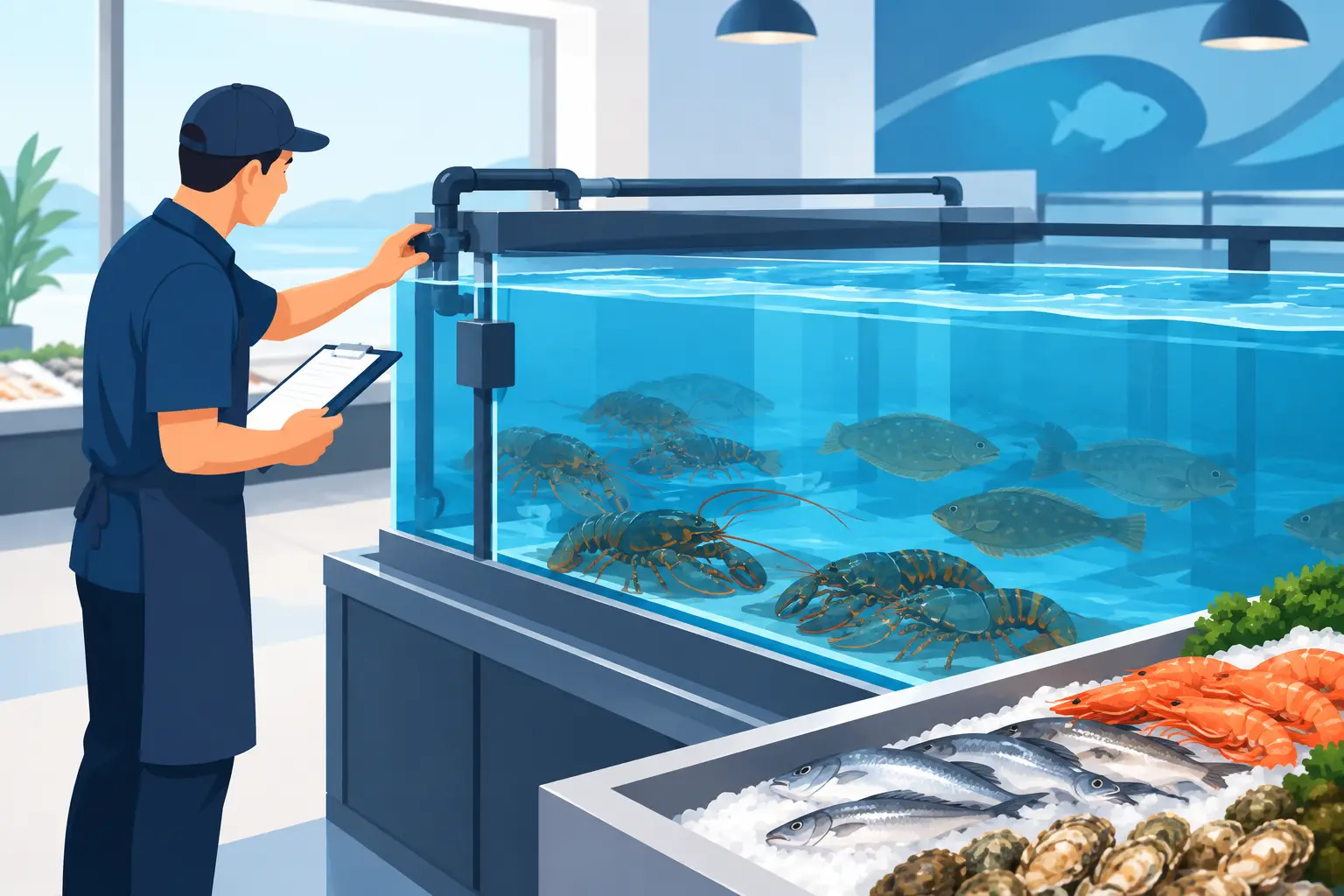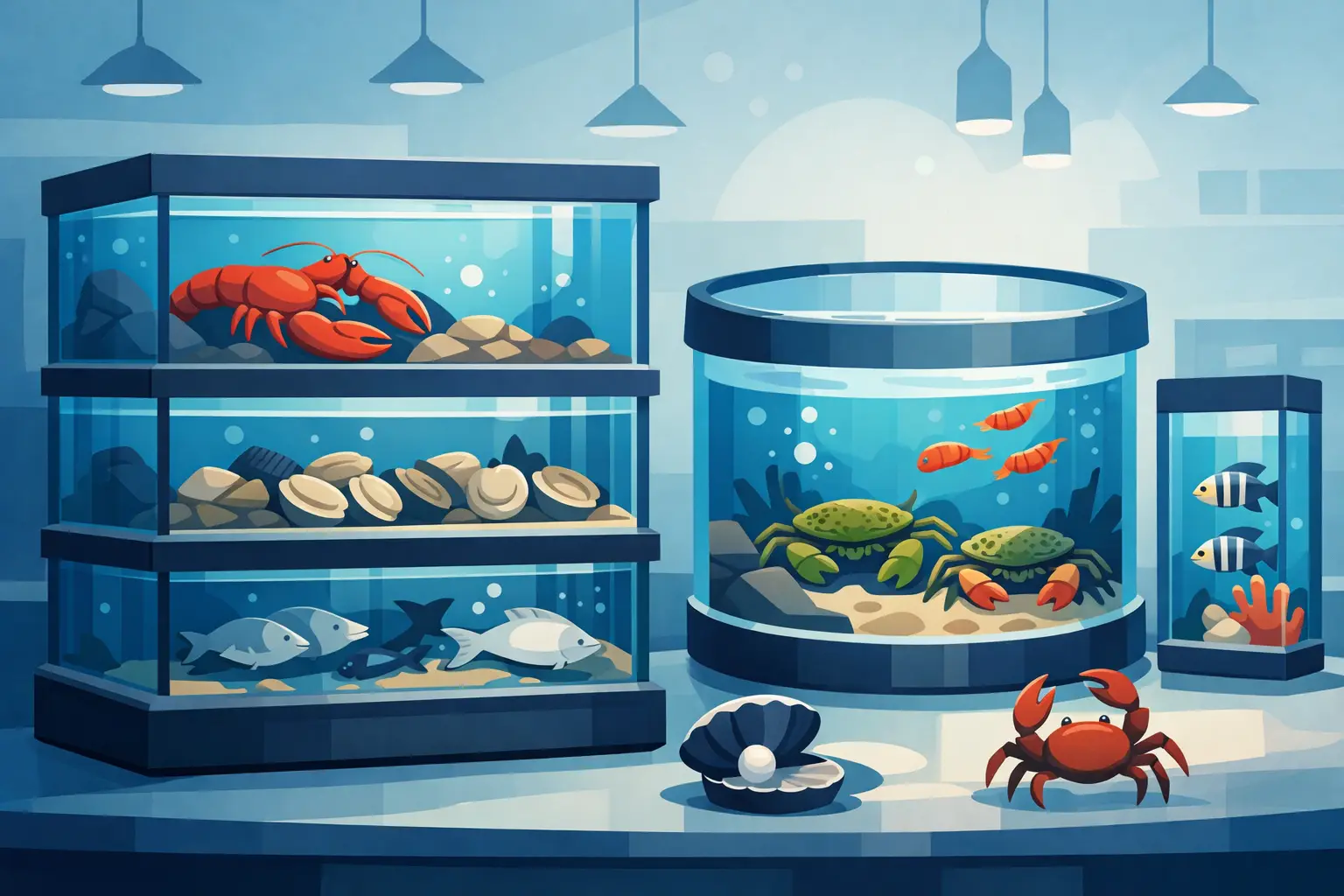

A lobster tank is not a display fixture that happens to hold inventory. It is a live-holding system that protects a high-value product until the moment of sale. This restaurant lobster system planning guide is built for operators who need the tank to look good on the floor, perform consistently behind the scenes, and support profitable seafood sales without creating a daily headache.
The right system starts with a clear operating plan. Tank capacity, placement, water treatment, utility access, delivery schedules, staff routines, and service coverage all affect the condition of the lobster in the tank. Get those decisions right before installation, and the system becomes a dependable part of the operation rather than a recurring source of loss.
Start With the Sales Plan, Not the Tank Size
The first question is not, “How large a tank can fit here?” It is, “How many lobsters must this location hold and sell at a normal pace?” A restaurant with a modest live-lobster program has different needs from a seafood market with weekend volume spikes, holiday demand, and multiple size grades on hand.
Estimate your normal live inventory, then plan for your busiest expected period. Consider delivery frequency, average time each lobster remains in the system, seasonal demand, and whether the tank will hold only lobster or other shellfish as well. Overstocking a smaller tank may look efficient on paper, but it increases stress on the animals, adds pressure to the filtration system, and leaves less margin when a shipment is larger than expected.
Capacity should also reflect how you sell. If customers choose from a visible tank, presentation matters. A crowded tank can make selection difficult and may undercut the clean, premium image a live seafood display should create. If the tank is primarily back-of-house holding, access for staff, lifting, cleaning, and order fulfillment deserves more weight in the layout.
Restaurant Lobster System Planning Guide: Pick the Right Configuration
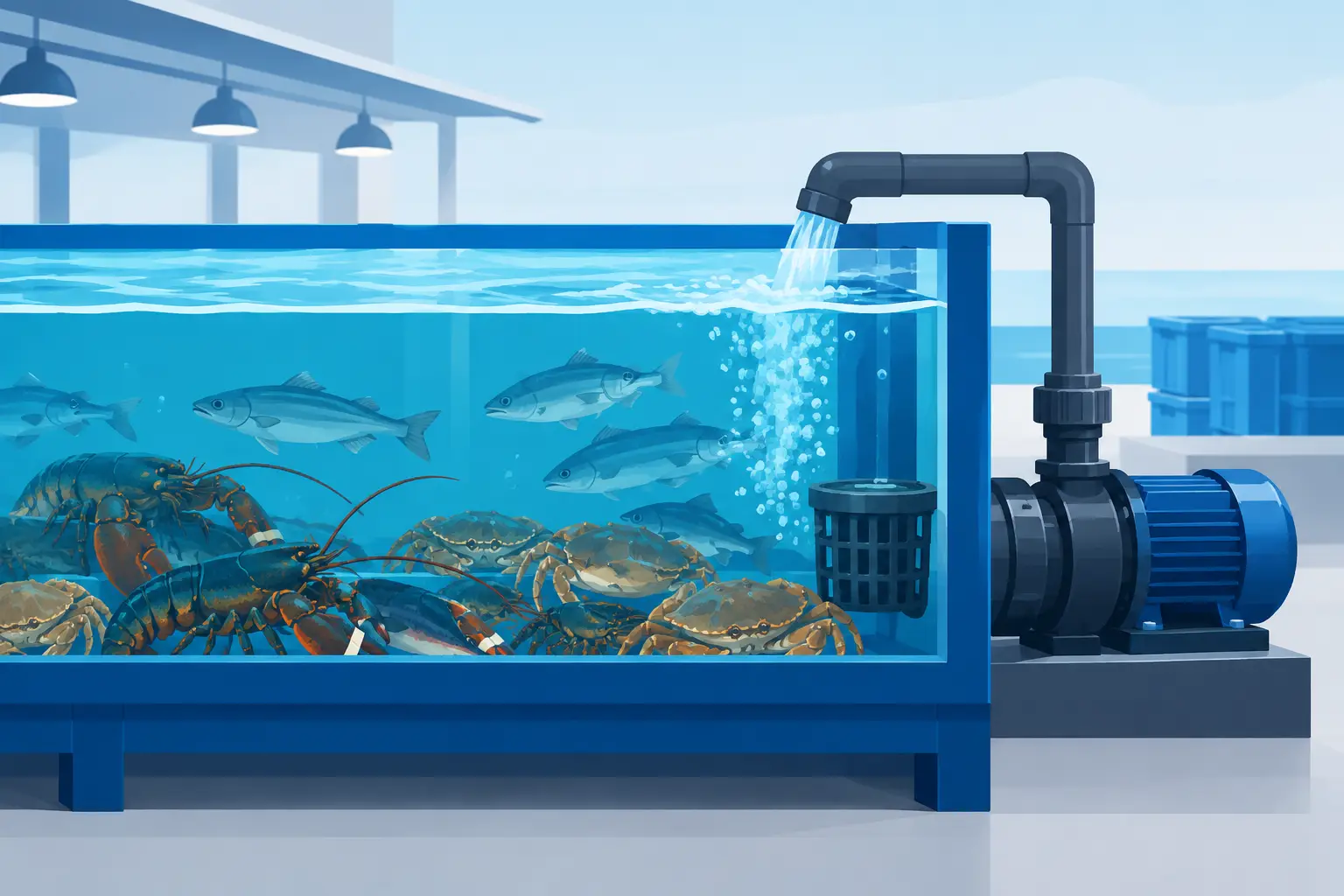
A self-contained lobster system is often the practical choice for restaurants and retail seafood departments because its life-support components are designed as one package. The tank, refrigeration, circulation, filtration, and treatment equipment work together rather than requiring the operator to piece together a system from unrelated suppliers.
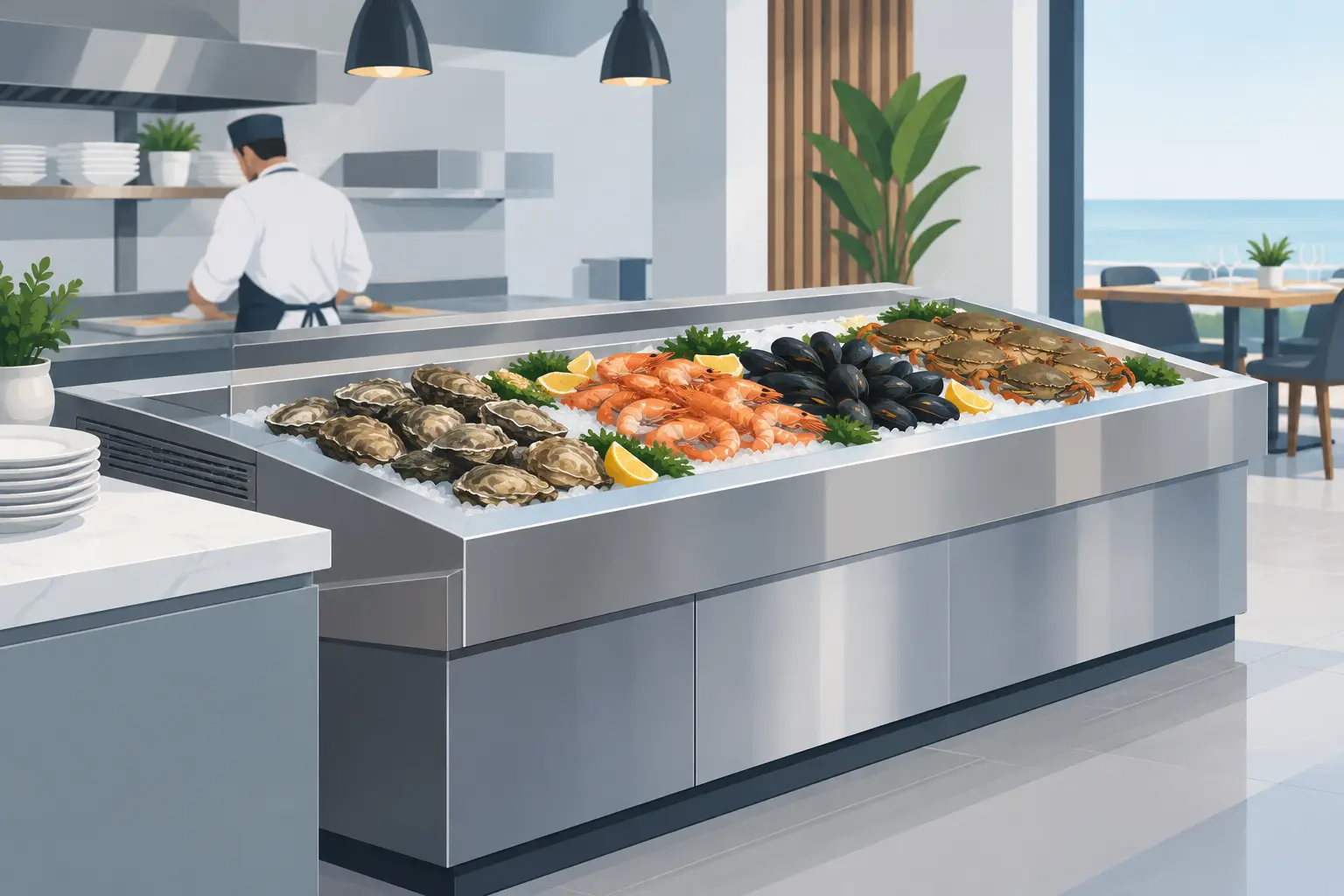
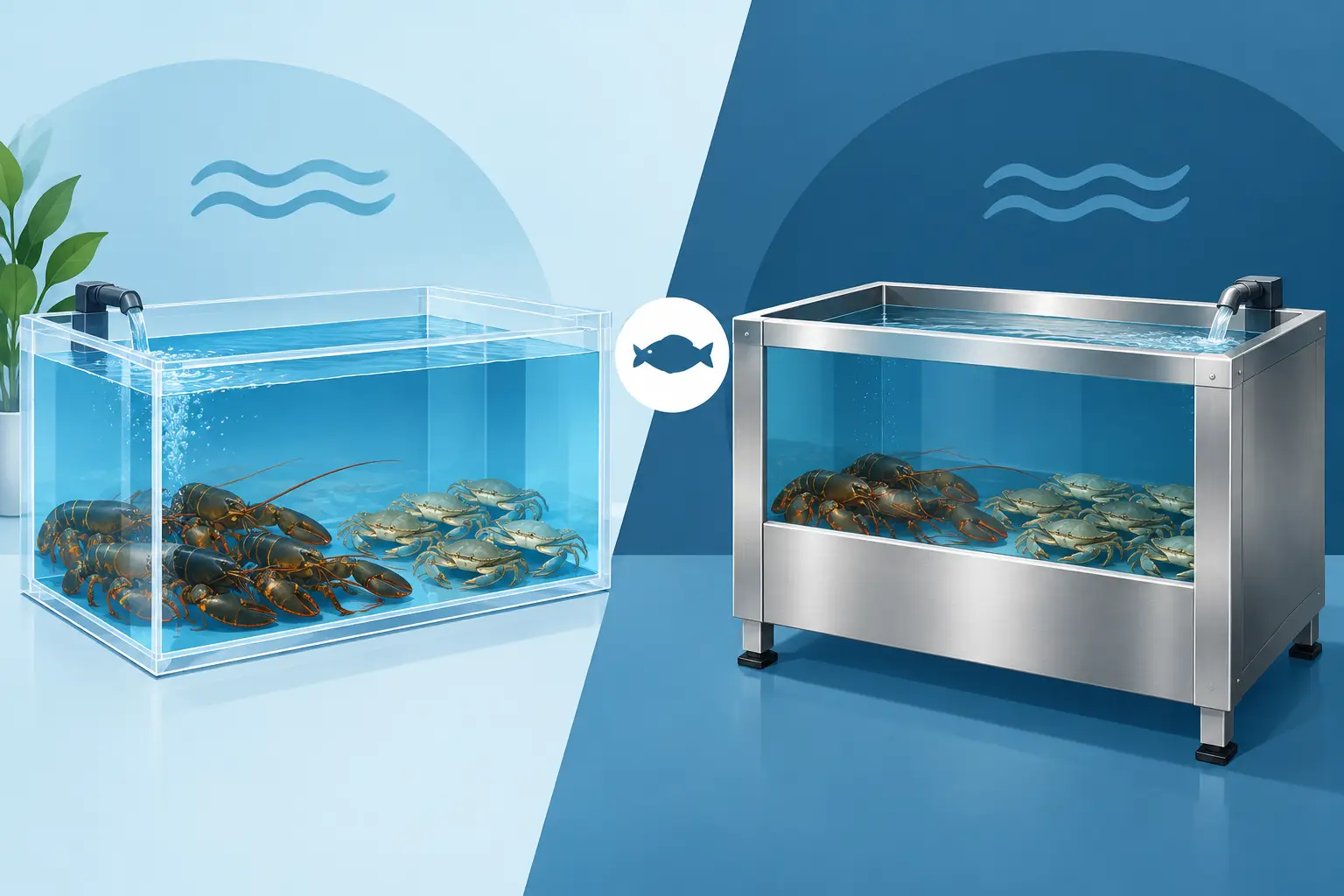
That does not mean every location needs the same design. A front-of-house display may call for a finished cabinet, clear viewing panels, lighting, and a footprint that complements the dining room or seafood counter. A high-volume back-room installation may prioritize holding capacity, service access, and durable work surfaces. Custom fabrication is especially valuable where an existing counter, aisle, wall, or utility layout creates a nonstandard footprint.
Plan the tank location early. It should be visible enough to support merchandising if customer display is the goal, but it cannot be treated like ordinary furniture. Give technicians access to pumps, filters, chillers, drains, and electrical components. Leave working room around service panels. A beautiful installation that requires removing cabinetry or moving product to change a filter is not a well-planned installation.
Get Utilities and Site Conditions Right Before Delivery
Most expensive installation problems are not tank problems. They are site problems discovered too late.
Confirm the electrical requirements, including dedicated circuits where specified. The system needs dependable power for circulation, refrigeration, and filtration. Identify nearby water and drain access, then make sure drainage is appropriate for the installation and local requirements. Floors must safely support the filled system and allow the team to work around it without creating slip hazards.
Room conditions deserve the same attention. Excess heat, direct sun, poor ventilation, and crowded mechanical spaces can make temperature control harder than it needs to be. A tank located beside a heat-producing kitchen line will face a different load than one in a climate-controlled seafood department. The answer is not always simply to buy a bigger unit. Sometimes moving the installation a few feet, improving ventilation, or changing the enclosure design is the smarter long-term decision.
Before the system arrives, decide who has authority to answer site questions. Operations, facilities, the seafood manager, and the installer should not be working from different assumptions. One point of contact helps prevent delays and avoids last-minute changes that compromise access or function.
Design Water Quality Around Daily Reality
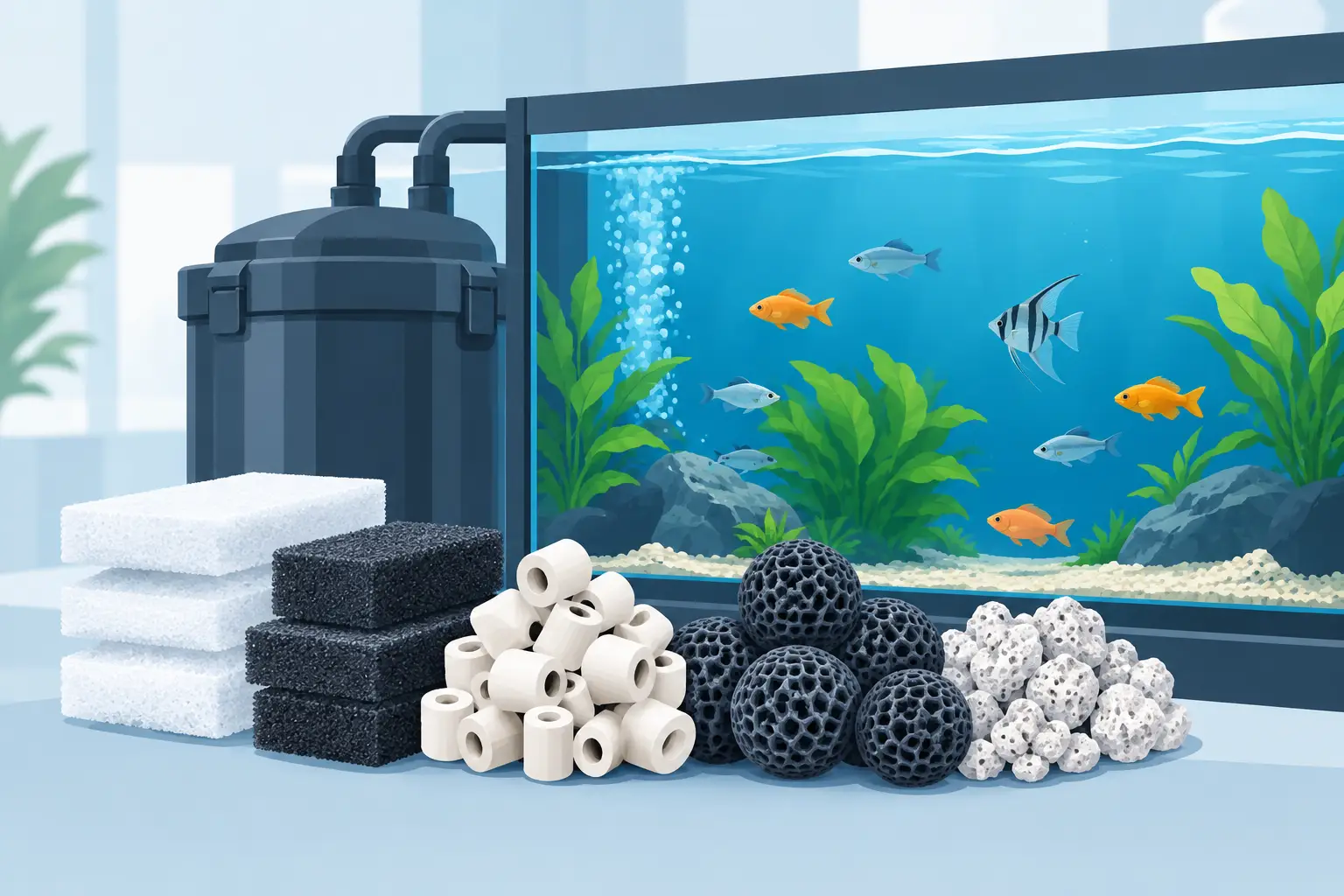
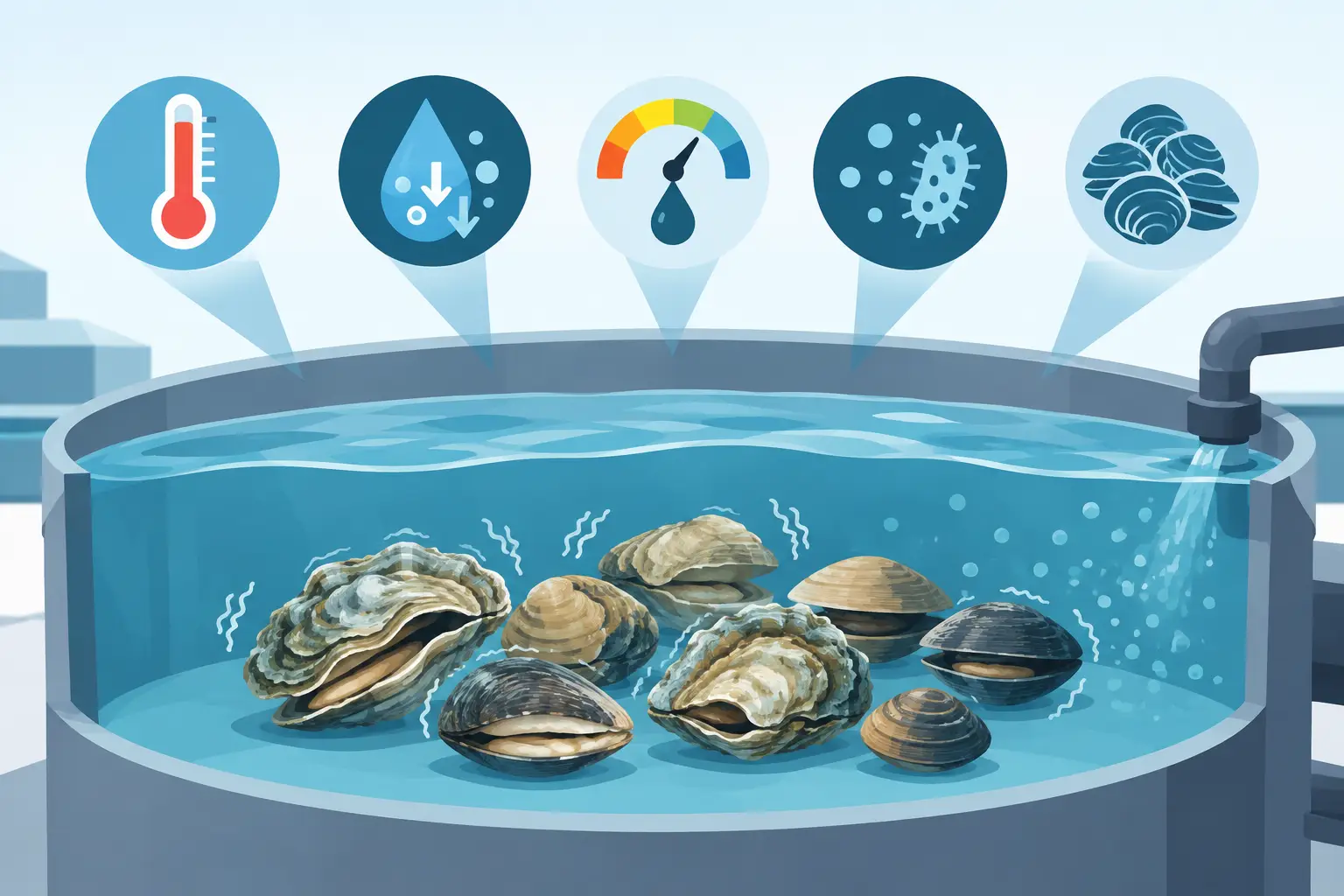
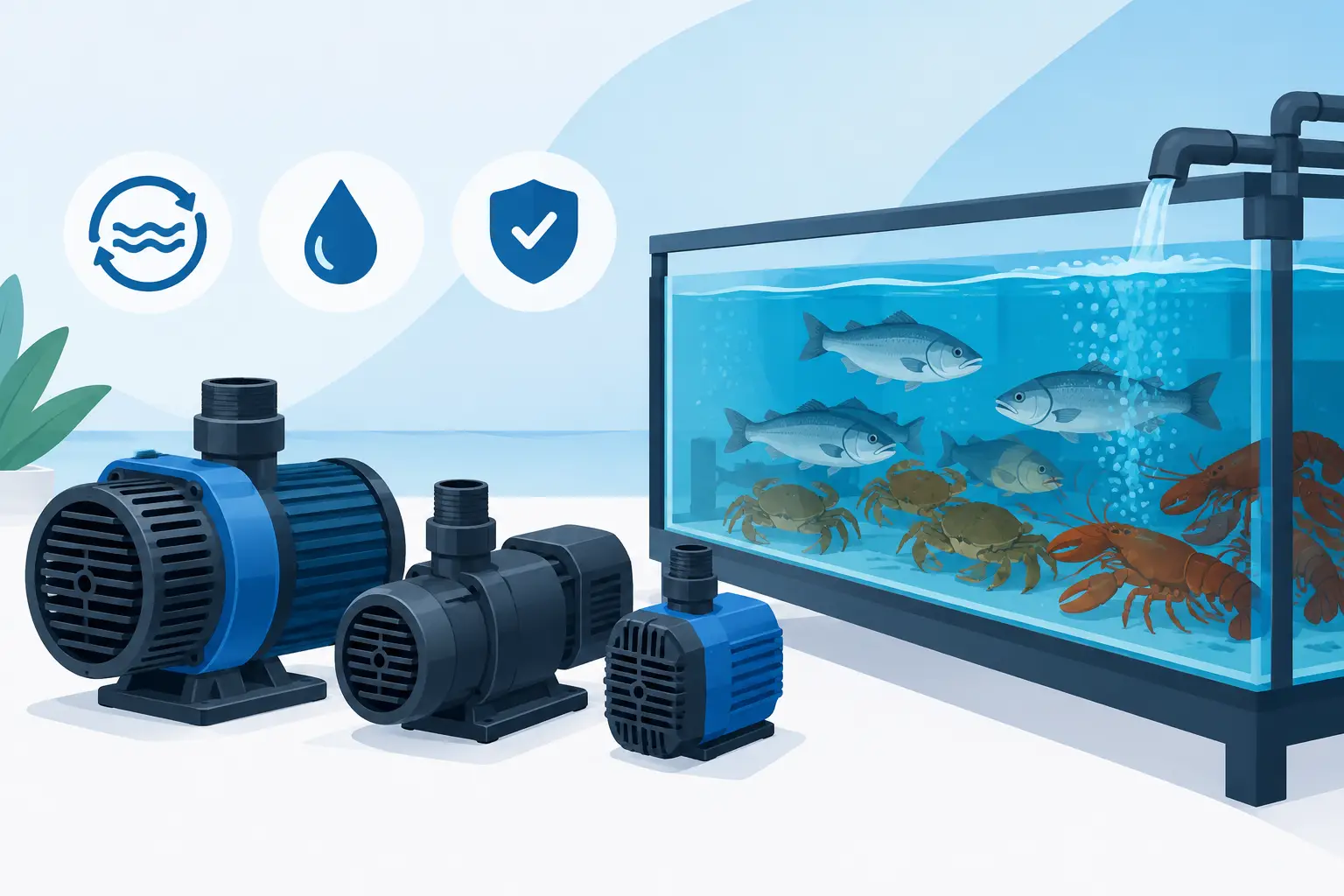
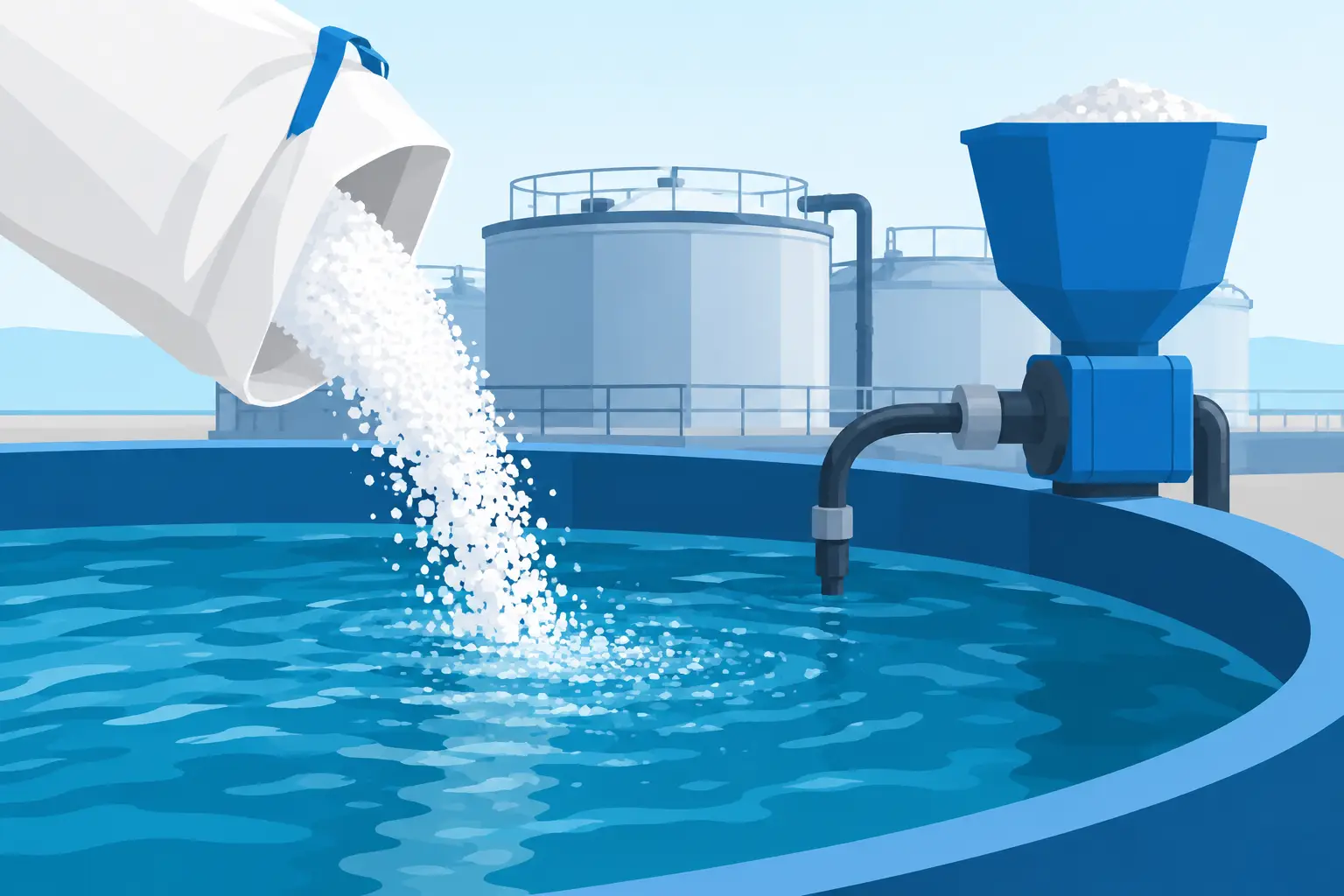
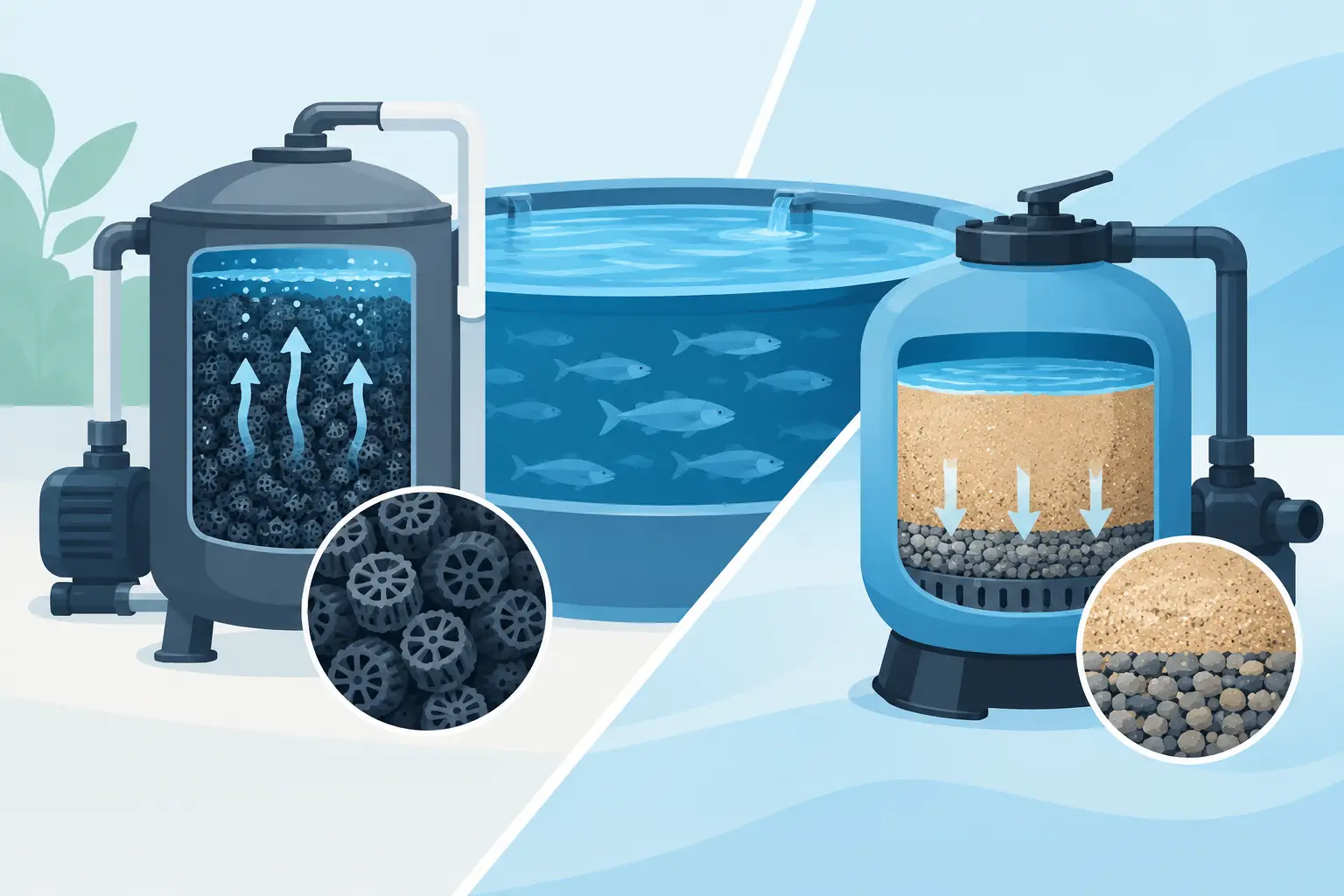
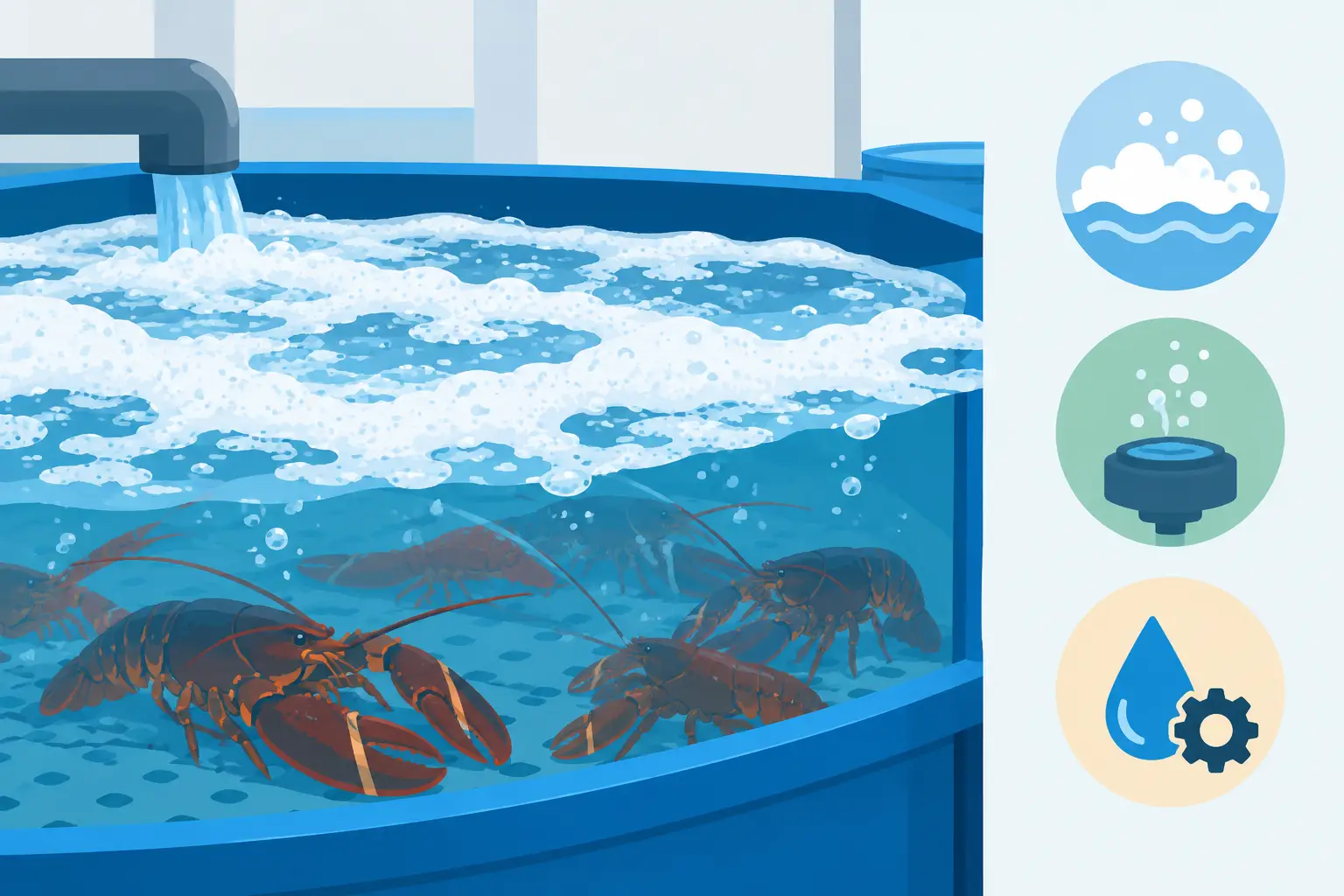
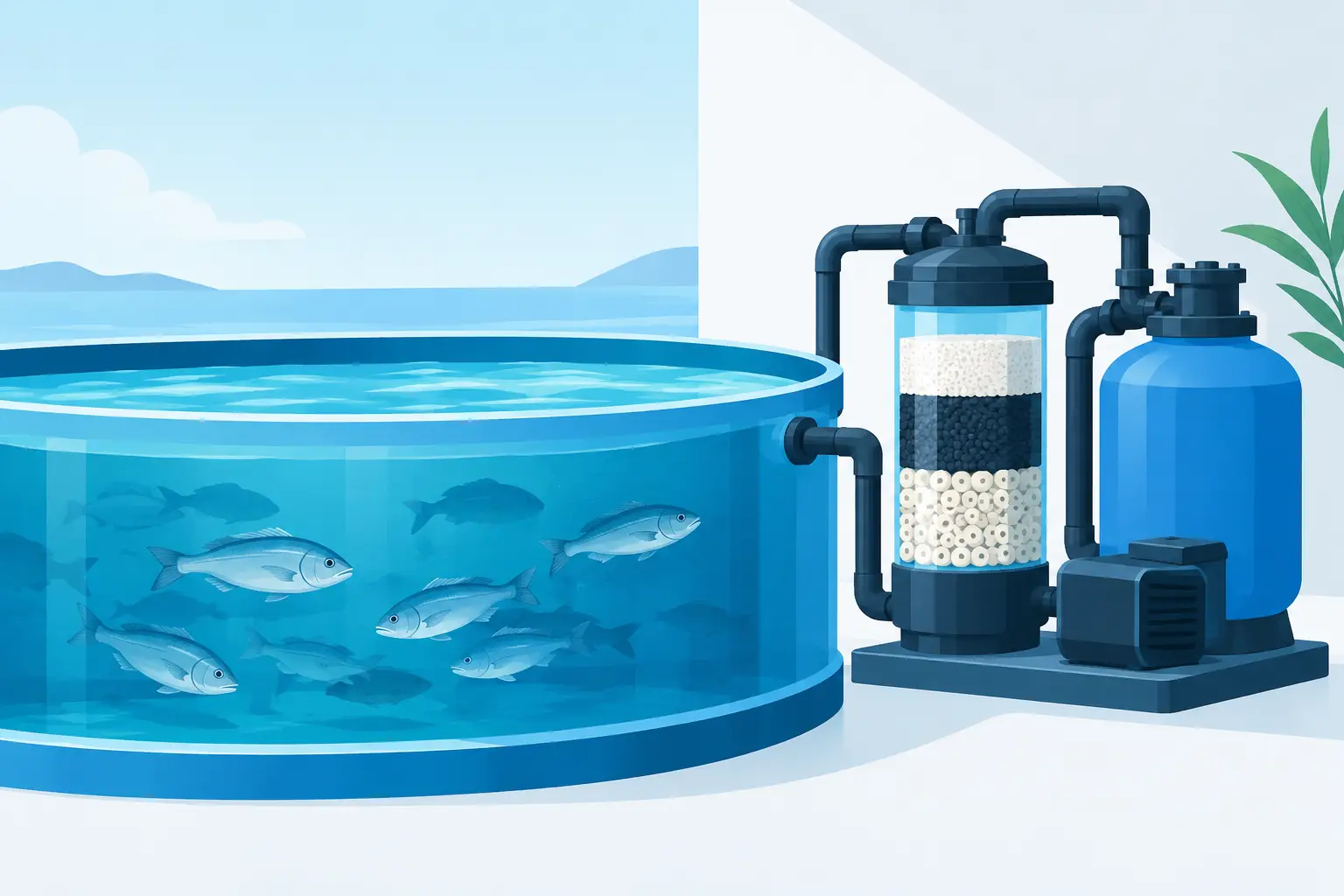
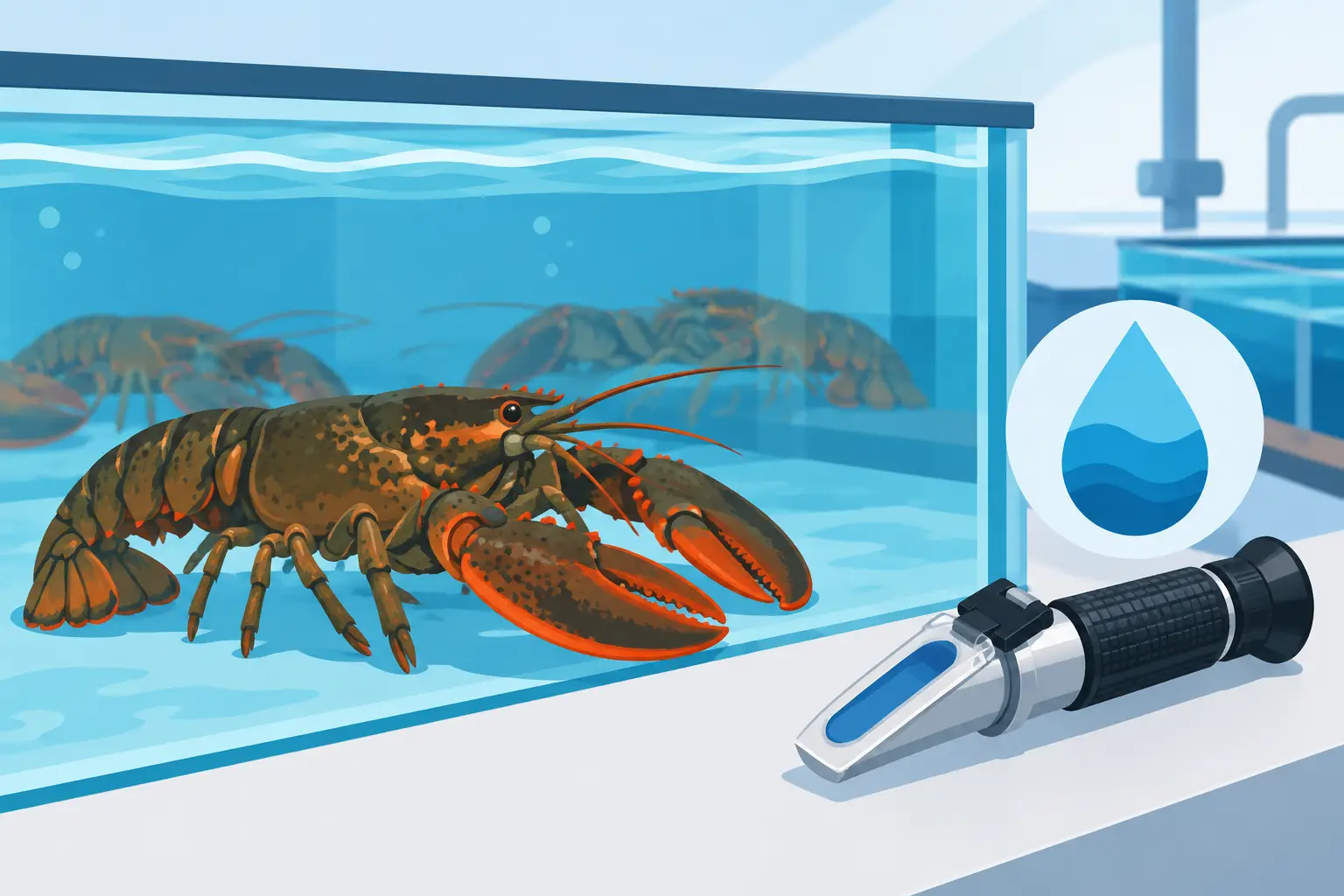
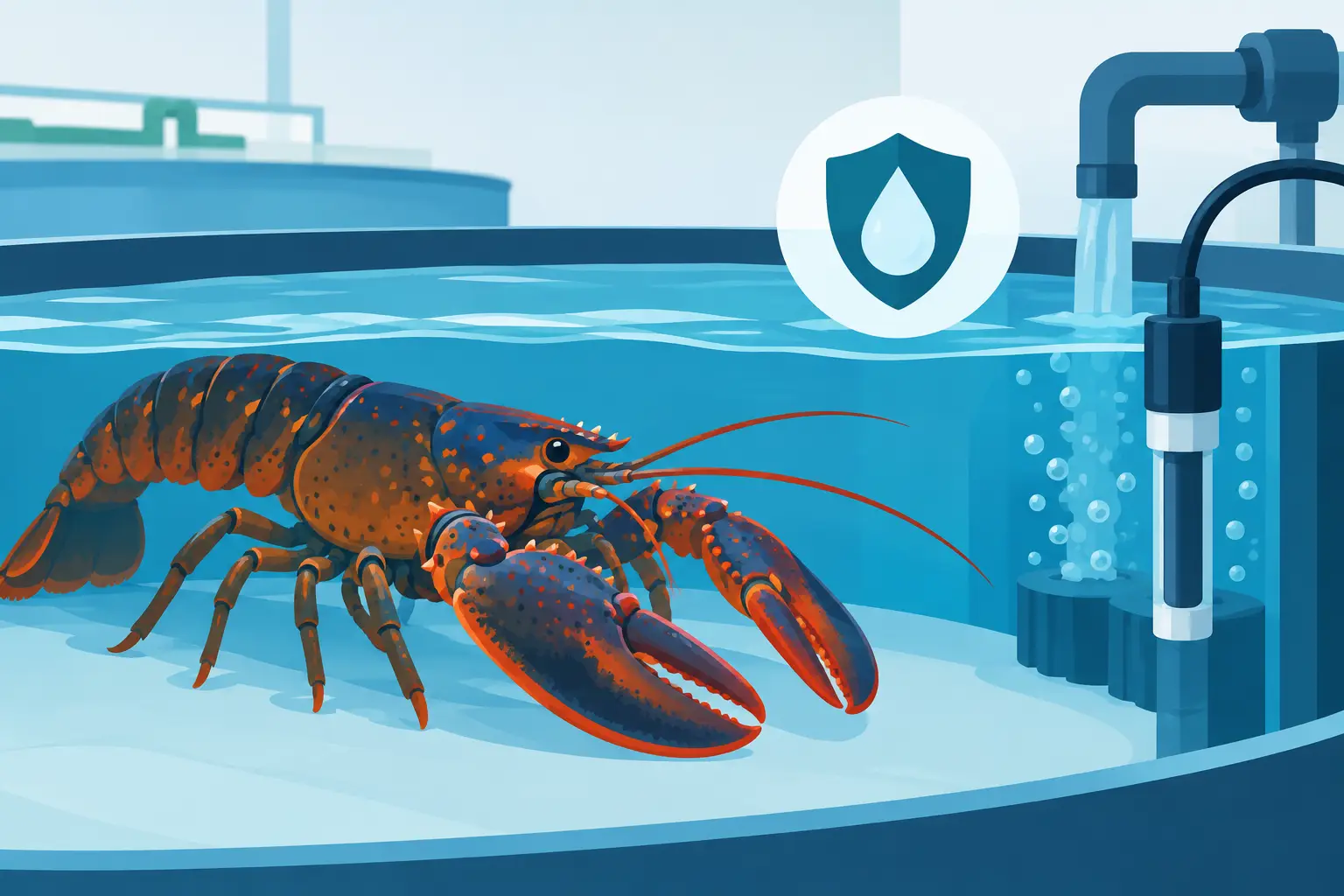
Live lobster systems depend on stable, clean, properly managed saltwater. That requires more than filling the tank and checking it occasionally. Filtration media, marine salt, activated carbon, water treatment practices, circulation, and temperature control all work together to maintain a suitable holding environment.
A planning conversation should include the water-maintenance routine from the beginning. Who will test and inspect the system? Who will replenish salt and filtration media? Where will supplies be stored? Who is responsible when readings fall outside the operating range? A clear answer prevents the familiar problem of everyone assuming someone else handled it.
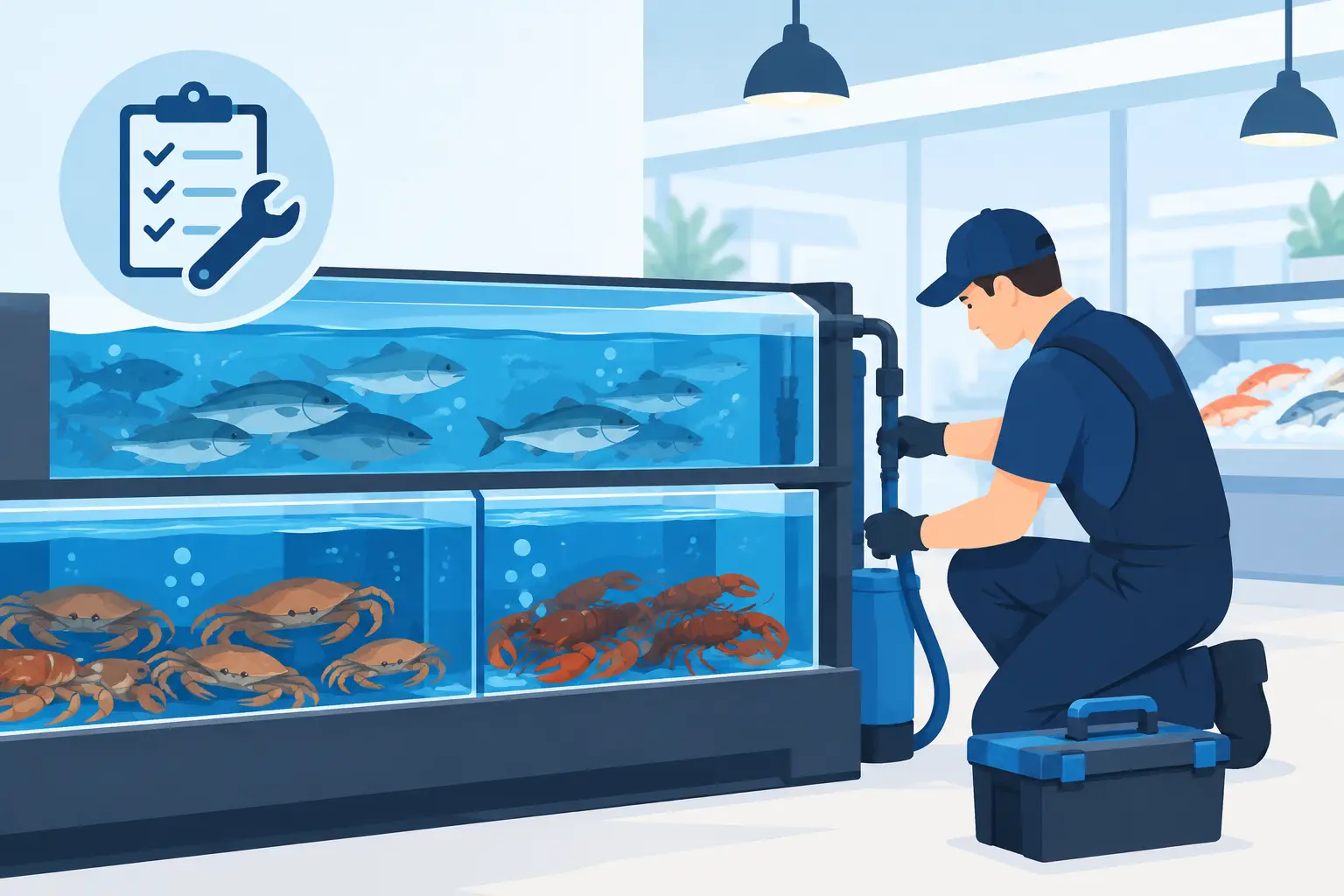
There is a real trade-off between relying entirely on in-house labor and using scheduled professional maintenance. A skilled seafood manager may handle routine checks very well. But recurring maintenance support can add consistency, catch developing equipment issues, and give the operation a direct technical resource when staff changes or volume rises. The right approach depends on the operator’s experience, location, volume, and tolerance for risk.
Lobster Life Systems supplies the equipment, marine salt, filtration products, parts, maintenance, and technical support that commercial operators need in one place. That continuity matters because the team servicing the system understands the system’s design and the consumables it uses.
Build a Receiving and Holding Routine That Staff Will Follow
Even a properly sized, professionally installed system cannot compensate for poor handling. The day lobsters arrive is when staff set the tone for inventory quality.
Train employees to inspect shipments promptly, move product carefully, avoid dropping or overcrowding animals, and place lobsters into the holding system without unnecessary delays. Keep a simple receiving record that tracks delivery date, supplier, quantity, condition, and any unusual mortality or behavior. Those notes are valuable when identifying a pattern related to freight, turnover, water quality, or equipment performance.
Daily staff responsibilities should be short, specific, and realistic. Check system operation, temperature, water appearance, circulation, animal condition, and visible leaks or unusual noise. Remove deceased product promptly. Verify that no access panels have been blocked and that water levels are where they should be. The best checklist is not the longest one. It is the one the opening or seafood team can complete accurately every day.
Managers should also establish an escalation rule. Staff need to know when a condition is routine and when it requires an immediate call for technical assistance. A pump that sounds different, a sudden temperature change, weak circulation, repeated losses, or water that changes appearance quickly should not wait until the next scheduled maintenance visit.
Protect the System From Avoidable Interruptions
A lobster system is revenue equipment. Treat it with the same respect you would give a walk-in cooler, point-of-sale system, or freezer holding premium inventory.
Keep service areas clear. Do not use the equipment compartment for storage. Do not allow untrained staff to change settings, add unapproved chemicals, or improvise repairs. Maintain an inventory of routine supplies and critical replacement items according to the system provider’s recommendations. Waiting until a filter is depleted or a consumable has run out creates unnecessary risk.
Power interruptions require a plan as well. Managers should know who to contact, what equipment must be checked when power returns, and how to respond if the interruption is extended. For higher-volume locations, contingency planning may include backup power procedures and alternate holding options. The necessary level of preparation depends on inventory value and outage exposure, but ignoring the issue is never a sound plan.
Choose a Partner That Can Support the Full Lifecycle
A low initial equipment price can become expensive if the supplier cannot provide correct salt, compatible media, replacement parts, technical guidance, and timely service after the sale. Commercial operators should evaluate the full ownership picture, not just the tank quote.
Ask who manufactures the system, who services it, how quickly parts can be identified, and whether support is available when the problem is urgent. Confirm what routine maintenance includes and what staff should handle between visits. If the system is custom-built, make sure the supplier can support that exact configuration years from now.
A well-planned lobster system gives your team a reliable place to hold live product and gives customers confidence in what they see. Plan it like the revenue-producing asset it is, then keep it supported with the same discipline you expect from the rest of your seafood operation.