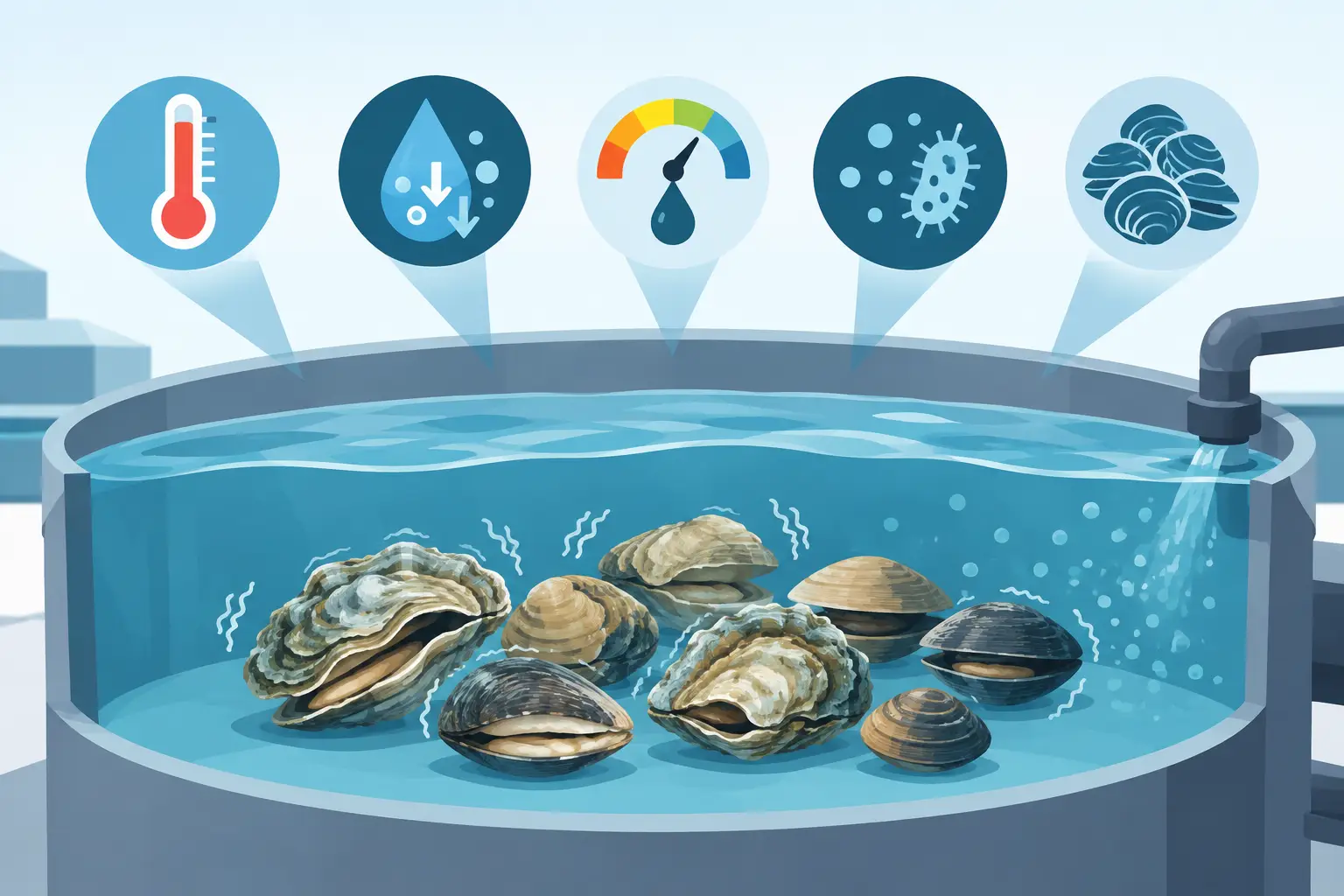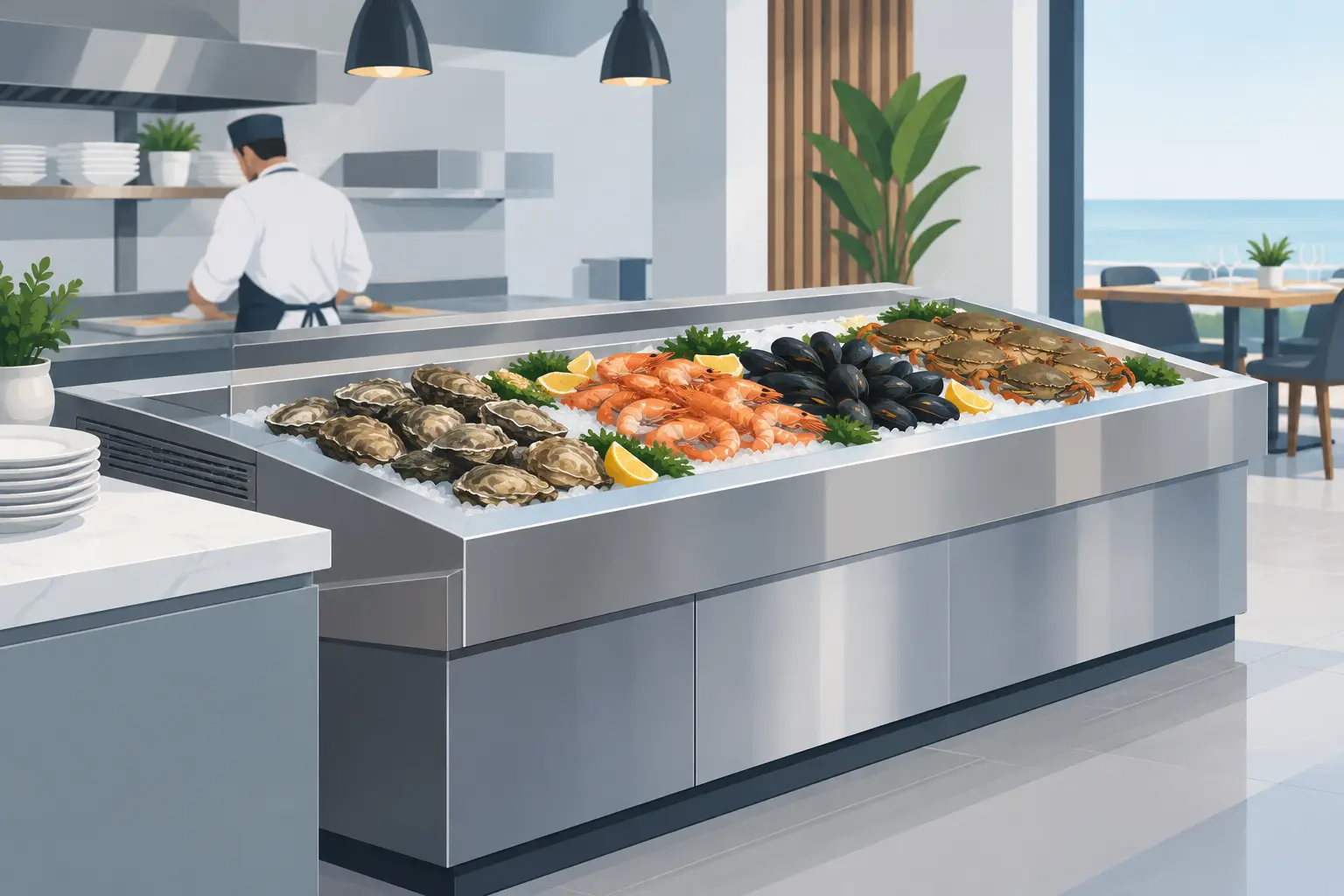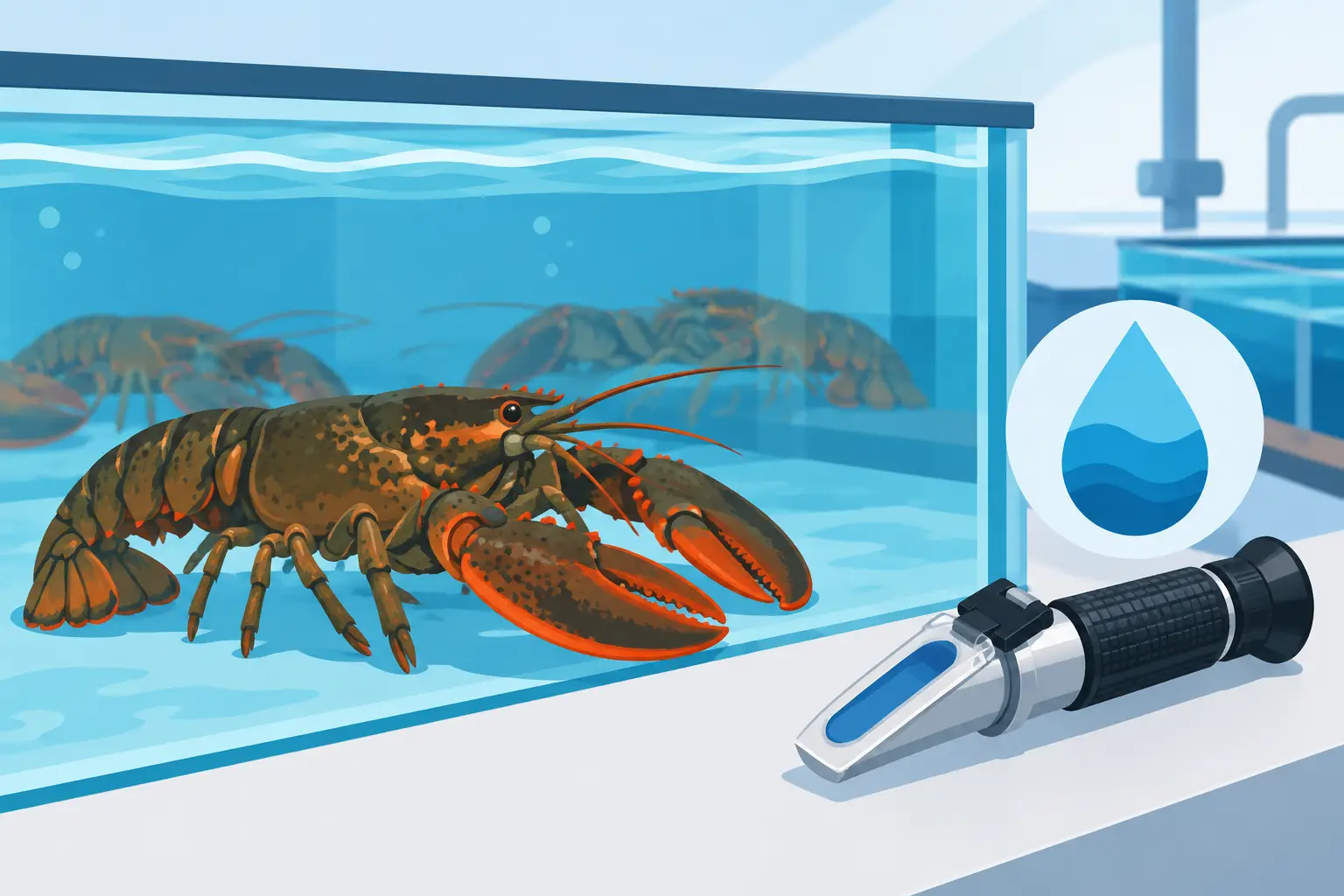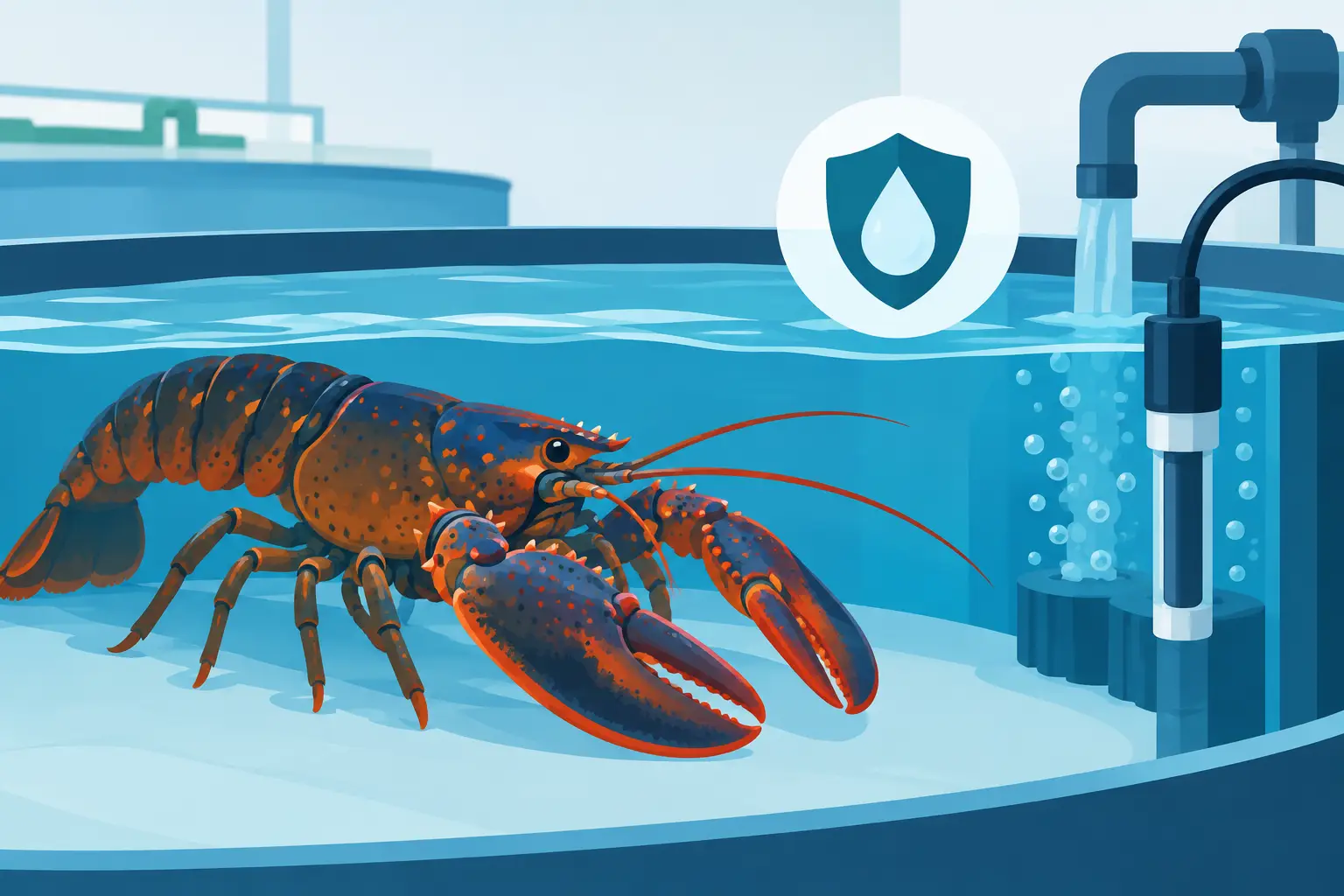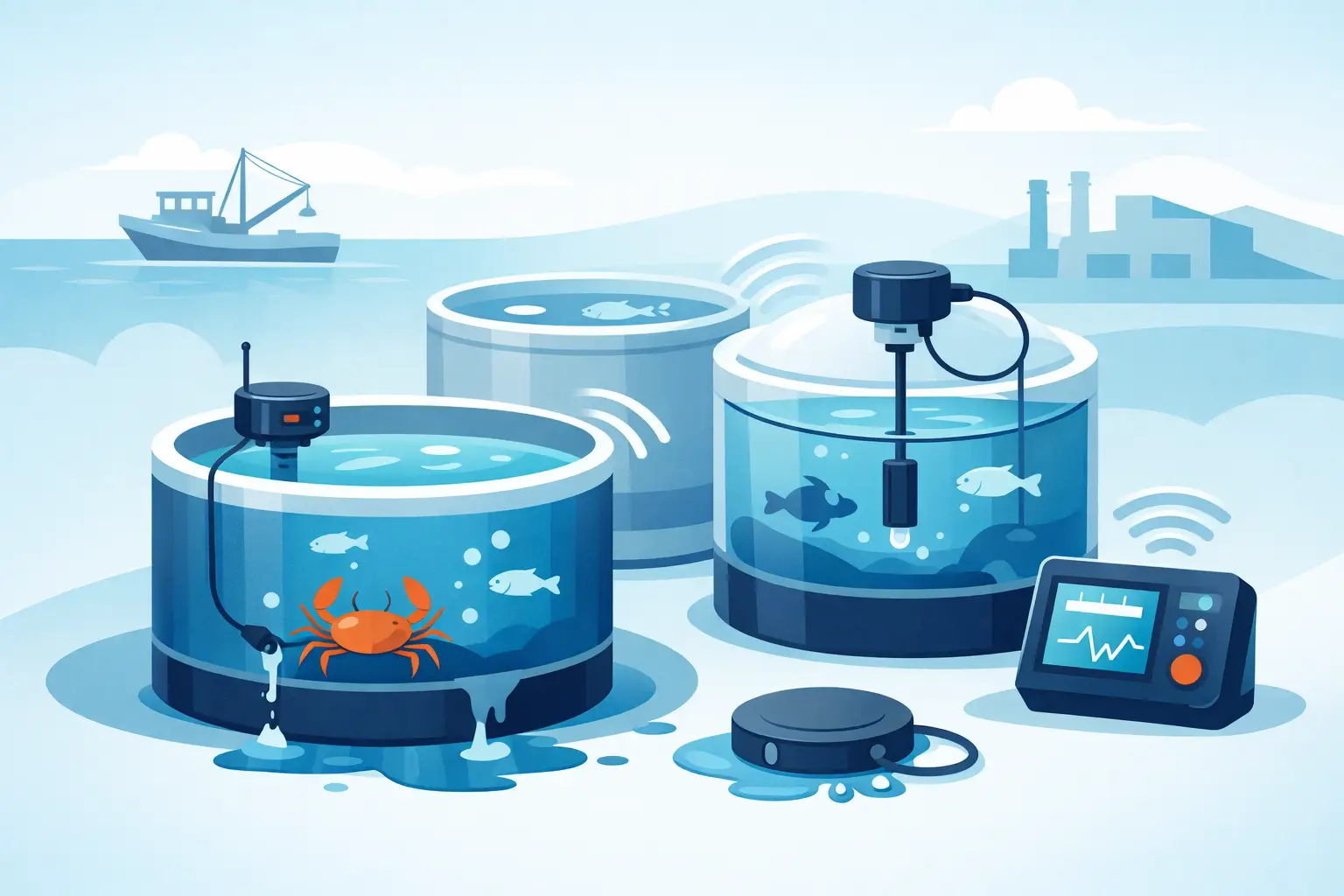

A tank can look clear, run quietly, and still be costing a seafood department money. When lobsters, crabs, clams, or other live product become sluggish, weak, unusually active, or start dying in the system, the question is immediate: what causes shellfish stress? In commercial holding, the answer is rarely one isolated event. Stress usually builds when water conditions, handling practices, stocking levels, and system performance stop working together.
For retailers, wholesalers, and restaurants, shellfish stress is not just an animal-health concern. It affects shrink, presentation, labor, customer confidence, and the value of every pound in the tank. A dependable live seafood program starts with understanding the operating conditions that push shellfish past their limits.
What Causes Shellfish Stress in Commercial Tanks?
Shellfish are living inventory, and they react quickly to changes in their environment. Lobsters and other marine species depend on stable water chemistry, proper temperature, adequate oxygen, low waste levels, and careful handling. When one of those conditions slips, the animal must work harder to survive. When several slip at once, losses can accelerate.
The challenging part is that symptoms may not show up right away. A shipment may arrive looking strong, then decline a day or two later because it was already stressed during transport, placed into an unstable tank, or exposed to poor water conditions after stocking. That is why successful operators look beyond the latest mortality count and examine the full holding process.
Temperature swings and improper setpoints
Temperature is one of the fastest ways to stress live shellfish. Lobsters and cold-water shellfish are adapted to specific temperature ranges, and abrupt changes force their metabolism to respond. Water that is too warm increases metabolic demand while reducing the water’s ability to hold dissolved oxygen. The result can be weak product, poor recovery after shipping, and higher mortality.
Water that is excessively cold can create its own problems, especially when the change is sudden or when species are held outside their appropriate range. The goal is not simply the coldest possible tank. It is a stable, species-appropriate setpoint maintained throughout the holding system.
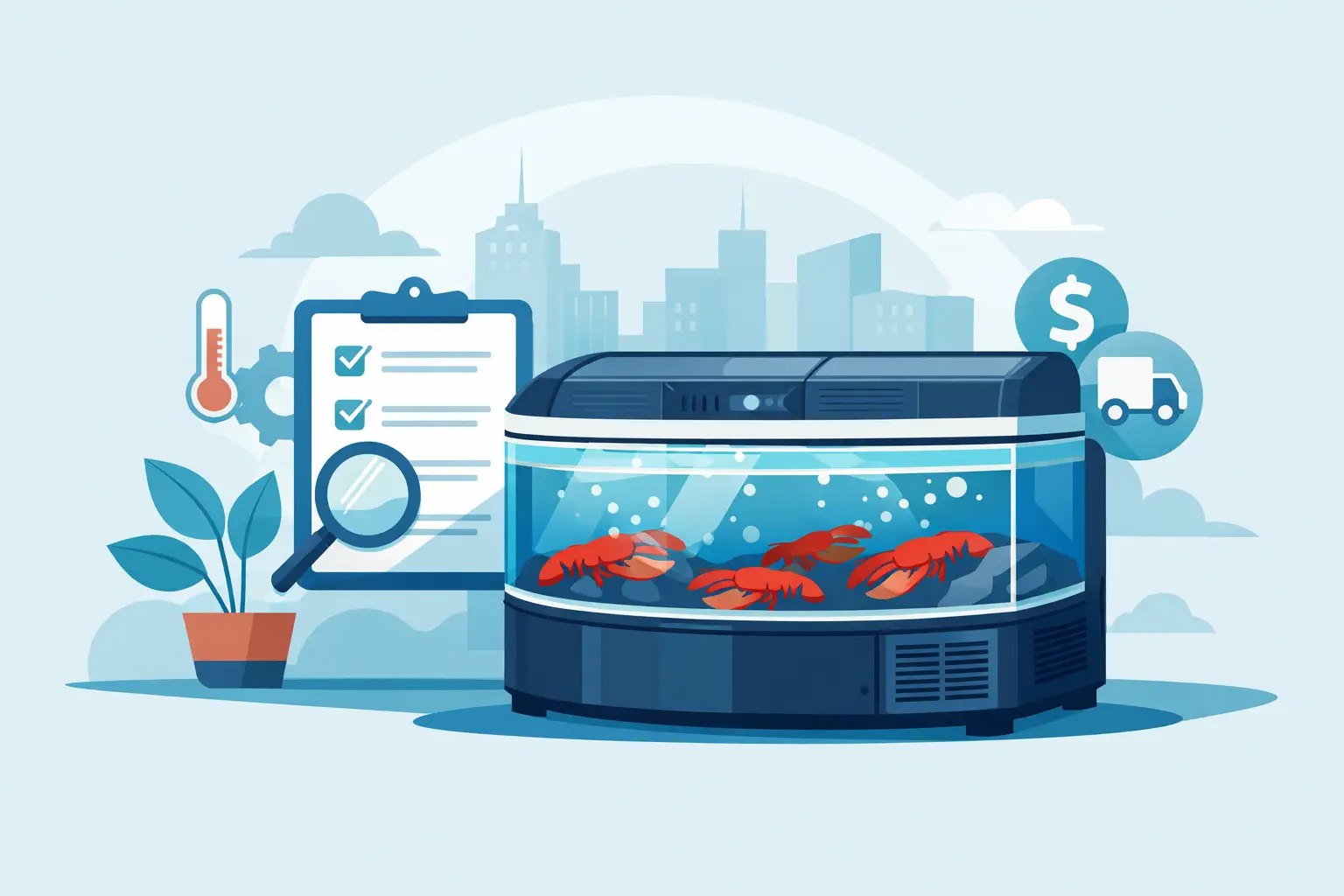
Watch for temperature differences between tanks, uneven circulation, refrigeration issues, and heat gains from lighting, equipment, or a warm seafood department. A tank can be within range in the morning and drift into trouble during a busy afternoon if cooling capacity or controls are not up to the load.
Low dissolved oxygen
Shellfish need oxygenated water to recover from transportation and remain saleable. Low dissolved oxygen is often connected to warm water, excessive biomass, weak circulation, dirty filtration, or a mechanical failure. It can also occur when a system is sized for normal inventory but is pushed hard during holidays, promotions, or a large incoming shipment.
Lobsters under oxygen stress may appear lethargic, weak in the claws and tail, or unable to right themselves normally. Other species may show reduced responsiveness or fail to remain properly closed. These signs should be treated as operating warnings, not as a reason to wait and see.
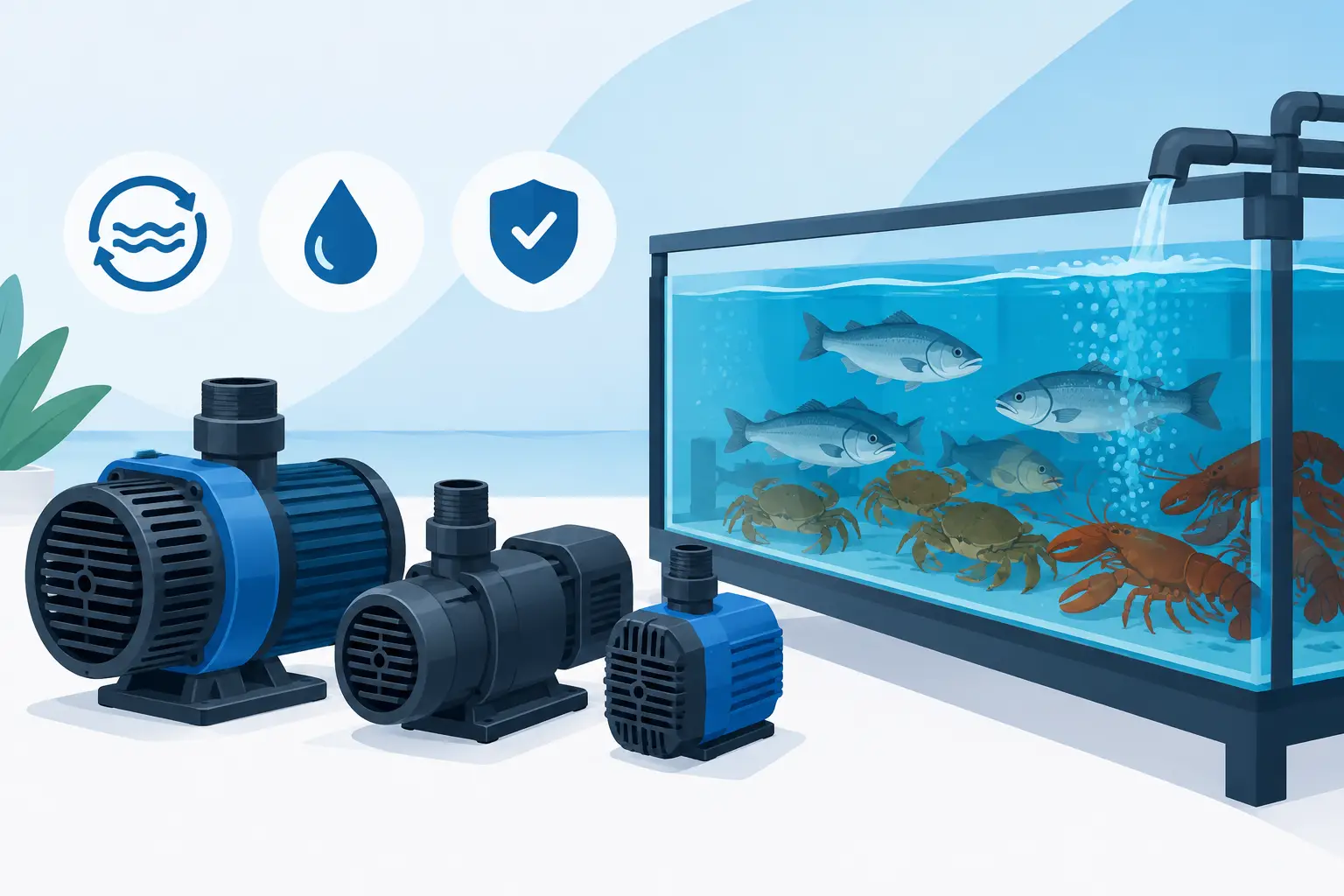
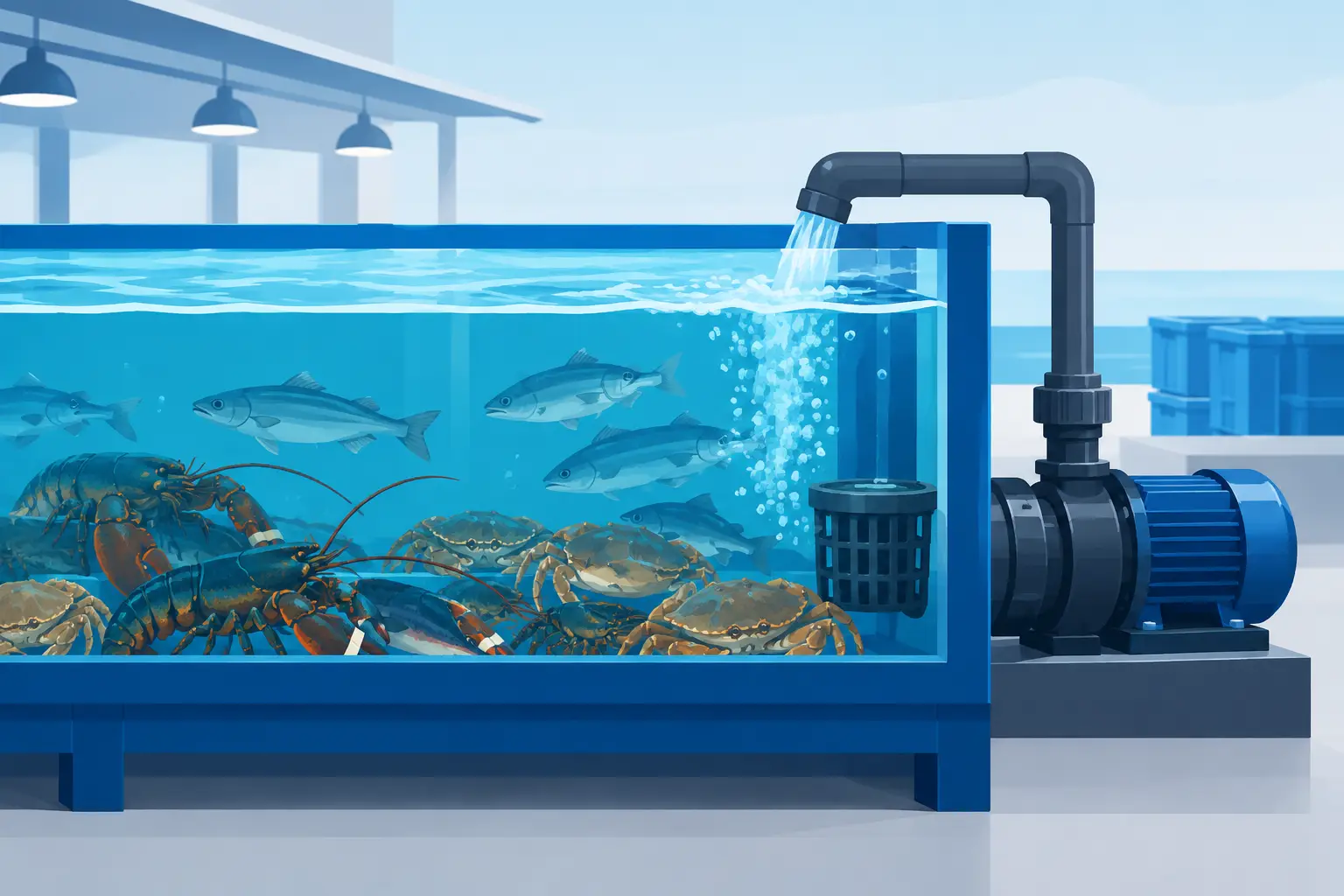
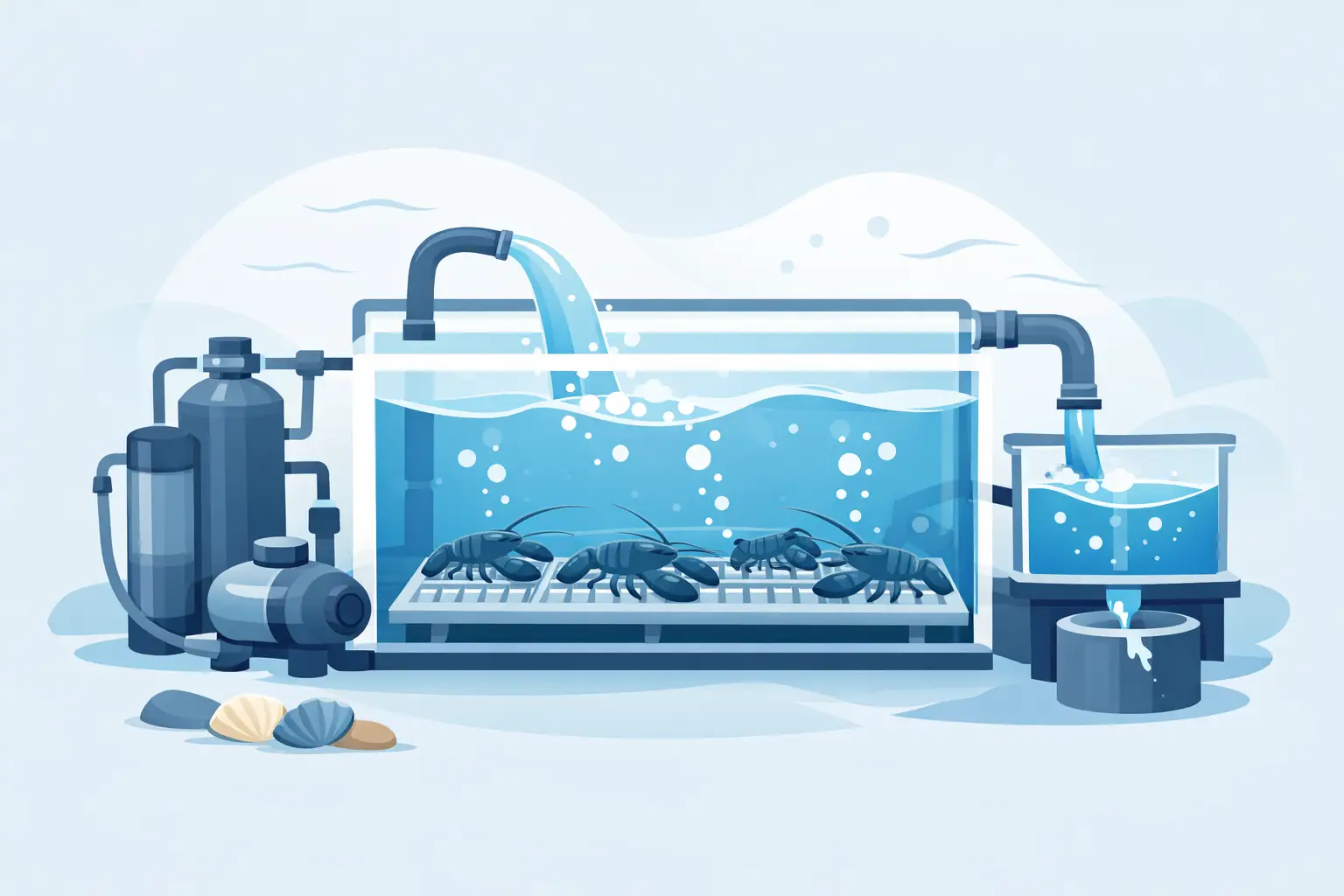
Aeration and circulation must be designed around the actual holding load, not just the tank’s water volume. Equipment that performs well with a lightly stocked display may not provide enough oxygen transfer when inventory doubles. This is one reason commercial systems require more than a tank and a pump. They require proper engineering, filtration, temperature management, and routine service.
Ammonia, nitrite, and accumulated waste
Every live animal in a holding tank produces waste. Uneaten food, debris, damaged product, and organic buildup add to the load. If the biological filtration is not established, maintained, or sized properly, ammonia and nitrite can rise to levels that stress or kill shellfish.
Ammonia is especially dangerous because its toxic form becomes more significant as temperature and pH change. Nitrite also interferes with normal oxygen transport in many aquatic animals. Water may look clean while these invisible threats build in the system.
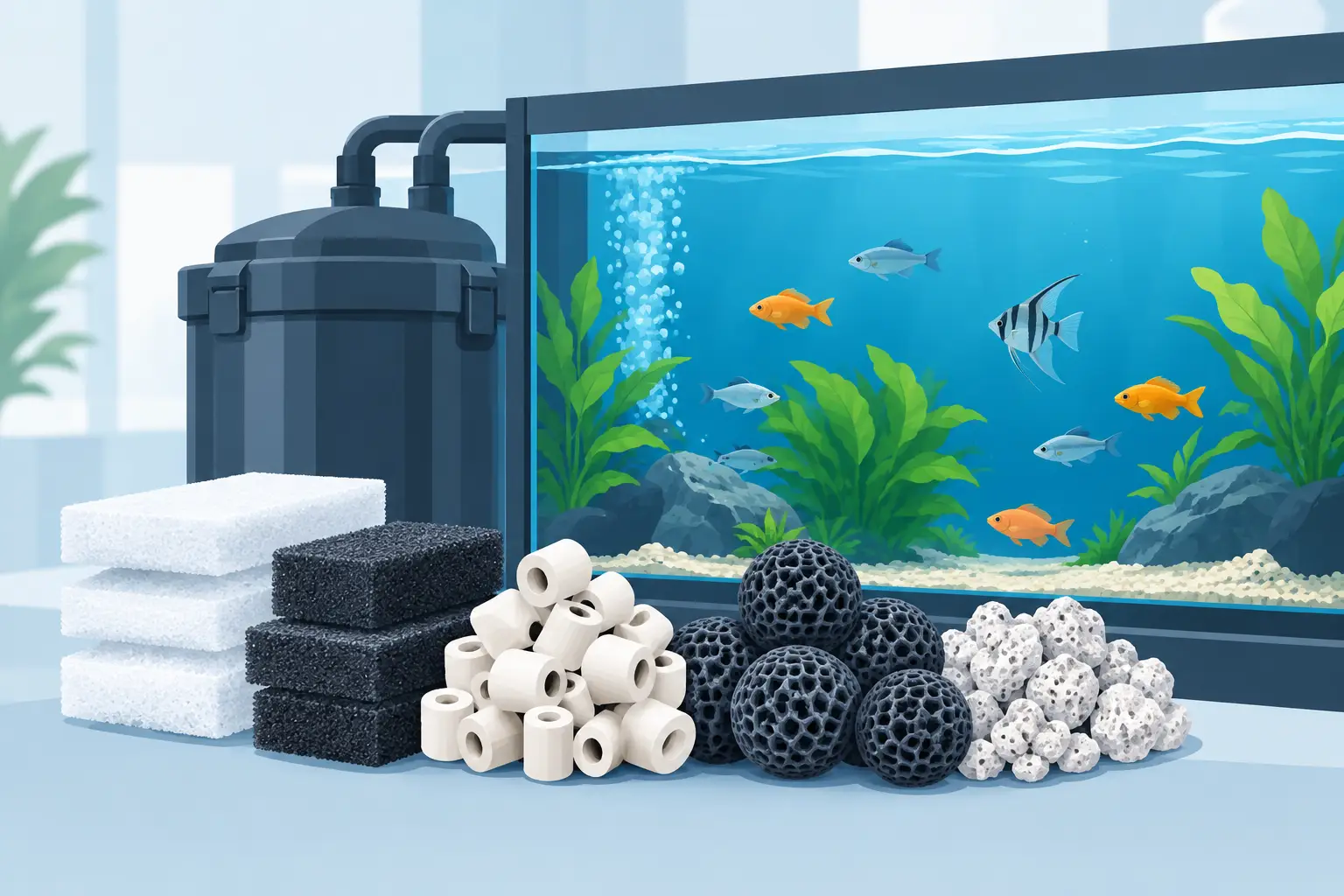
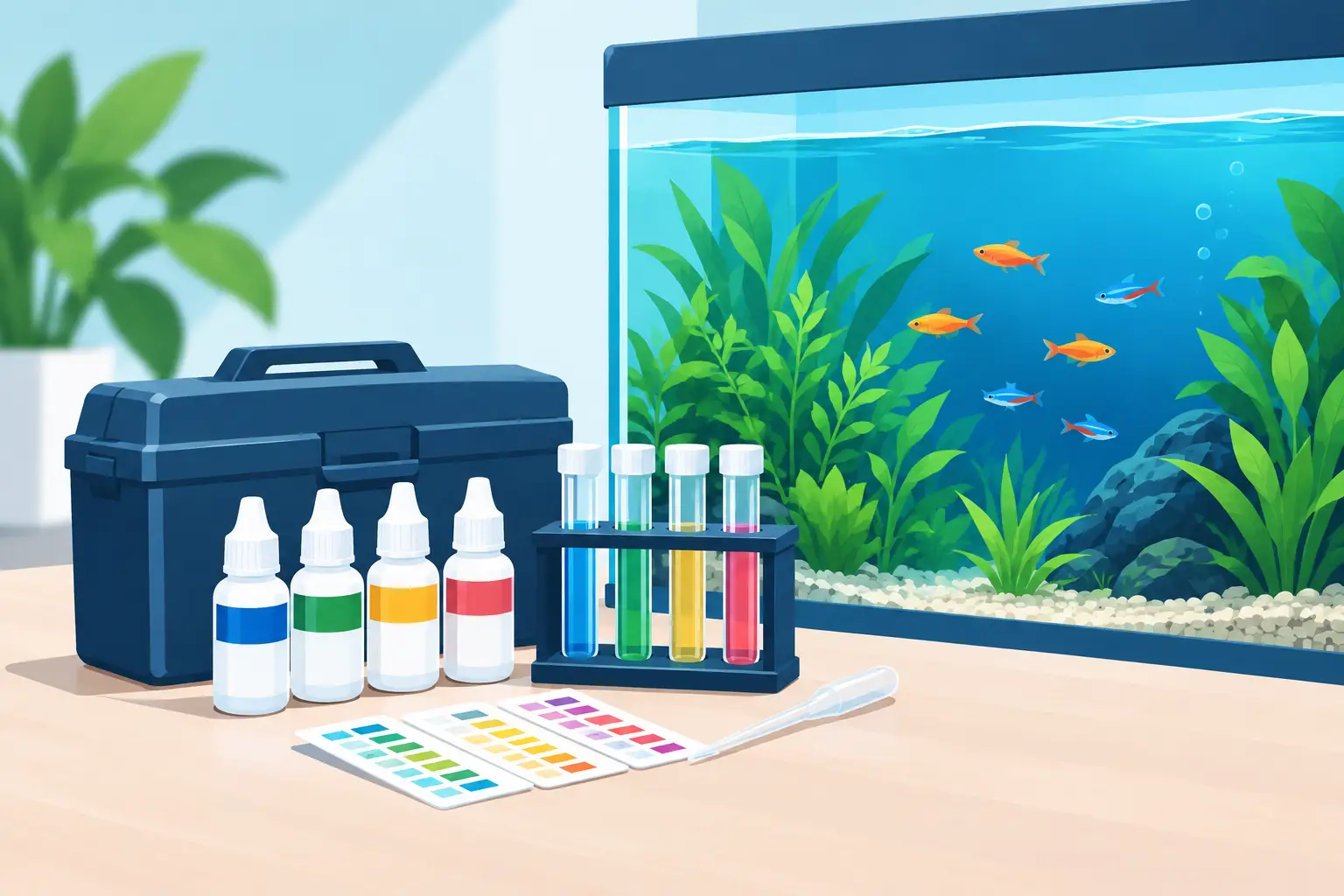
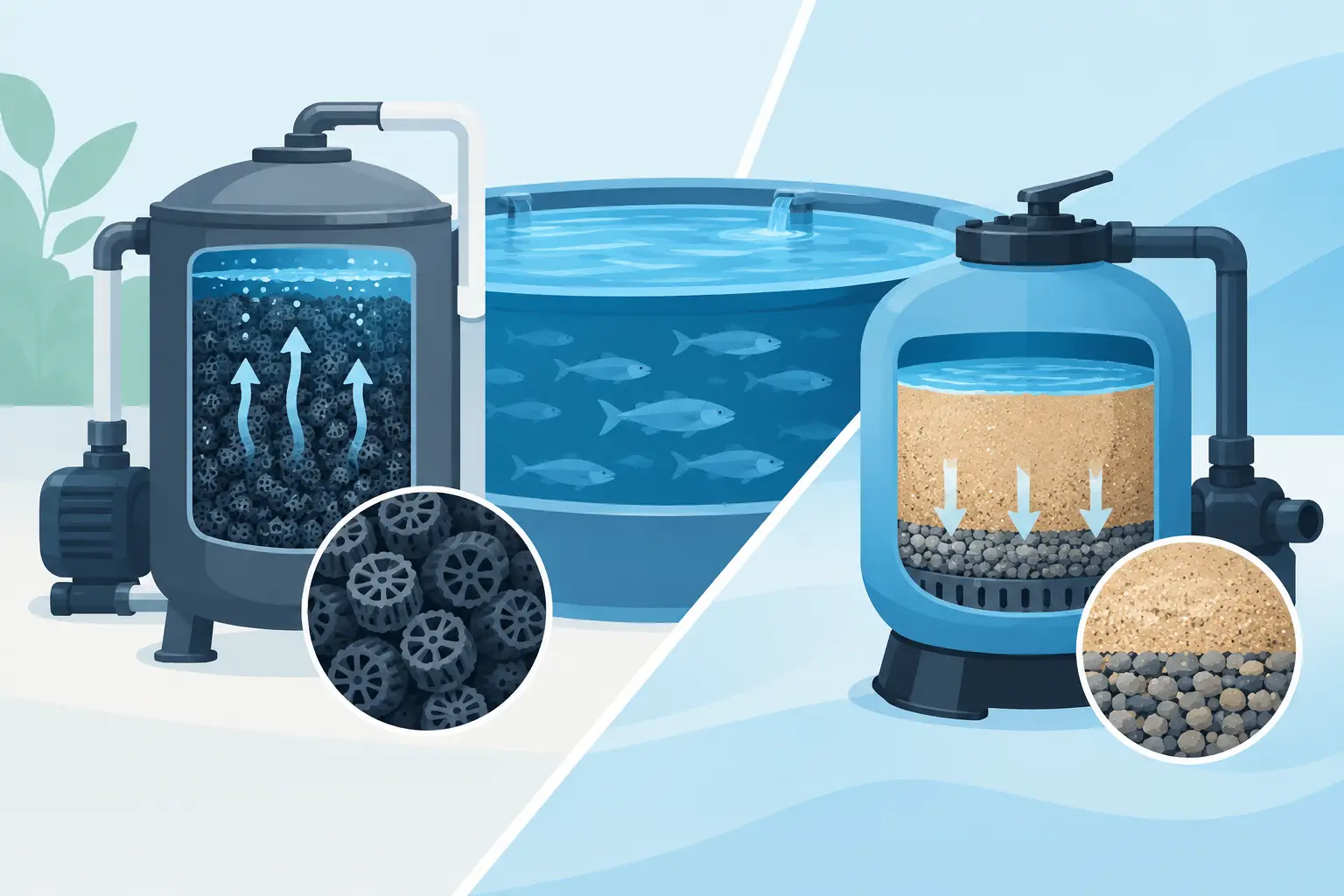
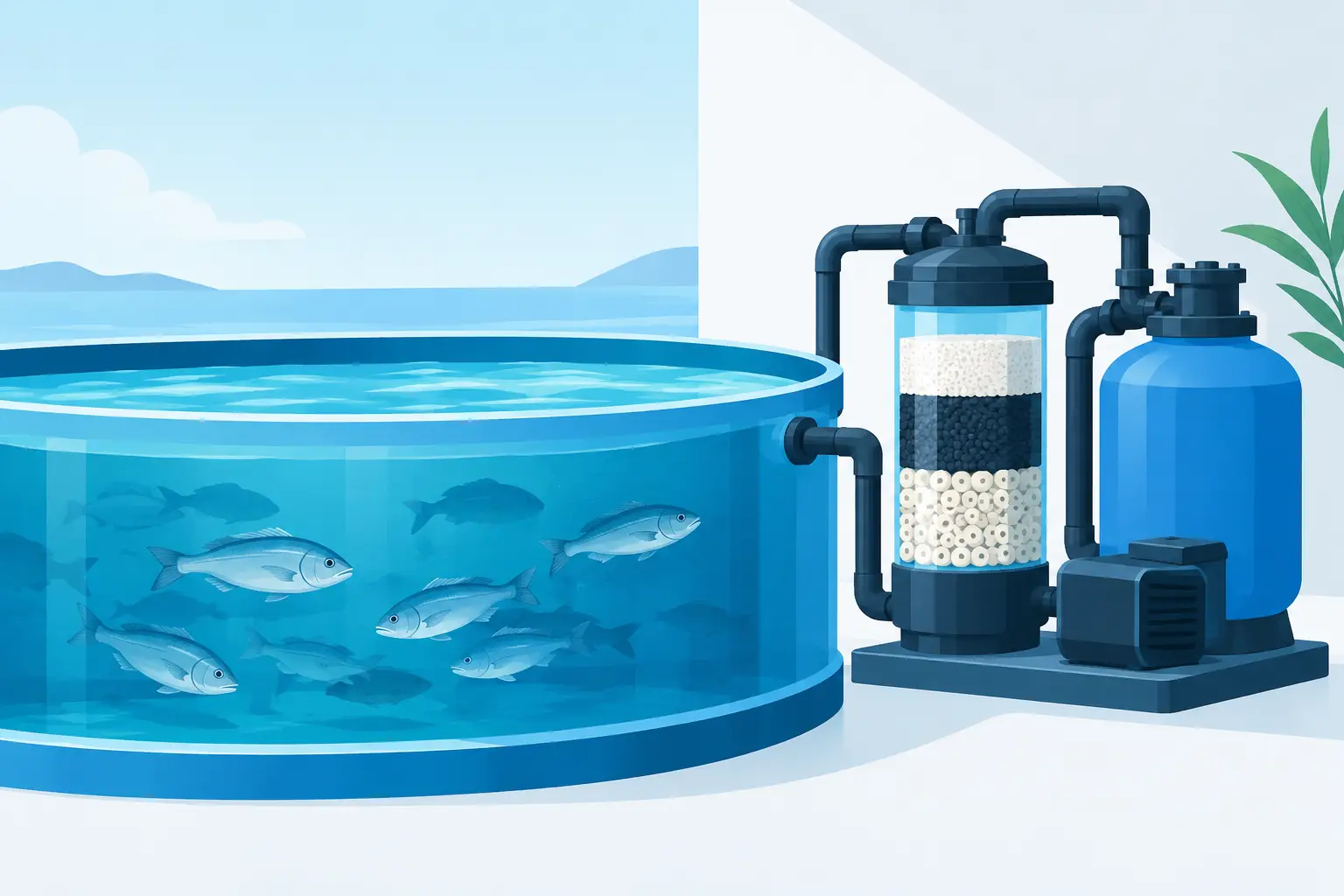
A sound maintenance program addresses both the symptoms and the cause. Testing water chemistry is essential, but testing alone does not correct a system with exhausted filter media, inadequate biological capacity, poor flow, or heavy waste accumulation. Regular cleaning, filter service, carbon replacement where appropriate, and observation of system performance protect the tank before water quality becomes an emergency.
Salinity and pH instability
Marine shellfish need stable salinity. Freshwater intrusion from top-off mistakes, leaks, improper mixing, or poorly managed water changes can create rapid osmotic stress. On the other side, evaporation can concentrate salts if it is not managed correctly. Either condition can weaken product that was otherwise healthy at arrival.
pH matters for the same reason: stability. A shift in pH affects animal physiology and changes how toxic ammonia behaves in the water. Operators should avoid making large corrections without identifying the underlying issue. A fast adjustment may solve one reading while creating a new stress event for the livestock.
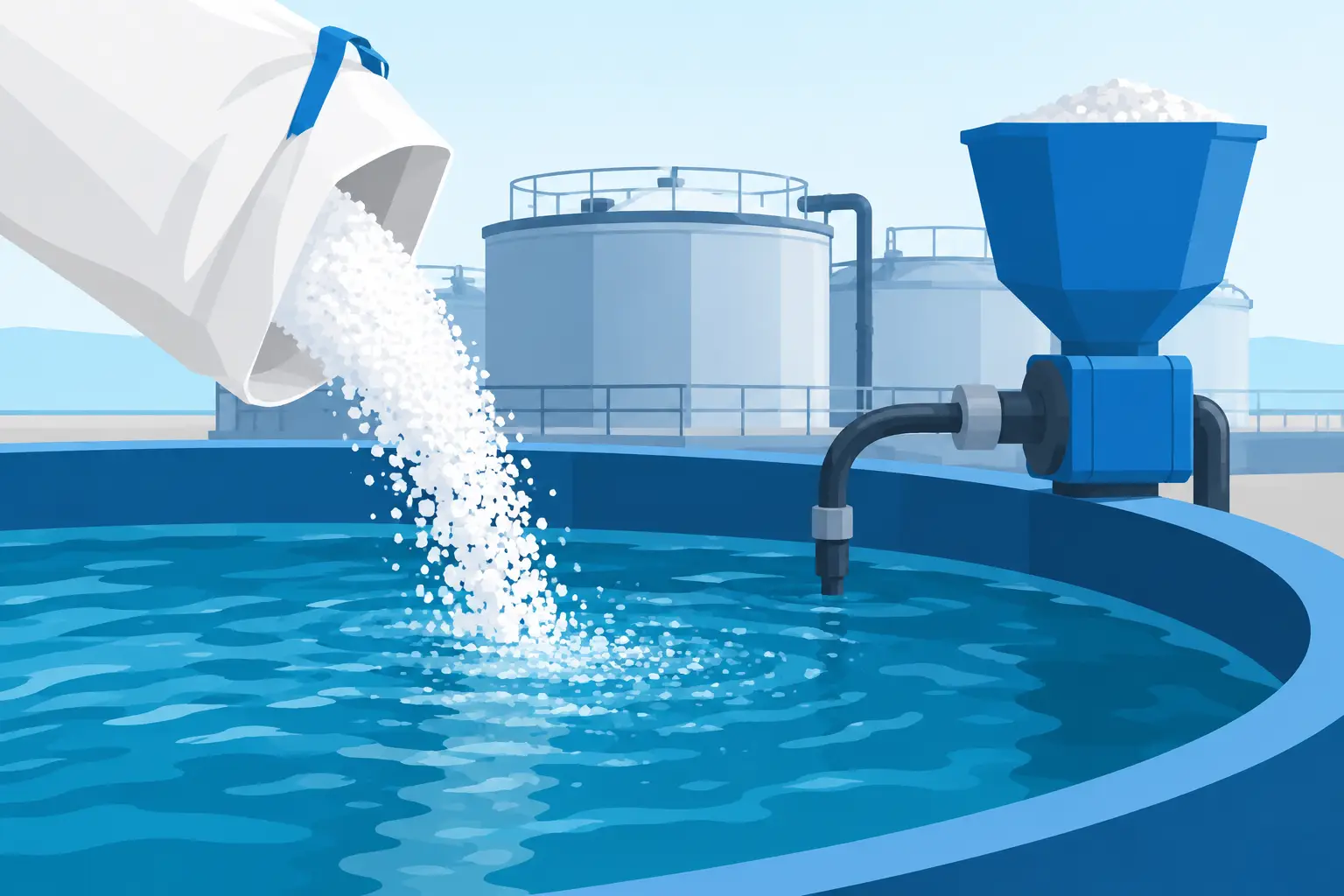
Using properly formulated marine salt and mixing it consistently helps eliminate a major source of variation. Commercial operations need repeatable water, not guesswork from batch to batch.
Handling and Receiving Stress Matter Before Product Reaches the Tank
Not all shellfish stress starts inside the holding system. Product may arrive dehydrated, overheated, chilled too rapidly, crowded, or depleted from a long transit. Rough handling during unloading and stocking adds another layer of stress before the animals have had time to recover.
Receiving teams should minimize unnecessary handling, avoid dropping product into tanks, and move shellfish promptly into properly prepared water. Do not place a large shipment into a system that has not been checked for temperature, salinity, oxygen, and available capacity. That decision may save a few minutes at receiving and create days of loss afterward.
Acclimation needs depend on the species, shipping conditions, and difference between transport conditions and the holding tank. When conditions are close and product is strong, the process may be straightforward. When there is a meaningful temperature or salinity difference, a controlled transition is safer than a quick dump into the system.
Overstocking Turns Small Problems Into Big Losses
A commercial tank has a practical holding capacity, and it is not defined by how much product can physically fit inside. It is defined by what the system can support while maintaining water quality, oxygen, circulation, and access for normal inspection and removal of weak or dead product.
Overstocking raises waste production and oxygen demand at the same time. It limits water movement around the animals and makes it harder for staff to identify product that needs attention. During high-volume periods, the pressure to keep every tank full is understandable. But packing a system beyond its designed load can create greater loss than placing an additional order or staging product differently.
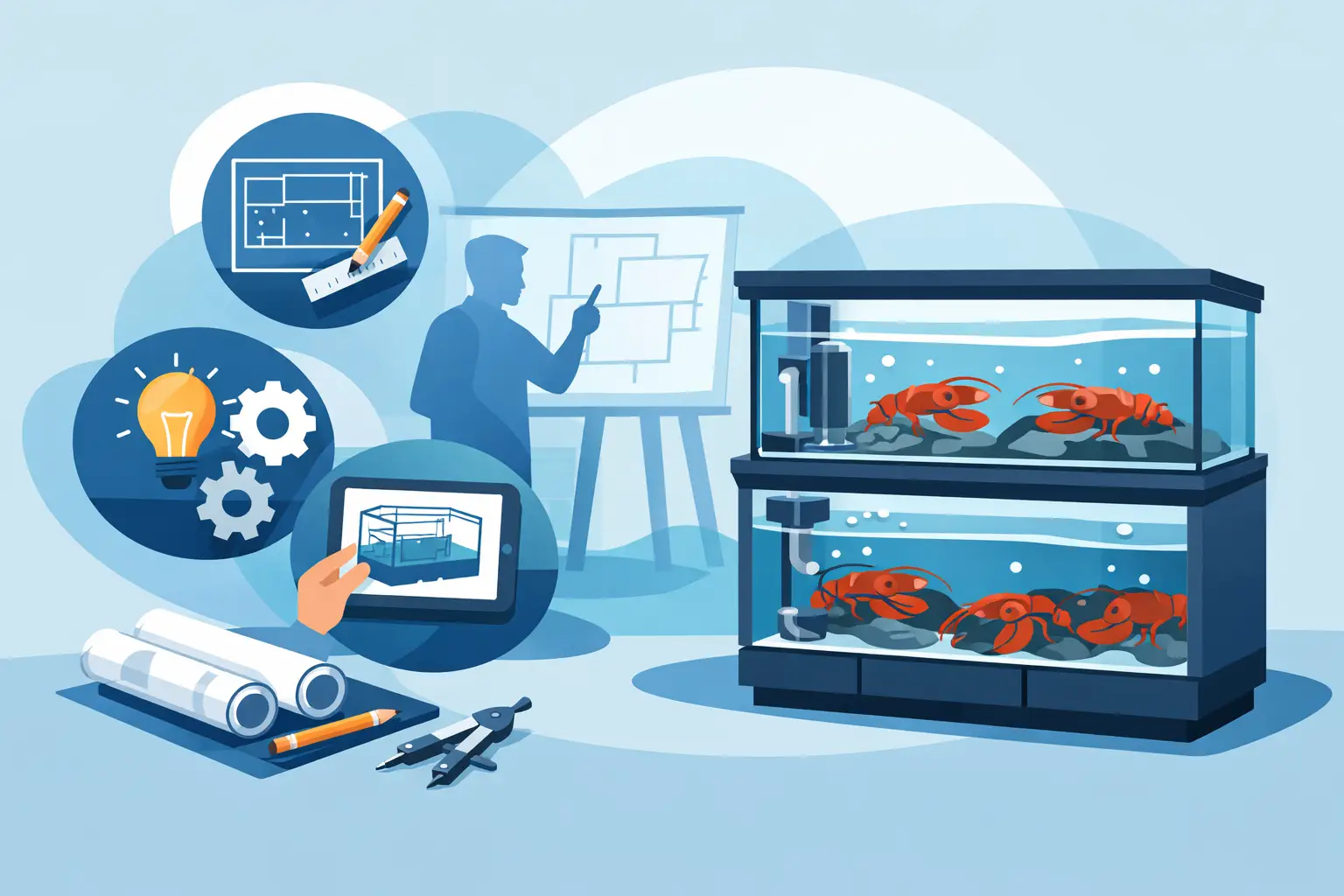
This is where custom system design pays off. A tank program should match the species being held, expected turnover, seasonal peaks, available floor space, and service requirements. A one-size-fits-all approach may look less expensive at installation, but it often costs more through avoidable shrink and maintenance issues.
Equipment Problems That Create Hidden Stress
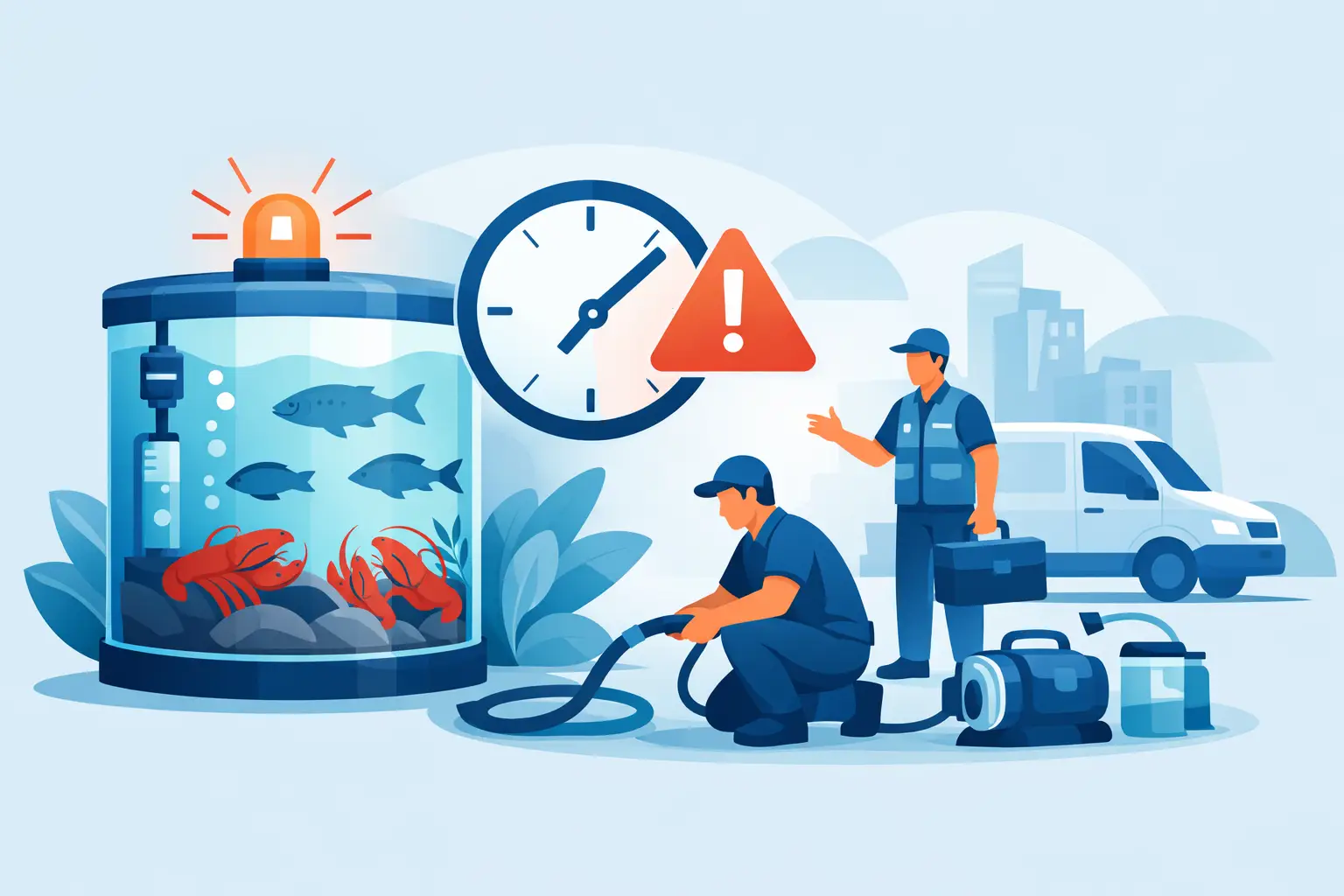
Many shellfish losses trace back to a component that is running, but not performing correctly. A pump may be moving less water than expected because of buildup. A chiller may cycle without maintaining the required temperature. A clogged filter may reduce flow. A failing probe or controller may provide misleading information. Even a poorly positioned return line can leave parts of a tank with inadequate circulation.
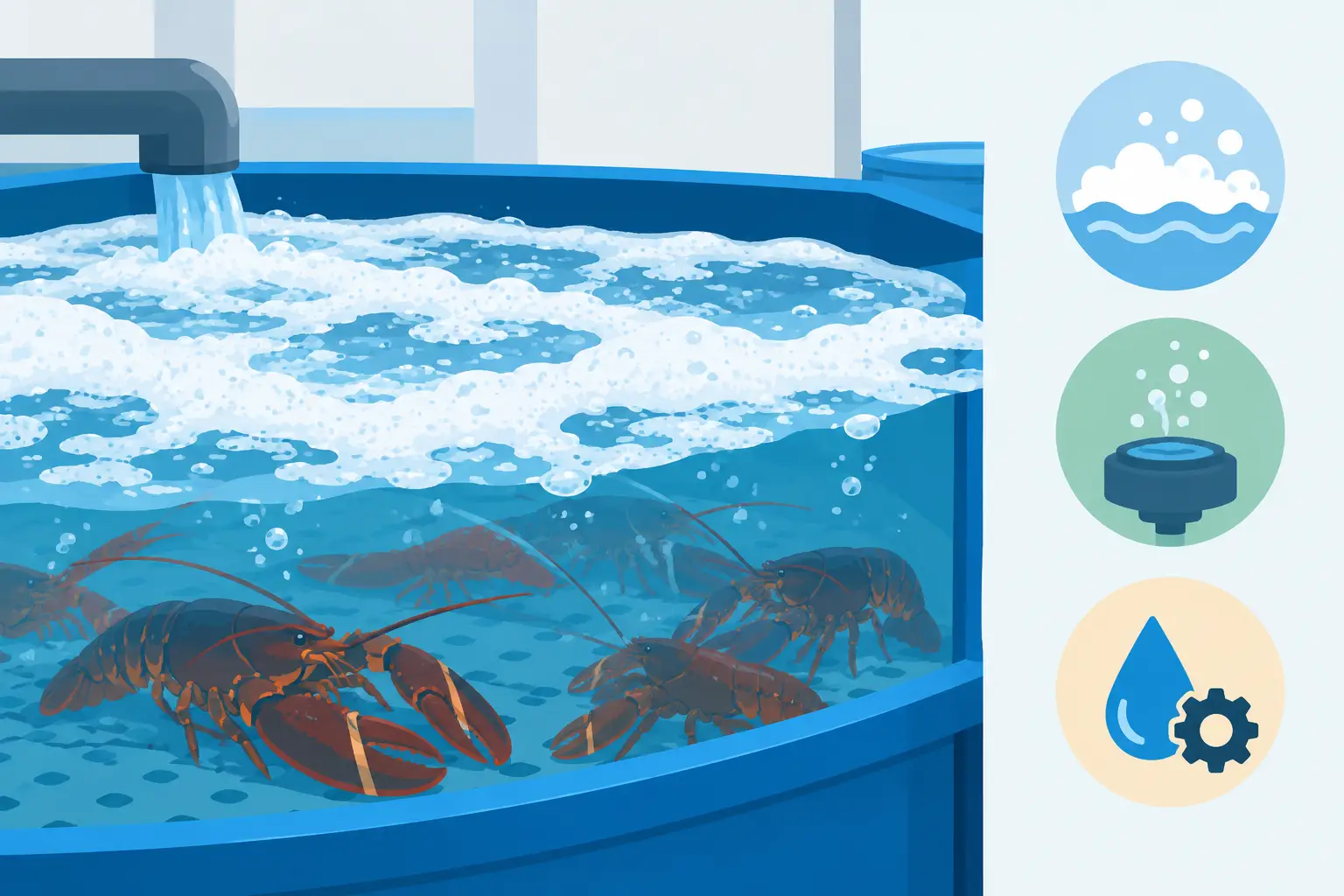
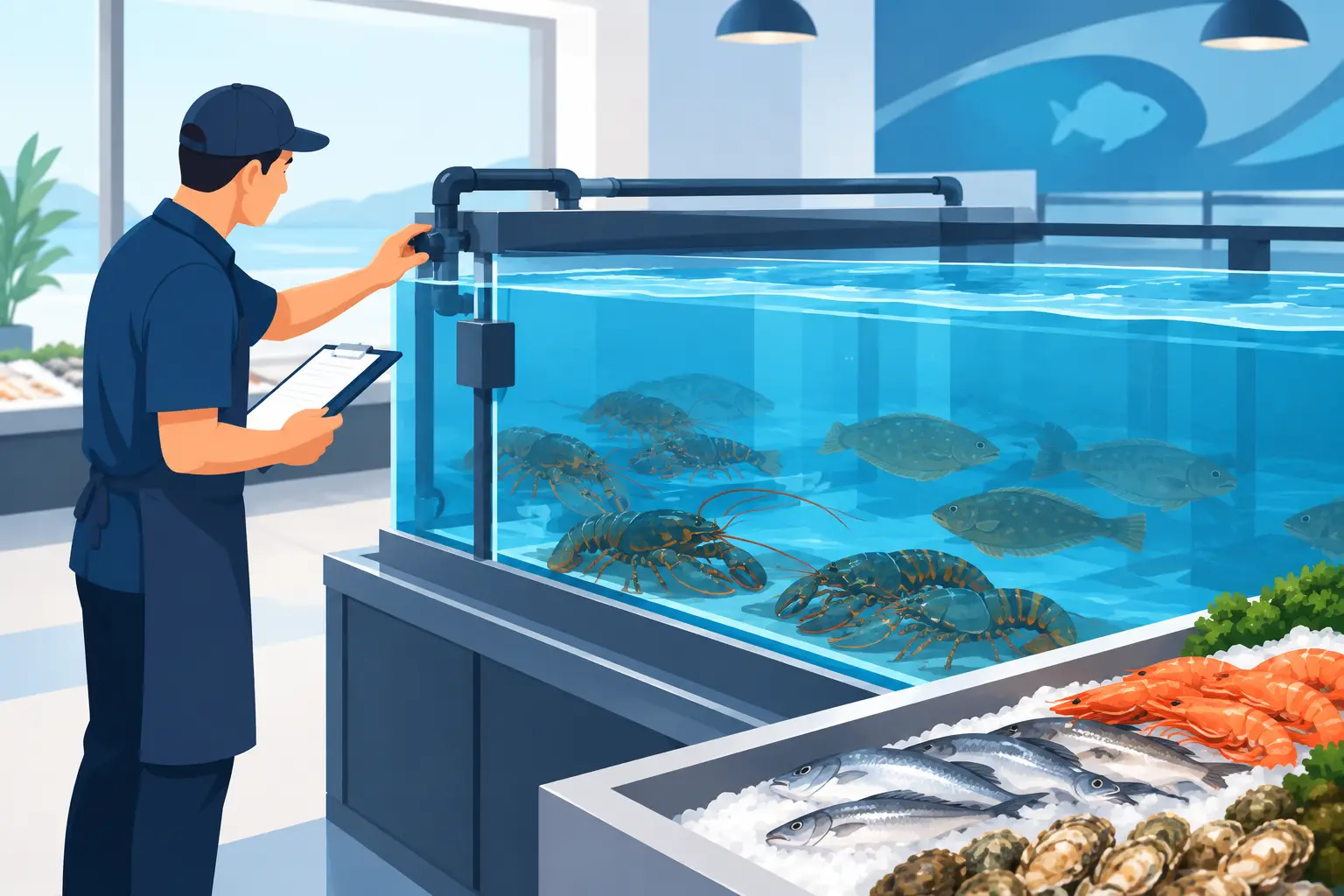
Daily visual checks matter because staff members often notice changes before an instrument alarm does. Look for unusual water movement, excessive foam, changes in water clarity, temperature drift, noisy pumps, weak returns, and shellfish behavior that differs from normal. Remove dead product immediately. One dead animal can add a significant organic load to a closed system, particularly in a heavily stocked tank.
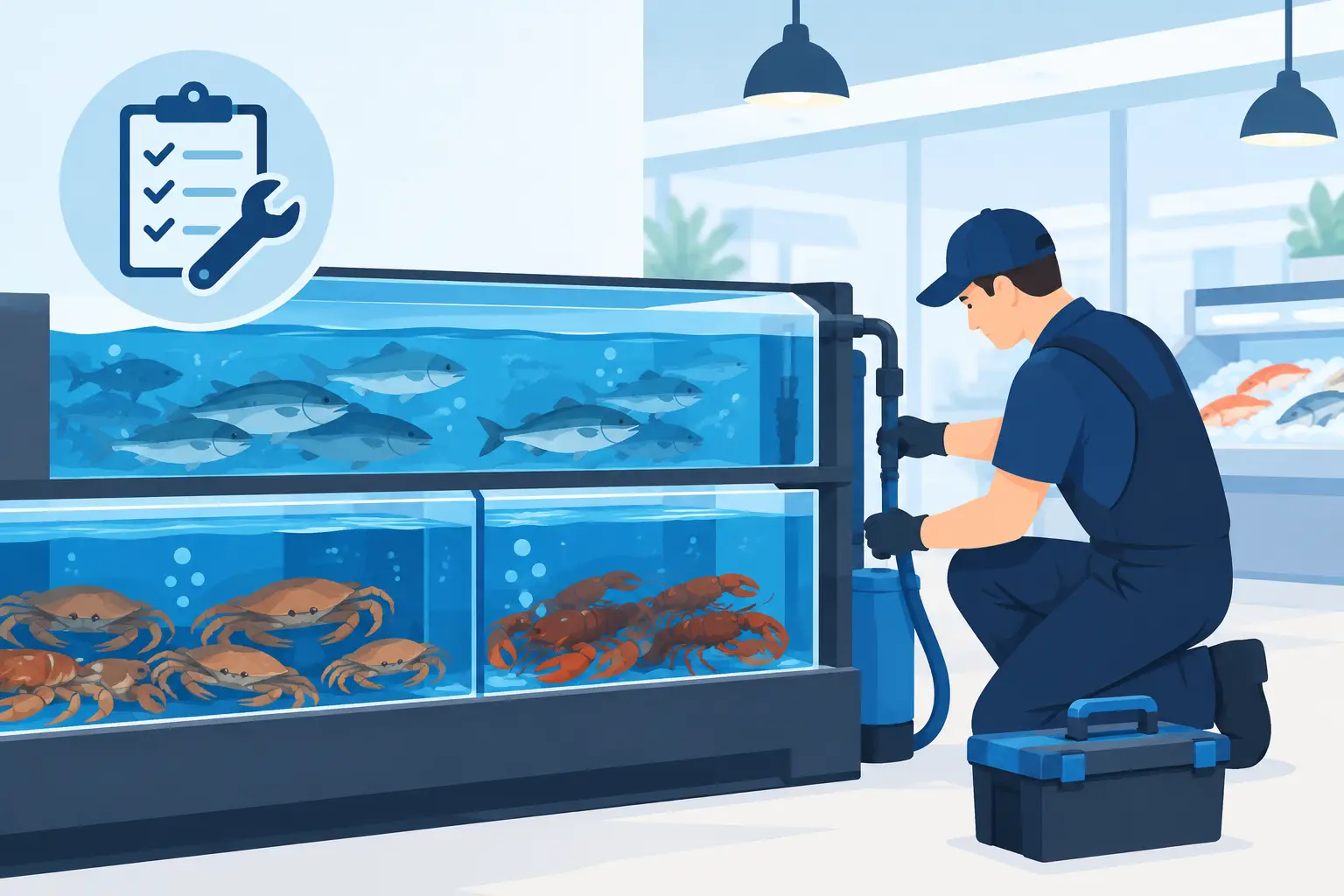
Preventive service is less disruptive than emergency repair. Keeping replacement media, salt, and basic service parts on hand also reduces the temptation to operate a compromised system while waiting for supplies.
How to Reduce Shellfish Stress Day After Day
The best protection is consistency. Maintain stable water parameters, stock within the system’s real capacity, receive product carefully, and service filtration before it becomes a problem. Train seafood staff to recognize normal behavior for the species they are holding, because a change in behavior is often the first sign that a tank needs attention.
For multi-location retailers and high-volume seafood operations, standard operating procedures are worth the effort. The same receiving steps, water testing schedule, cleaning routine, and escalation process should apply whether the department is quiet on a Tuesday or handling peak holiday volume. Consistency protects product and makes it easier to identify problems quickly.
Lobster Life Systems has worked with commercial live seafood operations since 1989, and the lesson is straightforward: reliable results come from treating the tank as a complete system. Tank design, marine salt, filtration media, cooling, circulation, maintenance, and responsive support all have to do their job.
When shellfish behavior changes, do not assume the product is the only problem. Check the system, check the water, and check the operating routine. A fast, disciplined response can protect the inventory already in the tank and the next shipment headed your way.