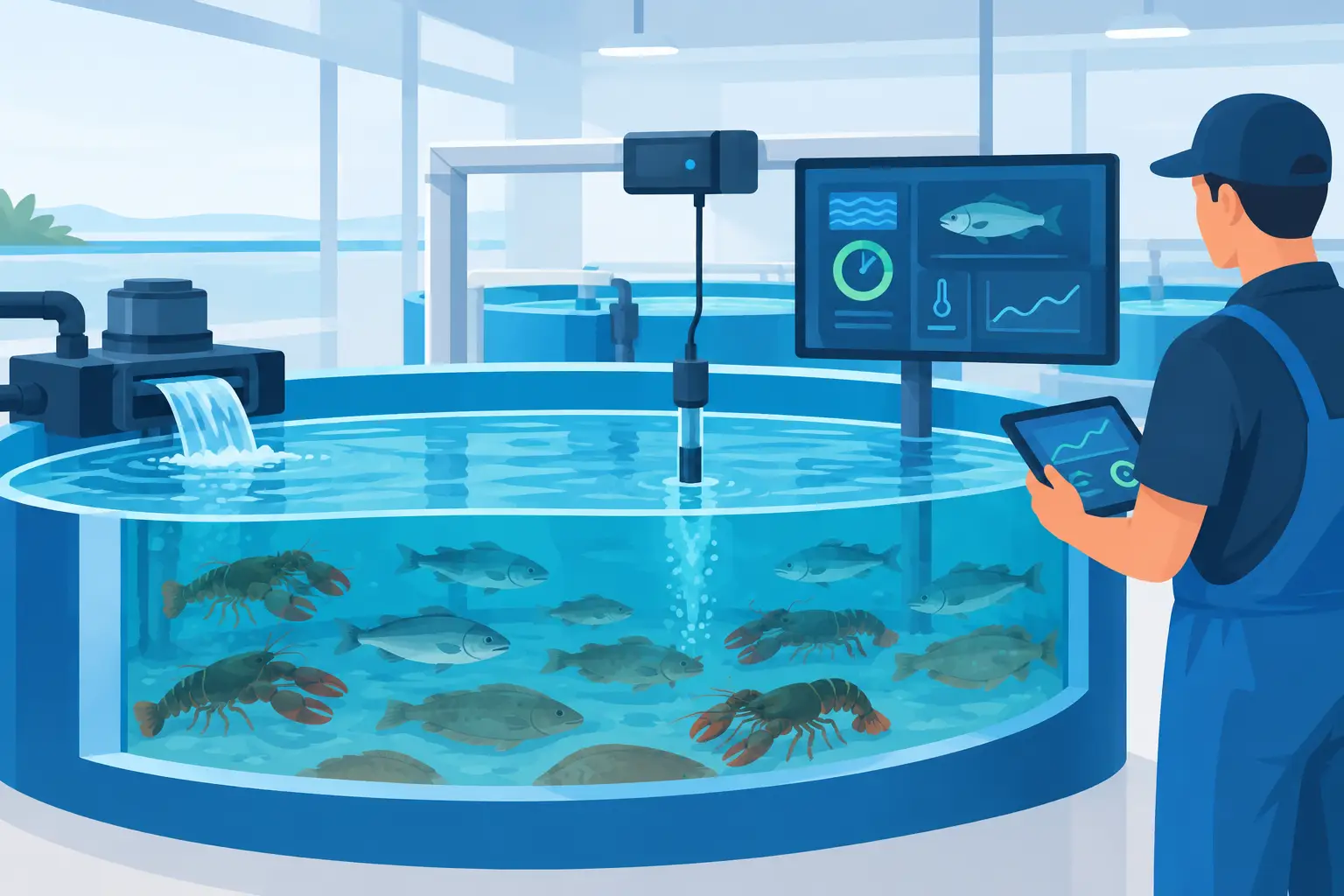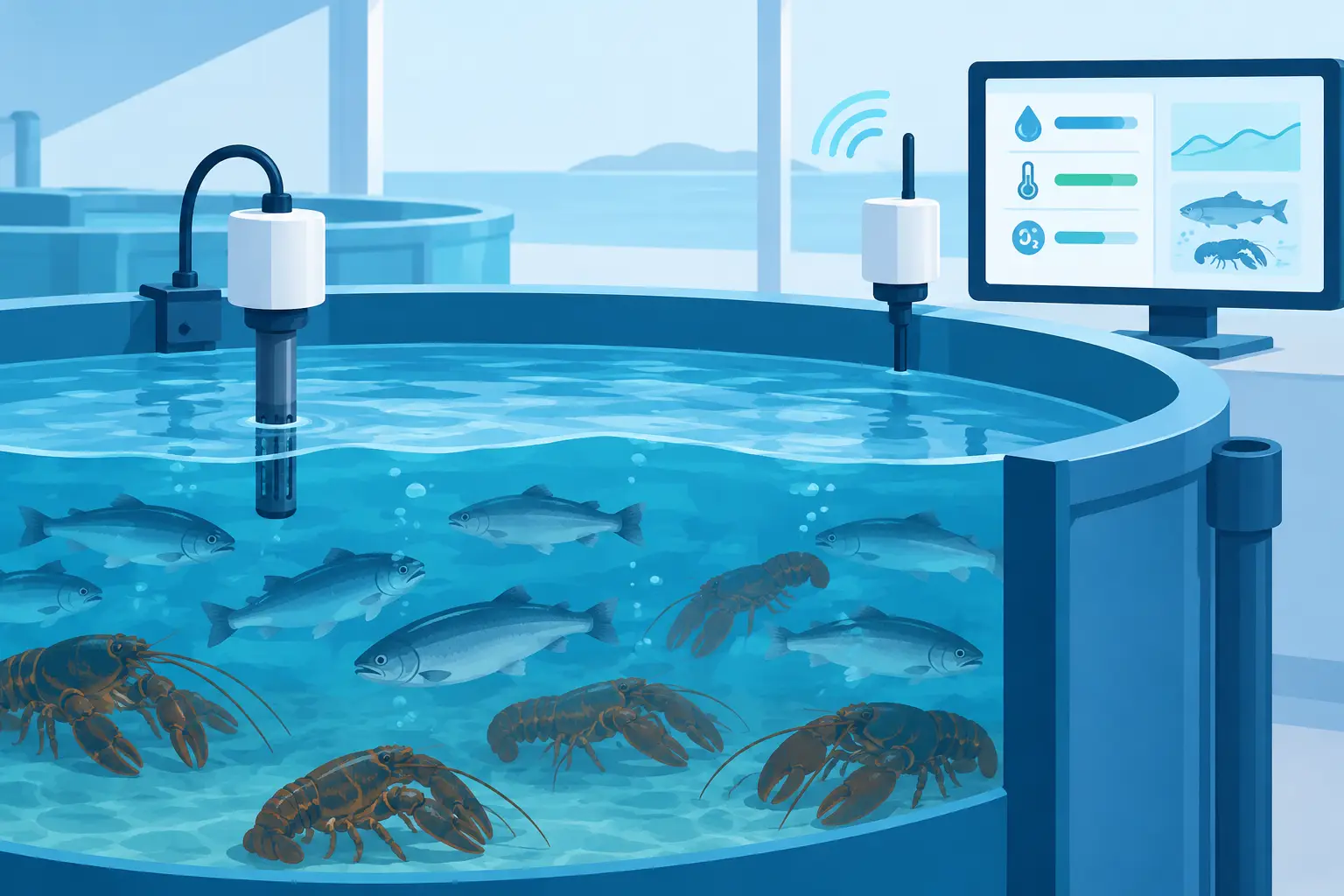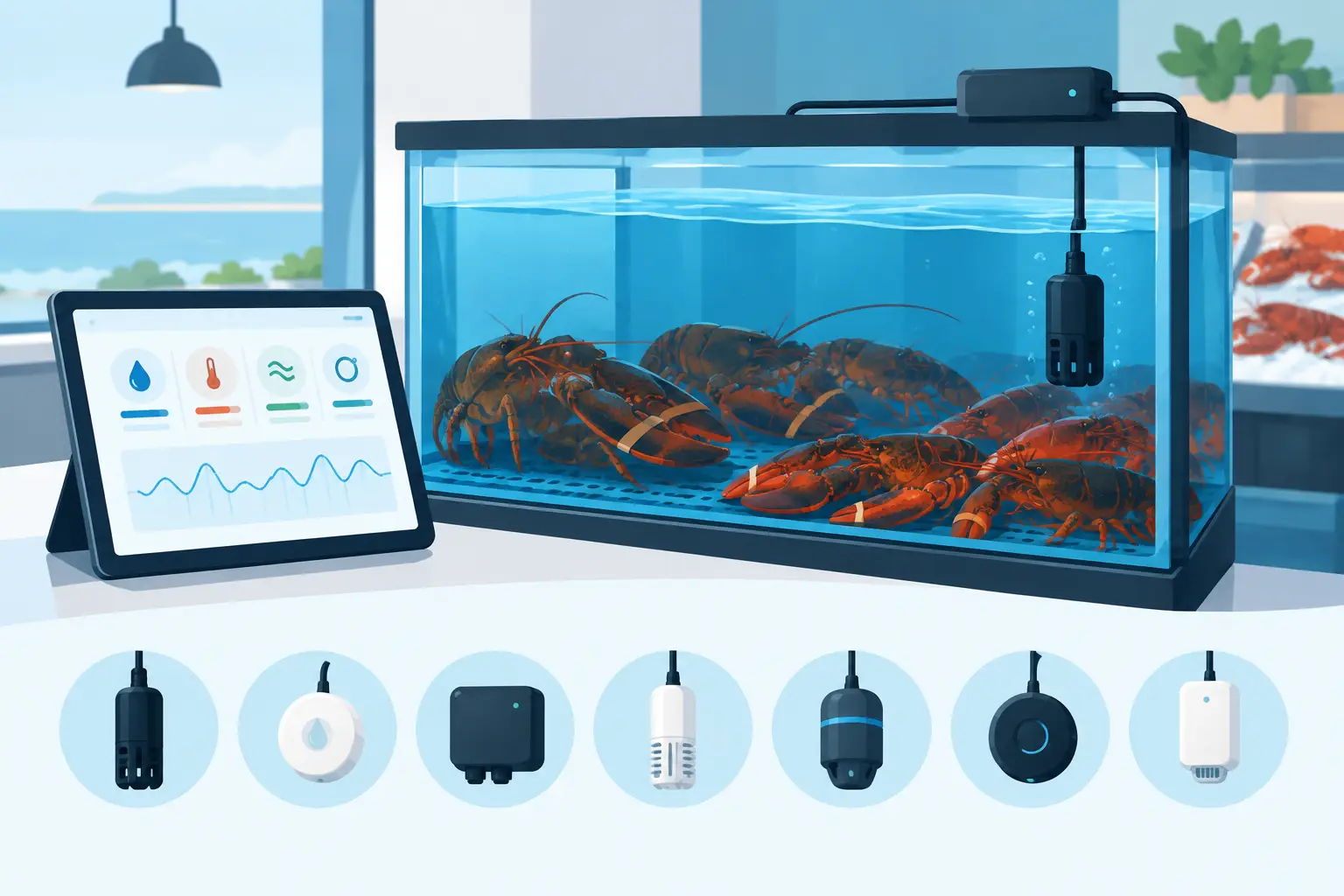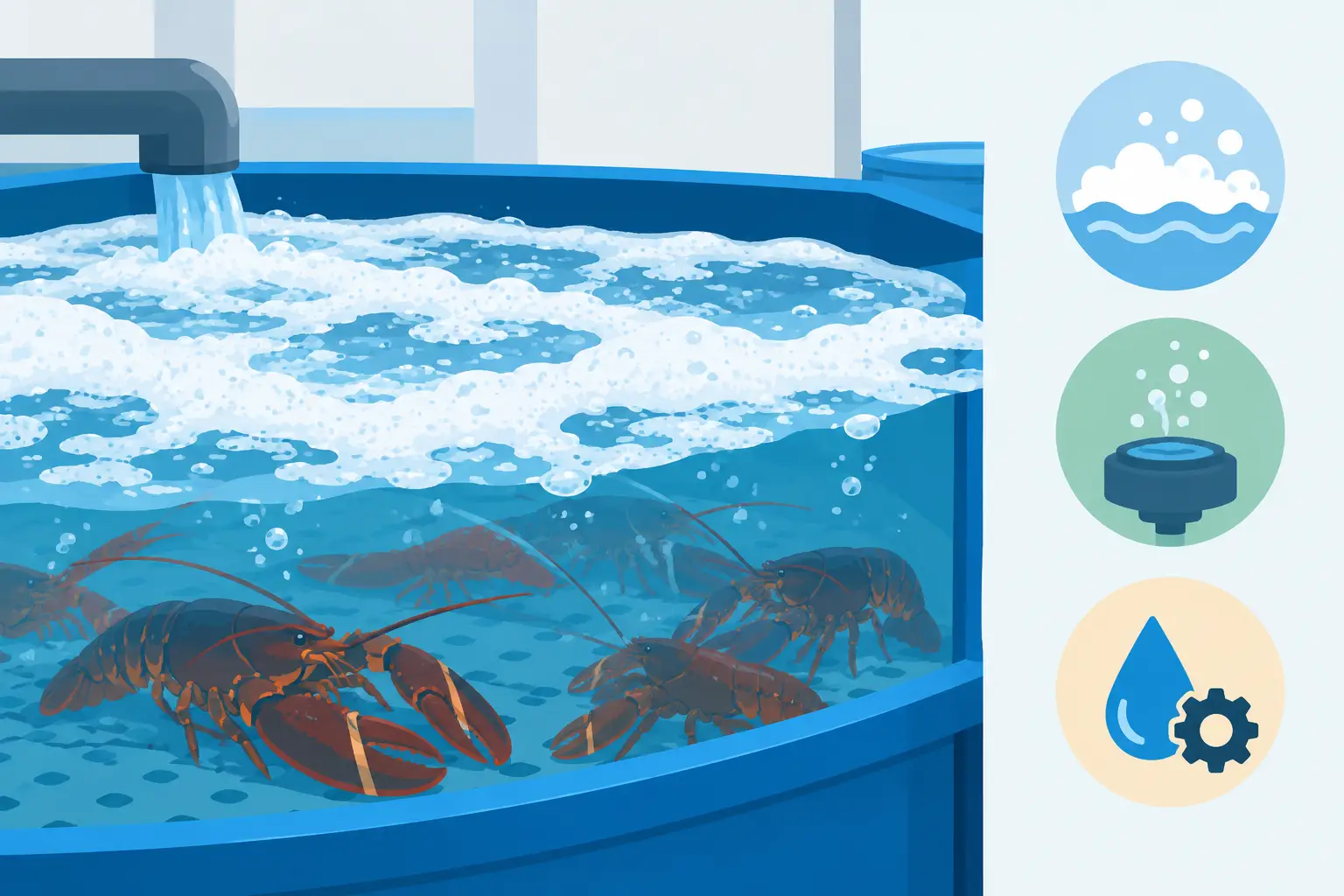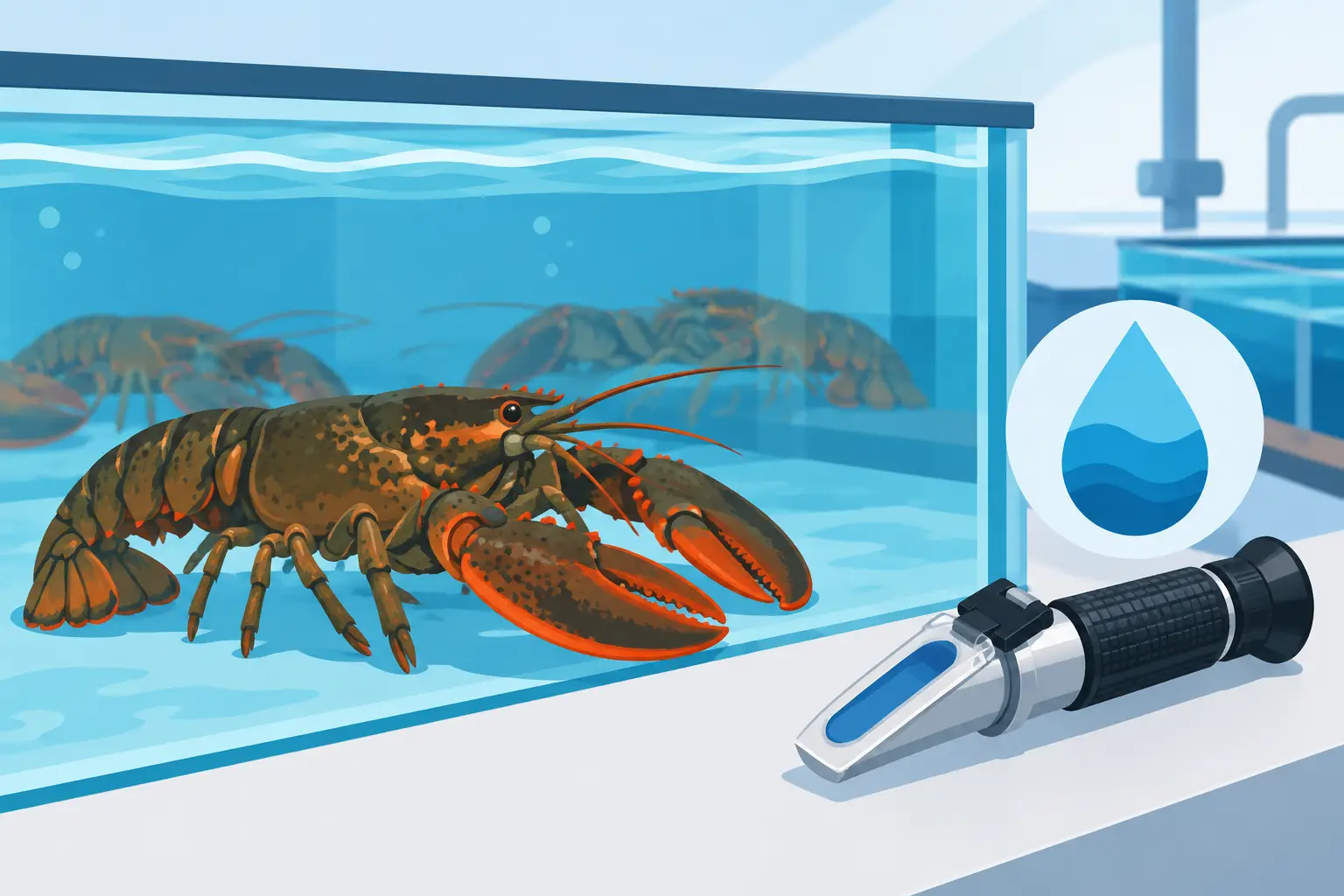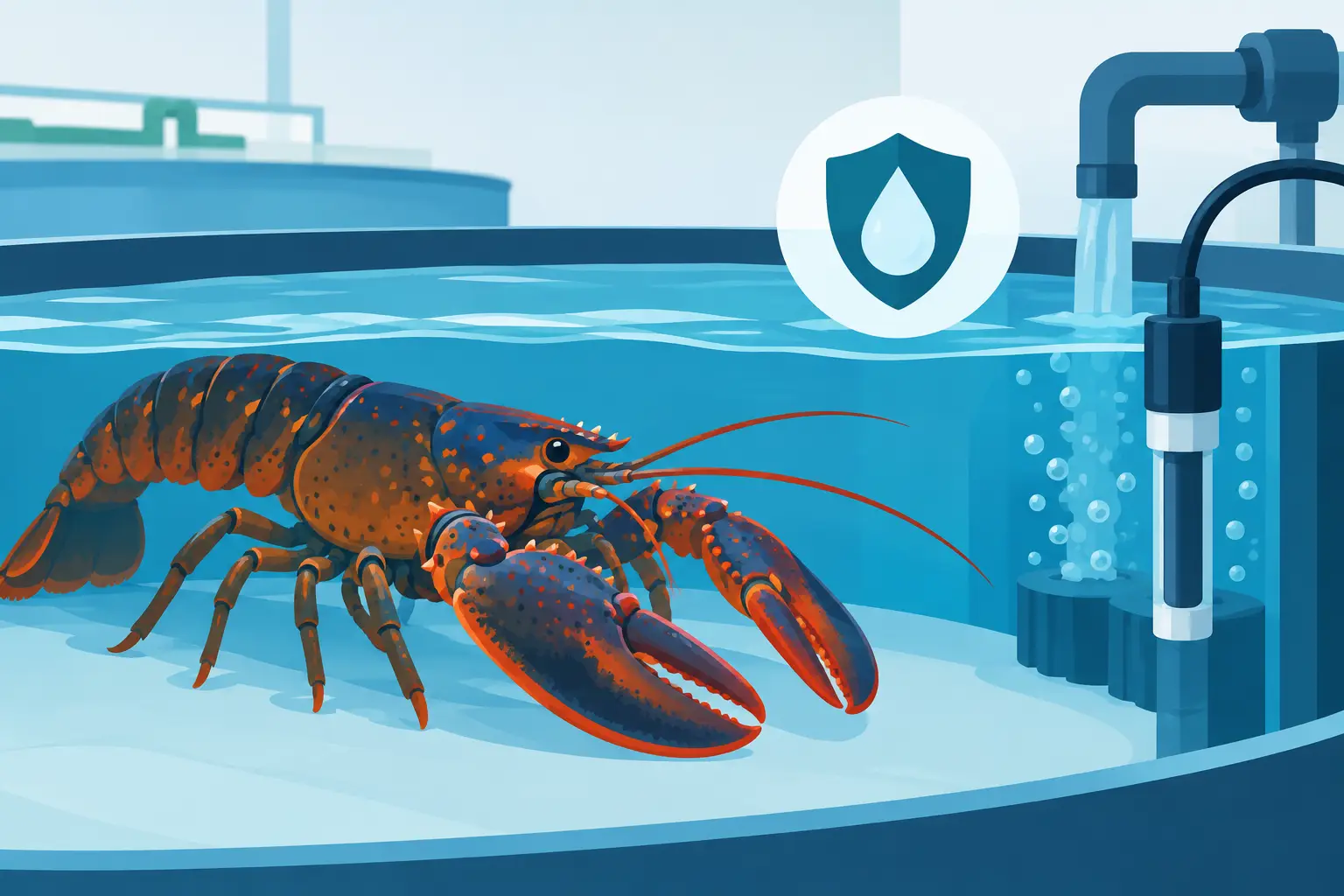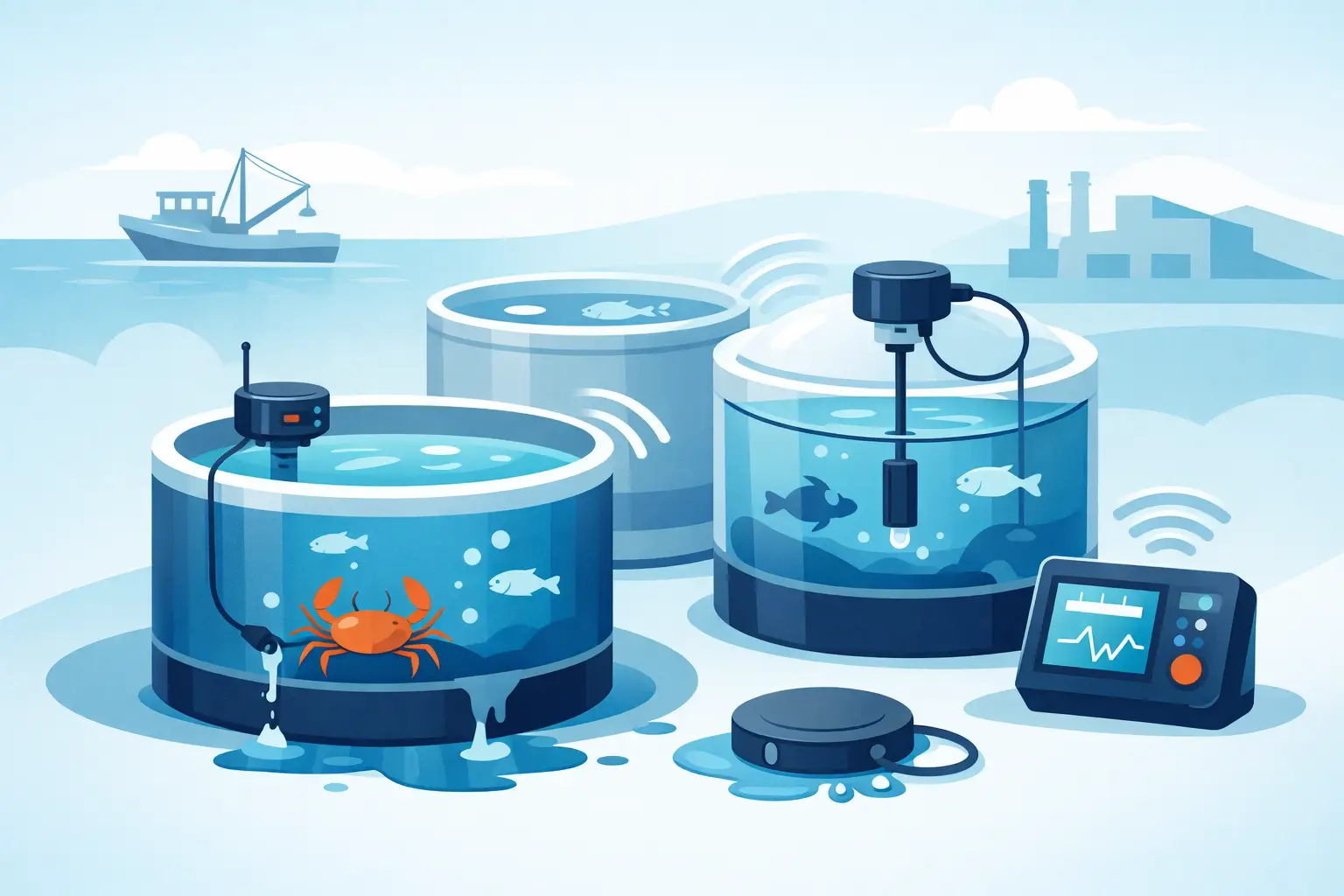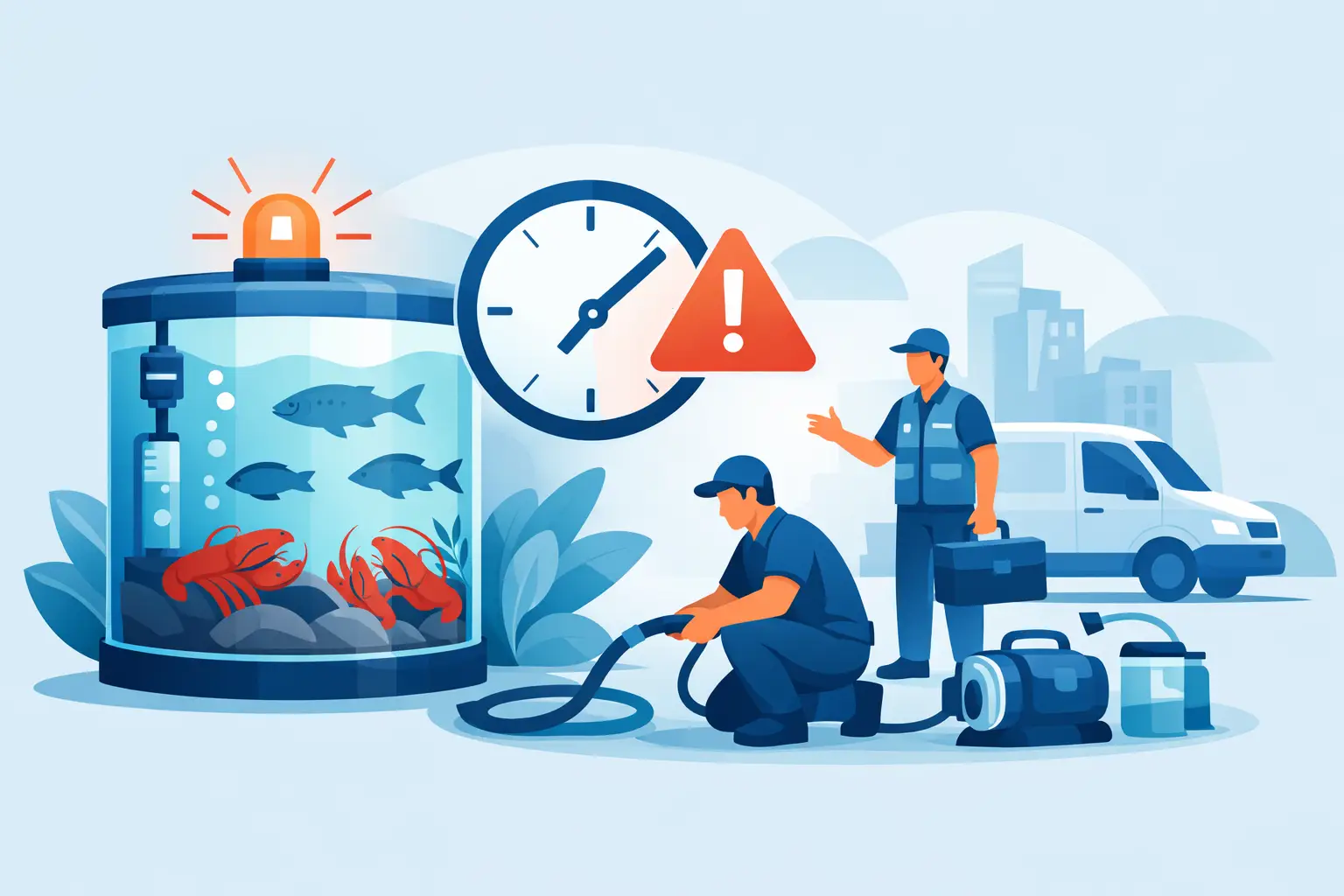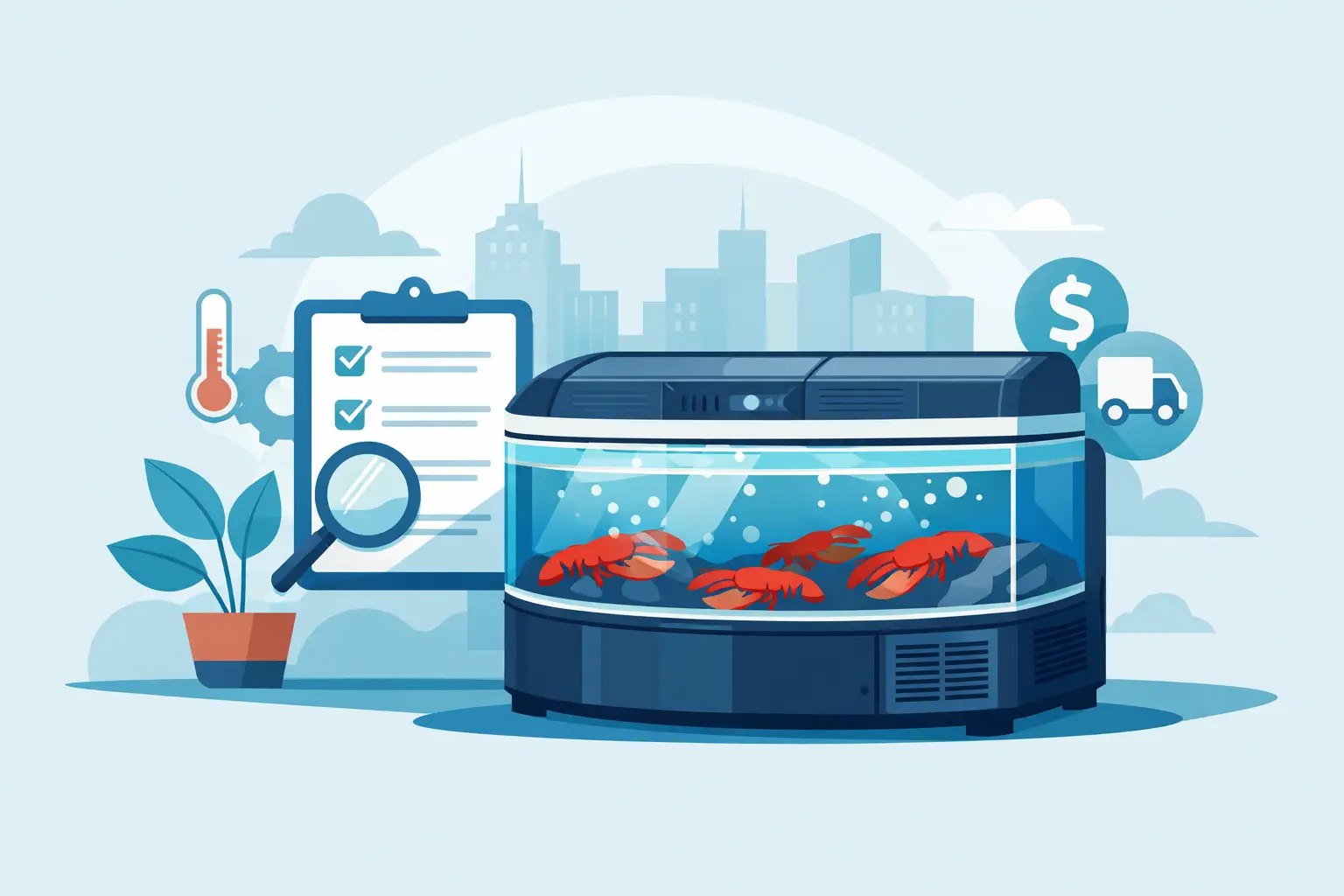
A live lobster or shellfish display can look perfectly normal at 9:00 a.m. and become a costly inventory problem before lunch. Water temperature drifts, circulation slows, a filter loads up, or dissolved oxygen falls outside the proper range. Seafood tank automation gives commercial operators earlier visibility into those changes, helping protect animal health, product quality, and the department’s bottom line.
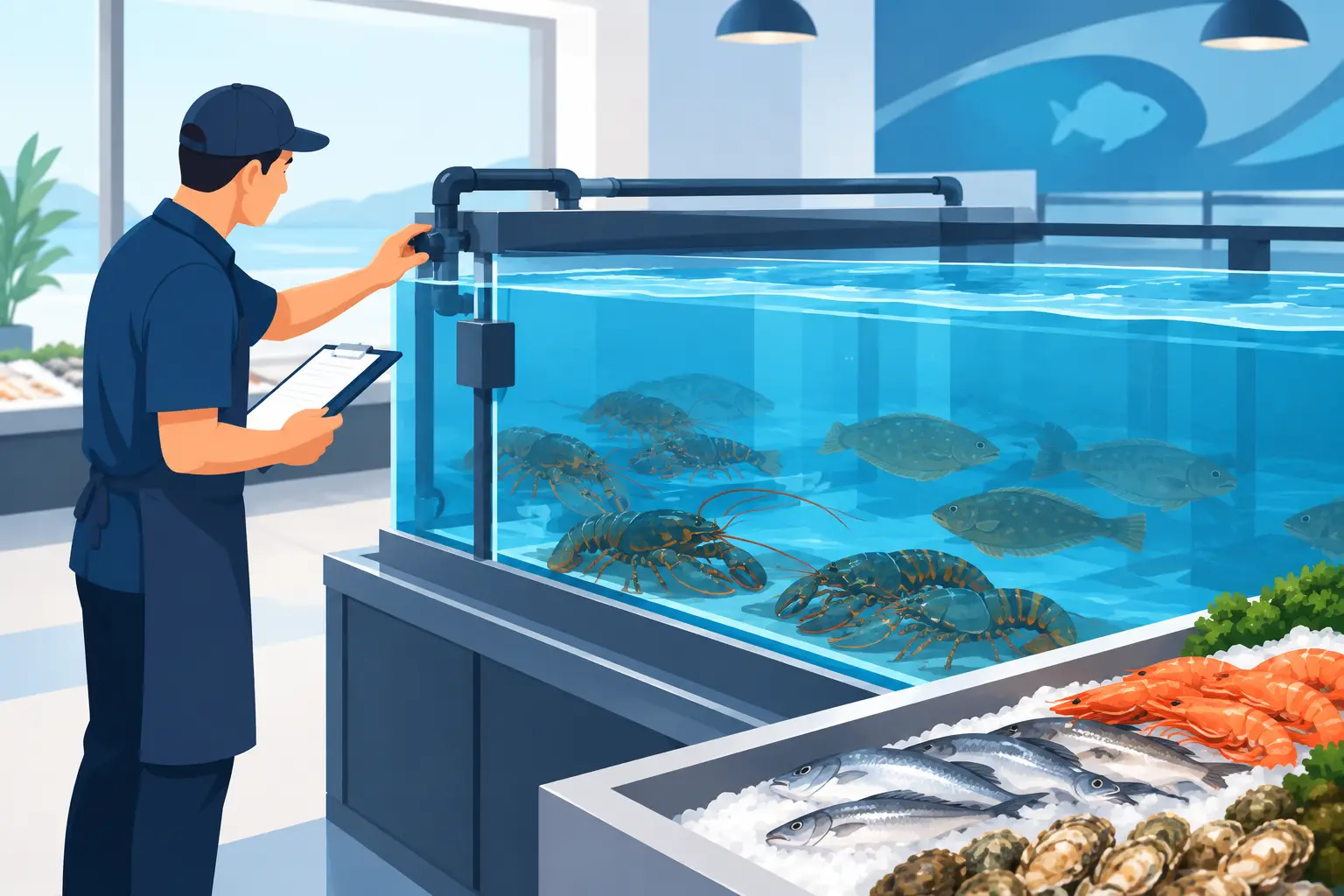
For supermarkets, seafood wholesalers, restaurants, and specialty markets, automation is not about replacing a knowledgeable seafood manager. It is about giving that manager better information, more consistent control, and a faster path to action when a tank needs attention. The right system reduces avoidable risk without creating a complicated piece of equipment that staff cannot operate or service.
What Seafood Tank Automation Should Actually Do
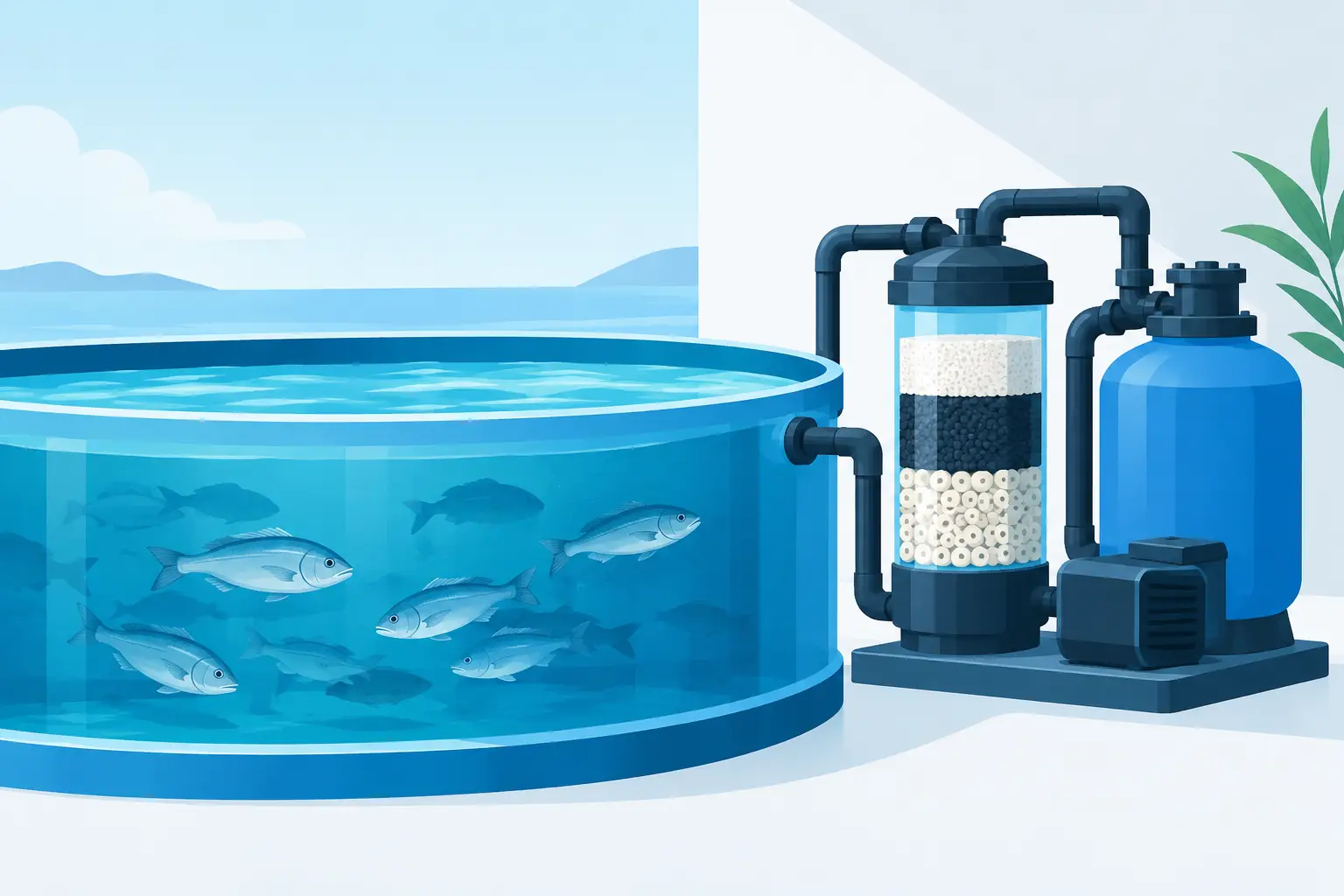
Automation works best when it supports the basics that keep live seafood systems stable: dependable circulation, filtration, temperature management, aeration or oxygen support where applicable, and timely maintenance. It should also make the condition of the system easier to understand at a glance.
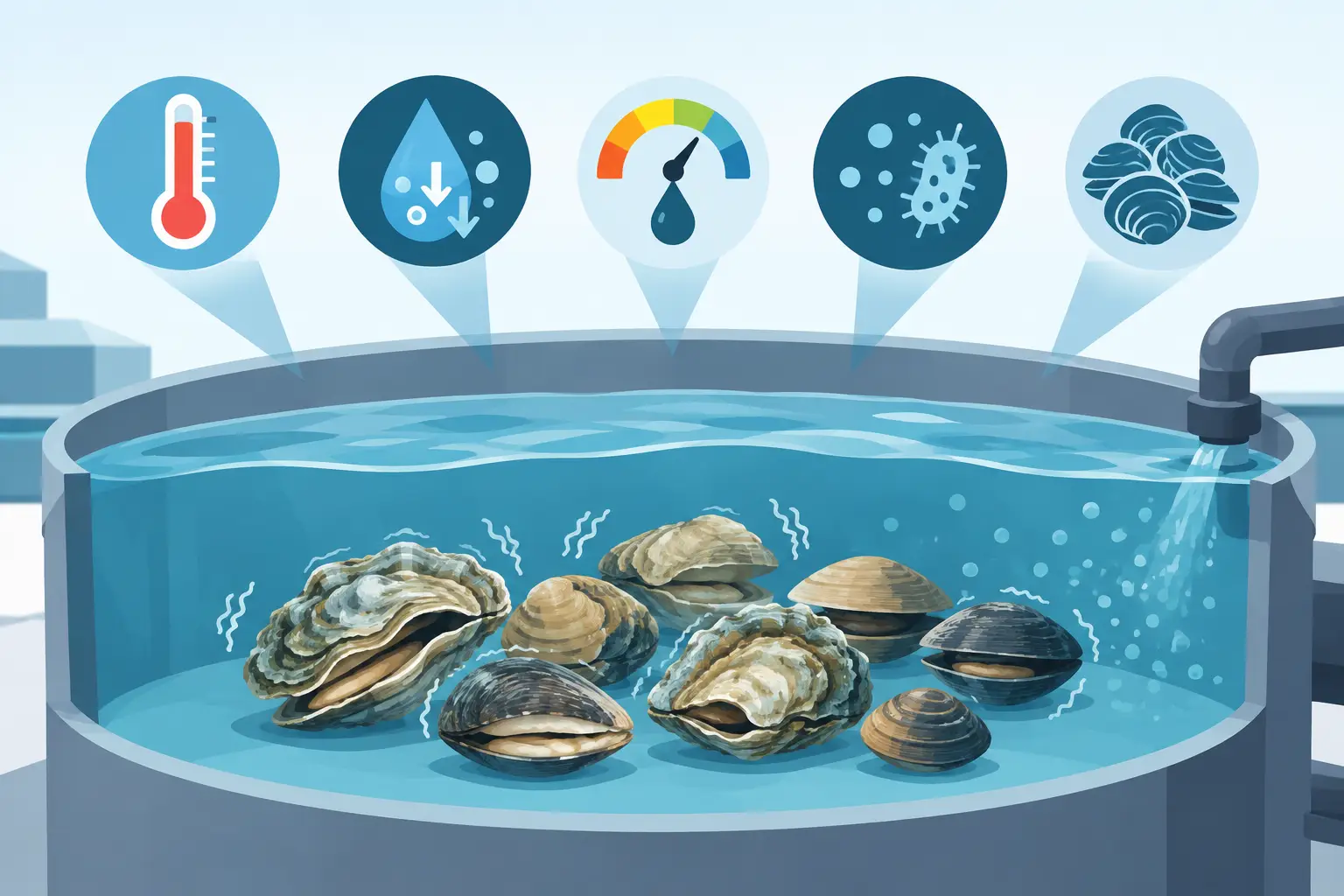
A useful automated setup may monitor temperature, water level, pump operation, flow, and other selected operating conditions. When readings move outside established parameters, the system can trigger an alarm, notify the appropriate team, or activate a programmed response. The exact controls depend on the tank design, species being held, local operating conditions, and the level of staff coverage at the location.
The key is not adding technology for its own sake. A commercial seafood department needs controls that solve real operational problems: catching a failed pump before water quality declines, identifying an abnormal temperature trend before it affects holding conditions, and preventing a small equipment issue from becoming a major live-inventory loss.
Monitoring Is Not the Same as Control
This distinction matters. Monitoring tells operators what is happening. Control equipment acts on that information, such as starting a backup component, adjusting a programmed function, or sending an urgent alarm. Many facilities benefit greatly from monitoring alone, especially when trained staff are on site and can respond quickly.
Other operations need more active control because tanks are unattended for longer periods, the inventory value is high, or a site manages multiple systems across a large store or distribution operation. There is no one-size-fits-all automation package. The right level is the one that fits the tank, the species, the operating hours, and the response plan.
Where Automated Controls Add Value
The first value is consistency. Manual checks remain essential, but they occur at intervals. An automated monitor continues watching between those checks. That can be especially valuable overnight, during busy receiving periods, or when a seafood manager is handling customers, processing product, and managing the rest of the department.
Temperature is an obvious example. Changes in room conditions, refrigeration performance, mechanical operation, or seasonal weather can affect a tank faster than expected. Continuous temperature monitoring can reveal a gradual problem before it turns into an emergency.
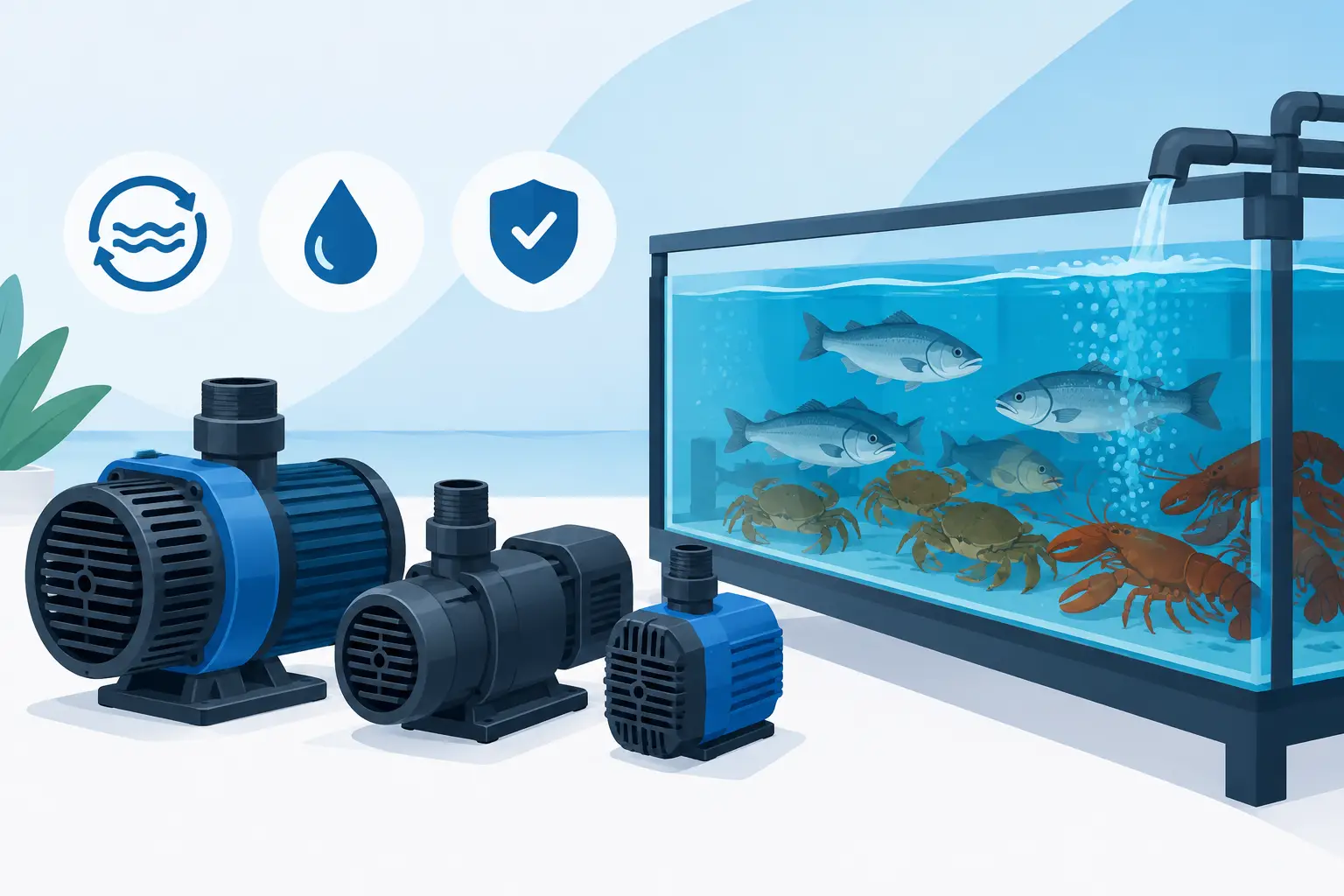
Flow and pump performance are equally important. A pump may be running but not delivering the circulation the system requires because of a restriction, wear issue, or maintenance need. Automated alerts tied to pump status or water movement can help operators investigate while there is still time to correct the issue.
Water level monitoring also has a practical role. Low water conditions, leaks, overflow risk, or equipment-related level changes can affect both the life-support environment and the surrounding retail space. Early notification protects more than the animals in the tank. It can help prevent damage to floors, displays, electrical equipment, and adjacent departments.
Automation can also improve accountability. When a site has a record of alerts, readings, and response times, managers can spot recurring issues and plan maintenance based on actual system behavior rather than guesswork. That information is valuable when managing multiple locations, training new team members, or evaluating whether a component needs replacement.
Start With a Tank System Built for Commercial Use
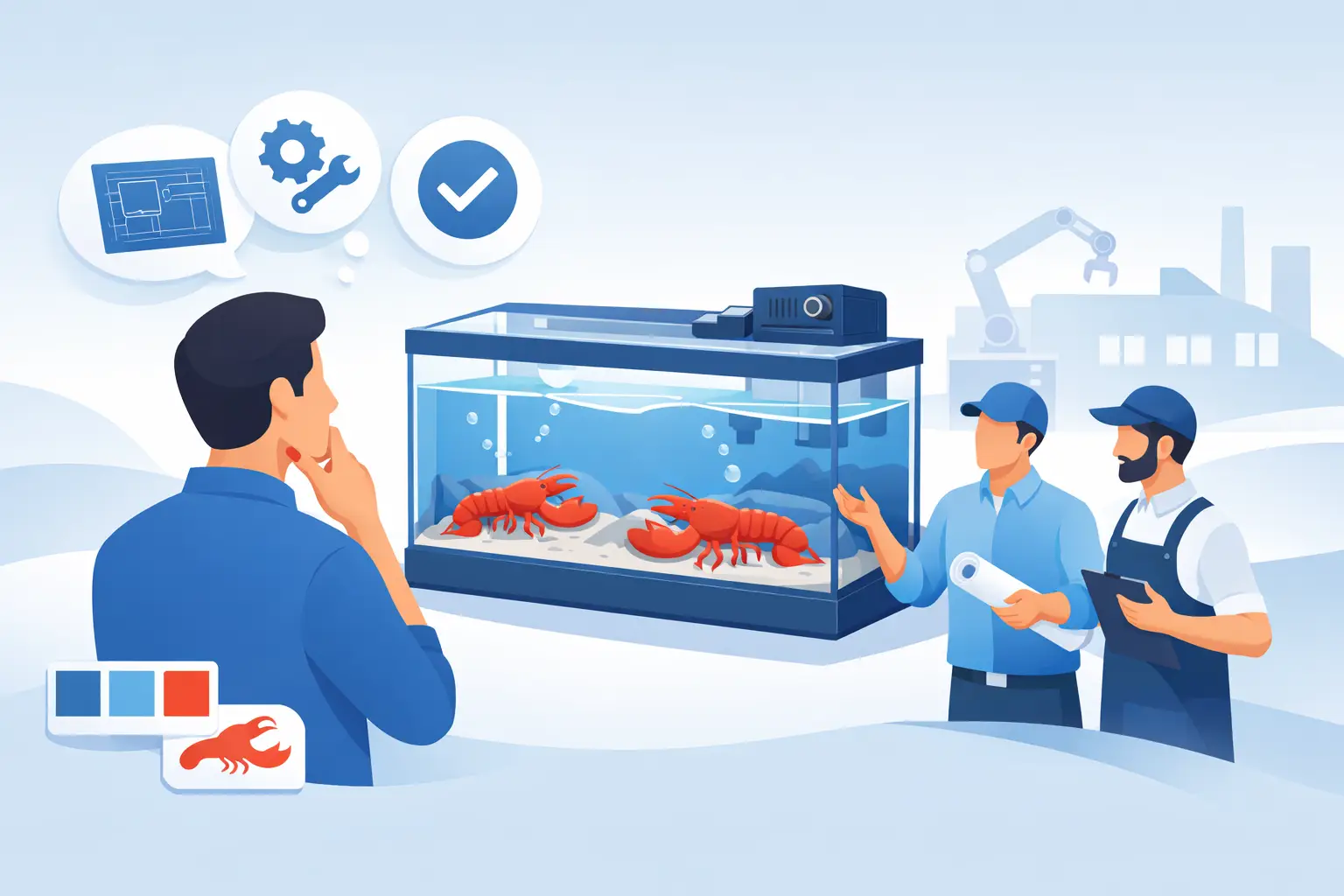
Automation cannot compensate for poor system design, undersized filtration, improper installation, or neglected service. The tank itself must be engineered around the realities of live seafood holding: species requirements, holding volume, expected turnover, available utilities, store layout, sanitation procedures, and the expertise of the people who will operate it.
That is why commercial operators should look at automation as part of the entire aquatic system, not as an add-on purchased after the fact. Controls need to work with the tank’s pumps, filtration, plumbing, electrical components, and access points. Sensors must be placed where they provide meaningful readings, remain serviceable, and do not interfere with normal cleaning or daily operation.
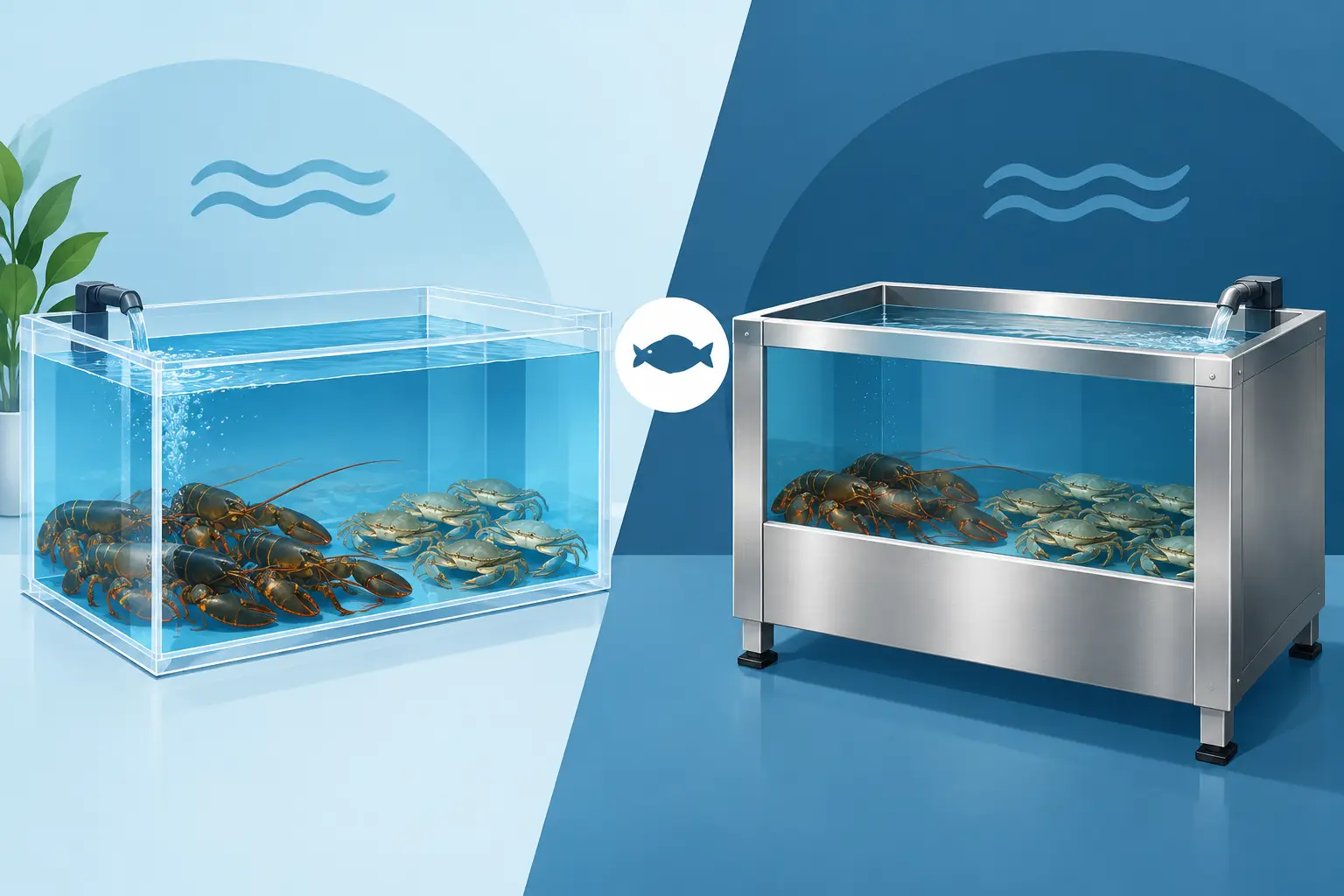
A self-contained lobster system, for example, has different operating priorities than a large multi-tank seafood display or a shellfish holding system. The automation strategy should follow the design, not force every installation into the same control package.
Avoid the Trap of Over-Automation
More technology is not always better. A system with too many sensors, complicated dashboards, or unclear alarms can create confusion at the exact moment staff need to make a quick decision. If employees do not know which alert requires immediate action, an alarm is just noise.
The best commercial systems keep critical information clear. Staff should know what normal operation looks like, what each alert means, who to contact, and what immediate steps are appropriate. A written response procedure should be part of commissioning and staff training, particularly for stores with night crews, changing schedules, or multiple departments sharing responsibility.
There is also a maintenance trade-off. Sensors, controls, and communication equipment need inspection and calibration as applicable. An alert system that is never tested can create false confidence. Include automated components in the preventive maintenance schedule, verify alarm delivery, and review backup power arrangements as part of the overall risk plan.
Build Automation Around Response, Not Just Alerts
An alarm only has value if somebody can act on it. Before selecting controls, decide who receives notifications, how they will be contacted, and what happens if the first person does not respond. The answer may differ between a single independent seafood market and a supermarket chain with a facilities team.
For a high-value live seafood operation, response planning should address several questions: Is trained staff available after hours? Is there a documented escalation path? Are replacement parts or backup equipment accessible? Can the service provider provide technical support when an in-house team needs help? Is the tank system maintained on a schedule that reduces preventable emergencies?
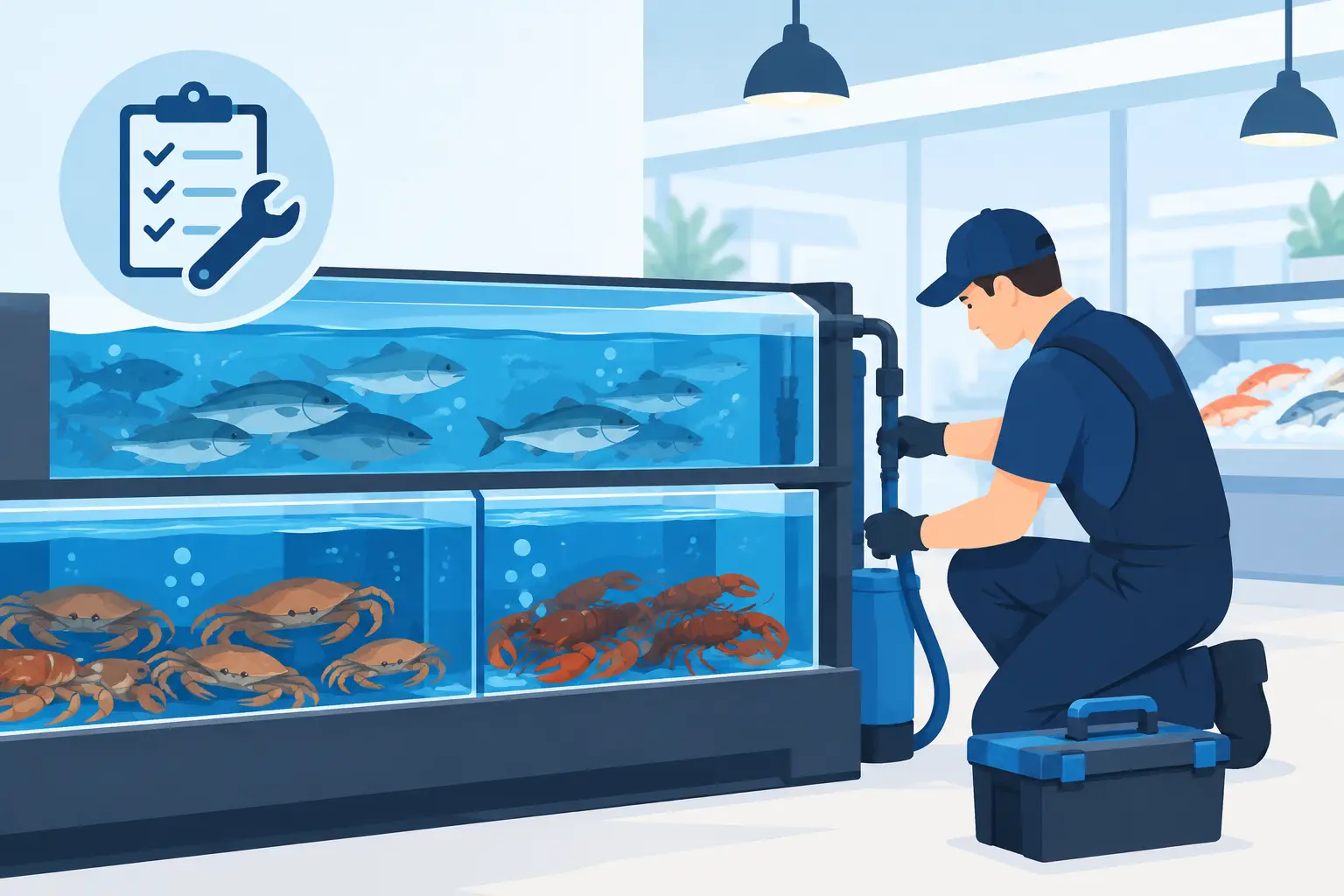
This is where a full-service partner has an advantage over a collection of unrelated vendors. Lobster Life Systems designs and manufactures commercial live seafood systems, supplies the marine salt and filtration products that support daily operation, and provides maintenance and technical support for installed equipment. That continuity matters when an operator needs a system designed for the real world, not a generic tank with disconnected parts and no clear service path.
A Practical Path to Better Tank Control
Start by identifying the failures that would create the greatest risk at your location. For one operator, temperature may be the main concern. For another, it may be pump failure, water level, inconsistent maintenance, or limited overnight coverage. Then match monitoring and controls to those risks.
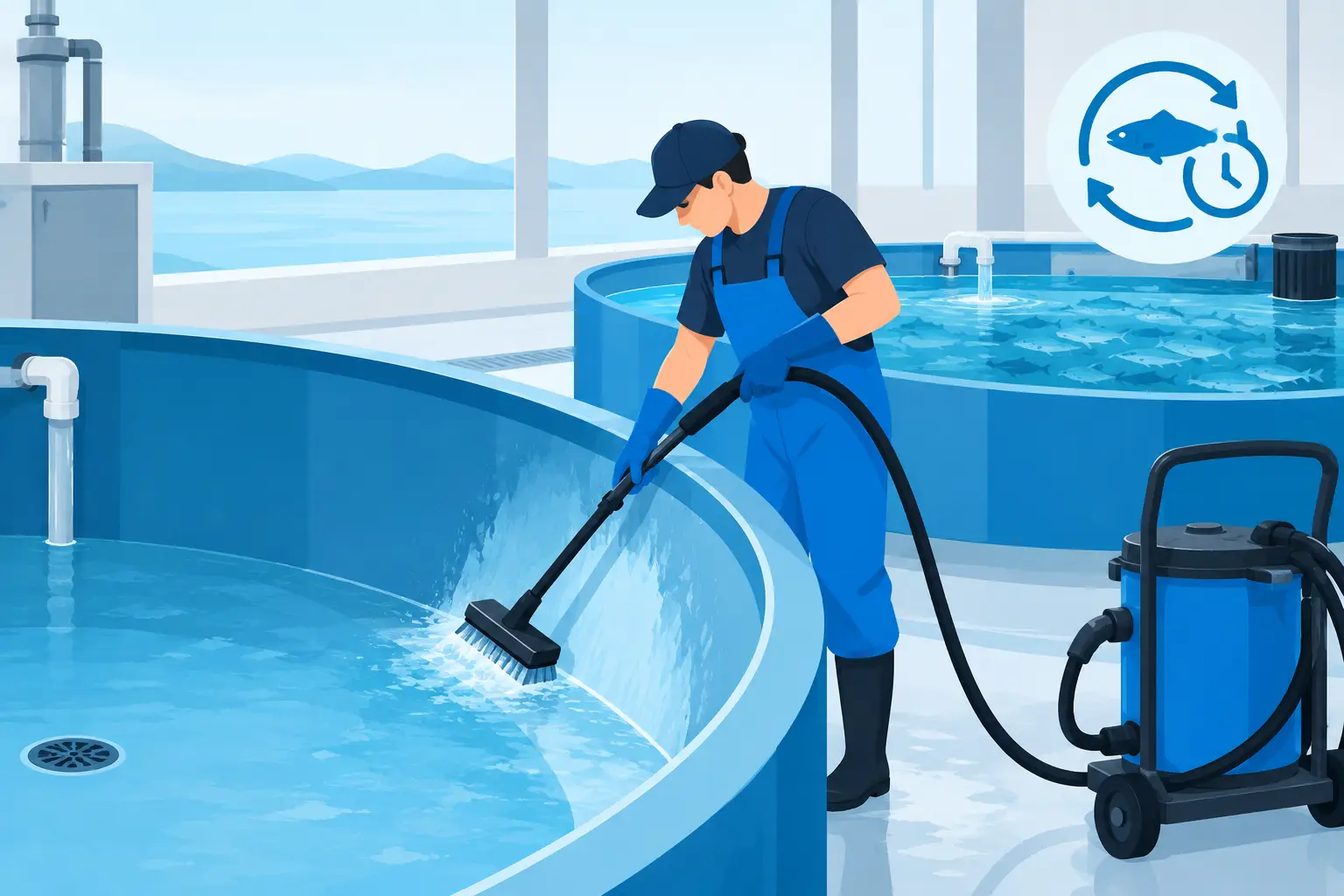
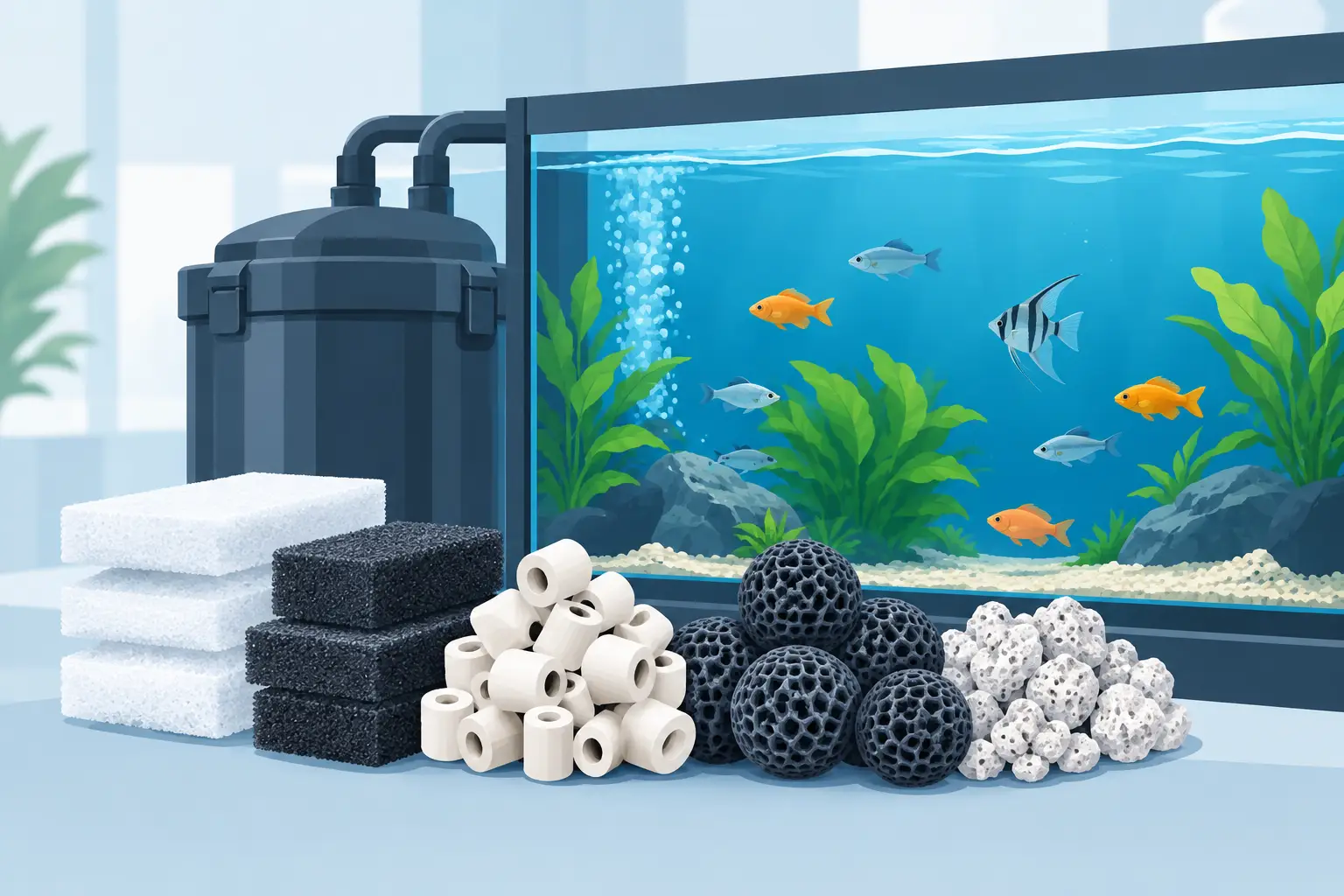
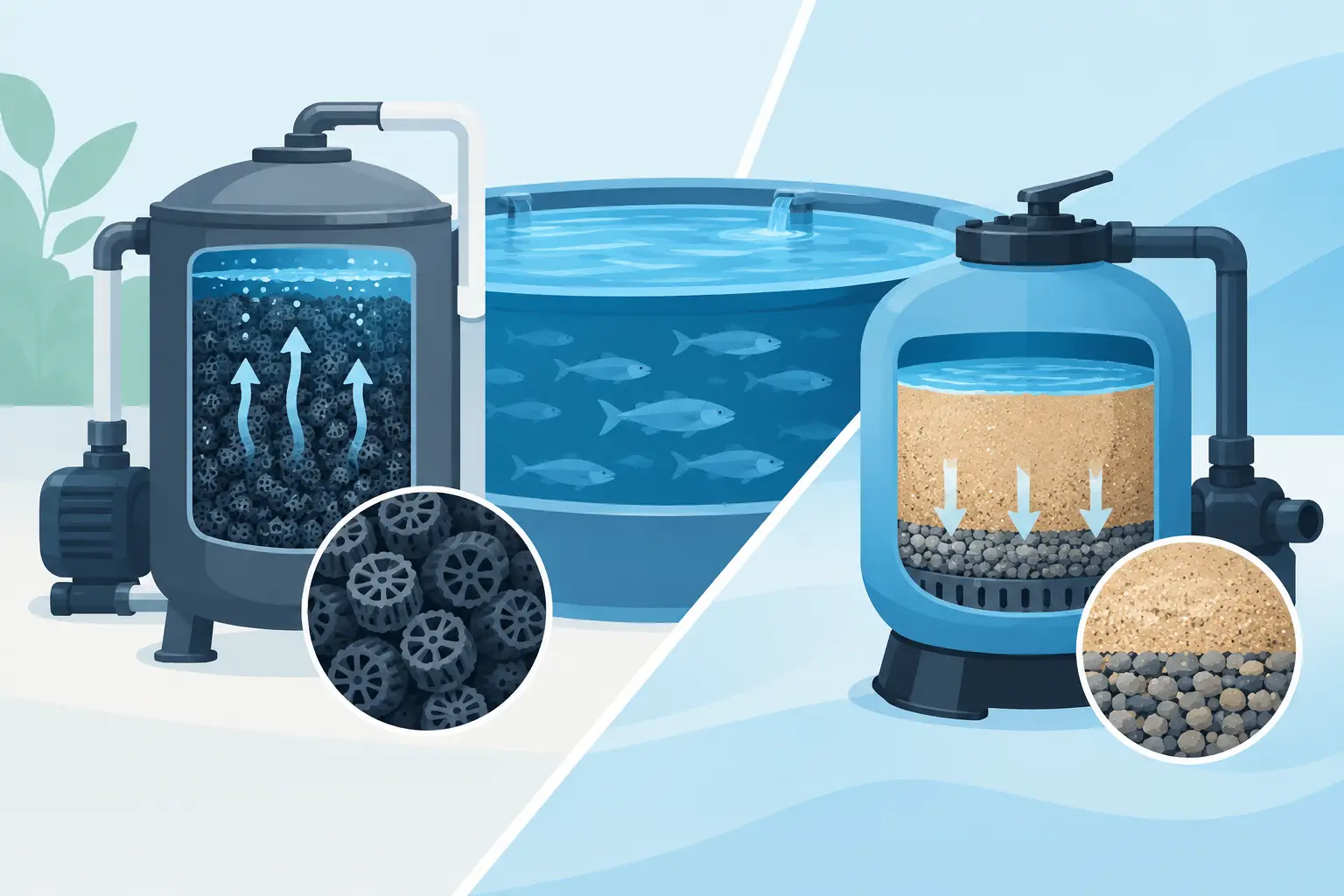
Next, make sure the core equipment is in good condition. Clean filtration media, properly sized pumps, functioning plumbing, correct marine salt levels, and routine system service remain the foundation of dependable holding. Automation should reinforce disciplined maintenance, not become an excuse to delay it.
Finally, train the people who work around the system. A seafood manager does not need to become an aquatic engineer, but the team should understand normal readings, warning signs, basic daily checks, and when to call for support. Clear responsibilities protect live inventory far better than a sophisticated control panel left to interpret itself.
The strongest seafood tank automation is the kind your team trusts because it is built around dependable equipment, clear alarms, and a real plan for response. When every hour of live holding matters, that combination helps keep the tank stable, the display looking right, and your seafood department ready to sell.