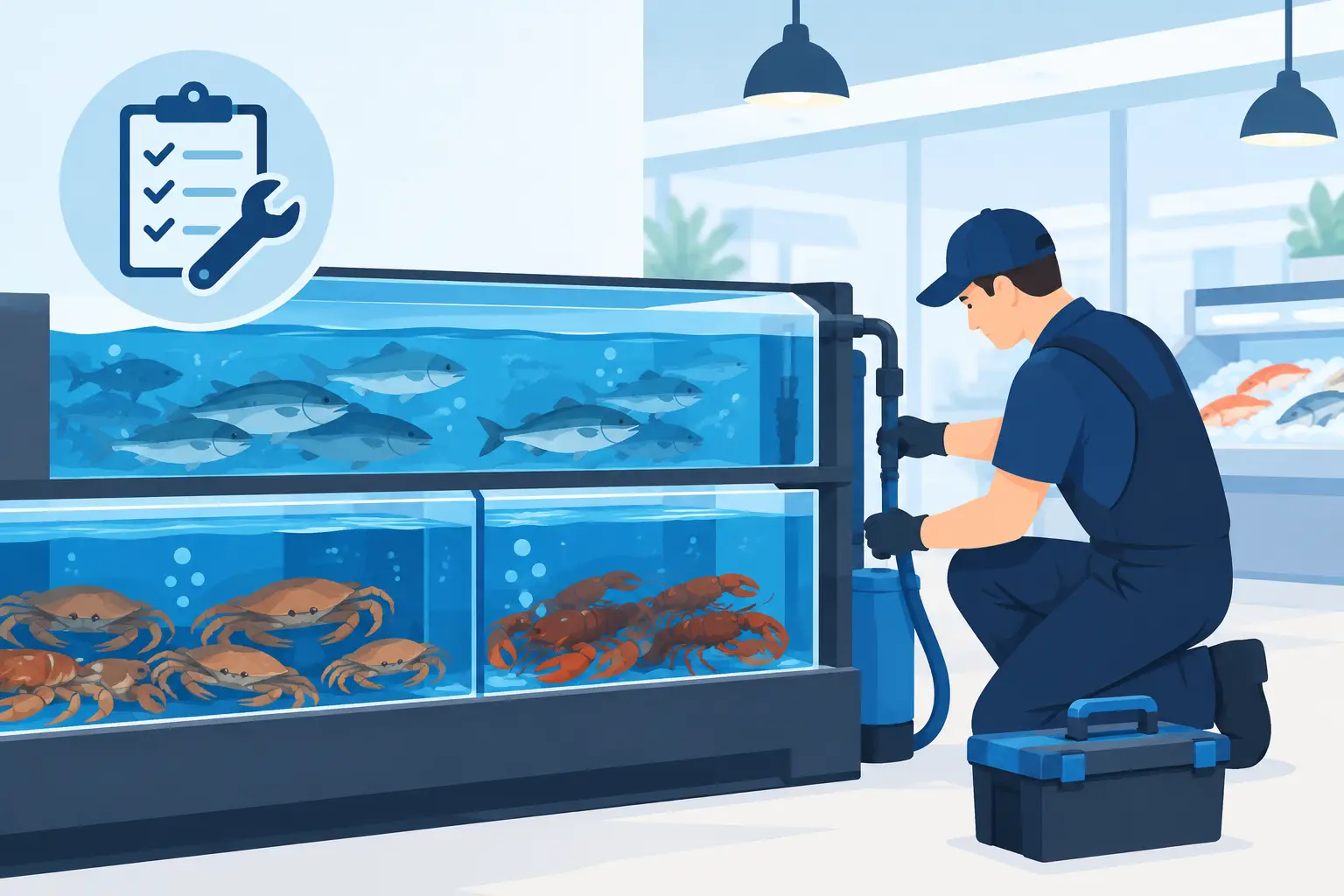
A dead circulation pump at 4:30 a.m. does not wait for the seafood manager’s opening shift. Neither does a clogged intake, a failed chiller, or a water-quality issue that begins stressing live product before customers arrive. Fish market uptime is not simply a maintenance target. It is the operating condition that protects saleable inventory, keeps displays attractive, and prevents a manageable equipment problem from becoming a loss event.
For supermarkets, wholesalers, restaurants, and independent seafood retailers, the live tank is part of the selling floor and part of the back-of-house operation. When it is running correctly, customers see healthy, active product and staff can focus on service. When it is not, everyone is pulled into an emergency – often with high-value inventory and the department’s reputation on the line.
Fish Market Uptime Is an Inventory Strategy
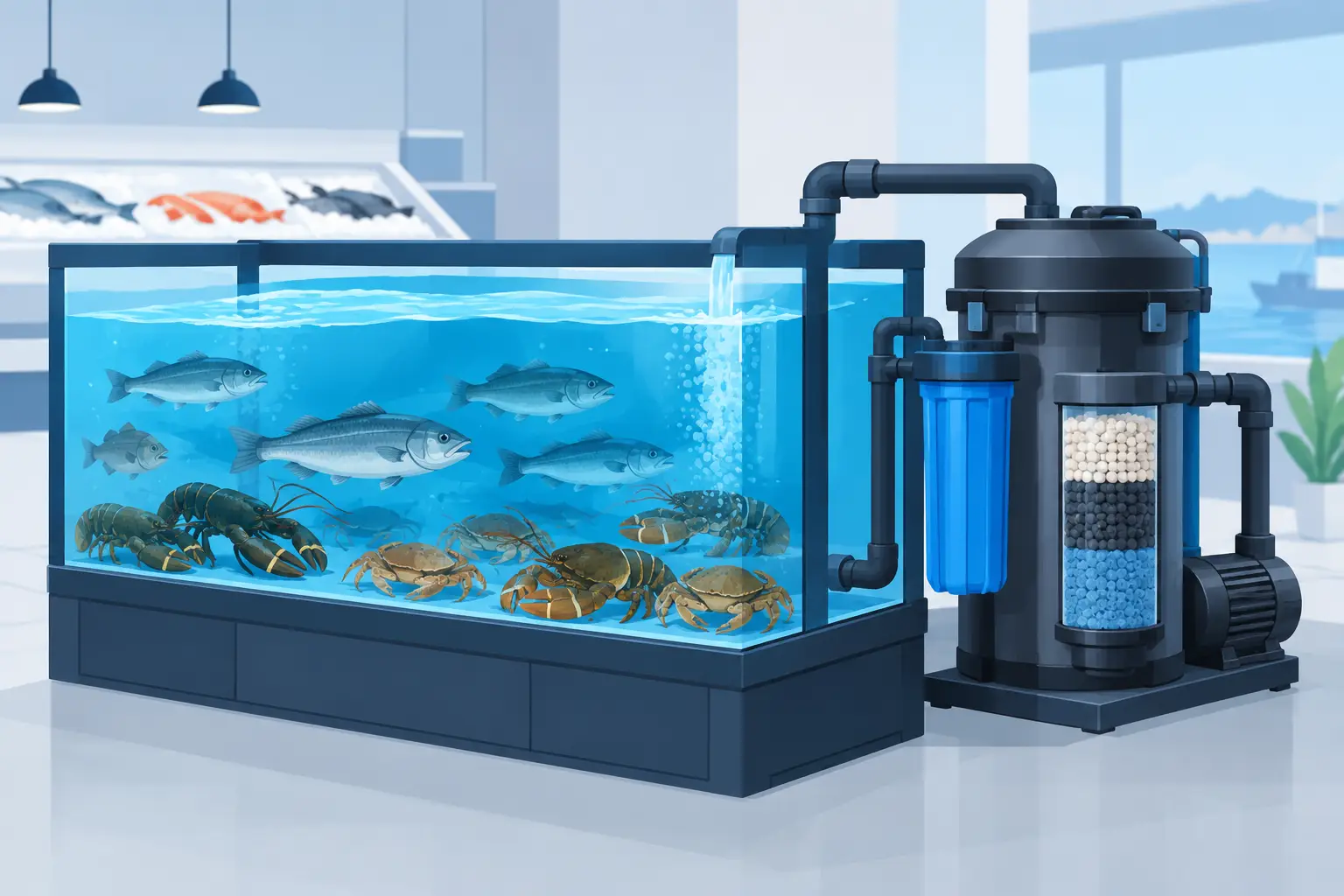
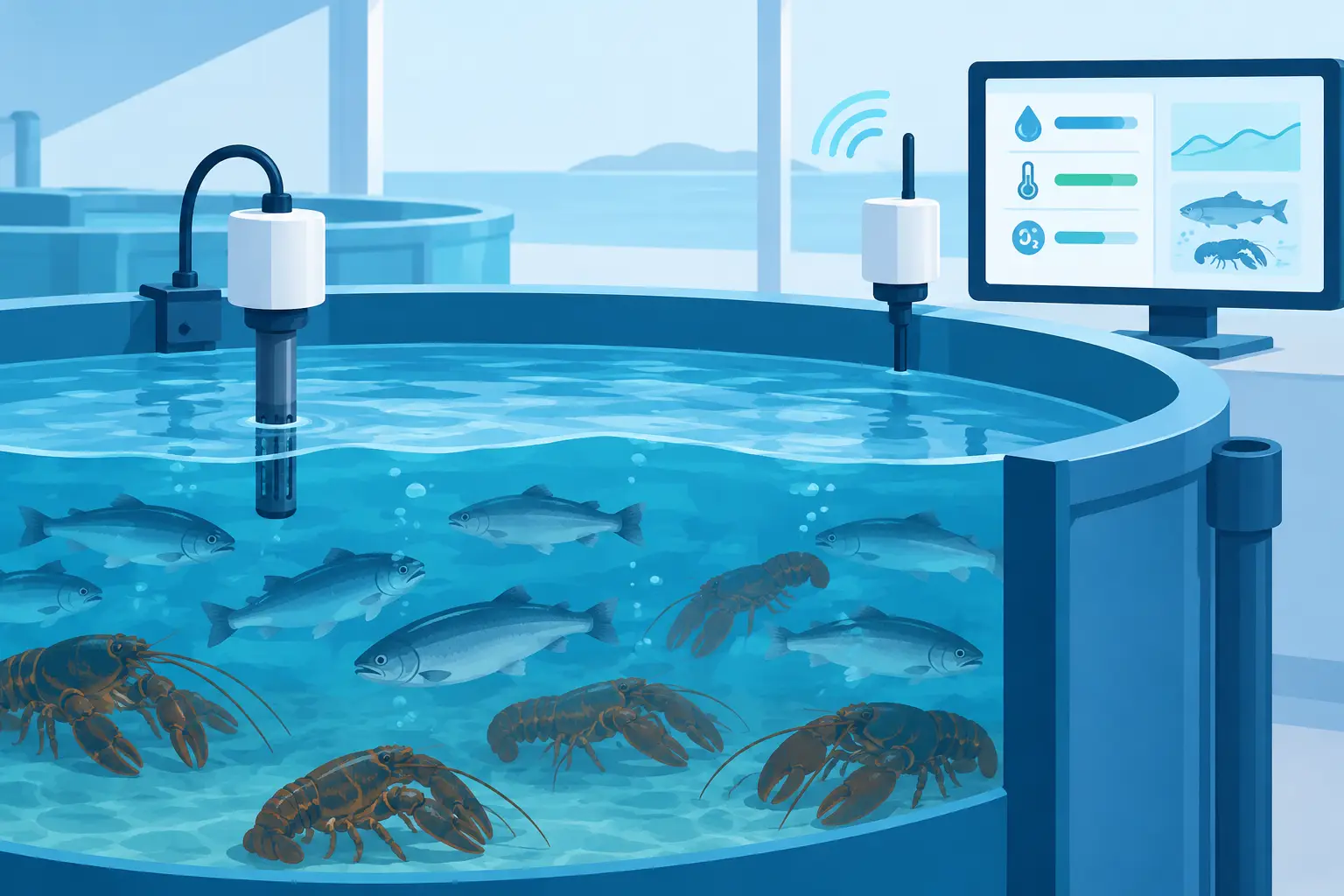
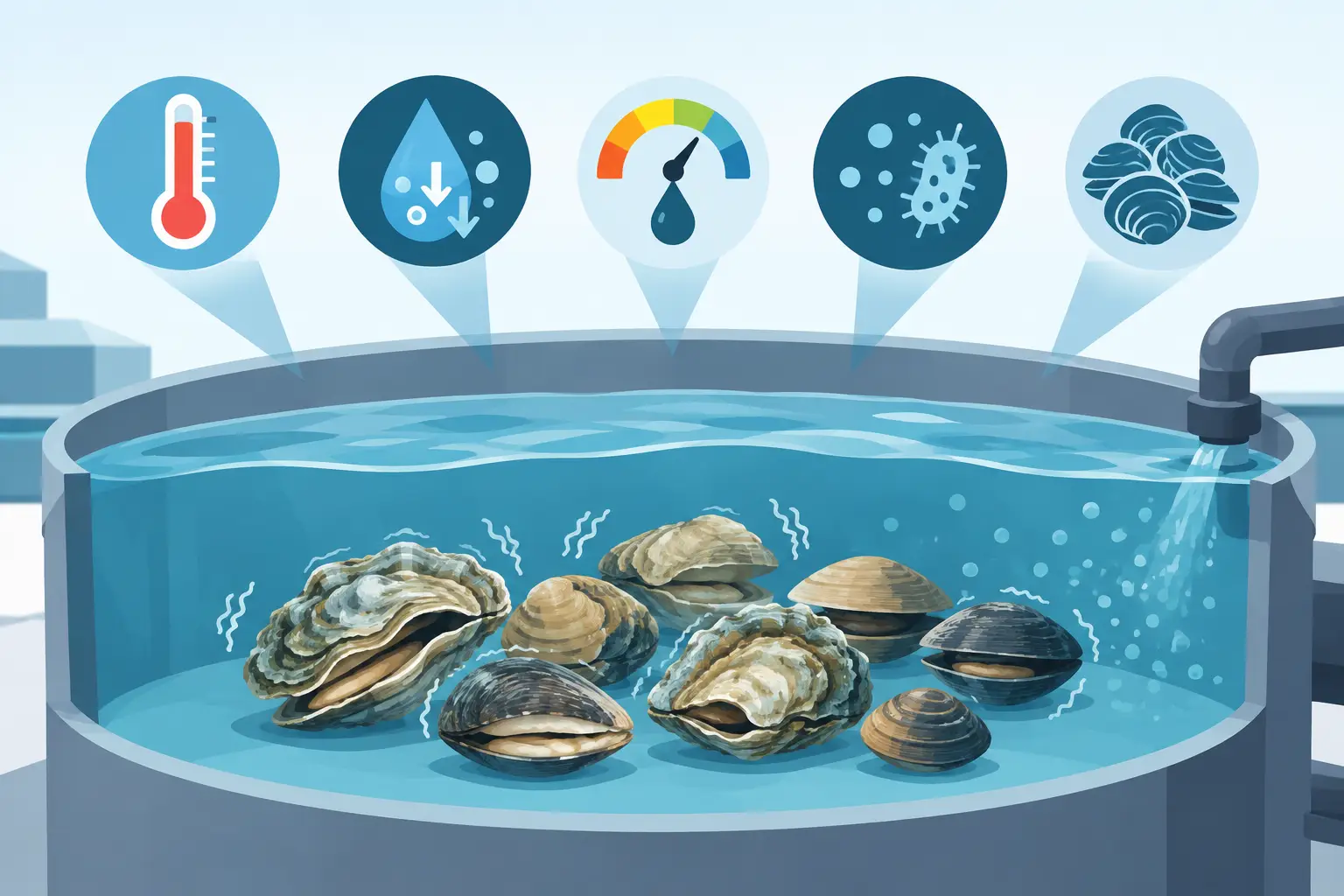
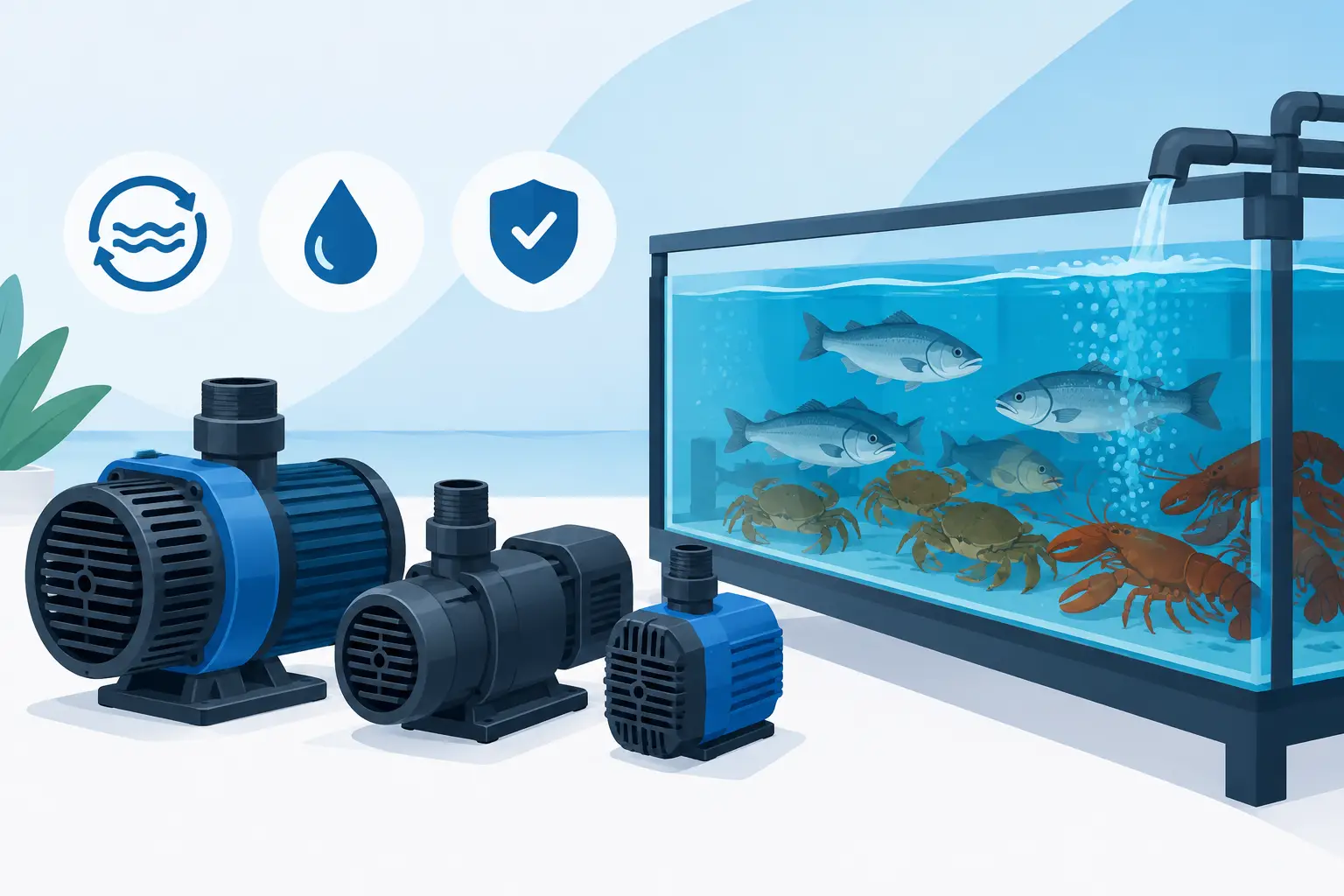
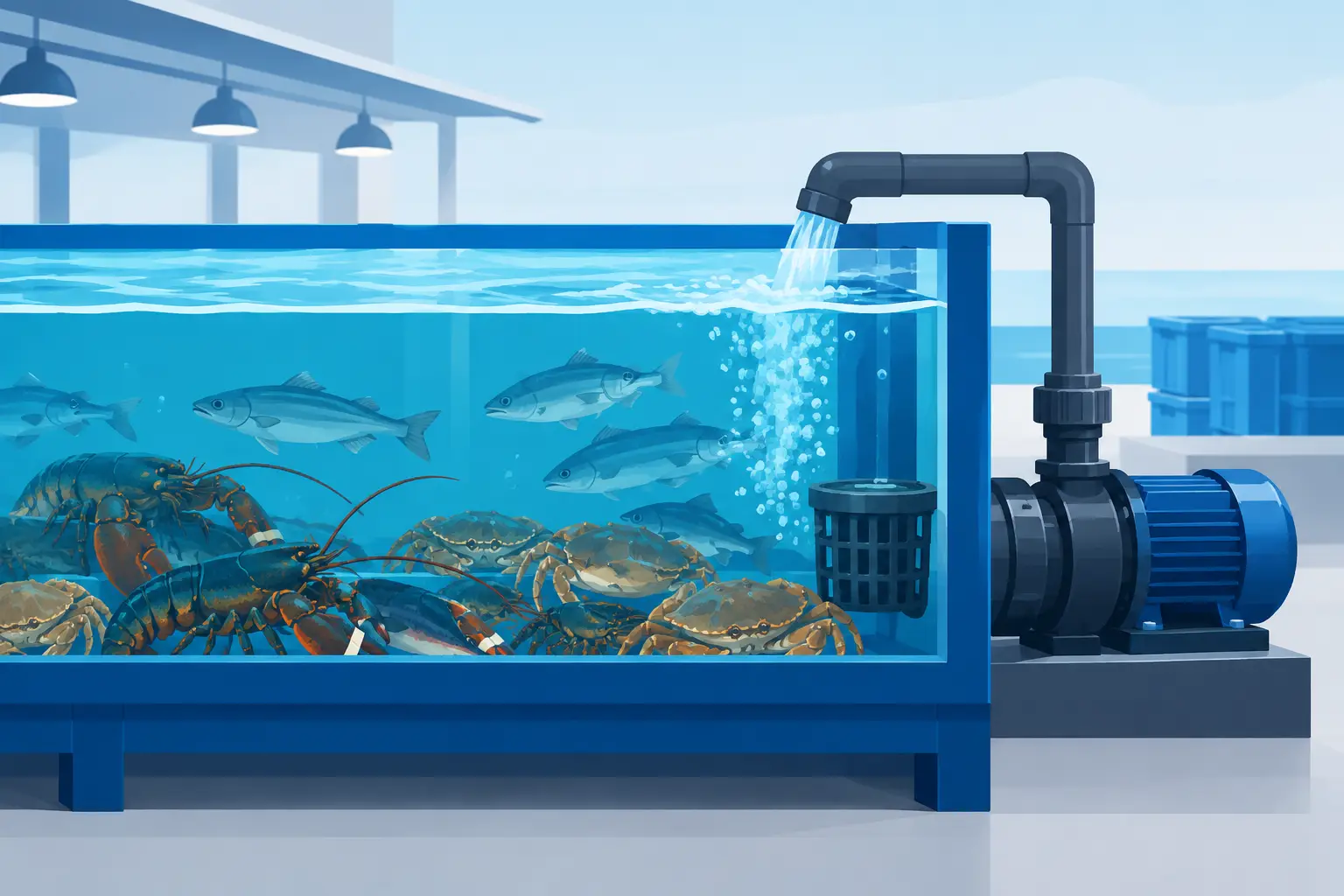
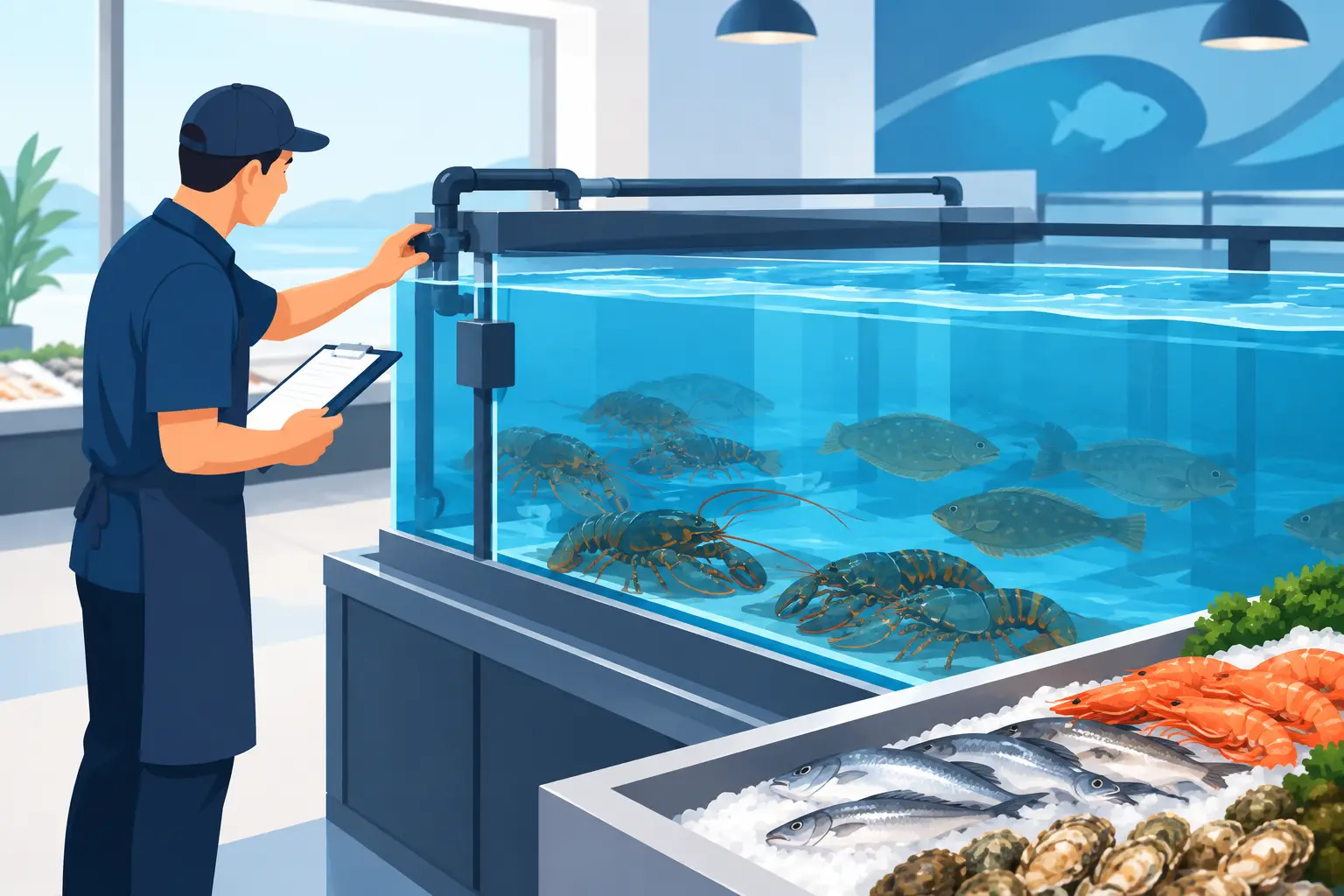
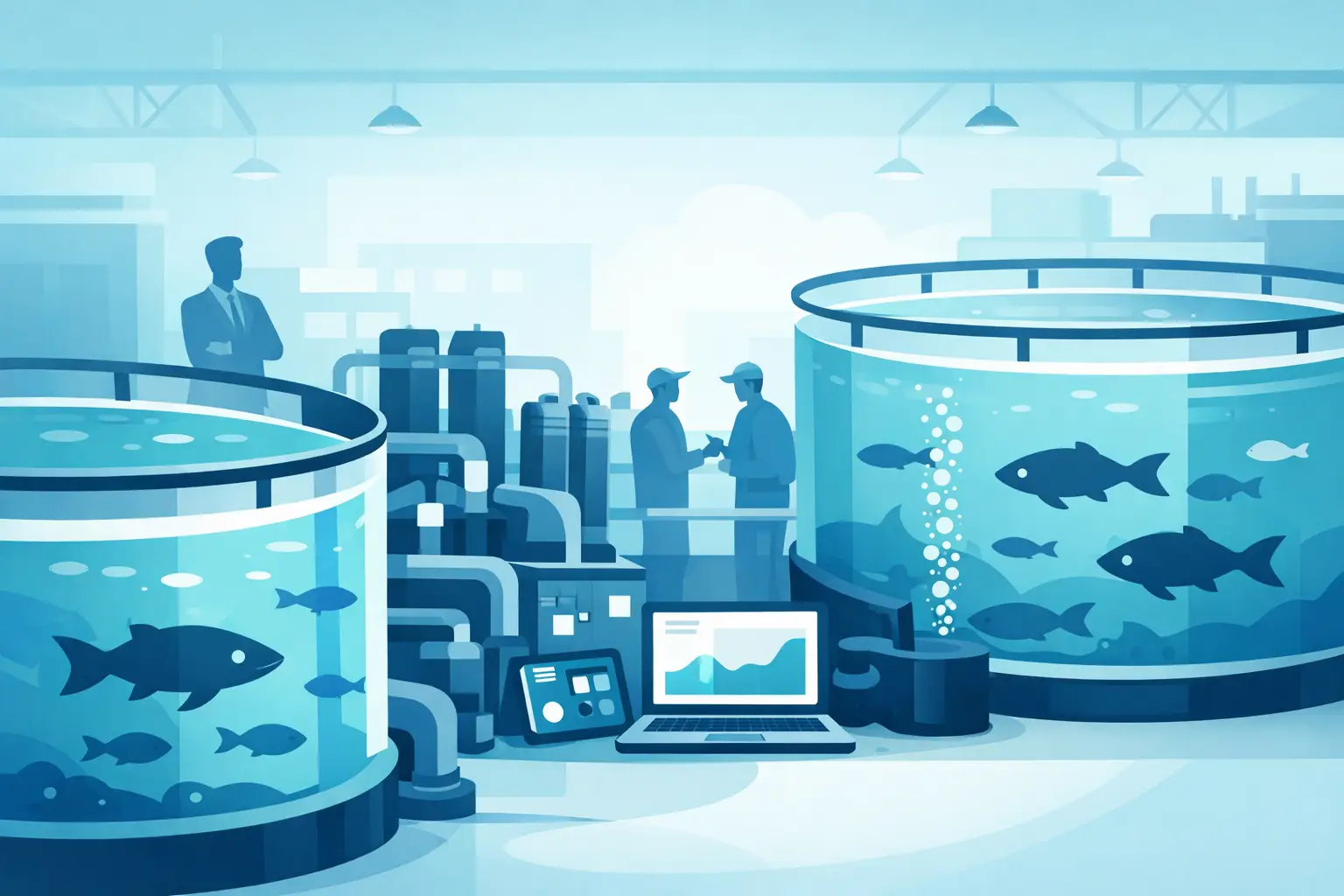
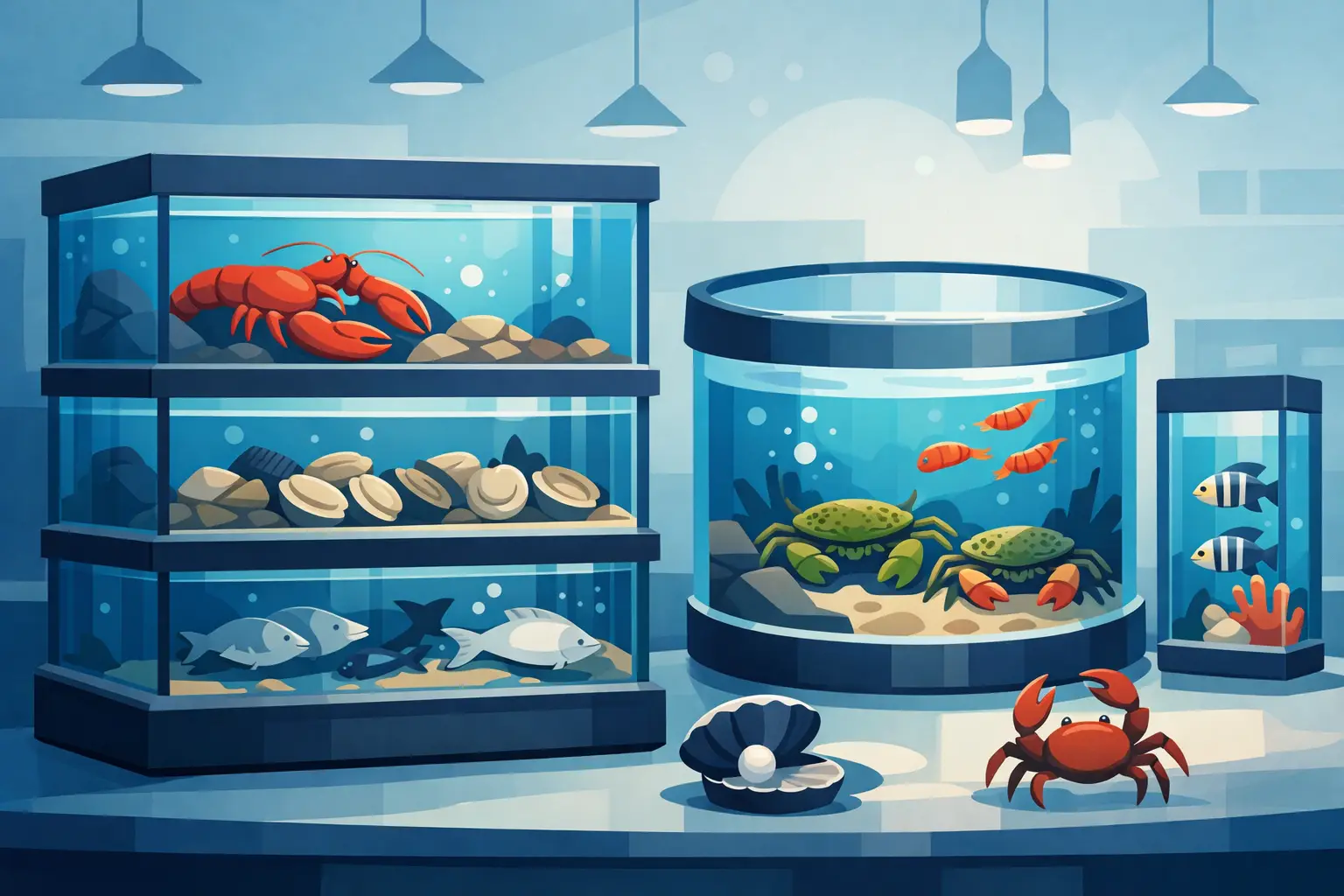
Live seafood systems are often treated as equipment until something goes wrong. In practice, they are inventory-protection systems. A lobster, shellfish, or fish tank depends on a controlled balance of circulation, filtration, temperature, oxygenation, salinity, and sanitation. A problem in one area can quickly affect the others.
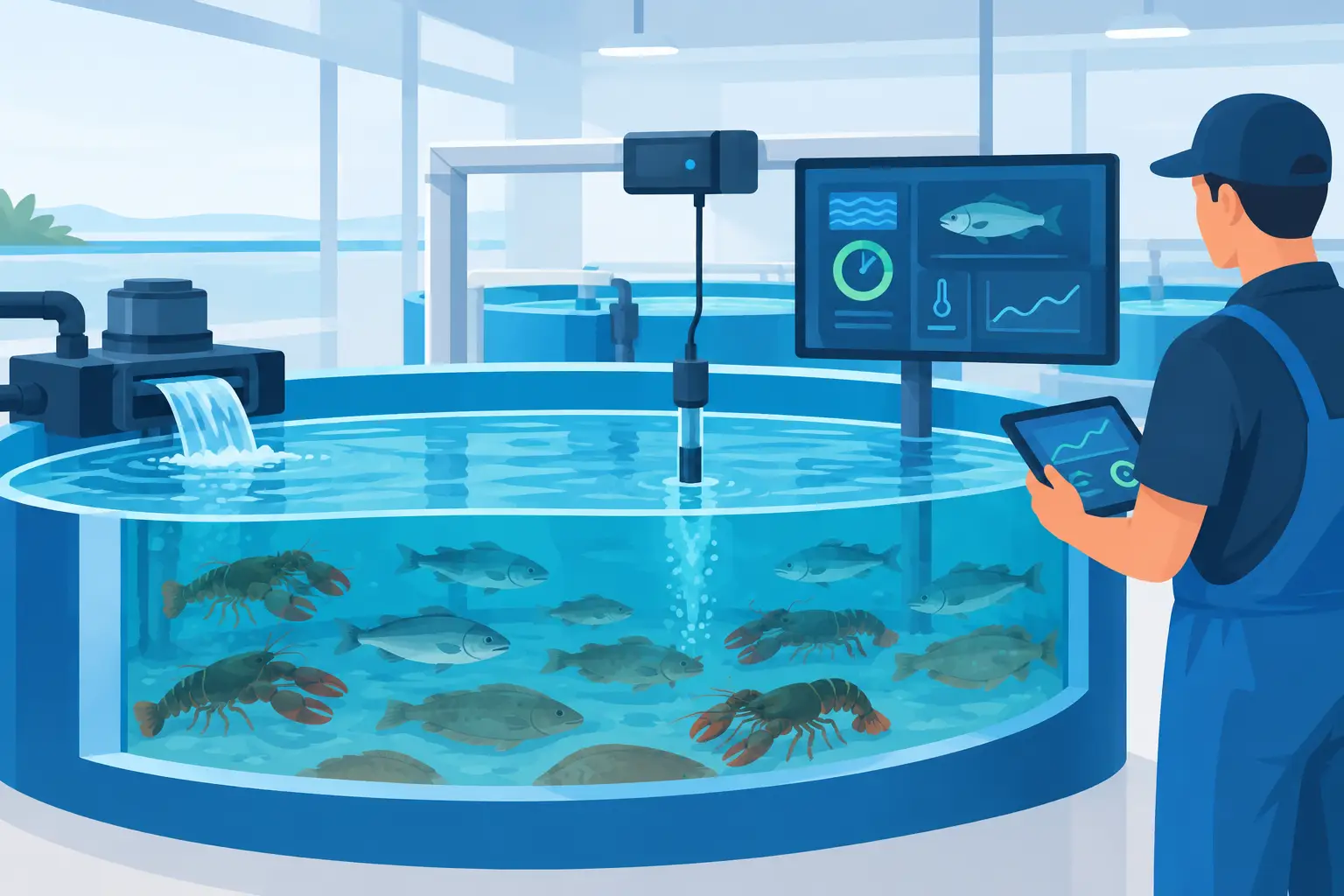
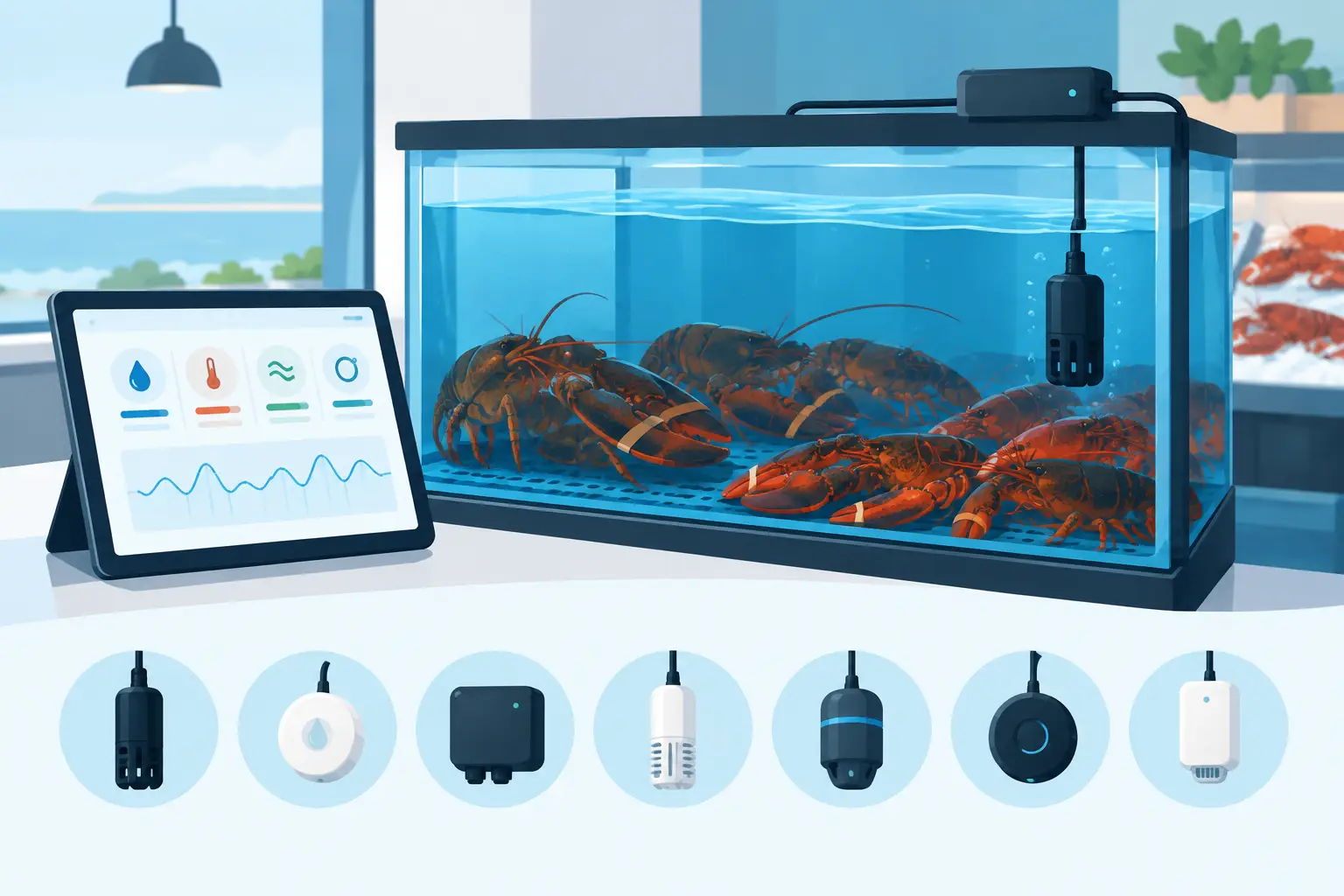
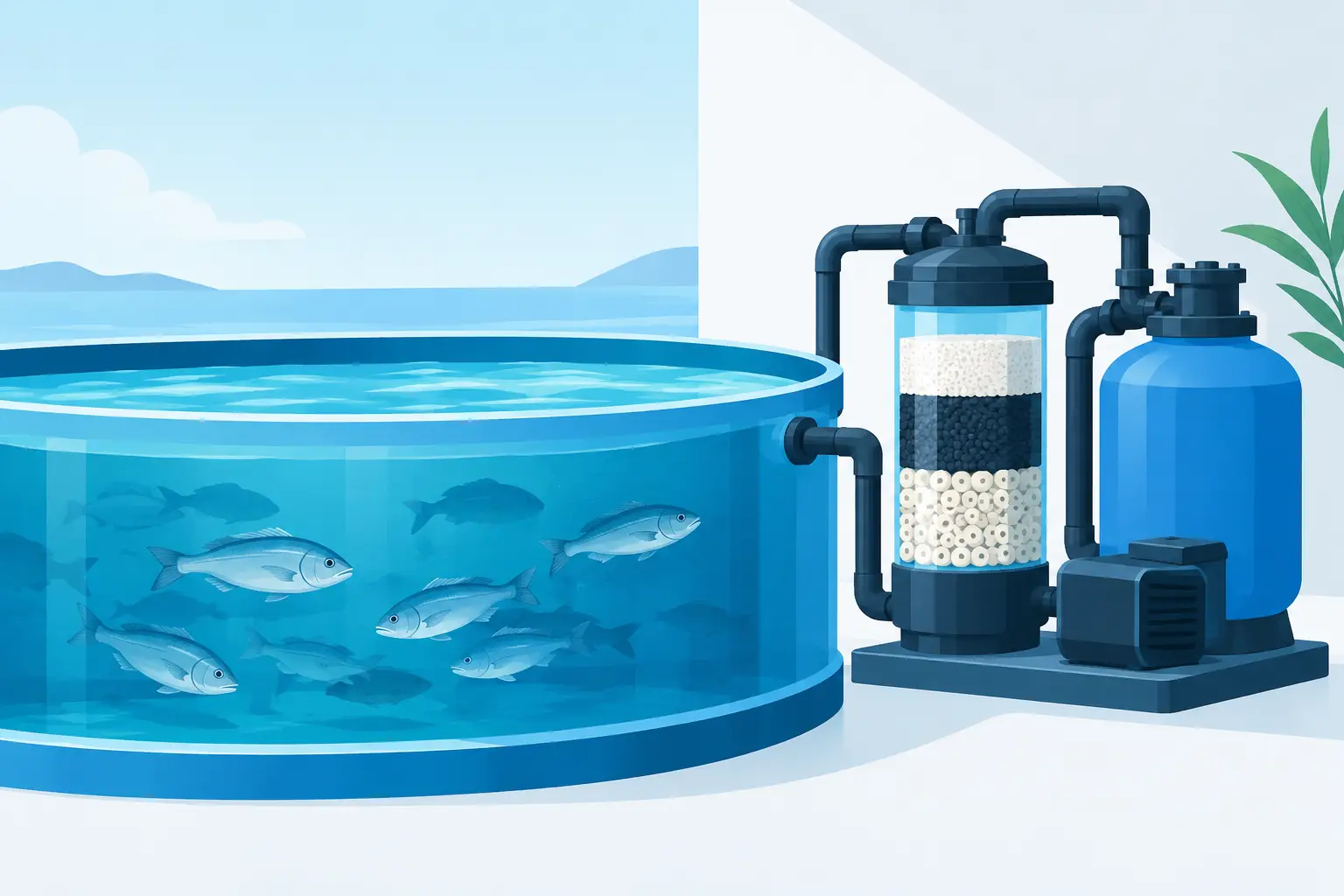
That is why uptime should be measured by more than whether water is moving through the tank. A pump may run while flow is restricted. A chiller may operate while temperature recovery is too slow. Water can look clear while dissolved waste is rising or filtration media is approaching the end of its useful life. The system is only truly available when it is maintaining conditions suitable for the species being held.
The financial case is straightforward. Live product loss is costly, but the damage does not stop there. An empty or poorly maintained display can reduce customer confidence in the whole seafood department. Staff may have to pull product from sale, explain shortages, rearrange labor, and place rushed supply orders. For a multi-store operator, inconsistent tank performance can turn into a recurring department-level problem.
Start With a Tank Built for the Actual Operation
Many uptime problems begin before installation. A tank selected only for its footprint or initial price may not match the product mix, holding volume, ambient conditions, traffic level, or service access of the store. The right system has to work in the real environment, not just on a specification sheet.
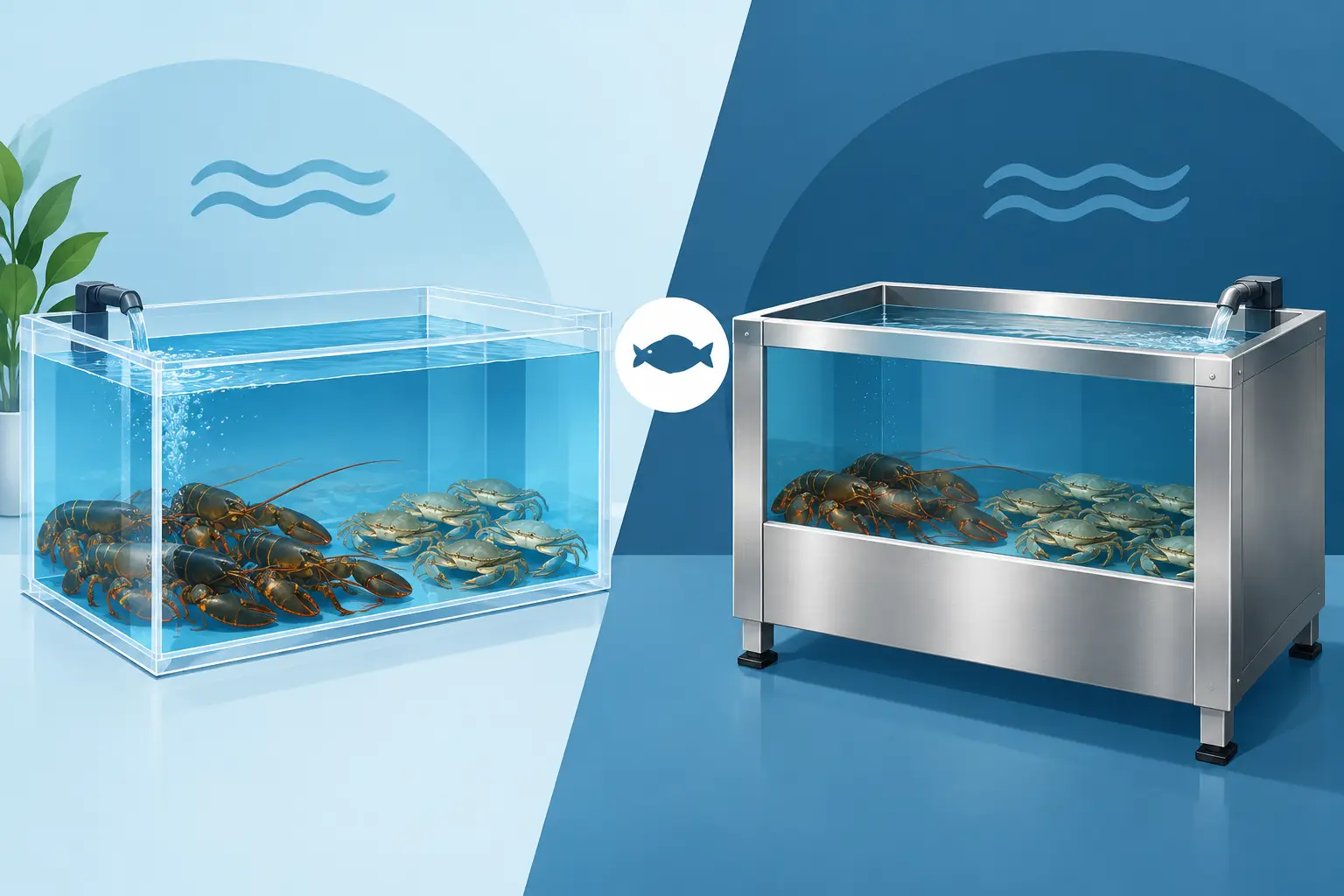
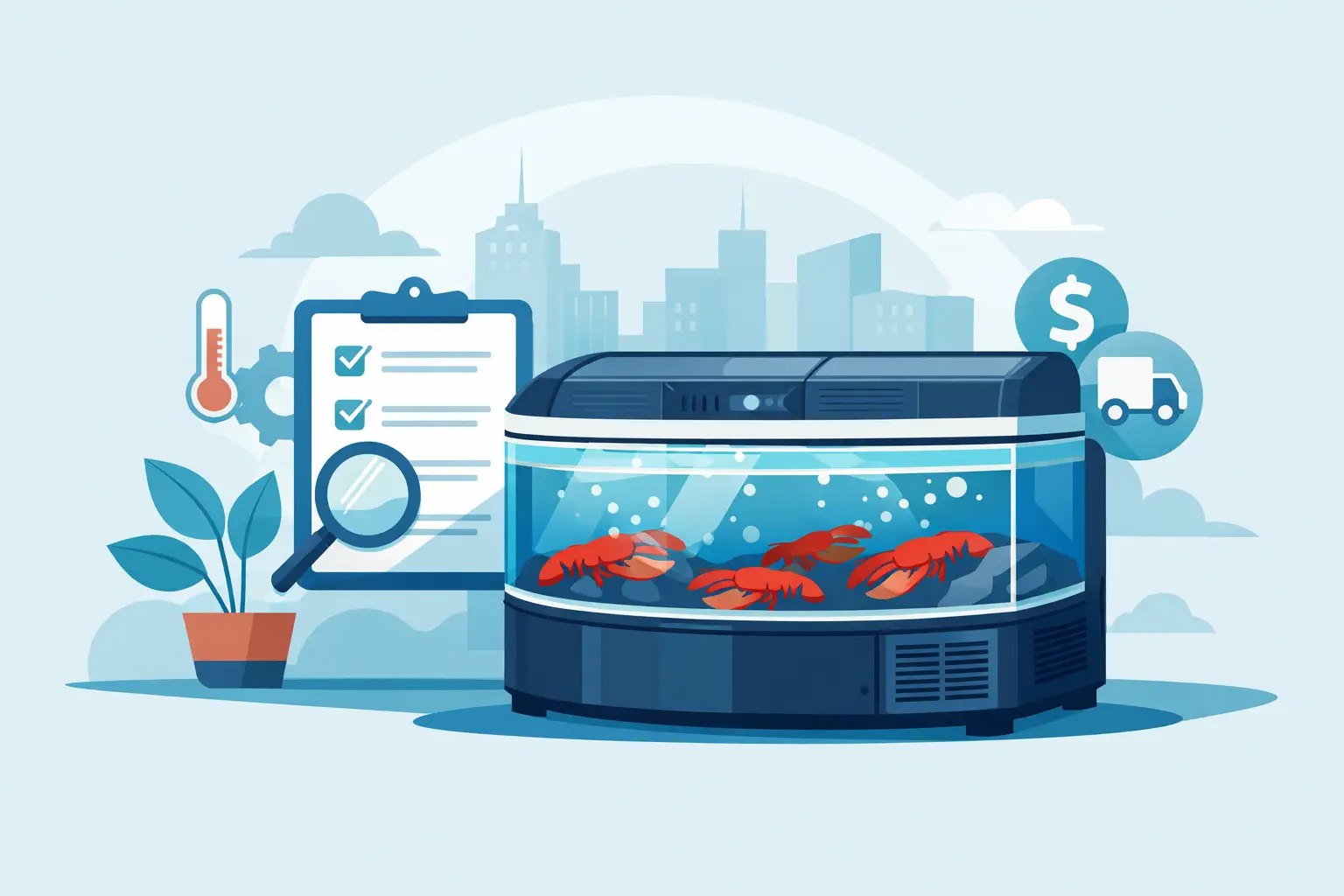
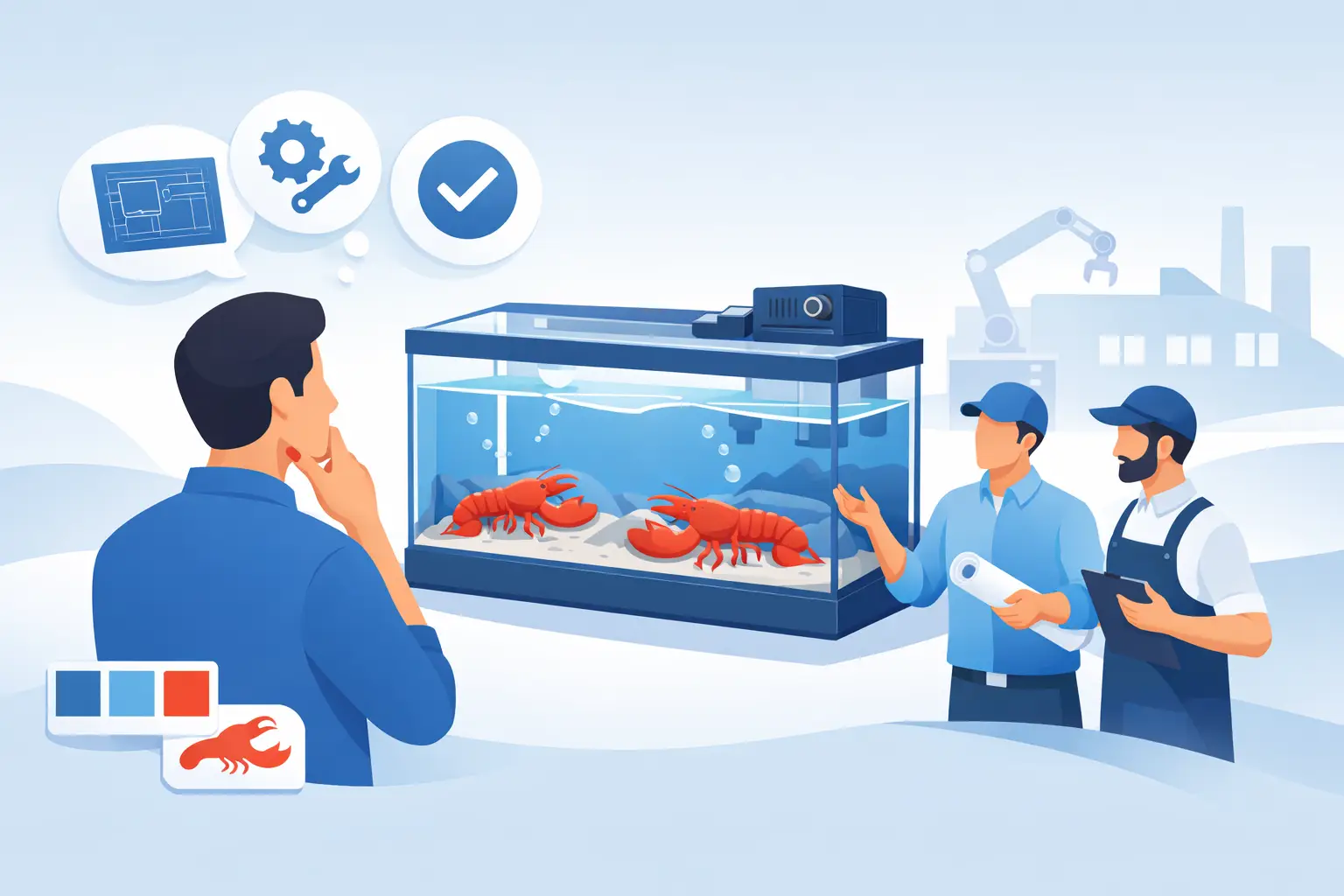
Custom tank design matters because each operation has different constraints. A supermarket seafood department may need a display that supports daily merchandising and frequent staff interaction. A wholesaler may prioritize holding capacity, recovery time, and access for cleaning. A restaurant may need a compact system that performs reliably in a hot, busy kitchen environment. The equipment should account for how product enters the system, how often it turns, where staff can reach valves and filters, and how a technician will service it when the department is open.
Self-contained systems can reduce installation complexity and place key functions in one manageable package. That can be a major advantage where floor space, plumbing access, or construction schedules are limited. The trade-off is that compact equipment still needs proper clearance, ventilation, and routine attention. No tank design eliminates the need for operating discipline.
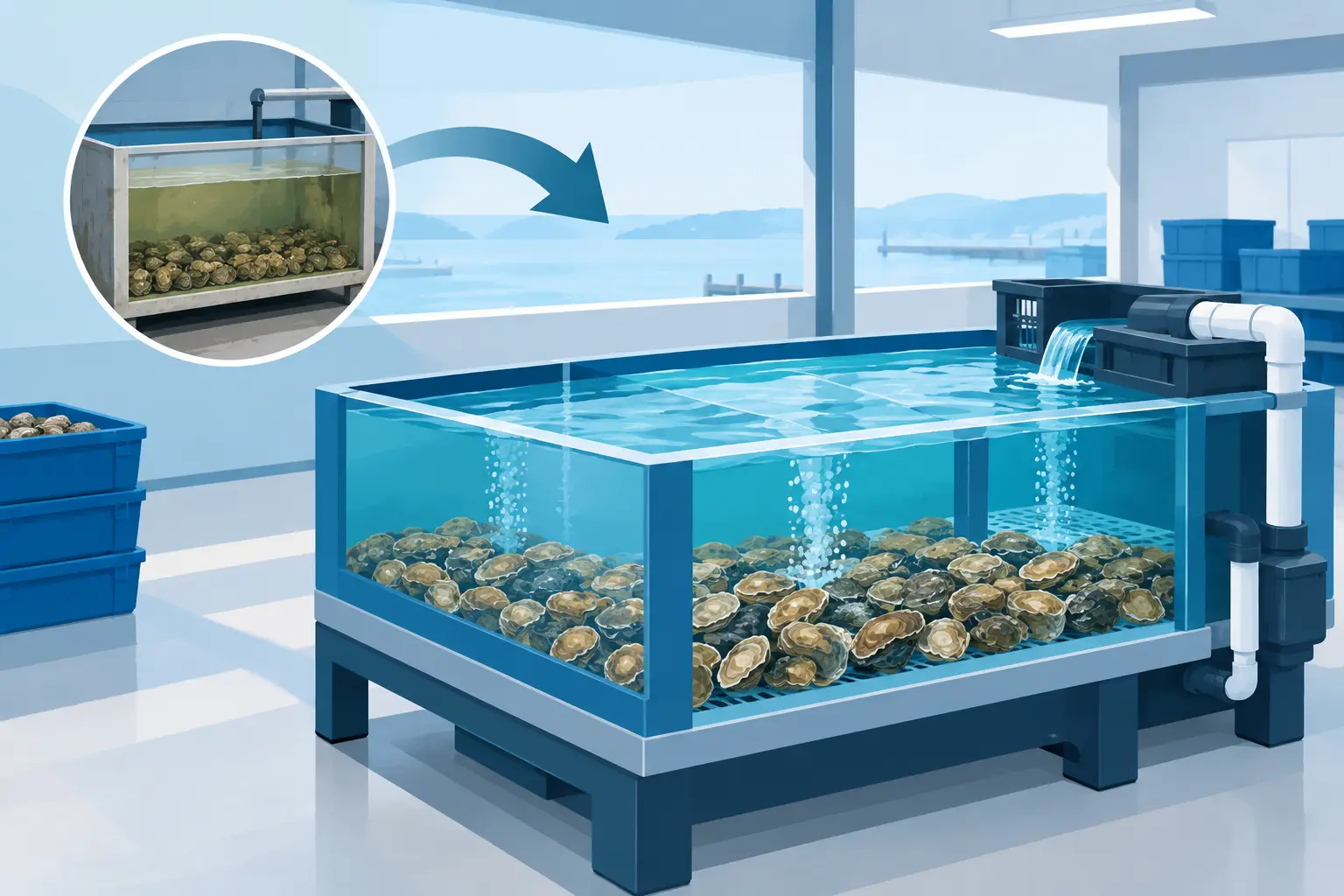
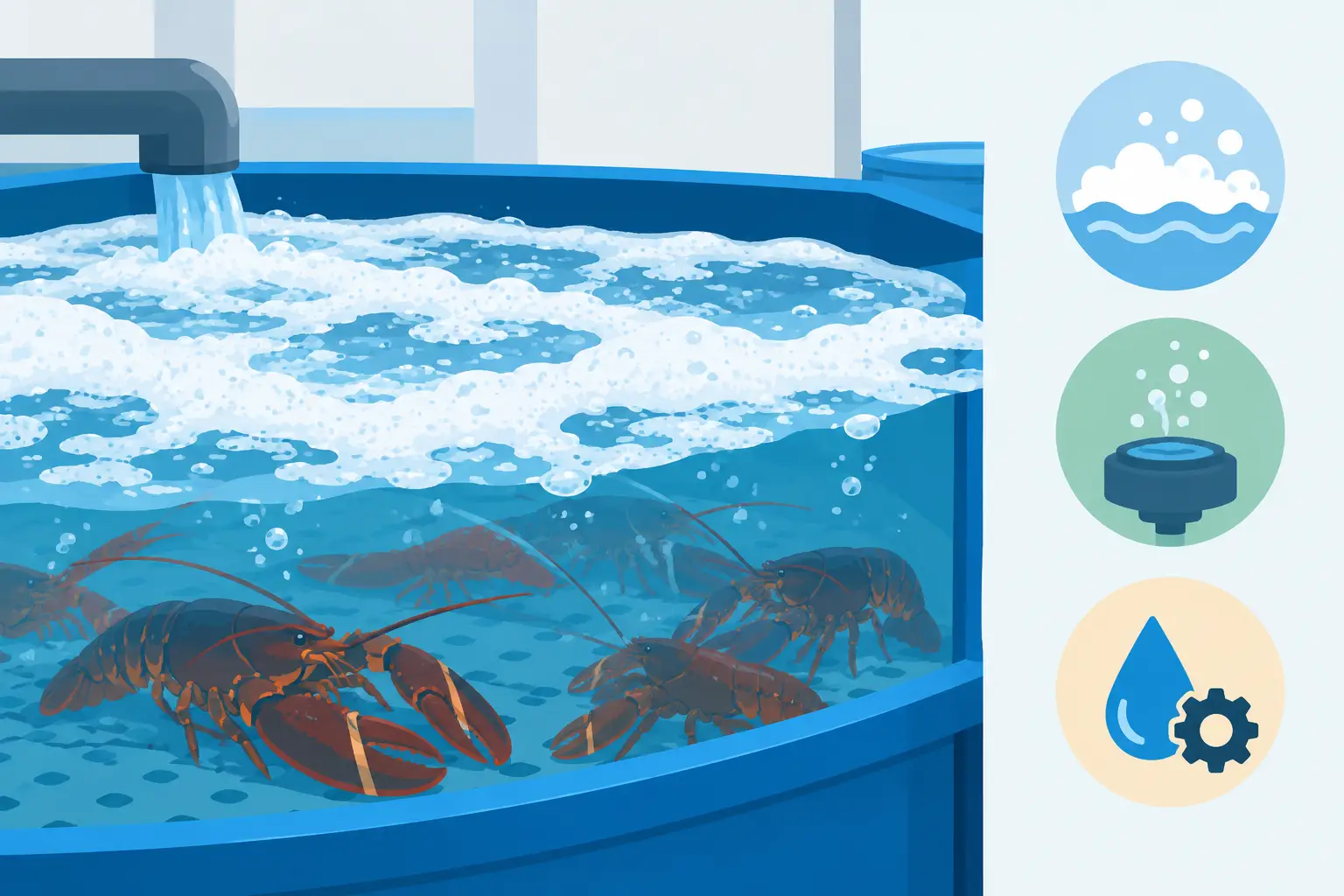
For lobster operations, purging capability can be especially valuable. A properly designed purging system helps support cleaner, better-presented product while reducing the operational burden of managing separate holding and purging processes. The goal is not equipment for its own sake. It is a system that makes product handling more predictable from delivery through sale.
Protect the Water Before It Becomes a Problem
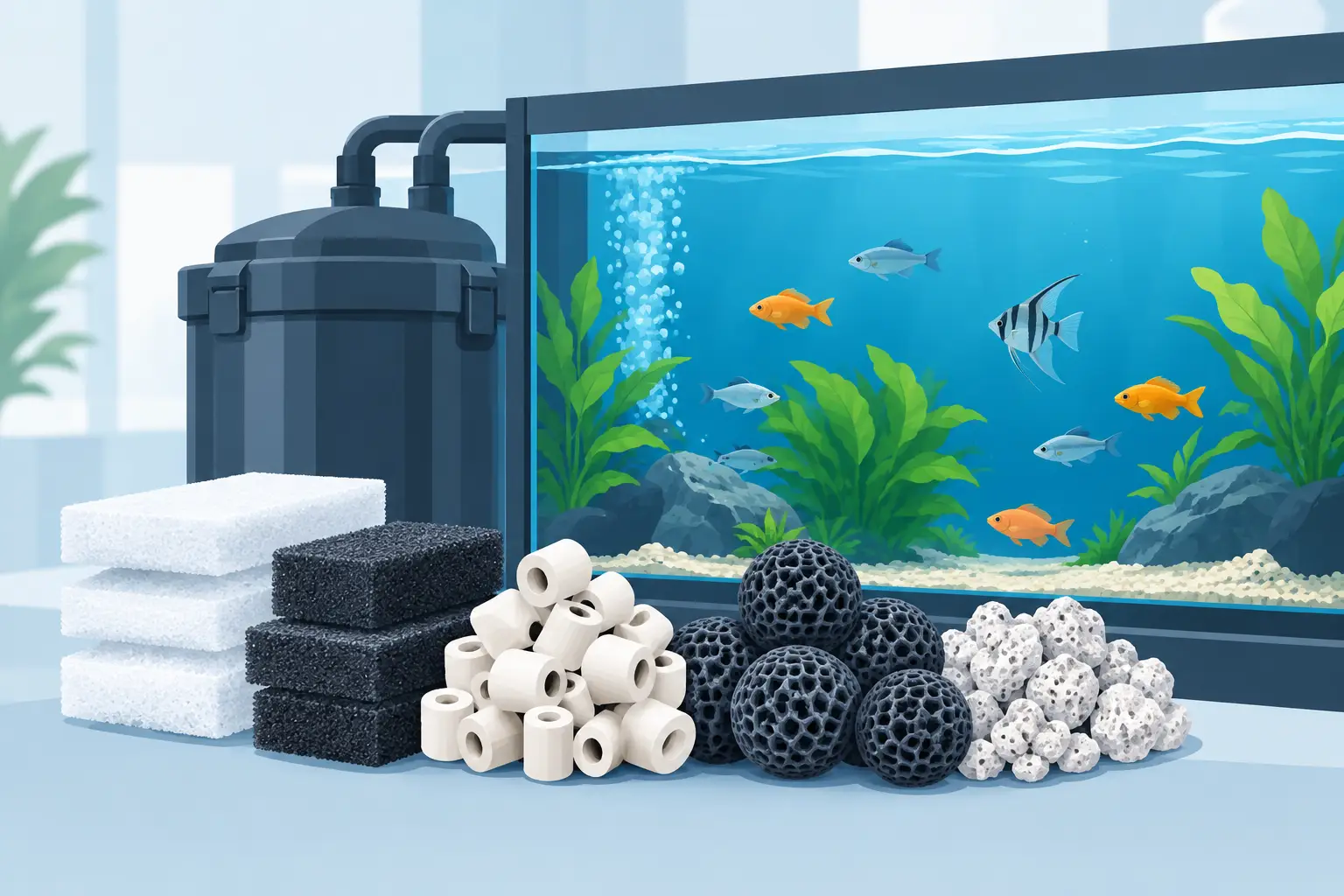
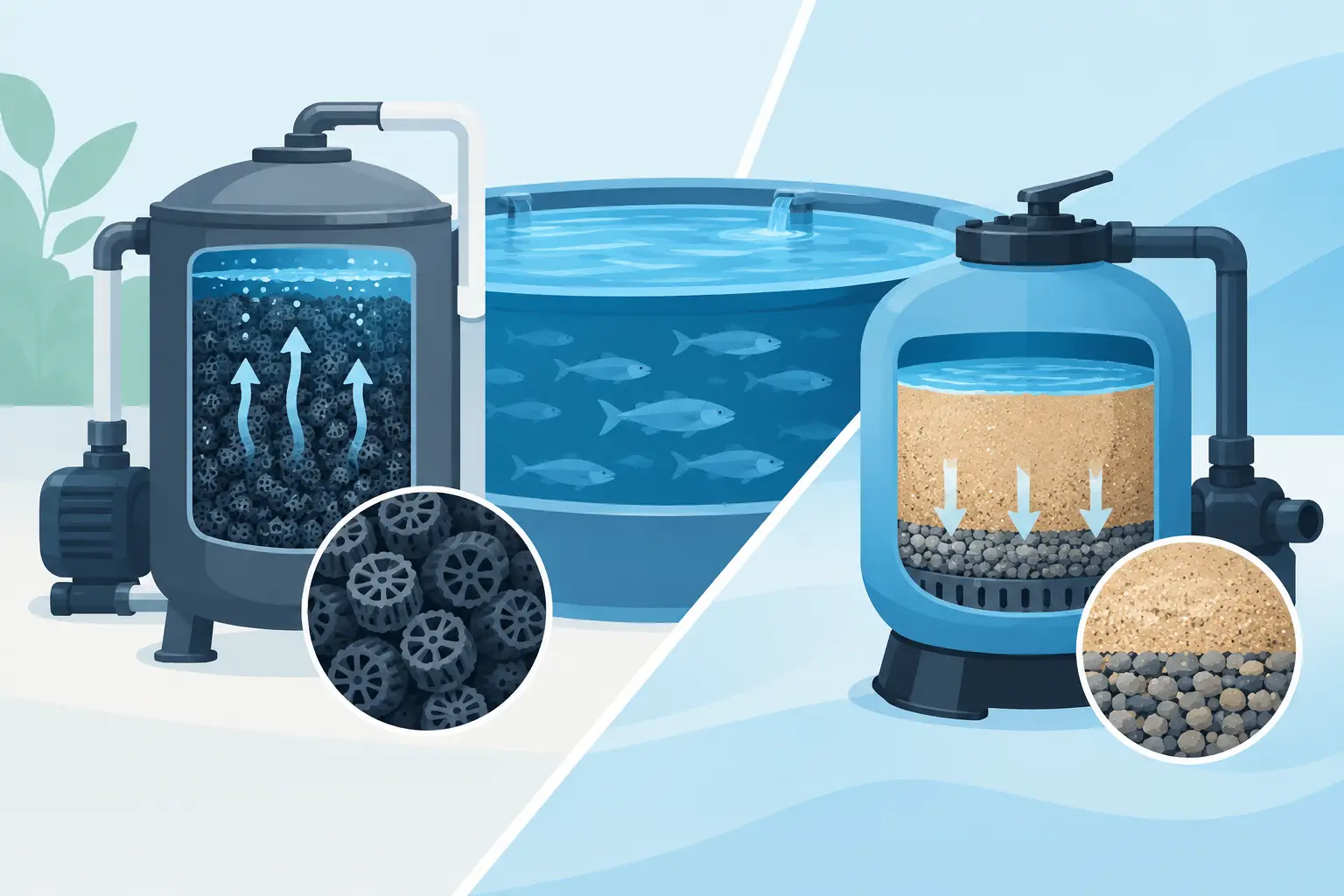
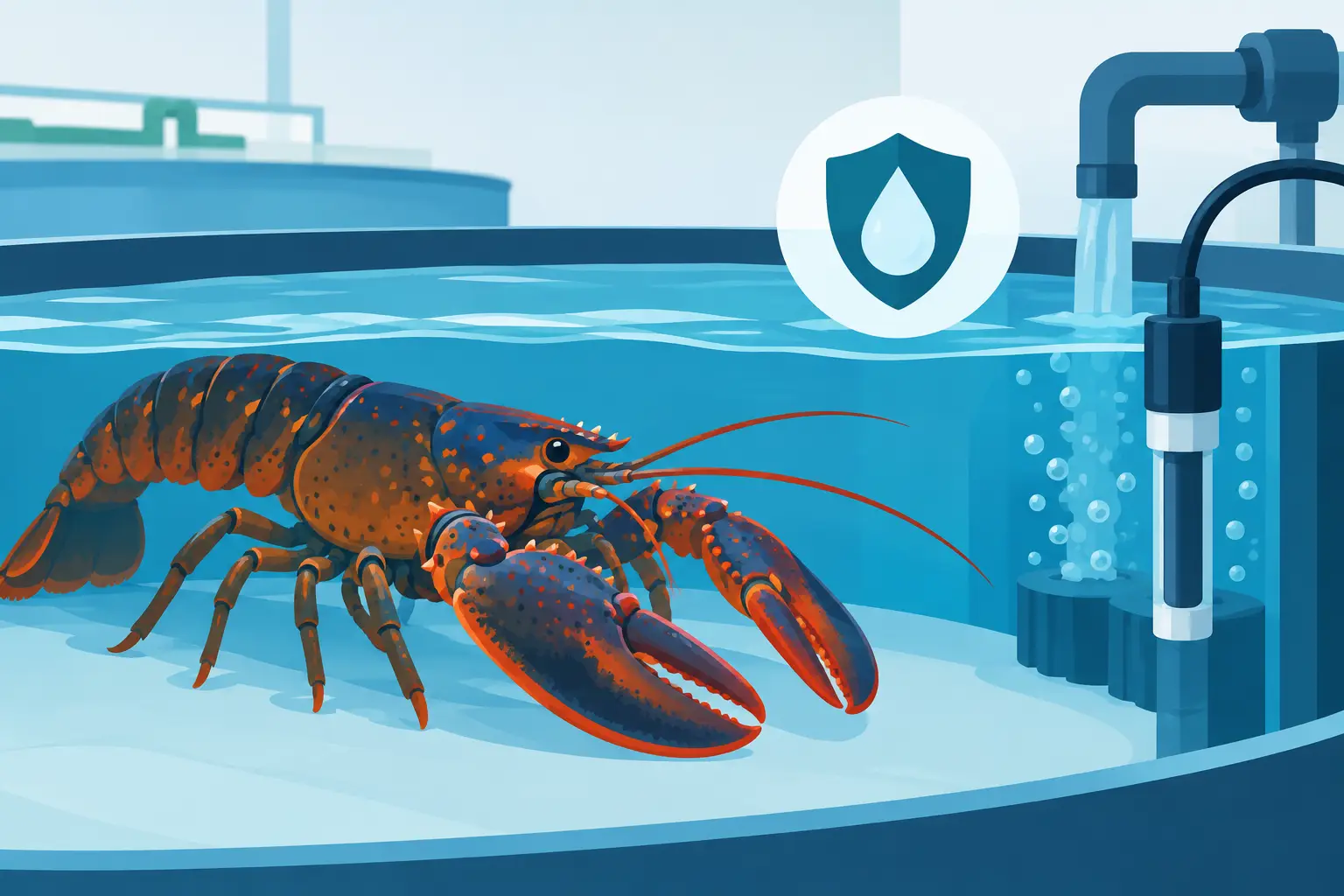
Water quality failures rarely announce themselves with one obvious warning. More often, they build through small changes: a filter that has gone too long between service intervals, carbon that is spent, marine salt mixed inconsistently, uneaten material accumulating where staff cannot see it, or a pump losing performance over time.
A practical operating routine begins with observation. Staff should know what normal water movement, temperature, animal behavior, and tank appearance look like. If product becomes unusually inactive, groups near a water return, or shows signs of stress, the response should be immediate. Waiting for the next scheduled maintenance visit is rarely the right call when live inventory is involved.
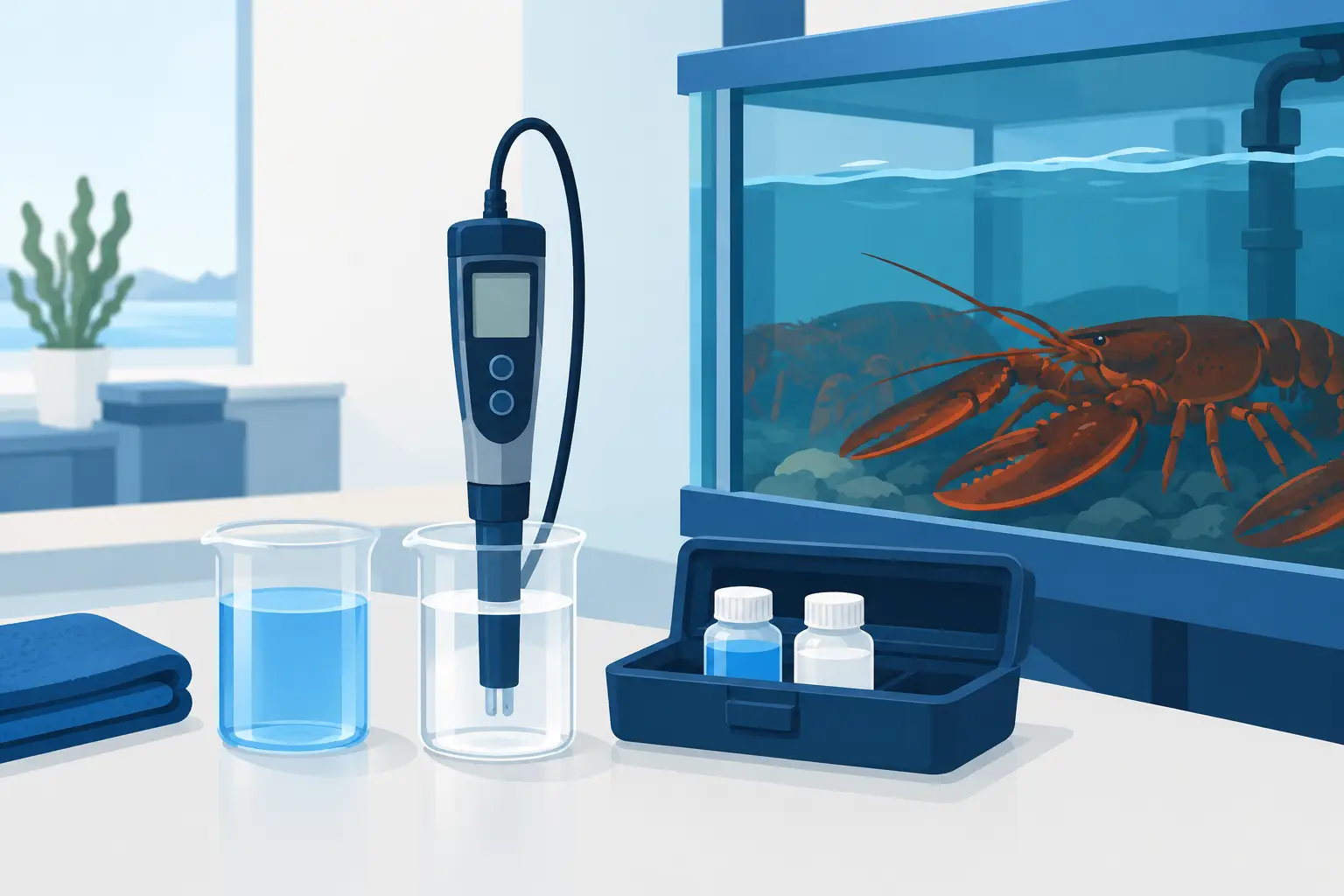
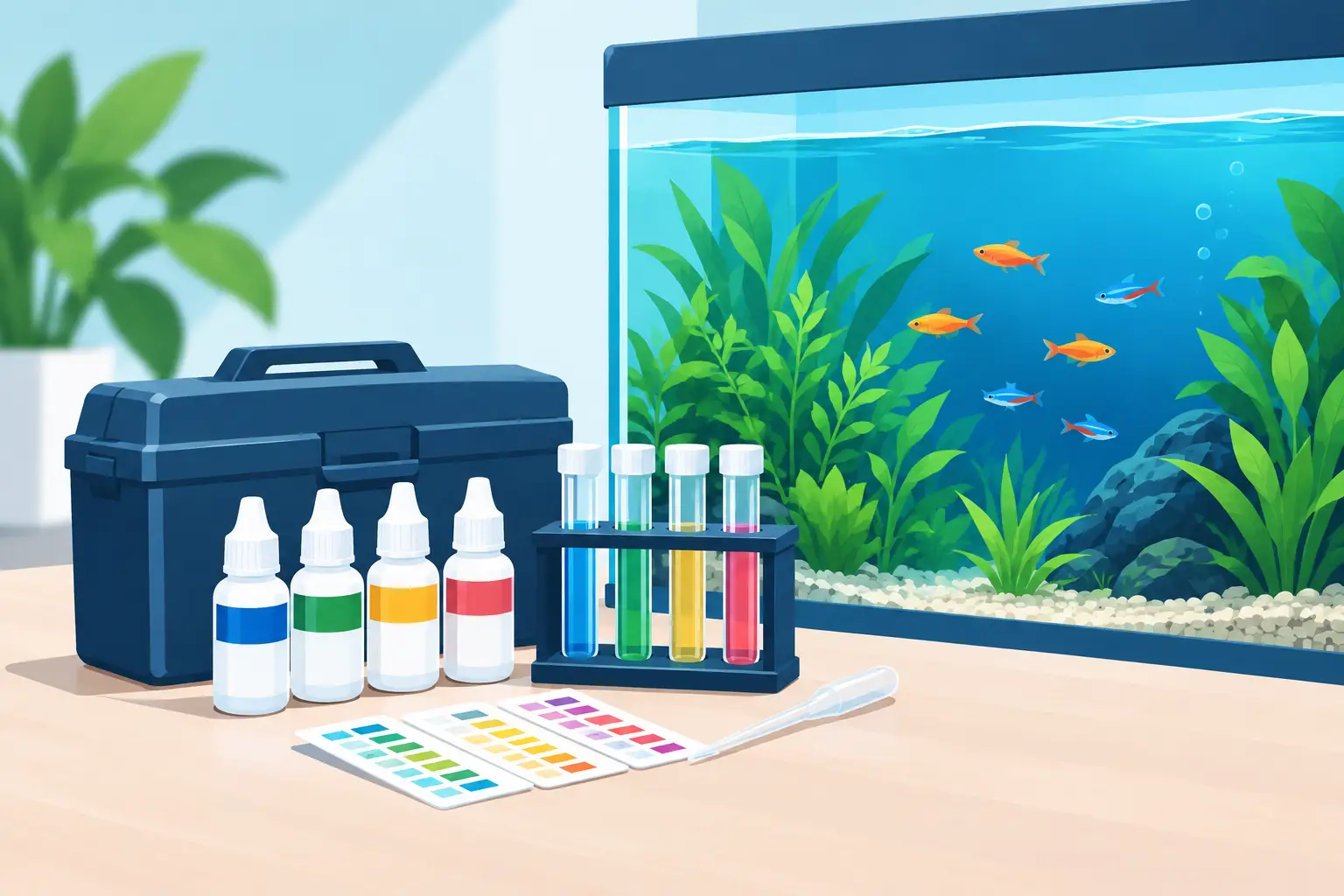
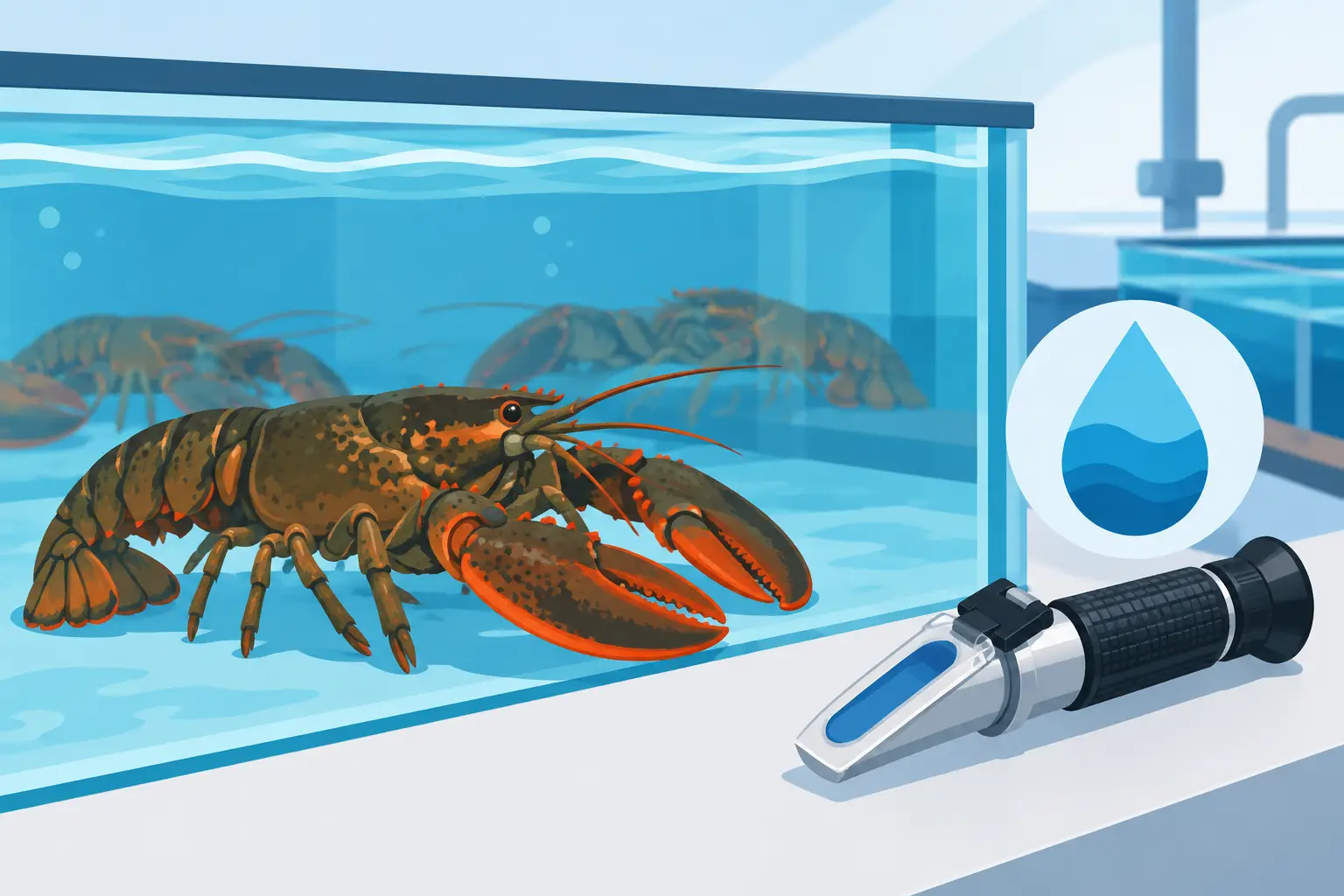
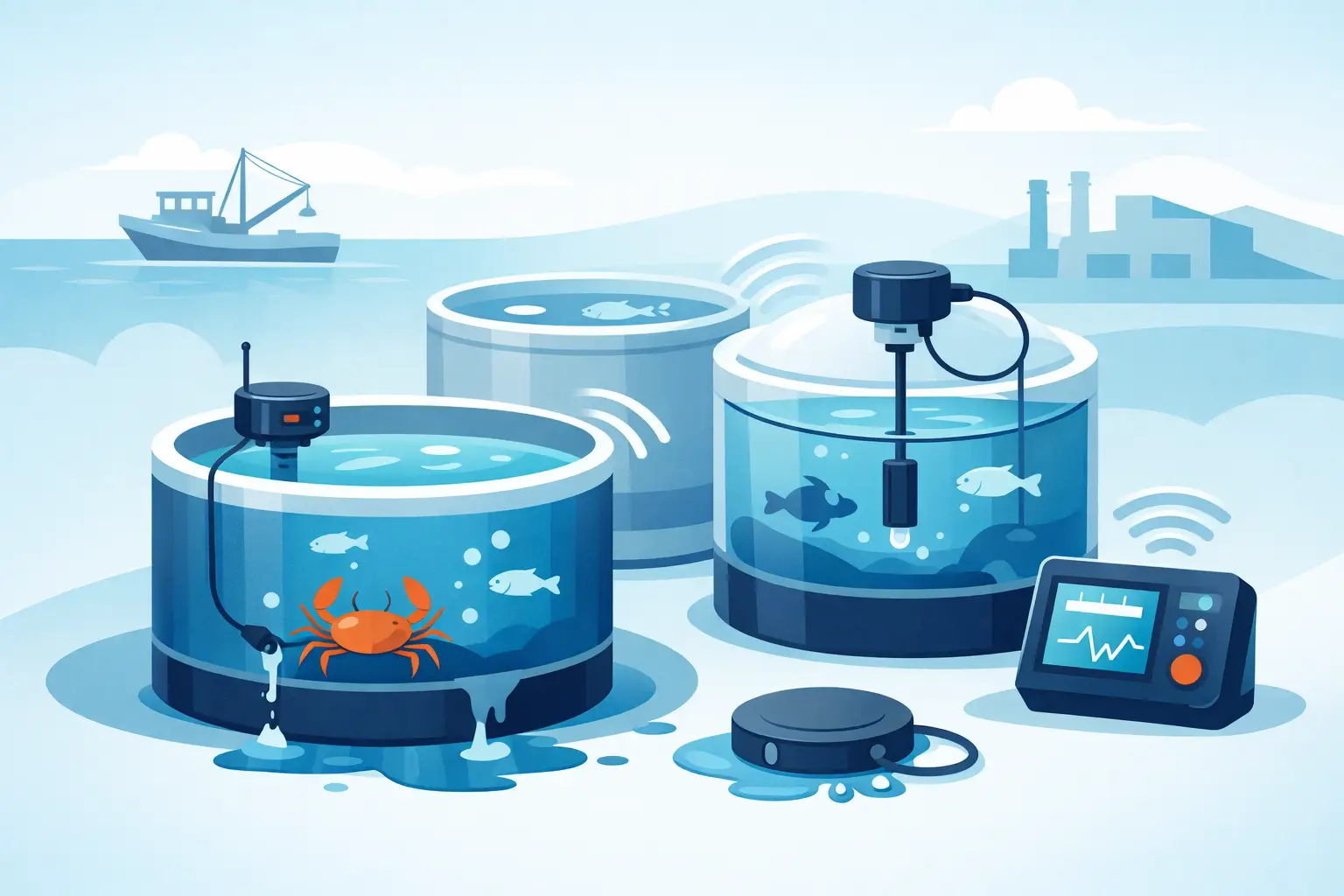
Routine testing and accurate records also matter. Temperature, salinity, and other water parameters should be checked on a schedule appropriate to the system and species. The purpose is not paperwork. It is trend recognition. When readings begin moving away from normal, the operator can correct the condition before it affects inventory.
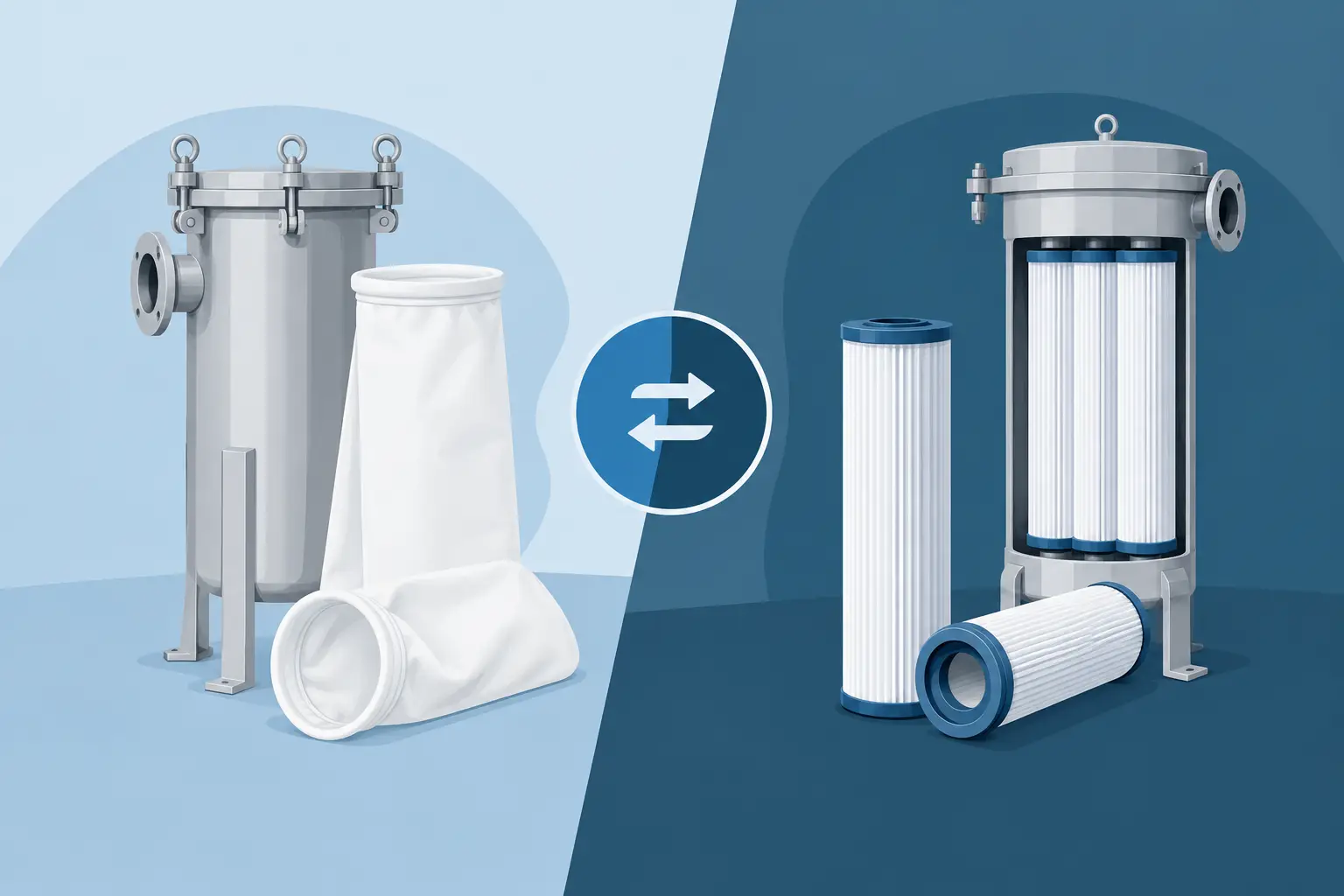
Consumables deserve the same attention as equipment. Marine salt, filtration media, activated carbon, cartridges, and replacement components should be available before they are needed. Running short on a basic supply can force staff to stretch an interval that should not be stretched. For high-volume accounts, planned replenishment is usually more dependable than ordering only after the shelf or storeroom is empty.
Build Service Into the Operating Plan
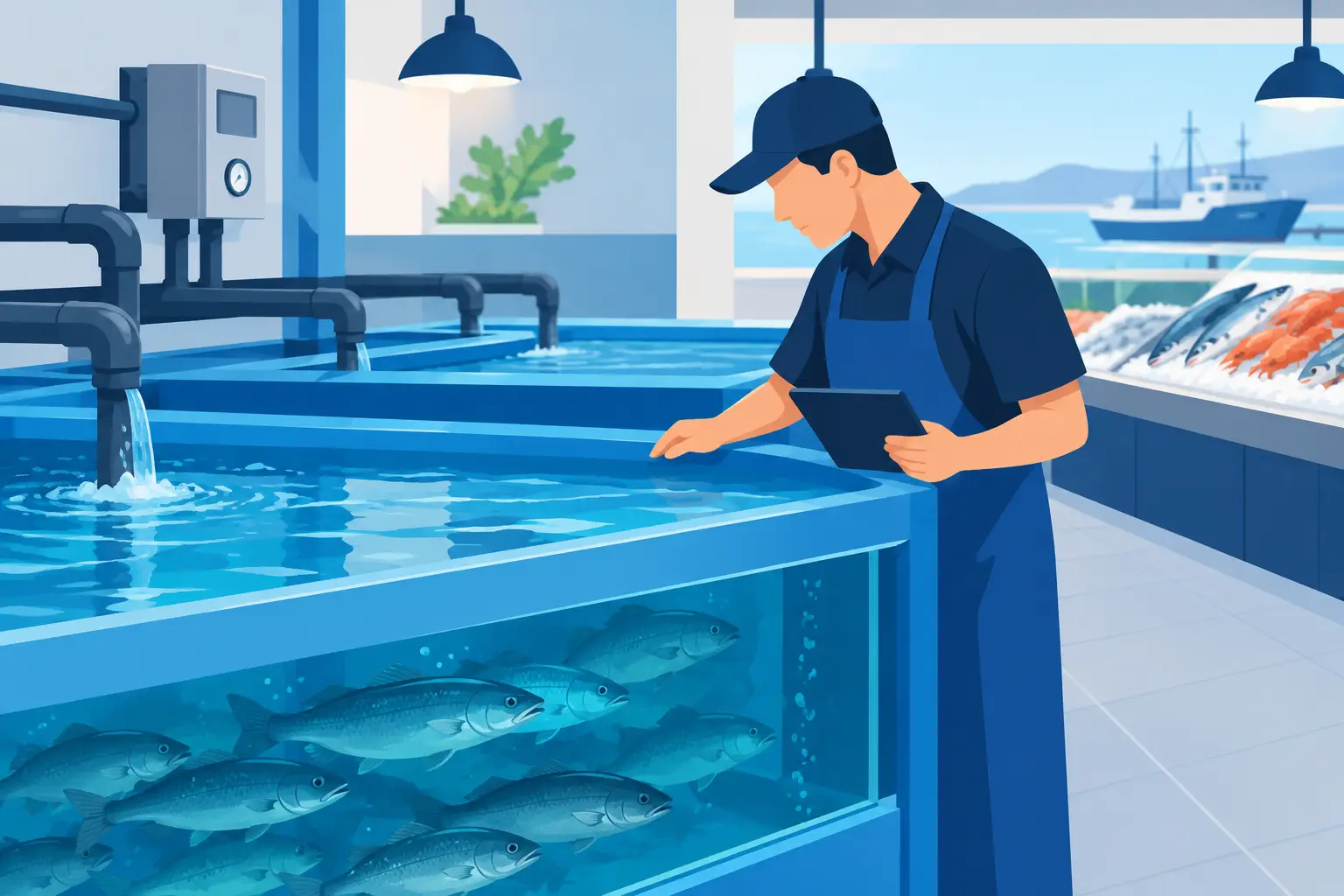
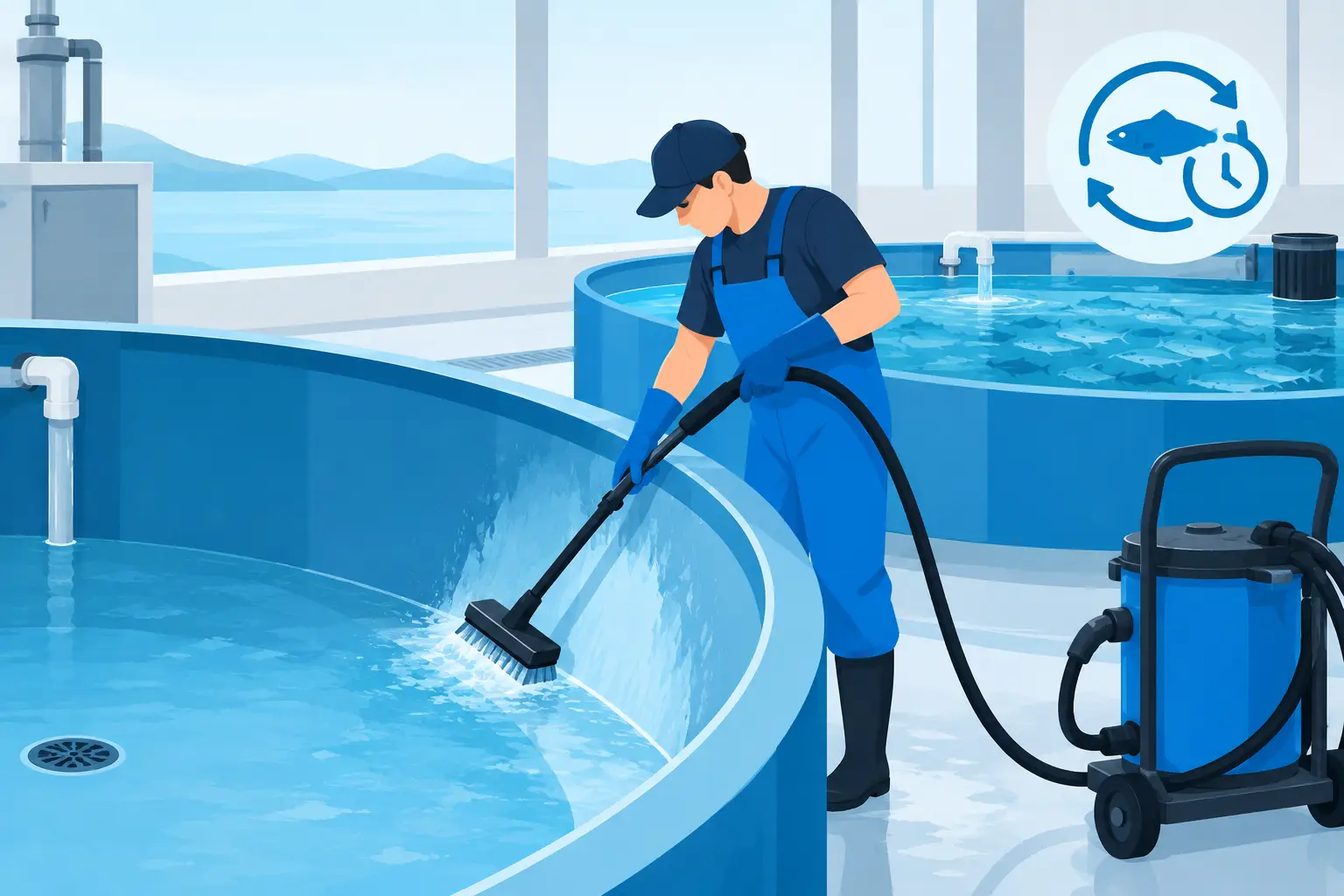
The strongest maintenance program combines daily store-level checks with scheduled professional service. Store staff are closest to the system and can spot visible changes quickly. Experienced technicians bring diagnostic skill, calibrated procedures, and the ability to identify wear that may not be obvious during routine operation.
This division of responsibility should be clear. Staff need to know which tasks they own, what conditions require escalation, and whom to call. A loose plan such as “someone checks the tank” creates gaps, especially during staff turnover, weekends, and holiday demand periods. A written schedule gives the department a dependable baseline.
Professional maintenance should address more than cosmetic cleaning. It should review circulation performance, pump condition, filtration effectiveness, plumbing connections, temperature control, and component wear. The service interval depends on tank volume, species, stocking density, operating hours, and water conditions. A lightly stocked specialty display may need a different approach than a high-turnover supermarket tank.
Lobster Life Systems supports commercial operators with tank design, USA-made fabrication, marine salt and filtration supplies, and ongoing technical service from one source. That one-place approach helps reduce the handoffs that can slow down troubleshooting when a tank needs attention.
Prepare for the Failure You Cannot Schedule
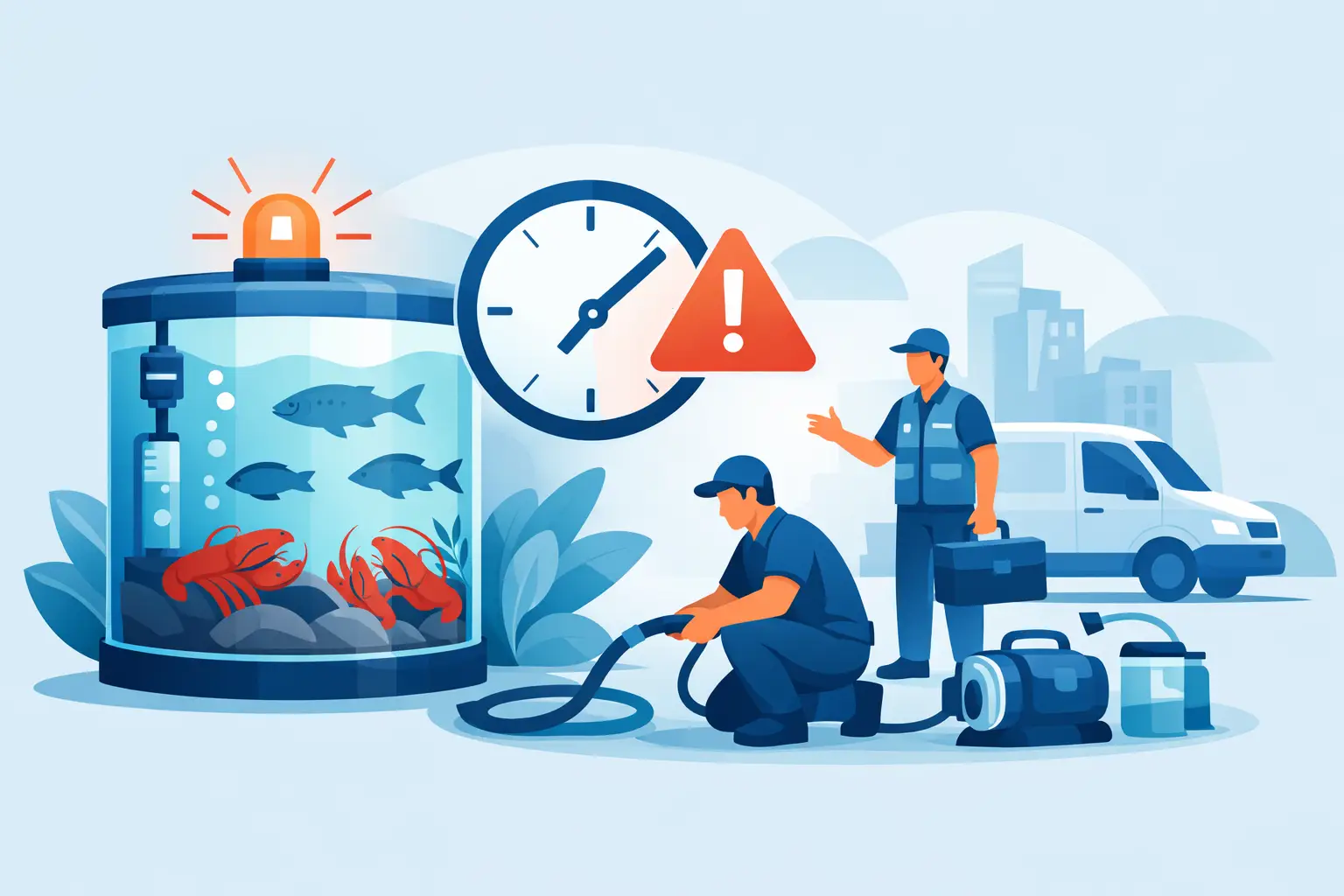
Even well-maintained equipment can fail. The difference between a disruption and a serious loss often comes down to response time. Every location holding live seafood should have a simple, current emergency plan that staff can use without searching through old emails or waiting for a manager to arrive.
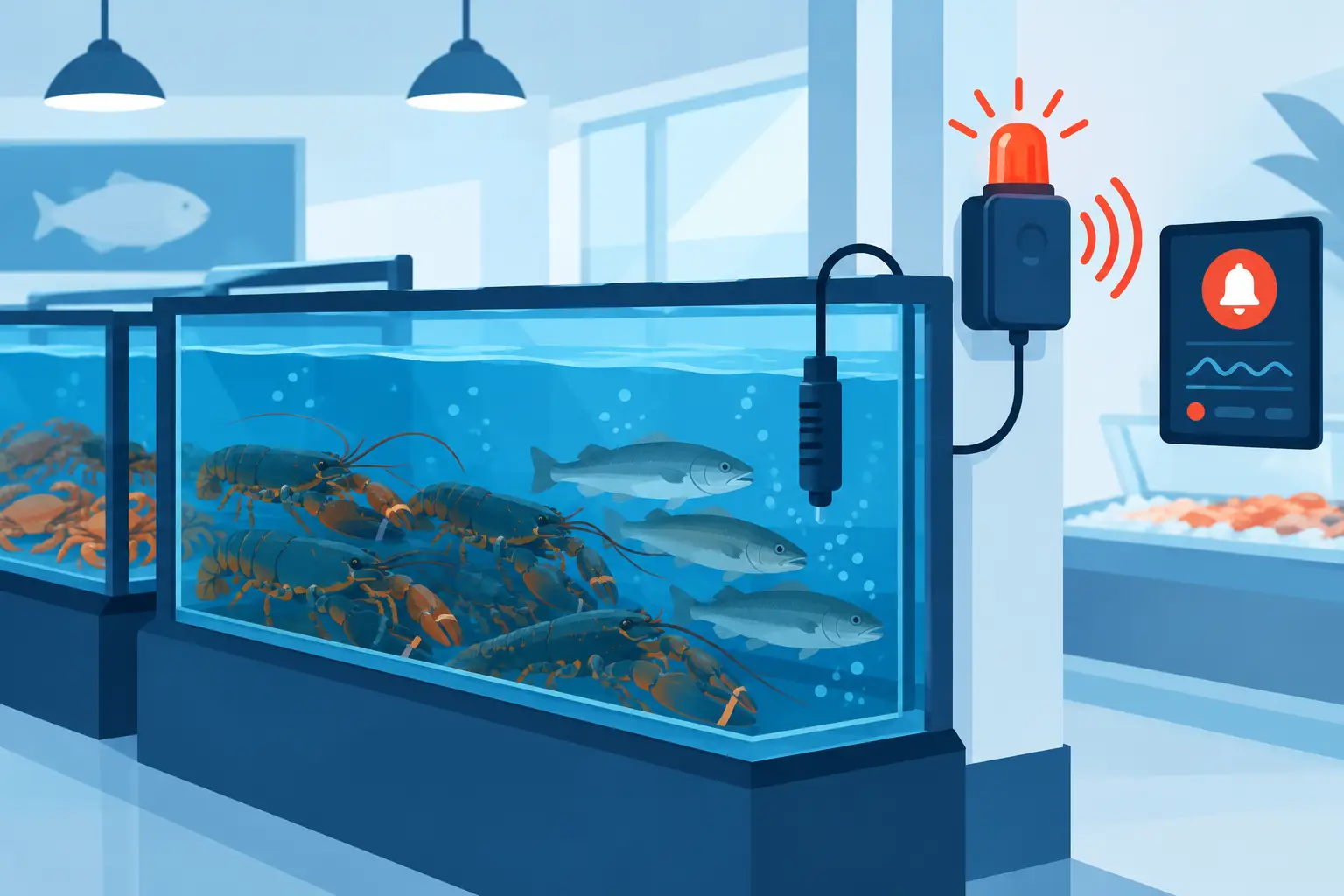
The plan should identify the primary service contact, after-hours support process, equipment shutoff points, basic alarms or warning signs, and the immediate steps staff can take to protect product. It should also clarify whether the location has backup aeration, temporary holding capability, spare critical parts, or a generator plan for power interruptions. The right level of backup depends on the value of the inventory and the risks at that site, but doing nothing is not a plan.
Response planning is especially important for operators with multiple locations. Standardize what can be standardized: service records, staff checklists, approved supplies, emergency contacts, and reporting procedures. Then allow for local differences in tank type, product mix, and store infrastructure. Consistency gives regional managers visibility. Flexibility keeps the plan useful on the floor.
Fish Market Uptime Depends on People, Too
The best equipment cannot overcome unclear ownership. Seafood managers, department associates, facilities teams, and outside service providers all touch the system differently. Uptime improves when they share the same expectation: live tanks require active attention because they hold a perishable, high-value product.
Training does not need to turn every associate into a water-treatment technician. It should give them confidence to recognize a concern, perform approved daily checks, avoid common mistakes, and escalate quickly. Staff should understand why they should not alter salinity casually, bypass filtration, overstock a tank, or delay reporting an unusual condition simply because water still appears clear.
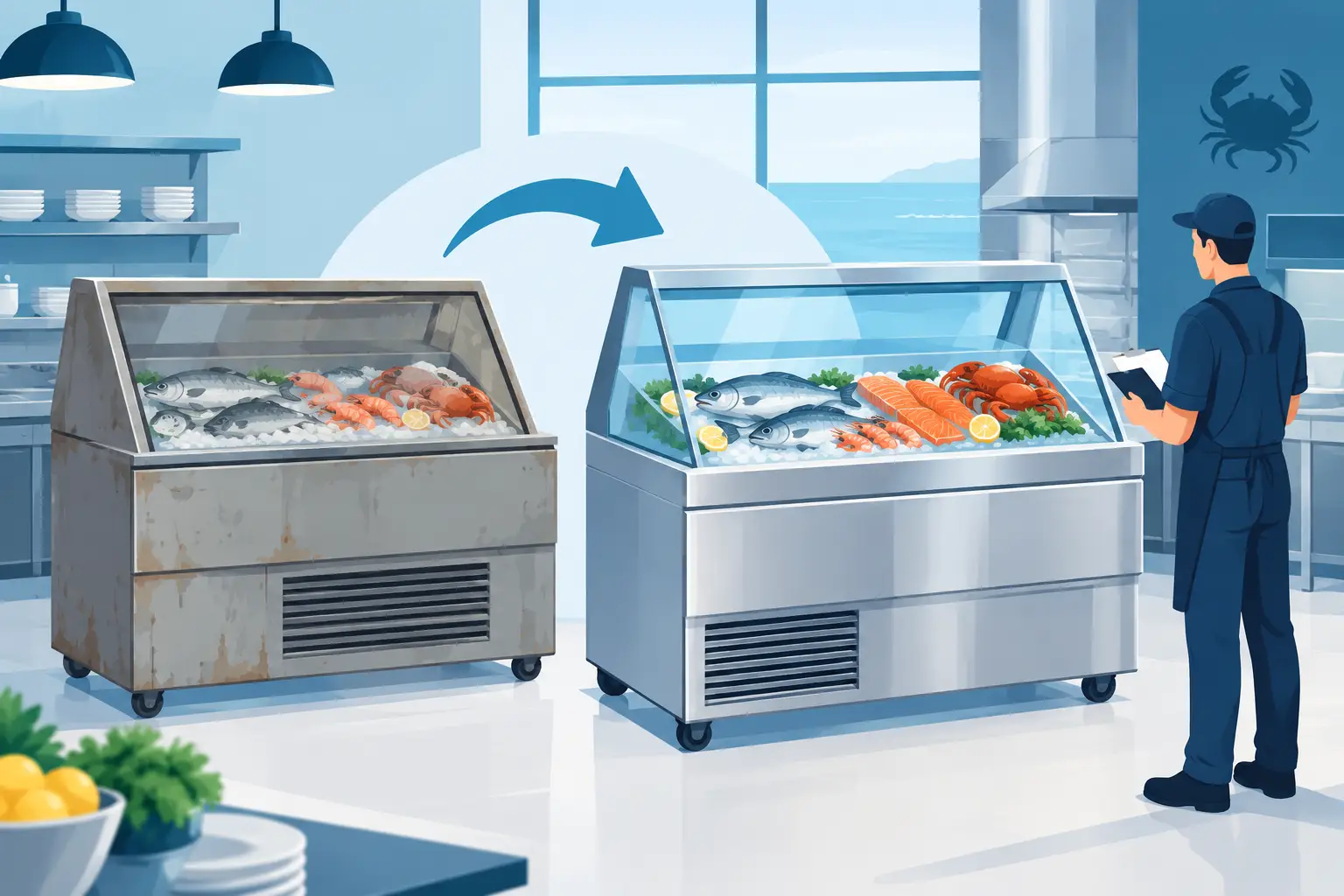
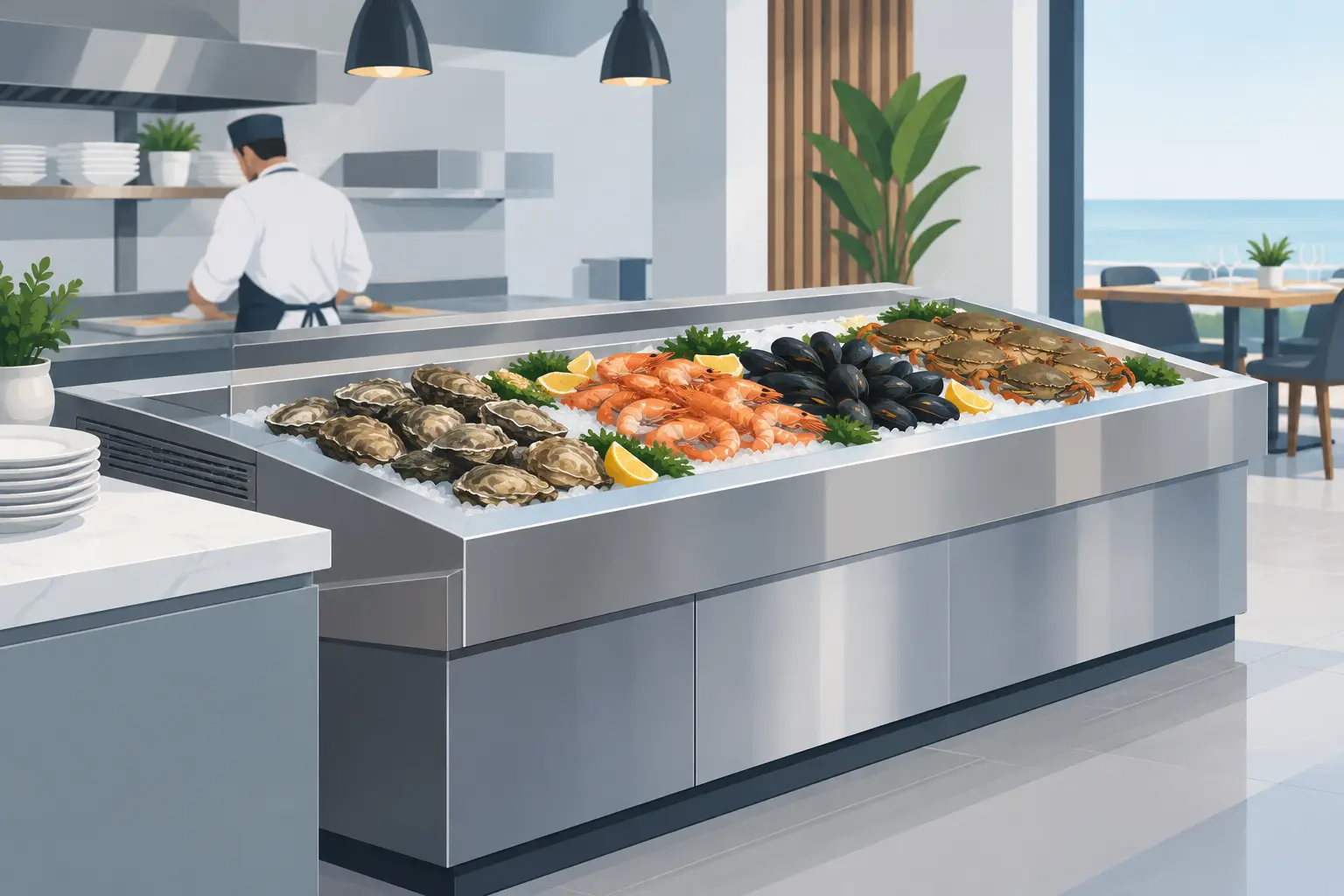
There is also a customer-facing benefit. A clean, well-lit display with healthy product tells shoppers that the seafood department takes quality seriously. That impression is earned through the unglamorous work behind the tank: reliable equipment, correct supplies, trained staff, and service that happens before a problem reaches the sales floor.
A live seafood display should never be left to chance or treated as a piece of equipment that can wait until next week. Give the tank the design, supplies, service plan, and response support its inventory deserves, and it can keep doing what it was built to do: help your operation sell live seafood with confidence.