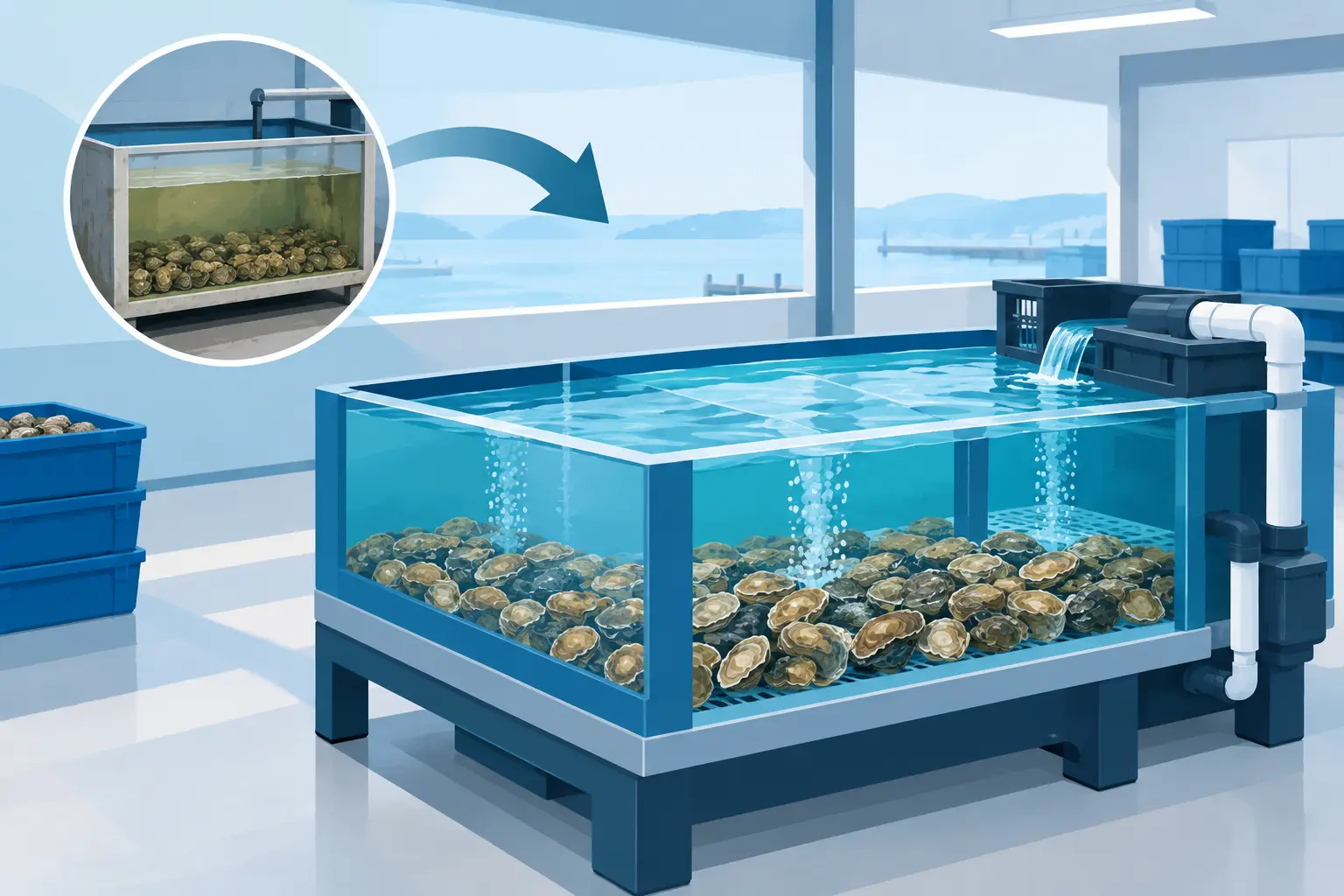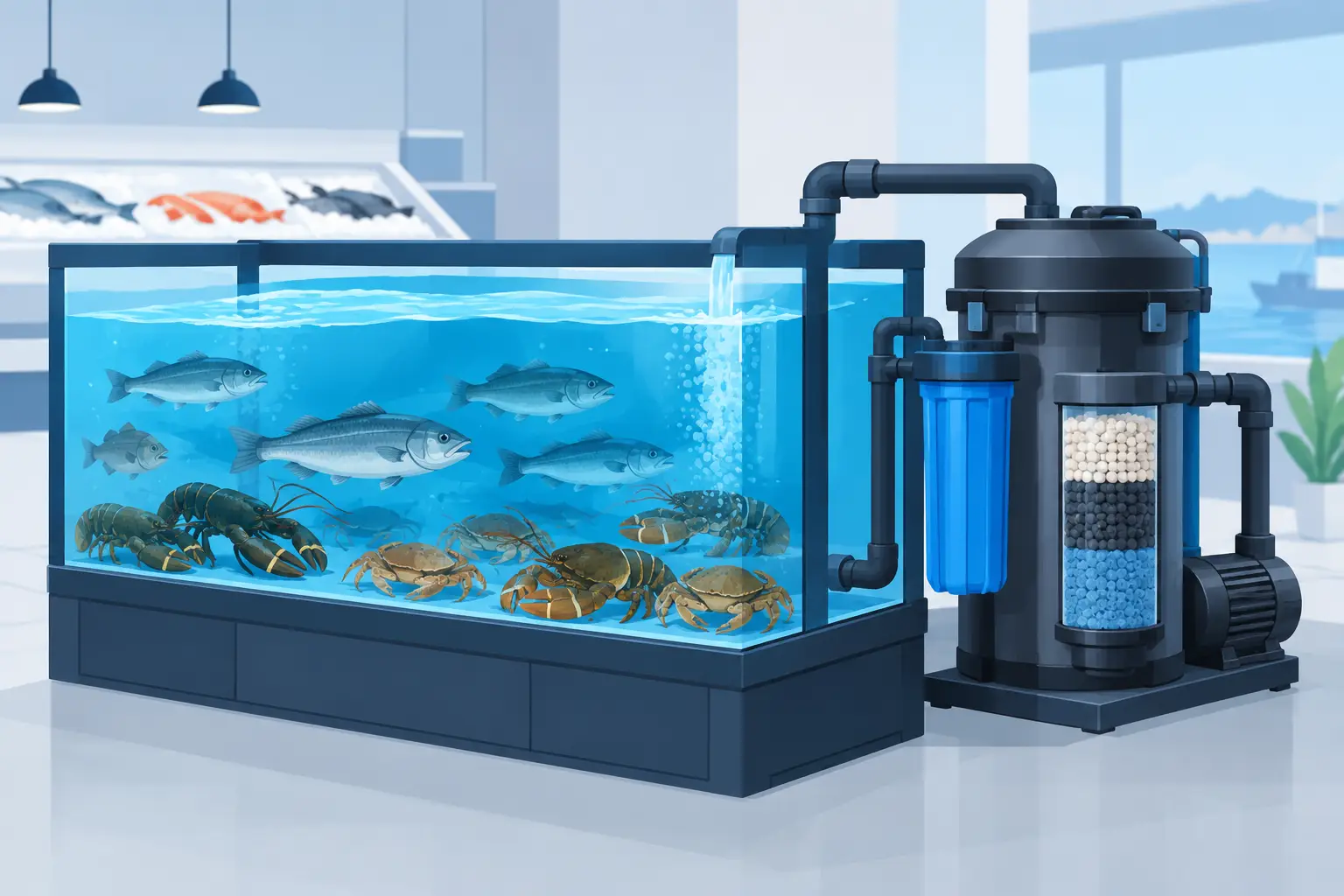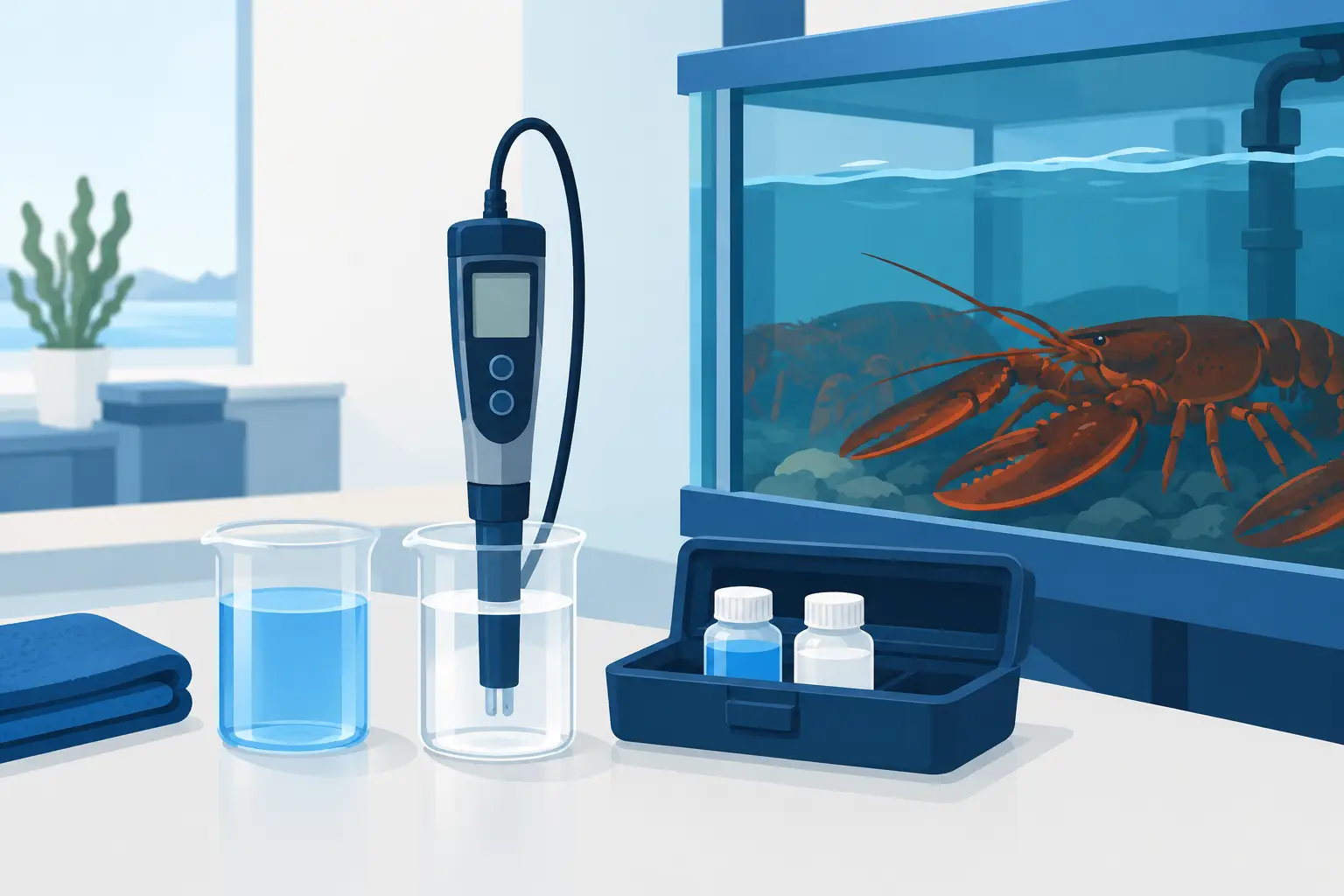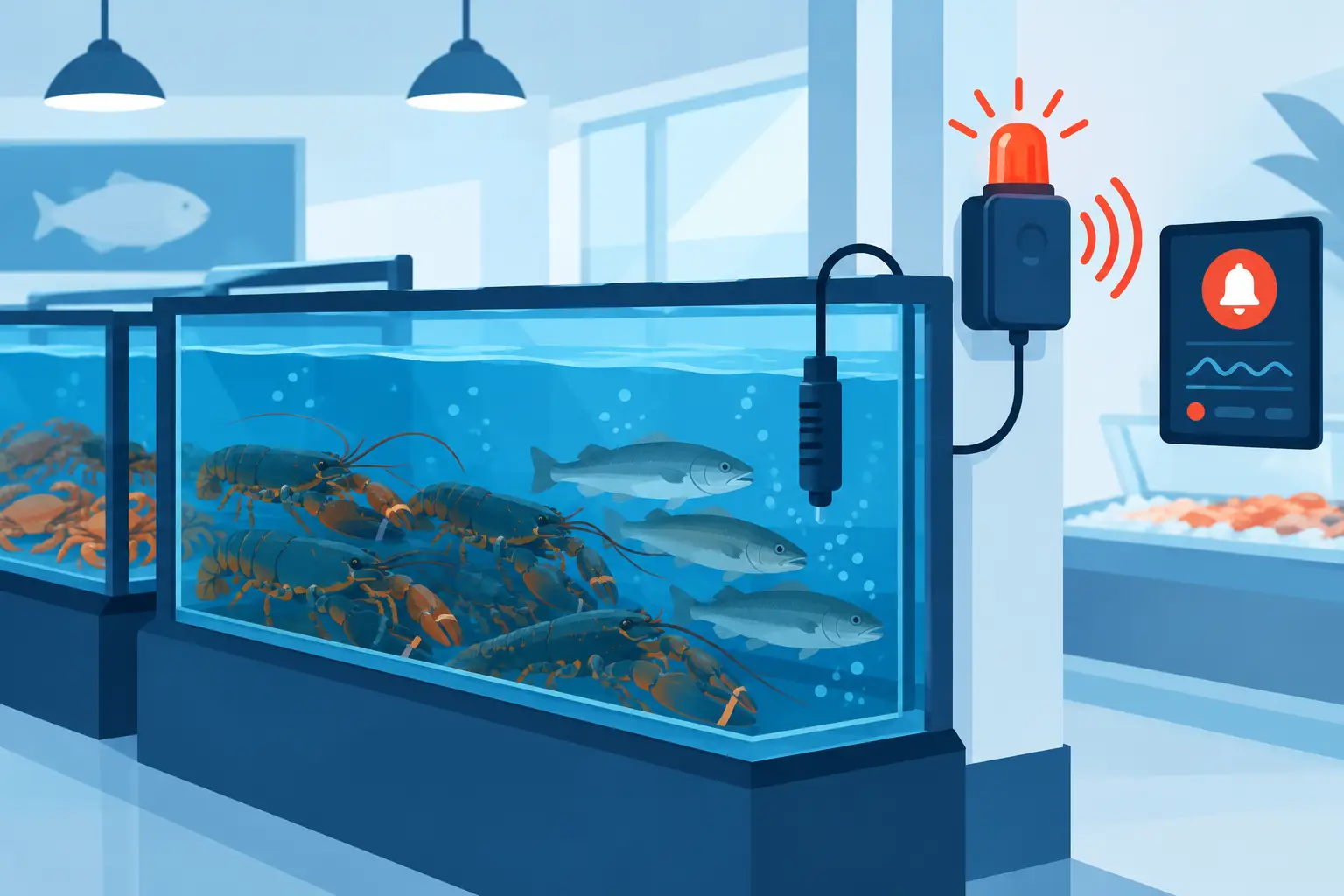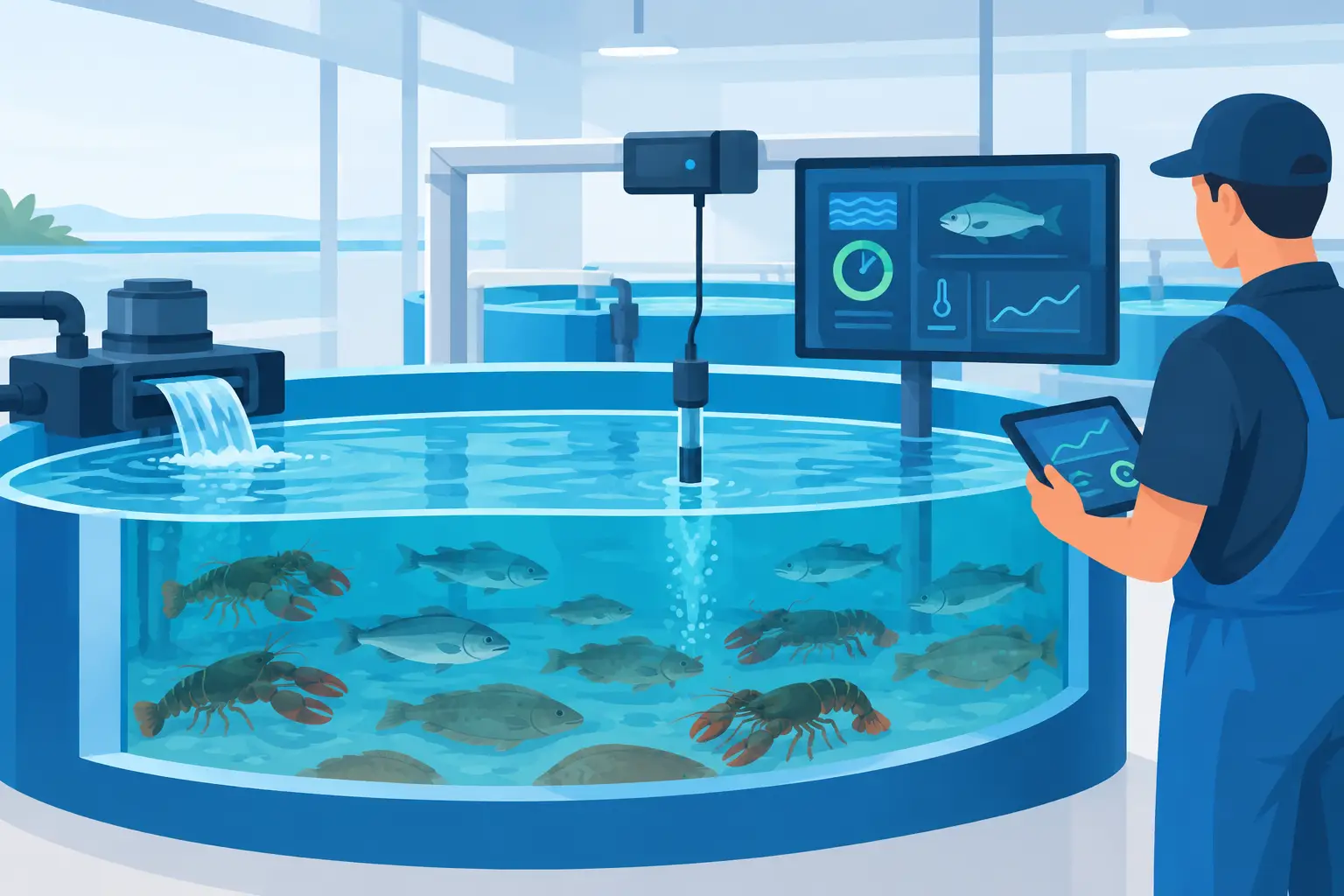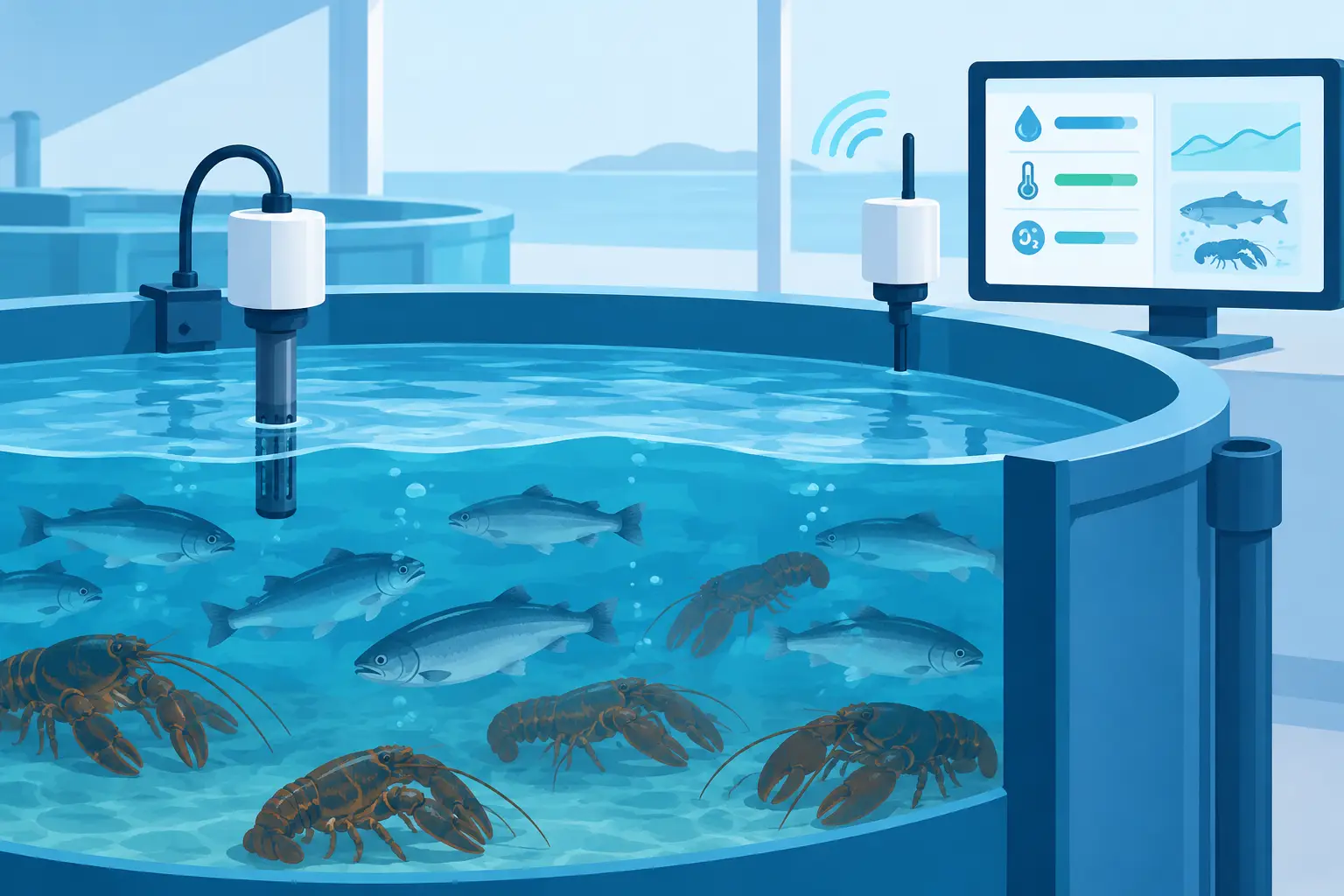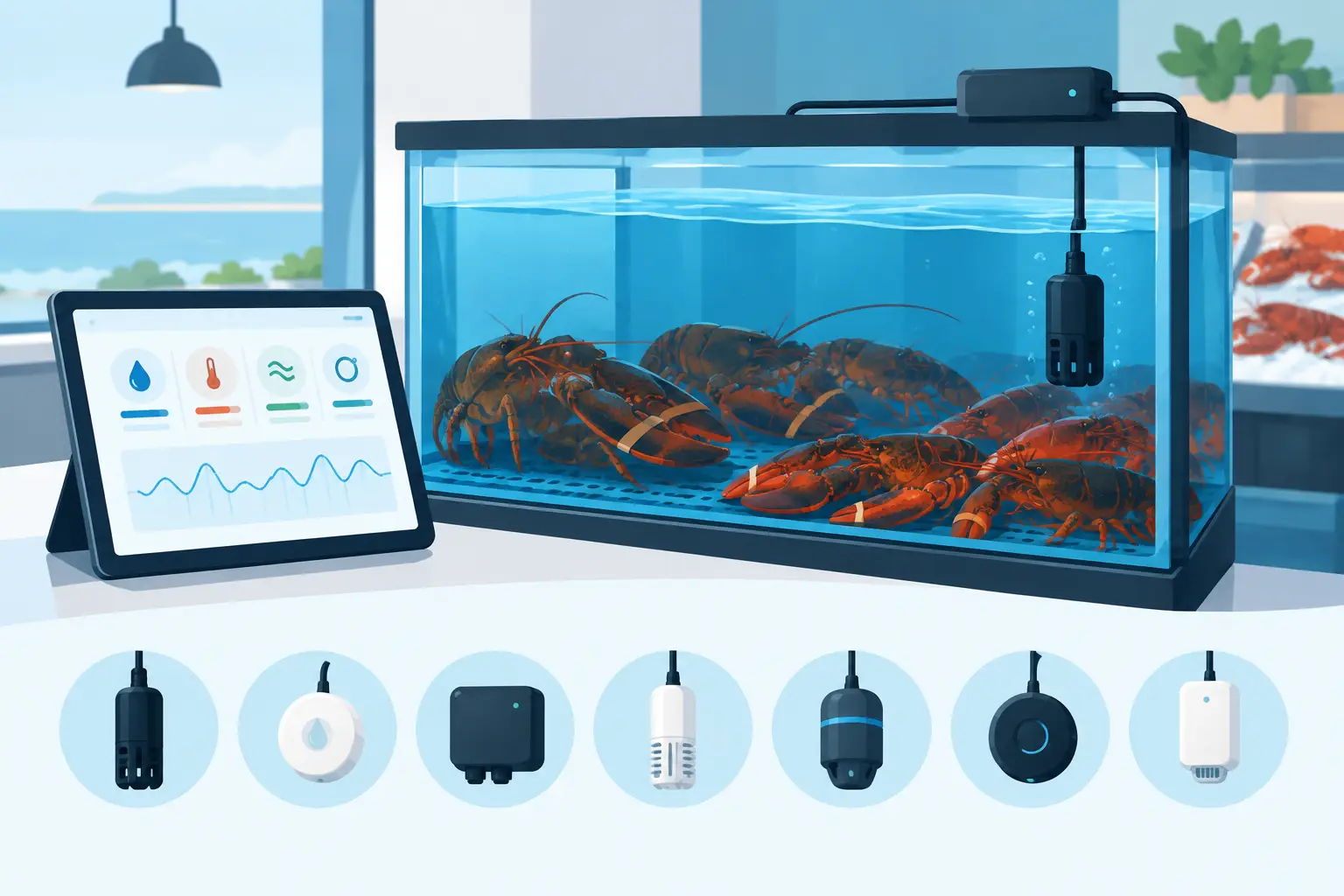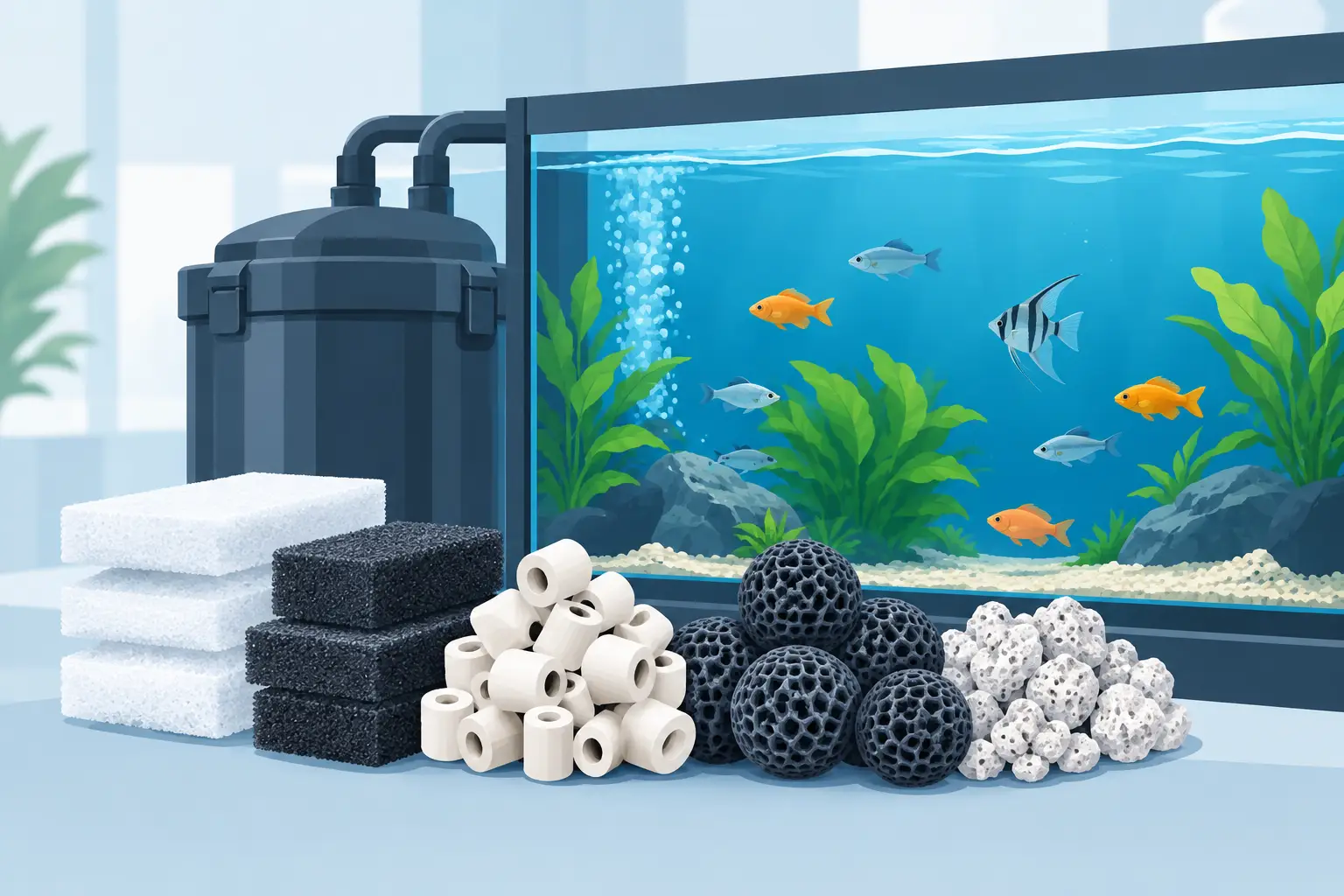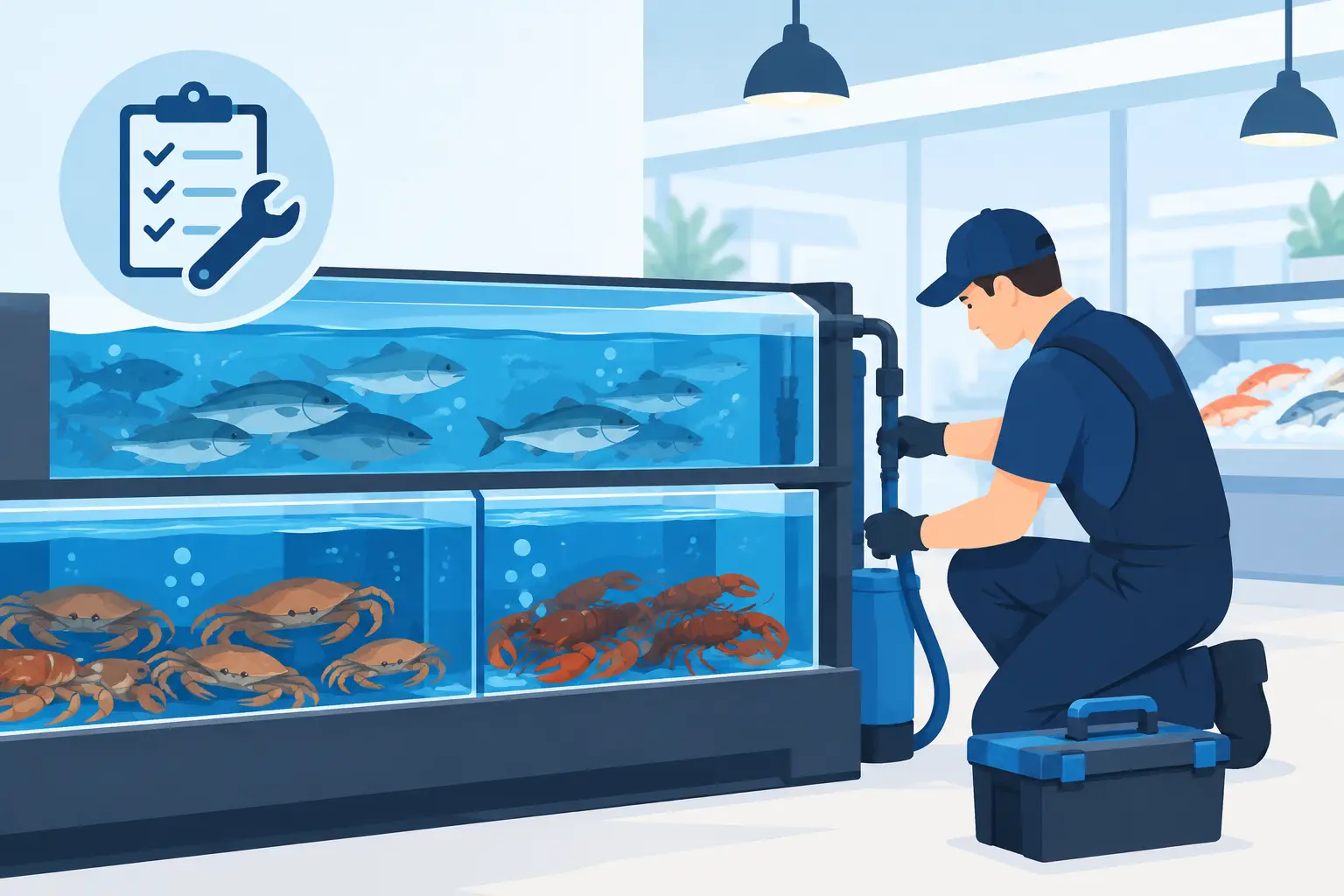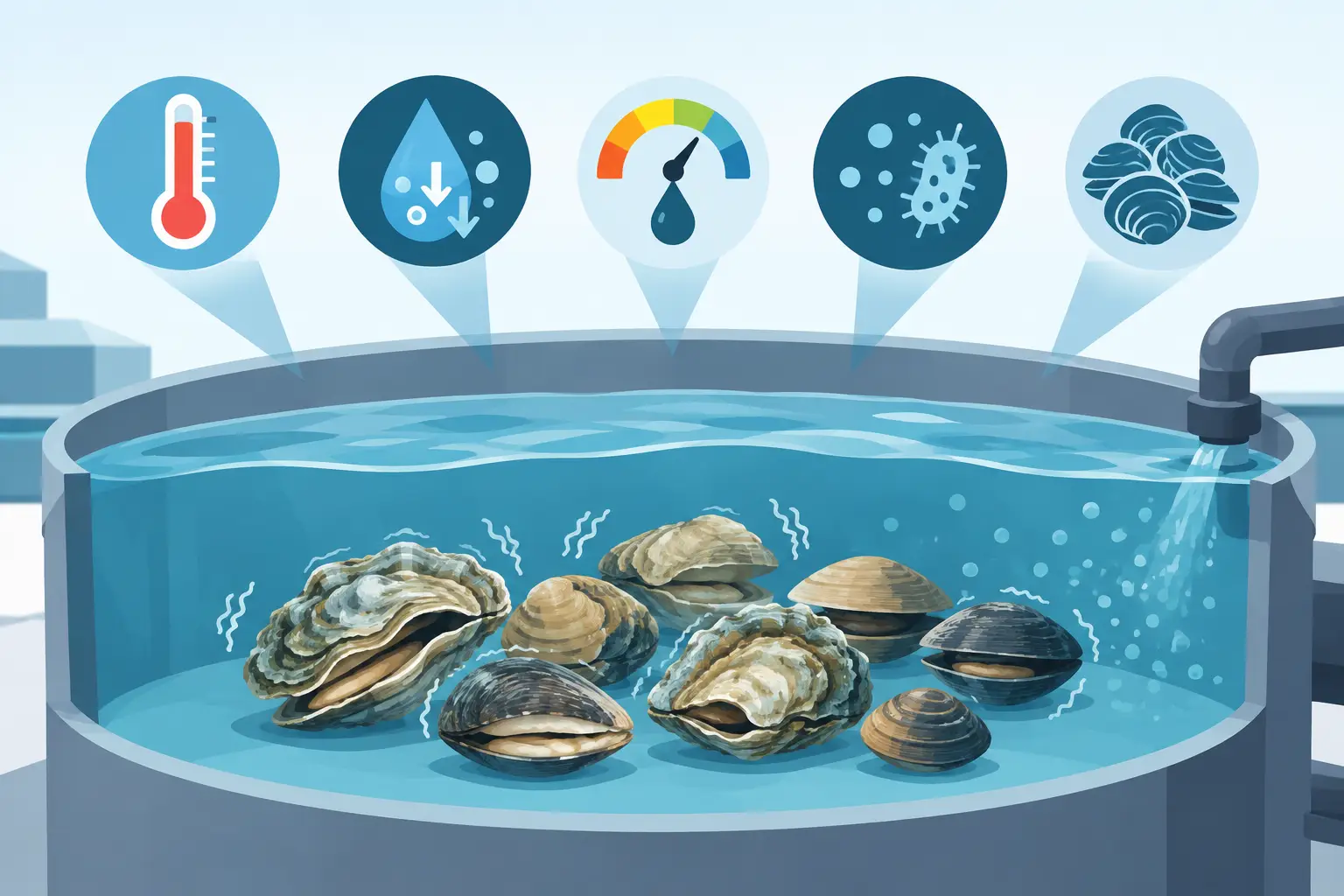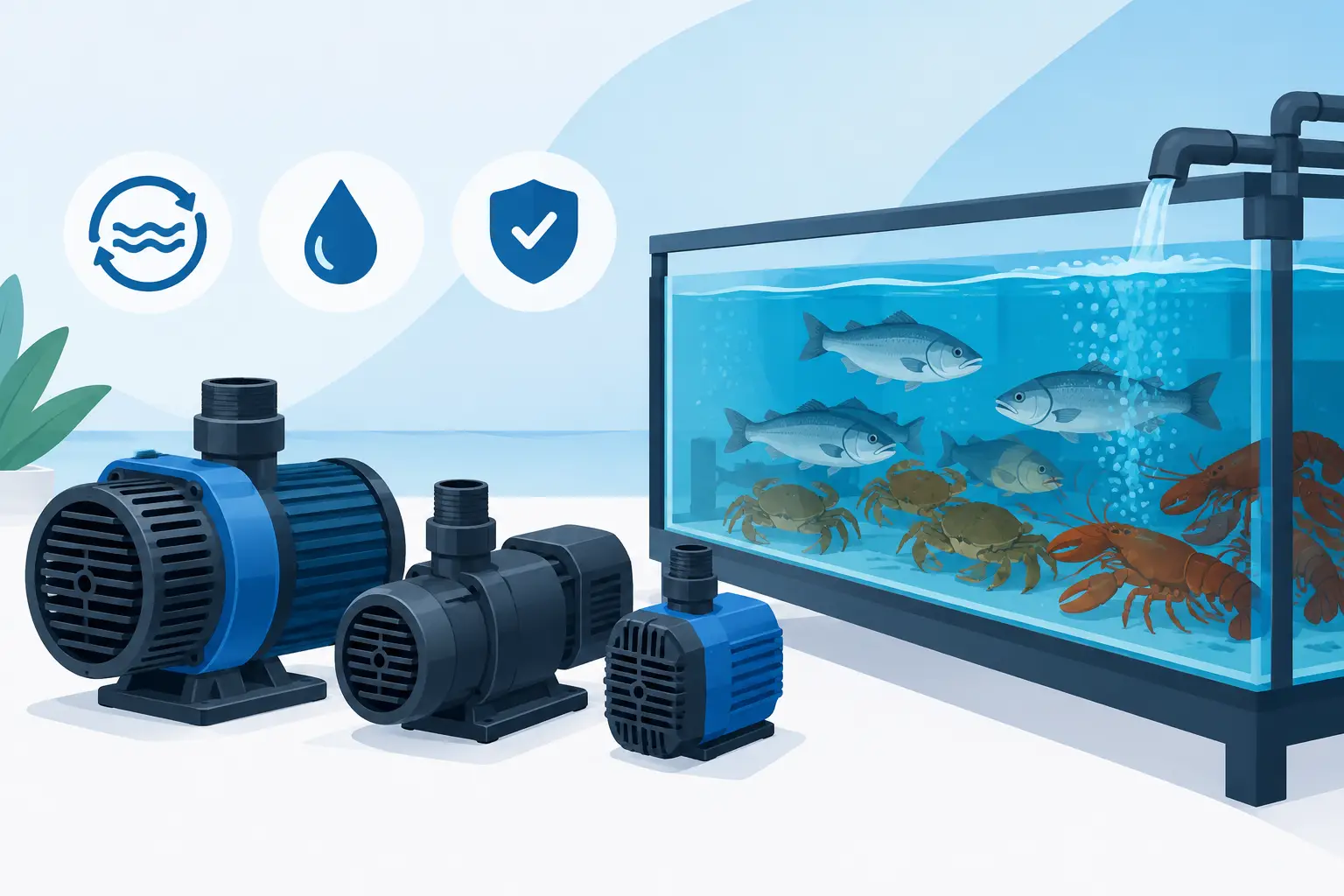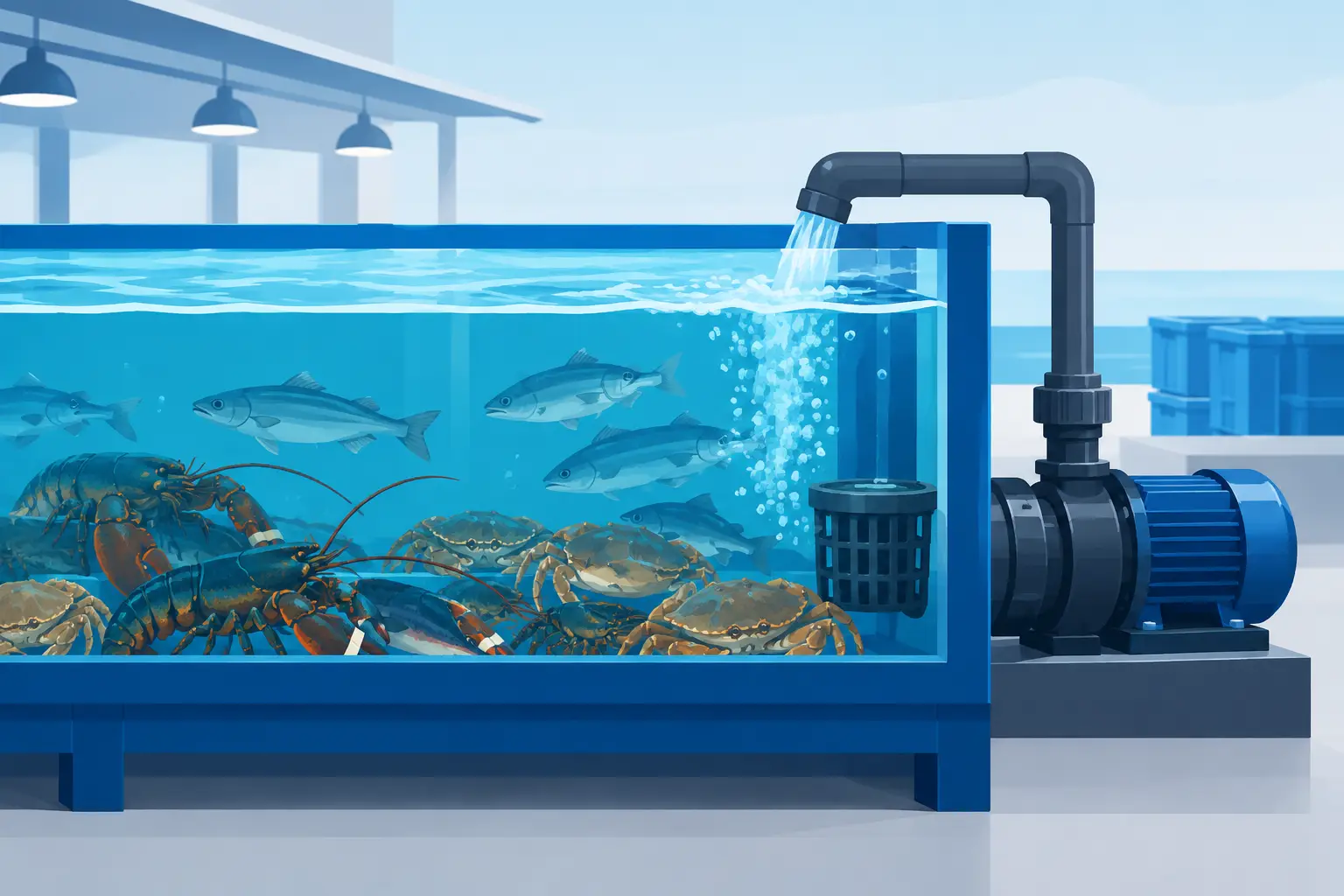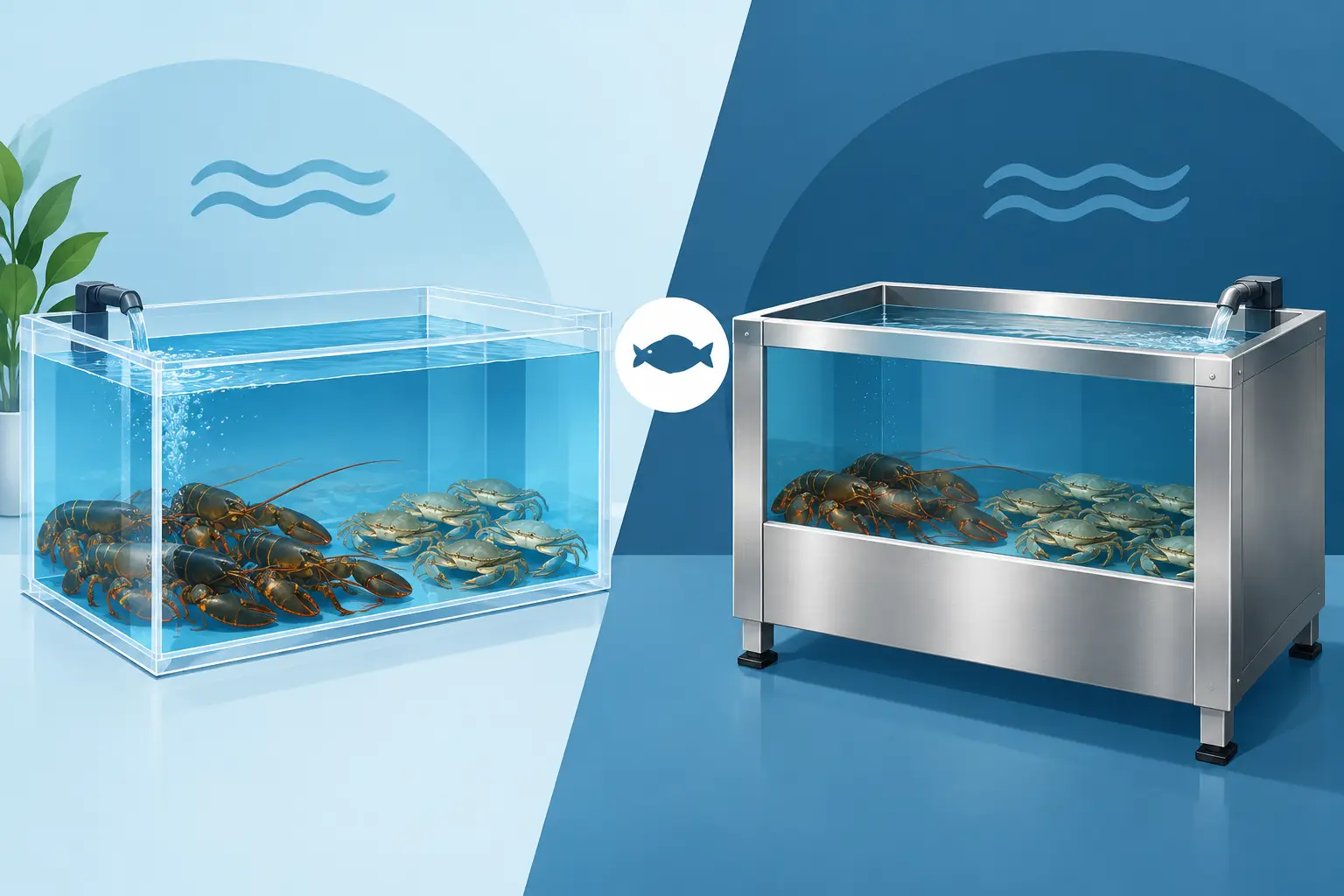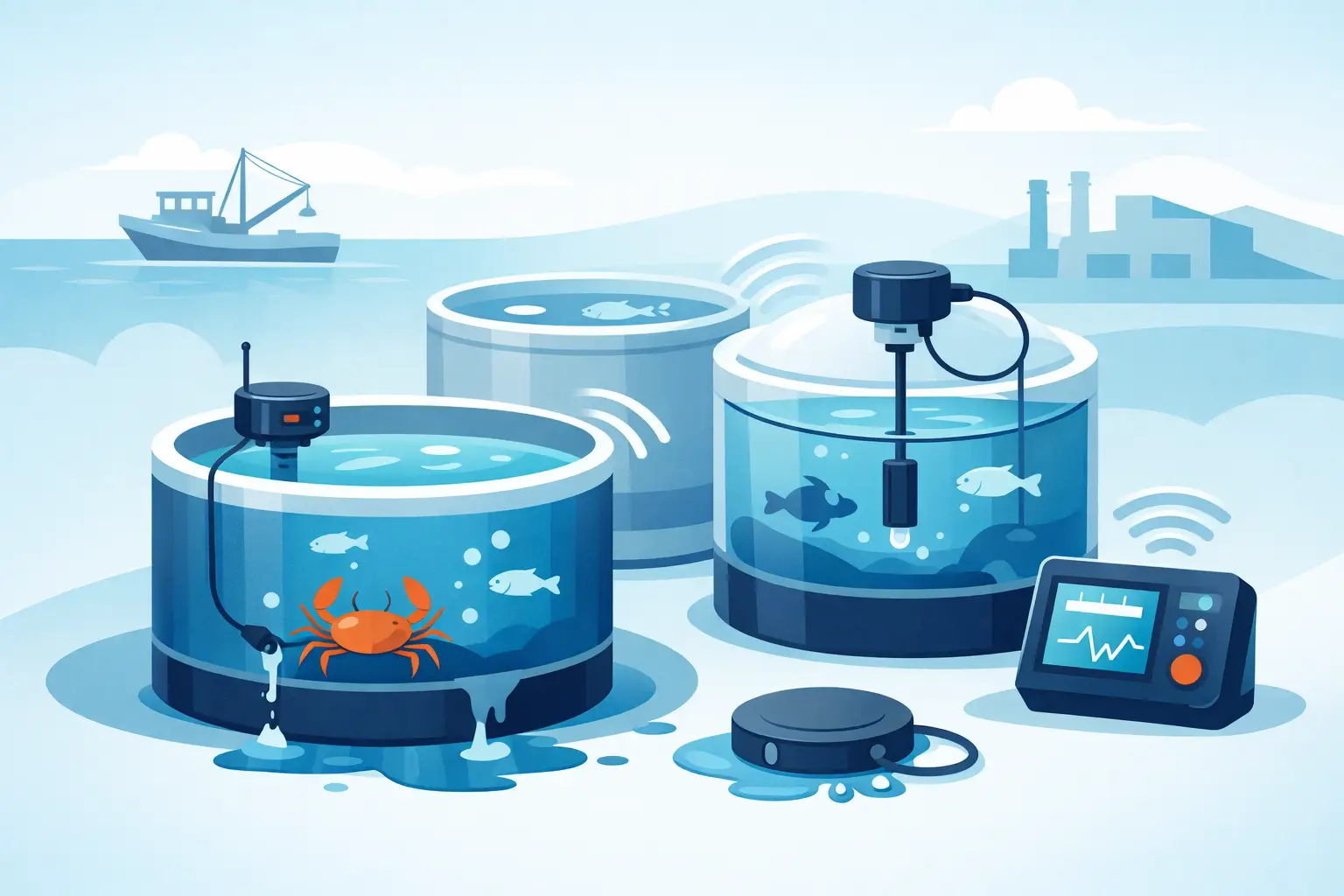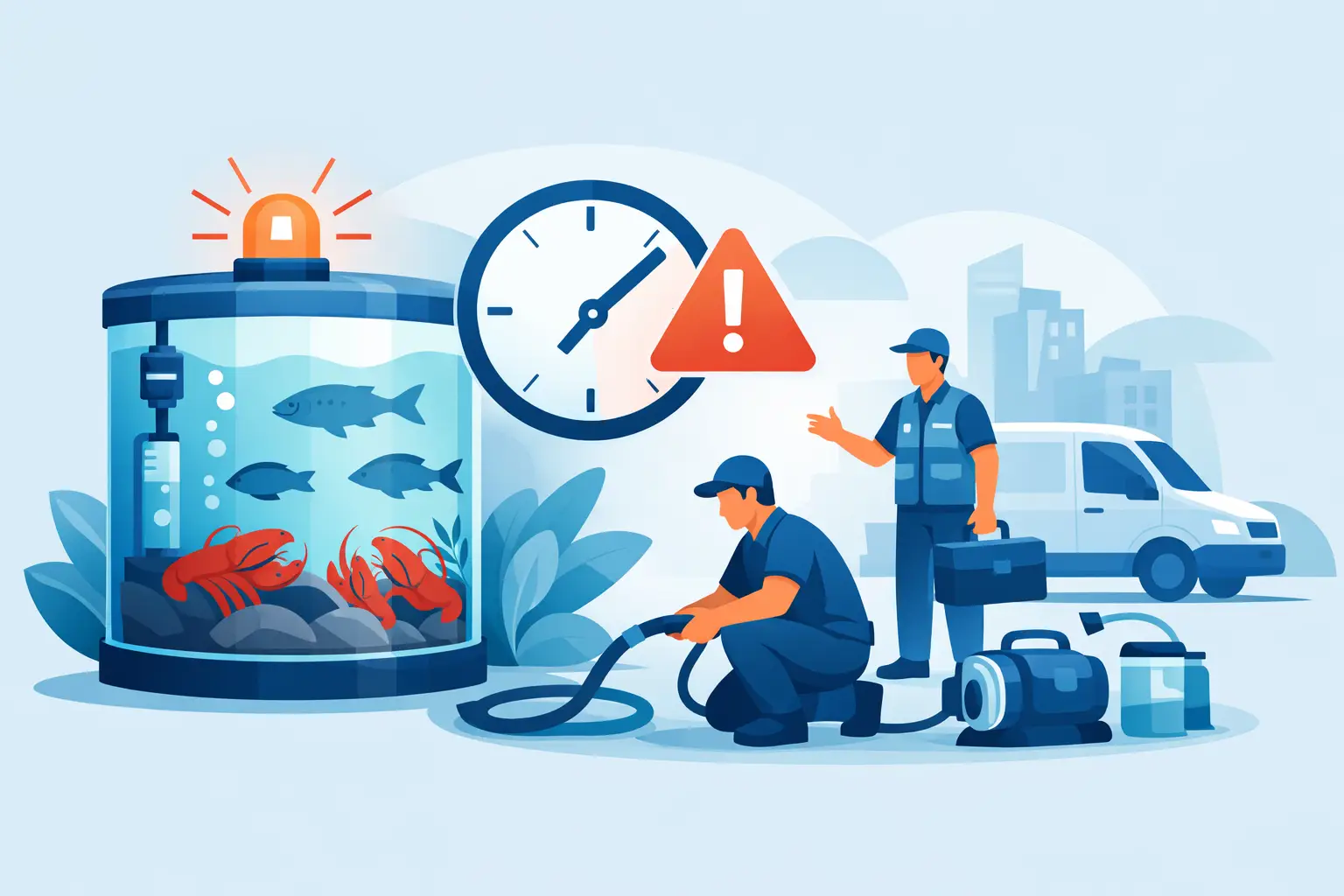

A live lobster or shellfish tank can look perfectly normal at 8:00 a.m. and become a costly inventory problem before lunch. Seafood tank alarms give your team the early warning needed to act before a circulation issue, low water level, temperature swing, or power failure threatens the animals in your system.
For supermarkets, wholesalers, restaurants, and independent seafood markets, an alarm is not a replacement for trained staff or scheduled maintenance. It is a practical layer of protection for the hours when a problem can develop unnoticed: overnight, during a busy delivery, over a holiday weekend, or while the seafood department is handling customers instead of watching equipment.
Why Seafood Tank Alarms Matter
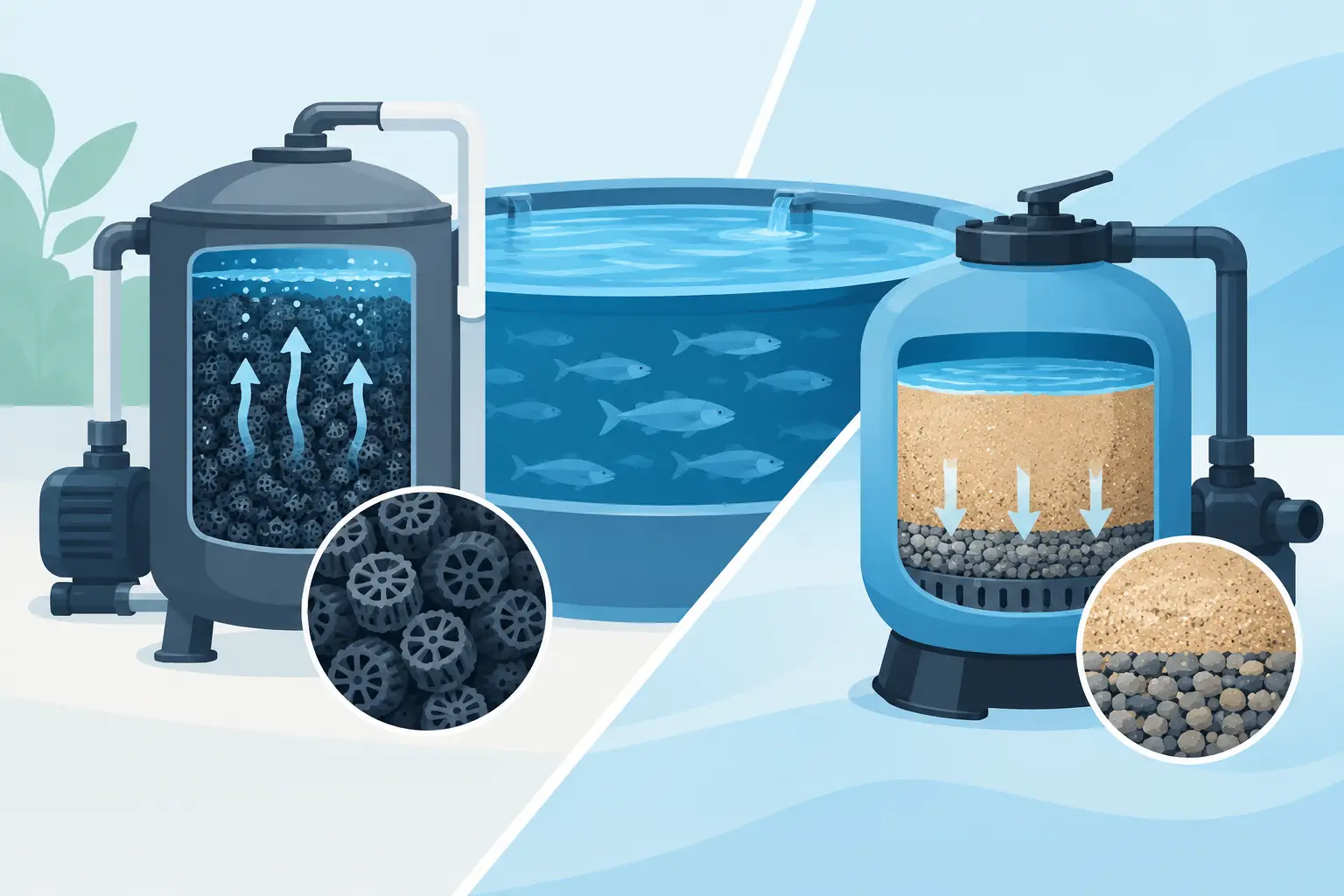
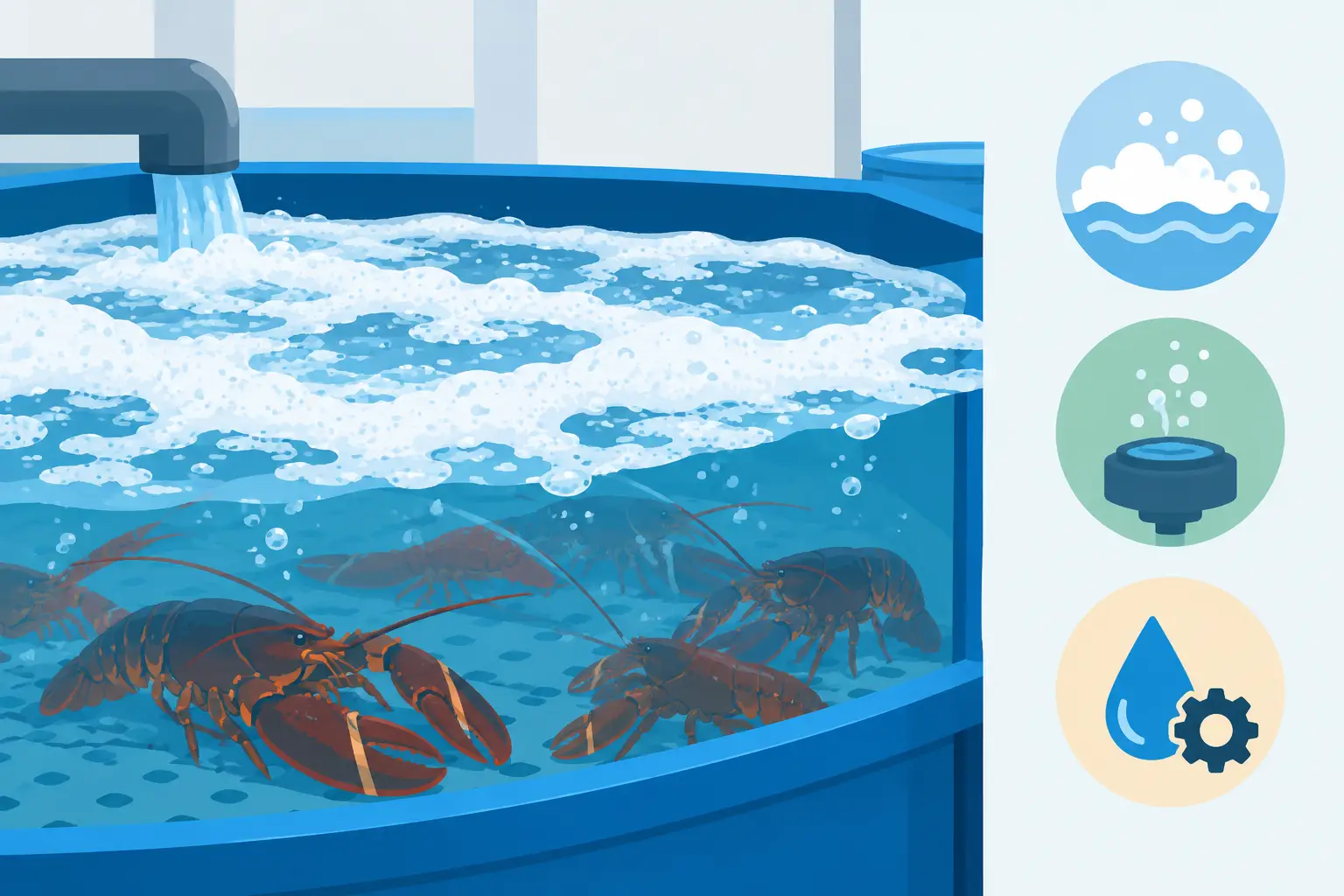
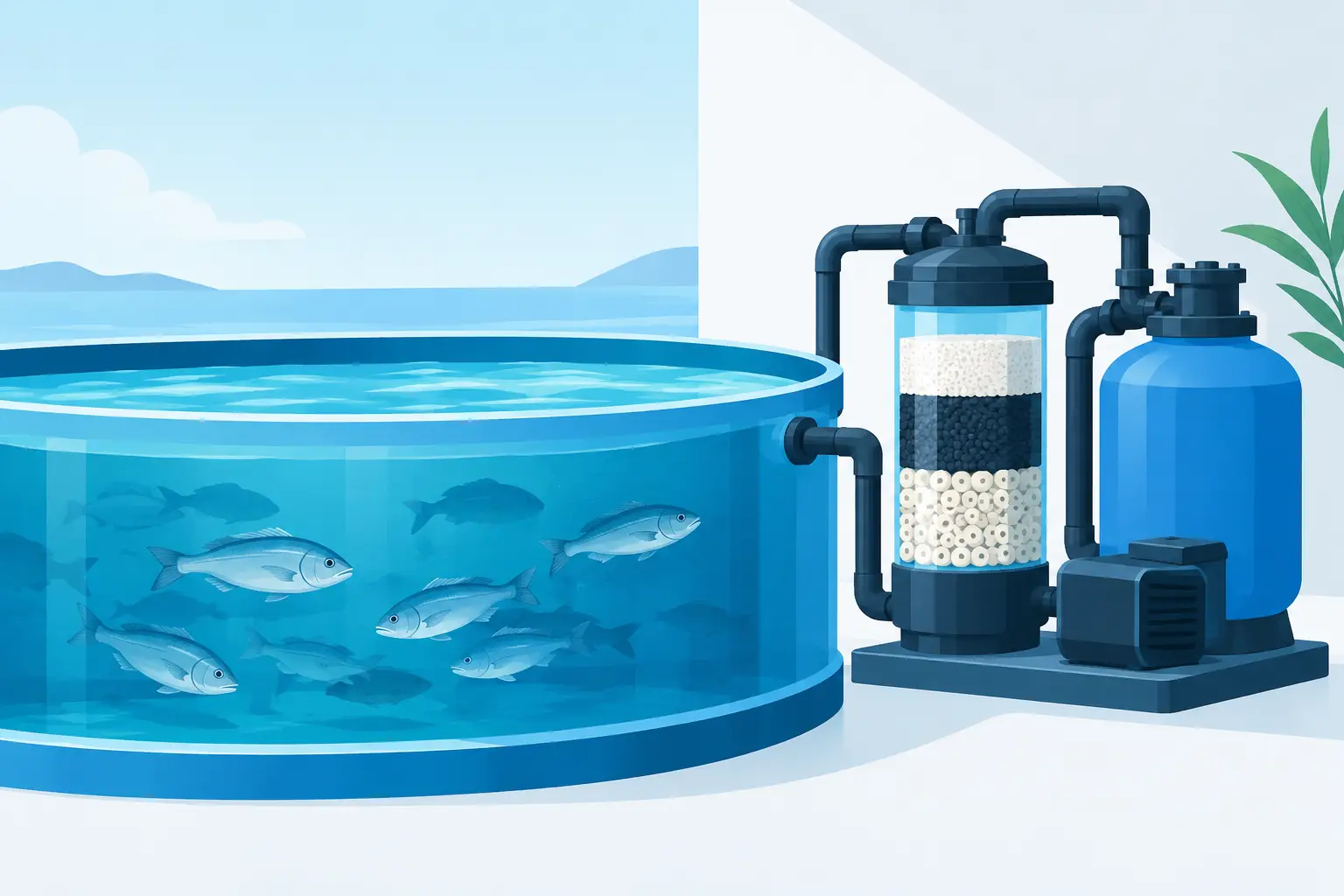
Live seafood systems depend on stable conditions. Pumps move water through filtration. Chillers or heaters manage temperature. Aeration and circulation support water quality. A float switch, plumbing connection, breaker, or pump can fail without much warning, and the consequences can move quickly when a tank is heavily stocked.
The financial exposure is obvious. A loss of live inventory affects margin, labor, replacement orders, and the confidence of customers expecting fresh product. There is also a merchandising issue. A tank with cloudy water, stressed animals, or poor circulation sends the wrong message at the seafood counter, even if the problem is temporary.
An alarm system helps close the gap between equipment failure and human response. The right setup identifies a condition outside the operating range you set, alerts the appropriate people, and gives them enough information to begin troubleshooting. That speed can make the difference between a service call and a serious loss.
What a Tank Alarm Should Monitor
Not every commercial tank needs the same alarm package. A small restaurant tank, a high-volume supermarket display, and a wholesale holding system have different risk profiles. Still, the strongest seafood tank alarm strategy focuses on the failures most likely to harm live inventory or disrupt operations.
Water Level
Low water level is one of the most useful conditions to monitor. It can point to a leak, overflow condition elsewhere in the system, evaporation in certain applications, a failed make-up water arrangement, or an issue caused during cleaning and maintenance. If the tank or sump level drops far enough, pumps can lose prime or run dry, creating a second failure after the first one.
High-level alarms matter as well. An overflowing tank can damage floors, equipment, and surrounding fixtures while creating a safety concern for employees and customers. In many installations, level monitoring is the first line of defense because it addresses both animal welfare and facility risk.
Temperature
Lobster, shellfish, and finfish systems require temperature control appropriate for the species and holding application. A chiller failure, an incorrect controller setting, poor ventilation around equipment, or a hot mechanical room can move water temperature outside the desired range.
Temperature alarms should be set with realistic thresholds, not so tight that normal cycling creates nuisance alerts and not so wide that staff receive the warning too late. The correct range depends on the livestock, tank design, local ambient conditions, and the operating practices of your store or facility.
Pump and Flow Failure
A pump may have power but still fail to deliver proper flow. A clogged intake, worn impeller, air lock, tripped protection device, closed valve, or plumbing obstruction can reduce circulation long before a team member notices it from the sales floor.
Where possible, monitoring should account for actual flow or a related condition that indicates circulation is functioning. A simple power-loss alert has value, but it does not confirm that water is moving through the filtration system as intended.
Power Loss
Power interruptions are a major concern for any live seafood operation. A local breaker trip can affect only part of the system. A building-wide outage can affect lighting, refrigeration, pumps, chillers, and communications at once.
A power alarm should be backed by a clear response plan. Staff need to know who receives the alert, who can access the facility, whether backup power is available, and how long critical components can remain down before inventory is at risk. The alarm is only as useful as the action it starts.
Local Horn, Remote Alert, or Both?
A local audible alarm is effective when employees are consistently close to the system. It can bring immediate attention to a problem during business hours, particularly in a seafood department, prep area, or wholesale holding room. But a horn cannot help much if the issue starts after closing or in a mechanical area that is not routinely occupied.
Remote notification extends coverage beyond the building. Depending on the system, alerts may be sent through cellular, network-connected, or dial-out equipment to designated contacts. For many commercial operators, the best approach is both: a clear on-site audible and visual alarm for staff, plus a remote alert for managers, maintenance personnel, or an after-hours contact.
Remote systems do introduce practical considerations. They need dependable communication, current contact information, tested batteries or backup power where applicable, and an assigned person who is prepared to respond. Sending alerts to five people without assigning ownership can still result in a slow response because everyone assumes someone else has handled it.
Avoid the Most Common Alarm Mistakes
The biggest mistake is installing an alarm and treating it as a set-it-and-forget-it device. Sensors can foul, batteries can weaken, communications can change, and settings can be altered during routine work. A failed alarm creates false confidence, which is worse than having no alarm at all.
Nuisance alarms create another problem. If a device alerts repeatedly for non-critical events, staff begin to ignore it or silence it without investigating. Thresholds should reflect normal operating behavior, and the source of recurring alerts should be corrected rather than accepted as part of the job.
Operators should also avoid placing sensors where they are easily bumped, exposed to debris, or affected by a localized condition that does not represent the system as a whole. A level sensor installed in the wrong compartment may miss the actual risk. A temperature probe positioned near a chiller discharge may produce misleading readings. Alarm design needs to match the tank layout, plumbing, filtration method, and livestock load.
Build an Alarm Response Plan Before You Need It
An alert should trigger a simple, repeatable process. The first person notified needs to know whether to call the store, contact a manager, dispatch a technician, or go directly to the site. They also need the information required to verify the condition without losing valuable time.
Keep the response plan near the system and make it part of staff training. It should identify the alarm type, normal operating ranges, initial checks, emergency contacts, equipment shutoffs, backup procedures, and when to move animals or reduce stocking. For a multi-location retailer, standardizing this process across stores helps operations teams respond consistently.
Testing is equally important. Test alarm functions on a scheduled basis, including the local signal, remote notification path, and backup power features. Record the result. A quick test during regular maintenance is a small task compared with responding to a preventable overnight loss.
Alarm Design Starts With the Tank System
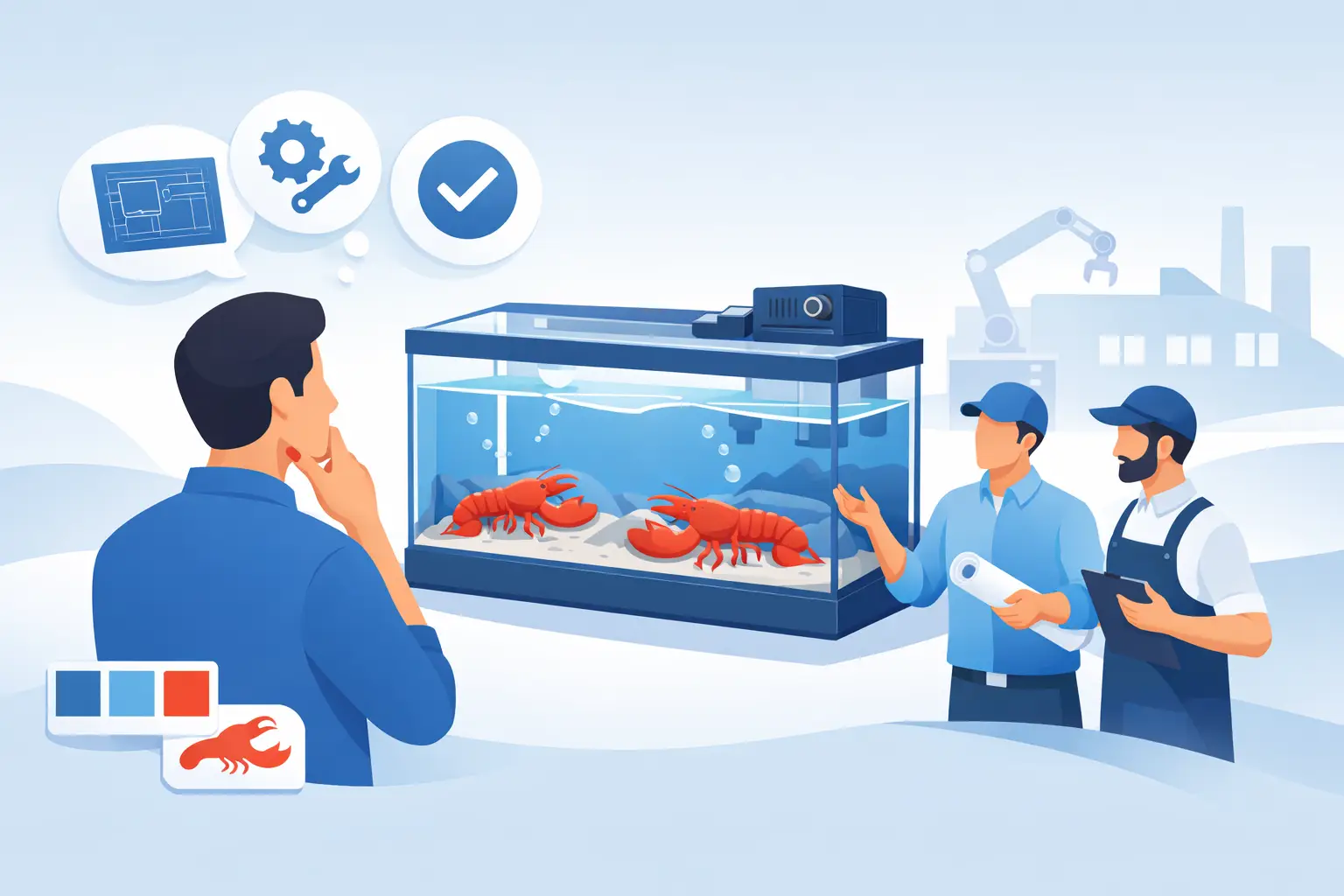
The best alarm package is not necessarily the one with the most sensors. It is the one built around the real points of failure in your operation. A properly designed self-contained lobster system may require different monitoring than a large centralized filtration system serving multiple tanks. Stocking density, location, water volume, service access, operating hours, and available backup power all matter.
That is why seafood operators benefit from working with a company that understands the full system, not just a standalone alarm device. Lobster Life Systems designs commercial live seafood equipment with the realities of daily operation in mind, including tank fabrication, filtration components, marine salt, service needs, and long-term maintenance support.
When evaluating a new installation or upgrading an existing one, ask direct questions: What failure modes are most likely here? Which conditions can damage inventory fastest? Who receives alerts after hours? Can staff act on the alarm, or do they need a service partner? The answers will determine whether a basic local alarm is sufficient or whether your operation needs a more complete monitoring plan.
A dependable tank system is built for the days when nothing goes wrong. A dependable alarm plan is built for the day something does. Put both in place before your live inventory has to pay for the lesson.