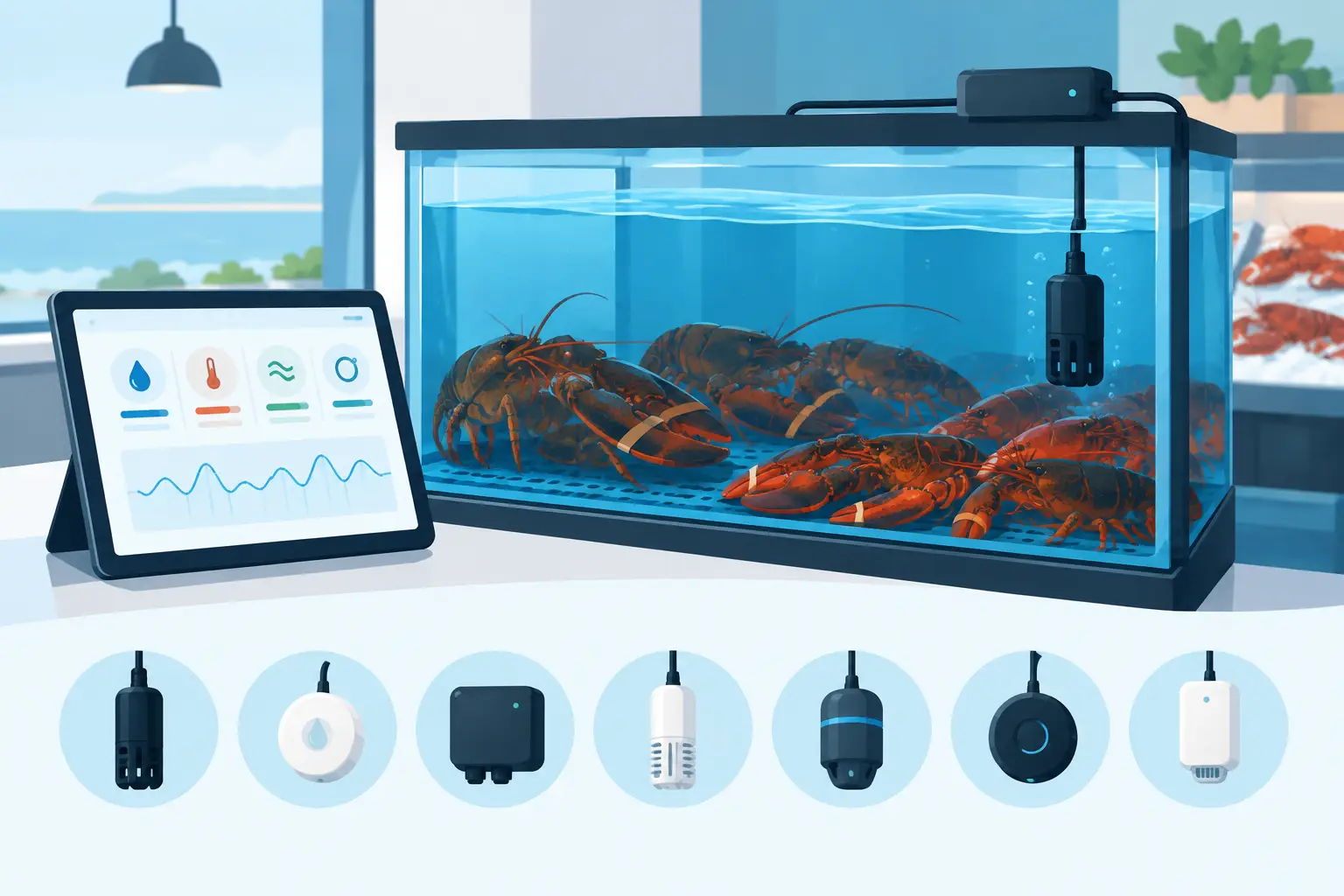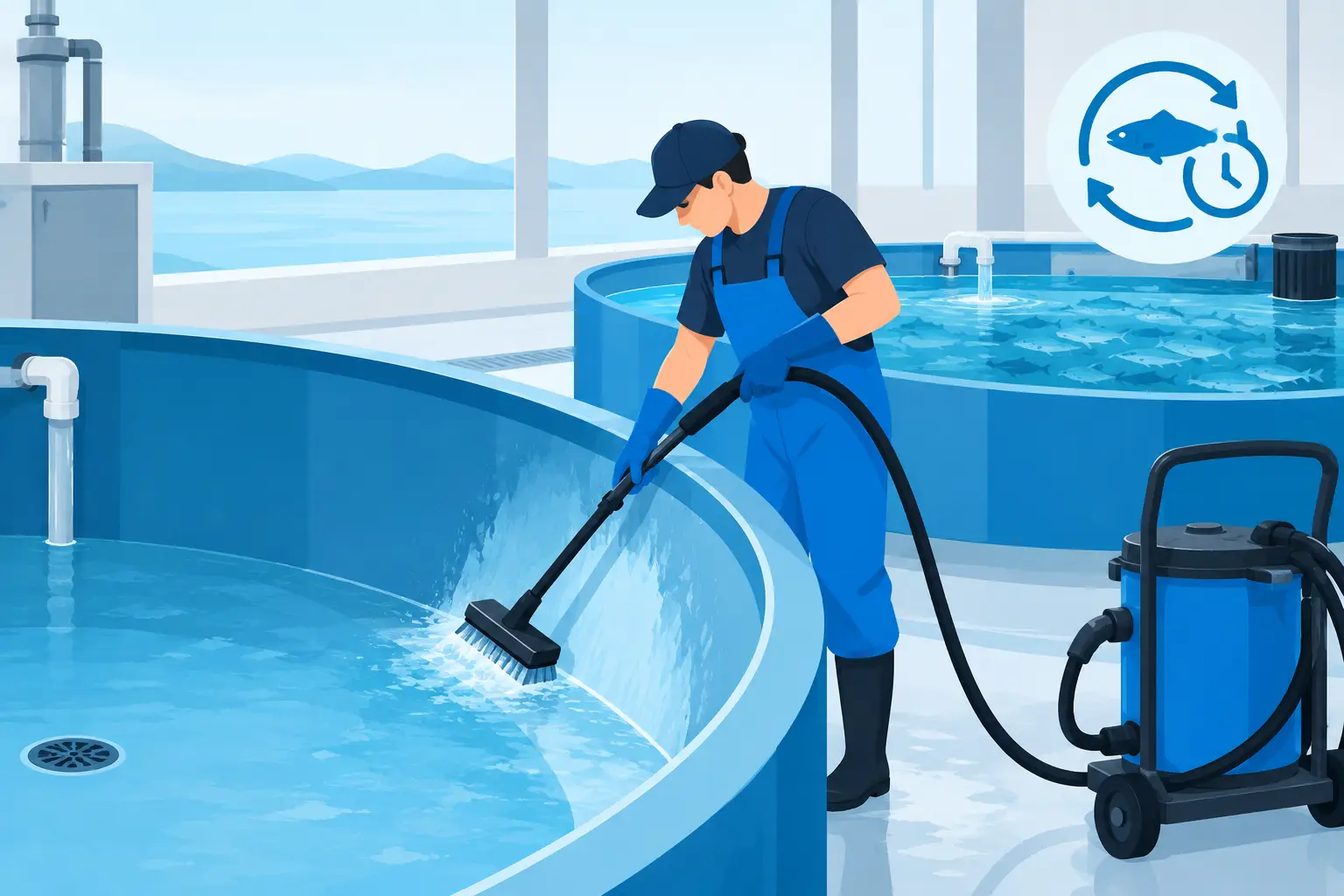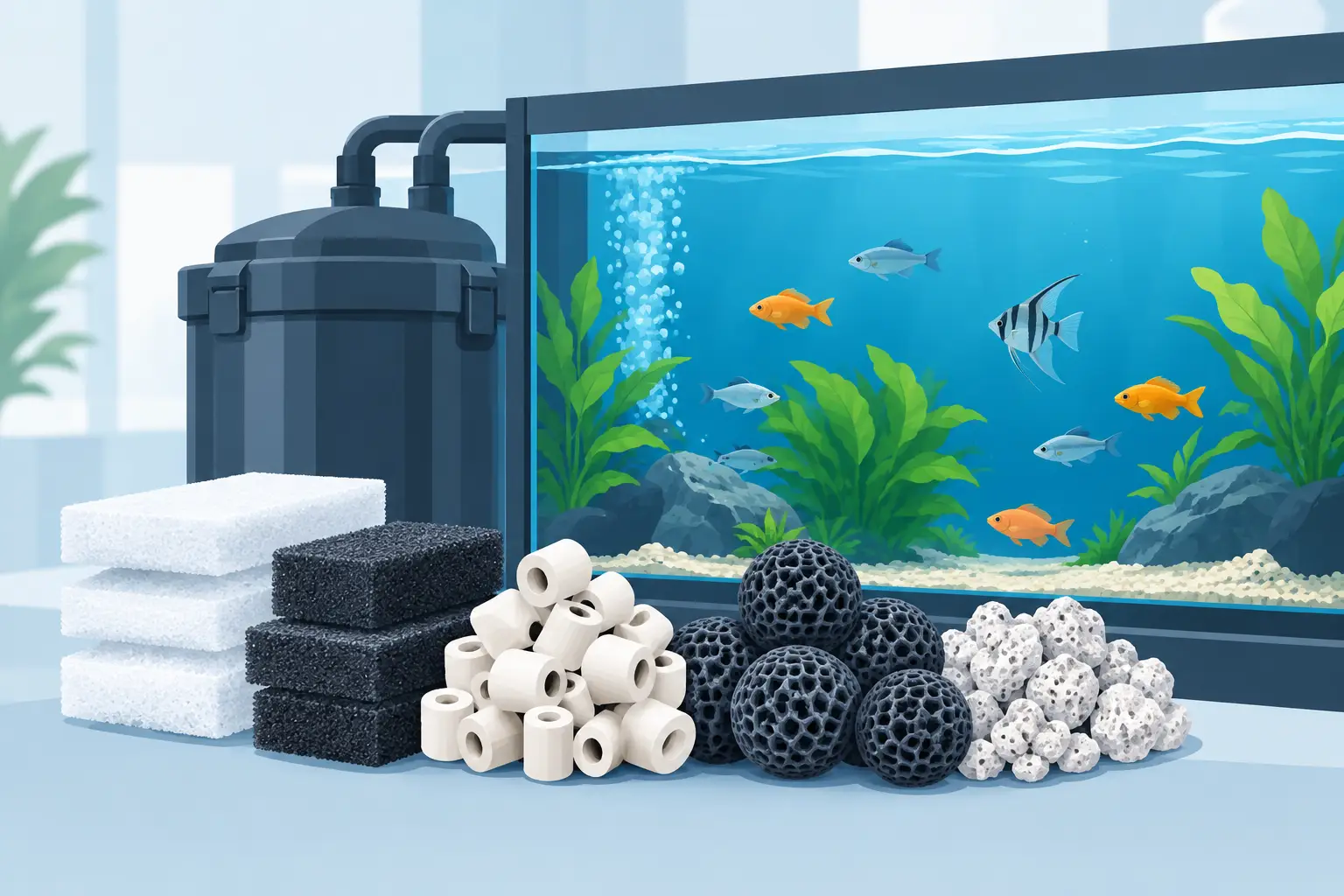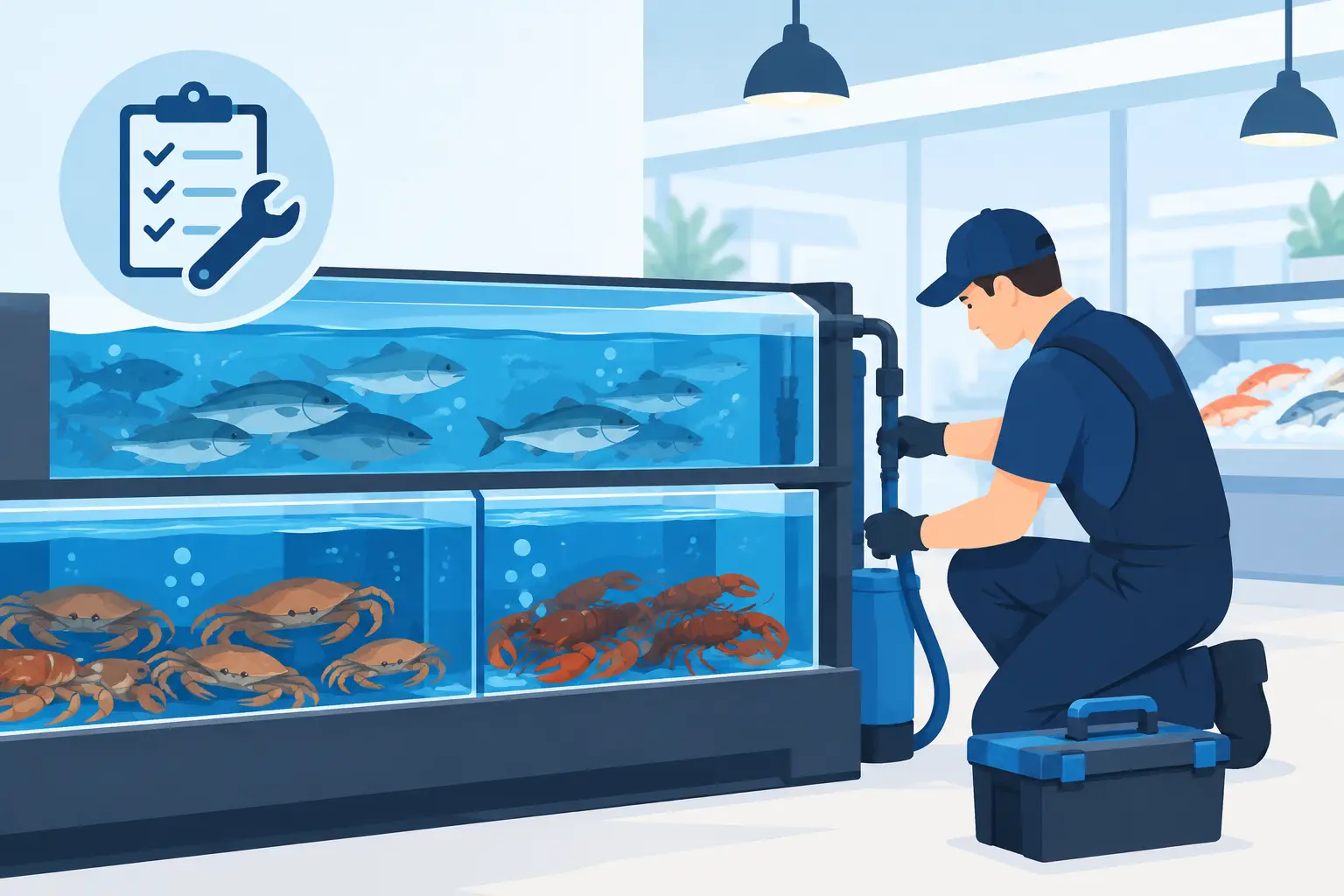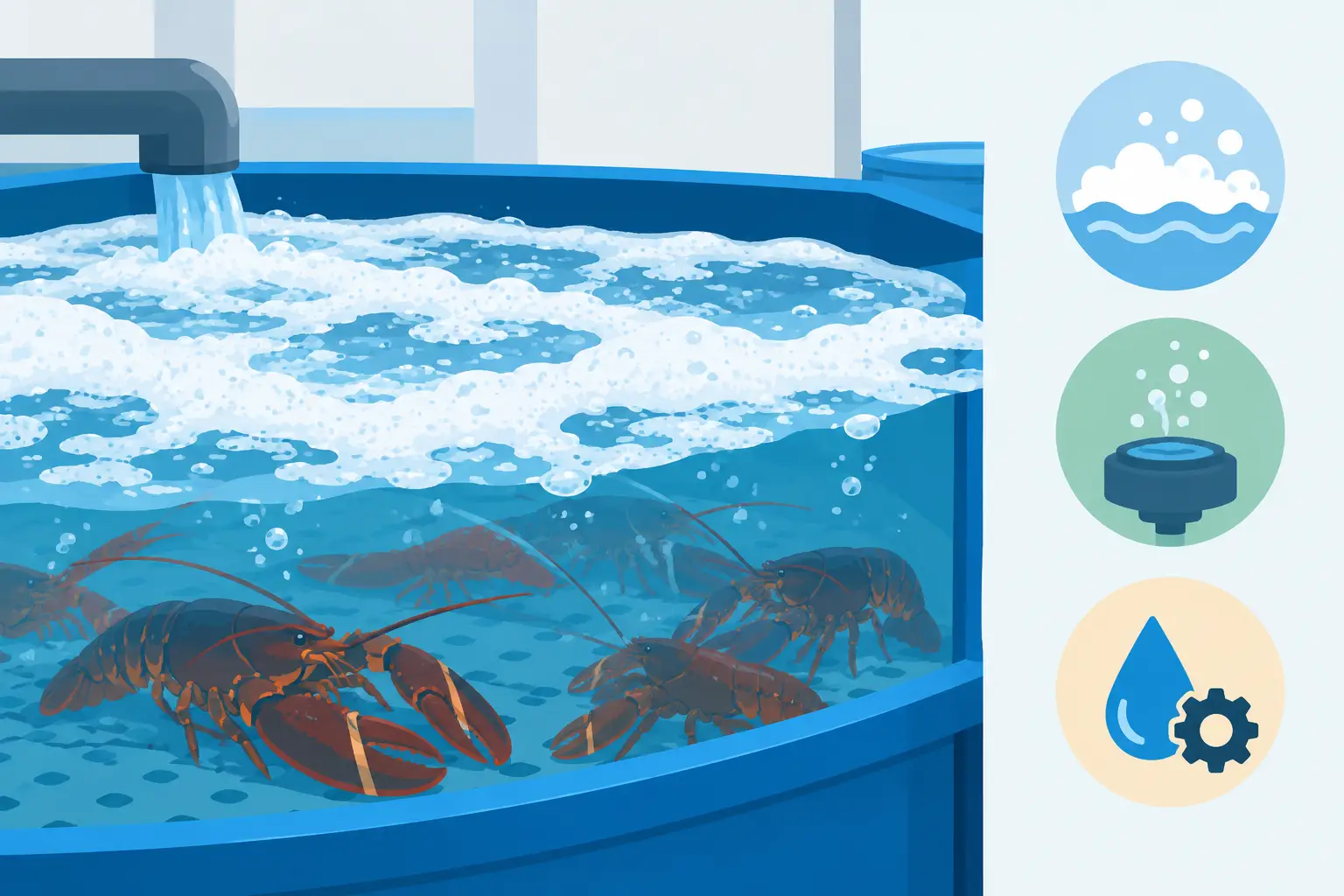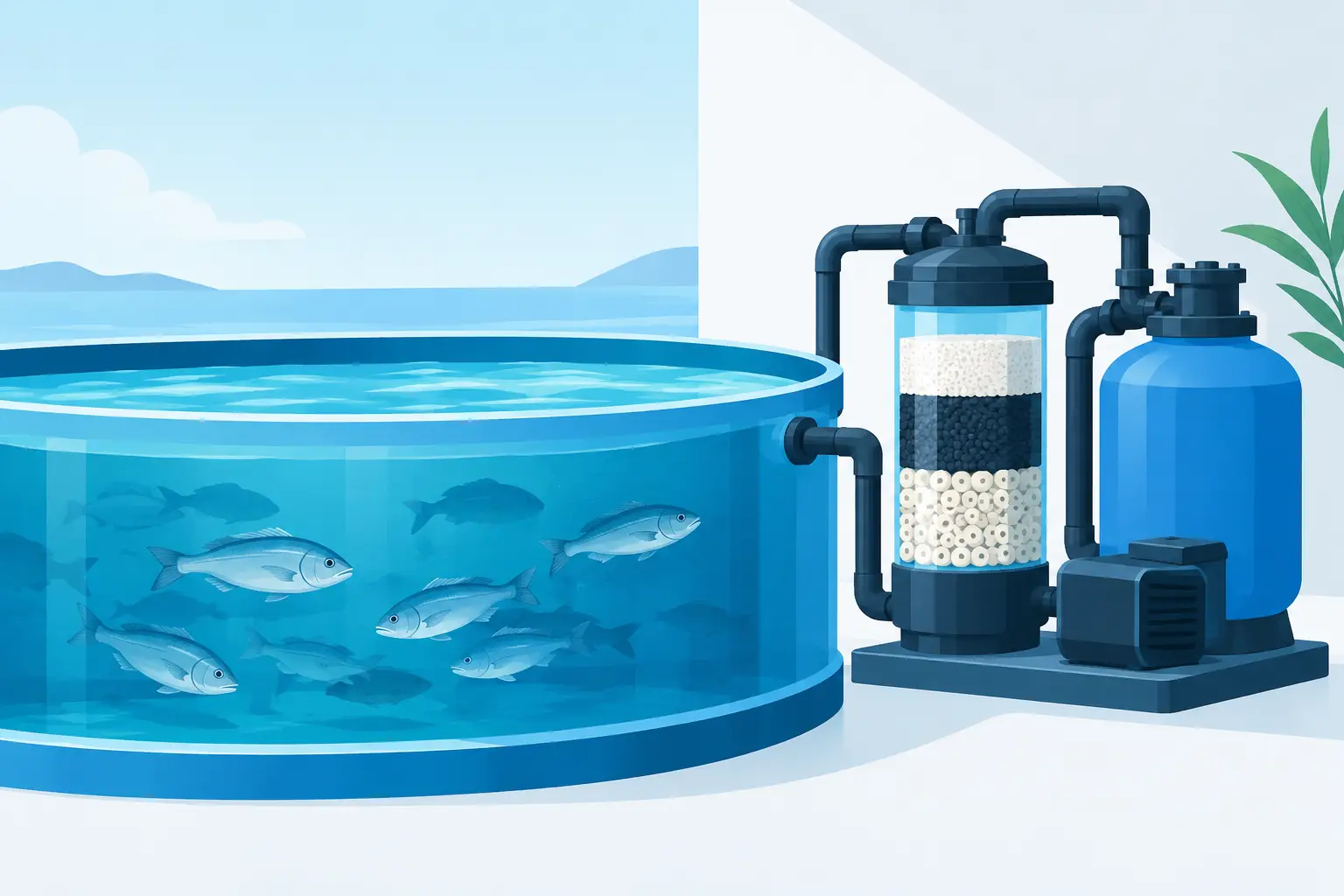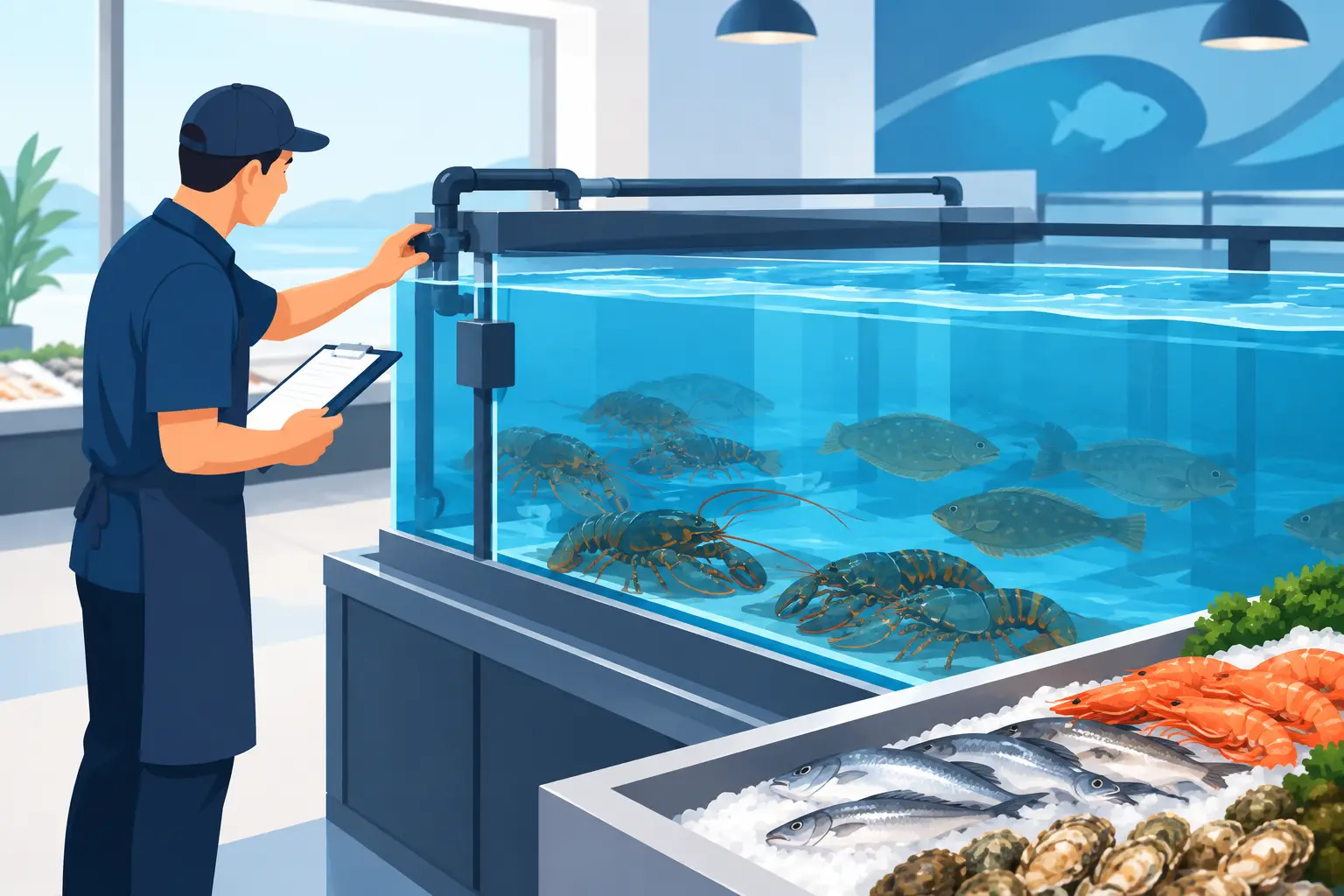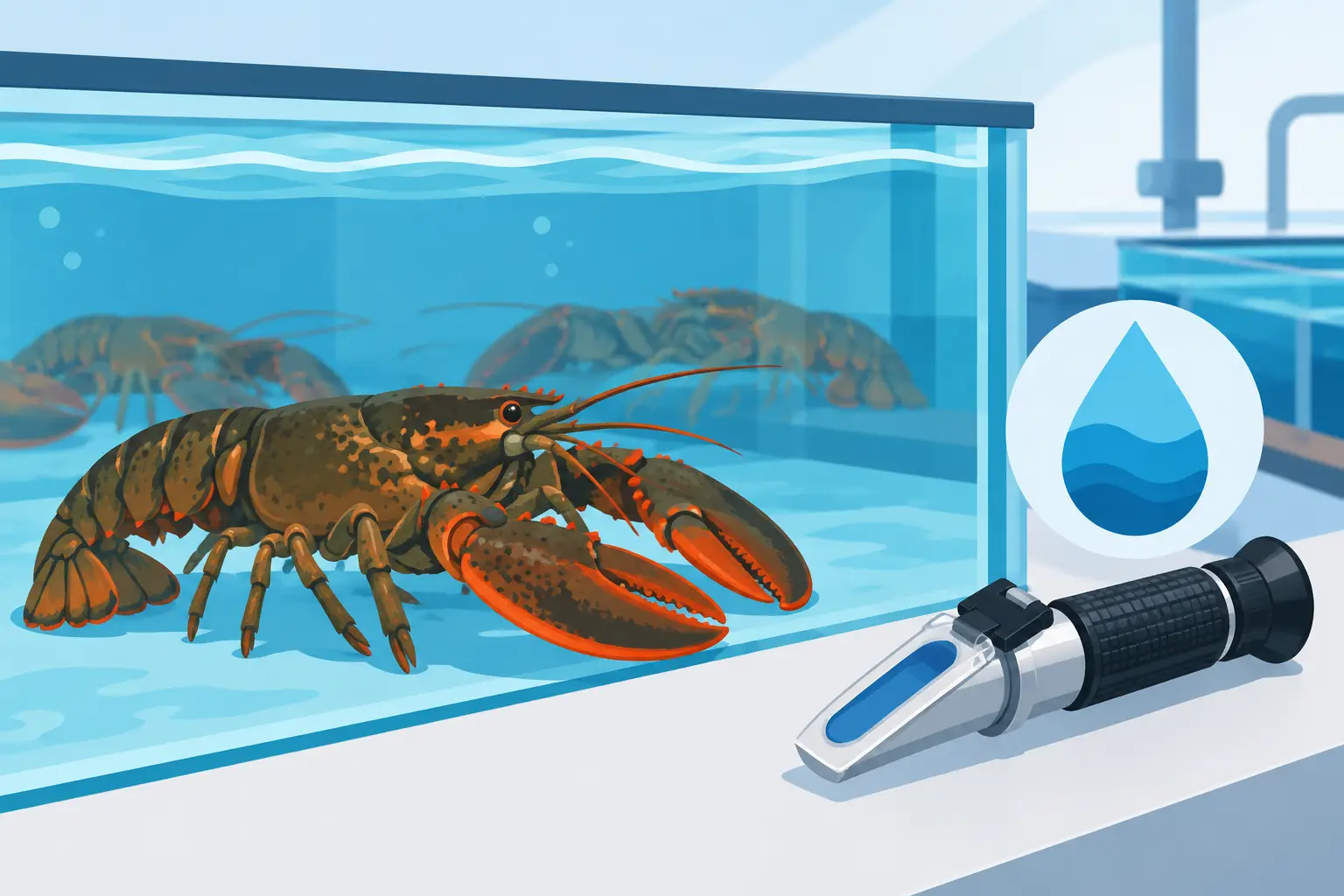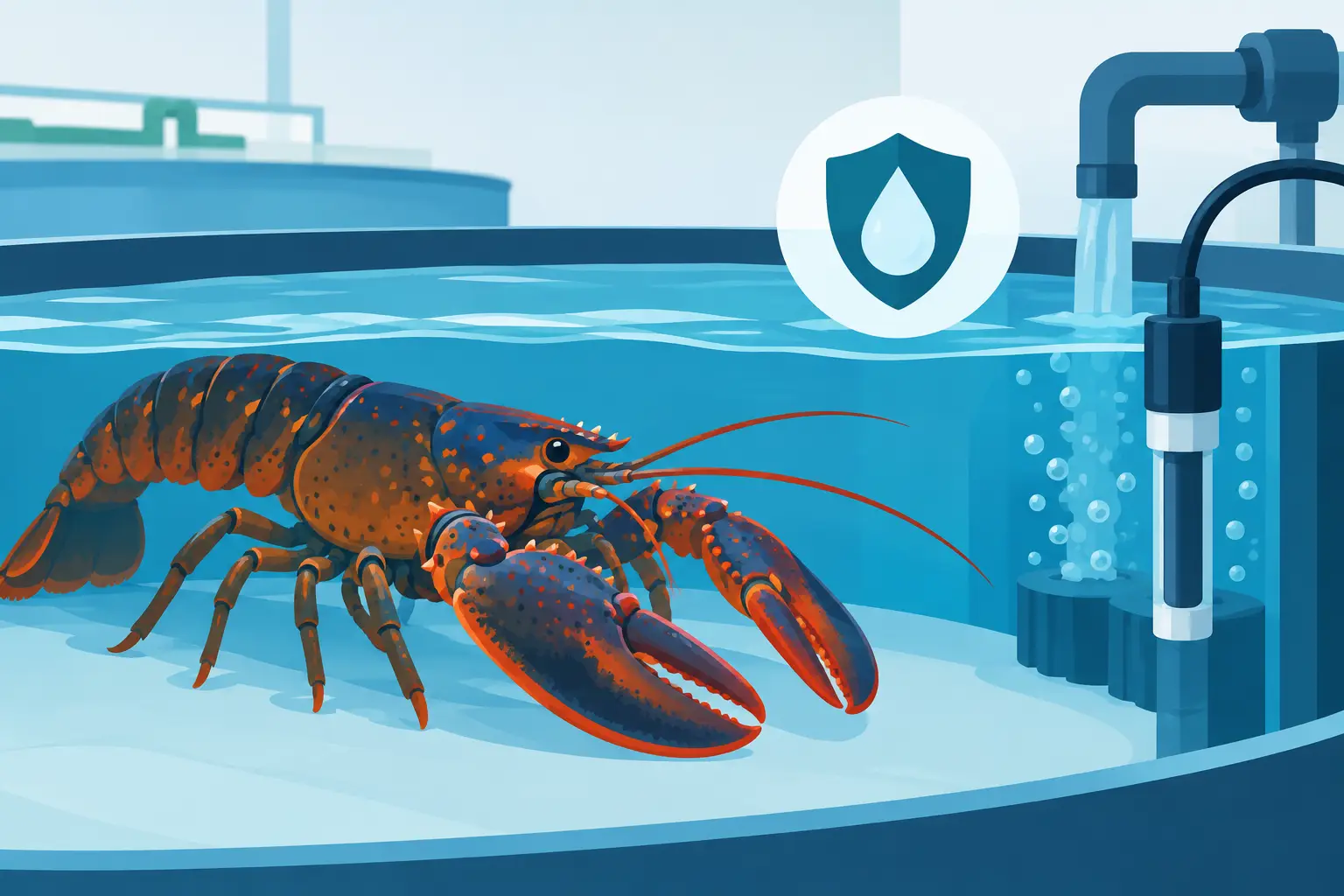

A live lobster or seafood display tank does not get the luxury of a slow day. Heavy feeding, customer traffic, animal movement, and constant recirculation put mechanical filtration to work every hour the system is operating. When comparing bag filters versus cartridge filters, the right answer is not about which product is better in general. It is about which filter protects water quality, keeps labor manageable, and fits the way your seafood department actually runs.
For commercial seafood operators, filtration decisions affect more than water appearance. Poor solids removal can raise maintenance demands, burden biological filtration, restrict water flow, and create conditions that put valuable live inventory at risk. The filter choice should support the entire system, from tank circulation and water clarity to service access and replacement supply planning.
Bag Filters Versus Cartridge Filters in Seafood Tanks
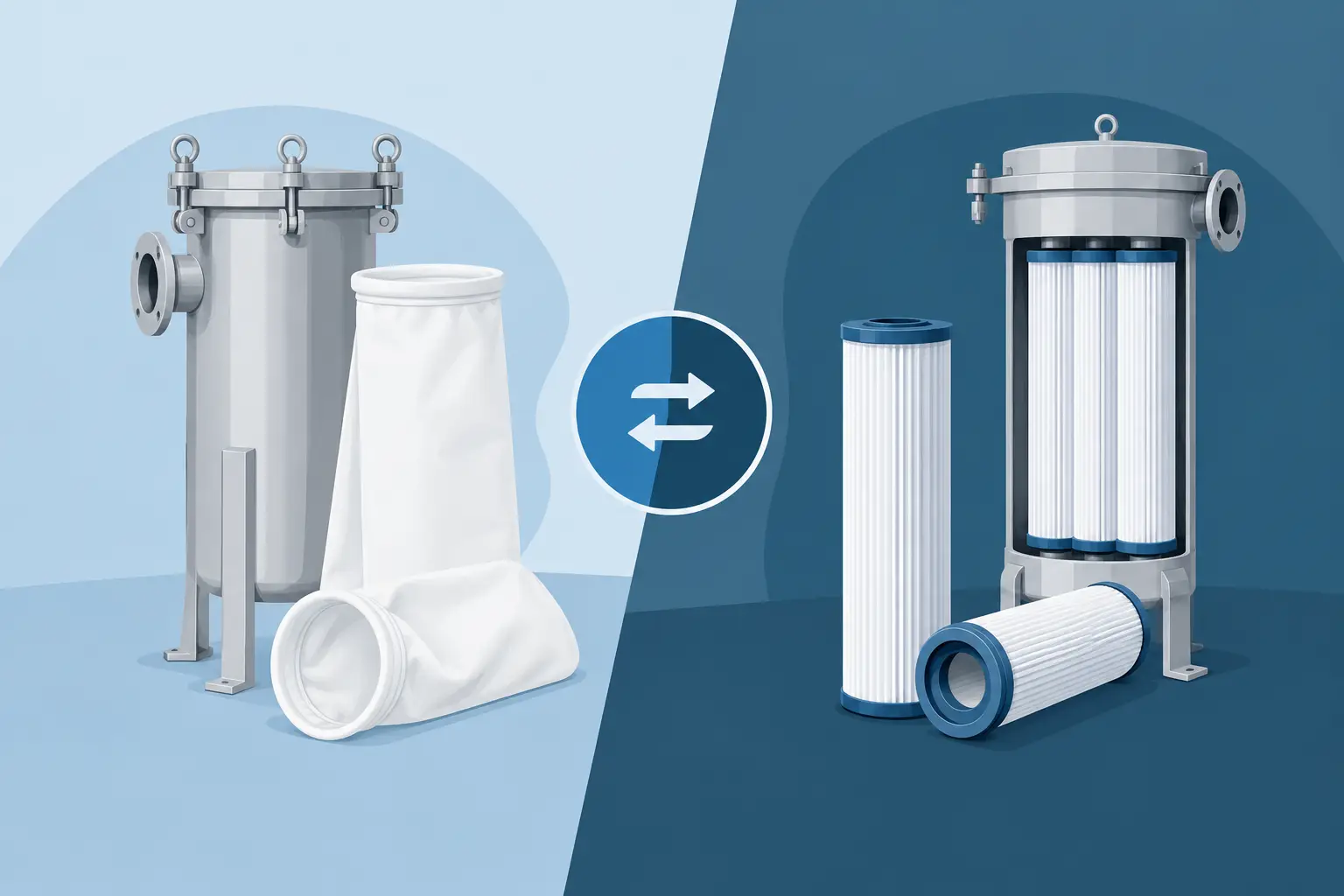
Bag filters and cartridge filters both capture suspended solids before those solids travel farther through a recirculating system. They differ in how much material they can hold, how finely they filter, how they affect flow, and how frequently staff must service them.
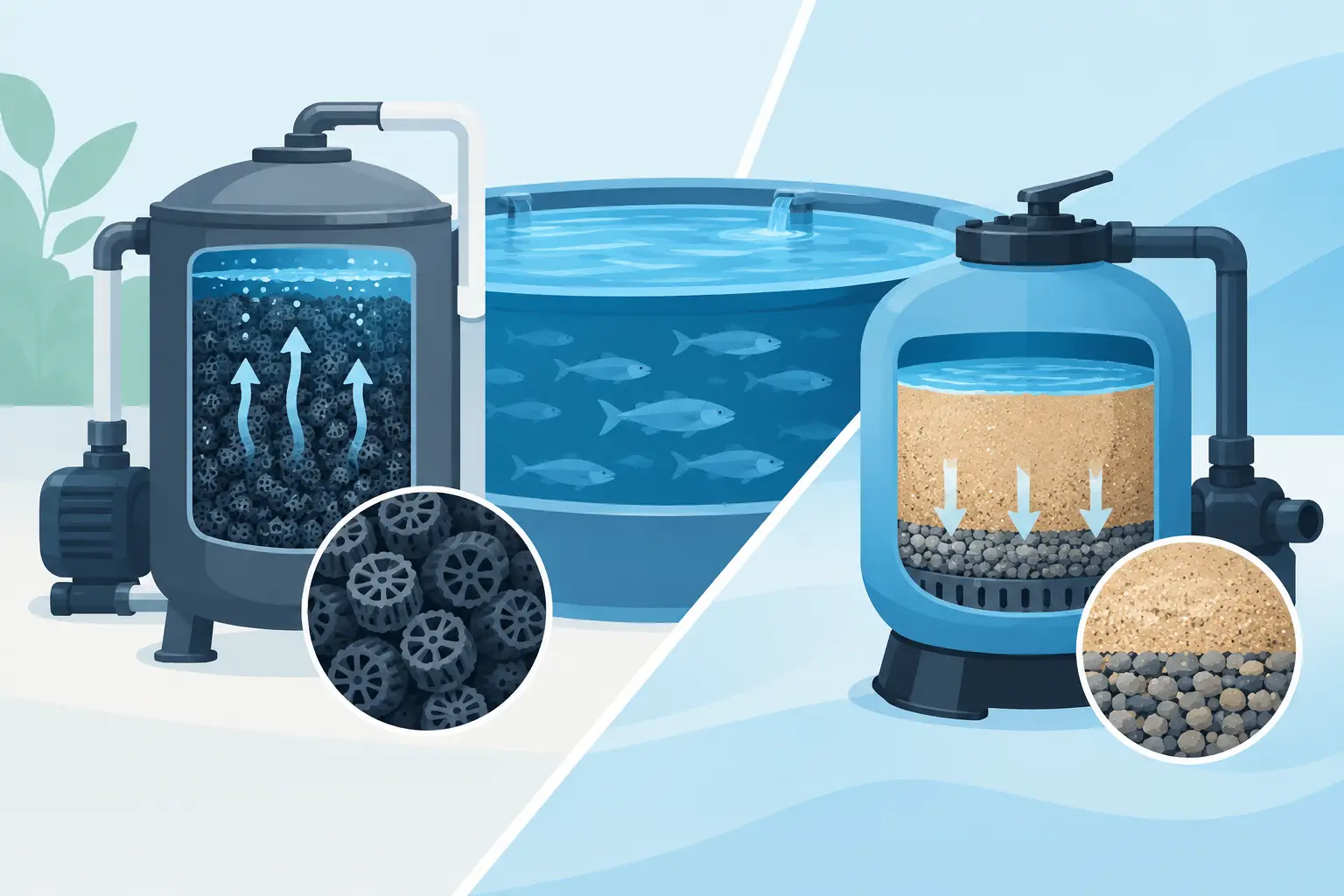
A bag filter uses a soft, replaceable filter bag installed inside a metal or plastic housing. Water flows into the housing and through the bag, leaving particulate behind. Bag filters are commonly selected where the system sees a substantial amount of debris and needs a practical, high-capacity first stage of mechanical filtration.
A cartridge filter uses a rigid cylindrical element, often with pleated media that creates a large filtering surface in a compact footprint. Cartridges are often used when a system needs finer filtration, more polished water, or a specific micron rating that a bag arrangement may not provide as effectively.
Neither design should be selected by micron rating alone. A fine filter that plugs too quickly can starve the system of flow. A coarse filter that allows too much fine material through can leave water looking dull and add unnecessary work downstream. In live seafood systems, filtration has to be evaluated as part of the entire operating package.
Where Bag Filters Earn Their Keep
Bag filters are built for debris capacity. Their larger internal volume lets them hold a significant amount of solids before replacement is required, particularly when the chosen bag has a relatively open micron rating. That makes them a practical fit for commercial tanks where shell fragments, food particles, waste, and other visible debris can accumulate quickly.
For a busy supermarket seafood department, bag filters can reduce the number of service interruptions compared with fine cartridges that load up rapidly. Changing a bag is generally straightforward: isolate the housing, relieve pressure, remove the used bag, clean the housing as needed, and install a replacement. The exact procedure depends on the system design, but the format is familiar and efficient for routine maintenance.
Bag filtration is especially useful as a primary mechanical stage ahead of more sensitive equipment. By capturing larger solids early, the bag helps protect pumps, heat exchangers, ultraviolet equipment, biological media, and any finer polishing filter installed later in the loop.
The trade-off is clarity at the finest level. A coarse bag is excellent at handling bulk debris, but it may not remove the smallest suspended particles that create haze in a display tank. Finer bags are available, but as the media becomes tighter, their service life may shrink and pressure drop may rise. That is why the bag’s micron rating must match the real solids load, not a number selected on paper.
Best fits for bag filters
Bag filters are often the right starting point for high-volume lobster holding systems, wholesale operations, and retail tanks with substantial organic debris. They also make sense where staff need a simple replacement process and where the system benefits from a high-capacity prefilter before finer filtration stages.
They are not automatically the answer for every tank. If display clarity is the priority and the solids load is light, a cartridge may provide a better finish. In many well-designed commercial systems, the most dependable approach uses both formats in sequence rather than forcing one filter to do every job.
When Cartridge Filters Make Sense
Cartridge filters are valued for fine particulate removal. Pleated media can offer a large surface area in a compact element, allowing the filter to capture smaller particles than many common bag configurations. This can help produce cleaner-looking water, which matters when live seafood is displayed directly in front of customers.
A cartridge filter may be a strong choice after a larger-solids stage has already done the heavy lifting. Once the bulk debris has been removed, the cartridge can polish the water and catch finer material that would otherwise remain in circulation. This staged approach can extend cartridge life and prevent frequent clogging.
Cartridges are also useful where a specific low micron rating is required for a particular equipment arrangement or water-quality objective. However, finer is not always better. A tight cartridge installed too early in the process can clog fast, increase differential pressure, reduce turnover, and create a maintenance problem for the seafood department.
For commercial operators, cartridge service can be more demanding than bag service when solids loading is high. Some cartridges are disposable, while others may be cleaned and reused depending on their construction and sanitation requirements. Reusable does not always mean lower cost. Labor, cleaning consistency, replacement intervals, and the condition of the media all factor into the real operating cost.
Best fits for cartridge filters
Cartridge filters fit systems that require fine polishing, relatively controlled solids loading, or compact filtration capacity. They are often most effective as a second mechanical stage, not as the sole defense against the heavier debris generated in a busy live holding system.
For retail displays where water appearance directly influences customer confidence, a properly sized cartridge stage can be worthwhile. The key is ensuring upstream filtration and routine service keep it from becoming the system’s bottleneck.
Compare Flow, Micron Rating, and Service Labor
The practical difference between bag filters versus cartridge filters comes down to four operating questions: How much debris enters the system? How clear must the water look? How much flow does the system require? Who will perform routine service?
A bag filter generally tolerates heavier solids loading and offers a simpler path for collecting and disposing of debris. It is often the more forgiving choice for high-demand operations. A cartridge can deliver more refined filtration, but it is less forgiving when heavy solids are allowed to reach it.
Micron ratings also require common sense. A 200-micron bag may be a solid bulk-debris filter, while a 50-micron bag captures smaller material but may need more frequent changes. Cartridge options can go much finer, but a very fine rating may be inappropriate if the source water and tank conditions produce frequent particulate loads. The correct rating balances visible cleanliness with stable water flow and reasonable service intervals.
Track pressure before and after the filter whenever the system design allows it. Rising differential pressure is an operational signal that the media is loading up. Waiting until water movement visibly drops is waiting too long. Reduced flow can affect aeration, temperature consistency, biological filtration performance, and the overall stability of the tank.
Build Filtration Around the Whole System
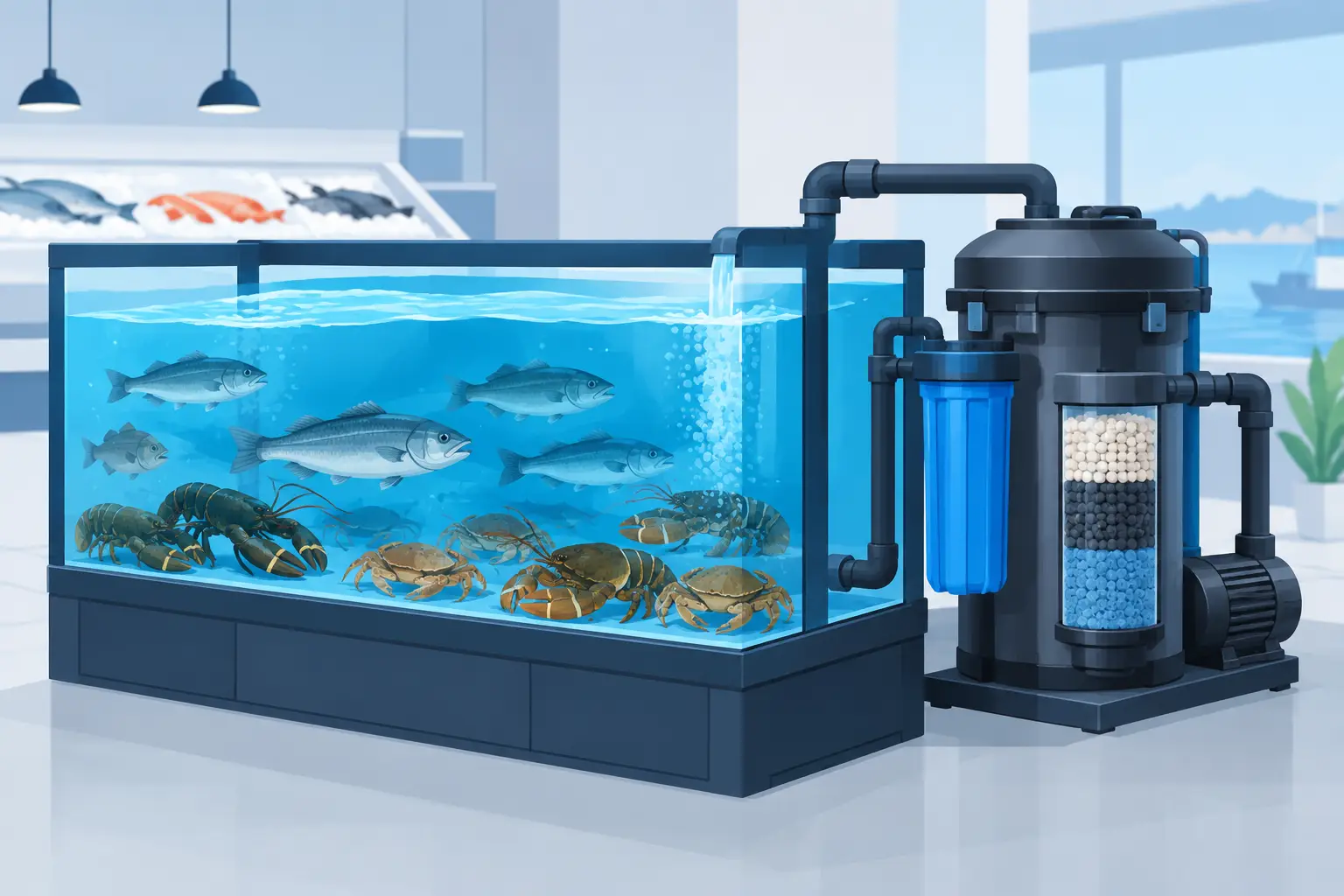
Mechanical filtration is only one part of a healthy live seafood system. It works alongside circulation, aeration, temperature control, biological filtration, protein removal where applicable, water chemistry management, marine salt, and regular cleaning. Installing a finer filter will not correct a system that is undersized, poorly maintained, or carrying an unreasonable animal load.
Start with the tank’s operating reality. Consider the species being held, tank volume, expected inventory, feed practices, turnover rate, pump capacity, available space, and whether staff can access filter housings without disrupting the department. A filter that is difficult to change will eventually be changed late, especially during peak retail hours.
It also pays to standardize replacement media across locations when possible. Consistent bags or cartridges simplify purchasing, reduce the chance of incorrect substitutions, and help teams establish predictable maintenance schedules. For multi-store operators, that consistency can make a meaningful difference in uptime and inventory protection.
LLS helps commercial seafood operators match filtration components to the complete live holding system, including custom tank design, ongoing media supply, and service support. The goal is not to sell more filter changes than you need. The goal is to keep water moving properly and live inventory in dependable condition.
The best filter is the one your staff can service on schedule, your pumps can move through efficiently, and your tank can rely on during its busiest week. Choose the filtration strategy around that standard, and the equipment will support the seafood operation instead of becoming another problem to manage.