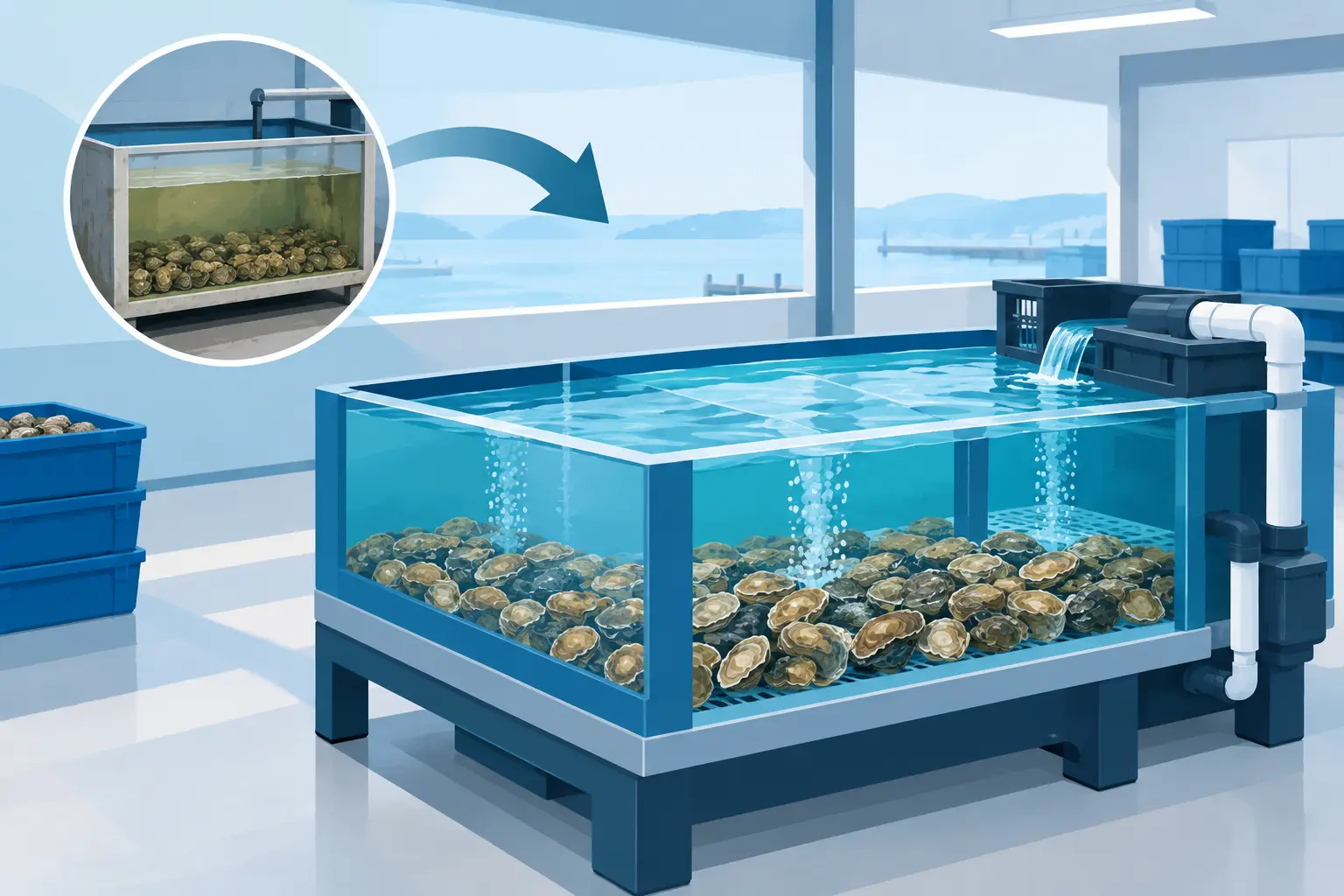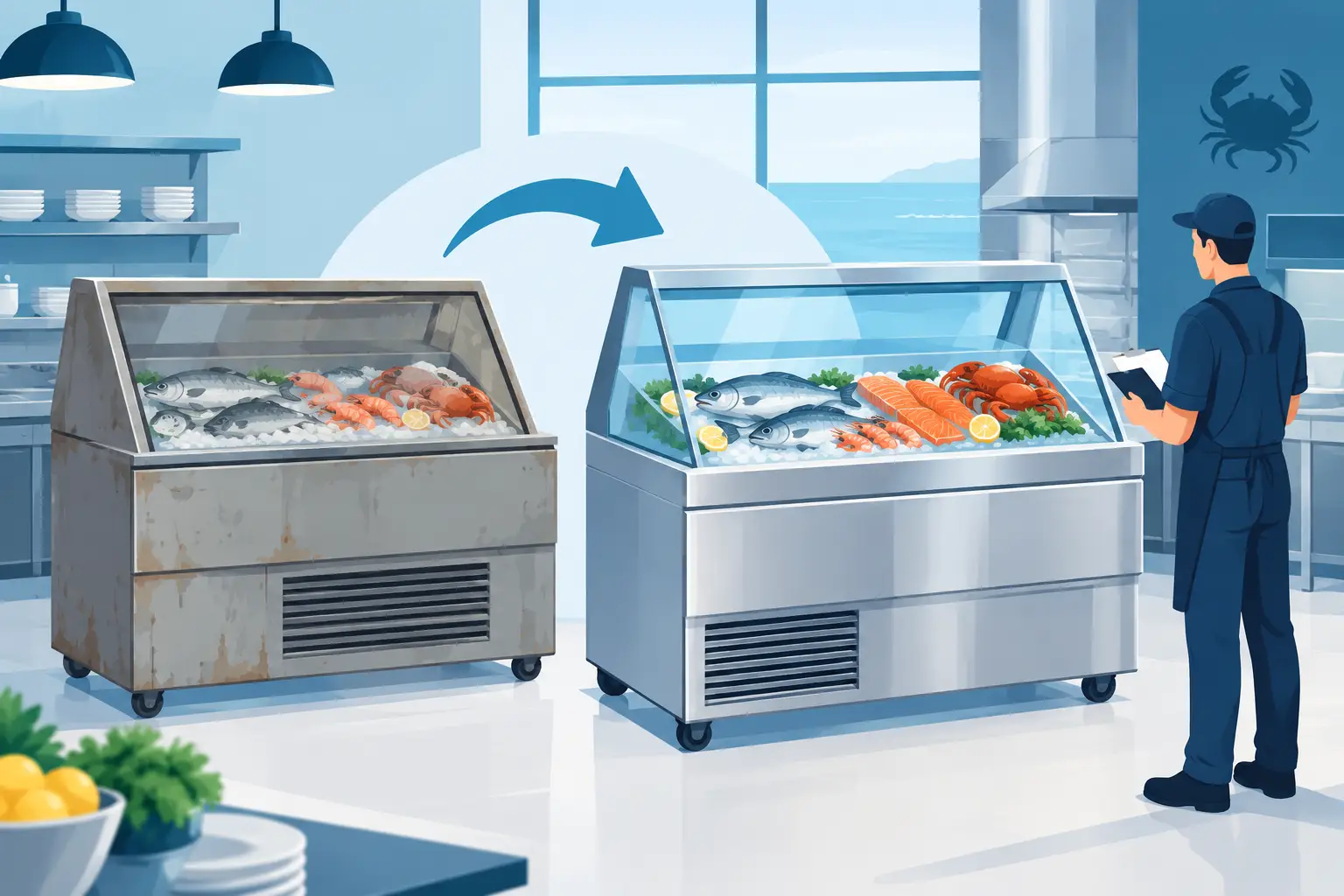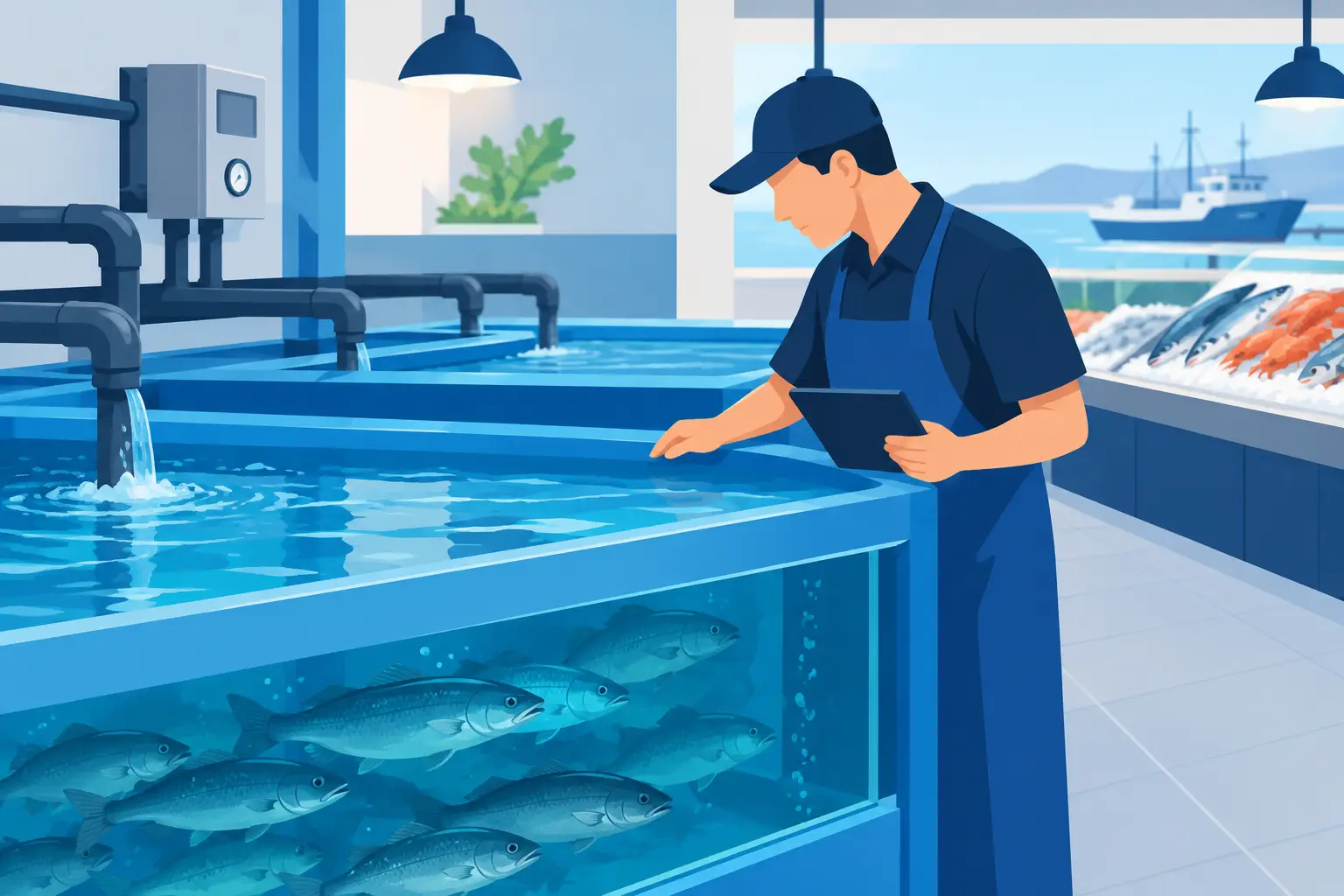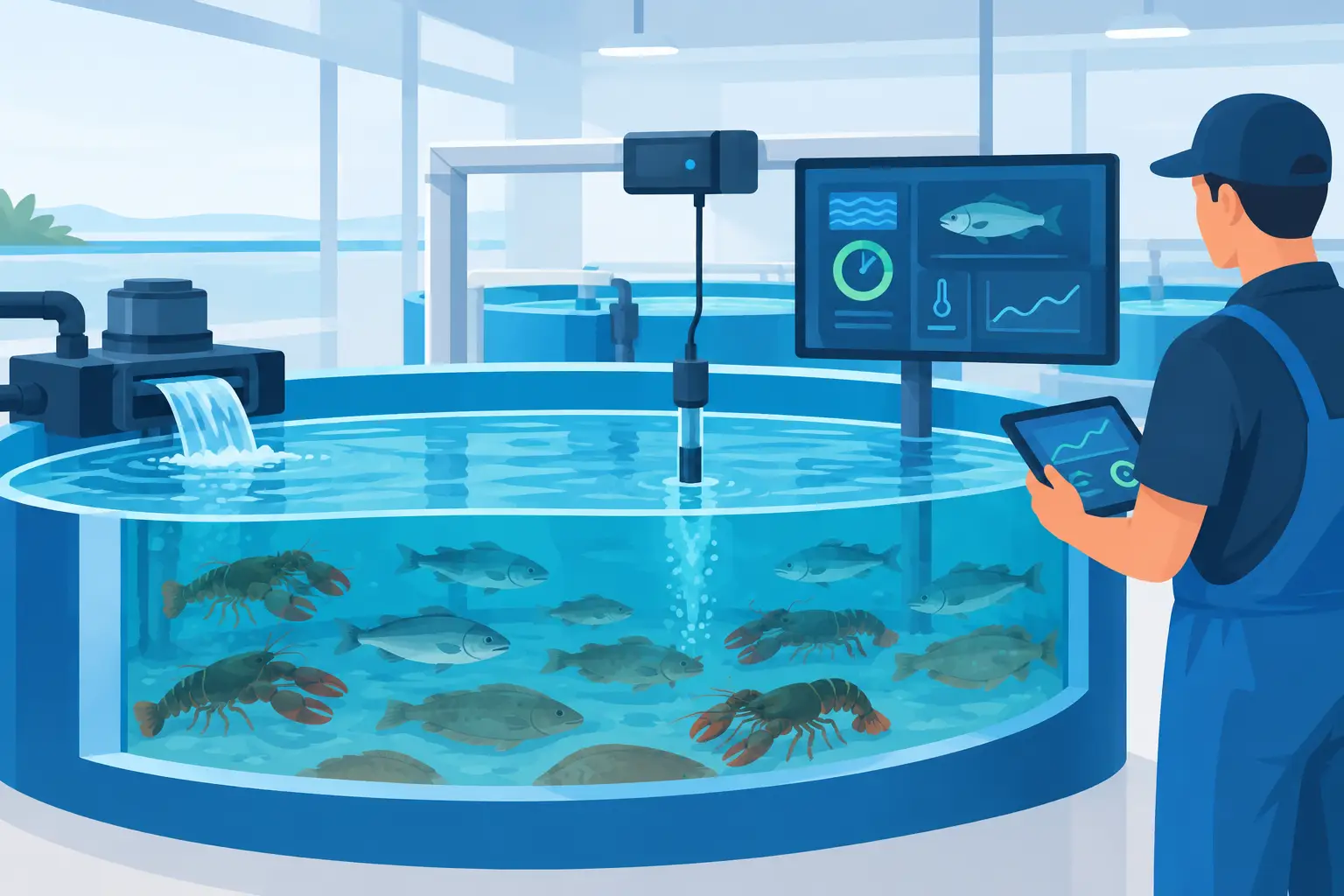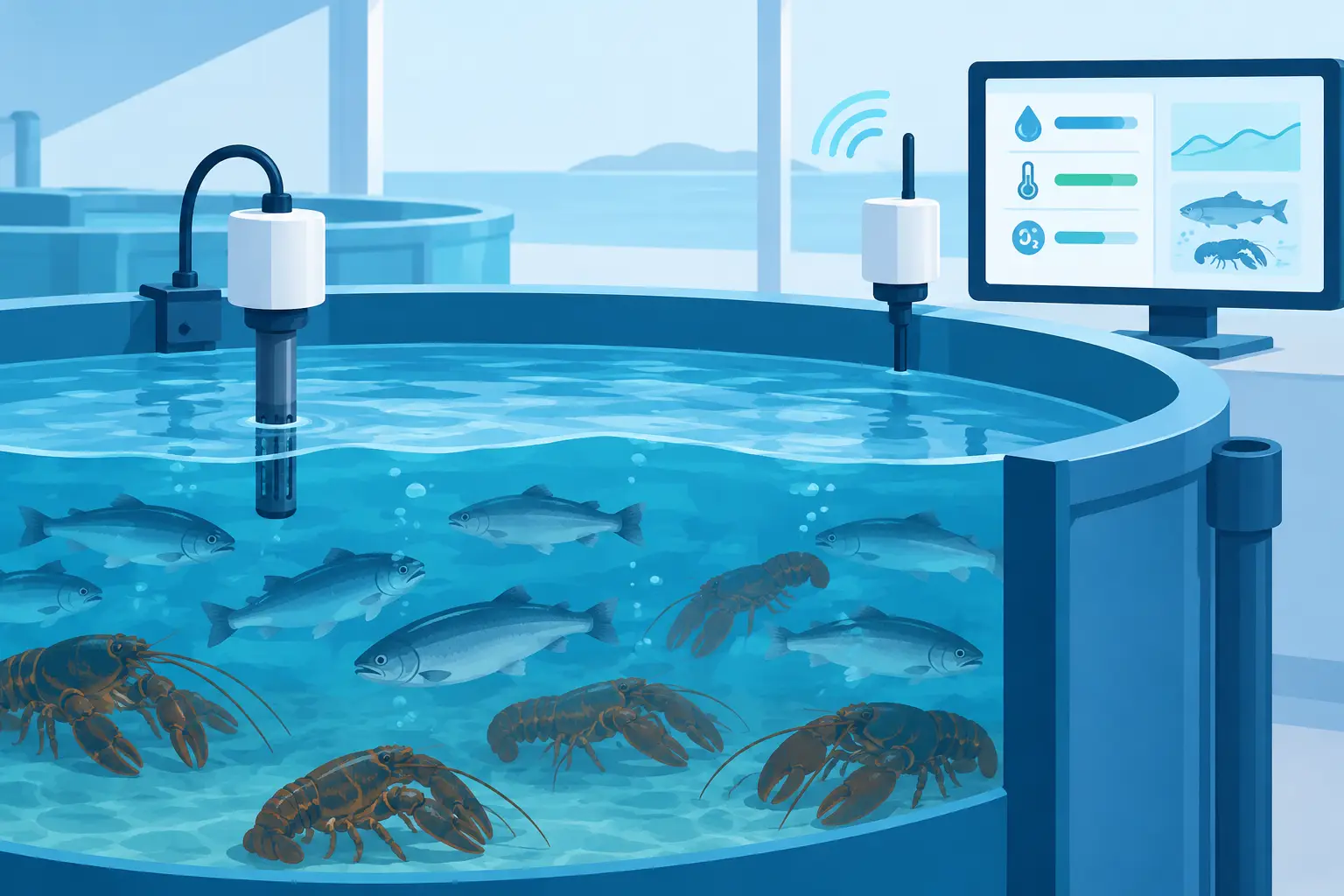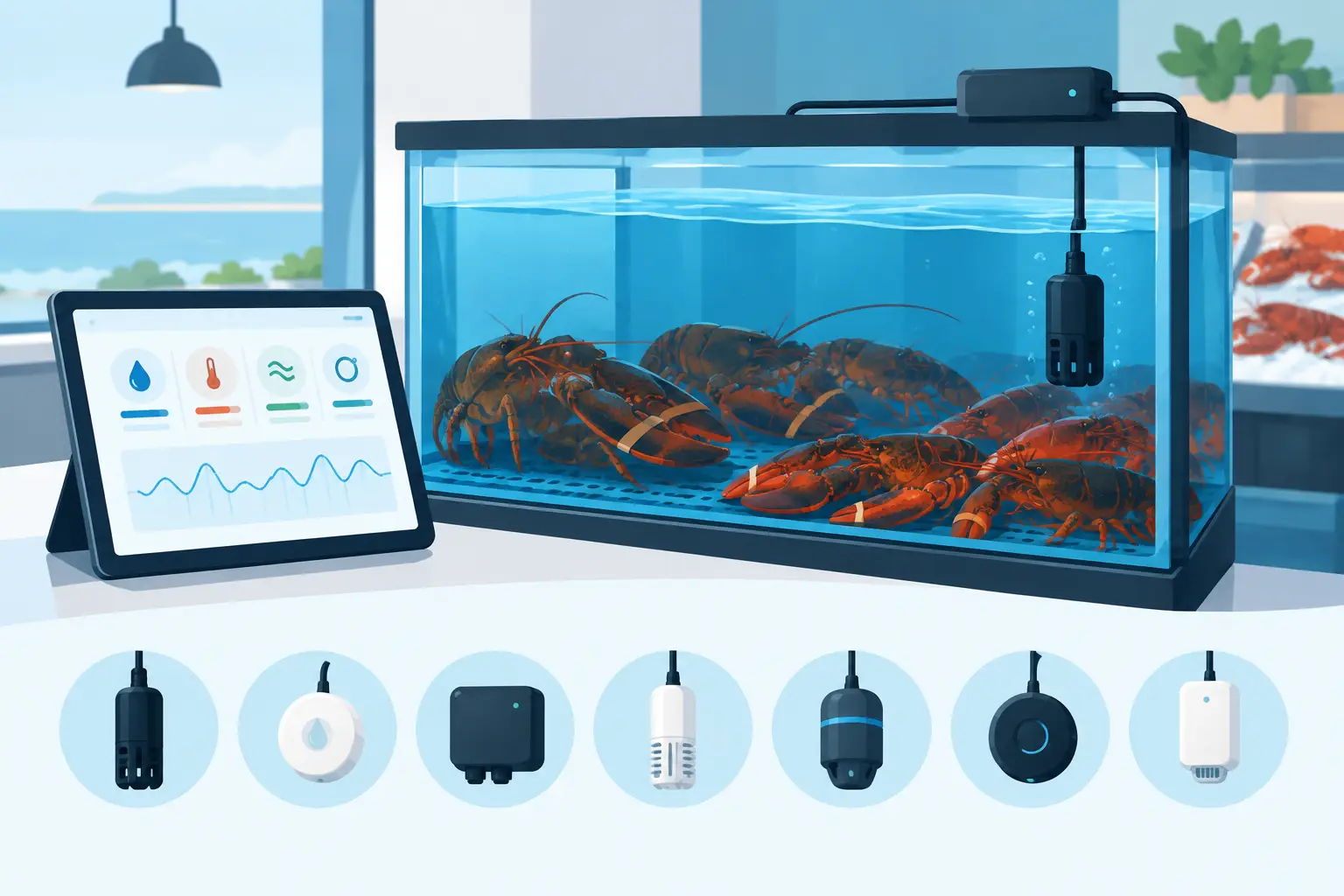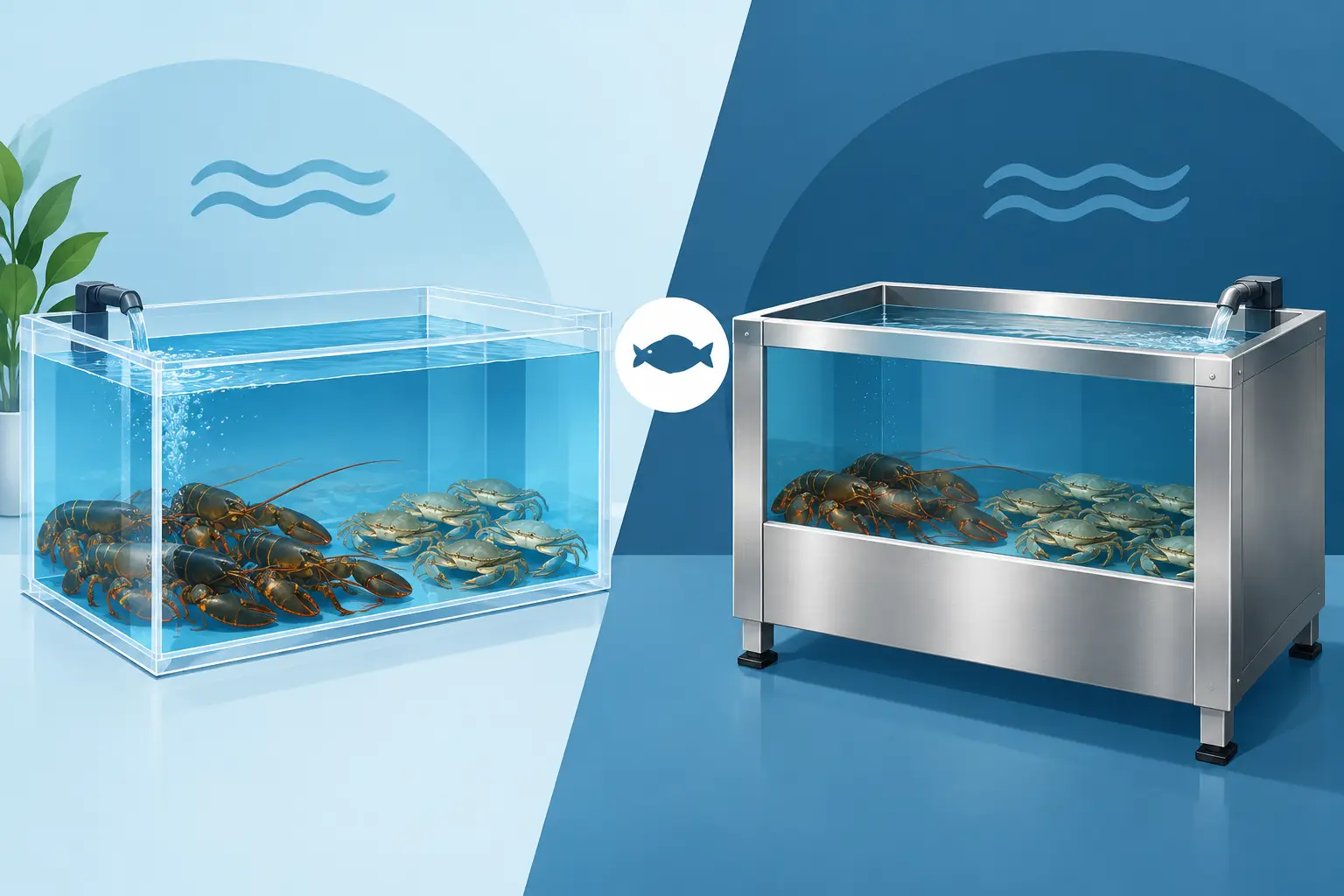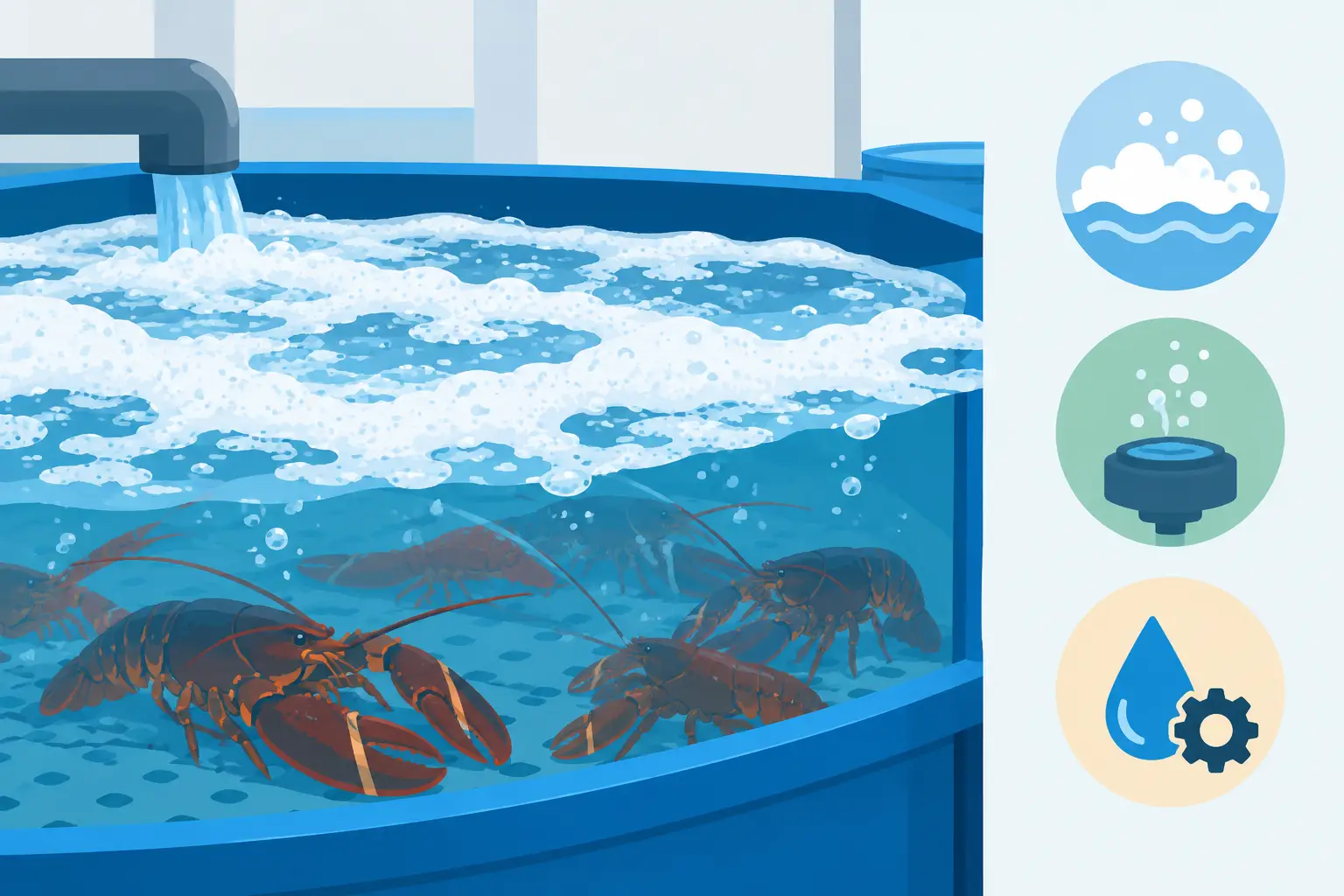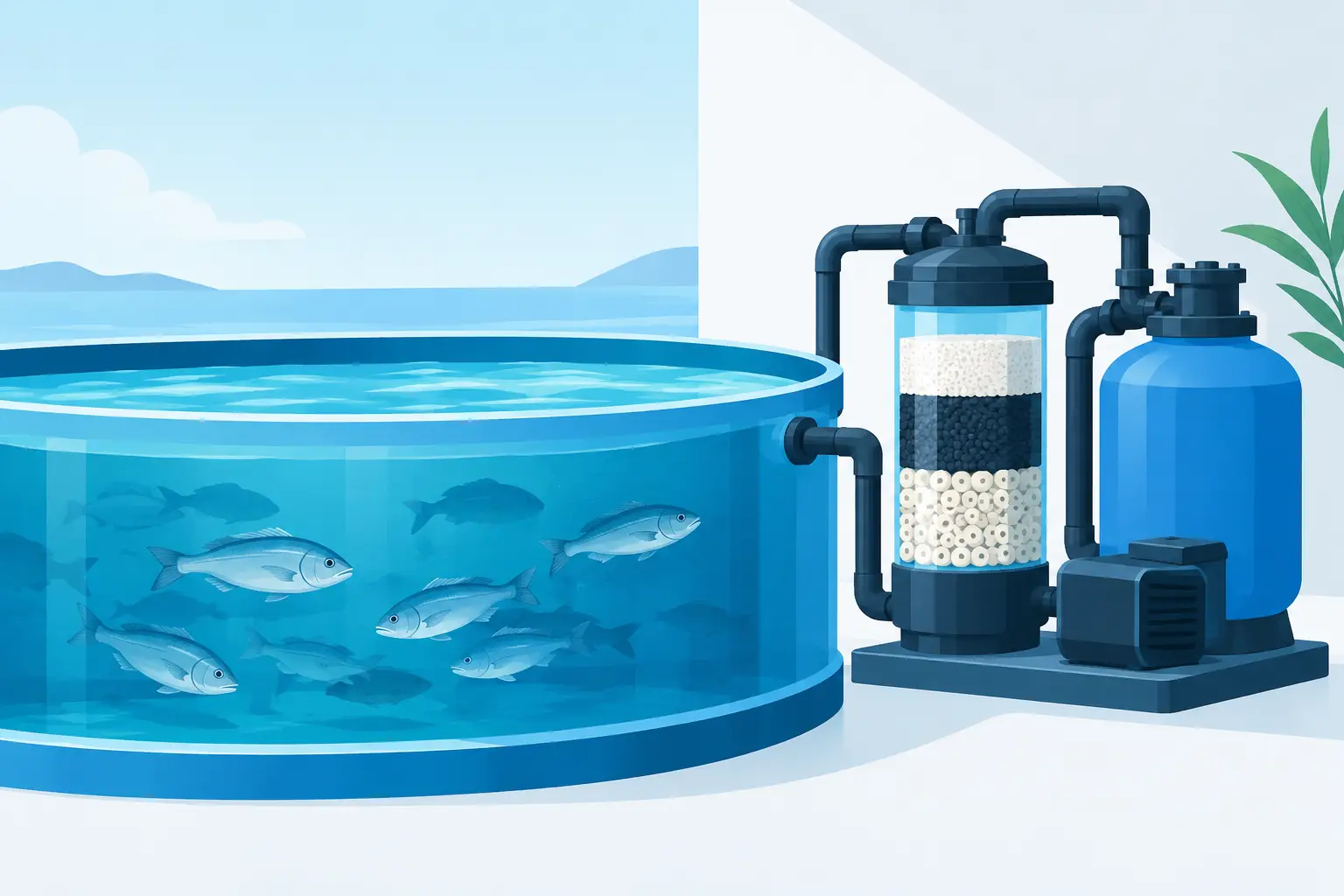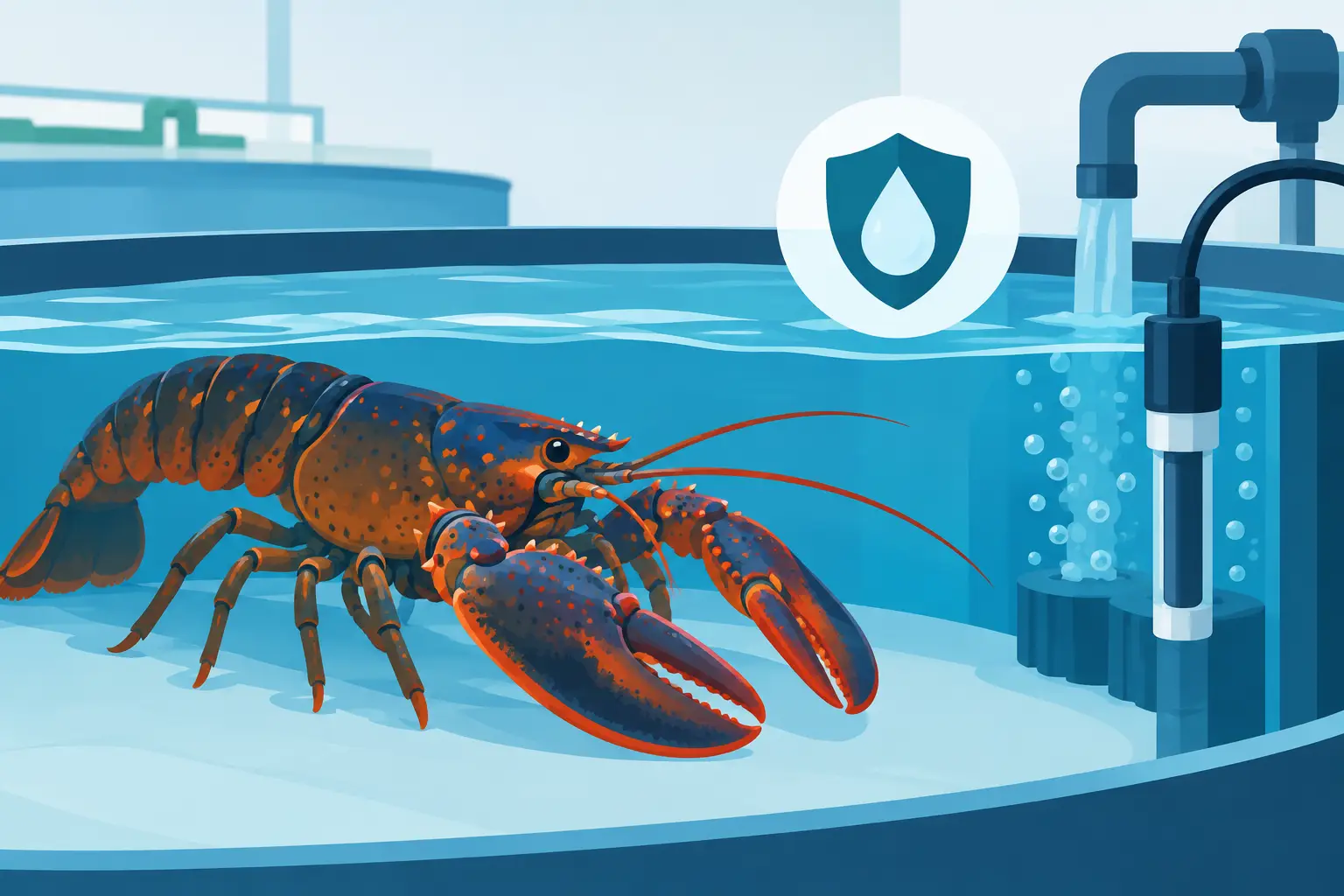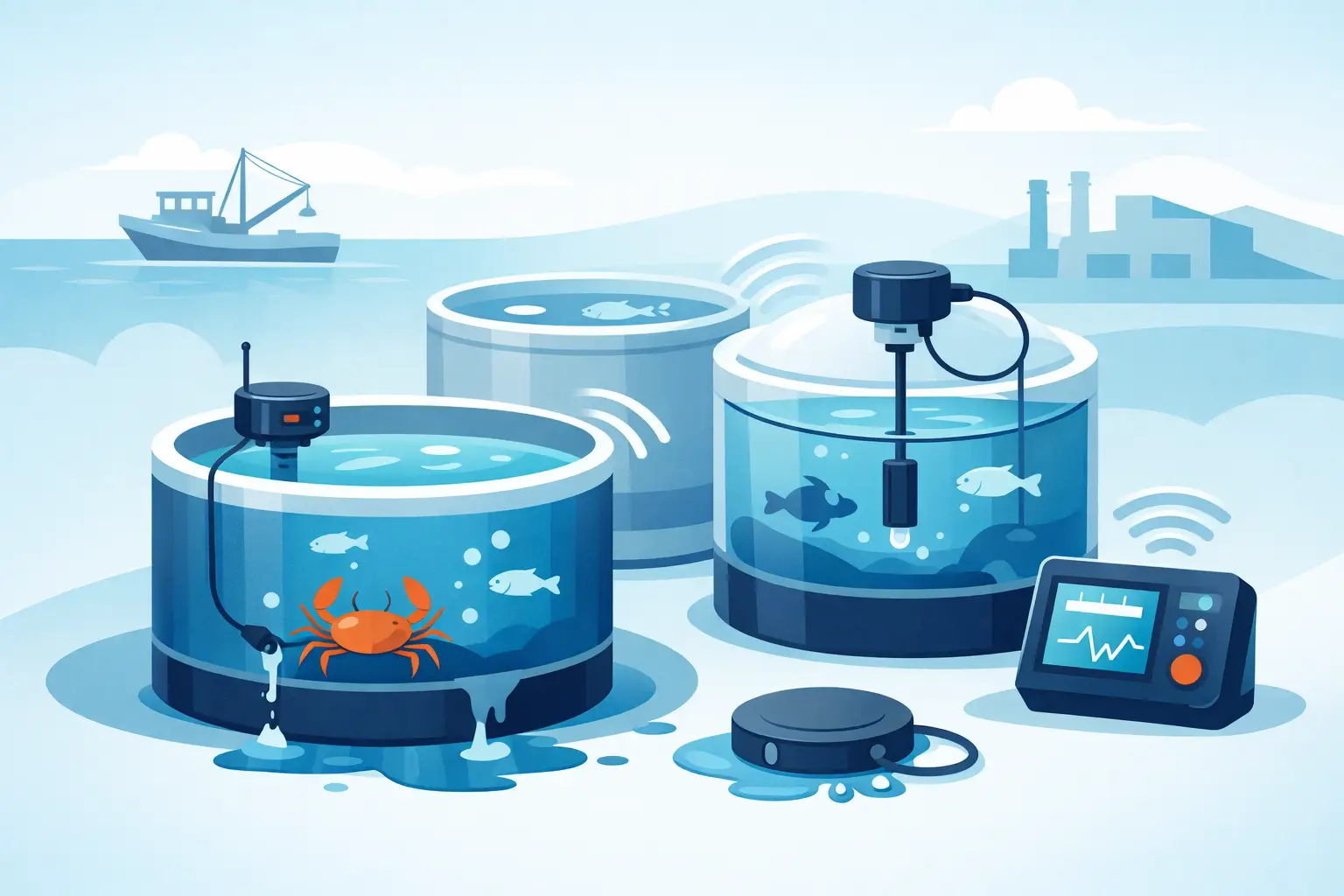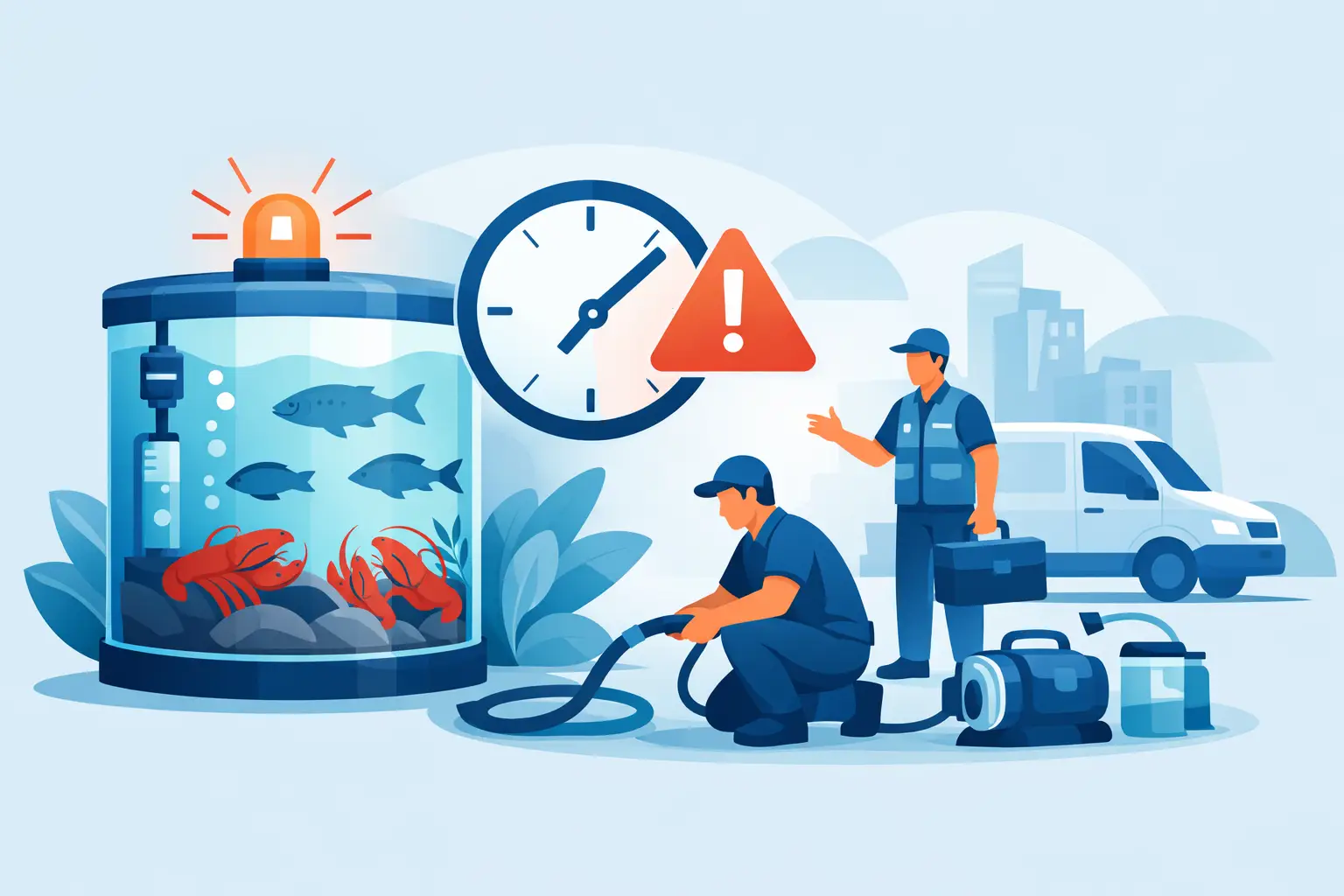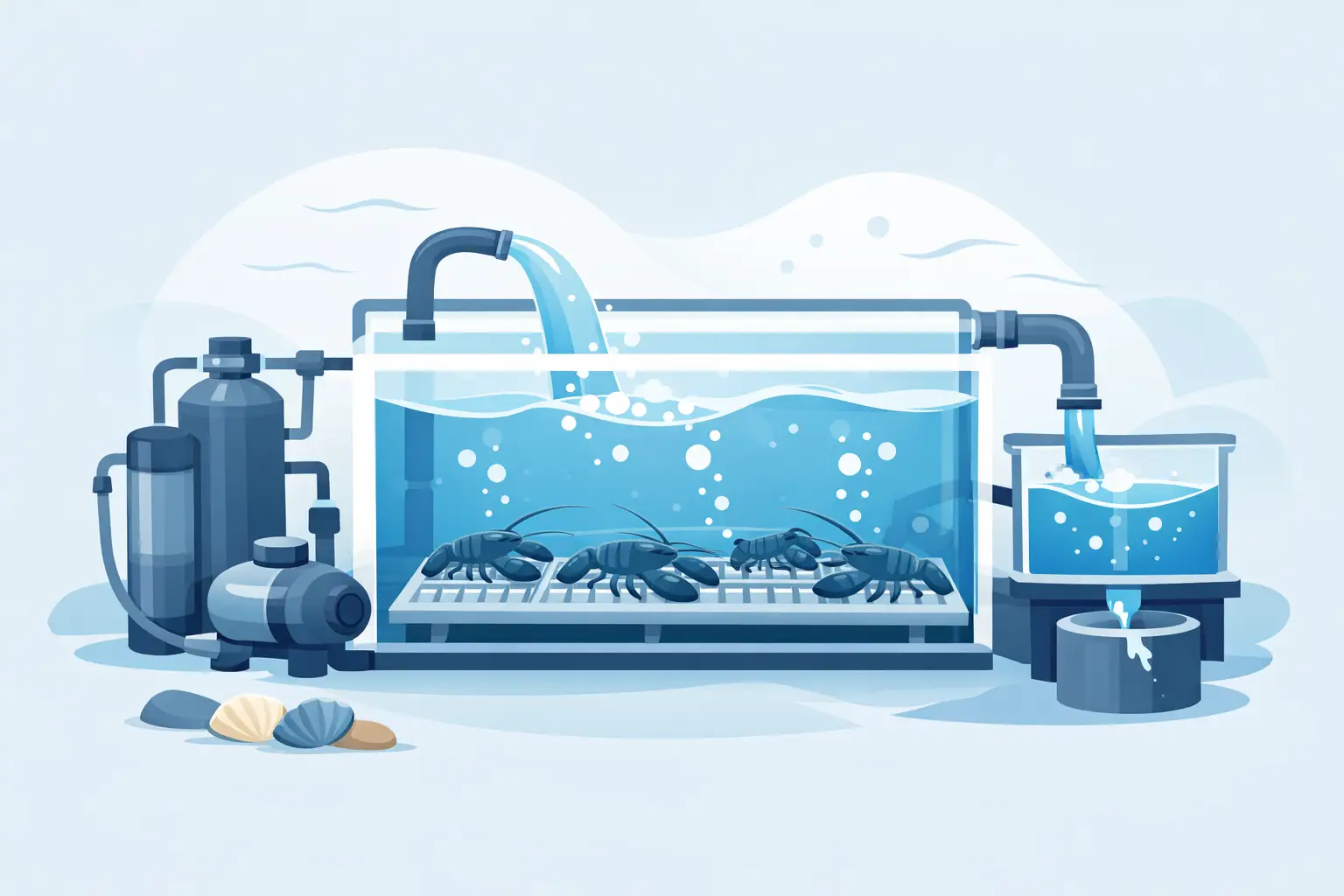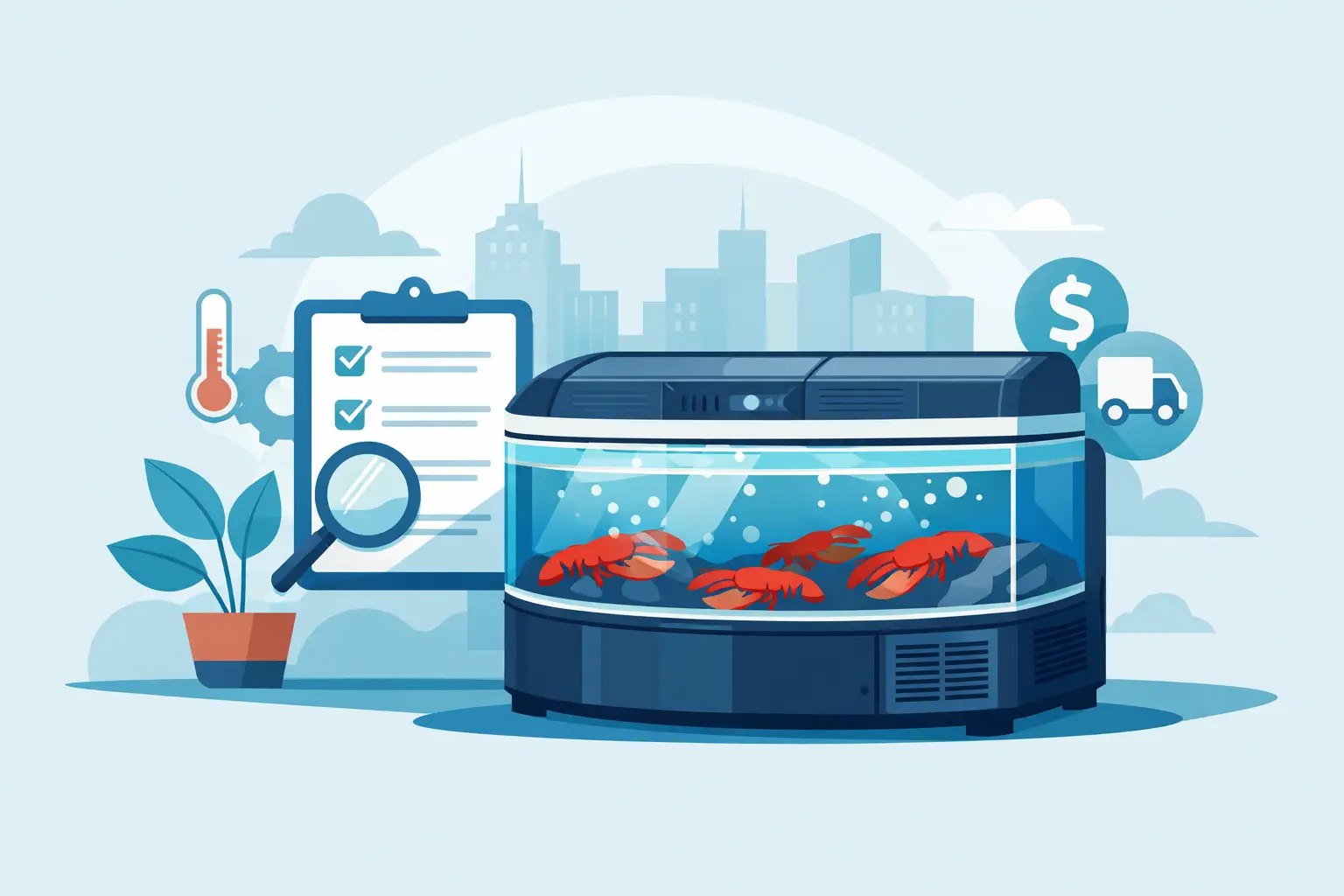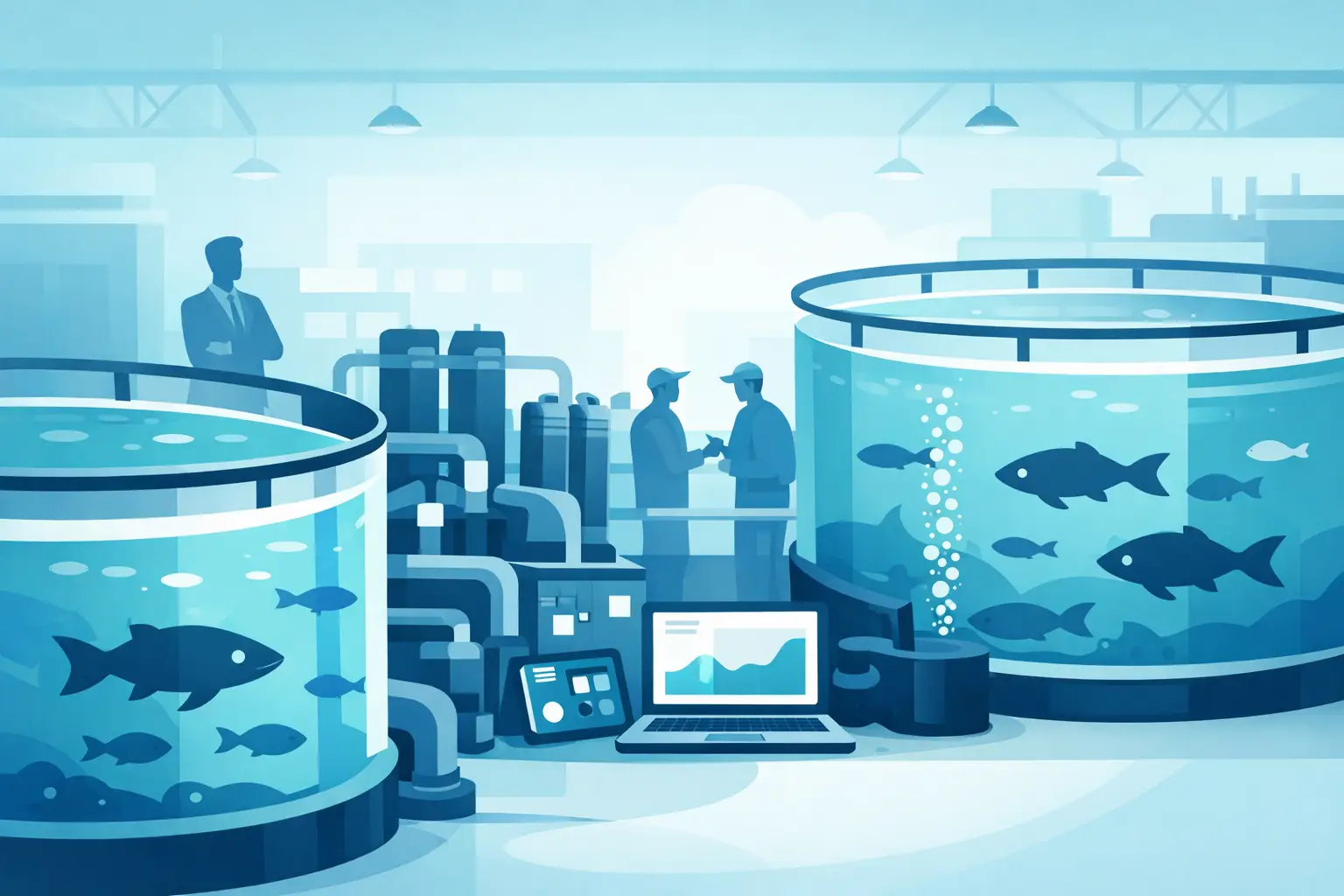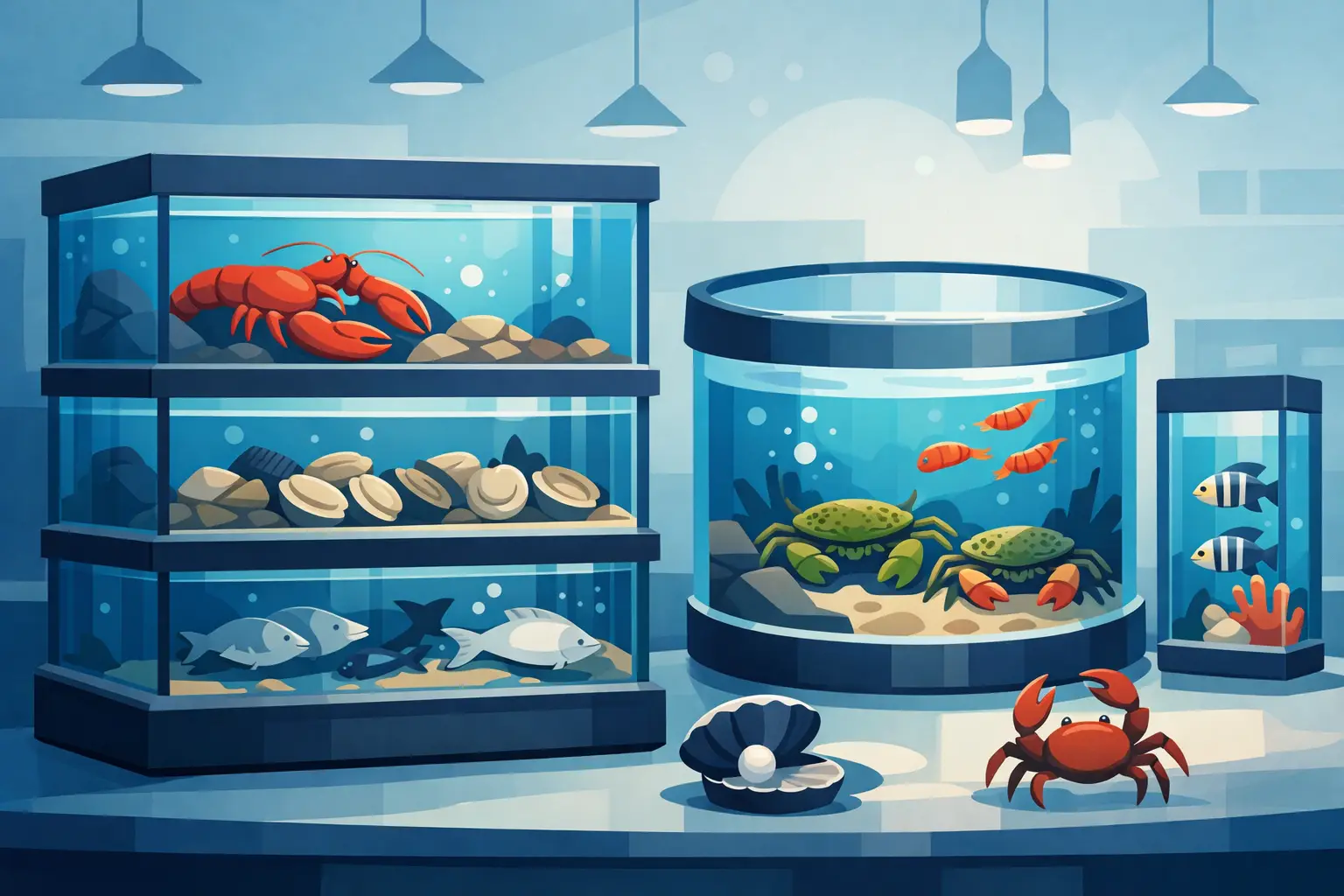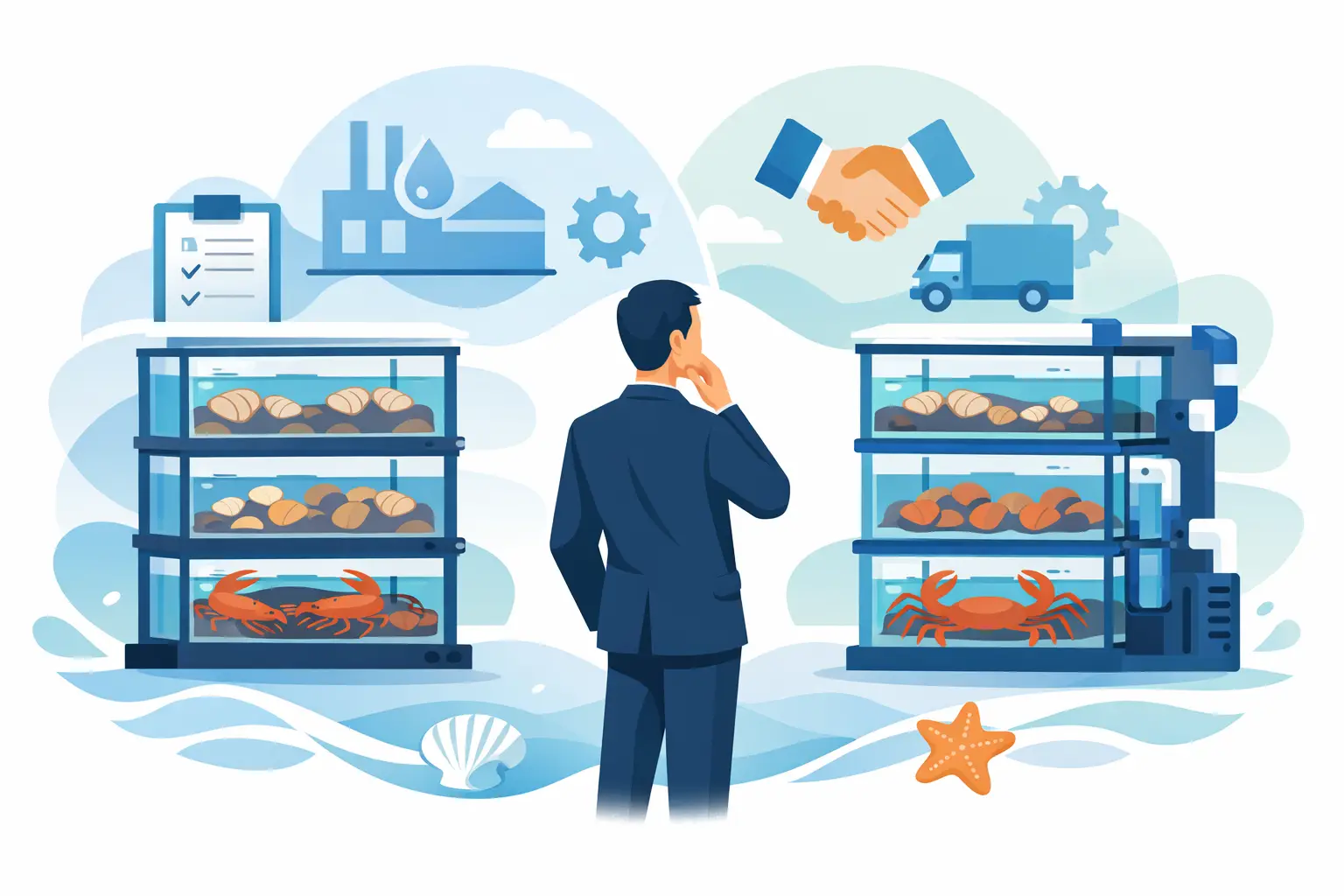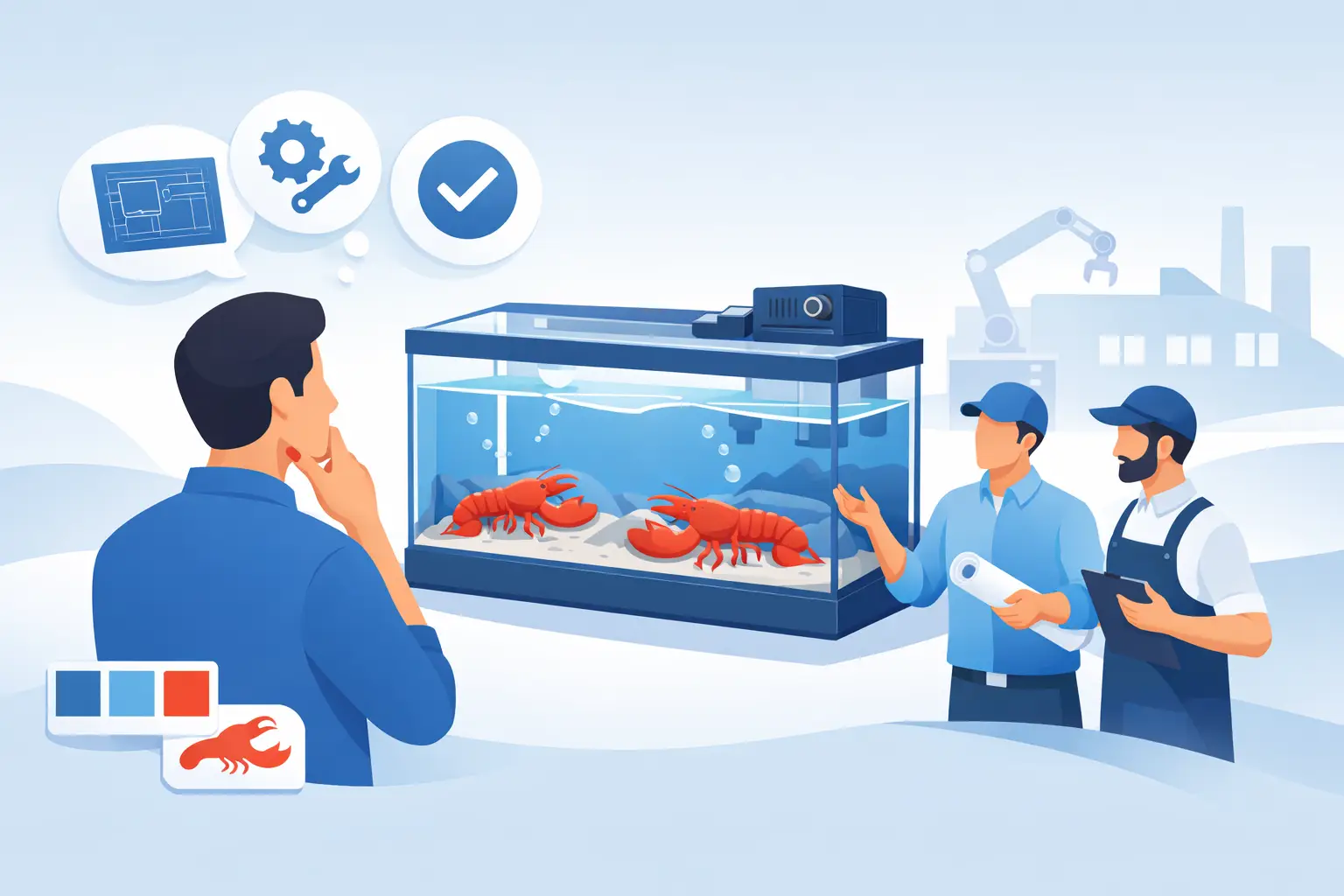
A live lobster or shellfish tank is not a display fixture. It is a working life-support system tied directly to inventory, food quality, customer confidence, and daily seafood sales. The right aquatic system maintenance contracts keep that system under professional oversight before a water-quality issue, equipment failure, or neglected consumable turns into product loss.
For supermarket seafood departments, wholesalers, restaurants, and specialty markets, the question is not whether a tank needs maintenance. It does. The real question is whether the maintenance arrangement matches the demands of the operation. A low-volume display tank, a high-turnover lobster program, and a multi-location retail operation do not carry the same risk or require the same level of service.
Why maintenance is a business decision
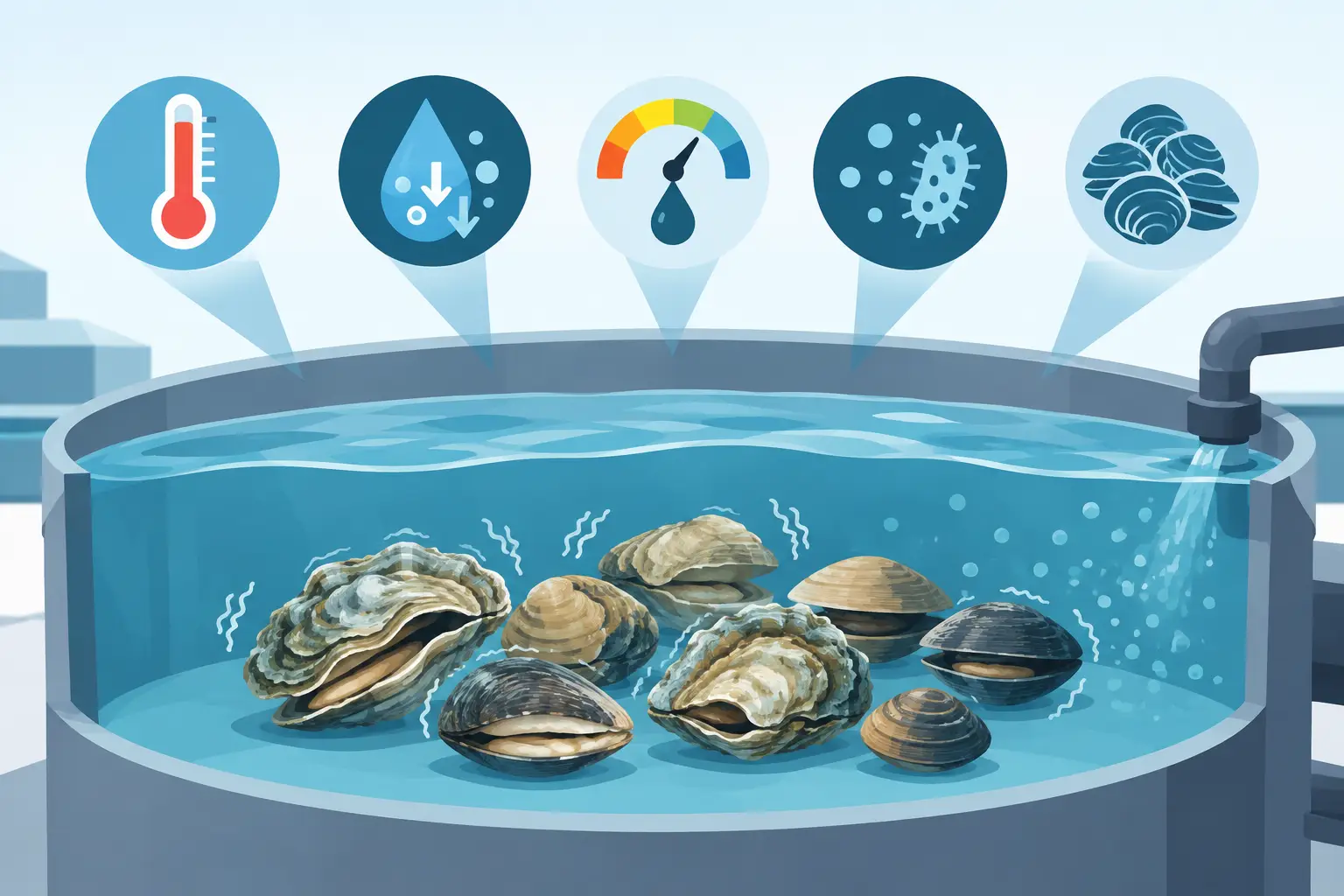
Water conditions can change quickly when filtration media is exhausted, salt levels drift, a pump loses output, or organic waste builds up. The visible signs often arrive late: cloudy water, odor, stressed animals, weak circulation, or poor tank presentation. By then, the operator may be dealing with lost inventory and a seafood case that no longer reflects the quality of the product being sold.
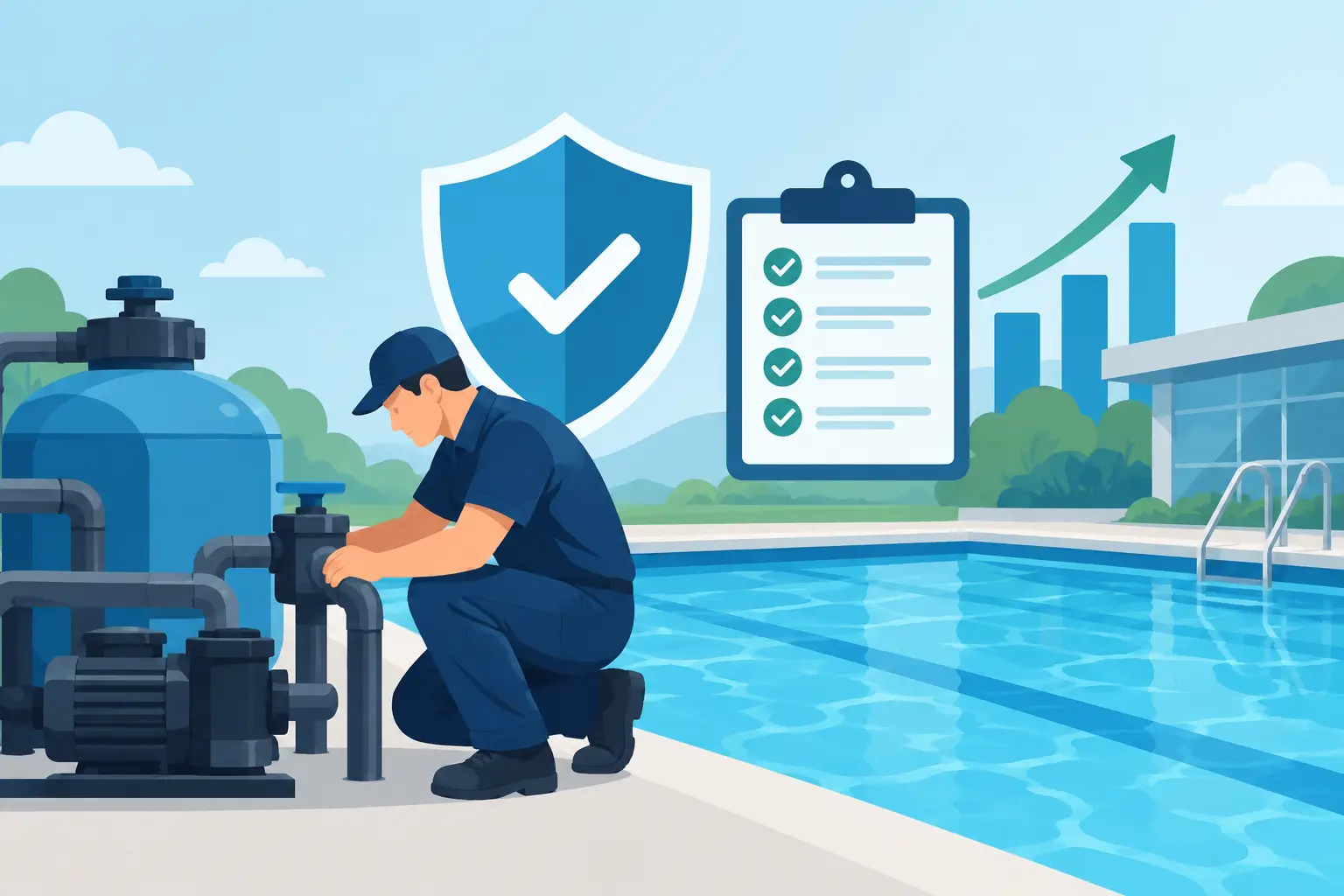
Scheduled maintenance puts control back into the operation. Instead of waiting for a problem to force an emergency call, the provider follows a service plan built around the tank’s workload, species, filtration design, and operating environment. That means checking the components that protect water quality, replacing the materials that are meant to be replaced, and identifying wear before it causes a shutdown.
There is also a labor reality. Seafood managers have product receiving, merchandising, sanitation, staffing, customer service, and ordering to manage. Facilities teams have an entire store or property to support. Asking either group to become a water-treatment specialist is rarely the best use of their time. A maintenance contract gives the operation a defined service partner and a documented plan.
What aquatic system maintenance contracts should cover
A useful contract is more than a promise to stop by periodically. It should clearly state what is inspected, serviced, supplied, and reported during each visit. It should also separate routine service from repair work, so there is no confusion when an aging component needs replacement.
Water quality and filtration performance
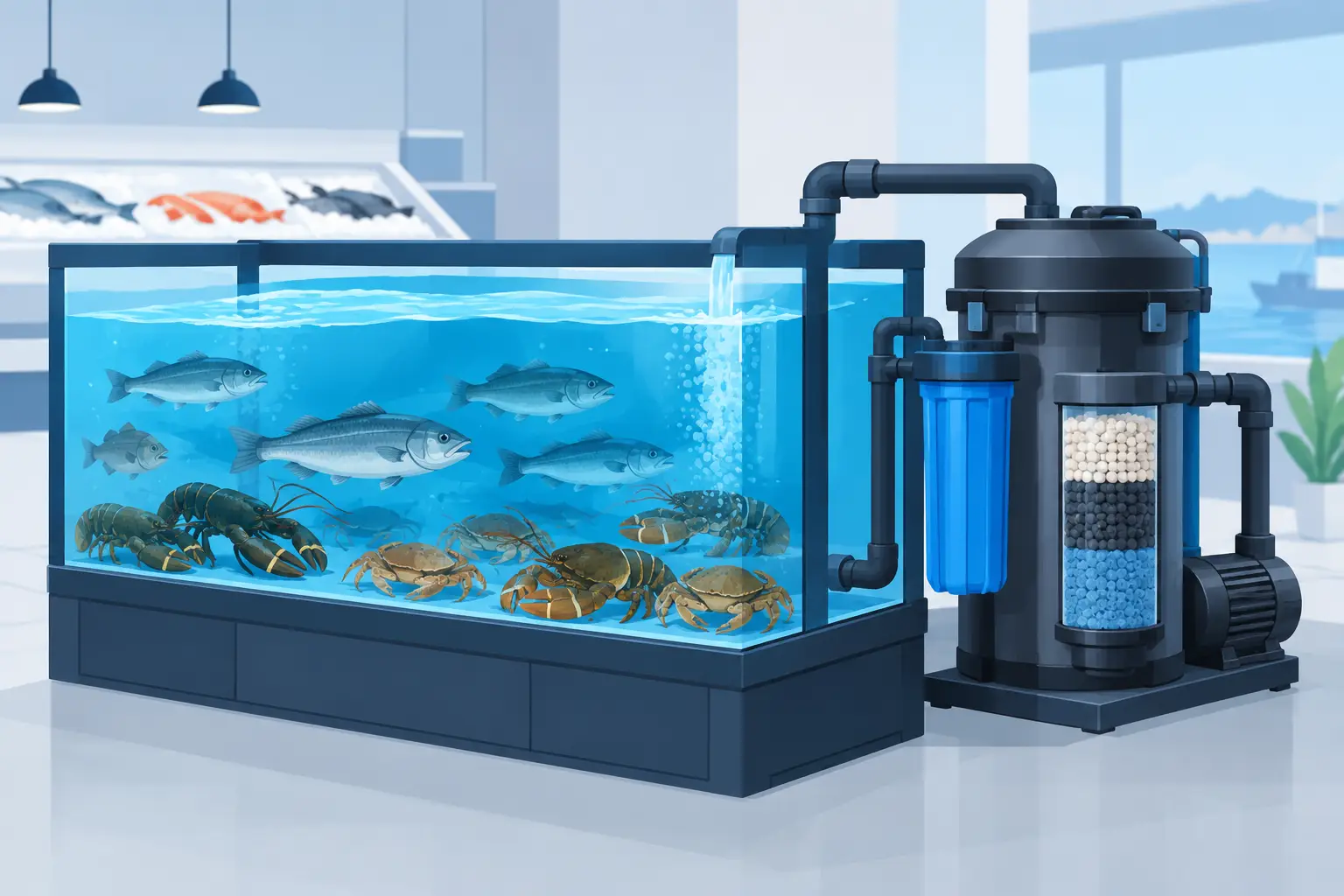
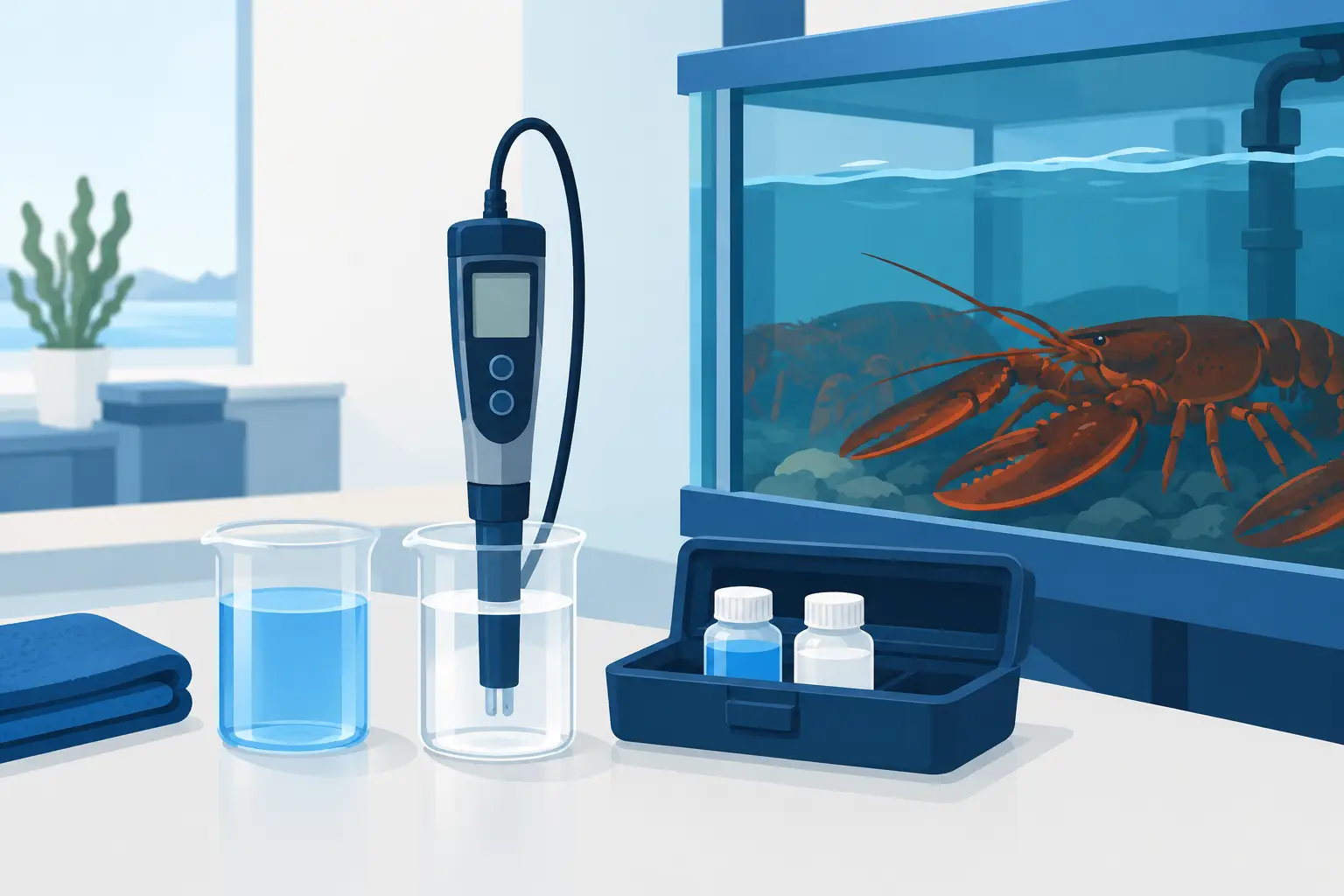
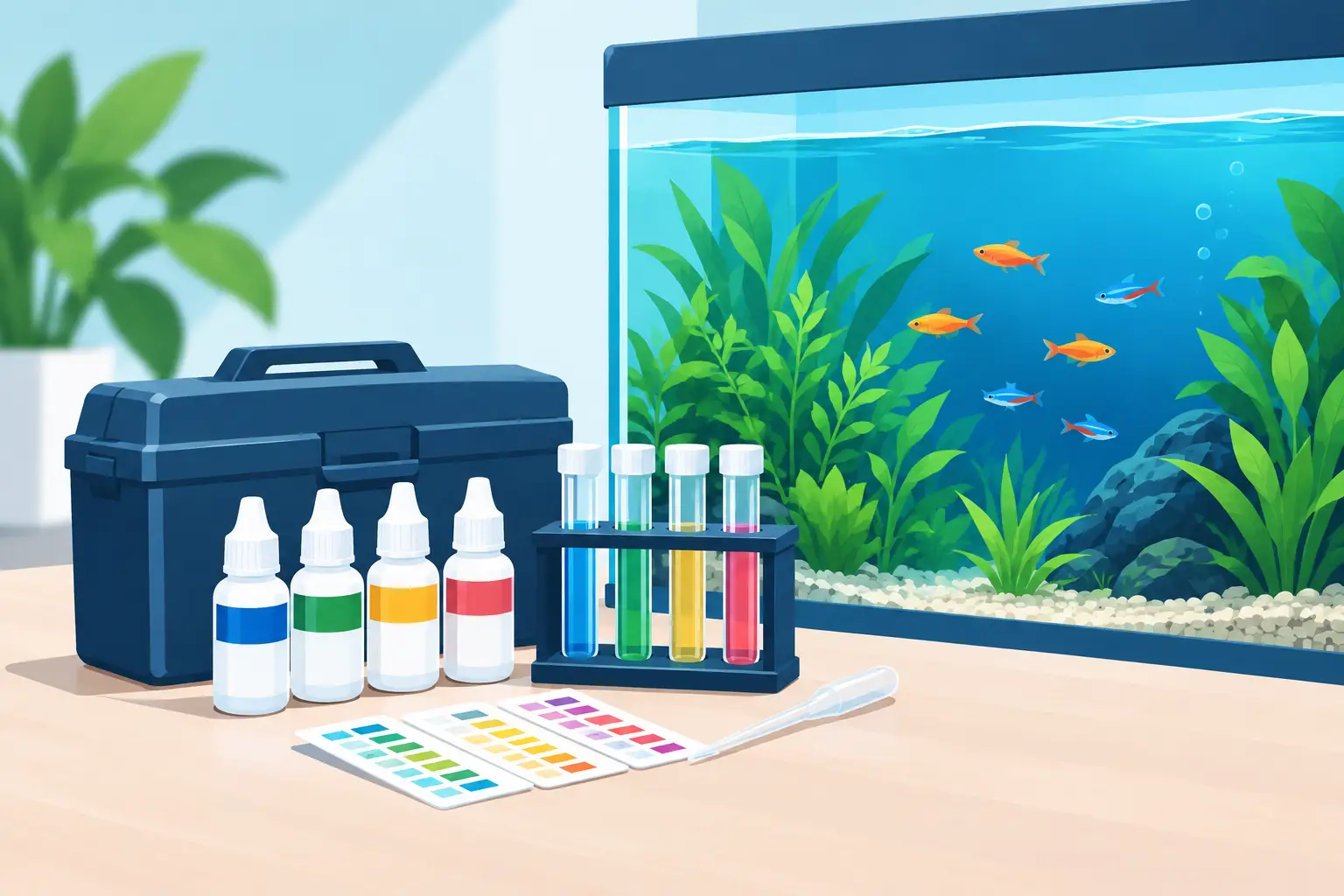
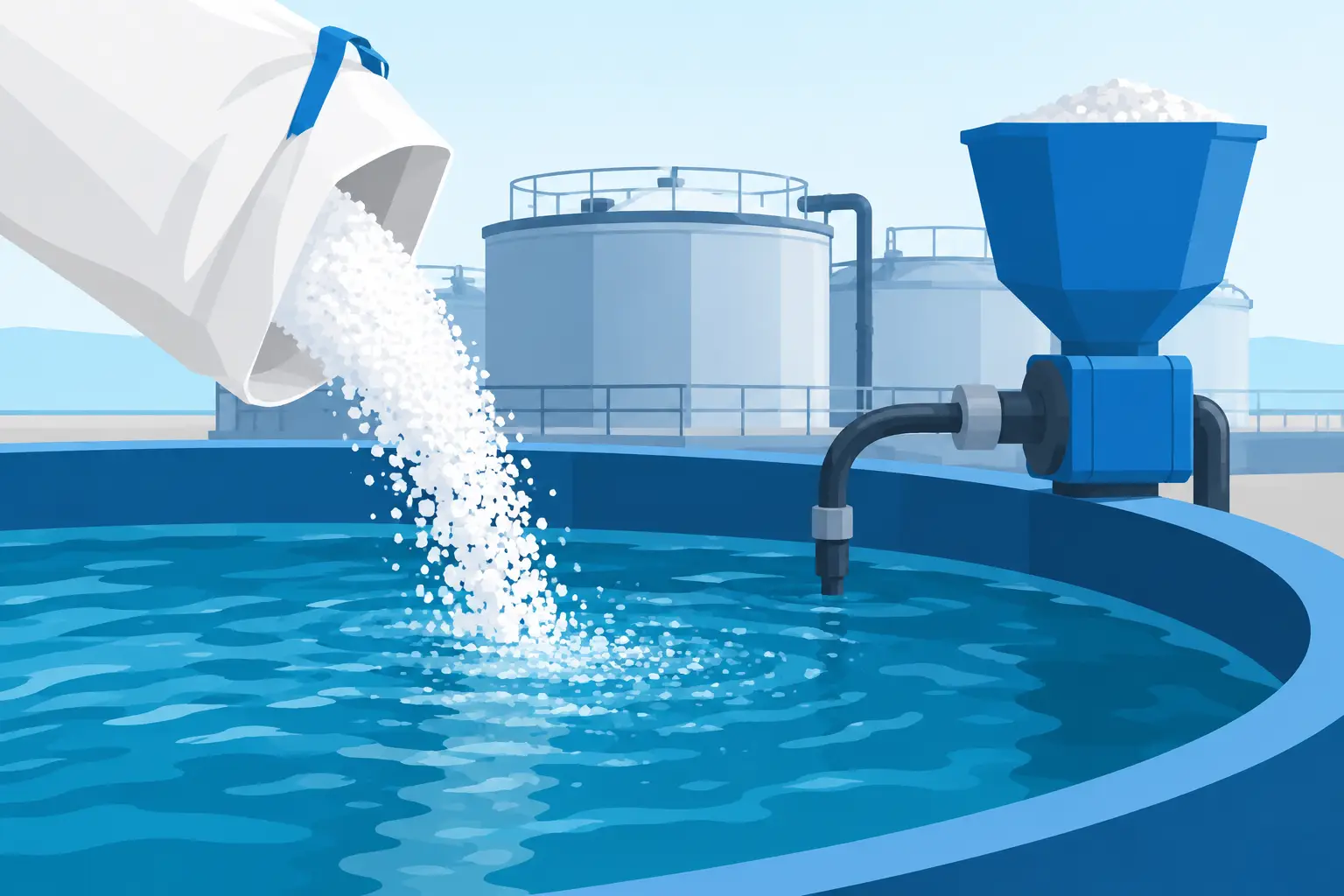
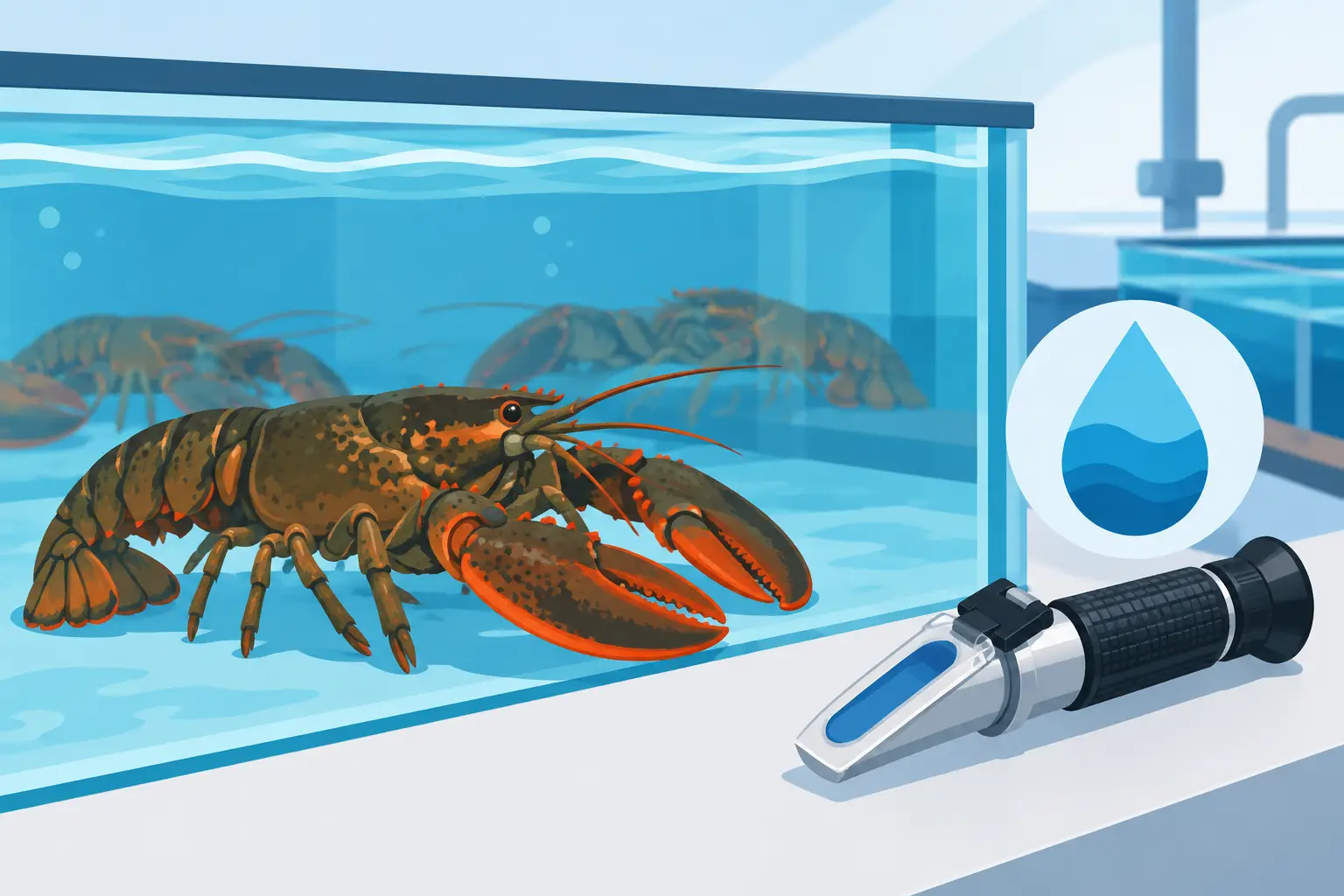
Every commercial aquatic system depends on stable, properly treated water. Service should include testing and adjustment appropriate to the system, along with inspection of circulation, filtration, and treatment performance. For marine livestock systems, the quality and consistency of marine salt and water preparation matter as much as the tank itself.
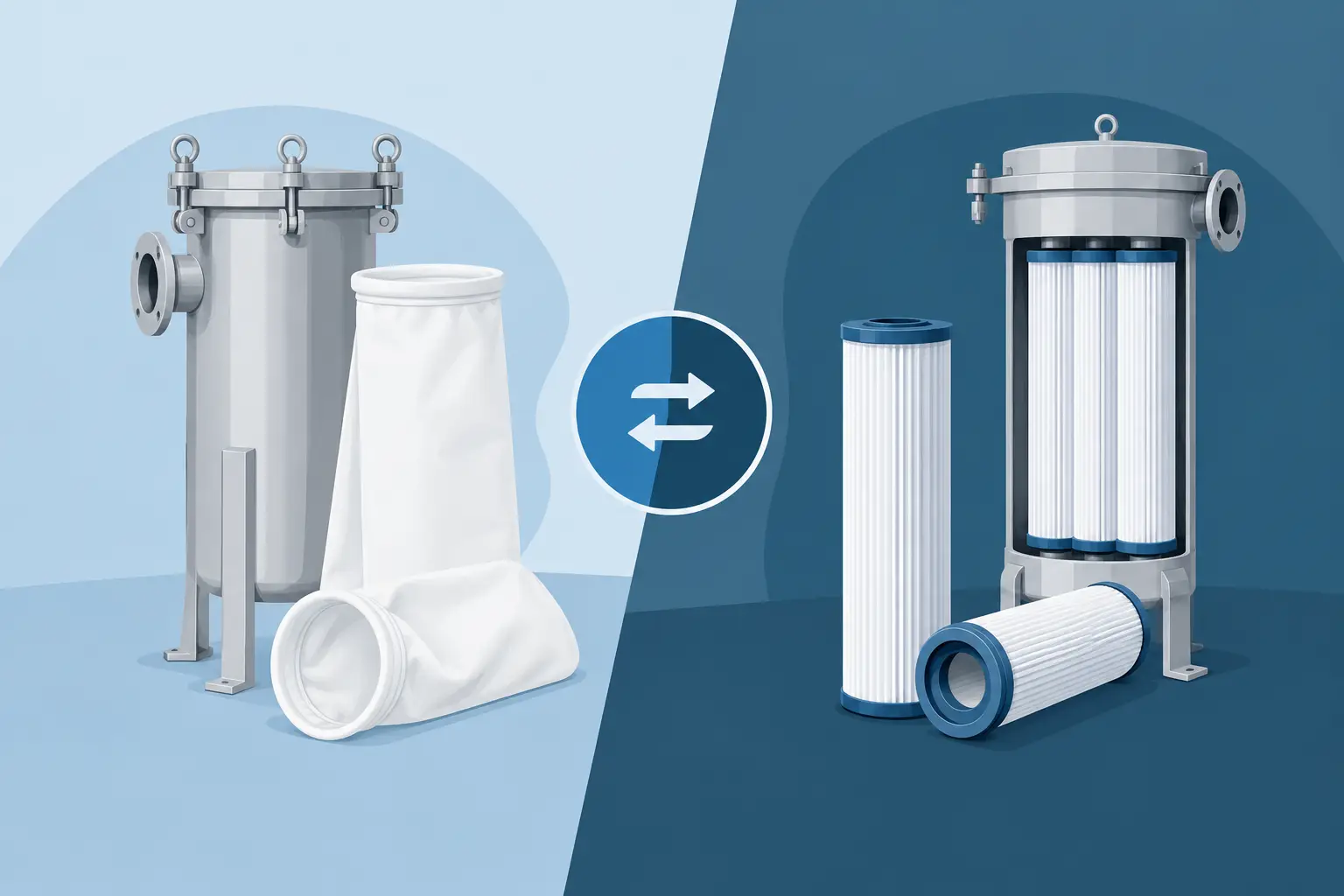
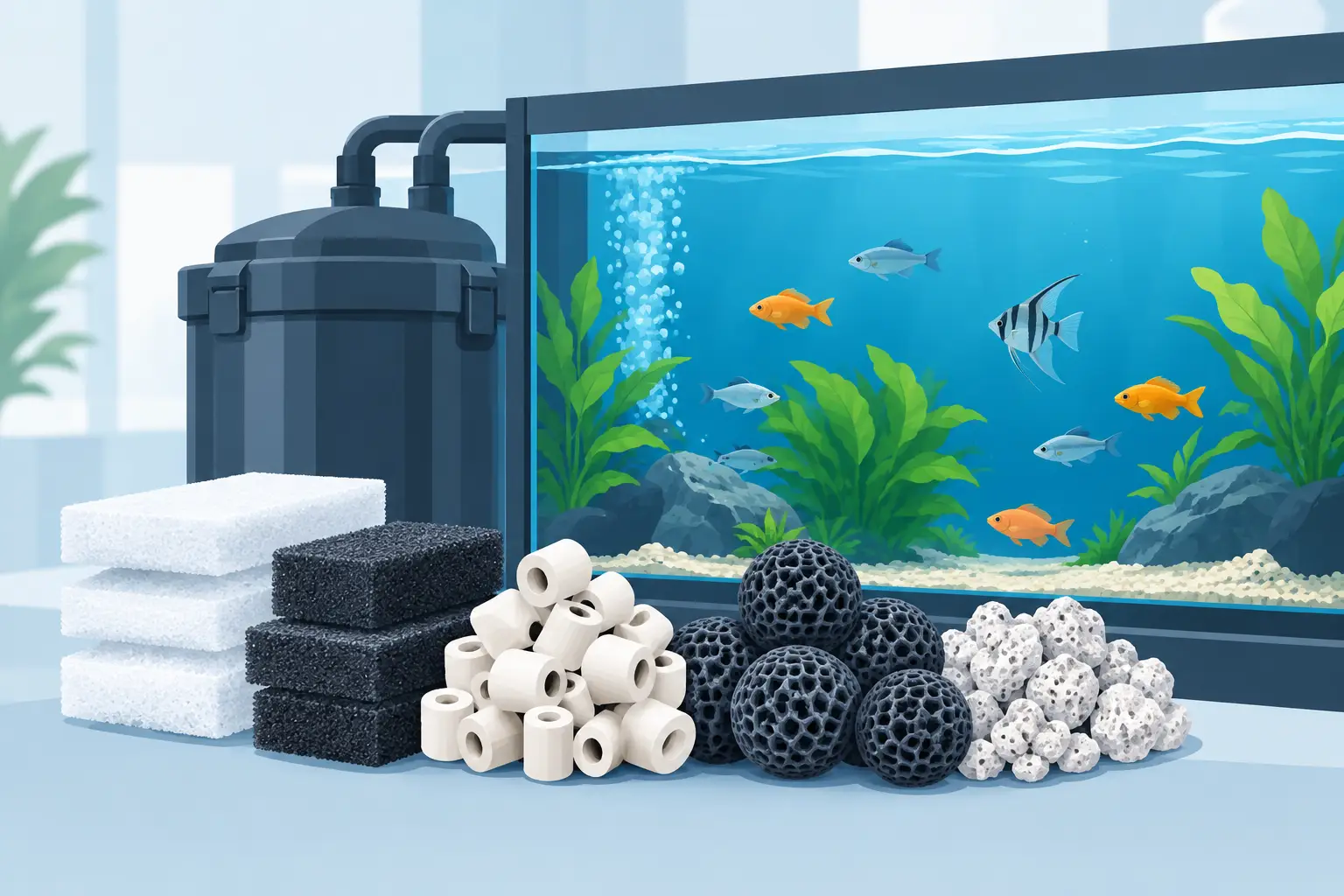
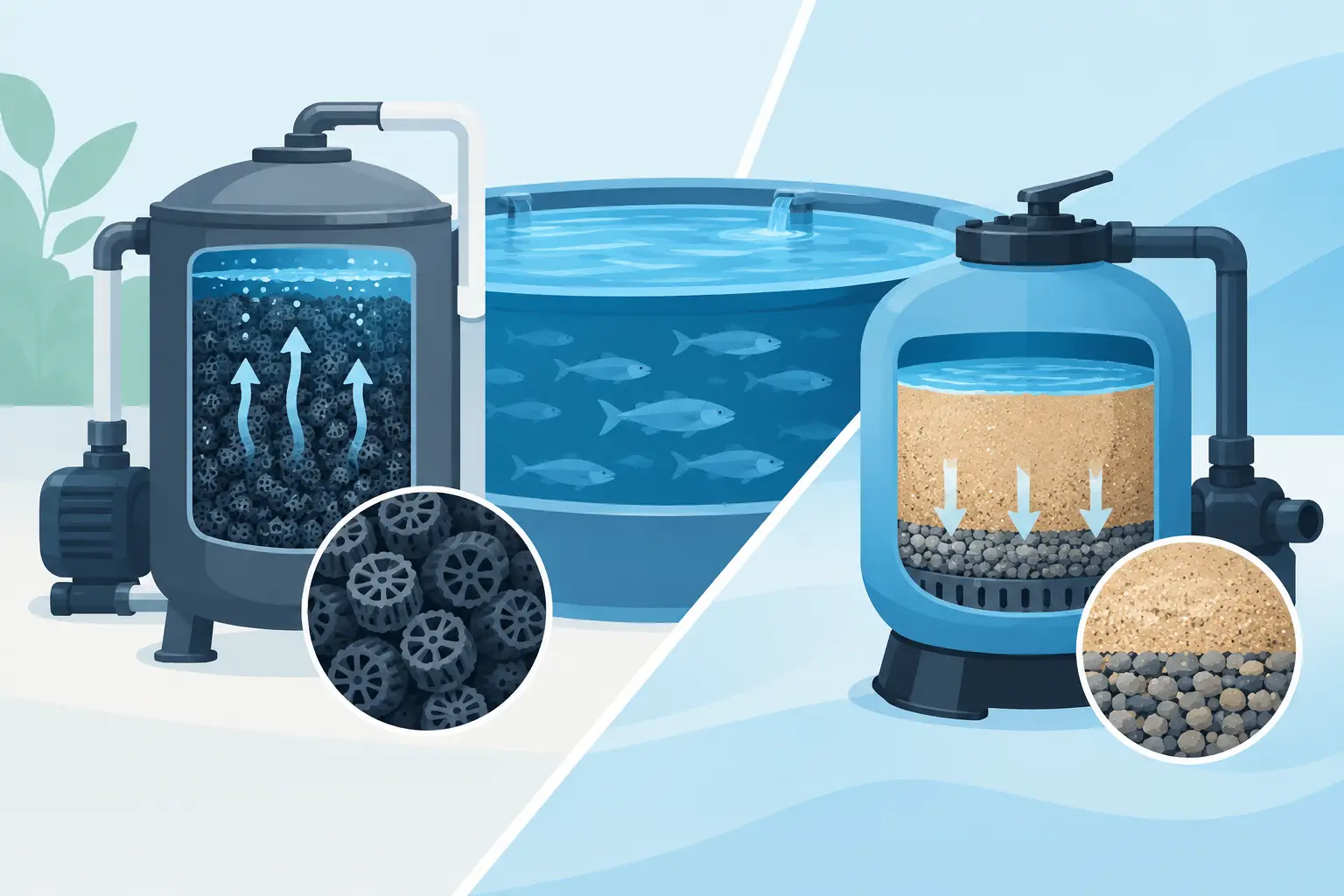
Filtration media and activated carbon do not last forever. Their replacement schedule should be based on the design of the system and its actual use, not guesswork. A busy supermarket tank with constant turnover may require a different cadence than a lightly used restaurant display. The provider should know the difference and set expectations accordingly.
Pumps, plumbing, and critical equipment
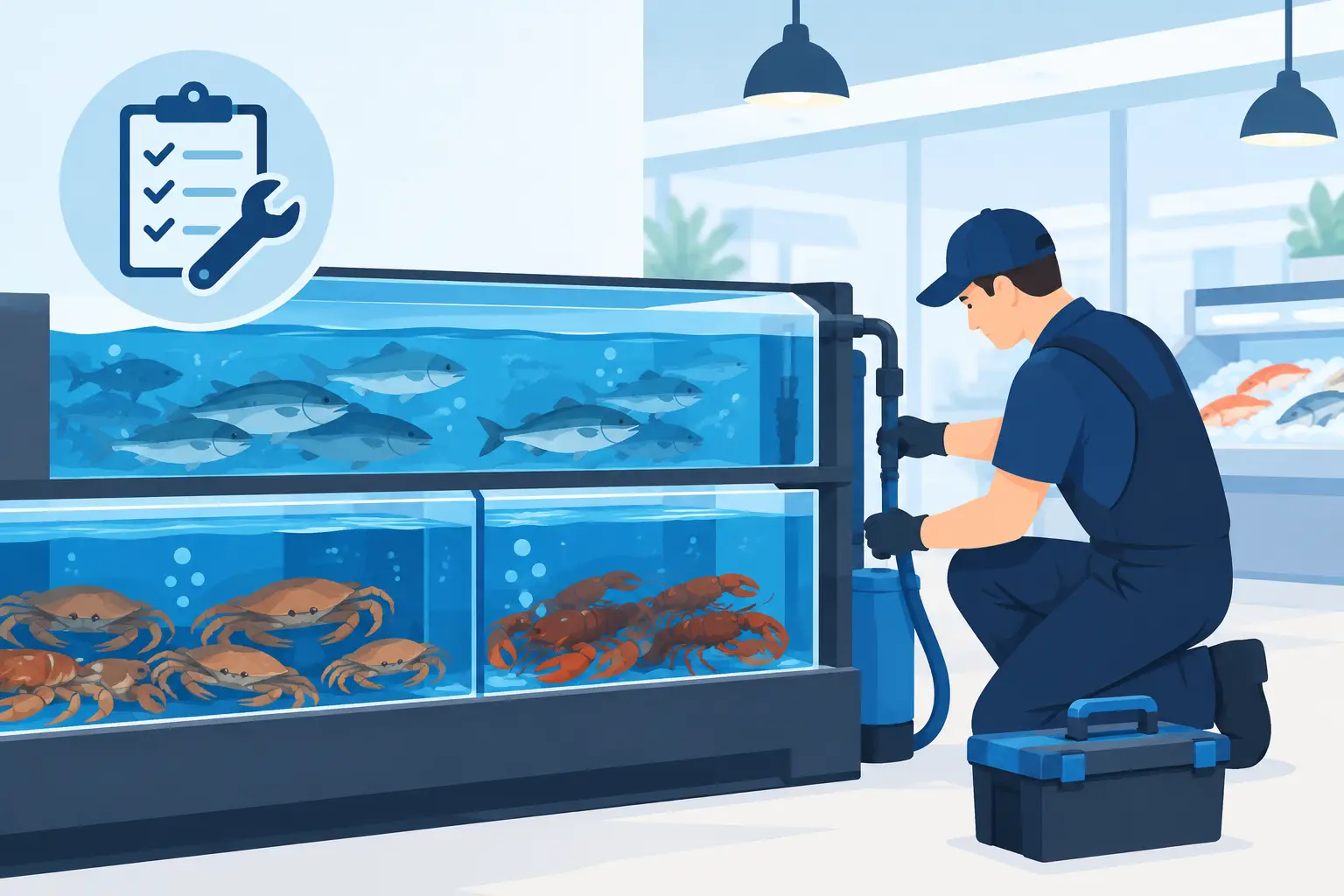
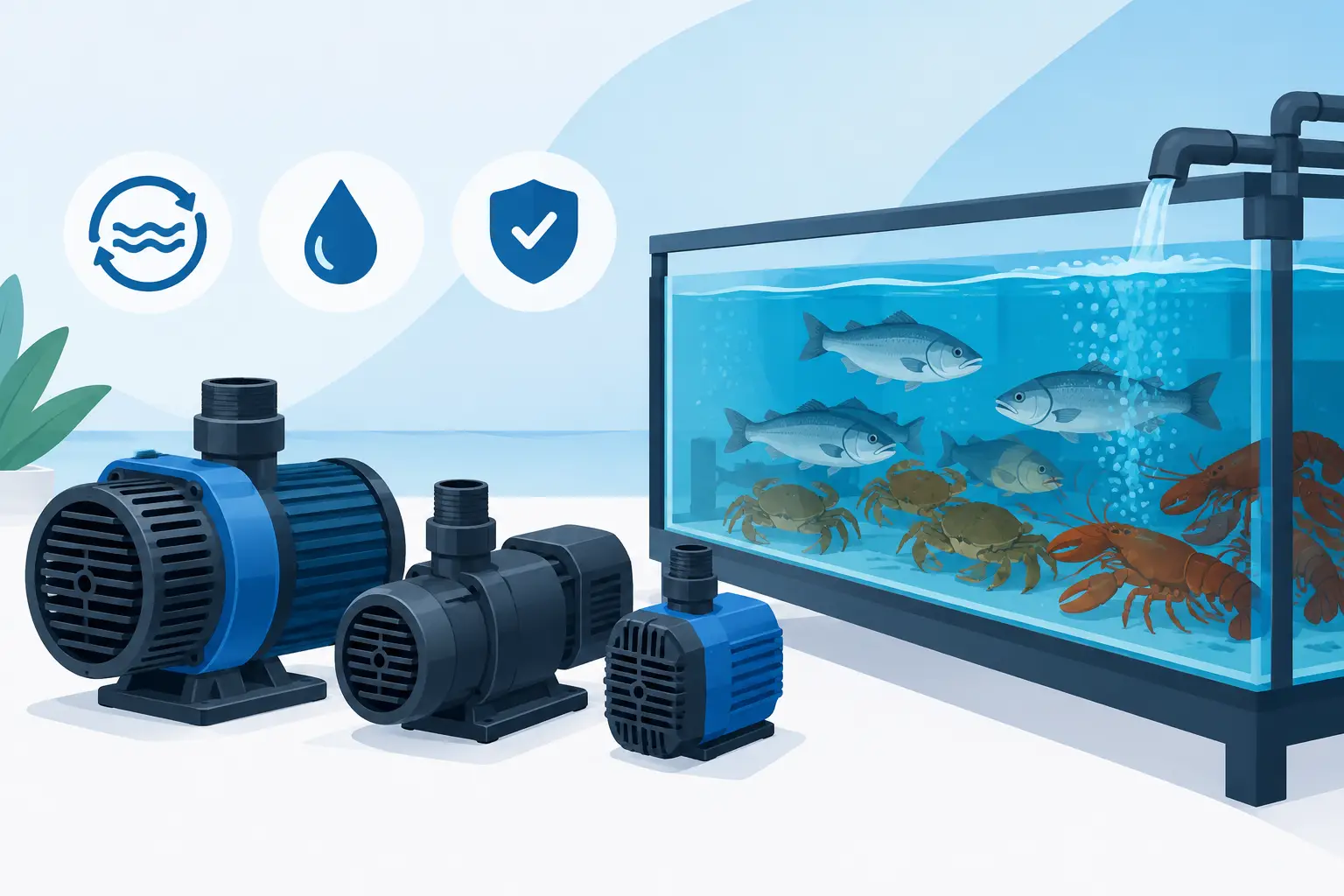
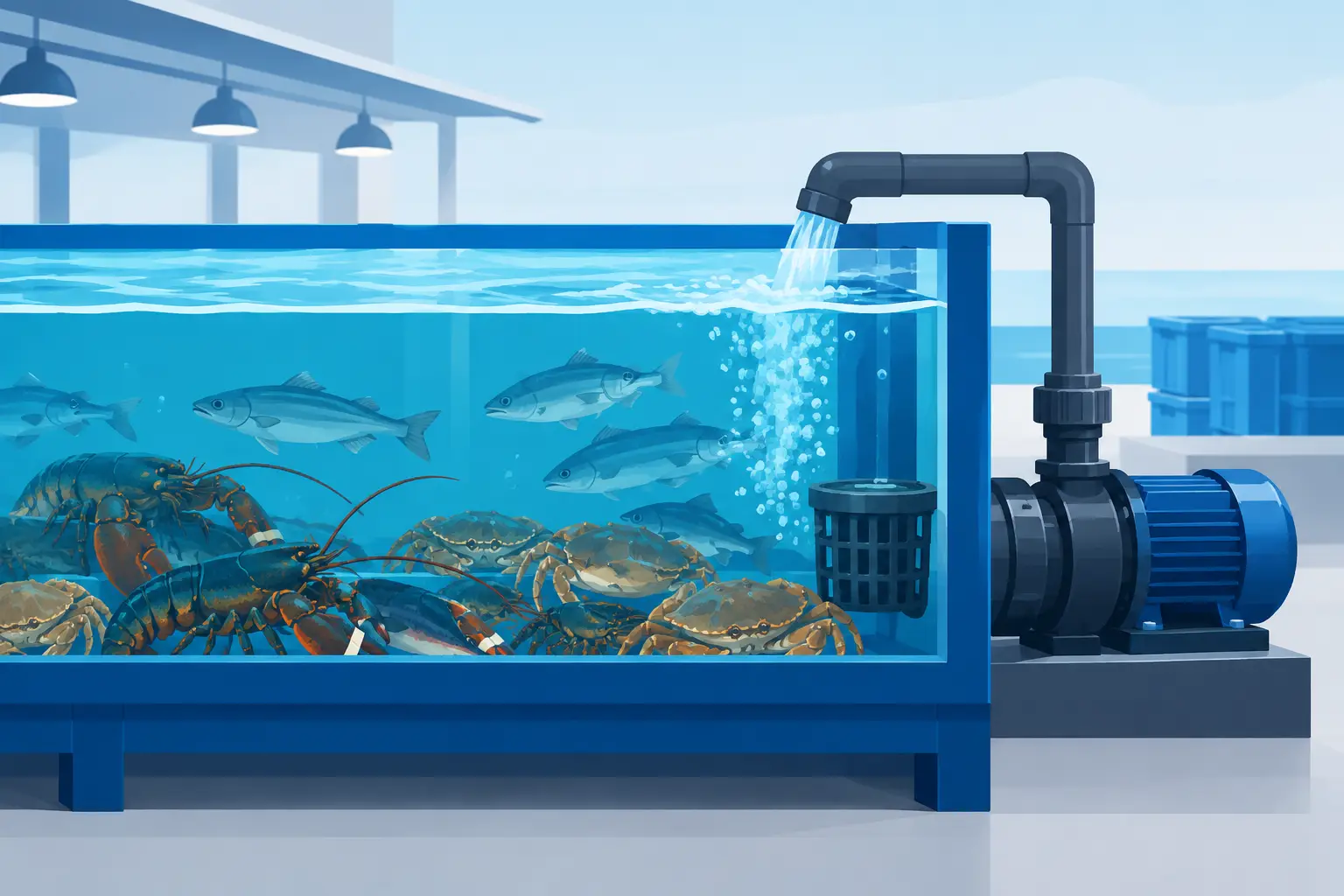
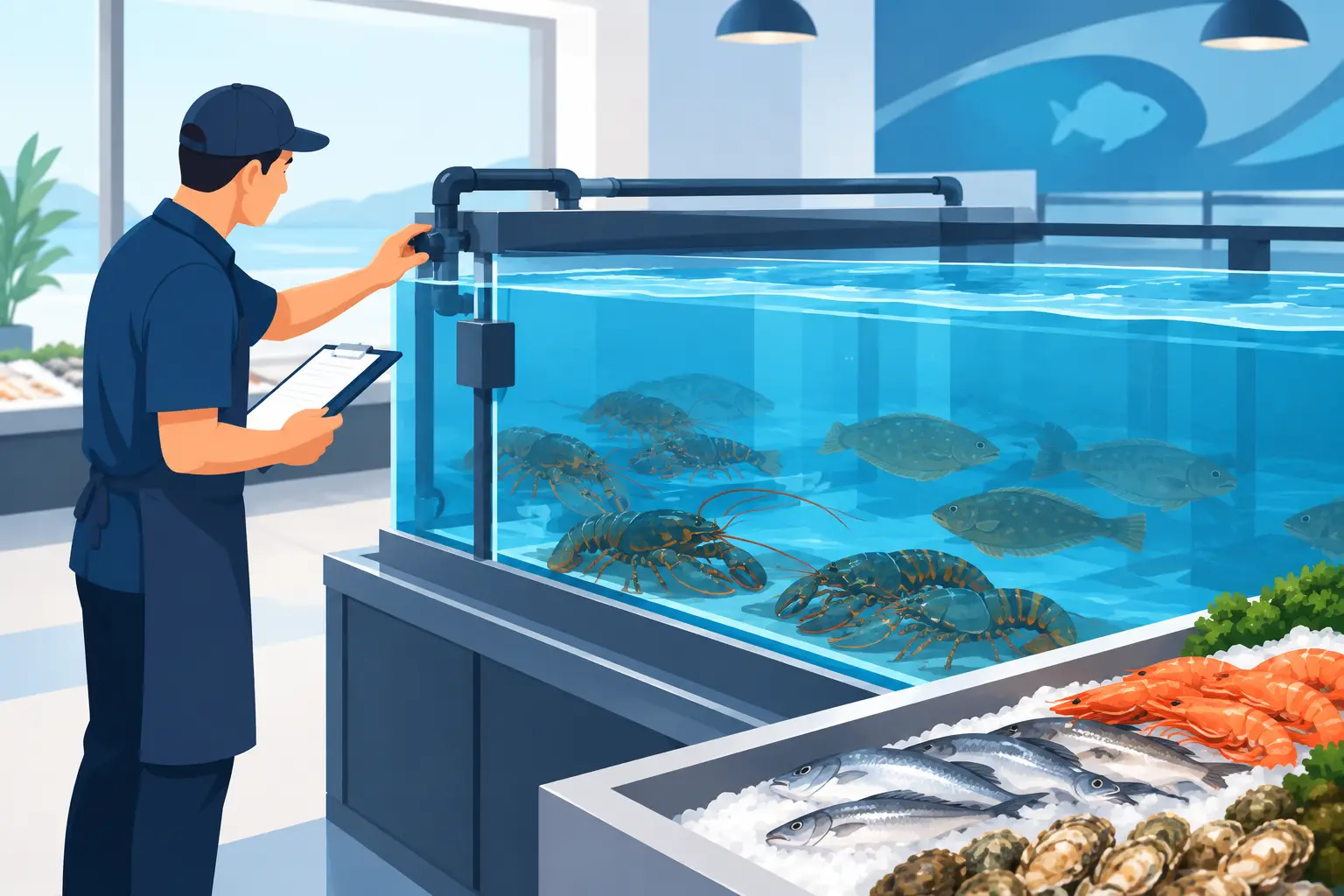
Pumps, valves, drains, chillers, heaters, aeration equipment, UV components, probes, and controls all deserve attention. A contract should include a methodical inspection of the equipment that keeps water moving and conditioned. Small issues such as reduced flow, unusual vibration, a leaking fitting, or a clogged intake can become expensive when ignored.
Good service also includes practical documentation. Service records help managers see what was completed, what supplies were changed, what needs monitoring, and what parts may be approaching the end of their useful life. This is especially valuable for operators with multiple shifts, multiple locations, or changing department leadership.
Tank condition and presentation
Customers judge seafood quality with their eyes before they ask a question. Clear water, clean viewing panels, proper lighting, active circulation, and orderly tank areas support the premium image that live seafood requires. Maintenance should account for presentation as well as mechanics.
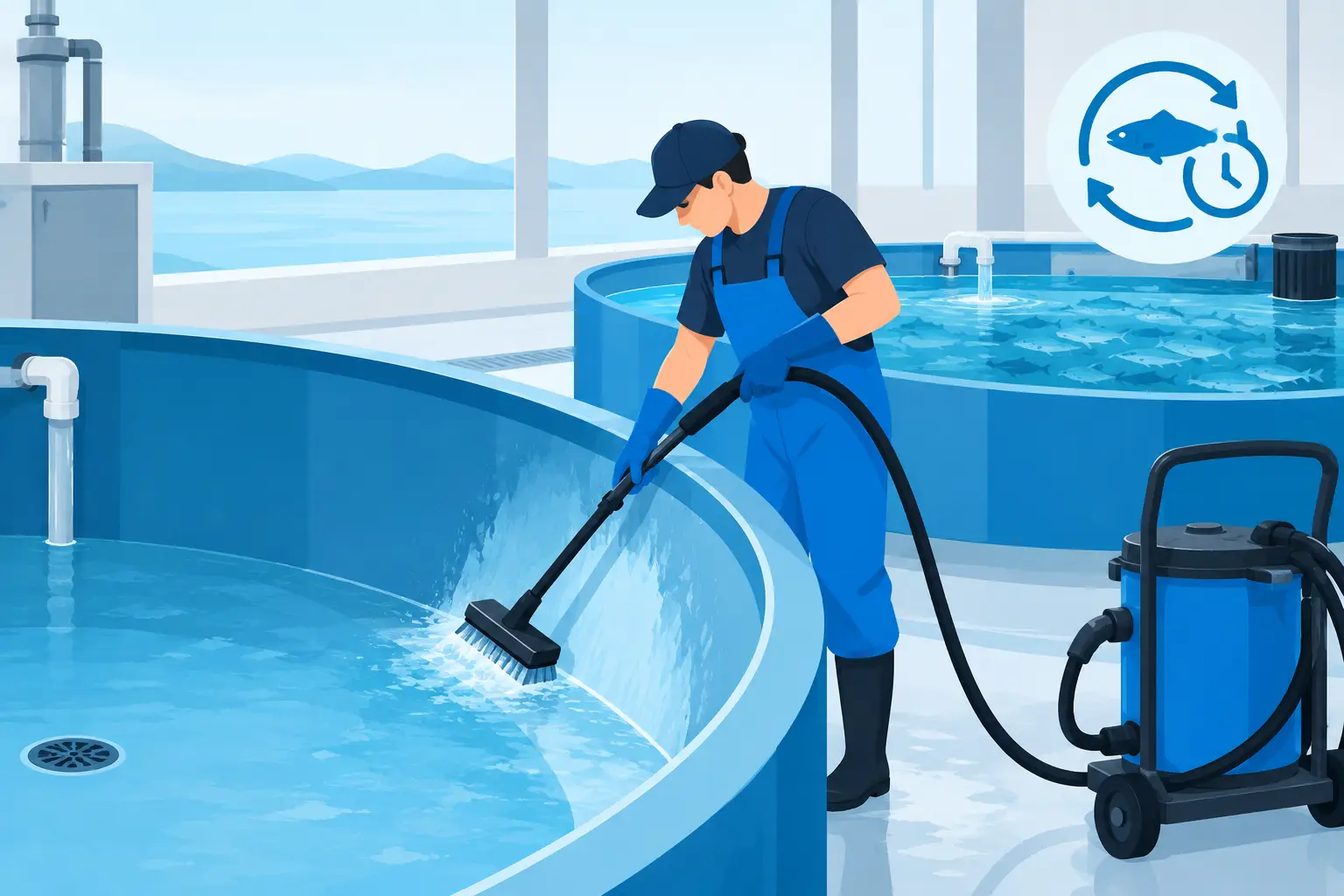
That does not mean every cosmetic task belongs in every agreement. The scope should be specific. Some operators need full tank cleaning and merchandising-area attention, while others have store teams that handle routine exterior cleaning. The important part is knowing who owns each task and making sure it gets done.
Response expectations and support
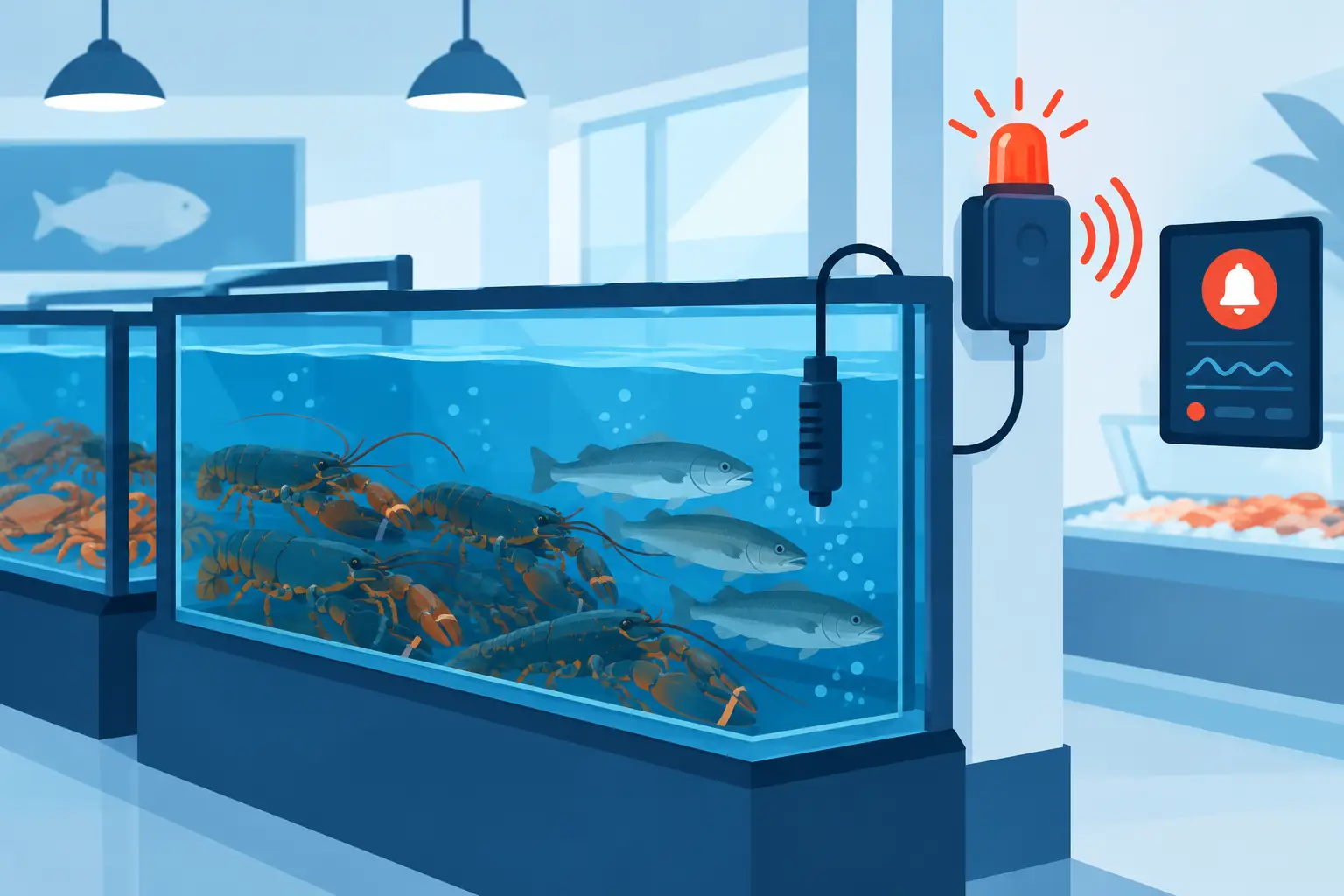
An aquatic system can need attention outside a planned visit. Contracts should define how service requests are handled, when emergency support is available, and what response timing is reasonable for the location and type of issue. A provider should not promise a response level it cannot deliver.
For operators in Southern Maine, Massachusetts, New Hampshire, Rhode Island, Connecticut, New York, New Jersey, Delaware, Maryland, and parts of Virginia, local field support can be a major advantage when a hands-on repair is needed. Outside a direct service area, parts availability, remote technical guidance, and a clear escalation process become even more important.
Contract frequency should follow risk, not habit
Monthly service is not automatically right, and quarterly service is not automatically economical. The best interval depends on livestock volume, turnover, system capacity, store conditions, water source, equipment age, and the level of daily attention provided by onsite staff.
A high-volume lobster tank may need frequent professional oversight because a water issue threatens valuable live inventory. A newer self-contained system with disciplined daily checks may require fewer onsite visits, provided consumables are changed on schedule and qualified support is readily available. Older equipment often benefits from closer monitoring because wear-related failures become more likely over time.
The smart approach is to start with an honest operational assessment. If a supplier cannot explain why it recommends a particular schedule, the schedule may be built for convenience rather than performance.
Ask these questions before signing
Before choosing a maintenance provider, commercial seafood operators should look past the monthly price. A low-cost agreement that excludes critical labor, filters, salt, travel, or emergency support may create more uncertainty than it removes.
Ask whether the provider designs and understands the specific type of commercial tank being serviced. Ask whether replacement filters, activated carbon, marine salt, and common repair parts are readily available. Ask how service findings are documented and who will contact your team if a problem requires a decision.
It is also worth asking what training is provided for daily checks. A maintenance contract works best when store personnel know how to spot low water level, reduced flow, unusual noise, temperature changes, or livestock behavior that needs prompt attention. Professional maintenance and responsible daily observation are not substitutes for one another. They work together.
Finally, confirm the financial structure. Some contracts bundle scheduled labor and standard consumables. Others charge for materials and repairs separately. Neither model is automatically better. The right fit depends on whether your operation values fixed monthly budgeting, flexible service, or a blended arrangement.
One accountable partner reduces operational gaps
Commercial live seafood systems involve more than a tank. They require reliable equipment, purpose-built filtration, quality salt, replacement media, parts access, technical knowledge, and a service team that understands what failure can cost. When those needs are scattered among unrelated vendors, accountability often gets scattered too.
Lobster Life Systems has supported commercial and retail seafood operations since 1989 by bringing tank manufacturing, marine filtration products, maintenance, and technical support together in one place. That kind of specialized partnership matters when a seafood department needs answers from people who work with live aquatic systems every day, not a general equipment vendor learning the issue after the call comes in.
A well-written service agreement should give managers a clear picture of what happens next, who is responsible, and how the system stays ready for business. It protects more than pumps and filters. It helps protect the live product, the seafood case, and the reputation that brings customers back. When reviewing your current tank program, start with the components and tasks no one has clearly claimed yet. Those gaps are where preventable losses usually begin.