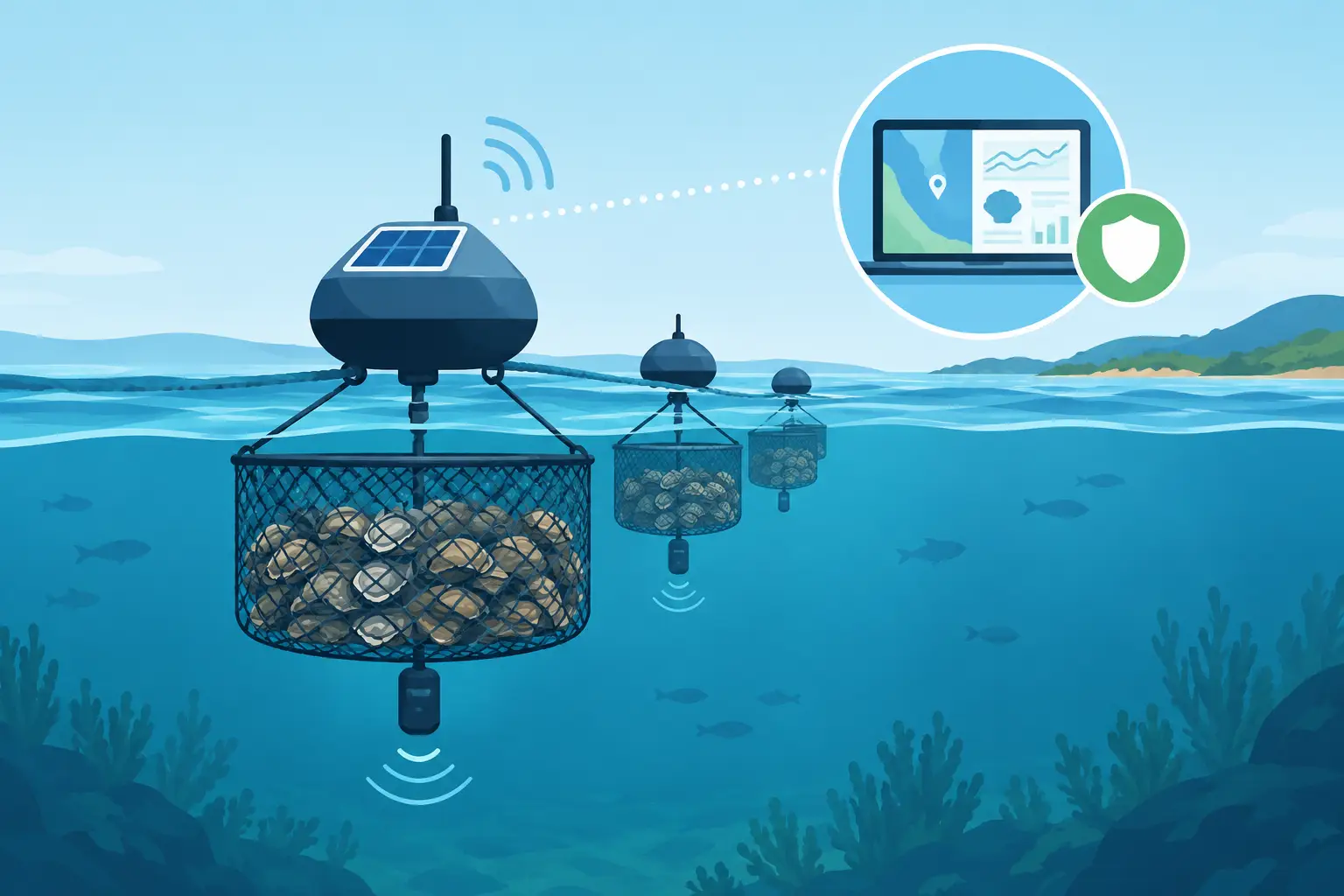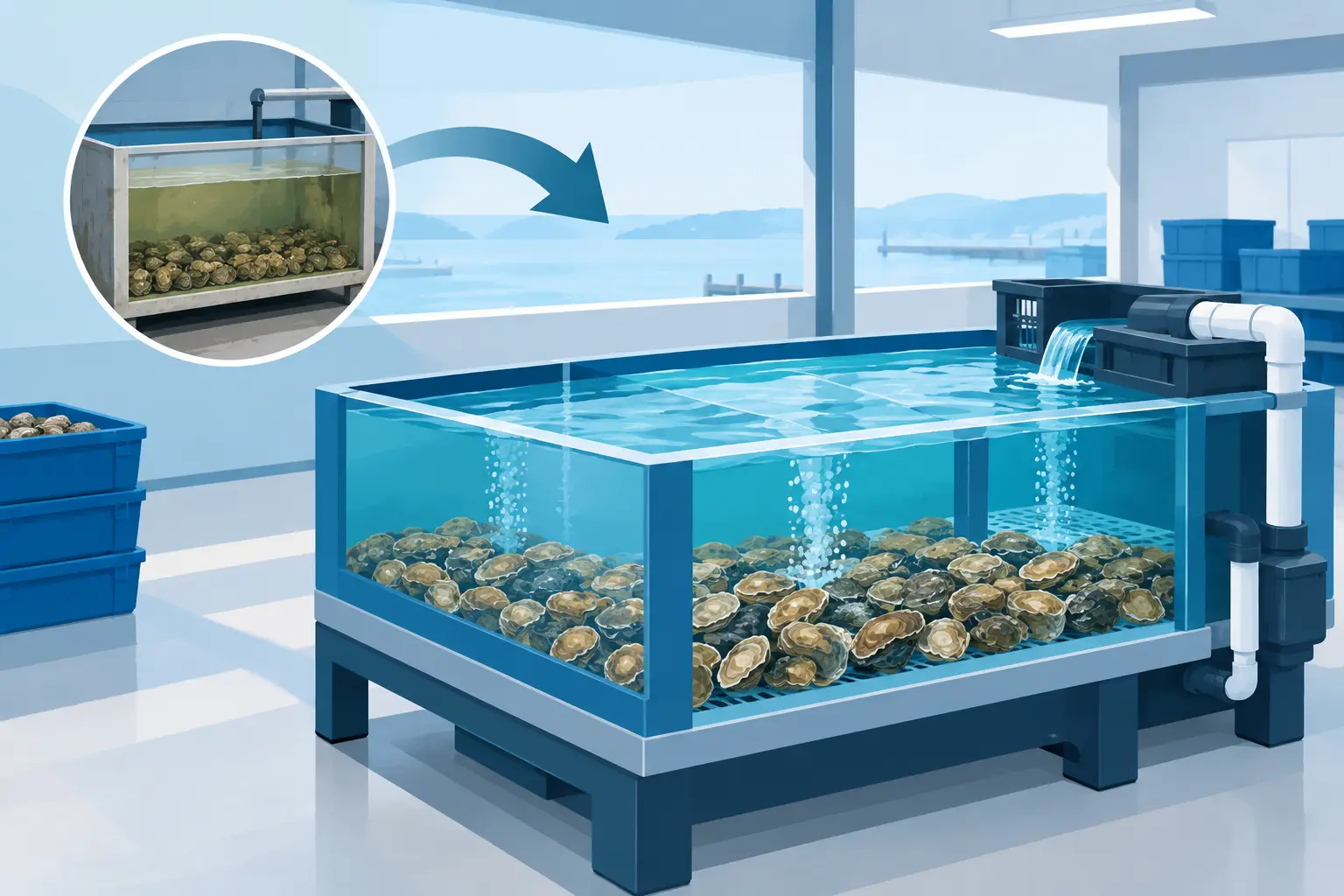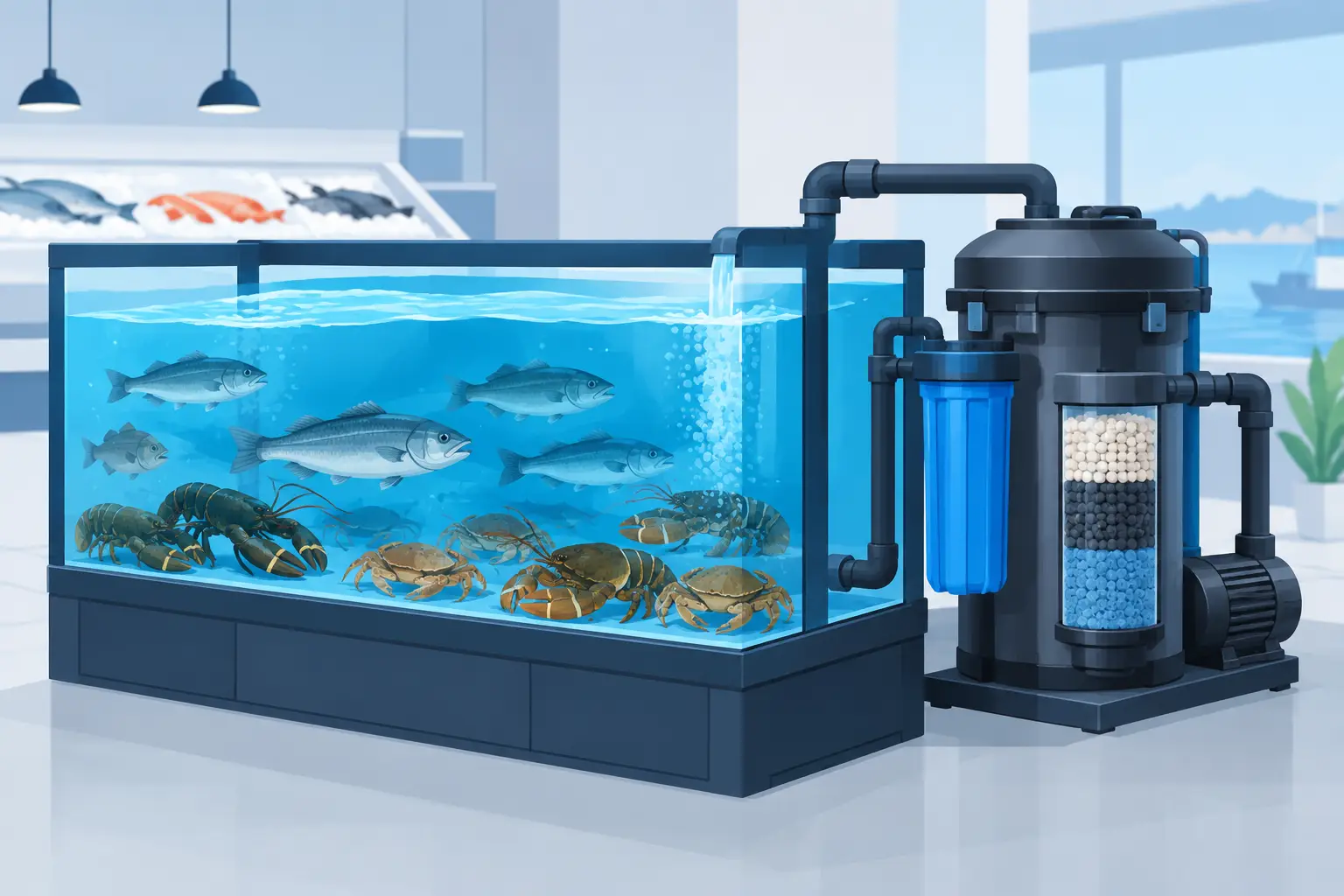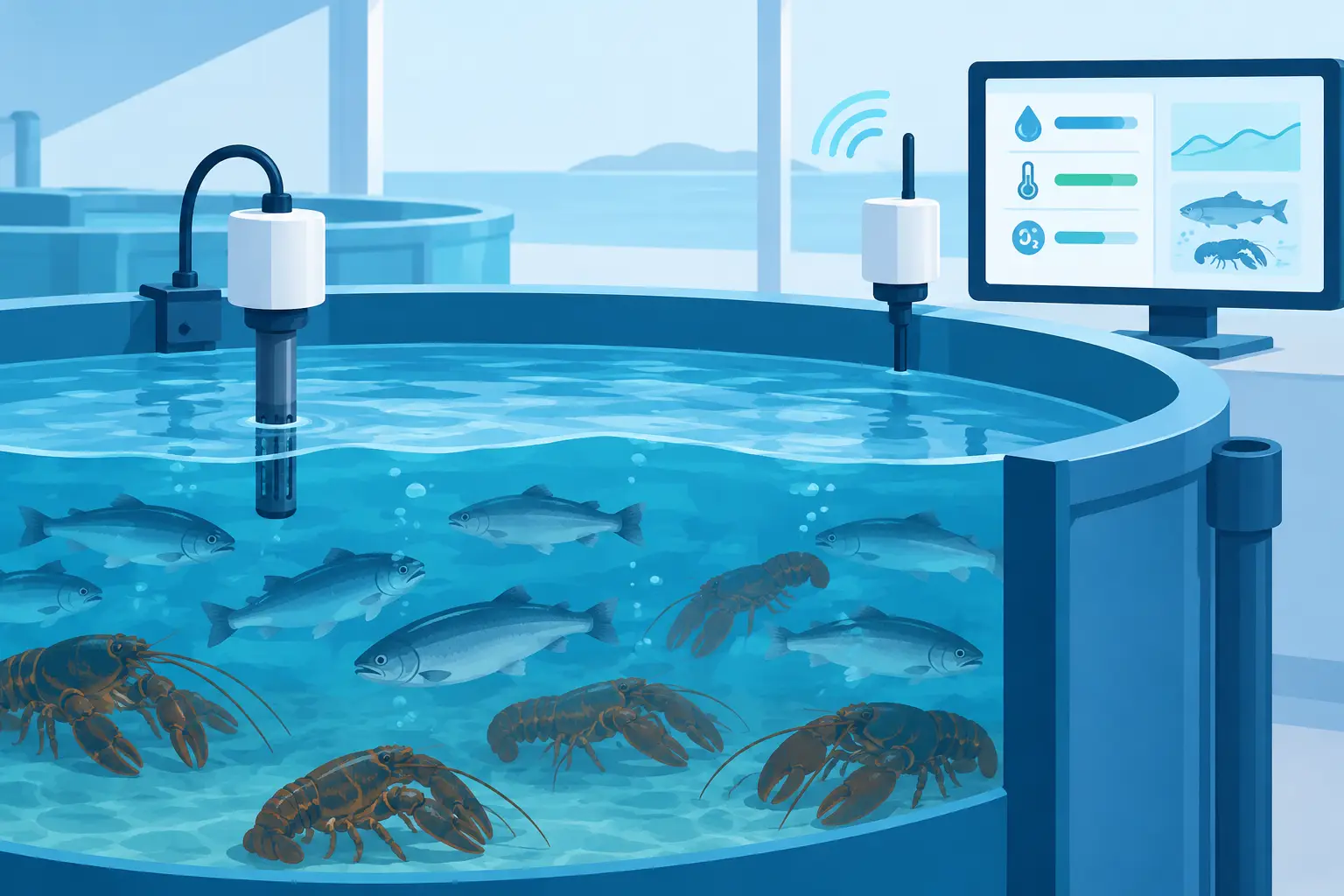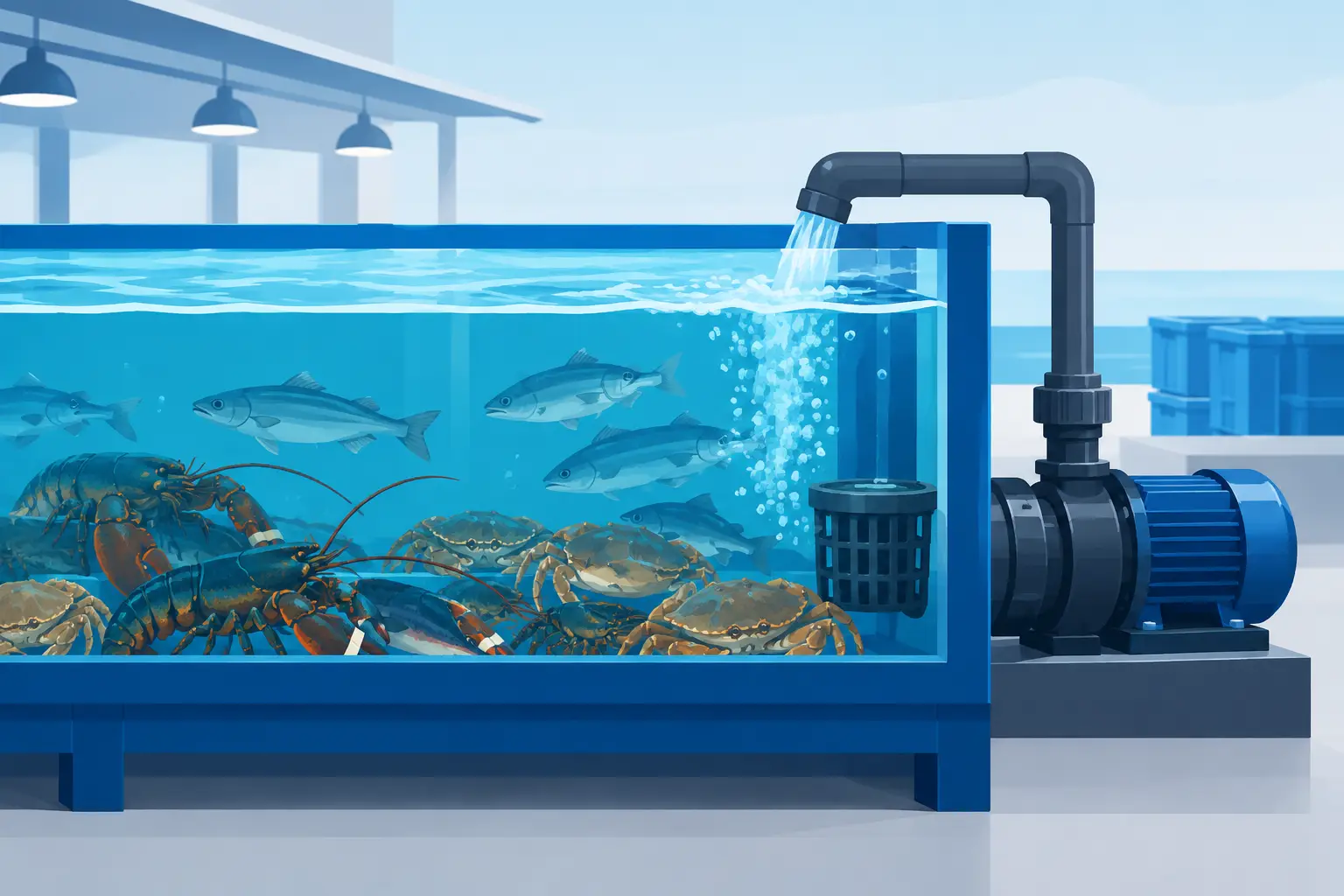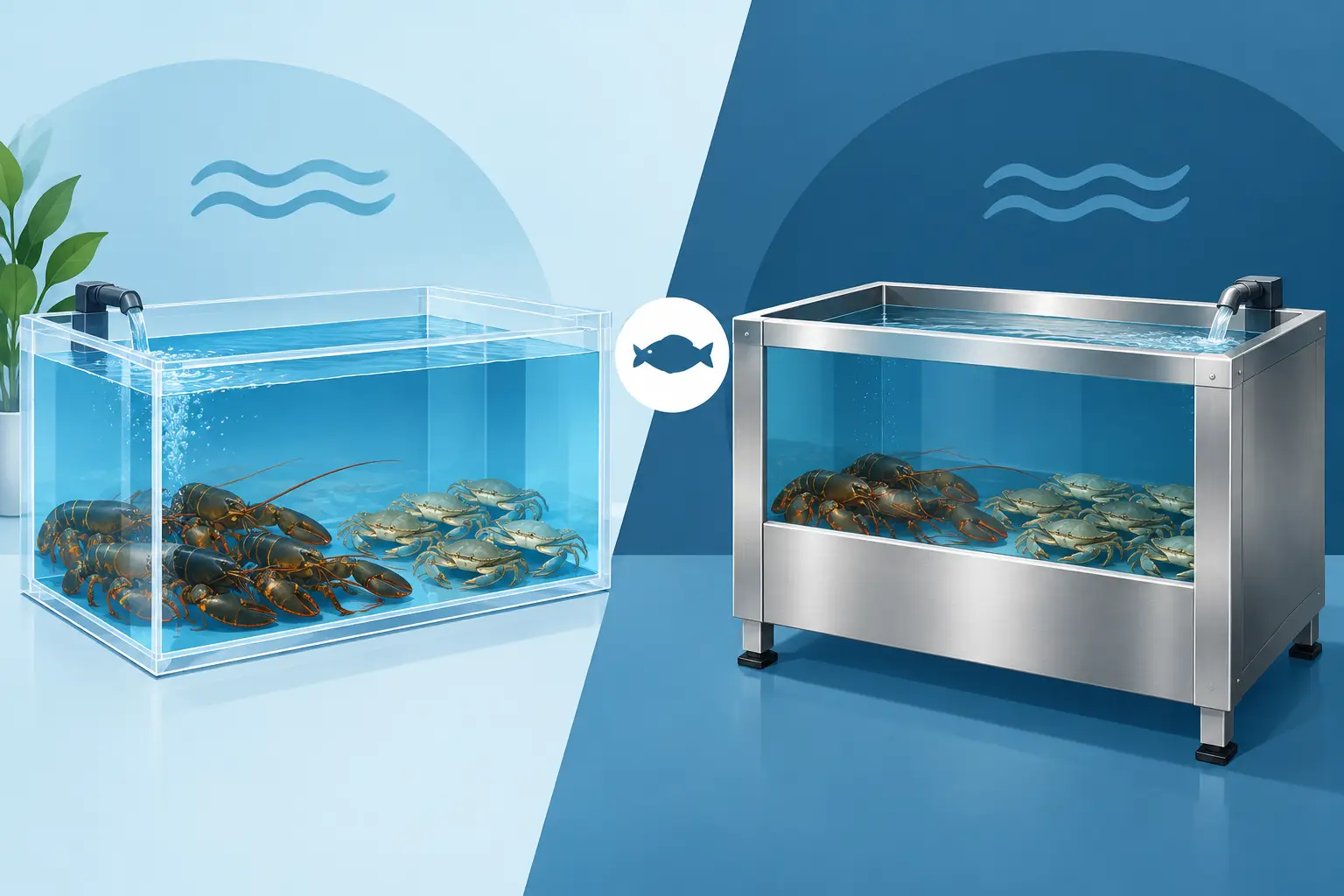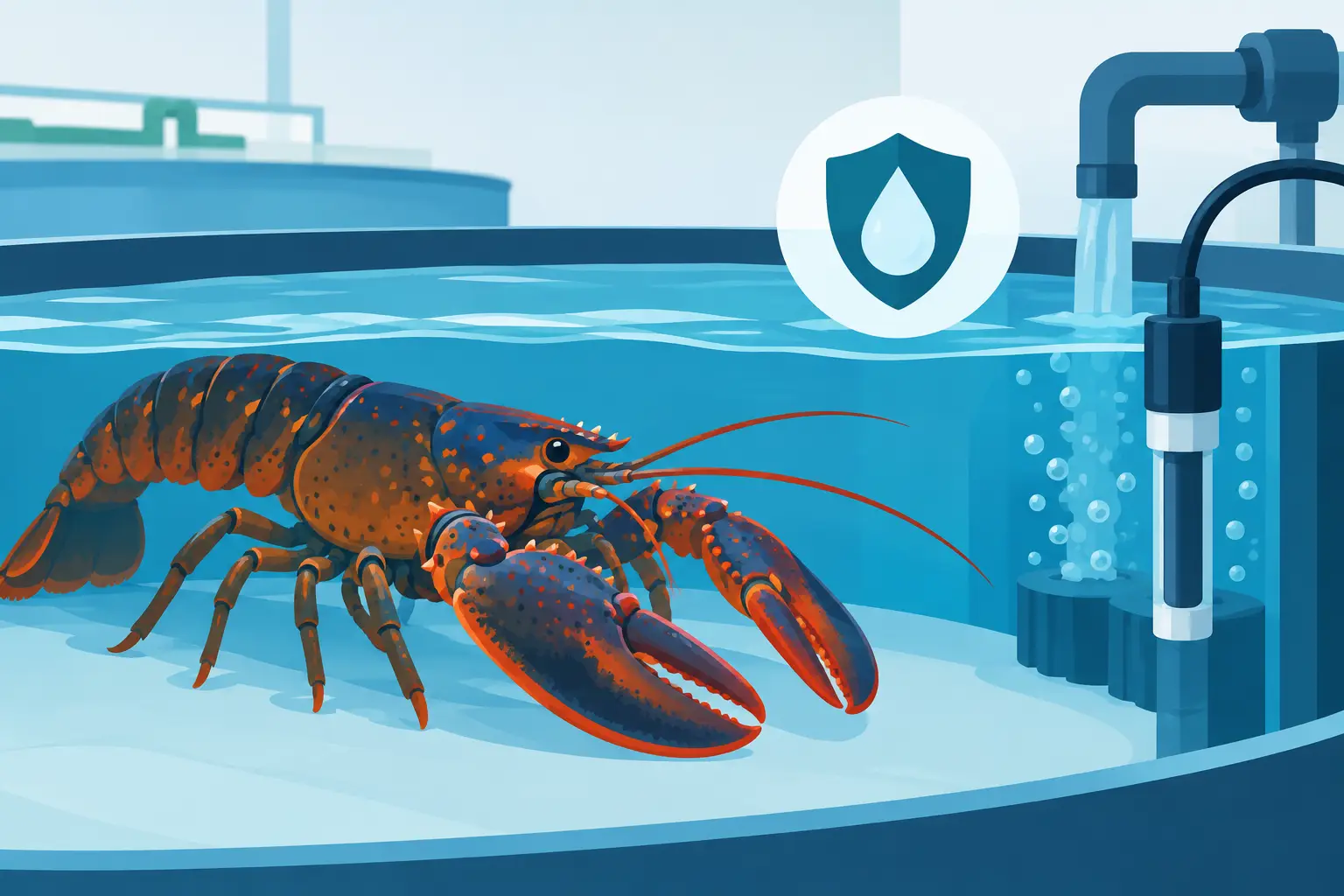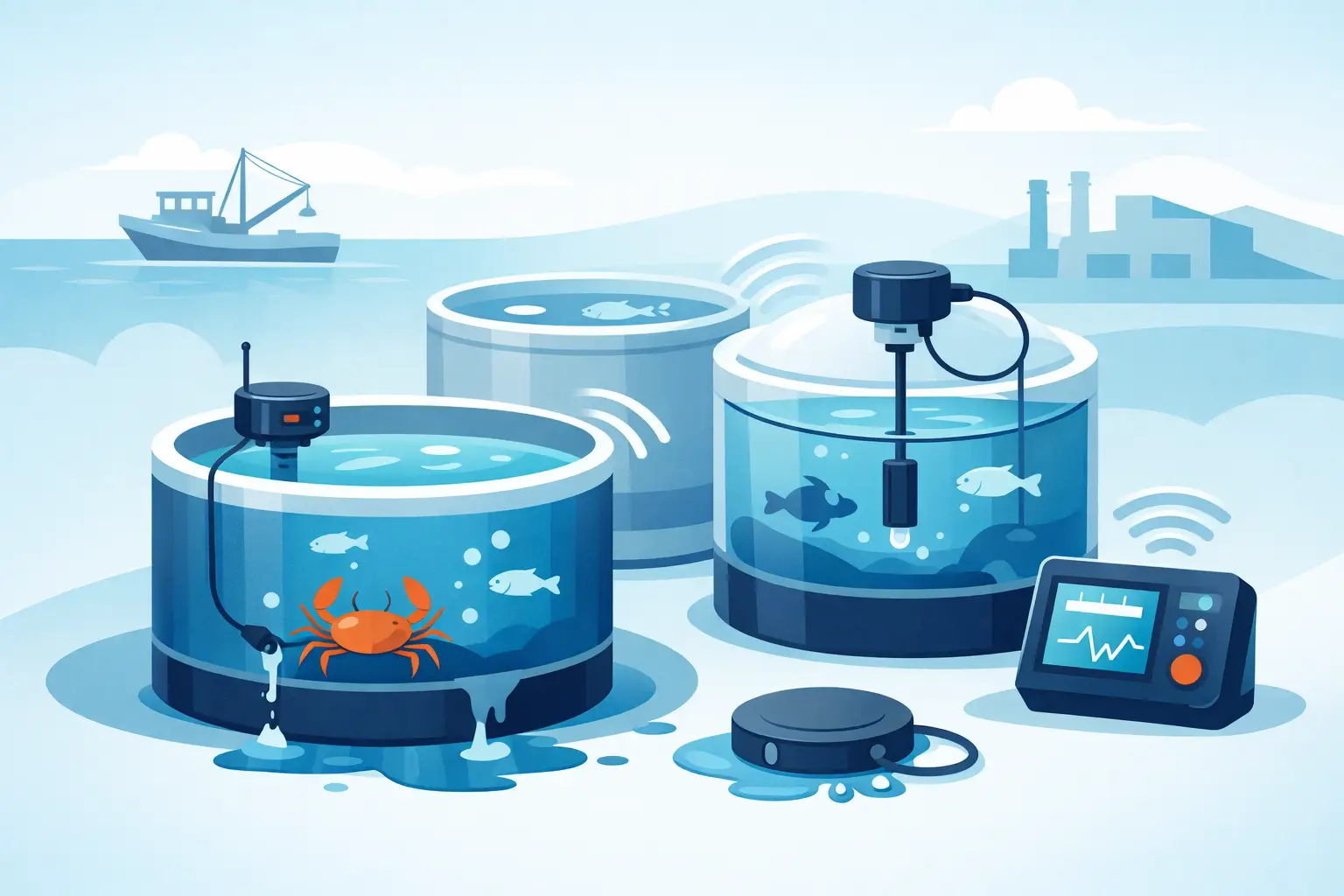

A lobster tank can look clear, active, and sale-ready at opening time, then become a costly problem before the afternoon rush. Water chemistry shifts, a circulation issue develops, or temperature moves outside its target range. Shellfish monitoring devices give seafood departments and live-holding operations a way to see those changes early, when there is still time to protect inventory.
For supermarkets, wholesalers, restaurants, and specialty seafood retailers, monitoring is not about adding another piece of equipment for its own sake. It is about reducing uncertainty around live product, protecting the condition of animals on display, and giving staff a clear signal when a tank needs attention.
What Shellfish Monitoring Devices Should Track
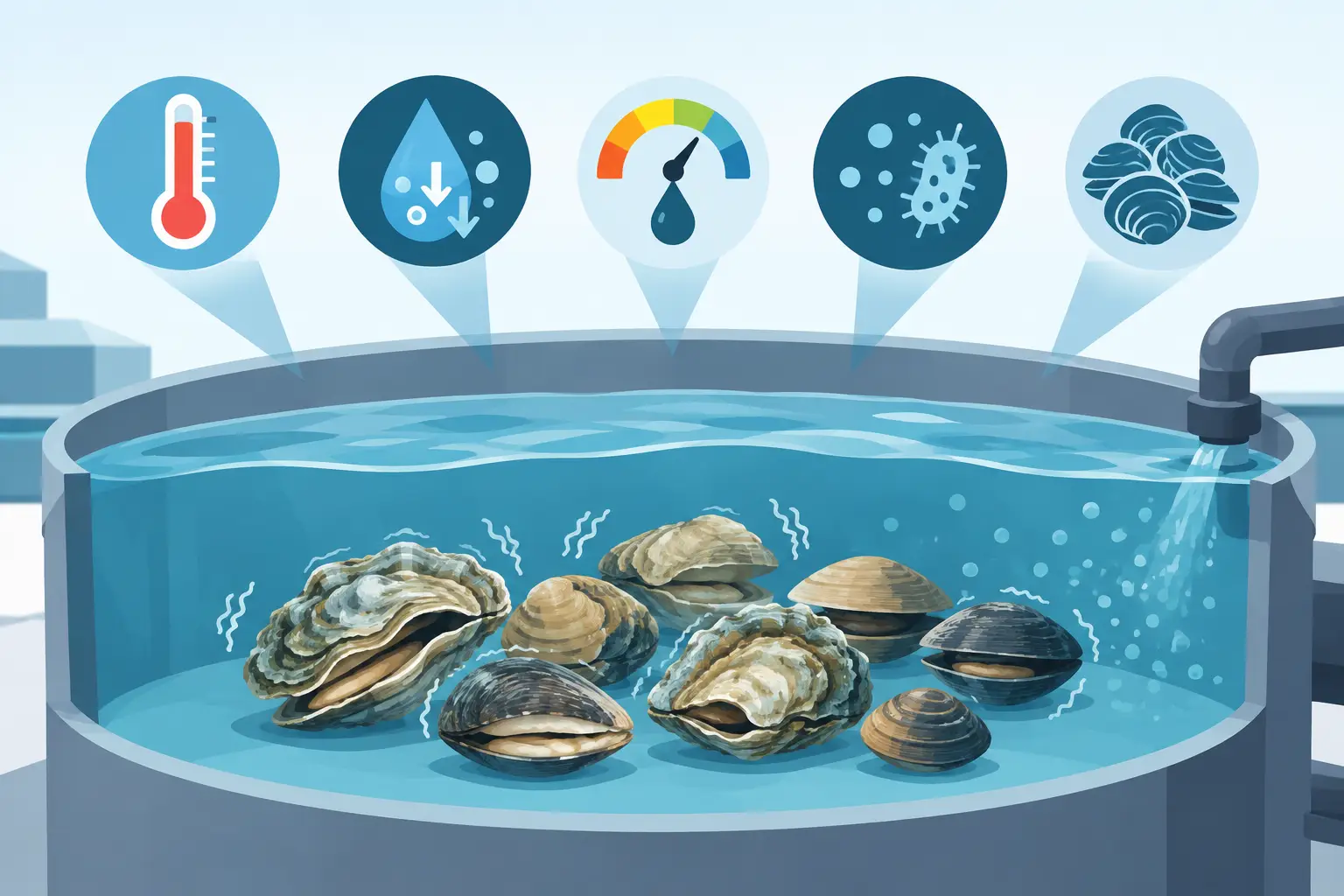
The right monitoring setup starts with the conditions that affect the species being held and the way the system operates. Temperature is usually the first priority. Lobsters and other live shellfish need stable, species-appropriate water temperatures. A chiller problem, a warm equipment room, or an extended power interruption can turn into a serious inventory event quickly.
Dissolved oxygen is equally critical. Shellfish tanks depend on adequate oxygenation and water movement, particularly when holding density is high. Low dissolved oxygen may be tied to a failing air pump, blocked diffuser, circulation trouble, excess organic load, or another underlying issue. A reading alone does not diagnose the cause, but it gives the operator a reason to act before animals show visible stress.
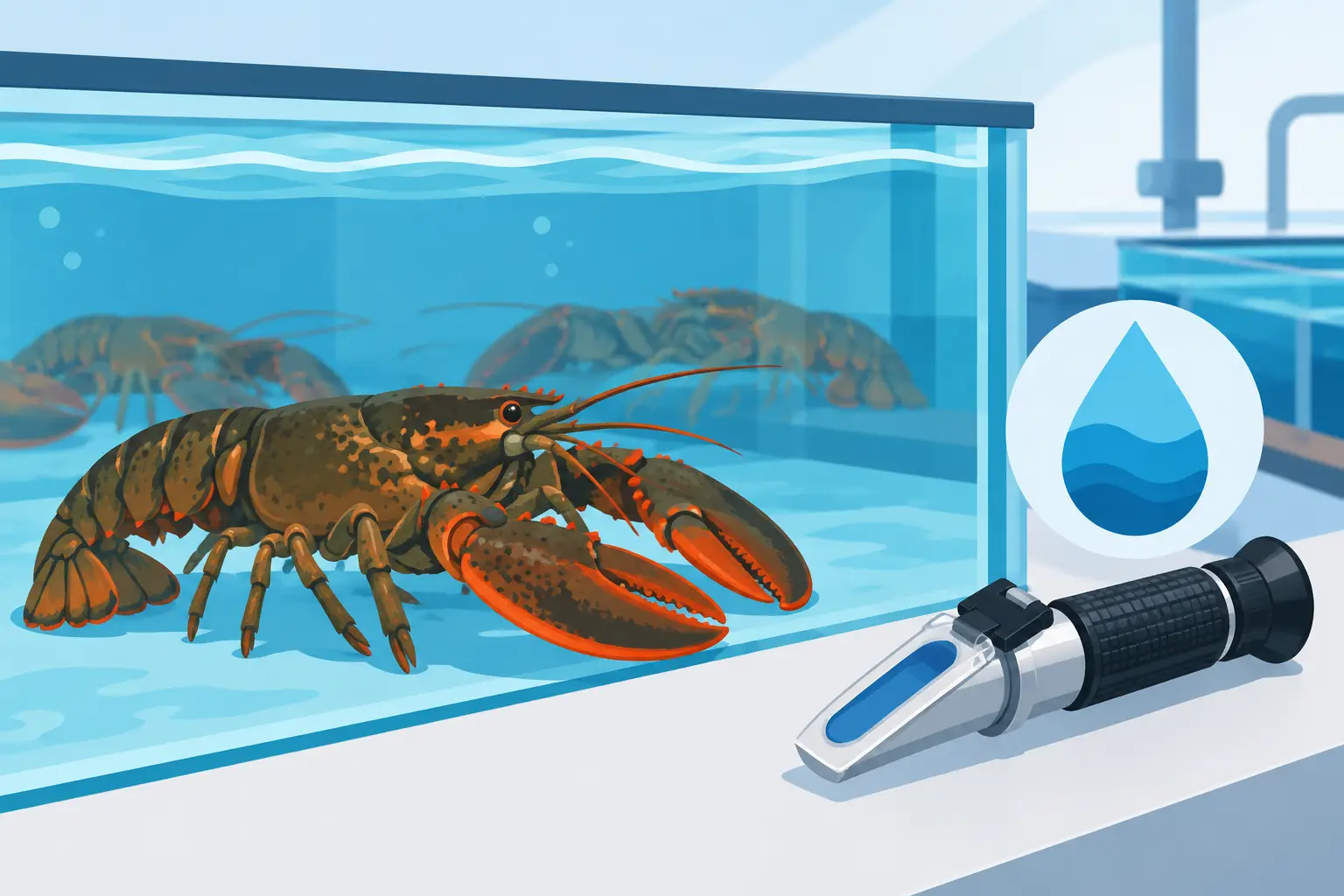
Salinity and specific gravity matter because marine animals are adapted to a narrow range. Freshwater intrusion from an incorrect top-off procedure, mixing mistakes, leaks, or poor salt management can destabilize the system. Monitoring salinity protects against a slow drift that may not be obvious from the tank’s appearance.
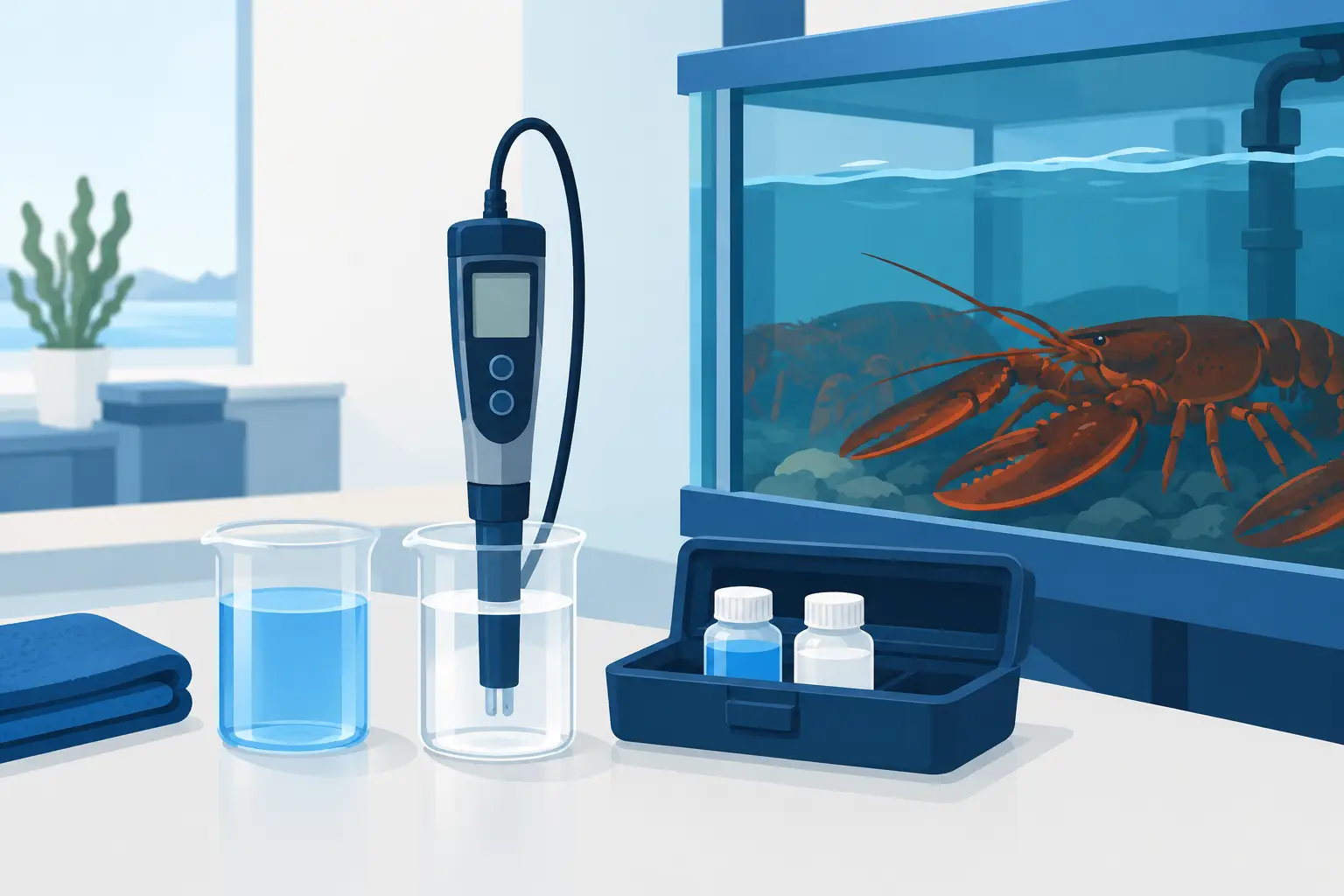
pH, ammonia, nitrite, and nitrate measurements complete the picture. These conditions are not always tracked by one continuous electronic device. In many commercial systems, they are confirmed through regular test procedures, supported by equipment that monitors the conditions most likely to change fast. The goal is a practical monitoring program, not a dashboard full of numbers nobody owns.
Continuous Sensors vs. Manual Testing
There is no single device package that fits every seafood operation. A high-volume supermarket seafood department with several live tanks has different needs than an independent market holding a smaller volume of lobster. The best approach often combines continuous monitoring for urgent variables with disciplined manual testing for water quality trends.
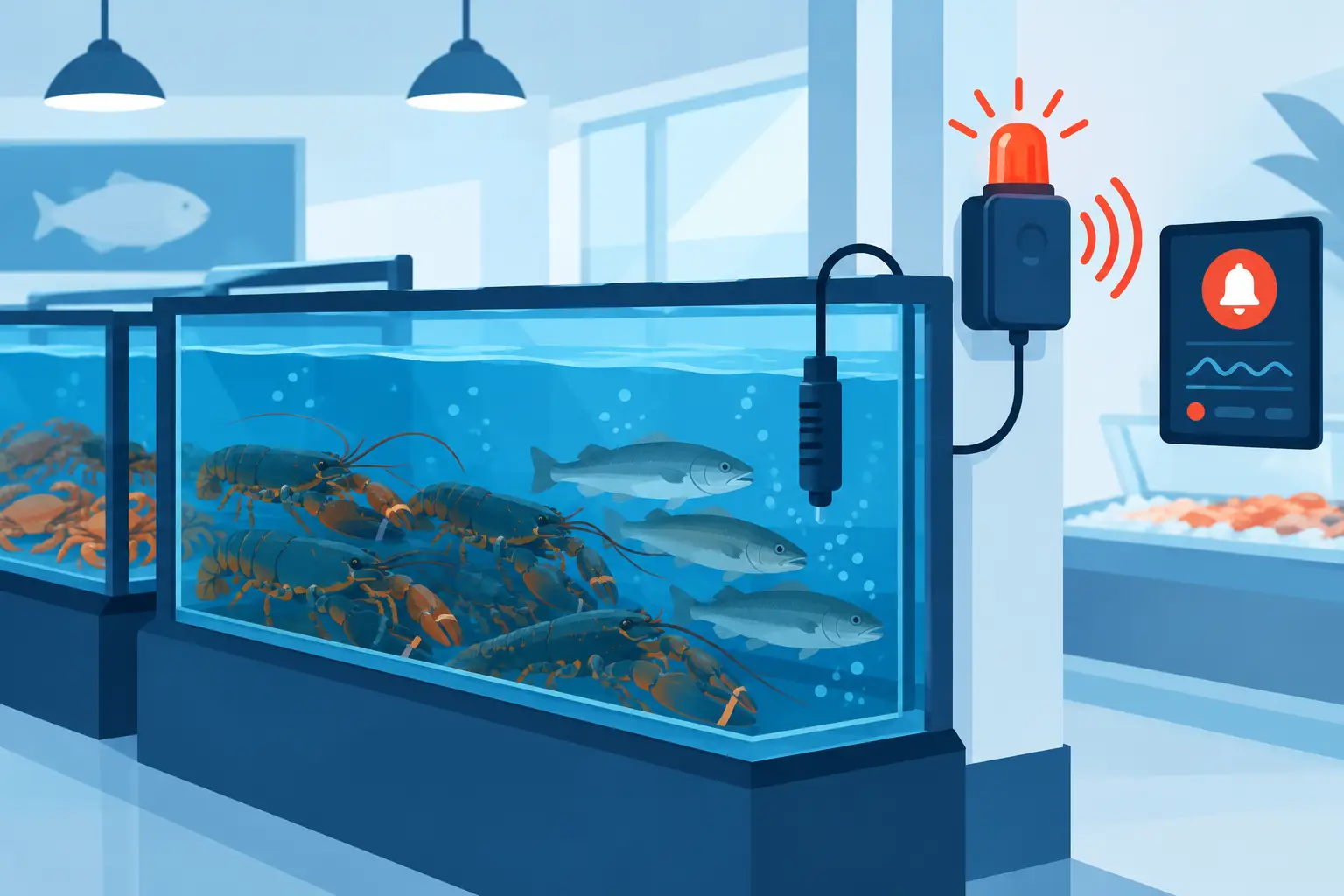
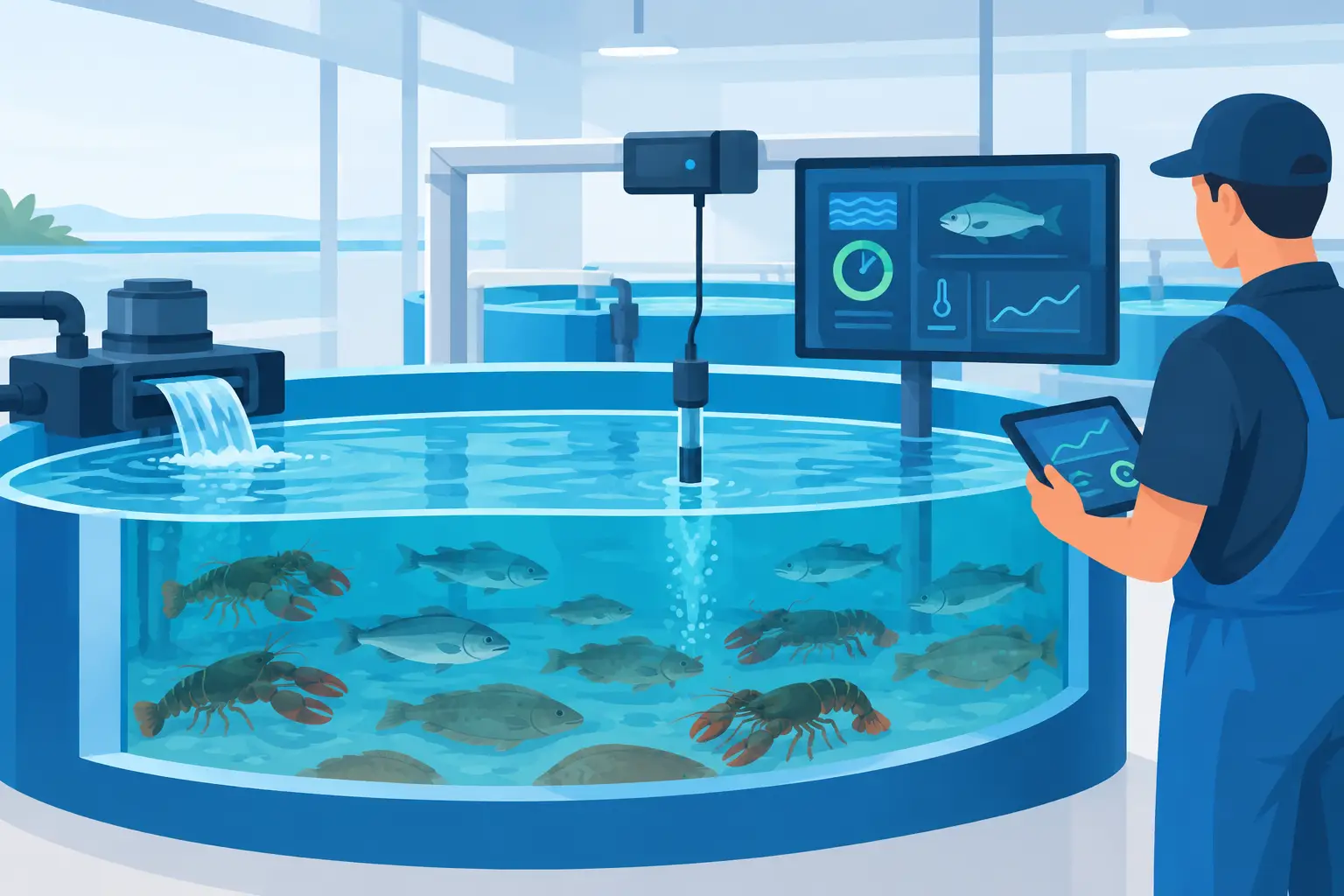
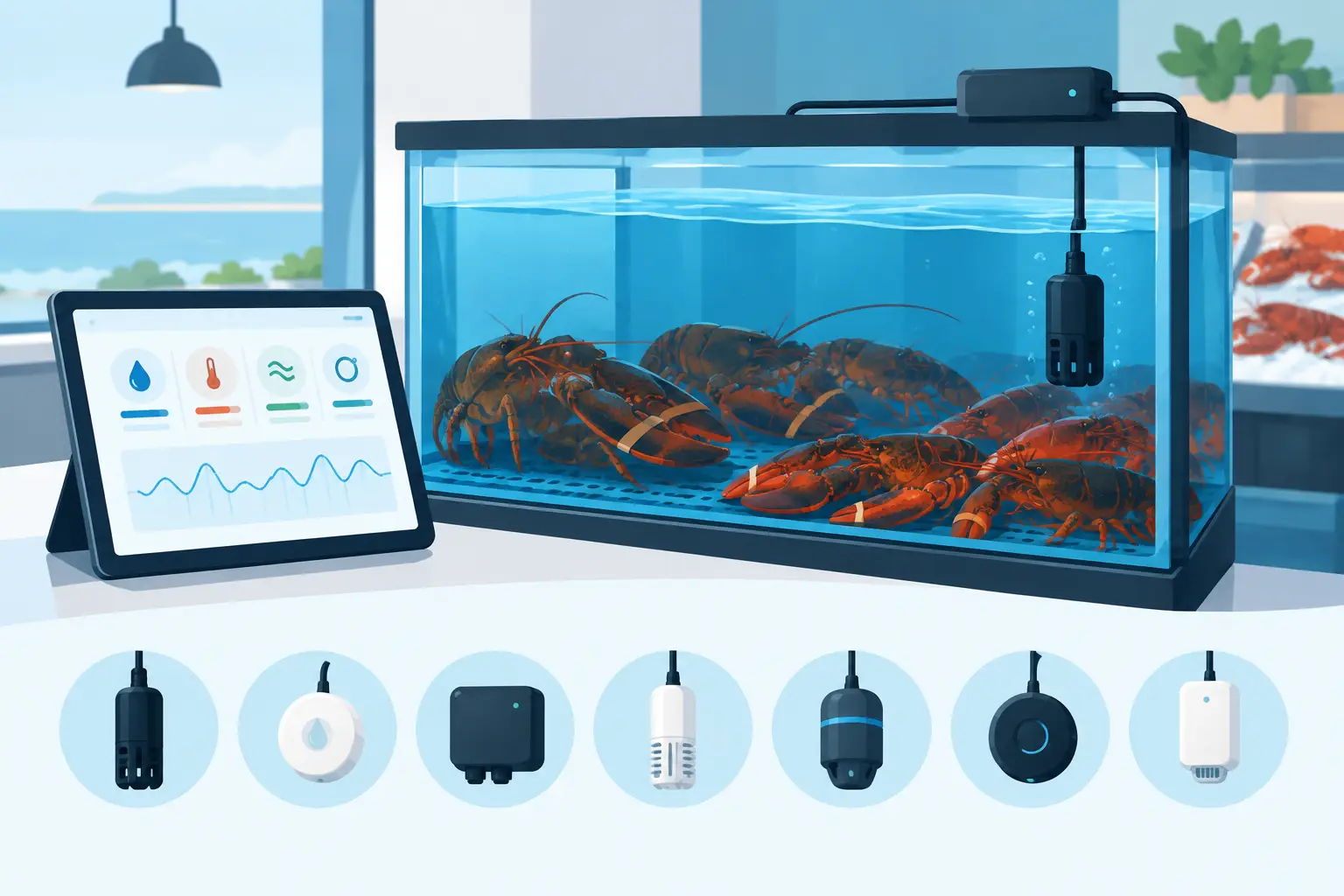
Continuous temperature and dissolved oxygen sensors are valuable because they can identify changes between staff checks. When paired with an alarm system, they can notify the right person when readings leave acceptable limits. That matters overnight, during holidays, and during the stretches of the day when seafood staff are serving customers rather than standing beside the tank.
Manual testing still has a place. It provides a hands-on check of system health and helps the team catch developing biological issues. A reliable testing schedule also confirms that electronic readings make sense. Sensors require cleaning, calibration, and occasional replacement. A monitor that has not been maintained can create false confidence, which is worse than having no monitor at all.
The practical answer is to assign responsibility. Establish who checks readings, who records results, who responds to alarms, and who has authority to call for service. A device does not protect inventory unless the operation has a response plan behind it.
Alarm Capability Is Where Monitoring Pays Off
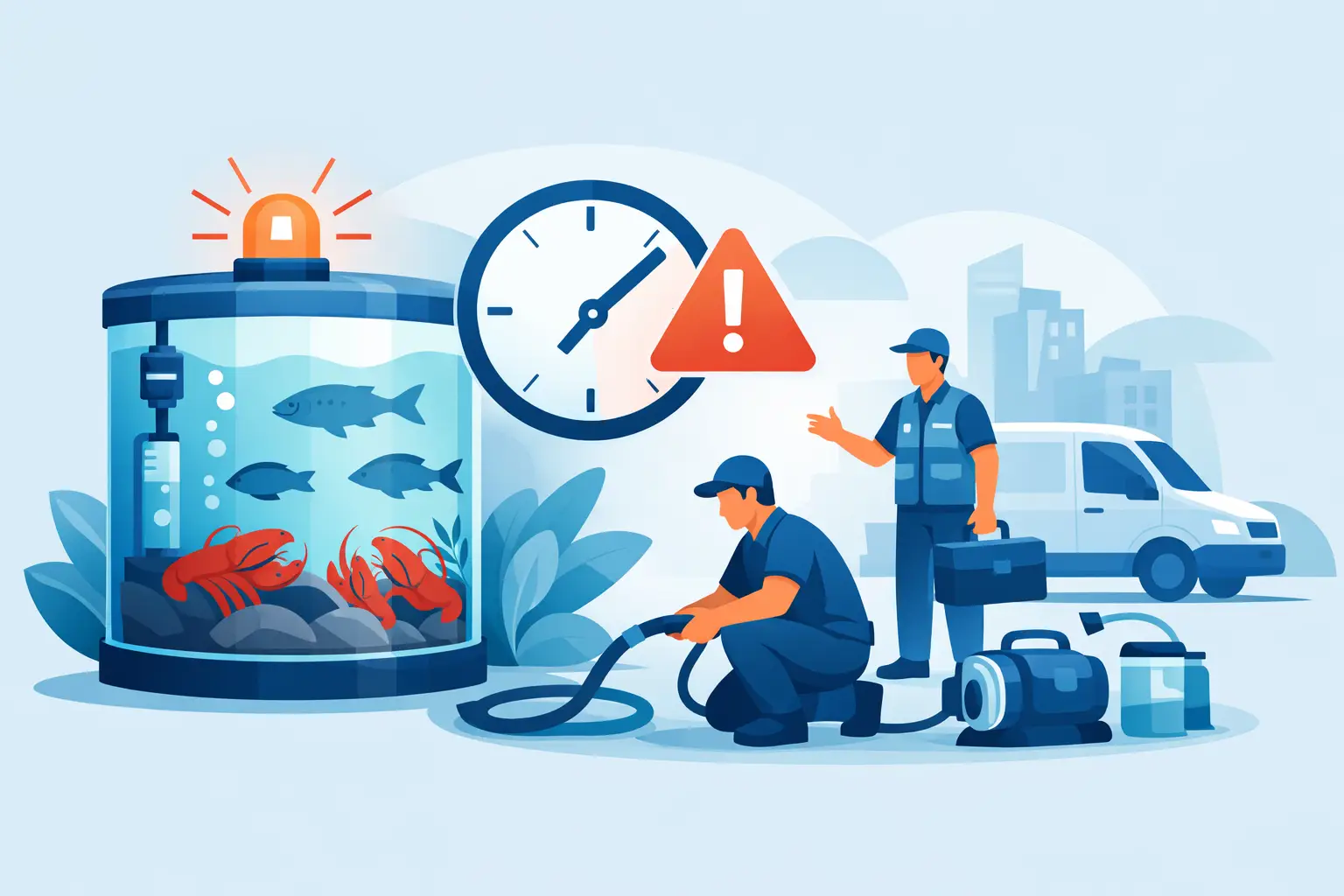
A display screen in the seafood department is useful. An alarm that reaches a responsible person when conditions move out of range is more useful. For operators with meaningful live inventory on hand, remote alerting can be the difference between a minor correction and a tank-loss event.
Alarm thresholds should be set for the actual system and product being held, not copied blindly from another facility. Setpoints that are too tight generate nuisance alerts, and staff eventually stop taking them seriously. Setpoints that are too broad may fail to provide enough warning. An experienced tank provider can help establish reasonable operating ranges based on tank size, load, filtration design, location, and holding practices.
Every alarm should trigger a simple sequence: verify the reading, inspect the equipment, stabilize the animals, and escalate when needed. For example, a low-oxygen alarm may call for checking air delivery, pump operation, water level, and circulation before deciding whether inventory needs to be moved. Keep emergency contact information and basic backup procedures close to the system, not buried in an office file.
Monitoring Cannot Replace Filtration and Maintenance
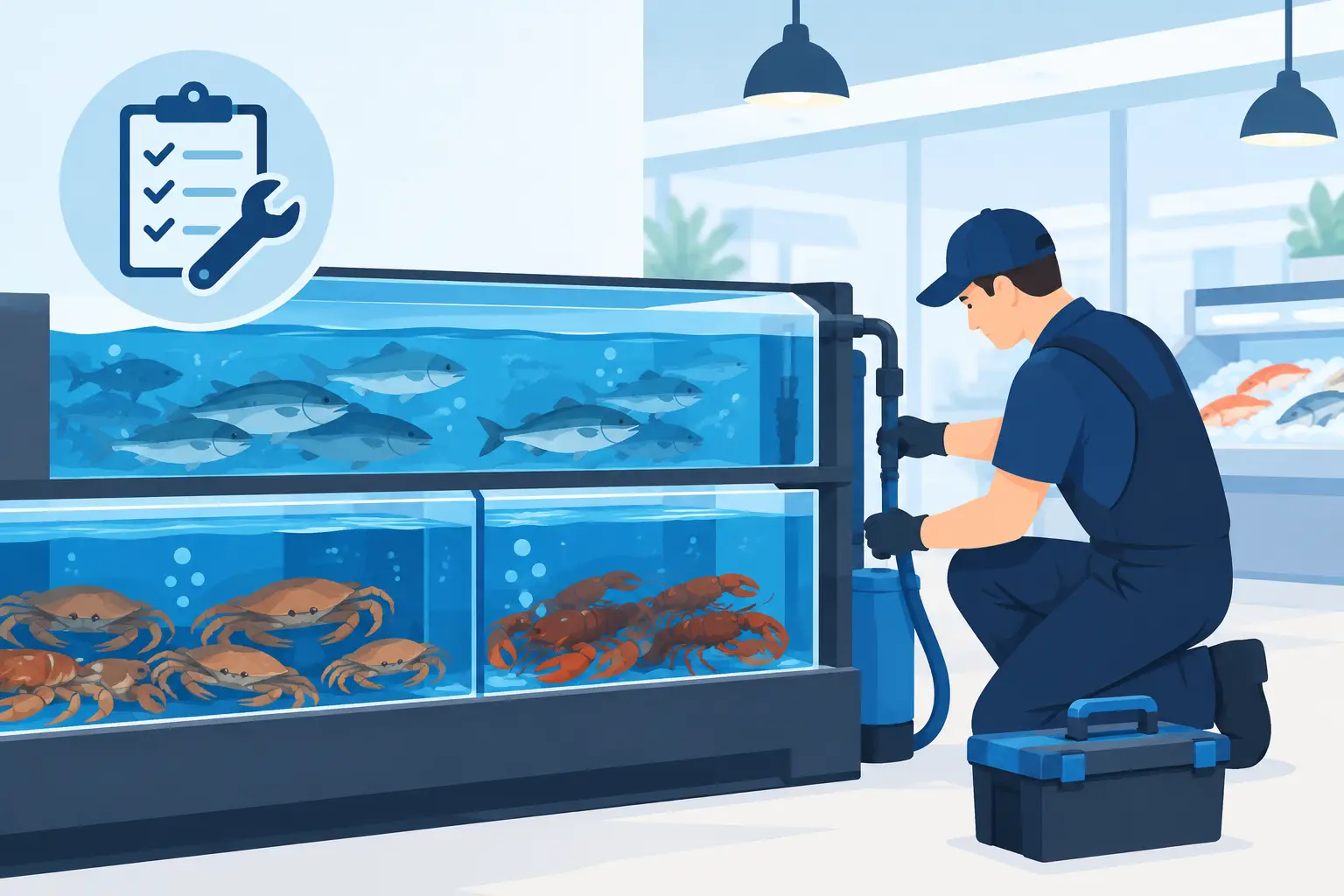
This is the mistake that causes trouble: treating shellfish monitoring devices as a substitute for preventive service. They are an early-warning tool, not a cure for neglected filters, exhausted media, dirty lines, worn pumps, or poor water-change practices.
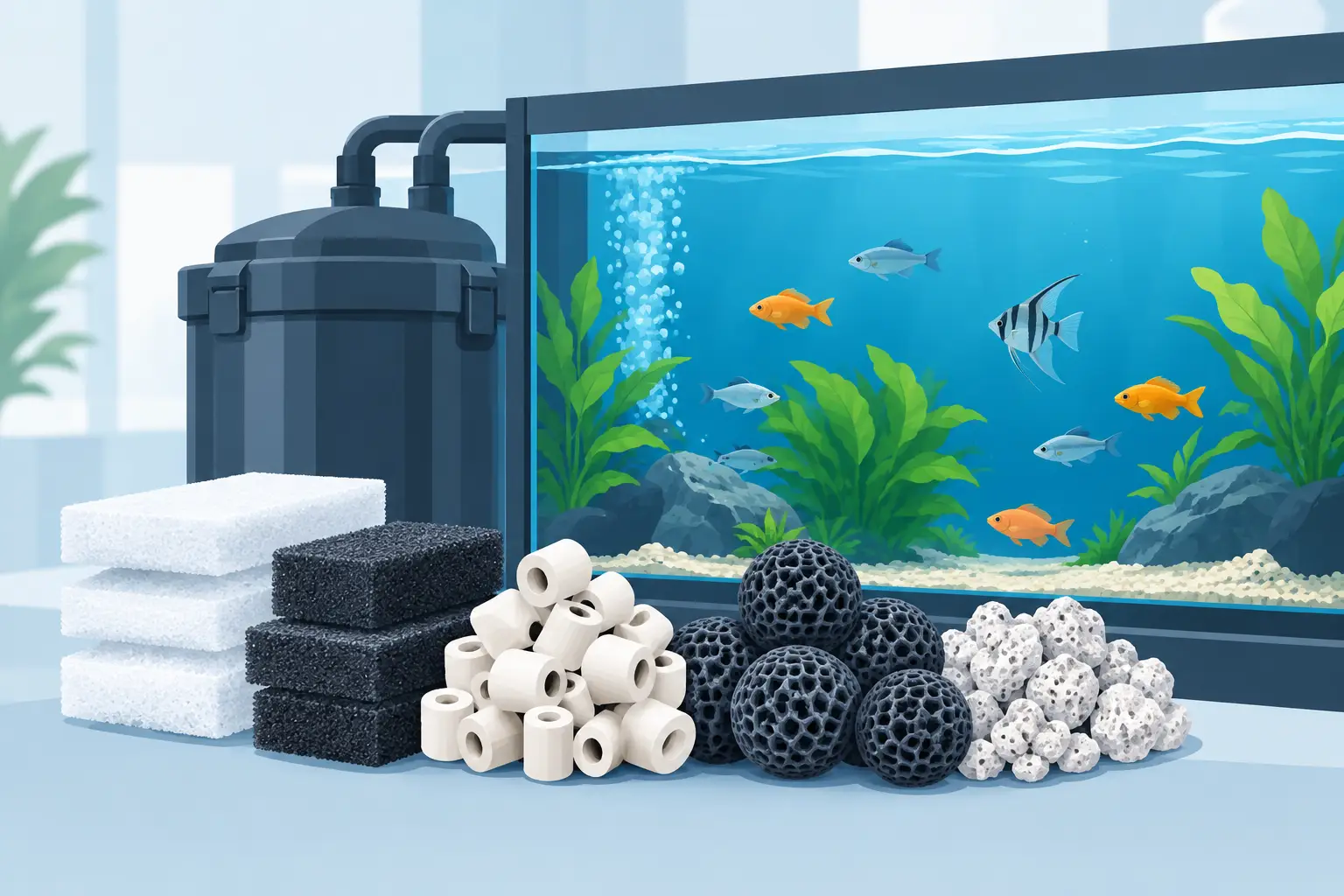
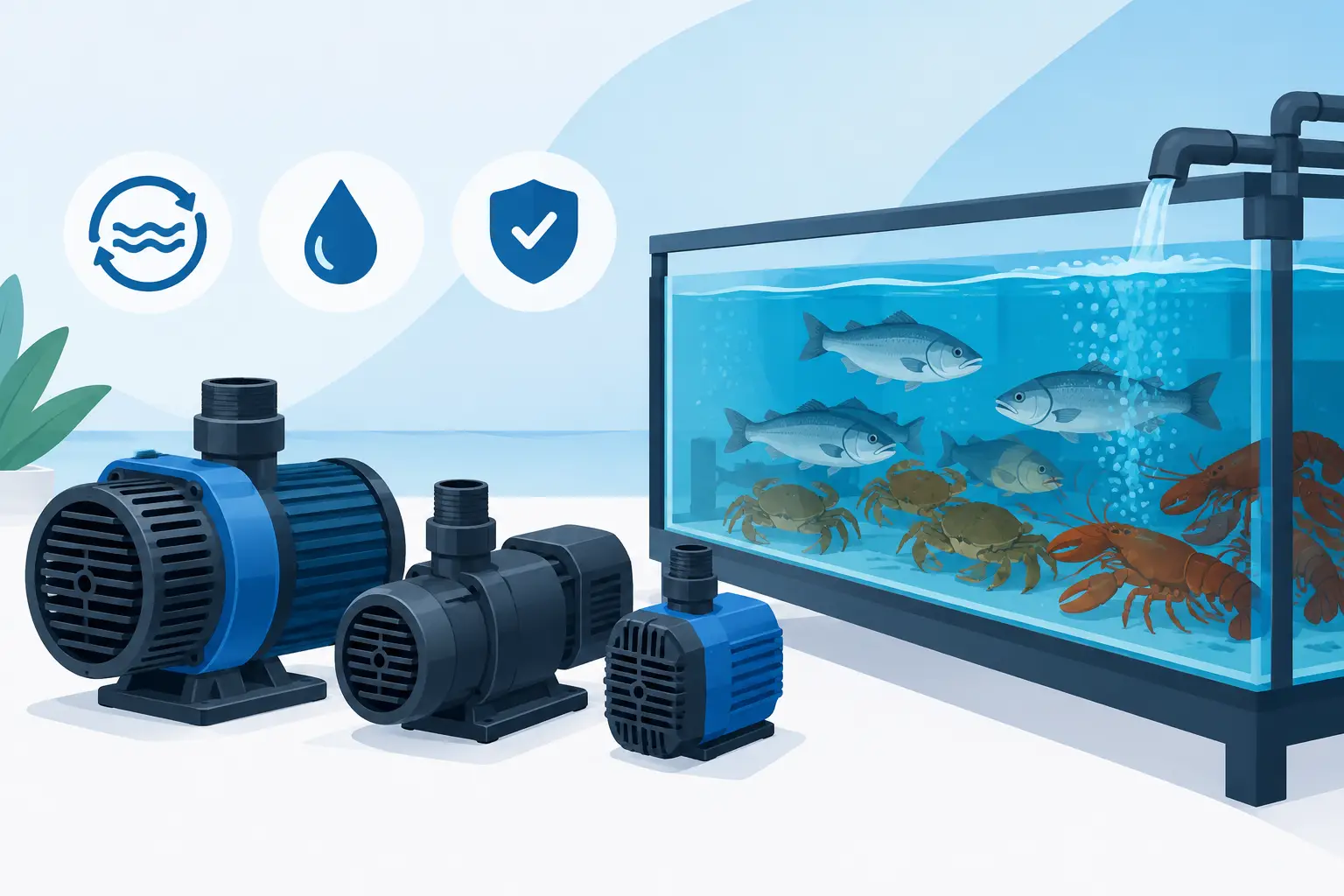
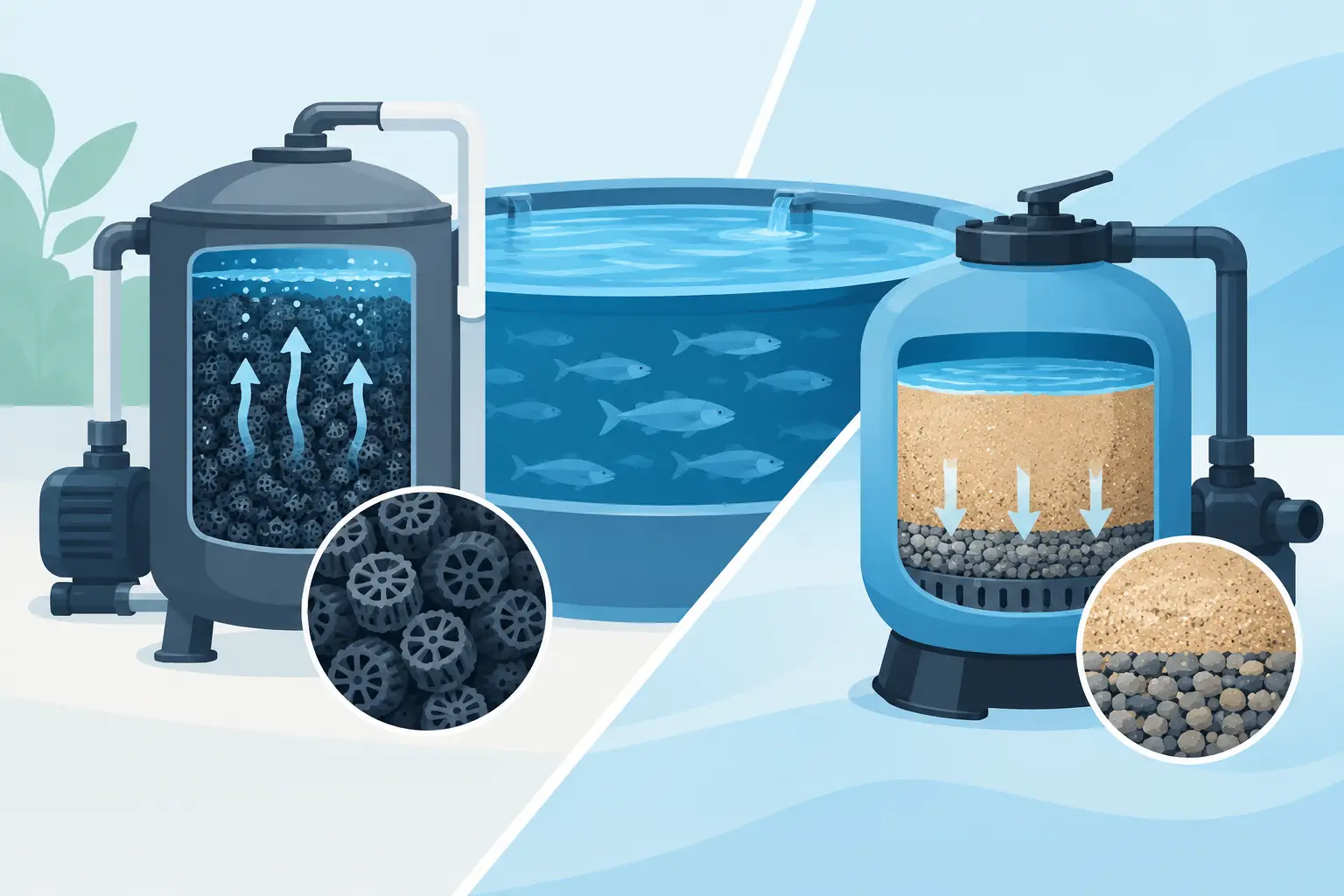
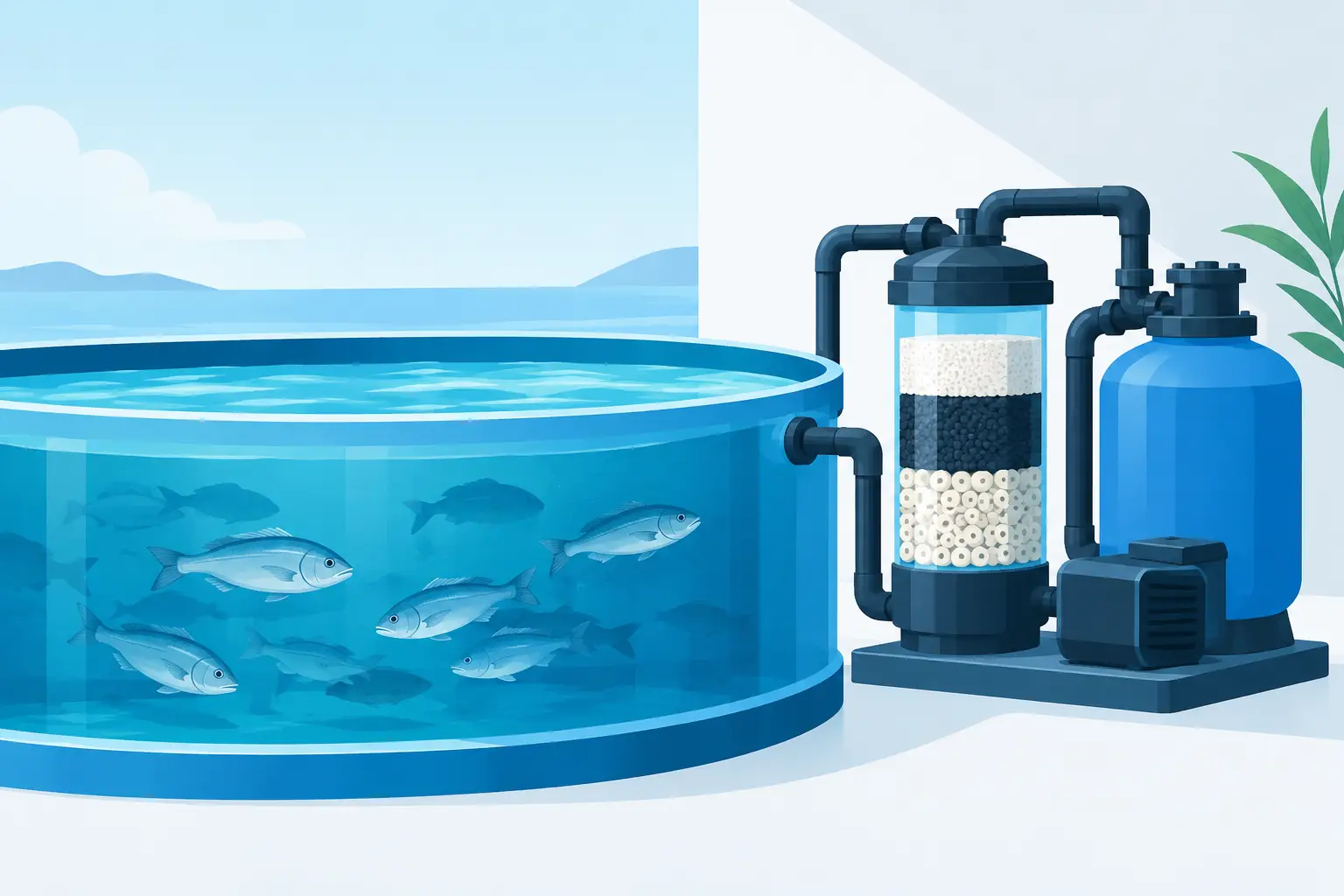
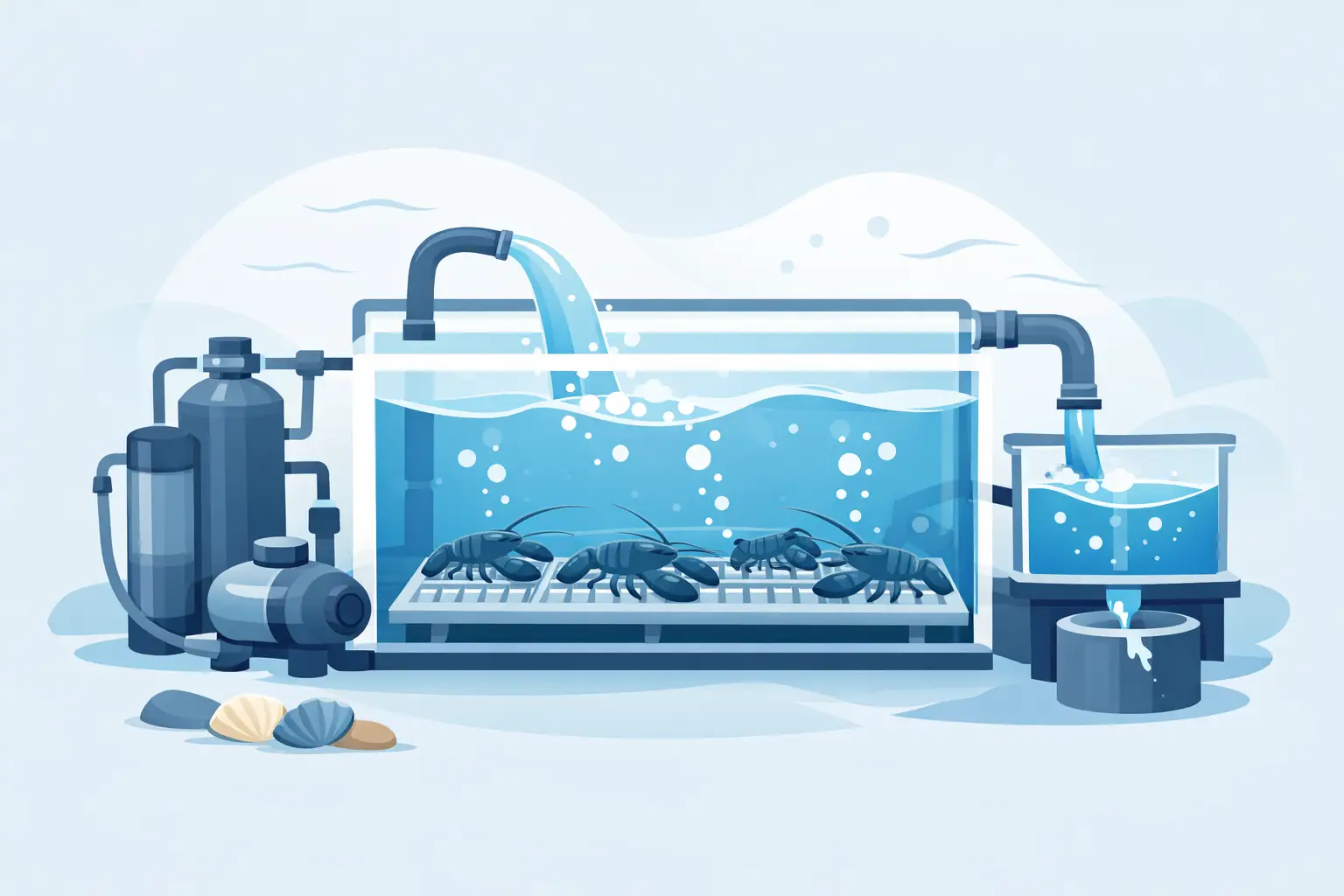
A well-maintained filtration system gives monitors stable conditions to report. Activated carbon, biological filtration, mechanical filtration, marine salt quality, and proper circulation all work together. When one part of that system is neglected, the readings may begin to drift. The monitor catches the symptom, but the operation still needs to correct the source.
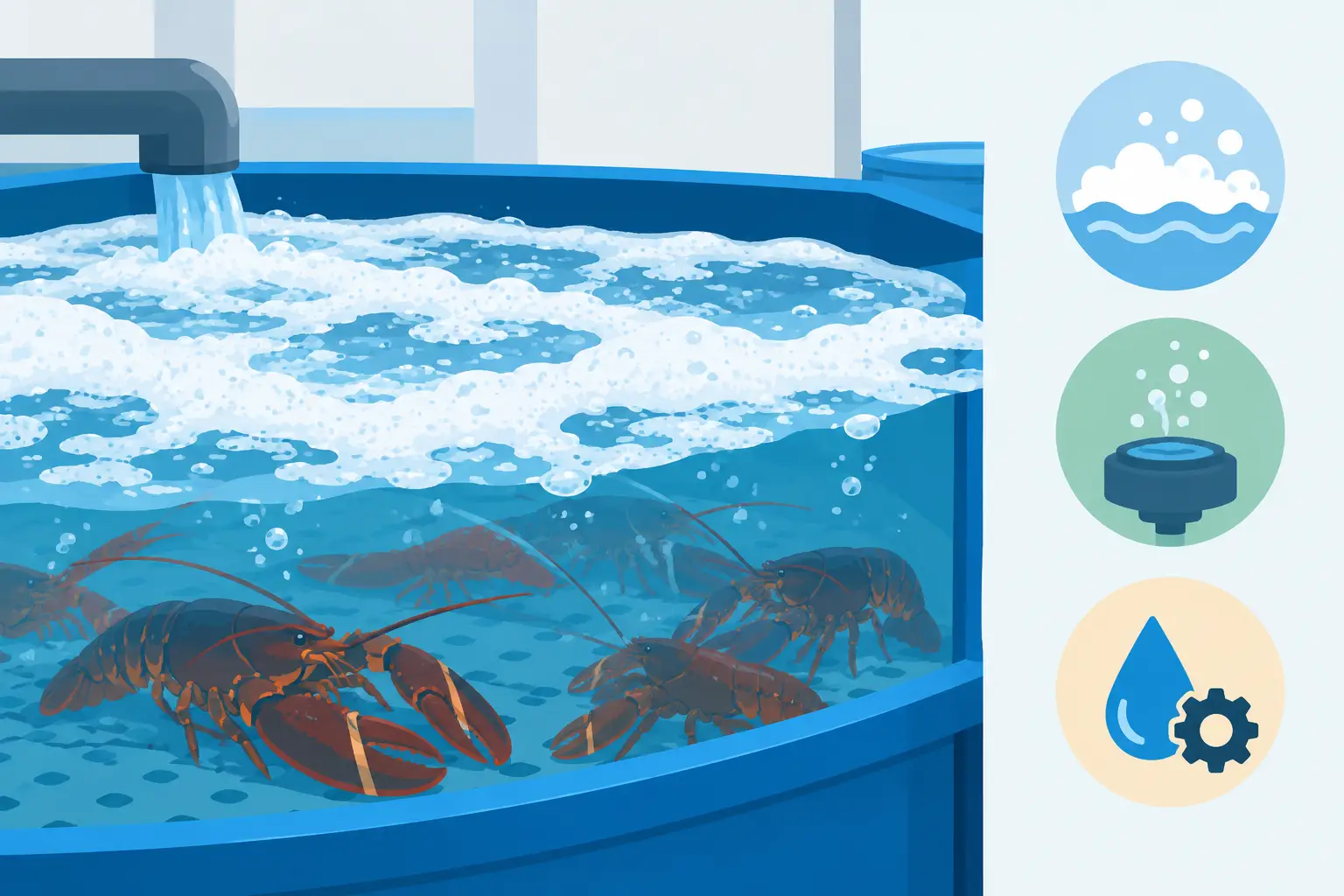
Tank housekeeping matters as well. Staff should know how to recognize poor flow, unusual foam, cloudy water, dead spots, damaged fittings, and changes in animal behavior. These visual checks remain valuable even in a highly instrumented setup. A good operator uses equipment data and firsthand observation together.
For multi-location retailers, consistency is especially important. The same daily log, cleaning procedure, test schedule, and escalation protocol should apply across departments as much as local conditions allow. That makes it easier for regional leadership to identify recurring failures and hold service standards steady.
Choosing Devices for a Commercial Shellfish Tank
Start with the tank system, not a catalog. The device must suit saltwater use, work within the tank’s operating range, and fit the reality of the seafood department. A sensor that is technically capable but difficult to clean, calibrate, or interpret will not deliver its intended value.
Ask how readings will be displayed, whether alerts can be sent remotely, what maintenance the probes require, and how often calibration is needed. Also ask what happens during a power loss. Monitoring equipment should support an emergency plan, but it cannot keep pumps, chillers, or aeration running without proper backup power and contingency procedures.
Installation deserves the same attention. Probe placement affects accuracy. A sensor located near a water return, diffuser, or top-off point can produce readings that do not represent the broader tank environment. Wires, mounts, and housings should be protected from routine work around the tank while remaining accessible for service.
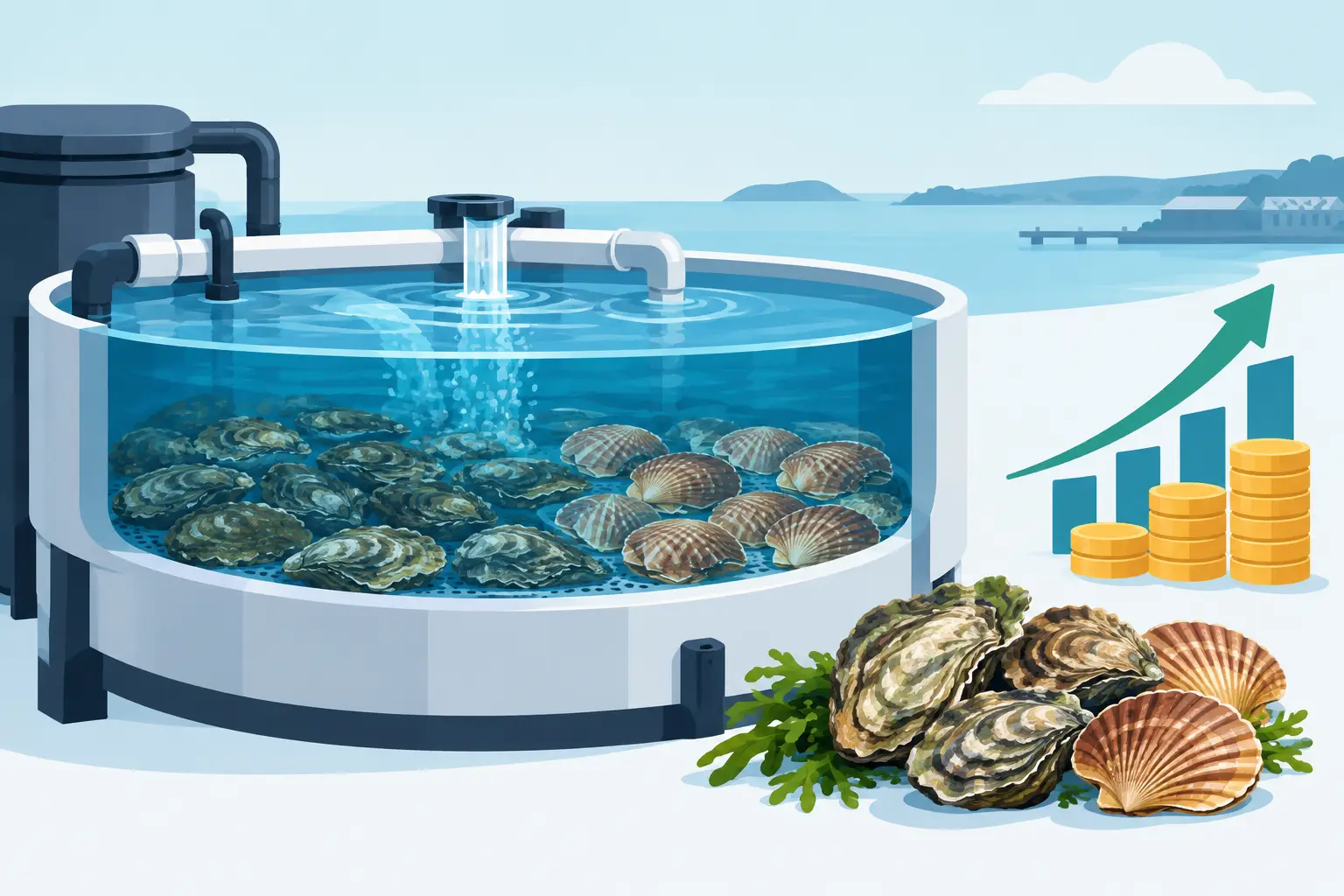
Cost should be evaluated against exposure, not just purchase price. A basic temperature alarm may be enough for a smaller holding operation with trained staff present daily. A larger retailer or wholesaler holding substantial live inventory may justify multi-parameter monitoring, remote alarms, backup systems, and a formal service agreement. The right investment depends on what a single tank failure could cost in lost product, labor, customer trust, and interruption to the seafood case.
Build Monitoring Into Daily Operations
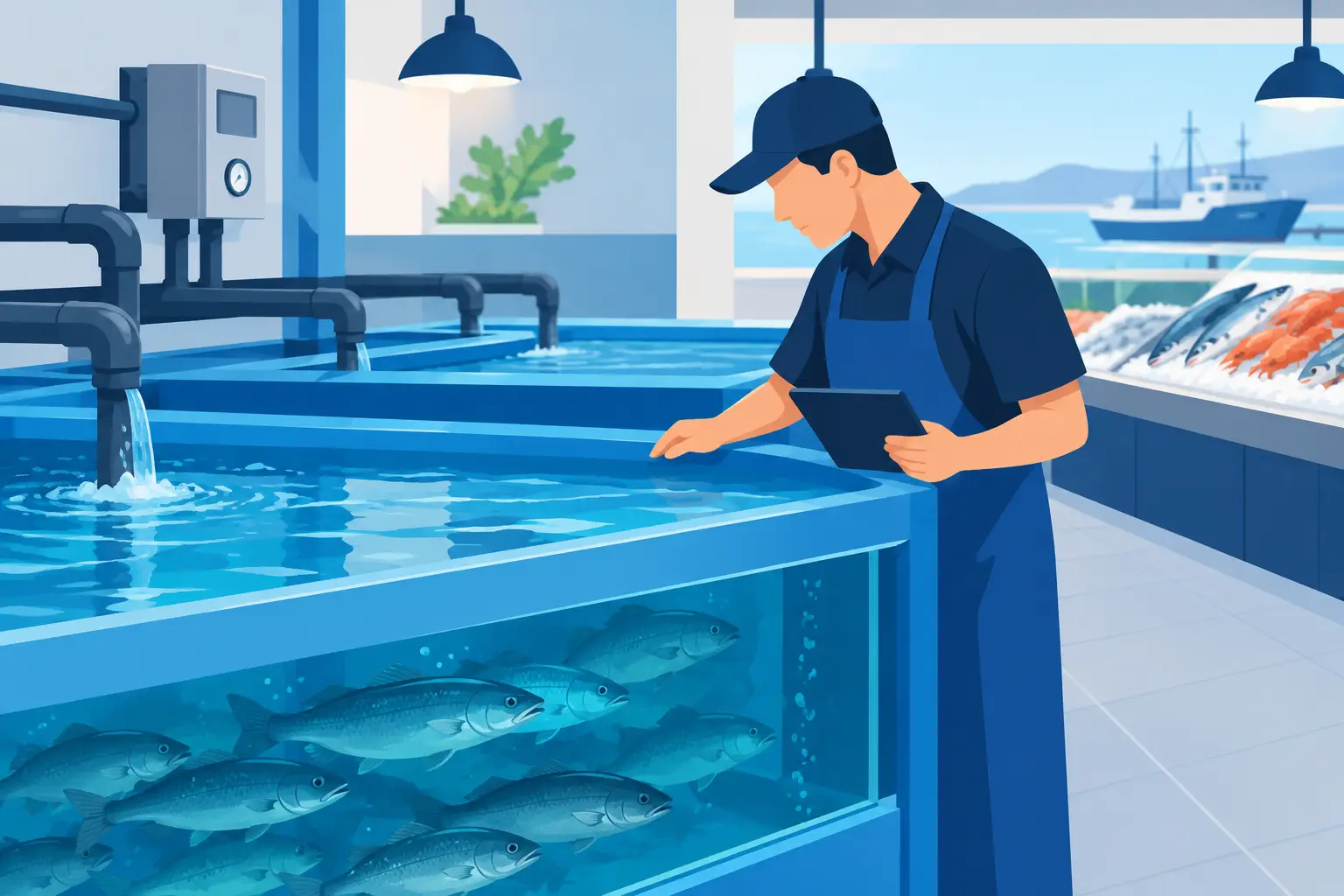
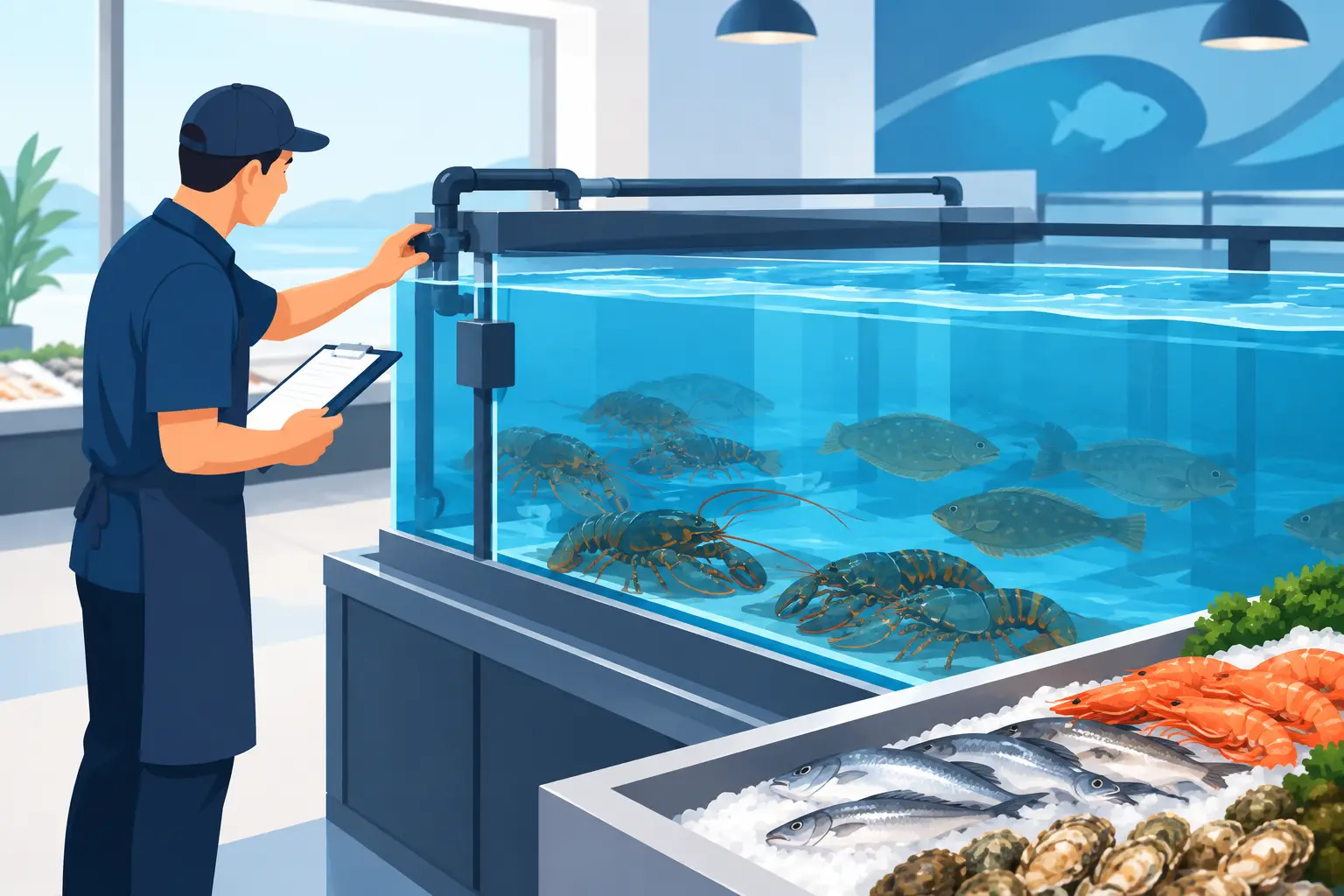
The strongest programs make monitoring ordinary. Employees check the tank at opening, record key readings, inspect equipment, and confirm that alarms are active. Managers review exceptions rather than waiting for a problem to become visible. Service technicians receive useful information because staff can describe when the condition changed and what readings were observed.
Lobster Life Systems helps commercial seafood operators match tank design, filtration, salt, supplies, and service support to the demands of live holding. That one-place approach matters because the monitoring plan must work with the complete system, not sit beside it as an afterthought.
Live seafood is a high-value, perishable responsibility. The most useful monitoring device is the one your team understands, maintains, and acts on without delay – so the tank stays an asset to the seafood department rather than an emergency waiting to happen.