A live lobster or shellfish display can look fine at opening and become a costly problem by the afternoon. Cloudy water, weak circulation, foam buildup, unusual animal behavior, or a rising mortality count are not cosmetic issues. They are operating signals. Knowing when to service seafood tanks helps protect live inventory, maintain a clean customer-facing display, and prevent a manageable maintenance need from becoming an emergency call.
For supermarkets, seafood markets, wholesalers, and restaurants, tank service should not rely on guesswork or a calendar alone. A reliable program combines daily observation, scheduled preventive maintenance, and immediate action when water conditions or equipment performance change.
When to Service Seafood Tanks: Start With a Routine
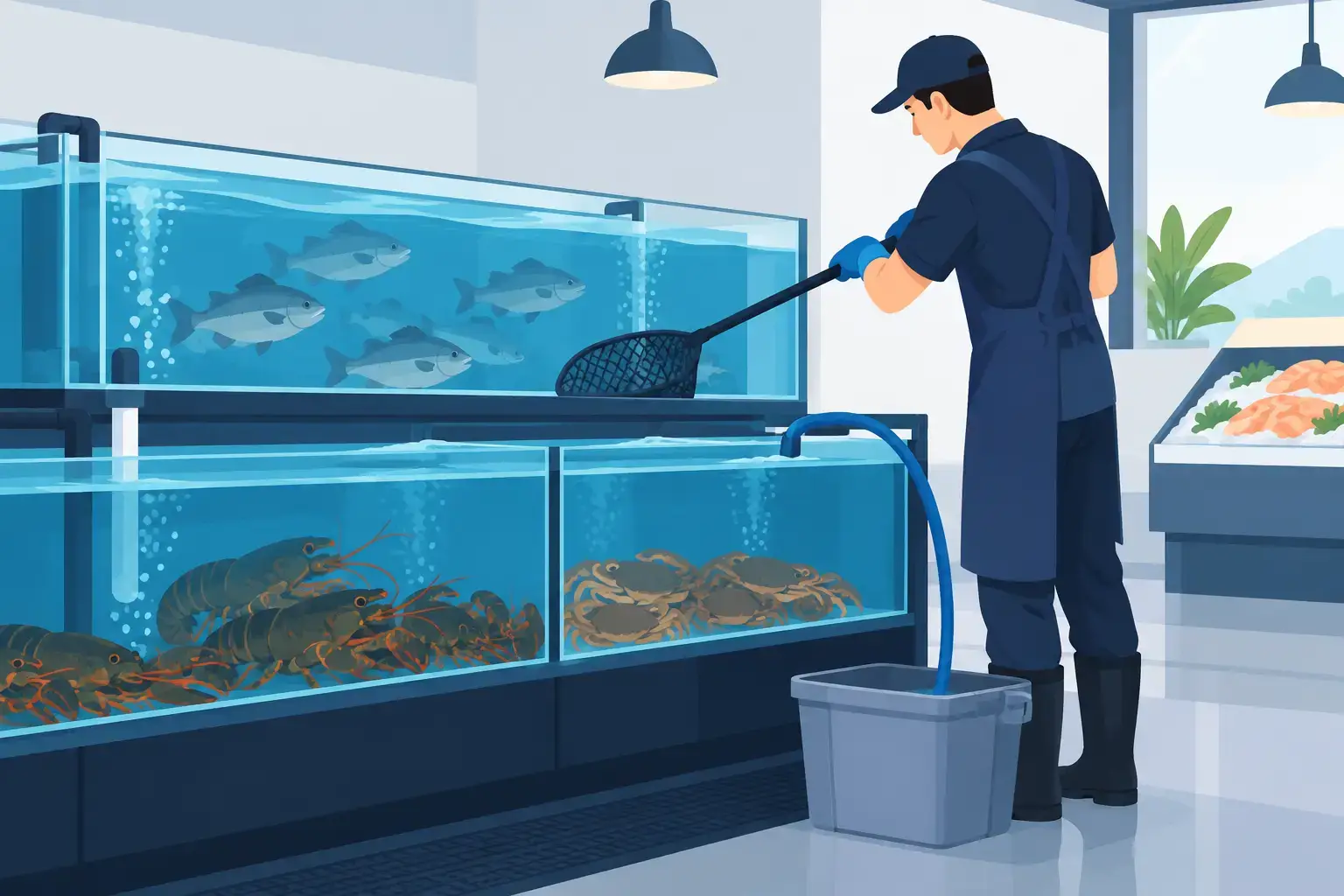
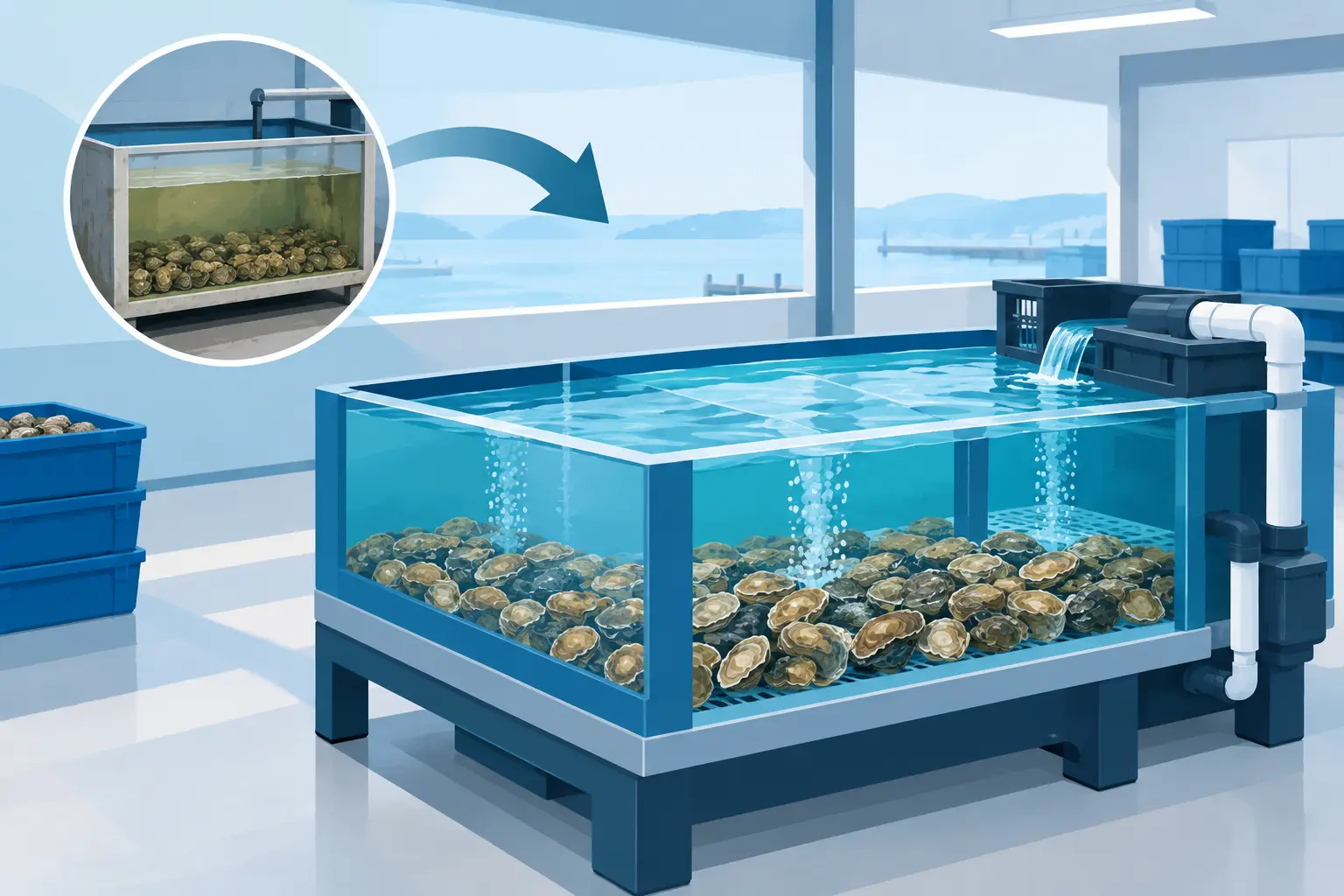
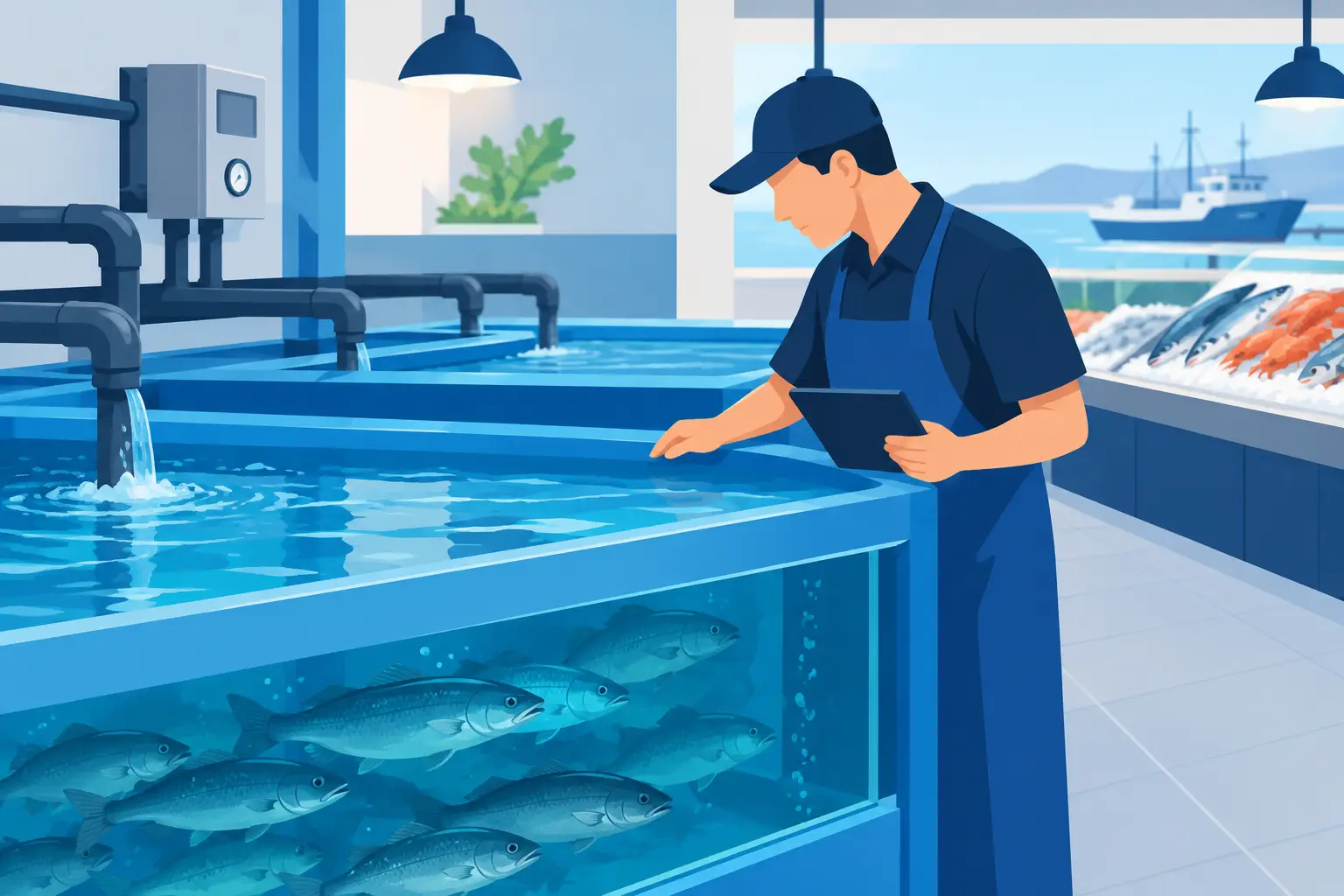
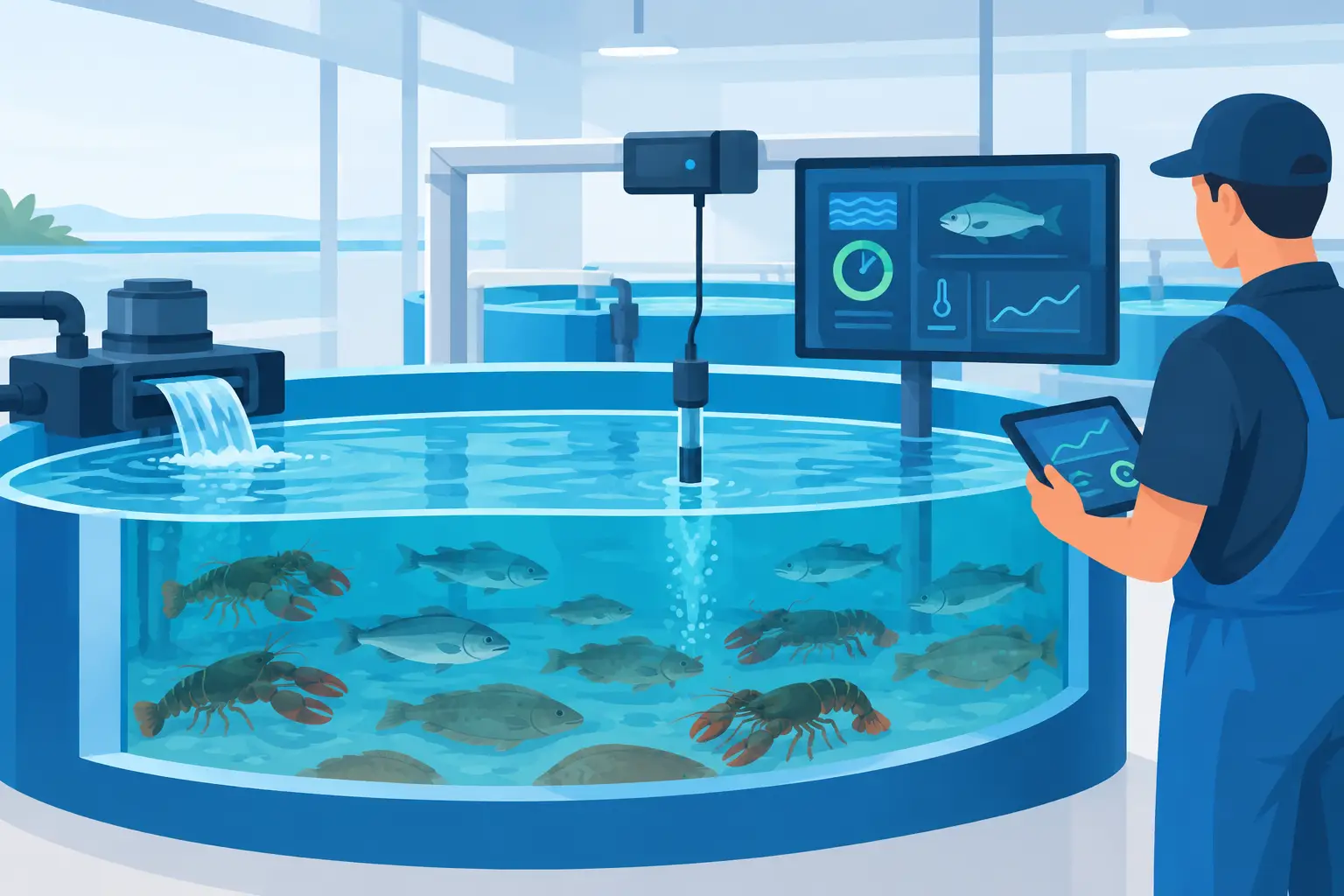
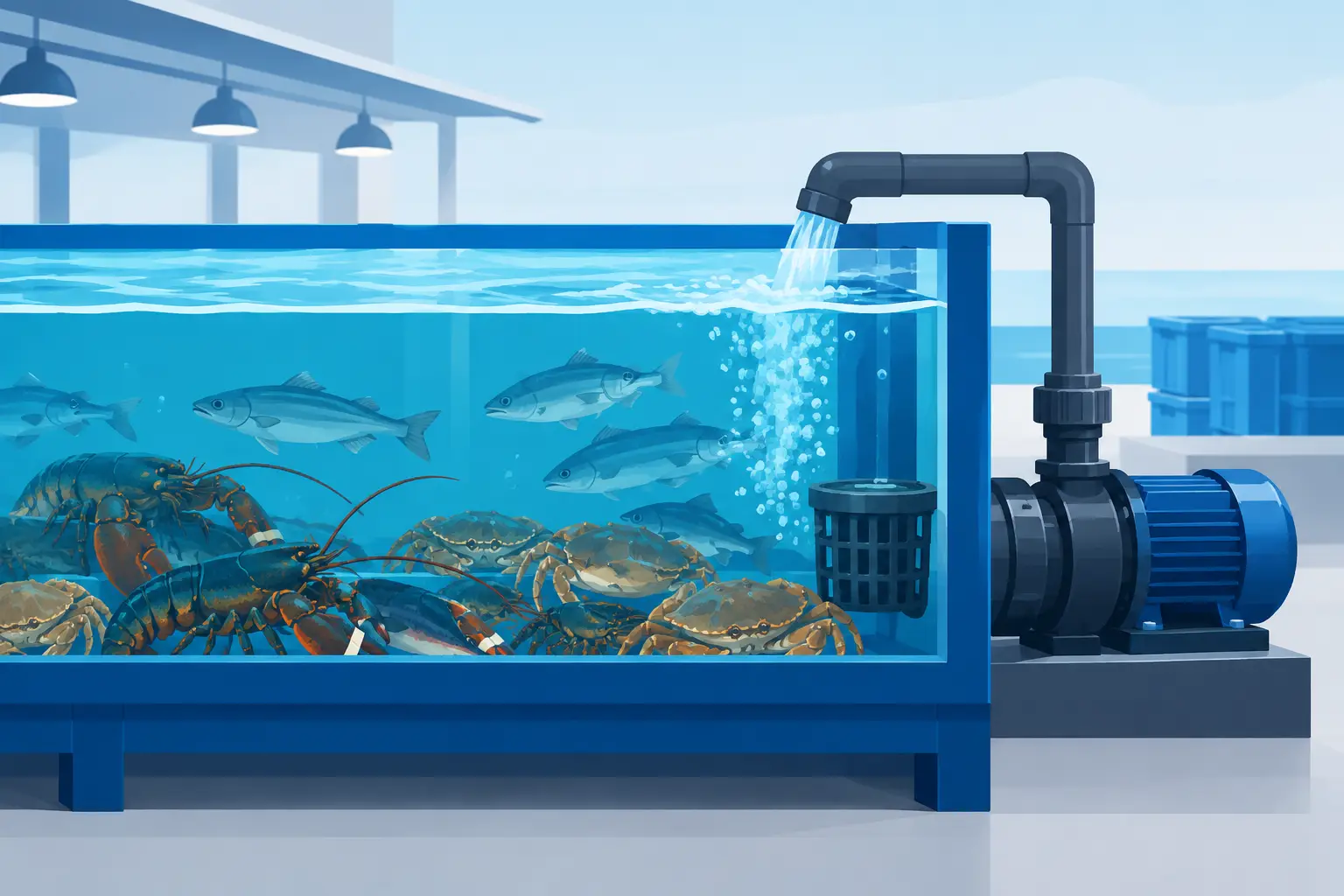
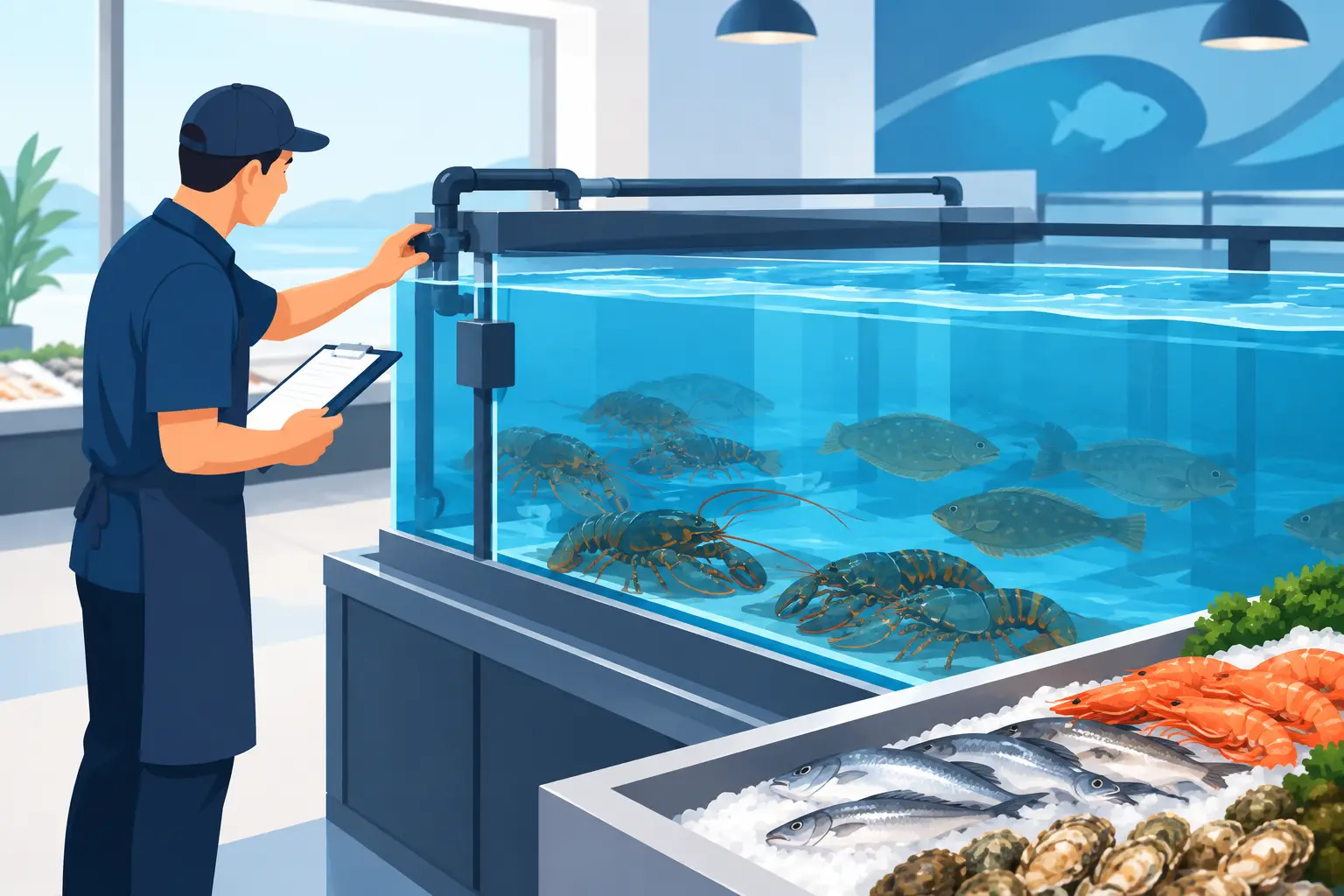
Every commercial live seafood system needs daily attention, even when a full service visit is not due. The person opening or closing the department should inspect the tank’s water clarity, temperature, circulation, aeration, water level, drain condition, and the condition of the animals. This takes minutes, but it is often the earliest warning that a pump, chiller, filter, or plumbing component is falling behind.
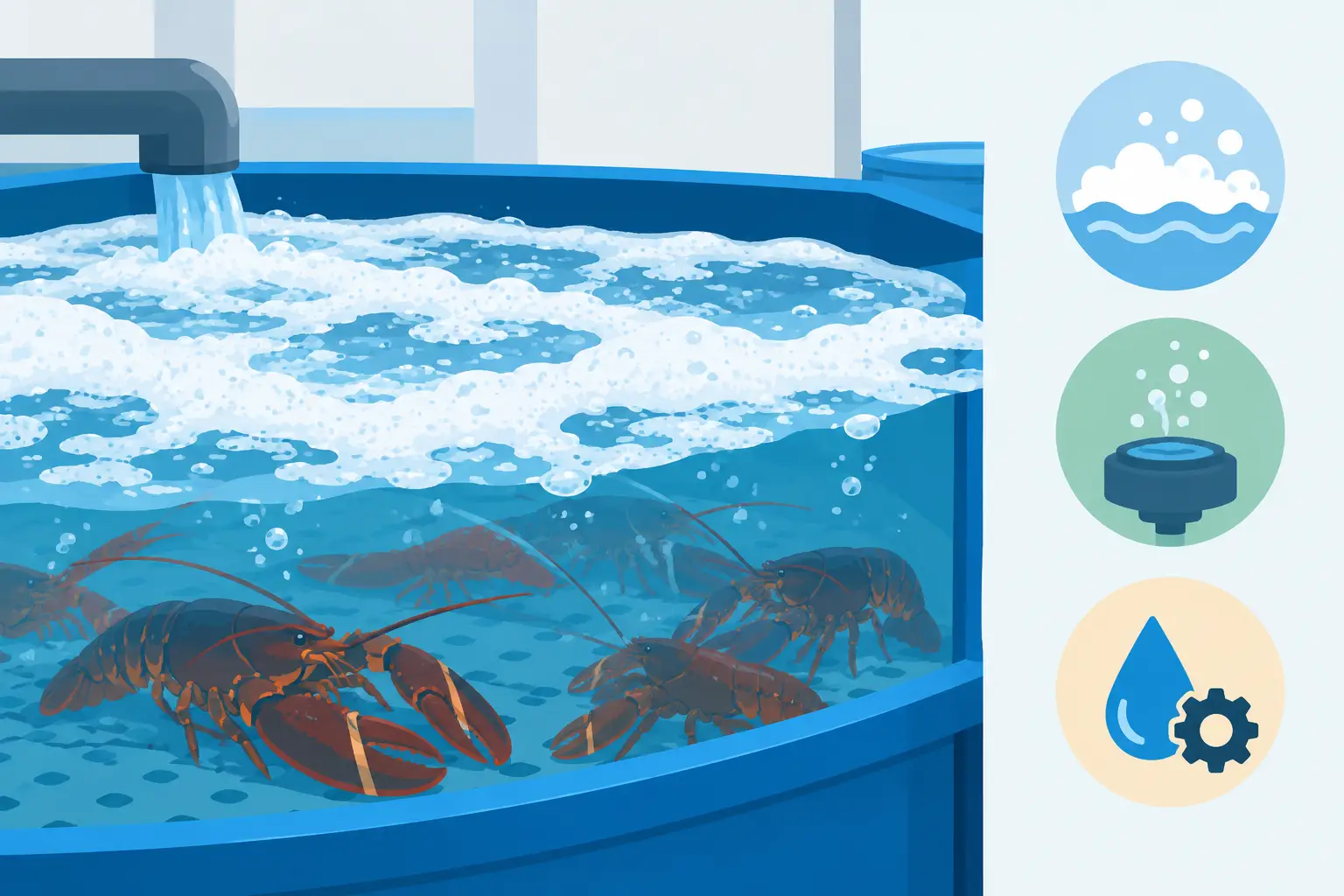
A tank that is suddenly noisier than usual, has reduced water movement, or develops surface foam may be showing the first signs of a filtration issue. Lobsters that are sluggish, crowded near a water return, unusually active, or showing elevated mortality need attention right away. Do not wait for the next scheduled maintenance date when livestock behavior has changed.
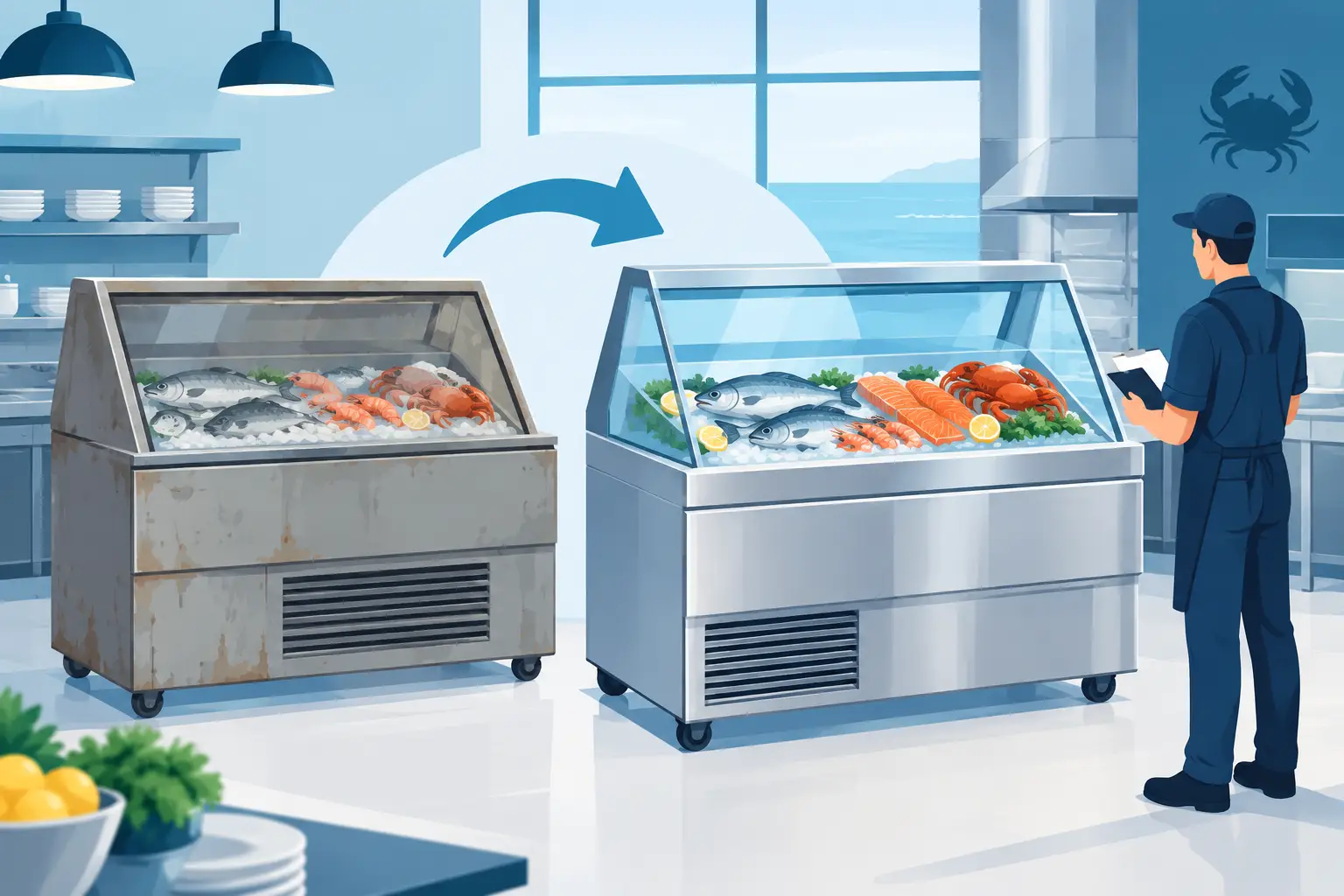
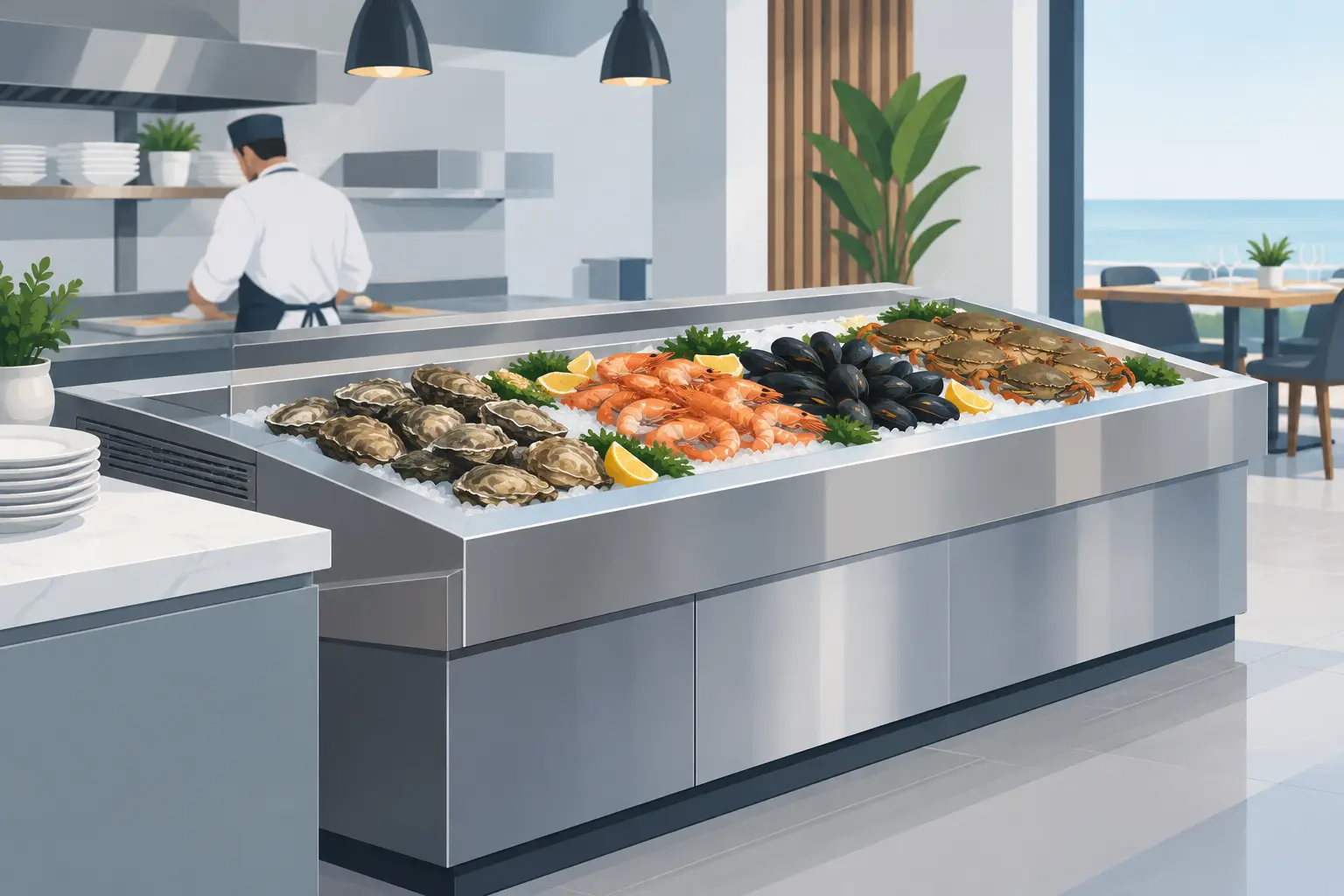
Daily checks also protect the visual standard of the seafood department. Customers judge freshness before they ask a question. Clear water, active healthy-looking product, and a clean tank front support confidence at the counter. A neglected display does the opposite, even if the product itself is still marketable.
The Preventive Service Schedule That Most Operations Need
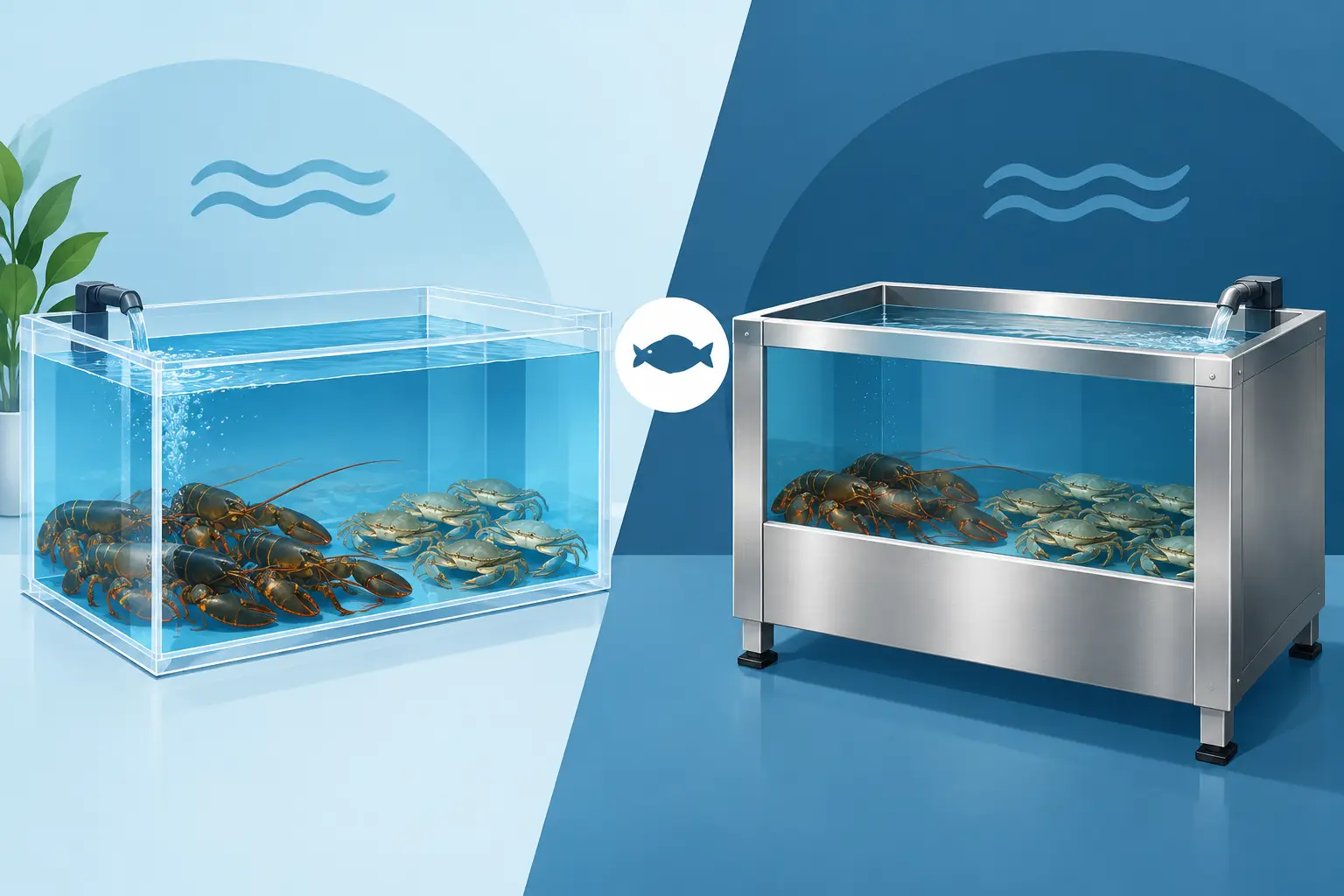
The exact service interval depends on the tank design, holding volume, species, sales turnover, store temperature, source-water quality, and how heavily the system is stocked. A high-volume supermarket tank holding lobster through busy holiday weekends will need closer attention than a lightly stocked specialty market display.
That said, commercial operators should plan around three levels of maintenance: daily operating checks, regular staff-level upkeep, and professional preventive service.
Daily: Inspect livestock and system performance
Check temperature and water movement at least once per shift. Look at the filter area, pump operation, water level, and tank exterior. Remove visible debris promptly, keep the display area clean, and record anything out of the ordinary. A simple log gives managers and service technicians useful information when diagnosing a recurring issue.
Staff should also confirm that feeding and handling practices match the system and species being held. Overstocking, excessive handling, and poor receiving practices can overwhelm a tank that is otherwise properly maintained.
Weekly: Clean the areas that affect presentation and flow
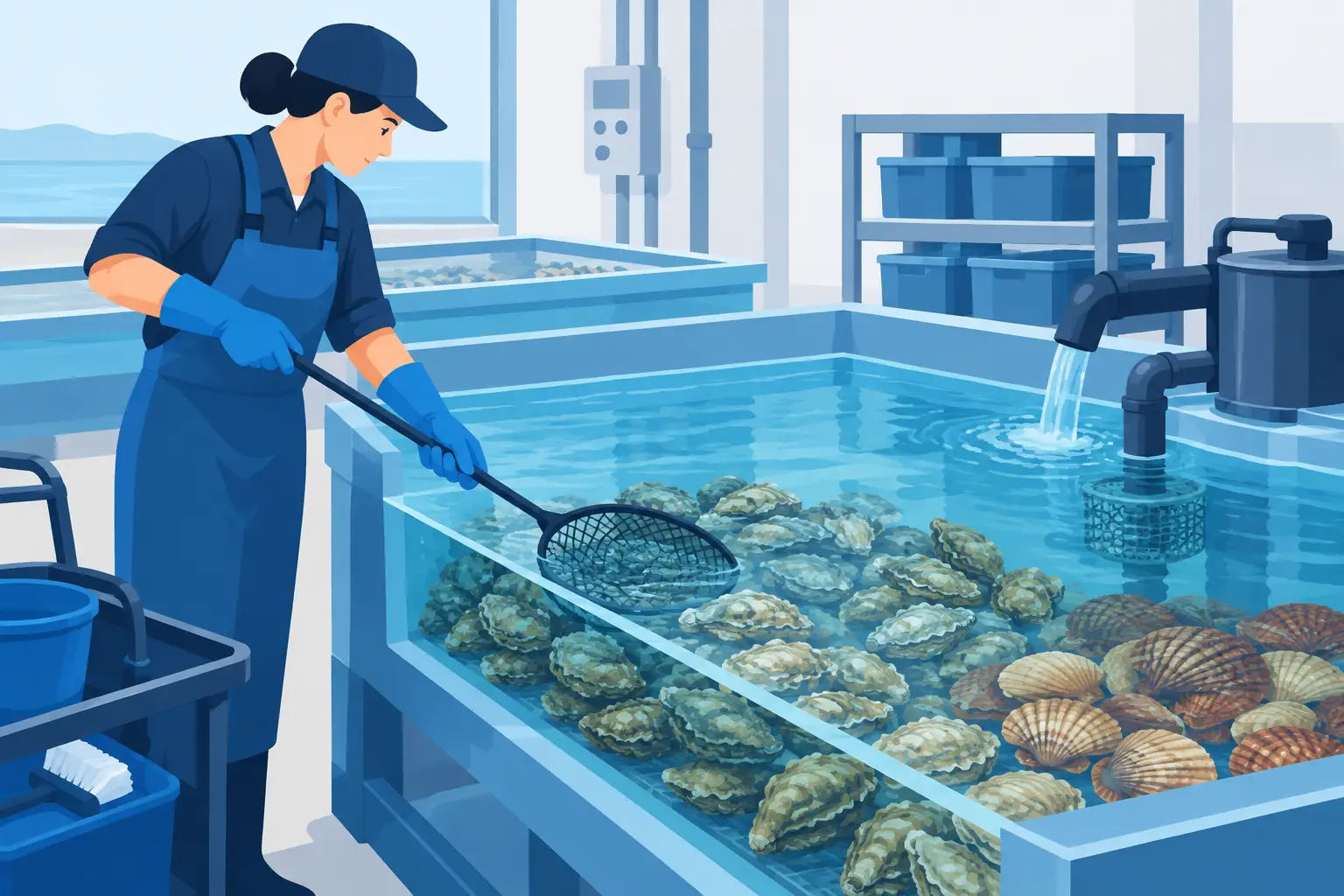
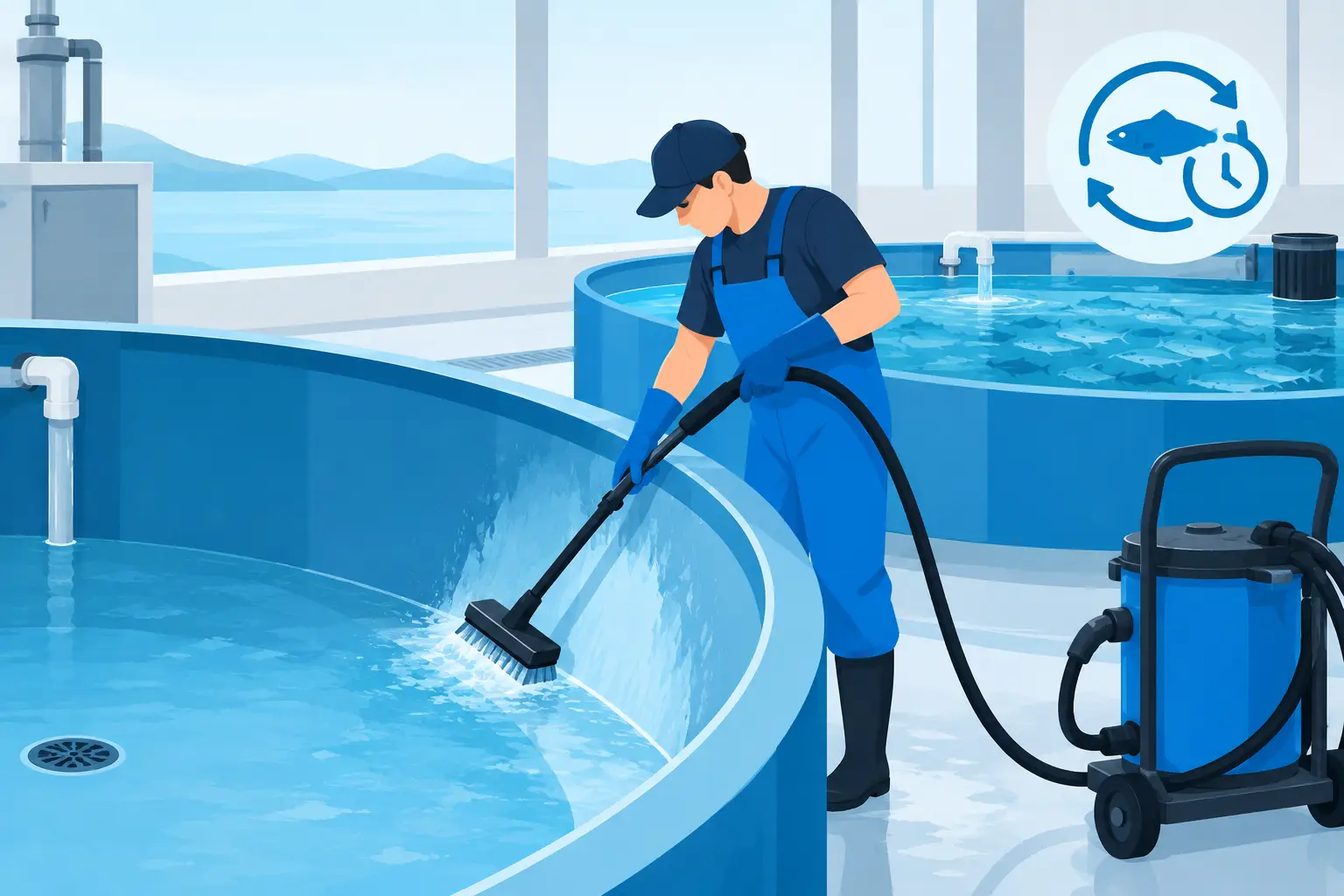
Weekly upkeep usually includes cleaning tank glass or acrylic, checking intake screens and drains, inspecting hoses and fittings for leaks, and removing buildup where it can restrict circulation. Depending on the system, staff may also need to inspect pre-filters or replace disposable media according to the manufacturer’s recommendation.
This is not the time to make random adjustments to salinity, chemicals, or filtration settings. Commercial seafood systems are balanced systems. Unplanned changes can create more stress for the animals than the condition an employee is trying to correct.
Monthly or as specified: Replace consumables and verify water quality
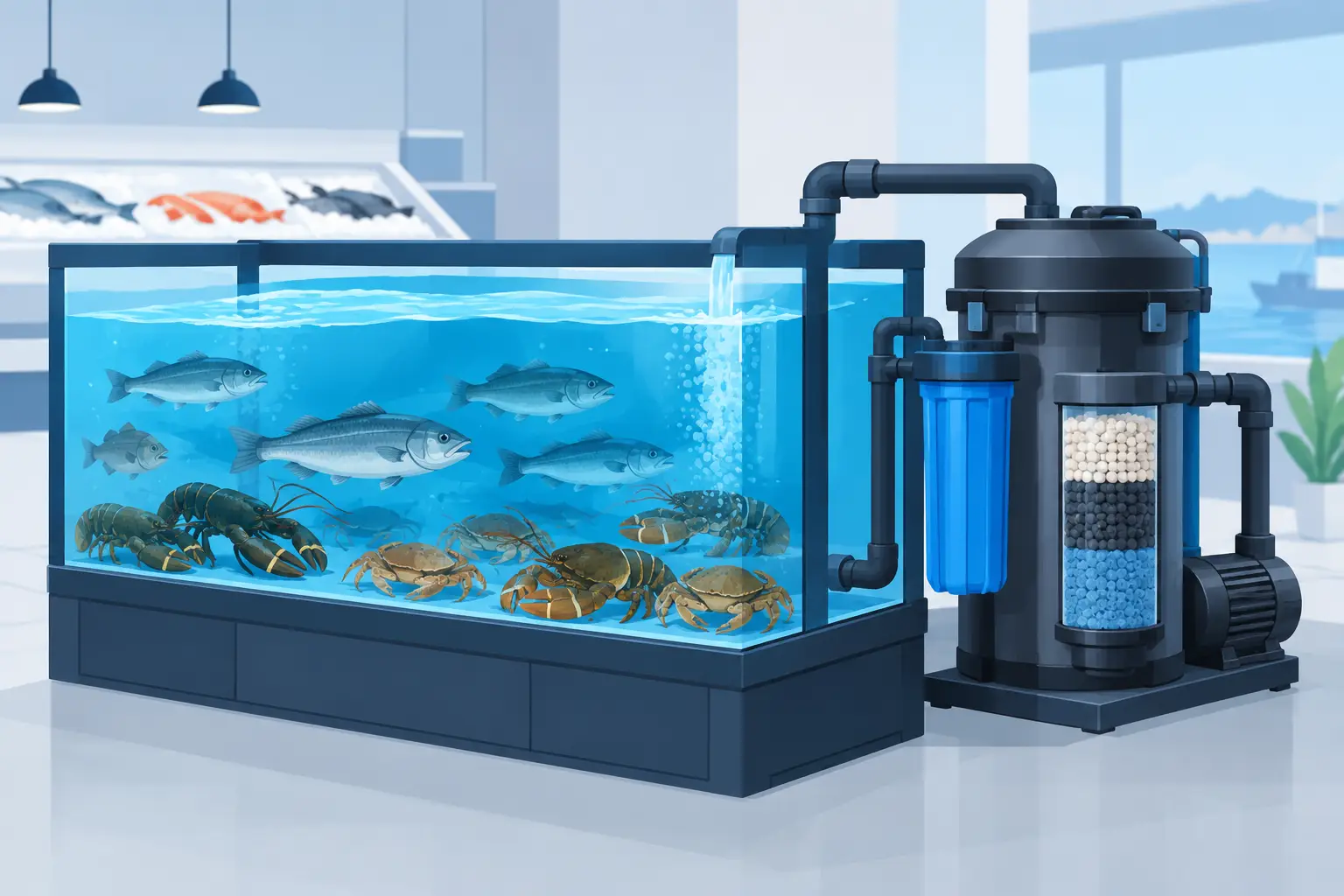
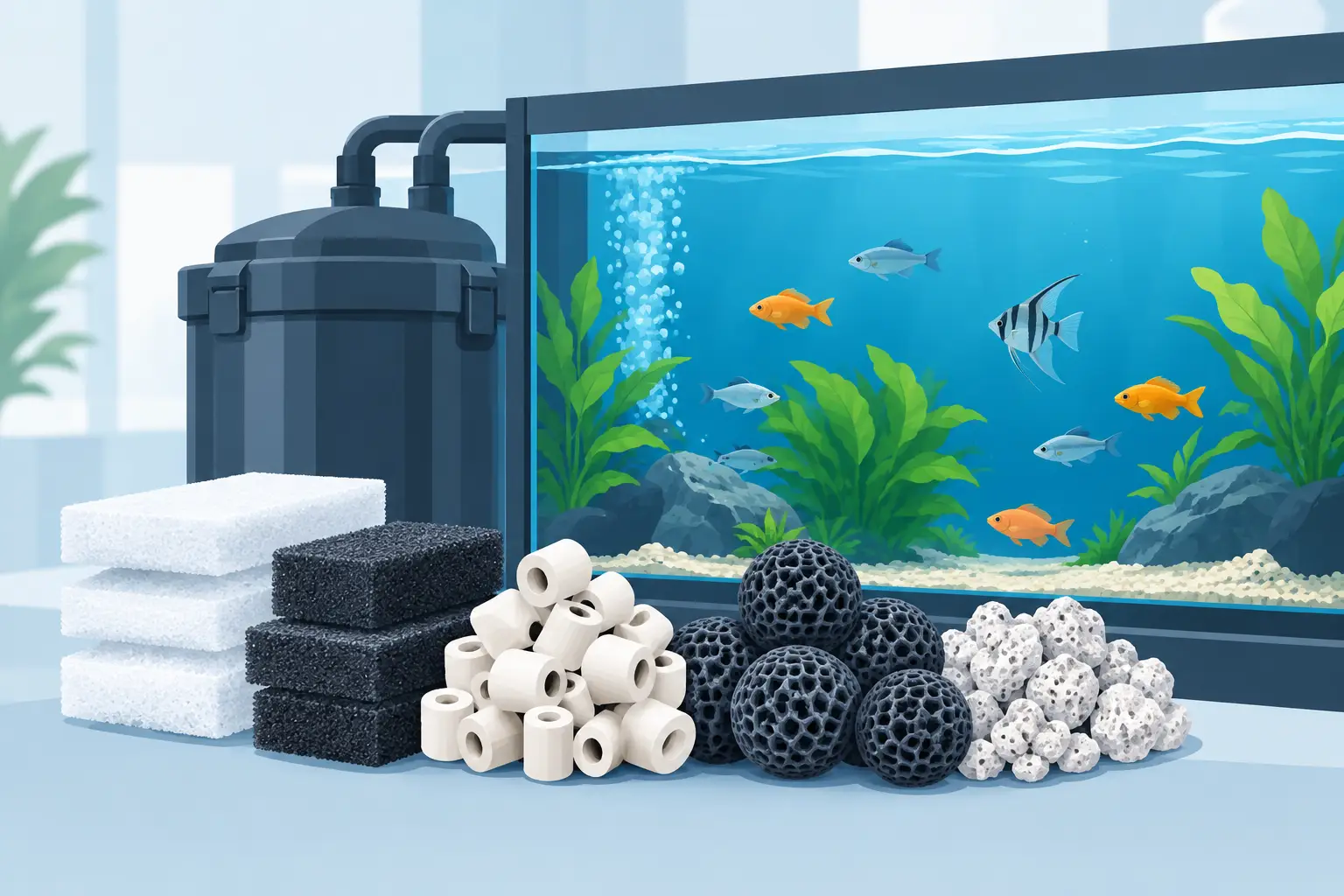
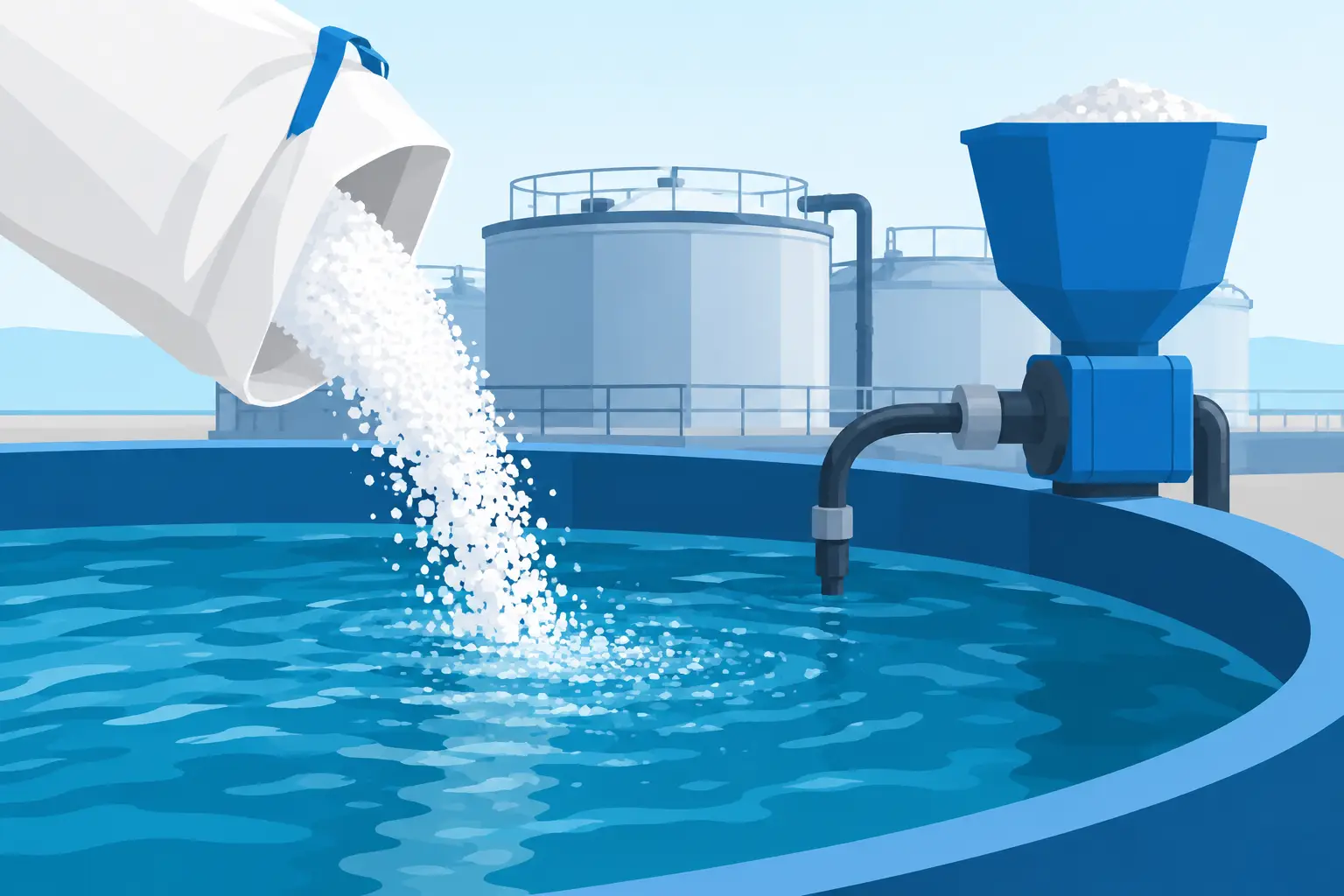
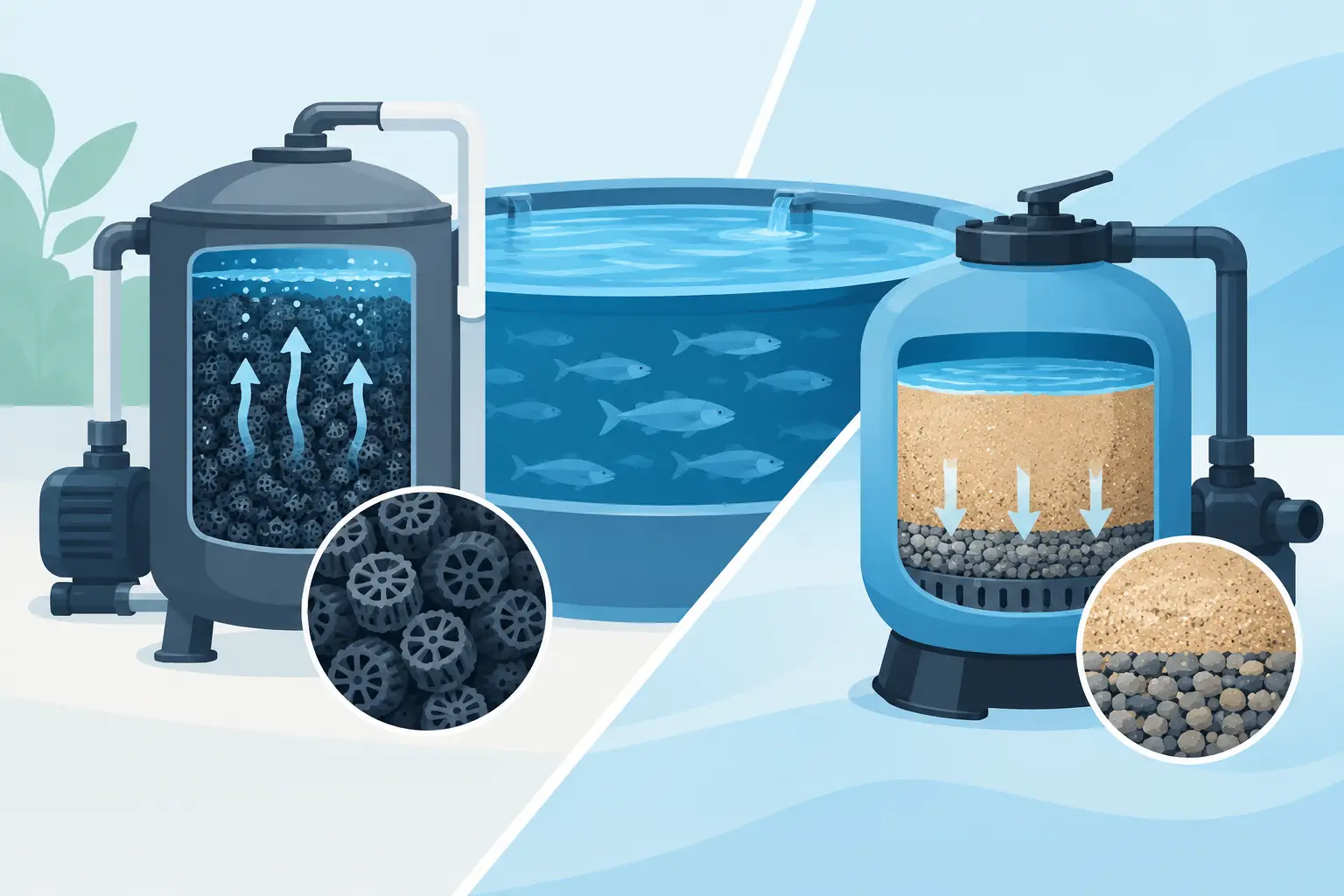
Marine salt, activated carbon, filter media, and other consumables need replacement on a dependable schedule based on tank load and manufacturer guidance. Carbon that is exhausted cannot continue to manage dissolved organics effectively. Filter media that is overloaded restricts flow and reduces the system’s ability to maintain stable water quality.
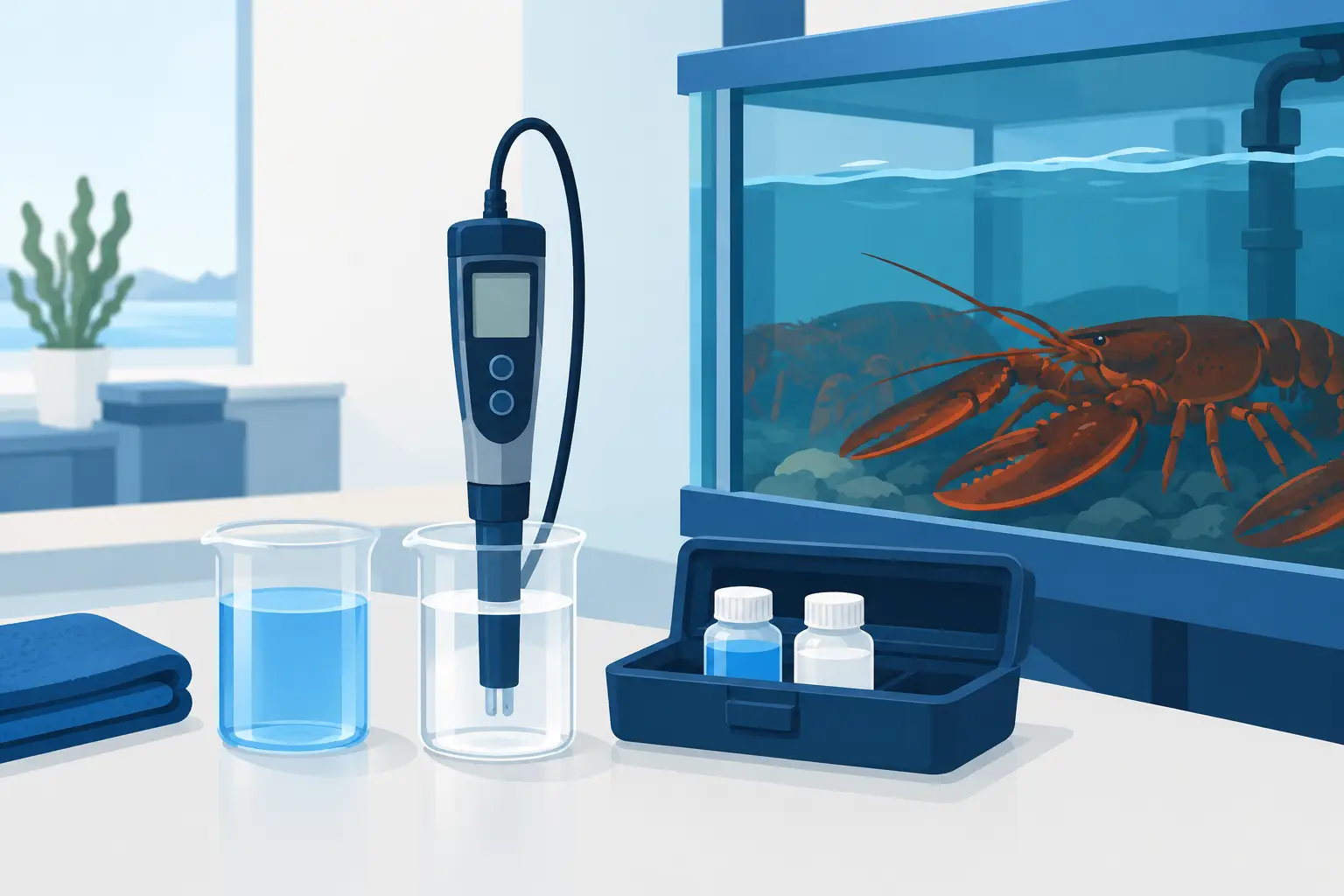
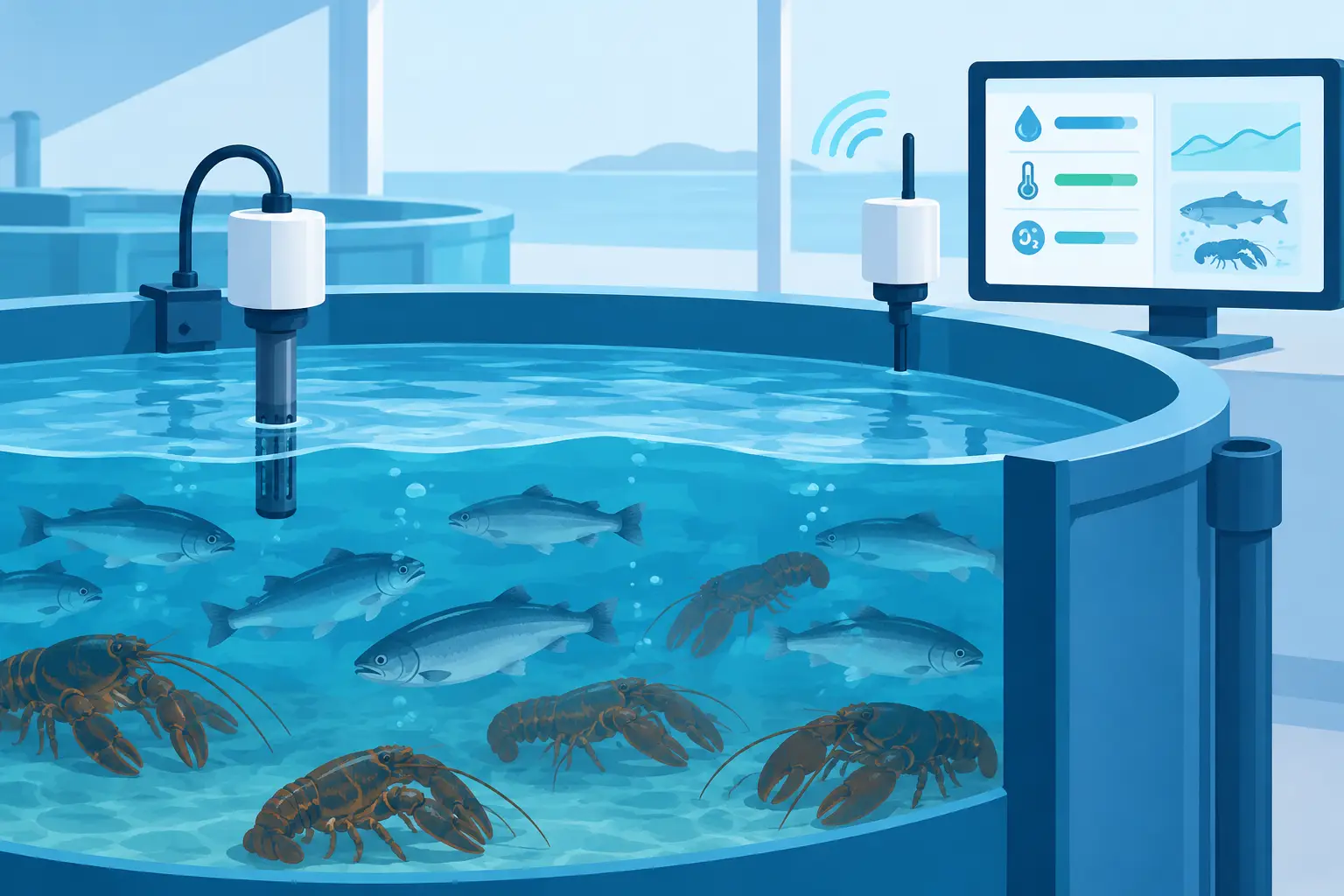
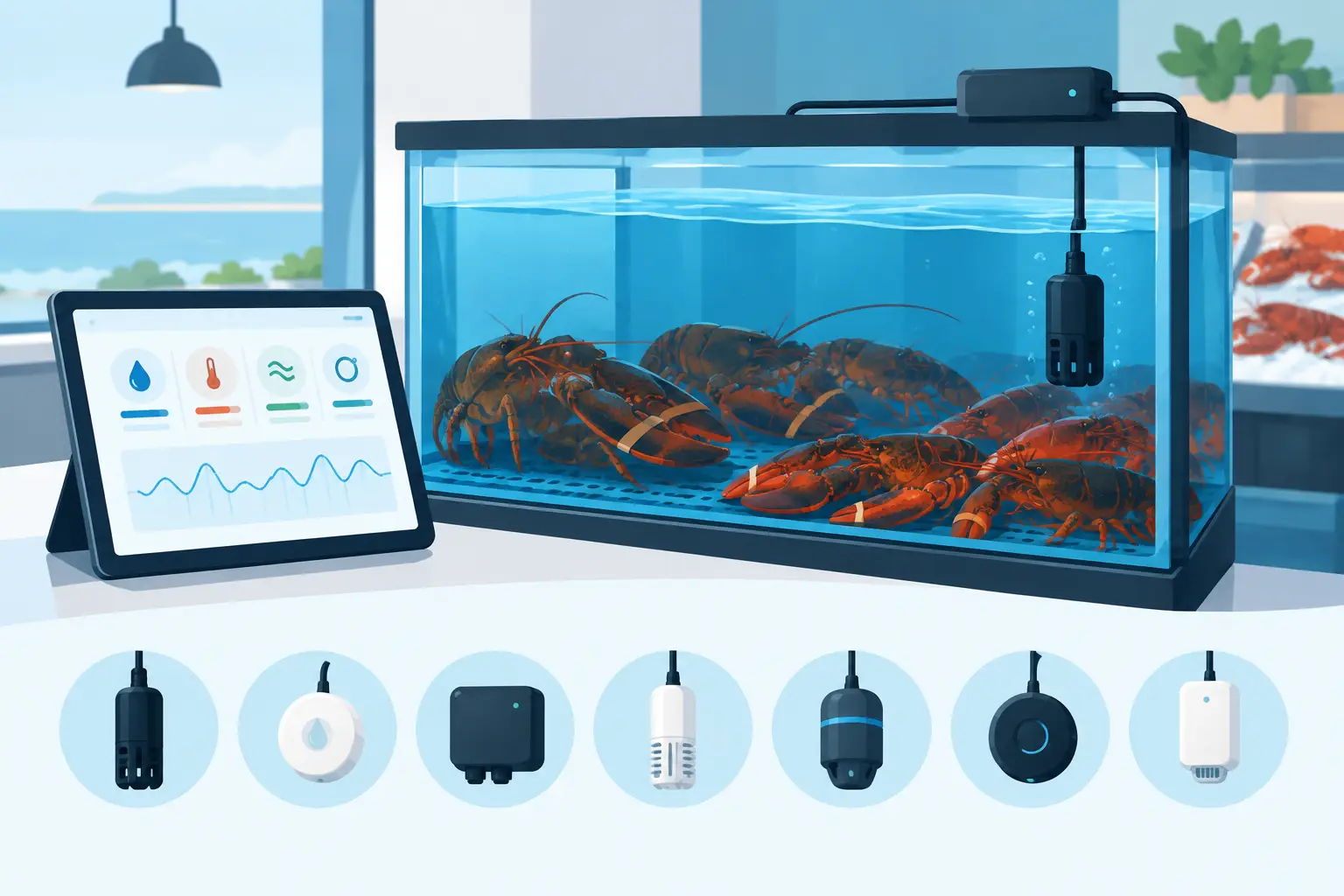
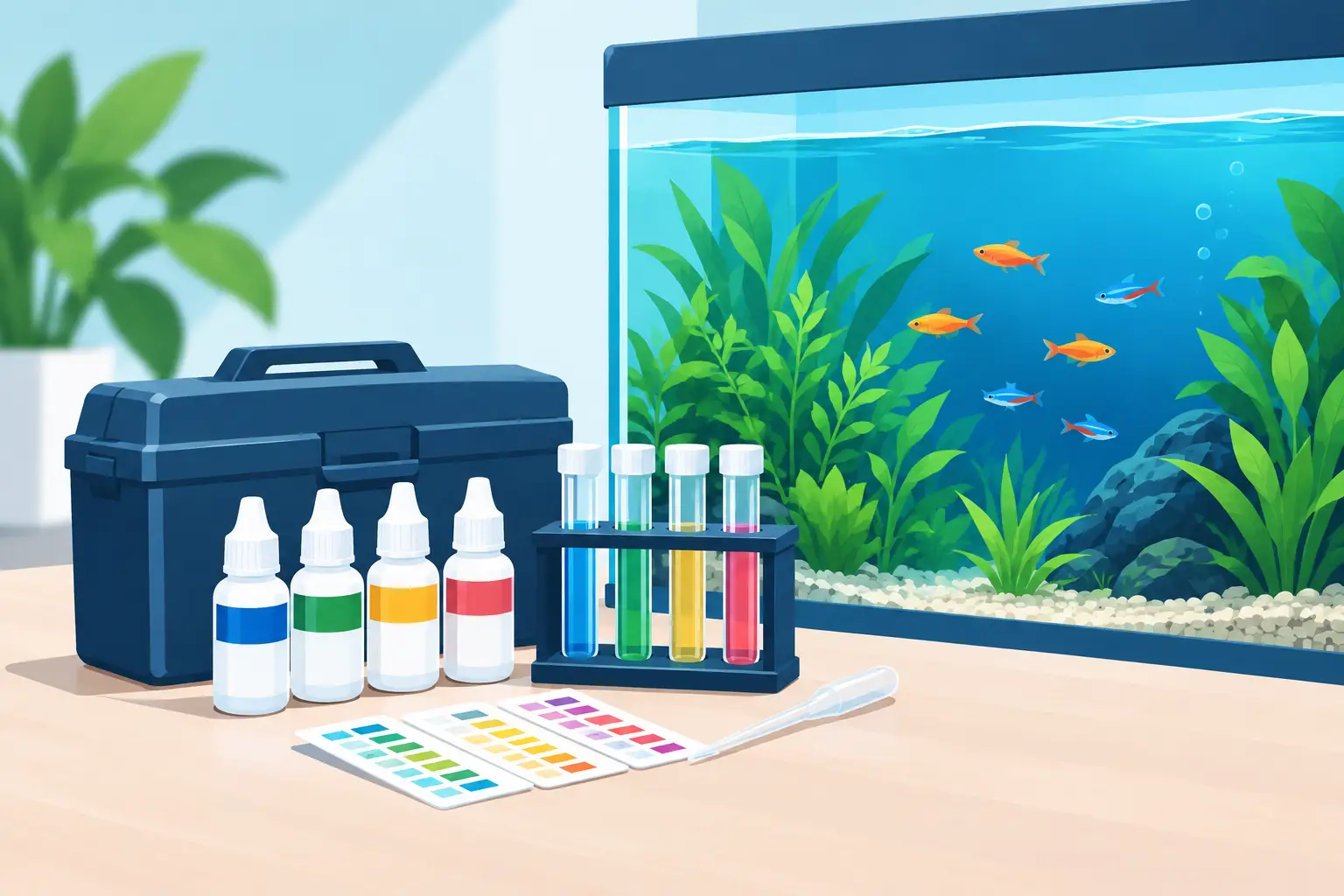
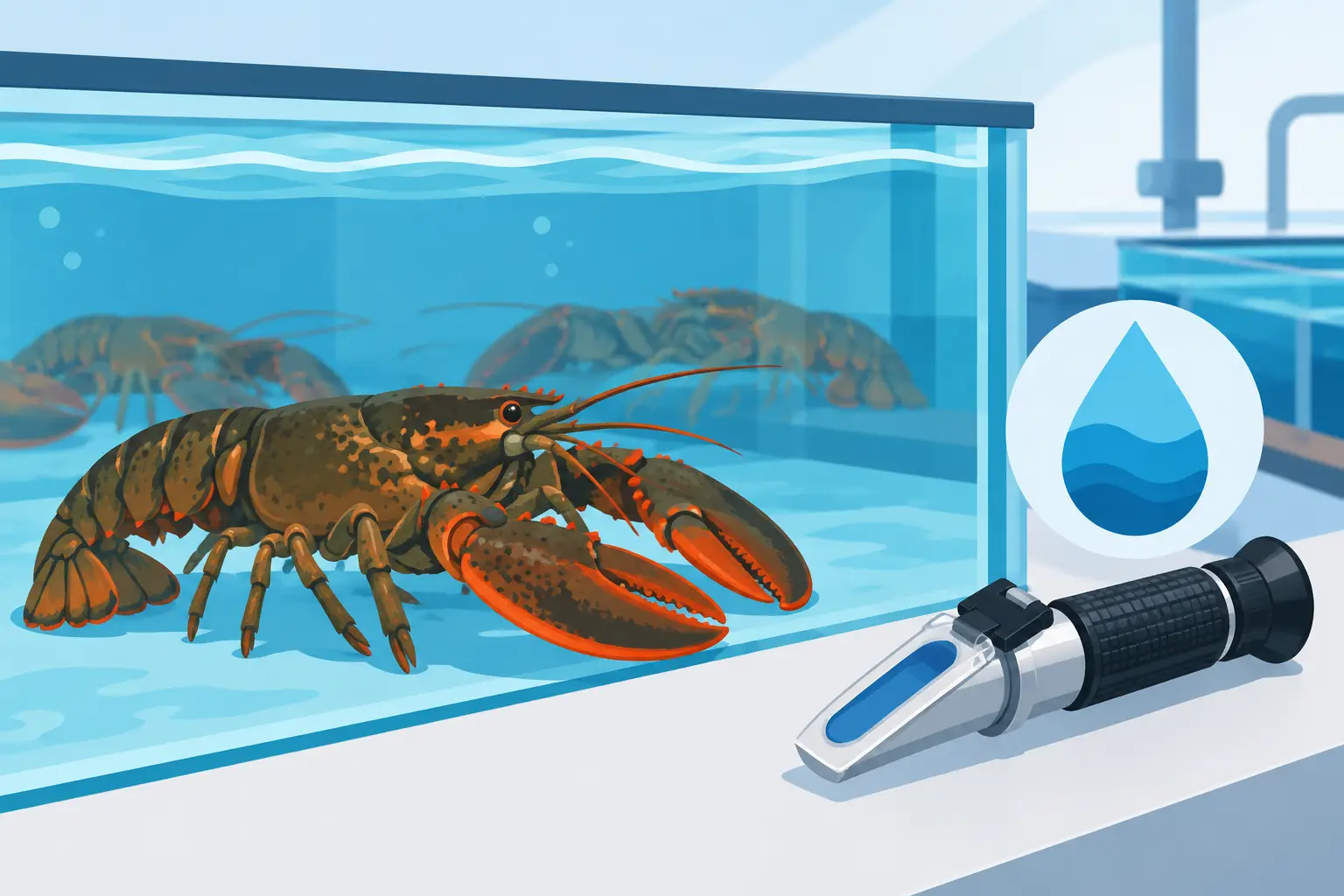
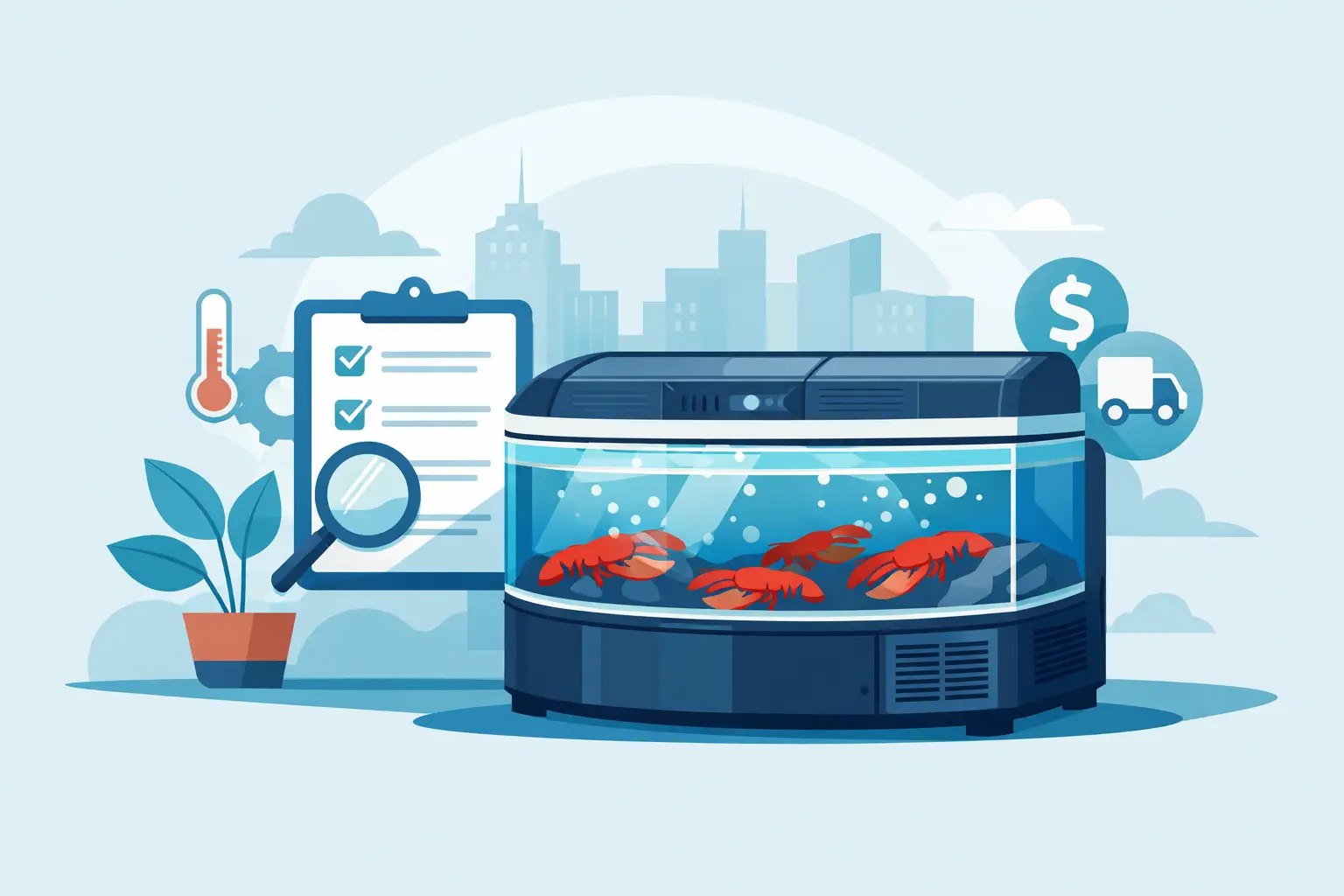
Water testing should be part of this process. Temperature, salinity, pH, ammonia, nitrite, and nitrate readings provide a clearer picture than appearance alone. Clear water is not always healthy water. A well-run seafood operation uses testing to catch problems before they show up as losses in the tank.
Quarterly or semiannually: Schedule professional preventive maintenance
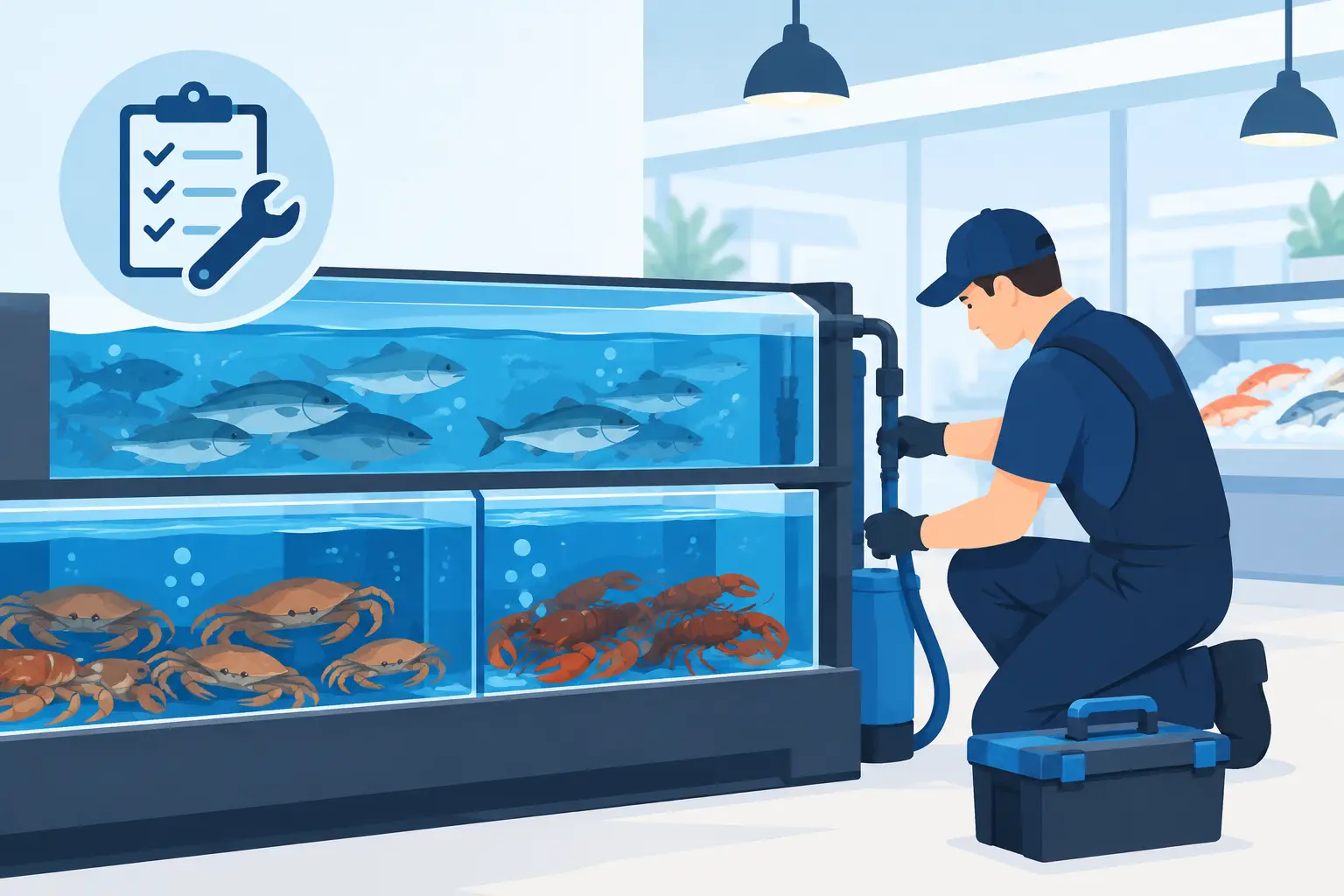
Most commercial operators benefit from a technician-led inspection at regular intervals, commonly quarterly or semiannually, depending on system size and workload. During preventive service, a qualified technician can inspect pumps, chillers, controls, plumbing, filtration performance, electrical connections, and wear items that staff may not see during normal operation.
This is where a service partner earns its keep. The goal is not simply to clean the tank. It is to identify equipment wear, declining performance, and supply needs before the system stops supporting the product you sell.
Service Immediately When These Warning Signs Appear
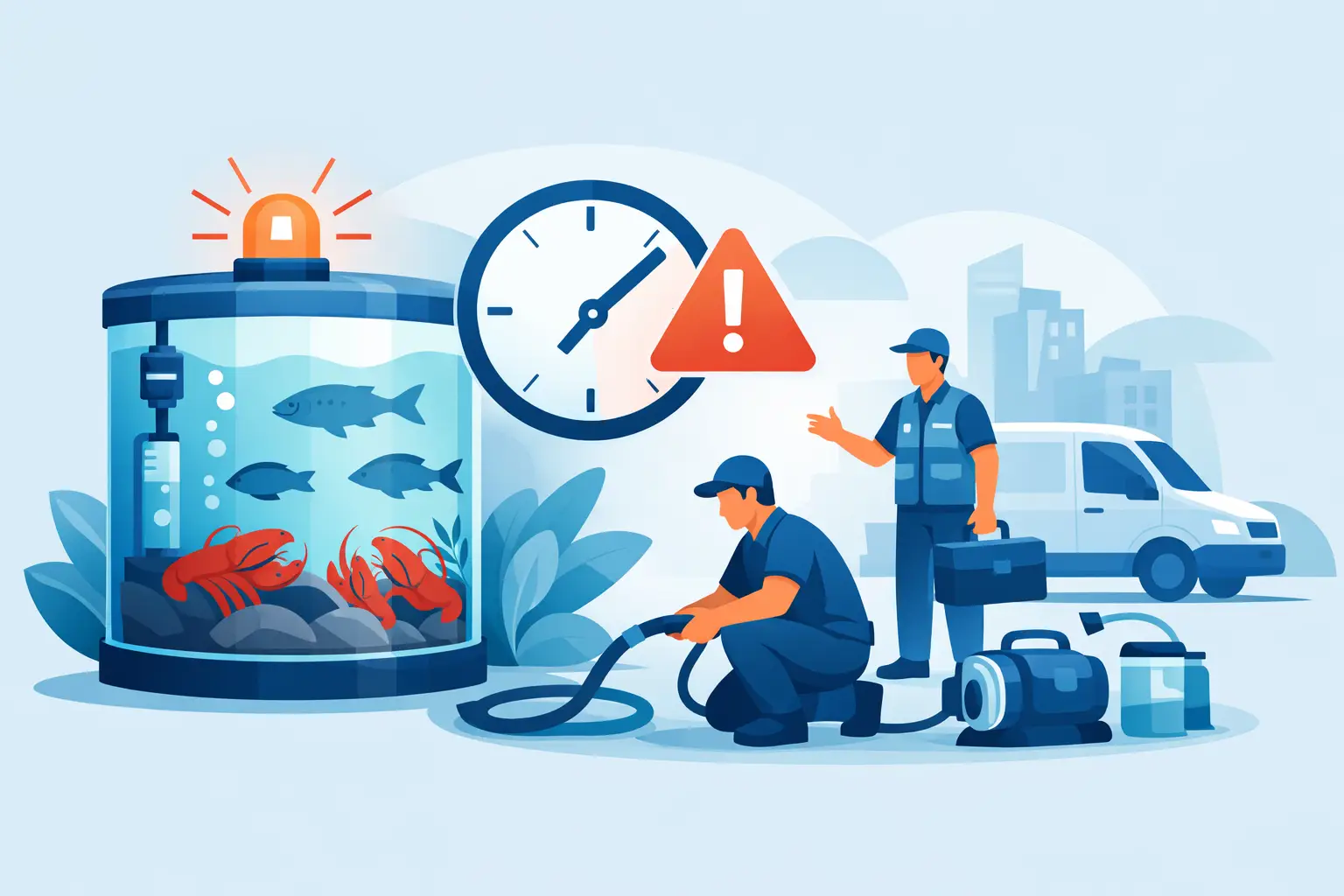
A routine schedule is the baseline. Certain conditions require same-day service or technical support because the risk to live inventory rises quickly.
Call for service when you see four or more of these conditions, or sooner if mortality is increasing:
- Water turns cloudy, discolored, or develops persistent foam.
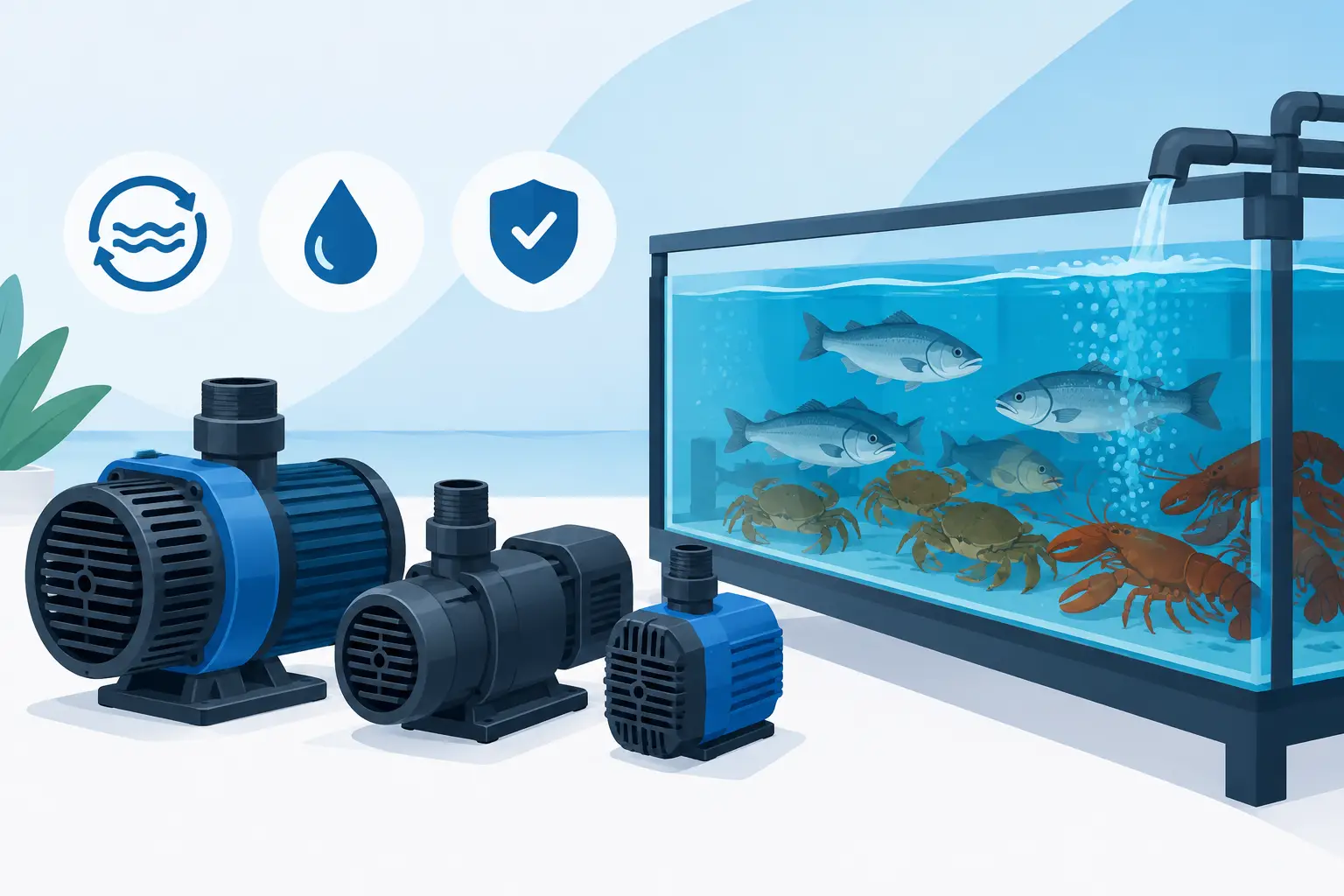
- Circulation, aeration, or water return flow is noticeably reduced.
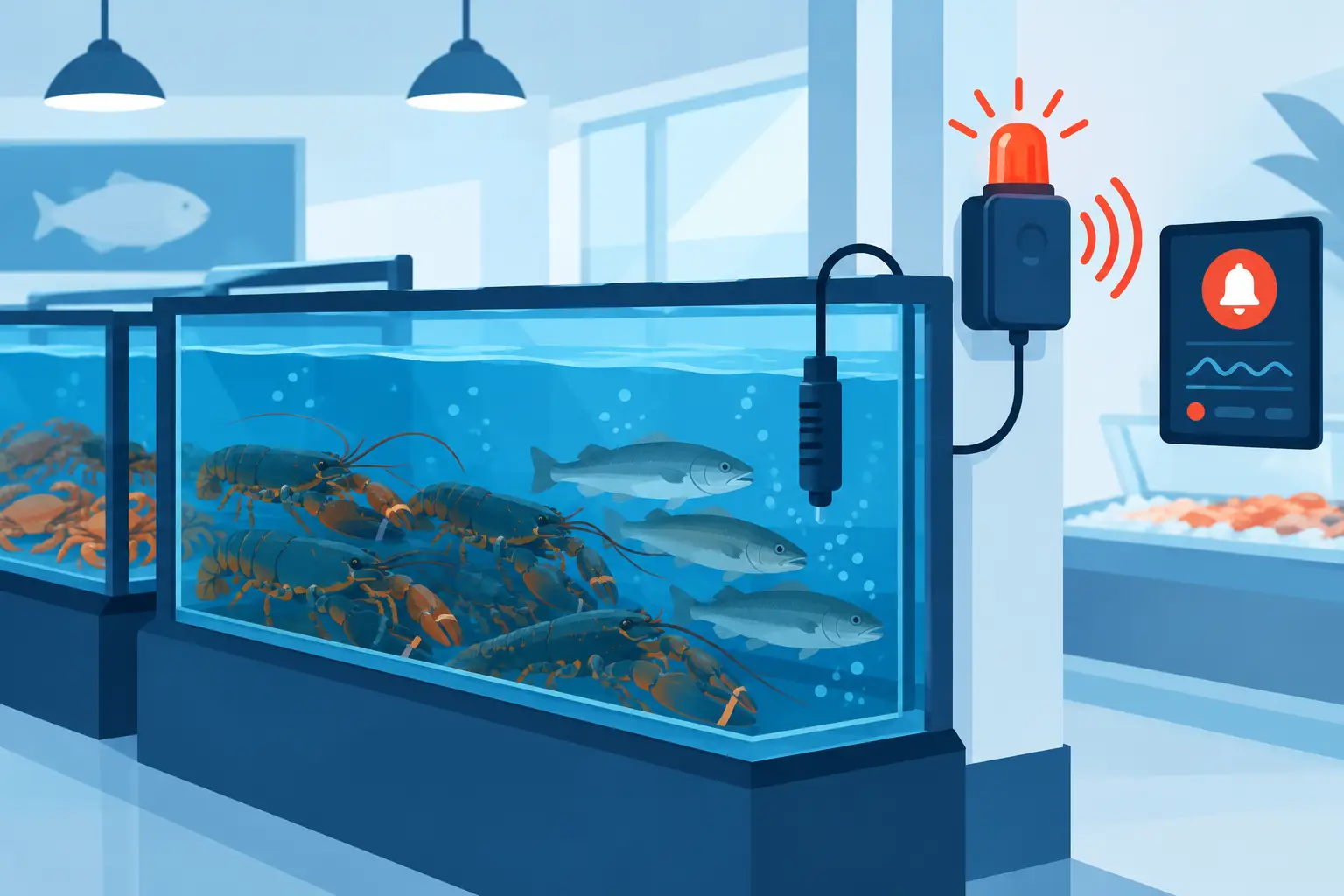
- A pump, chiller, alarm, or control panel is making unusual noise or fails to operate.
- Tank temperature or salinity moves outside the system’s intended range.
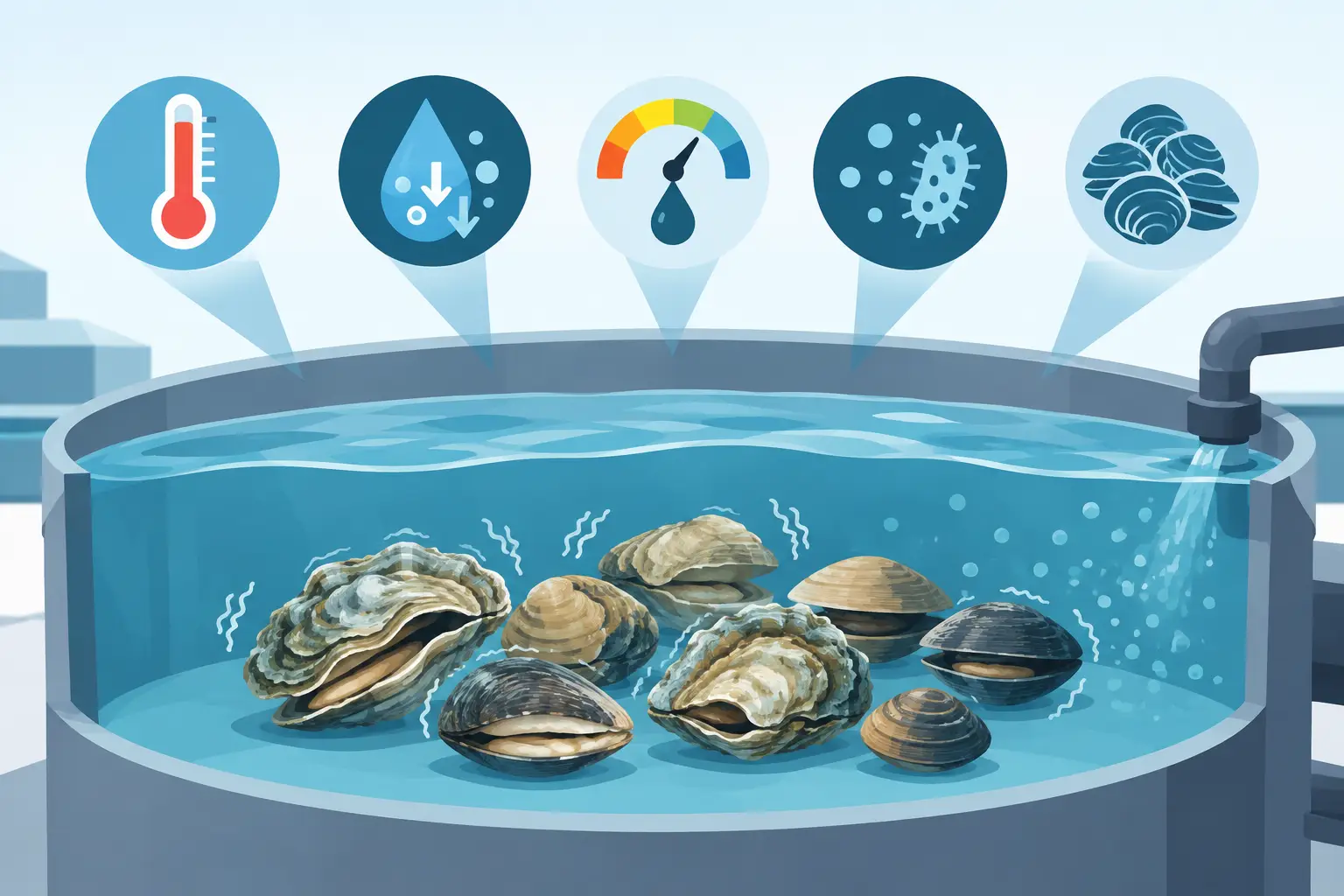
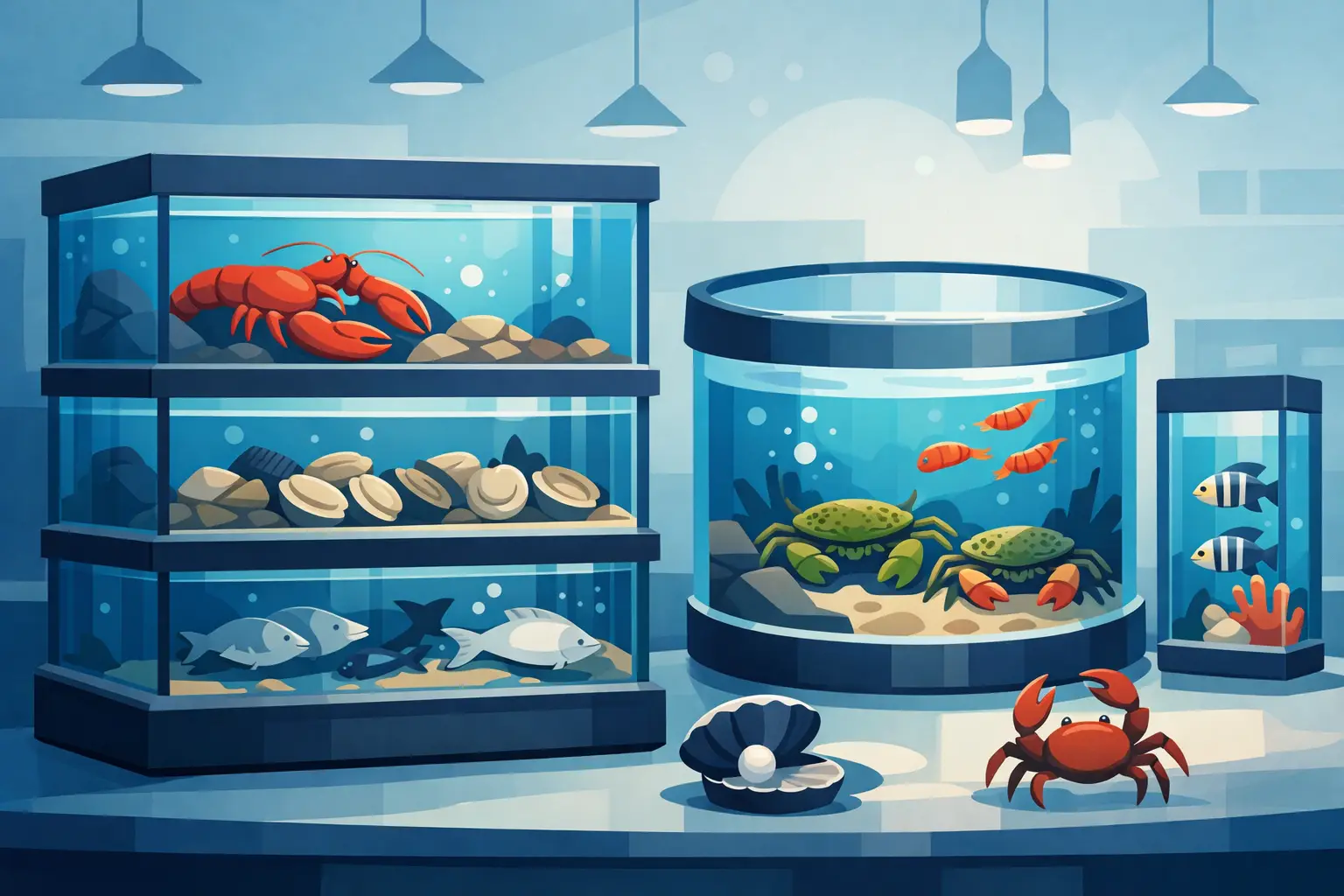
- Lobsters, shellfish, or fish show distress, unusual inactivity, or higher-than-normal losses.
- Water is leaking around fittings, plumbing, drains, or equipment connections.
- There is a strong odor from the tank, filter area, or holding system.
A service call is especially urgent after a power interruption, a refrigeration issue, a plumbing leak, or a major delivery that substantially increases the tank load. These events can change water conditions faster than a normal maintenance cycle can address.
Why Seasonal Demand Changes the Service Plan
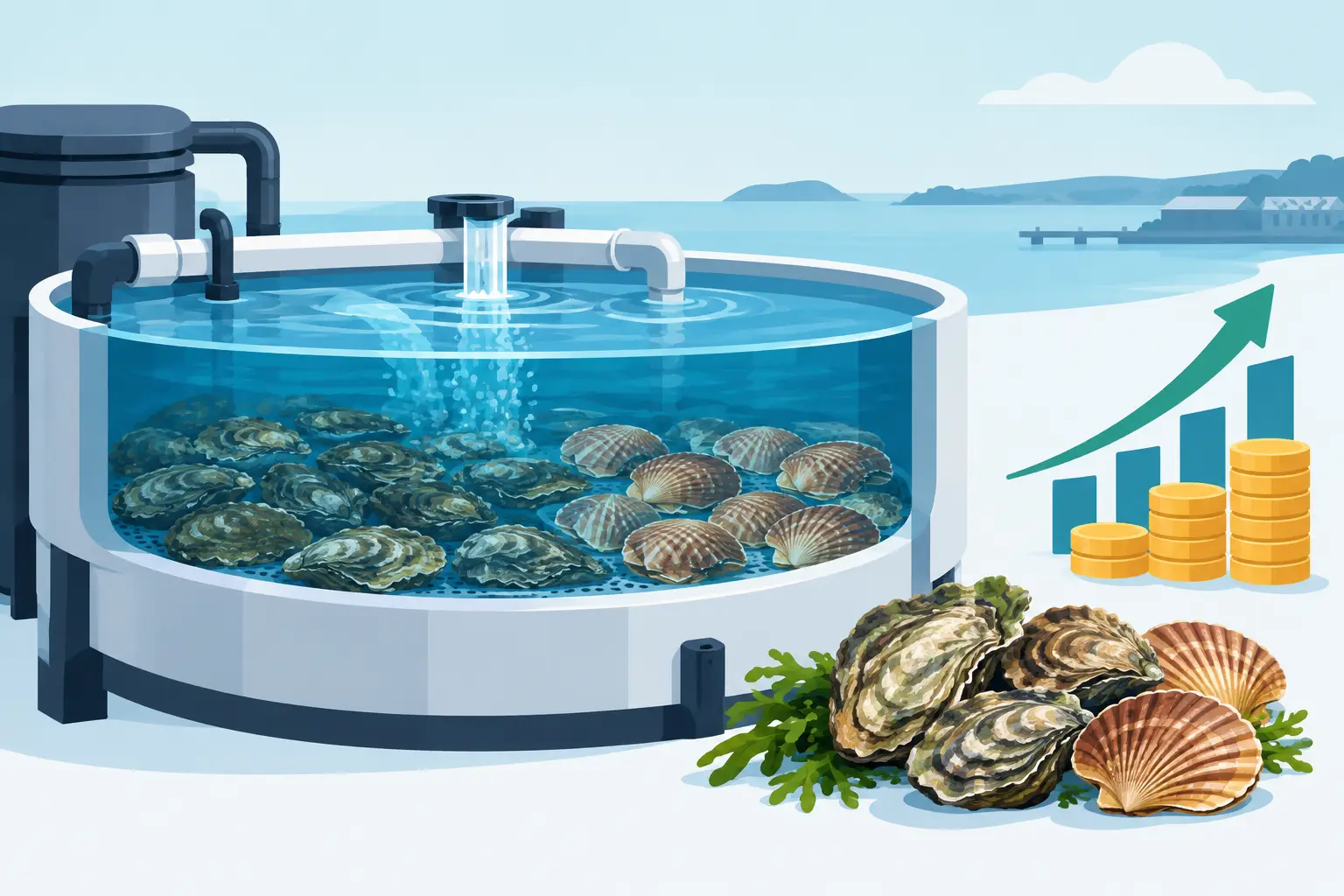
Seafood tanks do not experience the same workload all year. Holidays, summer tourism, promotions, and regional events can sharply increase live lobster and shellfish volume. More product in the tank means more biological load, more debris, and less margin for a pump or filter that is already underperforming.
Before peak sales periods, schedule a preventive inspection and confirm that your operation has the salt, carbon, filter media, and replacement parts it needs. Waiting until the Friday before a holiday weekend to discover a chiller issue or depleted filtration supply puts inventory and sales at risk.
After a high-volume period, service may also be necessary sooner than usual. Heavy turnover is good for sales, but receiving, holding, and handling larger quantities can create more demand on the system. The best schedule is responsive to how the tank is actually used, not just the date on the wall.
Do Not Treat Tank Cleaning as Complete Service
Wiping glass and changing water do not equal full commercial tank maintenance. In fact, excessive water changes or improper cleaning can destabilize a saltwater system. The filtration system, biological balance, water temperature, salinity, and circulation all work together.
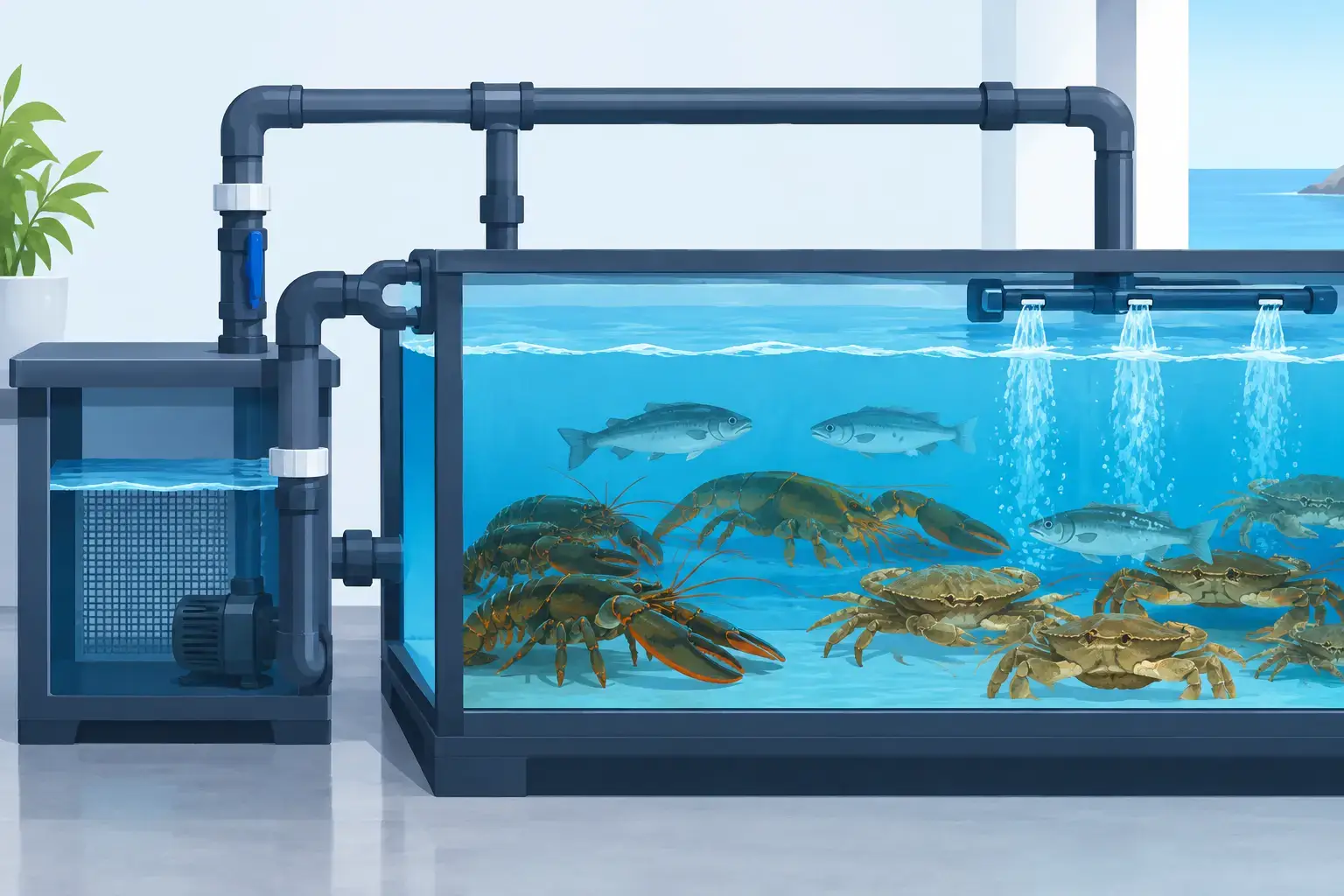
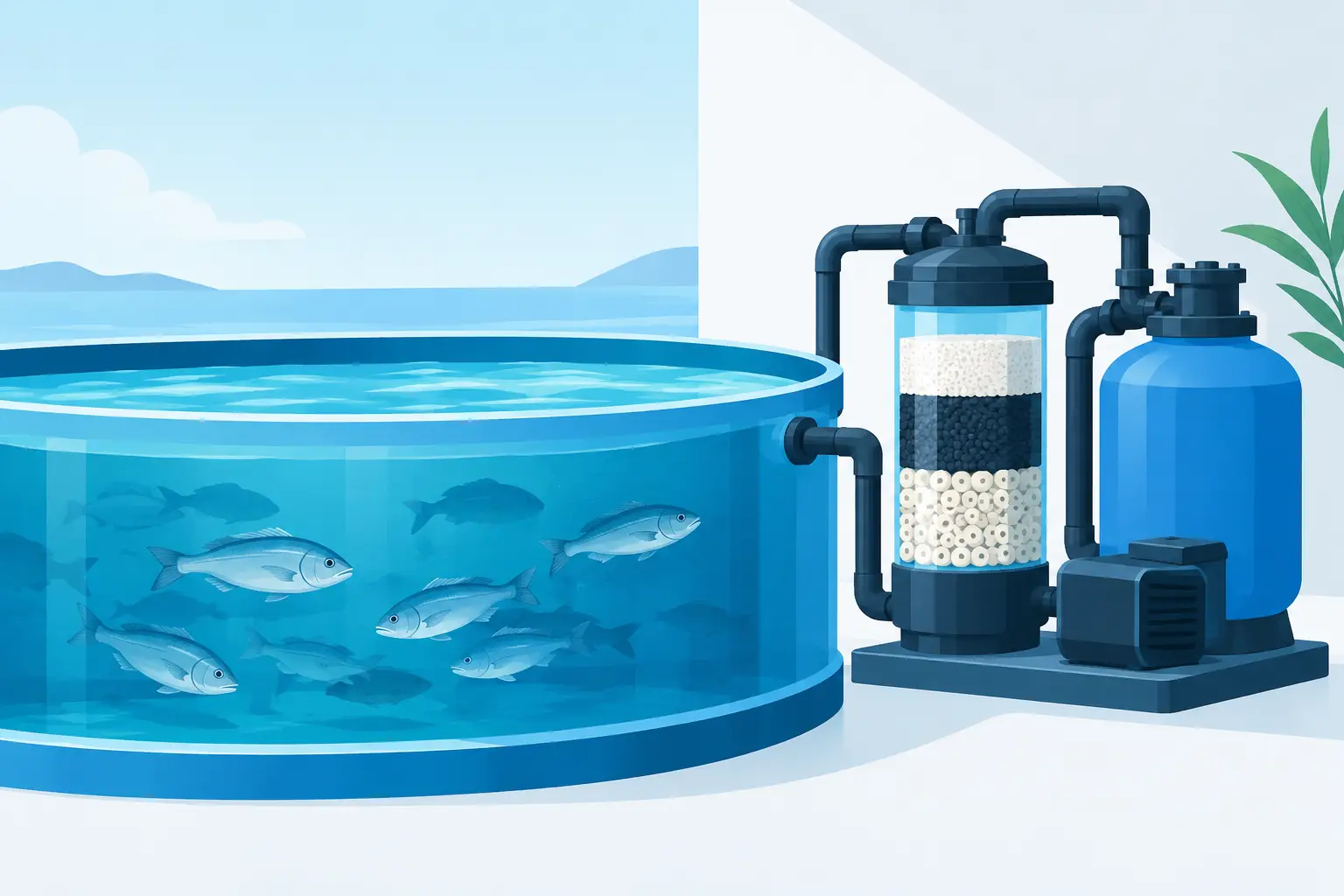
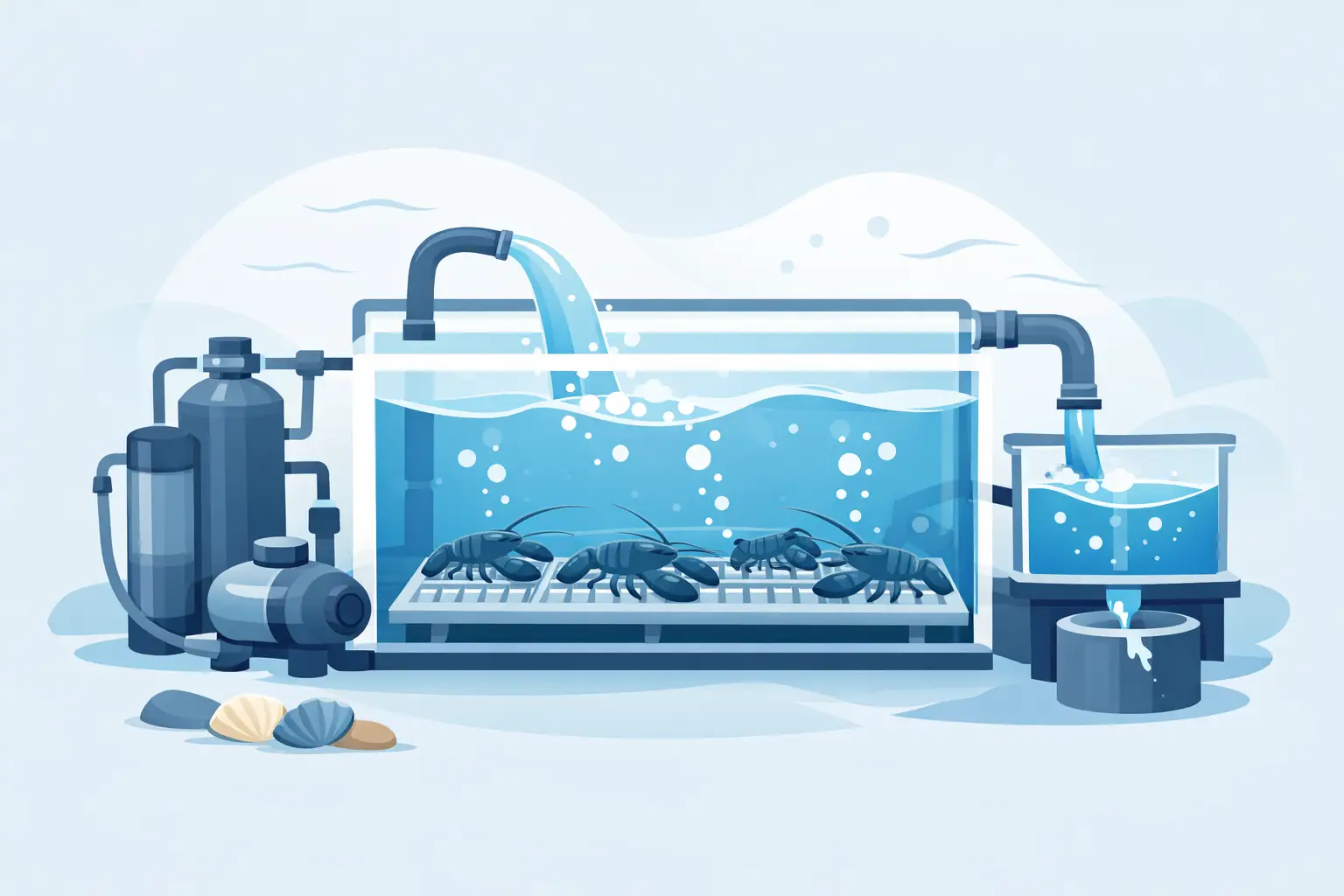
Professional service should address the complete operating system: tank condition, filtration media, pumps, refrigeration or chilling components, plumbing, electrical connections, controls, and water quality. For self-contained lobster purging systems, correct operation is particularly important because the system is designed to maintain the environment needed for healthy, market-ready product.
The right approach also depends on whether the issue is routine maintenance or equipment failure. Staff can handle basic cleaning and observation when trained. Electrical troubleshooting, pump replacement, chiller diagnosis, leaks, and recurring water-quality problems require a qualified technician who understands commercial live seafood systems.
Build Accountability Into the Maintenance Plan
The strongest tank programs assign clear responsibility. A department manager should own daily checks and logs, while facilities or operations leadership should ensure preventive service, supply replenishment, and repair approvals do not fall behind. If nobody owns the schedule, the tank is usually serviced only after it becomes a problem.
Lobster Life Systems supports commercial operators with custom-built systems, marine salt, filtration supplies, technical support, and maintenance service from one experienced source. That matters when a tank issue affects inventory, labor, and the customer experience all at once.
A seafood tank should never have to fail to get attention. Put the service schedule in place, train staff to recognize the early signs, and treat every change in water quality or equipment performance as a chance to protect tomorrow’s sales.